
How Far Your Retirement Dollar Can Really Go
One of the biggest surprises people have when they start looking at retirement abroad is just how far their money can stretch outside the US or Western Europe. In many countries, rent is lower, groceries cost less, healthcare is dramatically cheaper, and everyday services don’t feel like a financial gut punch. Using cost-of-living data and retiree reports, we've figured out the 20 countries that don't put a strain on retirees' wallets.

20. Spain
Spain isn’t the cheapest country on this list, but it still offers strong value compared to much of Western Europe. Retirees living outside major cities like Madrid or Barcelona often spend around $2,000–$2,500 per month. Healthcare is a major plus here, with a highly rated public system and affordable private insurance options. If you’re flexible about location, Spain can feel very livable without feeling “budget” at all.
 Justraveling.com, Wikimedia Commons
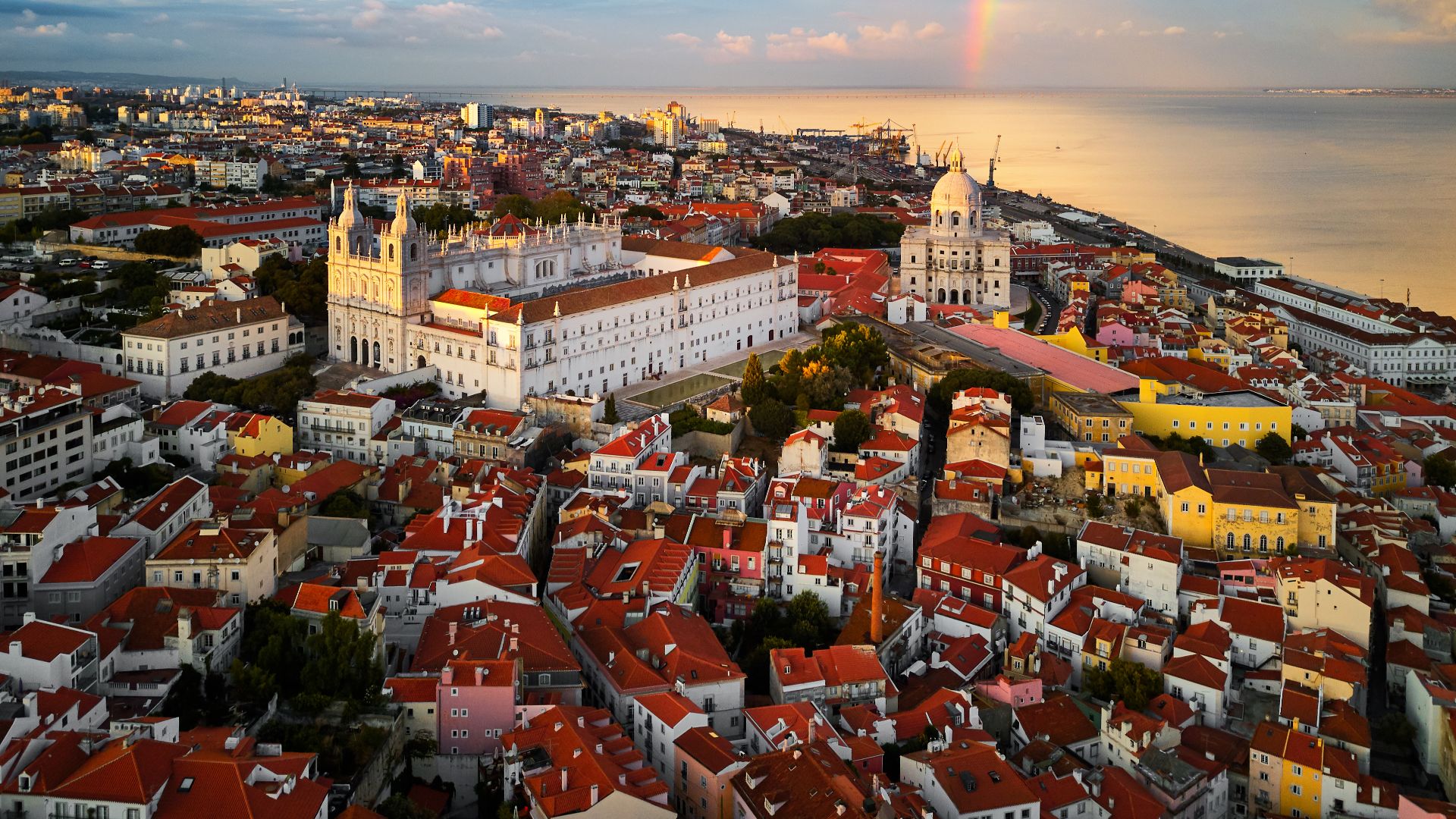
19. Portugal
Portugal continues to attract retirees thanks to its safety, slower pace, and manageable costs. Outside Lisbon and Porto, monthly expenses often land between $1,800 and $2,300. Healthcare is excellent, with residents able to access public care and private insurance that’s far cheaper than in the US, Portugal’s expat infrastructure makes settling in easier than many people expect.
18. Costa Rica
Costa Rica appeals to retirees who value nature and stability. Costs vary widely depending on whether you’re near the coast or inland, but many retirees live comfortably on $1,800–$2,500 per month. The public healthcare system is solid and accessible to legal residents, while private care is affordable and widely used by expats.

17. Ecuador
Ecuador consistently shows up on “best value” retirement lists, and for good reason. In cities like Cuenca, many retirees live on $1,200–$1,600 per month. Healthcare is inexpensive, with private insurance often costing under $100 monthly. Utilities, groceries, and transportation are all low-cost, which helps keep budgets predictable.
 Natalia Cartolini, Wikimedia Commons
16. Colombia
Colombia offers warm climates, improving infrastructure, and low living costs. Retirees in places like Medellín often spend $1,300–$1,800 per month. The country has a universal healthcare system residents can join, and private healthcare is both affordable and well-regarded. Many expats are surprised by how modern medical facilities are in larger cities.

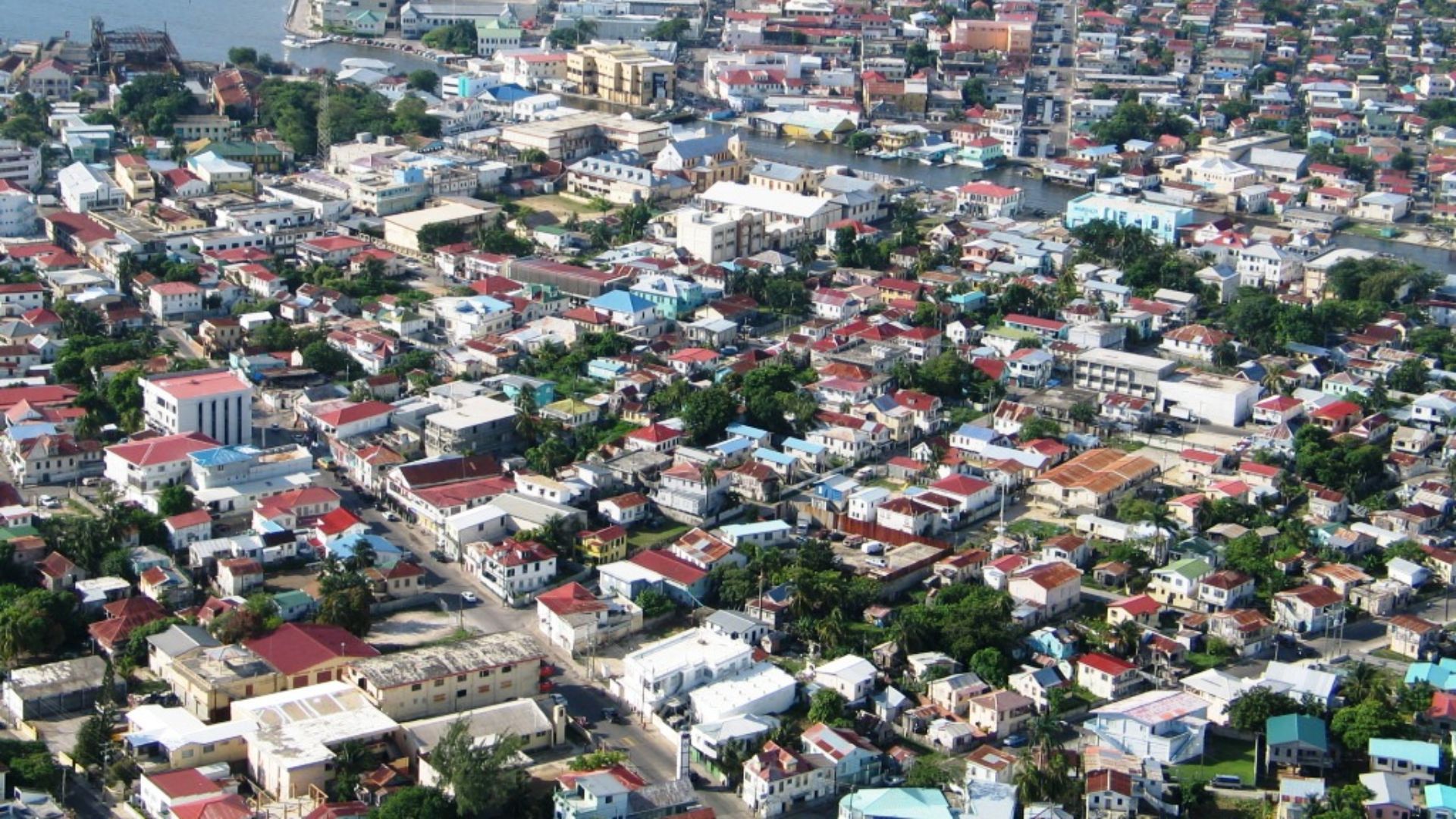
15. Belize
Belize is popular with retirees who want English-speaking communities and a laid-back lifestyle. Costs are higher than some nearby countries, with monthly budgets often between $1,800 and $2,400. Healthcare is basic locally, so many retirees budget for private care or medical travel, but the ease of communication and relaxed pace are big draws.
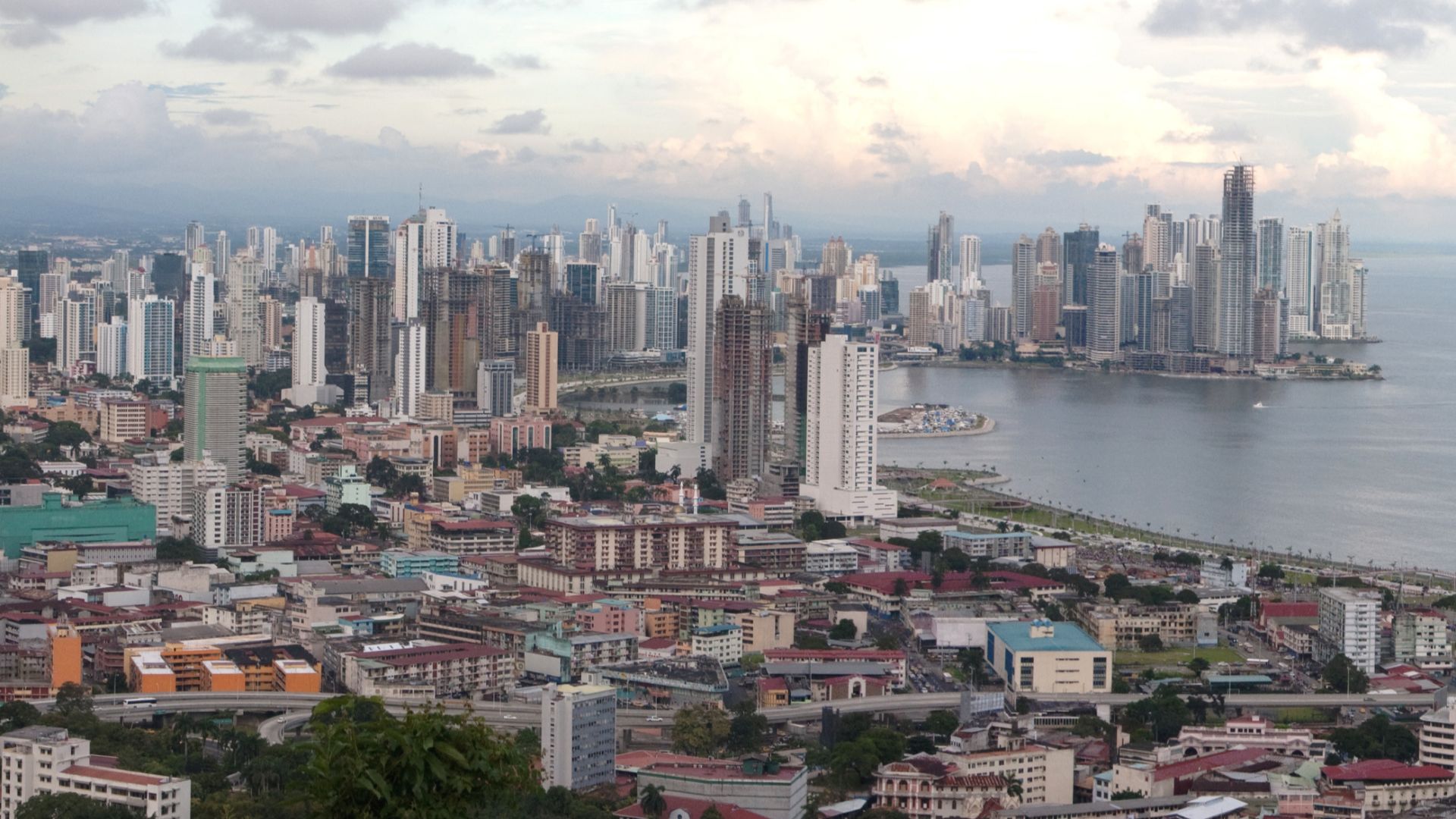
14. Panama
Panama’s Pensionado Program is one of the most retiree-friendly in the world, offering discounts on everything from utilities to healthcare. Many retirees live on $1,600–$2,200 per month. Panama City has modern hospitals and affordable private healthcare, making medical access one of Panama’s biggest strengths.
 Brian Gratwicke, Wikimedia Commons
13. Mexico
Mexico’s popularity comes from its variety. Smaller cities and inland towns allow retirees to live on $1,500–$2,000 per month, while coastal or tourist-heavy areas cost more. Private healthcare is widely used and affordable, and many retirees pay out of pocket for routine care rather than carrying expensive insurance.
 Edmund Garman, Wikimedia Commons
12. Philippines
The Philippines offers low daily expenses and widespread English usage. Retirees often spend $1,300–$1,700 per month in smaller cities. Healthcare quality varies, but private hospitals in major areas provide solid care at reasonable prices. Many retirees budget extra for private healthcare or occasional regional travel for specialized treatment.
 Vanessa David from Makati, Philippines, Wikimedia Commons
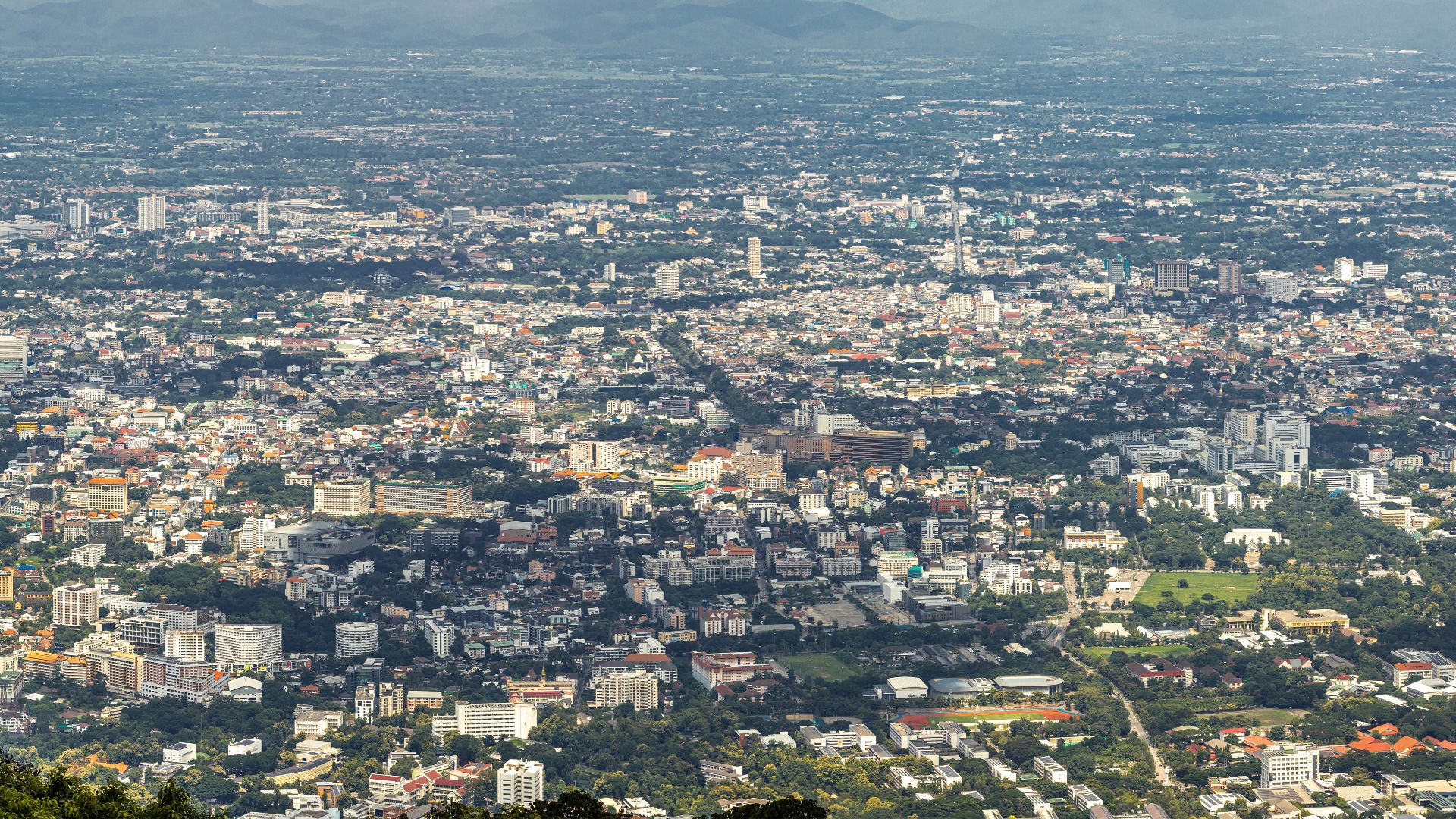
11. Thailand
Thailand remains a classic affordable retirement destination. In places like Chiang Mai, many retirees live comfortably on $1,200–$1,800 per month. Private healthcare is excellent and very affordable, especially in larger cities. Thailand strikes a balance between low costs and high quality of life.
 Supanut Arunoprayote, Wikimedia Commons
10. Morocco
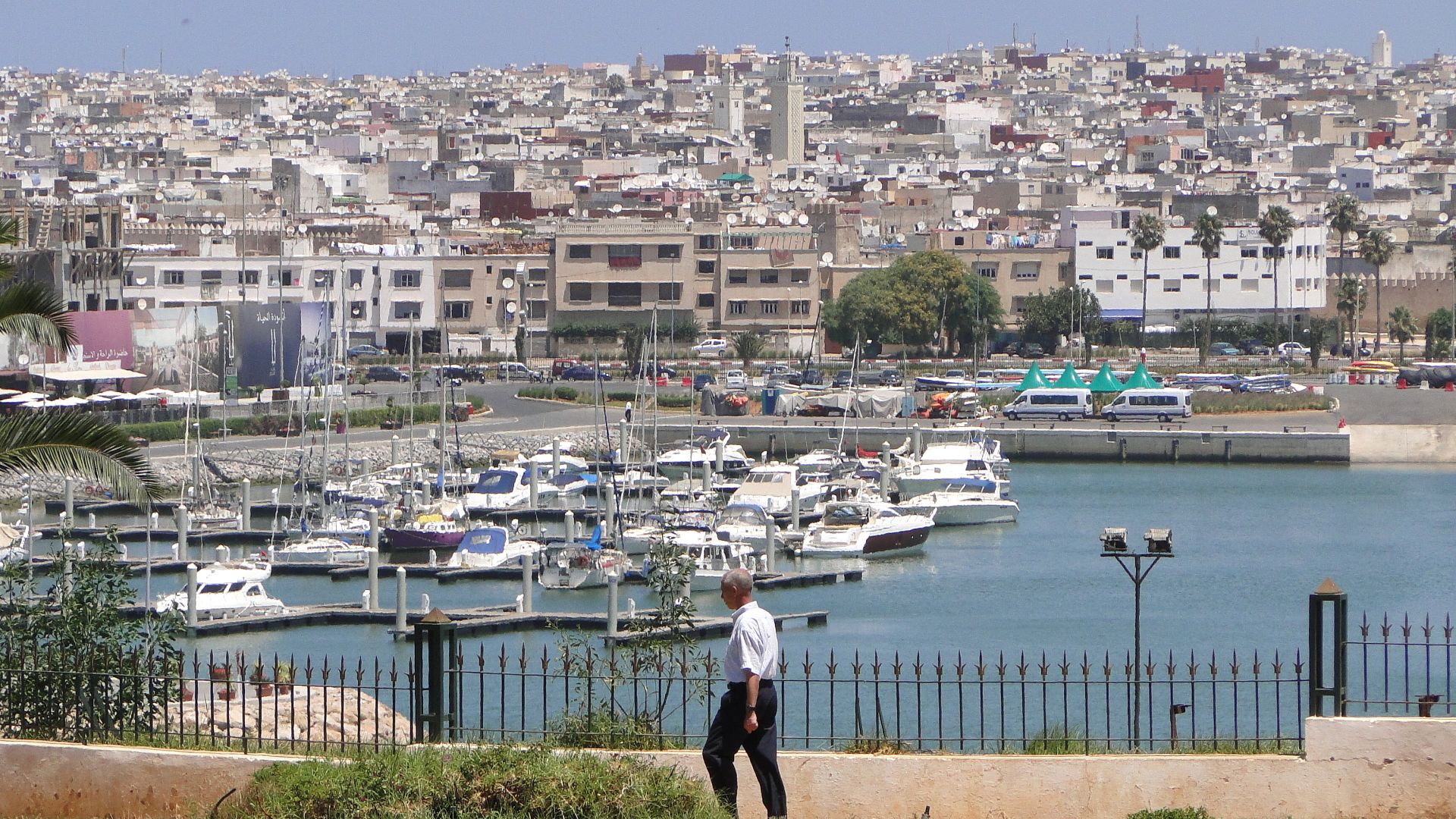
Morocco offers low rent, inexpensive food, and a rich cultural experience. Monthly budgets often fall between $1,200 and $1,700. Healthcare is affordable but varies by region, so many retirees rely on private clinics or plan occasional medical travel to Europe for complex care.
 Adam Jones, Ph.D., Wikimedia Commons
9. Vietnam
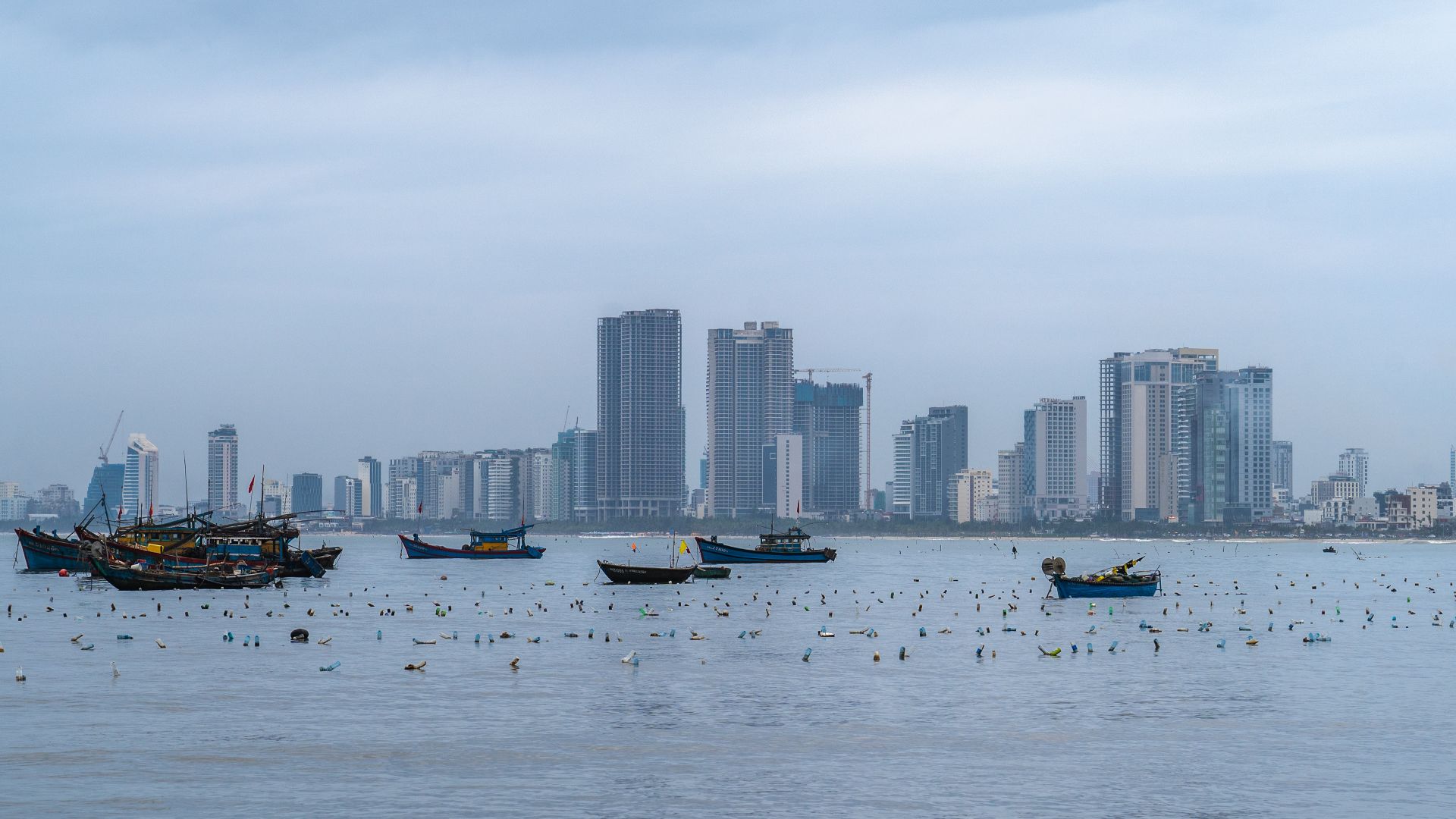
Vietnam’s cost of living is one of the lowest on this list. Many retirees live on $1,000–$1,500 per month, especially in cities like Da Nang. Private healthcare is inexpensive and accessible, though some retirees plan for medical travel for major procedures. Daily life costs are extremely low.
8. Peru
Peru combines affordability with diverse climates and cities. Retirees often spend $1,200–$1,600 per month in places like Arequipa or Cusco. Private healthcare is affordable and commonly used by expats, while public care quality varies. Housing and food costs remain especially low.
 Bruce Tuten, Wikimedia Commons
7. Bulgaria
Bulgaria is one of the cheapest countries in the EU. Outside Sofia, retirees often live on $1,200–$1,700 per month. Public healthcare is available to residents, though many expats choose private coverage for convenience. Housing is a standout bargain here.
 Ilia Markov from Sofia, Bulgaria, Wikimedia Commons
6. Paraguay
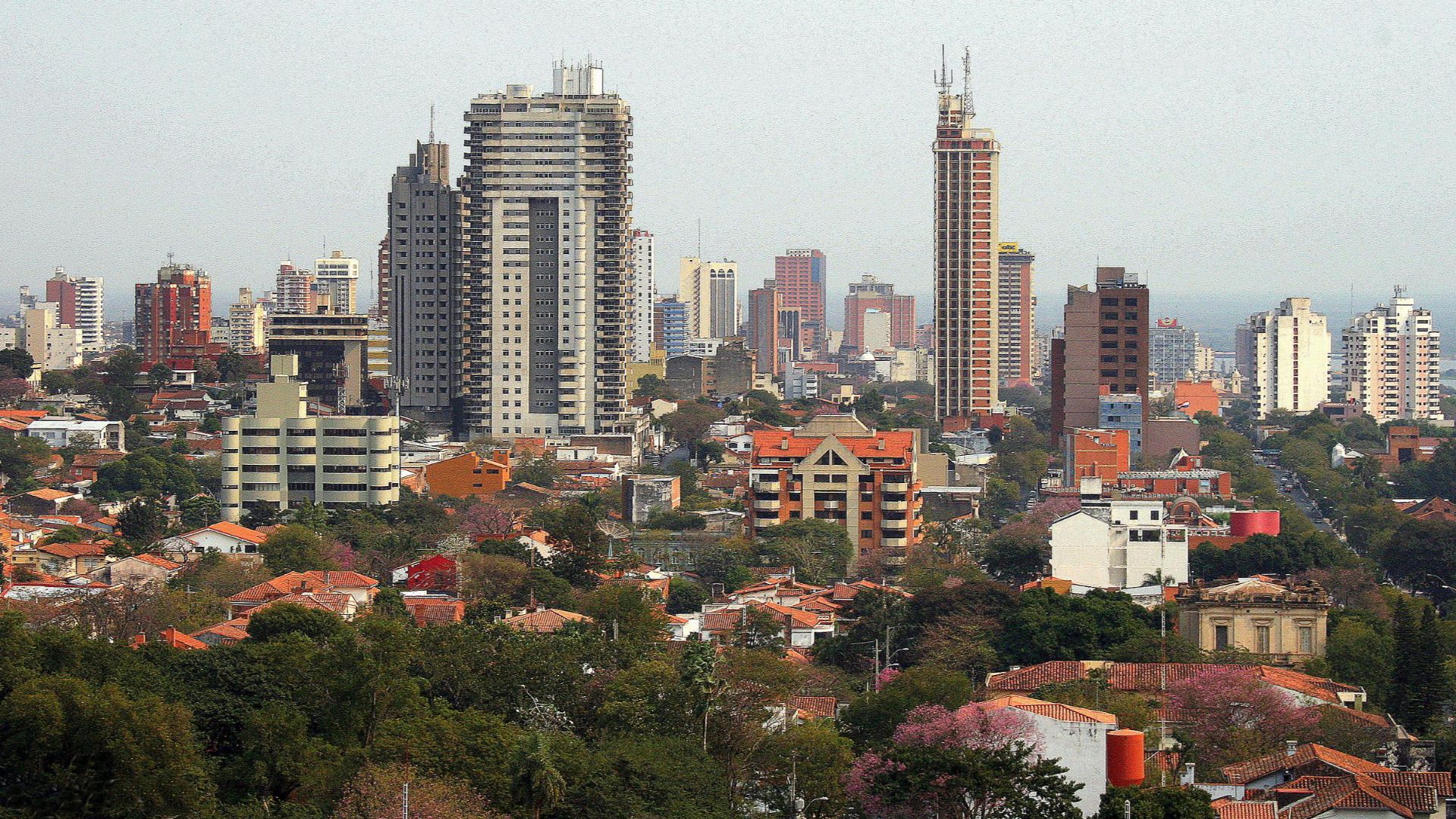
Paraguay flies under the radar but offers extremely low living costs. Monthly budgets of $1,100–$1,500 are common. Healthcare is affordable but basic, so private care is recommended. Simple residency requirements make Paraguay attractive to budget-focused retirees.
5. Czech Republic
Outside Prague, the Czech Republic offers good value with strong infrastructure. Retirees often spend $1,400–$1,900 per month. Public healthcare is high quality, and private care is affordable. Transportation and utilities remain relatively inexpensive.
 Norbert Aepli, Switzerland (User:Noebu), Wikimedia Commons
4. Hungary
Hungary offers low housing costs and affordable daily expenses, especially outside Budapest. Monthly budgets typically range from $1,300–$1,800. Residents can access public healthcare, while private options are growing in popularity among expats who want shorter wait times.

3. Georgia
Georgia has quietly become one of the best budget retirement options in Europe and nearby regions. In cities like Tbilisi or Batumi, retirees often spend $1,100–$1,500 per month. Housing is very affordable, visas are generous, and foreign income is often lightly taxed. Private healthcare is low cost and accessible in major cities, making Georgia a strong value pick.

2. Malaysia
Malaysia earns the #2 spot thanks to low costs, modern infrastructure, and excellent healthcare. Many retirees live well on $1,300–$1,700 per month. Private hospitals are modern and affordable, and long-term residency programs make settling in easier than in many countries.
 Jorge Lascar from Melbourne, Australia, Wikimedia Commons
1. The Most Affordable Retirement Destinations: Peru / Vietnam
When affordability alone is the priority, Peru and Vietnam consistently rise to the top. In both countries, retirees can live comfortably on $1,000–$1,400 per month in many regions. Healthcare is affordable, housing is inexpensive, and daily living costs are extremely low. For retirees focused on stretching every dollar while still enjoying a full lifestyle, these two countries remain the strongest overall values.

You May Also Like:
Thinking About Retiring? These Are The States That Will Cost You The Most
Americans Are Moving Abroad In Bigger Numbers—And This Is Where They're Going