
Where Golden Years Come With a Gold Price Tag
Retirement is a dream for many, but in some places, that dream comes with a steep price. From housing and healthcare costs to taxes and everyday living expenses, where you choose to spend your later years has a massive impact on how far your savings will go. Based on recent retirement cost analyses and data on savings needed to retire comfortably, here are the 20 most expensive states to retire in and how much you’d likely need saved to call that state home.

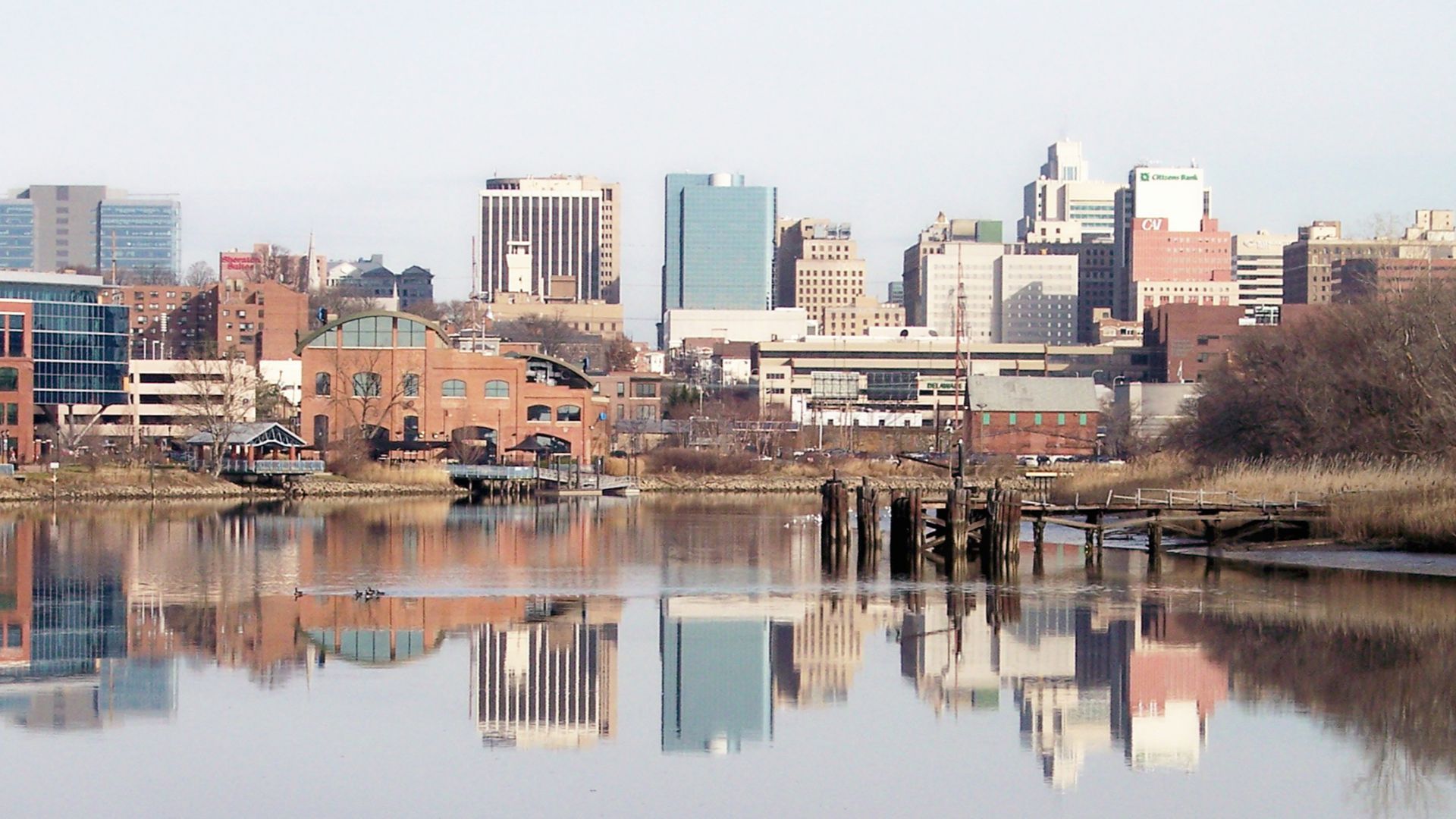
20. Delaware — $944,000 Savings Needed
Delaware’s relatively high cost of living and property markets push up retirement expenses compared to nearby states. While it has favorable tax treatment for retirees, including no sales tax, the overall cost of housing and utilities means retirees often need just under a million dollars to retire comfortably. Its proximity to costly Mid-Atlantic metros also keeps demand (and prices) elevated.
 Tim Kiser (User:Malepheasant), Wikimedia Commons
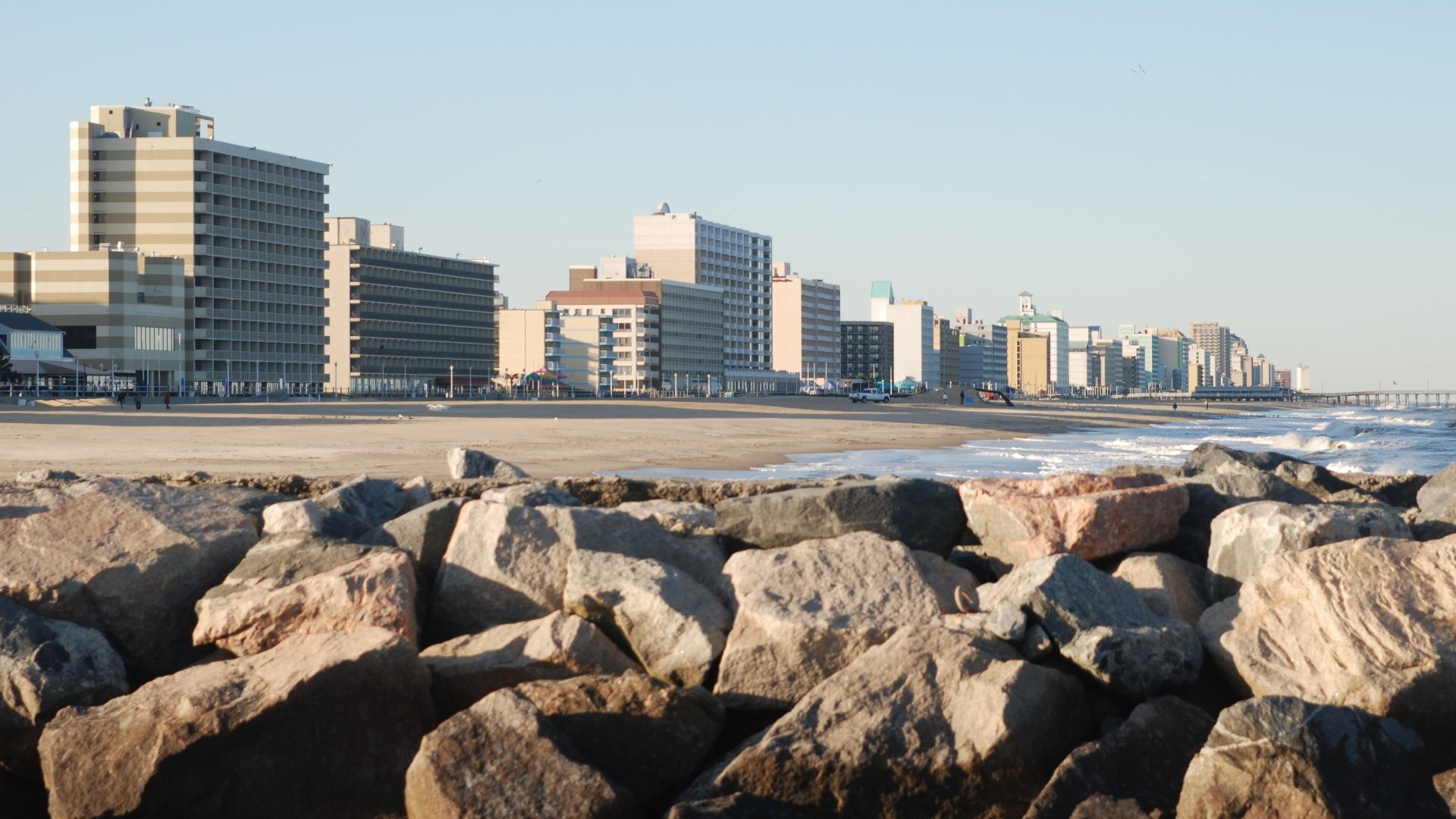
19. Virginia — $949,000 Savings Needed
Virginia attracts retirees with scenic landscapes and access to quality healthcare, but its housing markets near Washington, DC and coastal areas are pricey. Retirees here need significant savings to cover higher than average housing, transportation, and state tax costs, especially if they choose to stay near major metro hubs.
 olekinderhook, Wikimedia Commons
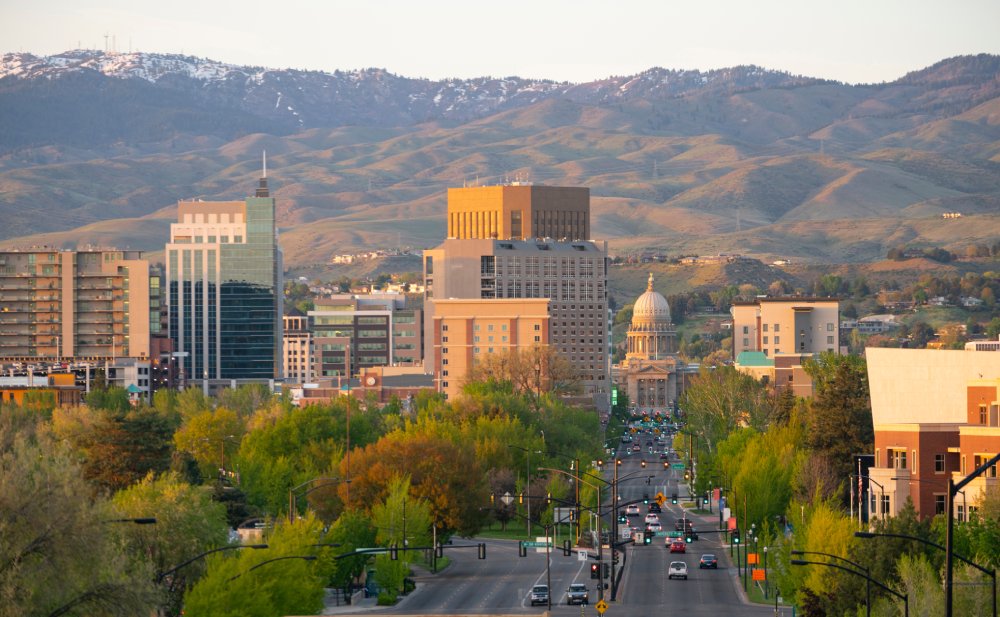
18. Idaho — $971,000 Savings Needed
Idaho has grown quickly as people flock to its outdoors lifestyle, but this surge has driven up housing prices and rents. Retirees need sharp savings to keep up with the cost of living (especially in areas like Boise) where quality of life is high but affordability has declined in recent years.
 Christopher Boswell, Adobe Stock
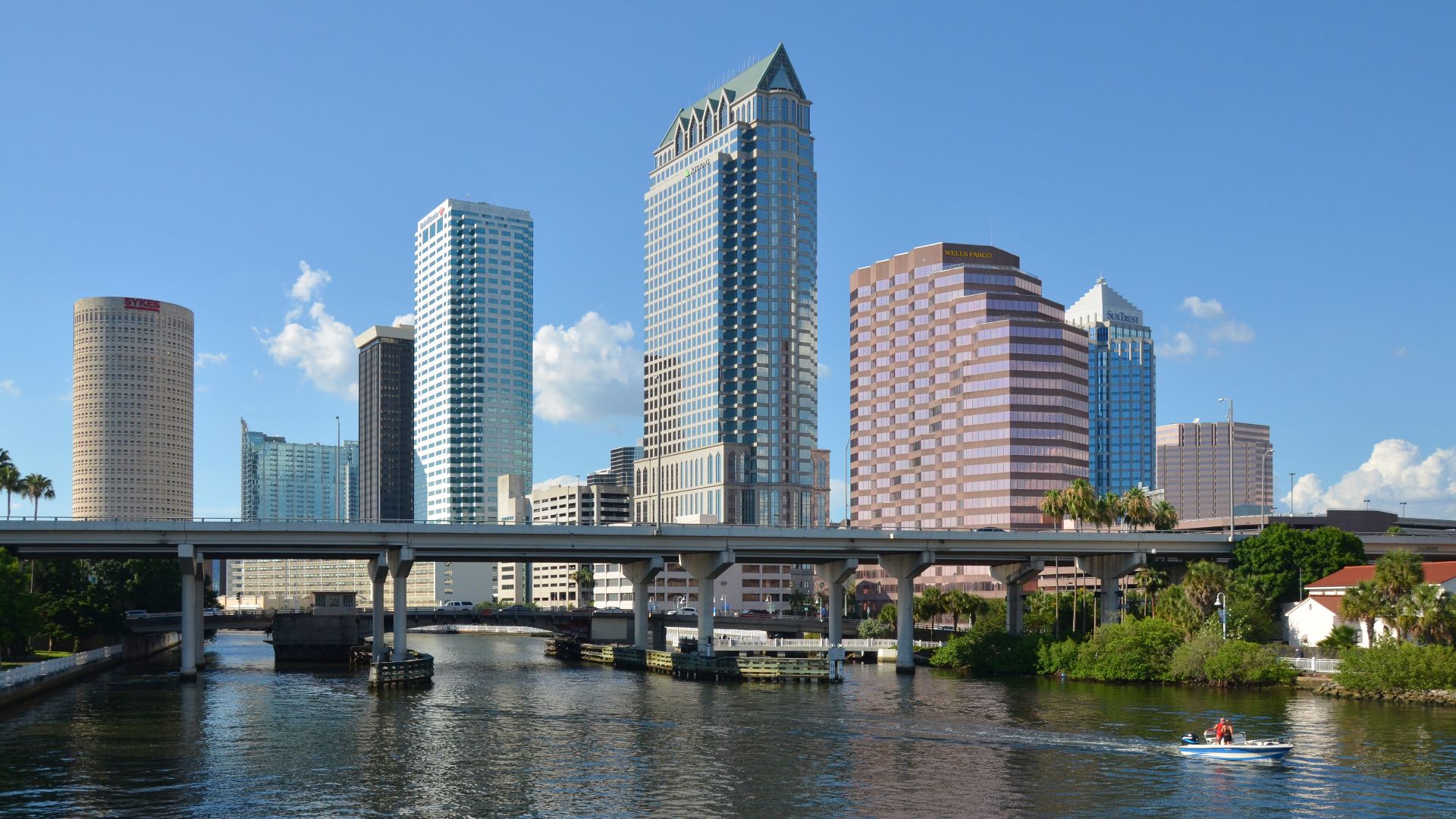
17. Florida — $977,000 Savings Needed
Florida’s warm weather and no state income tax make it popular with retirees, but that popularity has a cost. Strong demand for housing—especially in coastal and retirement-friendly communities—pushes up real-estate prices and property taxes, meaning retirees need close to a million dollars saved to live comfortably.
 Clément Bardot, Wikimedia Commons
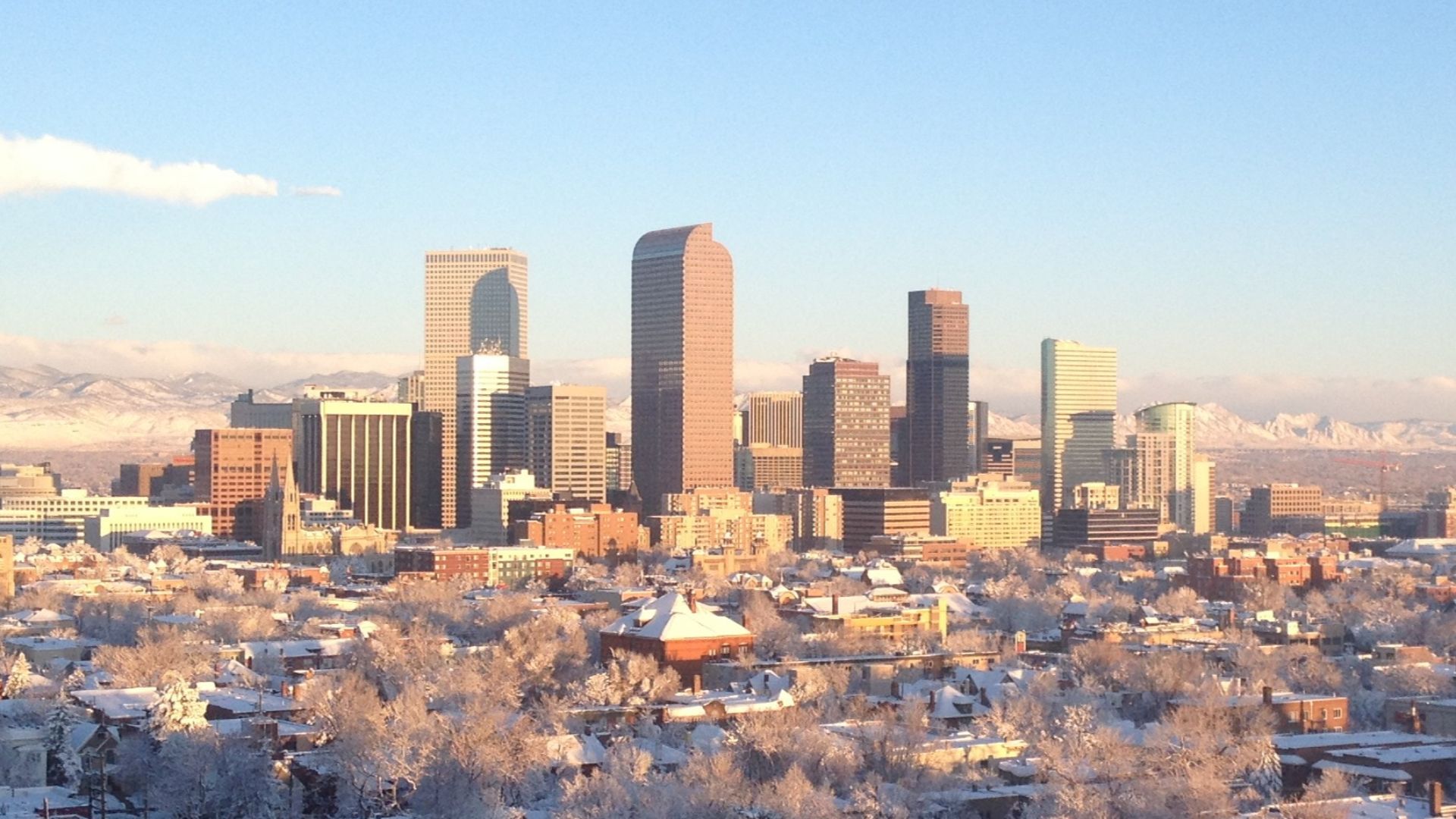
16. Colorado — $981,000 Savings Needed
Colorado’s strong economy and outdoor lifestyle come with some of the nation’s highest housing costs outside the coasts. Even though Colorado isn’t always at the top of typical retirement cost lists, its rising real-estate and healthcare costs mean retirees here need substantial savings to maintain a comfortable lifestyle.
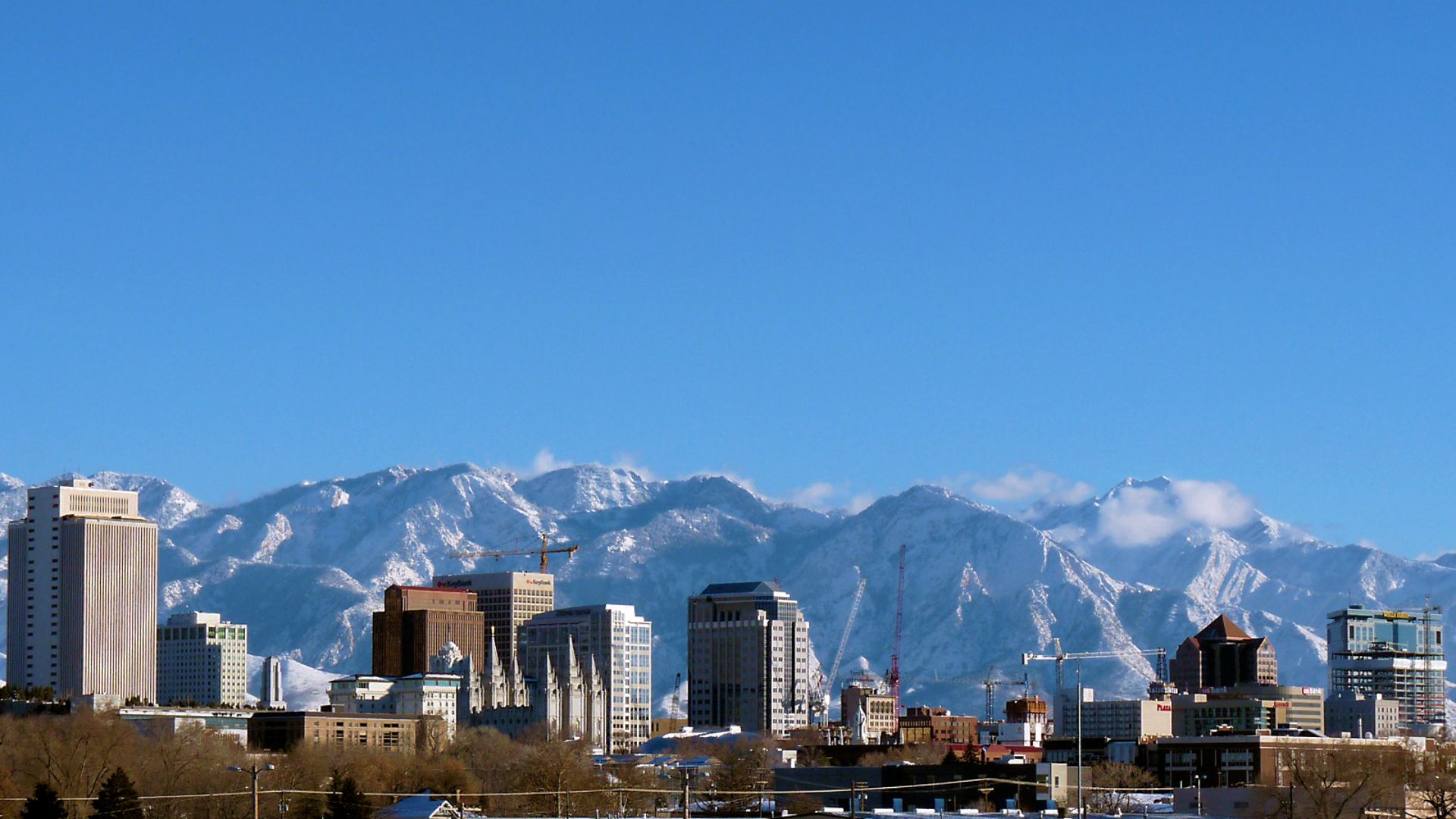
15. Utah — $1.08M Savings Needed
Utah’s mix of strong local economy and beautiful national parks attracts many older residents, but also contributes to rising housing and living costs. While taxes are moderate and quality of life is high, the cost of utilities and services means retirees need well over a million dollars saved to handle retirement expenses without worry.
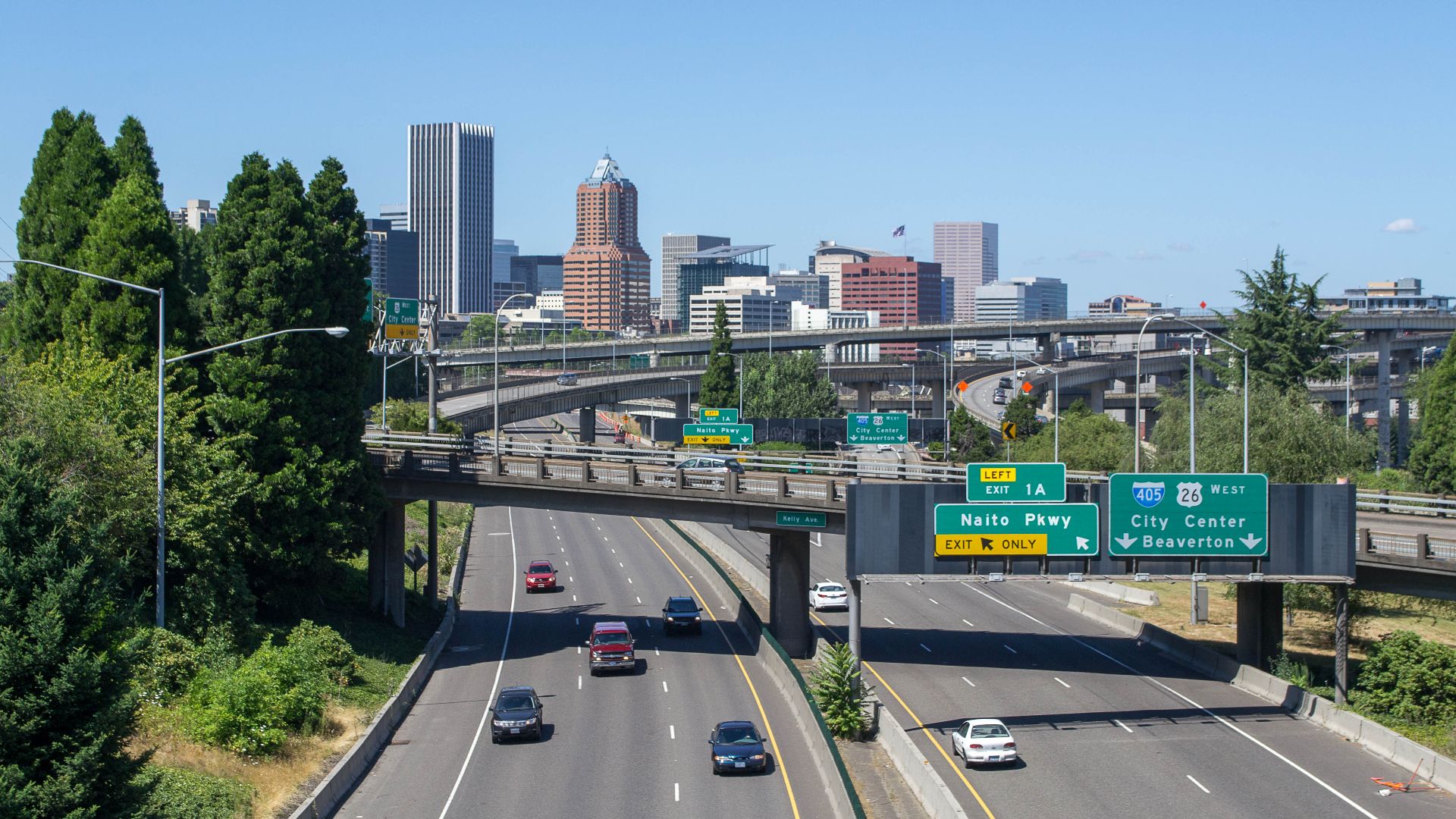
14. Oregon — $1.09M Savings Needed
Oregon’s high cost of housing and utilities, particularly in Portland and coastal communities, adds up fast for retirees. Healthcare costs also trend above the national average. These factors combine to make Oregon one of the pricier places to retire, despite its strong culture and natural beauty.
13. New Hampshire — $1.11M Savings Needed
New Hampshire boasts no general sales tax and a reputation for low tax burden, but housing and healthcare costs remain high. Retirees often relocate here for quality of life, but even with tax perks, elevated living expenses mean a sizable savings cushion is still essential.
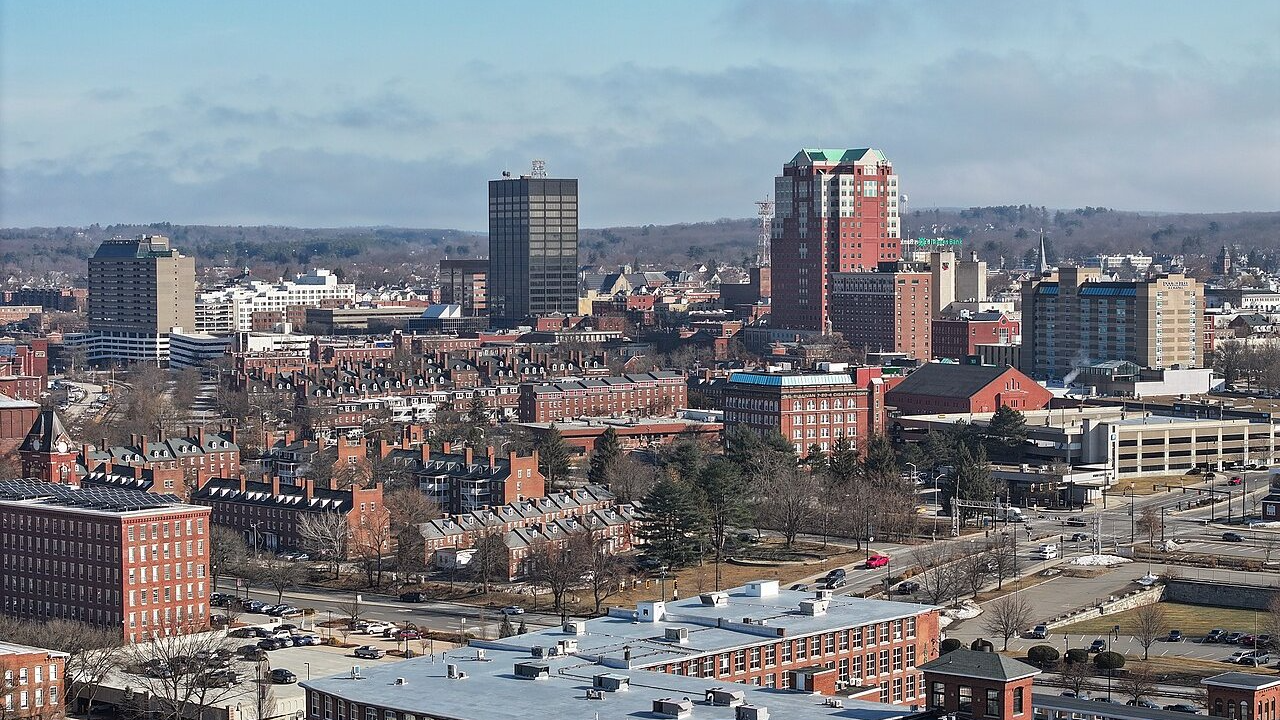 Quintin Soloviev, CC BY 4.0, Wikimedia Commons
12. Connecticut — $1.12M Savings Needed
Connecticut’s affluent character comes with costs. High property values (especially in Fairfield County and near New York City) along with elevated utilities and healthcare expenses, make this a costly retirement destination. Many retirees find themselves needing over a million dollars in savings for a comfortable life.

11. Rhode Island — $1.13M Savings Needed
Rhode Island combines coastal charm with some of the highest property and utility costs in New England. For retirees seeking seaside living, that pleasant view comes with a premium, requiring substantial retirement savings to cover everyday costs without stress.
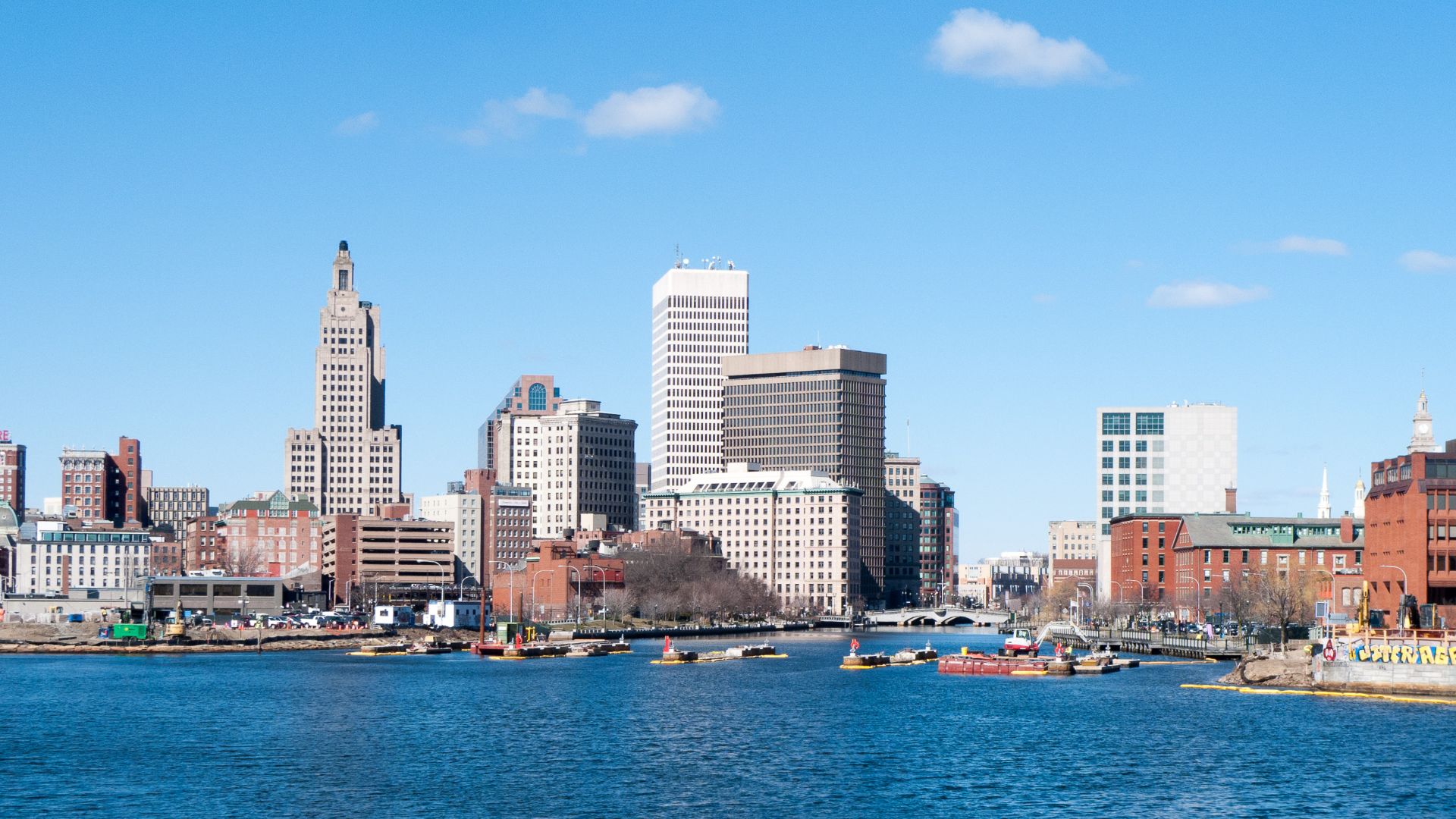 Kenneth C. Zirkel, Wikimedia Commons
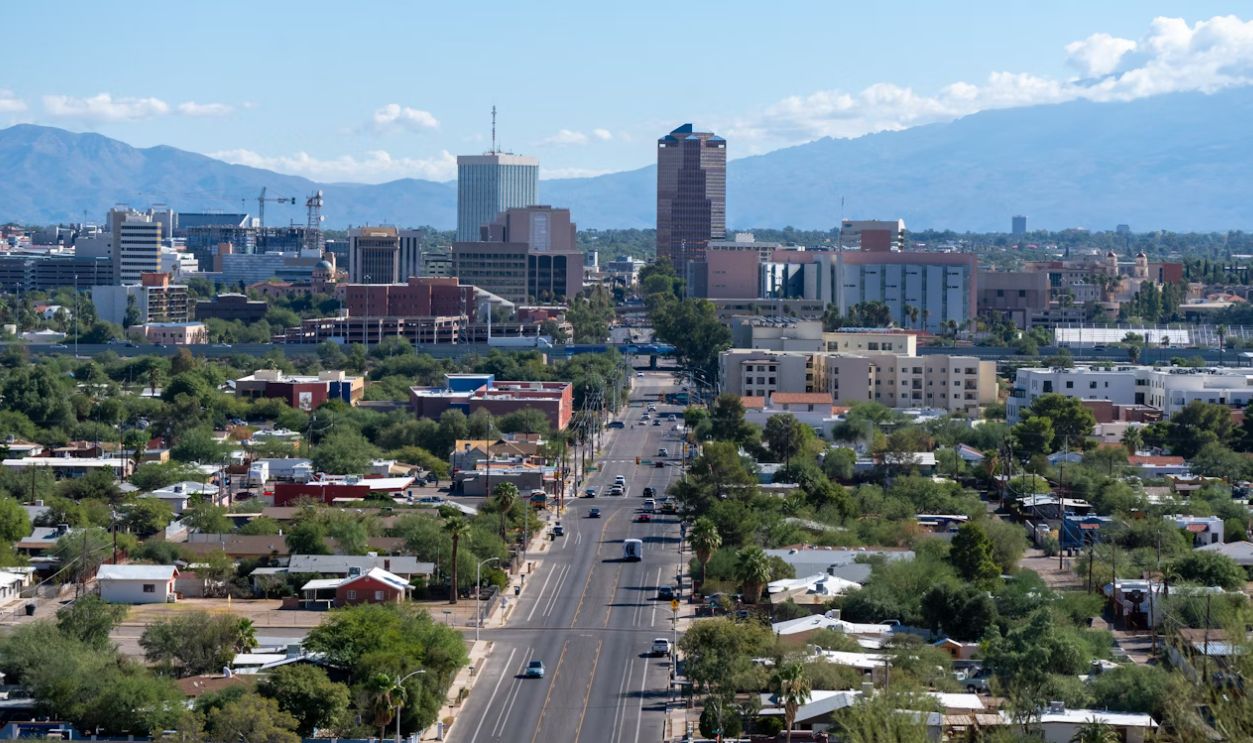
10. Arizona — $1.13M Savings Needed
Arizona remains a retirement favorite due to its sunny weather and relative tax friendliness, but rapid population growth has pushed housing and healthcare costs up. In cities like Phoenix and Tucson, demand for services from aging residents places extra pressure on costs, meaning retirees must save more.
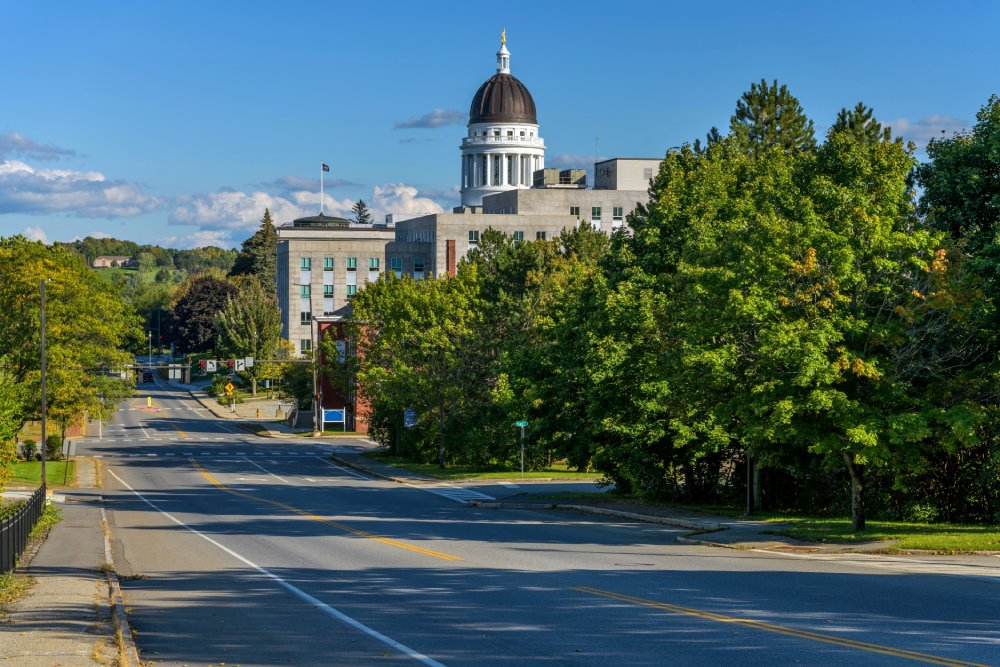
9. Maine — $1.14M Savings Needed
Maine’s picturesque coast and small-town charm attract many retirees, but its scattered population and higher cost of rural services increase overall cost of living. Housing prices in key retirement regions and limited economies of scale for services bump up what retirees need saved.
8. Washington — $1.15M Savings Needed
Washington state has no income tax, but high housing and transportation costs around Seattle and costly utilities statewide raise expenses sharply. For retirees counting on savings and Social Security, Washington’s strong economy and rising prices mean a sizable nest egg is a must.

7. New Jersey — $1.16M Savings Needed
New Jersey’s proximity to New York City and strong local economies keep job and business activity high—but they also keep housing and service costs elevated. Retirees need significant savings to handle pricey property taxes and living expenses.

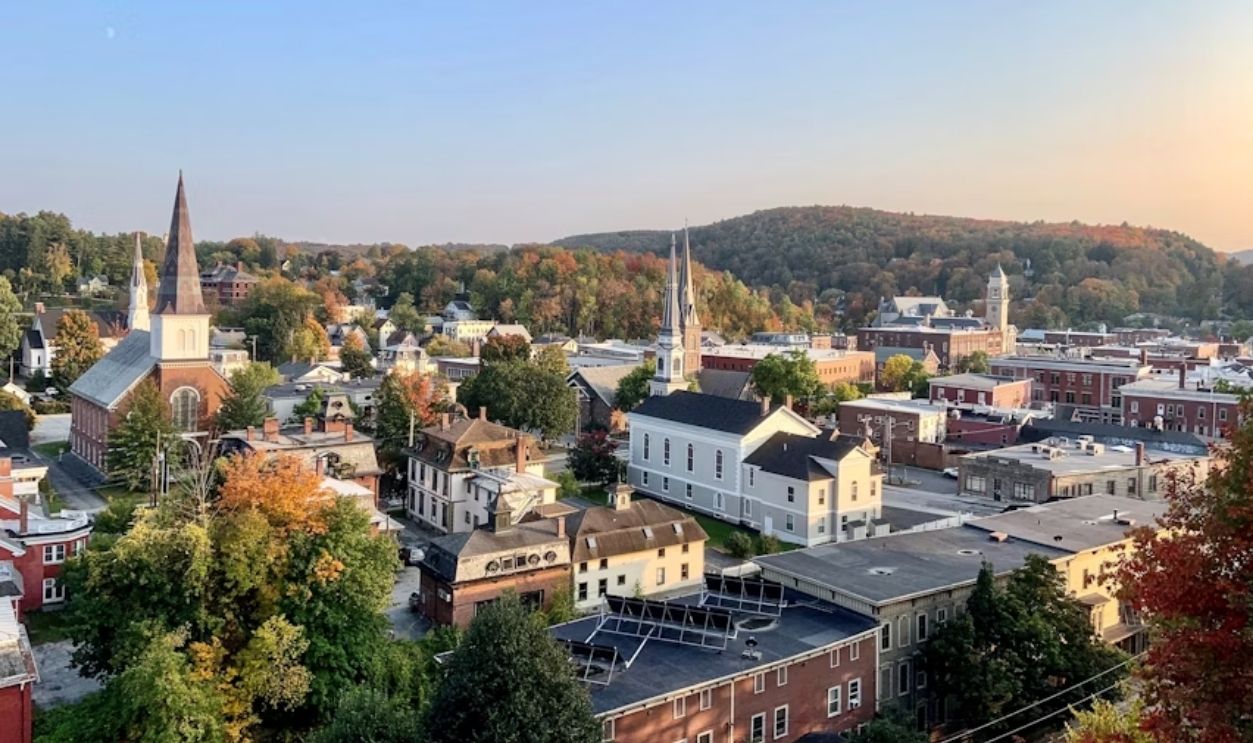
6. Vermont — $1.15M Savings Needed
Vermont’s rural beauty and seasonal lifestyles draw many retirees, but limited housing supply and higher per-capita service costs push up living expenses. Retirees often need to spend more on utilities and healthcare in this state, meaning nest-egg requirements rise accordingly.
5. Alaska — $1.29M Savings Needed
Alaska combines remote living costs and high utilities with expensive groceries and healthcare due to its geography. Even with oil revenue benefits, retirees face some of the highest living expenses in the country, necessitating major savings for comfort.
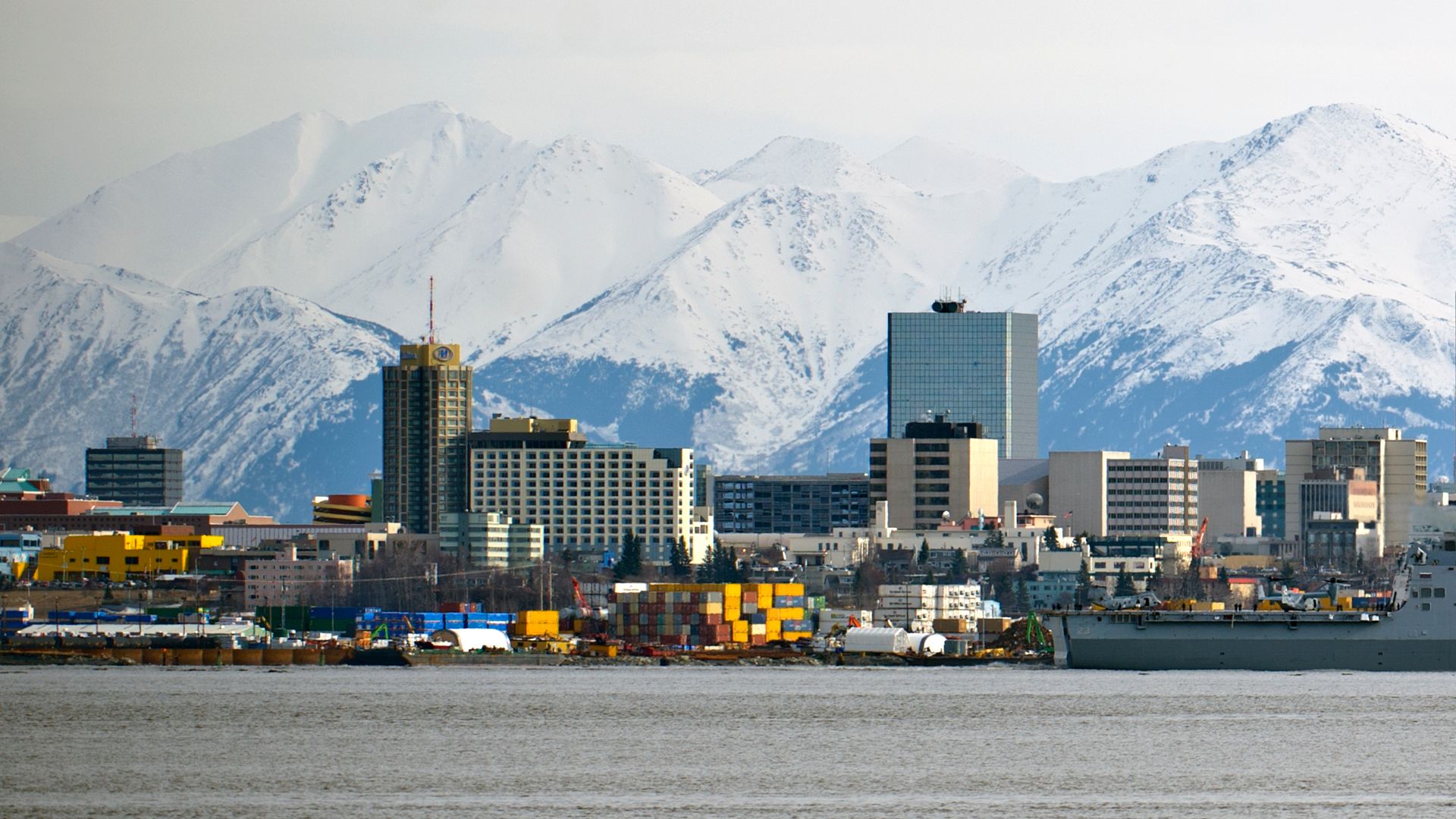 Jack Connaher, Wikimedia Commons
4. New York — $1.29M Savings Needed
New York’s economy and cultural attractions contrast with steep housing and transportation costs. Living in or near NYC particularly drives up day-to-day retirement expenses, requiring retirees to pull together well over a million dollars to live comfortably.
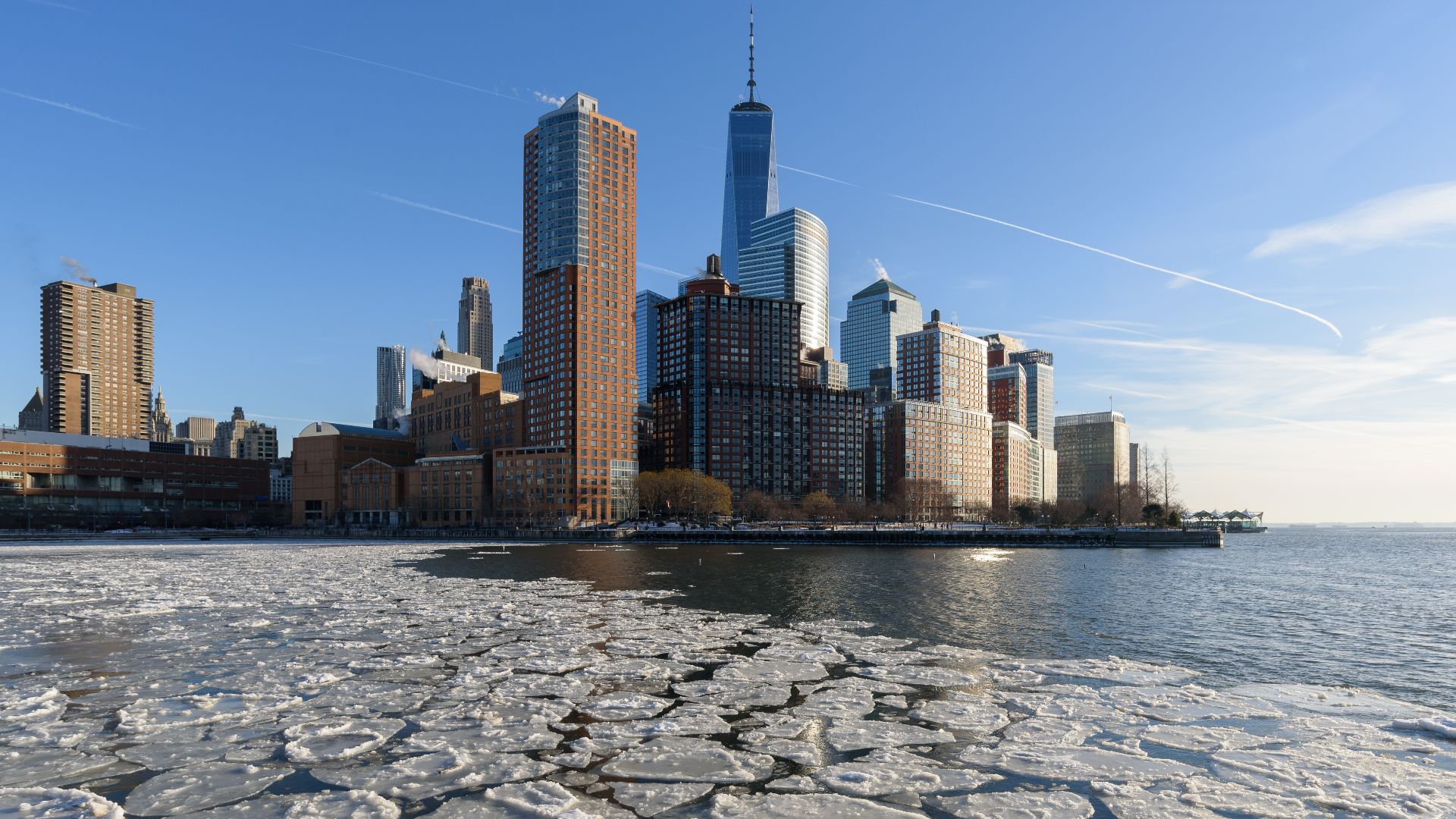 King of Hearts, Wikimedia Commons
3. California — $1.61M Savings Needed
California’s coastal appeal and temperate climate make it a retirement magnet—but high housing costs, pricey healthcare, and steep taxes mean savings have to stretch far. Retirees who want to enjoy California’s lifestyle often find they must plan for at least mid-seven-figure nest eggs.
 Sharon Hahn Darlin, Wikimedia Commons
2. Massachusetts — $1.65M Savings Needed
Massachusetts combines top-tier healthcare and cultural amenities with some of the highest living costs in New England, especially around Boston. For retirees desiring quality medical access and vibrant culture, the price tag is high, meaning a well-funded retirement account is essential.
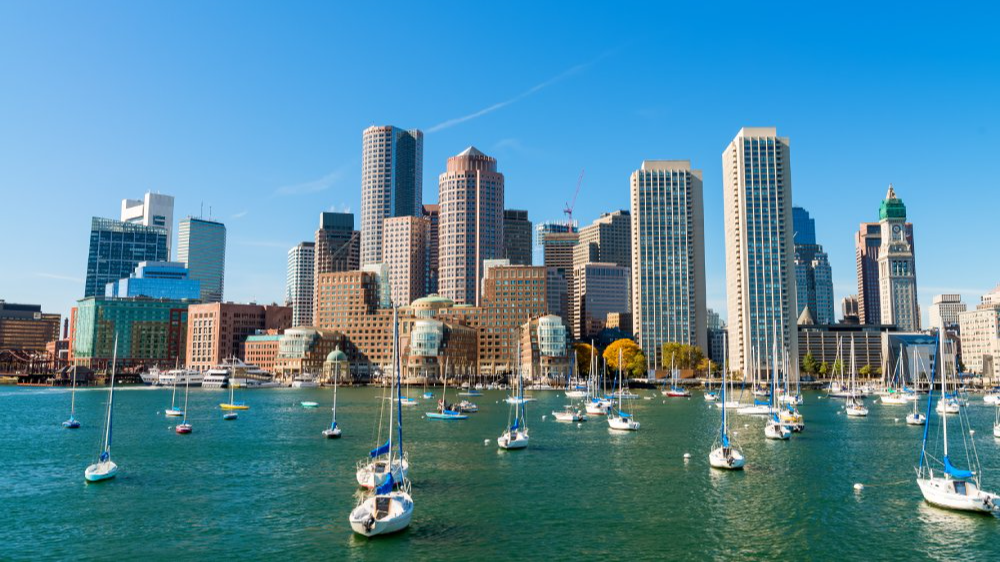
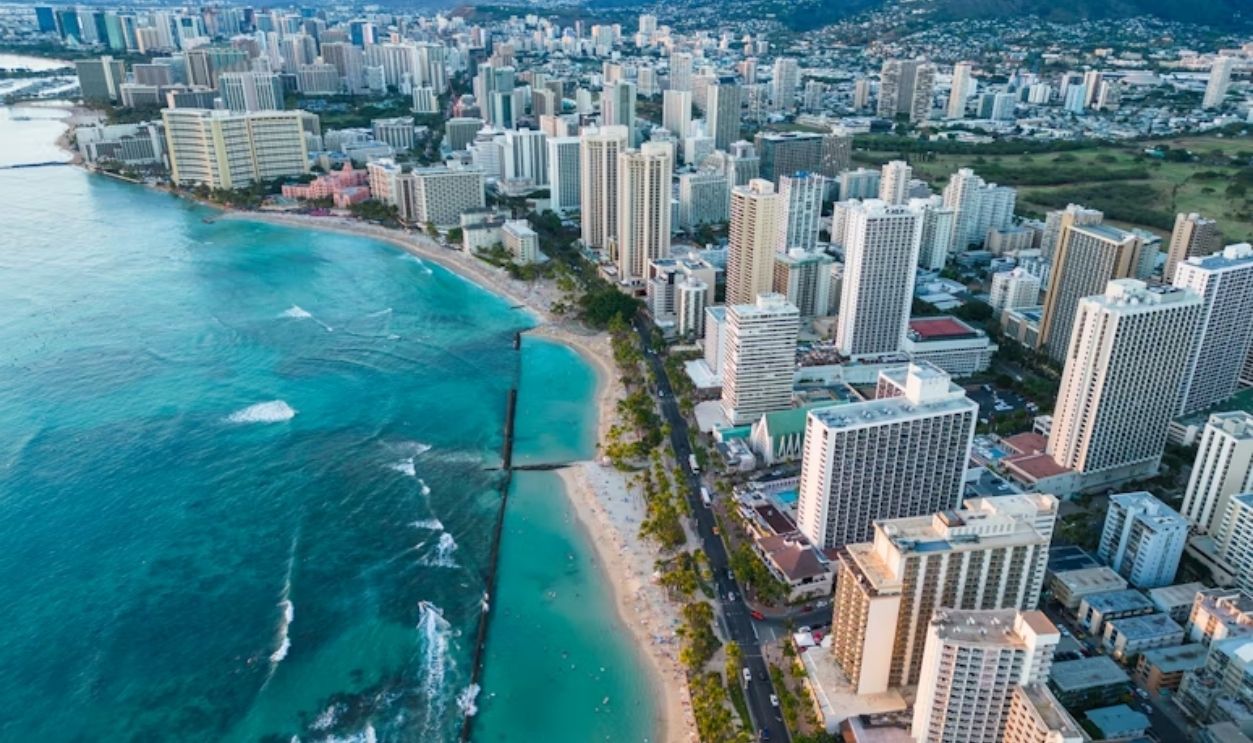
1. Hawaii — $2.17M Savings Needed
Hawaii tops the list as by far the most expensive state for retirement. Its isolation drives up the price of housing, utilities, and groceries, and healthcare costs are elevated as well. Retirees here need significantly more in savings than in any other state, driven by island living costs and the premium for paradise.
You May Also Like:
Ranking The Most Affordable States To Retire In—According To Data
Ranking The States With The Best Retirement Benefits—According To Data
Every Country With A Better Quality Of Life Than The United States—Ranked According To Data