When The Border Starts Feeling A Little Blurry
Canada and the United States are separate countries, but along the world’s longest international land boundary, the cultural transition can sometimes feel surprisingly subtle. Canadians regularly point to northern American communities where the weather, landscapes, hockey obsession, cross-border families, and general atmosphere feel oddly familiar. From Washington enclaves practically attached to British Columbia to Maine towns with deep Acadian roots, these American destinations can make Canadian visitors briefly wonder whether they actually crossed the border at all.
Point Roberts, Washington
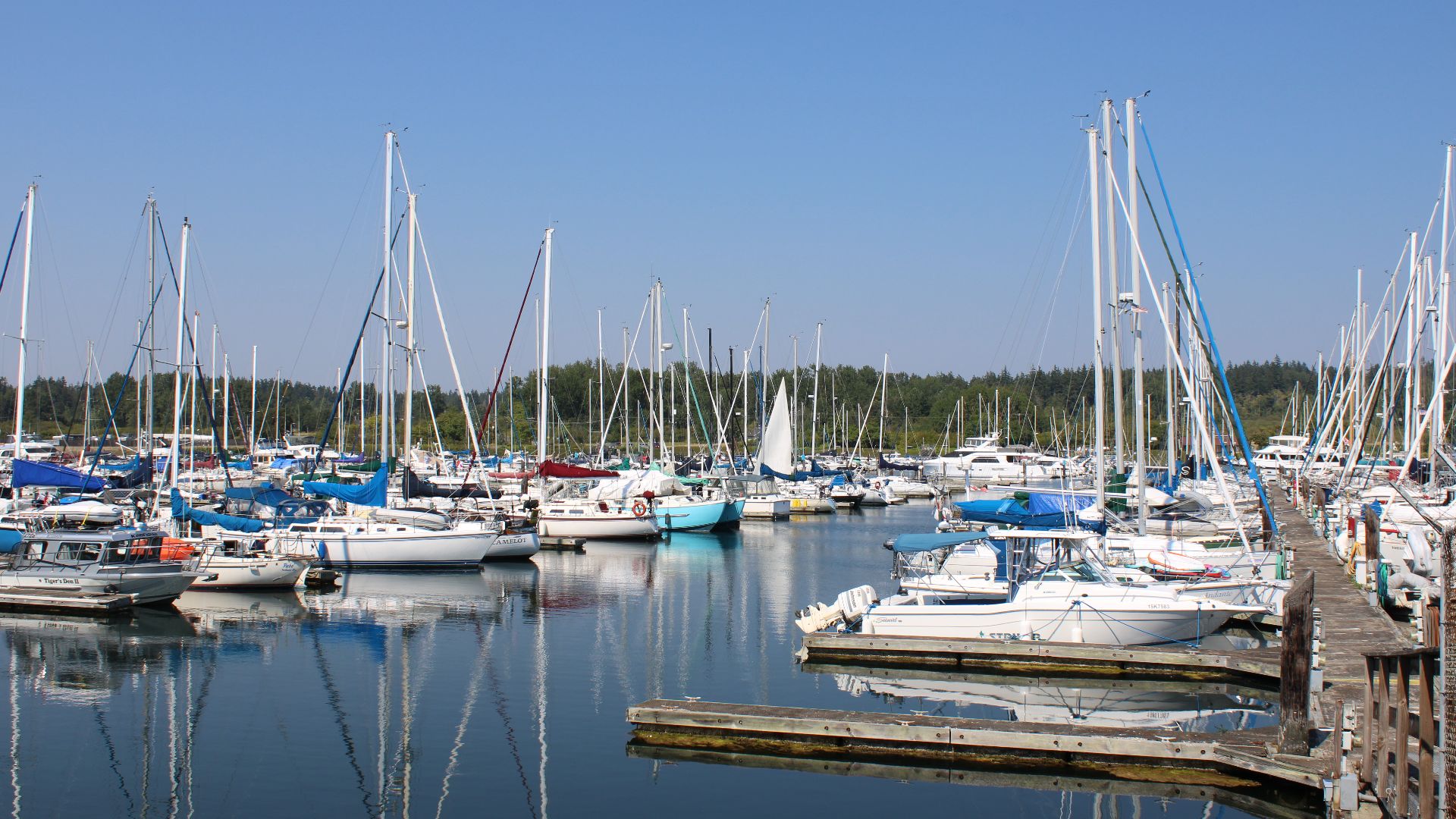
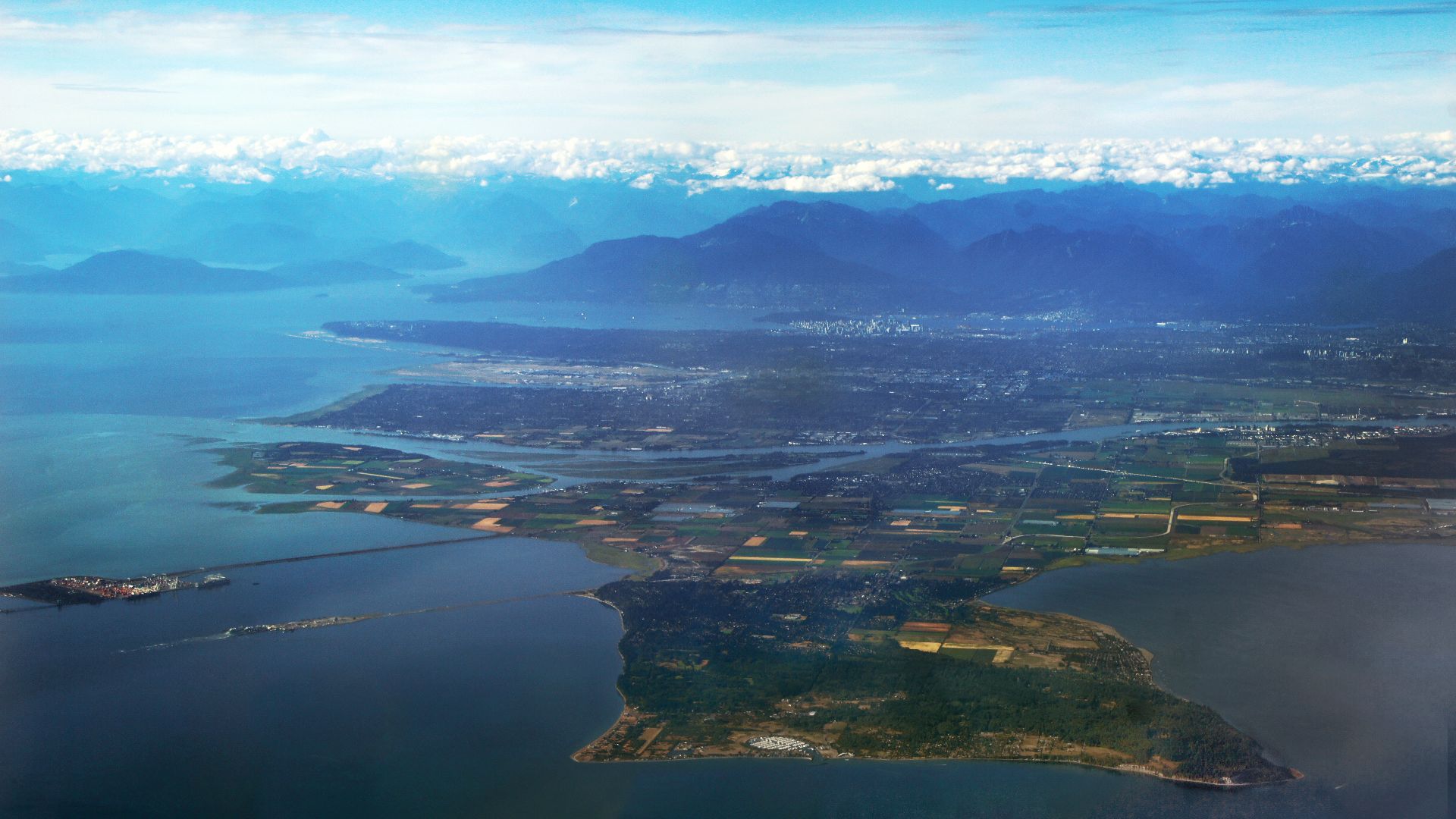
If anywhere deserves the "almost Canadian" label, Point Roberts has a spectacularly unfair advantage. The Washington community sits at the bottom of British Columbia’s Tsawwassen Peninsula, meaning anyone driving there from the rest of the United States has to travel through Canada first. Most visitors are Canadian, Canadian flags are common, and the community receives water and electricity from Metro Vancouver. The Canadian Press has even described it as America’s "most Canadian town."
 Yuet Man Lee, Wikimedia Commons
Hyder, Alaska
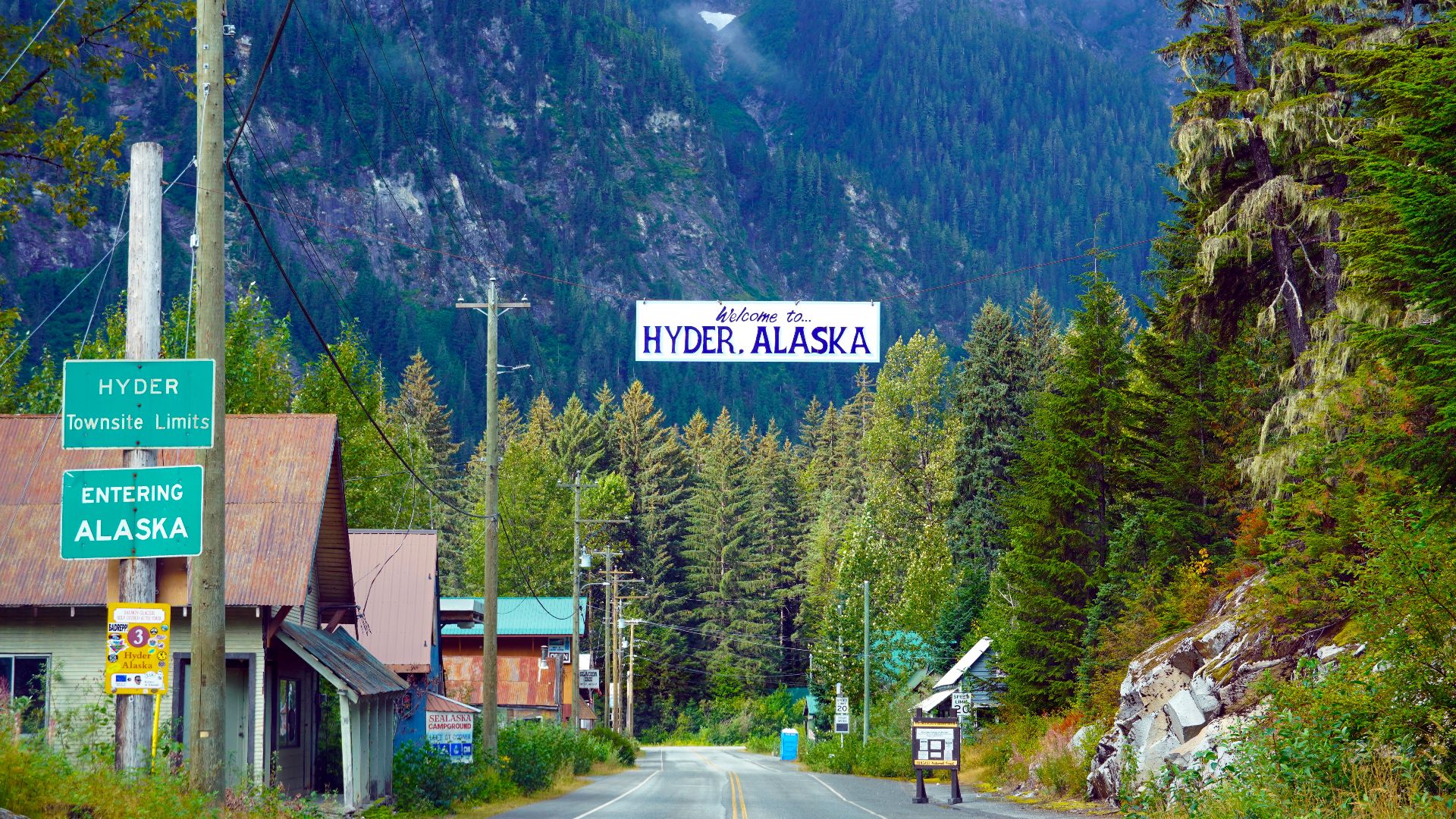
Hyder takes cross-border closeness to another level. Travel Alaska openly says the tiny community identifies more closely with neighboring Stewart, British Columbia, than with the rest of Alaska. Residents use British Columbia’s Pacific time rather than Alaska time, some children attend Canadian schools, and locals frequently cross into Stewart for groceries. For Canadians arriving from British Columbia, Hyder can feel less like entering another country and more like reaching the next tiny town down the road.
Sault Ste. Marie, Michigan
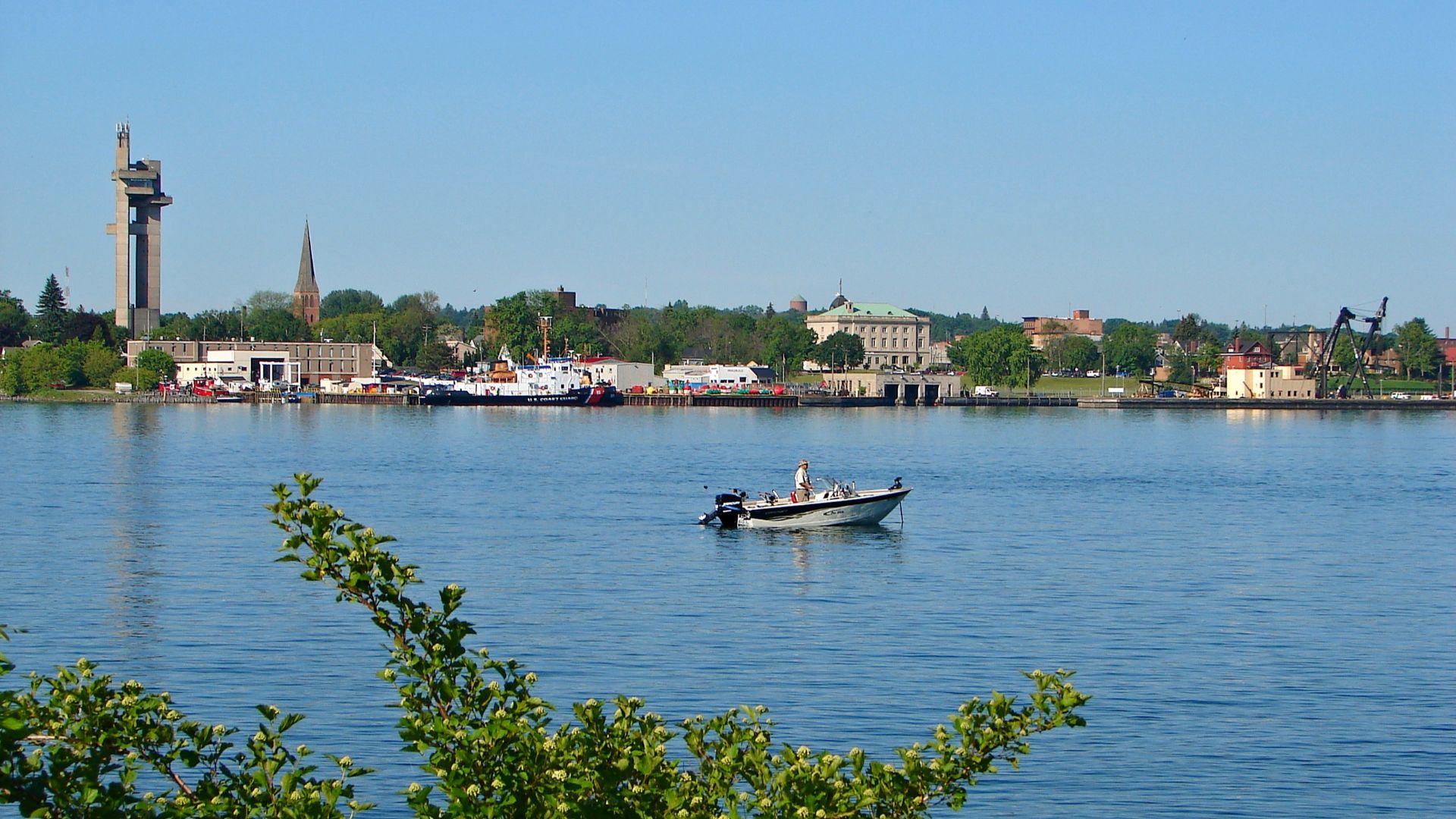
Canadians discussing America's most Canadian communities frequently nominate Sault Ste. Marie, Michigan, and geography makes their argument pretty convincing. Directly across the St. Marys River sits Sault Ste. Marie, Ontario, connected to its American sister city by the International Bridge. The crossing has carried well over 100 million travelers since opening, creating generations of connections between two communities that even share the same name.
Duluth, Minnesota
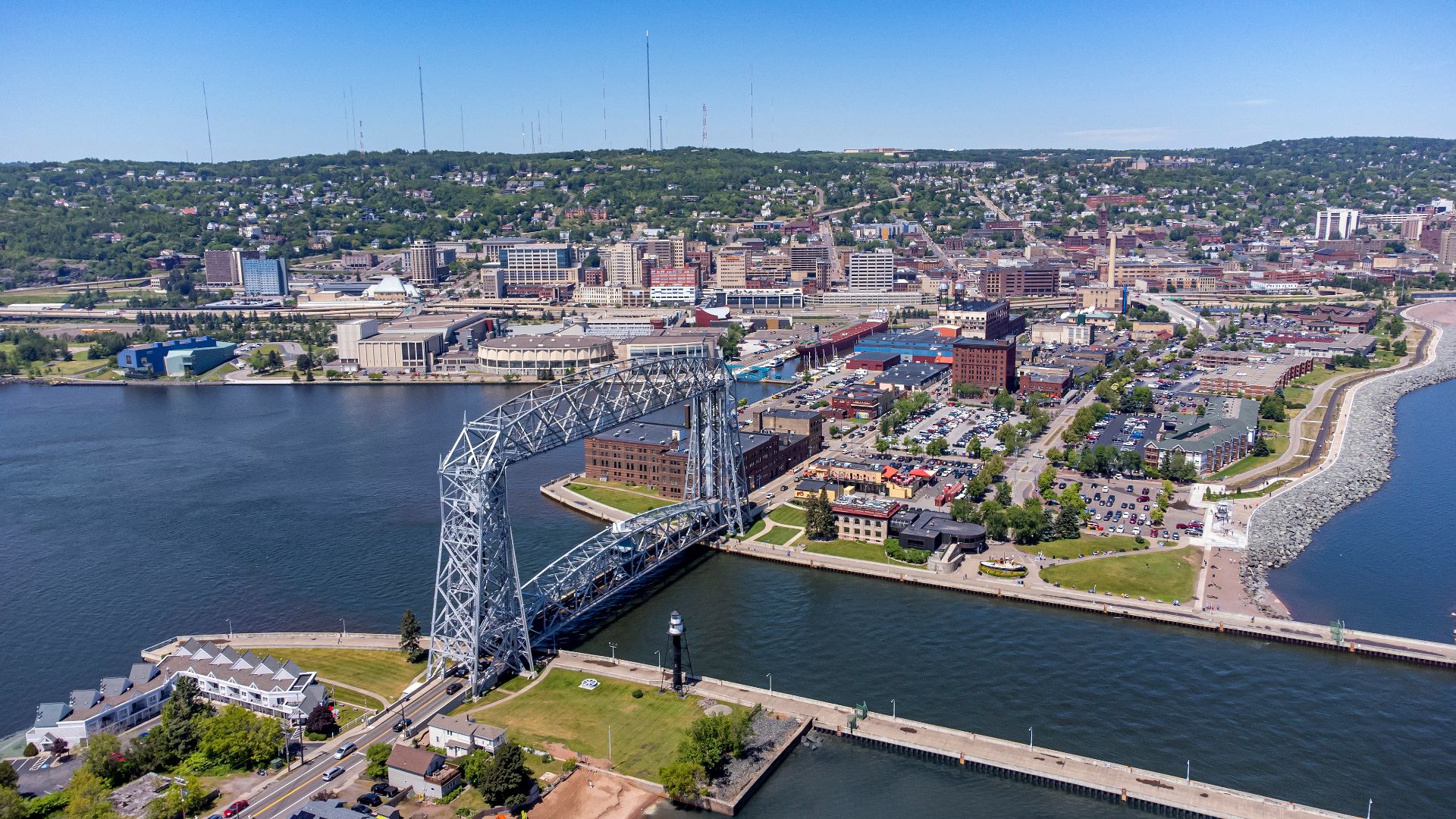
Duluth combines two ingredients Canadians know very well: serious winter and an enormous Great Lake. The city sits on Lake Superior, and Highway 61 follows the rugged North Shore for roughly 150 miles from Duluth toward the Canadian border. Pine forests, waterfalls, rocky shorelines, lighthouses, and small northern communities line the route. Throw in Minnesota's famous hockey culture and the comparison with northern Ontario starts making considerably more sense.
 Chrisographer, Wikimedia Commons
Warroad, Minnesota
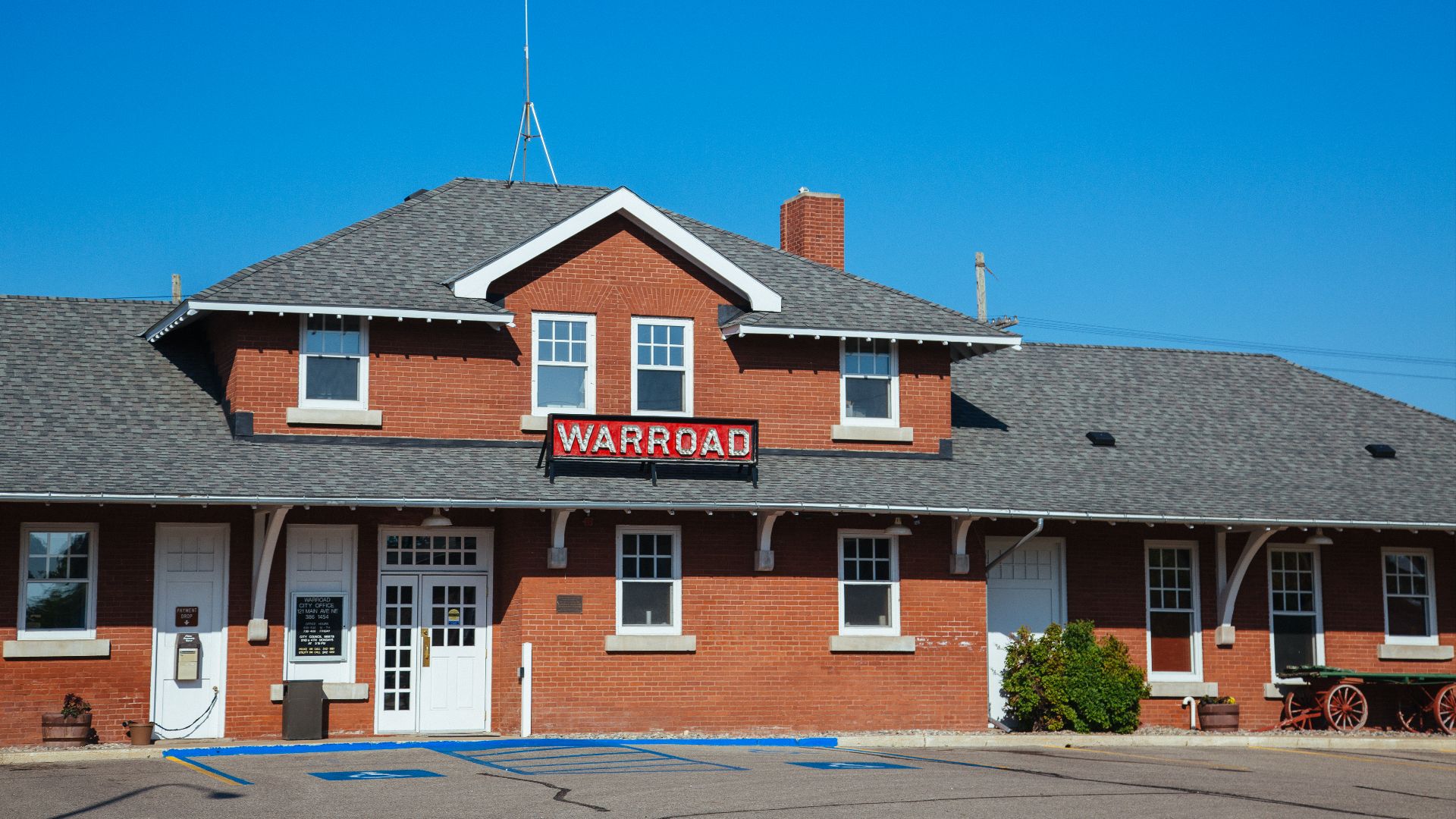
Warroad doesn't exactly hide its northern personality. The town proudly calls itself "Hockeytown USA," hosts youth tournaments throughout the winter, and sits near the Canadian border on Lake of the Woods. It's also a jumping-off point for Minnesota's Northwest Angle, which is so oddly positioned that travelers driving there from the rest of Minnesota must pass through Canada before reentering the United States. Few places make the border feel quite so theoretical.
 Tony Webster from Minneapolis, Minnesota, United States, Wikimedia Commons
Minneapolis-St. Paul, Minnesota
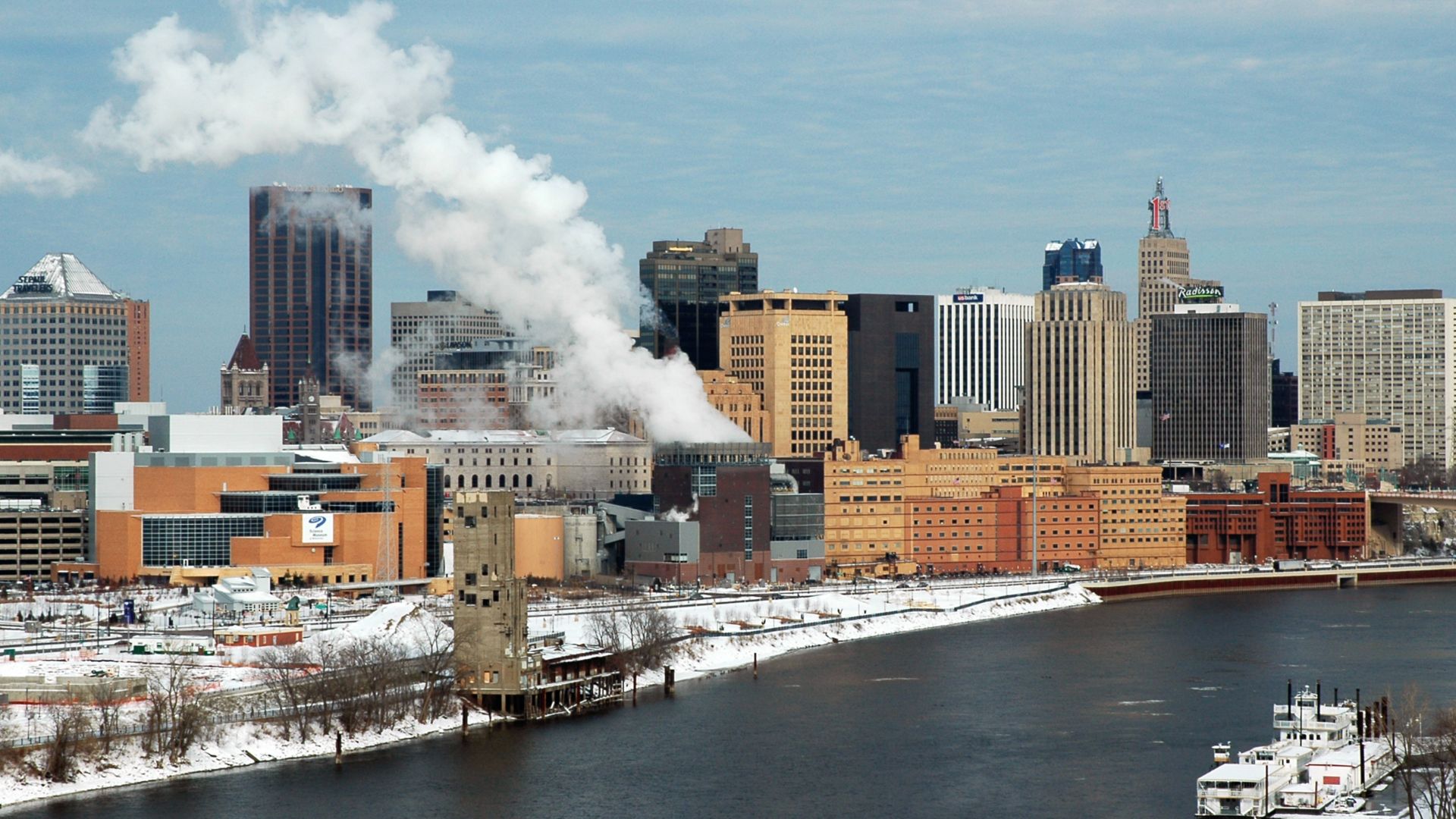
Ask people online which entire state feels most Canadian and Minnesota appears again and again. Canadians discussing the subject have highlighted the state's winters, accents, and hockey culture, while Minnesota officially promotes itself as the "State of Hockey." The Twin Cities are obviously major American metropolitan areas, but the cold-weather lifestyle and hockey obsession provide Canadians with plenty of familiar reference points.
Grand Marais And Minnesota's North Shore
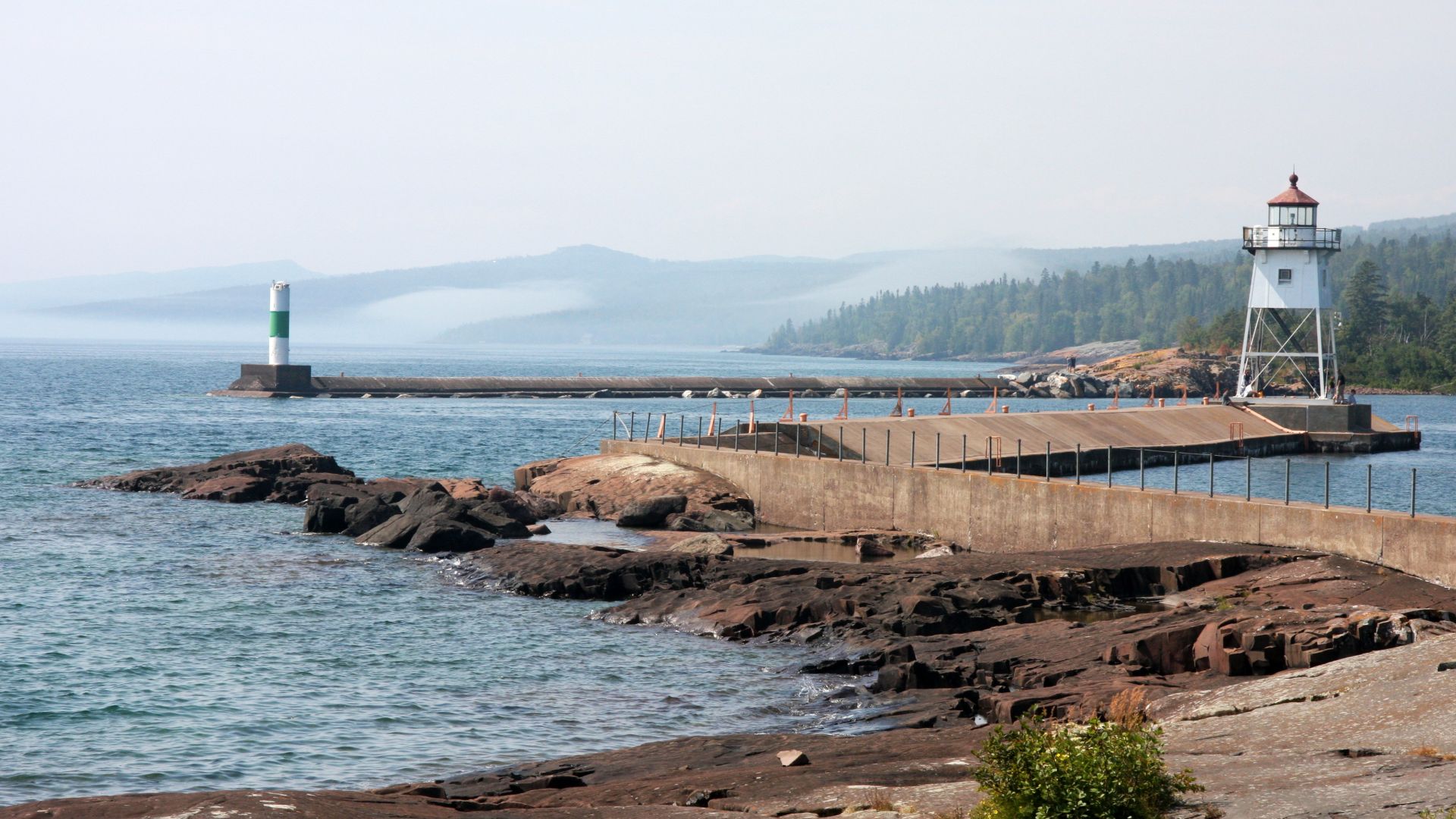
Keep driving northeast from Duluth and the Canadian comparisons get stronger. Minnesota's North Shore Scenic Drive passes waterfalls, forests, lighthouses, and small towns while hugging Lake Superior on its way toward Canada. The landscape doesn't suddenly transform when you reach the international boundary, which helps explain why this stretch can resemble the neighboring Canadian side of Superior.
 Jonathunder, Wikimedia Commons
Bellingham, Washington
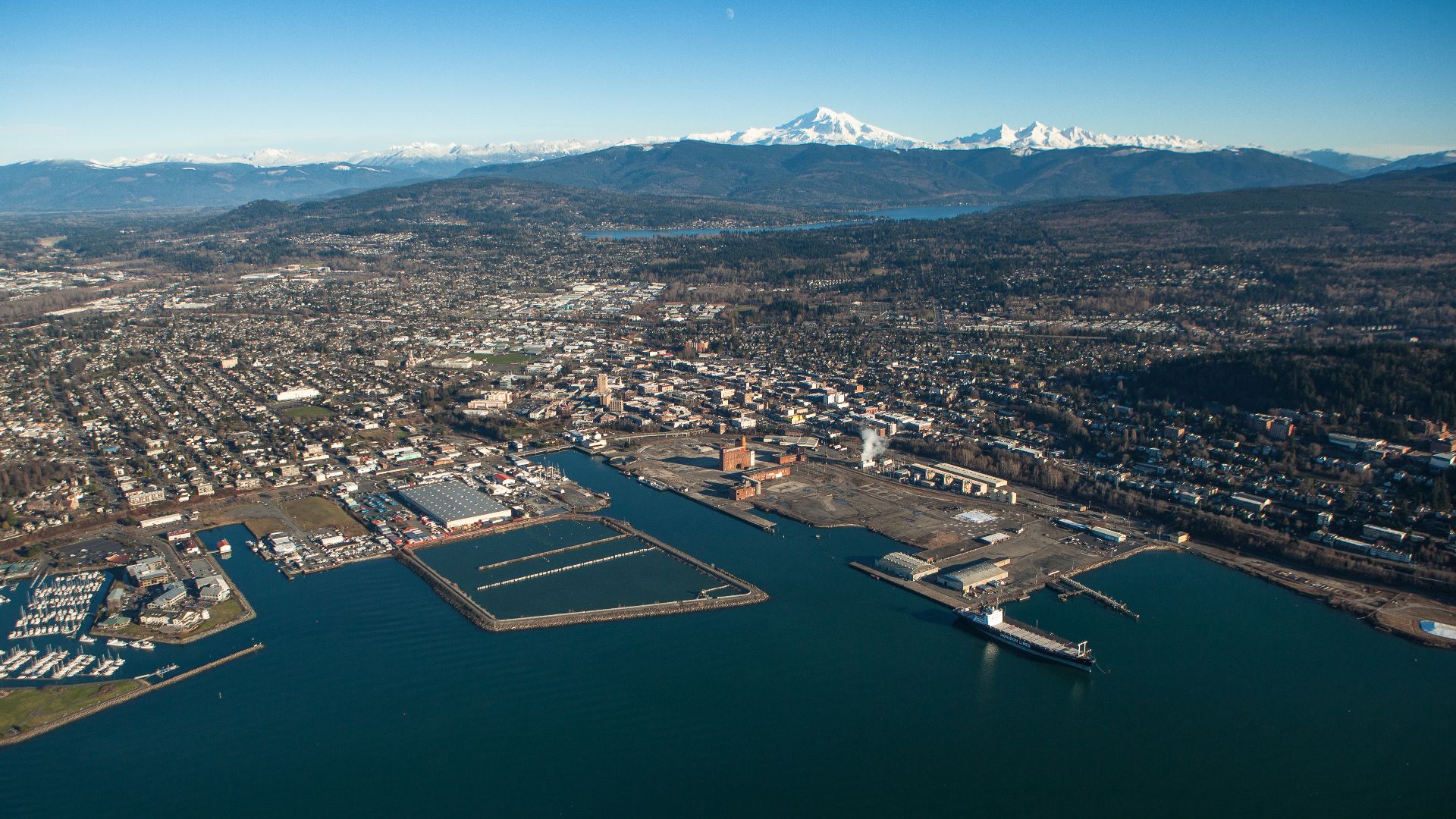
Bellingham sits less than 20 miles south of Canada and has deep economic connections with British Columbia. Whatcom County officials say the region has strong cultural and economic ties with its northern neighbor and historically handles thousands of daily cross-border vehicle trips. Vancouver is only about 60 miles from Bellingham, making Canadian shoppers, commuters, business travelers, and vacationers an ordinary part of local life.
 Nick Kelly / Faithlife Corporation, Wikimedia Commons
Seattle, Washington
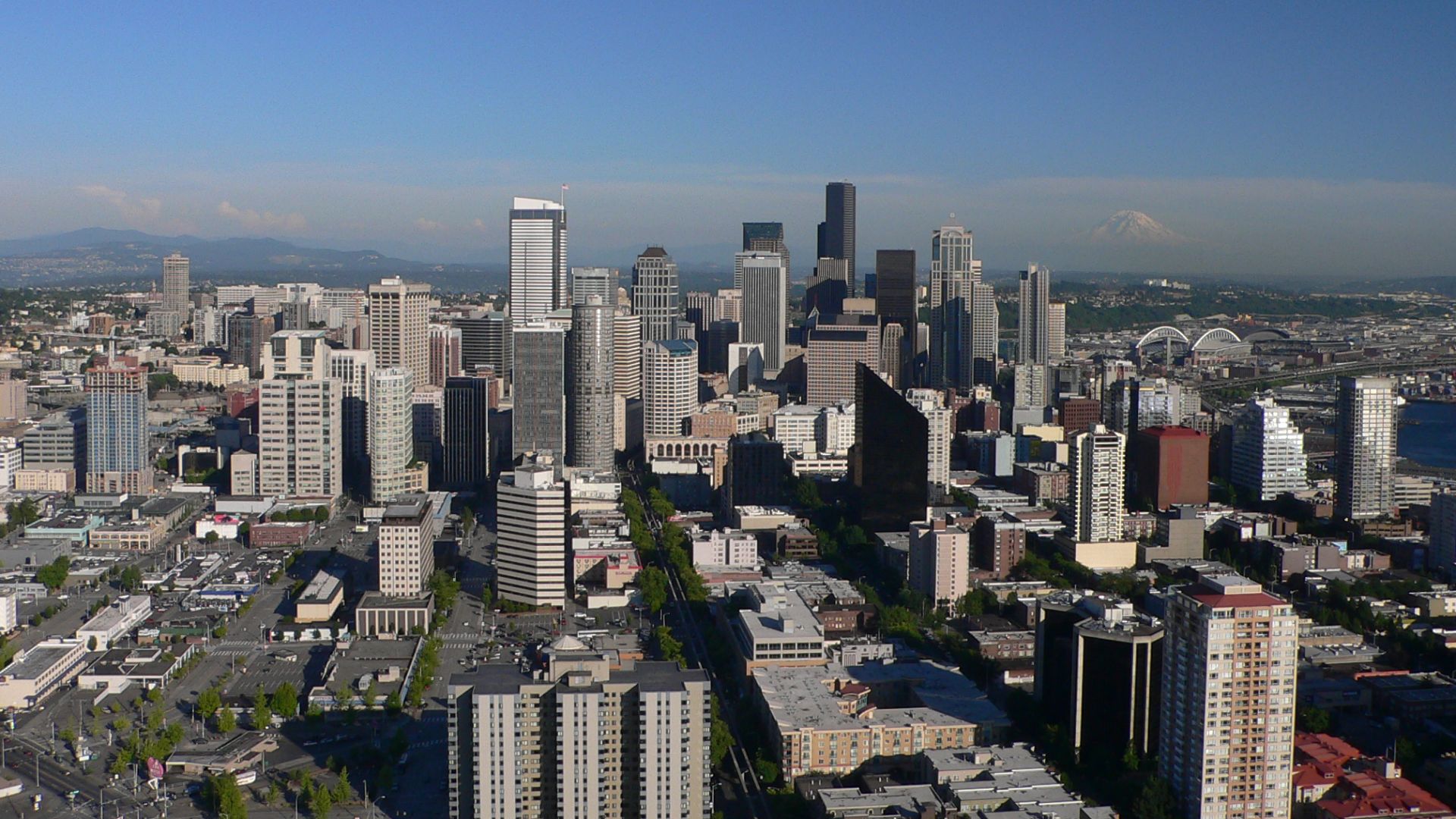
Canadians don't universally agree that Seattle feels Canadian, but the Vancouver comparison comes up repeatedly. The two cities are only about 130 miles apart as the crow flies and share the same broader Pacific Northwest environment. In Canadian travel discussions, some visitors describe Seattle and Vancouver as remarkably similar, while others insist their personalities remain noticeably different. Either way, few major American cities have a Canadian counterpart sitting quite so naturally nearby.
 Craig Nagy from Vancouver, Canada, Wikimedia Commons
Detroit, Michigan
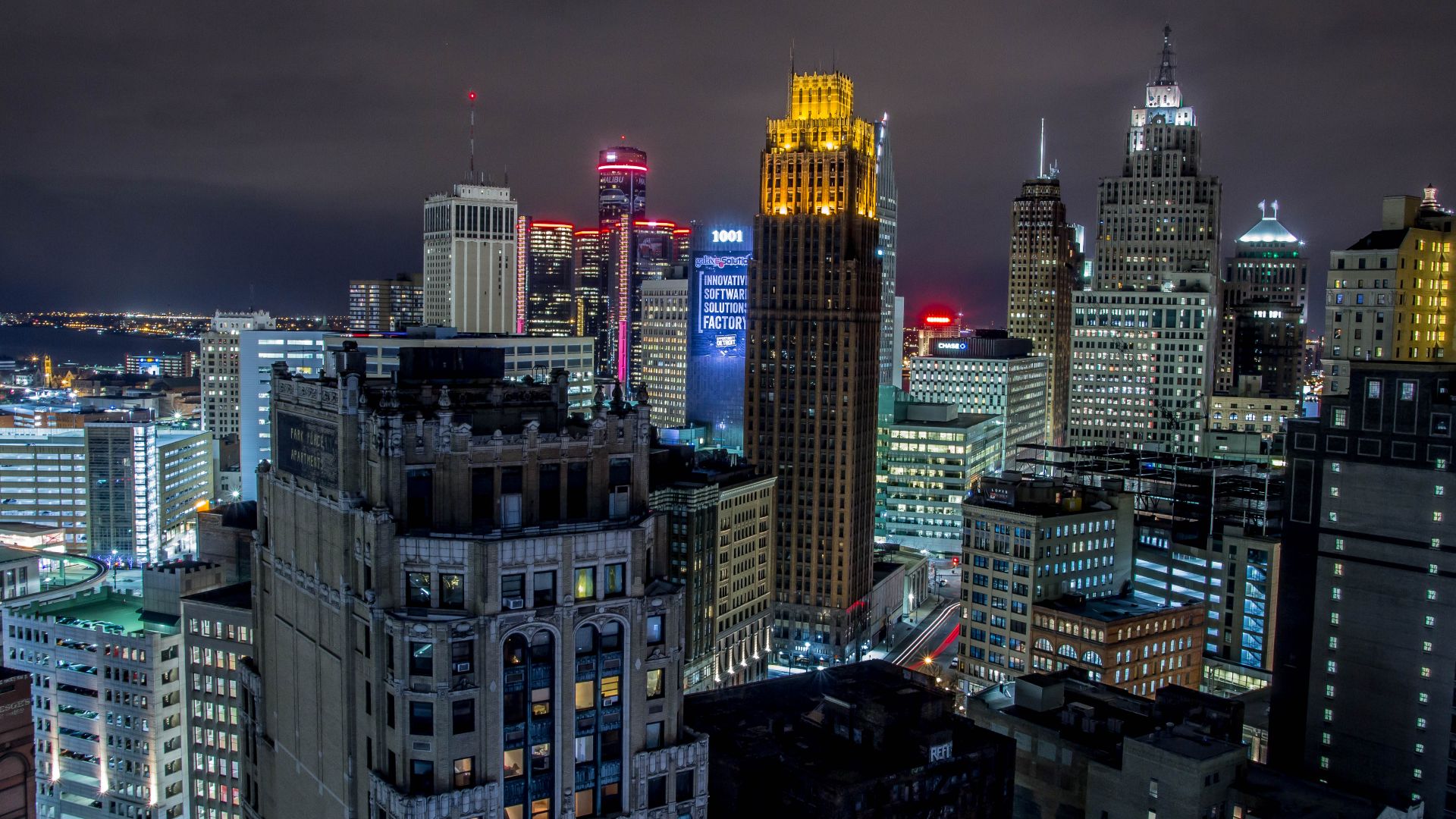
Detroit's connection with Canada is impossible to miss because downtown Windsor sits directly across the Detroit River. The neighboring cities have long shared economic and cultural ties, and travelers can move between them using international crossings including the Detroit-Windsor Tunnel, Ambassador Bridge, and newly opened Gordie Howe International Bridge. Windsor-Detroit is also Canada's most important commercial trade corridor, giving the region an unusually interconnected cross-border identity.
 Derek Gauci, Wikimedia Commons
Rochester, New York
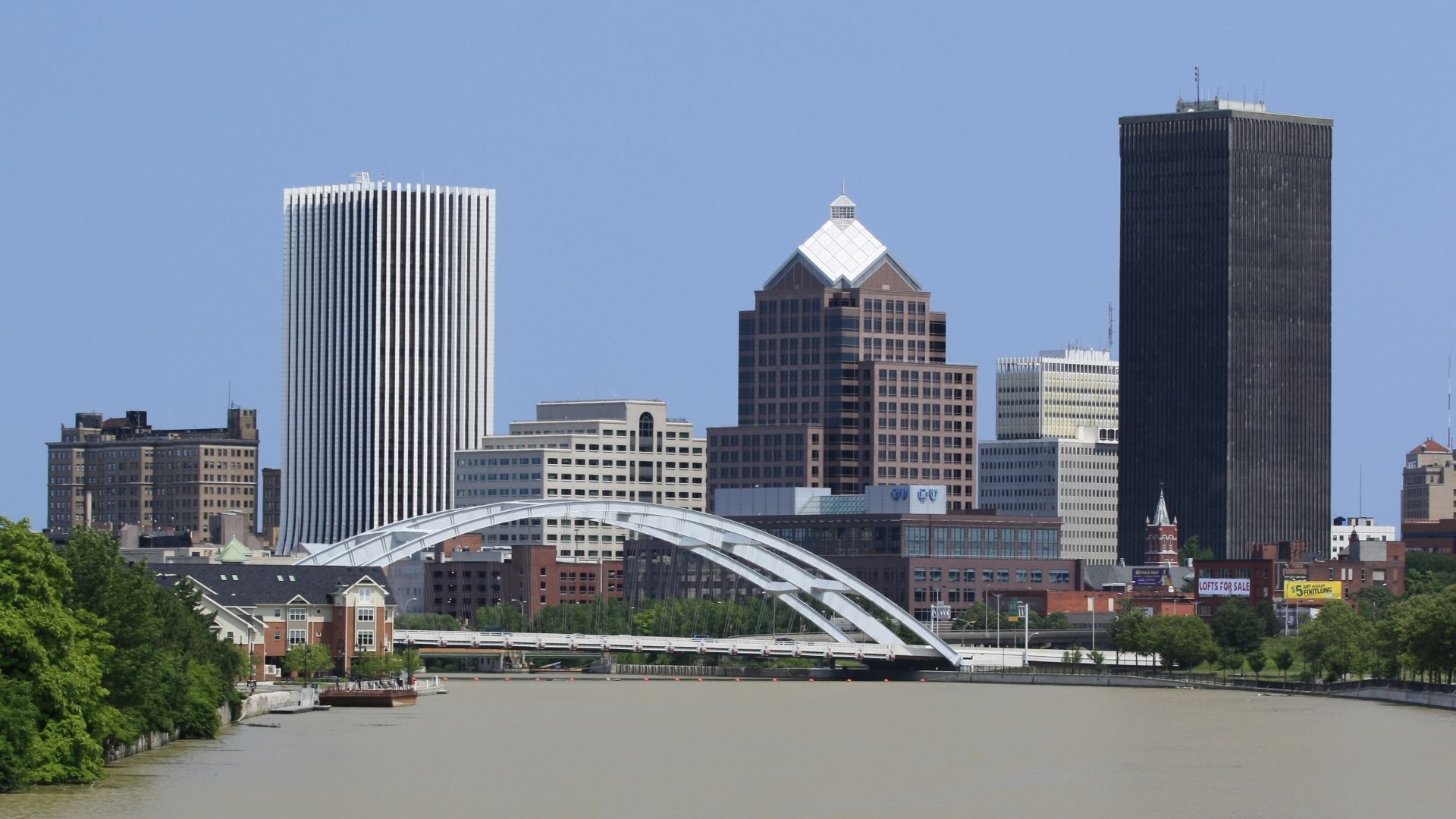
Rochester isn't directly on the border, but Canada is hardly distant. The city sits on Lake Ontario directly across the water from the Toronto region, while Niagara Falls and the Canadian border are roughly 90 minutes away by road. Toronto itself is about a three-and-a-half-hour drive. Rochester's strong hockey scene also regularly attracts teams and visitors from Canada.
 Evilarry at English Wikipedia, Wikimedia Commons
Northern Vermont
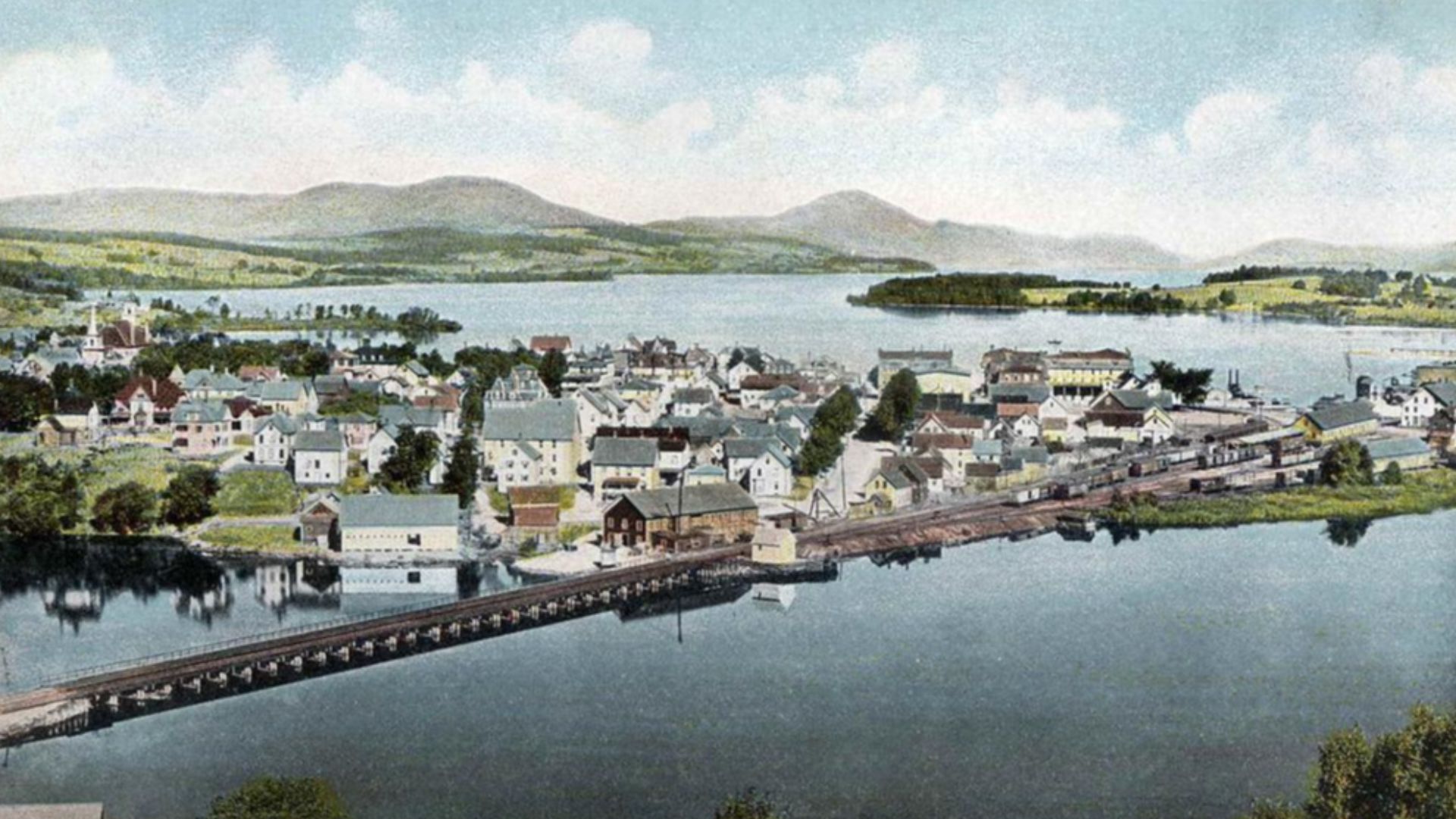
Vermont shares a long boundary with Quebec, and Canadian influence becomes particularly noticeable as you head north. French-Canadian ancestry remains common in parts of the state, something Vermonters themselves point out when discussing Quebec's cultural influence. The result isn't Quebec transplanted south of the border, but there are enough historical and family connections to make parts of northern Vermont feel familiar to visitors arriving from the province.
 Unknown photographer, Wikimedia Commons
Northern New Hampshire
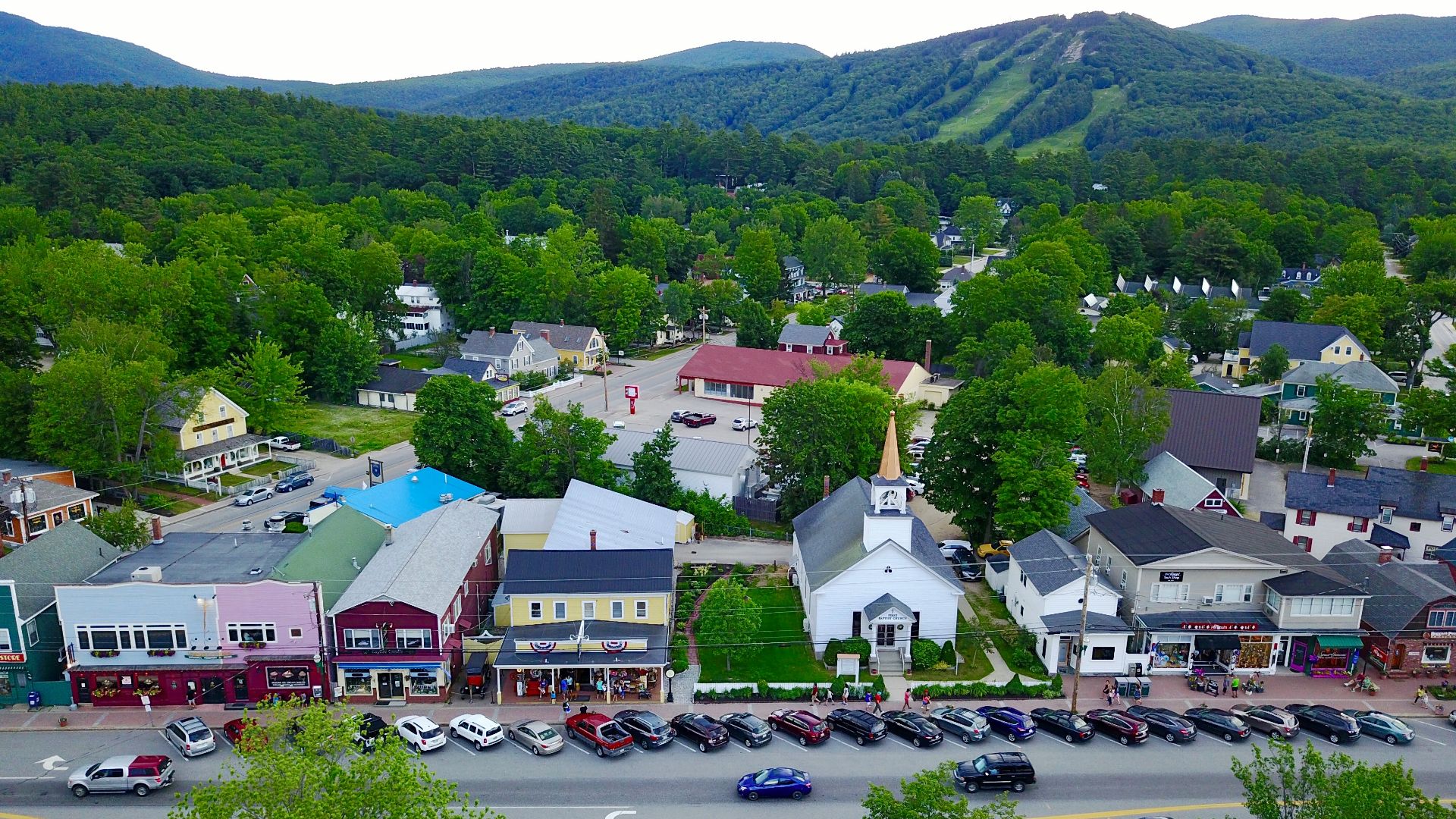
Keep traveling east and you'll reach another state connected directly to Quebec. New Hampshire shares a 58-mile international border with Canada, with a crossing between Pittsburg, New Hampshire, and Chartierville, Quebec. Up here, dense forests, lakes, long winters, and tiny communities replace the busier New England most tourists picture. The geography doesn't particularly care which flag is flying nearby.
 Jay Burnham, Wikimedia Commons
Madawaska, Maine
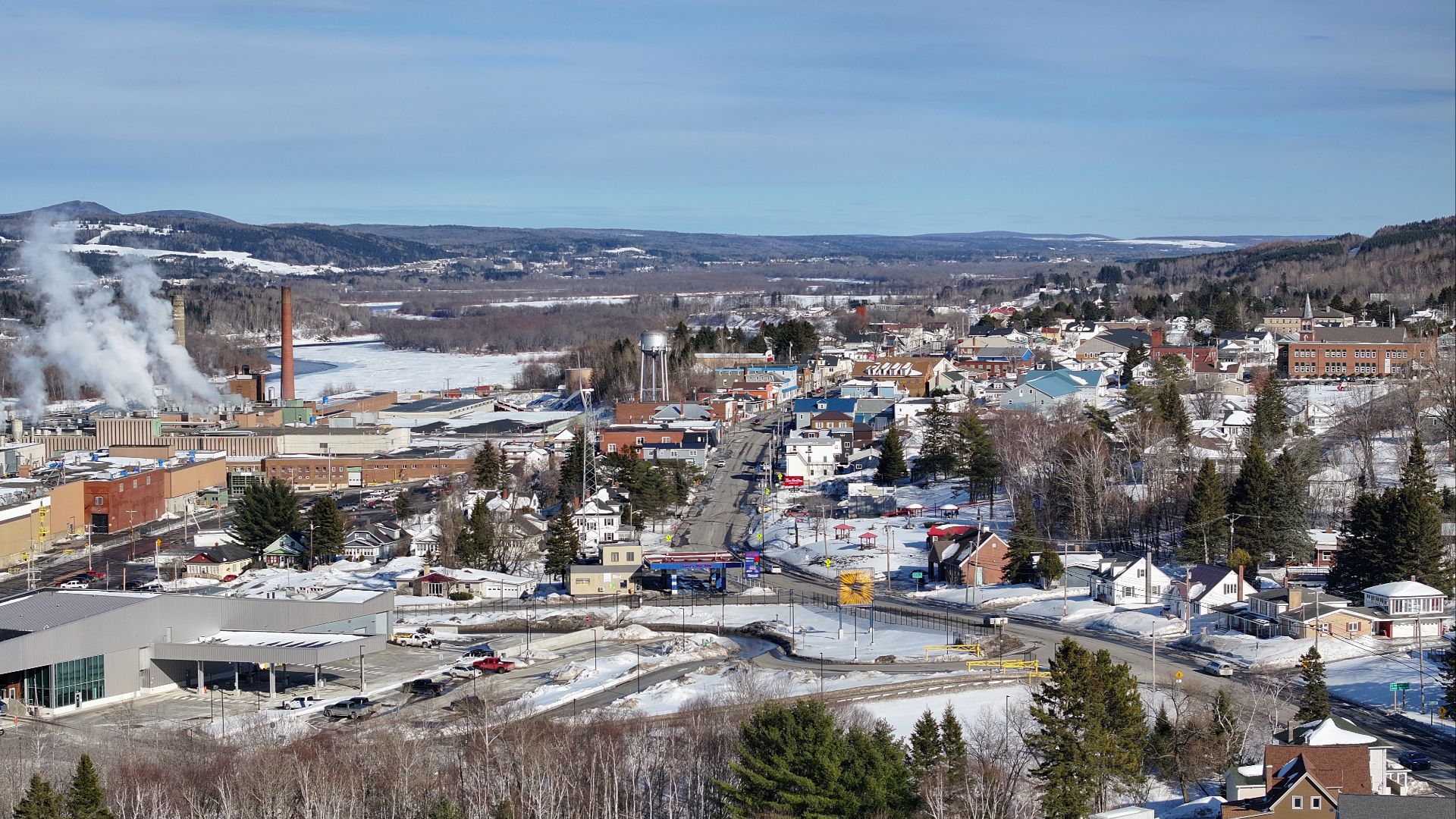
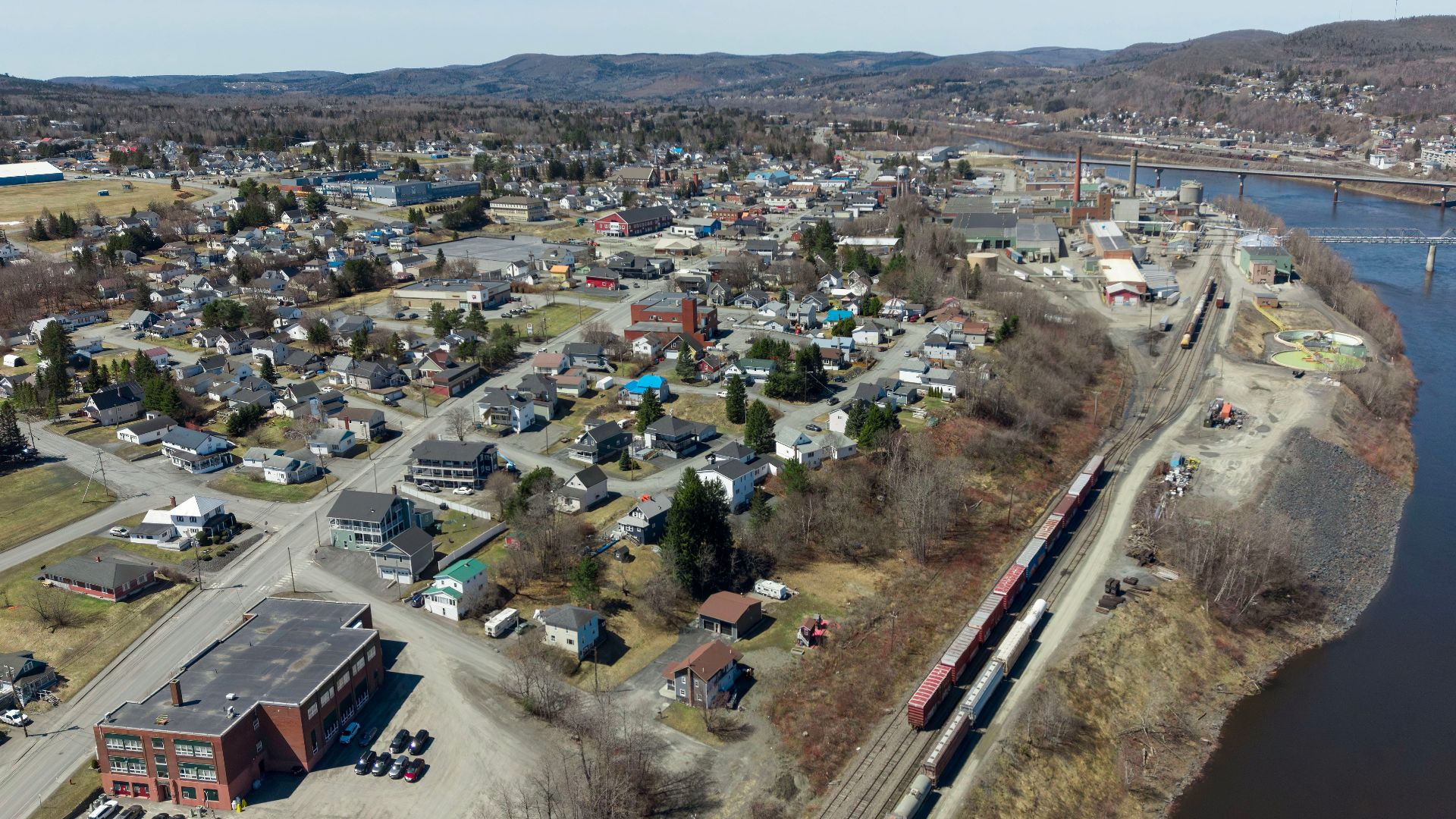
Madawaska may be one of the strongest contenders outside Point Roberts and Hyder. Acadian families settled the region in 1785, and Maine's government notes that French remains the primary language for thousands of state residents. The St. John Valley continues celebrating Acadian culture through festivals, music, food, and traditions shared with communities across the Canadian border.
 Quintin Soloviev, Wikimedia Commons
Van Buren, Maine
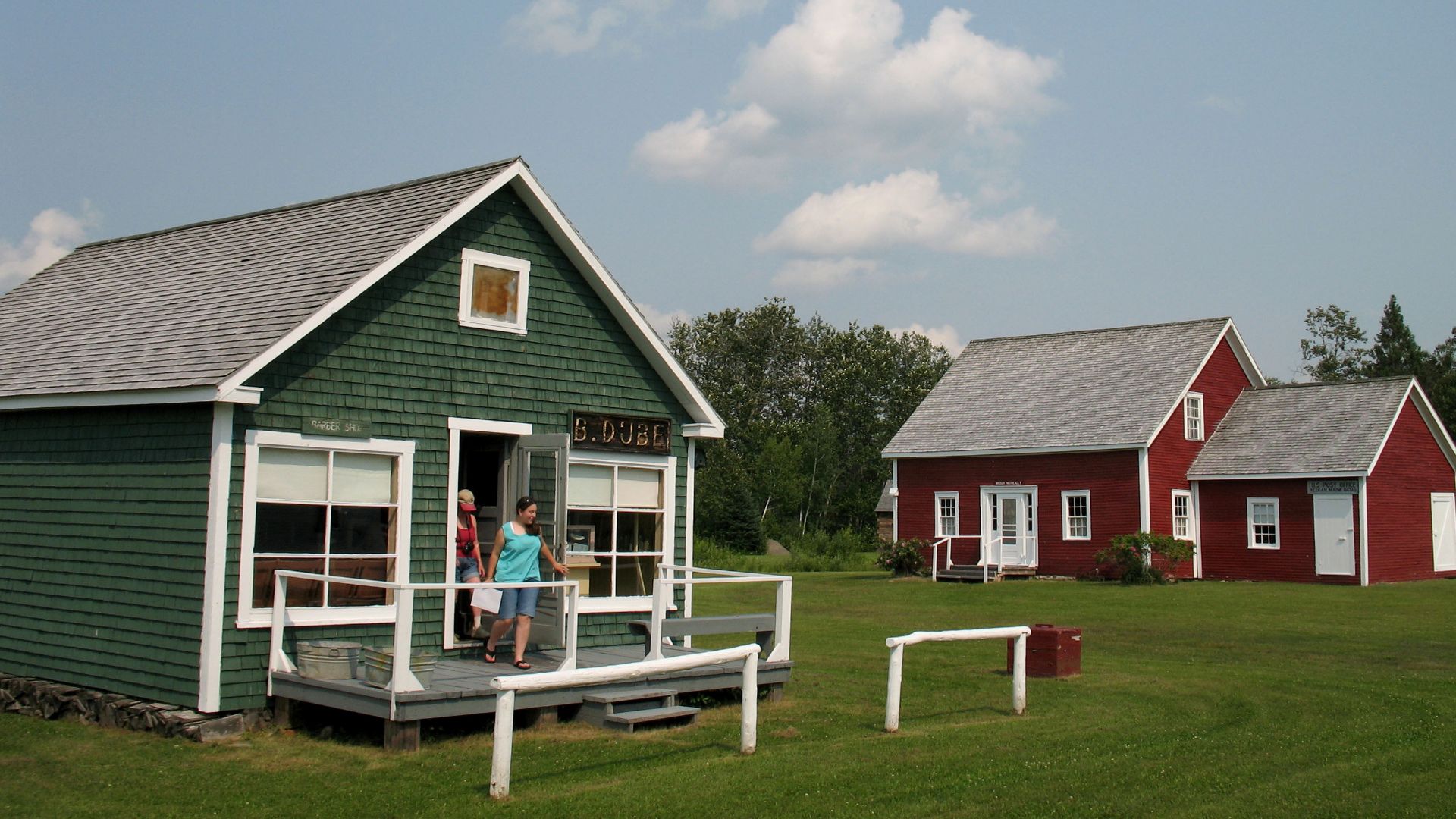
Just down the St. John River sits Van Buren, another Maine community where the Canadian connection runs much deeper than geography. The town's Acadian Village preserves the history and customs of Acadians who settled the valley beginning in the 1700s. Maine's tourism office rather amusingly describes Van Buren's location as putting visitors practically at Canada's doorstep.
Eastport, Maine
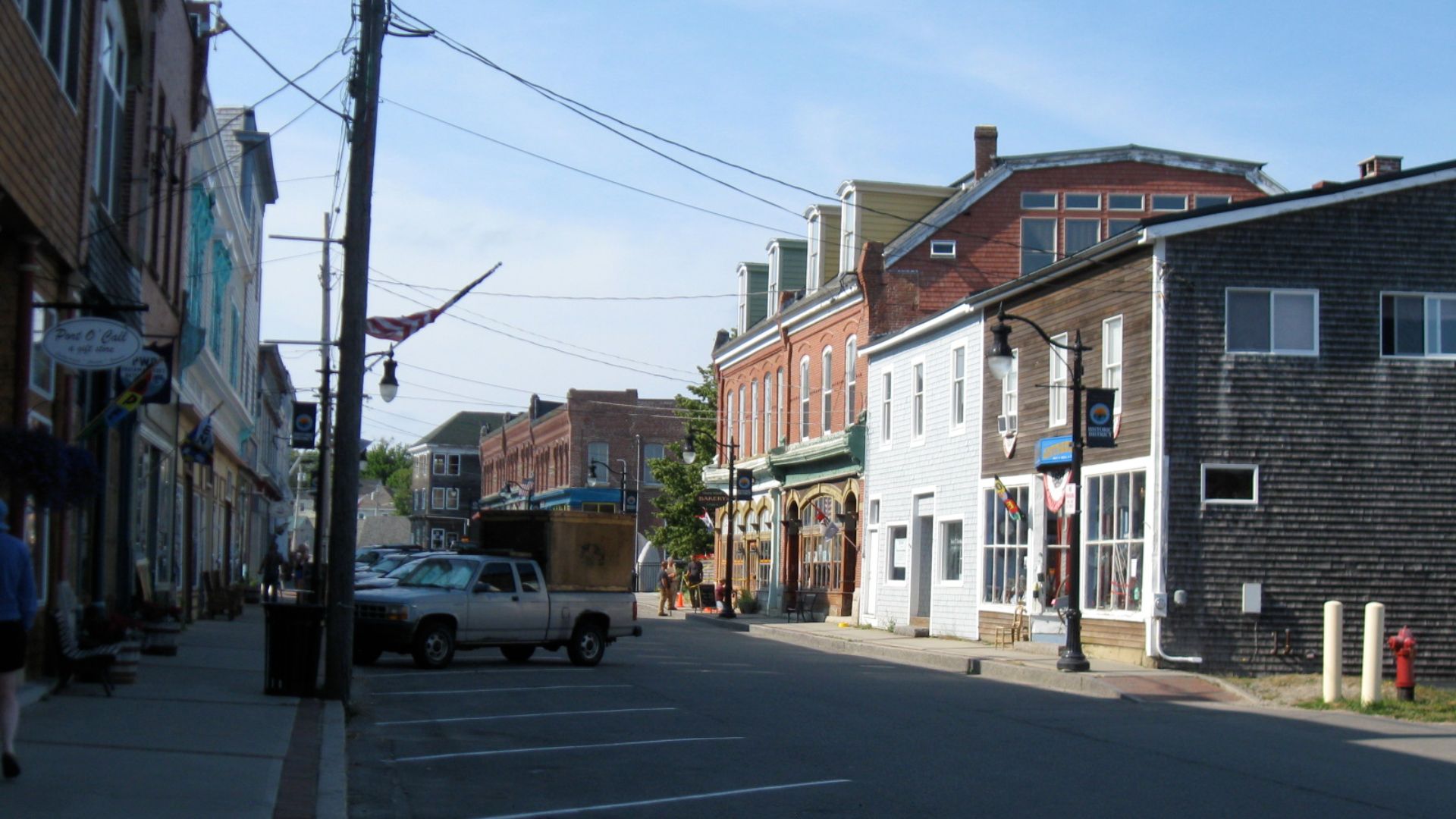
Eastport delivers the Maritime version of "almost Canada." America's easternmost city sits on Moose Island across the bay from New Brunswick, surrounded by the dramatic tides and currents of Passamaquoddy Bay. Its coastal scenery, fishing heritage, islands, and proximity to Atlantic Canada give the area a distinctly Downeast atmosphere that doesn't magically stop at the international line.
 Ken Gallager, Wikimedia Commons
Northern Maine In General
The Canadian feeling doesn't disappear when you leave individual border towns. French influence across Maine stretches back centuries through Acadian settlement and later immigration from Quebec. Maine's tourism office highlights continuing Franco-American traditions in communities including Madawaska, Lewiston, and Biddeford. In northern Maine especially, Canada feels less like a distant foreign country and more like the neighbor everyone already knows.
 Quintin Soloviev, Wikimedia Commons
Glacier National Park, Montana
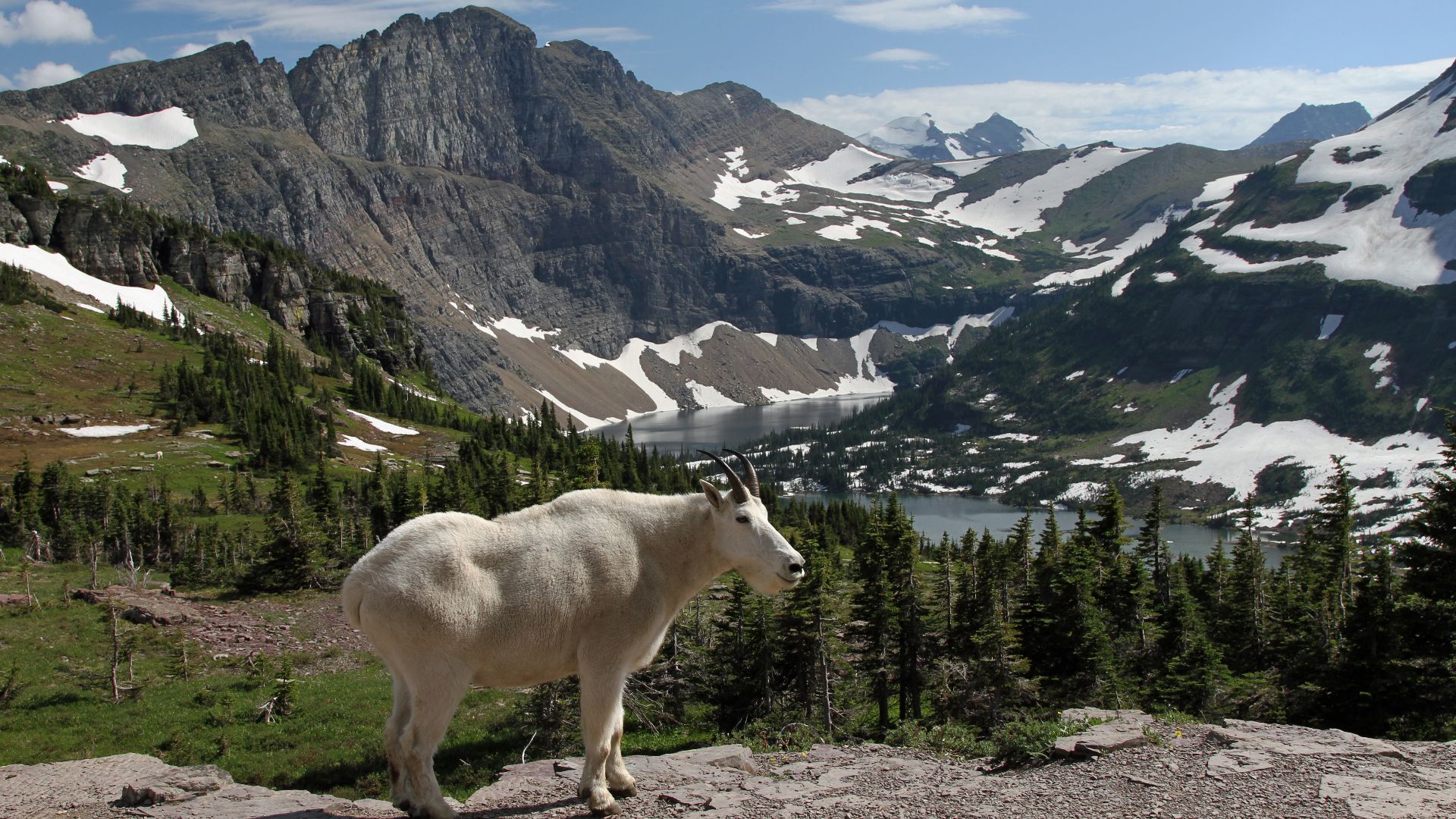
Glacier National Park provides perhaps the most literal example of an American landscape continuing directly into Canada. Glacier and Alberta's Waterton Lakes National Park together form Waterton-Glacier International Peace Park, created in 1932 as the world's first international peace park. The parks share mountains, wildlife habitats, watersheds, and ecosystems that cross the international boundary without interruption.
 Robert M. Russell, Wikimedia Commons
Northwest Angle, Minnesota
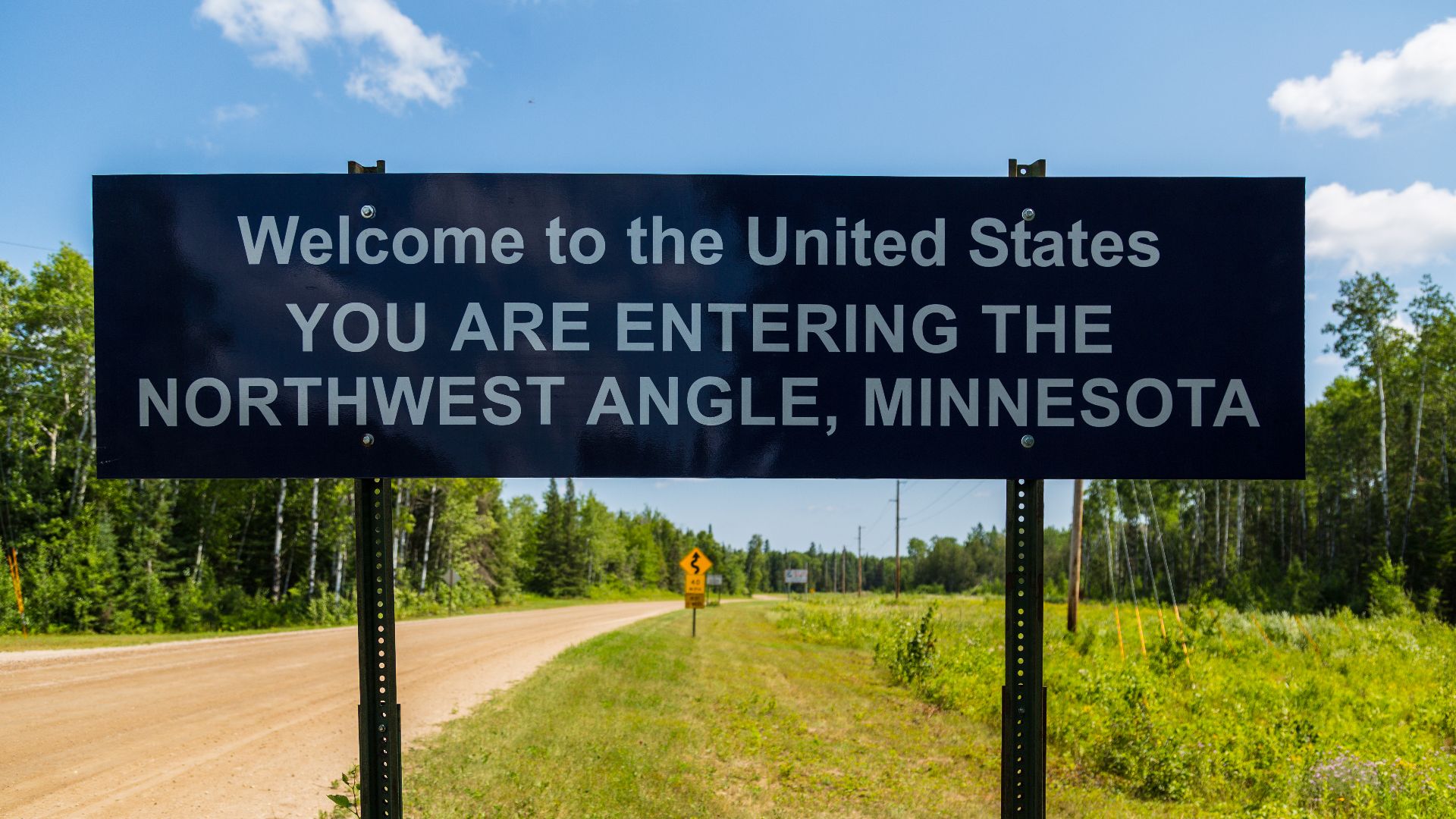
Minnesota's Northwest Angle is another geographical oddity that seems designed to confuse anyone studying a map. Reaching it by road from the rest of Minnesota requires driving through Canada and then crossing back into the United States. Visitors therefore need appropriate border documentation simply to drive between two pieces of the same state. Combine that with Lake of the Woods, northern forests, fishing culture, and long winters, and the Canadian resemblance isn't particularly mysterious.
 Tony Webster from Minneapolis, Minnesota, United States, Wikimedia Commons
The Northern Borderlands Aren't Easily Divided
There isn't one definitive "most Canadian" place in America because Canadians themselves don't agree on one. Minnesota gets plenty of votes, Sault Ste. Marie has enthusiastic supporters, and Point Roberts may have the strongest objective case of all. What these places demonstrate is that national borders don't neatly divide geography, climate, families, or regional culture. Sometimes the customs booth is the biggest reminder that you've entered another country.
 Madereugeneandrew, Wikimedia Commons
You May Also Like:
Countries Where American Travelers Say The Food Was Better Than They Ever Expected
European Destinations That American Travelers Say Are Better Than The Famous Ones
Things Europeans Find Surprisingly Different When They Visit Rural America
Source: 1