Where The Mules Once Walked
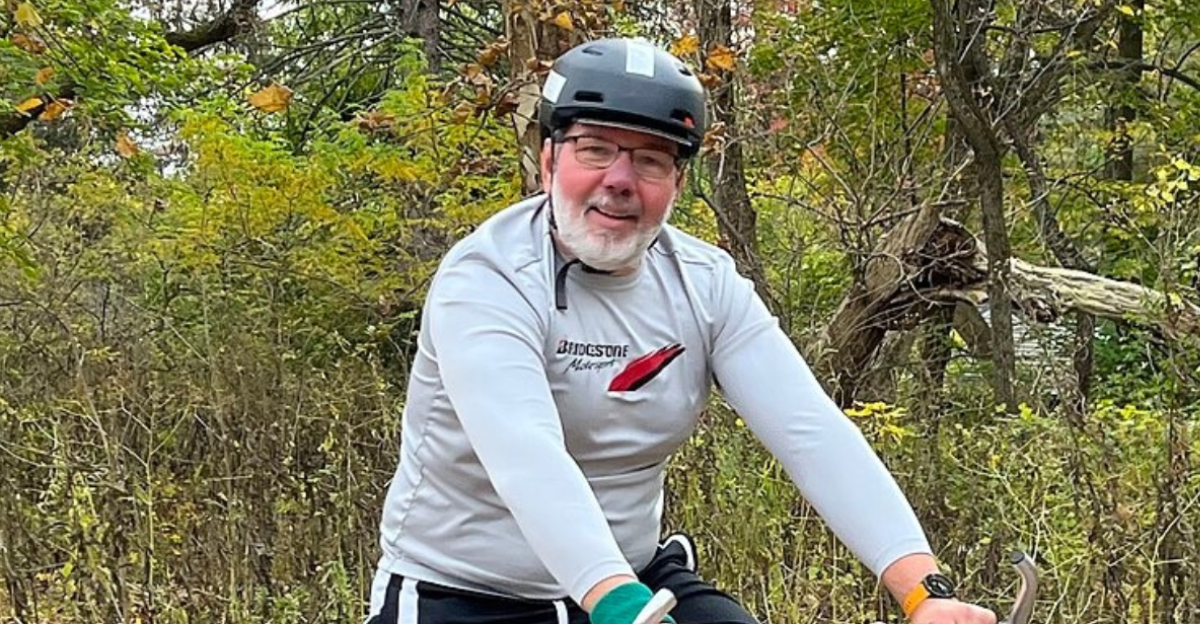
A path beside a canal might sound like an unlikely vacation highlight. Yet New York's old towpaths now invite cyclists and walkers through waterfront villages, wooded stretches, and working locks. It's history you can explore at your own pace.
The Waterway That Remade New York
Opened in 1825, the Erie Canal linked the Hudson River with Lake Erie. The ambitious project helped move goods and people across New York. Two centuries later, its transportation legacy also provides a scenic recreational route.
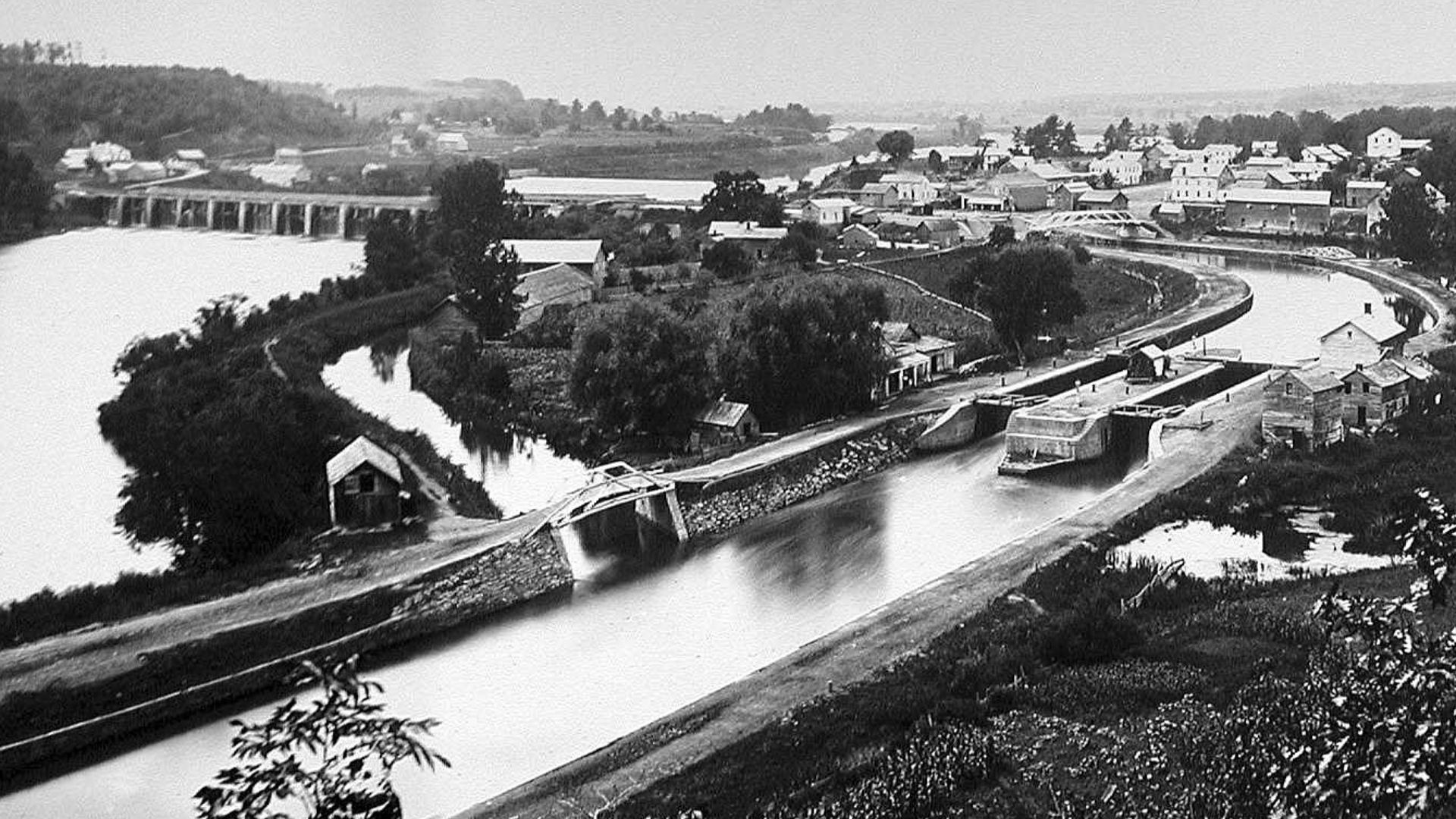 Clifton Park Collection, Wikimedia Commons
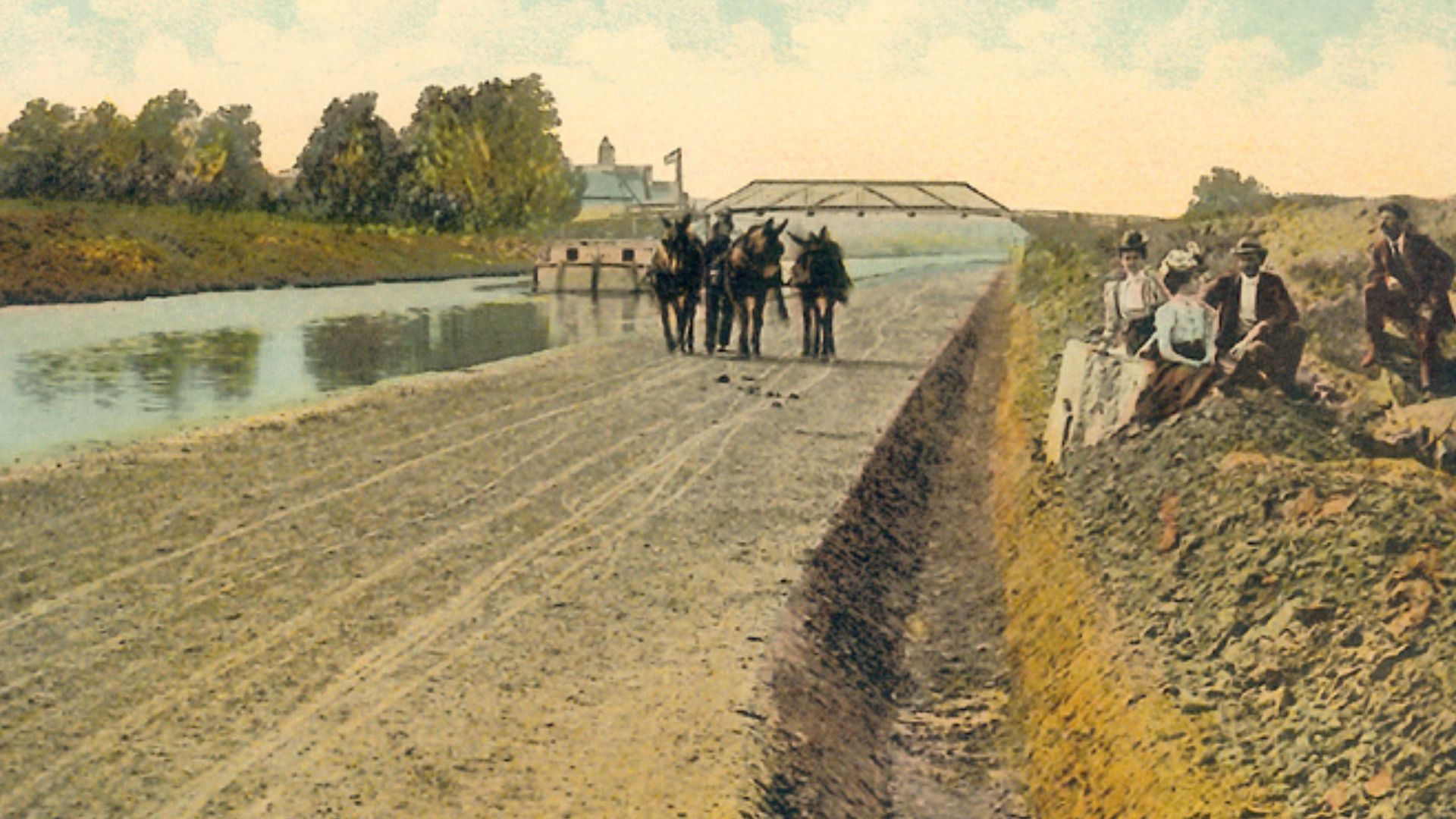
Towpaths Had A Very Different Job
Before bicycles arrived, mules walked these paths while pulling loaded canal boats. The trails follow portions of those old routes, alongside newer canal sections and former railway corridors. Today's travelers get the views without having to haul the cargo.
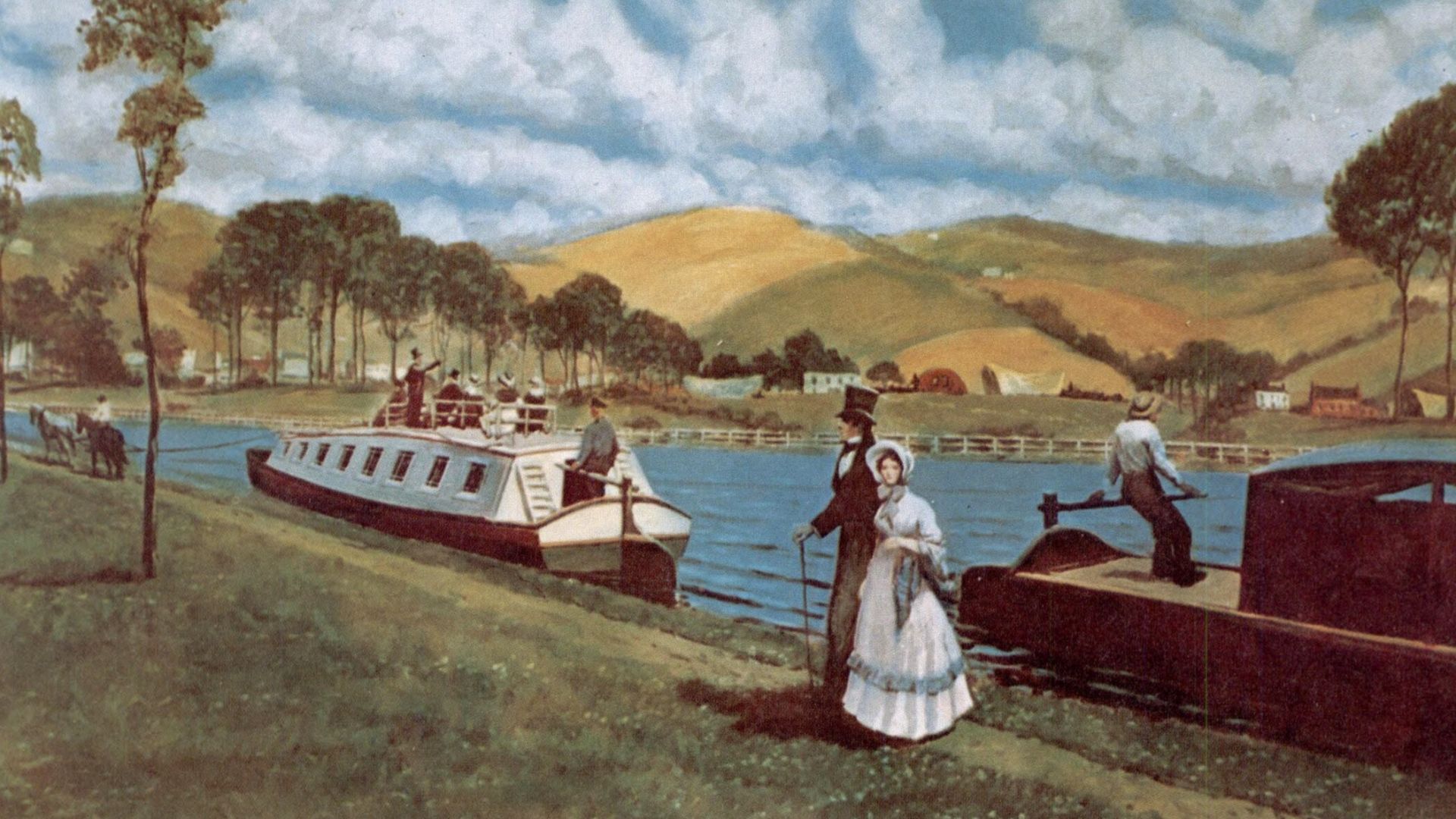 Federal Highway Administration, Wikimedia Commons
More Than 360 Miles To Explore
The Erie Canalway Trail extends roughly 360 miles between Buffalo and Albany. Along the way, it connects Rochester, Syracuse, Utica, and smaller communities. There's enough distance for an ambitious expedition, but no requirement to tackle everything.
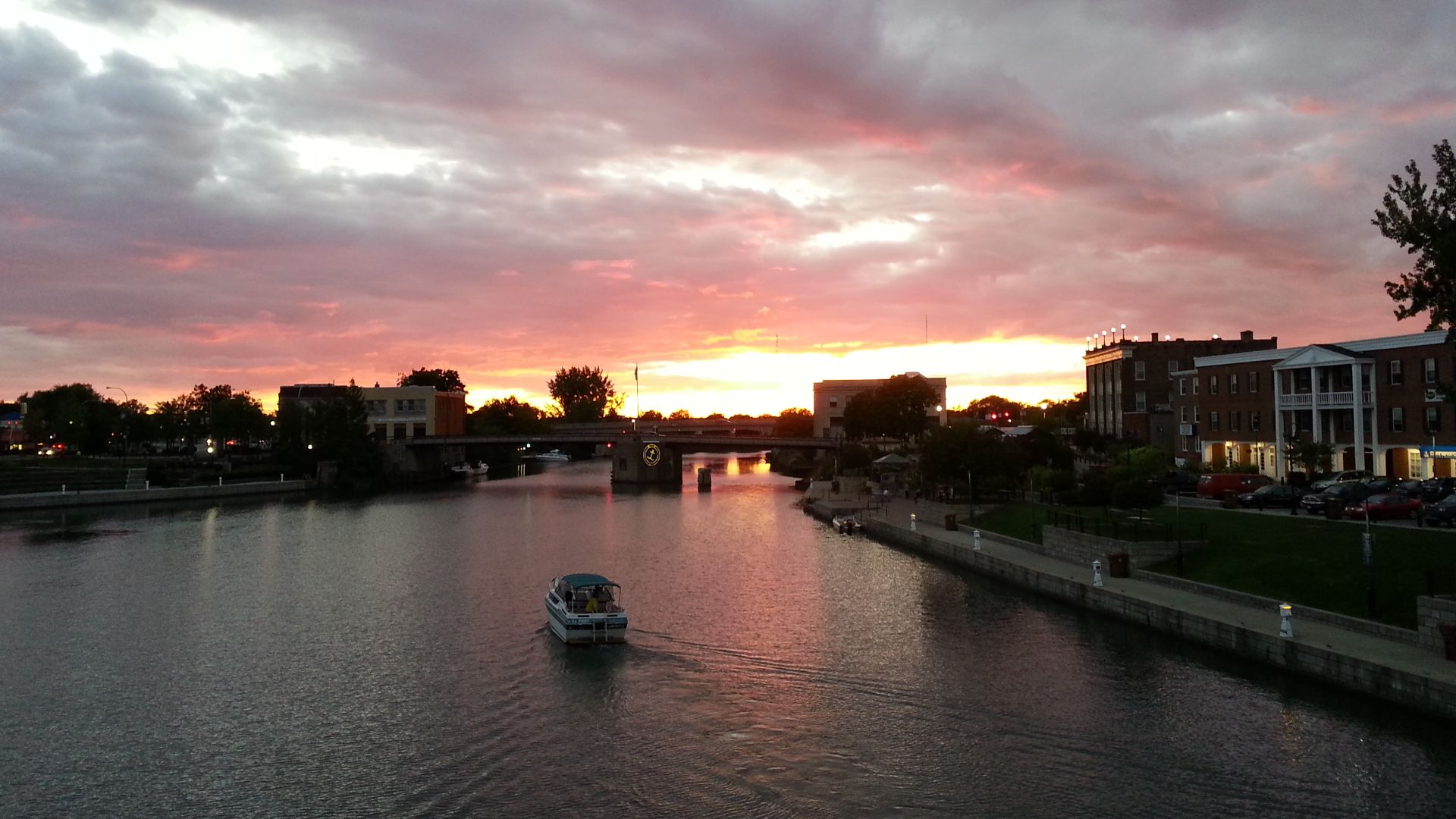 Joshua Karn, Wikimedia Commons
Cars Take A Back Seat
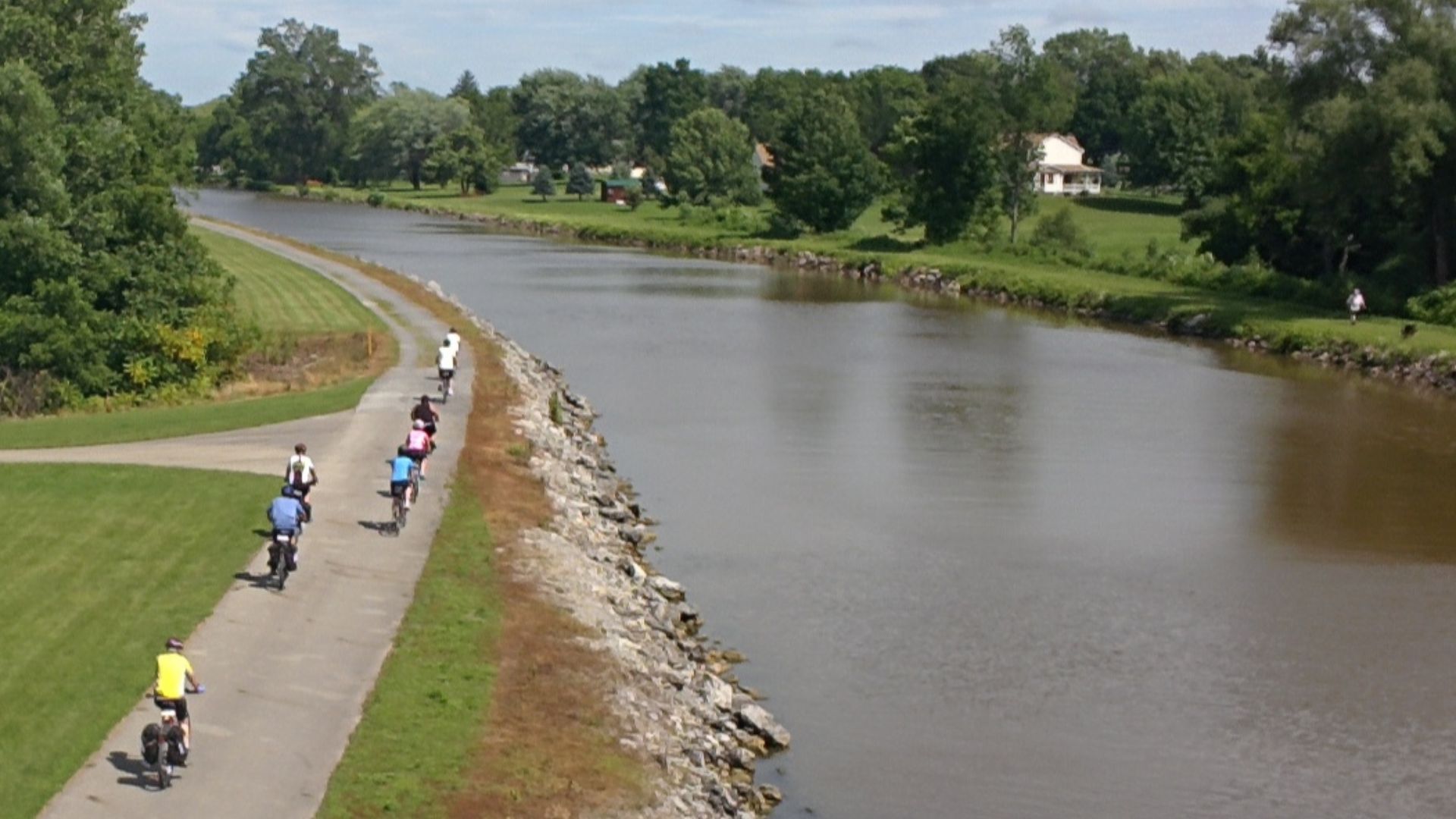
According to the Erie Canalway National Heritage Corridor, about 87% of the trail is off-road. That makes long stretches appealing to riders who prefer separation from traffic. Some connections still use streets, so checking your route matters.
 Russ Nelson, Wikimedia Commons
It Belongs To An Even Bigger Trail
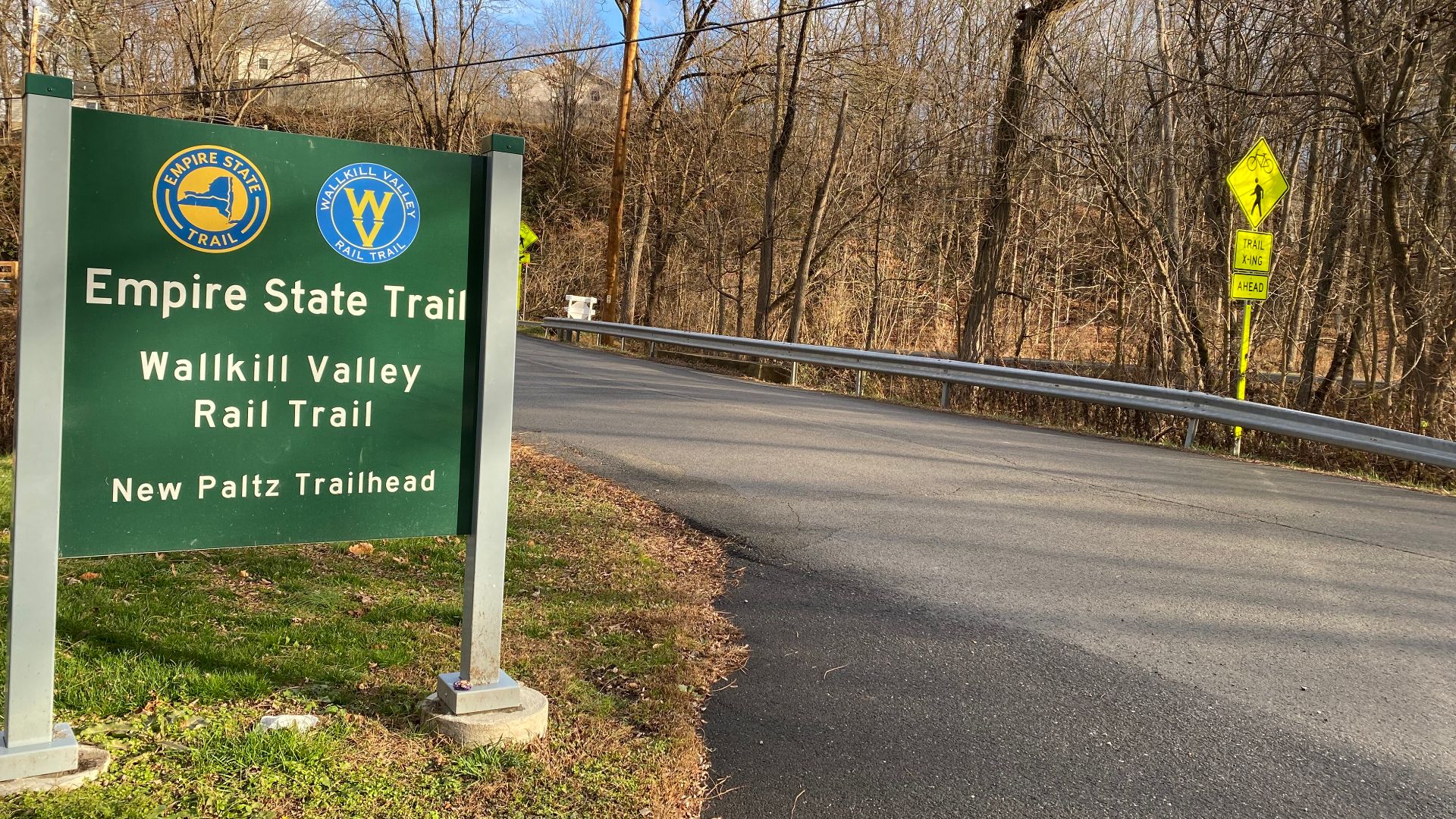
The canal route forms the east-west portion of New York's 750-mile Empire State Trail. That larger network connects New York City, Albany, Buffalo, and the Canadian border. Signs help travelers follow its connected on-road and off-road sections.
Mostly Flat, But Not All Pavement
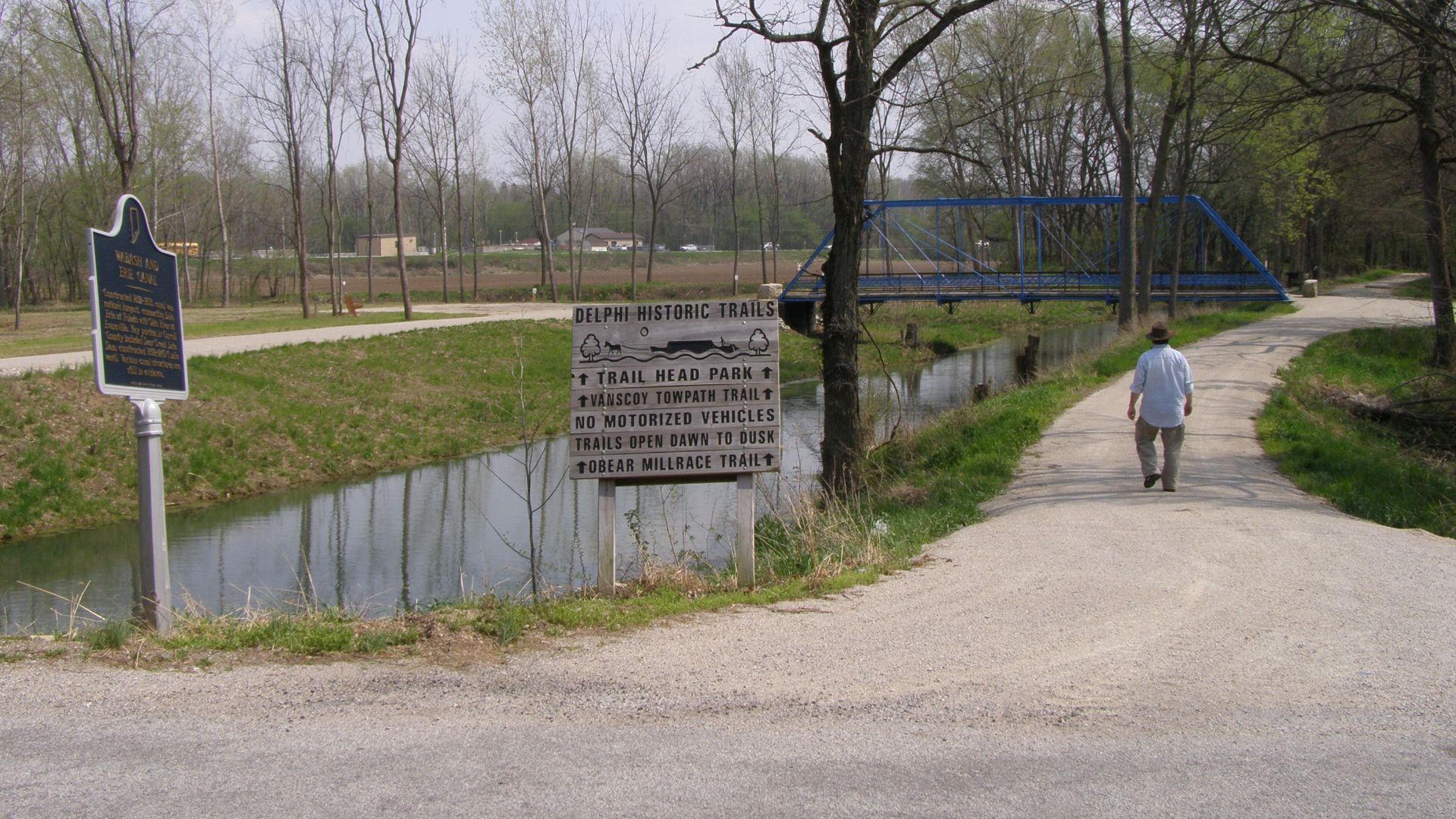
The old transportation corridor offers largely level riding and walking. Expect pavement in many places, with stone dust, gravel, and natural surfaces elsewhere. The changing ground is another reason to examine individual trail segments before choosing your wheels.
 Chris Light, Wikimedia Commons
Buffalo Is A Fitting Place To Begin
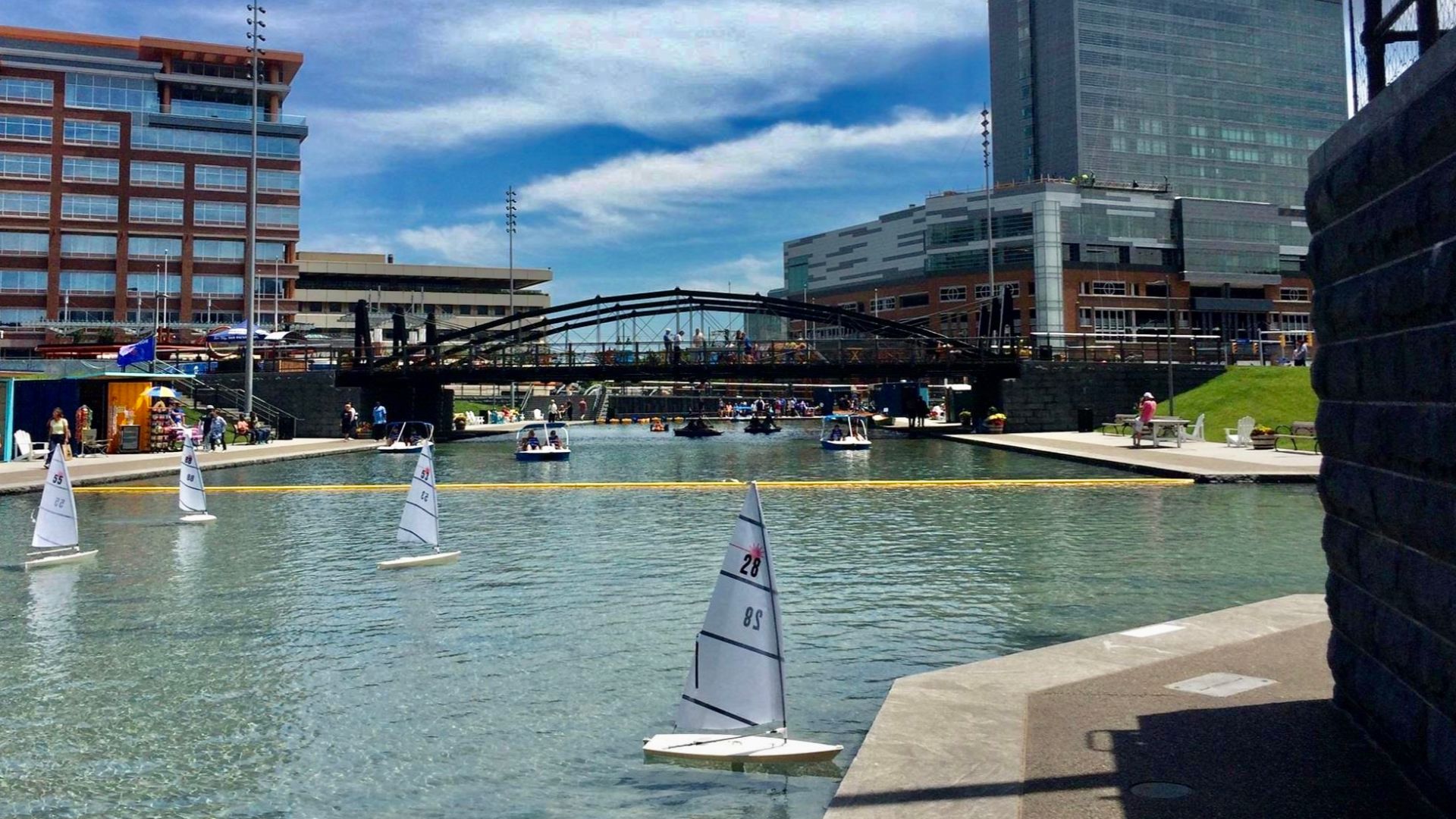
Buffalo's revitalized Canalside recalls the Erie Canal's original western terminus. It's a natural introduction to the history behind the ride. From there, a west-to-east journey trades city waterfronts for rural fields and classic canal towns.
 Andre Carrotflower, Wikimedia Commons
Lockport's Famous Flight Of Five
At Lockport, historic stone locks once lifted boats past the Niagara Escarpment. The partly restored Flight of Five stands beside modern Locks 34 and 35. Visitors can see two generations of canal engineering without straying far from the route.
 bobistraveling, Wikimedia Commons
Middleport Adds A Lift-Bridge Stop
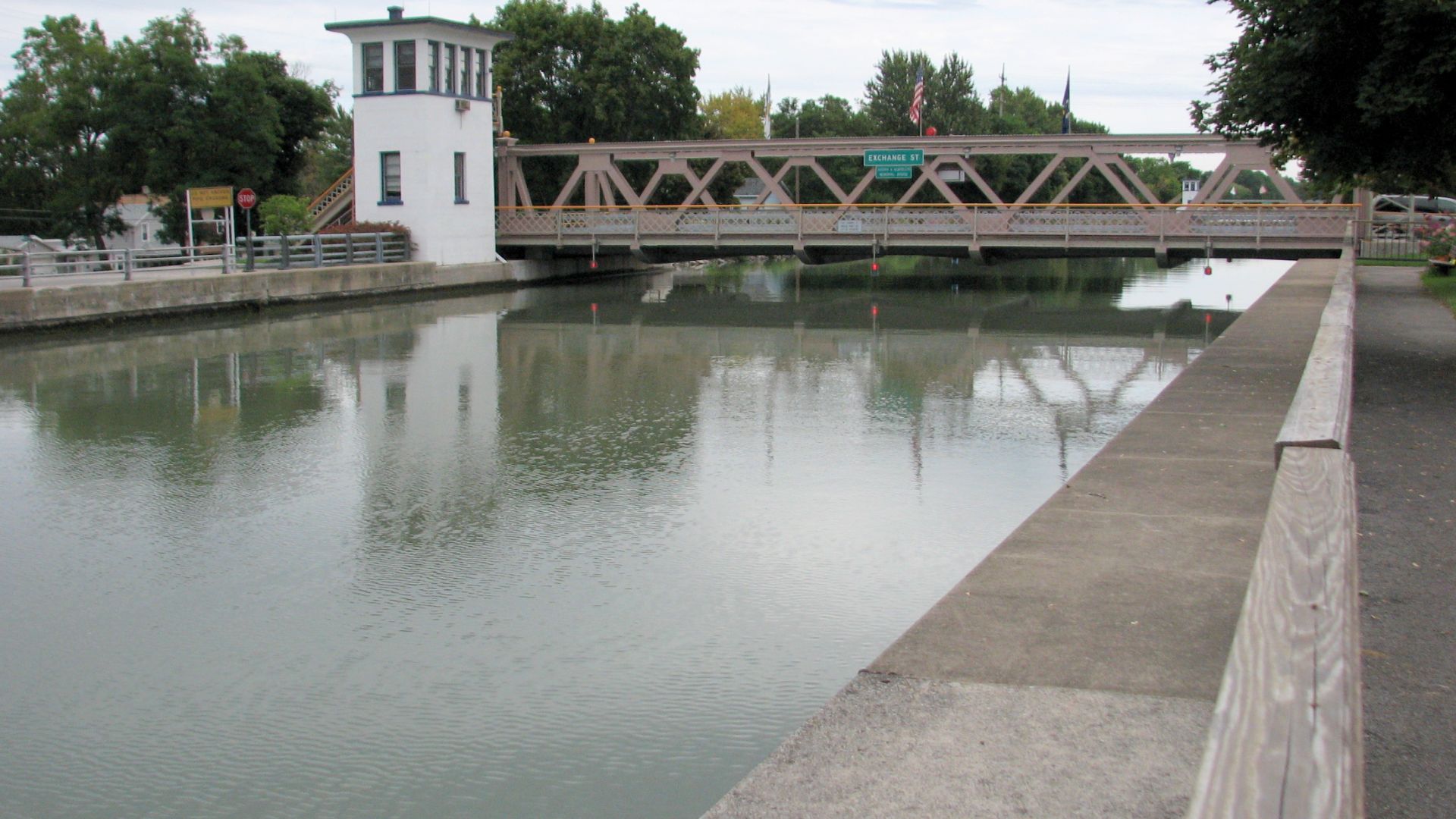
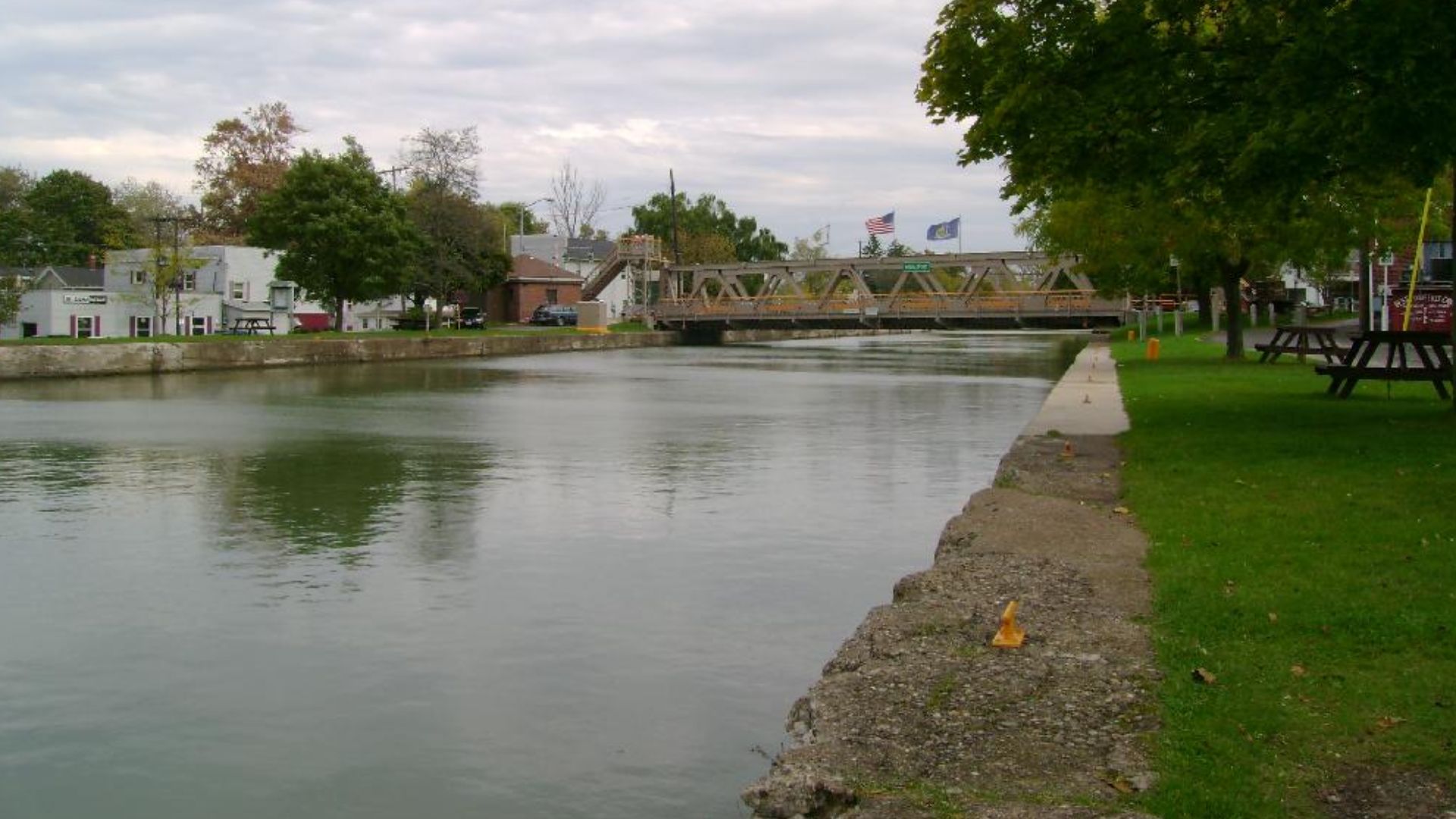
A recommended 24-mile cycling outing links Lockport and Middleport. In Middleport, travelers can cross a lift bridge to reach a canalside park. It's a convenient turnaround for anyone seeking a day trip rather than a cross-state undertaking.
 Phil5329 at English Wikipedia, Wikimedia Commons
Holley Has A Waterfall Surprise
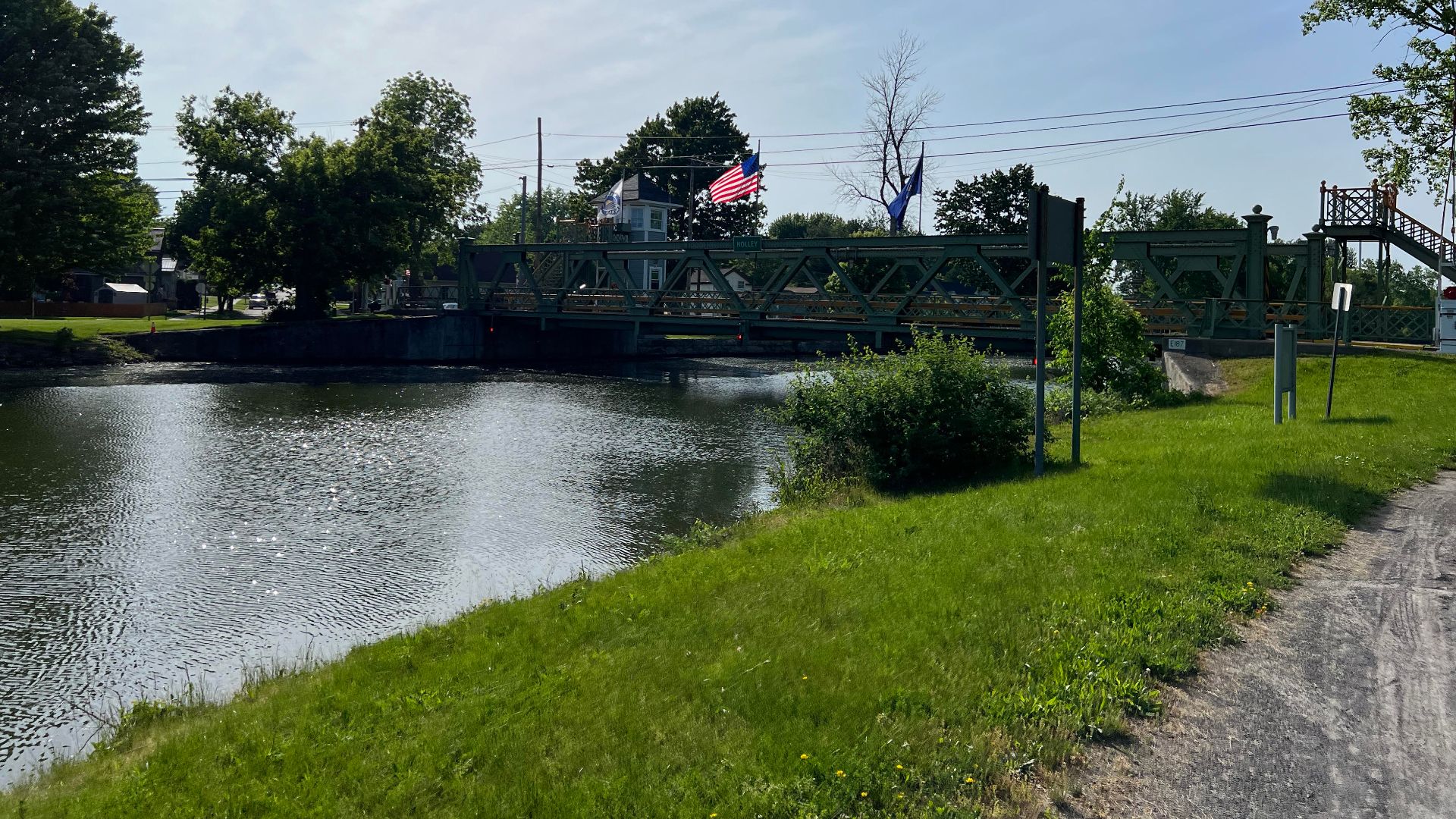
The village of Holley makes a rewarding break west of Brockport. A suggested trail outing visits Holley Canal Park, where a separate path leads to a waterfall. There's also room for a picnic before heading back toward town.
 ThaesOfereode, Wikimedia Commons
Brockport Knows How To Welcome Visitors
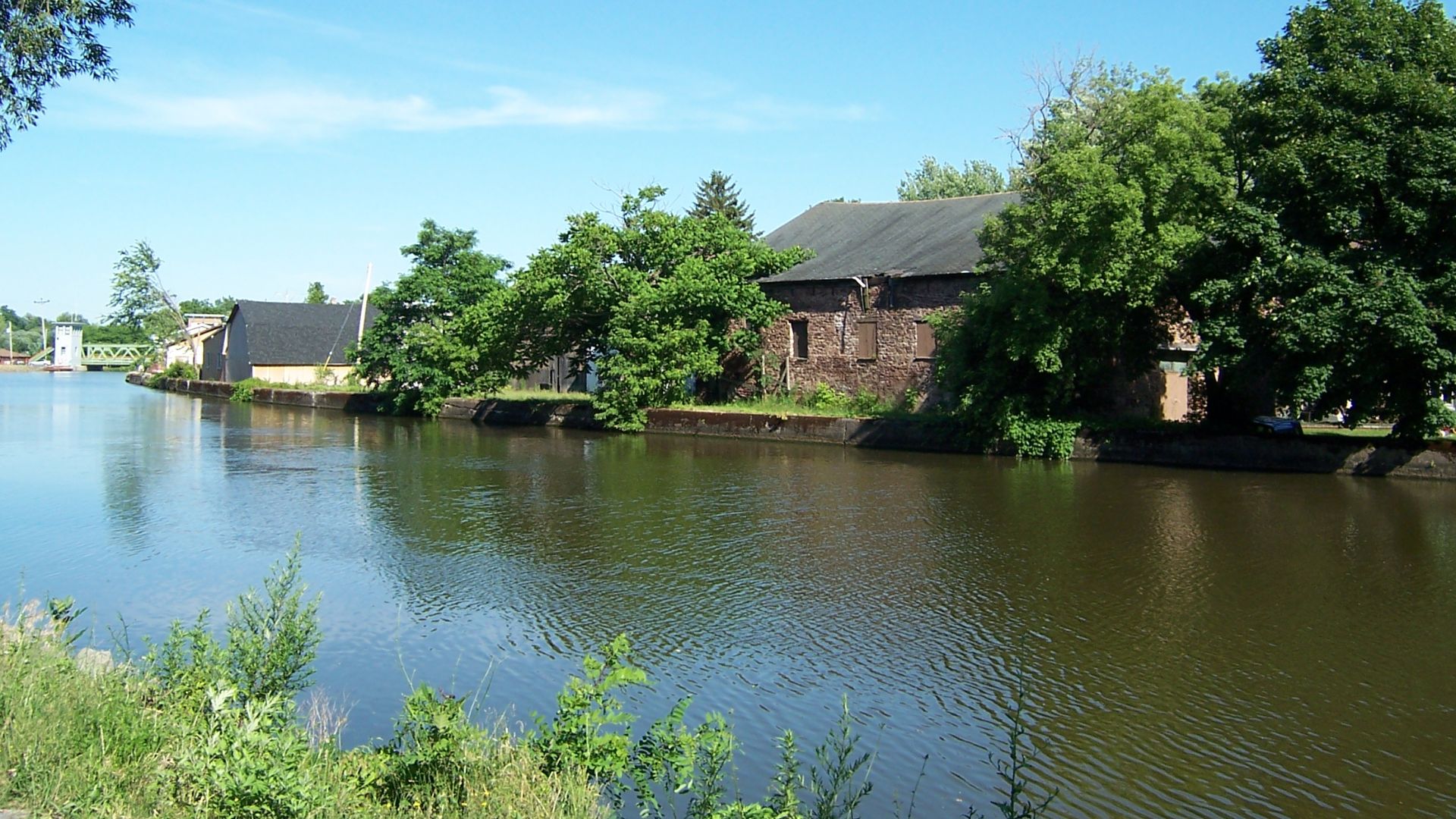
Brockport's Canalfront Welcome Center offers a handy starting point for exploring the village. The surrounding streets feature historic buildings and local shops. Travelers can pair a towpath outing with a self-guided walk through this established canal community.
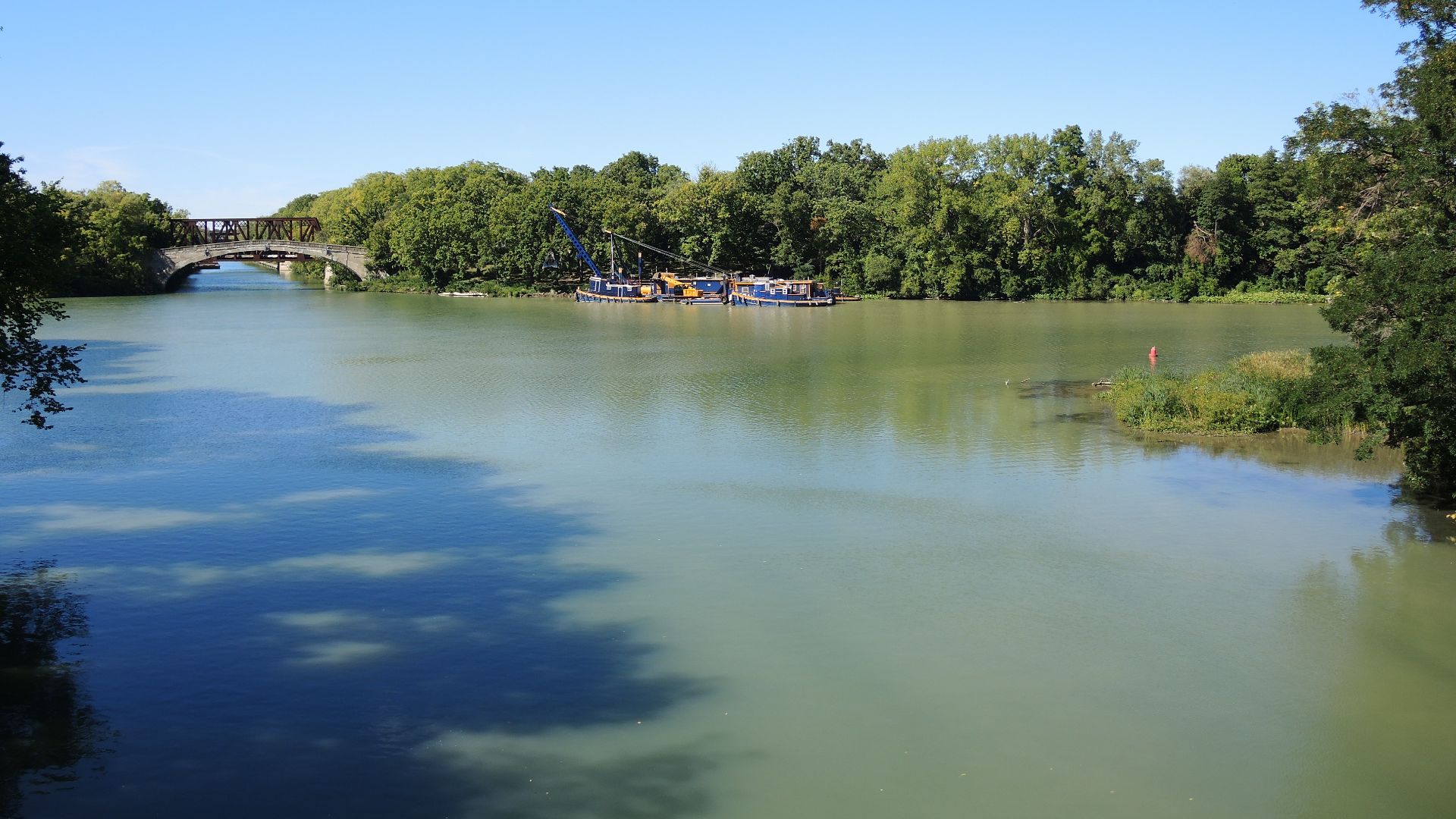
Rochester Brings An Urban Twist
Near Rochester, the route passes Genesee Valley Park and connects with other trails. Markers matter here because the Genesee Valley Greenway branches away. The canal route then continues east toward Pittsford, creating an appealing blend of city and waterfront scenery.
 DanielPenfield, Wikimedia Commons
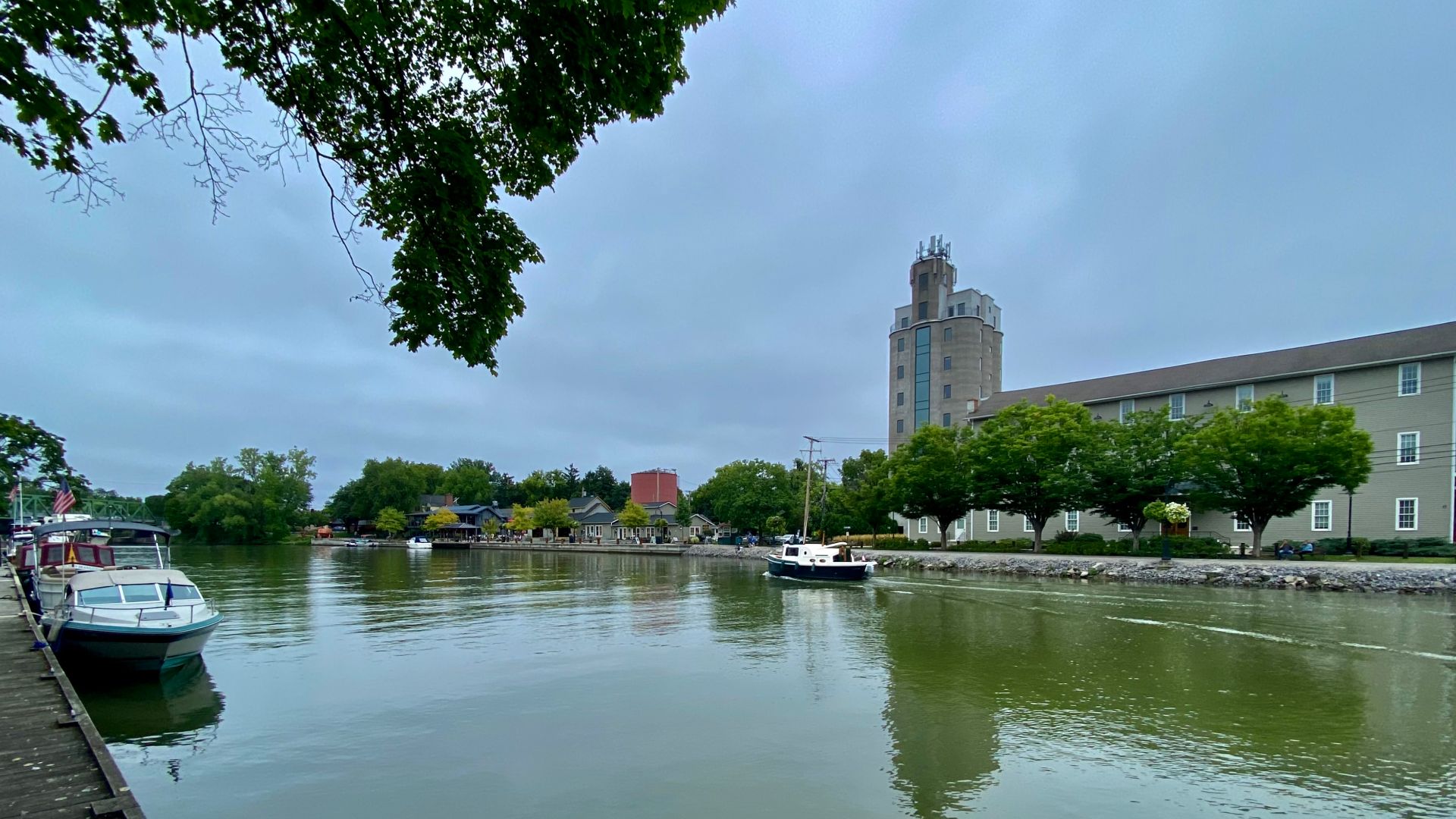
Pittsford Is Made For A Pause
Pittsford's Schoen Place puts cafes and restaurants close to the Erie Canal. Cyclists following the western itinerary can stop here before continuing toward Bushnell's Basin. It's proof that a satisfying trail day doesn't require constant pedaling.
 Andre Carrotflower, Wikimedia Commons
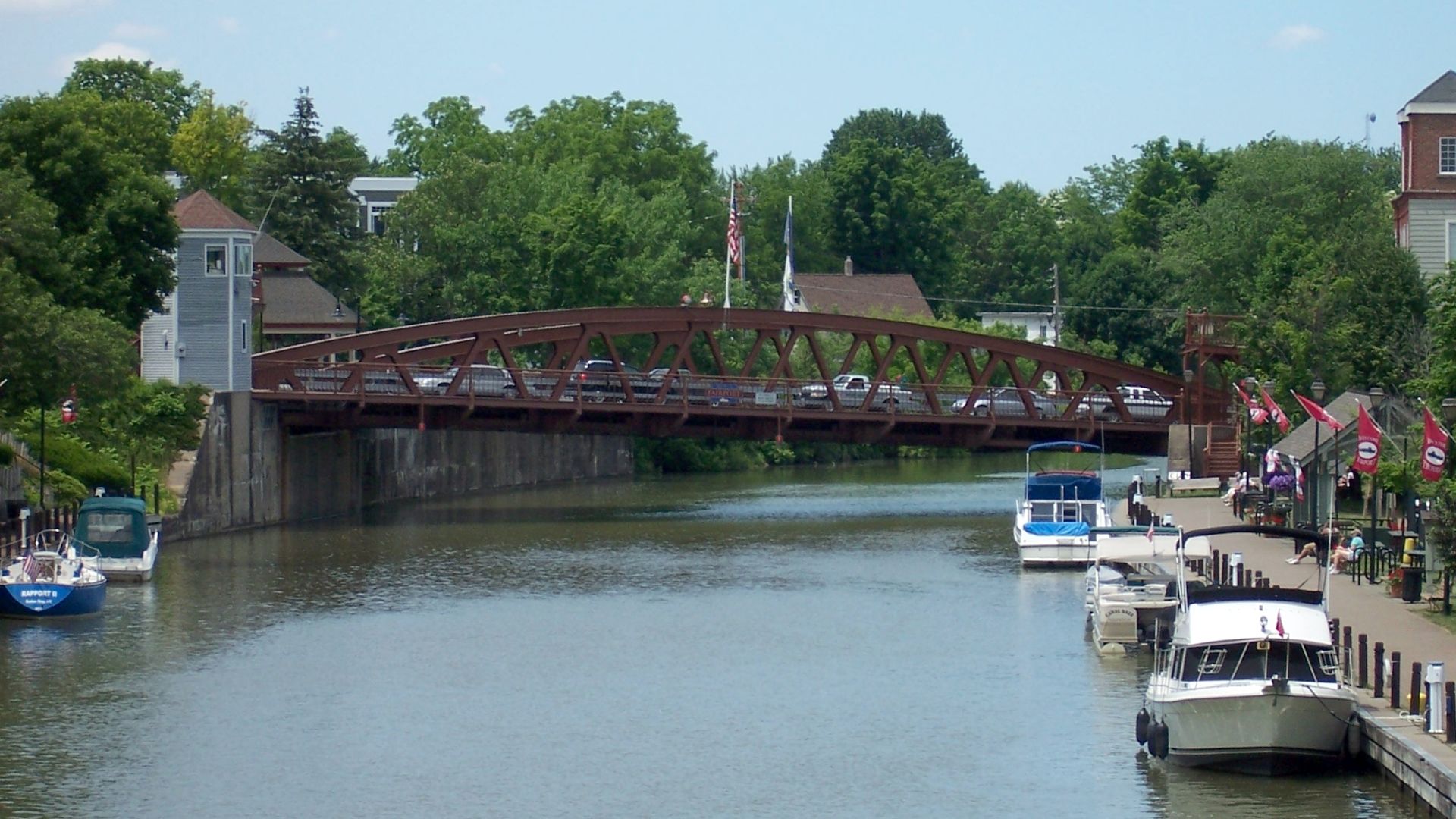
Fairport Has A Bridge Like No Other
Fairport's Main Street lift bridge dates to 1914 and crosses the canal at an unusual angle. The village also has a lively waterfront promenade. Walkers can cross the bridge using its pedestrian lane before exploring local shops.
 Matthew D. Wilson (LtPowers), Wikimedia Commons
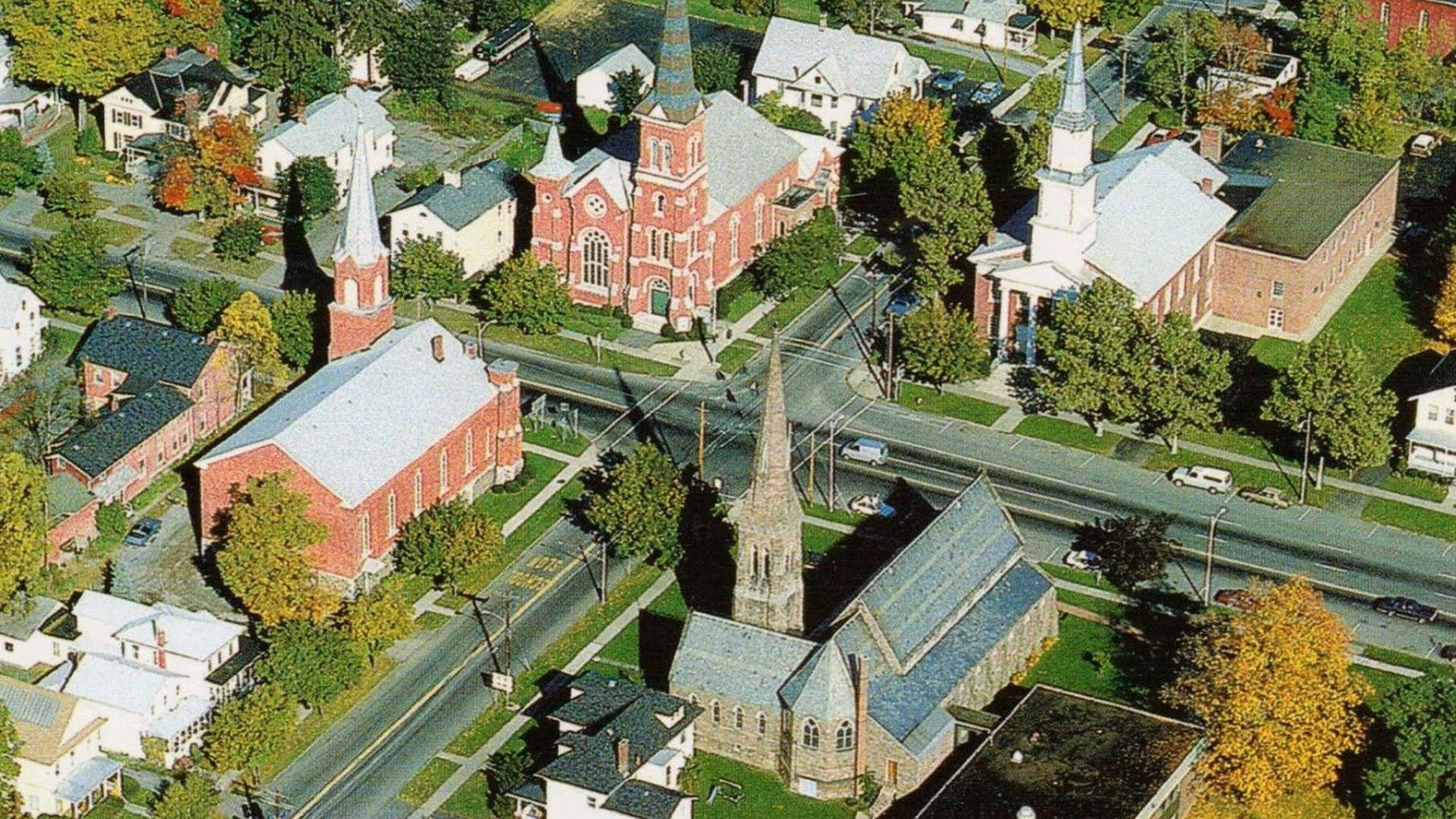
Palmyra Offers Museums Galore
The village of Palmyra preserves its canal heritage through several museum sites. They include a historic general store, print shop, and canal depot. Exploring them adds different mileage, this time through the history of canal commerce.
 Unknown authorUnknown author, Wikimedia Commons
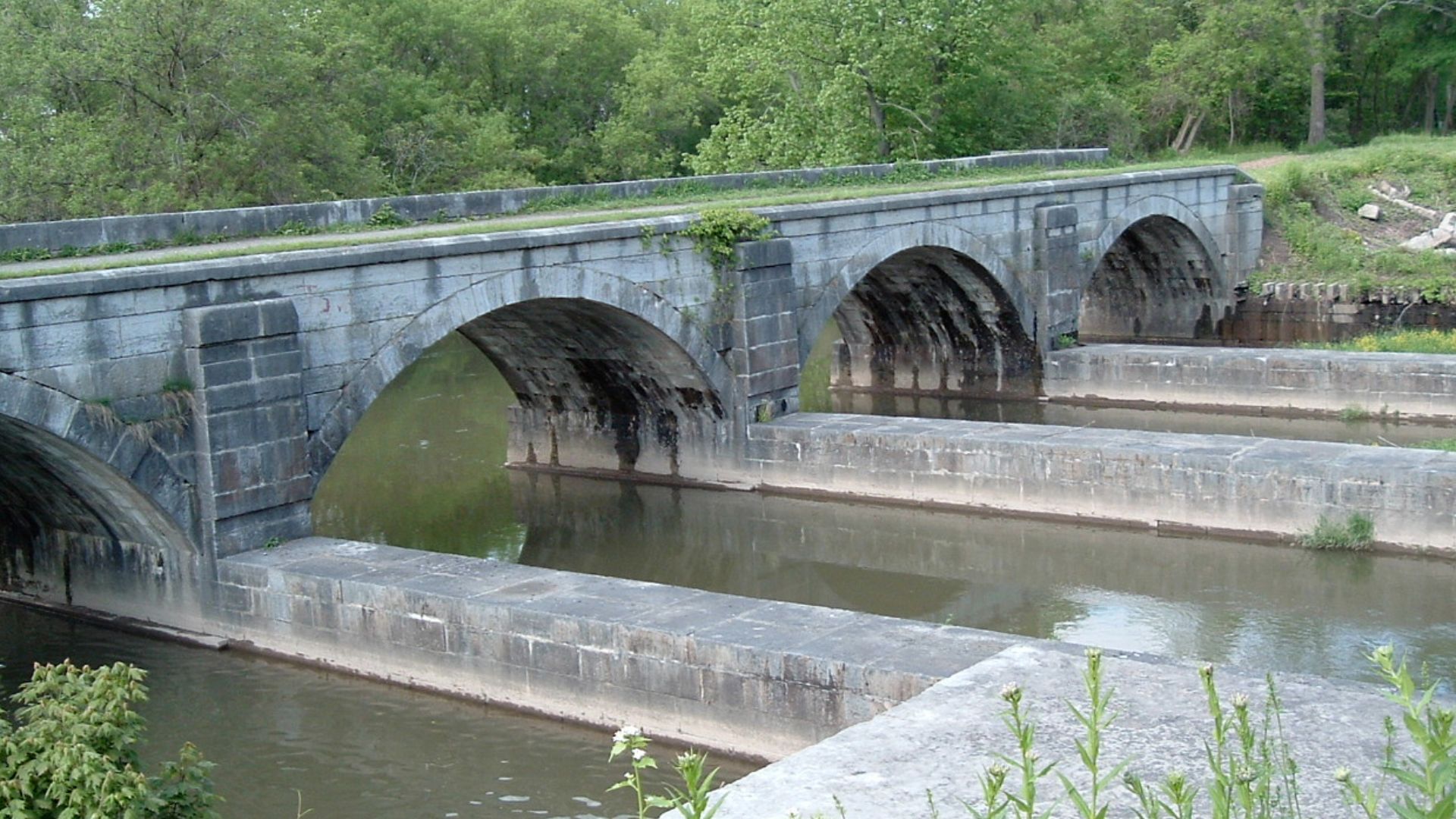
Camillus Has A Bridge For Boats
At Camillus Erie Canal Park, the restored Nine Mile Creek Aqueduct carries canal water over a creek. The structure dates to 1842 and reopened to boats in 2009. The adjacent trail makes this engineering achievement accessible to walkers and cyclists.
 Ebedgert at en.wikipedia, Wikimedia Commons
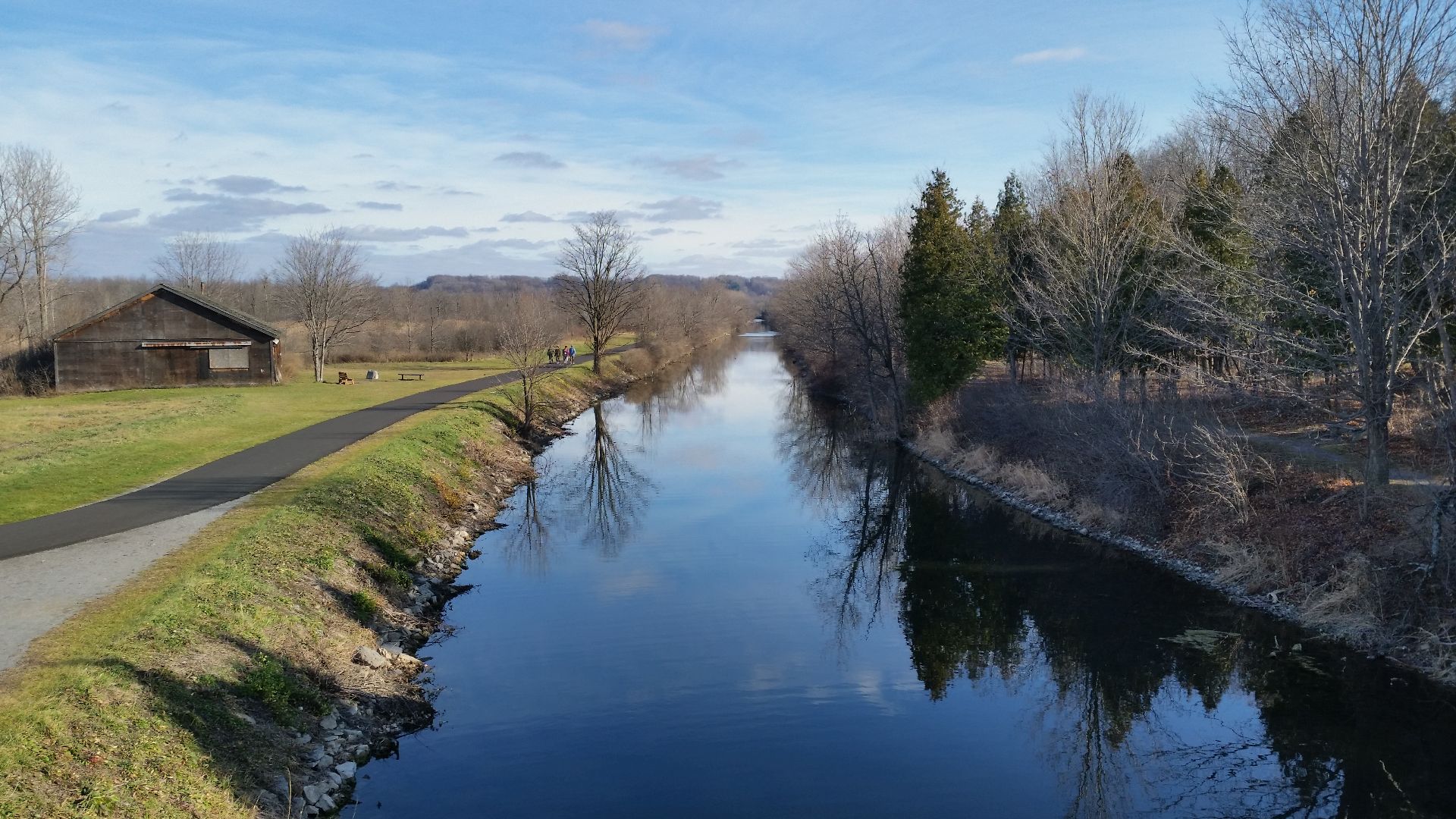
The Old Erie Goes Quiet Near Syracuse
East of DeWitt, Old Erie Canal State Historic Park follows roughly 36 miles of historic canal. The landscape includes woodland and wetland habitats. Footbridges and remaining stone structures make this section especially rewarding for unhurried exploration.
 DASonnenfeld, Wikimedia Commons
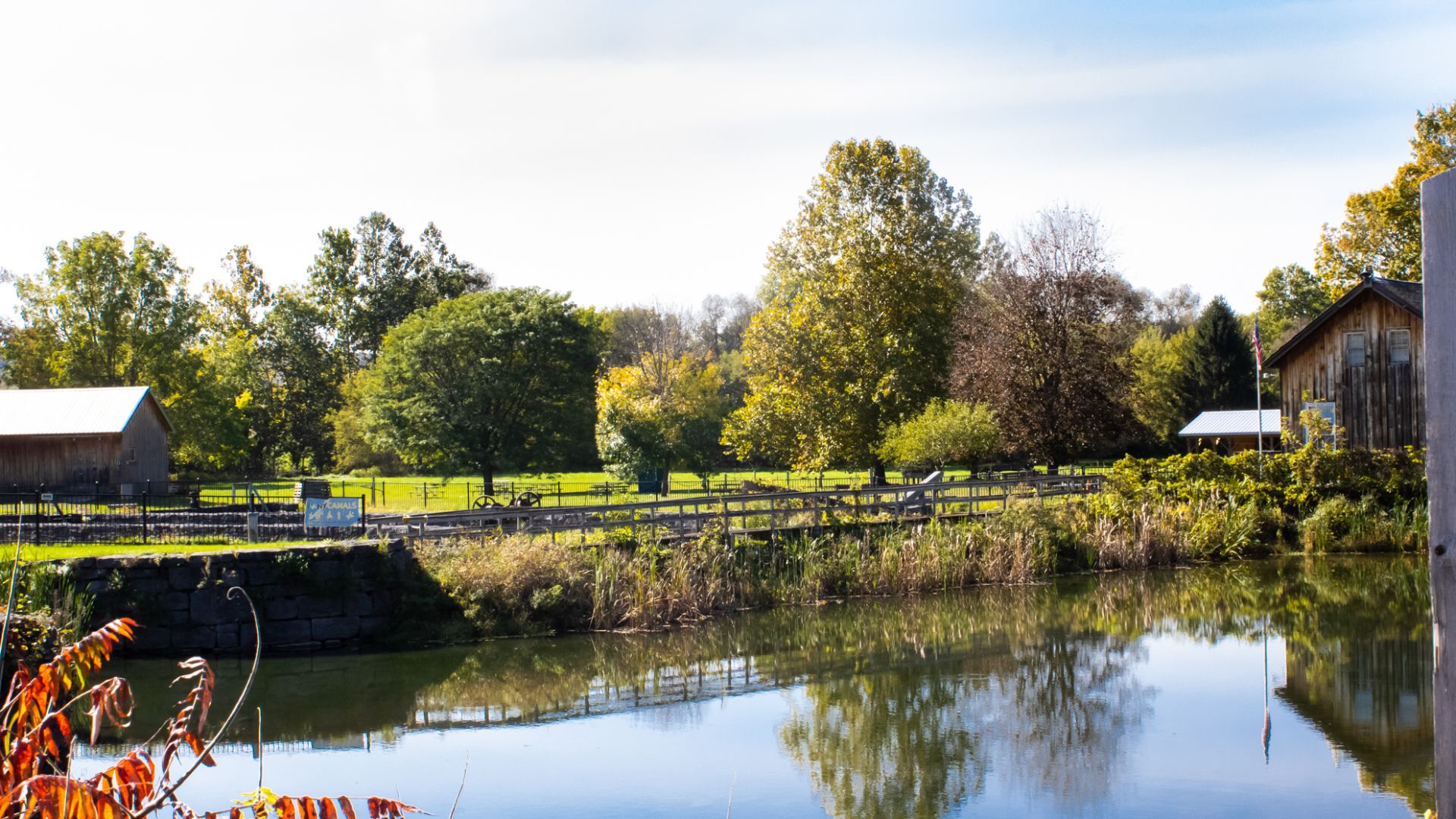
Chittenango Once Repaired Canal Boats
Chittenango Landing Canal Boat Museum sits near the trail through the old canal park. Its restored dry docks recall a boatbuilding and repair center active from 1856 to 1917. It's a memorable stop for understanding life along the waterway.
 LoganTheHammer, Wikimedia Commons
A Shaded Stretch From Rome To Utica
Between Rome and Utica, about 14 miles of trail follow the Erie Canal and Mohawk River. The Erie Canalway National Heritage Corridor describes this section as largely shaded. It offers a change of scenery after the historic towns.
 Unknown authorUnknown author, Wikimedia Commons
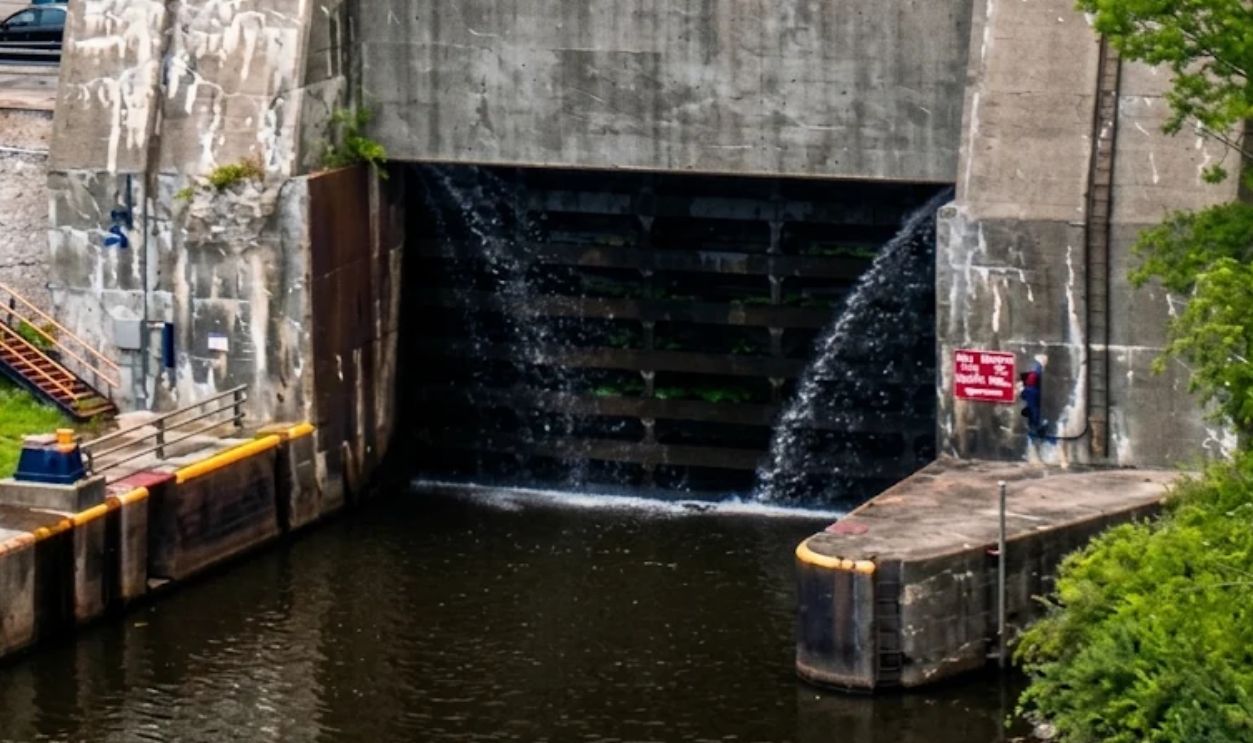
Little Falls Has A Giant Lock
Little Falls delivers a striking encounter with canal machinery. Lock 17, built in 1915, raises or lowers vessels 40.5 feet. Nearby Moss Island offers trails through ancient rock formations, giving explorers another reason to leave their bikes.
 DCwom, CC BY-SA 3.0, Wikimedia Commons, Enhanced
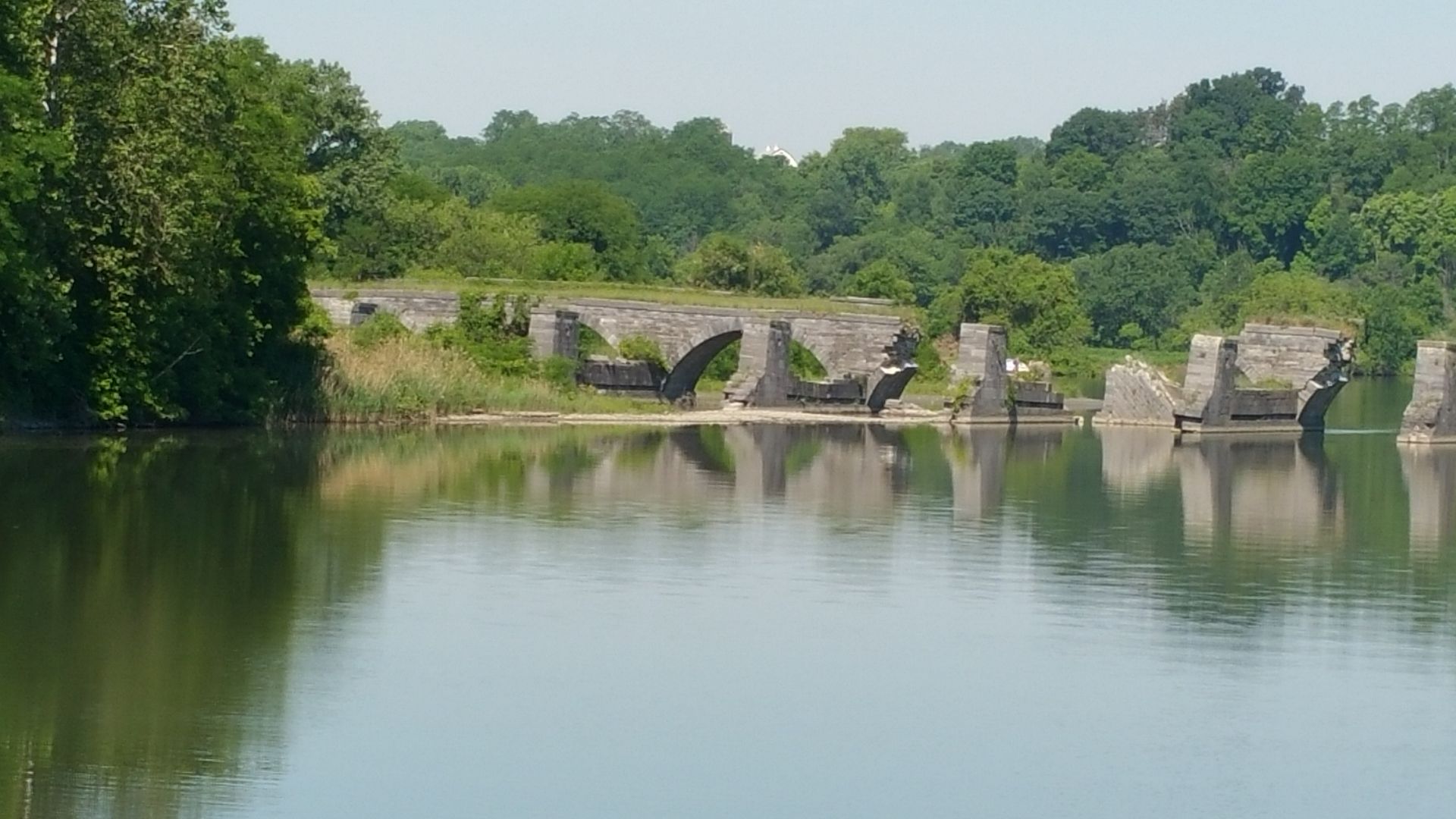
Schoharie Crossing Preserves The Past
At Schoharie Crossing State Historic Site, visitors can see remnants of earlier canal routes. Ruins of the stone aqueduct recall a time when boats crossed Schoharie Creek above the water. Short cycling routes connect more preserved canal structures nearby.
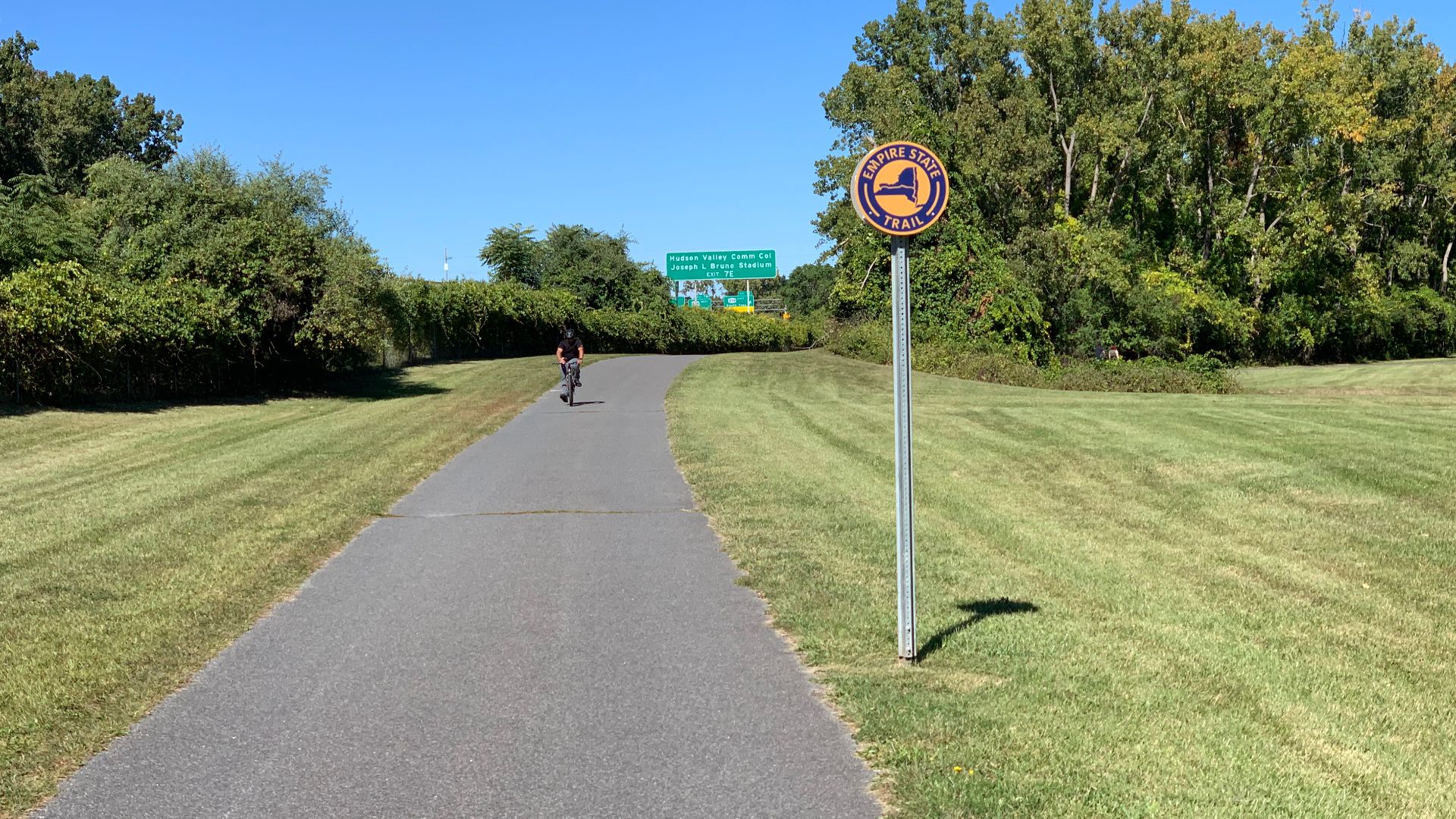
The Mohawk-Hudson Trail Finishes Strong
Farther east, the Mohawk-Hudson Bike-Hike Trail connects scenic river stretches and canal communities. The section near Schenectady includes paved riding and some hills. A brief detour toward Cohoes Falls adds a dramatic natural landmark.
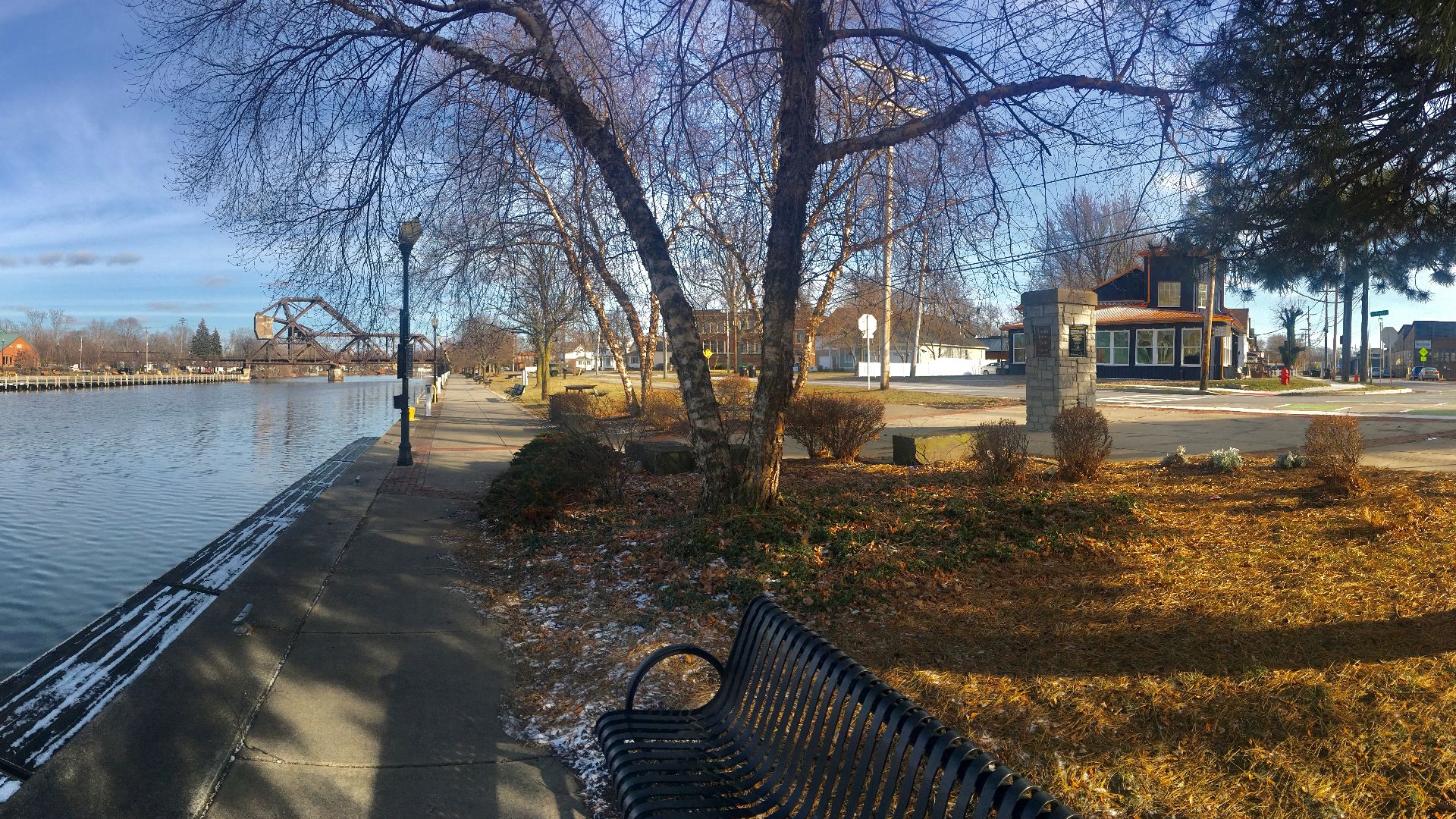
Trailside Comforts Are Part Of The Deal
Many Canalway Trail access points have parking, benches, picnic tables, or informational displays. Some also provide bike racks and repair stations. These facilities make it easier to plan relaxed outings, though amenities differ from one trailhead to another.
 Andre Carrotflower, Wikimedia Commons
Short Adventures Count, Too
You don't need a week off to enjoy the towpath. The Erie Canalway offers suggested short family rides and out-and-back trips, including options around Brockport and Schoharie Crossing. Picking one stretch leaves plenty of time for stops.
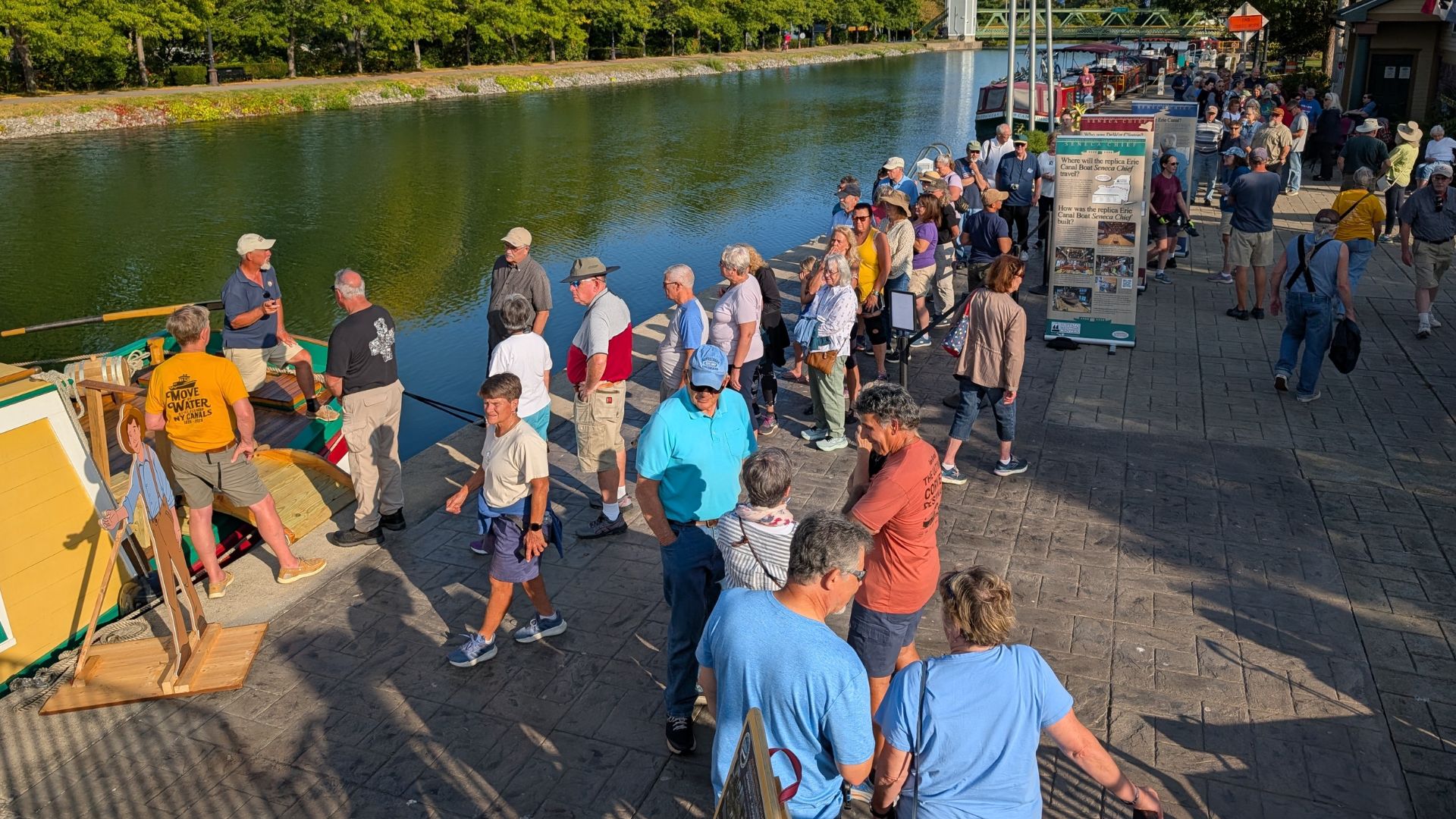 DanielPenfield, Wikimedia Commons
There's A Challenge For Every Mileage Goal
The Canalway Challenge recognizes distances ranging from a first mile to 360 miles. Participants can walk, cycle, run, or paddle their way toward a goal. Completing the full Erie Canal distance earns special End-to-Ender recognition.
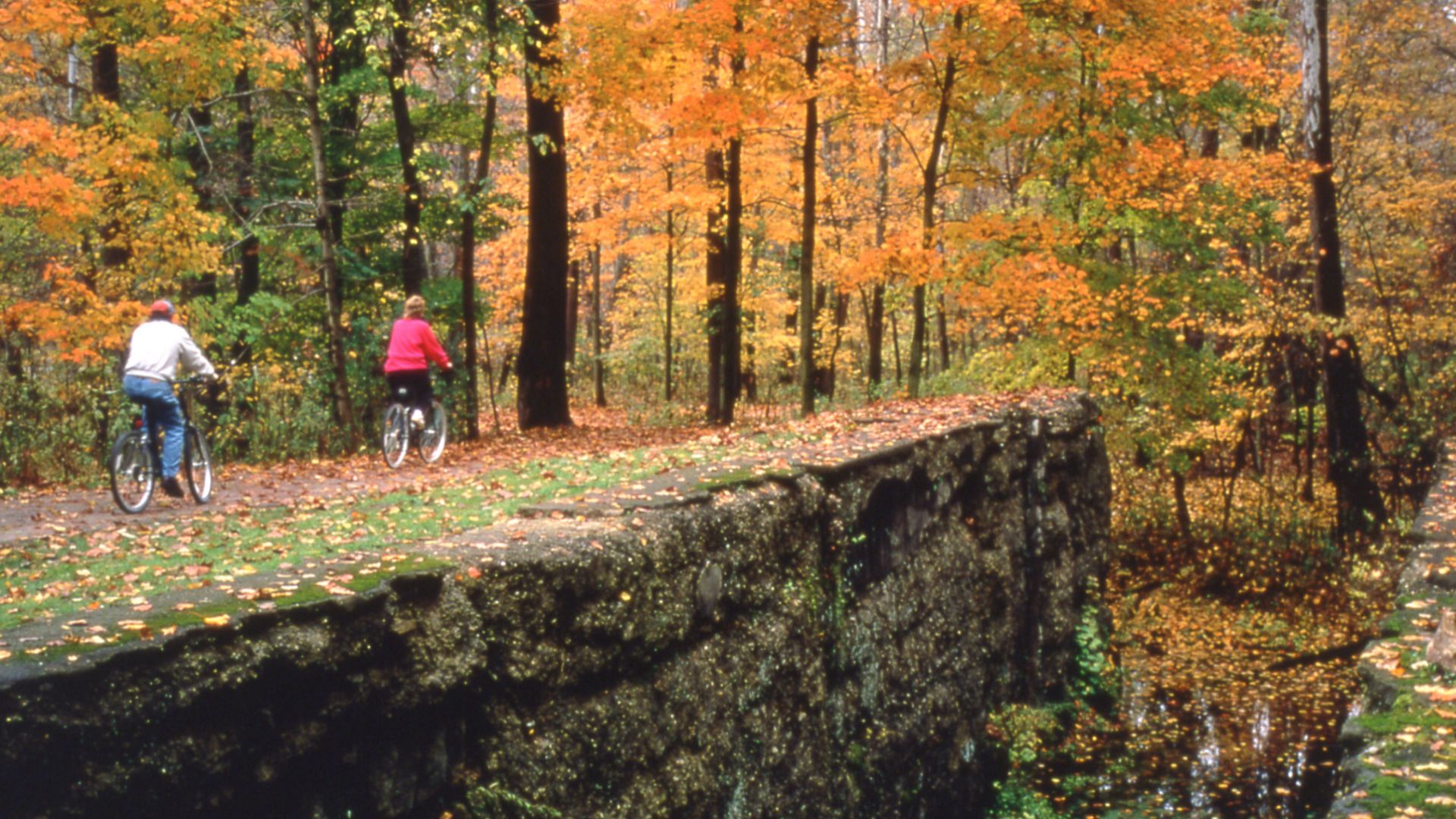 Unknown authorUnknown author or not provided, Wikimedia Commons
A Little Courtesy Keeps It Pleasant
On Canal Corporation trails, cyclists yield to pedestrians and warn before passing. Travelers should keep right, respect posted rules, and check for current alerts. With those basics covered, the historic towpaths remain inviting places to slow down and explore.
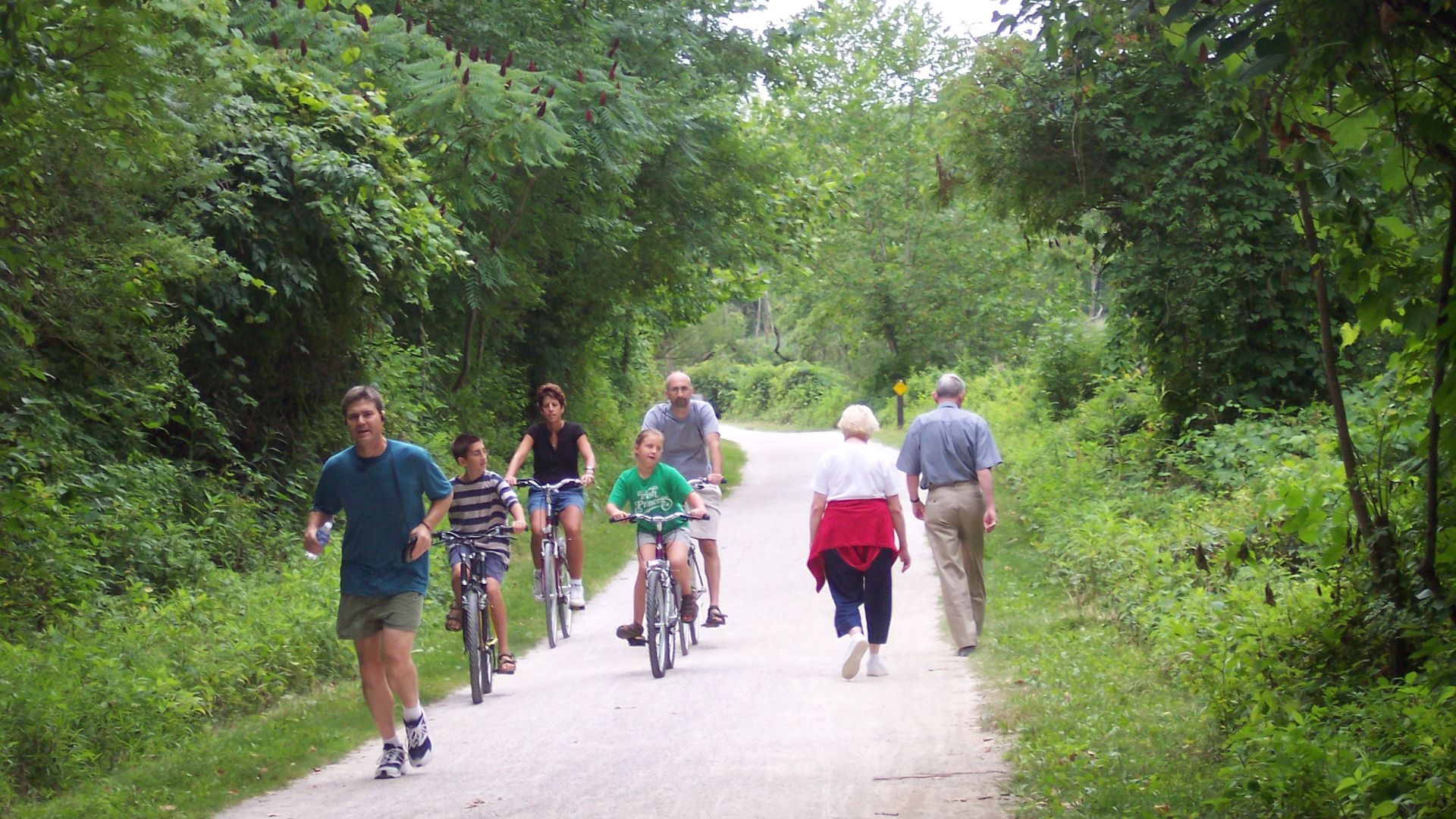 Unknown authorUnknown author or not provided, Wikimedia Commons
You May Also Like:
10 Forbidden Places You're Not Allowed To Visit
10 Historic Sites In Rome: A Journey Through Time
American National Parks That Close Their Most Popular Roads Every Winter