
A New Step Is Coming For Europe Trips
Dreaming about strolling through Paris, eating pasta in Rome, or hopping trains across Europe? Starting in 2026, travelers will notice a small new step before those adventures begin. Europe is updating its border system, and while it’s not complicated, it’s something every visitor should know.
 Cast Of Thousands, Shutterstock
Europe Is Not Banning Tourists
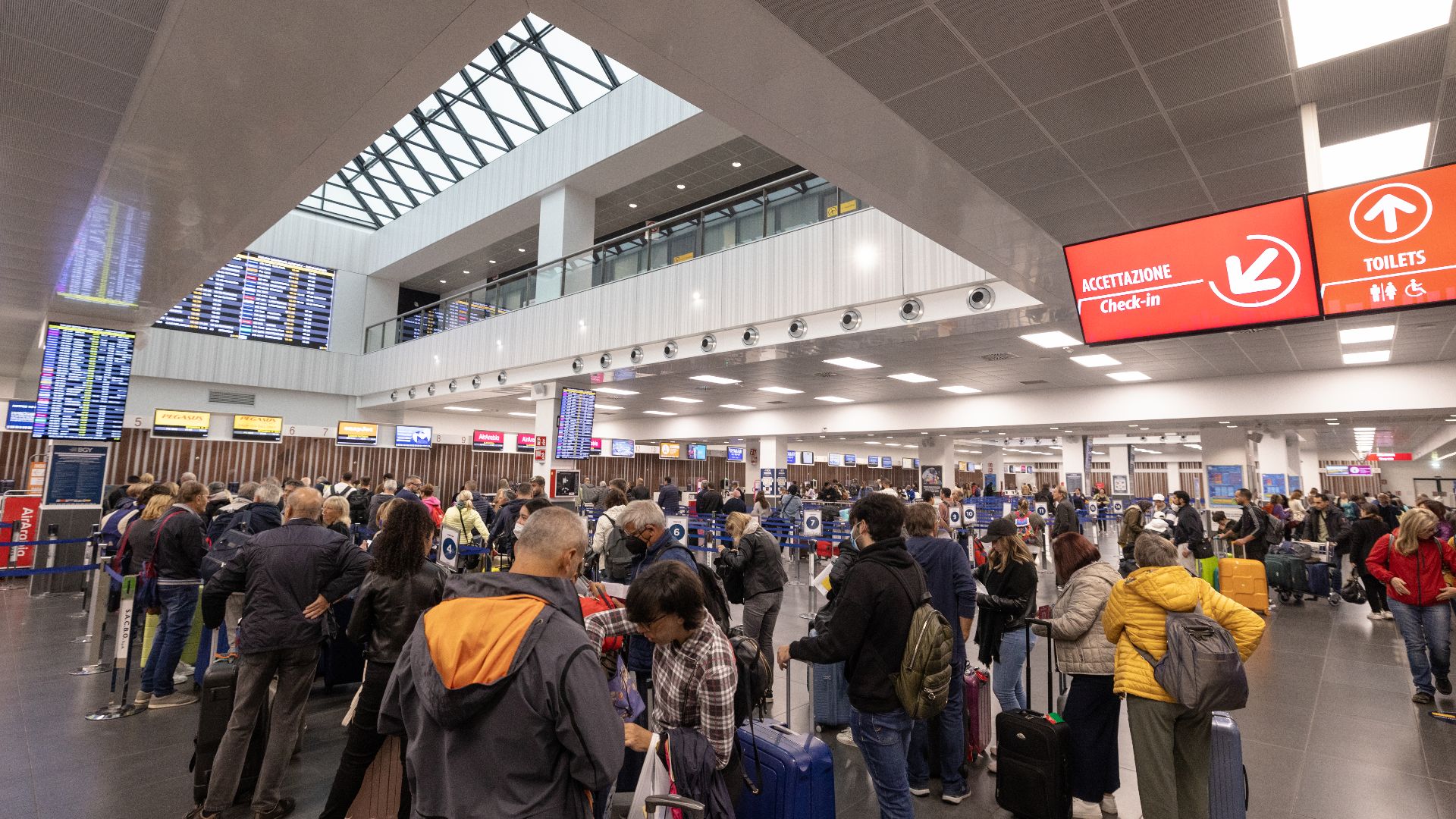
Let’s clear up one thing right away: Europe isn’t closing its doors to travelers. The European Union is simply modernizing how it manages its borders. The new system is meant to improve security while also keeping track of who enters and leaves the region.
 Arne Museler, Wikimedia Commons
The Big Change Is Called ETIAS
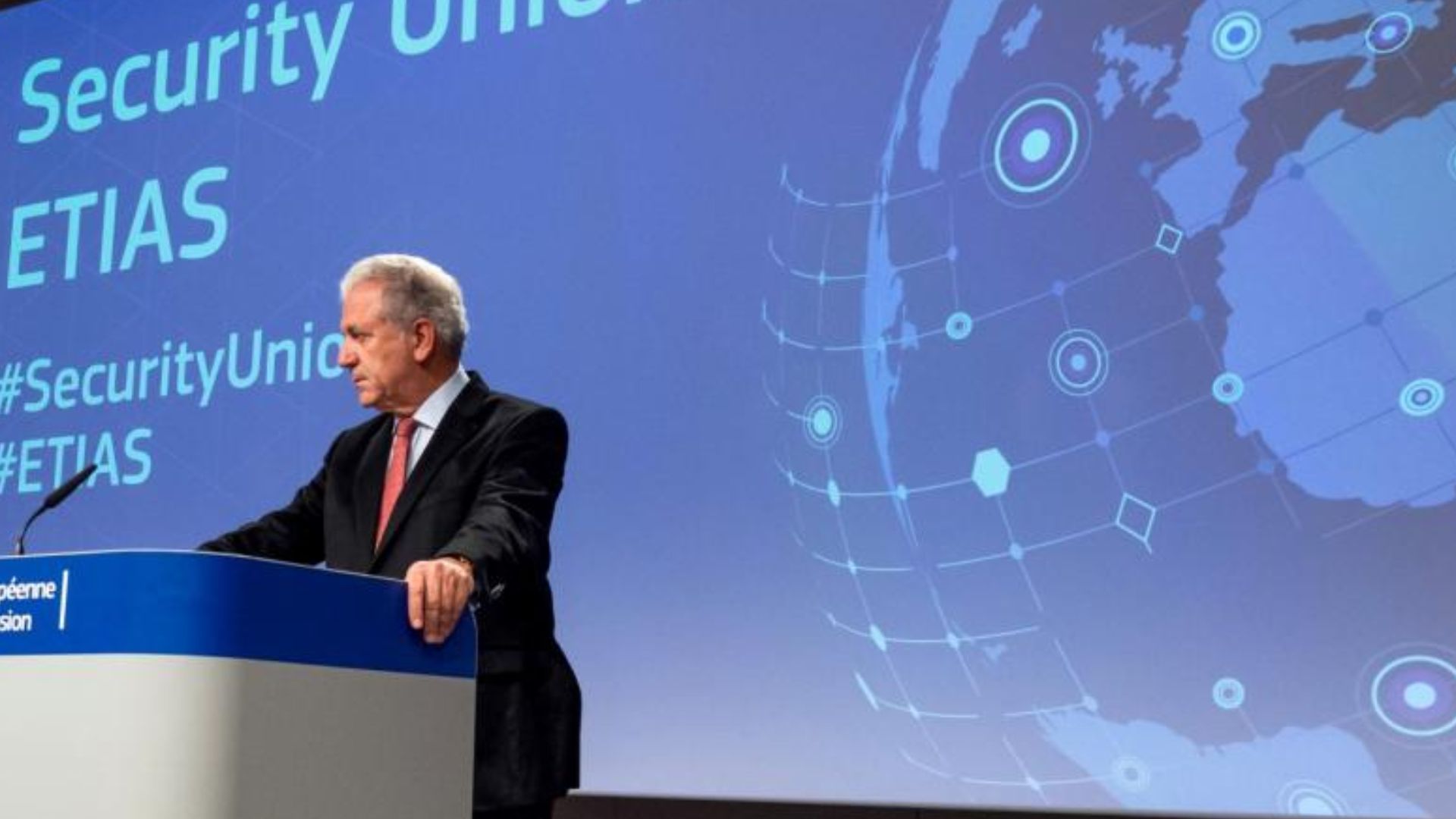
The biggest change travelers will hear about is ETIAS, short for the European Travel Information and Authorisation System. It’s a digital travel authorization that visitors from visa-free countries—including Canada and the United States—will need before entering many European countries.
 Ilias Papastamatiou, Wikimedia Commons
It Works Like A Pre-Trip Check
Think of ETIAS as a quick pre-trip approval rather than a full visa. Travelers will complete a short online form, answer a few basic questions, and submit their application before flying. Once approved, the authorization allows short visits for tourism or business.

The New Rule Starts In 2026
The system isn’t starting immediately. ETIAS is expected to launch in late 2026, so travelers visiting before then won’t notice any changes yet. Once it goes live, though, applying online will become part of the standard trip-planning routine.
One Approval Covers Several Years
The good news is you won’t need to apply every time you travel. An approved ETIAS authorization is expected to last up to three years, or until your passport expires. That means multiple European trips can be covered with a single approval.
There’s A Small Application Fee
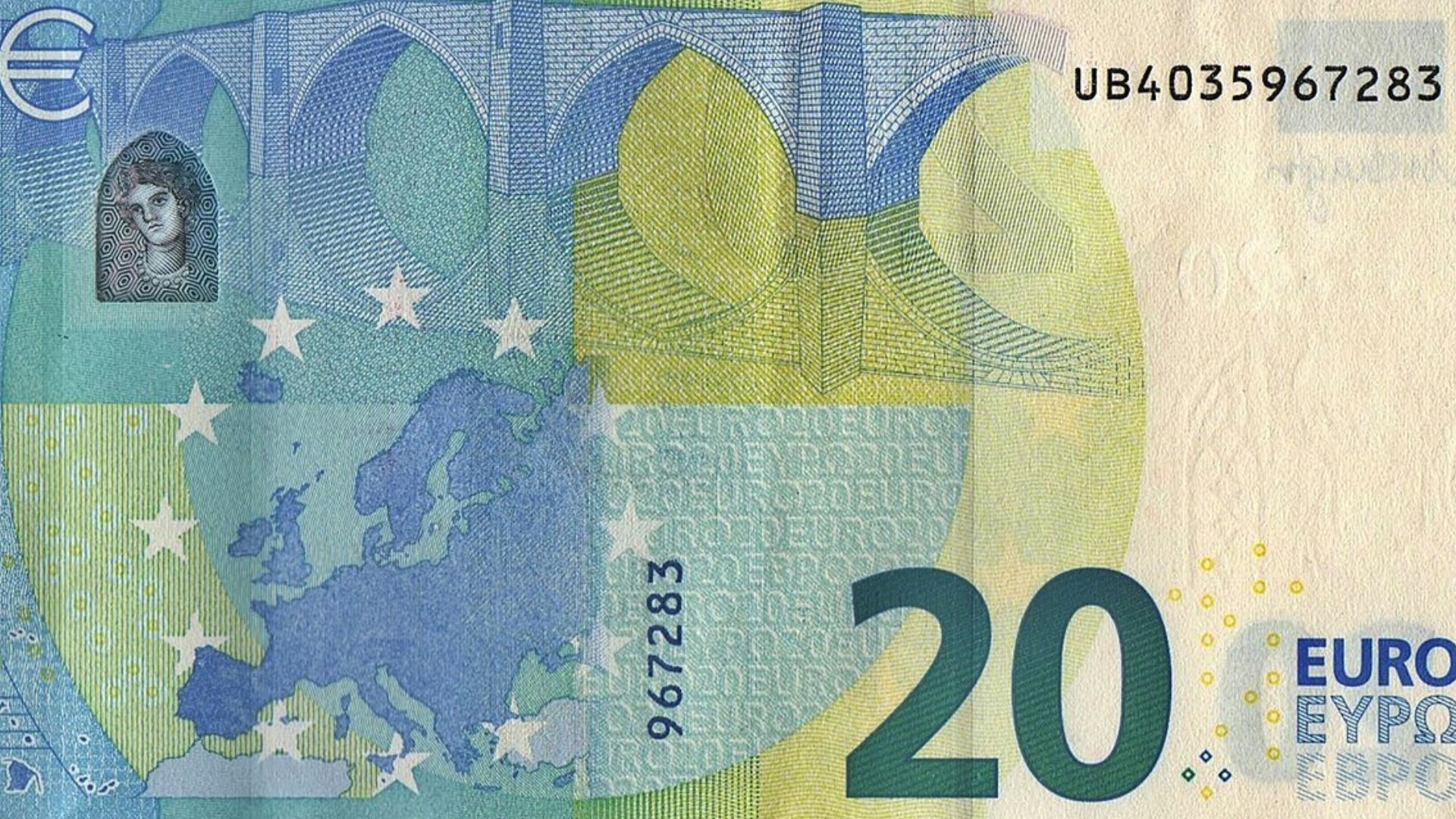
Applying for ETIAS will involve a small fee of about €20 for most travelers aged 18 to 70. Children and some older travelers may not have to pay. Compared to flights, hotels, and sightseeing costs, the fee is pretty minor.
The 90-Day Travel Rule Stays The Same
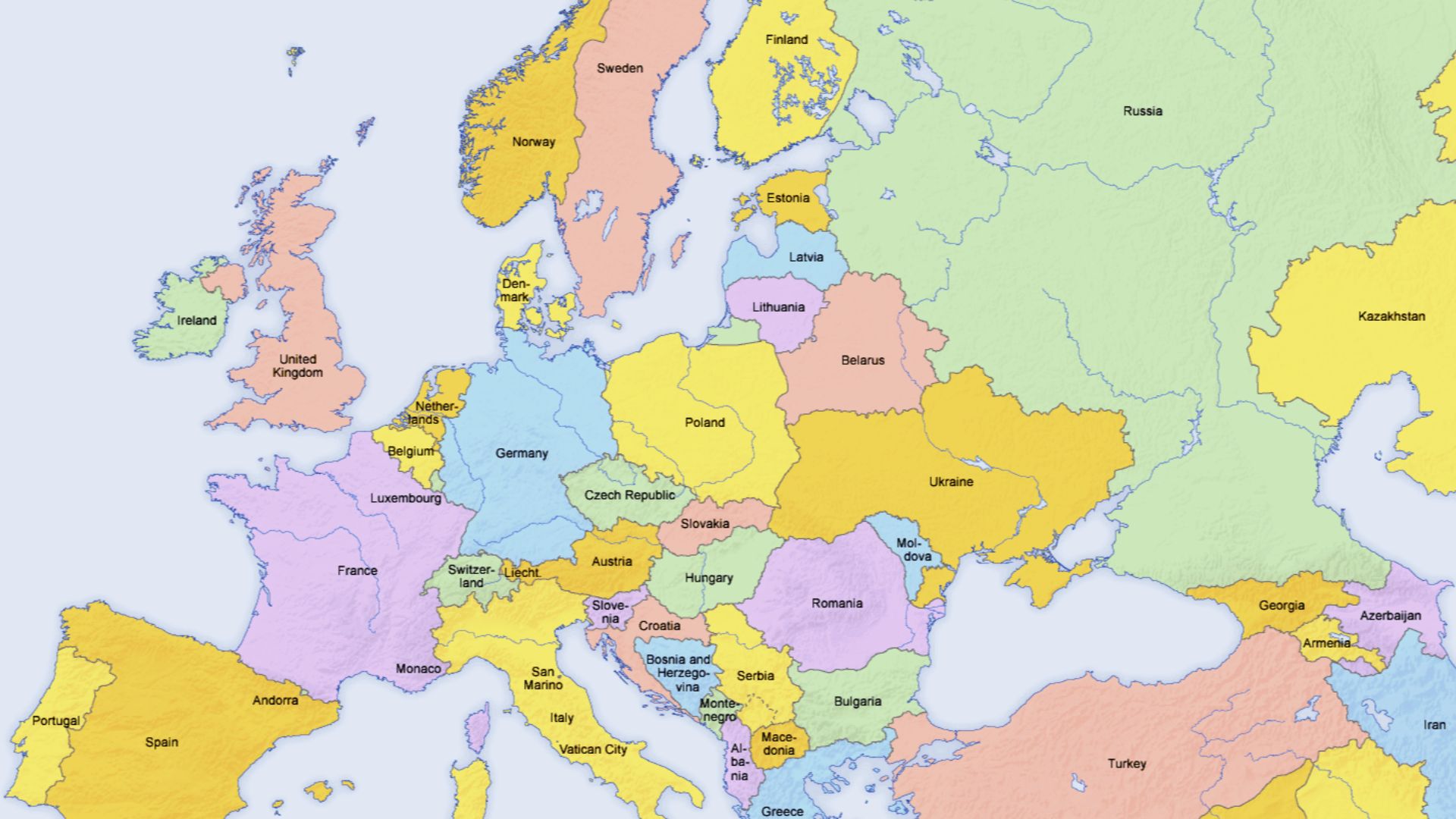
Even with ETIAS in place, the long-standing Schengen travel rule won’t change. Visitors can still spend up to 90 days within a 180-day period in participating European countries without needing a traditional visa for tourism or short business trips.
 San Jose (map), Hayden120 (retouch), Wikimedia Commons
Another Border System Is Arriving First
Before ETIAS launches, Europe is also rolling out something called the Entry/Exit System, or EES. This system will digitally record when non-EU travelers enter and leave the Schengen Area, replacing the old method of stamping passports.
 Rainer Ebert, Wikimedia Commons
Passport Stamps May Become Rare
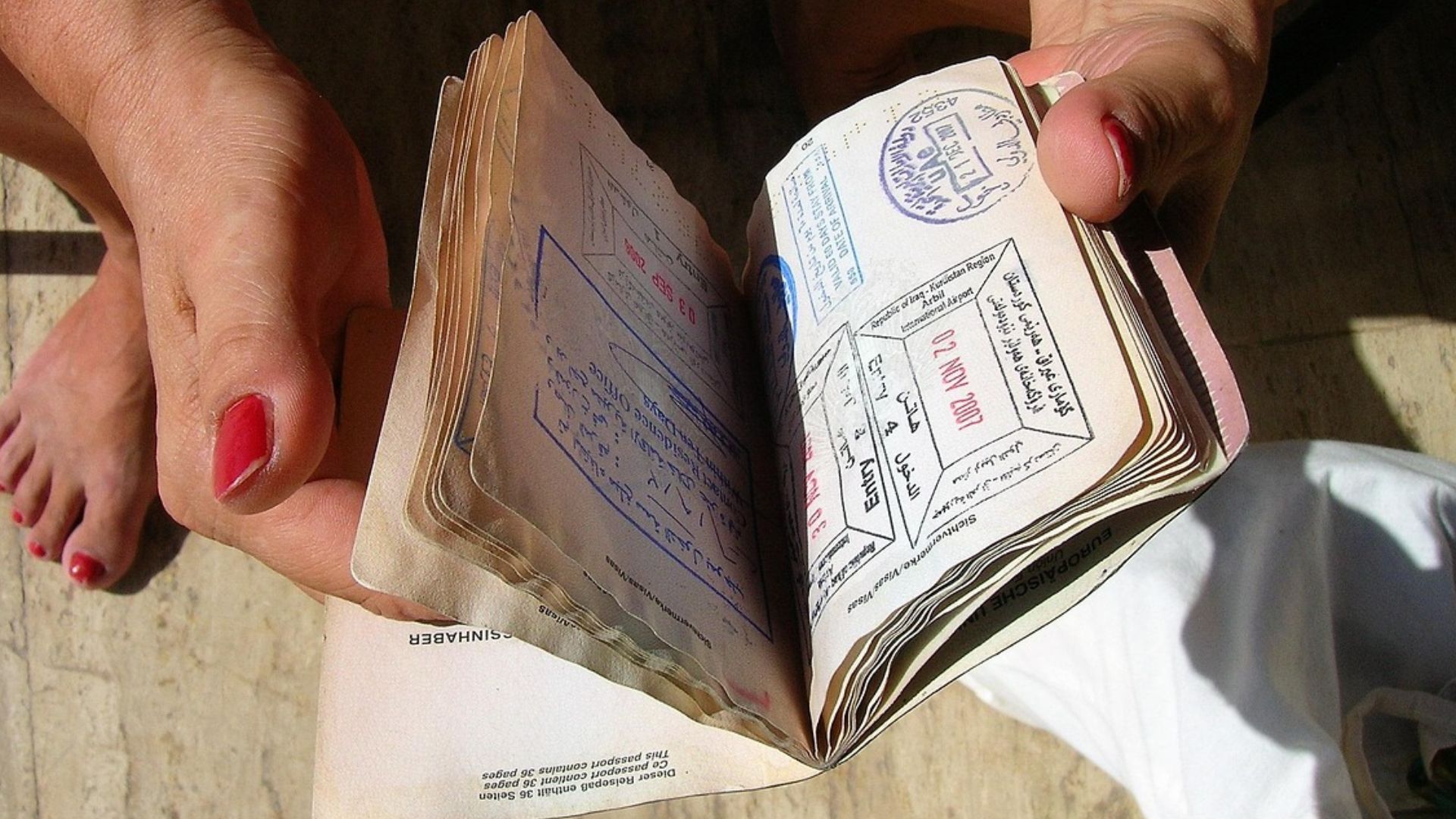
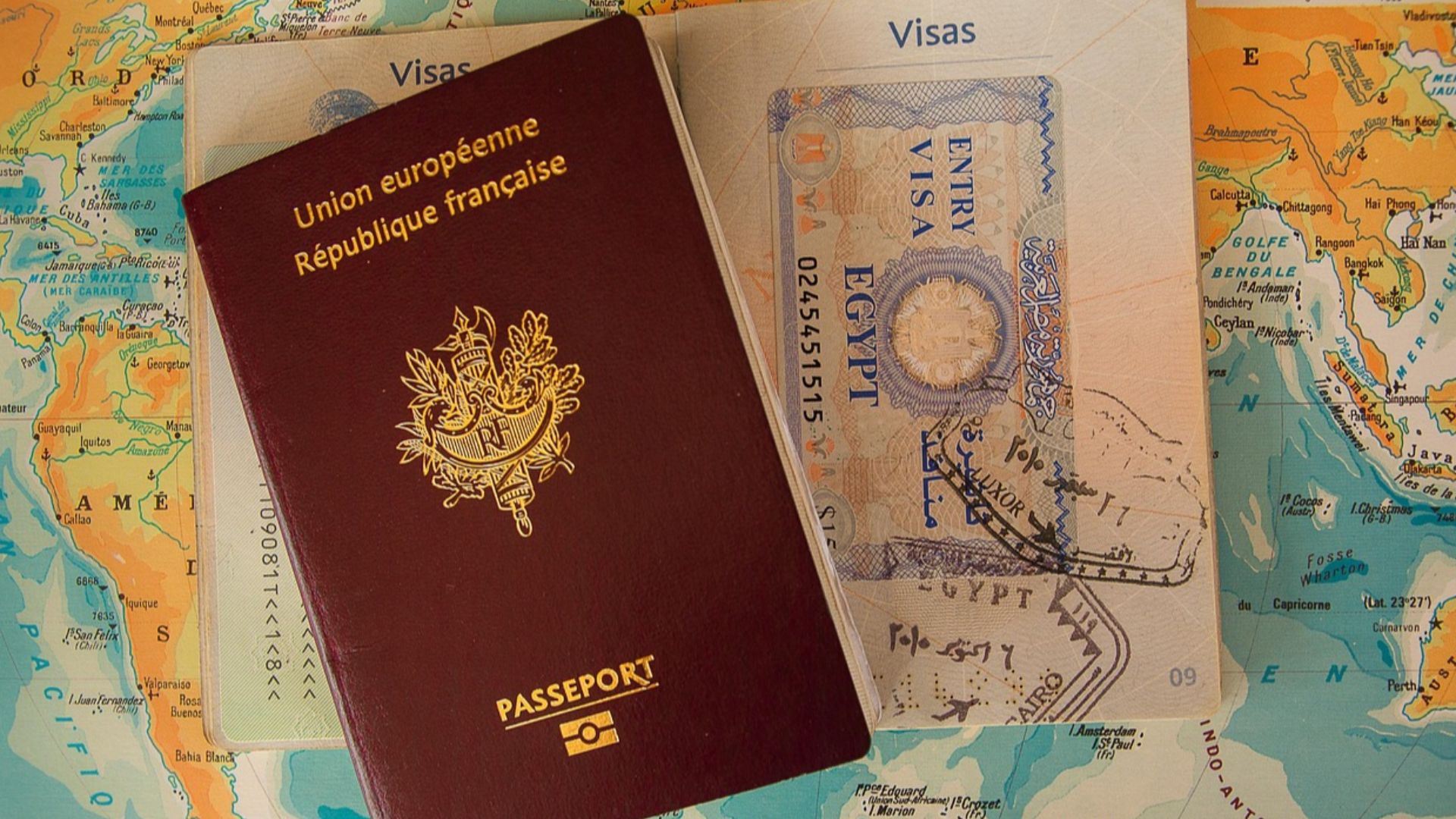
For travelers who enjoy collecting passport stamps, this change might feel a little disappointing. Instead of stamps, border crossings will increasingly rely on digital records stored in a shared database across European border agencies.
Expect Some Biometric Checks
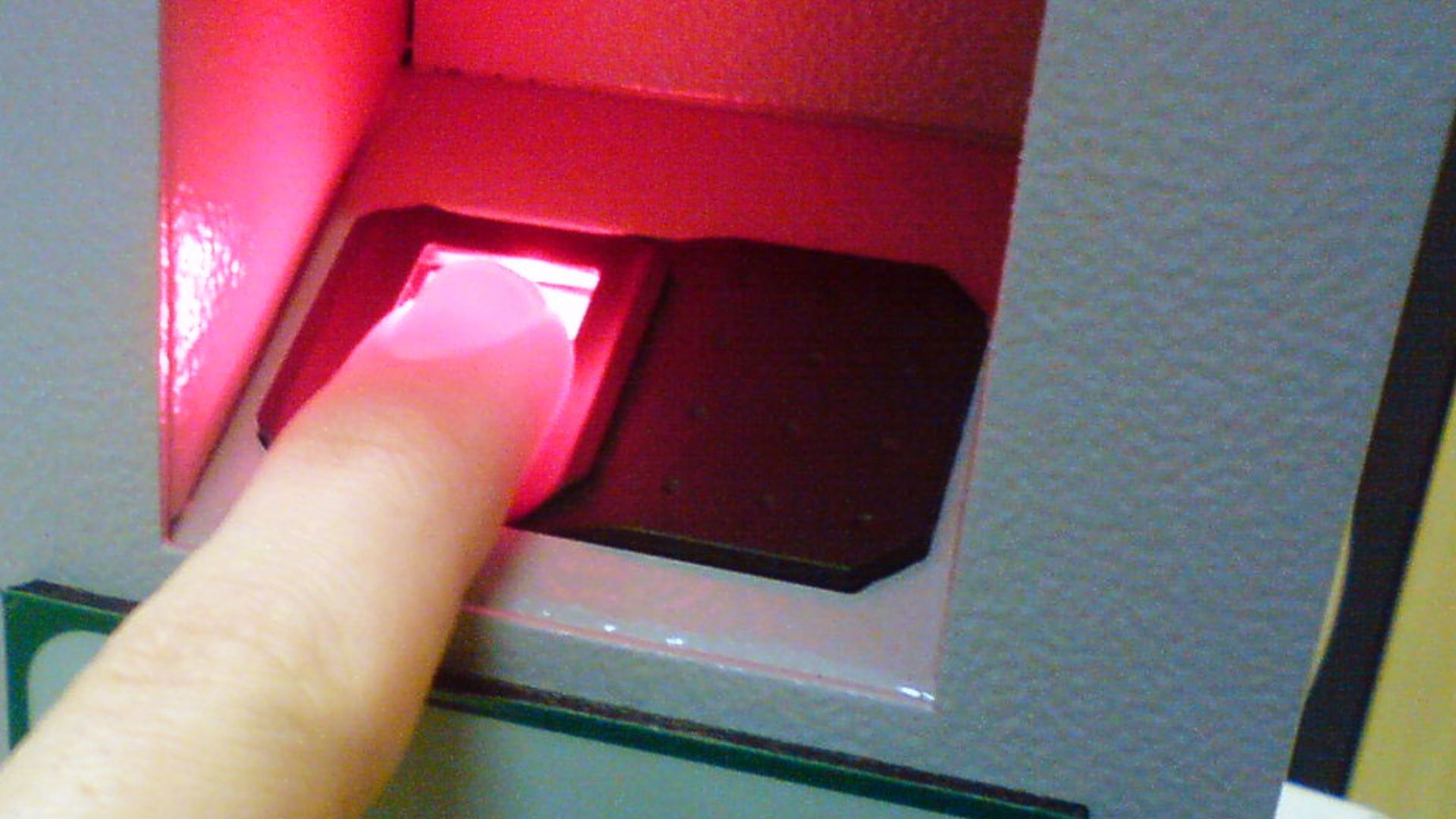
The new border system will also use biometric technology. Travelers may be asked to scan fingerprints or have a photo taken when entering Europe. These checks help confirm identities and make sure people follow the allowed travel limits.
 Rachmaninoff, Wikimedia Commons
The Goal Is Better Security
European officials say these new systems are designed to strengthen border security while improving efficiency. By using digital records and automated checks, authorities can better monitor travel patterns and identify overstays or suspicious activity.
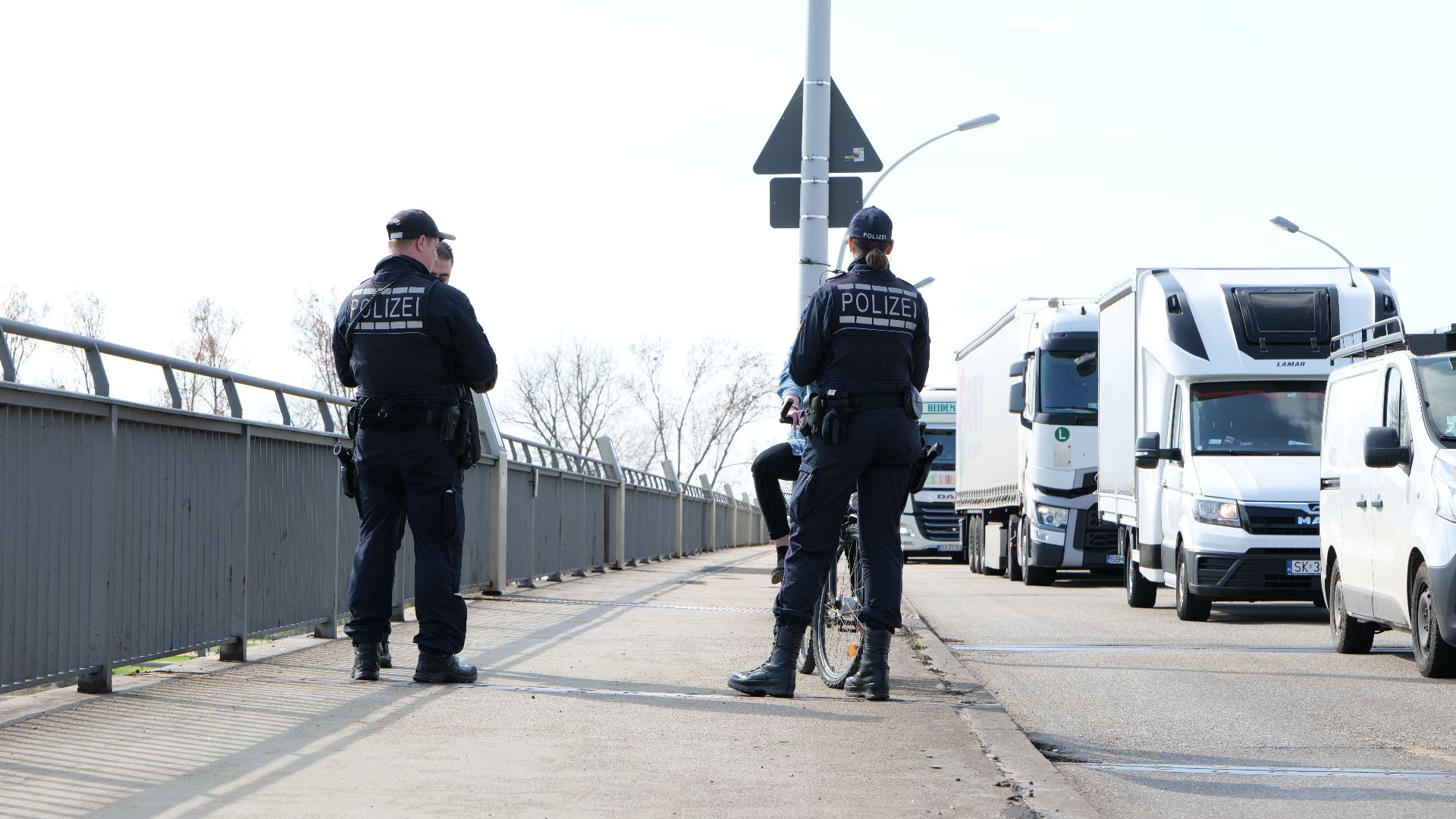 Leonhard Lenz, Wikimedia Commons
Airlines Will Check Before You Fly
Once ETIAS becomes mandatory, airlines will likely confirm that travelers have authorization before allowing them to board flights to Europe. That means applying ahead of time will be essential, otherwise travelers could be denied boarding.
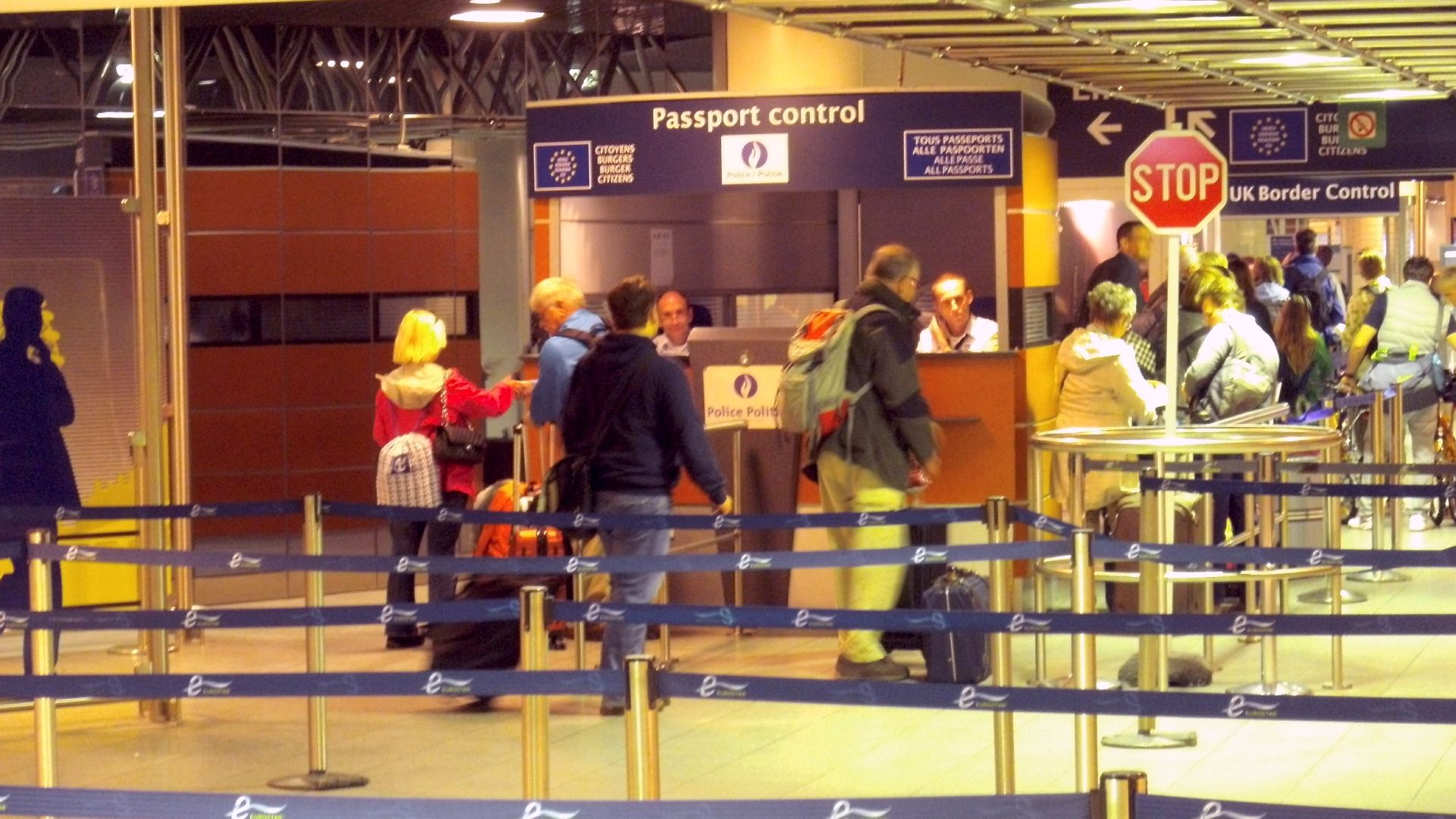
The Rules Affect Many Countries
The new authorization system will apply to travelers from more than 60 visa-free countries. This includes Canada, the United States, Australia, Japan, and several others whose citizens currently enter Europe without a visa.
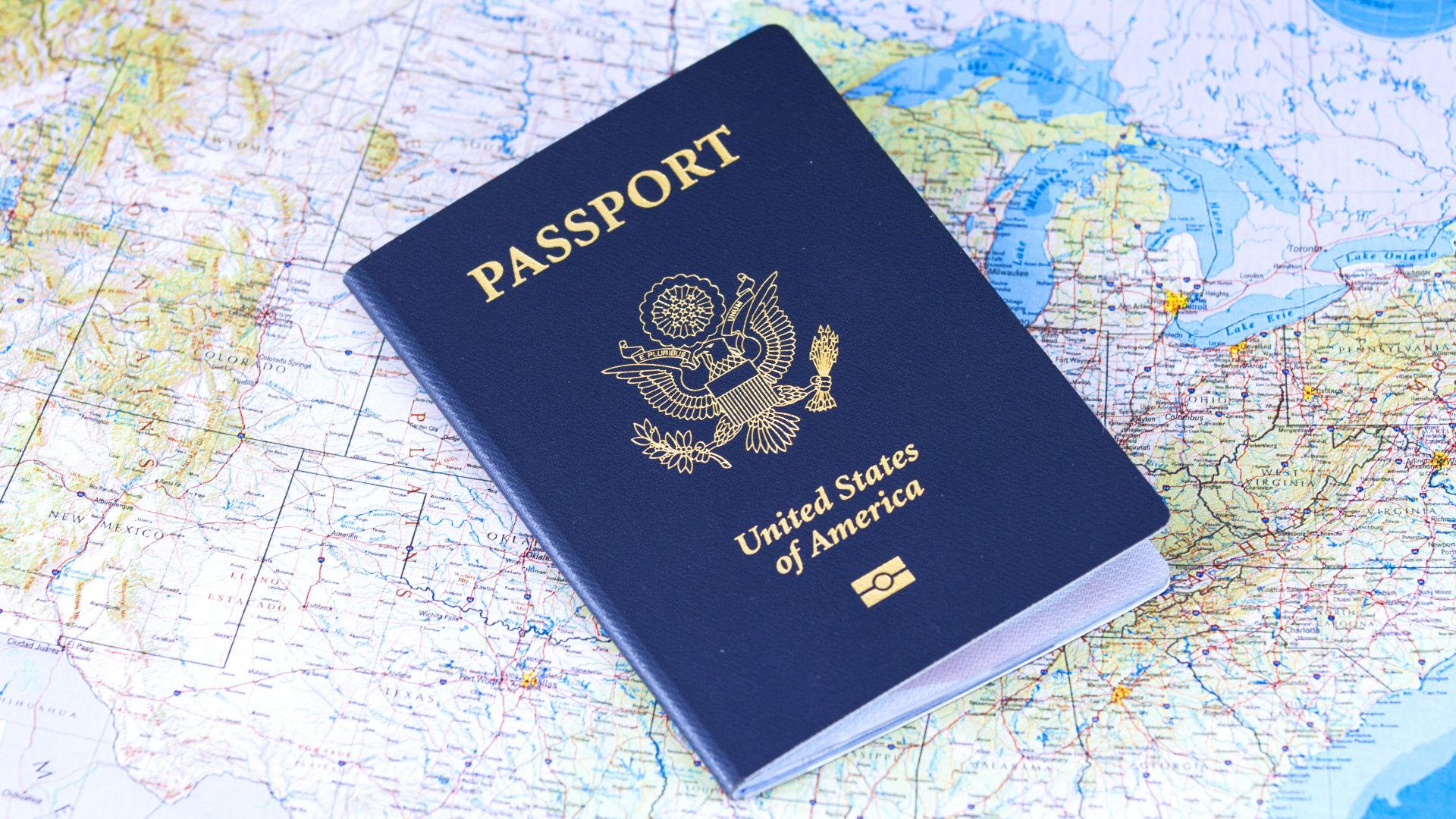
Most Applications Should Be Fast
Fortunately, the application process is designed to be quick. Most ETIAS requests are expected to be processed automatically and approved within minutes or hours. Only a small number of applications are likely to require additional review.
 Alejandro Escamilla alejandroescamilla, Wikimedia Commons
Applying Should Only Take Minutes
The application itself is simple. Travelers will need a valid passport, an email address, and a way to pay the fee online. Filling out the form should take only a few minutes, making it one of the easier parts of travel planning.
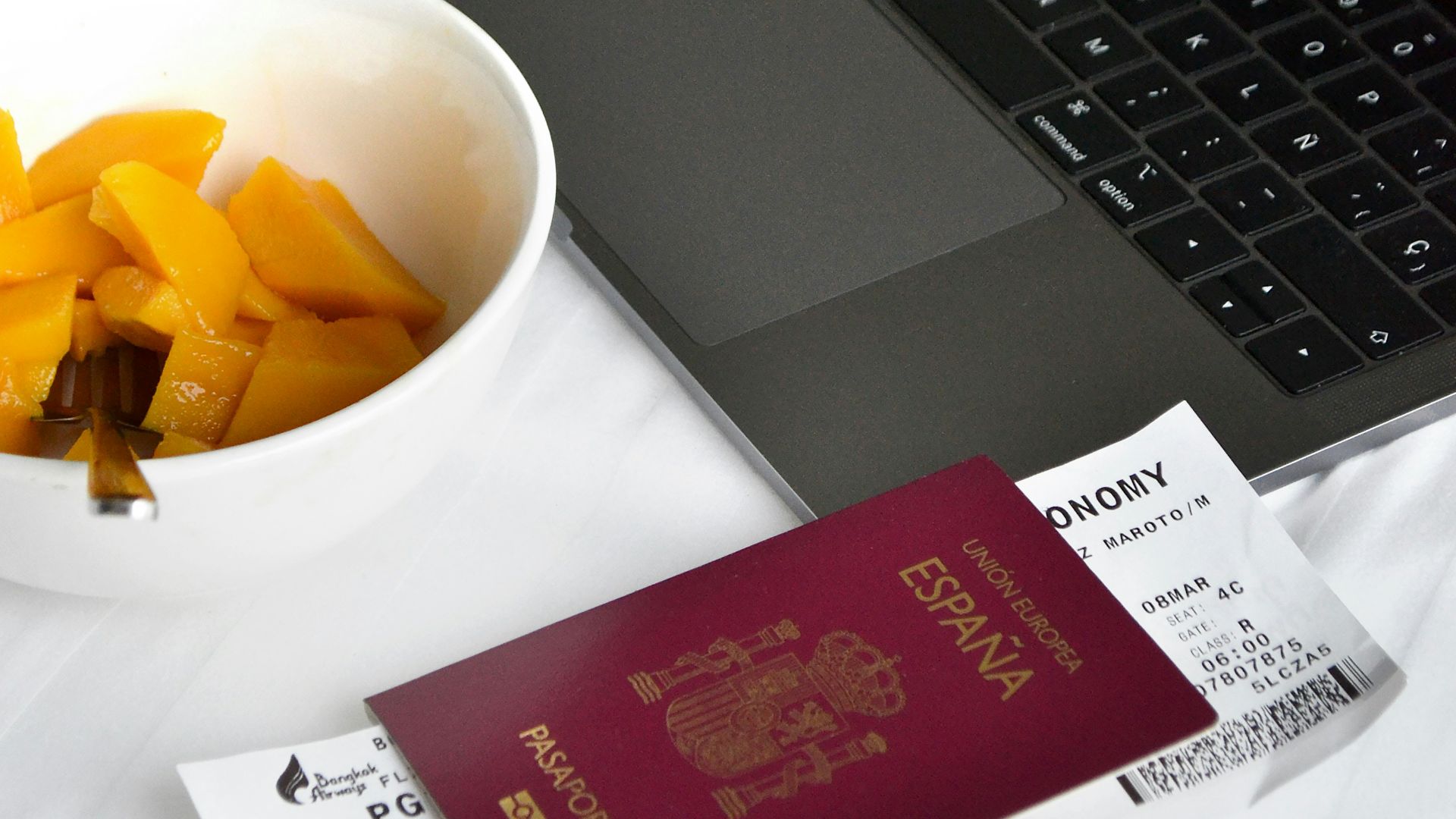
Some Travelers Won’t Need It
Certain travelers won’t need ETIAS authorization at all. People who already hold European residency permits or long-term visas will continue entering under those existing arrangements. The system mainly applies to short-term visitors arriving visa-free.
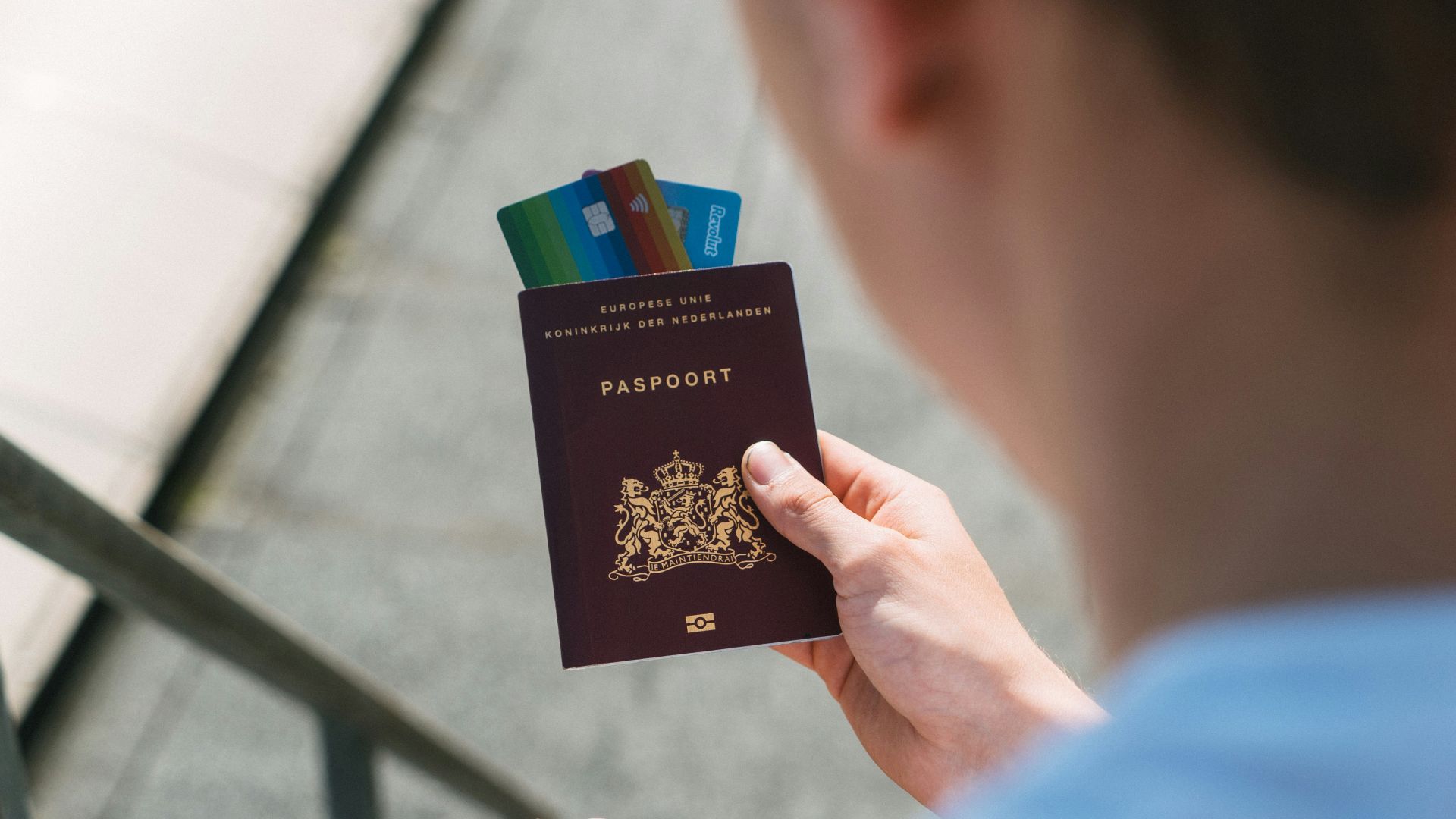
The Rollout Will Happen Gradually
Europe plans to introduce the new systems in stages rather than switching everything overnight. The Entry/Exit System is expected to arrive first, followed later by ETIAS. This approach allows airports and border officials time to adapt.
 Irfantraveller, Wikimedia Commons
Early Months May Bring Some Delays
Whenever new travel systems are introduced, there can be a learning curve. Travelers might experience slightly longer lines at airports and border crossings during the early months while staff and technology adjust to the new procedures.
 Nanashinodensyaku, Wikimedia Commons
The Long-Term Goal Is Faster Borders
Although these changes add a step before traveling, the long-term goal is smoother border crossings. Automated checks and digital records can help speed things up once everything is running smoothly and travelers become familiar with the process.
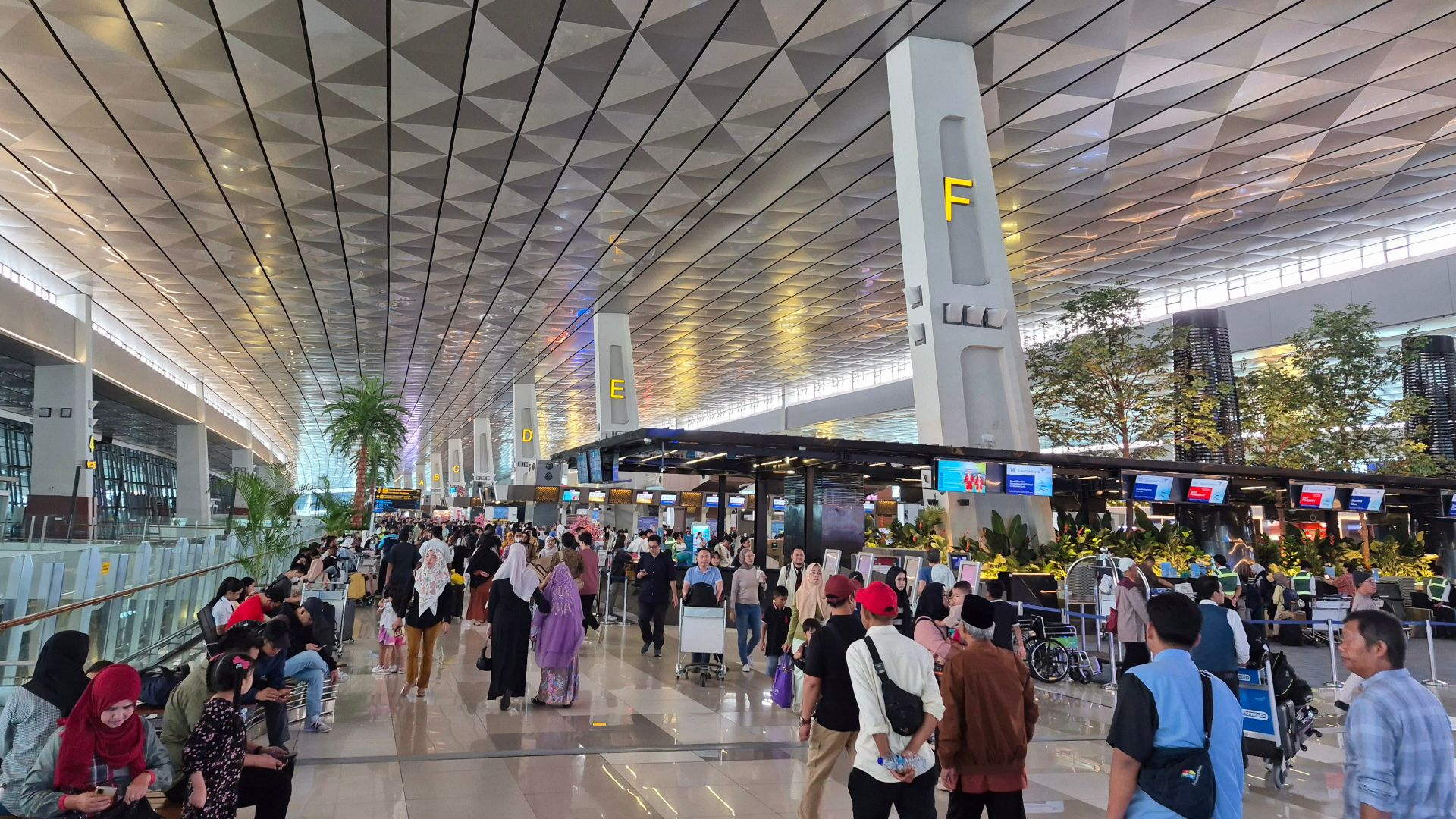
Travelers Just Need To Plan Ahead
For now, travelers don’t need to panic or change their plans. The best approach is simply staying informed, applying for ETIAS once it launches, and making sure passports are valid before traveling.
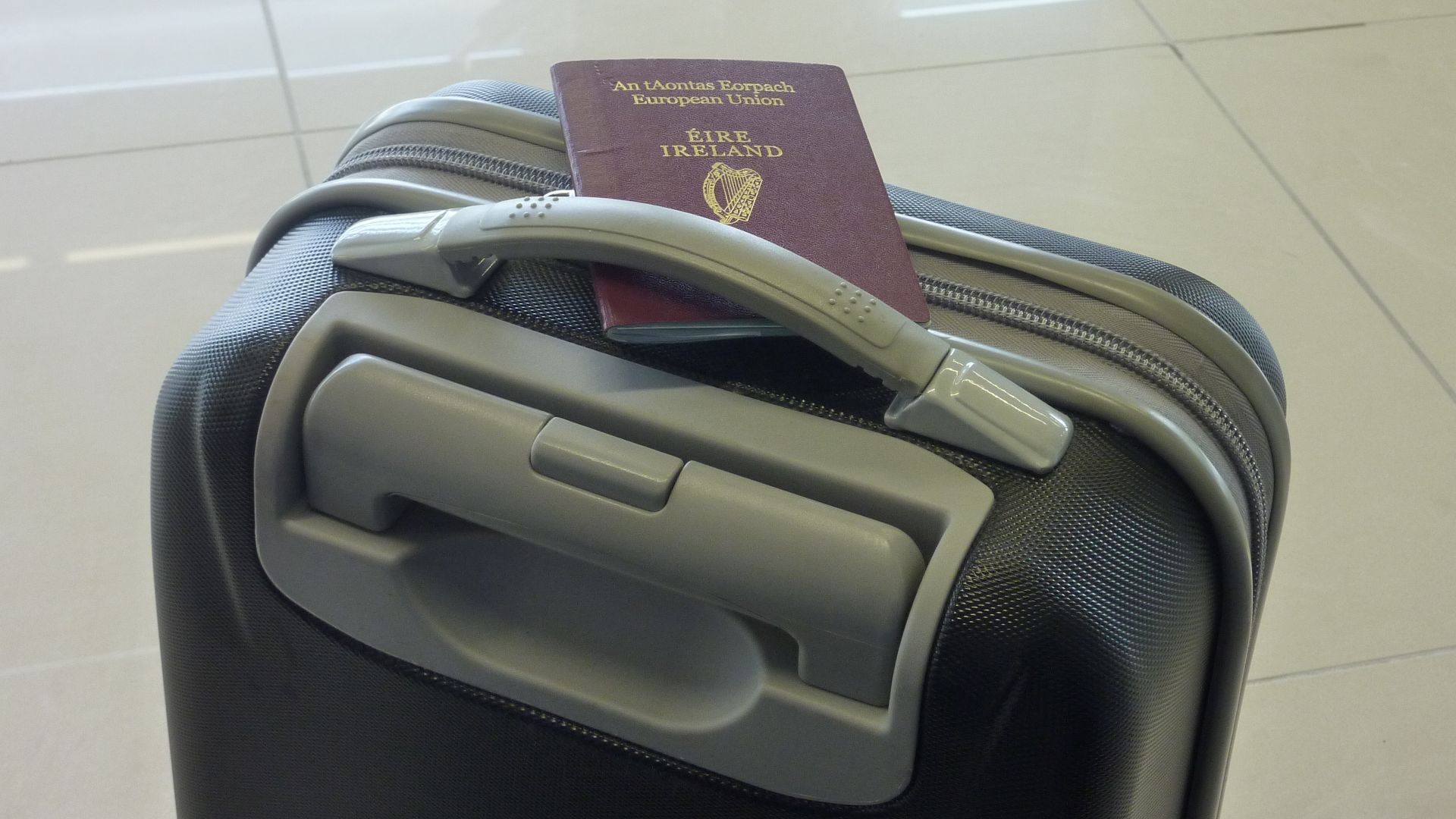 Sean MacEntee from Monaghan, Ireland, Wikimedia Commons
Europe Is Still Waiting For You
At the end of the day, the experience of visiting Europe isn’t changing. The cities, food, culture, and historic sights will still be there. The only difference is a quick online approval before the trip begins.
 Yann Caradec from Paris, France, Wikimedia Commons
You May Also Like:
I booked “hidden city” flights to save money, but my dad says airlines can ban me for that—is that actually true?
My friend says TSA can’t make you unlock your phone. My cousin says they absolutely can at some airports. Who’s telling the truth?