Not Quite What The Brochures Promised
Canada’s biggest travel names come with ready-made images. Toronto sounds like a colder New York, Banff like untouched wilderness, and Prince Edward Island like Anne of Green Gables country frozen in time. Arrive in person, though, and those shortcuts fall apart fast. These famous destinations are often beachier, busier, more urban, more multicultural, or simply stranger than the postcards suggest.
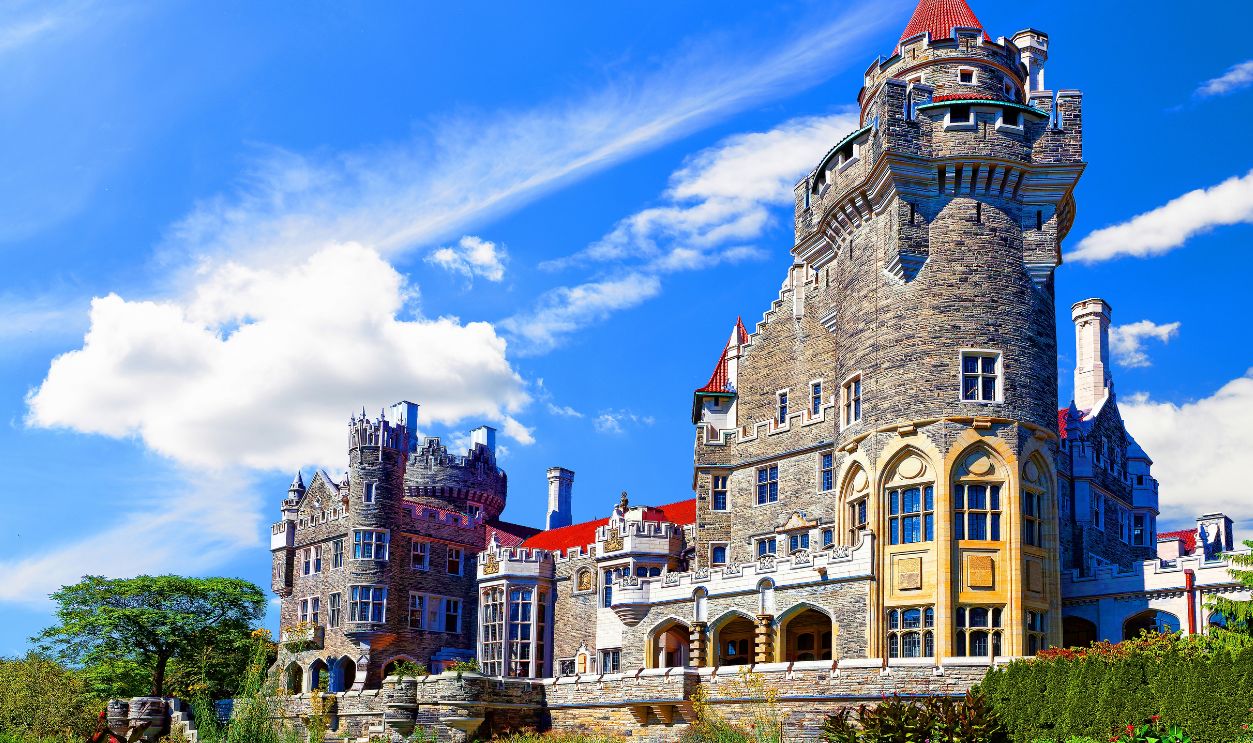
 Roman Samborskyi, Shutterstock ImagesToronto Is More Than Skyscrapers
The CN Tower dominates Toronto’s image, but the city changes quickly outside downtown. Its neighbourhoods include beaches, historic districts, multicultural food enclaves and major green spaces, while Scarborough adds dramatic lakefront bluffs to the mix.
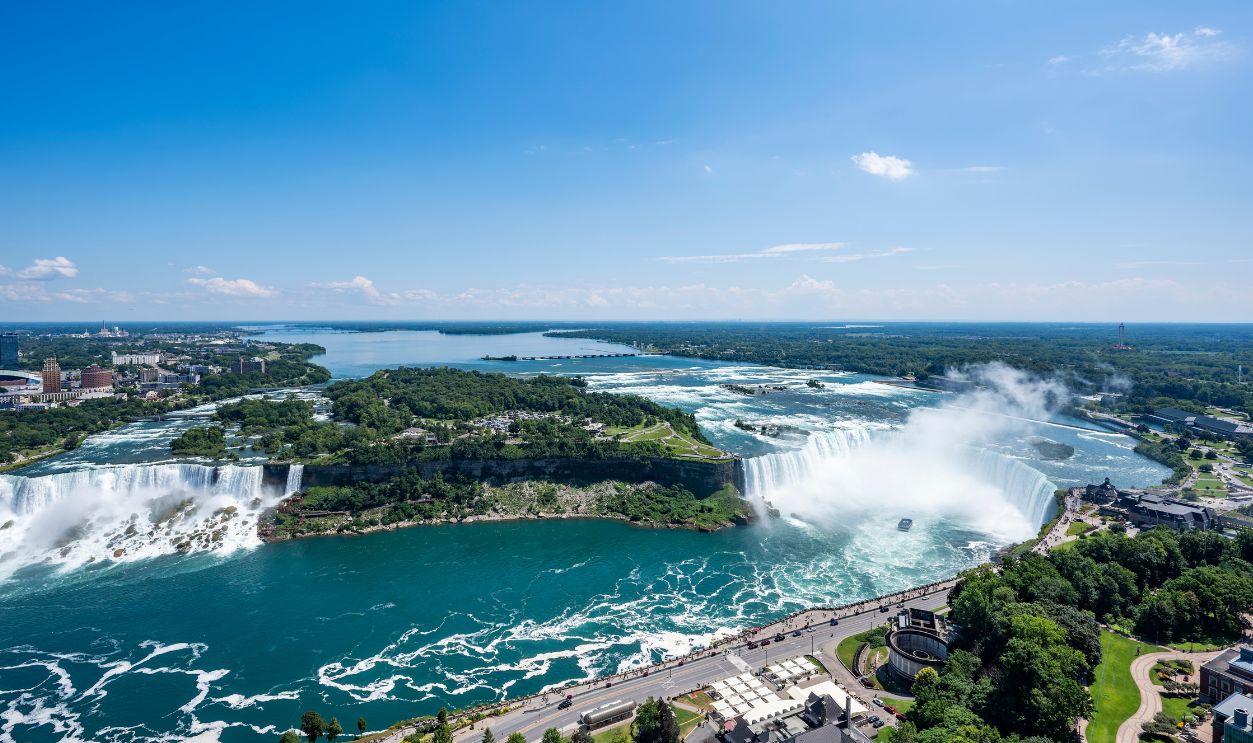
Niagara Falls Is Actually Three Falls
Many visitors picture one giant waterfall sitting by itself. Niagara Falls is actually Horseshoe Falls, American Falls and Bridal Veil Falls, while the Canadian side surrounds the natural spectacle with viewpoints and attractions that make the experience far less isolated than photographs suggest.
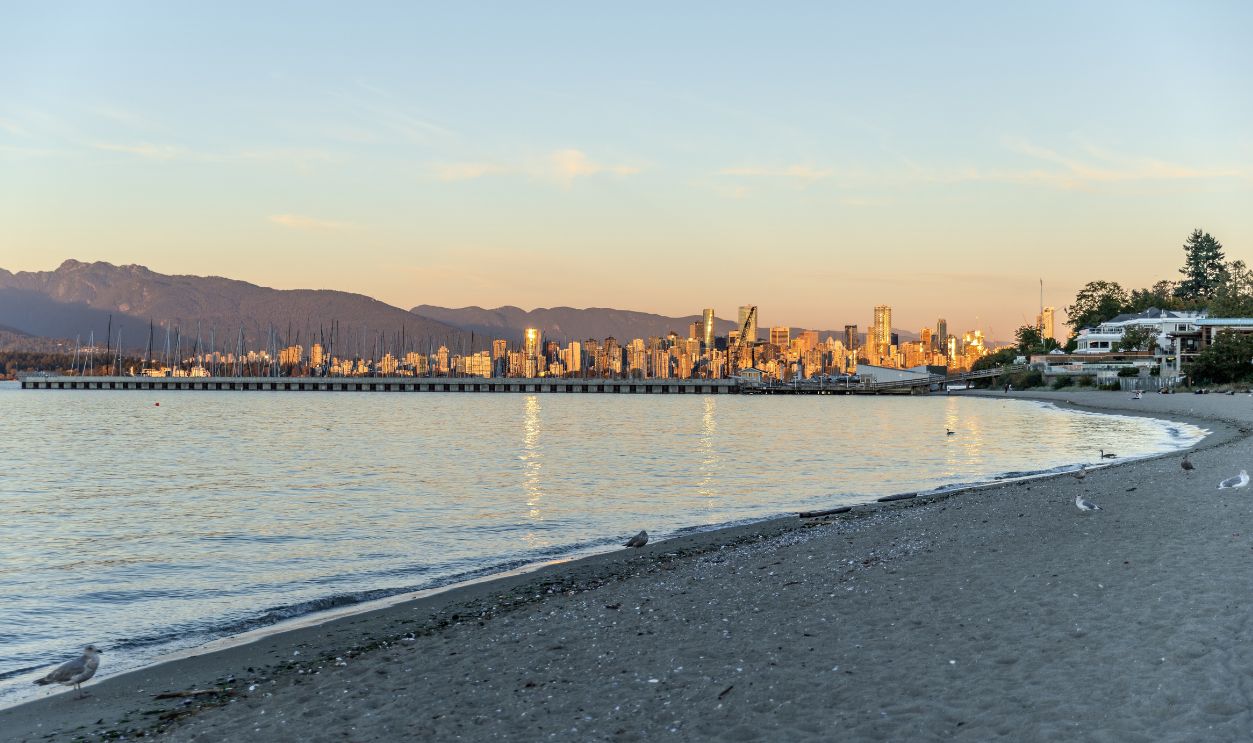
Vancouver Really Does Have Beaches
Mountains dominate Vancouver’s reputation, so the beach culture can come as a surprise. Destination Vancouver counts 18 kilometres of public beach, where swimming, paddleboarding and sunset watching unfold with city towers and mountains often visible from the sand.
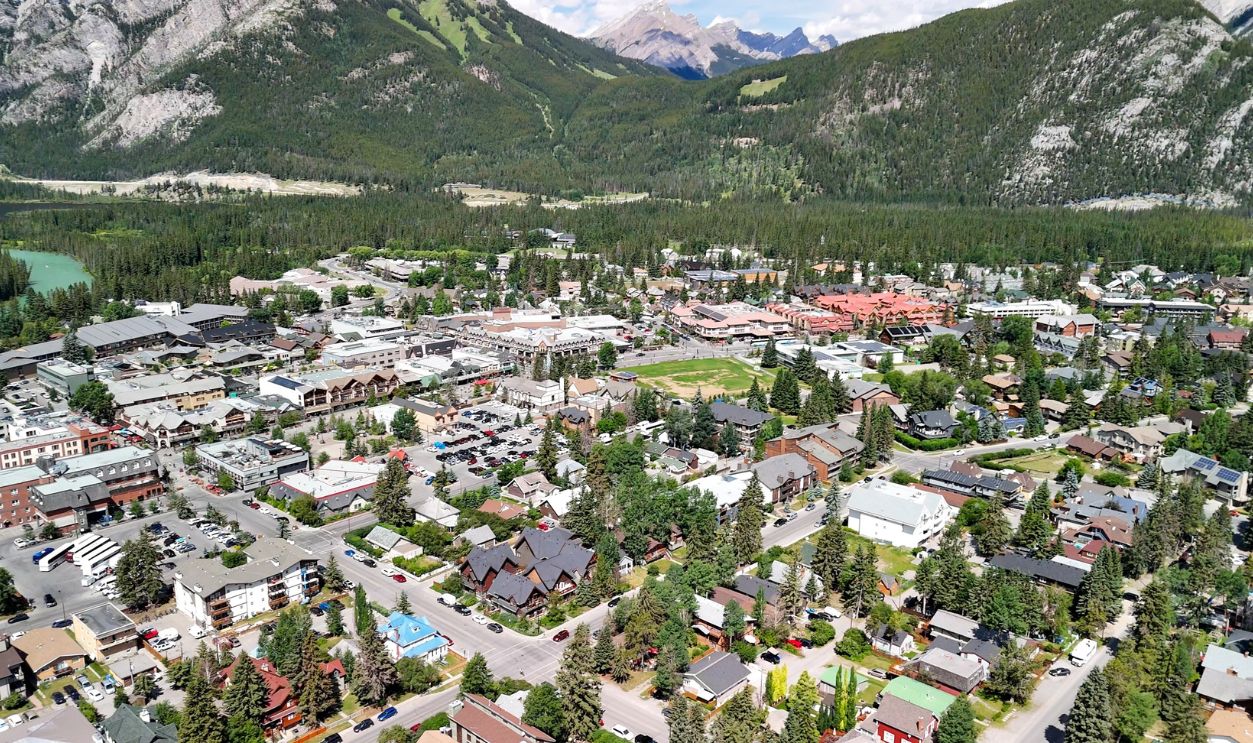
Banff Is A Real Town Inside The Park
Banff looks like pure wilderness in tourism ads, yet the town sits inside Banff National Park. Its compact downtown has restaurants, bars, shops, galleries and museums, creating an unusual mix of everyday town life and towering Rocky Mountain scenery.
 GagliardiPhotography, Shutterstock
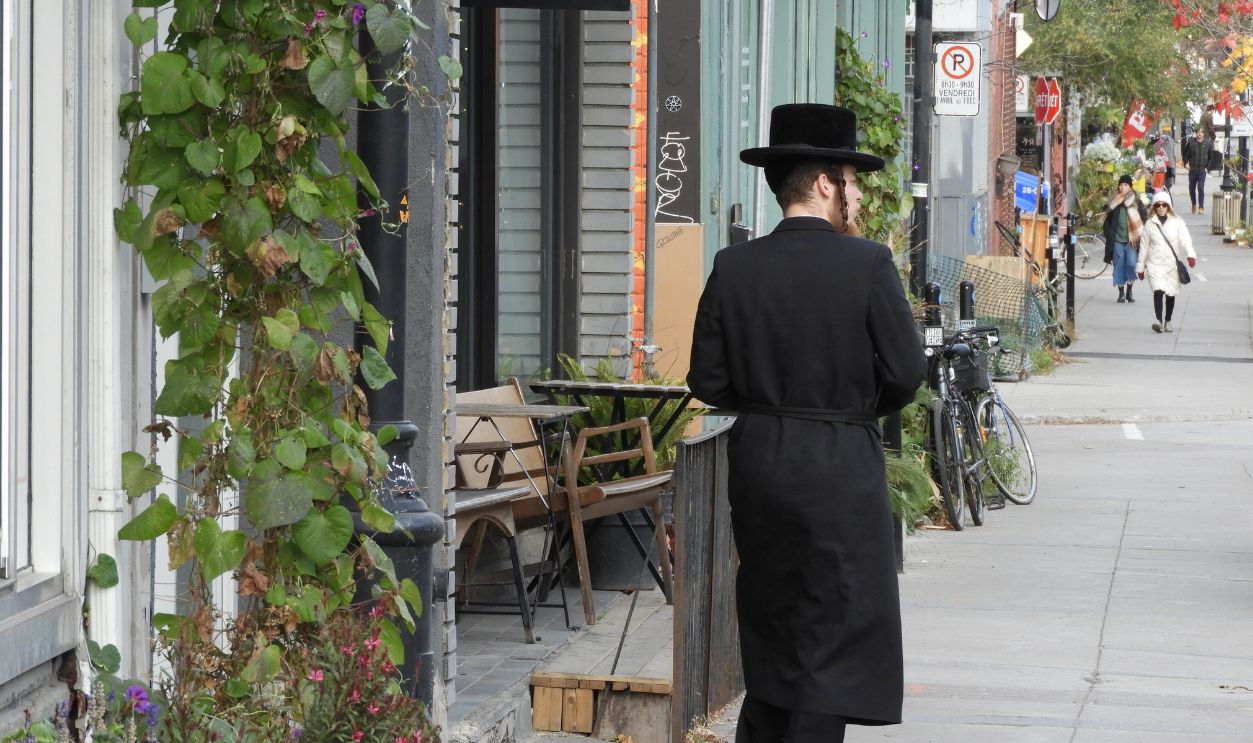
Montréal Is More Multicultural Than The “Little Europe” Image
French language and old stone buildings fuel Montréal’s European reputation, but its neighbourhoods tell a broader story. Mile End reflects French, Jewish, Greek, Italian and Portuguese influences, and English is widely usable at hotels, restaurants and major attractions.
Québec City Feels Older Than Most Visitors Expect
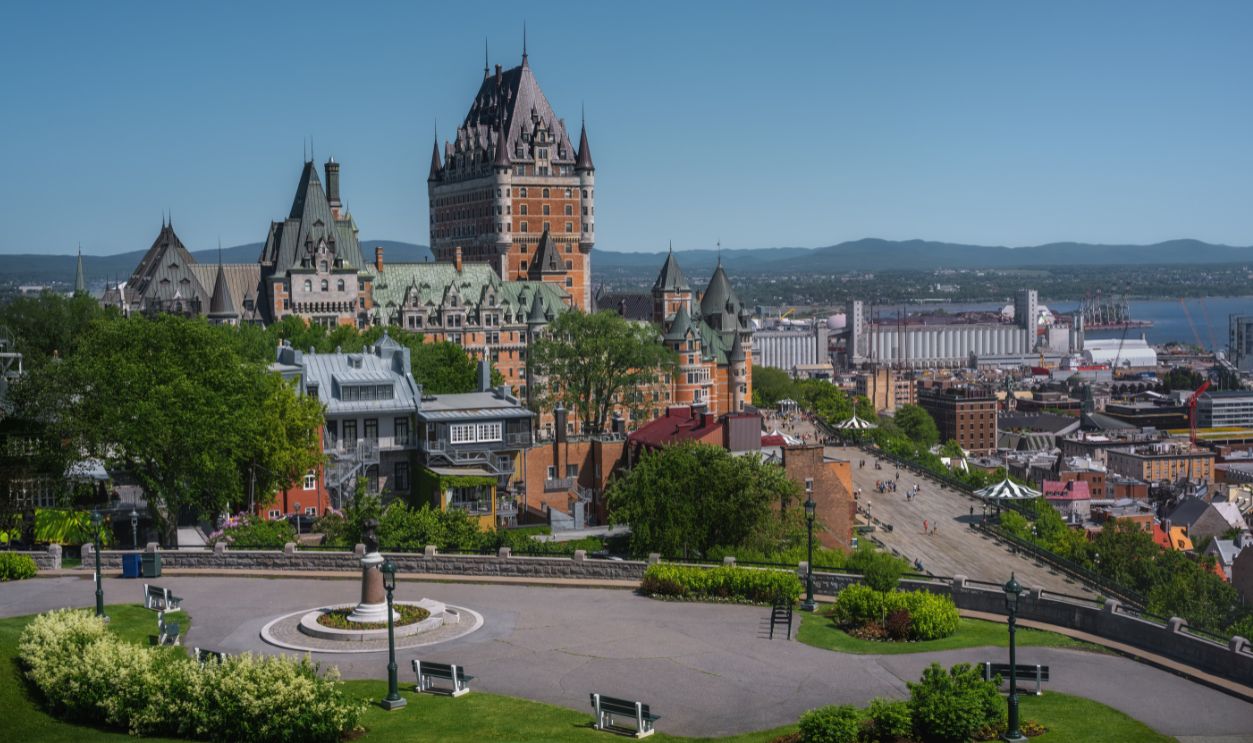
Old Québec is more than a district with European styling. It is a UNESCO World Heritage site and the only fortified city north of Mexico, with intact walls, gates and centuries-old architecture that sharply separates it from most North American city centers.
Whistler Is Not Just A Winter Trip
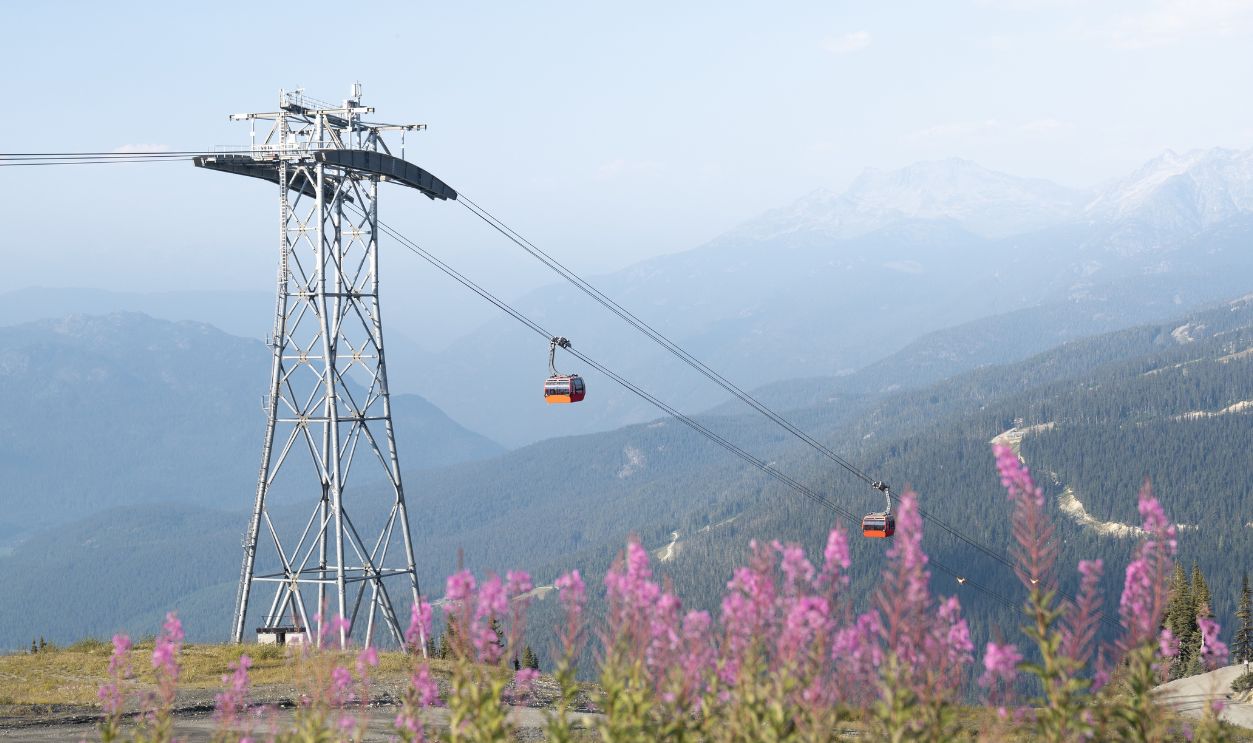
Whistler is synonymous with skiing, but summer is hardly an off-season. Visitors hike alpine trails, cycle, lounge by lakes and ride the PEAK 2 PEAK Gondola between Whistler and Blackcomb, turning the resort into a warm-weather adventure base.
Calgary Is Not Permanently In Cowboy Mode
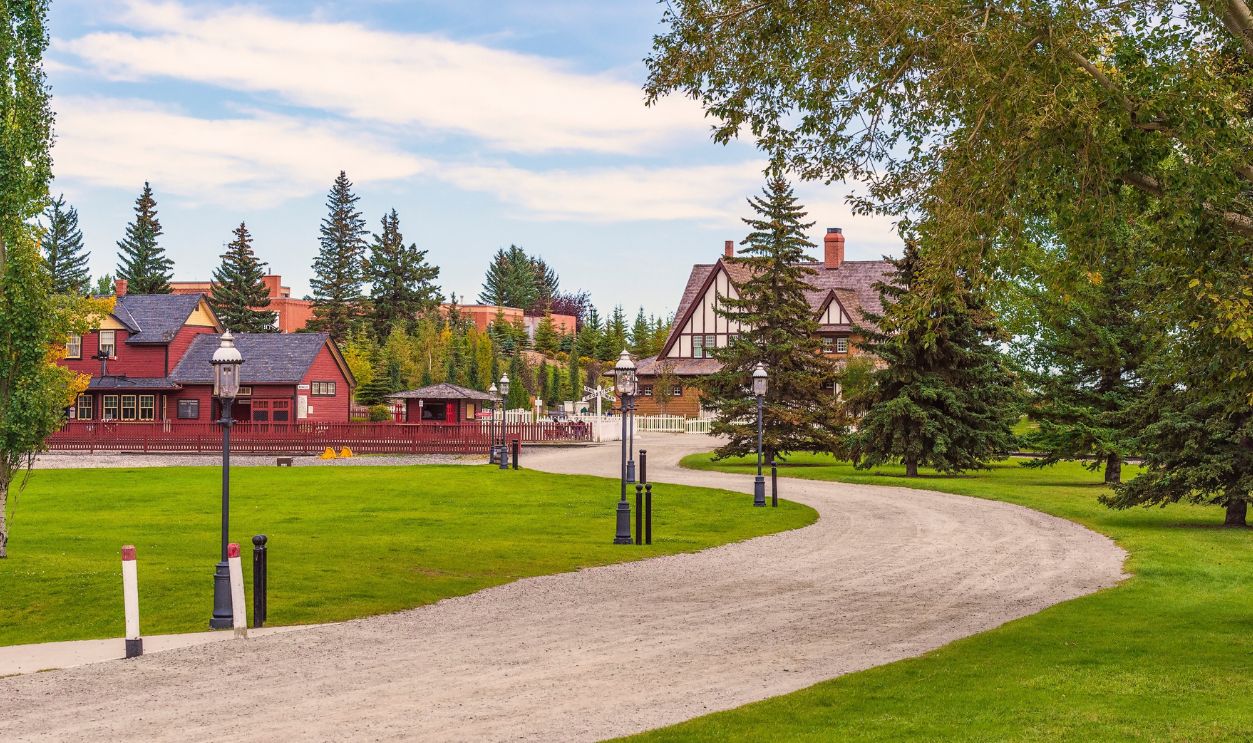
The Calgary Stampede transforms the city for 10 days each July and attracts more than a million visitors. Outside that spectacle, Calgary offers river recreation, museums and festivals, with the Rocky Mountains close enough to combine city sightseeing with a mountain trip.
Ottawa Has More Life Beyond Parliament
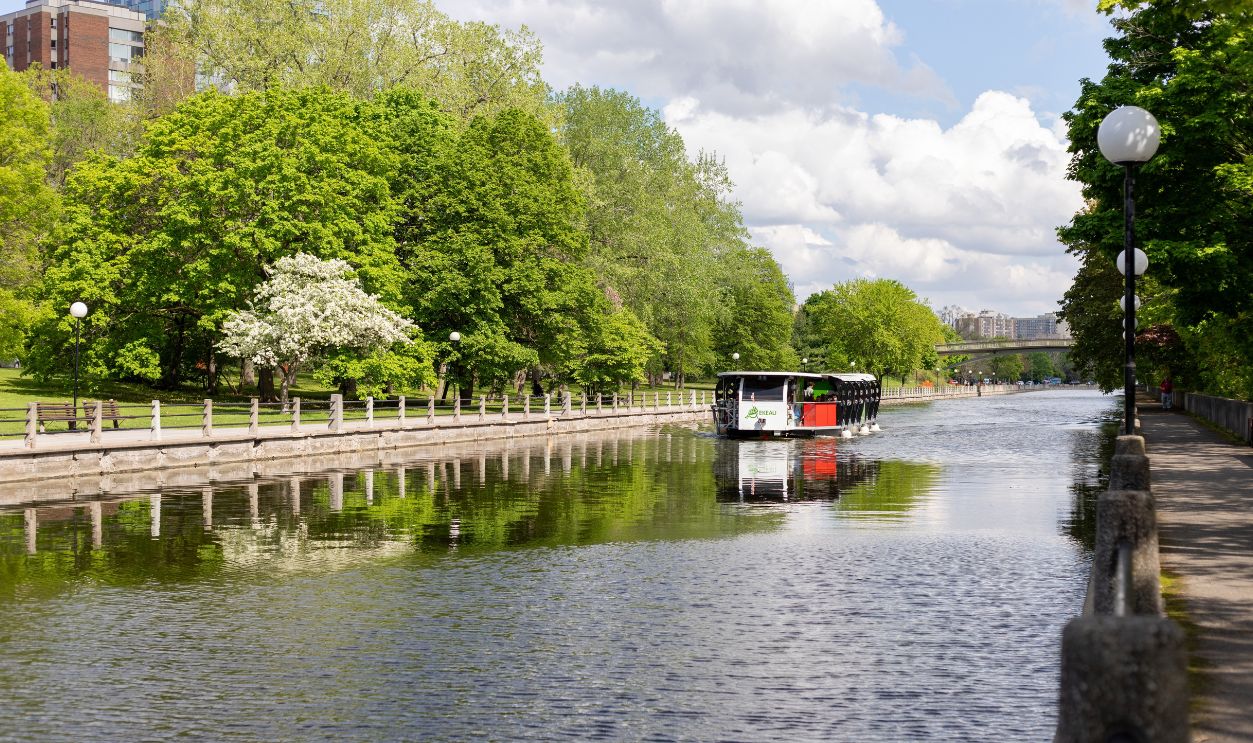
Canada’s capital may suggest government buildings and museums, but downtown Ottawa has a livelier side. ByWard Market mixes historic streets with restaurants, bars, clubs and shopping, while the Rideau Canal supports boating, cycling and walking in warmer months.
 Iryna Tolmachova, Shutterstock
Victoria Is Milder Than The Canadian Stereotype
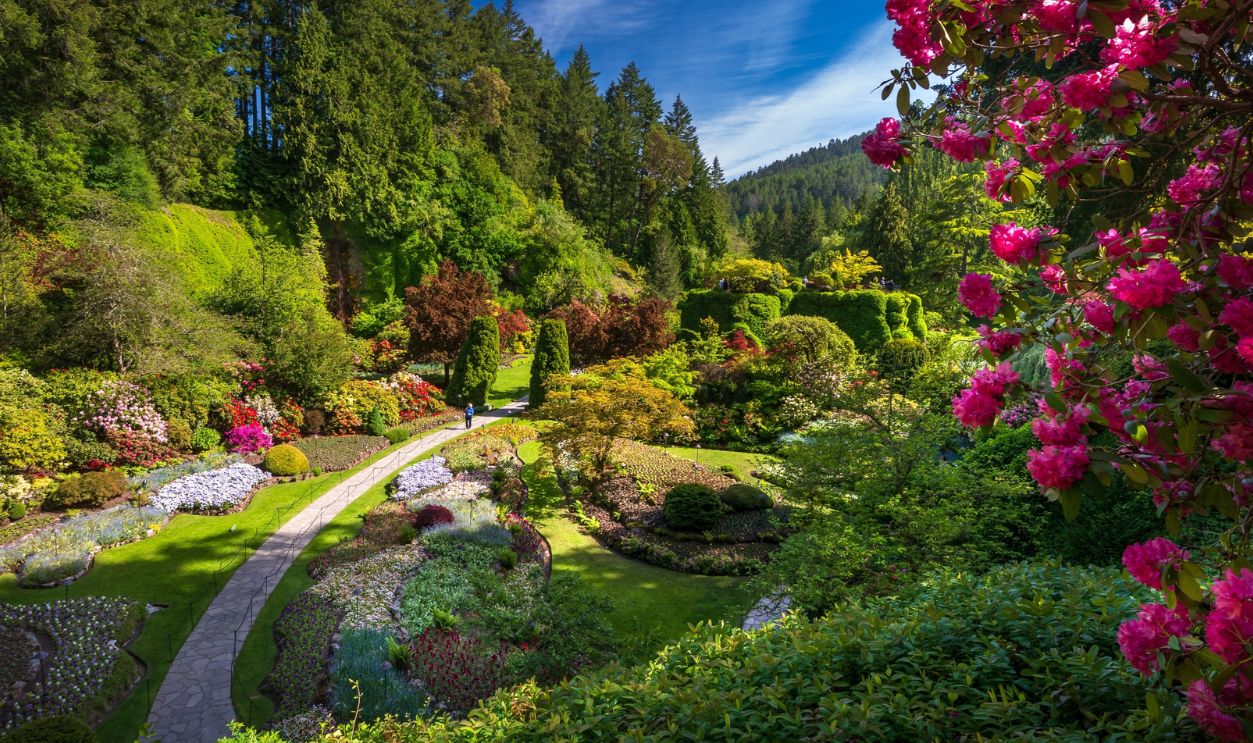
Victoria’s coastal climate is mild enough that flowers can begin appearing in February. Its famous gardens share the spotlight with beaches, coves and views across the Strait of Juan de Fuca toward Washington’s Olympic Mountains, giving the city a distinctly Pacific feel.
Prince Edward Island Is A Beach Destination
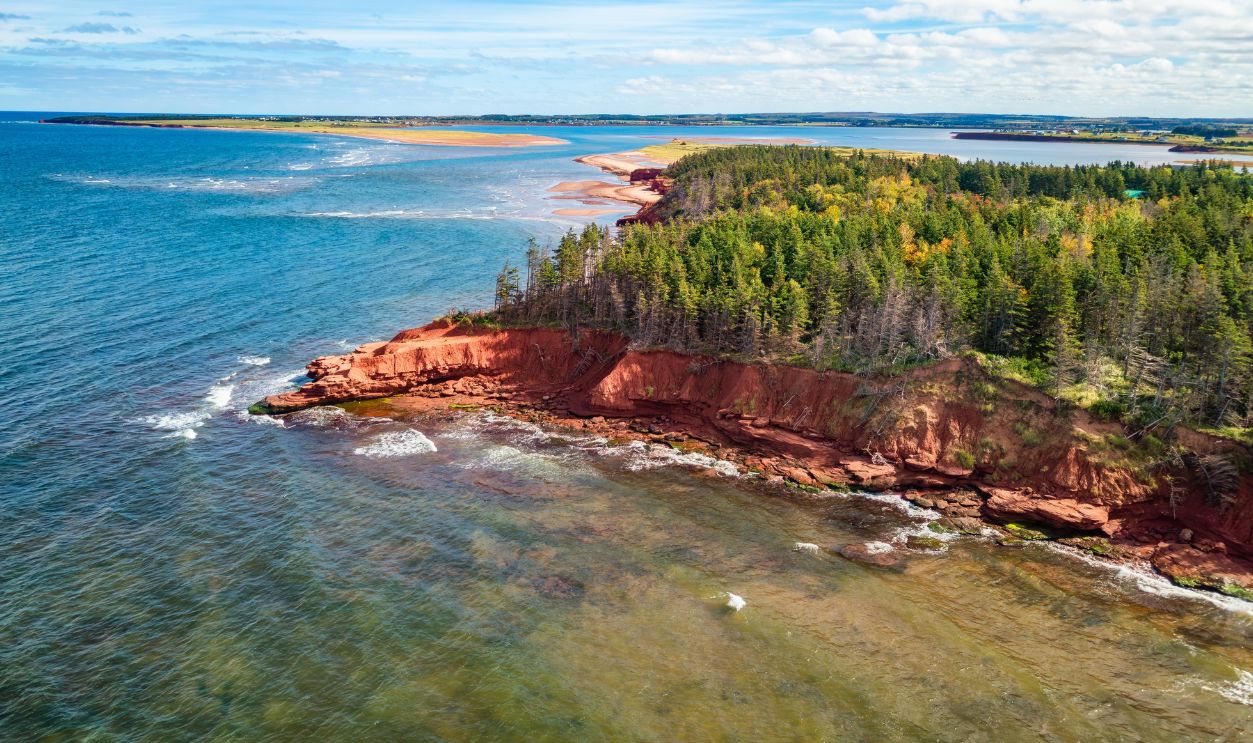
Anne of Green Gables may dominate PEI’s cultural image, but the island is also built for beach vacations. Prince Edward Island National Park combines sandy shoreline, coastal dunes, wildlife-rich wetlands and the island’s unmistakable red sandstone cliffs.
 EB Adventure Photography, Shutterstock
Halifax Feels More Lively Than A Historic Port Suggests
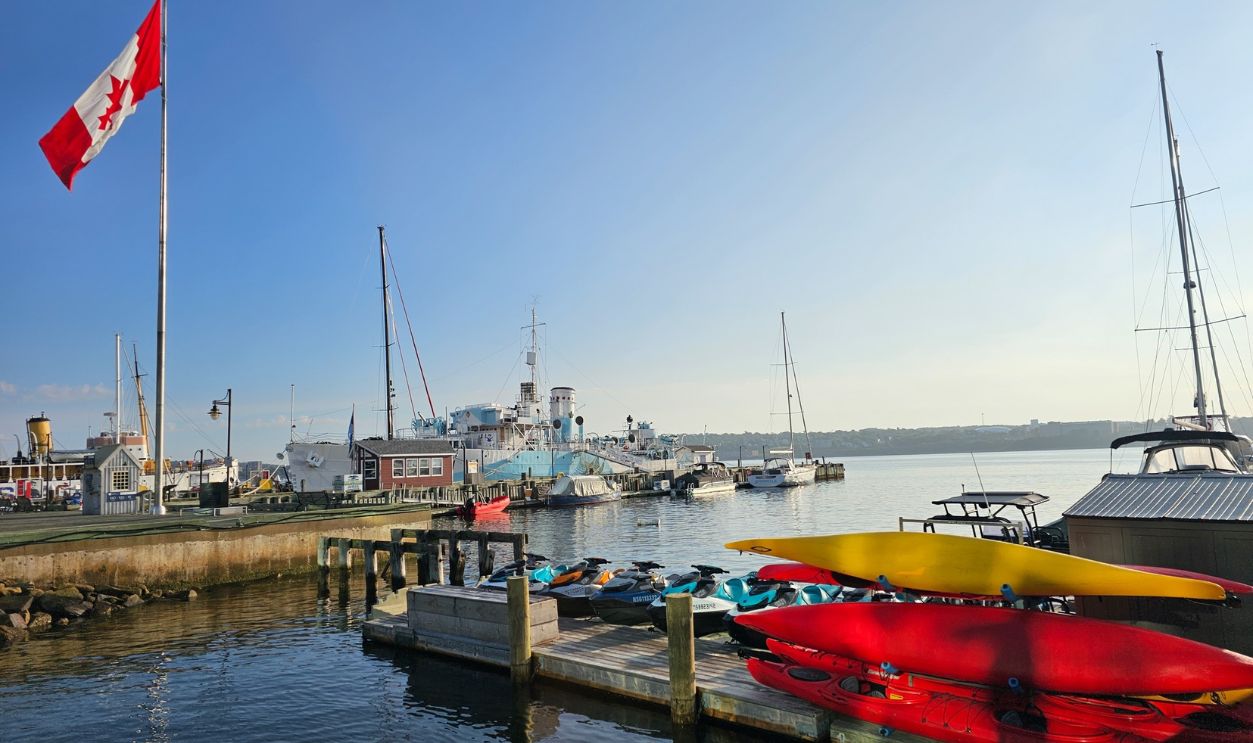
Halifax has maritime history, but its waterfront is no preserved museum district. The working port is surrounded by restaurants, vendors, local businesses and places for drinks, while kayak and watercraft rentals put visitors directly on the harbor.
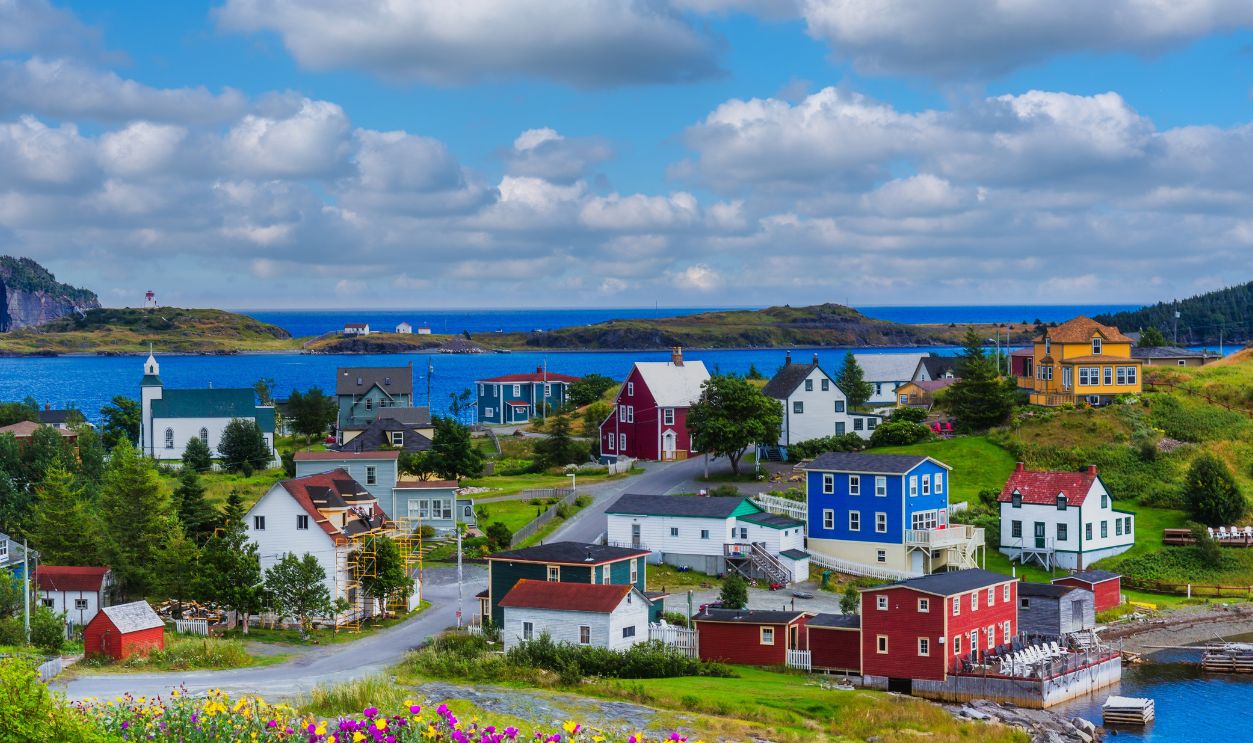
Newfoundland Is More Colorful Than Its Rugged Reputation
Newfoundland’s cliffs, fog and icebergs can make the province sound severe. In reality, colourful houses and working wharves dot more than 29,000 kilometres of rugged coastline, while spring and early summer can bring drifting icebergs along the famous Iceberg Alley route.
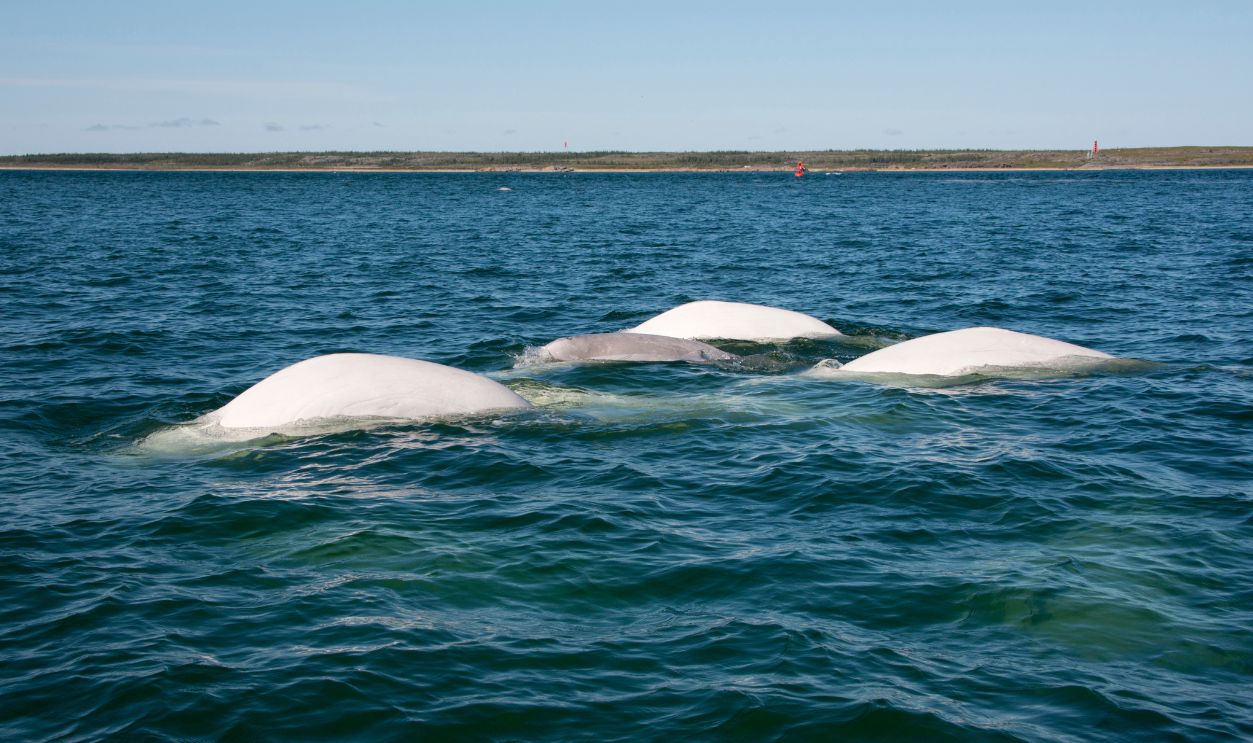
Churchill Is Not Just About Polar Bears
Churchill is famous for polar bears, yet summer brings thousands of beluga whales into the Churchill River area and northern lights are another major draw. The town is also unusually remote: no roads lead there, so visitors arrive by train or plane.
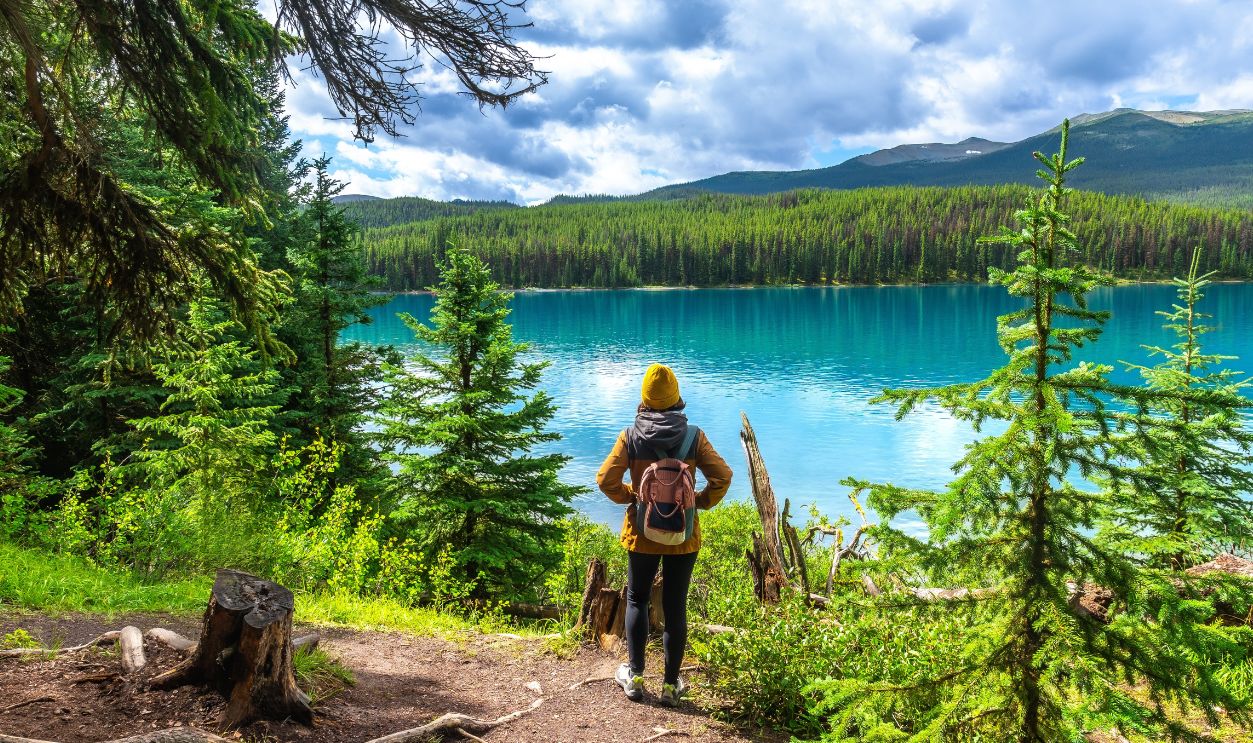
Jasper Is A Mountain Town With Beaches
Jasper’s peaks suggest serious alpine adventure, but nearby lakes provide surprisingly easy summer recreation. Connector trails link town with beaches and swimming areas, while Jasper National Park also holds the distinction of being the world’s second-largest dark sky preserve.
 Unai Huizi Photography, Shutterstock
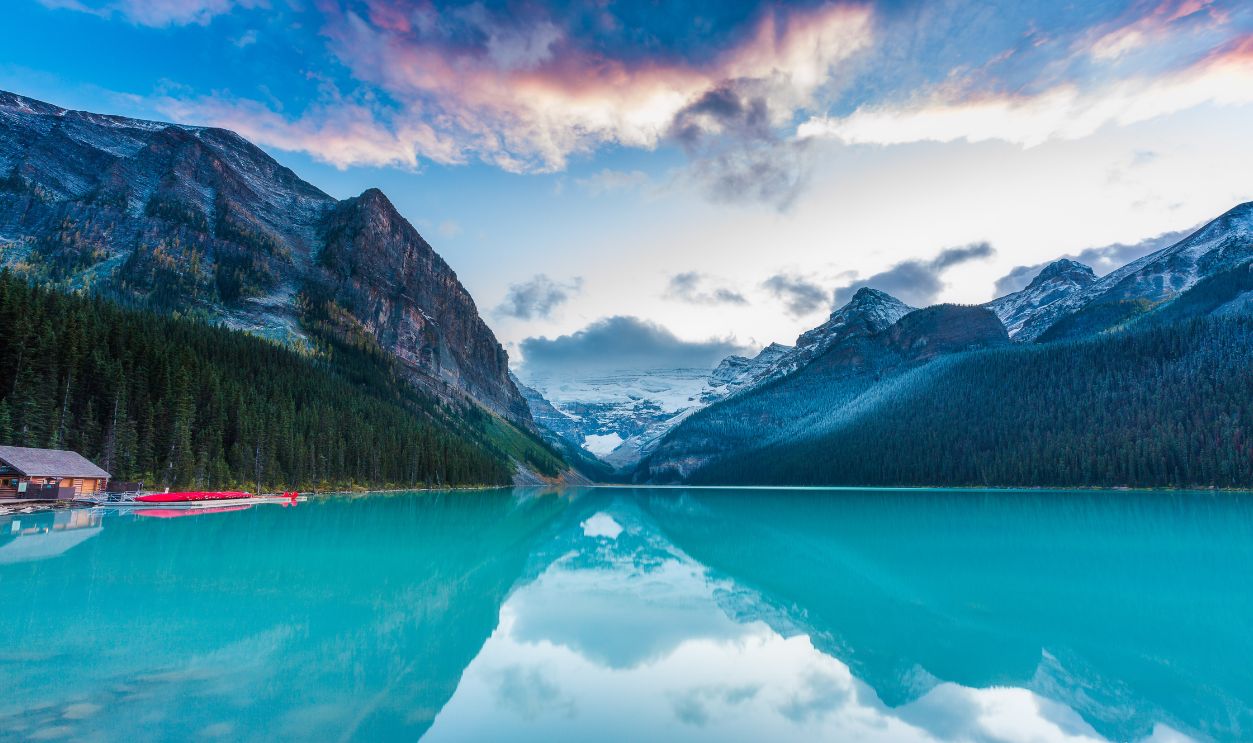
Lake Louise Takes More Planning Than The Photos Suggest
The turquoise lake looks effortless in photographs, but visiting now requires more logistics than many expect. Parks Canada recommends transit or reserved shuttles, and Moraine Lake Road is closed to personal vehicles year-round, making advance planning an important part of the experience.
Tofino Is Canada’s Surf Town
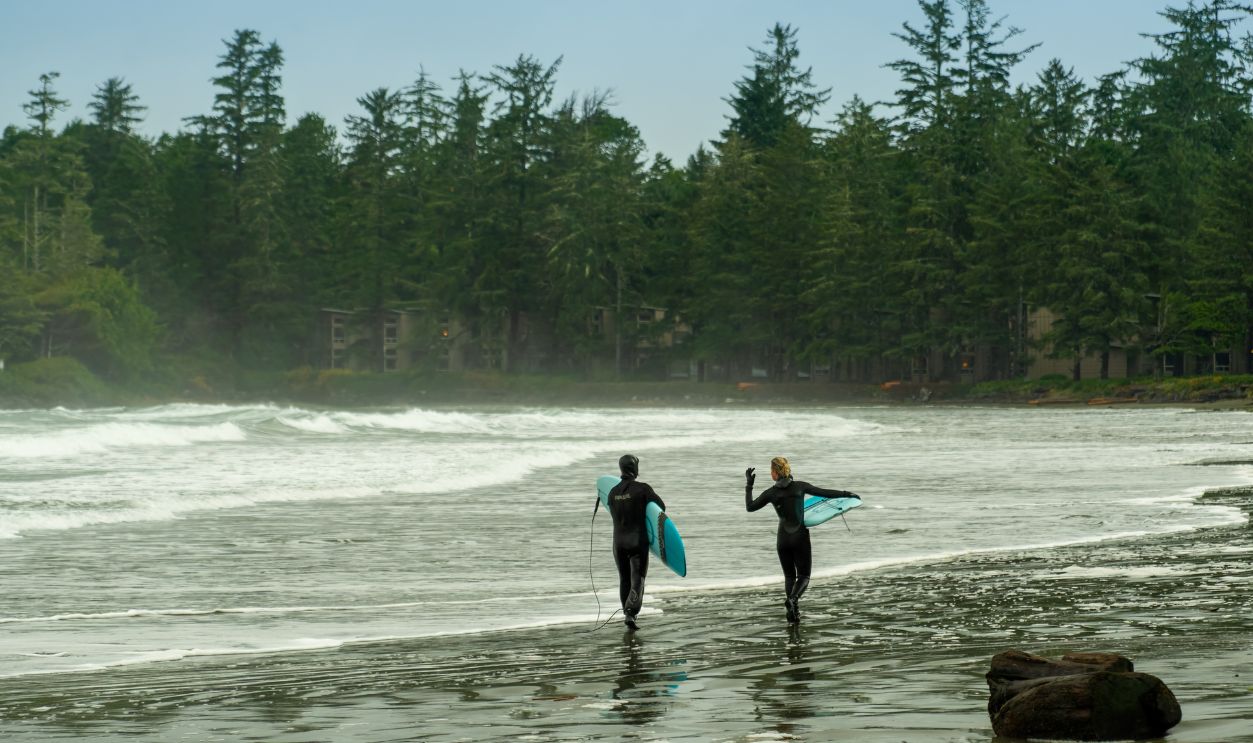
Tofino’s rainforest setting sounds made for quiet cabins and storm watching, yet surfing is central to local life. More than 35 kilometres of beaches provide year-round waves, and the Pacific water stays cold enough that wetsuits are considered essential.
 Alessandro Cancian, Shutterstock
The Bay Of Fundy Can Empty Out Before Your Eyes
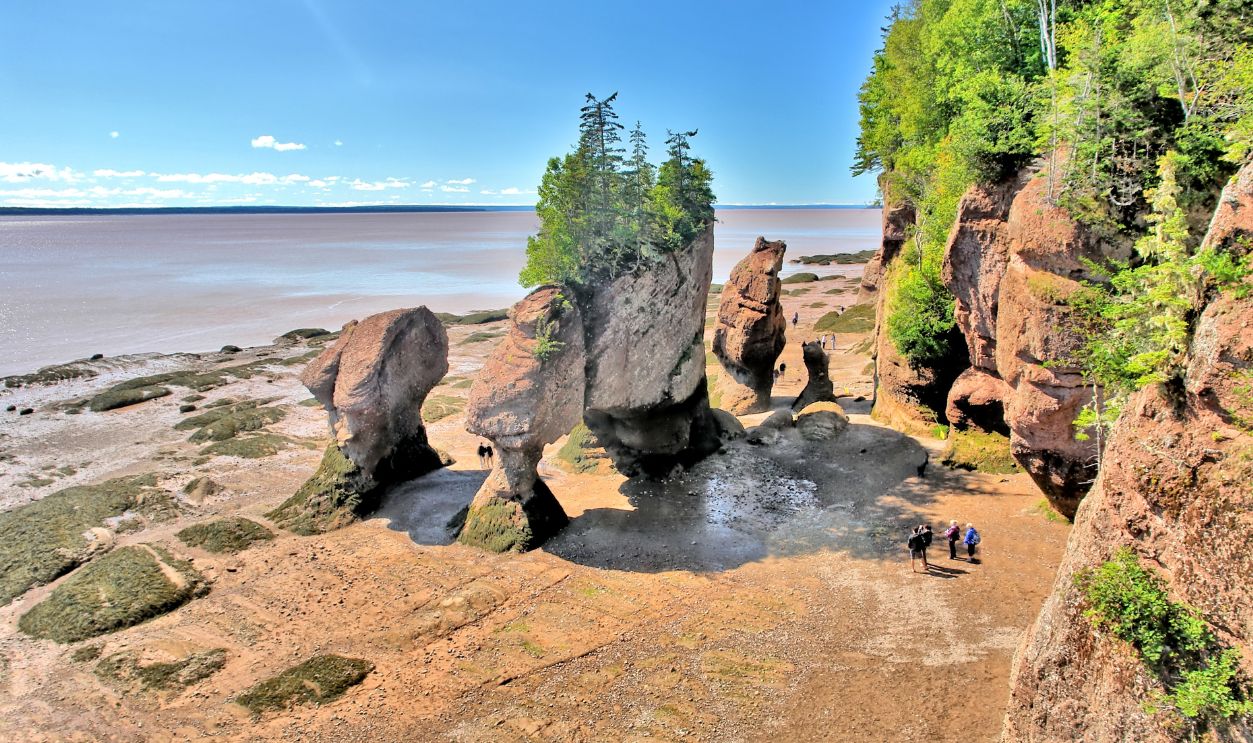
The Bay of Fundy’s tides sound impressive until you see their scale. At Fundy National Park, water levels can differ by 12 metres between high and low tide, exposing huge tidal flats where visitors can literally walk across the seafloor.
The Thousand Islands Feel Like A Watery Neighborhood
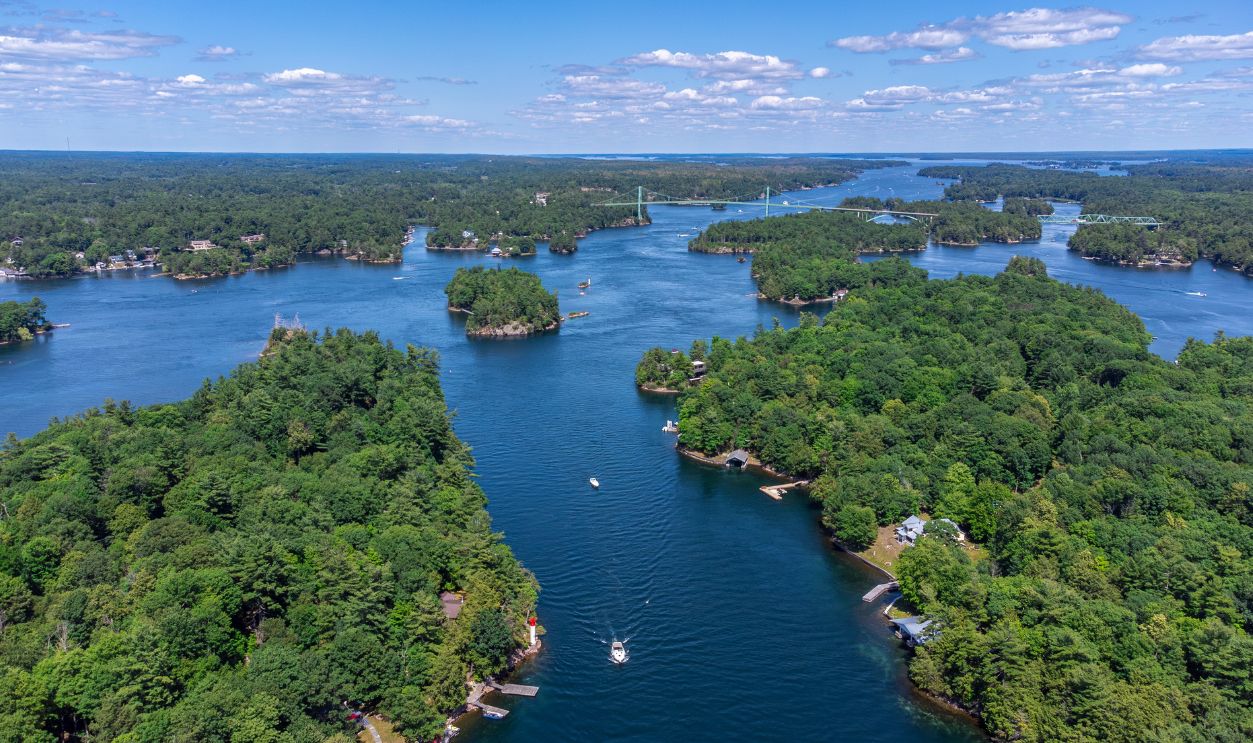
The Thousand Islands region contains more than 1,800 islands along the St. Lawrence River. Cruises pass cottages, lighthouses, mansions and elaborate castles on both sides of the Canada-U.S. border, making the area feel more inhabited and intricate than its wildernessy name suggests.
Cape Breton Is Much More Than One Famous Road
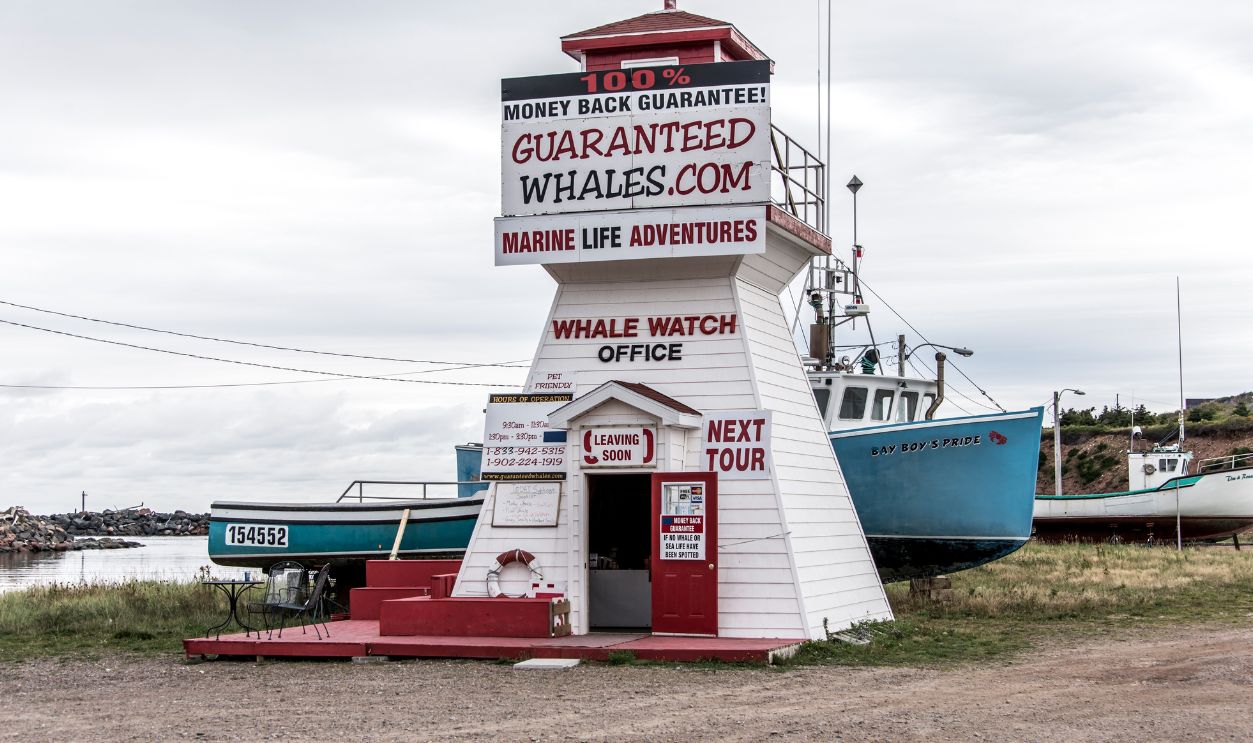
Cape Breton is strongly associated with the Cabot Trail, a 298-kilometre route of cliffside turns and ocean views. The road also links fishing communities shaped by Mi’kmaq, Acadian and Gaelic cultures, with hiking, music, whale watching and seafood encouraging longer stops.
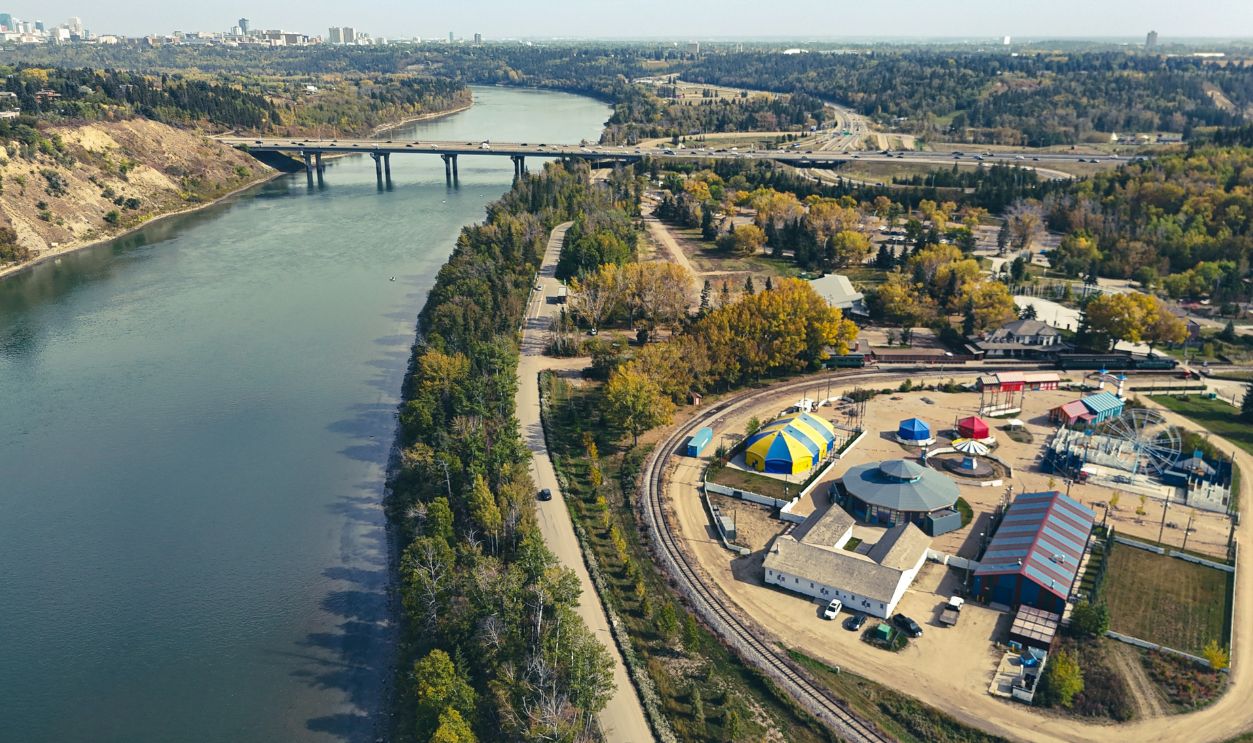
Edmonton Is Surprisingly Green
Edmonton is often imagined through oil, hockey and prairie, but a huge green corridor runs through the city. Its North Saskatchewan River Valley offers extensive walking and biking trails, while city sources describe the system as the largest urban parkland in North America.
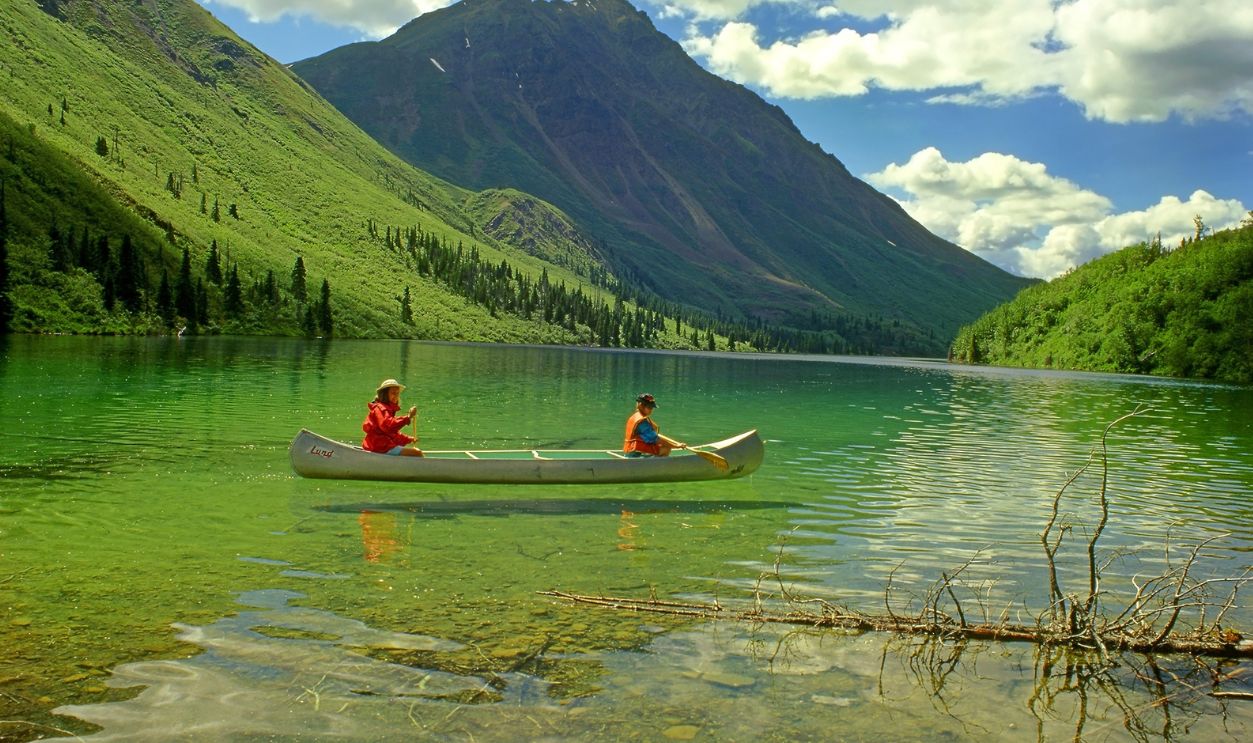
The Yukon Is Not Always Dark And Frozen
The Yukon’s winter image hides the opposite seasonal extreme. Summer brings extraordinarily long daylight, and above the Arctic Circle the midnight sun can stay above the horizon for weeks, extending the hours available for hiking, paddling, cycling and festivals.
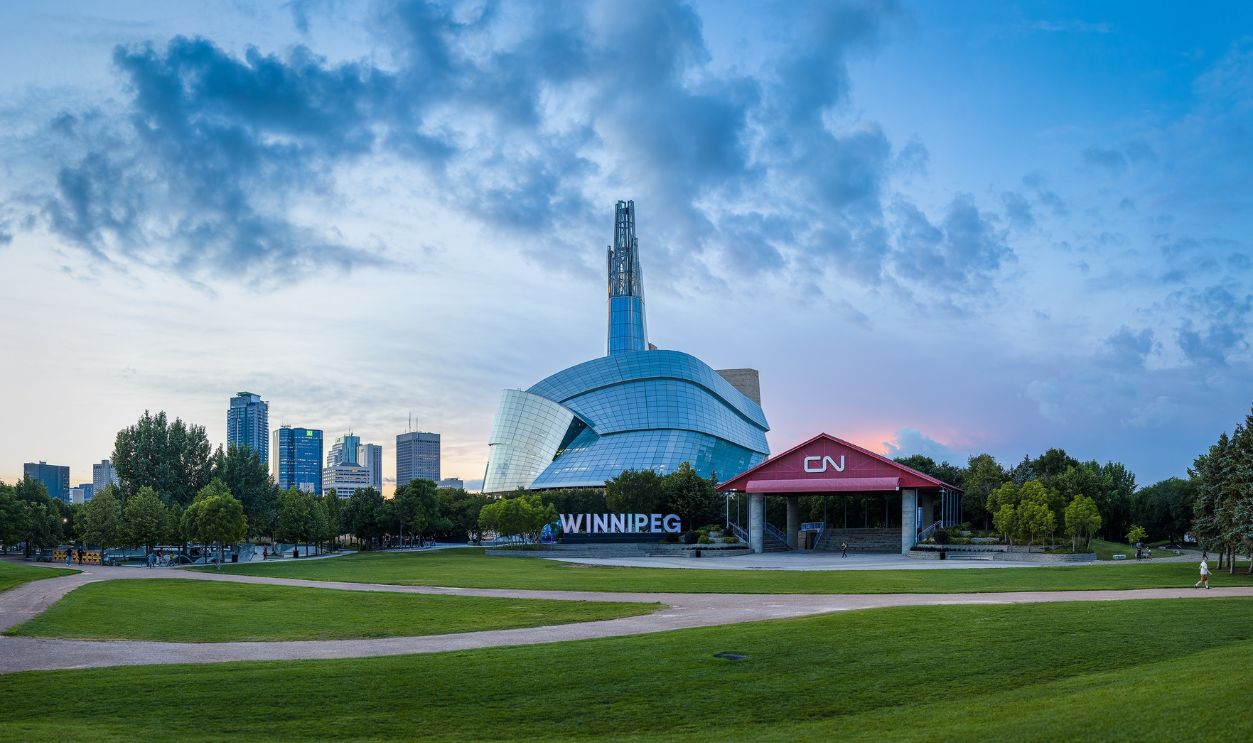
Winnipeg Is More Cultural Than The Cold-Weather Jokes
Winnipeg’s winters are famous, but the city also has more than 1,100 restaurants, major arts organizations, festivals and the Canadian Museum for Human Rights. At The Forks, markets, patios and river activities animate a gathering place with thousands of years of history.
 Salvador Maniquiz, Shutterstock
You May Also Like:
Things Canadians Notice Immediately When They Drive Through The American Southwest
Top Five Restaurants In The World
The U.S. Cities That Canadians Say Are Better Tourist Destinations Than They Expected