
Healthcare Changed The Retirement Map
Retiring abroad once meant dreaming about beaches, cafés, and lower living costs. Today, healthcare is becoming one of the biggest reasons Americans look beyond the United States. A Harris Poll found Canada, the United Kingdom, Australia, France, and Italy were the top choices. The surprise is what those countries reveal.

The Survey Had A Clear Favorite
Canada came out on top among Americans who were considering moving abroad. That is not shocking on the surface, since it is close, familiar, and English-speaking. But healthcare adds another layer to the result. Many Americans associate Canada with universal coverage, even though access for newcomers depends on immigration status and provincial rules.
The Full Top Ten Was Revealing
The Harris Poll top ten was Canada, the United Kingdom, Australia, France, Italy, Japan, Mexico, Spain, Germany, and New Zealand. That mix includes wealthy English-speaking countries, European lifestyle favorites, and lower-cost retirement standbys. It also shows that Americans are not thinking only about cheap destinations. Many are drawn to places with stable public health systems and strong reputations for care.

Healthcare Is No Longer A Side Issue
The same survey found that healthcare was one of the topics Americans most wanted help understanding before moving abroad. Among those considering a move, 78% were interested in services that could connect them with accessible healthcare options and doctors they could communicate with. That detail matters because retiring abroad is not just about finding a pretty place. It is about knowing what happens when you need a cardiologist, prescription refill, surgery, or emergency care.

The U.S. Problem Is Expensive
Fidelity estimated that a 65-year-old retiring in 2025 could spend an average of $172,500 on healthcare and medical expenses during retirement. That estimate assumes enrollment in Medicare and does not include long-term care. For many Americans, that number makes overseas healthcare look less like a bonus and more like a serious planning factor. It also explains why countries with predictable systems feel so appealing.

Medicare Usually Stops At The Border
One major surprise for retirees is that Medicare has limited coverage outside the United States. Medicare covers care in a foreign country only in rare cases, and Part D drug plans do not cover prescriptions bought outside the U.S. That means an American retiree abroad usually needs local coverage, private international insurance, or a cash-pay plan. The dream destination has to come with a real medical strategy.

Canada Looks Easy, But It Is Complicated
Canada’s top ranking makes emotional sense because it feels close to home. The country has publicly funded healthcare, familiar culture, and no major time-zone shock for many Americans. But Americans cannot simply move there and immediately use the health system as visitors. Long-term eligibility depends on legal residency and province-specific health insurance rules.

The United Kingdom Has Name Recognition
The United Kingdom ranked second, and the NHS is a major part of its global image. Americans know the UK, understand the language, and may assume healthcare will be easier to navigate there. The reality is more technical. Access depends on residency status, immigration rules, and whether someone has paid the immigration health surcharge or qualifies through another route.
 Kolforn (Kolforn), Wikimedia Commons
Australia Ranked High For Good Reasons
Australia ranked third in the survey, and it also performed extremely well in the Commonwealth Fund’s 2024 comparison of wealthy health systems. In that report, Australia ranked first overall among the countries studied. That is a powerful healthcare signal for retirees who want quality, safety, and English-language care. The catch is that retiring there permanently can be difficult because visa access is not as simple as booking a long stay.

France Is A Serious Healthcare Contender
France ranked fourth in the Harris Poll list, and it has long attracted Americans with food, culture, rail travel, and strong healthcare. Its health system regularly performs well in international comparisons. For retirees, the appeal is not only hospitals and doctors. It is the sense that routine care, prescriptions, and specialist access can be handled in a more predictable way than many Americans are used to.

Italy Is Romantic, But Healthcare Varies
Italy rounded out the top five, which makes sense for anyone who has imagined retirement with piazzas, markets, and long lunches. Italy has a national health service, but the experience can vary by region. Major cities often offer more options, including private clinics that expats may use for faster appointments. The healthcare picture is real, but it requires local research before committing.

Japan Was The Unexpected Sixth Pick
Japan ranked sixth, which is one of the more surprising results. It is not a traditional American retirement-abroad cliché in the same way as Mexico, Portugal, or Costa Rica. But Japan scores very strongly on healthcare reputation, life expectancy, safety, infrastructure, and public order. For retirees who can handle the language barrier and residency requirements, it has obvious appeal.

Mexico Still Has A Practical Advantage
Mexico ranked seventh, and it remains one of the most practical choices for many American retirees. It is close to the U.S., has large expat communities, and private healthcare can be far cheaper than comparable care in the United States. Many retirees also like that they can return to the U.S. more easily for family visits or medical second opinions. That proximity gives Mexico an advantage that faraway countries cannot match.

Spain Deserves More Attention
Spain ranked eighth, but from a healthcare perspective, it may deserve to be higher on many retirement lists. Numbeo’s 2025 Health Care Index placed Spain among the top ten countries it ranked. Spain also has the lifestyle ingredients retirees often want, including walkable cities, warm regions, strong public transit, and a slower daily rhythm. The key issue is arranging legal residency and proper coverage before settling in.
 frank müller, Wikimedia Commons
Germany Is Strong But Less Dreamy
Germany ranked ninth, and that feels more practical than romantic. It has a highly developed healthcare system, strong hospitals, and a reputation for efficiency. The Commonwealth Fund ranked Germany among the stronger performers in access compared with other wealthy countries studied. For retirees, Germany may appeal more to people who prioritize reliability over beach-town fantasy.
 Marek Śliwecki, Wikimedia Commons
New Zealand Came In Tenth
New Zealand completed the top ten, and it has obvious lifestyle appeal. It offers natural beauty, English-language daily life, and a reputation for safety. Healthcare quality is part of that attraction, but immigration rules can make retirement there challenging. For many Americans, New Zealand may be easier to dream about than to actually move to.
 Tom Ackroyd, Wikimedia Commons
The Biggest Surprise Is What Was Missing
The list did not include Portugal, Costa Rica, Panama, Thailand, or Malaysia, even though those countries often appear in retirement-abroad articles. That may be because the Harris Poll asked Americans which countries they would consider, not which countries rank best on expat retirement logistics. Familiarity clearly shaped the answers. Americans leaned toward countries they already know, not necessarily the places most often marketed to retirees.
 Vitor Oliveira from Torres Vedras, PORTUGAL, Wikimedia Commons
Familiar Countries Feel Safer
Healthcare decisions are emotional as well as financial. A country with a familiar language, legal system, or culture can feel less intimidating when medical needs arise. That helps explain why Canada, the UK, Australia, and New Zealand all made the top ten. In retirement, comfort and confidence can matter as much as cost.

Rankings Do Not Tell The Whole Story
A healthcare ranking can help narrow the field, but it cannot tell you whether a country is right for you. Rural access, specialist availability, prescription rules, private insurance eligibility, and language can change the experience dramatically. A country may rank well overall but still be frustrating for a retiree with a specific condition. The best destination is the one where your actual medical needs can be handled well.

Private Care Is Often The Expat Shortcut
In many popular retirement countries, expats use a mix of public and private care. Private clinics can mean shorter waits, English-speaking doctors, and easier appointment scheduling. That does not always mean care is expensive by U.S. standards. Still, retirees need to price insurance carefully because age, pre-existing conditions, and coverage limits can change the math.
Language Can Become A Health Issue
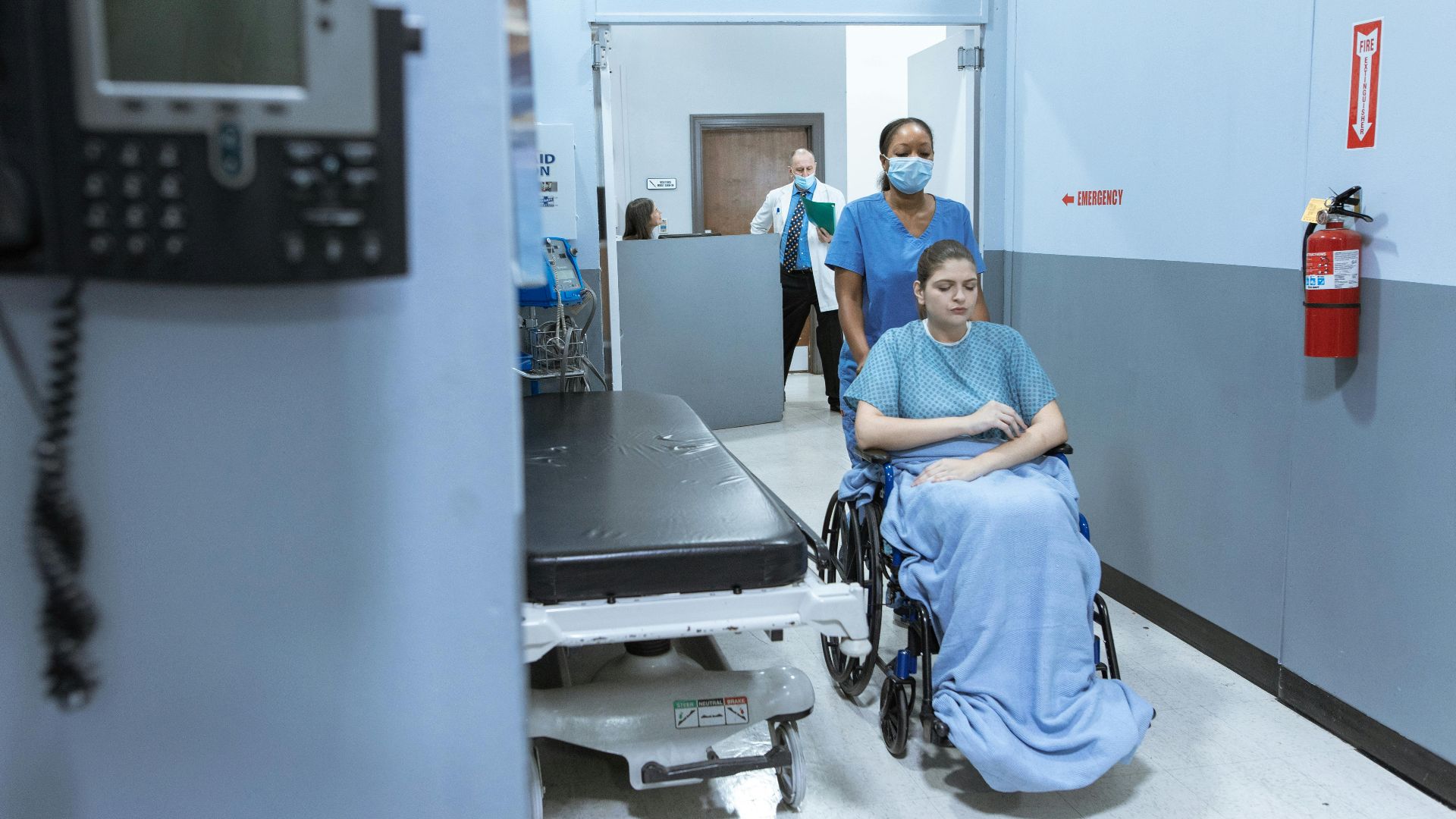
Ordering dinner with a phrasebook is one thing. Explaining symptoms, medication side effects, or surgical history is another. The Harris Poll found strong interest in services that connect movers with doctors they can communicate with. That detail is easy to underestimate until a medical appointment becomes urgent.
 Monkey Business Images, Shutterstock
Visas And Healthcare Are Connected
Healthcare access often depends on legal residency, not just physical presence. Some countries require proof of private insurance before granting a long-stay visa. Others may allow residents into public systems only after registration, contributions, or waiting periods. Retirees should treat visa research and healthcare research as one combined project.
 Frame Stock Footage, Shutterstock
Social Security Can Usually Travel
Many Americans can receive Social Security payments while living in most foreign countries. The Social Security Administration has country-specific rules and a screening tool for people planning to live abroad. That income portability helps make overseas retirement realistic. But Social Security does not solve healthcare access by itself.

Taxes Still Follow Americans Abroad
U.S. citizens generally must file U.S. taxes on worldwide income even if they live overseas. That can complicate retirement planning, especially when pensions, investments, property, and foreign bank accounts are involved. Healthcare may be the reason someone starts researching a move, but taxes can shape whether the move works. This is one area where professional advice is worth considering early.

Trial Stays Are Essential
A two-week vacation does not show what healthcare will feel like in retirement. A longer trial stay lets you test pharmacies, clinics, transportation, grocery routines, and daily language barriers. It also helps you see whether expat advice matches your own experience. The smartest retirees treat the first visit like research, not a permanent leap.

The Results Are Unexpected For A Reason
The surprise is not that Americans care about healthcare. The surprise is that many gravitated toward familiar, high-income countries rather than the classic low-cost retirement havens. That suggests healthcare confidence may be tied to trust, language, and perceived stability. The cheapest country is not always the one that feels safest when health is the deciding factor.

The Best Choice Depends On Your Needs
A healthy 62-year-old with flexible plans may weigh countries differently than a 75-year-old with heart medication and specialist appointments. Someone who wants English-language care may prioritize Canada, the UK, Australia, or New Zealand. Someone focused on lower private medical costs may look more closely at Mexico or Spain. The right answer depends on your health, budget, paperwork, and tolerance for uncertainty.
 National Cancer Institute, Unsplash
The Bottom Line
Healthcare can completely change how Americans think about retiring abroad. The Harris Poll results show that familiar countries still dominate the imagination, but the practical details are much more complicated. Medicare limits, visa rules, residency requirements, private insurance, and local access all matter. Before choosing a retirement destination, treat healthcare as the first serious test, not the final detail.
 National Cancer Institute, Unsplash
You May Also Like:
Thinking About Retiring? These Are The States That Will Cost You The Most
Ranking The States With The Best Retirement Benefits—According To Data