Remember When These Signs Were Everywhere?
Before every highway exit seemed to offer the same handful of restaurants, America's fast-food landscape was packed with regional burger stands, chicken joints, taco shops, and roadside favorites. Some were enormous in the 1970s—and then simply vanished. Baby Boomers, how many of these do you remember?
#25. Geri's Hamburgers
If you grew up around northern Illinois or southern Wisconsin, Geri's may look suspiciously familiar. The chain borrowed heavily from the early McDonald's model, serving inexpensive burgers, fries, shakes, and sodas. The company folded in 1981 as bigger competitors dominated, although independent locations survived until 1999.
#24. All-American Burger
Southern Californians could grab quarter-pound burgers, chili burgers, hickory burgers, and fries at All-American Burger, which expanded around Los Angeles during the 1970s. Financial problems eventually caught up with it; the company filed for bankruptcy in 1981, while independent locations slowly disappeared. The final Sunset Boulevard restaurant closed in 2010.
#23. Doggie Diner
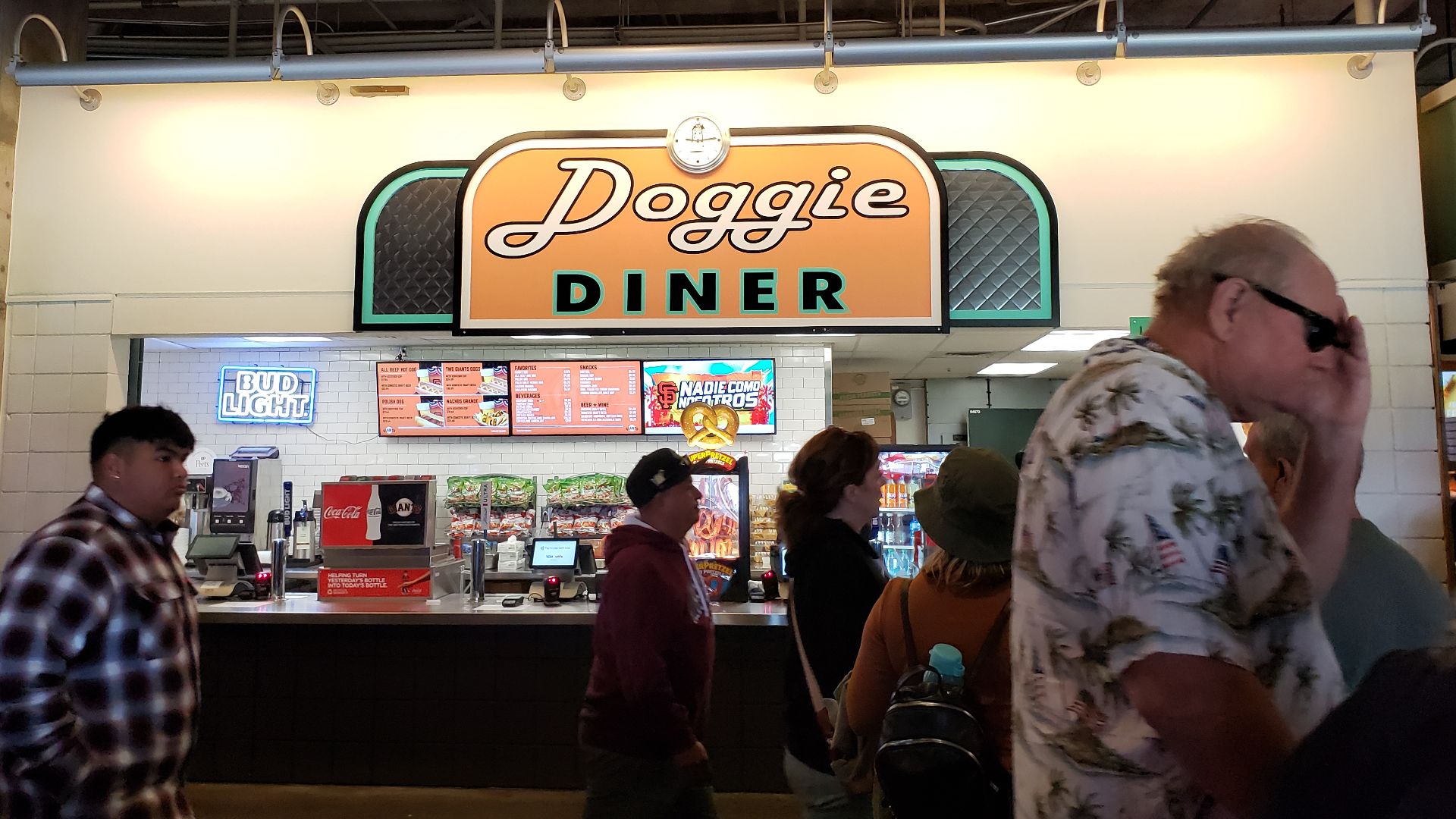
You didn't forget those giant dachshund heads. Doggie Diner once had around 30 Bay Area locations serving hot dogs, hamburgers, fries, and sodas beneath enormous grinning dog signs. Competition from national chains became increasingly difficult, and the restaurants disappeared in 1986. Thankfully, some of those wonderfully ridiculous dog heads survived.
#22. Winky's
Around Pittsburgh, Winky's promised "Fast Food Cheap," which is about as wonderfully 1970s as advertising gets. The regional chain peaked at 42 locations in 1977 and offered inexpensive hamburgers alongside sandwiches like the Big Wink and Great One. Its parent company eventually entered bankruptcy, and Winky's disappeared in 1982.
#21. Dee's Drive-In
Utah Boomers may remember the colorful Dee's signs—and the burgers, fries, shakes, hot dogs, and apple turnovers underneath them. Dee's grew into a major Utah institution with 53 drive-ins. When the Anderson family shifted its attention toward other businesses in the late 1970s, the drive-ins were sold to Hardee's.
#20. Biff-Burger
Biff-Burger's claim to fame wasn't merely another hamburger. Its Roto-Broiler flame-cooked patties before they received the chain's distinctive seasoned sauce. At least 127 locations once existed, but corporate support evaporated during the 1970s and the system collapsed. A couple of independent survivors lingered for decades; the final original Biff closed in 2021.
#19. Little Tavern
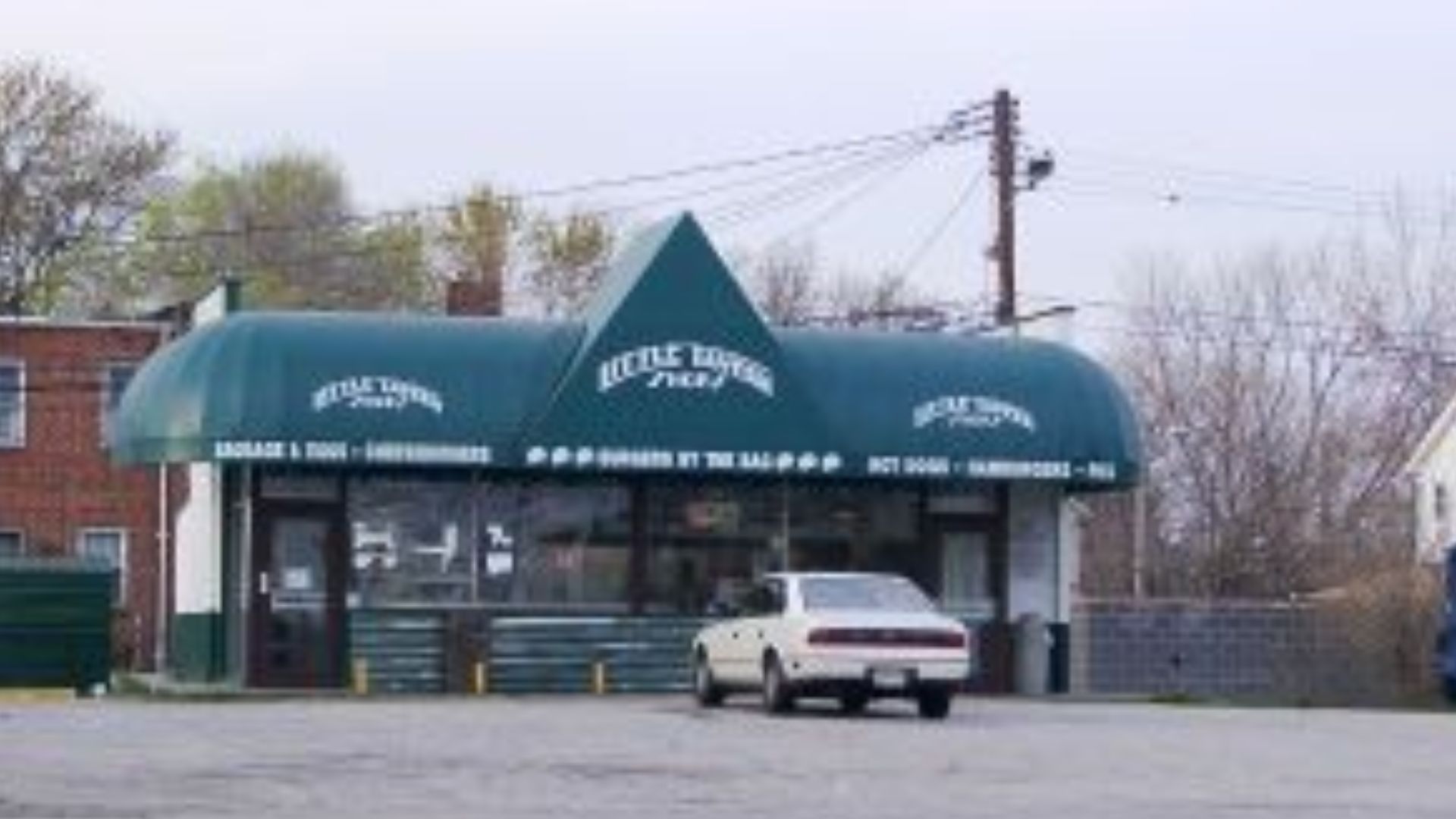
Those tiny green-roofed restaurants were fixtures around Washington and Baltimore. Little Tavern specialized in little hamburgers sold several at a time—hence the memorable "Buy 'Em By the Bag" idea. The chain gradually contracted after changing hands, and the final restaurant closed in 2008. For longtime customers, those little burgers were serious business.
 User:Munch10, Wikimedia Commons
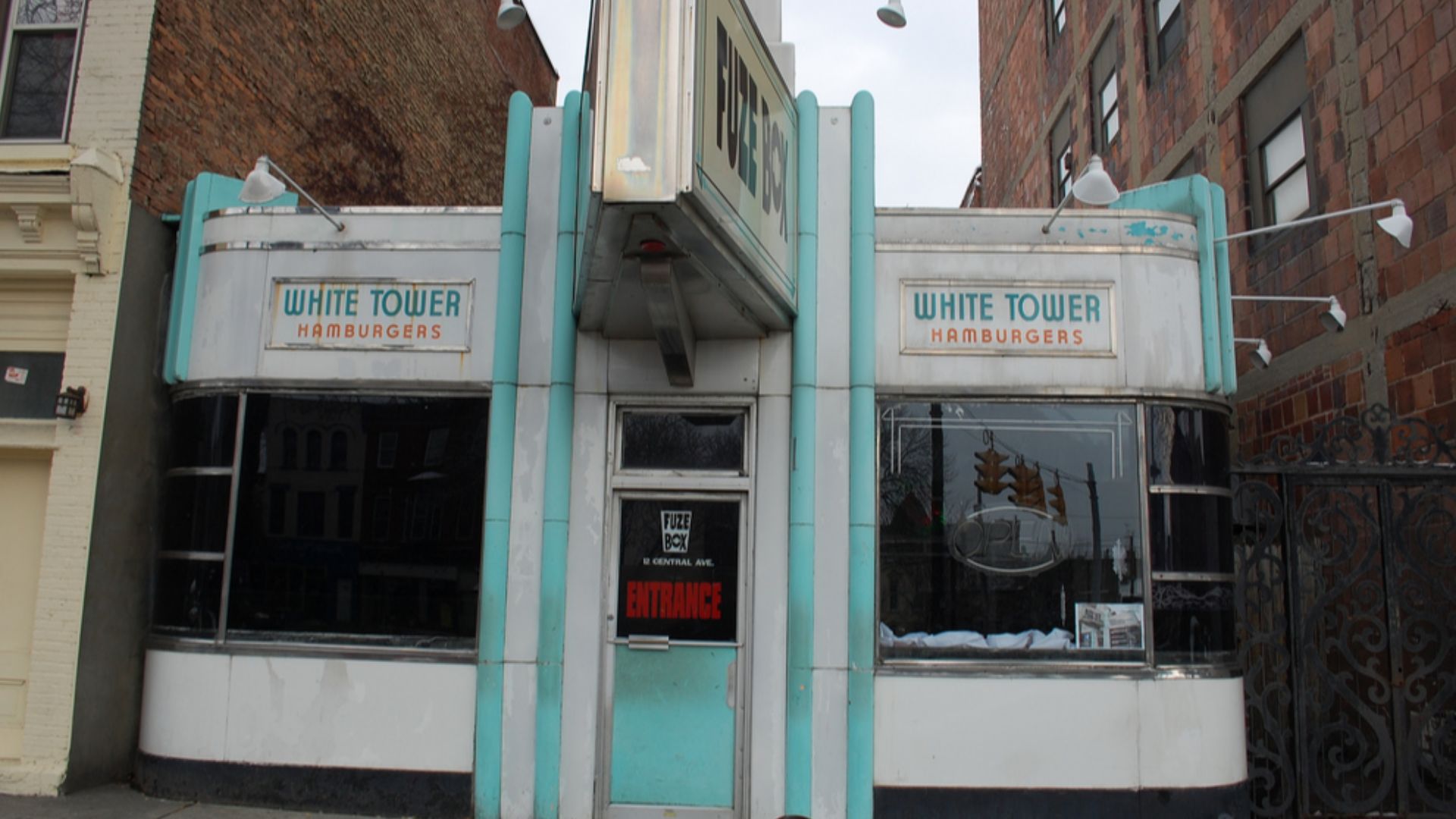
#18. White Tower Hamburgers
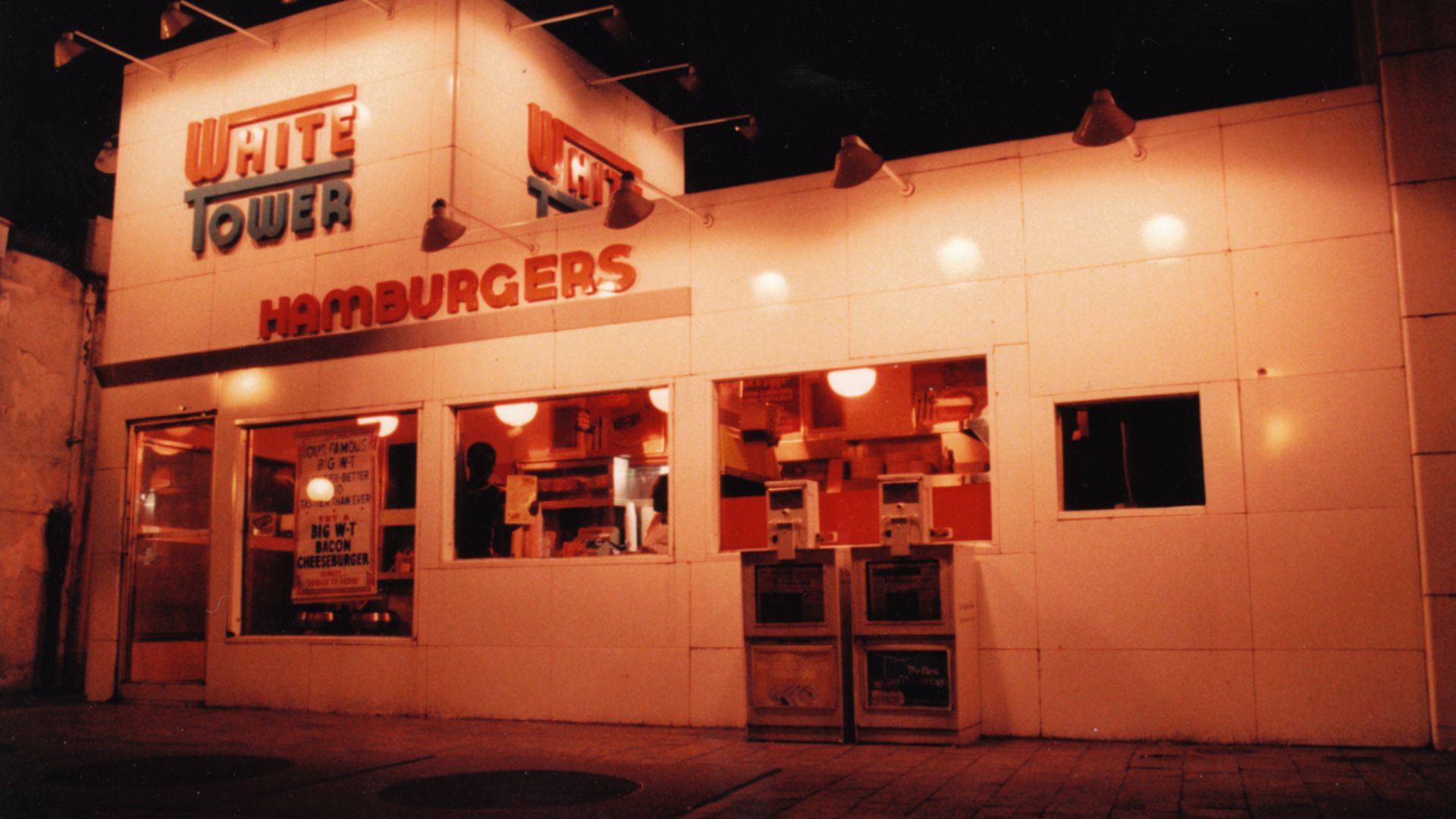
White Tower was already old-school by the 1970s, but its little hamburgers and distinctive white buildings remained familiar in several cities. Suburban migration hurt its urban-heavy network, and by 1979 only 80 company-owned locations remained. The chain slowly dwindled for decades; the final Toledo restaurant closed after a fire in 2022.
#17. Hot Sam Pretzels
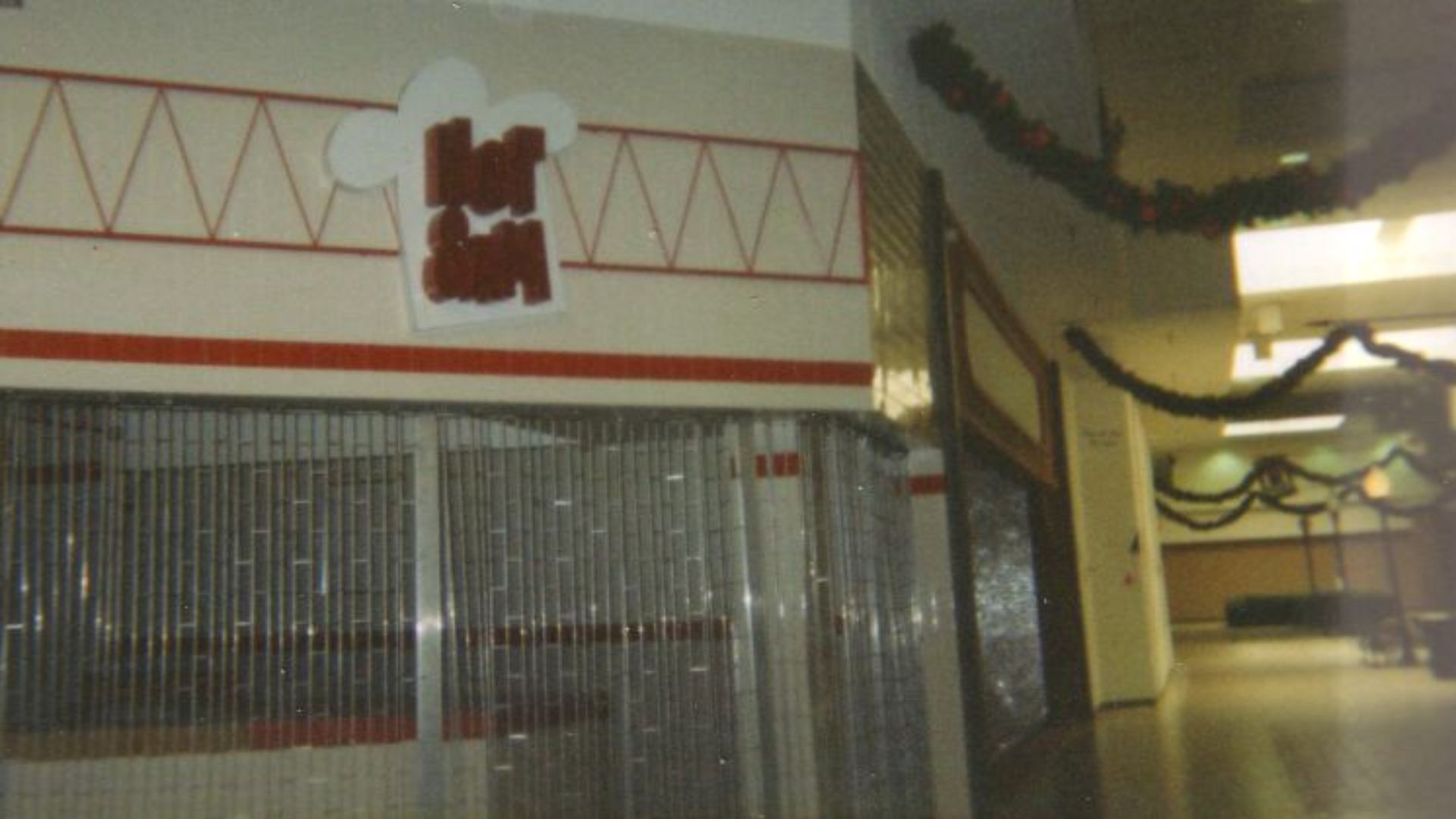
If you spent the 1970s wandering around shopping malls, there's a decent chance the smell of Hot Sam pretzels found you before the sign did. Founded in Michigan in 1966, Hot Sam expanded as malls boomed. Mrs. Fields later acquired it, and the remaining locations were eventually converted to Pretzel Time by 2005.
 Bobby P. from Oscoda, MI, Wikimedia Commons
#16. Horne's
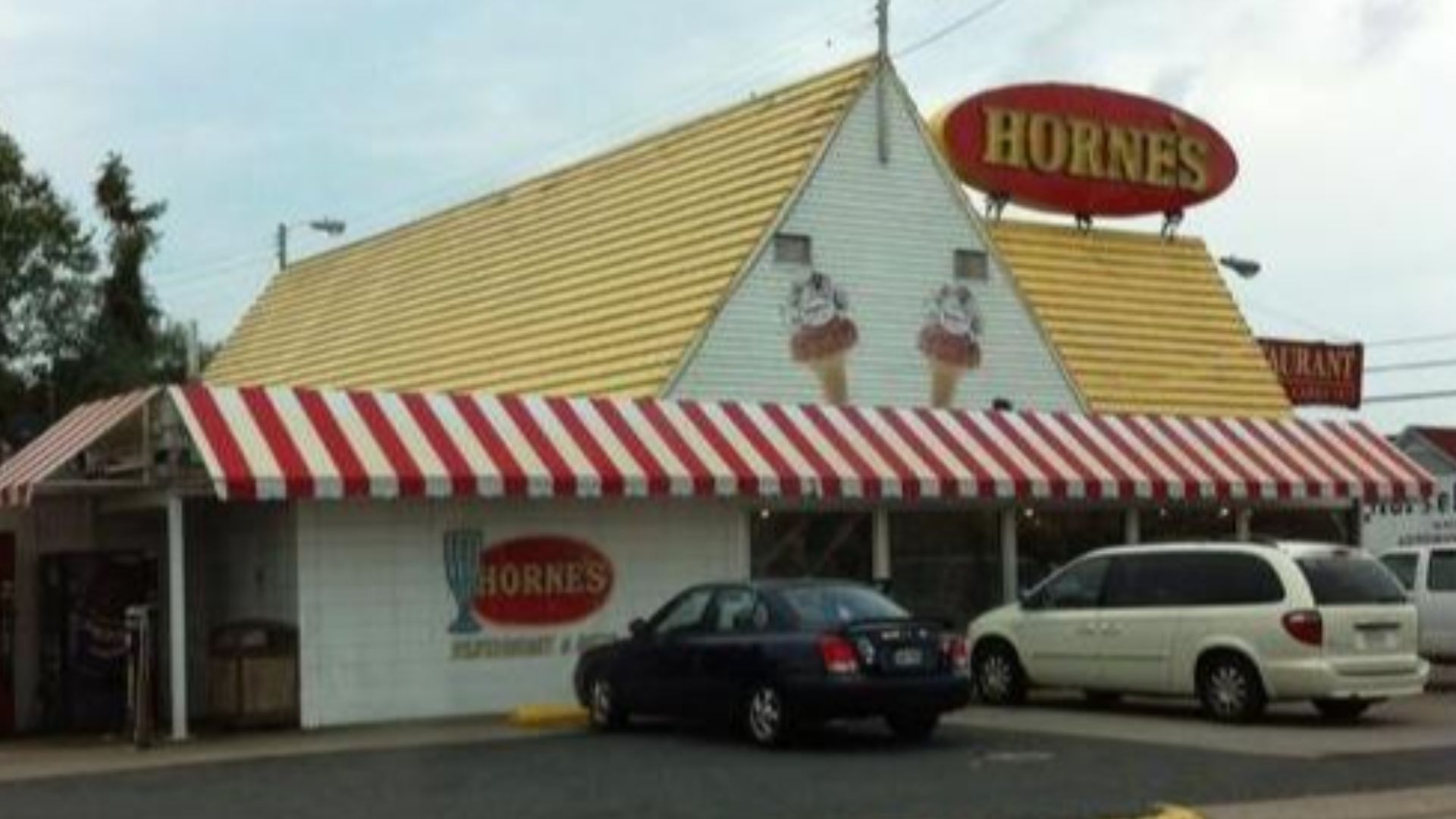
Horne's was built for the great American road trip, operating restaurants and motor lodges along busy highways. Travelers stopped for quick meals, candy, fuel, and a break from the back seat. Highway business weakened during the late 1970s, the company changed hands, and the last company-owned Horne's restaurant closed in 1982.
 Gilliganfanatic, Wikimedia Commons
#15. Royal Castle
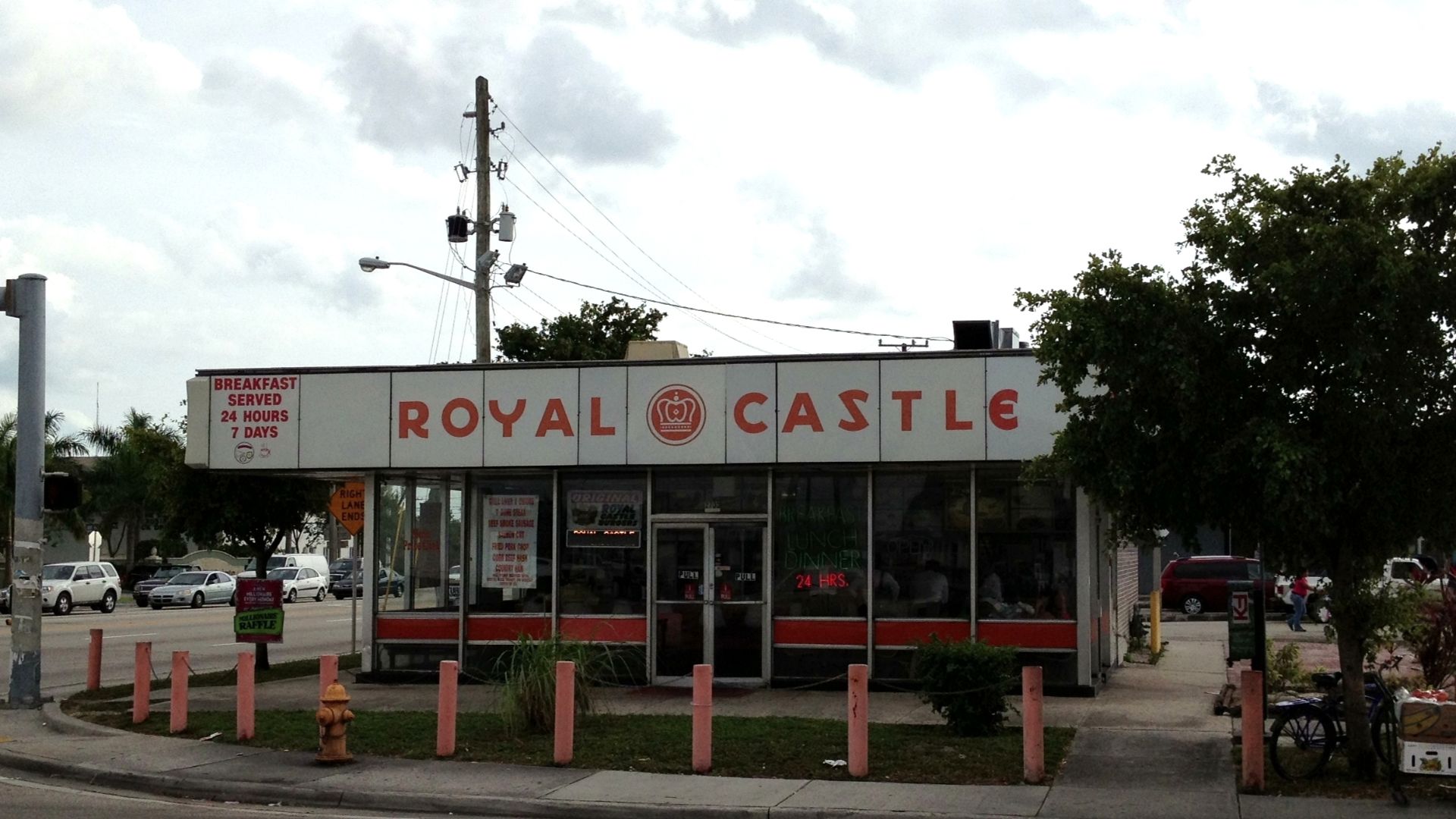
South Florida once had its own answer to White Castle. Royal Castle served small oniony hamburgers, breakfast, fries, and its beloved Birch Beer; older Miami residents may particularly remember burgers accompanied by a frosty mug. Competition and corporate financial problems crushed the chain during the 1970s, with the original company liquidating in 1975.
 Phillip Pessar, Wikimedia Commons
#14. Burger Queen
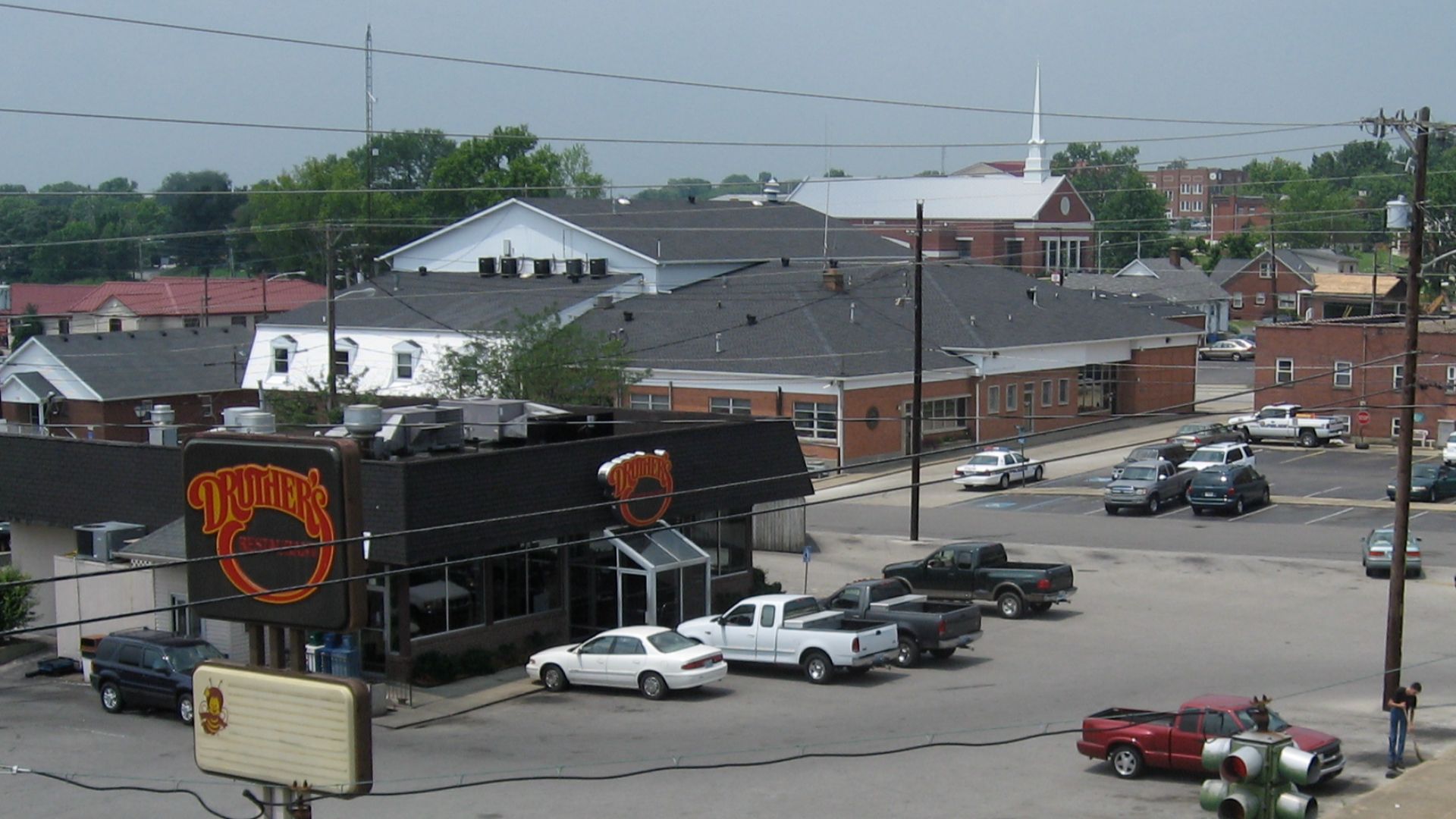
No, that's not a typo. Burger Queen really did compete in America's crowded burger kingdom, reaching its 50th location in 1973 and serving hamburgers, fried chicken, and other fast-food staples. The company renamed the restaurants Druther's in 1981, effectively erasing Burger Queen from the landscape. Most Druther's later became Dairy Queens.
#13. Sandy's
Sandy's was once a serious Midwestern hamburger competitor, with more than 120 locations and a Scottish-themed identity that made its restaurants easy to recognize. Hardee's acquired the company in 1972, and Sandy's restaurants were gradually converted. By 1979, the Sandy's name had disappeared. Another burger chain had swallowed its competition whole.
#12. Carrols
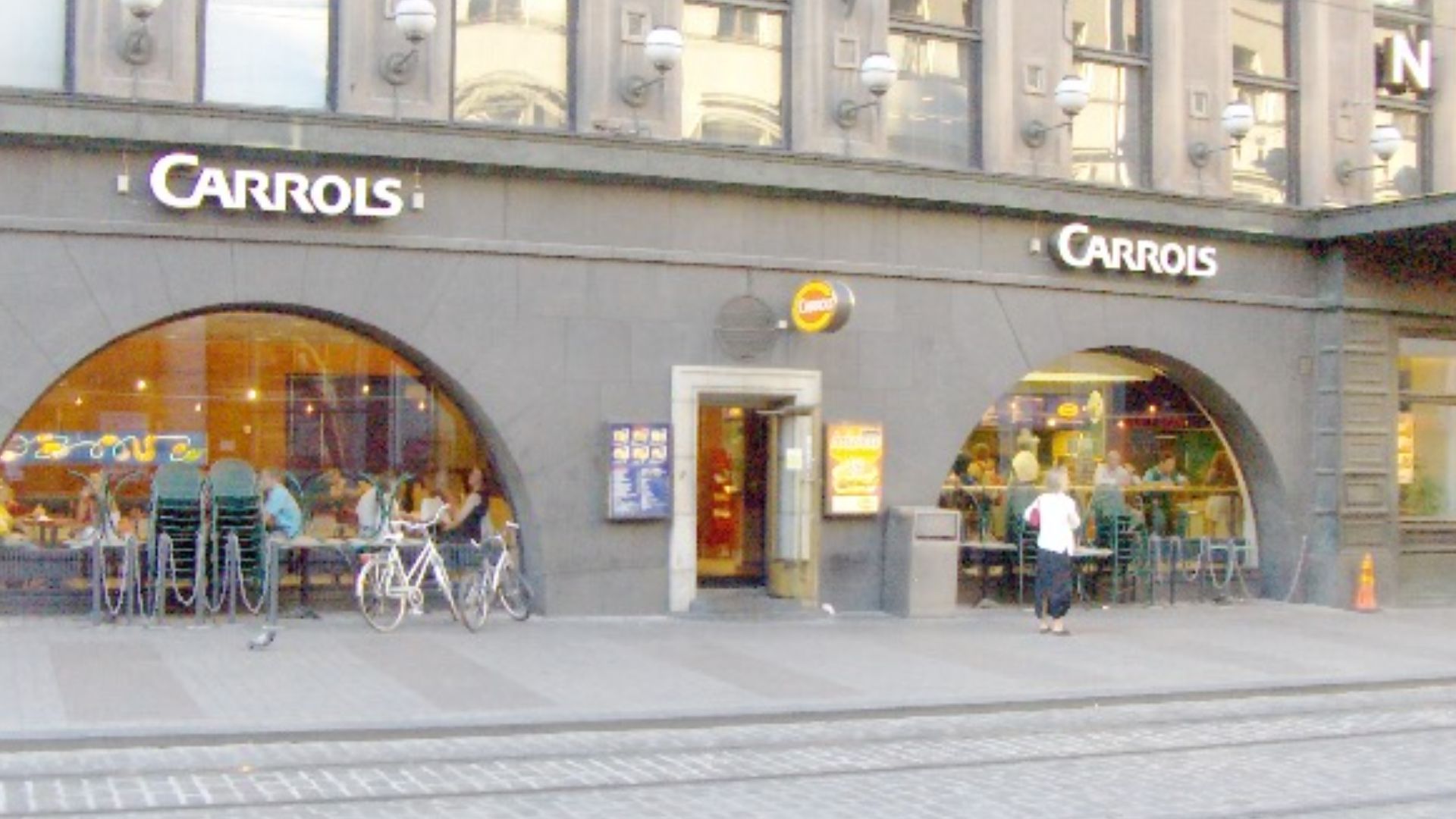
Before Carrols became a massive Burger King franchise operator, Carrols itself was the restaurant. By the mid-1970s, more than 150 locations made it one of the Northeast's biggest regional fast-food chains. In 1975, the company struck a Burger King franchise agreement and began converting suitable restaurants; the remaining Carrols locations were phased out.
#11. Wetson's
New Yorkers of a certain age may still remember those orange circles. Wetson's had roughly 70 restaurants at its peak, selling 15-cent hamburgers, 10-cent fries, and its Big W burger. McDonald's and Burger King moved aggressively into the region, Wetson's struggled to compete, and its brand disappeared during the 1970s after a deal with Nathan's.
#10. Taco Viva
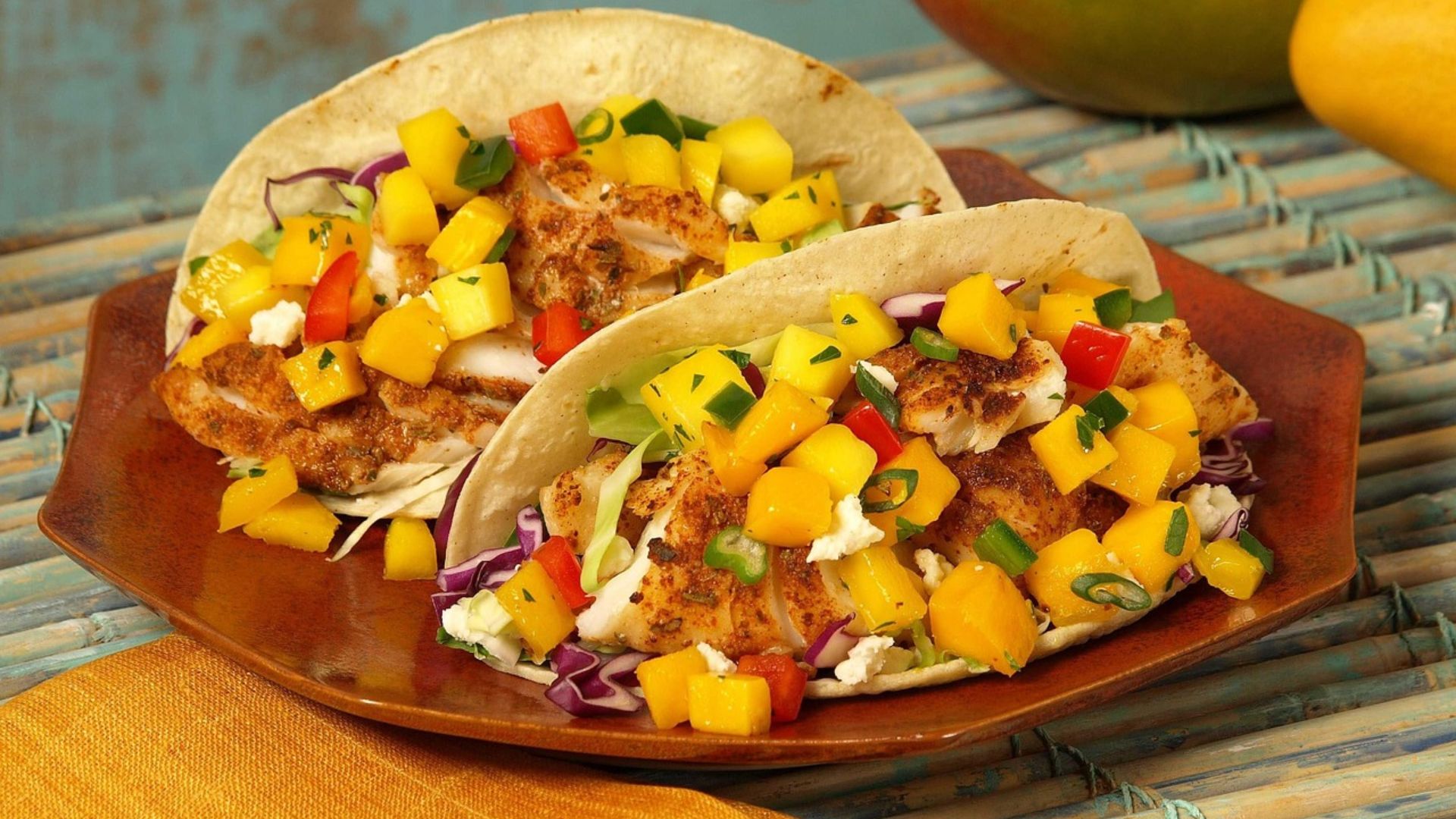
Florida got an early taste of fast-food Tex-Mex when Taco Viva opened in 1968. The chain eventually grew beyond 80 locations and offered tacos, burritos, tostadas, nachos, taco salads, and a memorable collection of sauces. Miami Subs bought Taco Viva in 1989 and converted many restaurants; the last known location closed in 2005.
#9. Pup 'N' Taco
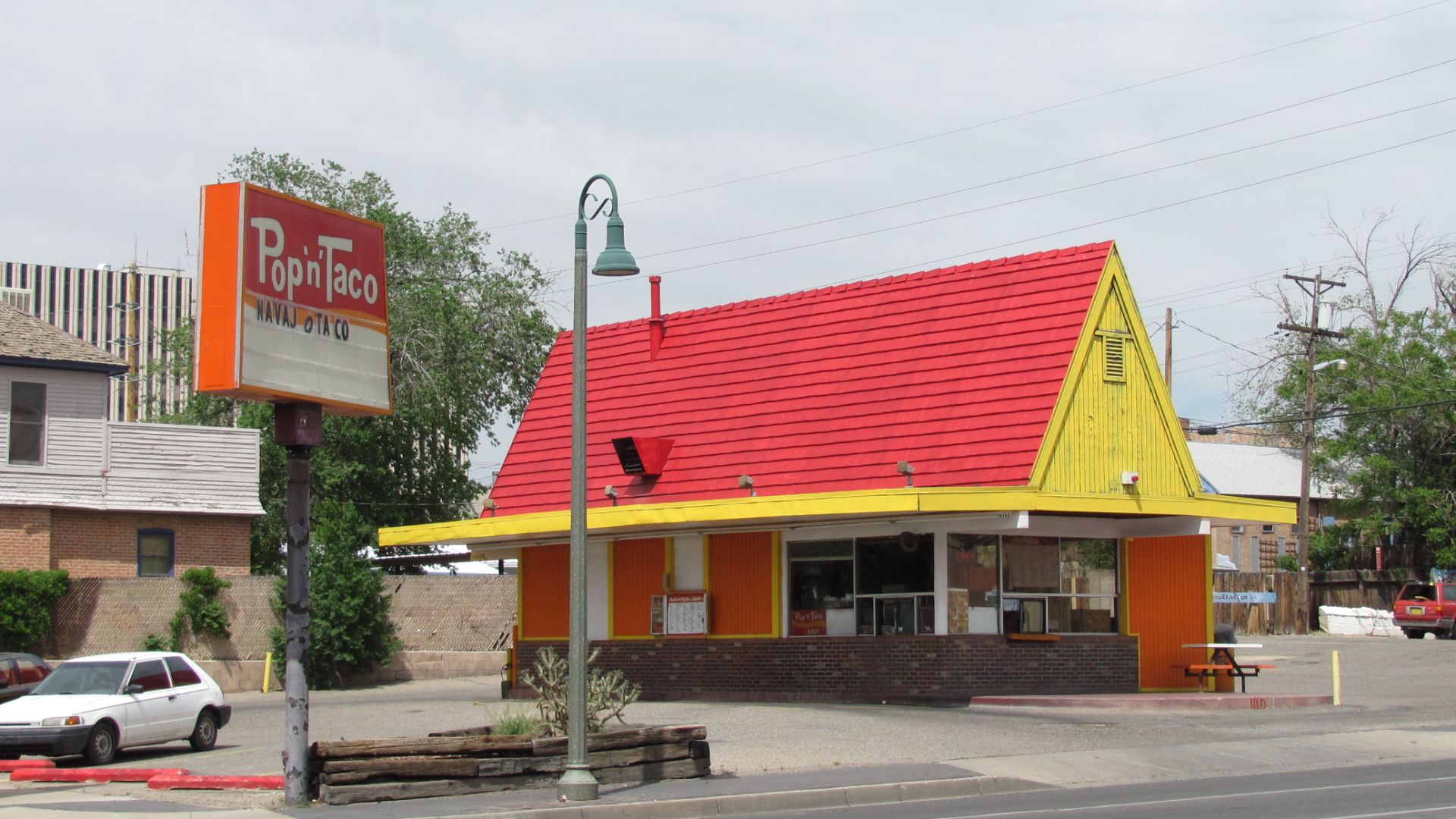
The name told you exactly what you were getting: hot dogs and tacos. Southern California's Pup 'N' Taco also sold tostadas, burgers, pastrami sandwiches, fries, root beer, and colorful slushes. It had 50 locations by early 1972. Taco Bell bought 99 California restaurants in 1984, bringing the familiar orange-roofed chain to an end.
 John Phelan, Wikimedia Commons
#8. Zantigo
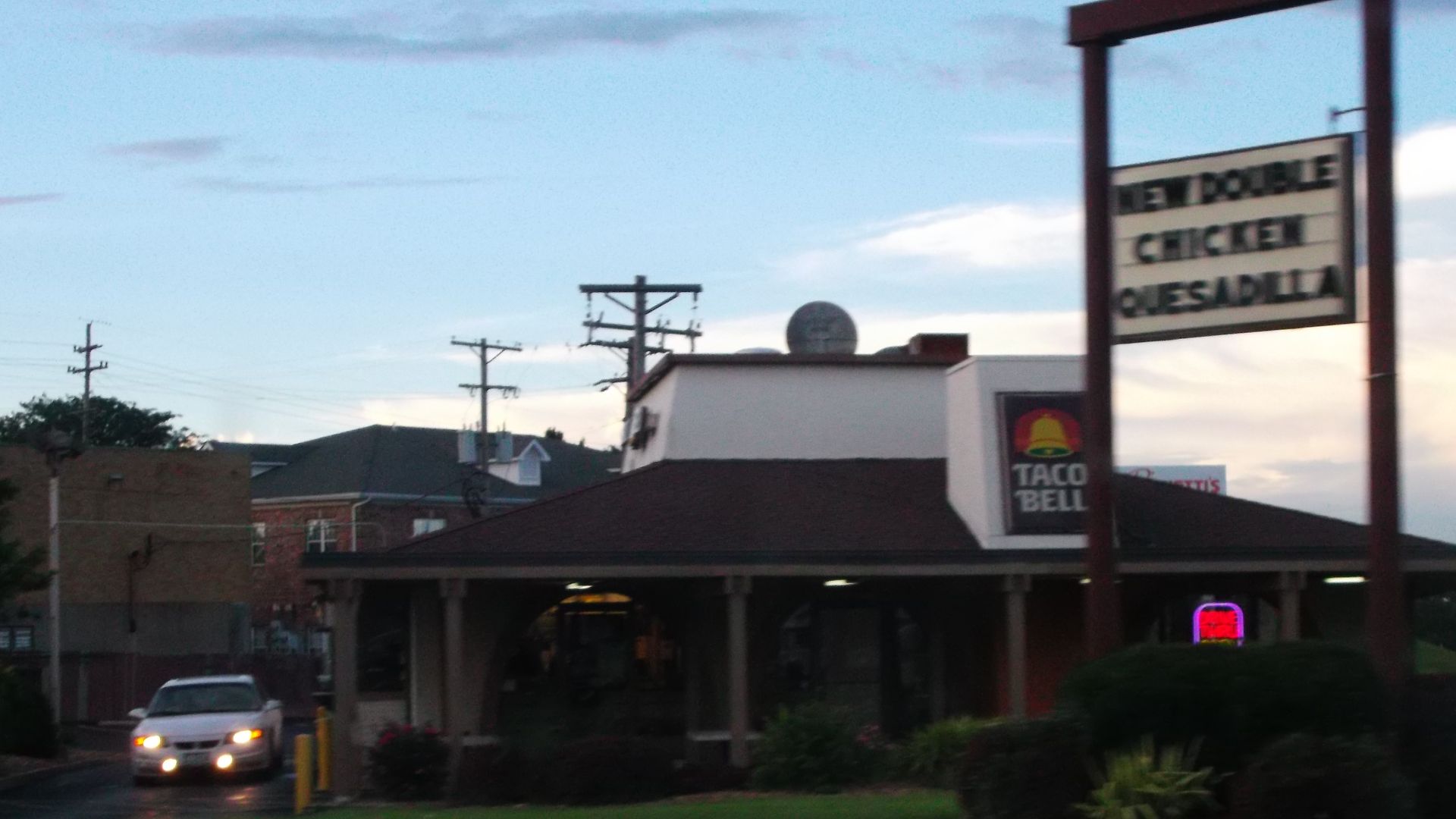
Originally called Zapata, this Mexican fast-food chain became Zantigo in 1976 and quickly made a name for itself with items such as the Chilito, Taco Burrito, and Chips 'n' Cheese. PepsiCo acquired its parent company and, already owning Taco Bell, converted or closed Zantigo's 80-plus restaurants by 1988.
 TenPoundHammer, Wikimedia Commons
#7. Farrell's Ice Cream Parlour
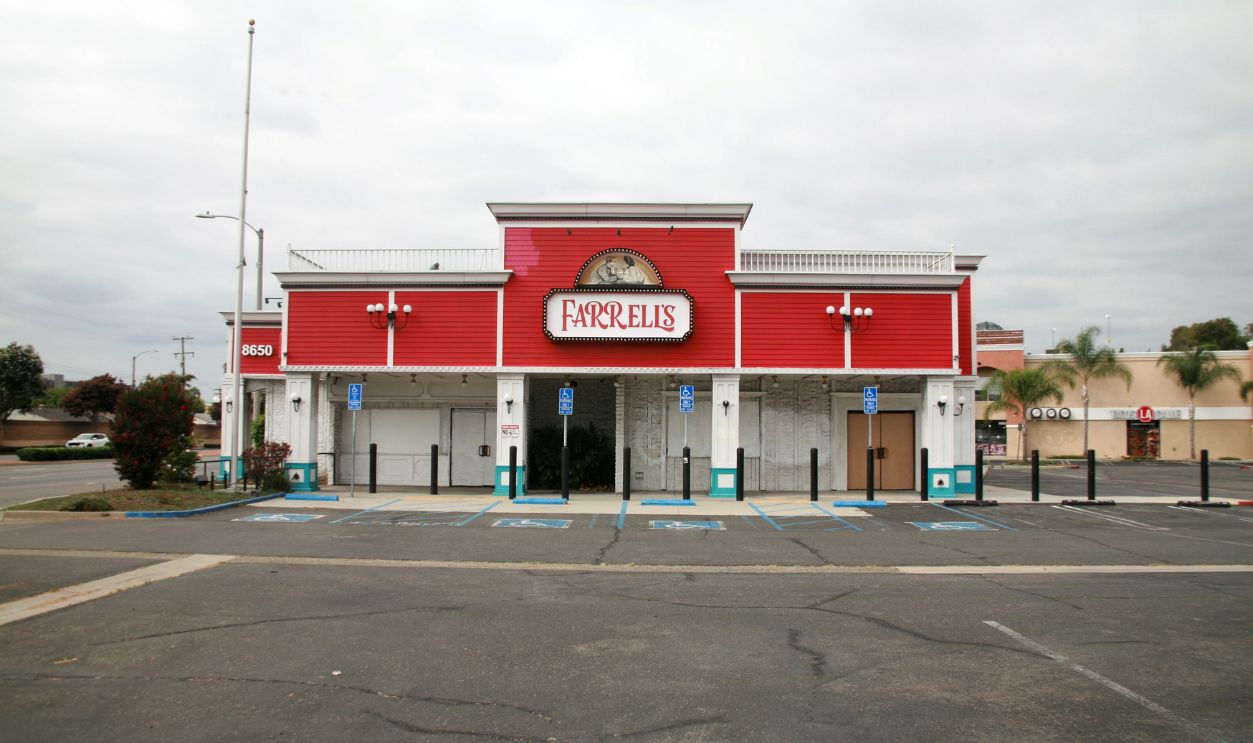
Farrell's wasn't your ordinary fast-food stop—it was where birthdays became full-scale productions. Employees wore old-fashioned outfits, player pianos added to the chaos, and enormous ice-cream creations made kids stare. The chain reached 120 locations by 1975. Marriott later sold it, locations steadily vanished, and the final Farrell's closed in 2019.
#6. Hot Shoppes
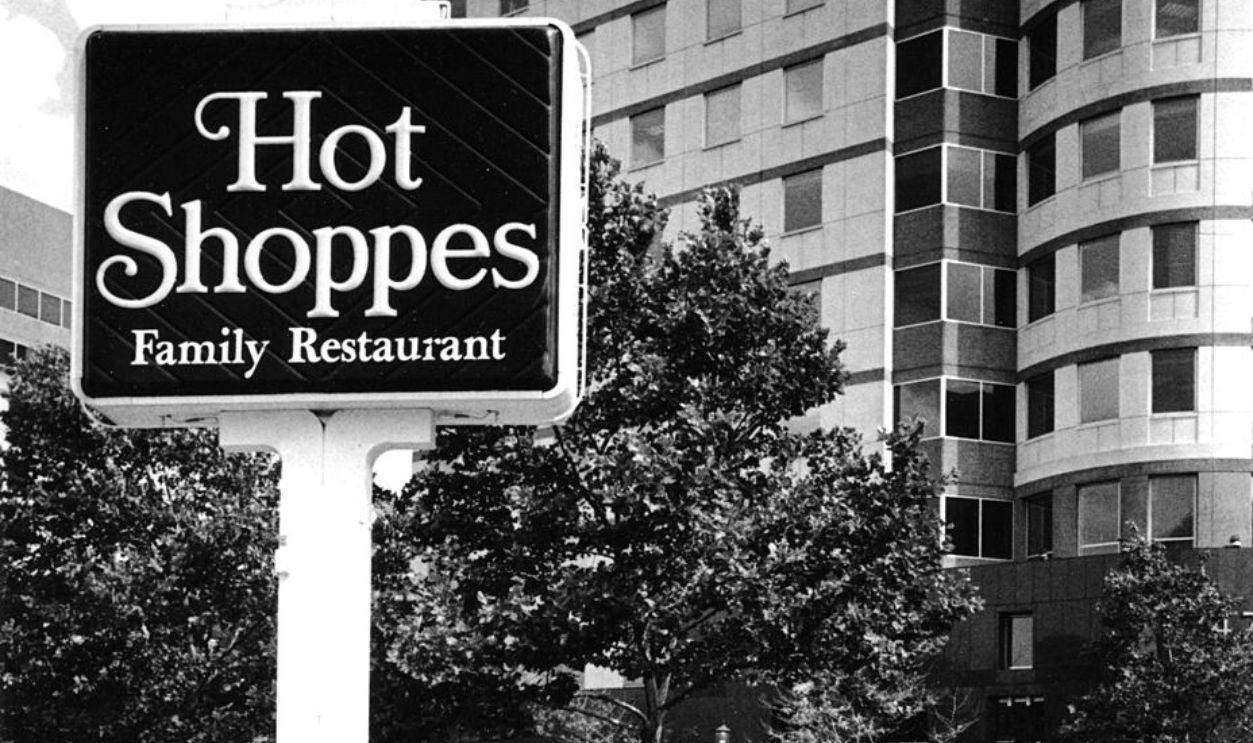
Washington-area Boomers may remember Hot Shoppes for Mighty Mo hamburgers, root-beer floats, country-fried steak, meatloaf, and cafeteria-style comfort food. Marriott grew directly out of the Hot Shoppes business, but eventually concentrated on hotels while allowing restaurant leases to expire. The final Hot Shoppe closed in Maryland in 1999 after 72 years.
 The Washington Post, Getty Images
#5. Red Barn
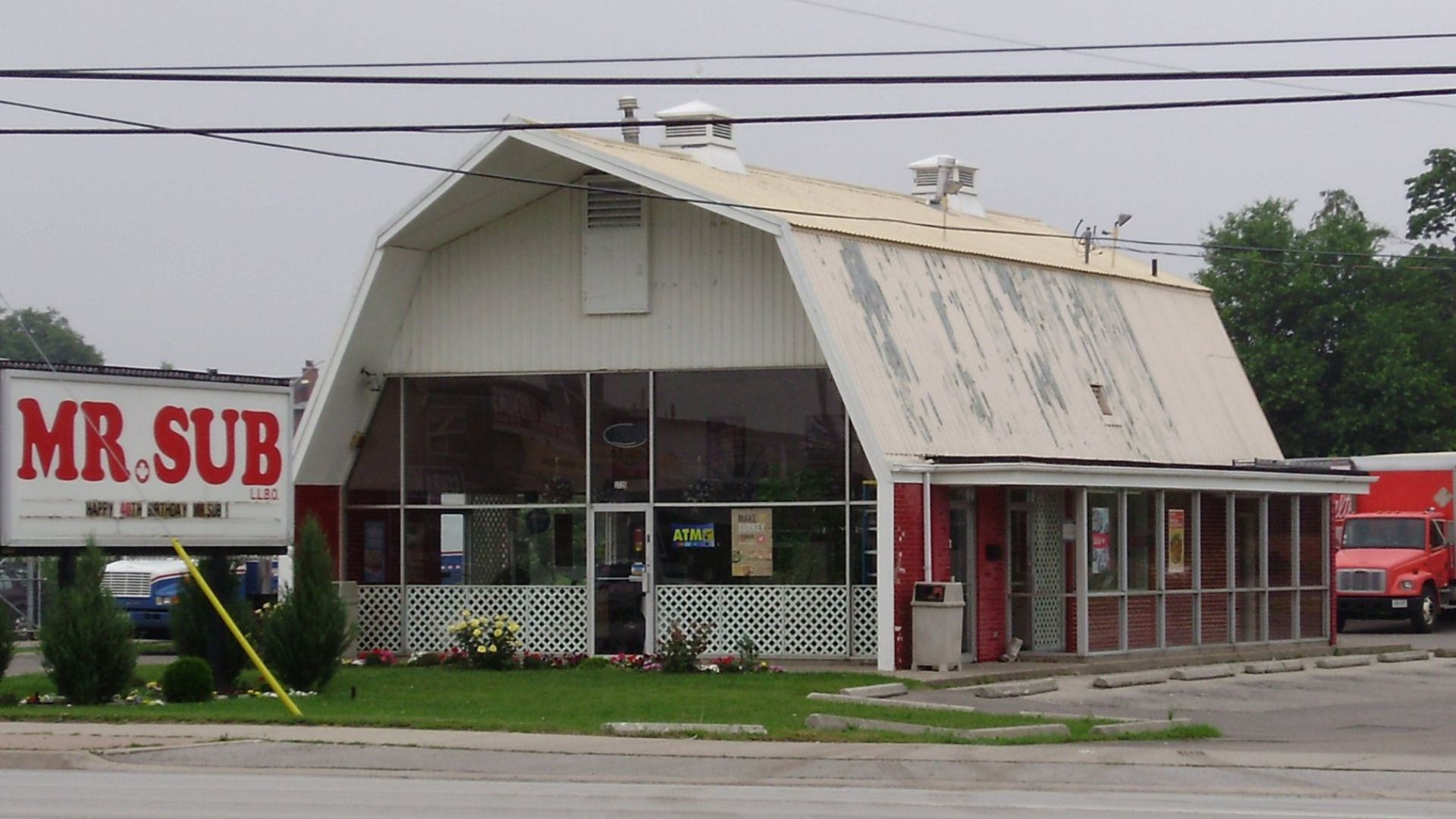
You didn't have to read the sign—the restaurant actually looked like a barn. Red Barn reached roughly 300 to 400 locations and became known for burgers such as the Big Barney and Barnbuster, along with fried chicken and an unusually early self-service salad bar. New ownership stopped promoting the brand, and its franchises disappeared by 1988.
 GTD Aquitaine, Wikimedia Commons
#4. Gino's Hamburgers
Gino's was huge in the Mid-Atlantic, pairing hamburgers with fried chicken and using NFL star Gino Marchetti's name. By the early 1970s it had hundreds of restaurants, with the Gino Giant and other burgers becoming familiar orders. Marriott acquired Gino's in 1982 primarily to expand Roy Rogers and converted most locations.
#3. Lum's
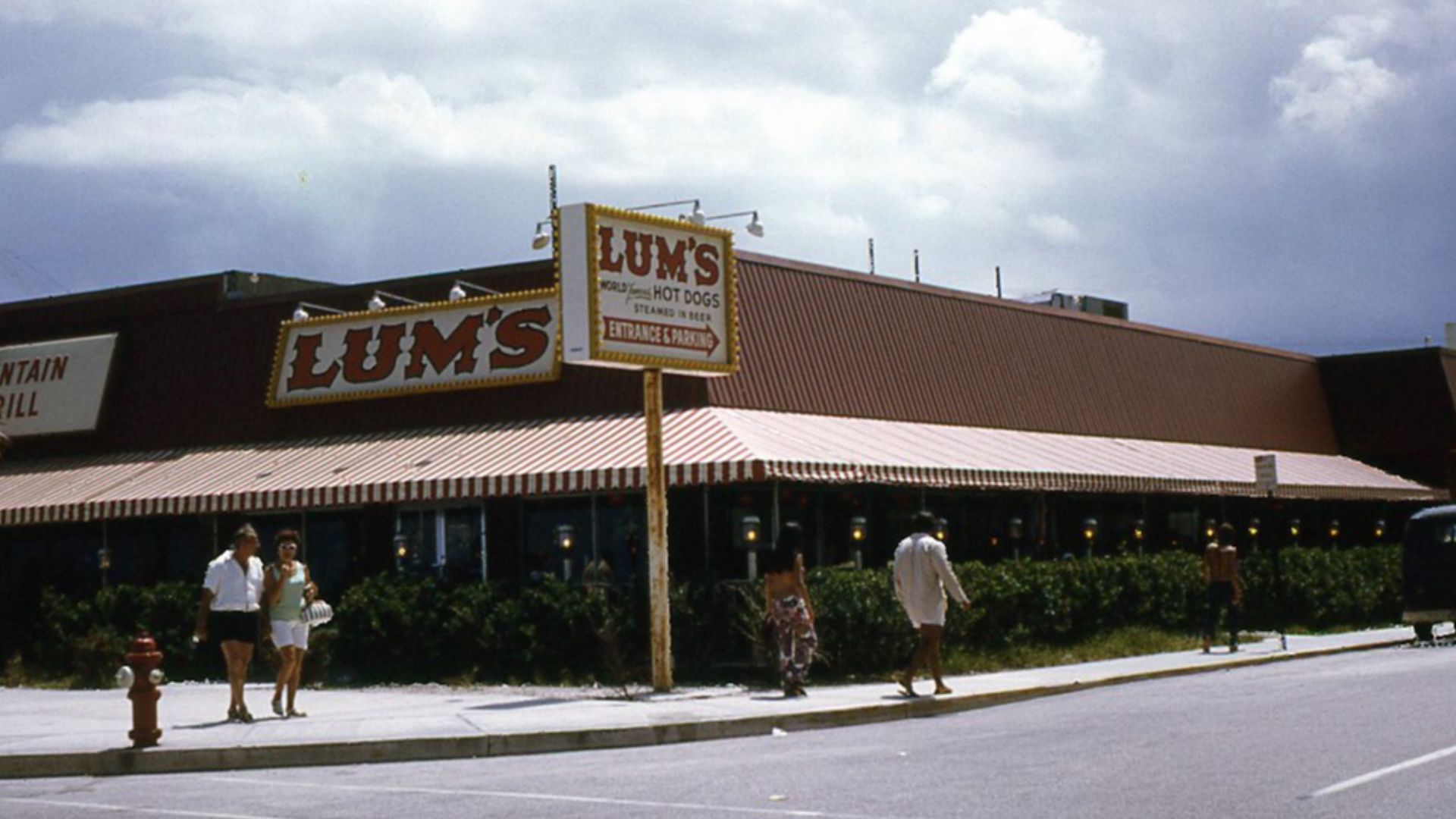
Here's a menu item Boomers aren't likely to forget: hot dogs steamed in beer. Lum's grew from Miami Beach into a sprawling chain of about 450 restaurants at its 1970s peak, also serving hamburgers and fried seafood. Ownership changes and financial trouble followed, and the company filed for bankruptcy protection in 1982.
 Phillip Pessar, Wikimedia Commons
#2. Burger Chef
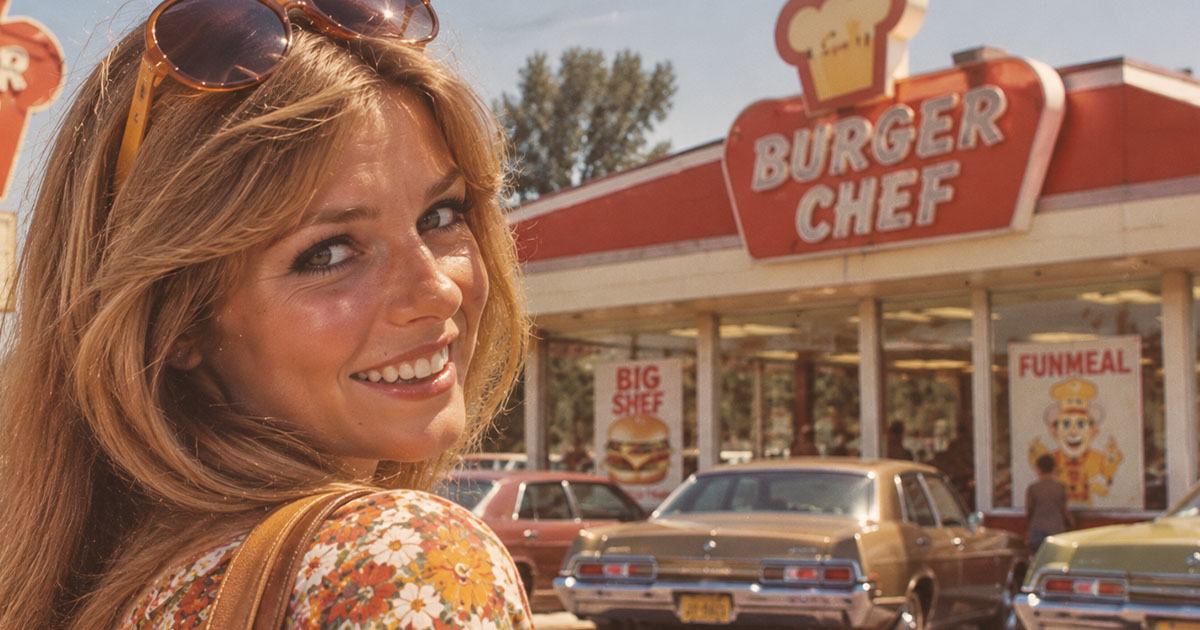
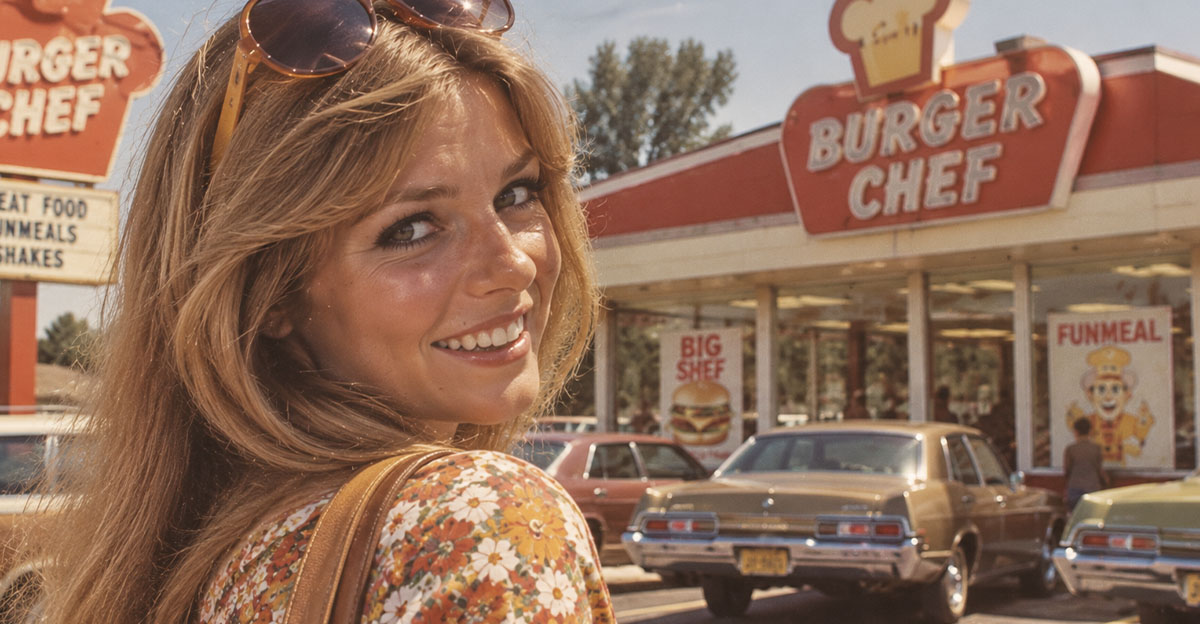
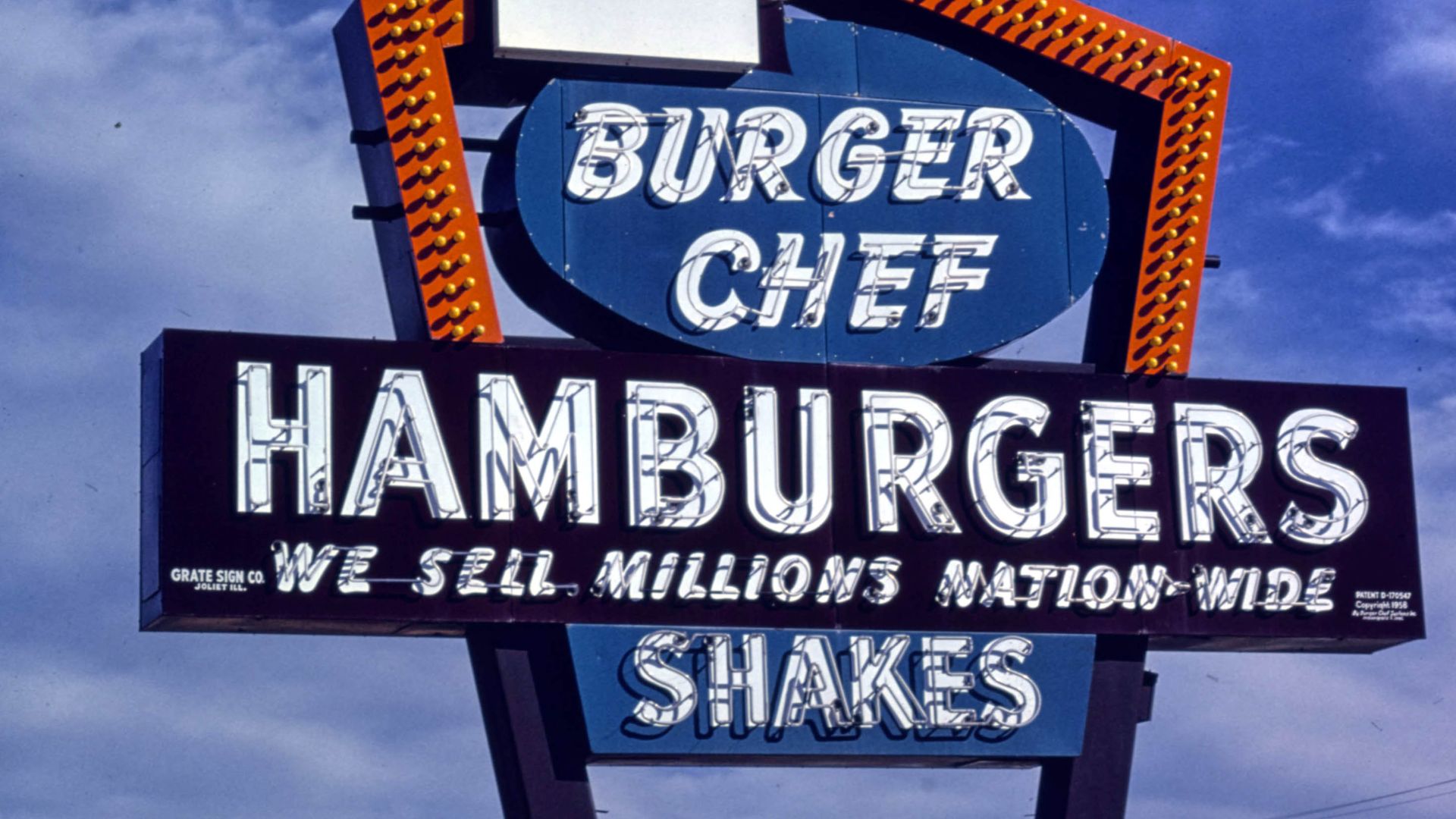
Burger Chef wasn't some tiny forgotten operation. At its 1973 peak, it had 1,050 locations, making it a genuine heavyweight. Customers remember the Big Shef and Super Shef, while kids got the Funmeal years before McDonald's Happy Meal arrived. General Foods eventually sold the chain to Hardee's, and the final Burger Chef-branded restaurant closed in 1996.
 John Margolies, Wikimedia Commons
#1. Minnie Pearl's Chicken
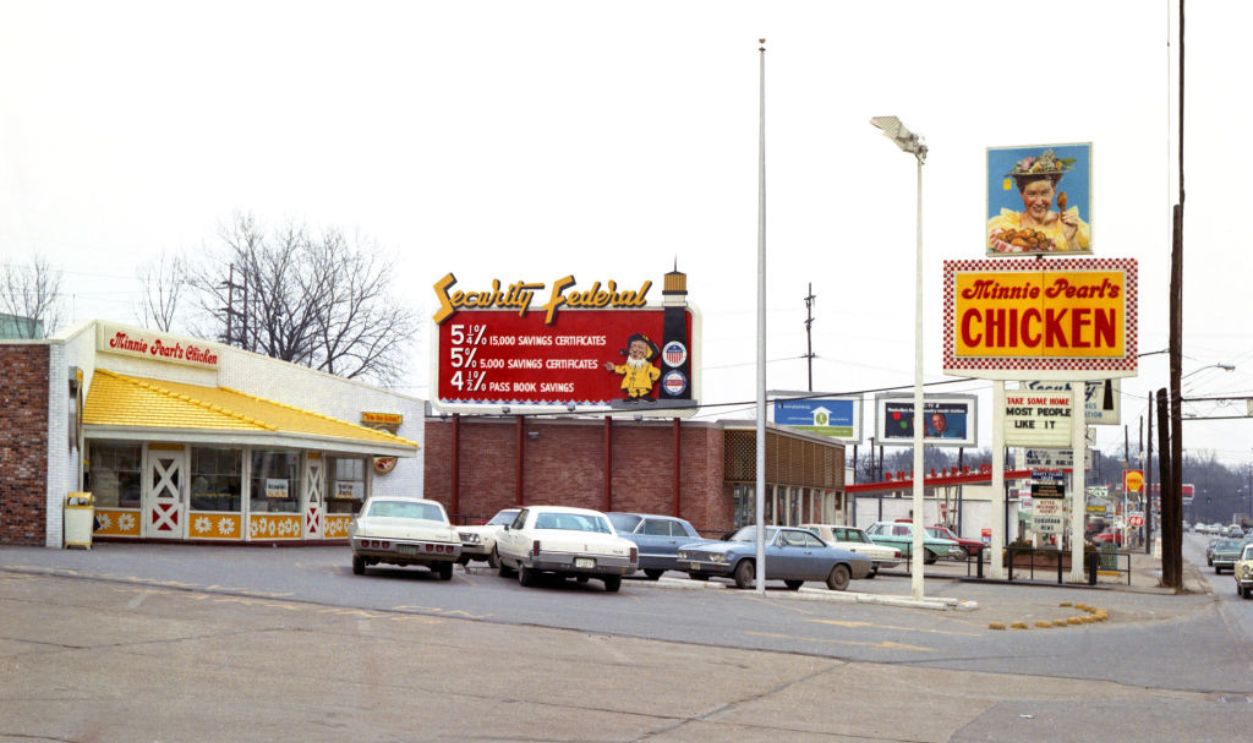
Few vanished chains have a stranger story. Built around Grand Ole Opry star Minnie Pearl, the concept promised Southern fried chicken with rolls, mashed potatoes, gravy, beans, slaw, and other familiar sides. Hundreds of franchises were sold, but relatively few restaurants actually opened, food consistency suffered, and financial/accounting problems helped sink the operation in the early 1970s.
Fast Food Used To Be A Lot More Colorful
The 1970s weren't just McDonald's, Burger King, and KFC. Depending on where you lived, dinner might mean a Big Shef at Burger Chef, beer-steamed hot dogs at Lum's, a Big Barney at Red Barn, or a sack of tiny Little Tavern burgers. Most of the signs are gone now—but for Boomers who ate there, one old photograph can practically bring back the taste.
You May Also Like:
California Hidden Gems That Even The Residents Don’t Know About
Every State’s Must-Visit Ice Cream Parlor
The Best Coffee Shop In Every State