Beyond Any Postcard
Some views stop conversations mid-sentence. Not because they’re loud or dramatic, but because they’ve been evolving longer than humans have been watching. These beautiful spaces tell stories without ever needing words.
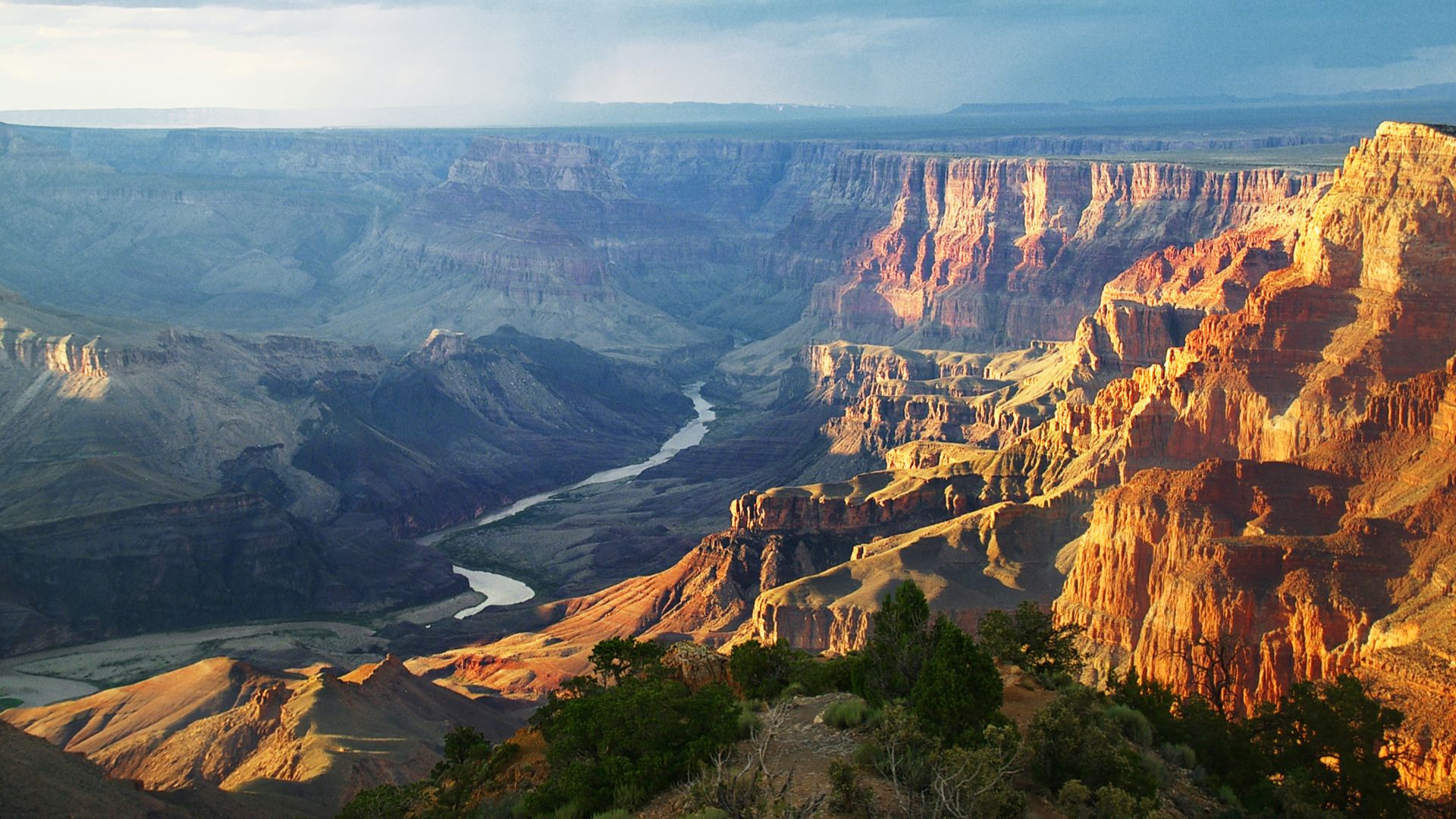
Grand Canyon National Park, Arizona
The Colorado River spent millions of years carving through layered rock, creating a chasm so vast that weather conditions at the rim can differ entirely from those at the river below. Each stratum exposed along the canyon walls reveals deep geologic history.
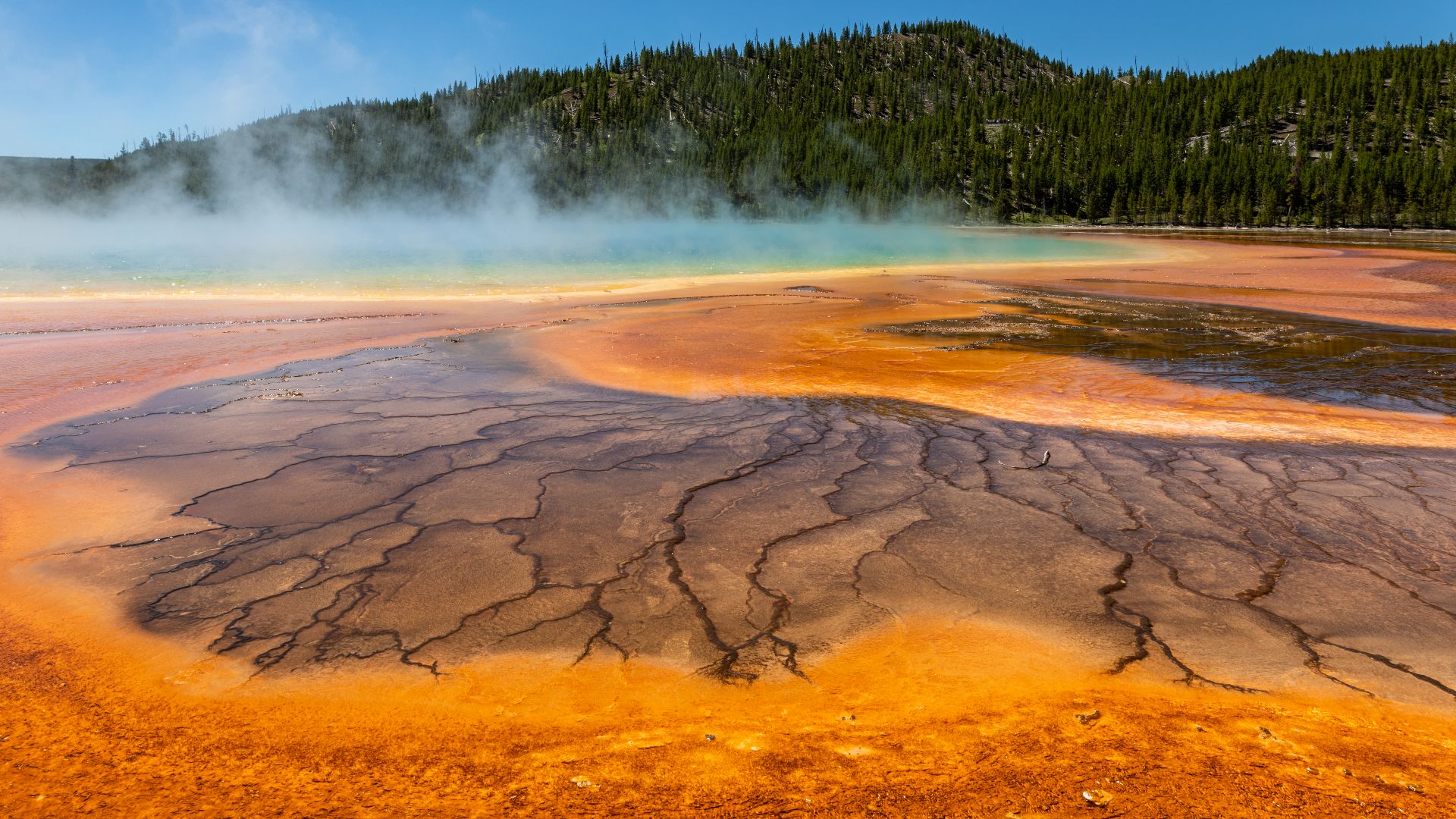
Yellowstone National Park, Wyoming
Old Faithful erupts with such reliability that rangers post daily eruption estimates, allowing visitors to plan their day around witnessing this iconic geyser's spectacular display. This predictability is remarkable in a landscape defined by an active volcanic system that powers the park's extraordinary geothermal features beneath your feet.
 Dietmar Rabich, Wikimedia Commons
Yellowstone National Park, Wyoming (Cont.)
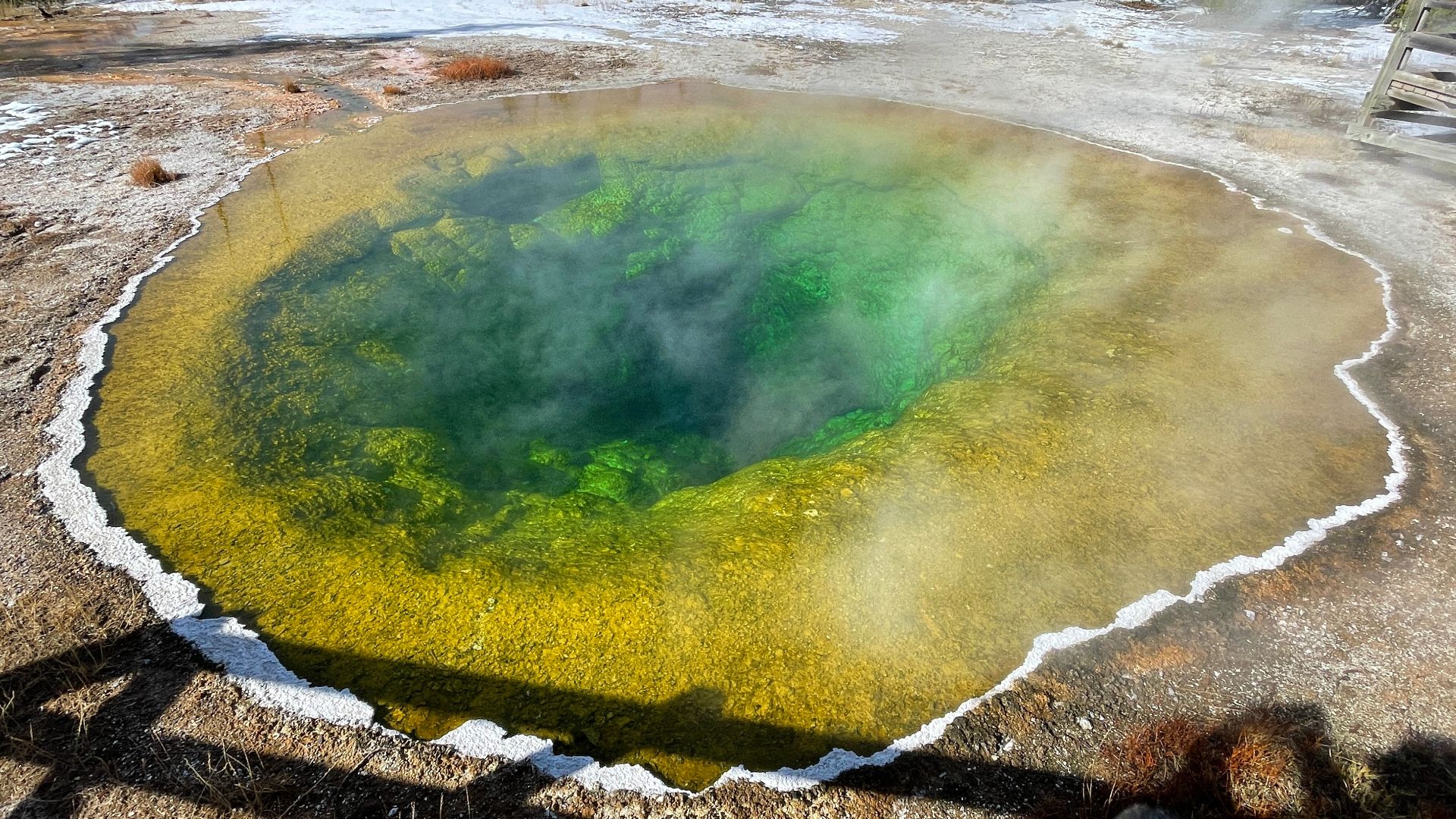
Established as the world's first national park, Yellowstone protects the highest concentration of geysers on Earth, along with bubbling mud pots, steaming fumaroles, and rainbow-colored hot springs. The park's thermal features create an otherworldly atmosphere where bison graze near steaming vents.
 Vulturesong, Wikimedia Commons
Yosemite National Park, California
Yosemite Falls plunges as one of North America's tallest waterfalls, its thunderous cascade visible and audible from miles away during peak spring runoff. The waterfall's multiple tiers craft a mesmerizing display as water drops over 2,400 feet, sending mist billowing across Yosemite Valley.
 King of Hearts, Wikimedia Commons
Glacier National Park, Montana
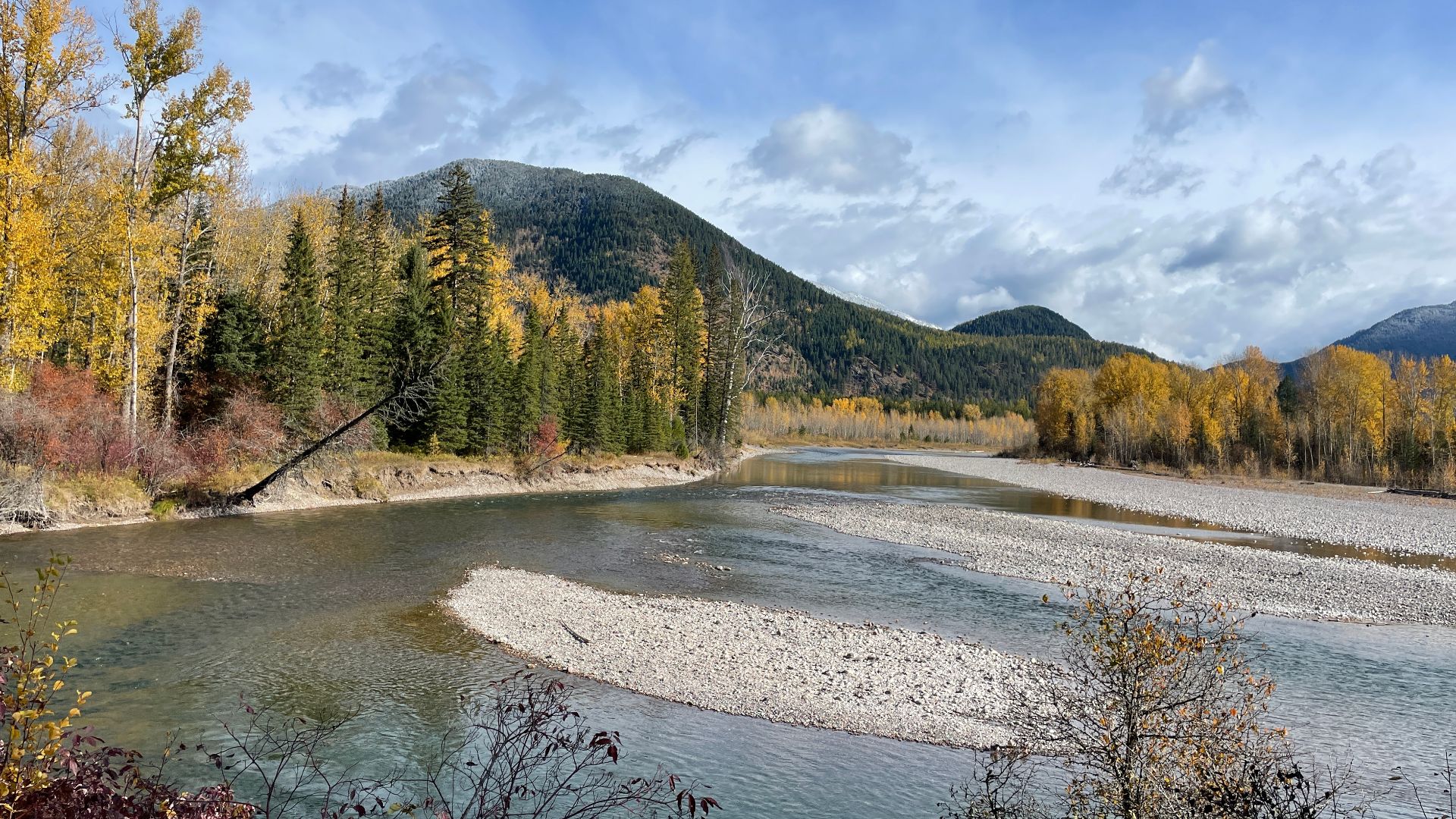
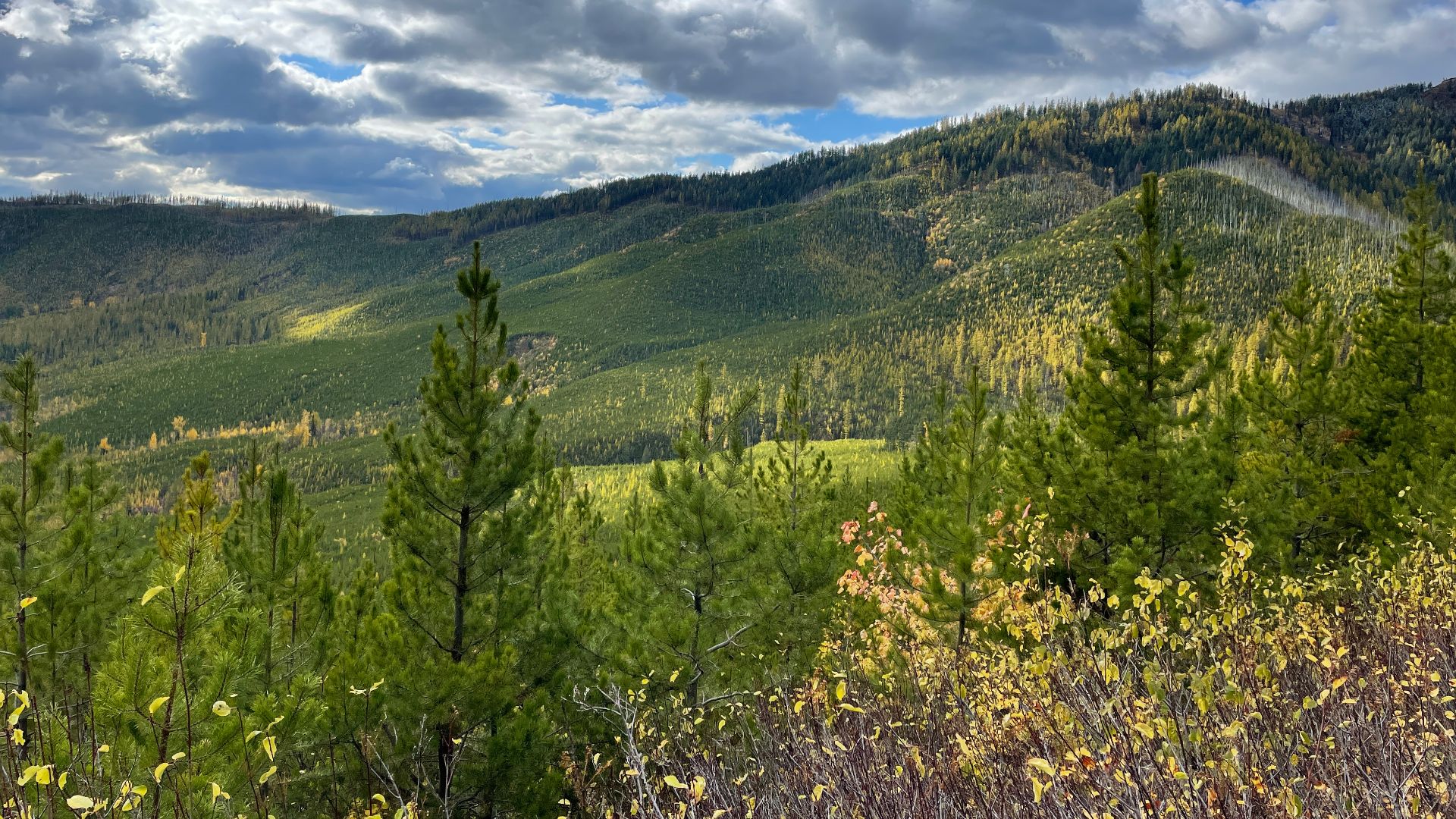
Part of the Crown of the Continent ecosystem, Glacier National Park preserves alpine meadows bursting with wildflowers, crystalline lakes reflecting jagged peaks, and rugged mountain terrain that harbors grizzly bears, mountain goats, and wolverines. This vast wilderness represents one of the most intact ecosystems in the lower 48 states.
 Vulturesong, Wikimedia Commons
Glacier National Park, Montana (Cont.)
Going-to-the-Sun Road winds through the heart of the park as one of America's most scenic drives, crossing the Continental Divide at Logan Pass. The park borders Waterton Lakes National Park in Canada, together forming the world's first International Peace Park dedicated to cross-border conservation and friendship.
 Vulturesong, Wikimedia Commons
Zion National Park, Utah
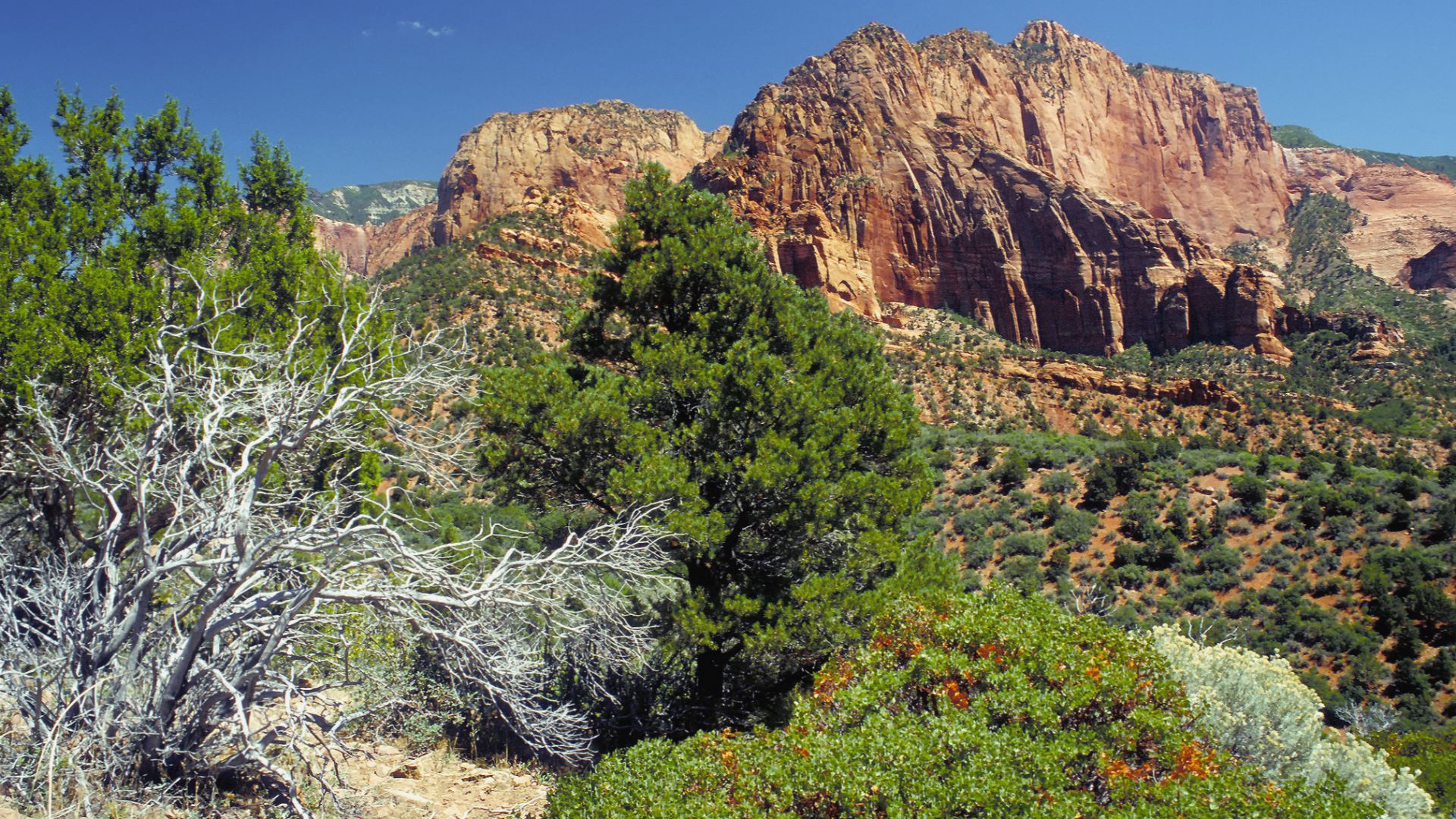
Desert, riparian, and forest ecosystems converge within Zion's boundaries, supporting an astonishing diversity of plant species that shouldn't logically coexist so closely. Cacti grow within sight of hanging gardens where ferns and columbines thrive on moisture seeping from sandstone walls.
 Michael Gäbler, Wikimedia Commons
Bryce Canyon National Park, Utah
Given the designation of an International Dark Sky Park, Bryce Canyon apparently offers some of the clearest night skies in the United States. Here, the Milky Way appears so vivid it seems close enough to touch. A lot of stars visible to the unaided eye produce a celestial display.
 Luca Galuzzi (Lucag), Wikimedia Commons
Bryce Canyon National Park, Utah (Cont.)
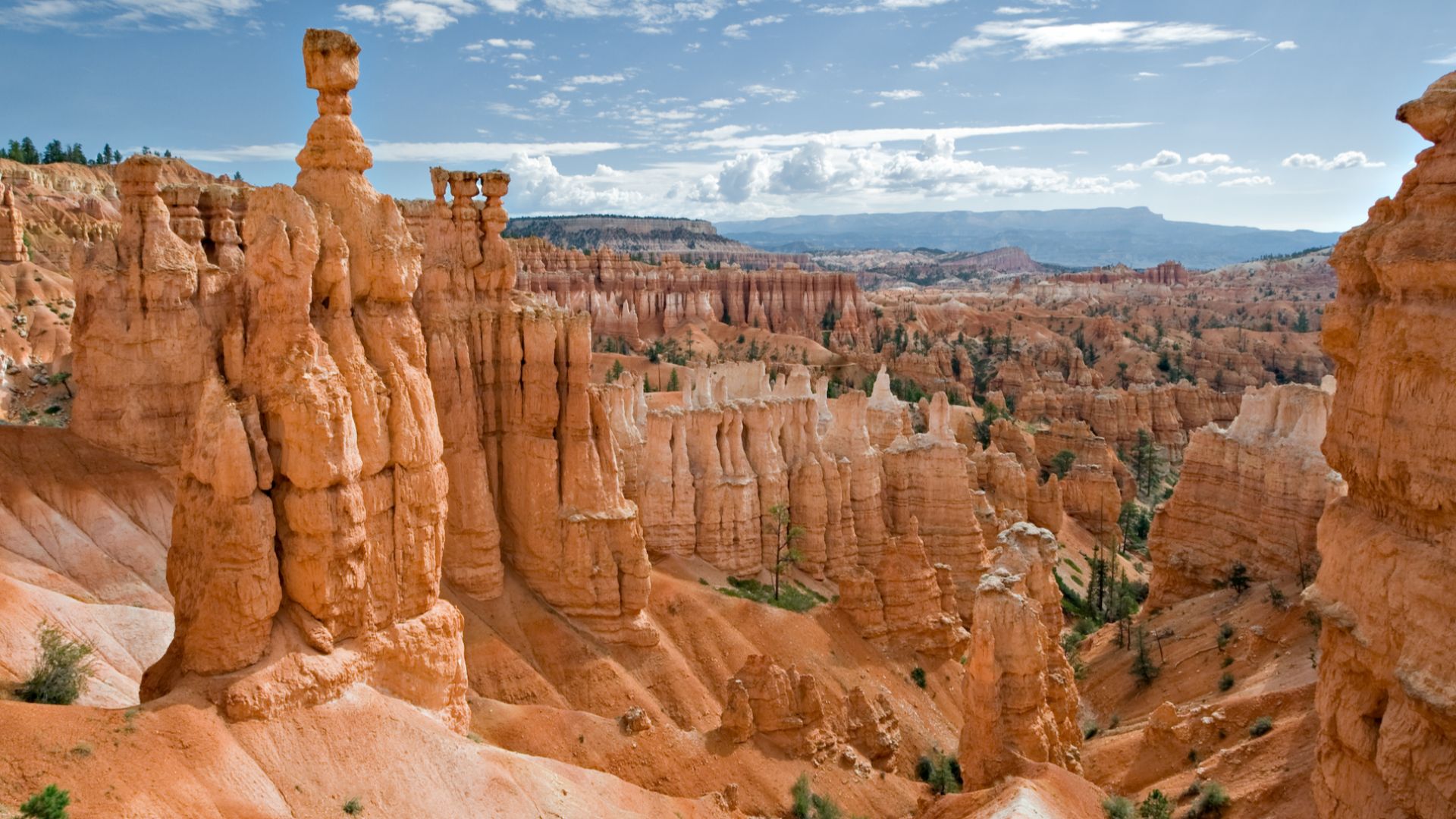
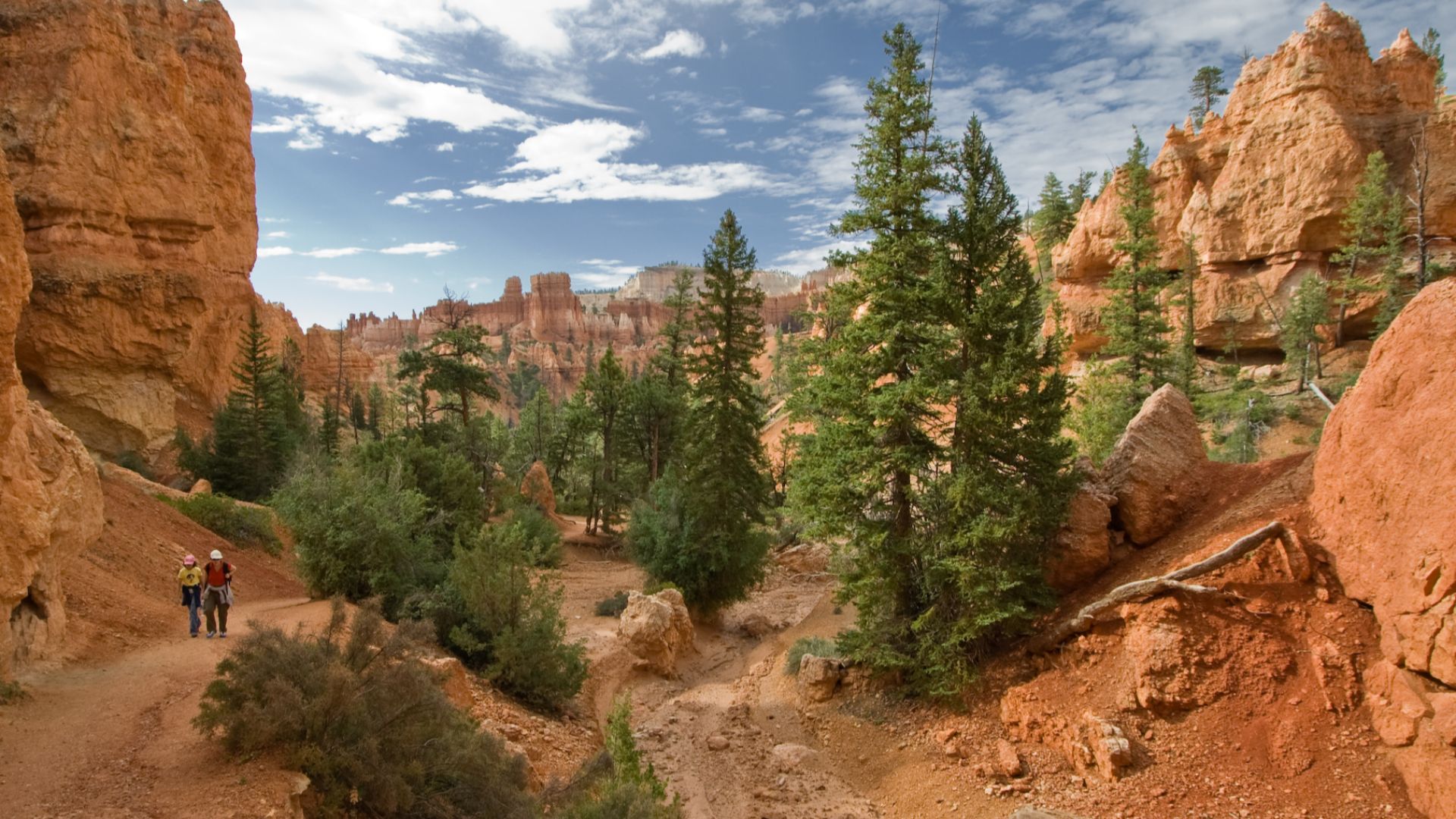
Hoodoo rock formations—tall, thin spires of rock protruding from the canyon floor—were formed through relentless cycles of frost weathering and erosion over millions of years. Sitting at a higher elevation than many nearby parks, Bryce experiences temperature fluctuations that continue sculpting these otherworldly amphitheaters.
 Luca Galuzzi (Lucag), Wikimedia Commons
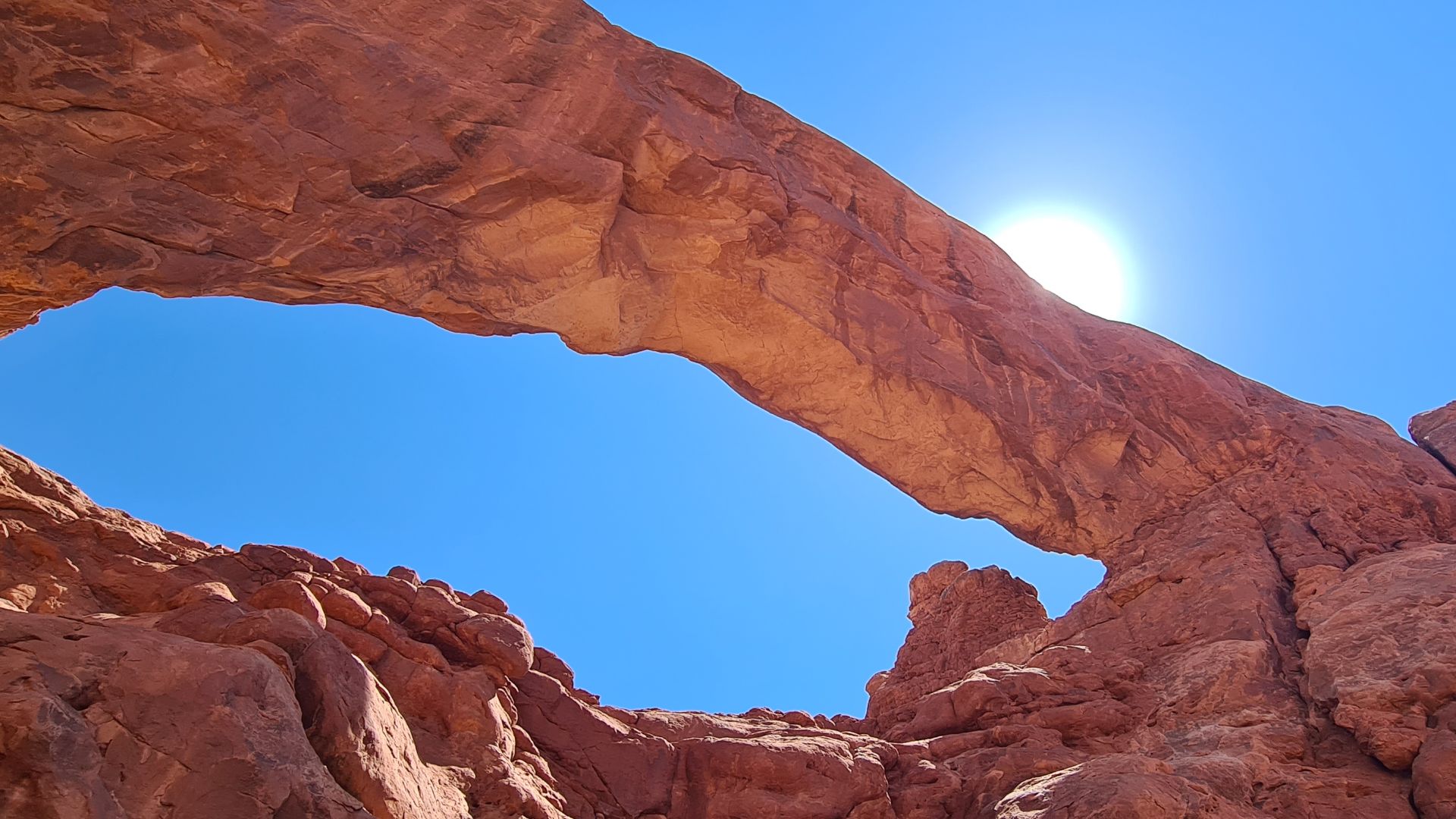
Arches National Park, Utah
Delicate Arch stands as the park's most recognizable landmark, its graceful curve framing distant mountains in a scene photographed millions of times. This free-standing arch appears impossibly fragile, yet it has withstood centuries of desert winds, temperature extremes, and seasonal storms.
 Sanjay Acharya, Wikimedia Commons
Arches National Park, Utah (Cont.)
Protecting the largest concentration of natural stone arches in the world, the park contains around 2,000 cataloged arches formed through the erosion of sandstone fins. Some arches have collapsed naturally within recorded history, reminding visitors that this area continues evolving.
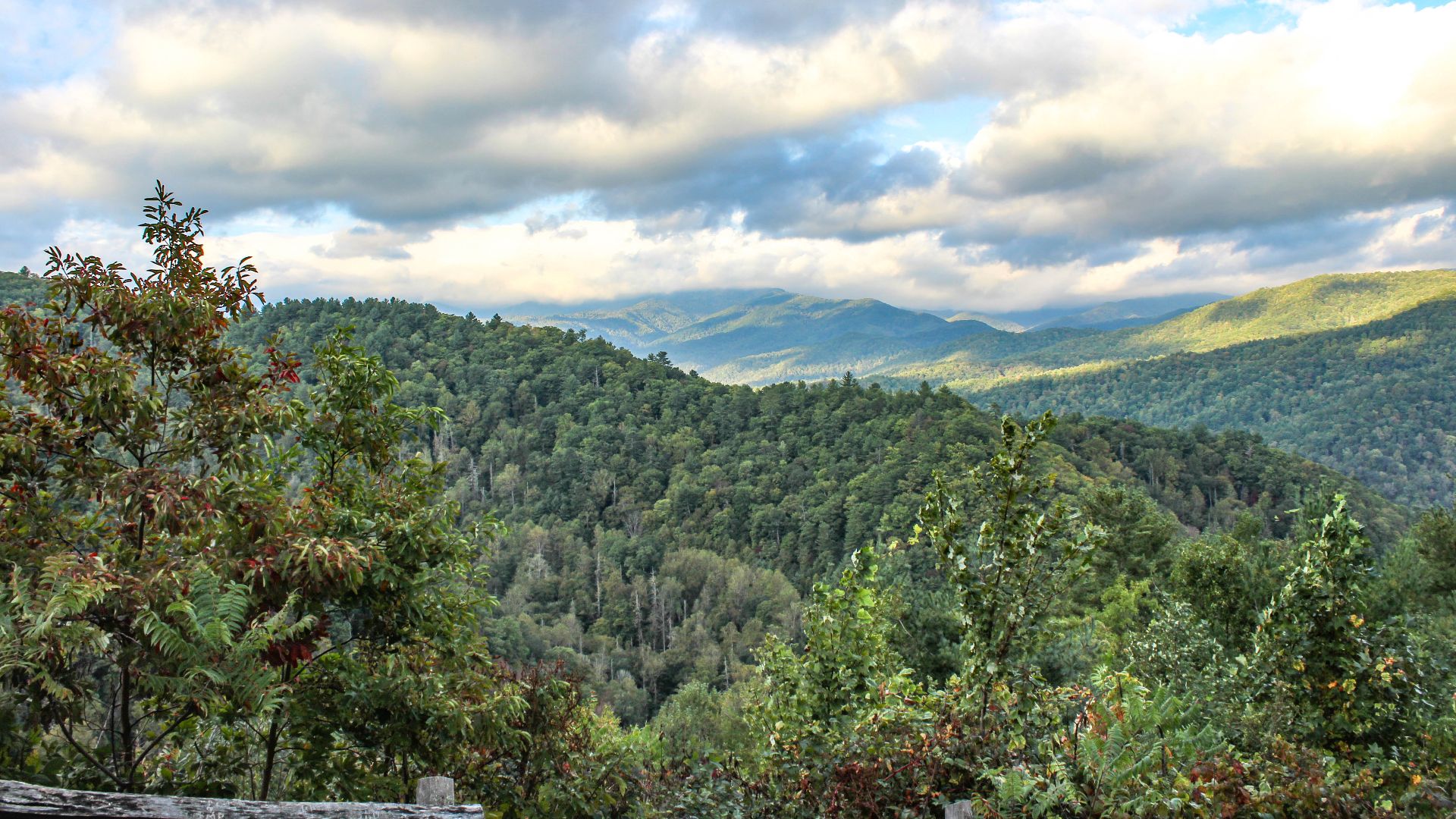
Great Smoky Mountains National Park, Tennessee/North Carolina
As one of the most visited national parks in the United States, the Great Smokies welcomes thousands of tourists every year who come to explore its misty peaks, cascading waterfalls, and historic homesteads. The park is accessible from major Eastern cities and has a free admission policy.
 Victoria Stauffenberg, Wikimedia Commons
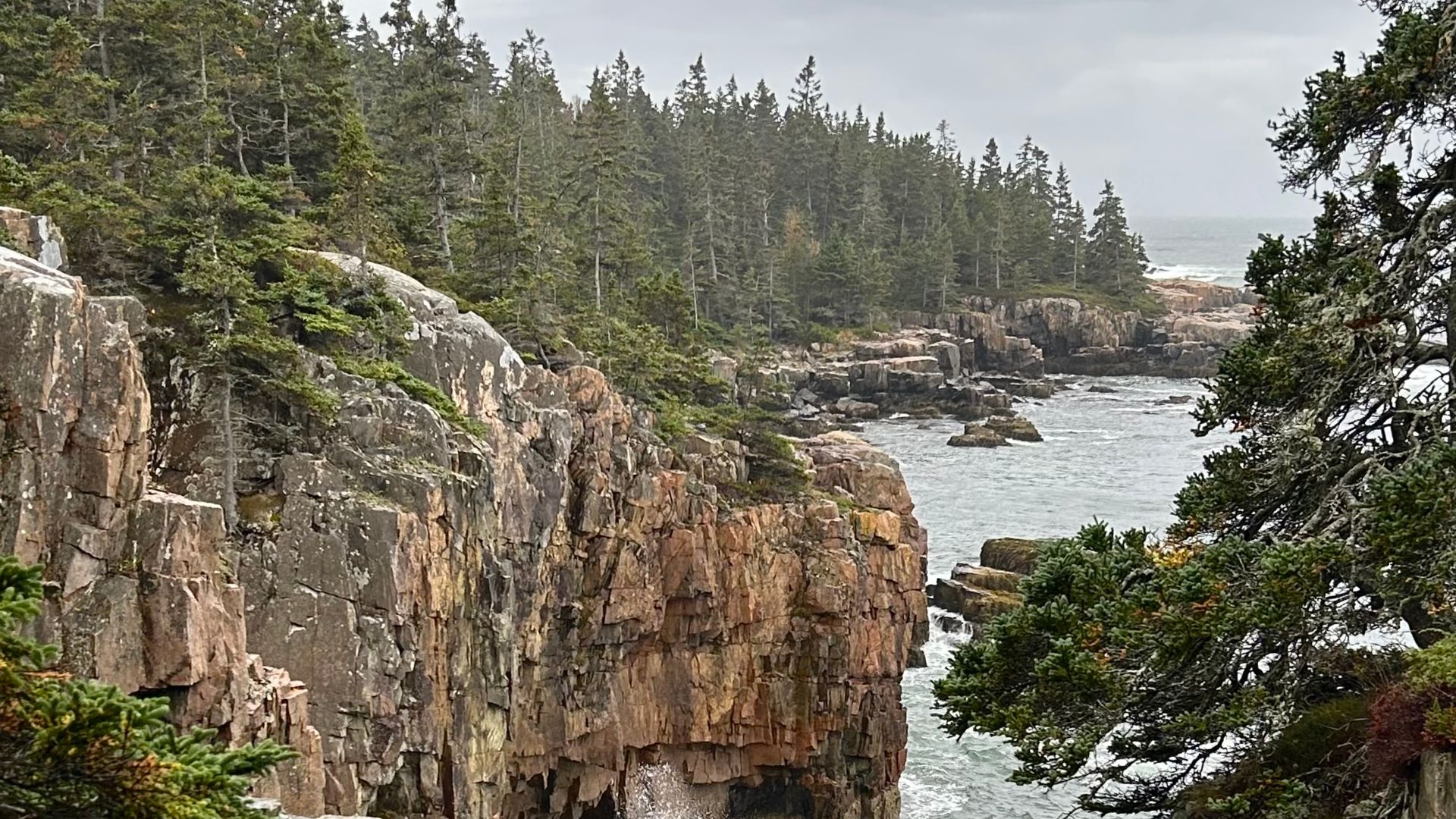
Acadia National Park, Maine
Cadillac Mountain rises within Acadia as one of the first places in the United States to see sunrise, drawing early risers who make the pre-dawn trek to witness the day's first light touching American soil. The summit offers panoramic views of Frenchman Bay's island-dotted waters.

Acadia National Park, Maine (Cont.)
Established as the first national park east of the Mississippi River, Acadia protects rocky coastlines where waves crash against granite cliffs and forested mountains rising directly from the sea. The park's carriage roads, built with careful attention to landscape integration, provide car-free routes for cyclists.
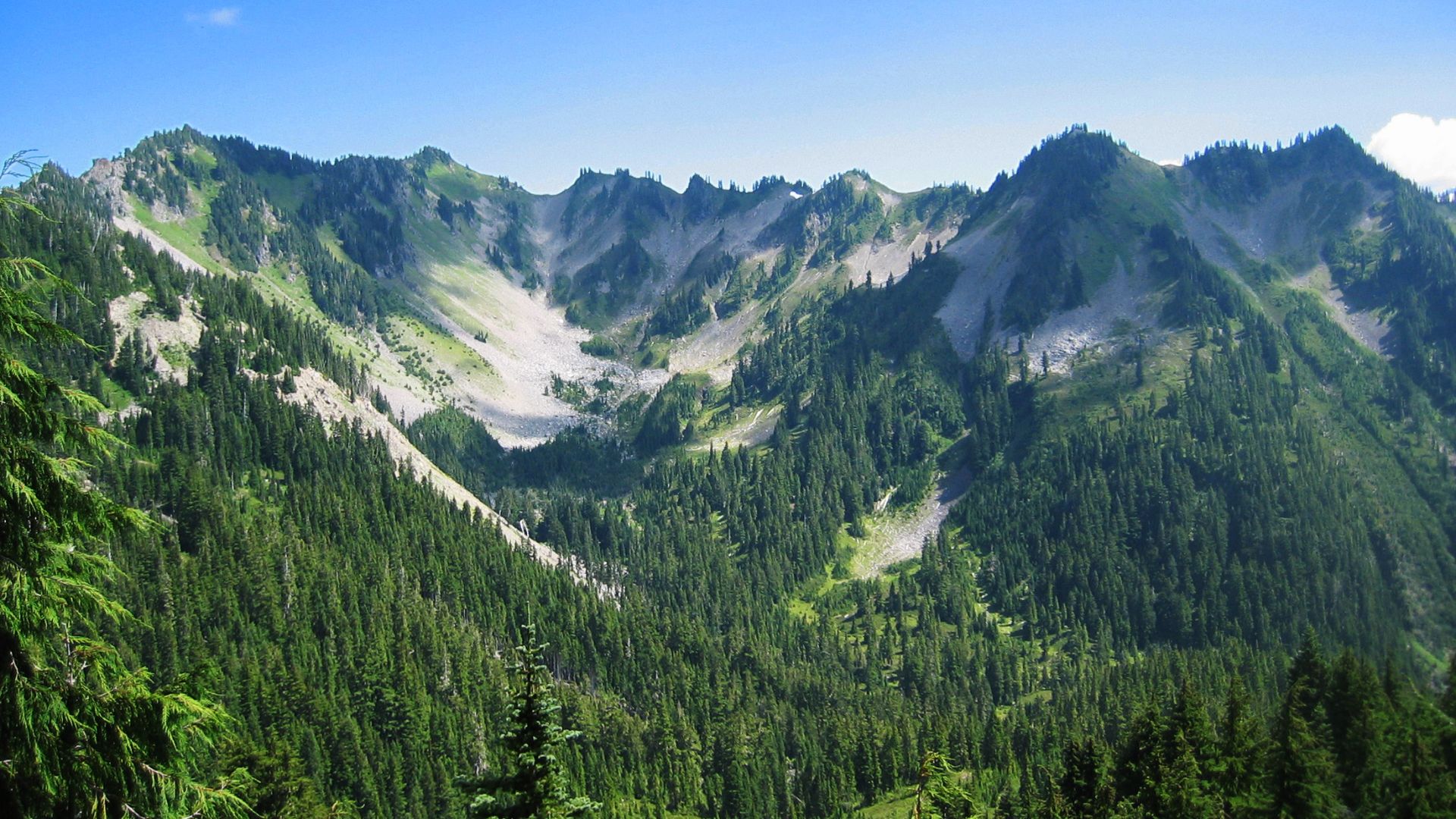
Olympic National Park, Washington
Receiving extraordinary annual rainfall in its rainforest areas, Olympic National Park creates temperate rainforests draped in moss, where Sitka spruce and western hemlock grow to massive proportions in the perpetual dampness. These lush valleys contrast sharply with the park's other ecosystems.
 Jason Pratt from Pittsburgh, PA (FishSpeaker), Wikimedia Commons
Olympic National Park, Washington (Cont.)
This UNESCO World Heritage Site encompasses temperate rainforest, alpine mountains with active glaciers, and rugged Pacific coastline with tide pools and sea stacks—three distinct ecosystems within a single protected area. The park's isolation has allowed unique species to evolve.
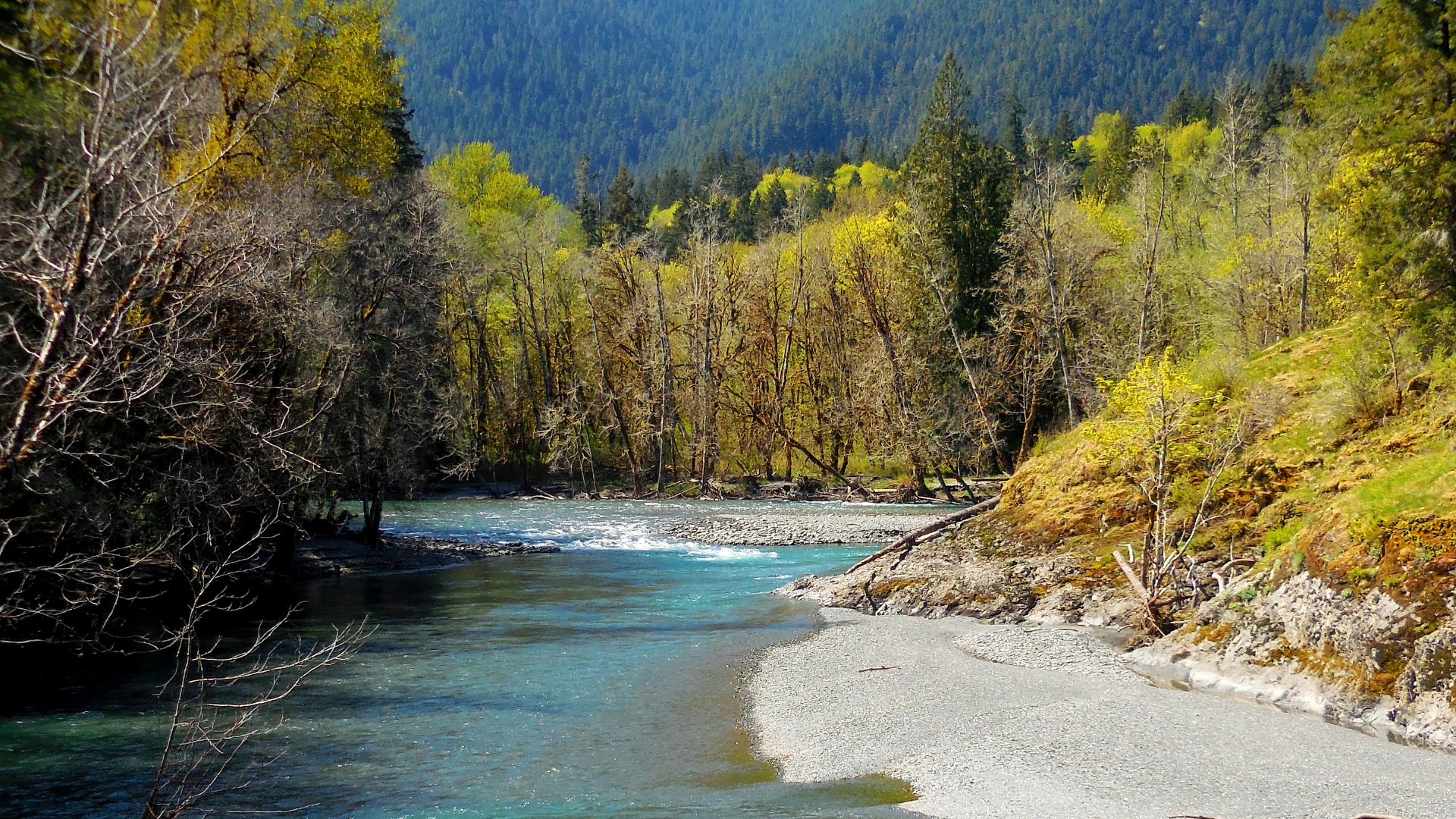 Olympic National Park, Wikimedia Commons
Rocky Mountain National Park, Colorado
Trail Ridge Road crosses alpine tundra at over 12,000 feet in elevation, making it one of the highest continuous paved roads in North America and offering access to ecosystems typically requiring strenuous hiking to reach. Drivers experience dramatic vegetation changes within minutes.
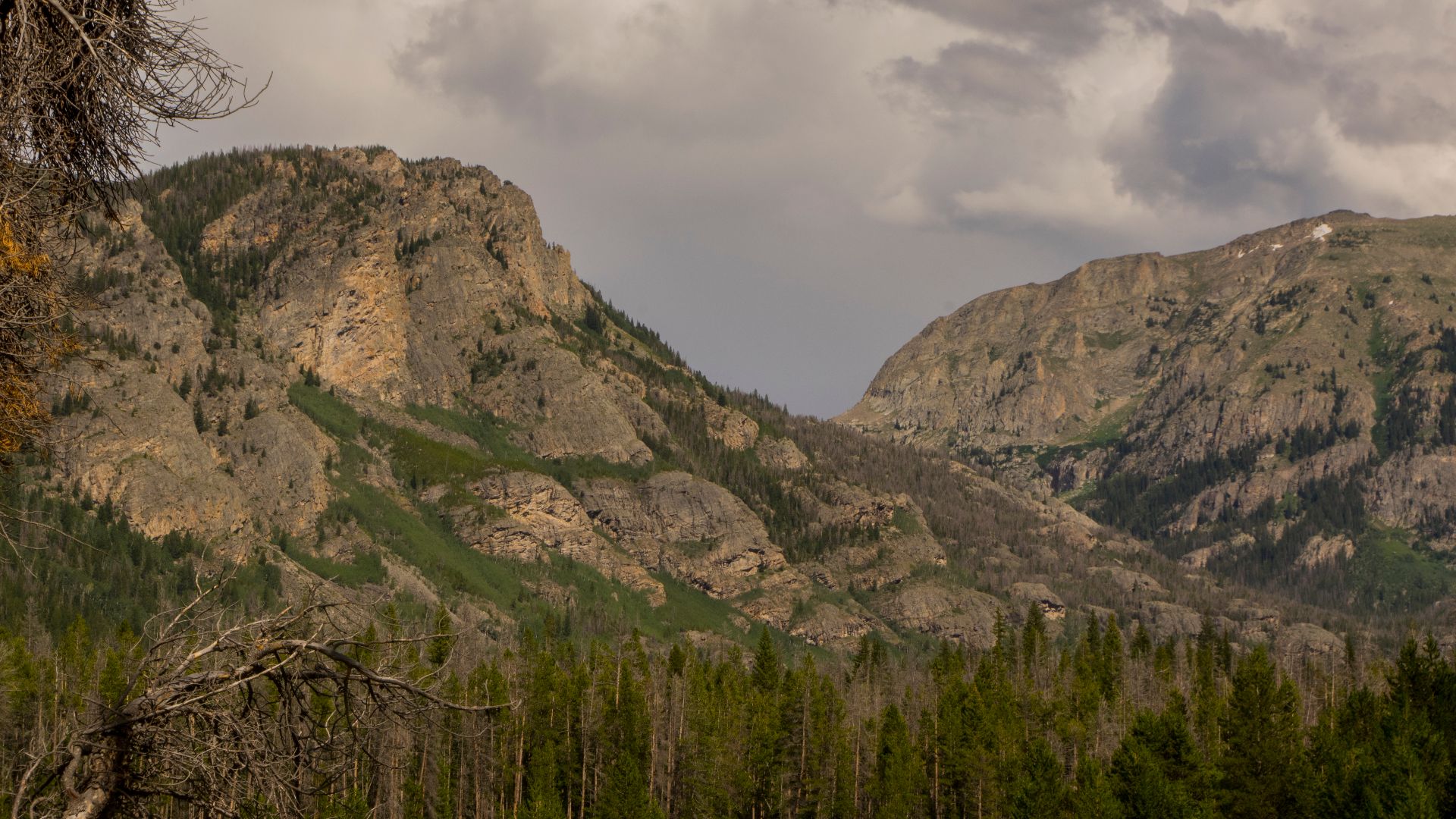
Rocky Mountain National Park, Colorado (Cont.)
The park preserves a magnificent portion of the Rocky Mountains, featuring numerous alpine lakes cradled in glacially-carved cirques and surrounded by jagged peaks. Visitors can observe how elevation dictates plant and animal communities, with distinct life zones stacked vertically.
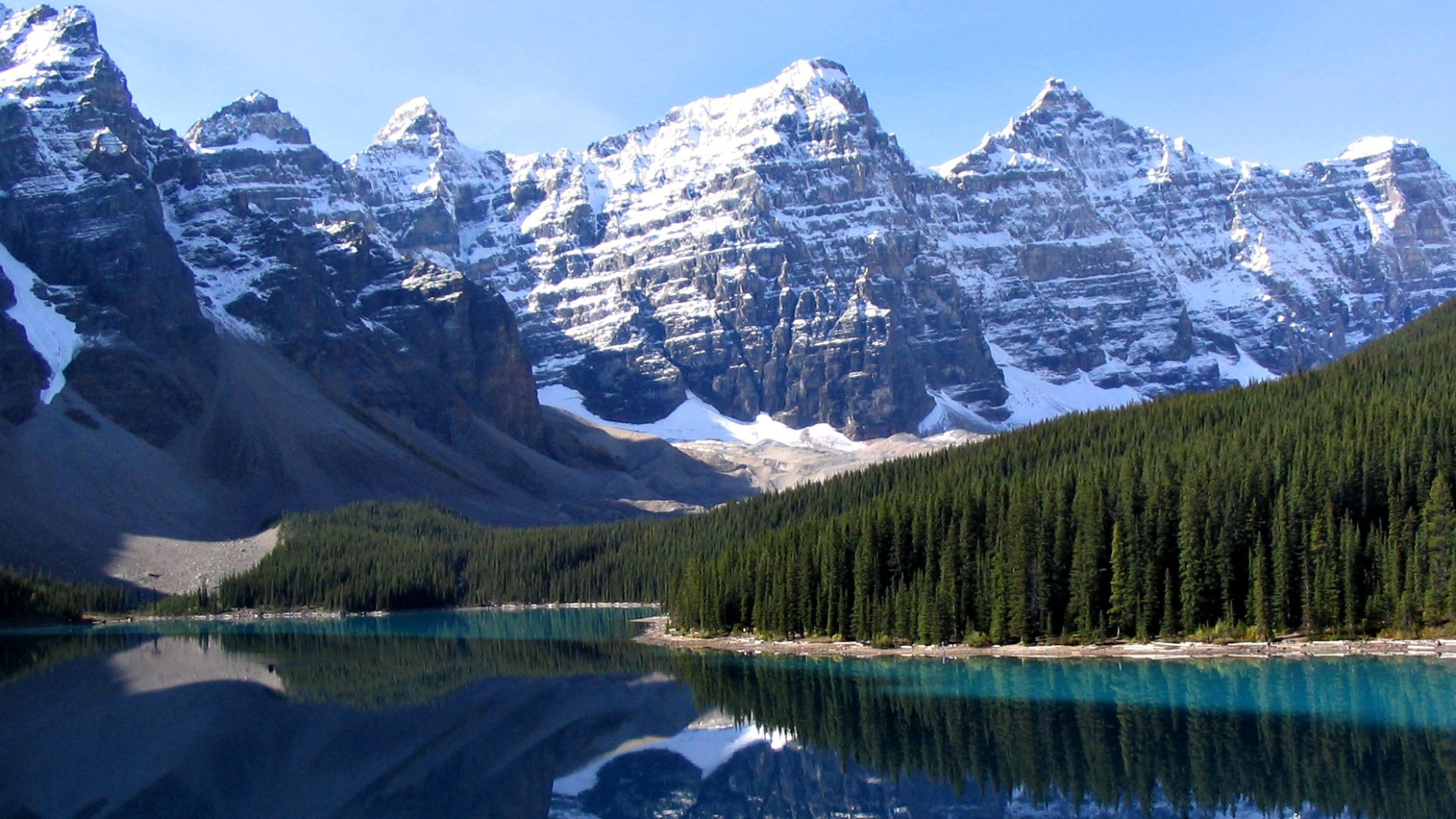
Denali National Park, Alaska
Grizzly bears, caribou, wolves, and Dall sheep roam freely across Denali's vast wilderness. The park's single road limits vehicle access, preserving the backcountry's wild character, while shuttle buses allow everyone to penetrate deep into this remote terrain where animals outnumber people.
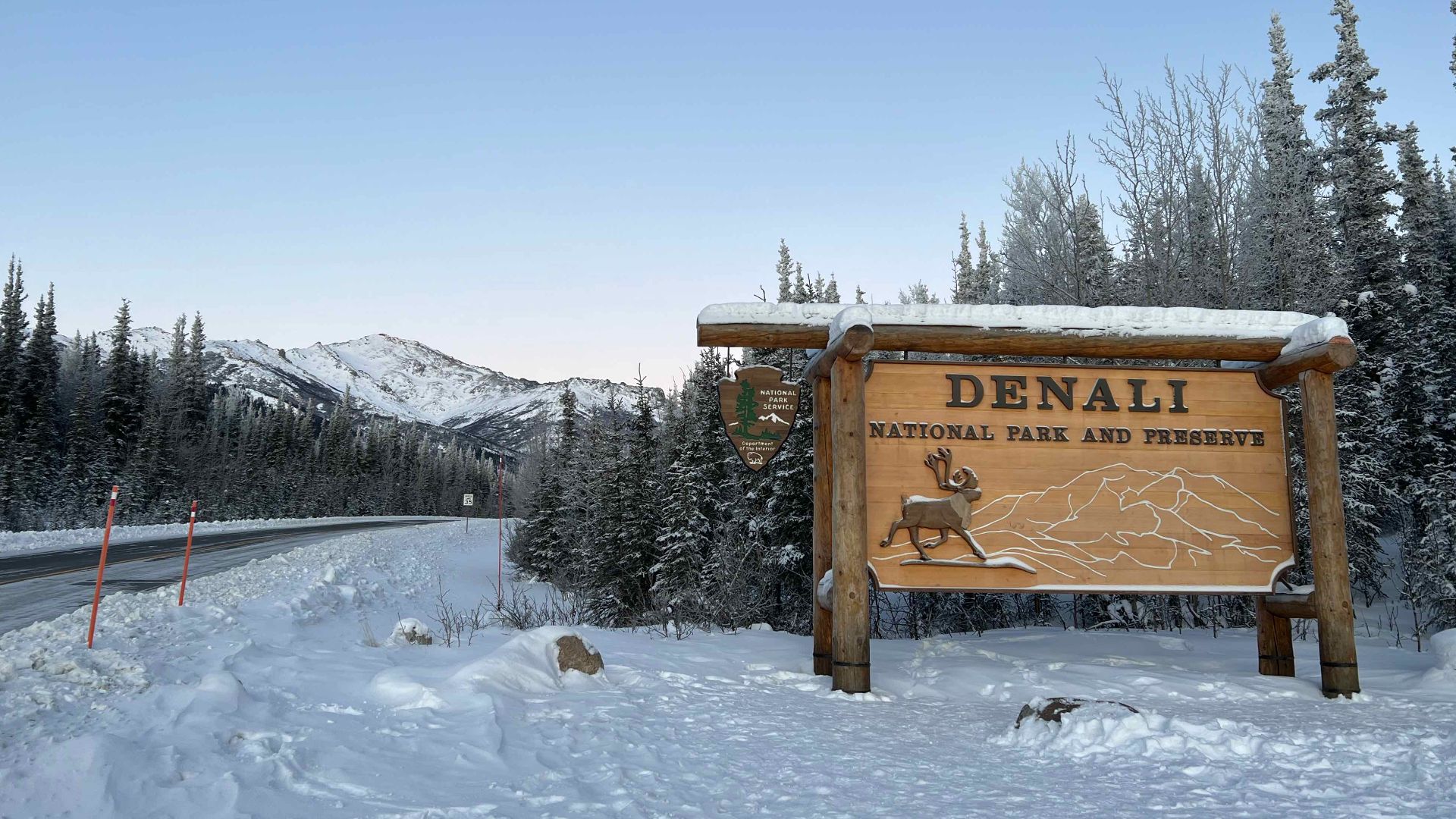 Srishti Sethi, Wikimedia Commons
Everglades National Park, Florida
Often described as a "river of grass," the Everglades defies typical wilderness expectations. This is no desert canyon, but rather a slow-moving sheet of water flowing imperceptibly southward through sawgrass marshes. The subtle beauty reveals itself gradually.
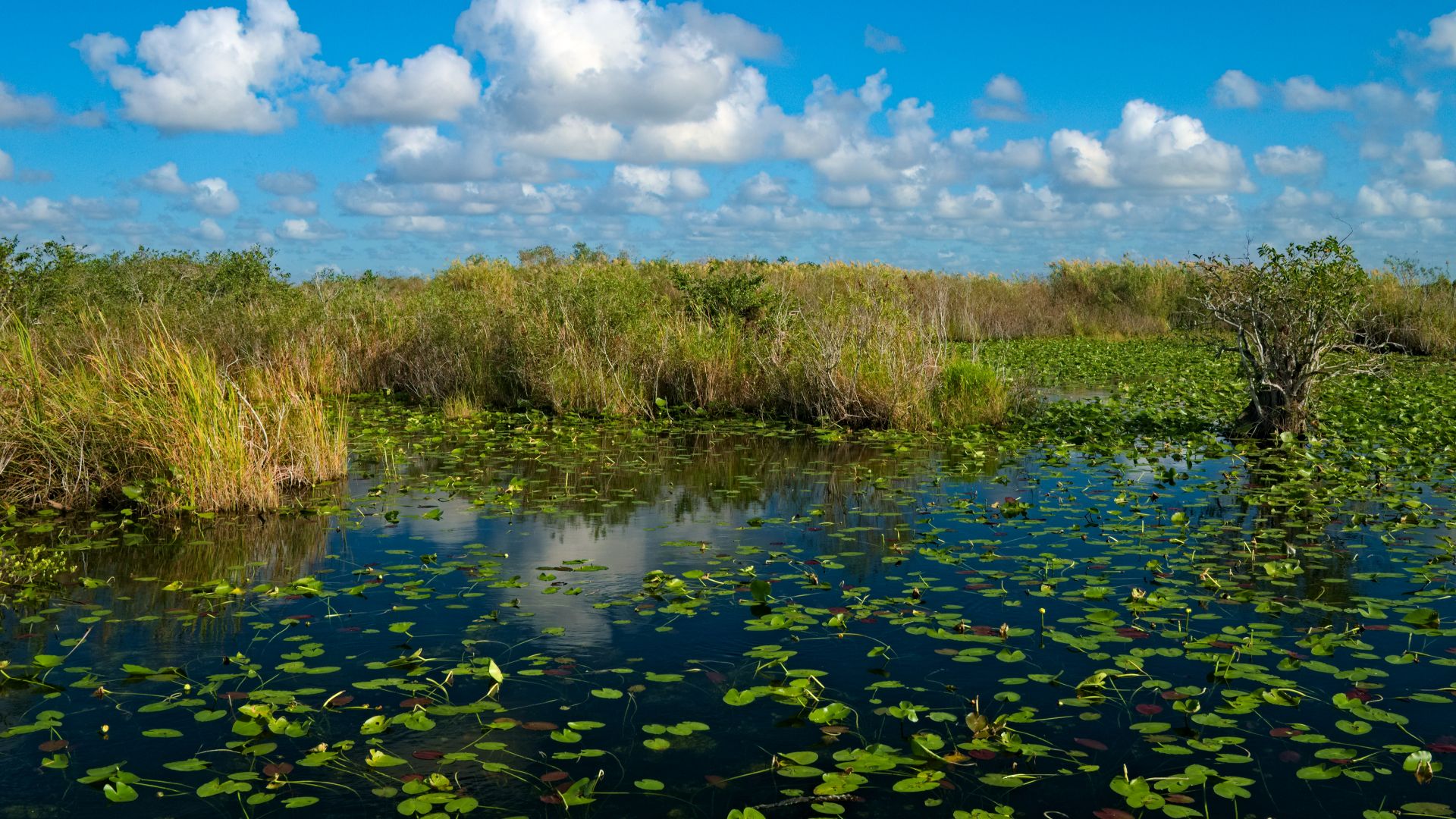 Daniel Kraft, Wikimedia Commons
Everglades National Park, Florida (Cont.)
You get to see wading birds stalking through shallows, alligators basking on mudbanks, and tree islands rising from the wetlands. As one of the largest tropical wildernesses in the United States, the Everglades protects extensive wetlands and ecosystems found nowhere else in the country.
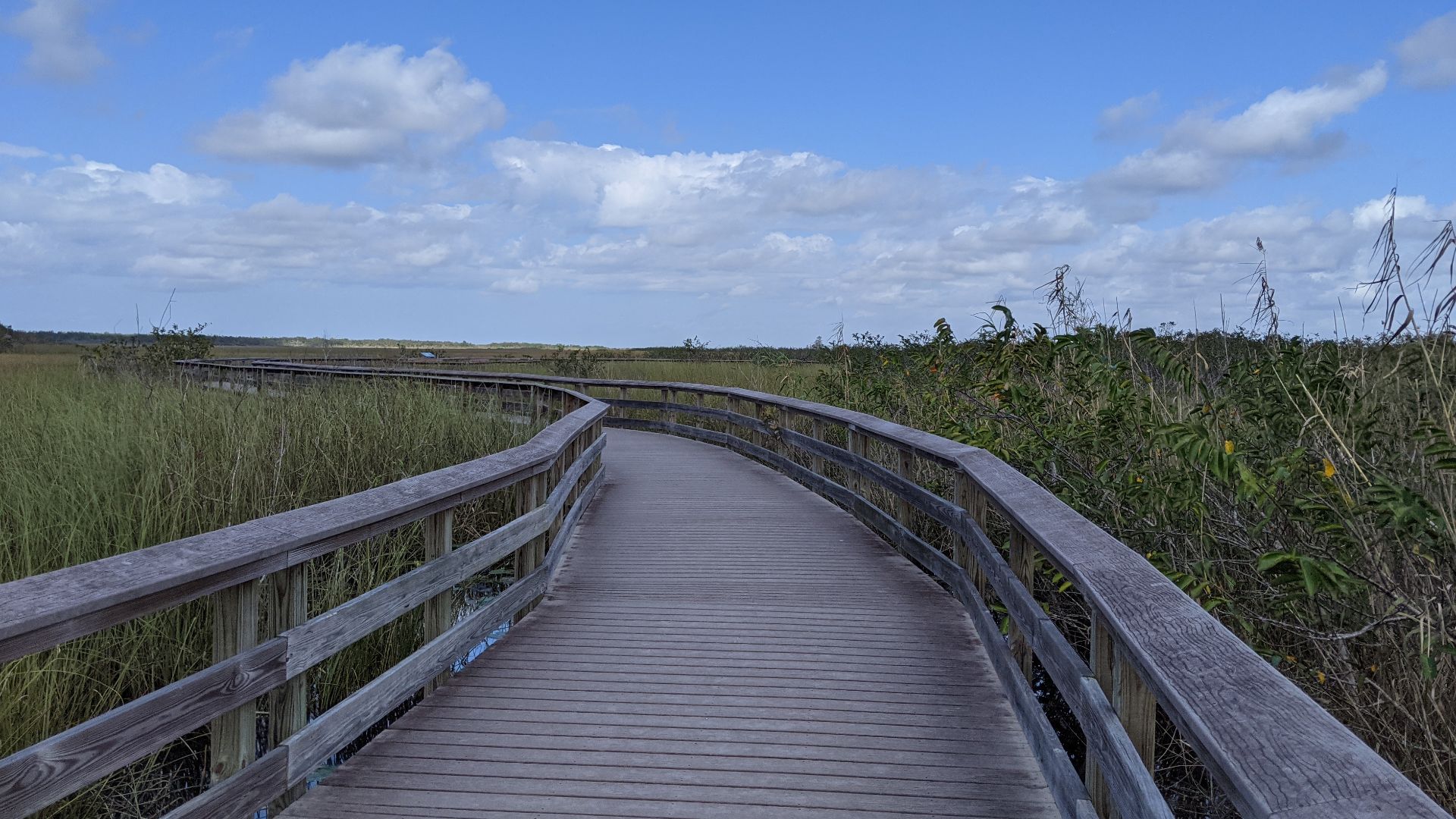 LittleOrphanDani, Wikimedia Commons
Sequoia National Park, California
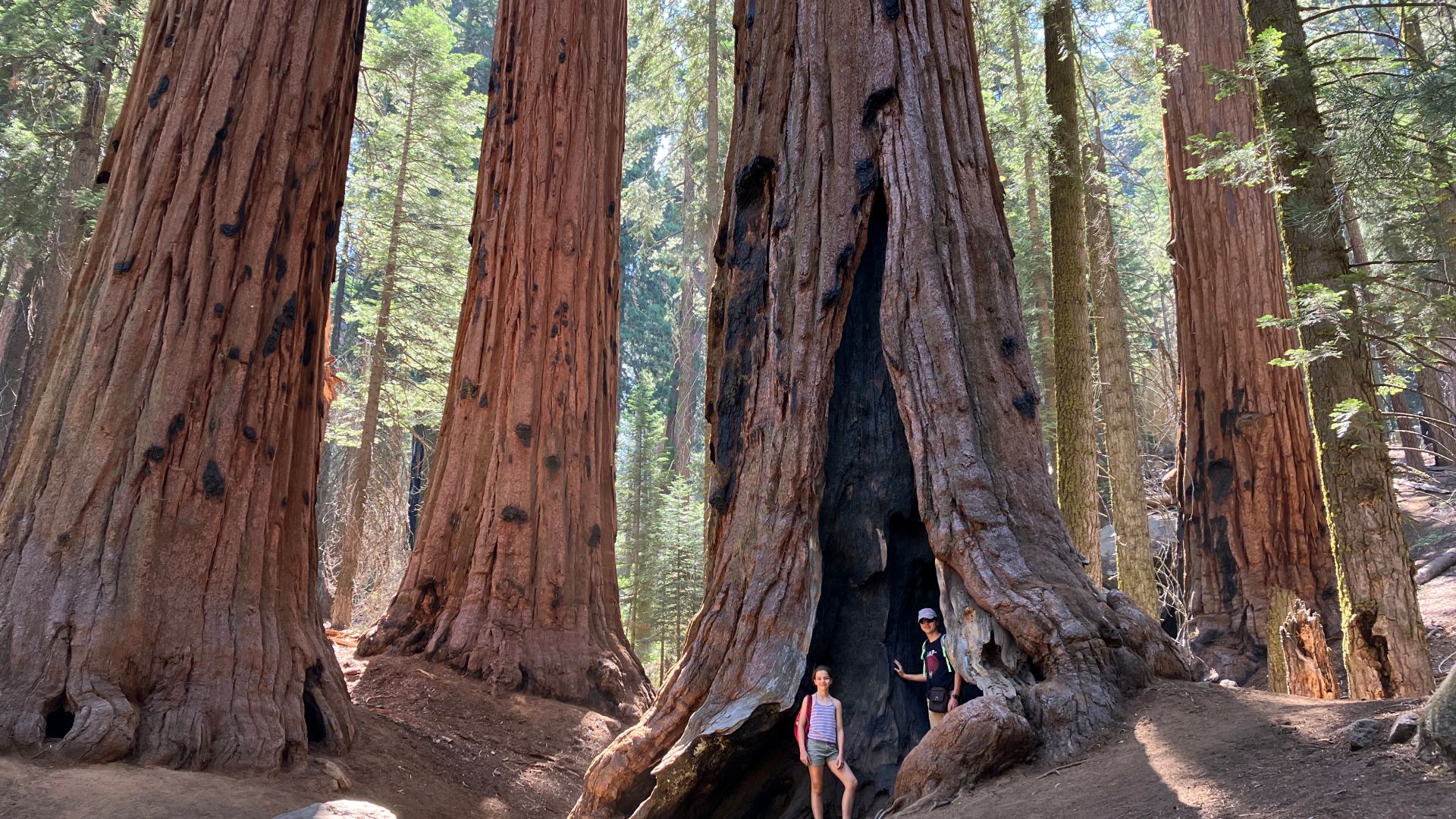
Some sequoias already stood as ancient giants when the Roman Empire flourished, having germinated over 2,000 years ago and witnessed the entirety of recorded Western history from their rooted positions. These silent witnesses continue growing, adding rings year after year.
Death Valley National Park, California
Spring wildflowers can change Death Valley's barren land after rare rain events, carpeting the desert floor in yellow, purple, and pink blooms that seem miraculous in this harsh environment. These super blooms occur unpredictably, requiring precise conditions of rainfall timing and temperature.
Death Valley National Park, California (Cont.)
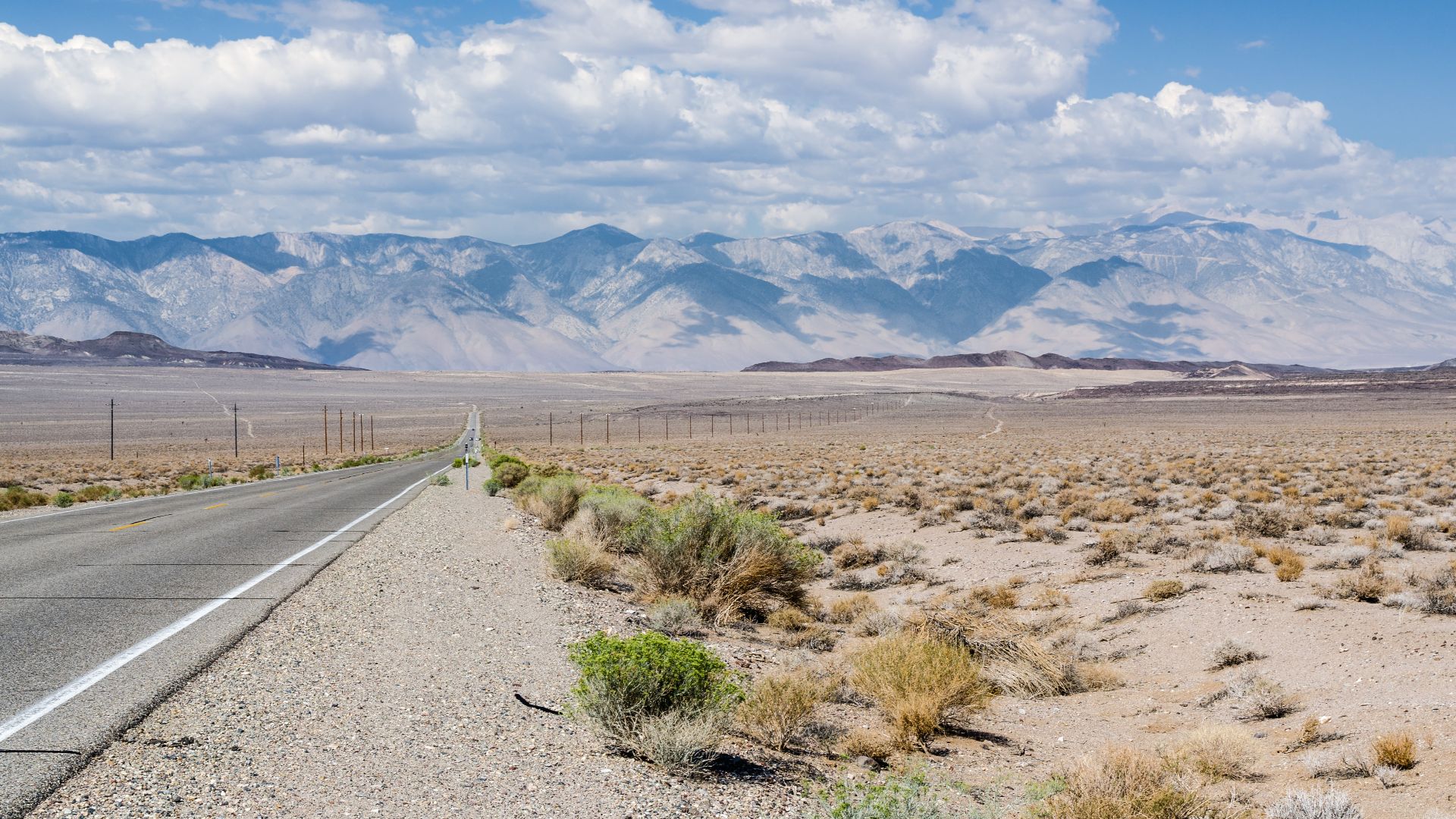
Known for extreme desert conditions, this place holds the record as the hottest ever recorded on Earth, reaching 134°F in 1913. The park encompasses salt flats that crunch underfoot, sand dunes that sing in the wind, and multi-colored canyons carved into ancient rock.
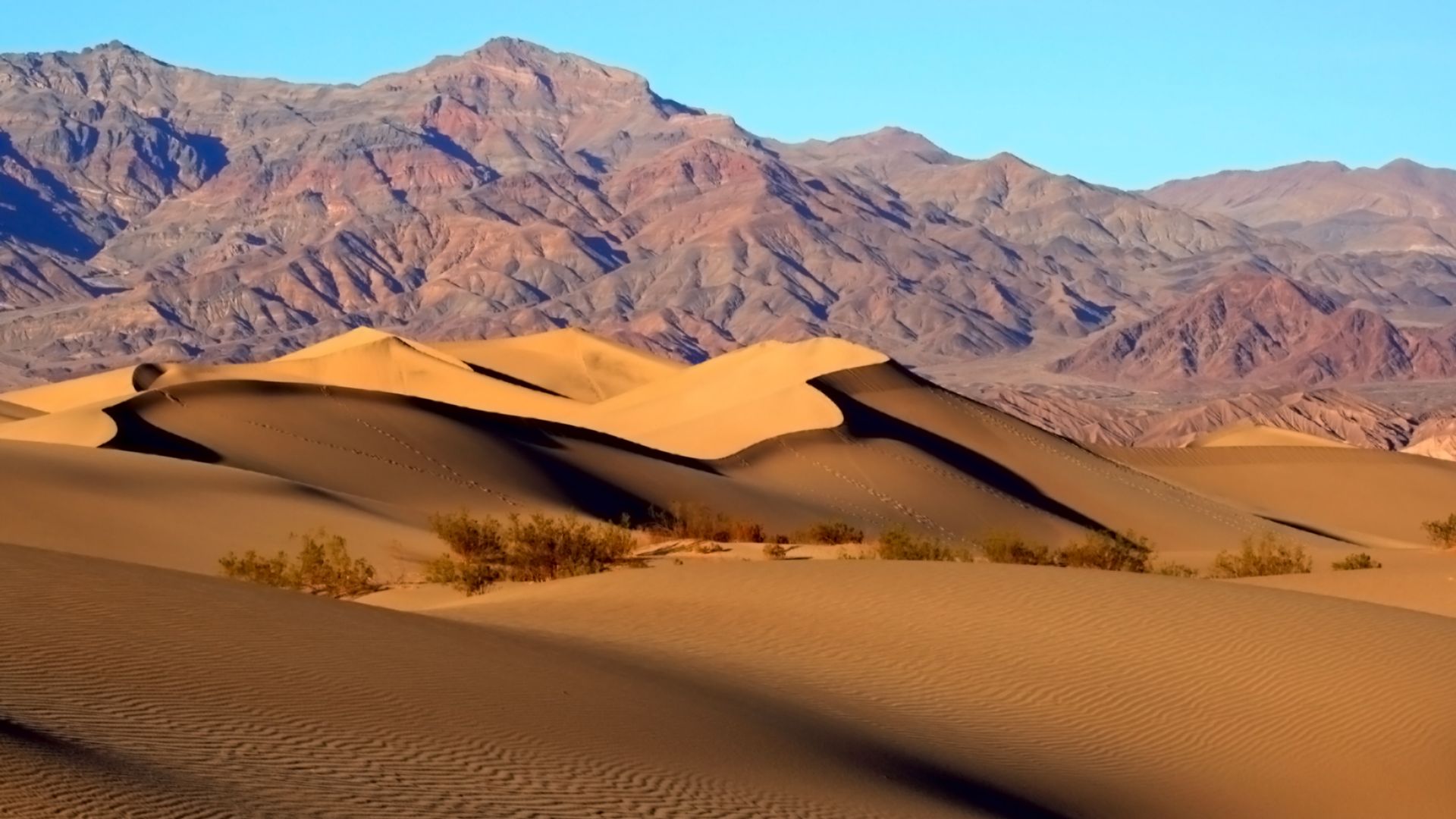 Brocken Inaglory, Wikimedia Commons
Monument Valley, Arizona/Utah
Lying within the Navajo Nation, Monument Valley remains under tribal jurisdiction, with guided tours often led by Navajo locals who share cultural perspectives and stories passed down through generations. This arrangement preserves Indigenous connection to the land.
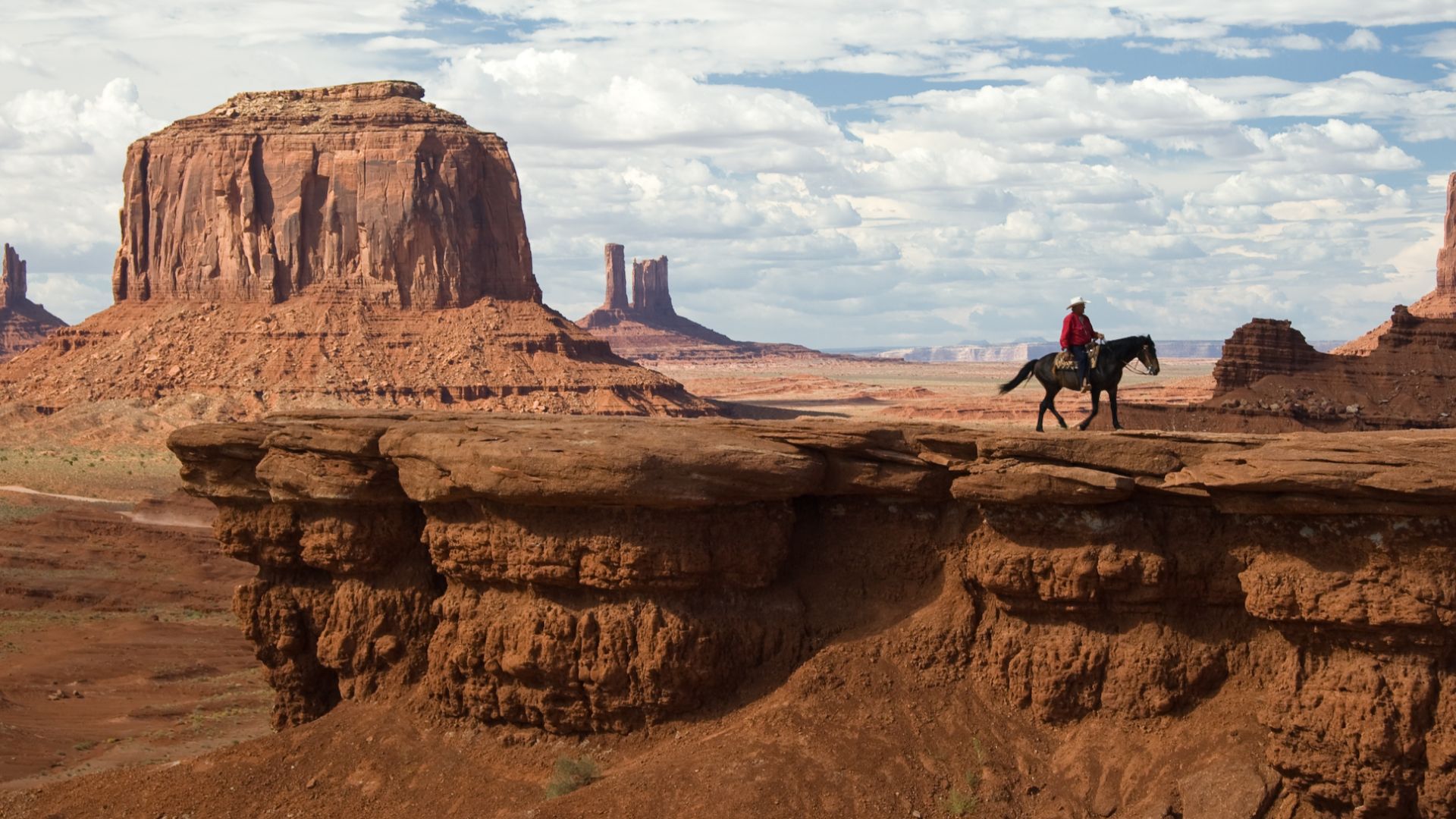 Luca Galuzzi (Lucag), Wikimedia Commons
Sedona, Arizona
The red rocks glow with intensified color during sunrise and sunset, as angled light ignites the iron-oxide-rich sandstone into brilliant shades of crimson, orange, and scarlet. Photographers gather at popular viewpoints during golden hour. It is known for distinctive red rock formations sculpted into spires.
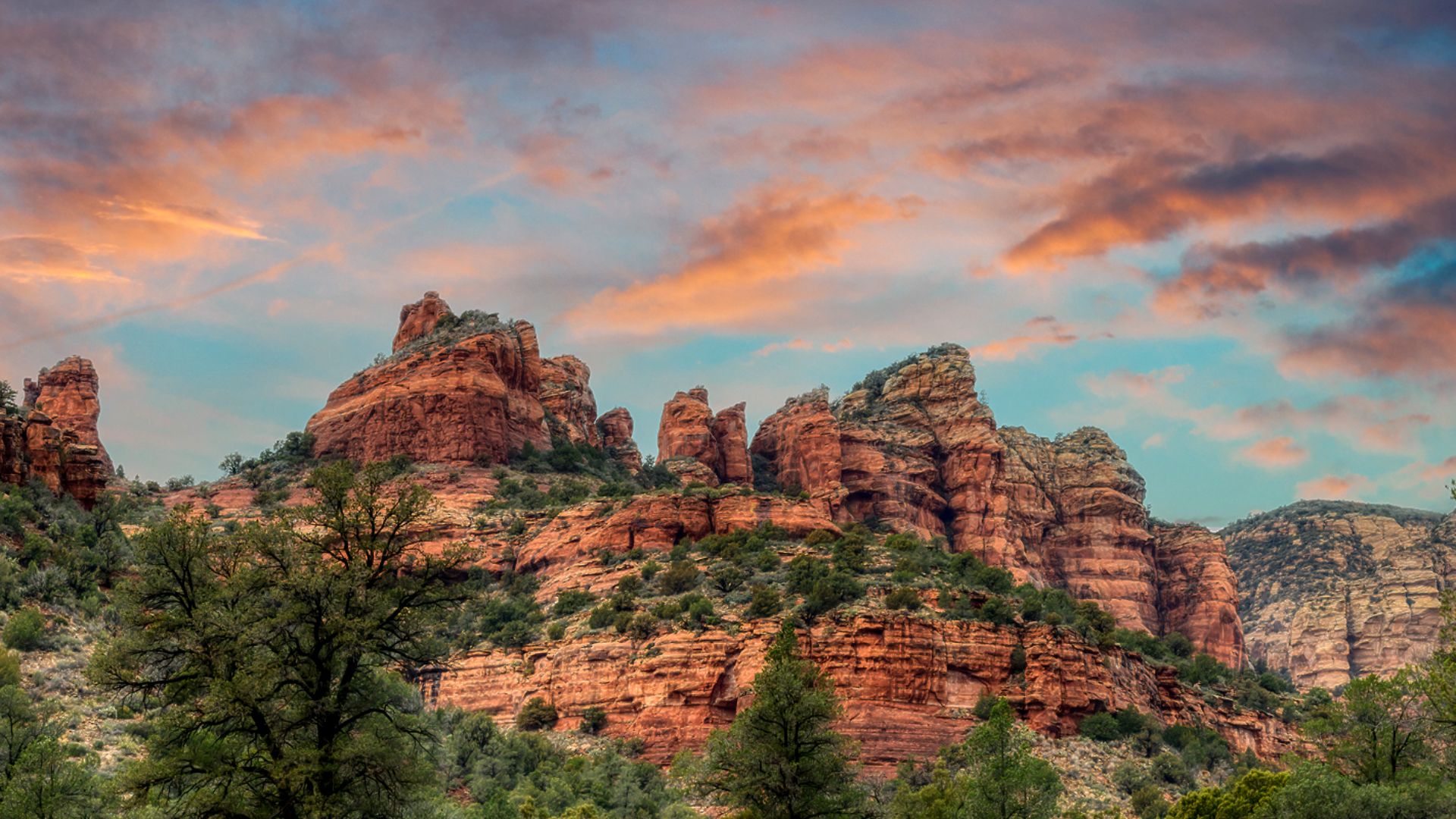
Niagara Falls, New York
Straddling the US–Canada border, Niagara Falls serves as a major source of hydroelectric power, harnessing the enormous energy of 750,000 gallons of water plunging over the precipice every second. This marriage of natural wonder and industrial utility began over a century ago.
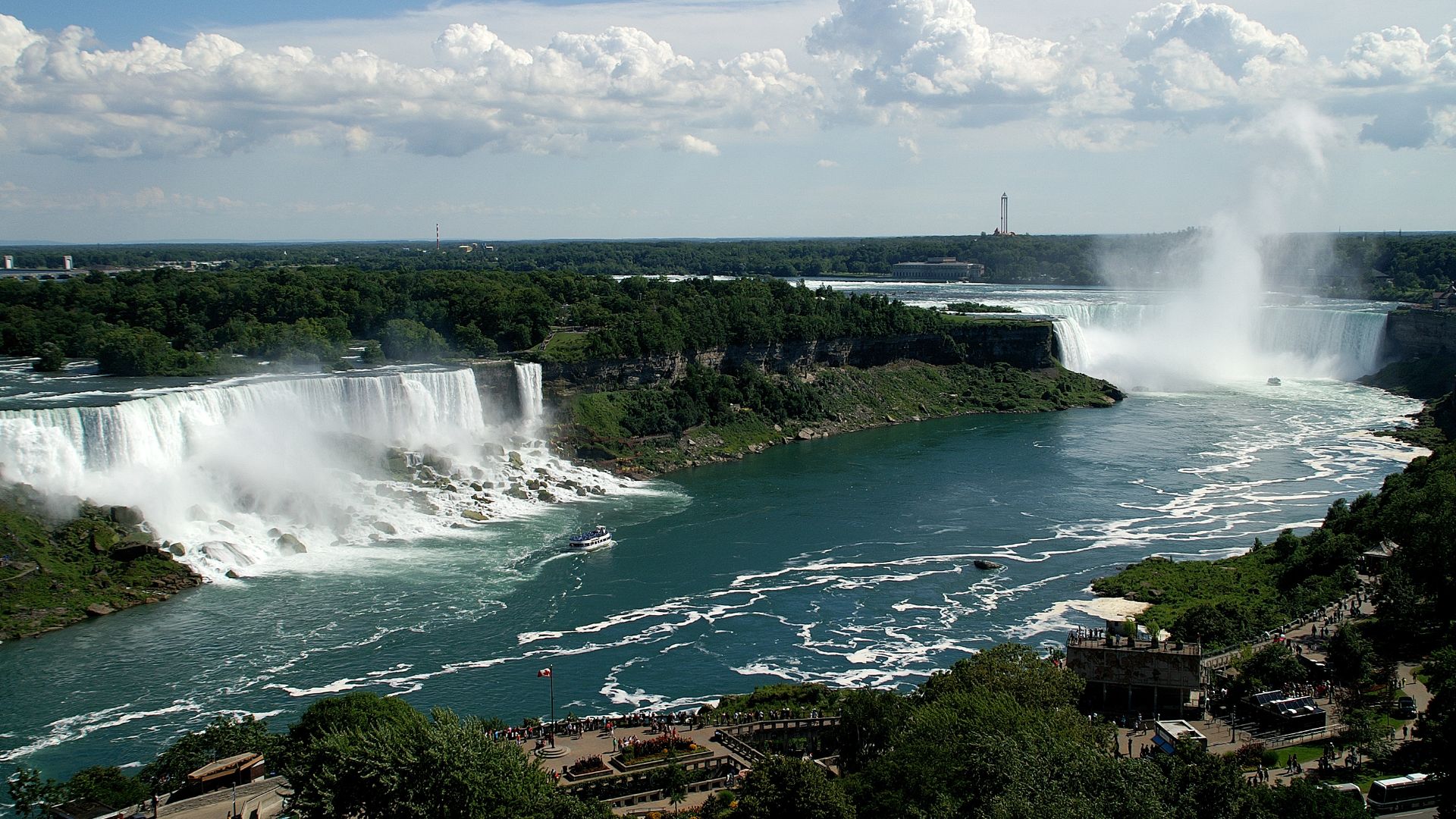 Saffron Blaze, Wikimedia Commons
Niagara Falls, New York (Cont.)
The falls never completely freeze in winter despite frigid temperatures, though ice formations create breathtaking sculptures along the edges, and mist freezes into delicate crystals coating nearby trees and railings. Niagara actually consists of three waterfalls: the American Falls, Bridal Veil Falls, and the massive Horseshoe Falls.
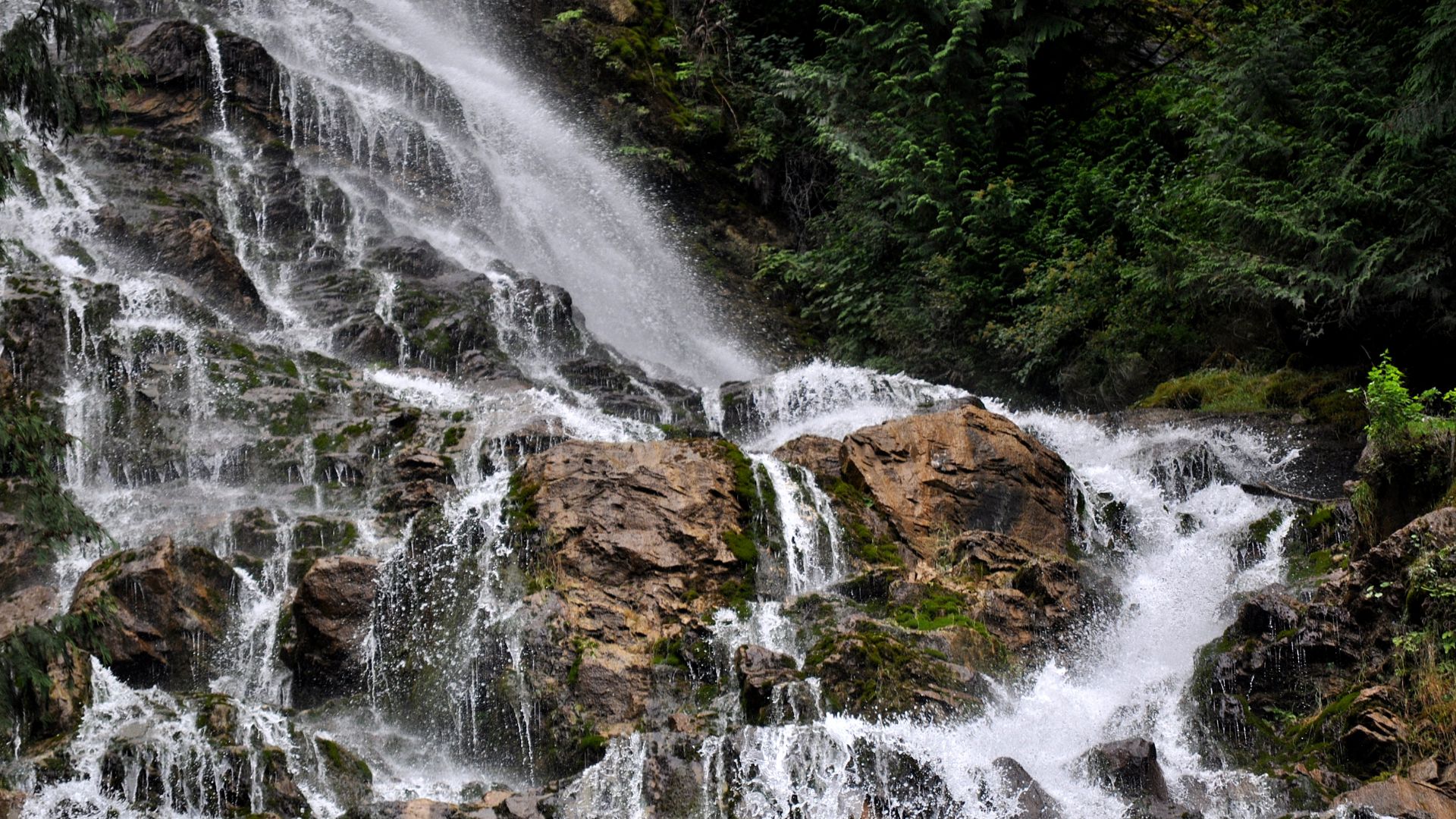 The High Fin Sperm Whale, Wikimedia Commons
Mount Rushmore, South Dakota
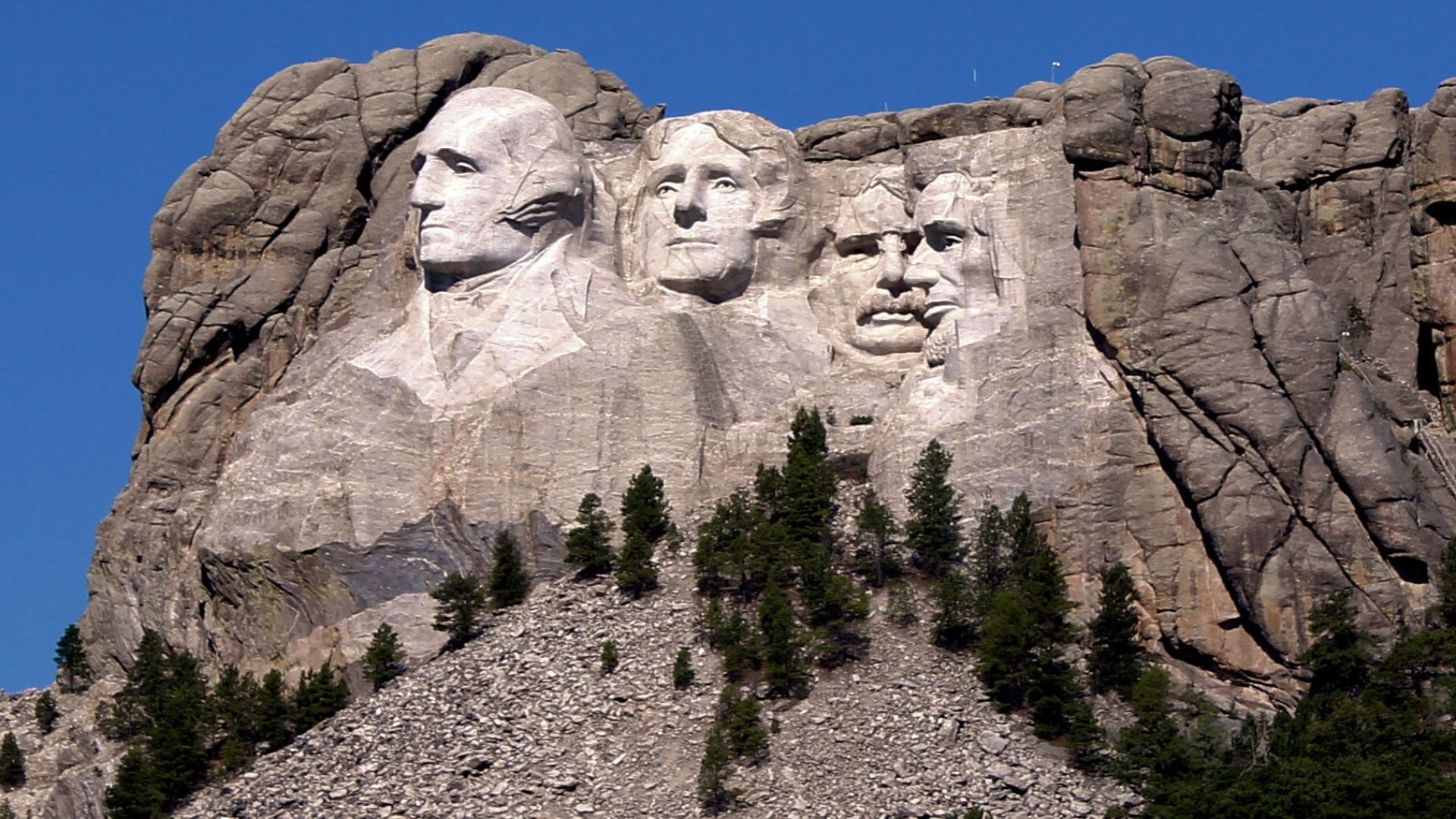
Located in the Black Hills region, Mount Rushmore features carved faces of four US presidents—Washington, Jefferson, Theodore Roosevelt, and Lincoln—blasted and chiseled into granite cliff faces. The monument sits within the Lakota people's sacred Black Hills, adding layers of historical complexity to this celebration of American democracy.
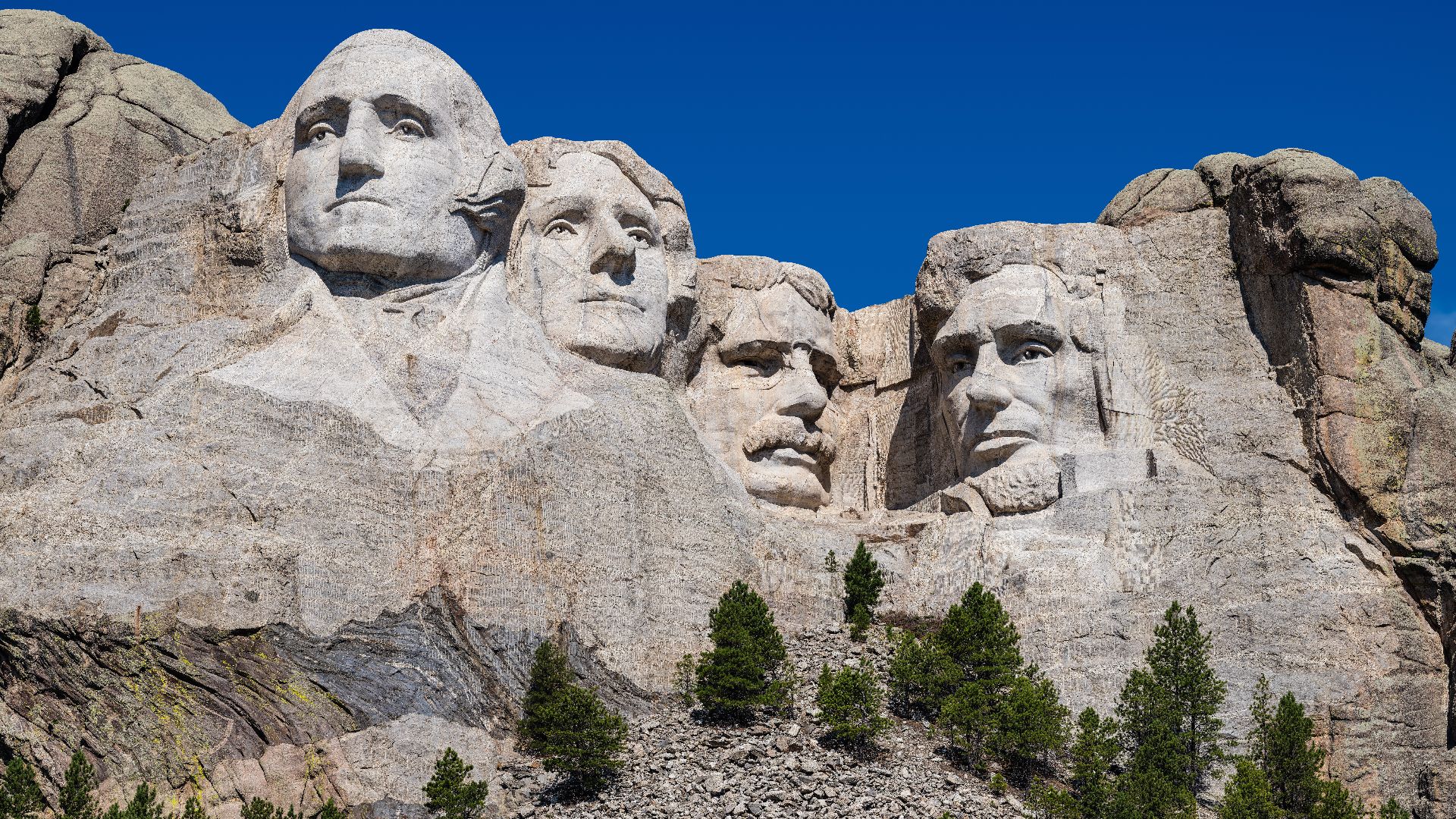 Thomas Wolf, www.foto-tw.de, Wikimedia Commons
Mount Rushmore, South Dakota (Cont.)
The carving project spanned several decades under sculptor Gutzon Borglum's direction, requiring dynamite, jackhammers, and hundreds of workers suspended in harnesses to shape 60-foot-tall presidential portraits from living rock. Each face required careful planning to follow the granite's natural structure.
Joshua Tree National Park, California
Where two desert ecosystems meet, the higher Mojave and lower Colorado deserts, Joshua Tree National Park protects the transition zone where these distinct environments overlap and mingle. This convergence crafts exceptional biodiversity as species from both deserts coexist.
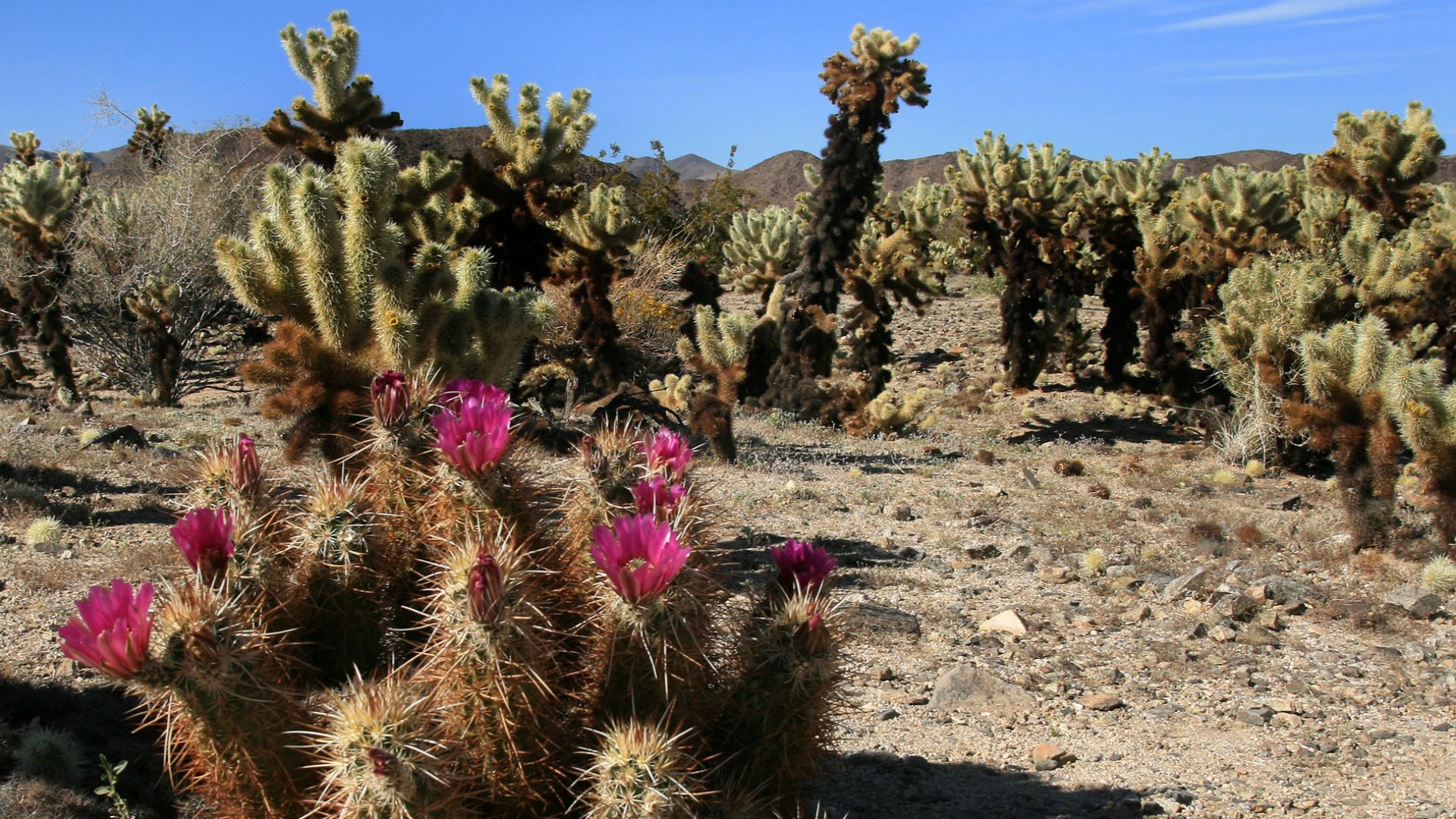 Brocken Inaglory, Wikimedia Commons
Grand Teton National Park, Wyoming
The mountains rise abruptly from the valley floor without foothills to soften their dramatic ascent. This fault-block uplift means the Teton Range shoots skyward with startling verticality, their jagged granite peaks appearing almost to erupt from the sagebrush flats of Jackson Hole.
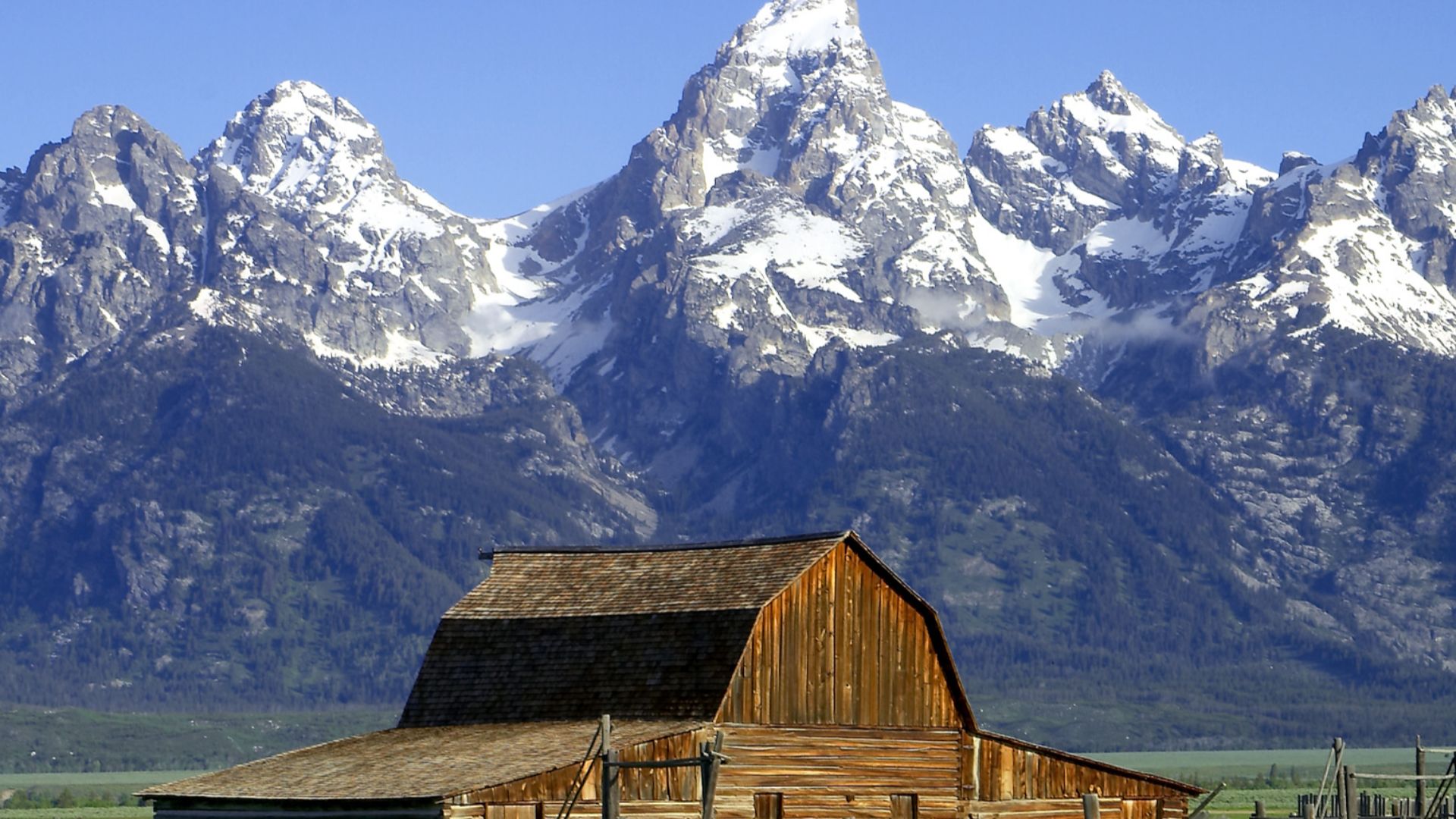 Jon Sullivan, PD Photo., Wikimedia Commons
Grand Teton National Park, Wyoming (Cont.)
Featuring the Teton Range and pristine lakes like Jenny Lake and Jackson Lake, located in valleys carved by ancient glaciers, the park offers postcard-perfect mountain scenery at every turn. The Tetons rank among the youngest mountain ranges in North America geologically.
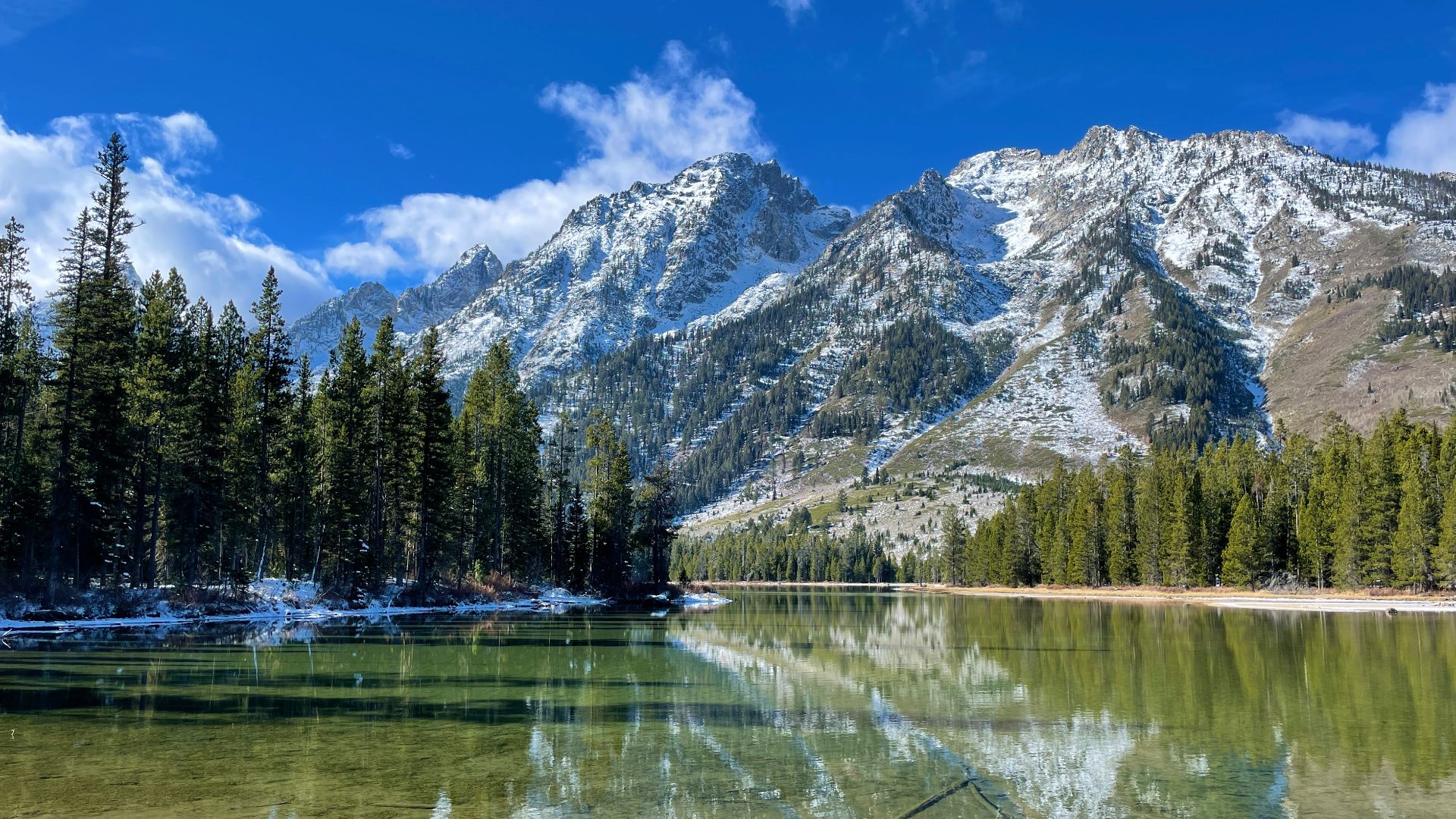 Vulturesong, Wikimedia Commons
Badlands National Park, South Dakota
Fossils of ancient mammals, including three-toed horses, saber-toothed cats, and ancestors of modern rhinoceroses, have been discovered throughout the Badlands, making this one of the world's richest fossil beds. Paleontologists continue excavating sites within the park, unearthing remains from creatures that roamed these lands a million years ago.
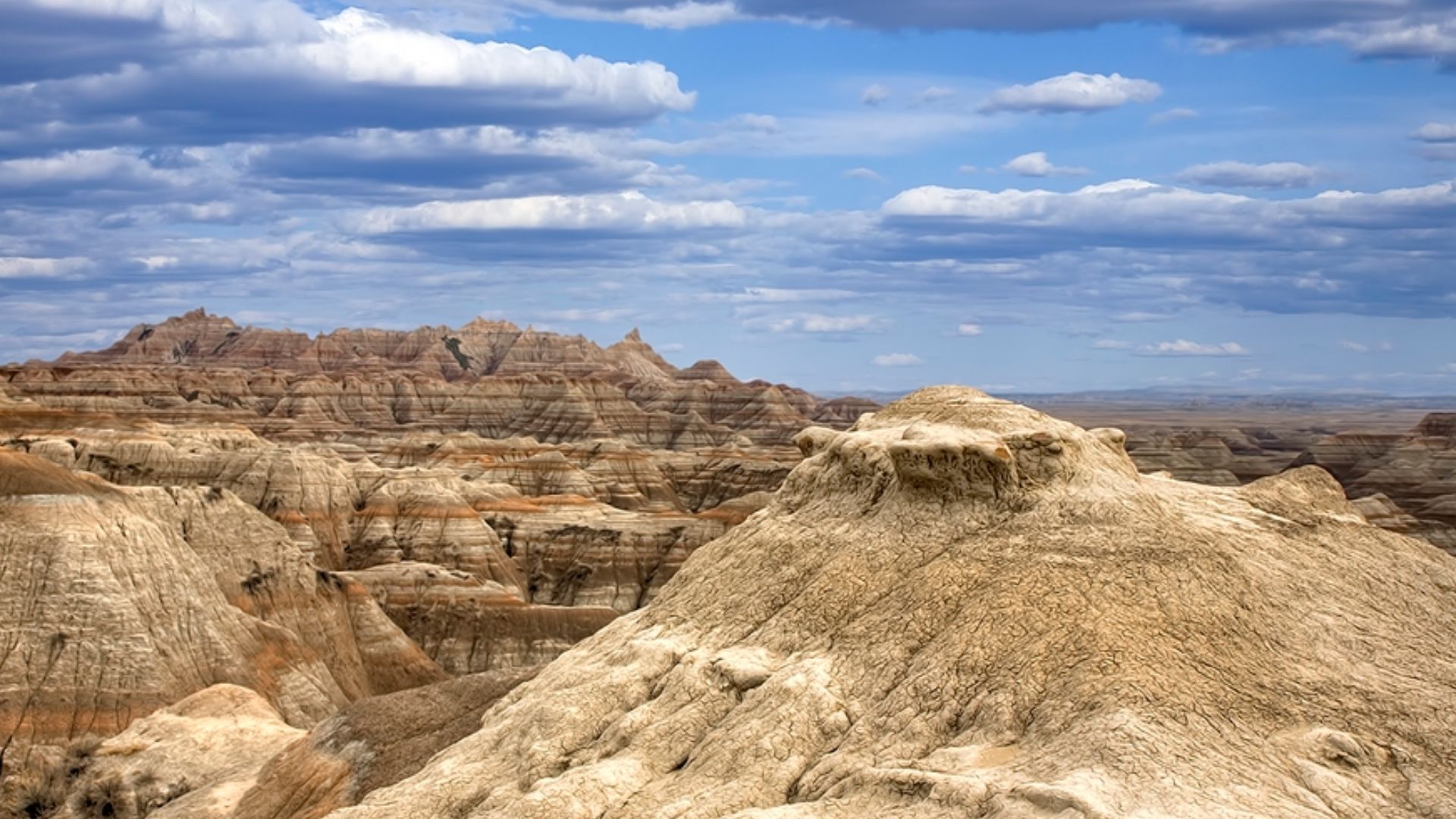 Alan D. Wilson, Wikimedia Commons
Lake Tahoe, California/Nevada
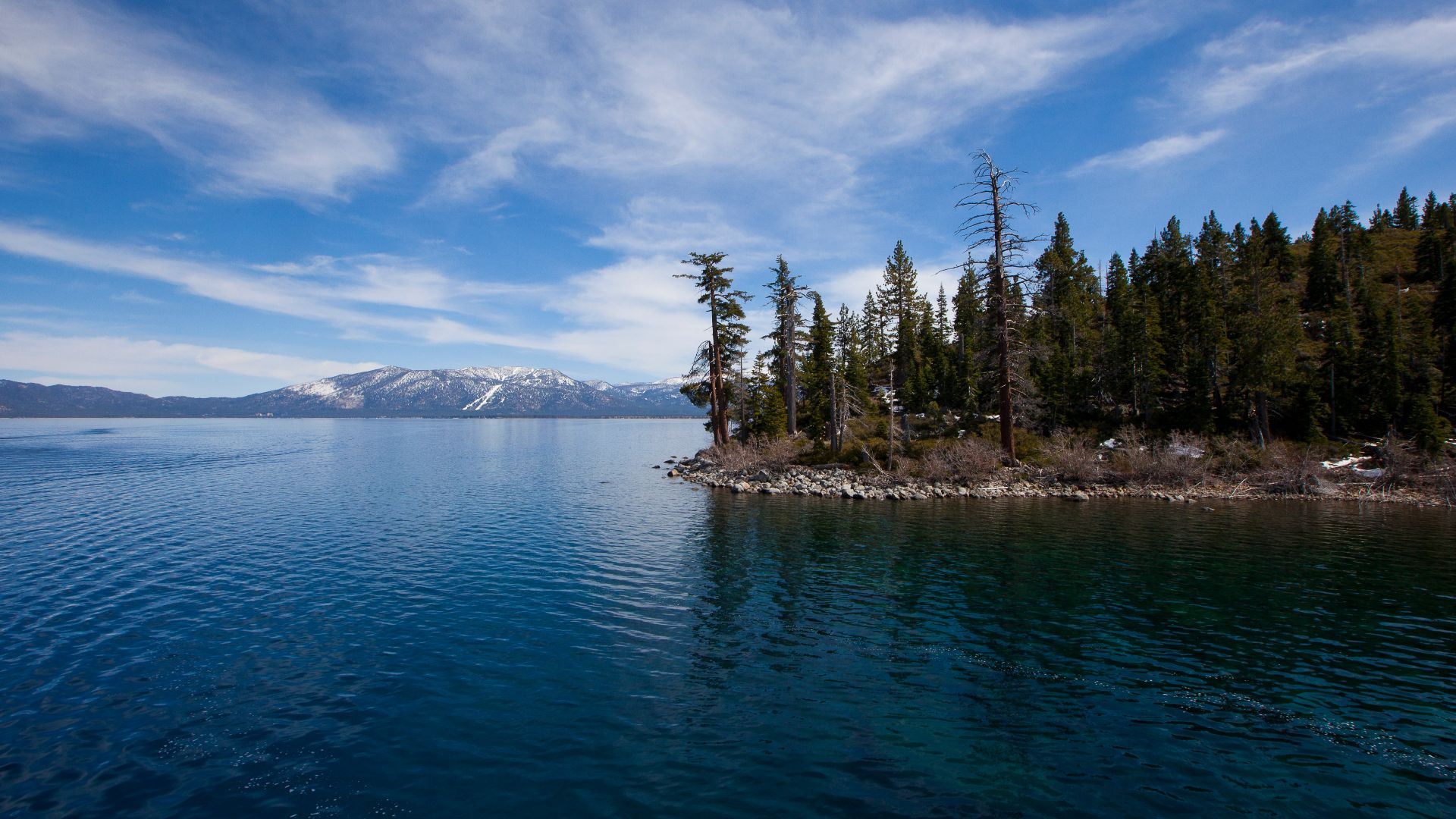
The lake's excellent clarity allows visibility to depths of 70 feet or more, the result of its alpine location, cold temperatures that slow algae growth, and 99.9% purity of the water filling this massive basin. Scientists monitor Tahoe's clarity vigilantly as development pressures threaten this exceptional water quality.
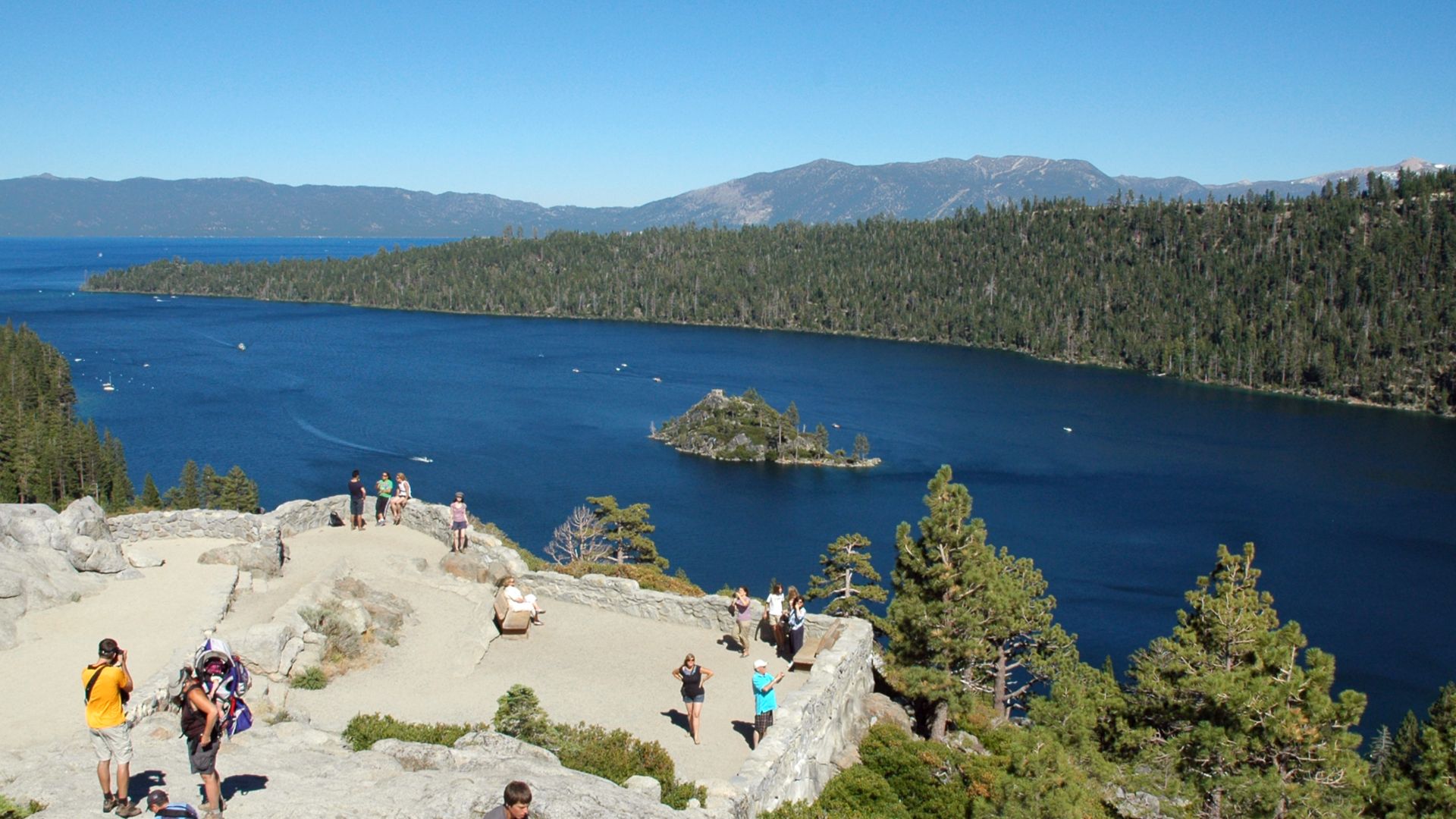
Lake Tahoe, California/Nevada (Cont.)
An alpine freshwater lake surrounded by mountain scenery in the Sierra Nevada, Lake Tahoe occupies a basin formed by geological faulting and volcanic activity over two million years. The lake never fully freezes in winter despite its high elevation, its massive volume and depth maintaining temperatures that resist surface freezing.
 Lara Farhadi, Wikimedia Commons
Antelope Canyon, Arizona
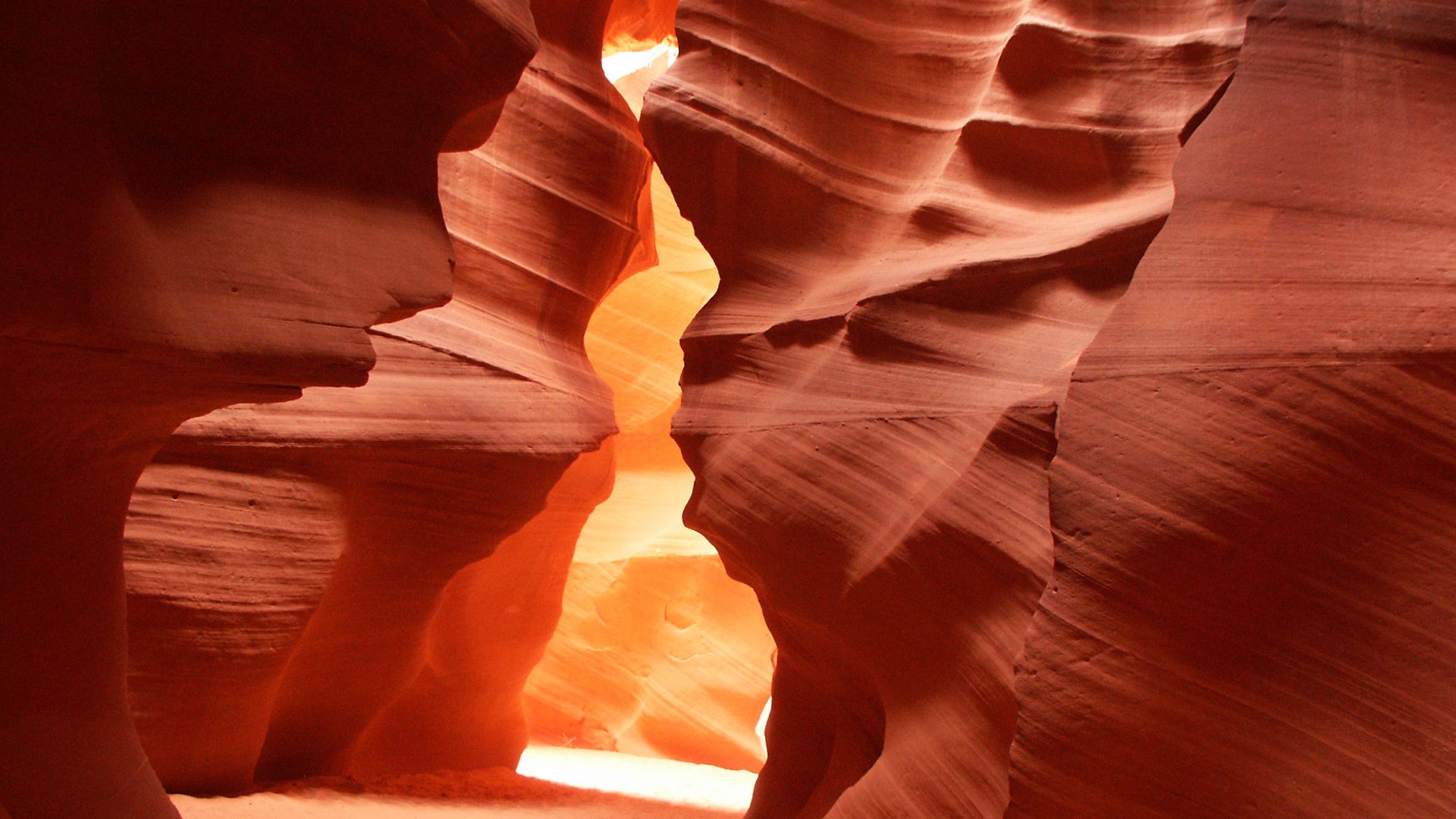
Light beams appear inside the narrow canyon at certain times of day when the sun reaches the perfect angle, sending shafts of illumination through the slot openings above to create ethereal displays in the dust-filled air. These beams occur most reliably in summer months around midday.
 Uploaded by Meckimac, Wikimedia Commons
Horseshoe Bend, Arizona
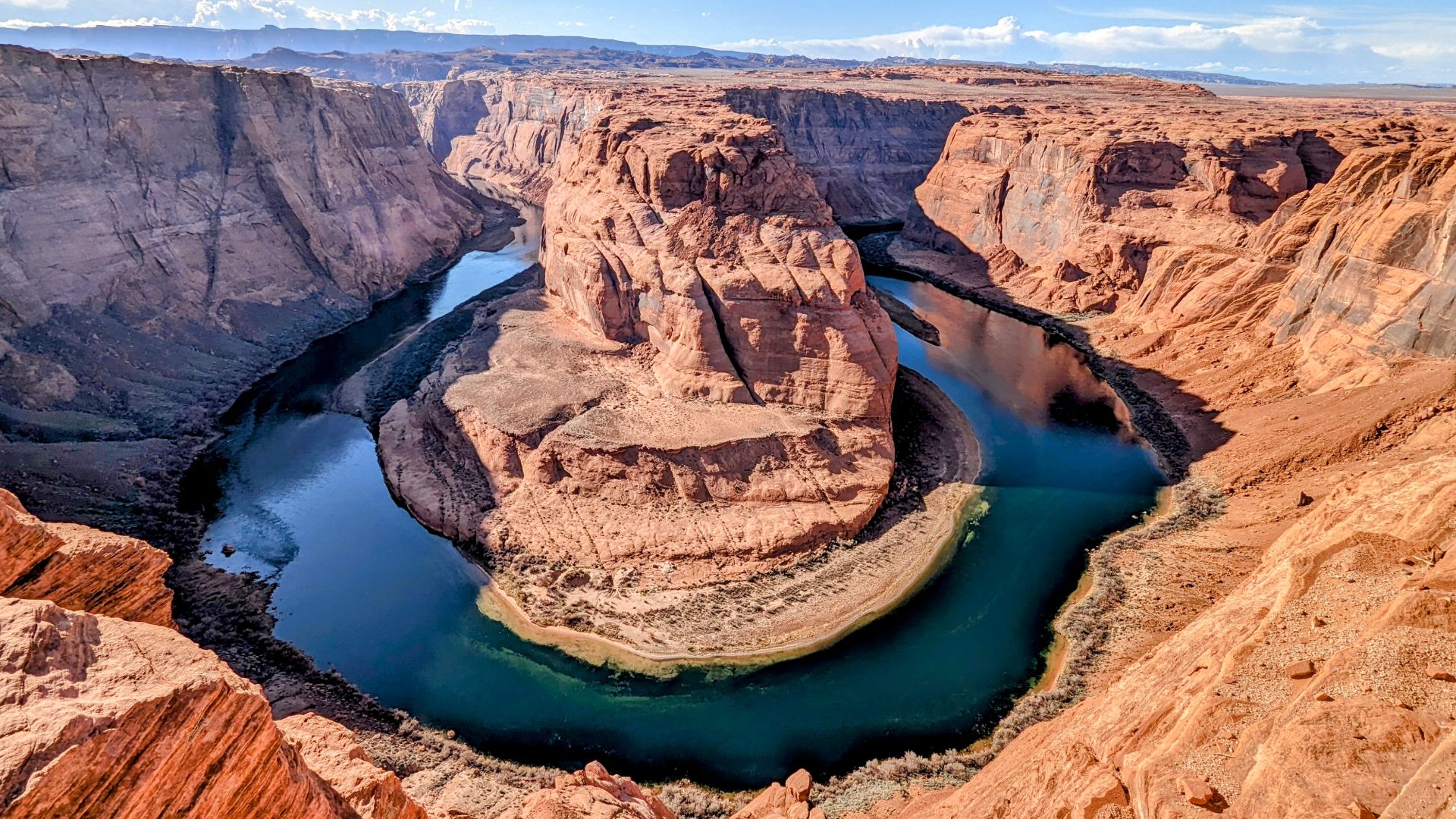
The Colorado River's meander forms a 270-degree curve encircling a massive stone tower in a formation so geometrically perfect it seems almost designed. The overlook sits near Glen Canyon, where the river flows emerald green between canyon walls.
 Charles Wang, Wikimedia Commons
Horseshoe Bend, Arizona (Cont.)
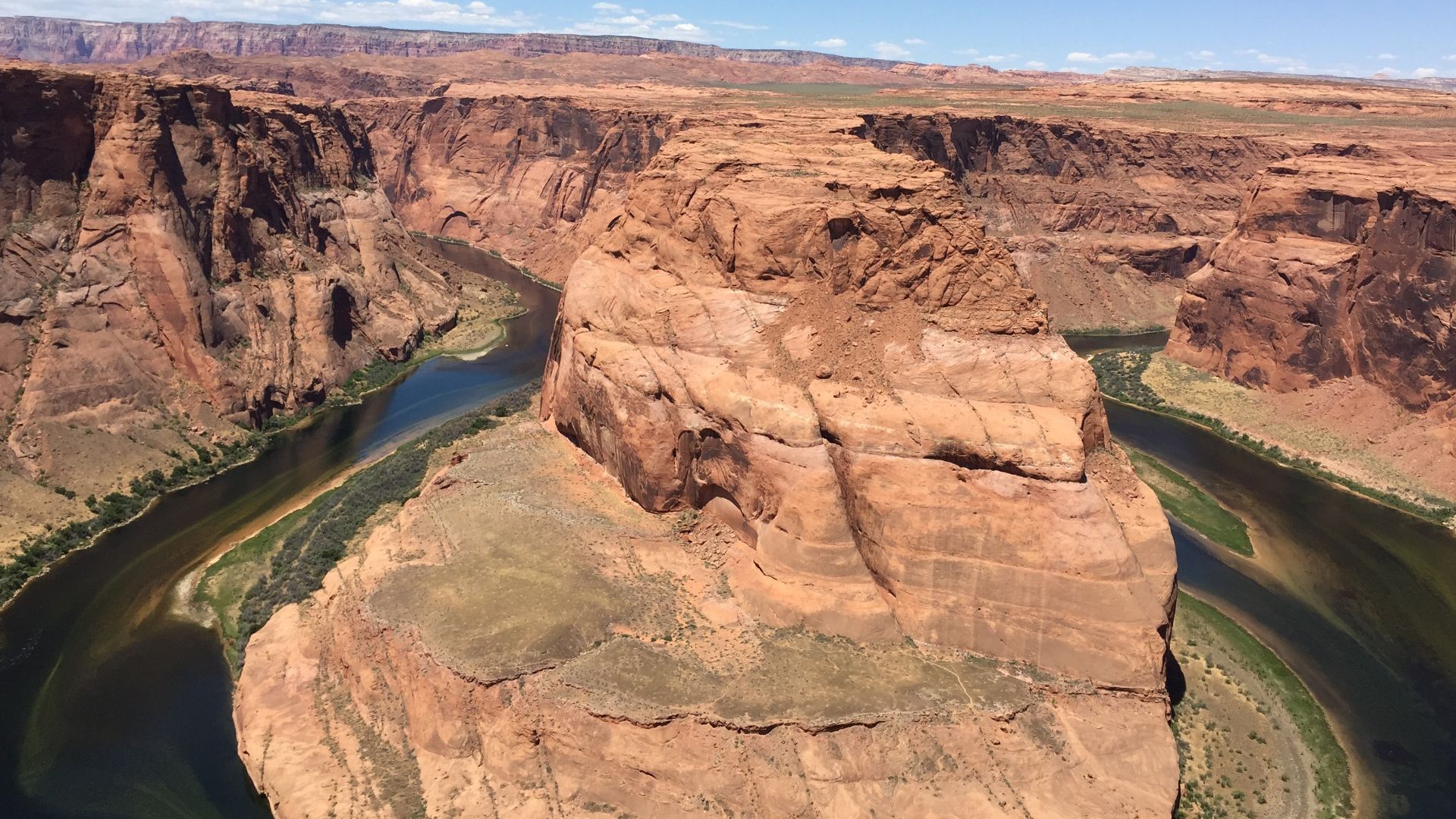
The bend resembles a horseshoe from the overlook perched 1,000 feet above the river, offering vertiginous views straight down to where water carved this extraordinary meander over millions of years. The Colorado River here flows slowly compared to its whitewater sections upstream and downstream.
 Atomicdragon136, Wikimedia Commons
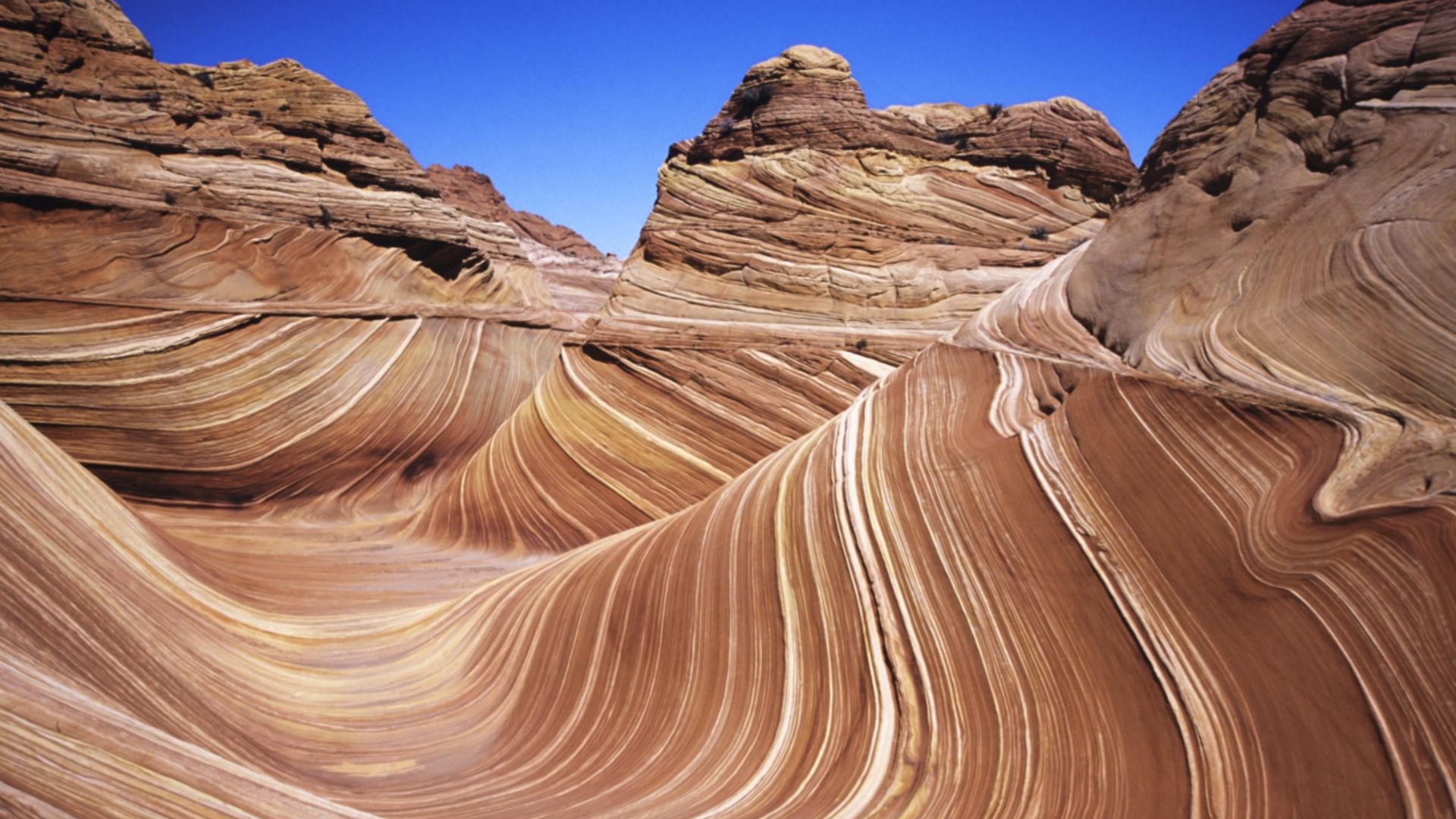
The Wave, Arizona
Access is limited to just 20 people per day through a lottery system designed to protect the site from overuse and erosion, making permits extraordinarily difficult to obtain. This restriction preserves the delicate sandstone formations while creating one of the most exclusive hiking experiences in America.
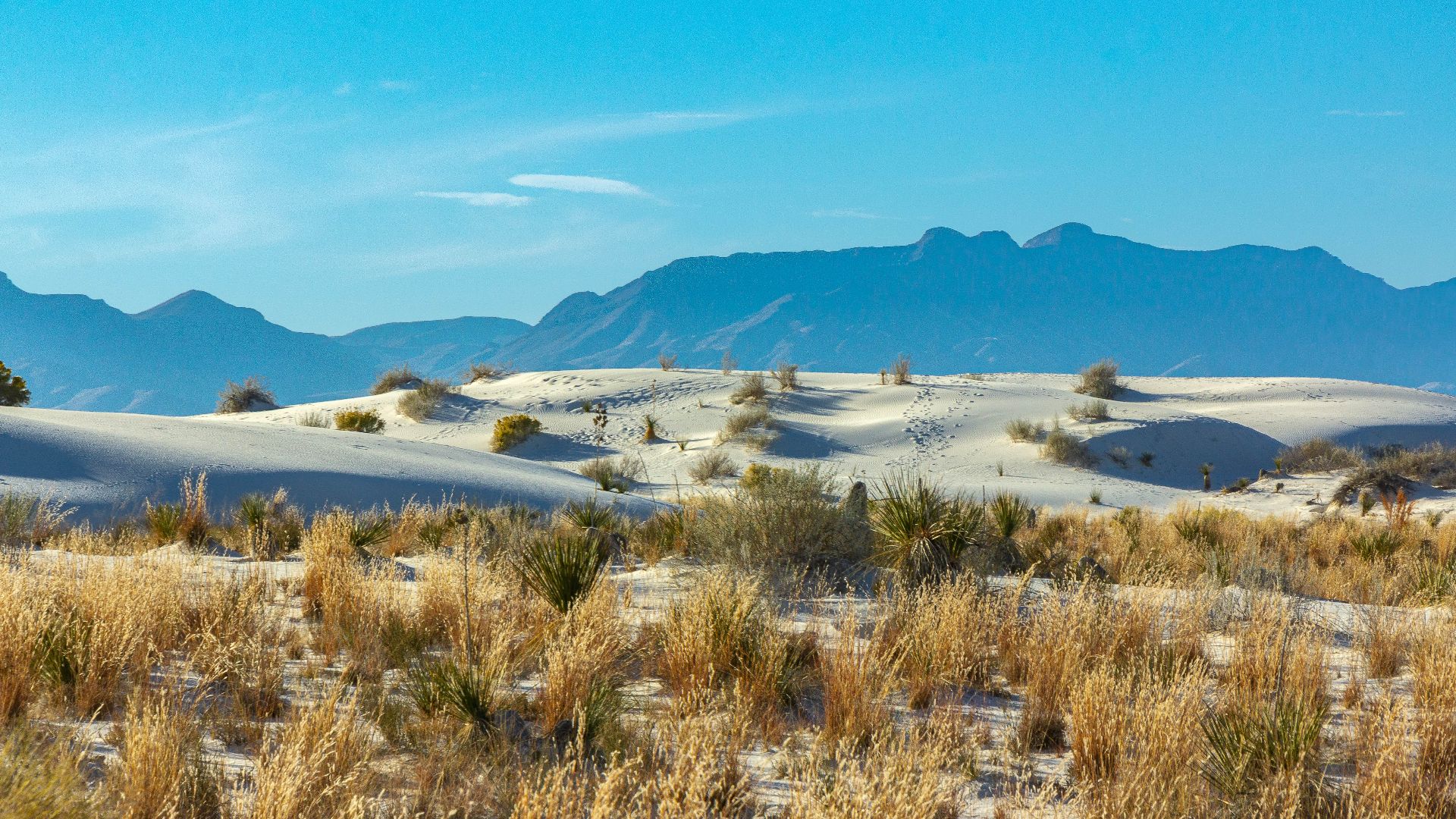
White Sands National Park, New Mexico
The sand stays cool even under direct desert sunlight, unlike typical quartz sand that becomes scorching hot—gypsum's reflective properties and crystalline structure prevent heat absorption. Visitors can walk barefoot across dunes even at midday, experiencing the counterintuitive sensation of cool sand in one of America's hottest regions.
 Larry Mills, Wikimedia Commons
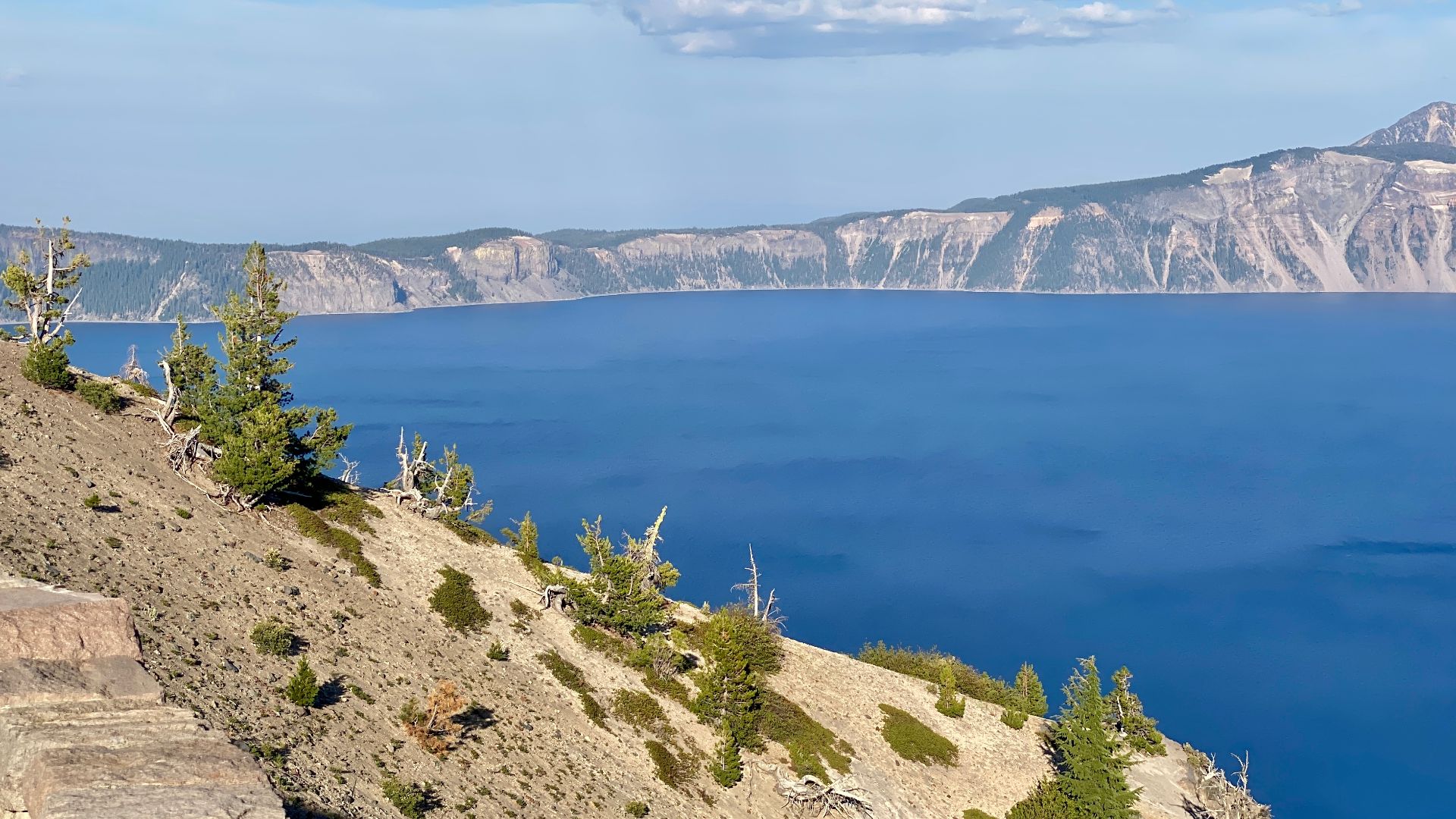
Crater Lake National Park, Oregon
The lake has no rivers flowing into or out of it, fed entirely by rain and snowfall while losing water only to evaporation and seepage. This closed system, combined with exceptional depth and low nutrient levels, creates water of extraordinary purity.
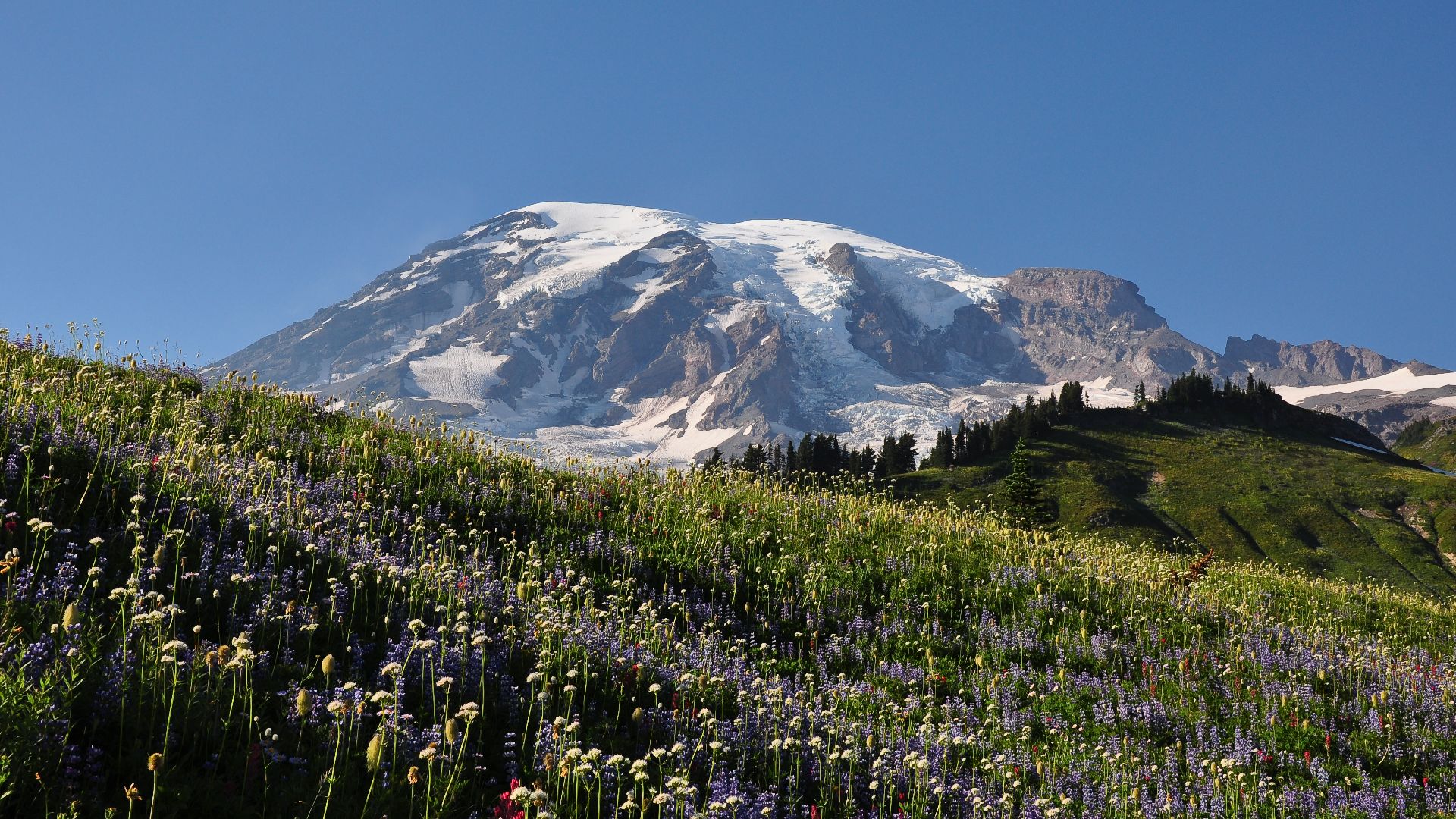
Mount Rainier National Park, Washington
Wildflower meadows bloom seasonally in subalpine areas, converting mountainsides into tapestries of color where lupines, paintbrush, avalanche lilies, and dozens of other species carpet the ground in July and August. These brief but spectacular displays attract folks who time-trip carefully.
 Bob Collowan, Wikimedia Commons
Big Sur, California
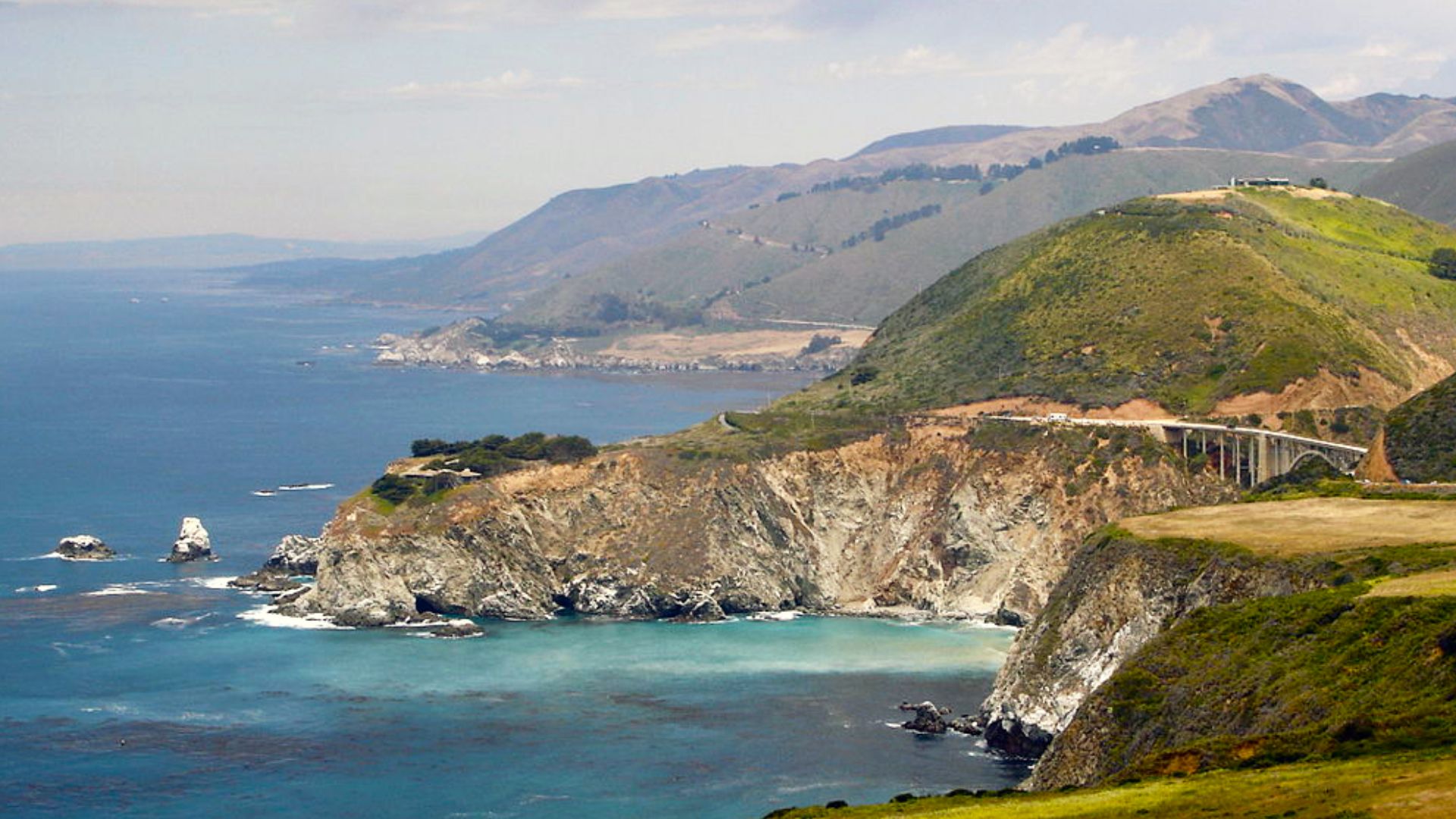
The region has inspired artists and writers who've sought refuge along this dramatic stretch of coastline, finding creative fuel in the meeting of mountain and ocean. Henry Miller lived here for nearly two decades while Robinson Jeffers built his stone tower nearby.