
The traditional business trip used to have a simple rhythm. Fly in, attend the meeting, spend a night or two at a hotel, then head home. That model still exists, but remote and hybrid work have created another kind of traveler, one who might arrive early, stay late, work from the destination, and blur the once-obvious line between a business trip and a personal one.
Business travel itself remains remarkably resilient. The Global Business Travel Association projected worldwide business travel spending would reach $1.57 trillion in 2025, while its survey of more than 7,300 travelers found that 86% considered their business trips worthwhile. Travelers are returning to the road, but they are not necessarily traveling the same way they did before remote work became mainstream.
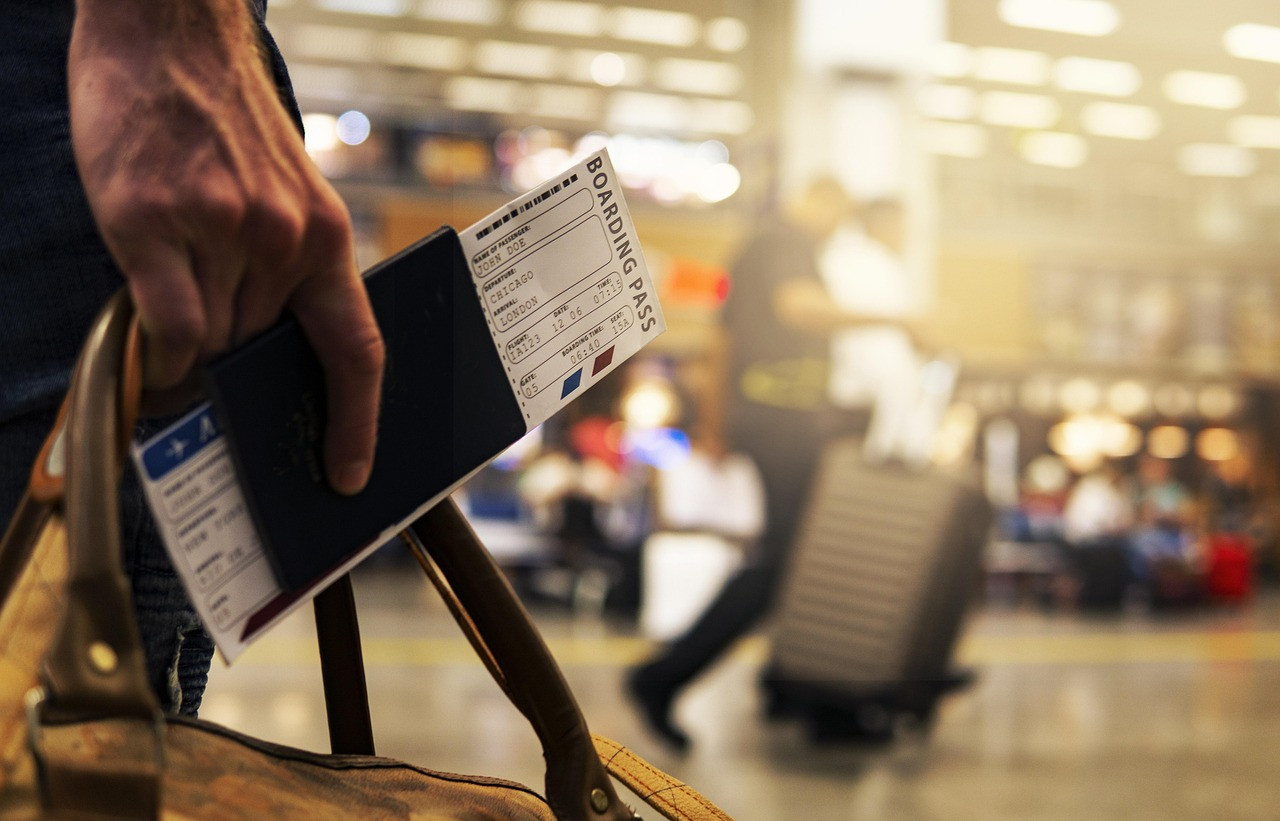
The Business Trip Is Getting A Makeover
For decades, business travel was largely dictated by where an employee's office was located. Hybrid work has weakened that connection. A worker who already spends part of the week away from a corporate office may have more flexibility to consider where the rest of the workweek happens, provided the employer allows it.
Hybrid arrangements remain common even as some employers tighten return-to-office rules. In a 2025 GBTA poll, just over half of North American business travel professionals said their companies operated with hybrid work policies. At the same time, nearly a third of respondents globally said their employers had made work-from-home policies stricter over the previous year.
That combination is important. Workers may have more flexibility than they did before 2020, but “work from anywhere” rarely means literally anywhere. Instead, it can give some employees more options for stretching a necessary business trip into something longer.
Consider a Wednesday meeting in another city. Instead of flying Tuesday night and returning Wednesday evening, an employee whose company permits it might arrive over the weekend, work remotely Monday and Tuesday, attend the meeting Wednesday, and remain at the destination for another day or two. Depending on company policy, the employer may cover costs associated with the business portion while the traveler pays additional expenses created by the personal extension.
McKinsey has identified this blending of work and leisure as one of the trends reshaping corporate travel. It noted that some travelers are extending stays while alternating between leisure and workdays. That creates demand for something the traditional overnight business hotel was not necessarily designed to provide: a comfortable place to actually live and work for a while.
Longer Trips Need More Than A Hotel Bed
Once a traveler plans to work from a destination, the list of priorities changes quickly. A downtown hotel that seems perfectly comfortable for one night after a conference can feel very different after several days of video calls, emails, meals, and regular work. Reliable internet, a usable desk, laundry access, a kitchen, and enough space to separate working from relaxing suddenly become much more appealing.
That helps explain why extended-stay hotels and other longer-term accommodations are becoming increasingly relevant to business travelers. McKinsey has pointed to longer stays as an opportunity for the hospitality industry as remote work gives some travelers greater flexibility. What sounds like a small scheduling change can therefore affect everything from the hotel someone chooses to what corporate travel departments look for when arranging accommodations.

The appeal for employees is not difficult to understand. If a business trip already requires flying across the country, staying a little longer can provide an opportunity to explore a destination that might otherwise require a separate vacation. The employee still has to follow company rules and pay appropriate personal expenses, but the original journey can serve more than one purpose.
Companies, meanwhile, continue to watch the price of business travel closely. Deloitte's 2025 Corporate Travel Study found that many travel managers expected their budgets to increase, while rising costs remained one of the biggest factors restricting travel. In other words, companies still see reasons to put employees on planes, but they also have reasons to ask whether each trip is worth the expense.
That can make flexibility particularly useful when everyone understands the boundaries. A company might have no problem with an employee staying somewhere for the weekend after a conference, for example, while still requiring the employee to cover the extra hotel nights and other personal costs. The details depend on the employer, which is why travelers should check the rules rather than assume every blended trip works the same way.
“Anywhere” Still Comes With Rules
The phrase “work from anywhere” sounds wonderfully simple. In practice, traveling across a border with a laptop can make things more complicated.

Working from another country can raise questions involving immigration, taxes, payroll, cybersecurity, and an employer's responsibilities toward its workers. Deloitte has found that companies offering remote-work programs commonly use rules involving an employee's legal right to work in a destination and limits on how long someone can remain there. Those restrictions can be easy to overlook when a traveler thinks of the journey primarily as a vacation with a few workdays attached.
Cross-border remote work has become common enough that international tax guidance is changing around it. In November 2025, the Organisation for Economic Co-operation and Development updated its Model Tax Convention guidance to address when remote work performed from another country could create a taxable business presence for an employer. The OECD provided additional guidance in 2026 explaining how the circumstances surrounding an employee working abroad can affect that determination.
That does not mean every short period of remote work automatically creates a major tax headache. The OECD guidance itself recognizes that the circumstances of the arrangement matter. The larger lesson for travelers is simply that entering another country does not necessarily mean they are free to work there without restrictions.
The practical solution is much simpler than the tax language behind it. Ask before booking. Travelers considering an international work-from-anywhere extension should check their employer's remote-work and travel policies, confirm that the destination is permitted, determine which expenses are personal, and find out whether additional approval is required.
There are basic security questions too. Public Wi-Fi, shared workspaces, confidential calls, company laptops, and access to customer information can create issues that do not normally arise on a conventional vacation. A beautiful hotel lobby might make a great Instagram photo without necessarily being the best place to discuss a confidential client project.
AI Is Becoming The New Travel Assistant
Just as remote work is changing where a business trip can happen, artificial intelligence is beginning to change how those trips are planned.
SAP Concur's 2025 global business travel research found that 88% of surveyed business travelers were comfortable with AI-powered automation handling at least some travel tasks. Those tasks could include booking, rebooking, or managing expenses. Skift and Navan reported similar movement in 2026, finding growing traveler trust in AI for straightforward travel and expense tasks.

For someone combining work and personal time, that assistance could be particularly useful. These trips often have more moving parts than a standard overnight business visit. A traveler may need to separate reimbursable hotel nights from personal ones, find somewhere suitable to work, stay within company travel rules, and reorganize everything when a delayed flight throws off the schedule.
Travel technology is increasingly being designed to handle more of that work. Instead of simply showing a list of flights and hotels, newer tools can help travelers search, organize bookings, manage expenses, and find options that comply with company policies. AI can make some of those routine tasks faster, especially when plans suddenly change.
There are still limits. An AI assistant might help find another flight or organize an itinerary, but travelers should not treat a chatbot's answer as an official interpretation of immigration law, tax rules, or company policy. Complicated international trips, emergencies, and unusual workplace situations can still require help from a human expert.
That balance may ultimately define the next generation of business travel. Employees can have more flexibility over how they use a trip, while employers have better tools for keeping the business portion organized and within policy. Neither side necessarily has to treat travel exactly the way it did a decade ago.
The rise of the work-from-anywhere business trip is therefore about more than turning hotel rooms into temporary offices. It reflects a larger change in how some people think about work, vacation time, and the distance between the two. The old business trip asked one simple question: “Where is the meeting?” The new version increasingly asks another: “If I am already going there, what else can I do with the trip?”