The Death Of The Red-Eye? How A New Generation Is Rethinking Business Travel Hustle Culture
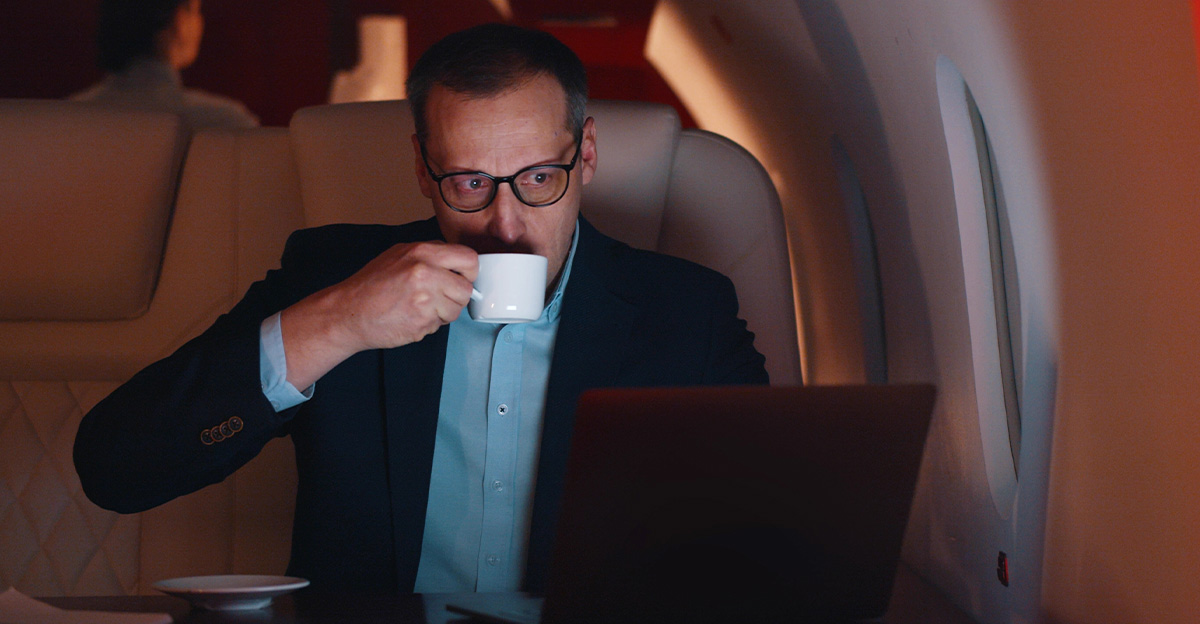
The red-eye used to function like a badge of corporate seriousness. Take the overnight flight, land at dawn, change in an airport bathroom, and walk into the meeting as if losing a night of sleep were simply part of the job. That image still exists, but the business-travel culture around it is changing. Skift reported in 2024 that veteran road warriors and travel executives were putting more emphasis on physical and emotional health, including arriving the night before rather than taking an overnight flight directly into a meeting.
This shift should not be mistaken for a collapse in business travel. The Global Business Travel Association forecast in August 2026 that worldwide business-travel spending would reach a record $1.71 trillion this year, with roughly 1.84 billion business trips. Deloitte has also found that companies are becoming more selective about why employees travel, even as conferences, training, client engagement, and business development continue to drive demand. The emerging question is less “Do we travel?” and more “What is this trip supposed to accomplish, and what condition should the traveler be in when they arrive?”
 David Prado Perucha, Shutterstock
The Red-Eye Was Built For A Different Work Culture
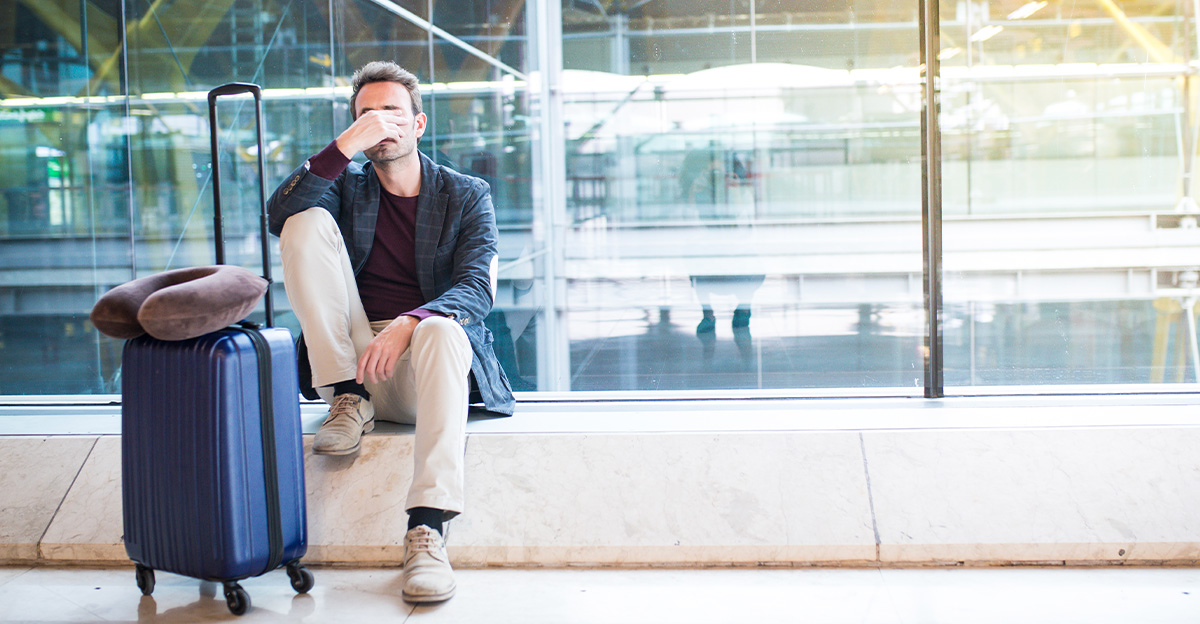
The traditional red-eye ideal is built around compression. A traveler can finish a workday in one city, fly overnight, start another workday somewhere else, and avoid adding another night on the road. Today, that logic is running into a stronger focus on fatigue, flexibility, and the quality of the work performed after arrival. Deloitte’s 2024 corporate travel study found that 55% of surveyed travelers named general fatigue as a drawback of business travel, ahead of time away from loved ones and work piling up while they were gone.
The change is visible in the industry itself. In Skift’s reporting on the “new road warriors,” experienced business travelers described paying more attention to flight times, jet lag, and the physical toll of constant travel. The article specifically highlighted the idea of skipping a red-eye and arriving the night before a meeting instead. That does not prove a generational end to overnight flying, but it does show that the old assumption that exhaustion equals dedication is being questioned by people who travel frequently for work.
Younger Travelers Still Want The Trip, Just Not The Punishment
The strongest evidence against the idea that younger employees simply dislike business travel comes from SAP Concur. In a 2025 survey of 3,750 business travelers across 24 markets, 98% of Gen Z respondents and 97% of millennials said they were at least somewhat willing to travel for work. Younger workers were also more likely than older colleagues to say their current travel frequency was not what they wanted. Thirty-four percent of both Gen Z and millennial respondents said they were traveling more than they would like, while sizable shares also said they were traveling less than they would like.
Their choices suggest that comfort and efficiency matter, not that ambition has disappeared. In the same survey, millennials were more likely than older groups to say they book direct flights even when those flights cost more, and younger travelers were more willing to spend personal money on upgrades that improved a work trip. SAP Concur also found much higher comfort with AI-assisted travel tools among younger respondents. Those patterns fit a traveler who still wants mobility and opportunity, but wants more control over how the trip is designed.

There is also a career reason not to romanticize the end of business travel. Deloitte’s 2024 study found that 83% of surveyed corporate travelers described business travel as enjoyable, while networking and exploring different cities ranked among its most valued benefits. Two-thirds said they had extended a business trip for leisure in 2023. Business travel still offers access to people, events, training, and experiences that workers value, which helps explain why younger employees can be enthusiastic about travel while rejecting the most punishing versions of it.
Sleep Has Become A Business Metric
The biggest problem with the red-eye hustle story is biological. The U.S. Centers for Disease Control and Prevention says jet lag can affect mood, concentration, and physical and mental performance. The CDC even advises travelers crossing time zones to consider arriving at least two days before an important event when possible. That recommendation is a long way from the classic schedule of landing at 6 a.m. and presenting at 9.
The broader sleep research points in the same direction. A meta-analysis published in Neuroscience & Biobehavioral Reviews and indexed by PubMed examined 61 studies and found that short-term sleep restriction had a significant negative effect on neurocognitive functioning, including executive function, sustained attention, and long-term memory. Those are directly relevant abilities for a business traveler preparing to negotiate, present, sell, interview, or make decisions. Saving a hotel night can look less efficient if the schedule also reduces the traveler’s ability to perform the work that justified the trip.
This helps explain why traveler well-being is moving closer to the center of travel planning. Deloitte reported that companies were facing pressure to provide more comfort and flexibility even while managing costs. SAP Concur’s 2026 global business travel survey also found that 93% of surveyed business travelers believed business travel benefits their mental and physical health, a reminder that travel itself is not necessarily the problem. The real dividing line may be between trips that create useful experiences and schedules that turn those experiences into endurance tests.
Bleisure And Longer Trips Are Replacing The Sprint
One alternative to the fly-in, fly-out mentality is a longer trip that combines several purposes. GBTA reported that 46% of travel buyers in a late-2024 poll said employees at their companies were taking more blended, or “bleisure,” trips than a year earlier. The same poll found that linked trips combining multiple meetings or stops were increasing, while more buyers reported fewer day trips and longer trip durations. Those trends point toward a model that tries to get more value from each journey instead of simply packing more strain into fewer hours.
Deloitte’s 2025 corporate travel study showed a similar push toward purposeful travel. Nearly two-thirds of surveyed business travelers expected to attend a conference in 2025, and training and learning initiatives were among the fastest-growing reasons for corporate travel. At the same time, the share of professionals traveling for work in Deloitte’s U.S. sample fell from 36% in 2024 to 31% in 2025, while many frequent travelers expected to reduce their monthly trip pace. Companies appear willing to spend when the trip has a clear payoff, but that does not require treating every meeting as an emergency worth losing a night of sleep over.
Canada offers another example of how business and personal travel are blending. GBTA reported in 2026 that Canadian business travelers averaged 3.2 nights per trip and that 60% had extended a business trip for leisure. The same research found that 83% said business travel was worthwhile for achieving business objectives. That combination matters because it challenges the idea that a more humane trip is somehow less serious. A trip can be productive, longer, and less punishing at the same time.
The New Status Symbol Is Arriving Functional
Corporate travel policy will determine how far this change goes. Deloitte found in 2025 that cost was one of the leading factors restricting travel, while sustainability commitments were also pushing companies to rethink trip volume. At the same time, business development, face-to-face stakeholder engagement, conferences, and training remained major reasons to travel. The practical challenge for companies is to spend where in-person contact matters without recreating a culture in which the cheapest itinerary automatically becomes the expected itinerary.
Technology will probably help shape that compromise. SAP Concur’s 2025 generational survey found that 92% of Gen Z respondents and 90% of millennials were open to AI-enabled business-travel booking, compared with lower shares among Gen X and baby boomers. Its 2026 survey found that 72% of business travelers said they would use non-approved AI tools for travel-related tasks, which creates a policy and governance issue as well as a convenience opportunity. AI-assisted travel tools can make it easier to compare options such as direct flights, arrival times, and policy-compliant choices, but employers still have to decide what they are willing to pay for.
So, is the red-eye dying? Not literally. Business travel is growing in dollar terms, in-person connections continue to drive corporate trips, and overnight flying can still make sense when the route, schedule, or economics demand it. What appears to be fading is the idea that unnecessary exhaustion should be worn as proof of commitment. For a new generation of road warriors, the better flex may be simpler: arrive rested, do the work well, and come home with enough energy left to have a life.