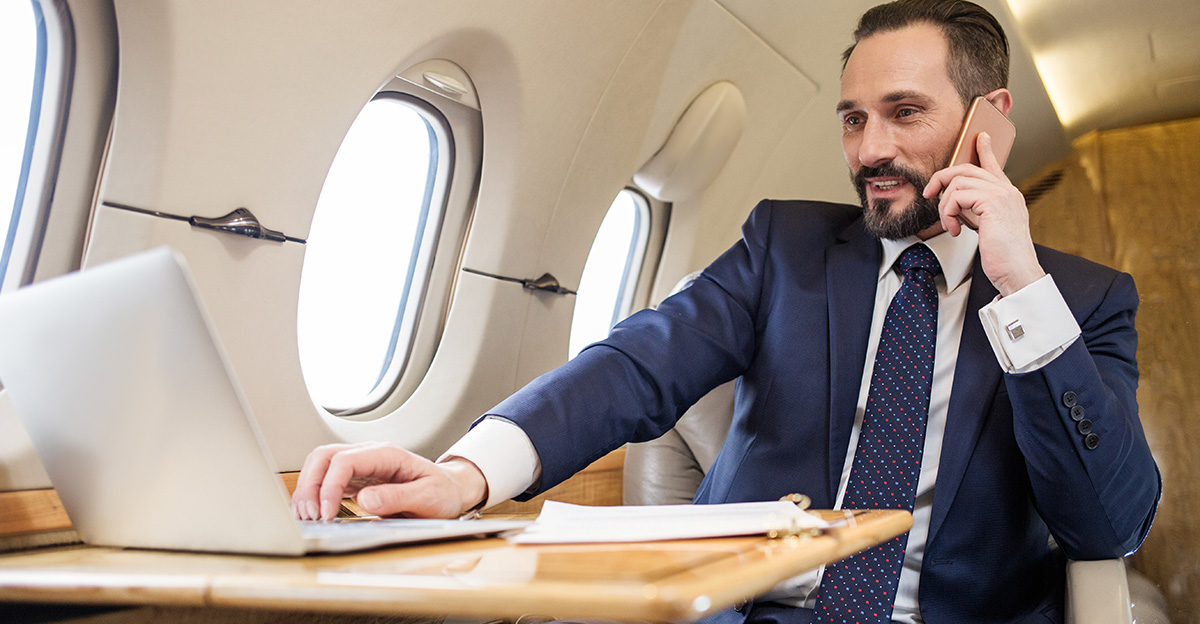
A business trip can look deceptively simple on a budget sheet. There is a flight, a hotel room and perhaps a meal allowance. Once ground transportation, food, parking, mileage, incidental purchases and employee time enter the picture, however, the real cost becomes considerably broader than the price displayed on the airline's checkout screen.
Global Business Travel Association research illustrates the difference. In its 2024 Business Travel Index research, travelers estimated spending an average of $834 per person on their most recent business trip. Airfare accounted for only part of that total. Lodging, food, transportation and miscellaneous expenses collectively represented considerably more.
That matters as companies become increasingly cost-conscious about travel. Deloitte's 2025 Corporate Travel Study found that 54% of surveyed travel managers ranked costs among the three biggest factors restricting business travel, up from 48% in 2024. Understanding what a trip really costs therefore requires looking well beyond the ticket.
Airfare Is Just The Beginning
Airfare may be the most visible expense because it often starts the booking process. Yet GBTA's global traveler research found that air travel averaged $176 on respondents' most recent business trip. That was substantially less than the $312 travelers reported spending on lodging.
Food and beverages added another $153 on average. Ground transportation averaged $103, while miscellaneous expenditures added $89. Because the individual category figures are rounded, they come to approximately the $834 average total reported by GBTA rather than matching it precisely.
Those figures are global averages, not a suggested budget for every journey. A short domestic trip will look very different from a week-long international conference, and a night in Manhattan won't cost the same as a night in a smaller city. The point is how quickly additional spending accumulates around the headline fare.
European travelers provide a useful comparison. GBTA research published in 2023 found that European business travelers spent an average of $888 on their most recent trip. Lodging represented $366, food and beverages $157, airfare $148, ground transportation $122 and miscellaneous spending $95.
The same research found European business trips averaged 3.51 days. Every additional night can mean another hotel charge, another day's meals and more local transportation before the employee even reaches the meeting that justified the journey. Focusing exclusively on transportation can therefore produce a misleading impression of what travel costs.
The Small Charges Add Up
Some travel expenses are individually modest enough to escape attention. A taxi from the airport, coffee before a morning meeting, hotel Wi-Fi where it's not included, tips, transit fares and parking may each seem insignificant compared with airfare. Collectively, those charges become part of the trip's real price.
Federal travel rules provide a useful benchmark for how quickly basic daily expenses can accumulate, even though private companies set their own reimbursement policies. For fiscal 2026, the U.S. General Services Administration's standard continental U.S. lodging rate is $110 per night, while standard meals and incidental expenses are $68 per day. Higher-cost destinations have their own rates.
Driving has costs that can be easy to underestimate too. As of July 1, 2026, the Internal Revenue Service's optional standard mileage rate for business use of a vehicle is 76 cents per mile, following an increase prompted by higher fuel prices. The rate is intended to represent the deductible cost of operating a vehicle rather than simply the gasoline consumed during a journey.
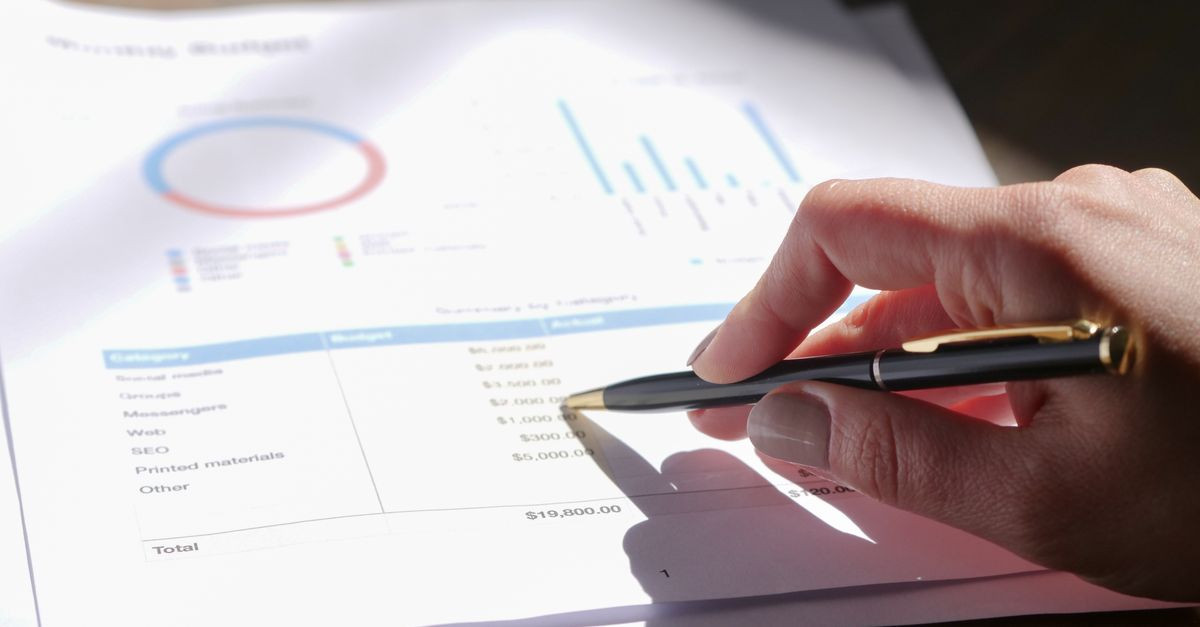
At that rate, 100 business miles represent $76 in mileage costs when the rate applies. A traveler driving 300 miles would reach $228 before parking or tolls entered the calculation. Employers don't necessarily reimburse every traveler using the IRS rate, but it illustrates why driving is not financially equivalent to simply filling the tank.
Corporate cost controls increasingly reflect these smaller categories. Deloitte found that companies' cost-control efforts in 2025 were shifting toward lodging and in-destination spending rather than concentrating as heavily on flights. Fifty percent of travel providers surveyed said travelers were being encouraged to choose less expensive lodging, compared with 37% encouraging lower-cost airfares.
SAP Concur's 2025 traveler research showed how granular those savings efforts can become. Thirty-six percent of surveyed business travelers reported eating cheaper meals to stay below their allowance or per diem, while 28% said they prepared meals to reduce spending. Across its surveyed groups, about 60% of respondents said their companies typically made travel-budget cuts through small changes to individual trips rather than broader policy changes.
Your Time Has A Price
One expense rarely appears on the traveler's receipt: the traveler. An employee who spends hours getting to an airport, flying, waiting for connections and reaching a hotel is using time that has economic value to the employer, even when some of that time is productive.
The Bureau of Labor Statistics offers perspective on that value. In June 2026, private-sector employers in the United States spent an average of $46.89 on wages and benefits combined per employee hour worked. For management, professional and related occupations, wages and salaries alone averaged $54.06 per hour, before benefits were included.
Those figures shouldn't simply be multiplied by every hour someone spends away from home and added to an expense report. Compensation structures vary, salaried employees may work while traveling, and not every hour of a trip is an additional employer expense. But the figures demonstrate why traveler time can matter when evaluating a journey.
Travel also creates opportunity costs. Several hours spent navigating airports may be hours unavailable for other work, while an overnight journey can consume parts of two working days for a one-hour meeting. Conversely, a productive train journey or direct flight may allow an employee to work en route.
This is why comparing trips solely by fare can be shortsighted. A cheaper itinerary involving a long connection may save money on the ticket while consuming more employee time. A hotel far from a conference venue might reduce the room bill but create additional transportation costs and longer daily journeys.
These tradeoffs matter because costs remain a significant constraint. Deloitte found that higher prices were particularly important at larger organizations, with 64% of travel managers at bigger companies placing higher prices among their three biggest factors limiting travel.
Administration Costs Money Too
The spending does not necessarily stop when the traveler gets home. Receipts have to be organized, expenses submitted, reports reviewed and reimbursements processed. When information is missing or an expense falls outside policy, the process can require additional employee and administrative time.
Older GBTA Foundation research illustrates this often-overlooked category. A 2015 study conducted with HRS estimated that processing an expense report associated with a one-night hotel stay cost companies an average of $58 and took about 20 minutes. Nineteen percent of reports contained errors or missing information, requiring additional work to correct.
Those figures are now more than a decade old and should not be treated as current expense-processing costs. Their value is in identifying a category that remains easy to overlook. Travel generates administrative work, and that work has a cost even though it does not appear beside airfare and lodging on the traveler's expense statement.
Modern technology can automate parts of that process, but the volume of transactions remains substantial. SAP Concur reported that expense transactions in its data increased 13% from 2023 to 2024, with an average transaction value of $102. That figure covers individual expense transactions rather than complete business trips.
Booking behavior can affect costs as well. Deloitte found that 49% of frequent travelers surveyed in 2025 said they always used corporate booking channels, up from 43% the previous year. Managed channels can help companies improve visibility and cost control, making the booking process itself another component of travel management.
Count The Whole Journey
Putting a single universal price on a business trip is impossible because destinations, duration, transportation and corporate policies vary widely. GBTA's $834 global average is useful because its breakdown demonstrates that the flight is only one component. In that survey, lodging alone cost substantially more than airfare on the average respondent's most recent trip.
A better way to think about a trip is to follow the traveler from door to door. There may be mileage or transportation to the airport, parking, airfare, transportation at the destination, hotel nights, meals and miscellaneous expenses. Behind those visible costs sit employee time and the administrative work required to book and reconcile the journey.
This broader calculation explains why the cheapest-looking itinerary is not necessarily the cheapest trip. Saving $50 on airfare can become meaningless if the alternative adds another hotel night, a long airport transfer or hours of additional travel. Paying more for a conveniently located hotel could likewise reduce local transportation and preserve working time.
Companies are clearly paying closer attention. Deloitte found that 54% of travel managers ranked costs among their three biggest travel constraints in 2025, while SAP Concur found companies frequently spread savings measures across many small parts of the travel experience rather than making one dramatic cut.
For travelers, understanding the full cost is useful even when the company is paying the bill. A business trip is not simply a plane ticket with a hotel attached. It is a chain of expenses, employee time and administrative work stretching from the moment the journey begins until the final receipt is processed.
That doesn't make business travel a bad investment. It simply means its price needs to be measured against what the journey accomplishes. When a trip creates a valuable client relationship, closes a deal, provides important training or brings a distributed team together, the complete cost may be entirely justified. The important thing is knowing what that complete cost actually is.