


Inside The Lesser-Known Caldera
Beneath Yellowstone National Park’s geysers and trails, scientists are studying an ancient volcanic system tied to immense underground energy. It raises questions about the various ways we can harness the energy in future discoveries.
 Yellowstone National Park, Wikimedia Commons
Yellowstone’s Global Importance
Yellowstone National Park was established in 1872. It was the world’s first national park that stretches across Wyoming, Montana, and Idaho. It serves as a global scientific focal point, where researchers closely monitor the powerful volcanic system shaping the land beneath its beauty.
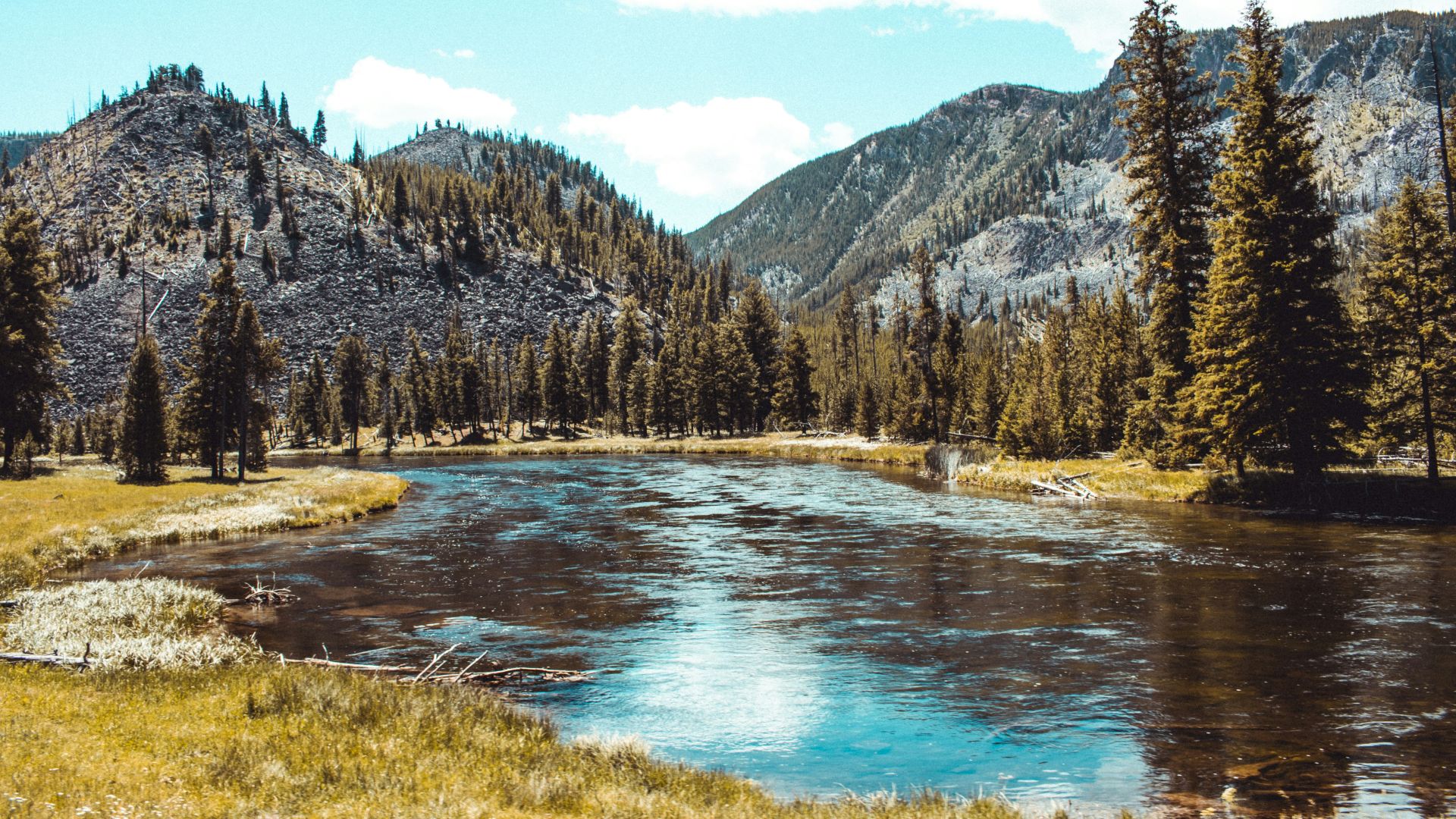
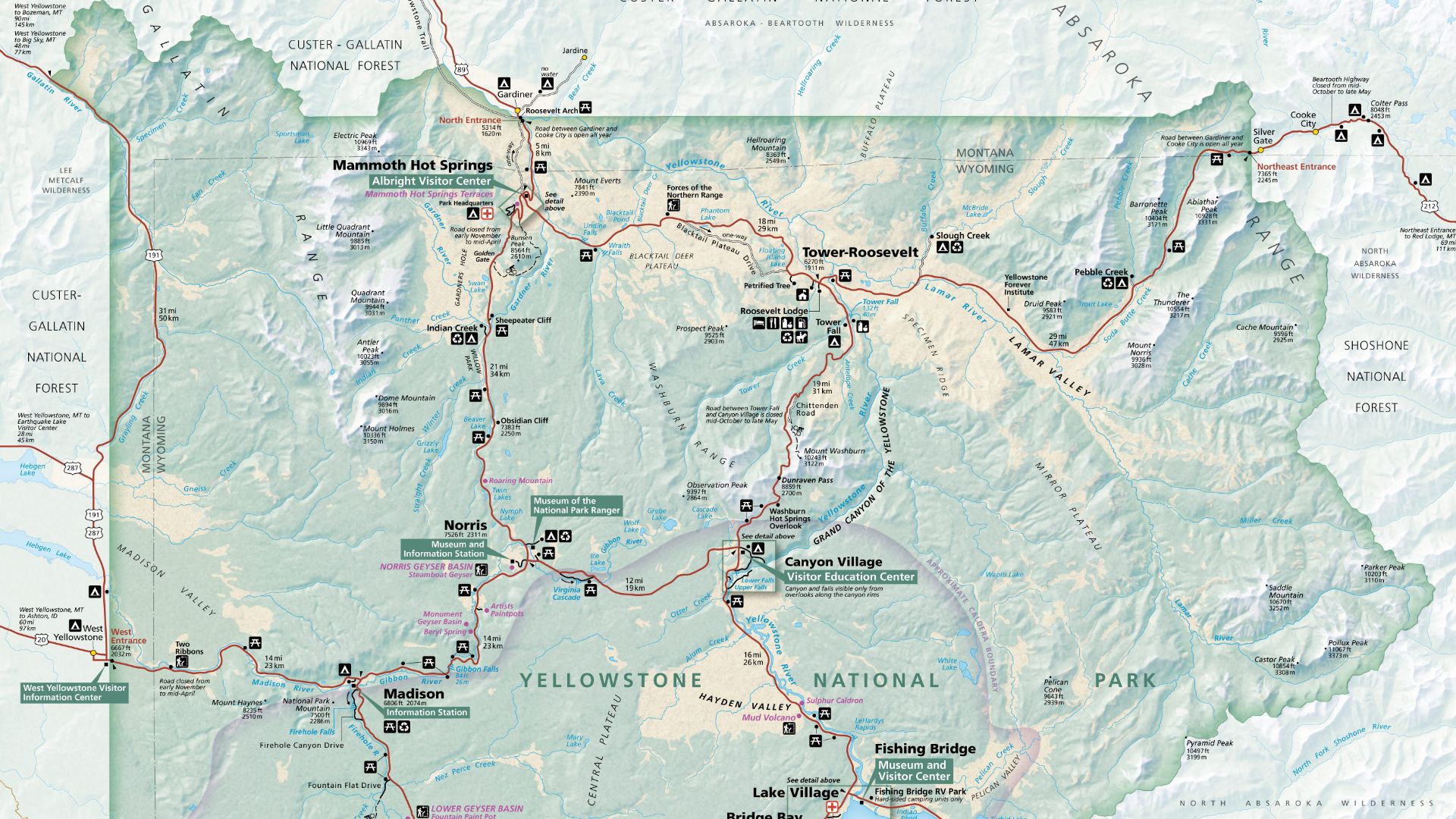
Geographic Orientation Of The Vast Landscape
The park’s terrain encompasses nearly all types and spans 3,472 square miles. The Yellowstone River flows north into Montana, while landmarks like Yellowstone Lake and the well-known Grand Canyon of the Yellowstone dominate the scenery.
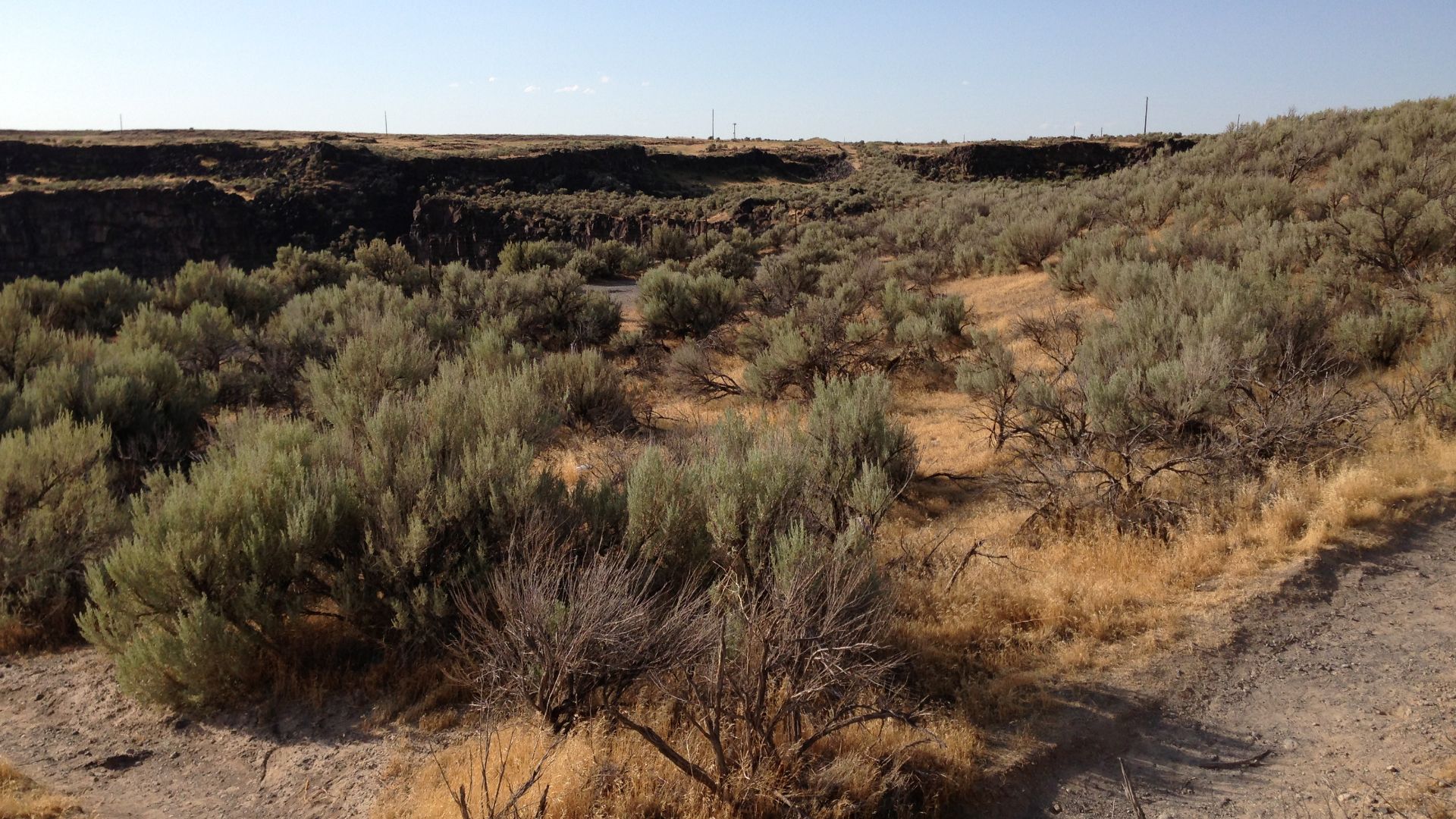
Geological Foundations Beneath The Surface
It sits on top of a massive volcanic hotspot that has existed for millions of years. The North American Plate moves slowly southwest over this stationary hotspot. This movement created a visible chain of volcanic features across the Snake River Plain.
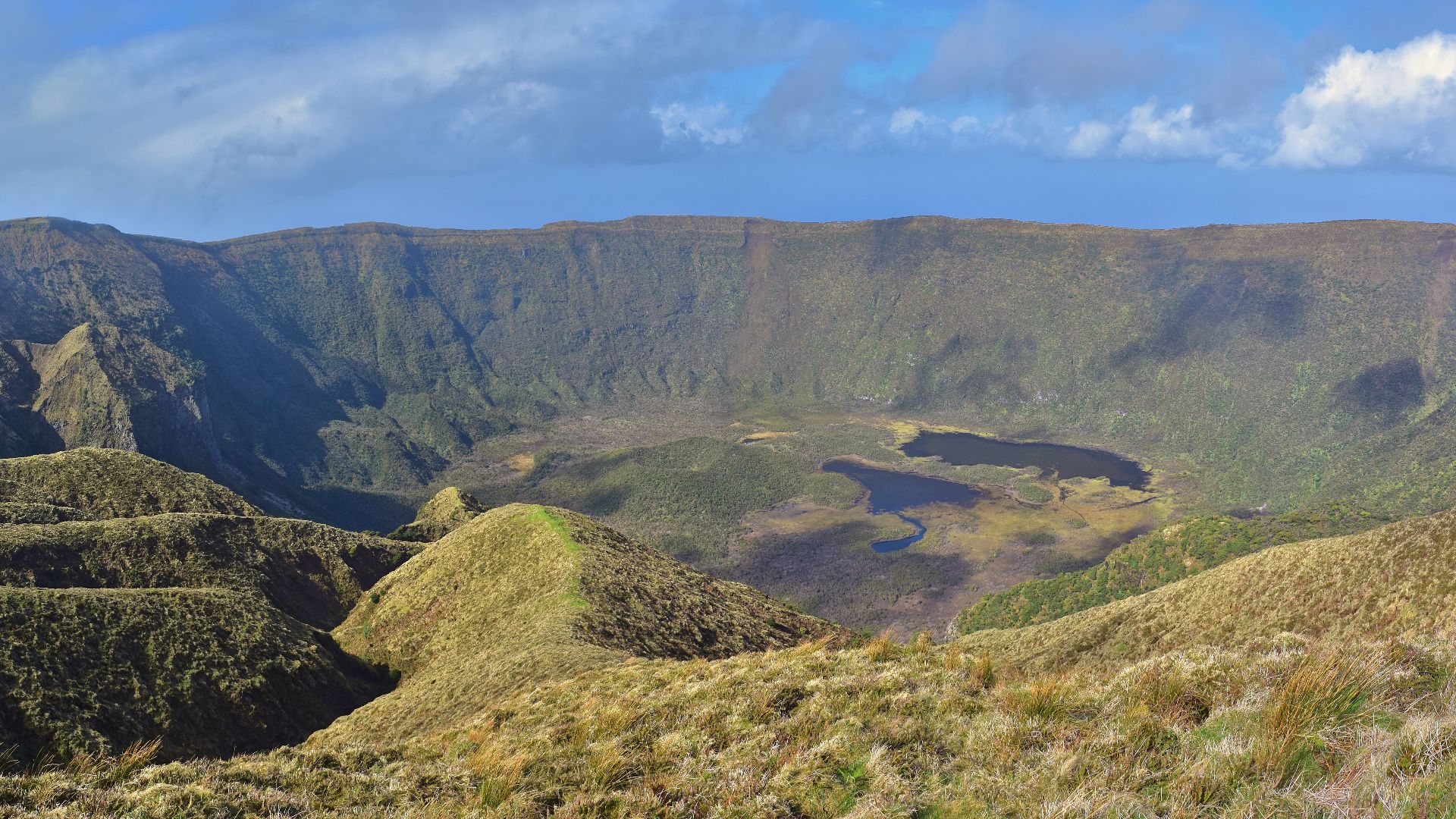
Understanding A Caldera
Unlike a small crater formed by an explosion, a caldera develops when a massive eruption empties a magma chamber and the ground collapses inward. This particular caldera spans about 30 by 45 miles. It reveals the staggering scale of ancient eruptions.
 The Cosmonaut, Wikimedia Commons
Yellowstone’s Three Major Eruptions
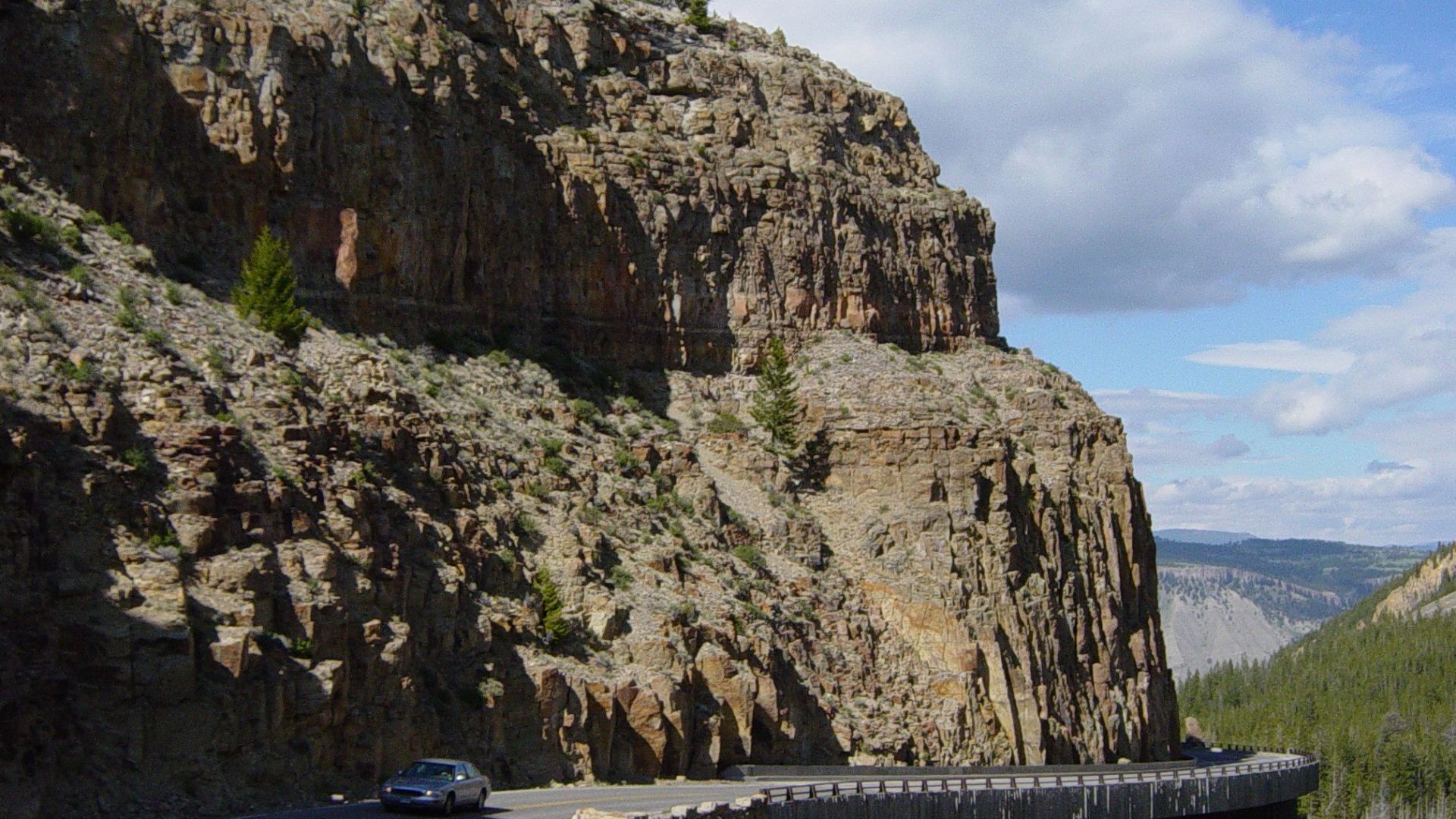
The park experienced three enormous volcanic eruptions that reshaped the region. The first occurred about 2.1 million years ago to form the Huckleberry Ridge Tuff. A second blast followed 1.3 million years ago and created the Mesa Falls Tuff. The most recent eruption was 640,000 years ago.
 Daniel Mayer, Wikimedia Commons
The Meaning Behind A Supervolcano
Scientists classify a volcano as a supervolcano when it erupts more than 240 cubic miles of material in a single event. Yellowstone fits this definition because of its three enormous eruptions. These rare explosions can spread ash across continents and disrupt global climate patterns for several years afterward.
Clues Hidden In Hydrothermal Activity
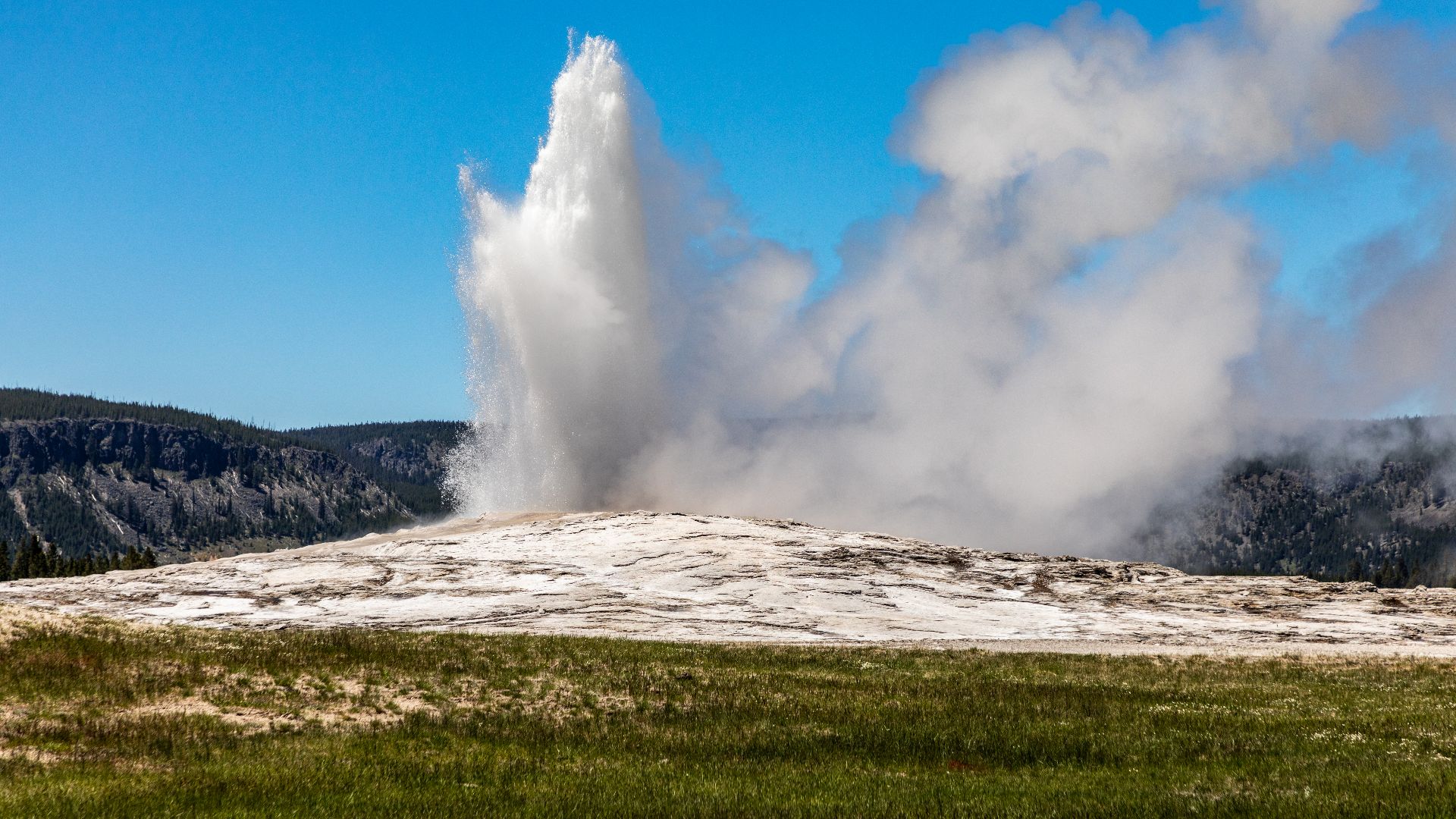
The area contains more than 10,000 hydrothermal features as well, which include hot springs and geysers. The famous Old Faithful erupts roughly every 90 minutes. These dramatic displays occur because underground magma heats groundwater. It forces steam and hot water back to the surface.
 Dietmar Rabich, Wikimedia Commons
How Scientists Keep Watch Over Yellowstone
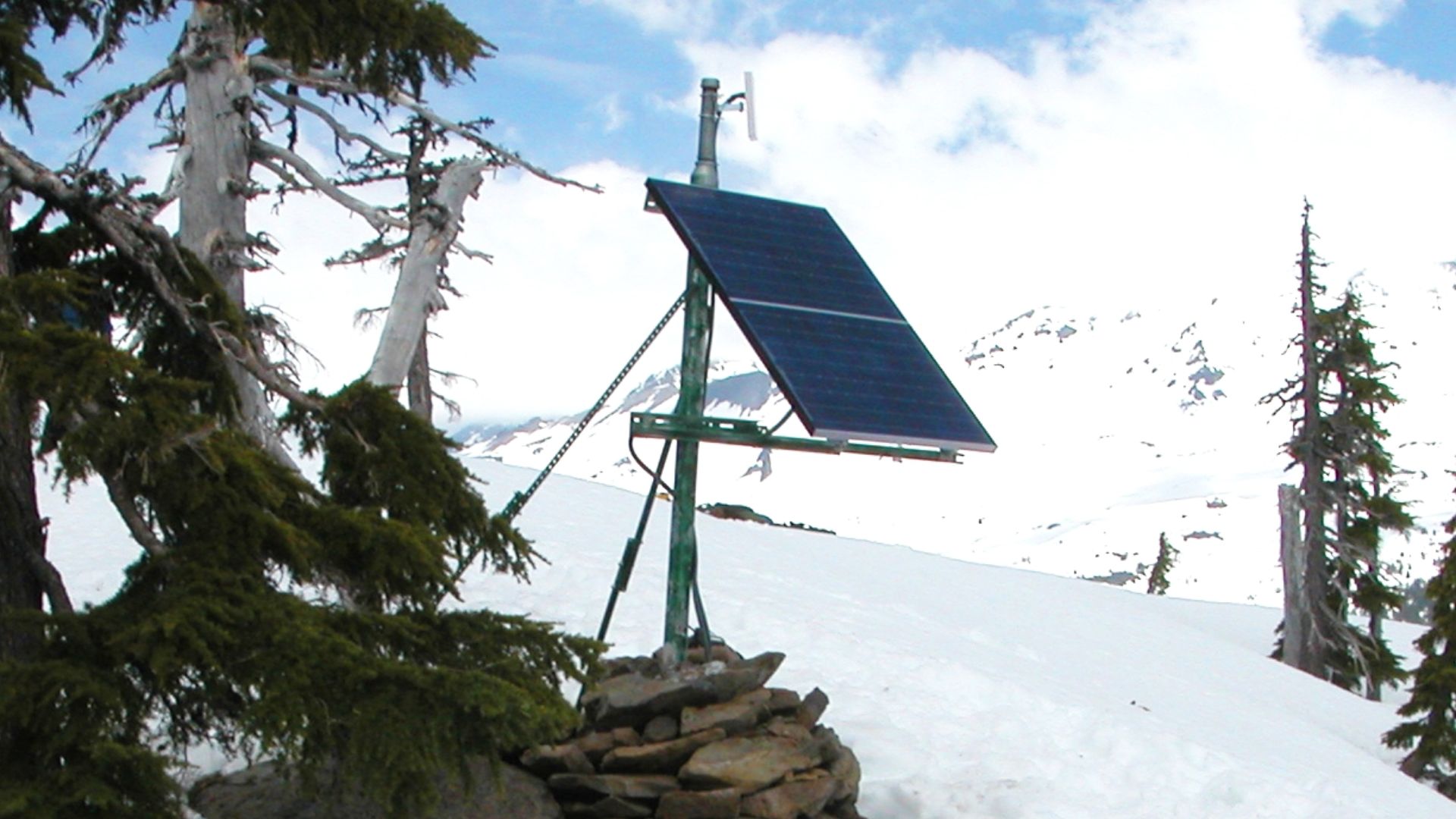
Researchers closely monitor activity here through the Yellowstone Volcano Observatory. GPS stations measure subtle ground rising and sinking, as seismic instruments detect earthquakes. Gas sensors monitor emissions such as carbon dioxide and sulfur dioxide. These are clues about the continuous magma movement deep below the surface.
 Dave Sherrod, en:United States Geological Survey, Wikimedia Commons
The Recent $680 Billion Discovery
Scientists have speculated on vast theoretical natural resources hidden within Yellowstone’s massive caldera, with hypothetical valuations in popular discussions reaching up to $680 billion, though no official discovery or extraction is permitted. The announcement immediately captured global attention. It drew interest from economists watching the potential impact as well.
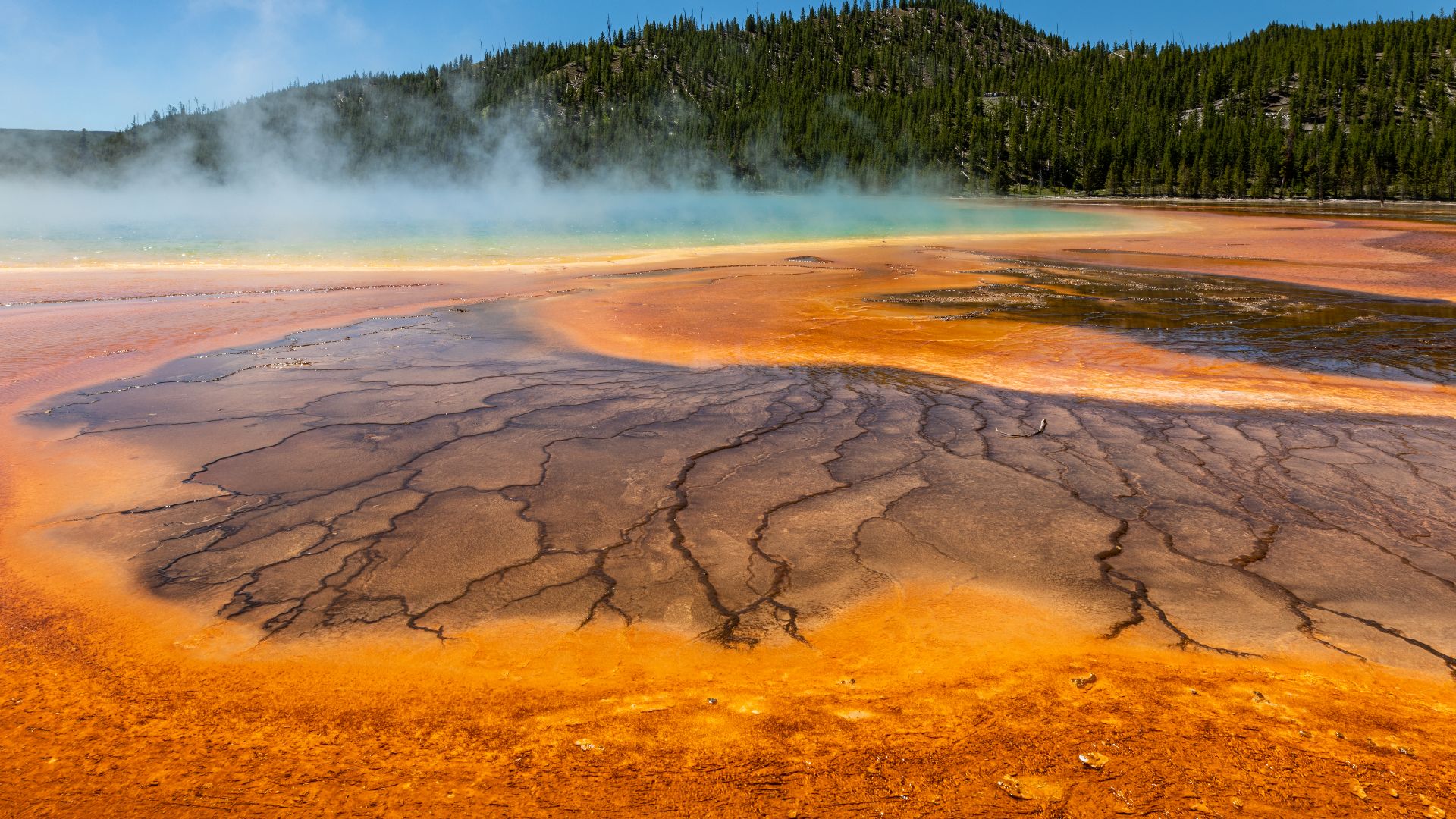 Dietmar Rabich, Wikimedia Commons
The Nature Of The Discovery Explained
Theoretical resources include powerful geothermal energy reserves that are renewable, unlike most finite natural resources. While some studies suggest elevated mineral concentrations, these have not been confirmed to be substantially higher than in most volcanic regions, underscoring Yellowstone's geological richness beneath its surface.
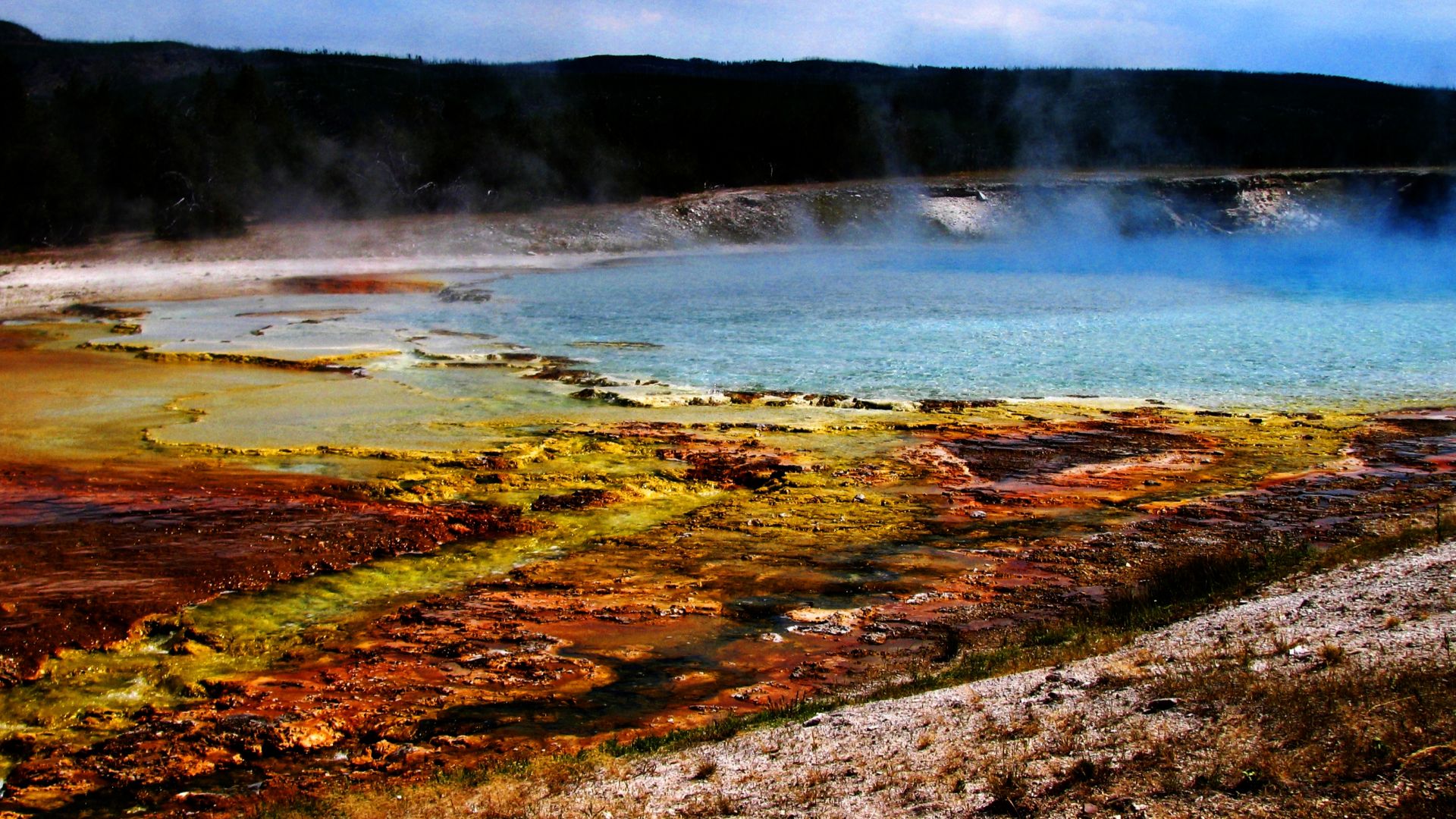
How Economists Calculated The Value
To calculate value, economists relied on hypothetical estimates that considered energy output and worldwide scarcity. Comparisons of possible rare earth elements with market prices, alongside geothermal capacity in megawatts, suggest how much clean electricity the underground heat could theoretically produce if accessible.

The Geological Survey Methods Used
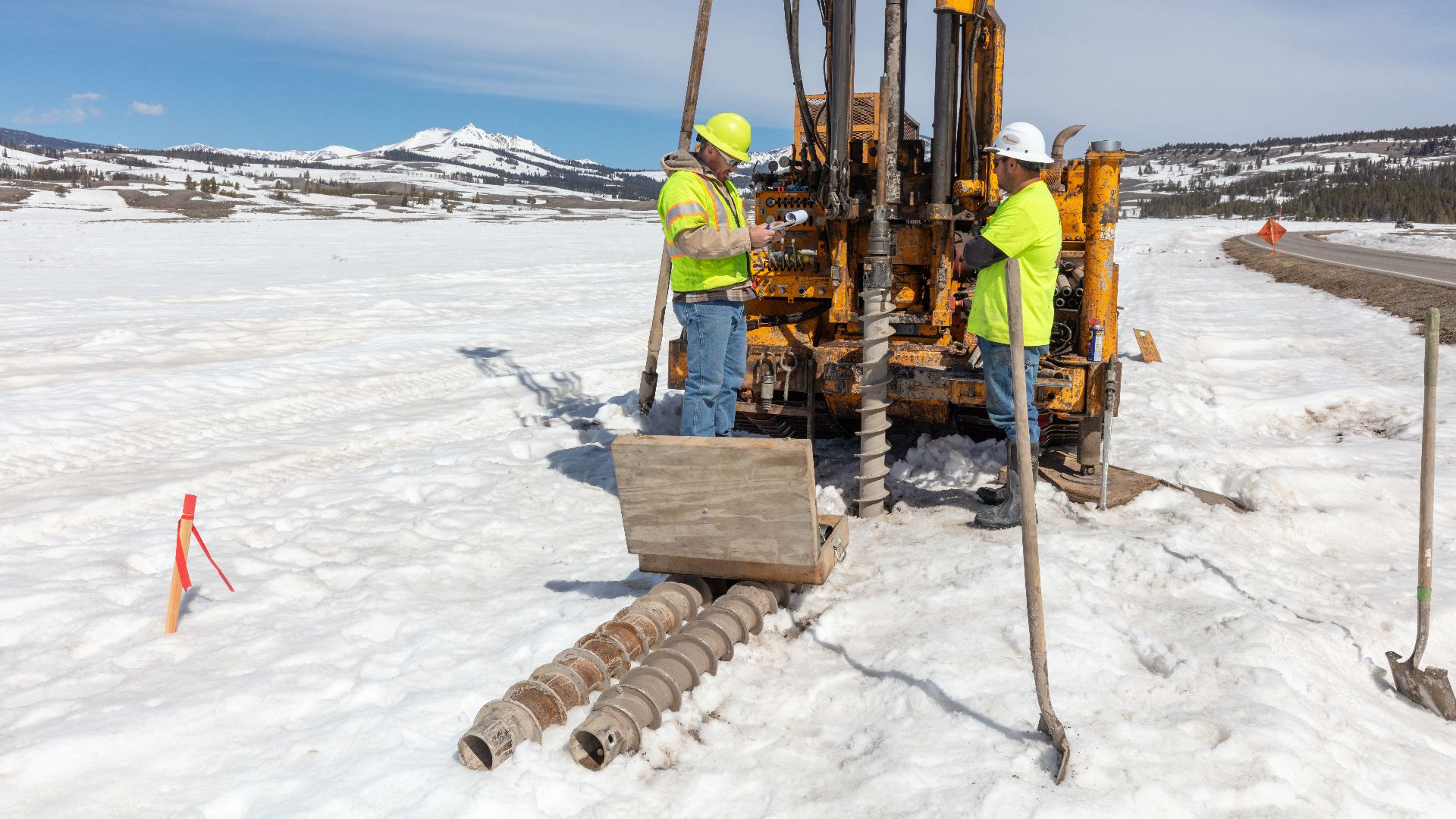
Researchers relied on advanced seismic tomography to map underground magma flows and mineral-rich zones. Core drilling allowed scientists to extract deep rock samples for chemical testing. Remote sensing tools then detected unusual surface patterns that hinted at intense geological activity far below.
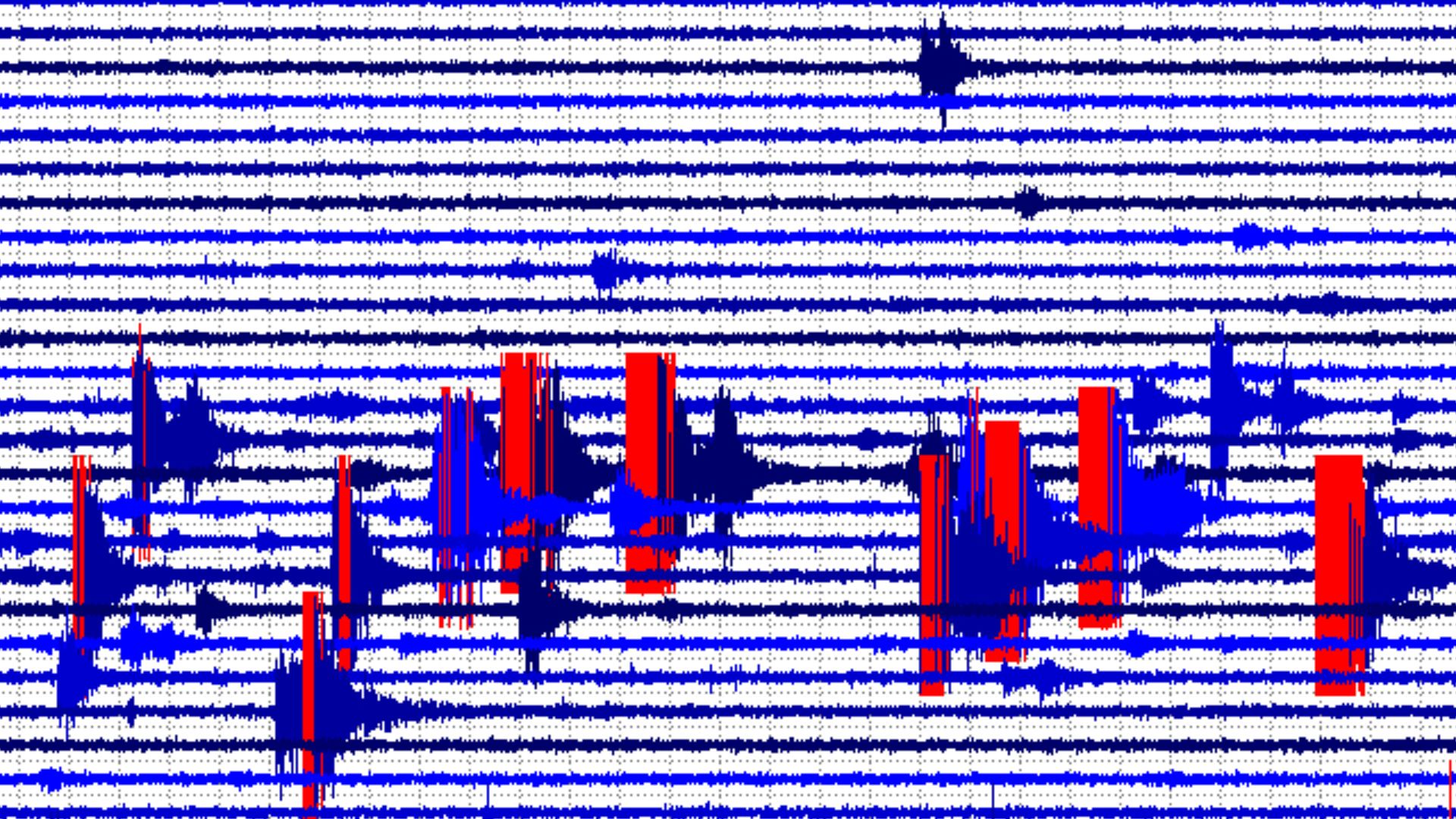 James St. John, Wikimedia Commons
The Role Of Advanced Technology
Modern satellites tracked subtle ground movement down to millimeter-level changes, which revealed pressure shifts underground. Artificial intelligence models analyzed massive data sets to predict resource distribution. Drones also flew over hydrothermal regions for detailed imagery that helped scientists pinpoint active geological zones.
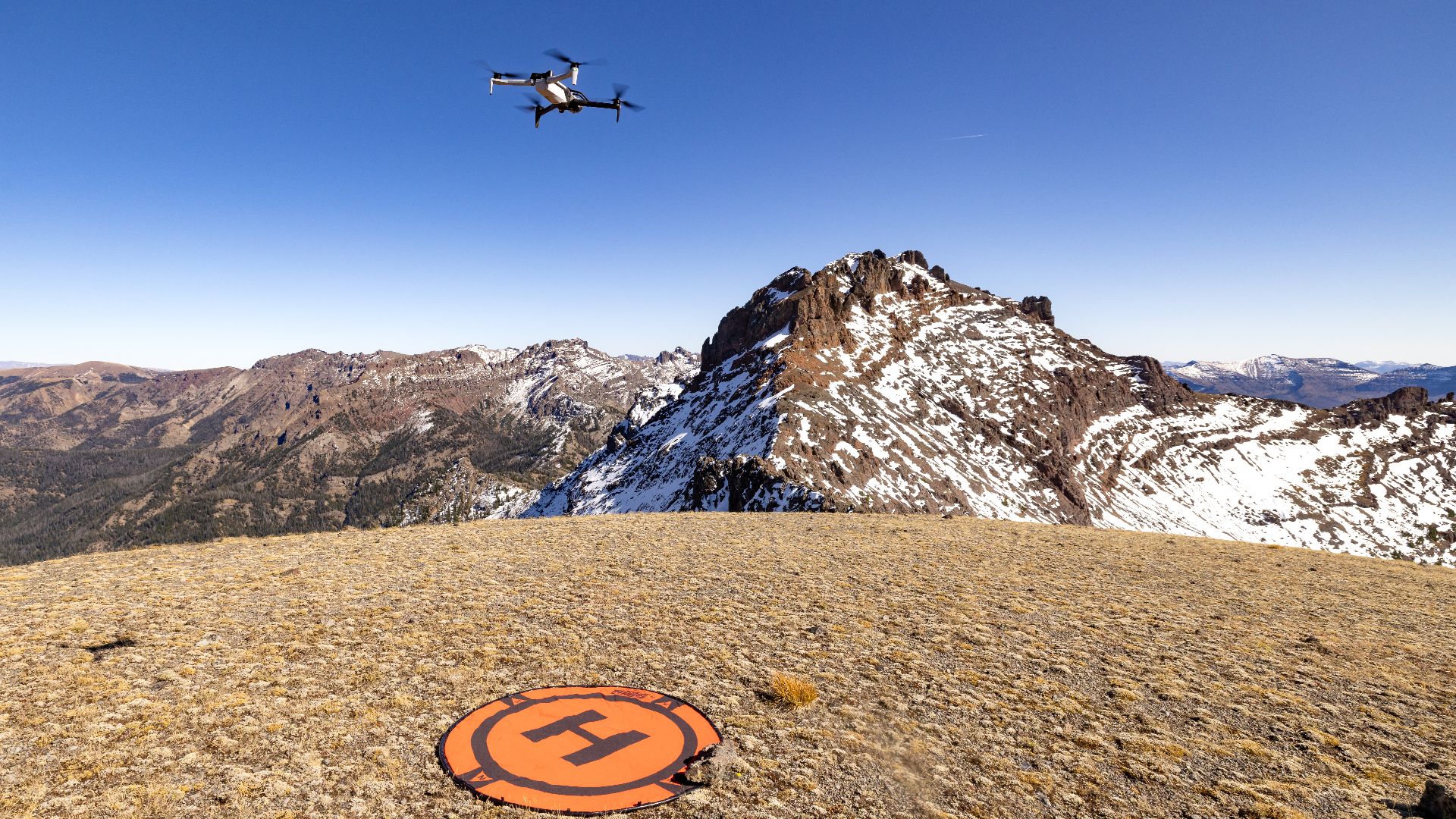 YellowstoneNPS, Wikimedia Commons
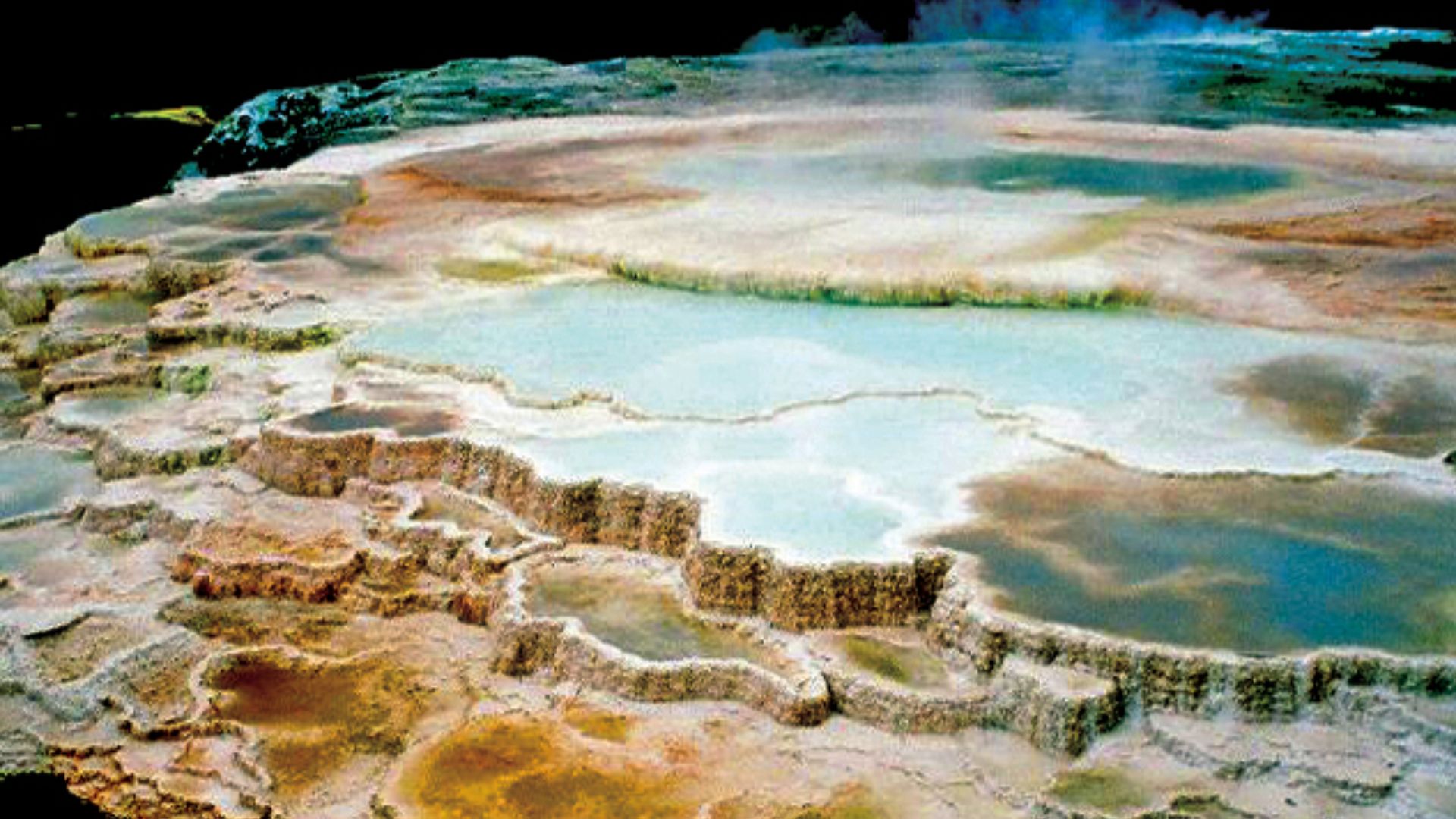
Yellowstone’s Immense Geothermal Energy Potential
This renewable energy source produces electricity without carbon emissions. It makes the space one of the cleanest power options available. Engineers estimate output could reach thousands of megawatts, but accessing it would demand extremely deep drilling and advanced technology systems.
 William Waterway (water author/researcher/photographer), Wikimedia Commons
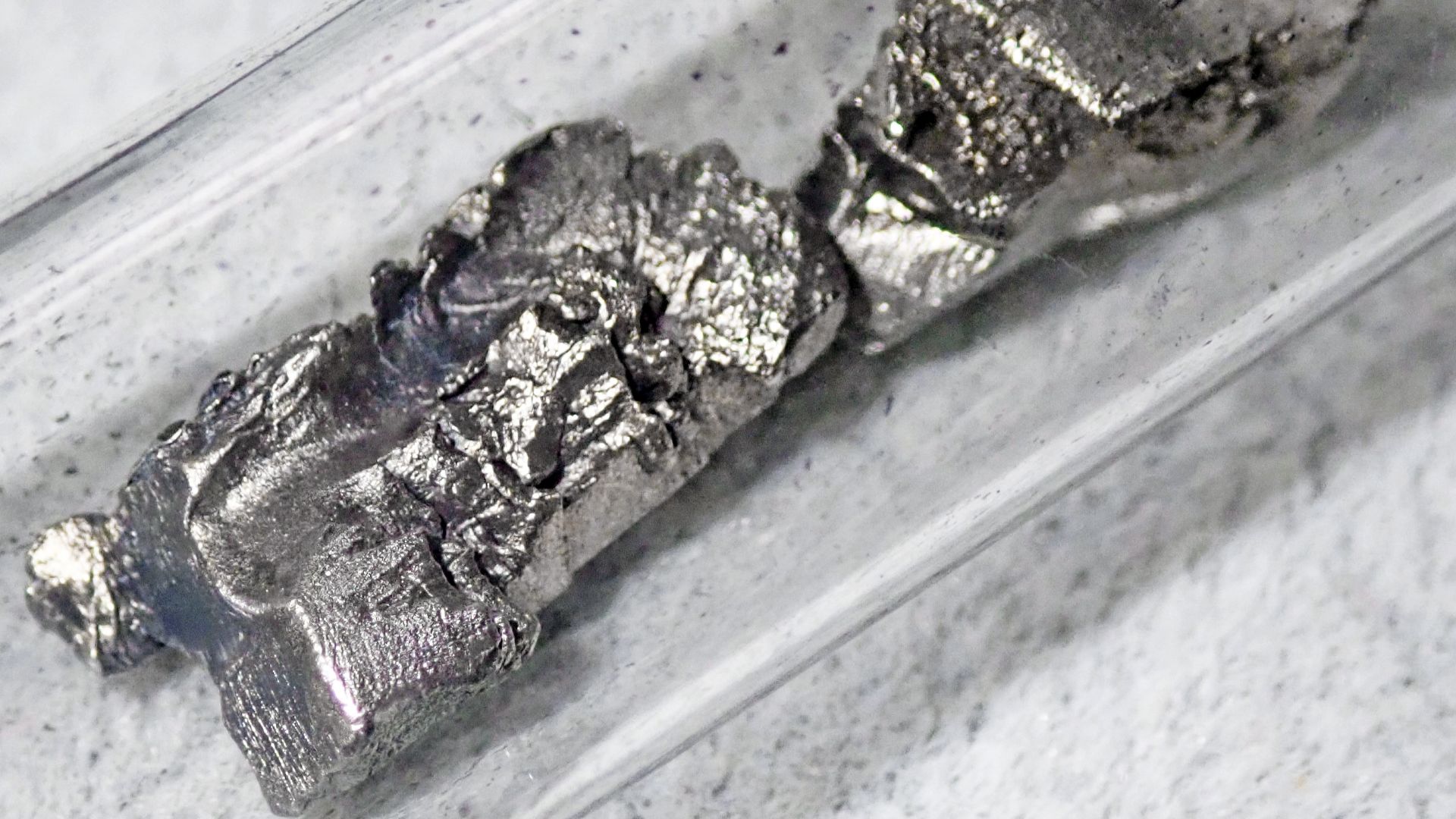
Mineral And Rare Earth Elements Beneath The Caldera
Rare earth elements like neodymium and dysprosium play a crucial role in manufacturing powerful magnets used in wind turbines and electric vehicles. Beneath Yellowstone National Park, scientists speculate potential deposits may exist, though strict laws currently prevent any form of extraction.
 James St. John, Wikimedia Commons
Environmental Risks Of Resource Extraction
Drilling deep into the caldera could disrupt Yellowstone’s delicate hydrothermal systems that power geysers and hot springs. Scientists warn that groundwater contamination is a serious possibility. Any major disturbance might also increase seismic activity or even influence volcanic behavior beneath the surface.
 YellowstoneNPS, Wikimedia Commons
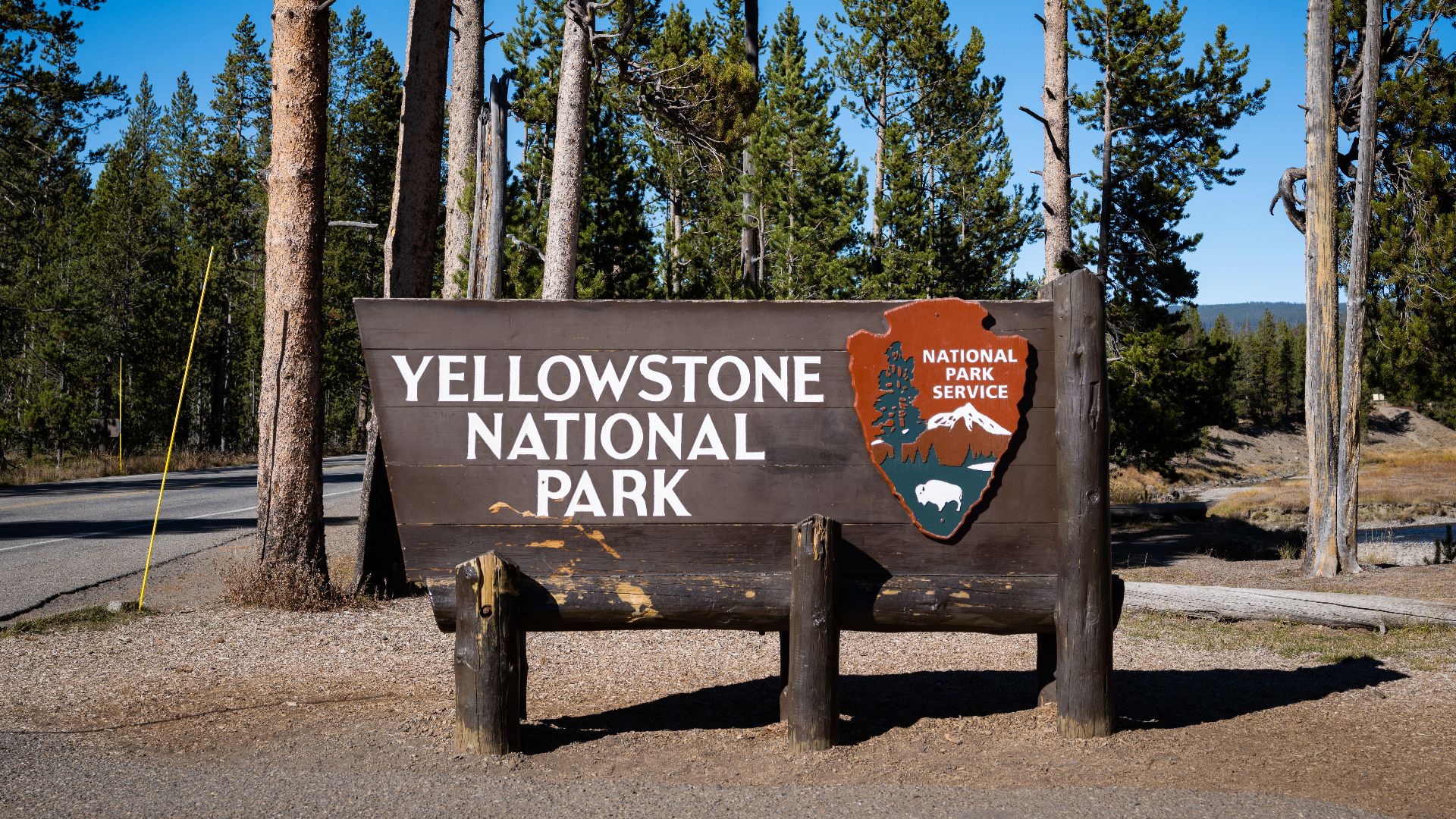
Legal Protections Safeguarding The Park
Federal laws strictly protect Yellowstone from industrial development. The Organic Act of 1916 requires national parks to be preserved in their natural condition until any further changes are made in the act. It ensures conservation always takes priority over potential economic gain.
 Tony Webster, Wikimedia Commons
Cultural And Indigenous Importance Of The Land
Long before it became a national park, the Yellowstone region held deep spiritual meaning for Indigenous tribes such as the Shoshone and the Crow as well. Oral traditions describe geysers and hot springs as sacred, powerful places connected to ancestral stories.
 Rose & Hopkins, Denver, Wikimedia Commons
Tourism And Growing Public Fascination
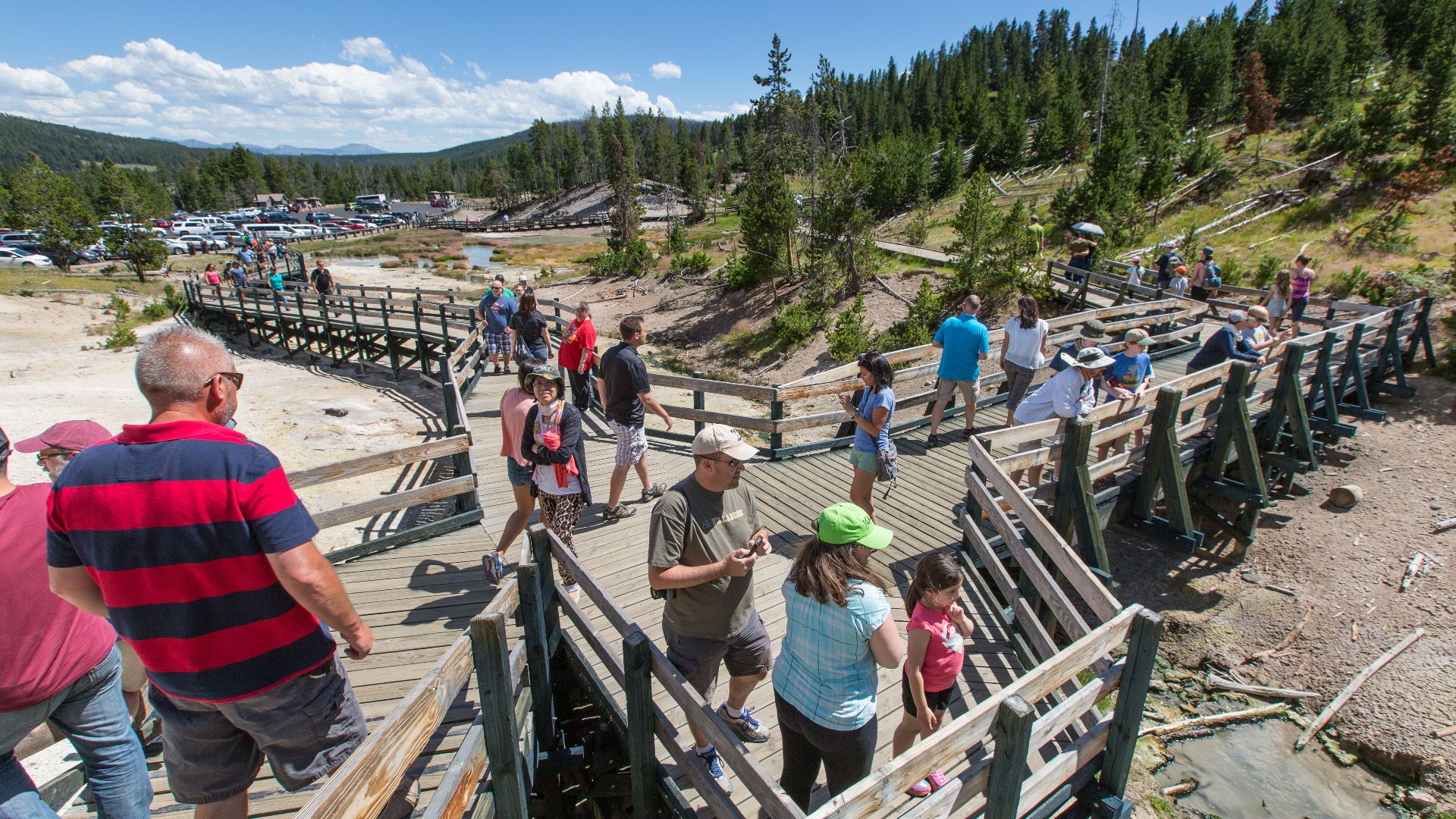
Yellowstone National Park welcomes more than six million visitors every year and generates hundreds of millions of dollars for nearby regions. News of the massive underground discovery intensified public curiosity, with many tourists becoming even more eager to explore the park’s landscapes while imagining the powerful forces hidden beneath.
 Neal Herbert, Wikimedia Commons
Volcanic Risk Assessment In The Modern Era
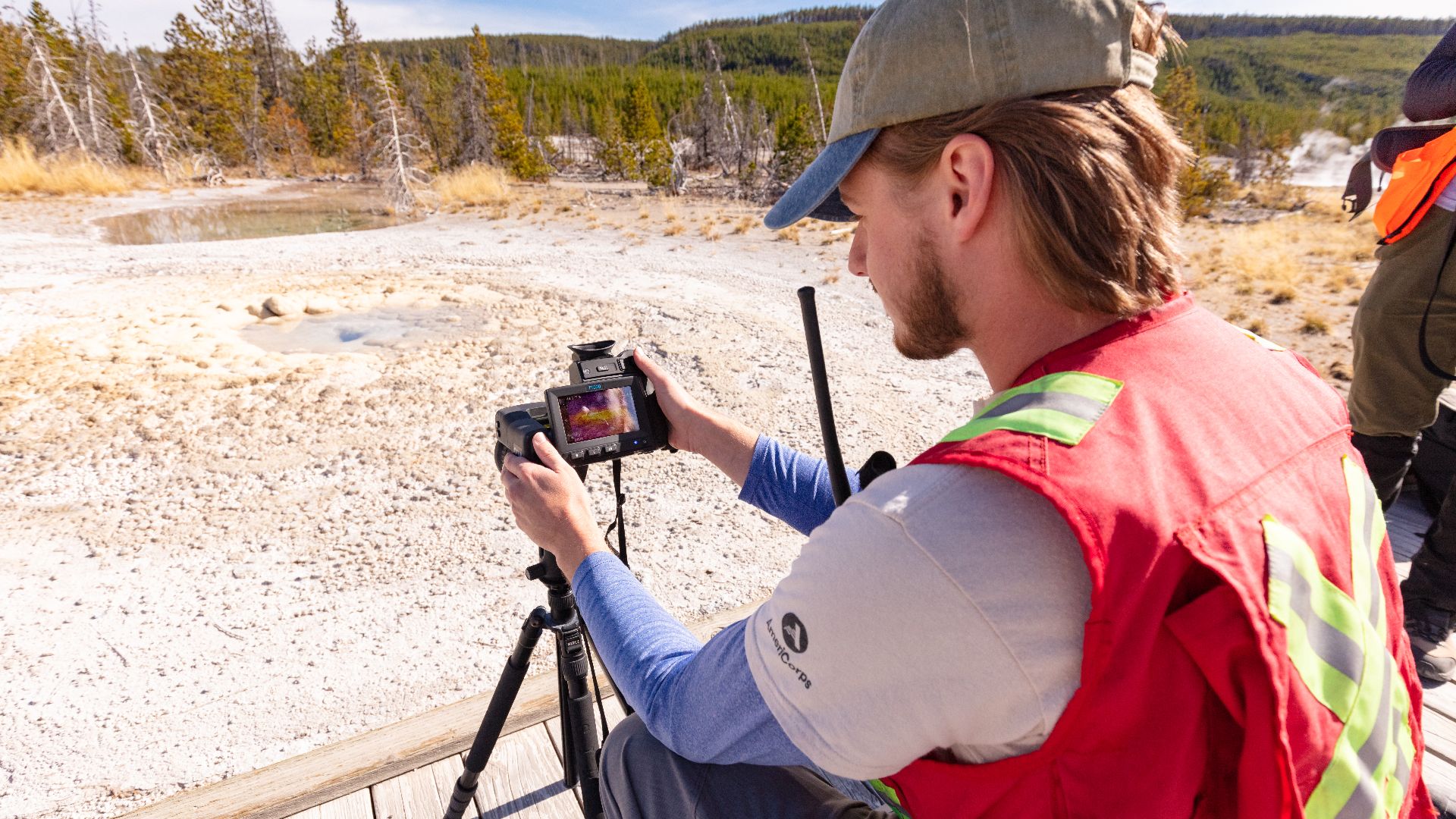
Scientists estimate the chance of a major eruption at Yellowstone at about one in 730,000 each year. Large eruptions remain extremely rare. Smaller hydrothermal explosions happen more frequently, so researchers closely track earthquake activity and gas emissions to monitor changing underground conditions.
 Jacob W. Frank, Wikimedia Commons
Effects On Surrounding Local Communities
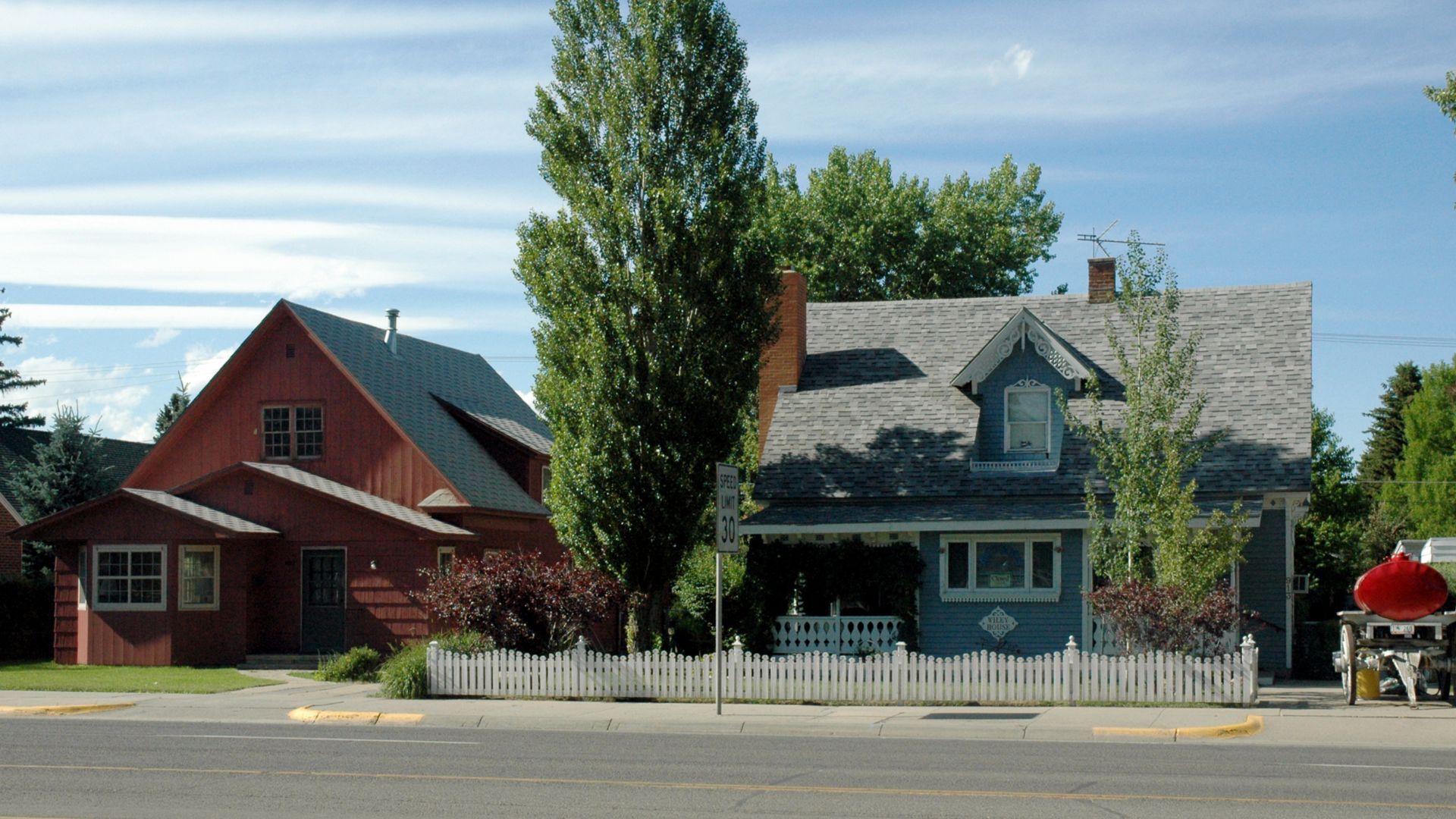
Nearby towns such as Jackson and Cody depend heavily on tourism tied to Yellowstone. The discovery brings potential economic interest, but large-scale resource activity could strain infrastructure, disrupt livelihoods, and introduce environmental risks that worry many local residents.
Worldwide Scientific Collaboration Efforts
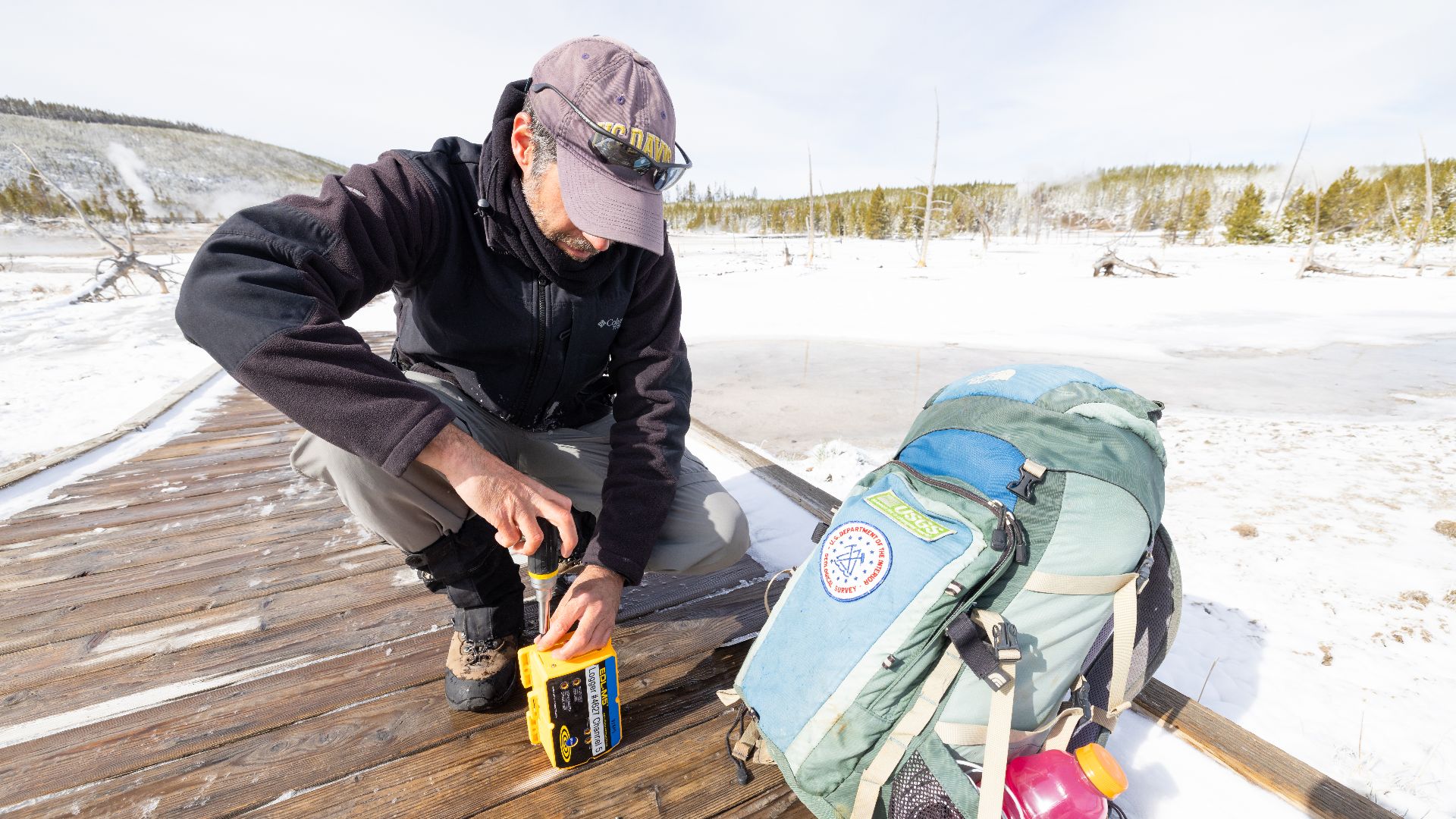
Yellowstone attracts researchers from across the globe who study its volcanic system together. International teams regularly share seismic readings and geological data. The park has become a benchmark for understanding other supervolcanoes. It helps scientists improve prediction models and global volcanic risk planning.
 YellowstoneNPS, Wikimedia Commons
Comparisons With Other Calderas Around The World
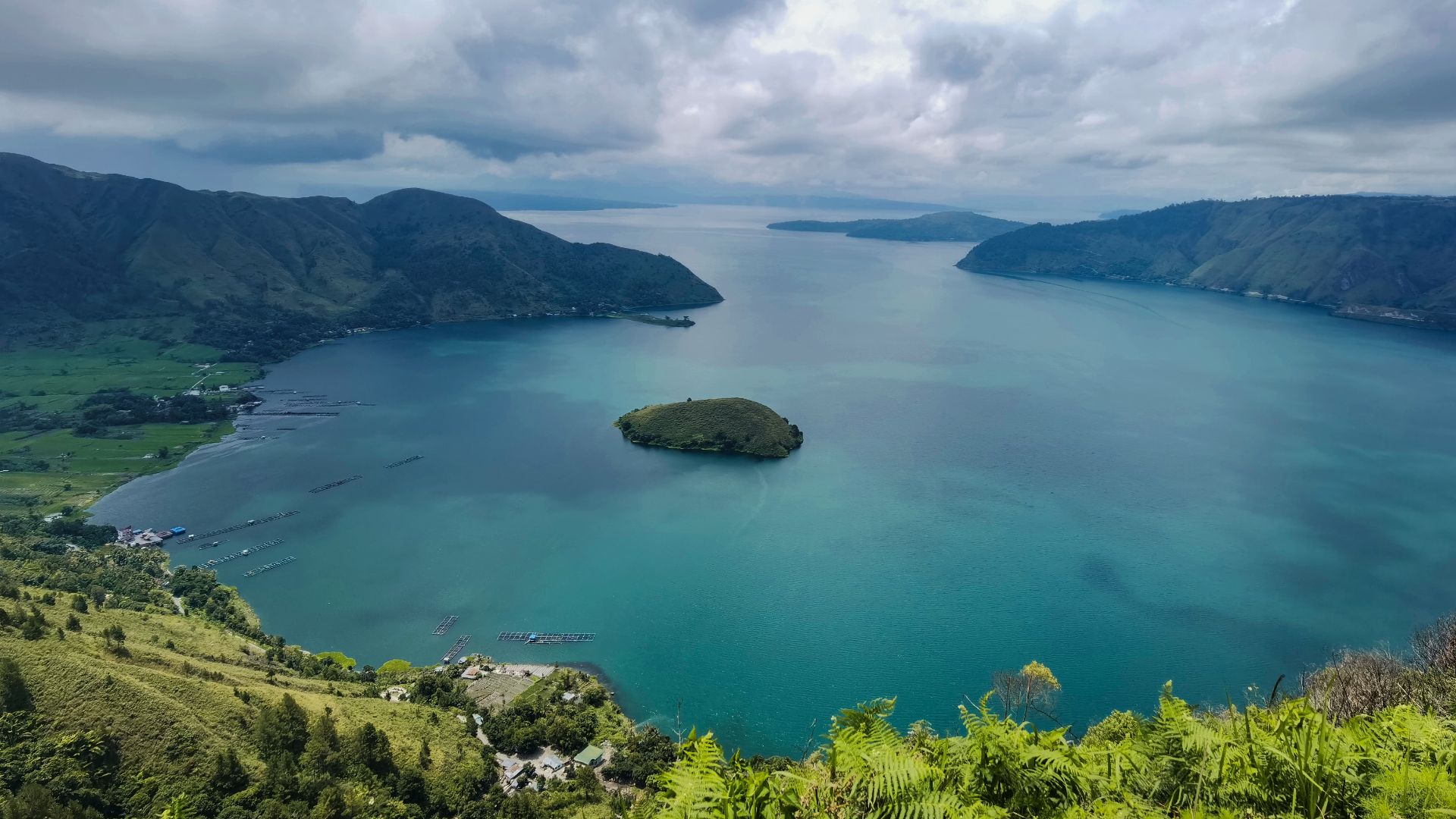
The volcanic system beneath Yellowstone is often studied alongside other giant calderas around the world. The massive eruption at Lake Toba once triggered global cooling. In the United States, Long Valley Caldera shares similar underground features. The powerful eruption that formed Santorini Caldera reshaped ancient societies across the Mediterranean.
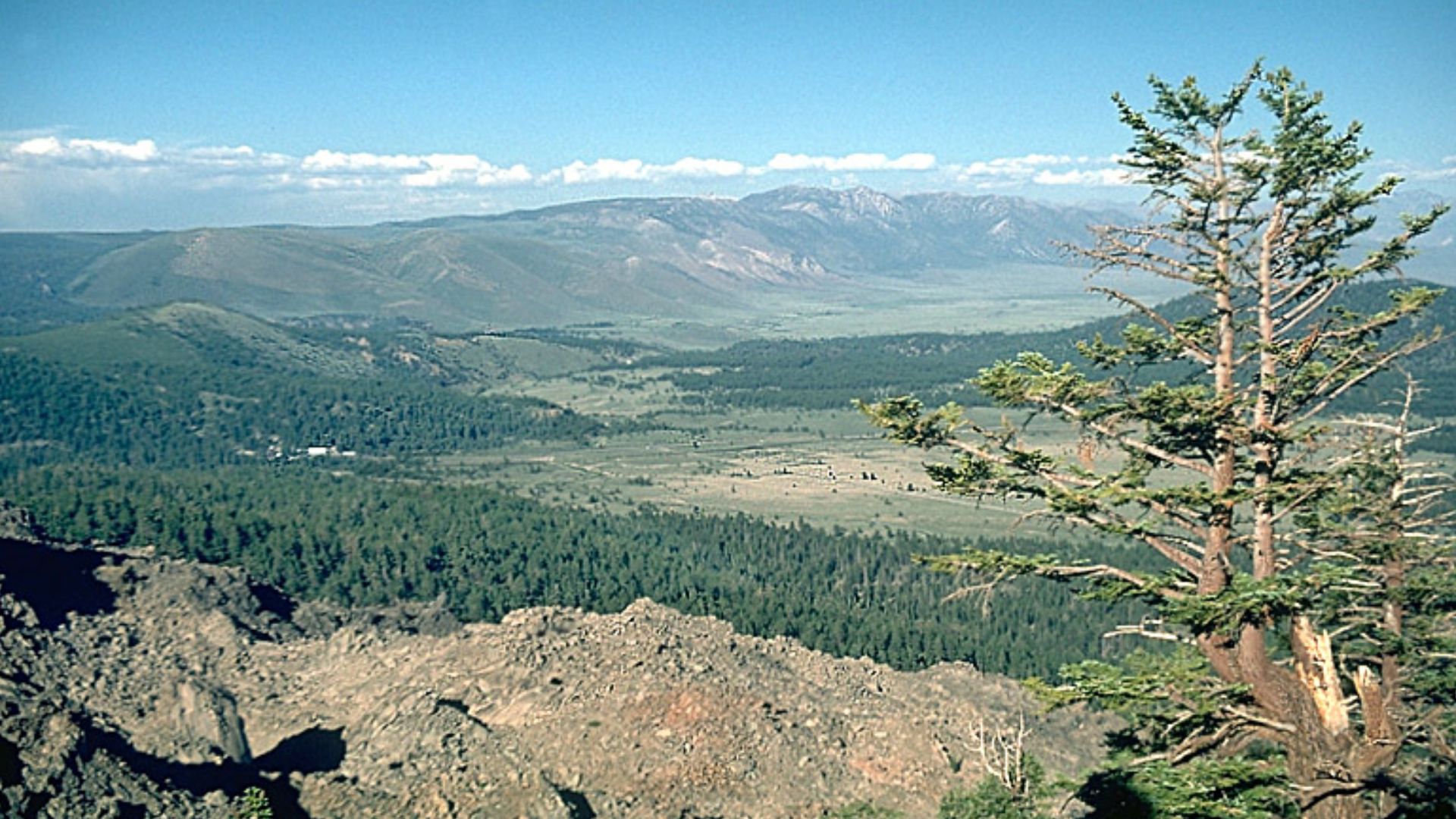 S.R. Brantley, Wikimedia Commons
Future Research Paths Ahead
Scientists now plan to drill deeper into Yellowstone’s subsurface to collect more detailed rock and heat samples. Advanced artificial intelligence models will improve the accuracy of eruption forecasting. Researchers are also exploring ways to safely harness geothermal energy without disturbing the protected volcanic system below.
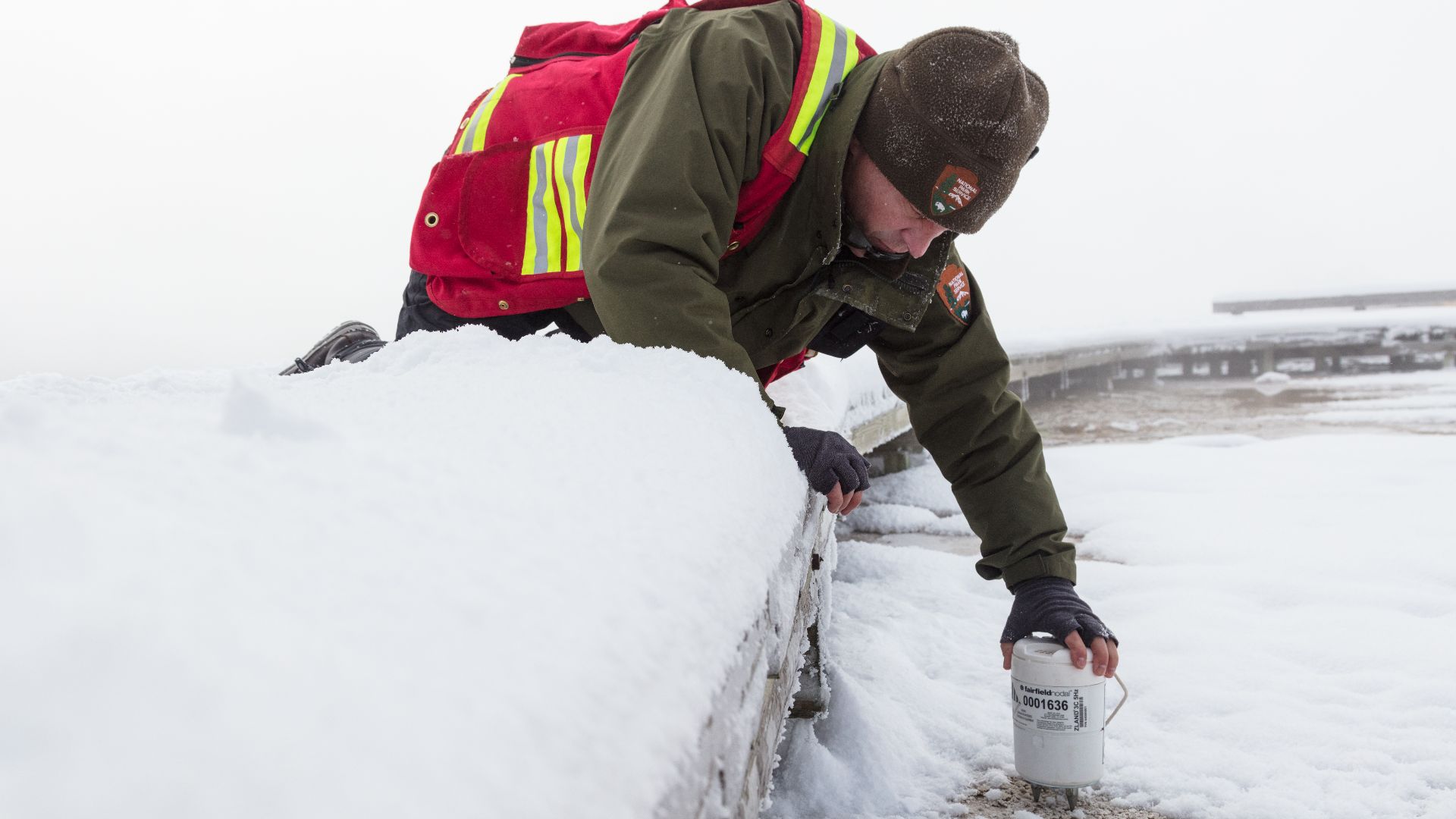 Yellowstone National Park, Wikimedia Commons





.jpg)