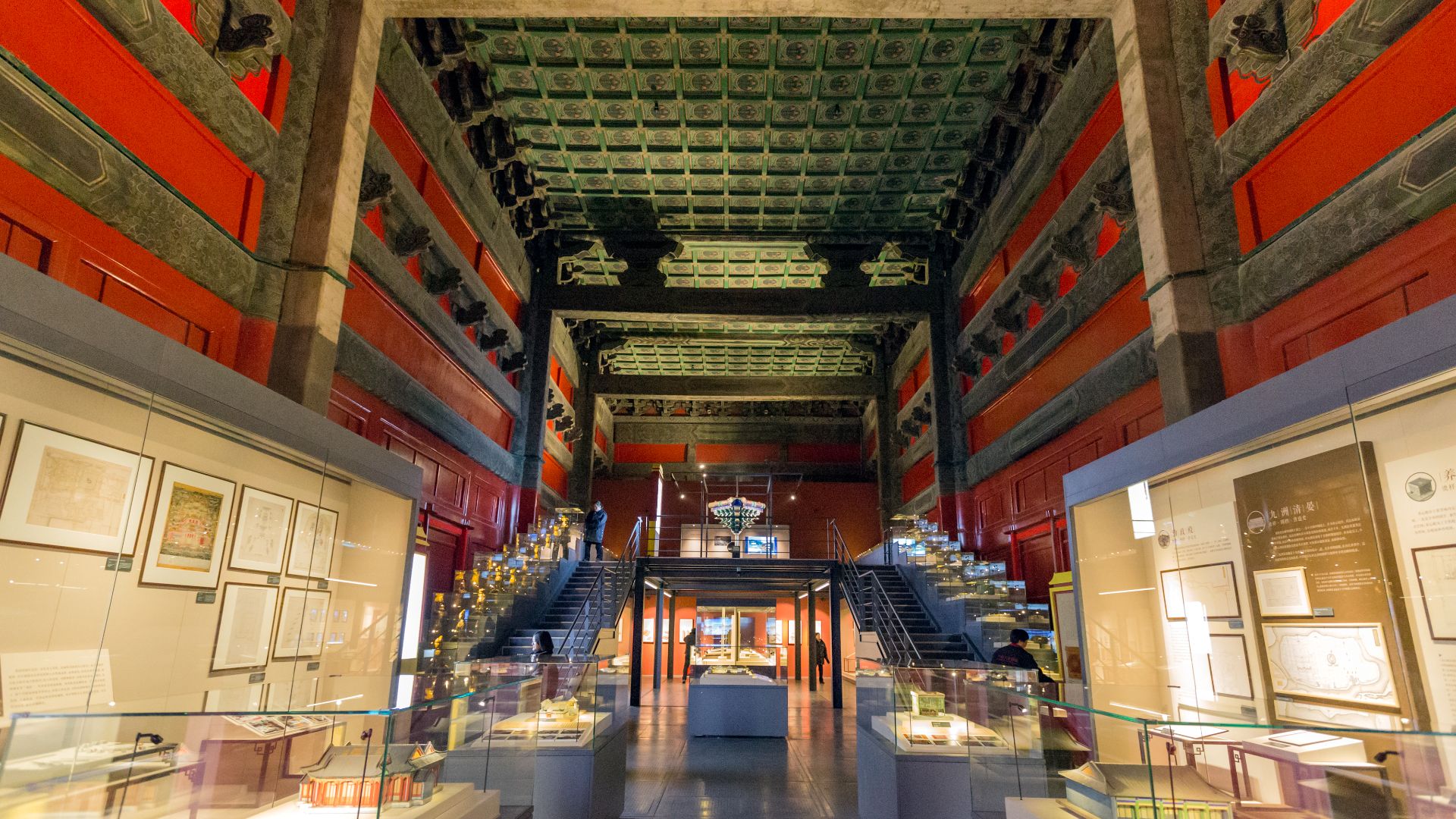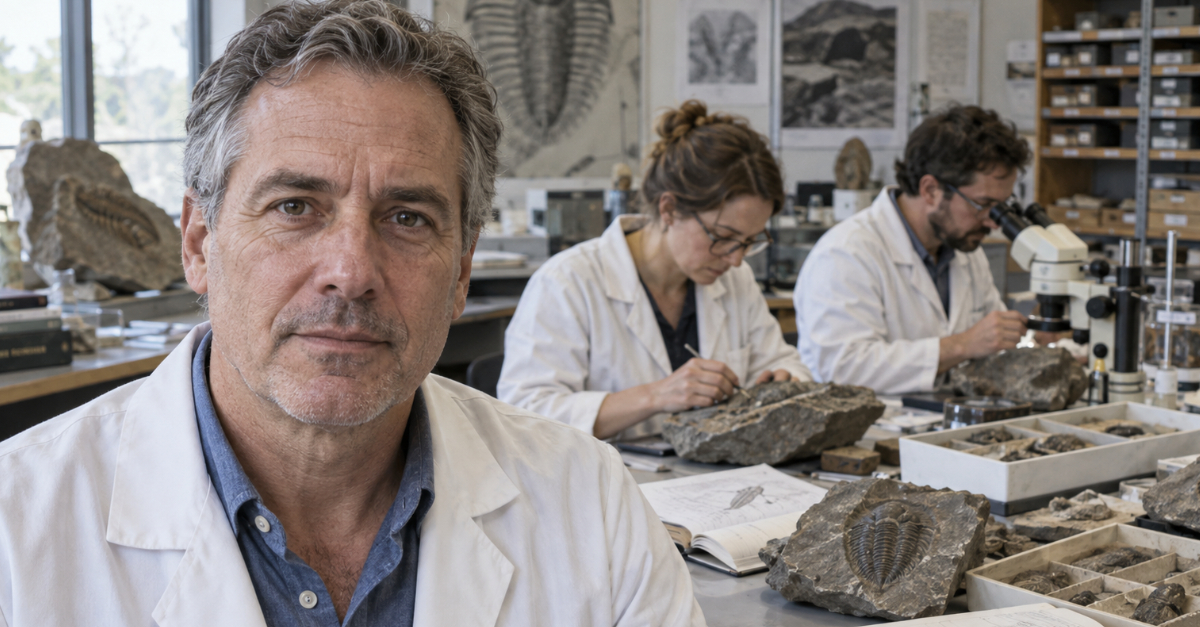

Curiosity spikes fast when a dig meant to reveal palace walls instead exposes plumbing that looks surprisingly familiar. A team excavating ancient ruins in Xi’an uncovered a 2,400-year-old flush toilet built with inlet and drain pipes—technology far ahead of what many assume existed during China’s Warring States era. The idea of elite officials visiting a restroom with running water, long before Rome ever earned praise for aqueducts, adds a splash of humanity to a period known mostly for ritual and shifting power. Apart from kings and conquests, it seems that comfort and cleanliness mattered too.
Pipes That Spoke Before History Did
Archaeologists examining a collapsed section of palace architecture found the stone toilet positioned beside what would have been a main hall. Its structure wasn’t decorative. A bowl-like seat connected to a long inlet pipe that likely carried water from a storage vessel or manual pour, while a sloped drain pipe led waste out of the building. The design points to an intentional flushing system rather than a simple pit latrine, something incredibly rare for the 4th to 3rd century BCE. The craftsmanship suggests the device served high-ranking nobles who valued privacy as much as political dominance, which gives a sharper sense of daily life inside elite compounds.
The toilet stood inside Yueyang City ruins, a major political center tied to the Qin state before it unified China in 221 BCE. Excavation reports show the toilet’s room sat in a carefully structured complex with dedicated hallways and courtyards. The choice to install plumbing within this zone suggests leaders valued controlled water management. Engineers channeled runoff through strategically angled pipes that stretched several feet underground, reinforcing how seriously they treated sanitation long before large-scale bathhouse traditions emerged. This advanced design pushes back assumptions about ancient luxury. Many American readers picture early plumbing as something Rome popularized, yet China’s version predates common Roman flush systems by centuries. The Xi’an toilet’s age—around 2,400 years—places it among the earliest flushable devices ever identified.
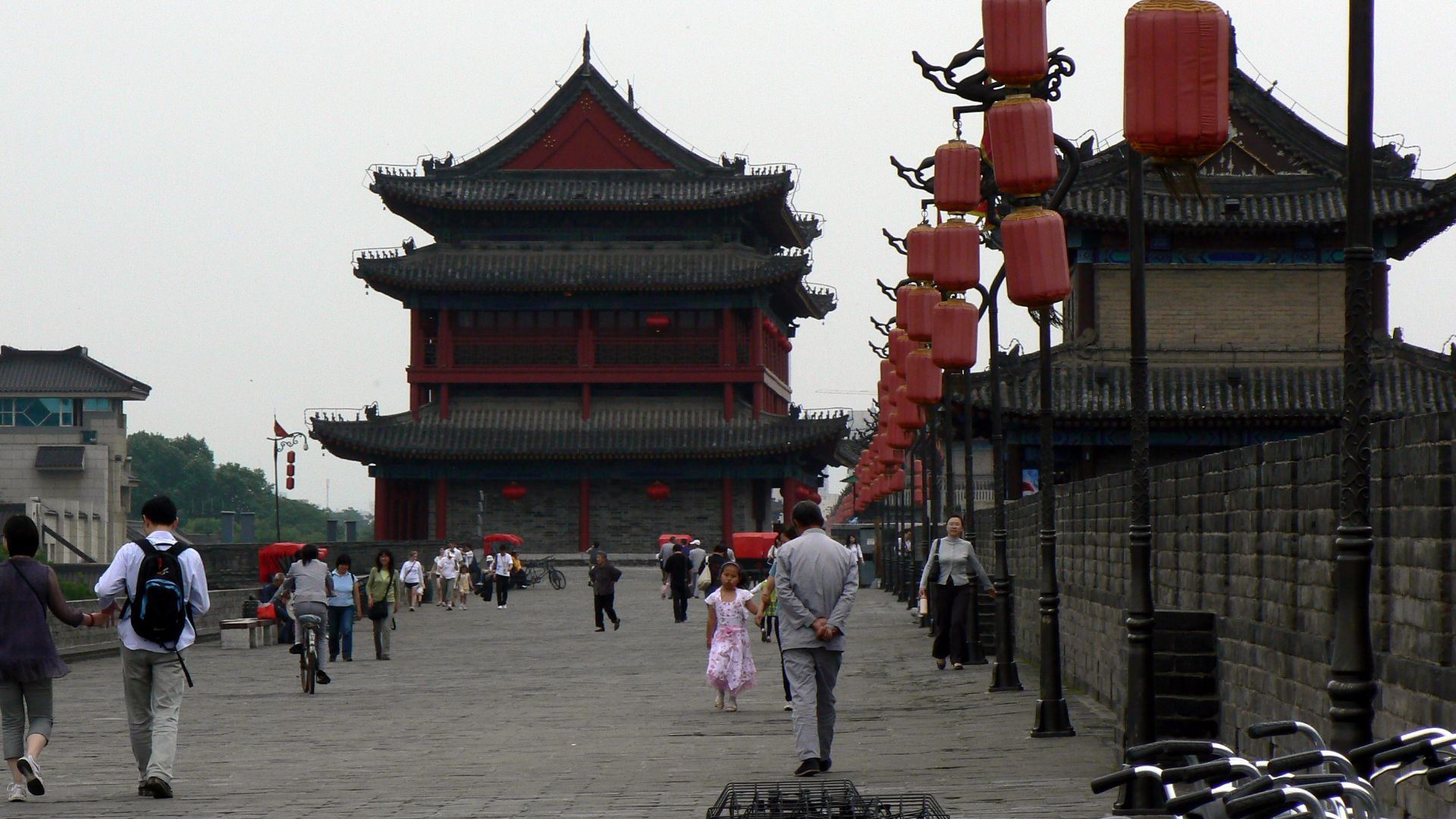 Will Clayton from Blackburn, UK, Wikimedia Commons
Clues From The Palace That Shape The Story
Researchers studying the toilet’s placement inside the palace complex uncovered layers of information about how the Qin state managed daily routines. Excavation records show the seat sat within a structured network of halls and courtyards, a layout that speaks to the care taken in organizing elite living spaces. The team noted how the inlet pipe likely connected to water carried by attendants, while the sloped drain stretched several feet outward to remove waste from the building. The toilet was not an isolated object but a feature embedded within a larger design philosophy that prioritized controlled water flow long before widespread bathhouse traditions appeared.
The dig also revealed how the toilet lined up with other architectural clues from the site. Stone foundations, buried walls, and remnants of corridors help researchers map out where rulers and attendants moved each day. Public areas displayed power, while more concealed rooms handled essential routines. As you consider how this single installation fits into a palace built more than two millennia ago, it becomes clear that the technology reflects more than engineering skill. It shows how leaders shaped environments that supported both governance and everyday life, a combination that continues to guide archaeological interpretation as additional structures emerge from the soil.
Comfort, Status, And A Final Look Back
A flush toilet inside such a monumental complex reflects social hierarchy, health challenges, and resource control. The Qin state’s leaders operated in a world where strong infrastructure signaled authority. Having a private restroom with flowing water spoke loudly to anyone who entered the palace: power meant access to better living standards. The structure’s water-fed flushing system, built with an inlet and an angled drain, wasn’t a decorative experiment but a functioning setup meant for high-ranking officials. Engineering doesn’t always start with grand monuments. Sometimes it begins with a drain pipe and a desire for cleaner living—something still relevant today as plumbing remains a quiet partner in public health and dignity.