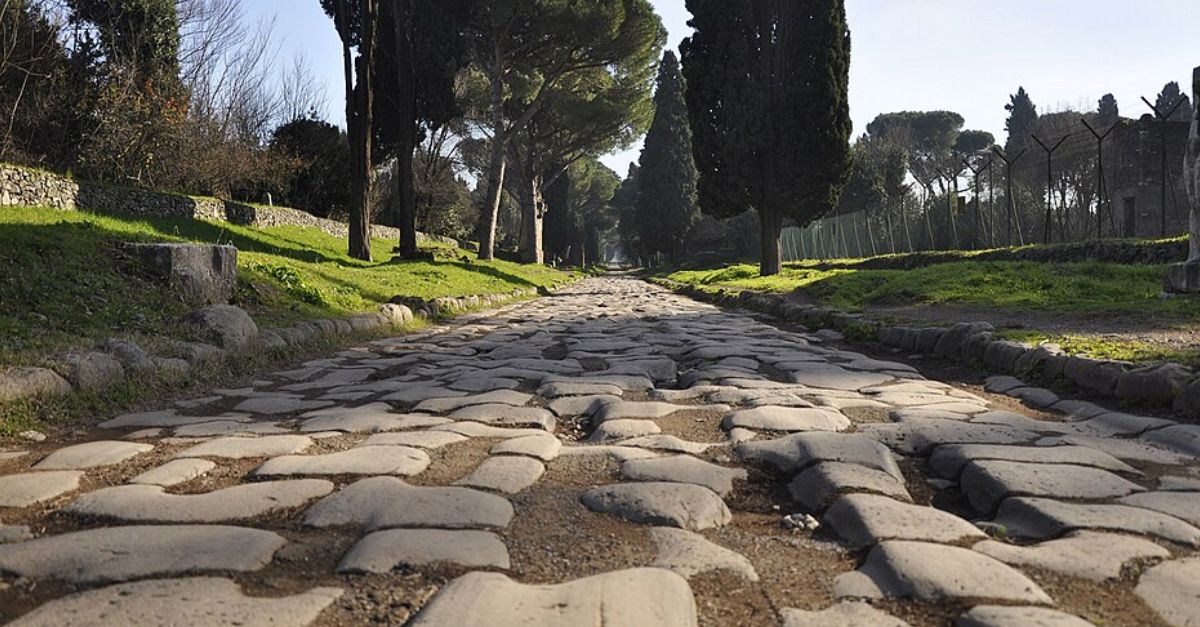
Gold didn’t simply glitter in ancient Egypt—it carried a cost people rarely acknowledge. Archaeologists working at Ghooza, a remote gold mine in Egypt’s Eastern Desert, uncovered something far colder than treasure: iron ankle shackles built to stop laborers from escaping harsh desert work camps.
Discoveries like these force a rethink of what truly fueled Egypt’s wealth. Those gleaming ornaments in museum cases began as ore hacked from blistering canyon walls by workers who had little to no freedom. Stay put, because those shackles reveal more about ancient power than any polished statue ever could.
Rough Work In A Fierce Terrain
Archaeologists studying mining settlements in Egypt’s Eastern Desert found iron ankle shackles at Ghooza. The area’s old shafts sit miles from the Nile and remain brutal even today, with hard rock faces and narrow passages that trap heat like an oven. Those conditions match ancient records describing criminal labor gangs sent to work in the desert’s most demanding spots.
The presence of heavy restraints in this isolated mining hub points to forced labor in Ptolemaic-era gold operations. These mines postdate the Old Kingdom by nearly two millennia. Excavated housing nearby showed cramped quarters with basic hearths, which fits the picture of workers kept under guard and pushed to extract every ounce of ore.
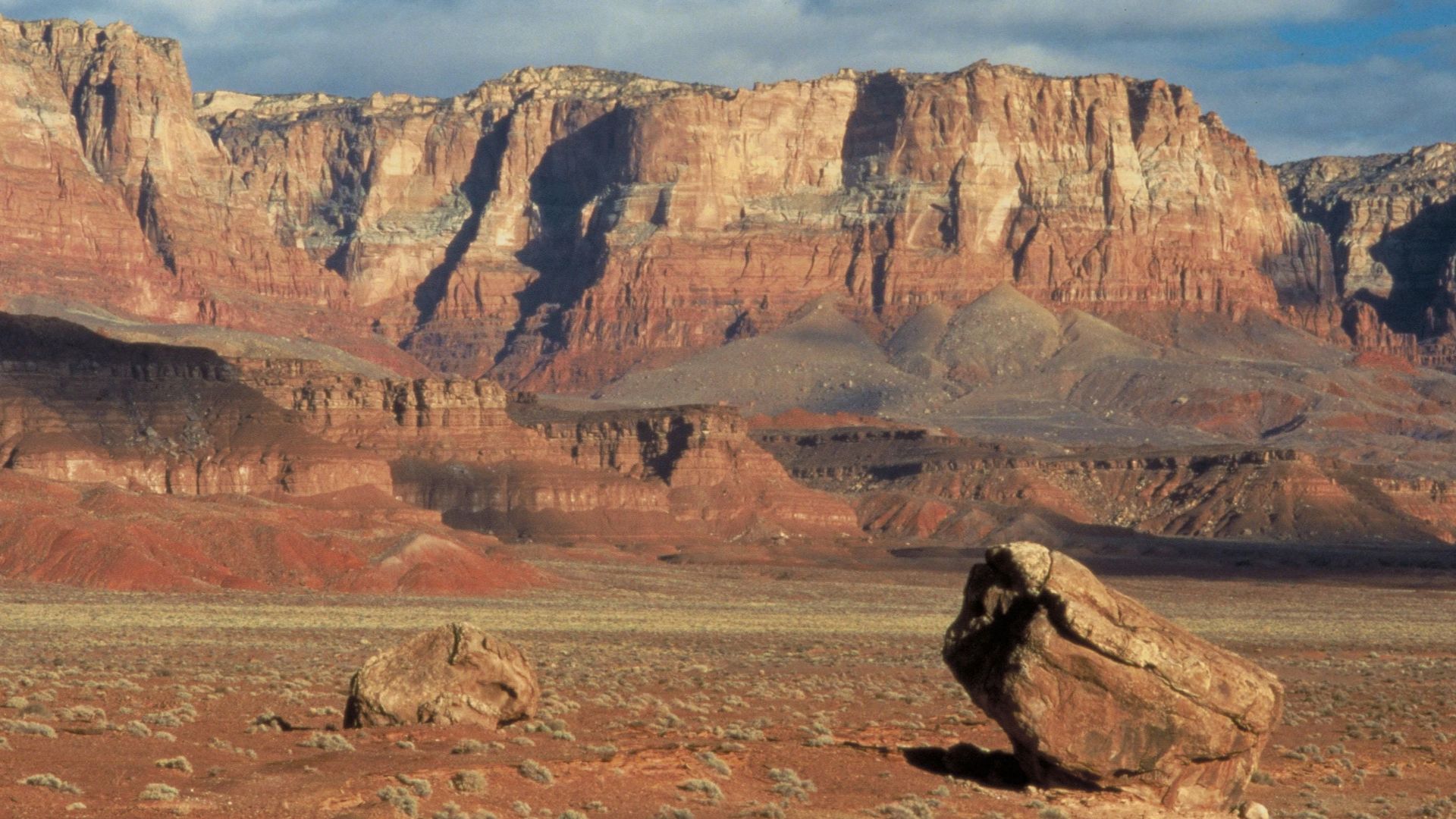 Bob Miles, U.S. Fish and Wildlife Service, Wikimedia Commons
Records That Back Up The Metal
Egyptian texts, including Old Kingdom inscriptions and Middle Kingdom directives, mention “nabw,” or prisoners assigned to state work. Some were convicted criminals; others were war captives. They were dispatched to quarries, turquoise pits, and gold mines across the Eastern Desert, where scribes tracked output and rations with strict precision. Expeditions often lasted months, requiring armed escorts and supply caravans just to reach the sites.
Nothing about the setup hints at volunteers. Instead, the paperwork shows a state eager to control every step of production, especially when gold—Egypt’s economic lifeblood—was involved.
Once the paperwork and discoveries align, another question arises: how far did this mining network reach?
A Supply Chain Built On Control
Gold from Eastern Desert mines typically traveled by caravan—on foot, by donkey, or later by camel—until it reached the Nile Valley. The distances weren’t uniform; some routes stretched for dozens of miles, others for hundreds. From the river, the metal moved on to workshops across Egypt. Ore moved through guarded checkpoints, and each transfer came with tally marks kept by scribes. The system blended bureaucracy with force, and this gave pharaohs direct access to material used for royal tombs and government payments.
This same team also found stone shelters built in tight clusters, evidence of supervisors living mere feet from the laborers they monitored. That layout mirrors other ancient work camps where control mattered more than comfort. Every inch of space reinforced authority from the top down.
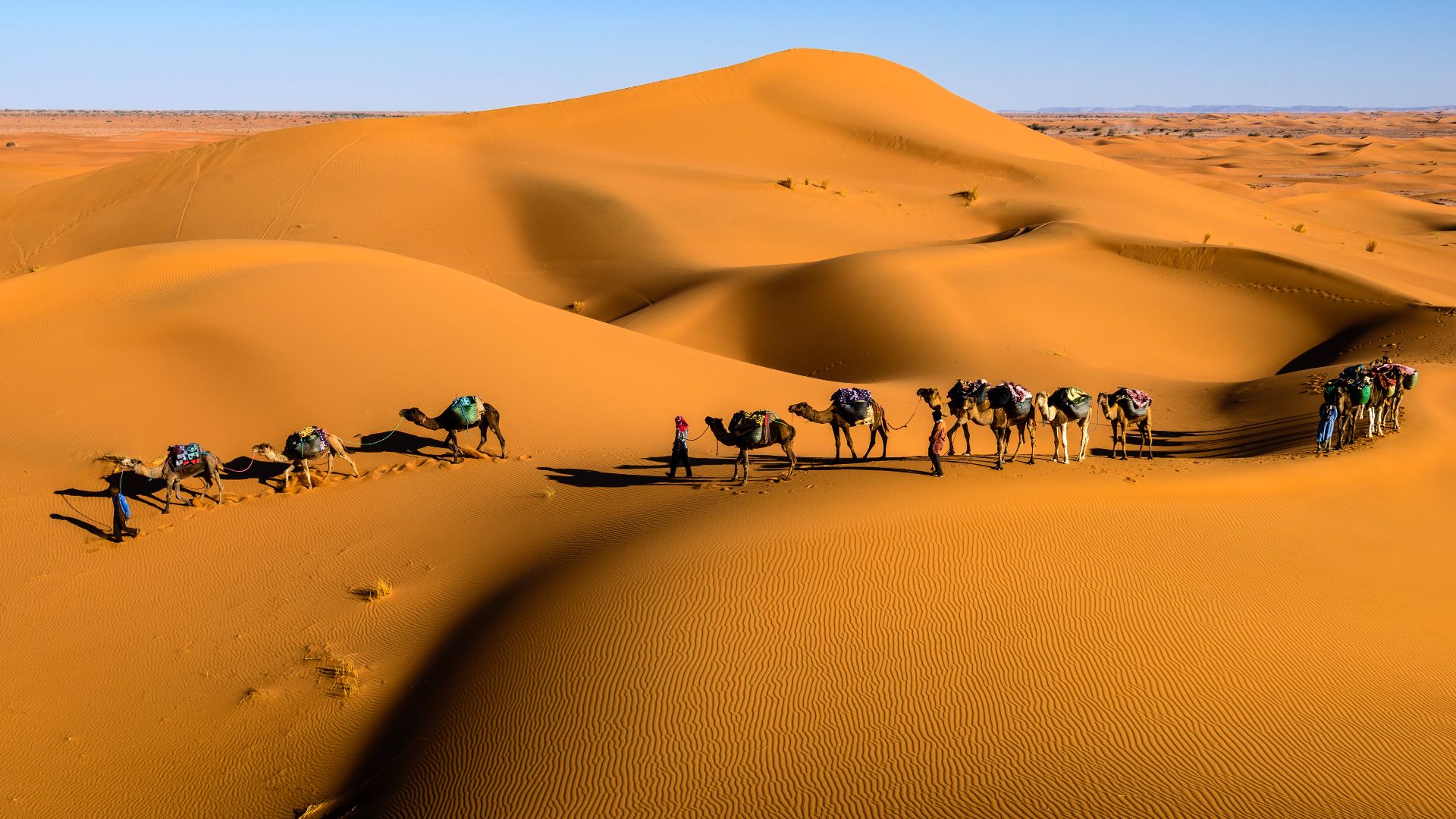 Sergey Pesterev, Wikimedia Commons
Tools That Left No Wiggle Room
Iron was rare in early Egypt, which makes the ankle shackles stand out even more. They weren’t decorative. Their weight and thick construction were meant to survive harsh stone terrain. Workers swung dolerite hammerstones—the same tools used in quarries—to break ore from narrow veins. A full day in that heat meant sweat drying into the dust, arms vibrating from repeated blows.
Those tools reveal a simple truth: ancient mining demanded endurance and constant supervision. That combination explains why the state turned to prisoners—they couldn’t walk away, even when exhaustion set in. Archaeology keeps reminding you that ancient achievements were built on grueling everyday labor.
Why These Finds Shift The Story Of Ancient Egypt
The discovery of shackles forces a shift in popular understanding of Egypt. For decades, visitors imagined elegant scribes and peaceful artisans shaping a golden age. Yet the mines show another reality—one built on punishment, control, and high-stakes resource extraction. Gold powered diplomacy, religion, and state finances. Without those remote labor camps, Egypt’s wealth would have looked very different.
That broader view encourages you to read museum labels with fresh eyes. Those gleaming bracelets or burial masks carry the weight of people who endured back-breaking work under a punishing sun. Archaeology adds depth, and sometimes that depth hits harder than any gemstone.
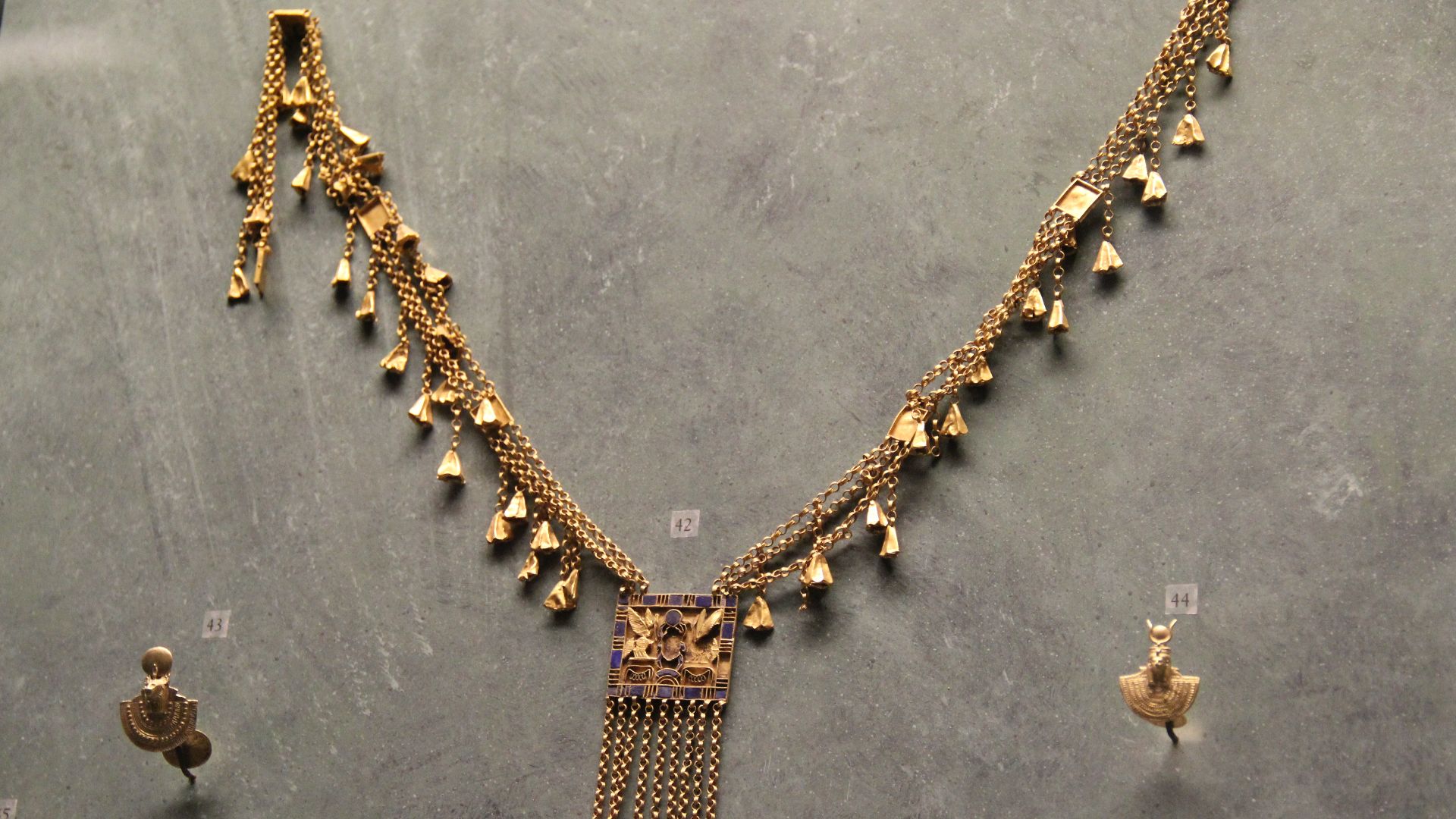 Gary Todd from Xinzheng, China, Wikimedia Commons
Final Thought
History grows sharper each time excavations reveal tools of control instead of symbols of privilege. Evidence from the Ghooza-linked gold mines shows a labor system built on restraint. As more sites open and more texts get translated, you can expect the story to grow even richer. Keep digging—figuratively—because evidence like this has a way of reshaping everything you thought you knew about ancient Egypt.