Faith Had A Cost
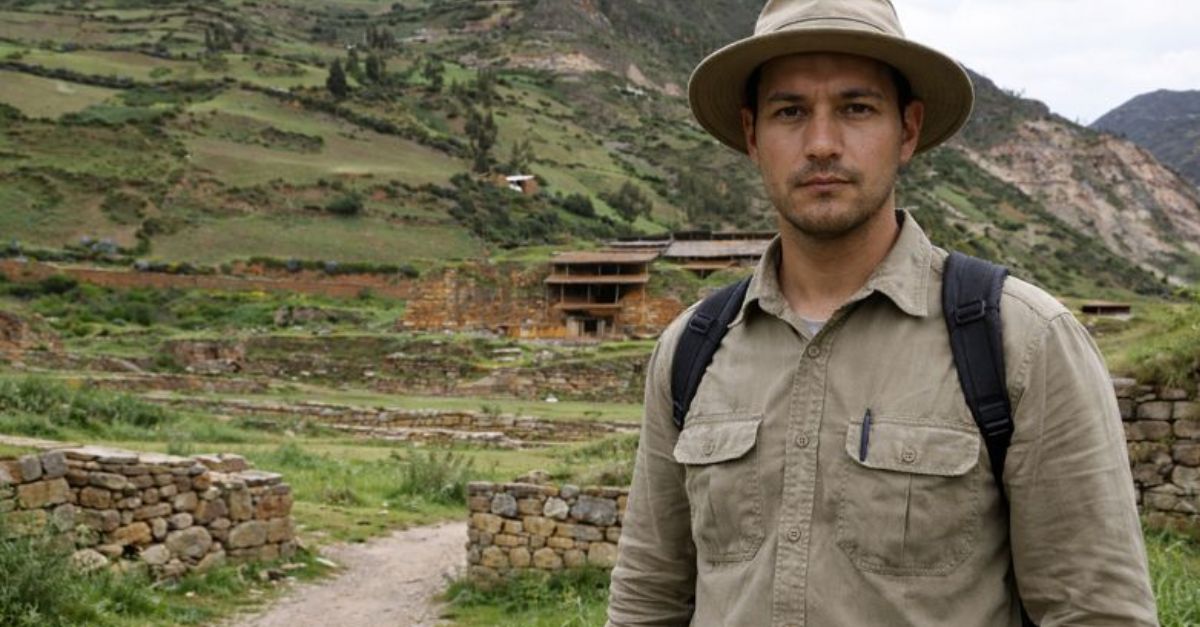
High in the Andes sits a temple that never relied on spectacle alone. Its power came through experience, the kind that worked slowly on the body and stayed lodged in memory. Archaeologists once saw stone, skill, and symbolism here. Then the bones changed the conversation. This story moves past admiration into discomfort, asking how belief gets built and who pays for it. It is not a comfortable story, but it is a human one.
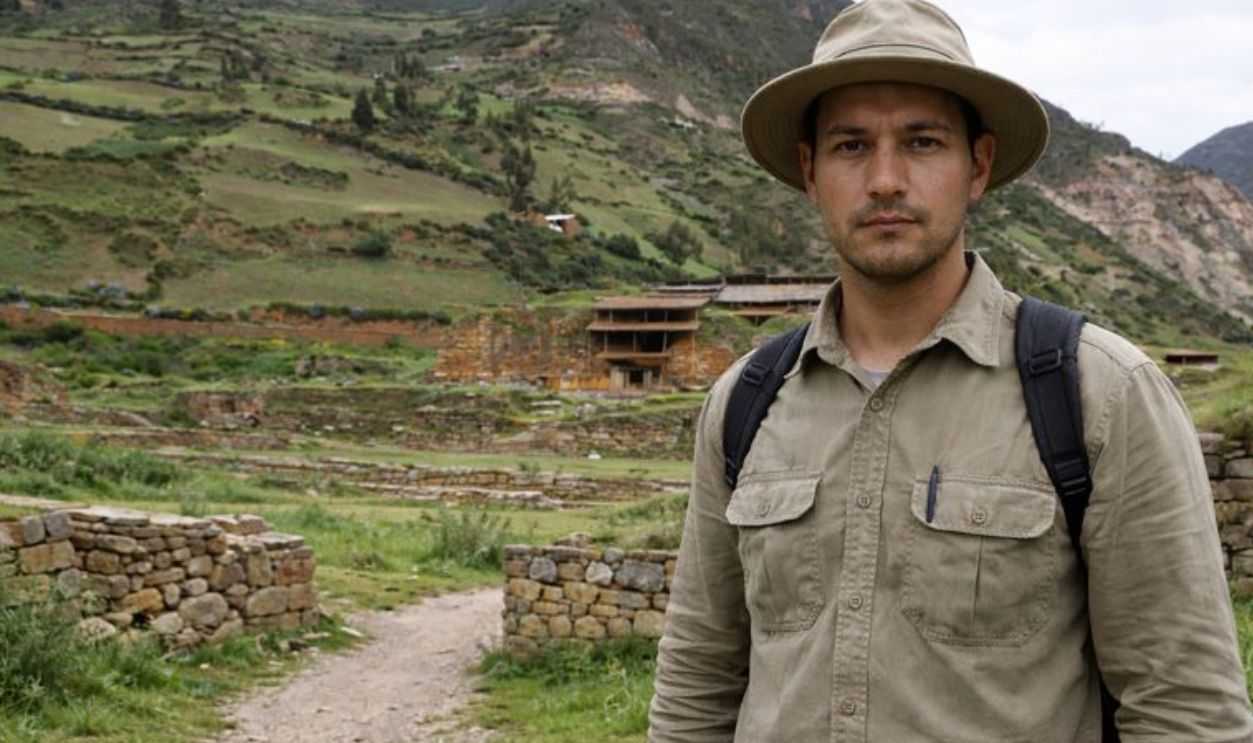 AlisonRuthHughes, Wikimedia Commons, Modified
A Place Older Than Empires
Long before the Inca empire, pilgrims traveled to Chavín de Huántar searching for meaning. High in the Andes, the temple offered answers through ritual and fear. What unfolded inside shaped belief so deeply that visitors left changed.
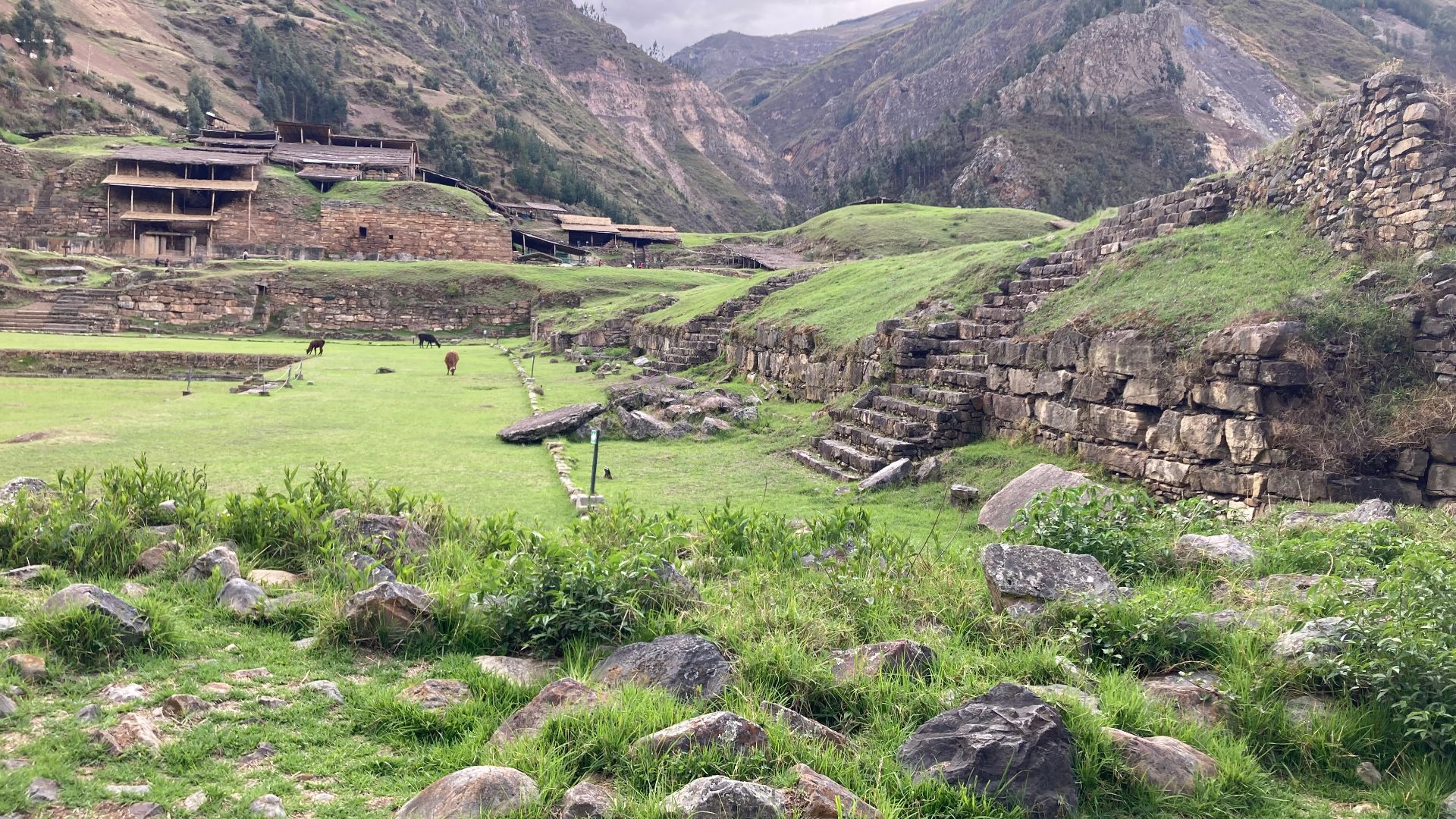 Mimcollipal, Wikimedia Commons
Pinning Down The Timeline
Radiocarbon dating and architectural sequencing place the temple’s main occupation between 1200 and 400 BCE. Moreover, layered construction phases indicate sustained planning over centuries. Such continuity suggests centralized leadership with the ability to coordinate labor and maintain religious authority long term.
Influence Without Armies
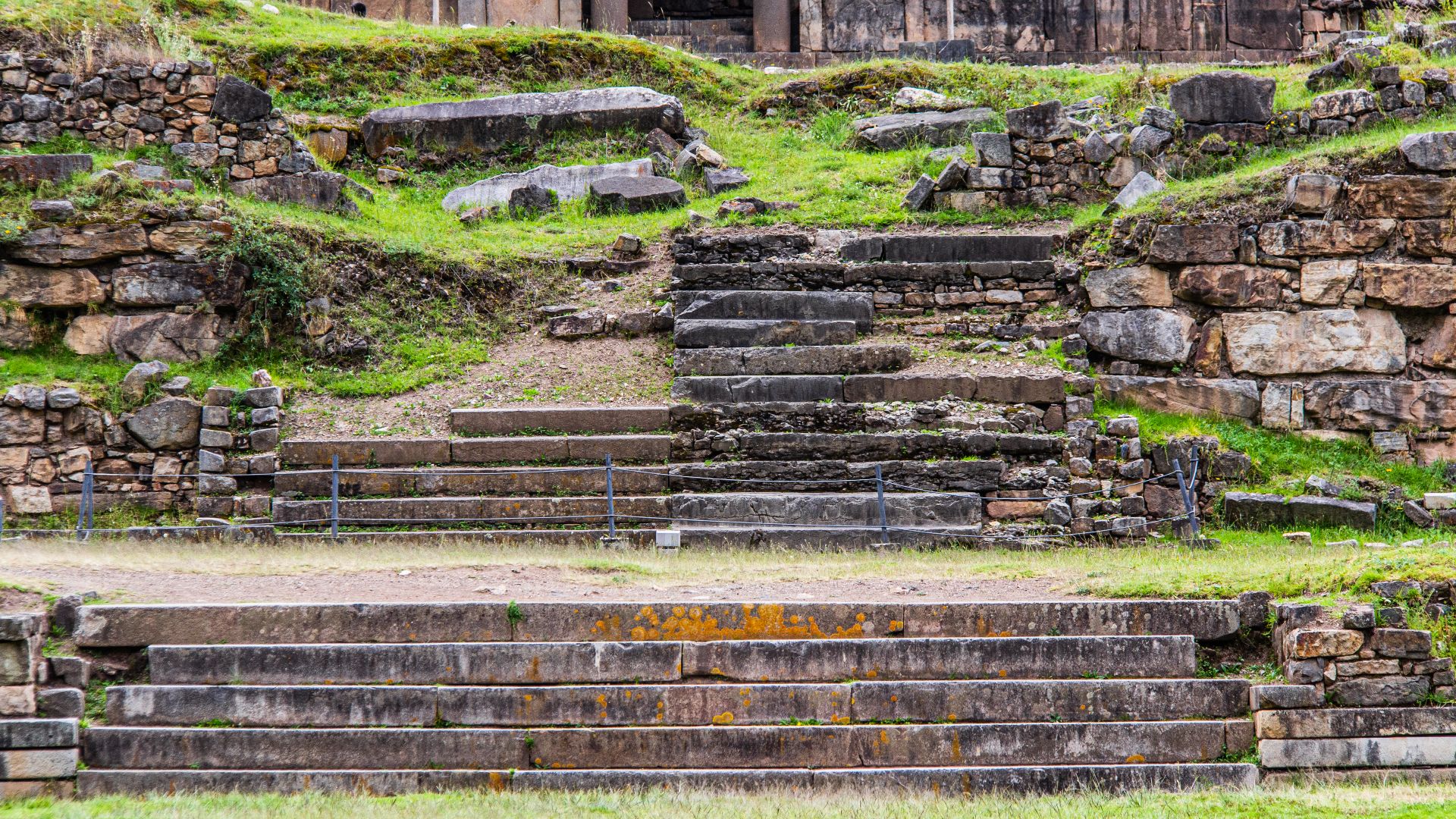
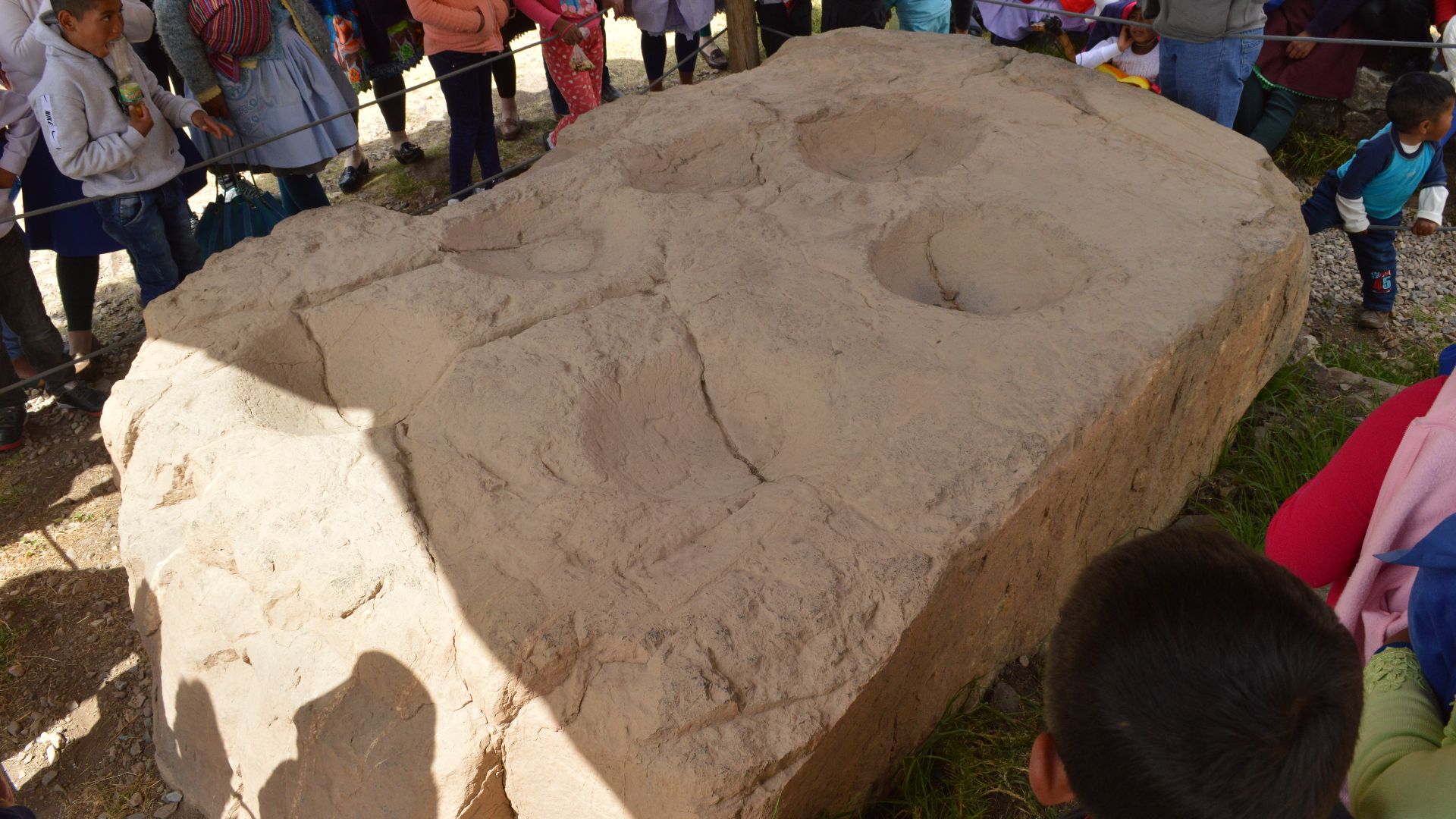
Power at Chavín did not rely on conquest. Instead, religious ideas moved through pilgrimage and shared symbols. Ceremonies reinforced that influence repeatedly. Think of it as ancient branding, except belief spread through controlled experiences rather than written messages or public speeches.
 Roxana Sepúlveda, Wikimedia Commons
Why This Location Was No Accident
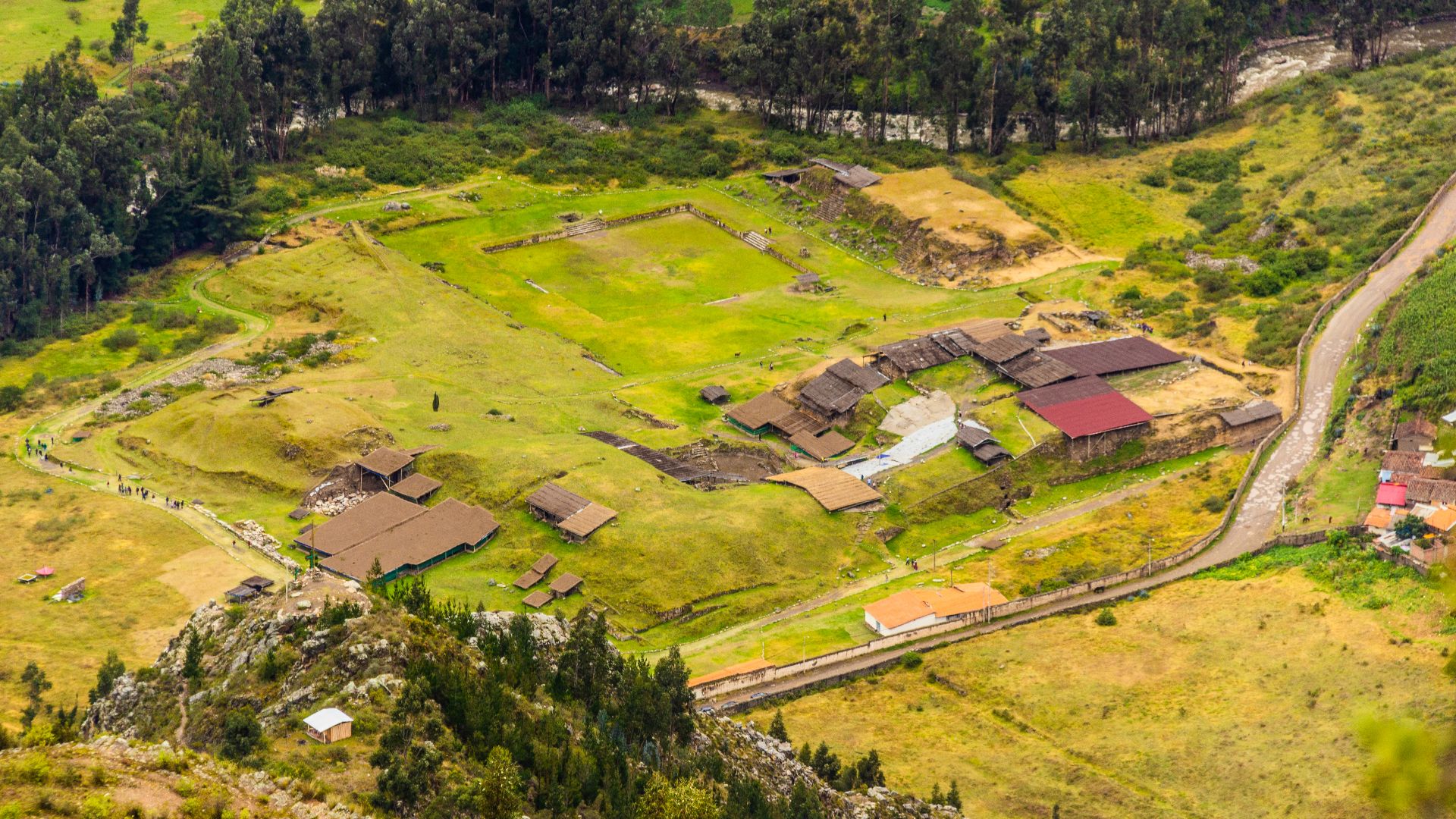
The temple stands at the meeting point of two rivers connecting coastal, highland, and jungle regions. Because travelers already passed through, religious practices circulated efficiently. This strategic placement allowed Chavín to shape belief systems well beyond its immediate geographic setting.
Designed To Make You Lose Your Way
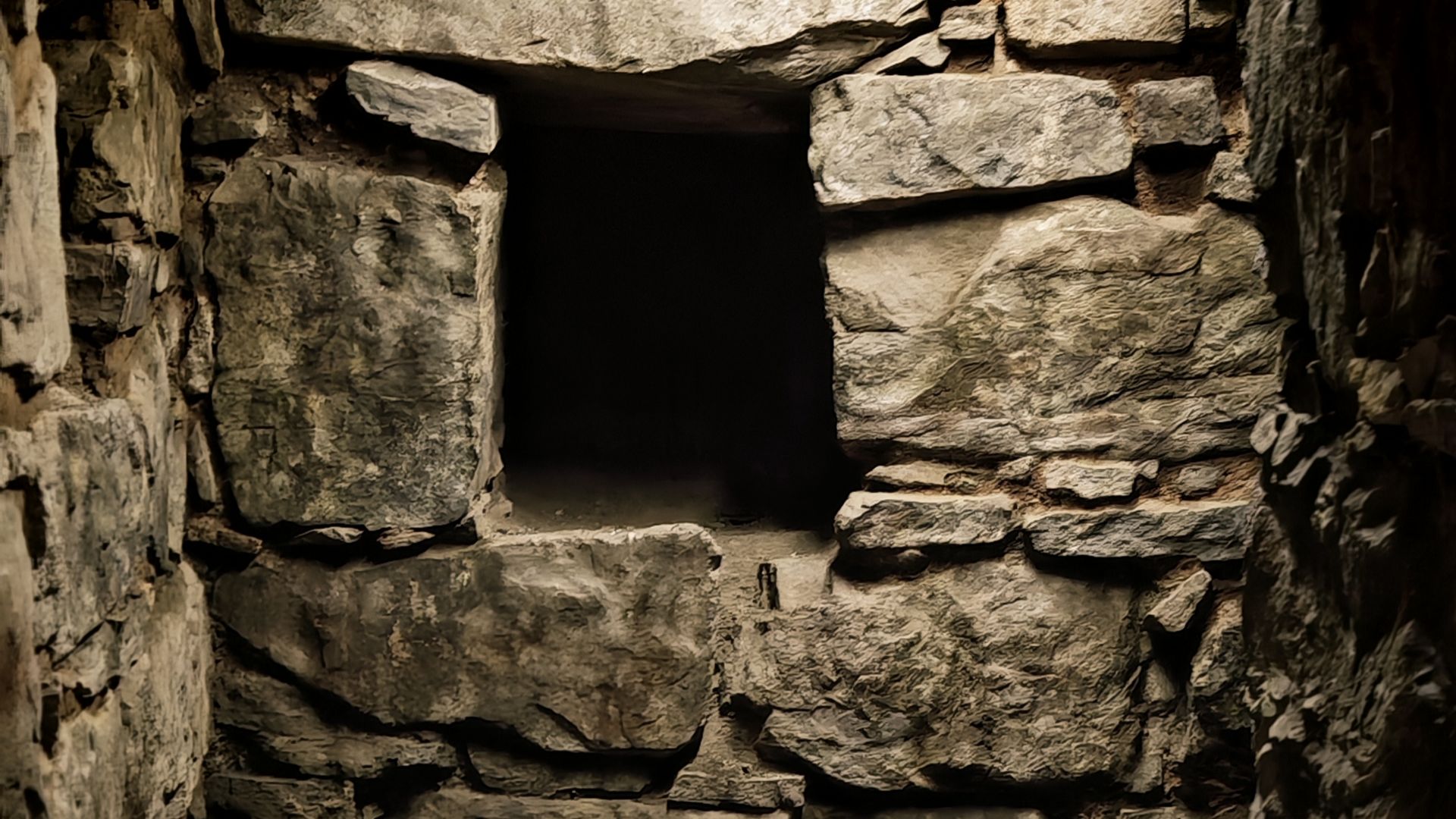
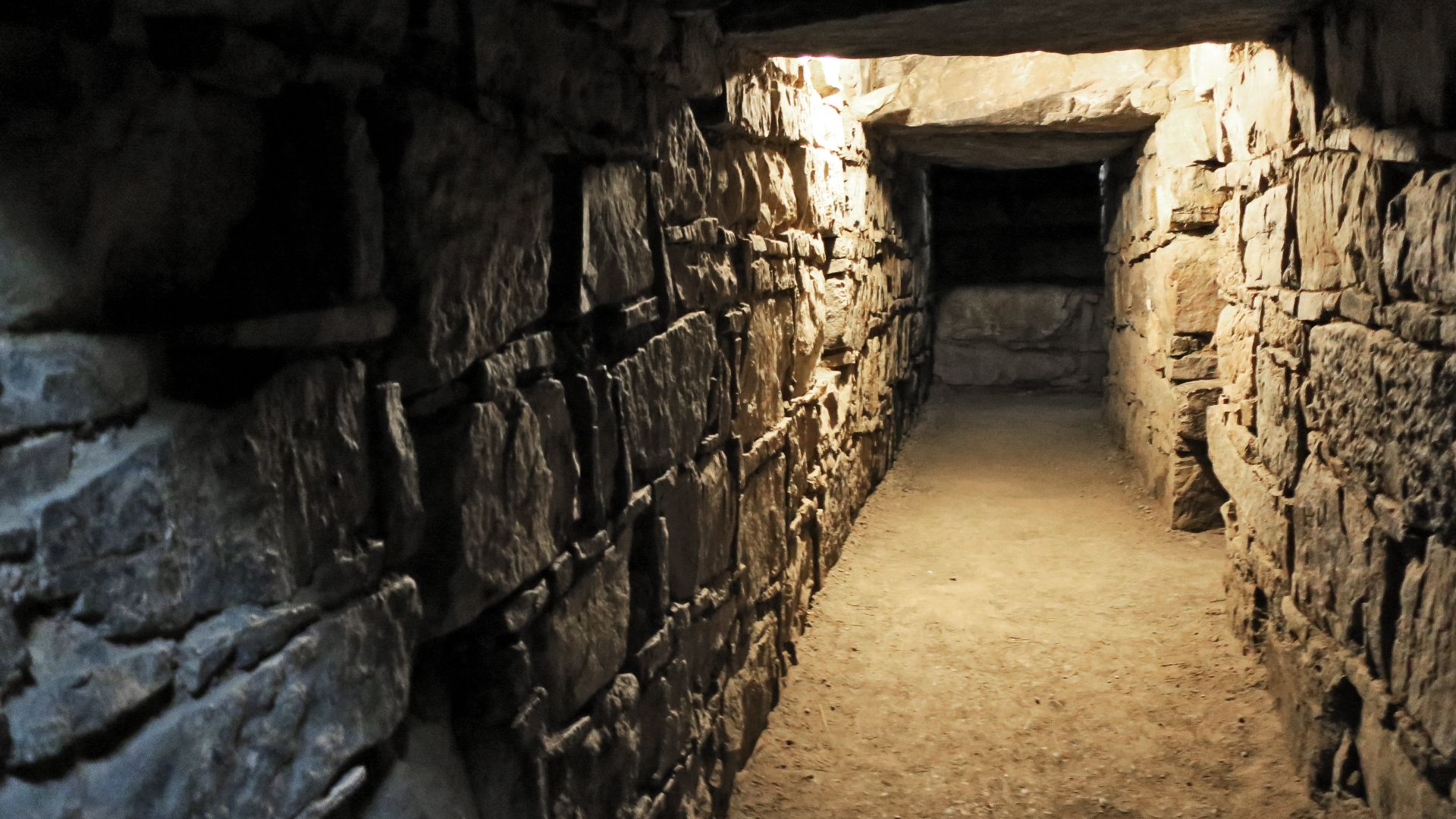
Disorientation inside the temple was intentional. Narrow corridors and sudden darkness disrupted perception quickly. Meanwhile, priests moved confidently through the same space. That contrast mattered. Confusion below ground reinforced authority above it, leaving visitors less inclined to question what followed.
Built To Disorient
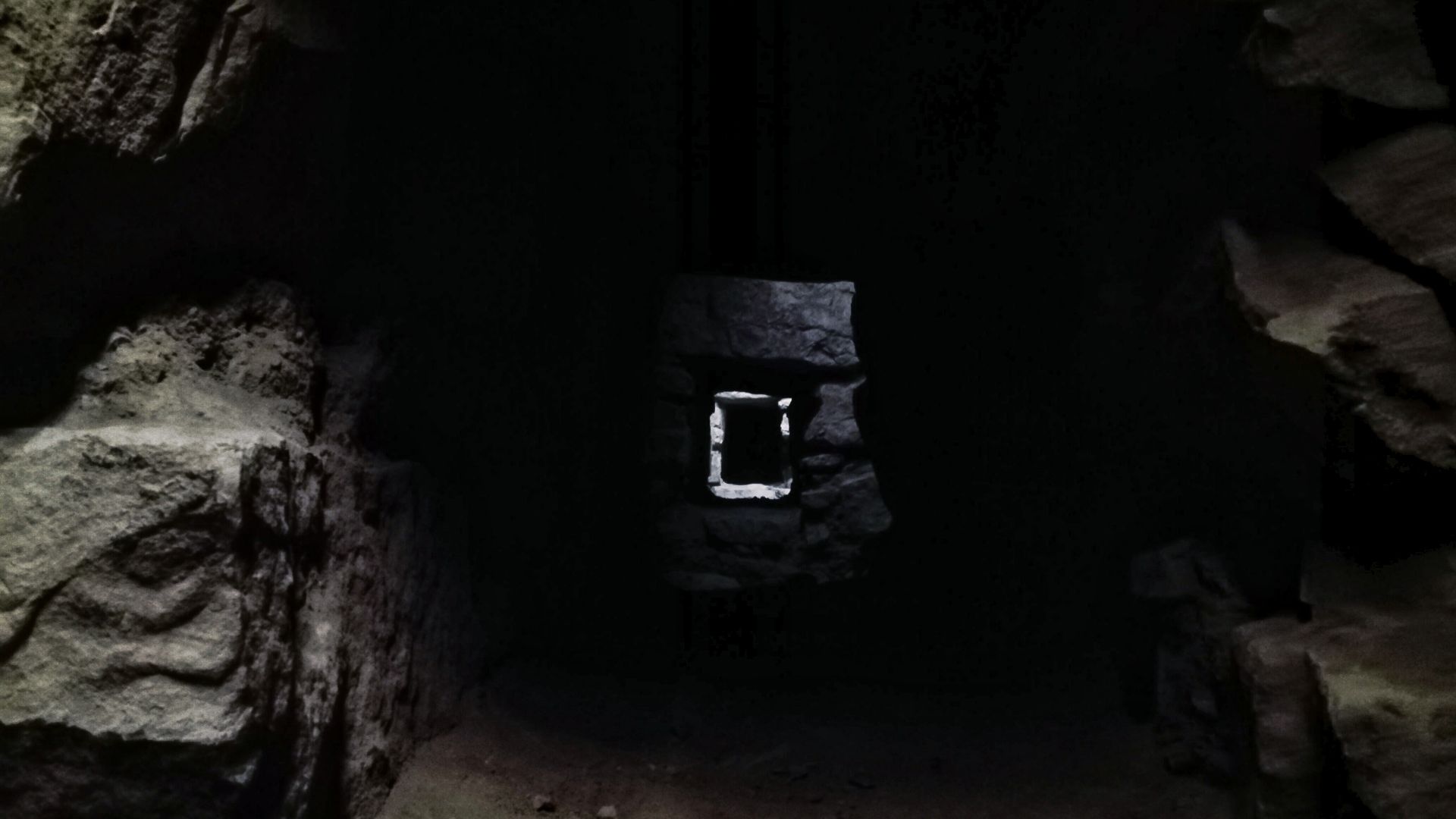
Darkness governed movement underground, while passages narrowed without warning and slowed the body. Light vanished early, and vision failed quickly. Because of that loss, breathing grew louder, and hands reached for stone. Dependence followed naturally, which directed visitors toward guidance held by others.
Fear Was Part Of The Ritual
Entry into the inner chambers stripped away certainty as walls pressed closer and echoes refused resolution. Fear arrived gradually, then remained. Over time, doubt felt dangerous, whereas religious trust brought comfort. The temple offered relief only after surrender became complete.
How Belief Took Hold
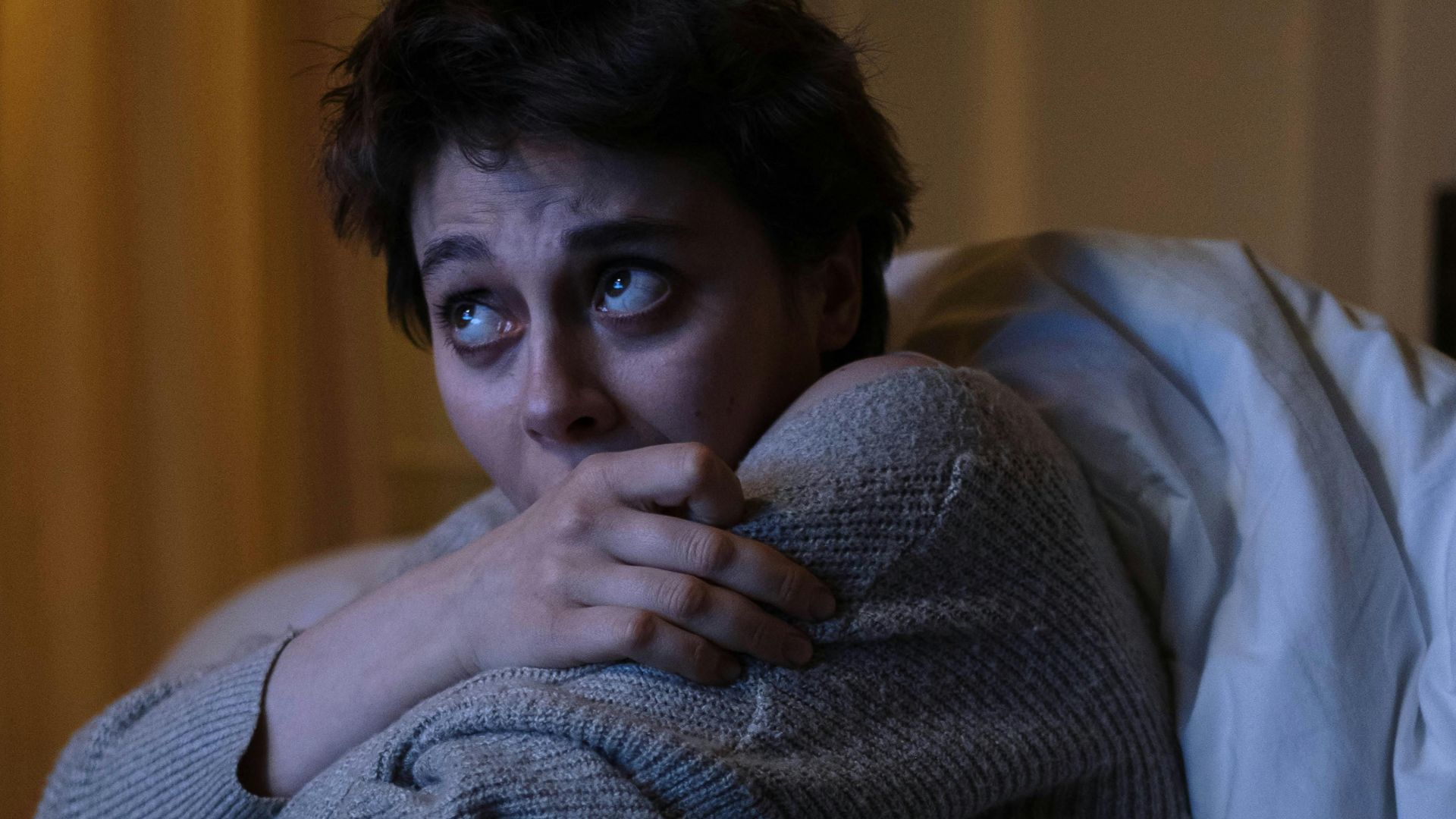
Ritual addressed the body first, then allowed the mind to follow. Sound distorted direction while darkness removed scale entirely. Psychoactive plants further deepened that effect. Once familiar anchors disappeared, authority felt necessary, arriving precisely when confusion reached its peak.
The Pilgrim’s Experience
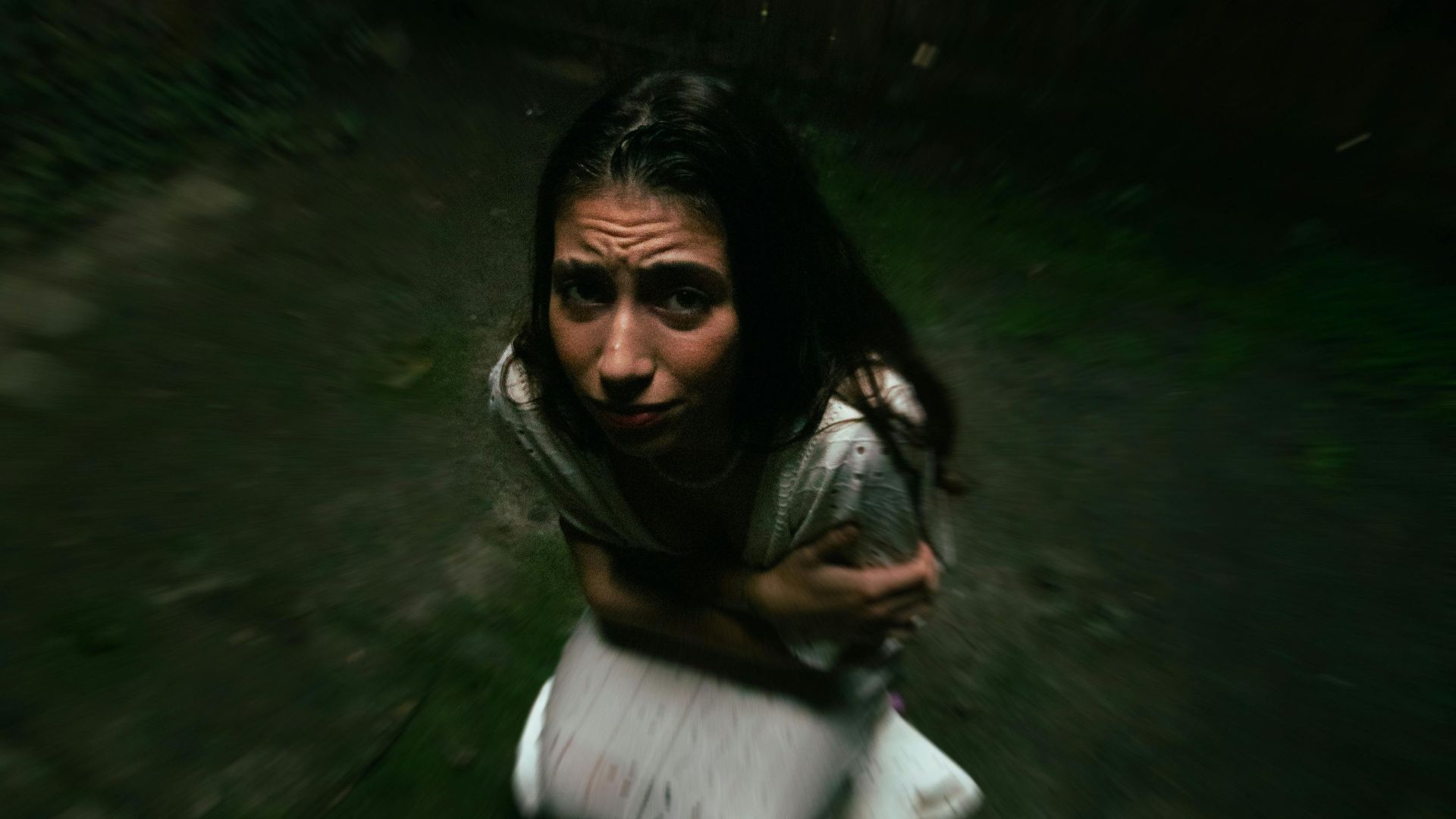
A traveler reached the temple after days of walking, already tired and uncertain. Guides led the descent as drums echoed nearby. Torches faded one by one. By the time the inner shrine appeared, exhaustion mixed with awe, leaving little room for doubt.
Why Fear Worked
What persuades more deeply, instruction or experience? At Chavín de Huántar, belief formed through what people endured rather than what they heard. Fear shaped meaning internally, which made devotion feel earned rather than imposed.
Altered States Were Intentional
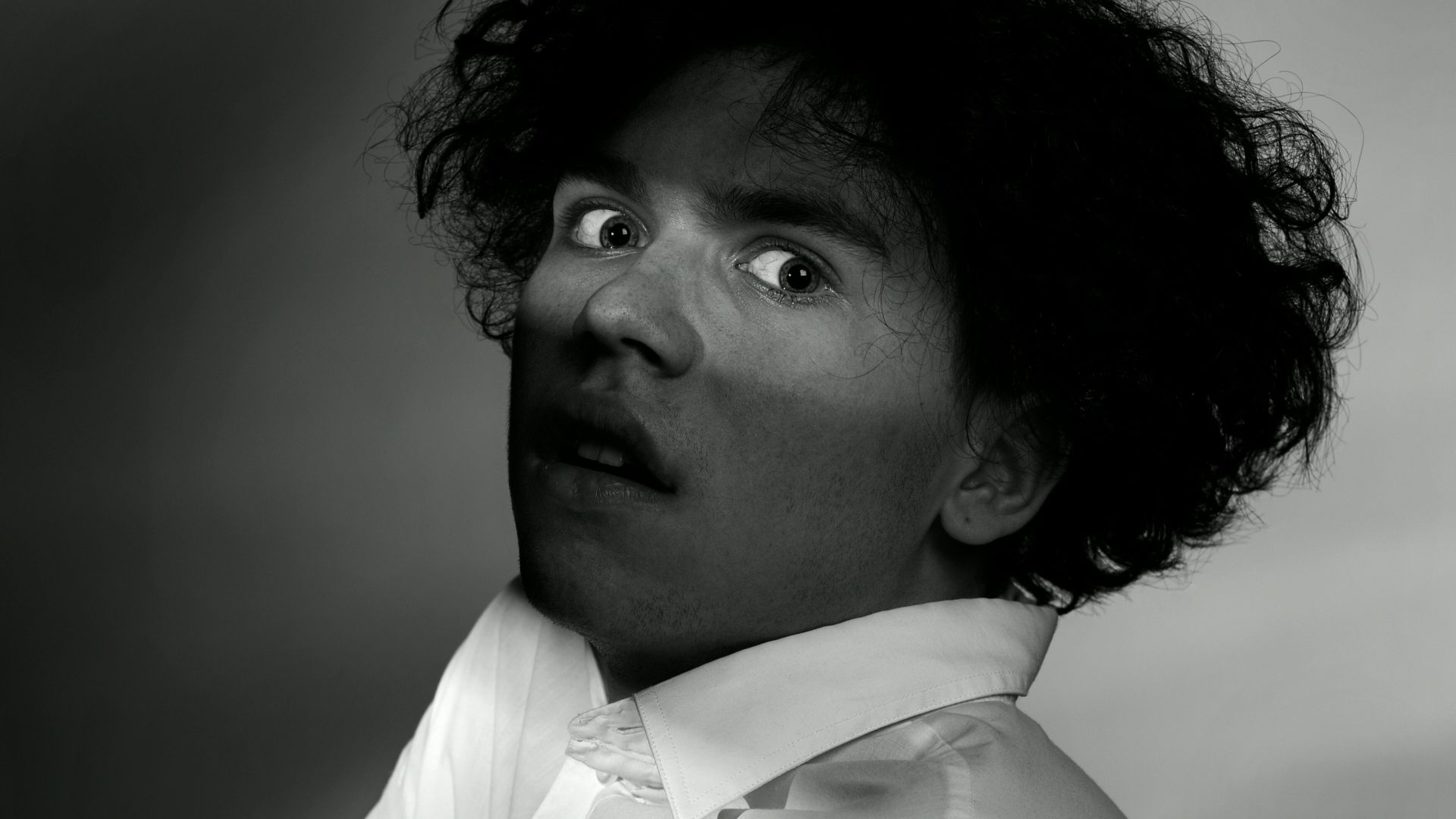
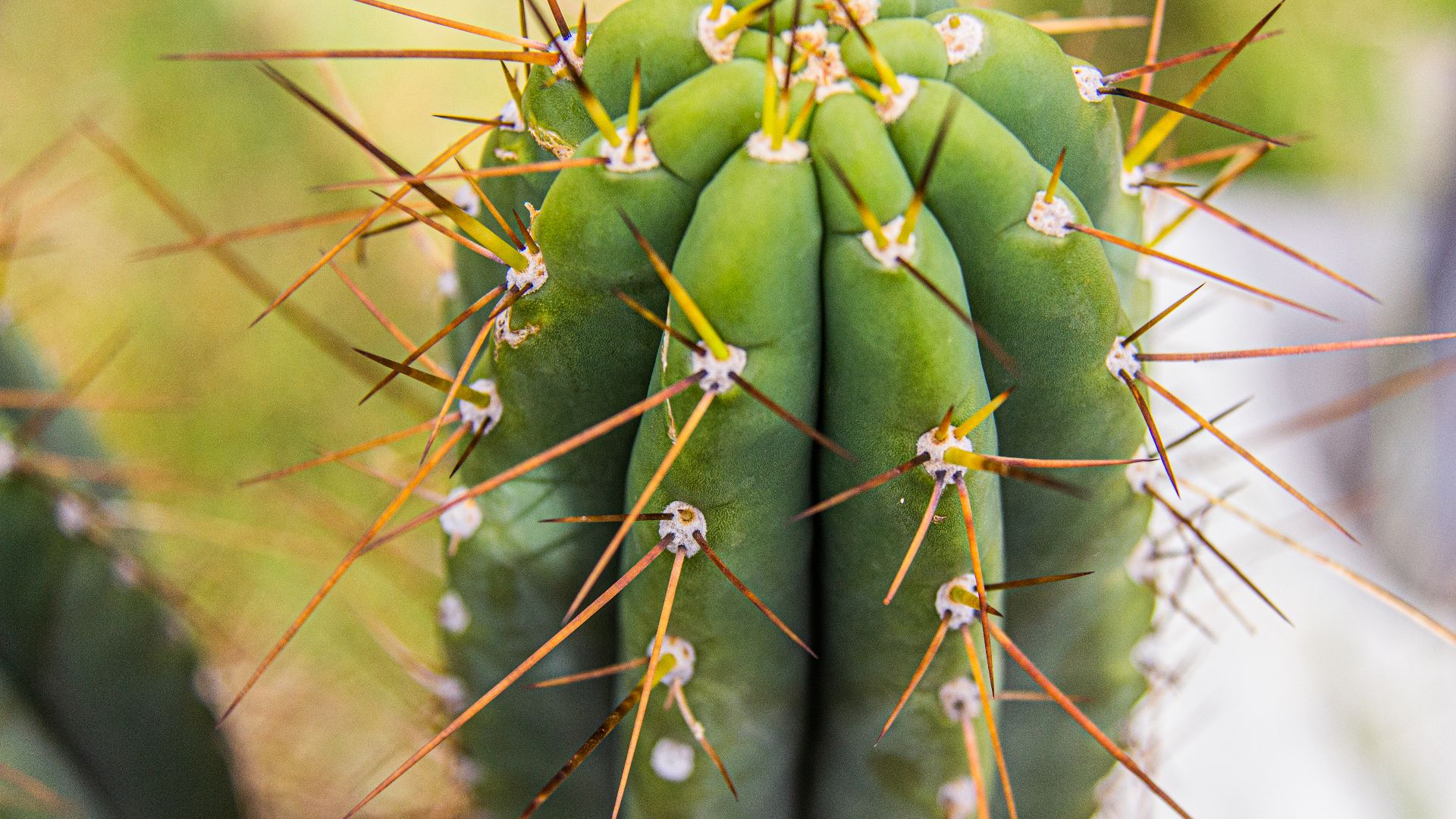
Archaeological evidence links rituals at Chavín to the San Pedro cactus, a powerful psychoactive plant. Its effects heightened perception and weakened ordinary judgment. Combined with darkness and sound, the substance intensified emotional response, making ritual encounters more overwhelming rather than symbolic.
Change Was The Point
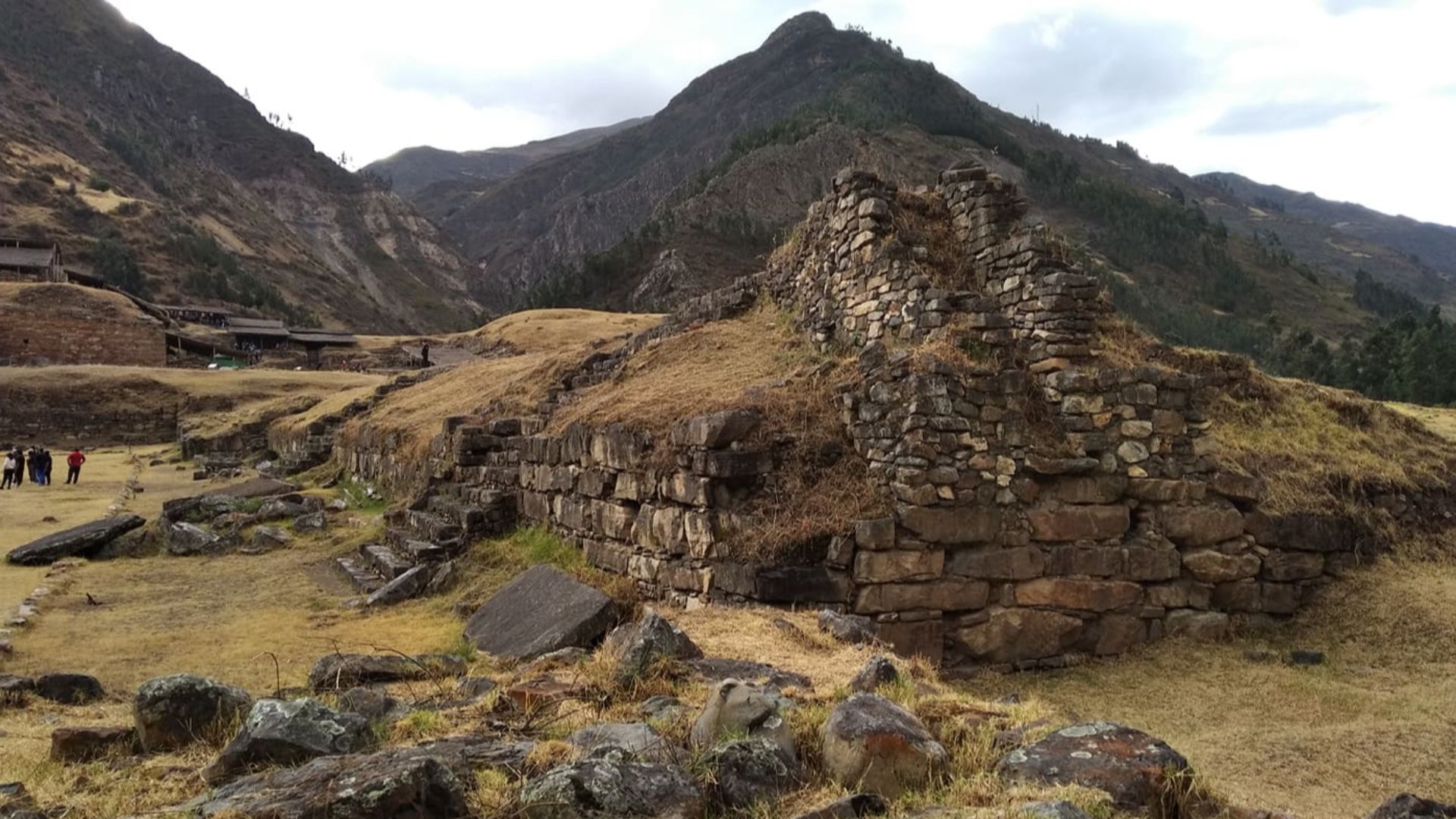
Pilgrims did not come simply to observe. They came to feel something irreversible. After hours underground, altered senses and rising fear reframed the experience. Leaving unchanged would have meant failure. Belief mattered more once it felt earned through discomfort and emotional strain.
The First Disturbing Discovery
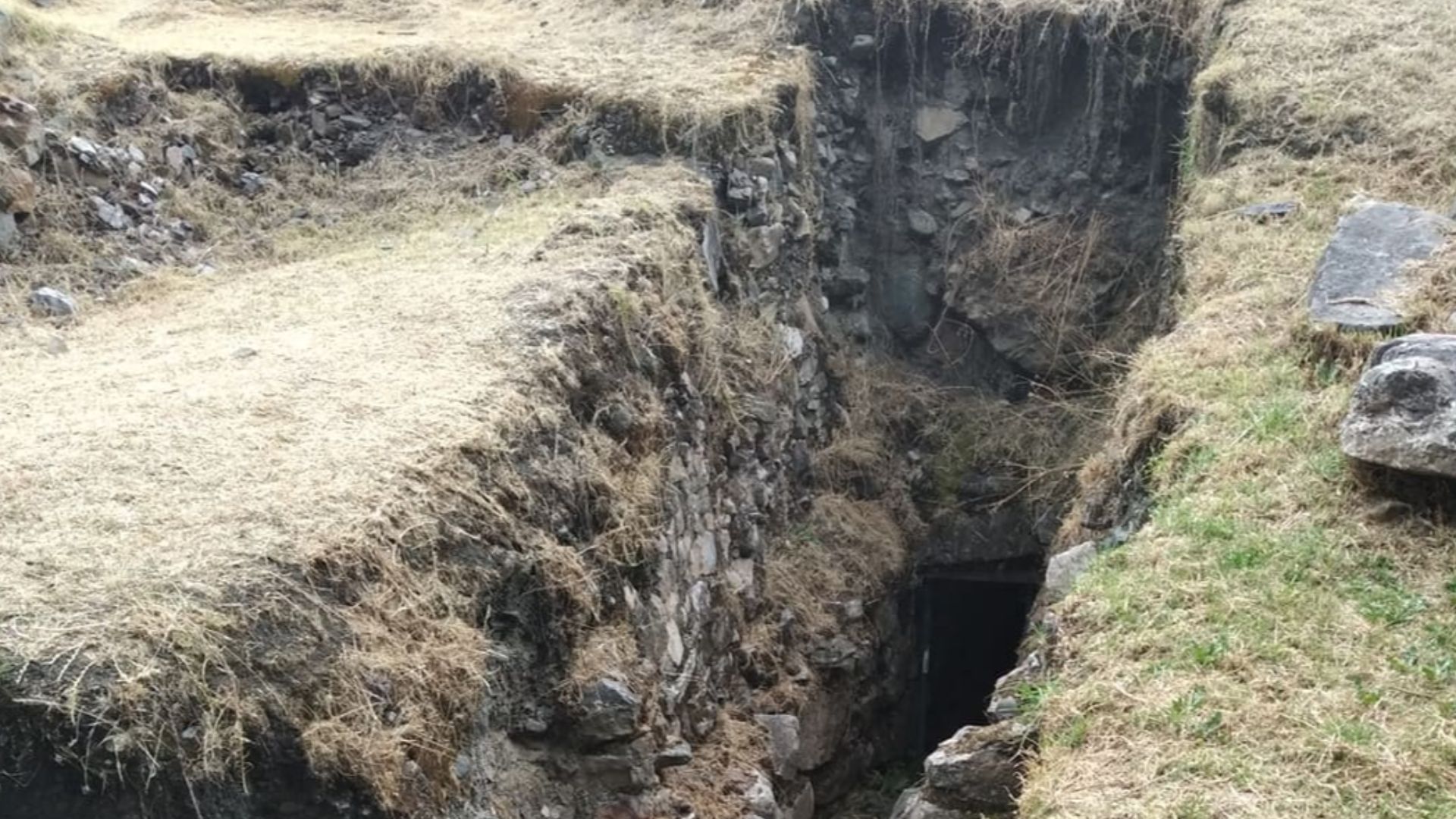
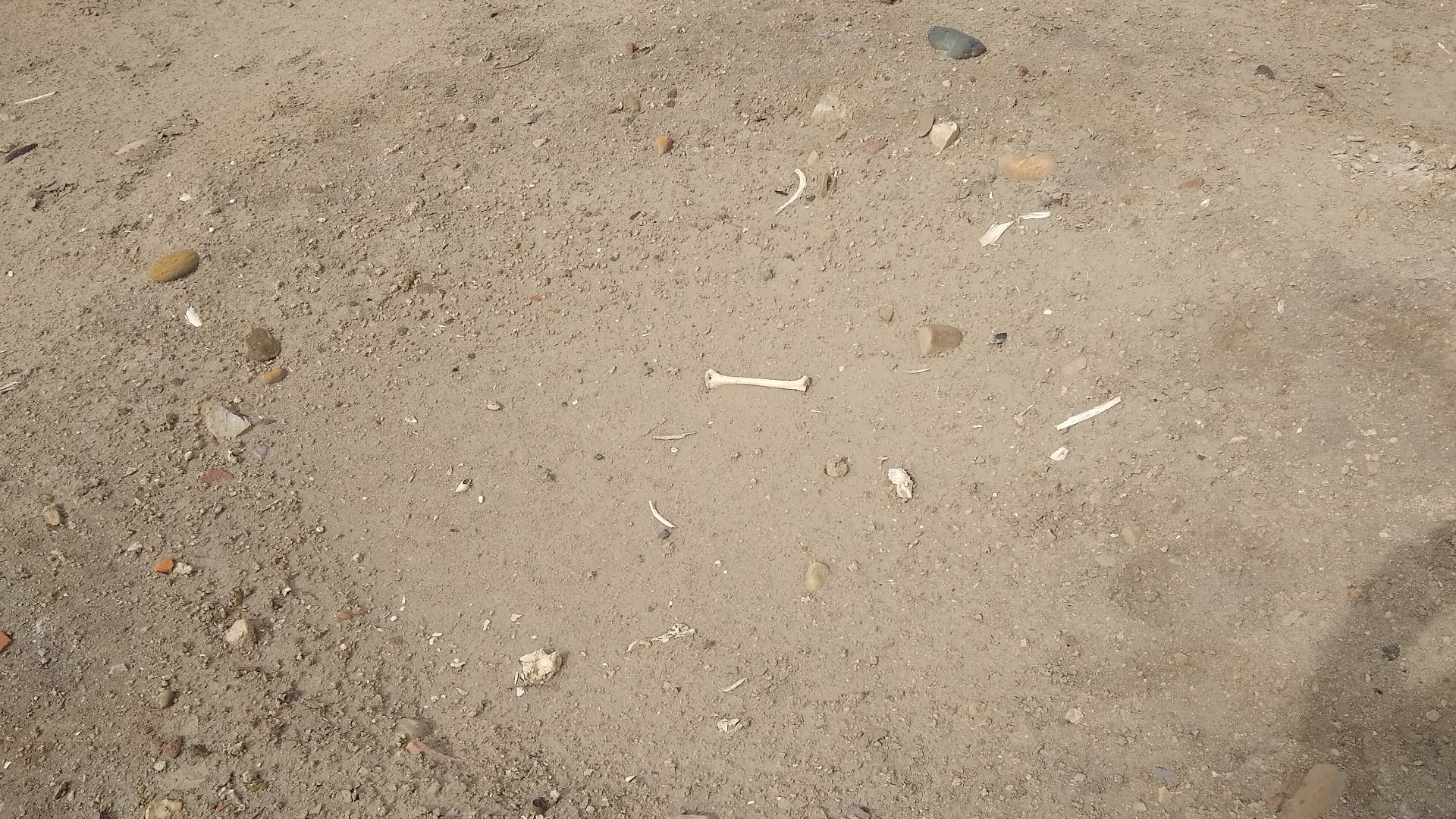
Excavations revealed human bones where burials did not belong. Remains appeared in passages and water channels rather than designated graves. Their condition and placement also suggested ritual activity. Therefore, death occurred within ceremonial space, not as part of ordinary funerary practice.
Definitely Not An Accident
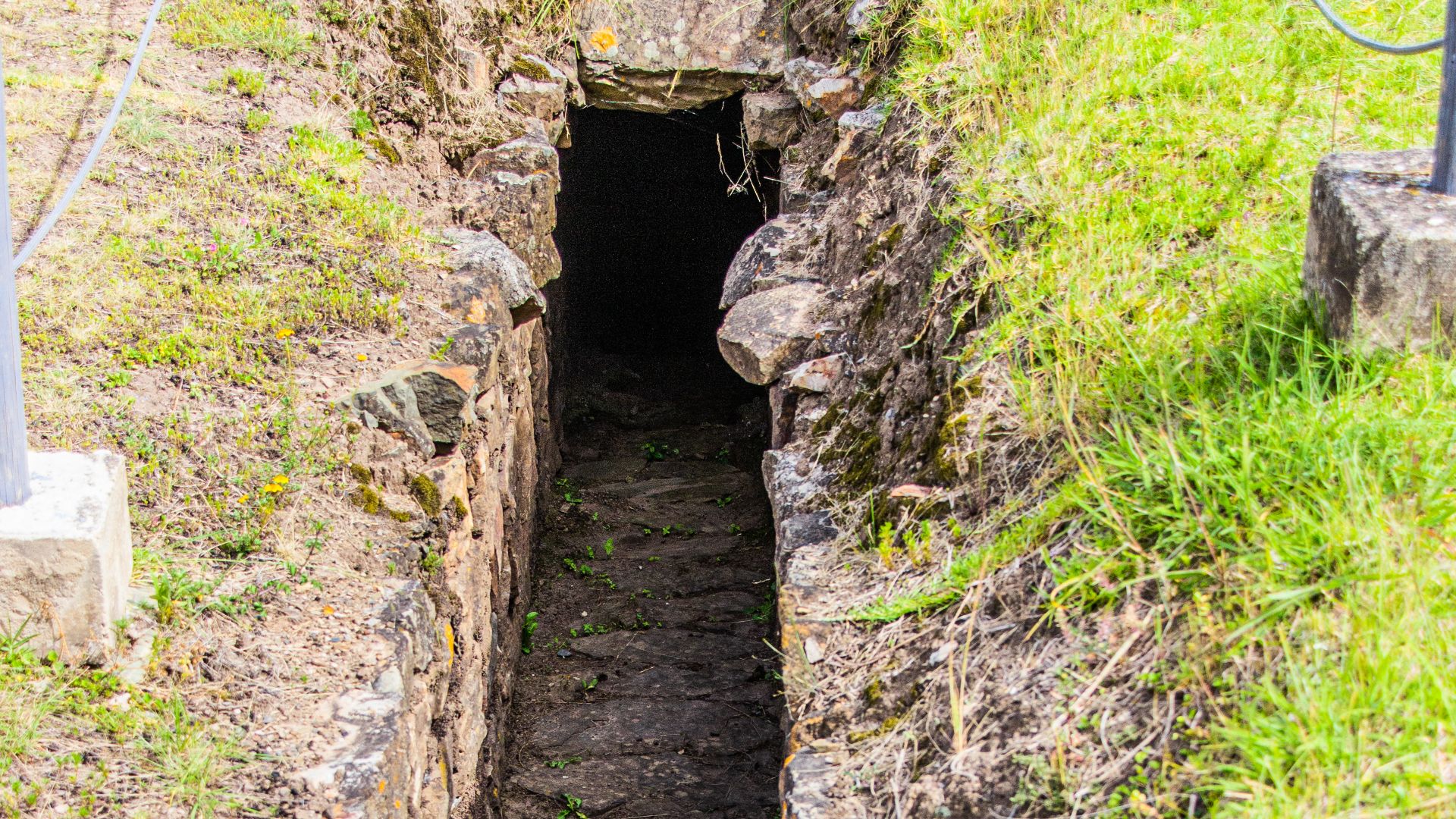
Bodies do not end up in drainage systems by coincidence. Yet remains appeared precisely where water flowed beneath the temple. The engineering worked efficiently. Whatever occurred above ground left traces below, and those traces point toward deliberate ritual violence rather than careless disposal.
who Paid The Price
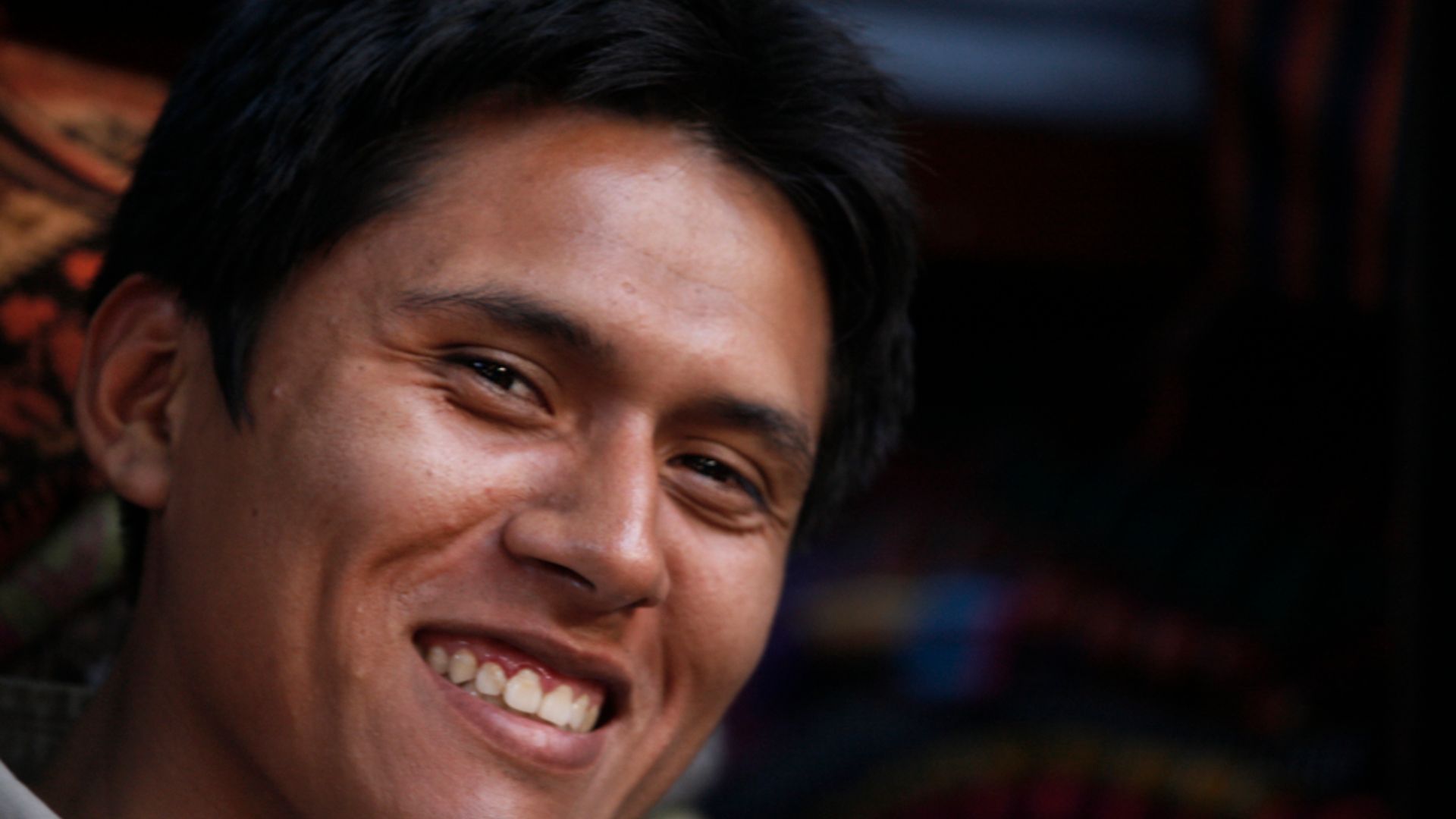
Patterns within the remains matter. Most belonged to young adults rather than elders or children. That detail shifts interpretation sharply. Ritual sacrifice targeted those considered valuable, capable, and symbolically potent, which reinforced the seriousness of devotion demanded by the temple’s authority.
 Steve Evans from Citizen of the World, Wikimedia Commons
Pilgrims Came From Far Away
Isotopic analysis of teeth and bones shows that several individuals did not grow up near the temple. Their diets reflected distant regions. This evidence supports pilgrimage rather than local conflict, suggesting people arrived willingly before the ritual brought their journeys to an end.
 National Cancer Institute, Unsplash
The Long Walk That Did Not End
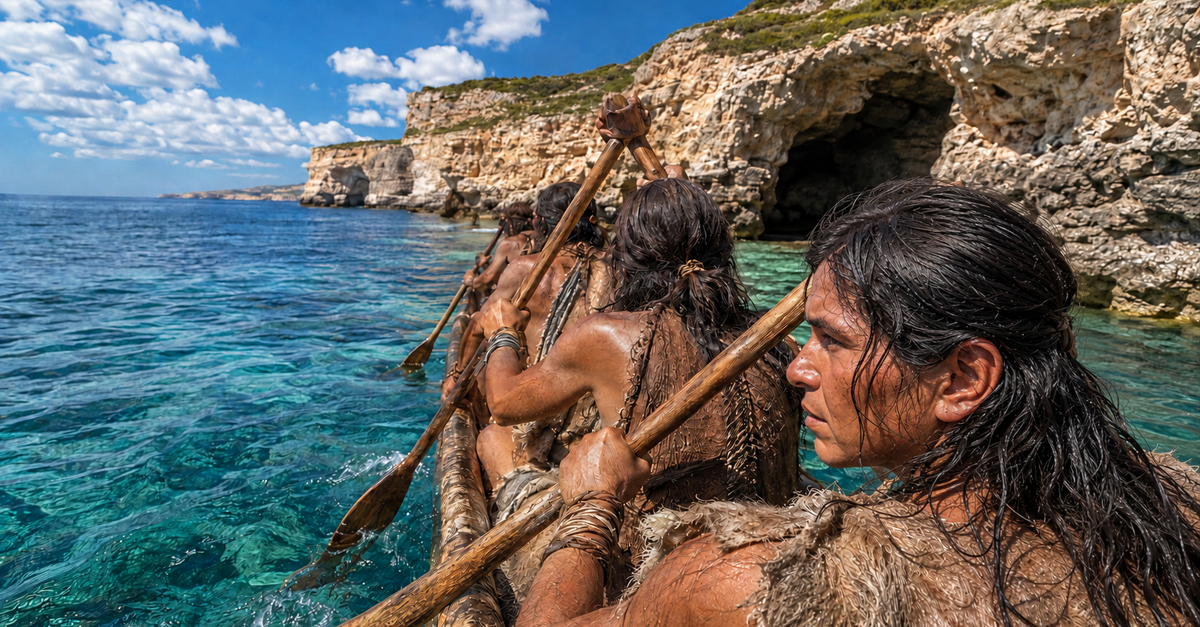
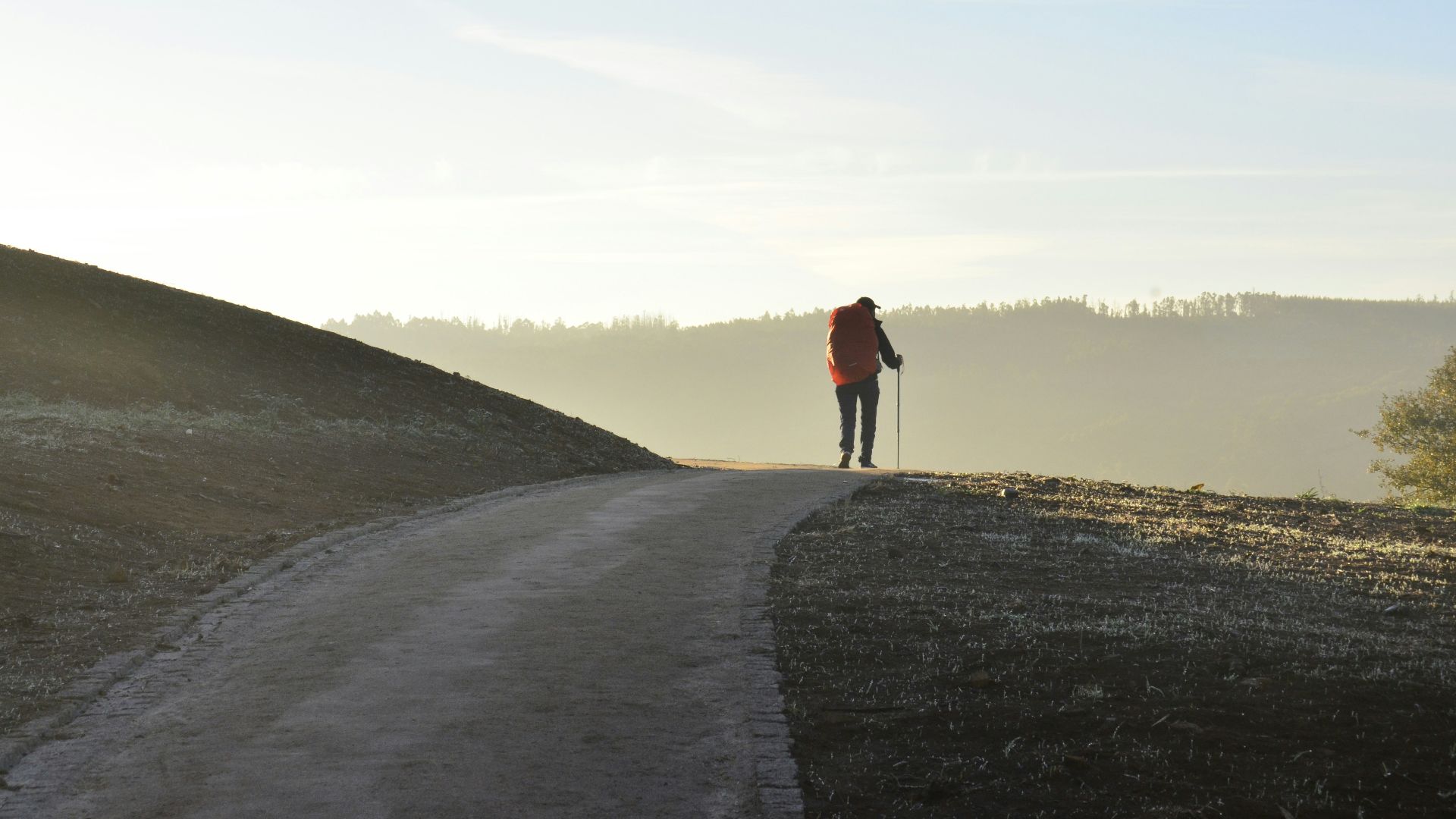
Some pilgrims traveled for weeks across mountains and valleys, carrying offerings and expectations. Families likely watched them leave with pride. Arrival at the temple marked a beginning, not a conclusion. However, what followed inside separated travelers from the lives they once knew.
 Jorge Luis Ojeda Flota, Unsplash
Water That Carried More Than Rain
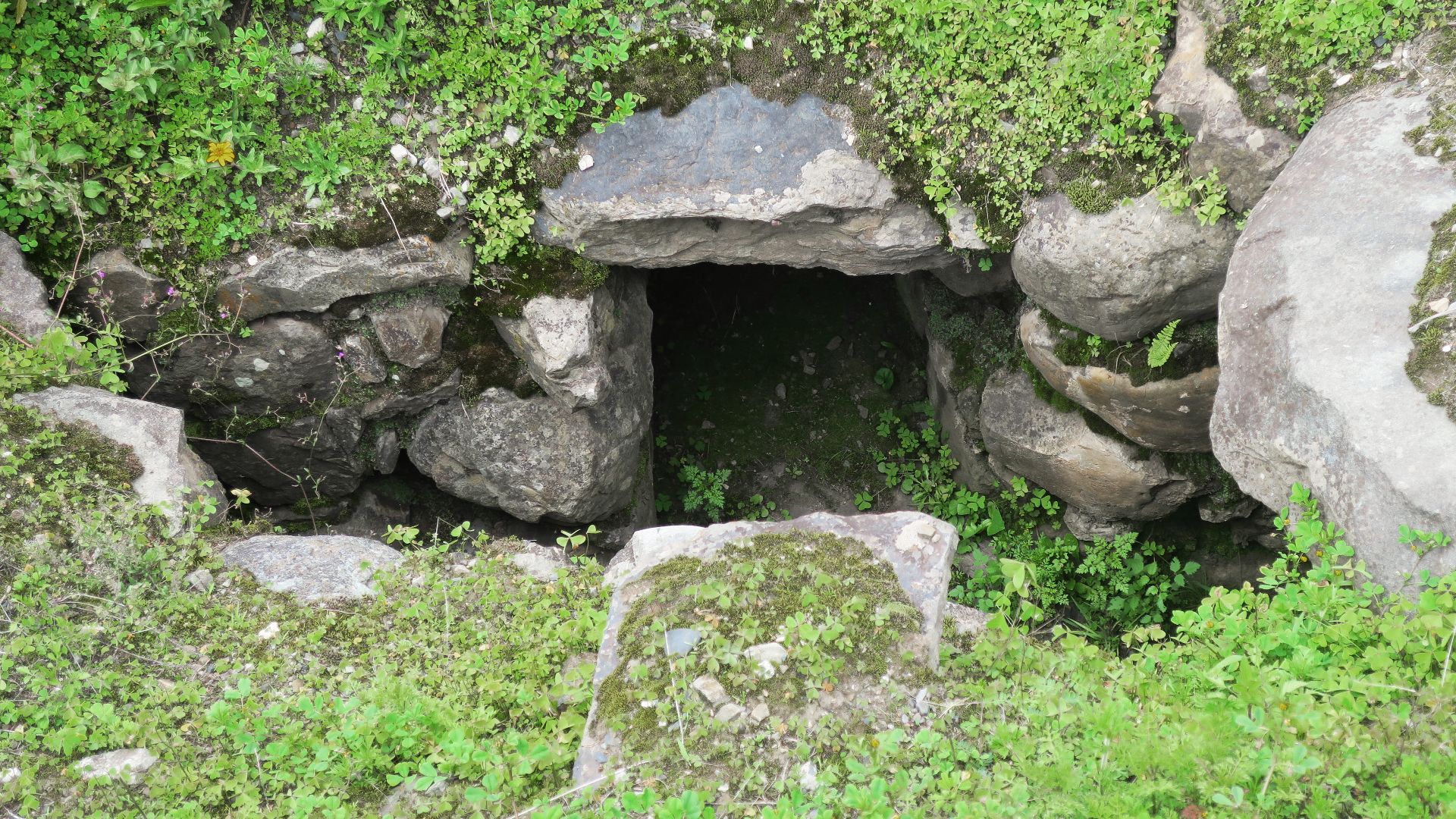
Beneath the temple ran a sophisticated hydraulic system designed to control water flow. Channels passed directly under ritual spaces. Their placement suggests more than drainage needs. Fluids released above moved quickly below, removing visible traces from ceremonial areas soon afterward.
 AlisonRuthHughes, Wikimedia Commons
Violence Without Resistance
No evidence points to battle, rebellion, or forced entry. Weapons remain absent. Defensive walls never appeared. That silence raises questions. Why would people submit to harm without protest? The answer likely rests in a belief strong enough to override fear and self-preservation.
 AlisonRuthHughes, Wikimedia Commons
What The Walls Revealed
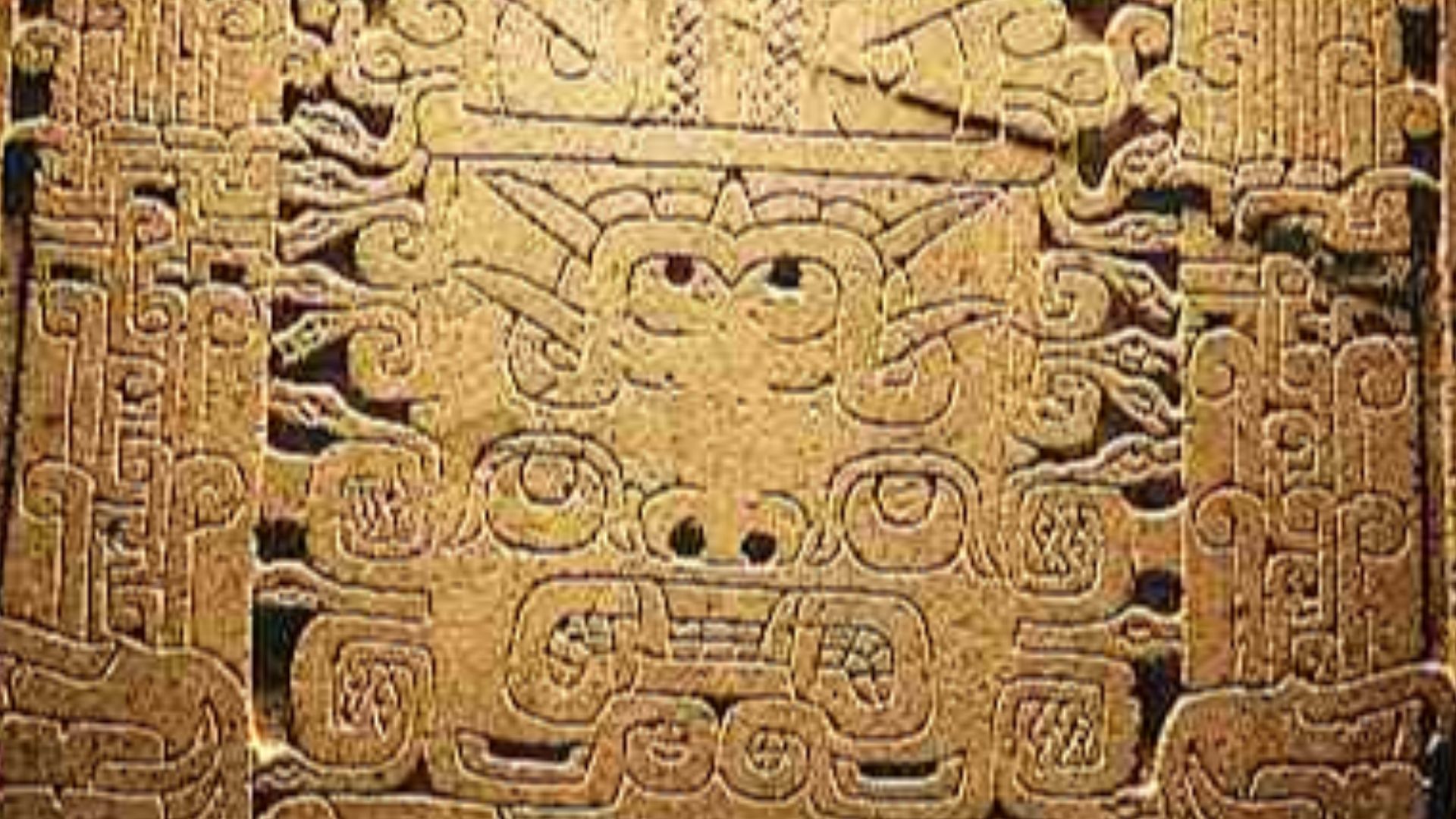
Stone carvings throughout the complex depict human faces mid-change, with fangs visible and eyes widened. Such imagery aligns with altered states reported from ritual plant use. Rather than decoration, the carvings functioned as instruction, which prepared visitors for the bodily change expected inside.
 Original uploader was Ghirlandajo at en.wikipedia, Wikimedia Commons
Why It Took So Long To Notice
Early excavations treated scattered bones as debris, not evidence. That assumption lingered for decades. Archaeology moves cautiously, and reinterpretation takes time. Only with careful reexamination did patterns emerge, forcing scholars to accept that ritual violence belonged to the site’s core function.
 Thayne Tuason, Wikimedia Commons
How New Tools Changed The Story
Recent research relies on microscopic analysis and spatial mapping rather than large-scale digging alone. These methods revealed overlooked remains and subtle modifications within channels and walls. Technology shifted interpretation, which allowed evidence speak without dramatic discoveries with greater clarity.

When The Temple Fell Silent
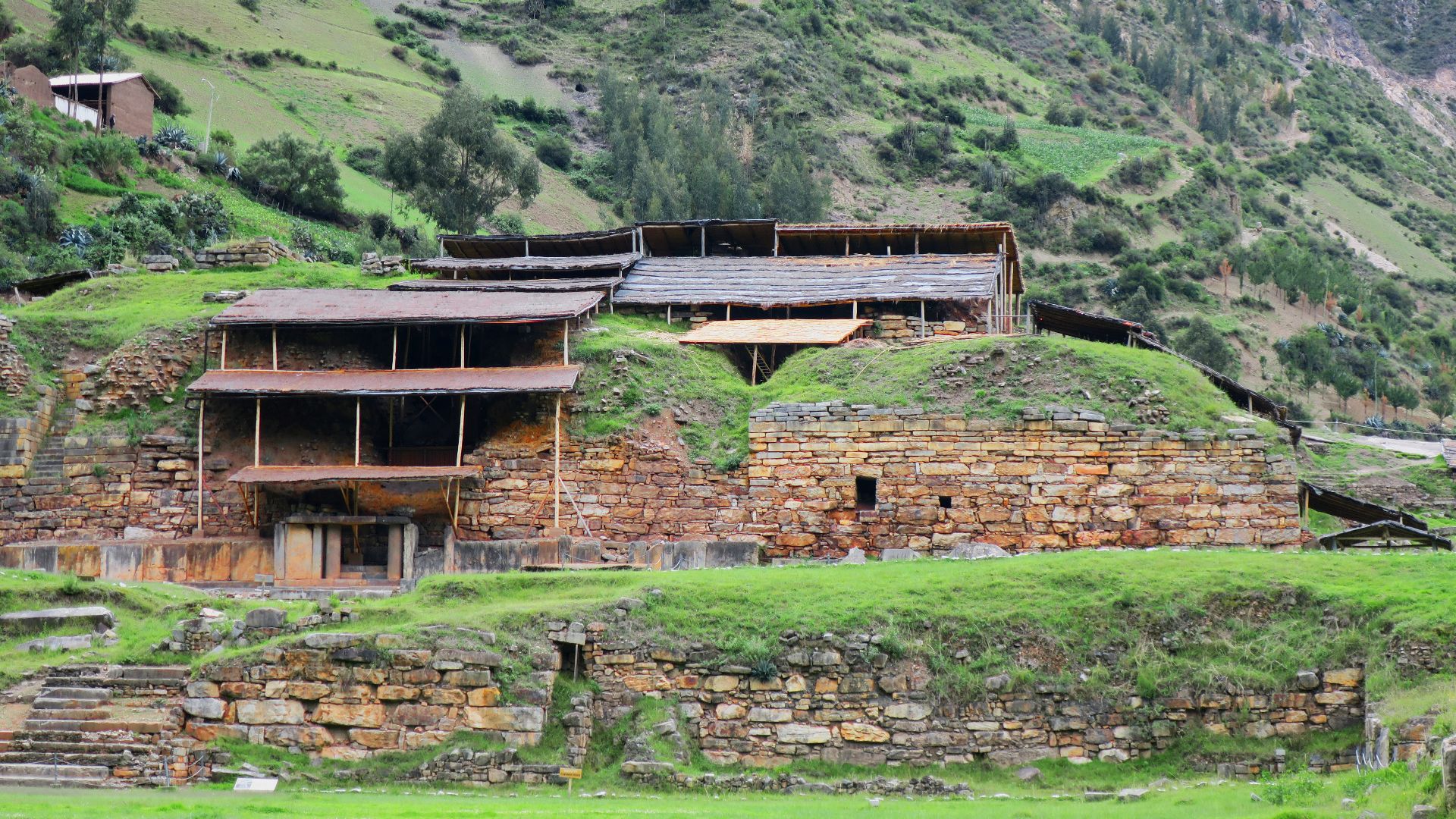
After centuries of use, activity at the temple faded. Environmental stress and shifting beliefs likely played roles. Silence replaced ceremony. Stones remained, but the crowds vanished. What once felt eternal proved temporary, and future generations wondered why devotion finally let go.
 AlisonRuthHughes, Wikimedia Commons
Why The Grim Secret Still Matters
This site matters because it exposes how belief can override instinct. Pain and awe are intertwined within sacred space. The lesson remains uncomfortable. When authority controls experience itself, devotion spreads quietly, and participants often defend the system that once demanded everything.
 AlisonRuthHughes, Wikimedia Commons
Who Gets To Tell This Story
Modern scholars face a dilemma when interpreting Chavín. Explaining ritual violence risks sensationalism, yet silence distorts history. Excavation reports now balance evidence with restraint, acknowledging uncertainty while resisting mythmaking. How this story gets told matters, because modern values shape how ancient lives are understood.