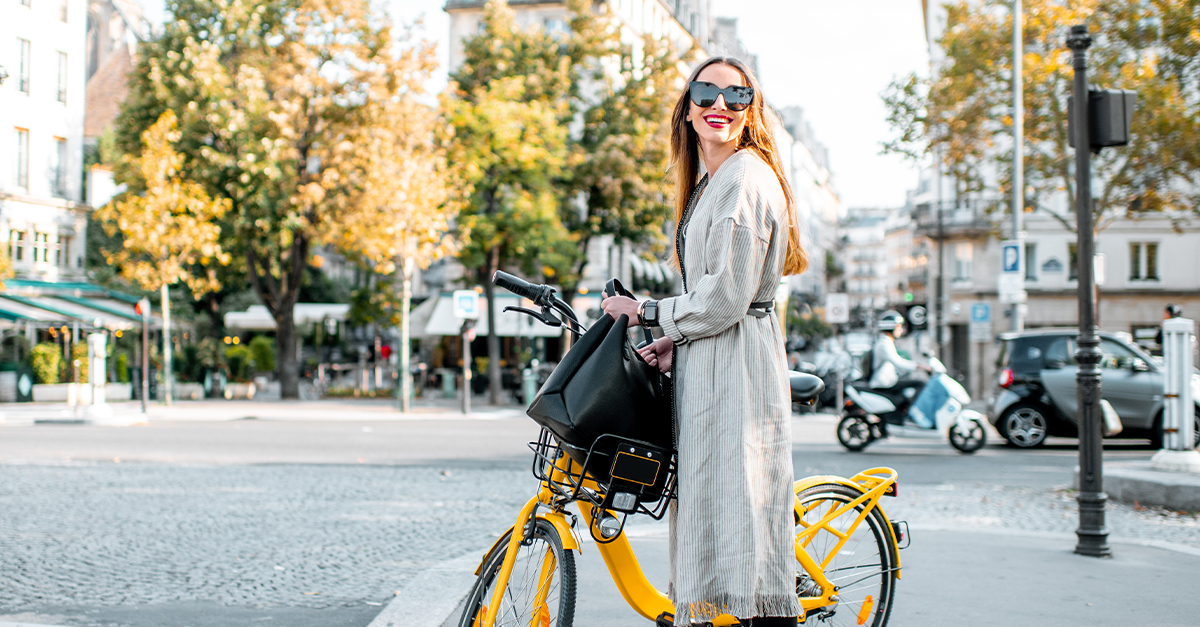
Bizarre 1960s Routines
The 1960s were a golden era for beehive hairdos and Beatles mania, but everyday habits back then could leave today's youth scratching their heads in disbelief.
 Stokkete, www.shutterstock.com
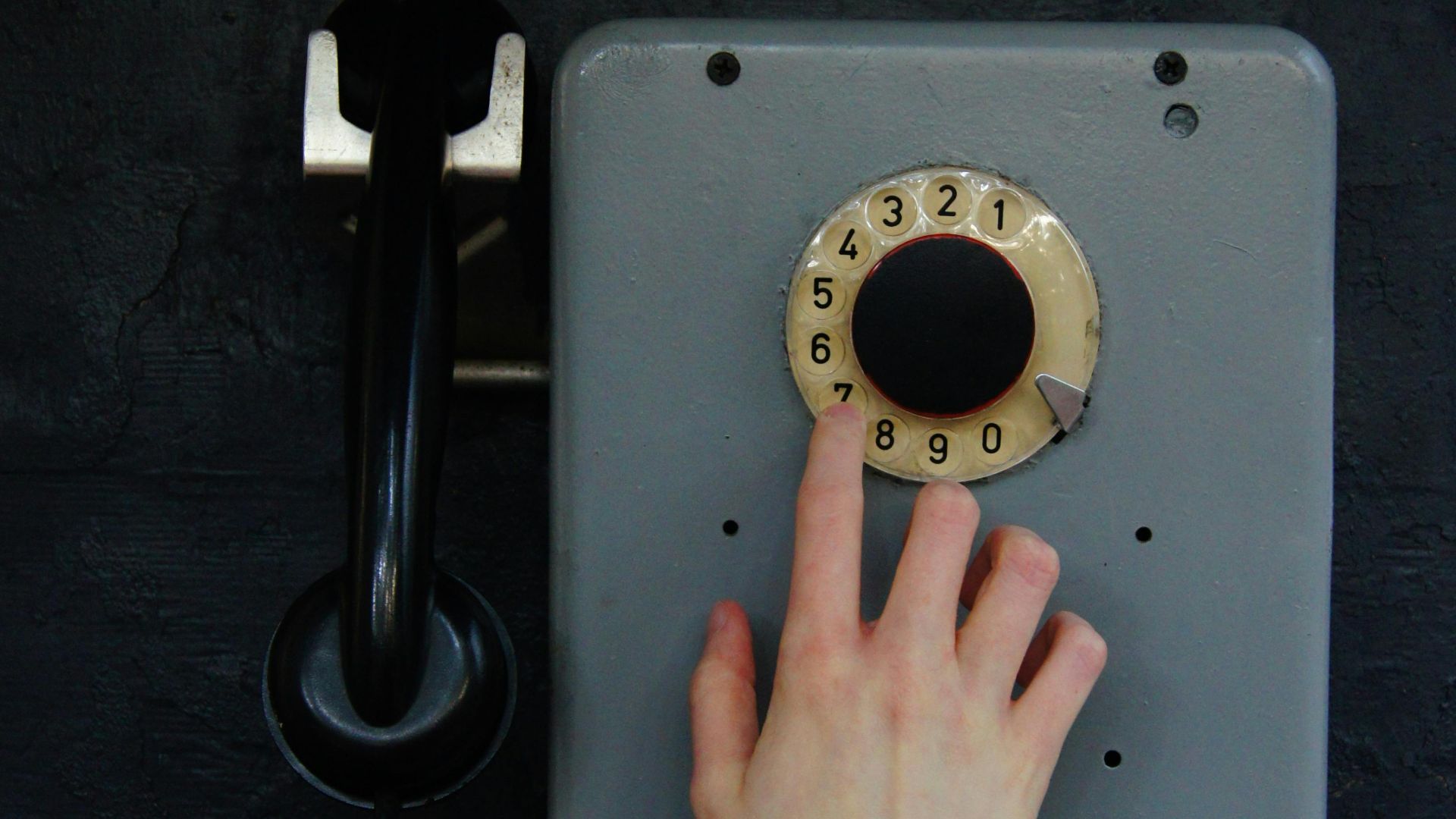
Memorizing Every Phone Number You Needed
Before smartphones put every contact into a neat little app, people treated phone numbers like sacred knowledge. You memorized your parents', your best friend's, your boss's, and even your neighbor's. Forgetting could mean real trouble, especially during emergencies.
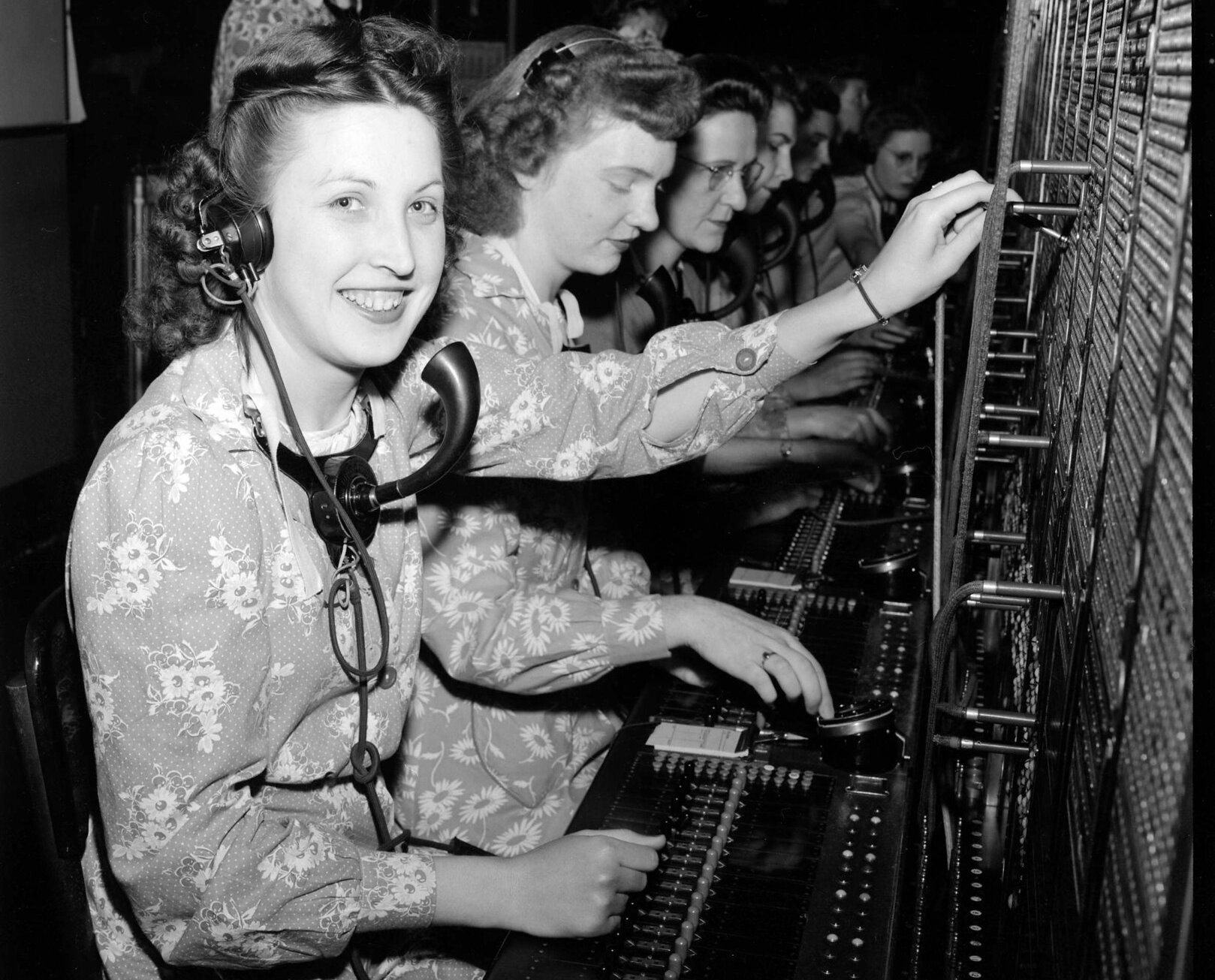
Using A Telephone Operator To Make A Call
Long-distance calling wasn't as simple as tapping a name on a screen. Instead, you spoke to a real live operator who manually connected your call, which added a strange mix of anticipation and awkwardness to every conversation. Operators were the lifeline to someone across town or across the country.
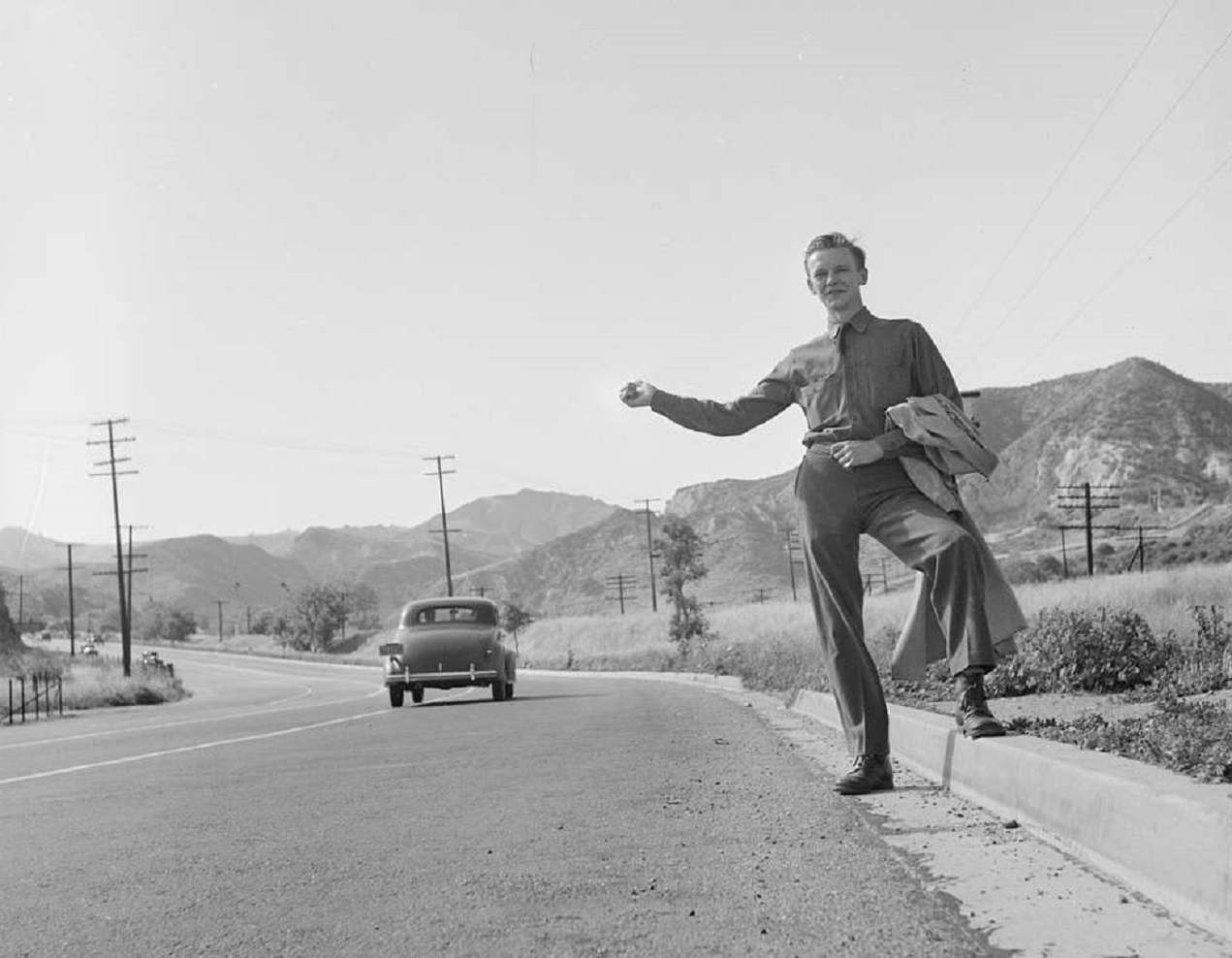
Hitchhiking Without A Second Thought
Back in the 1960s, sticking out your thumb by the side of the road wasn't considered reckless. College students and everyday folks regularly relied on strangers to get where they were going. It has been replaced by rideshare apps and a healthy dose of skepticism.
 U.S. National Archives and Records Administration, Picryl
Smoking Indoors Everywhere
Lighting up a cigarette while shopping for groceries or sitting in a hospital waiting room was quite normal. Smoke filled every restaurant and office without a second thought. Non-smoking sections barely existed, and if they did, they were laughably ineffective.
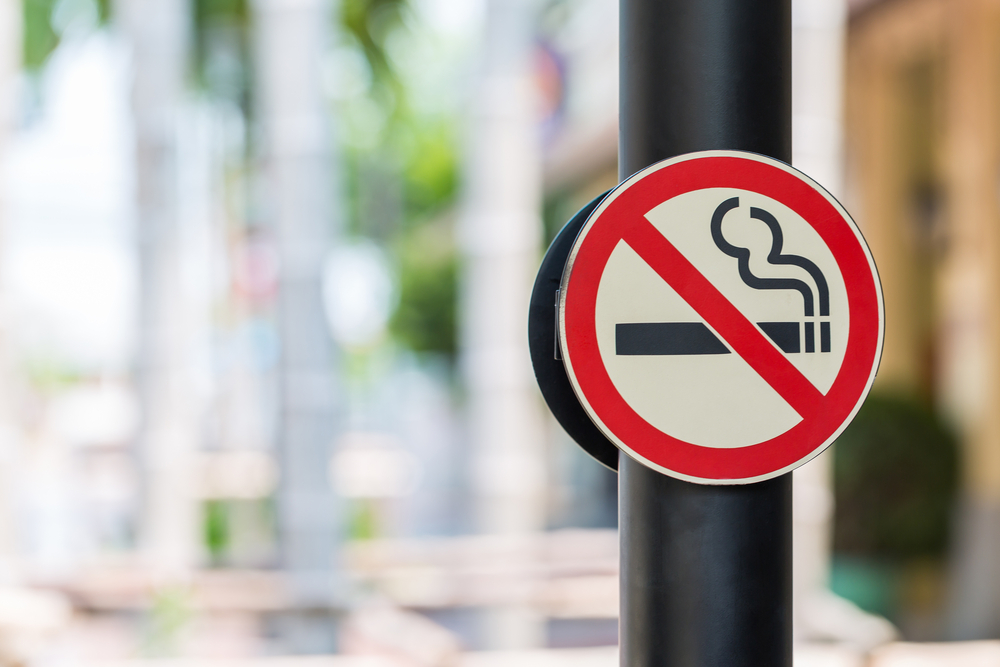 Bokeh Blur Background, Shutterstock
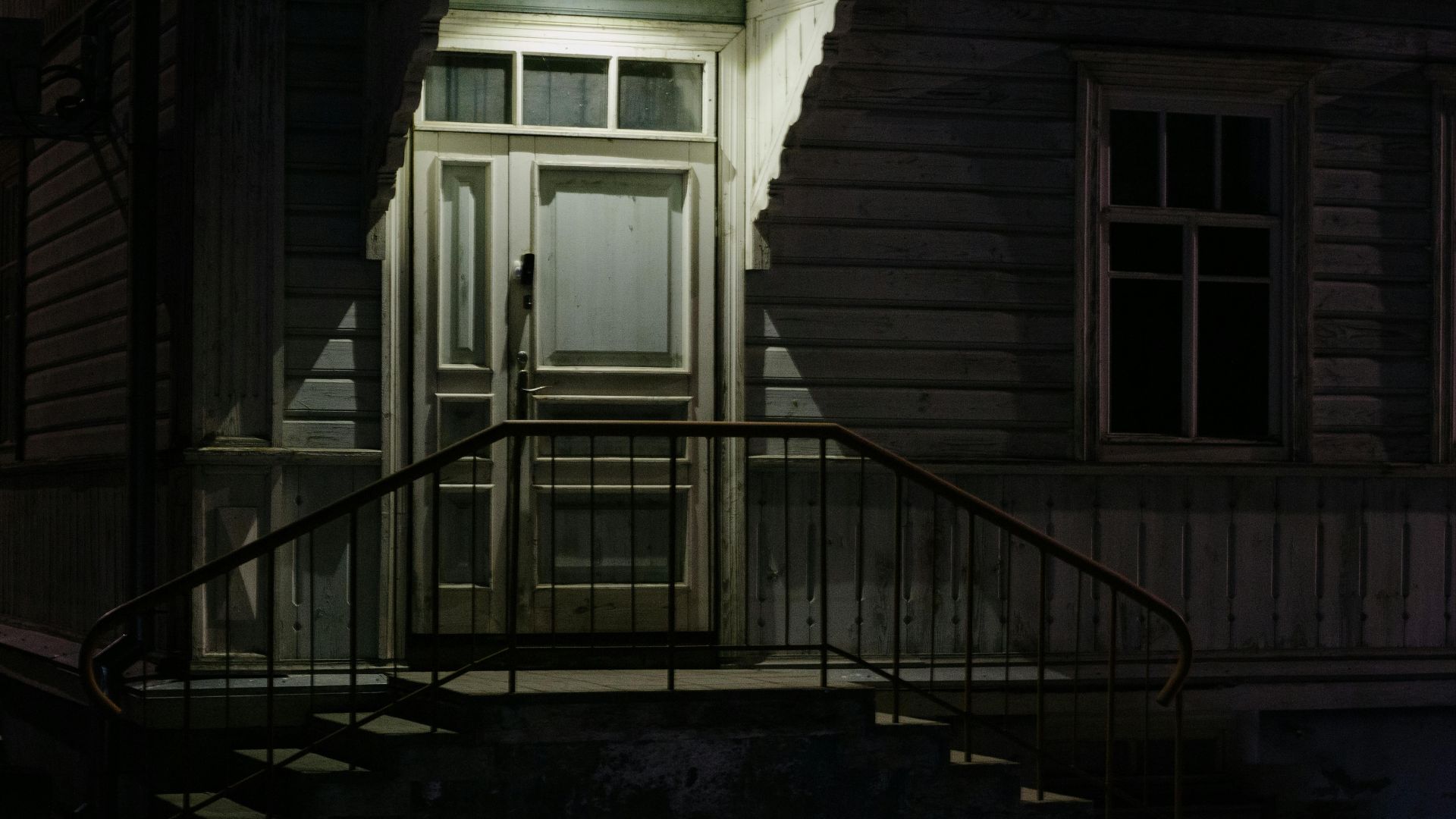
Leaving The Front Door Unlocked At Night
Security systems and video doorbells didn't exist because people didn't think they needed them. In many neighborhoods, it was normal and even expected to leave your front door unlocked, day or night. Fast-forward to today, and the thought of sleeping with an open door seems absolutely impractical.
Mailing In Bills And Waiting Weeks For Processing
Long before instant transfers and “tap to pay,” paying bills in the 1960s felt more like a slow-motion endurance challenge. Families had to sit down, write checks by hand, stuff them into envelopes, put on stamps, and send them through the mail—then wait days or even weeks for the payment to finally clear. Today’s one-second online payments would’ve looked like straight-up science fiction back then.

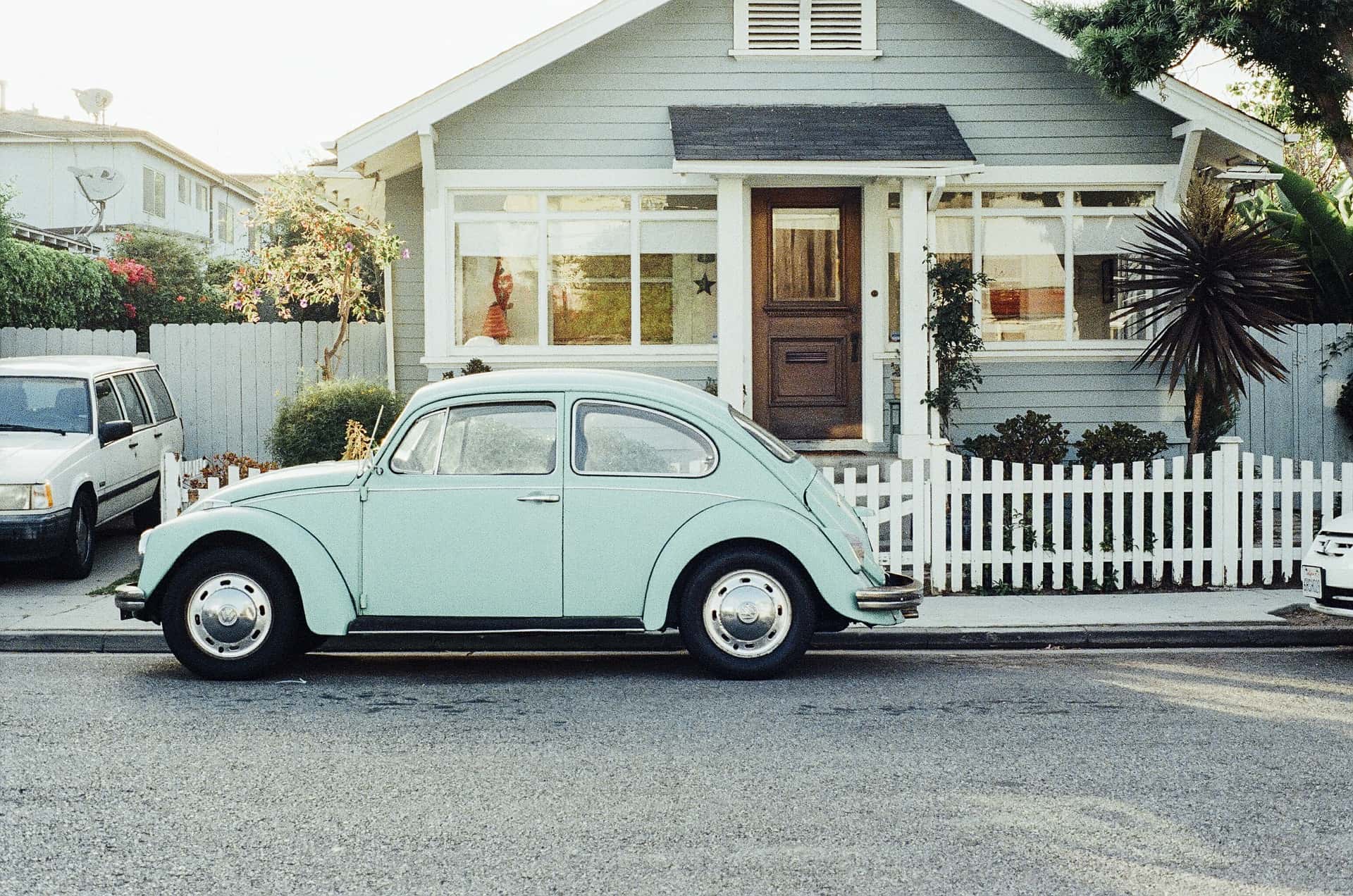
Sharing One Family Car Or None At All
Having even one family car was a big deal. And if you did, it was everyone's car, not just Dad's. Families juggled work, school, shopping, and social lives around a single set of wheels. Some households didn't own a car at all.
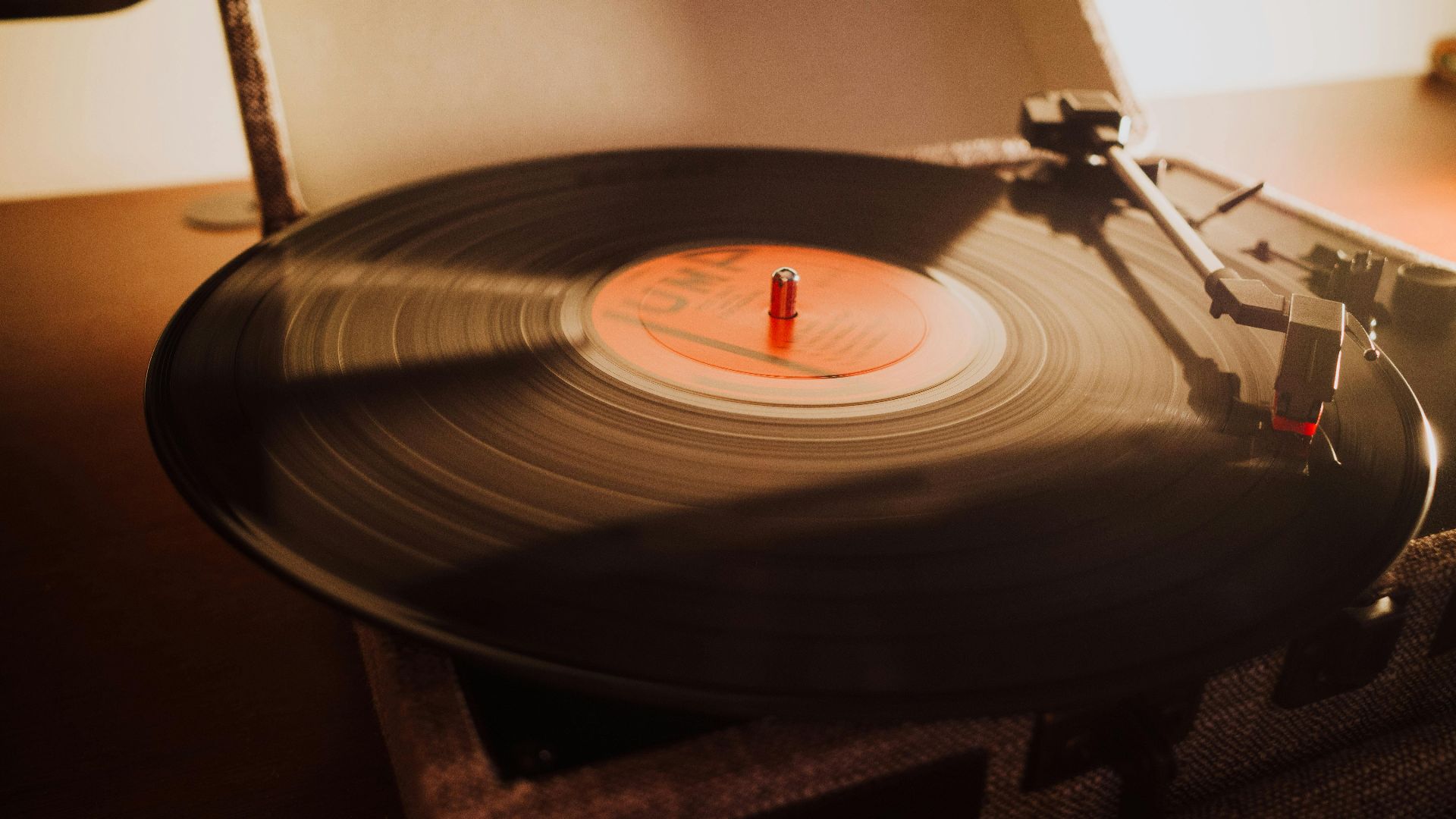
Listening To Entire Vinyl Albums Without Skipping
Flipping through playlists or skipping to your favorite song didn't exist in a world ruled by vinyl records. You dropped the needle and let the music play exactly as the artist intended, track after track. Listening demanded patience and a genuine love for every part of the album.
Watching TV On A Tiny Black-And-White Screen
Home entertainment in the 1960s meant crowding around a small black-and-white television with shaky reception and rabbit ear antennas. If you were lucky, your family had one of the newer models, but most screens were barely bigger than today's laptop displays. The visuals were grainy, and the sound was mono.
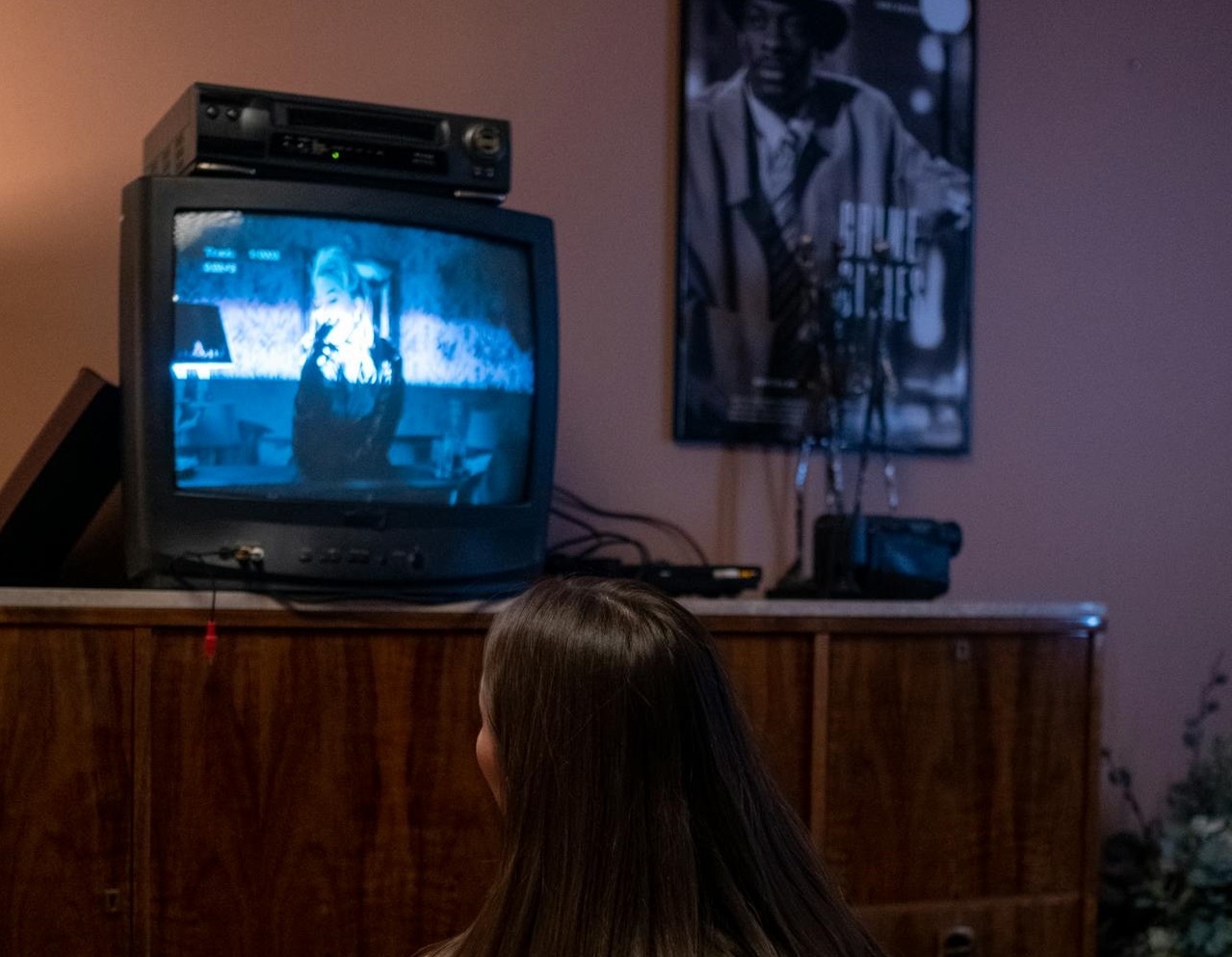
Getting Dressed Up To Go Shopping Downtown
Running errands was an event worth dressing for. Men wore slacks and polished shoes, and women styled their hair while wearing their best dresses. Heading to the department store felt almost ceremonial. Sweats and flip-flops wouldn't have passed the front door.
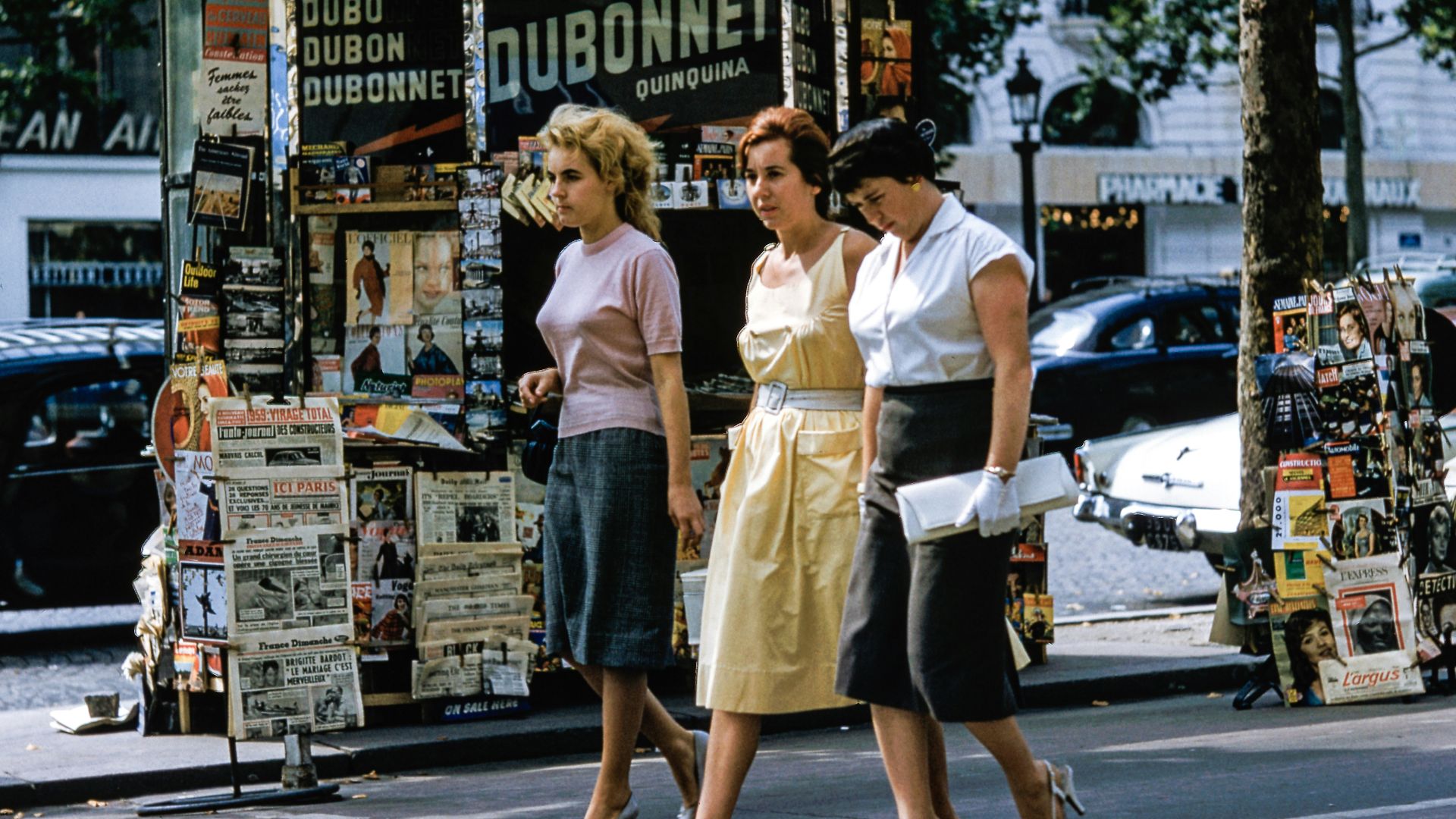
Writing Thank You Notes For Every Gift
Those short Thank You text messages? Some people don't even send them today. But back then, gratitude was a handwritten, heartfelt note sent through the mail. Whether for birthday socks or a casserole dish, writing thank-you notes was a non-negotiable ritual.
 The U.S. National Archives, Wikimedia Commons
Reading Newspapers Cover To Cover Every Morning
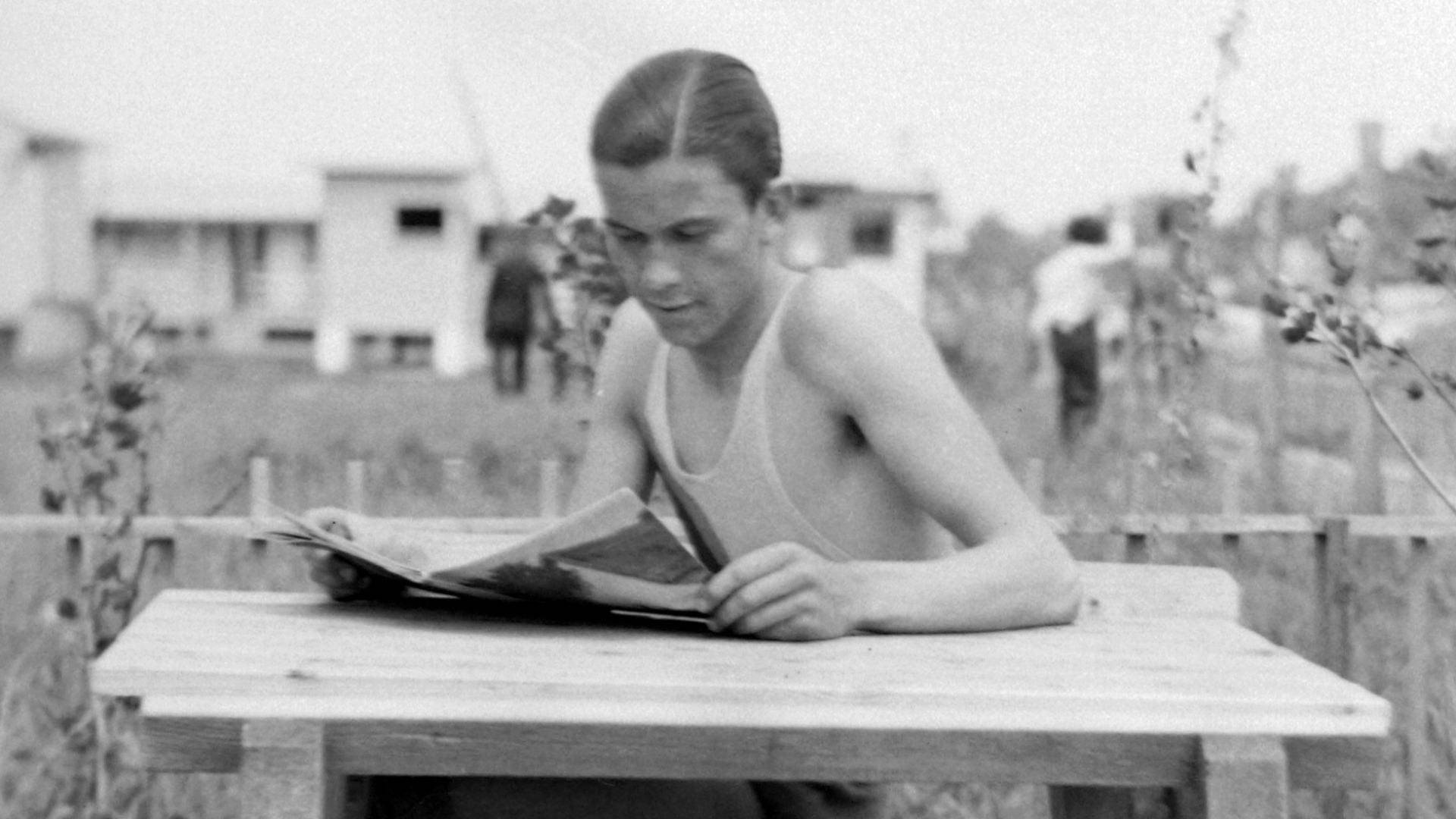
Morning routines in the 1960s didn't start with scrolling a phone. They began by rustling open a thick newspaper and soaking every headline and comic strip. News arrived in inky black and white, often with yesterday's baseball scores and tomorrow's stock forecasts.
Using A Typewriter For Written Work
Before laptops, autocorrect, and endless backspacing came along, the typewriter ruled the world of “official” writing. Every letter slammed onto the page with a loud clack, and one tiny typo could ruin the whole document unless you erased it with white-out—or started all over from scratch. Whether people were typing business reports or personal letters, getting through a single page demanded the kind of patience that would make most modern texters completely lose it.

Drinking From The Same Garden Hose As Your Friends
On hot summer days, there was no running inside for a filtered water bottle. Kids lined up and drank straight from the garden hose, metal taste and all. It was part of outdoor adventures and backyard marathons. Hygiene concerns barely crossed anyone's mind, and nobody thought twice about sharing.
 Olesia Tamilovych , shutterstock
Eating Dinner At Exactly The Same Time Every Night
Family life ran on strict schedules, and dinner was the anchor. At six o'clock sharp, not whenever you felt like it, everyone gathered around the table with conversations flowing. Meals were about daily rituals and checking in. These predictable rhythms stood in stark contrast to today's grab-and-go culture.
 National Cancer Institute, Wikimedia Commons
Shopping From Thick Mail-Order Catalogs
Forget online shopping. Back in the day, ordering something without instant gratification was exciting. Sears and JCPenney catalogs turned shopping into an event, with glossy pages promising everything from bicycles to wedding dresses. You circled your picks, mailed your order form, and waited—sometimes for months.
 Unintentional ASMR: 1980 JC Penney Christmas Catalog by Patrick’s Attic
Dialing A Rotary Phone For Every Call
Making a simple phone call once involved methodically spinning a rotary dial for each number. Mis-dial, and you had to start over. There was a satisfying charm to the process, but also a real risk of finger cramps if you were in a hurry.
 Berthold Werner, Wikimedia Commons
Saving TV Guides To Know What Was On Next Week
Long before scrolling through endless streaming menus, families relied on slim little booklets called TV Guides. These tiny magazines told you exactly when and where your favorite shows would air, days in advance. Planning your viewing schedule became almost a family meeting.
 Evert F. Baumgardner, Wikimedia Commons
Heating Up Food On The Stove, Not In A Microwave
Reheating leftovers wasn't a matter of pushing a few buttons. You had to fire up the stove and carefully warm your meal without scorching it. Microwaves were still a futuristic fantasy for most households. Today's instant meals can be zapped in under a minute.
 Billy Hathorn, Wikimedia Commons
Wearing Gloves As Part Of Everyday Outfits
In the 1960s, no polished outfit felt complete without the perfect pair of gloves. Women especially wore them everywhere—from church services to fancy luncheons—as a symbol of elegance, class, and proper manners. Today, gloves are mostly reserved for winter weather, but back then, stepping out without them was basically the fashion equivalent of forgetting your shoes.

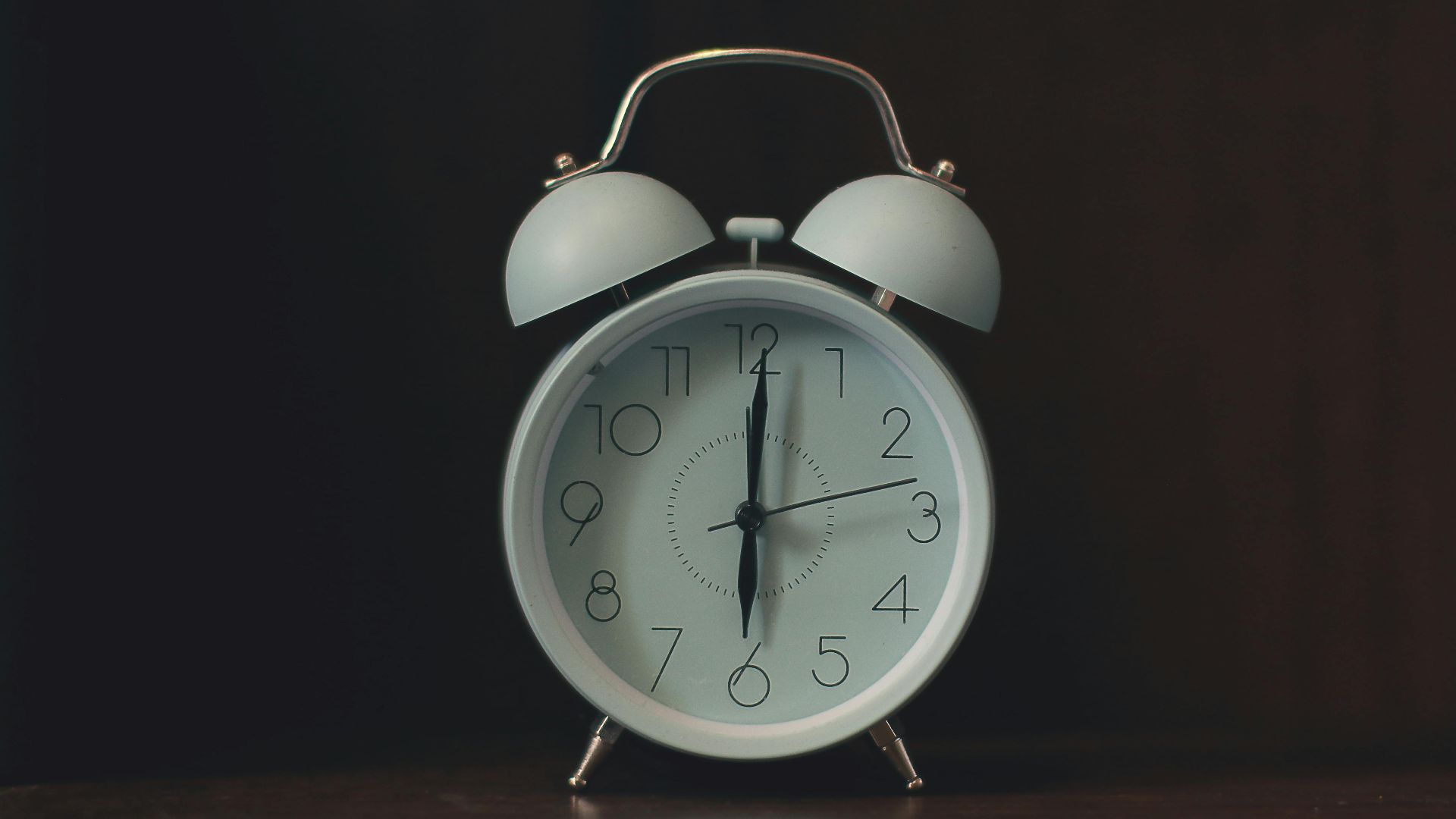
Setting The Alarm Clock By Hand Each Night
There was no snooze button. People had to manually set little ticking alarm clocks, twist dials, and cross their fingers so that the bell would ring loud enough to yank them out of sleep. Unlike today's world of customizable wake-up tunes and smart alarms, the mechanical clatter was the daily soundtrack.
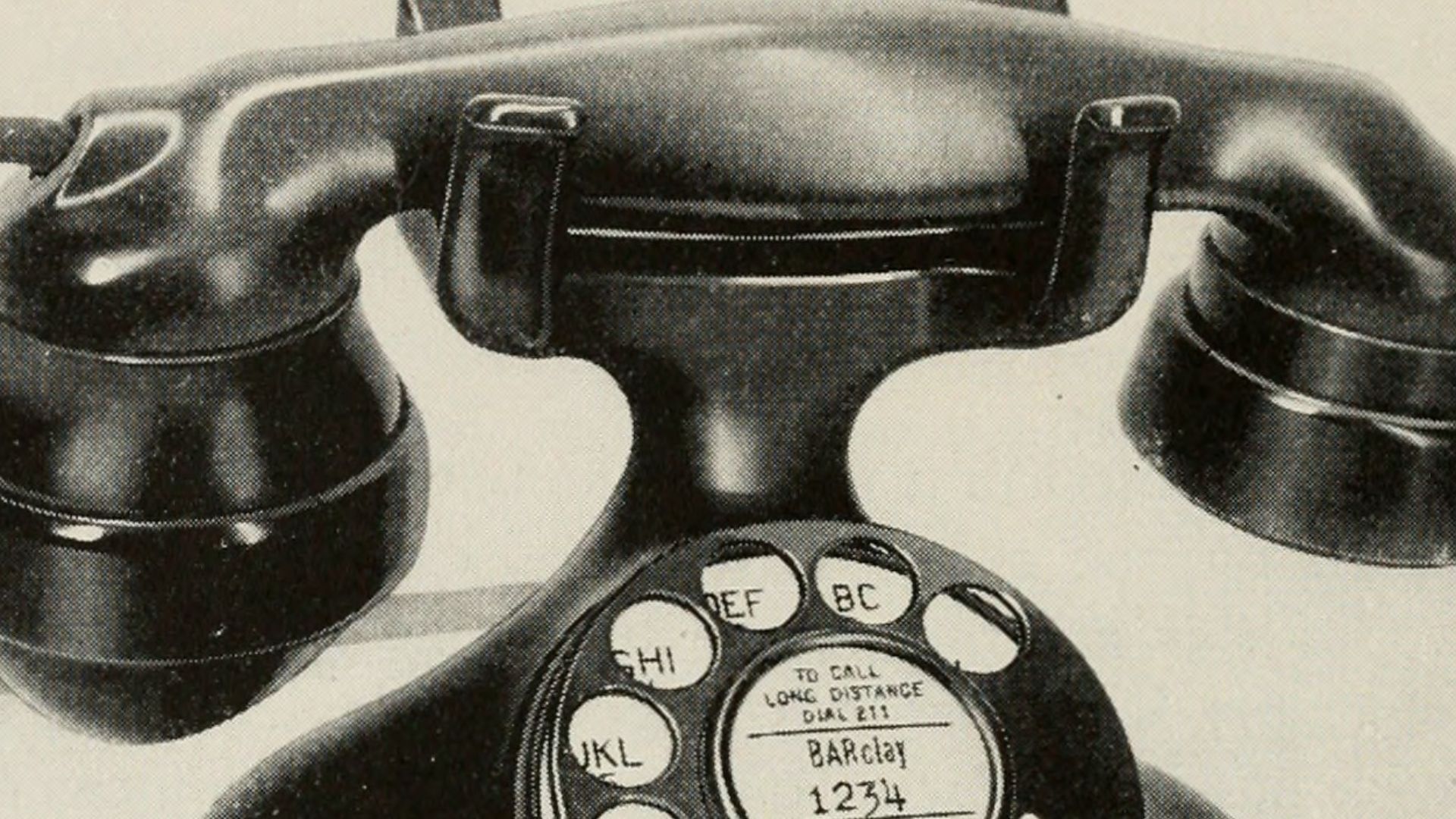
Using "Party Lines" To Share A Phone Connection
Private phone calls? Think again. Many families in the 1960s shared what were known as "party lines"—single telephone lines split among multiple households. Picking up the phone could mean hearing your neighbor chatting away, which forces you to wait for your turn.
 Internet Archive Book Images, Wikimedia Commons
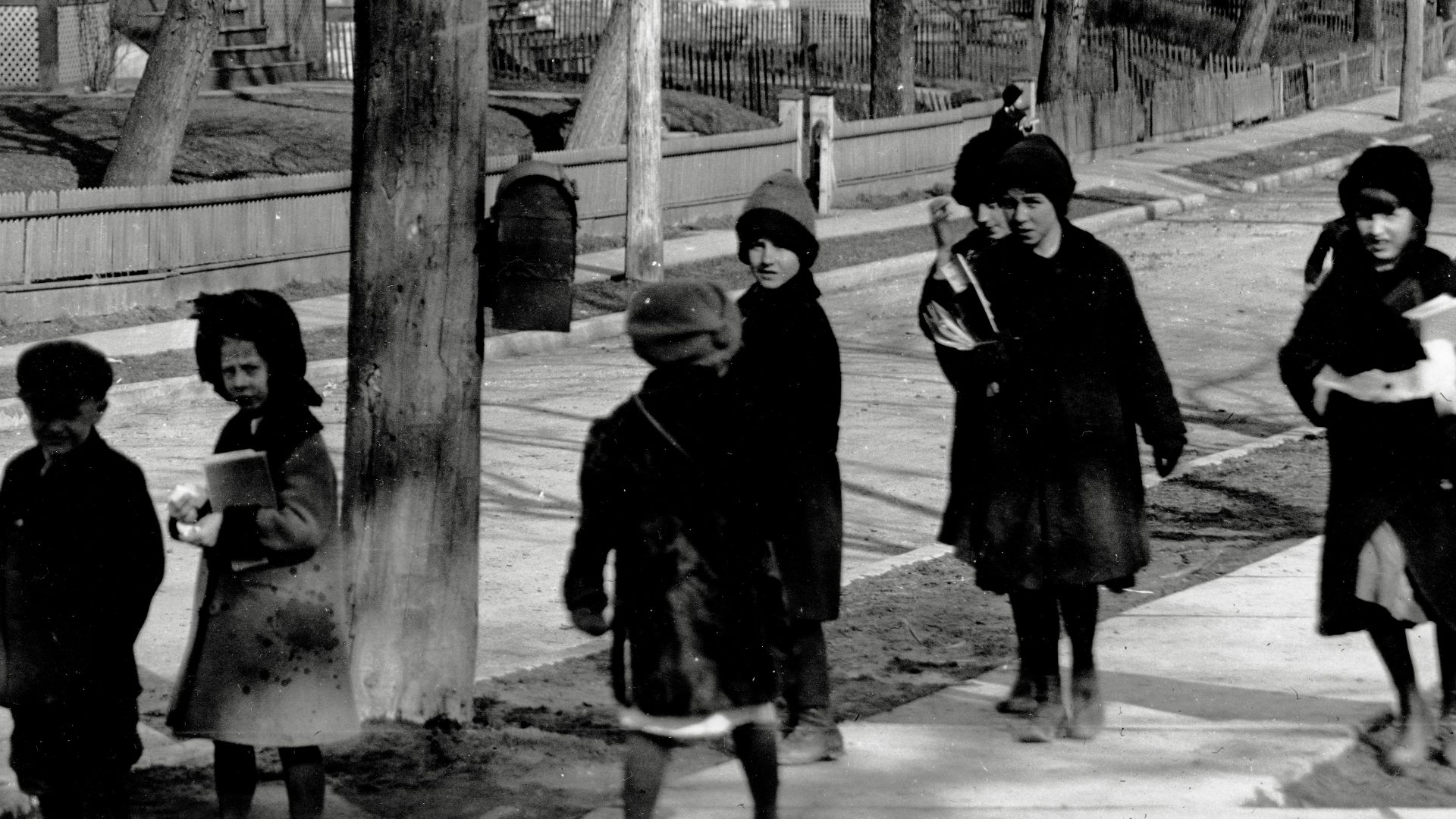
Walking Or Biking Miles To School Without Parental Worry
Children once roamed their neighborhoods freely, trekking to school without supervision or GPS tracking. Walking or biking several miles each day was just another part of growing up. Parents trusted that their kids would arrive safely without even a phone call to confirm it.
 Unknown authorUnknown author, Wikimedia Commons
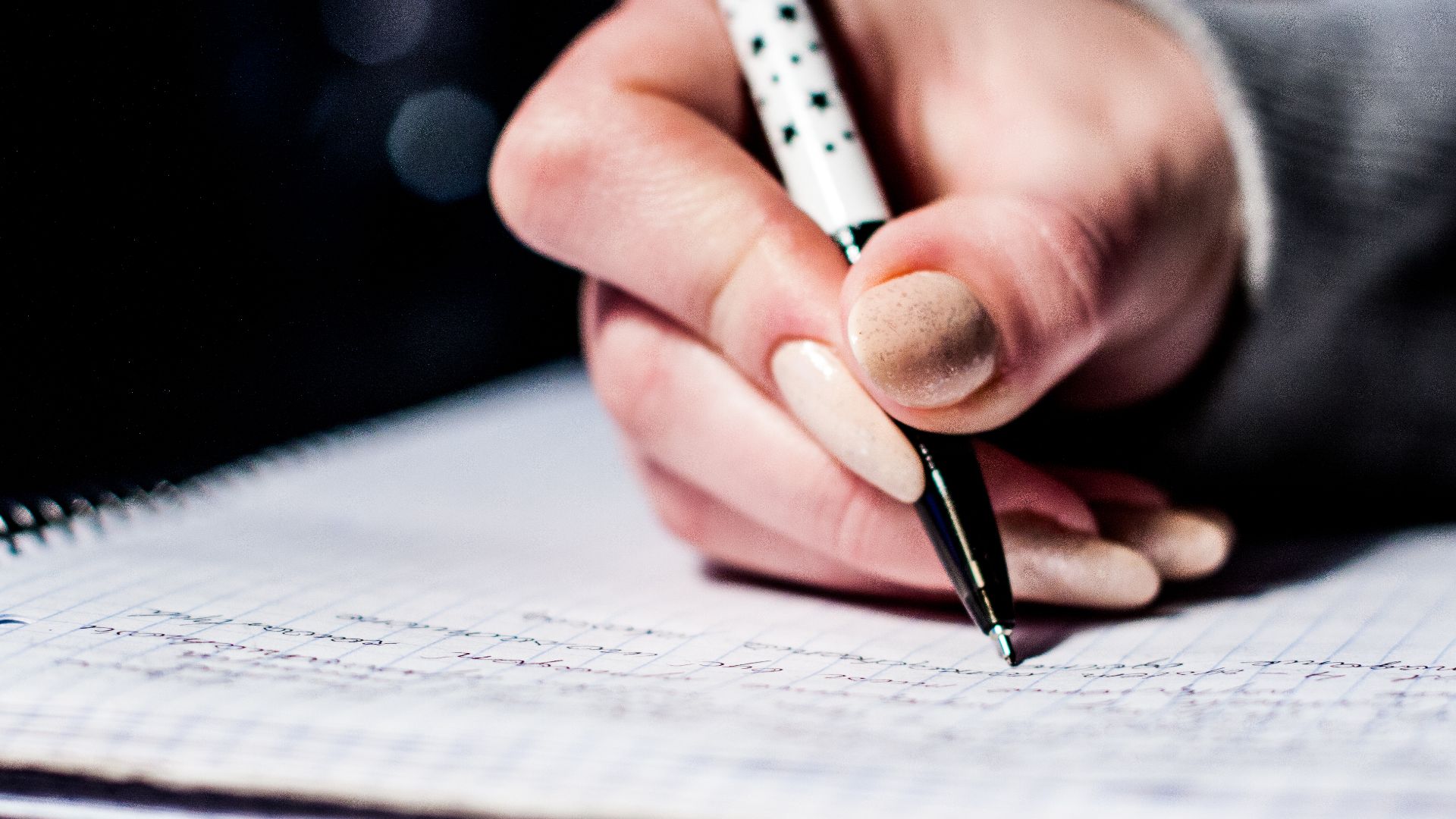
Practicing Penmanship Like It Was A Life Skill
Students spent hours mastering perfect cursive loops and straight margins, often graded with the same seriousness as math or science. Sloppy handwriting could hold you back academically. Fast forward to today's thumb-tapping, and the idea of spending classroom time perfecting slants would seem outdated.
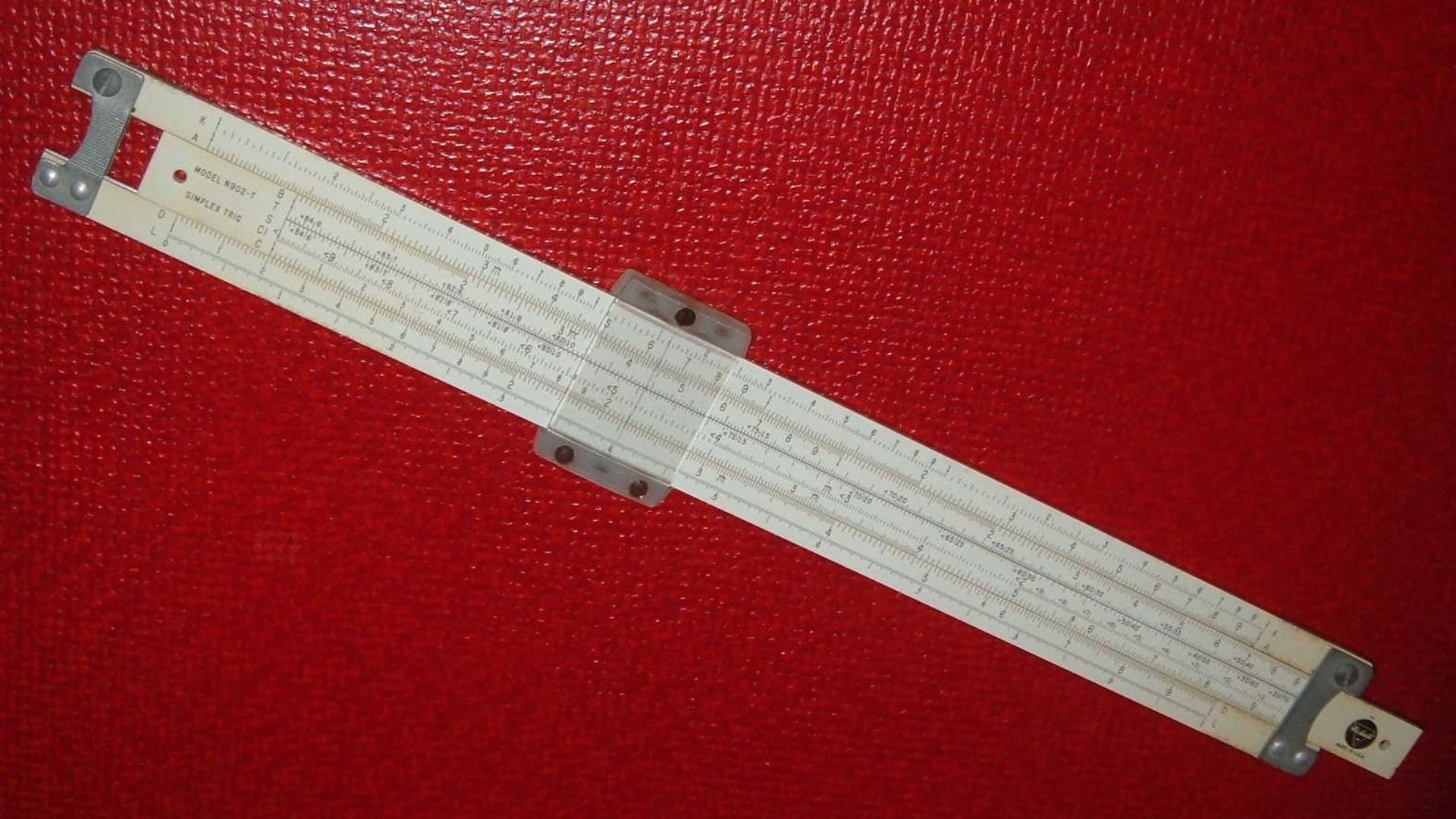
Relying On A Slide Rule For Math And Engineering
Calculators are now in every pocket. However, there was a time when solving complex equations meant wielding a slide rule. This curious-looking tool was a lifeline for engineers and students. Modern users, who expect instant answers from devices, might marvel at the sheer brainwork involved.
 ArnoldReinhold, Wikimedia Commons
Waiting A Week To See Your Vacation Photos
Vacation photos didn't flood social media within minutes of being snapped. You carefully loaded film into your camera and snapped your shots sparingly. Then, you dropped the roll off at the drugstore. Next came the agonizing week-long wait to see whether your memories turned out blurry or completely magical.

Getting "Dressed Up" To Fly On An Airplane
Back in the 1960s, flying wasn’t just transportation—it was an event. Travelers showed up to the airport dressed to impress, trading sweatpants and hoodies for dresses, suits, polished shoes, and perfectly styled hair. Stepping onto a plane felt less like boarding public transit and more like arriving at a glamorous social occasion, which makes today’s chaotic airport fashion look like a completely different universe.
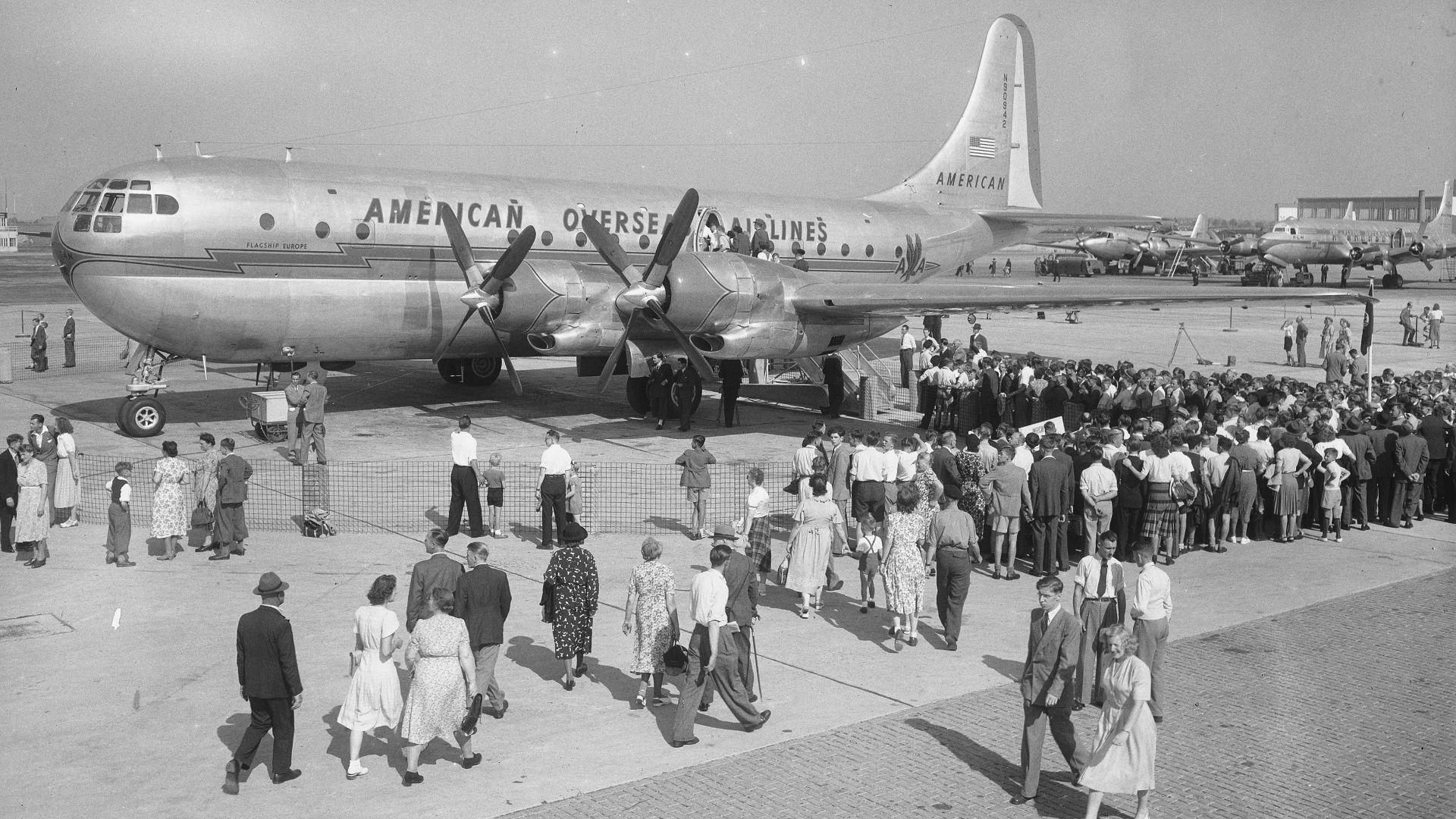 Nationaal Archief, Wikimedia Commons
Using Flashbulbs For Photography That Had To Be Replaced After Each Shot
Taking a photograph wasn't an endless spree of selfies. For the perfect lighting, flashbulbs were used and could only fire once, then had to be manually swapped out before the next picture. You planned every shot carefully, knowing mistakes wasted film and hardware.
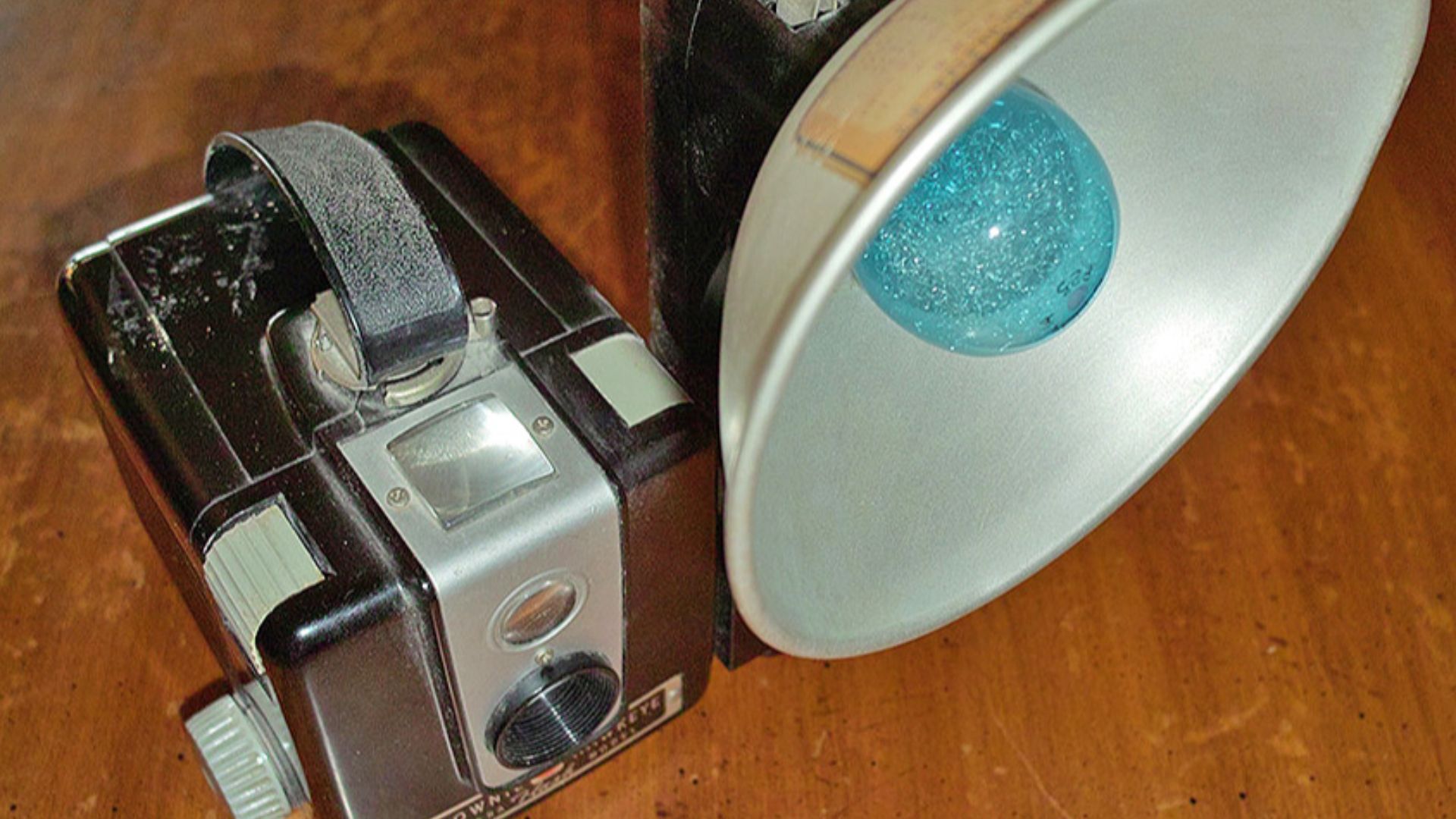 Richard F. Lyon (User:Dicklyon), Wikimedia Commons
Buying Ice Cream Exclusively From A Truck Or Parlor
Grabbing a pint from the grocery store freezer was not the norm. If you craved ice cream, you waited for the ice cream truck or made a special trip to a local parlor. Freezers at home were often too small to stash cartons anyway.
 Elliott Brown from Birmingham, United Kingdom, Wikimedia Commons
Ironing Every Single Article Of Clothing
The wrinkle-free fabric didn't come naturally, and ironing wasn't reserved for formal shirts. People ironed everyday dresses, handkerchiefs, socks, and even bedsheets. A perfectly pressed look symbolized respectability and pride, and ironing boards lived in every household like proud, ever-ready soldiers.
 Unknown photographer, Wikimedia Commons
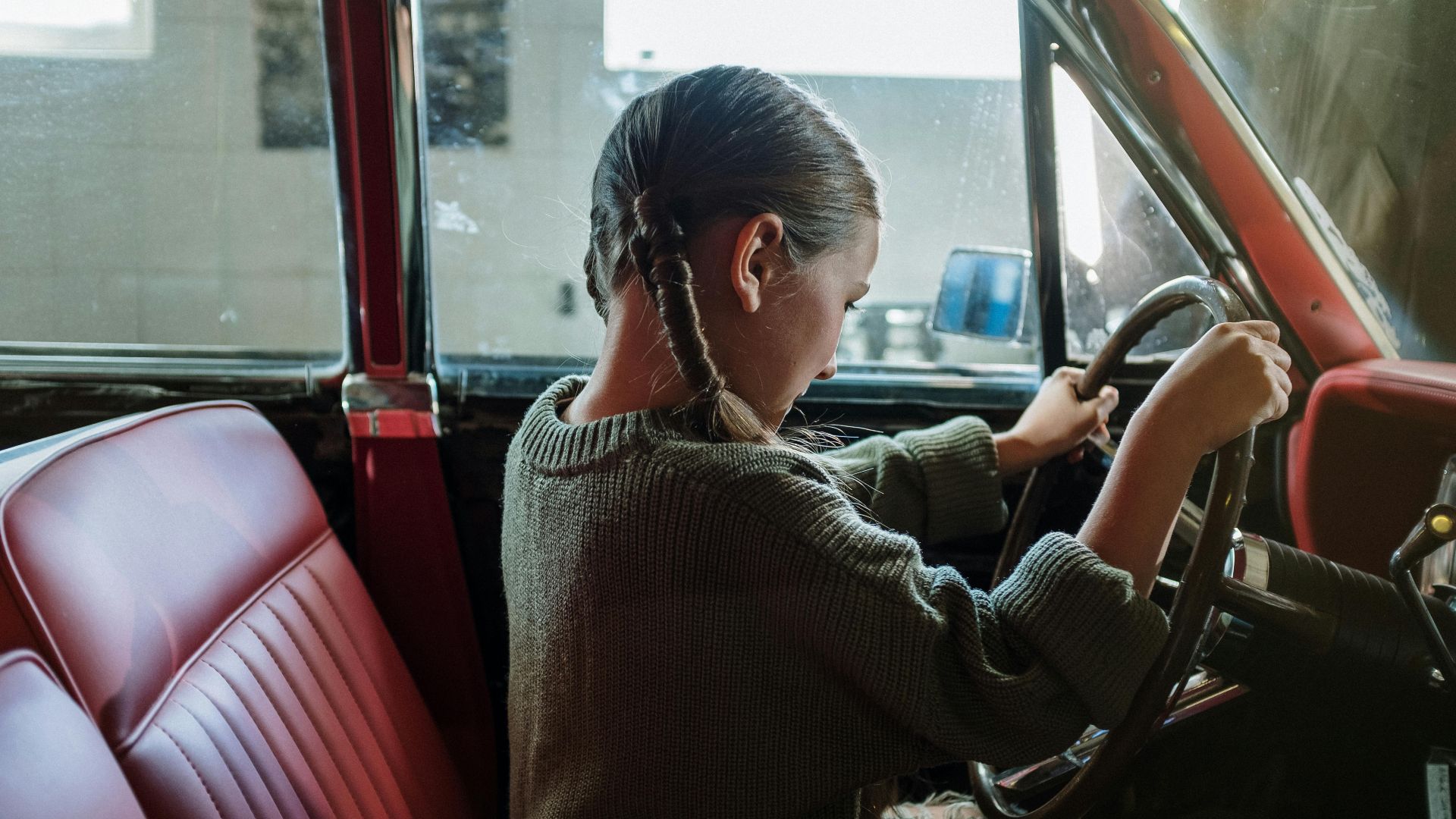
Allowing Children To Ride In Cars Without Seatbelts
Piling into the back seat without a seatbelt, or even sitting on laps, was just part of the 1960s driving experience. Cars didn't come standard with the safety features we take for granted today, and seatbelts were often ignored. Kids tumbled around during sharp turns without anyone batting an eye.
Receiving Door-To-Door Milk Deliveries
The world of mega grocery stores and same-day online orders makes the personal touch of the milkman feel like a scene ripped from a vintage movie. Milkmen in crisp white uniforms brought milk, eggs, butter, and even cheese right to your doorstep.
 Ministry of Information Photo Division Photographer, Wikimedia Commons
Listening To Radio Shows Like Soap Operas And Serial Dramas
Television hadn't fully conquered the entertainment world yet, and radio dramas remained a beloved staple. Families would gather around the living room radio, hanging on every word of a cliffhanger soap opera or thrilling detective story where imagination filled in the visuals.
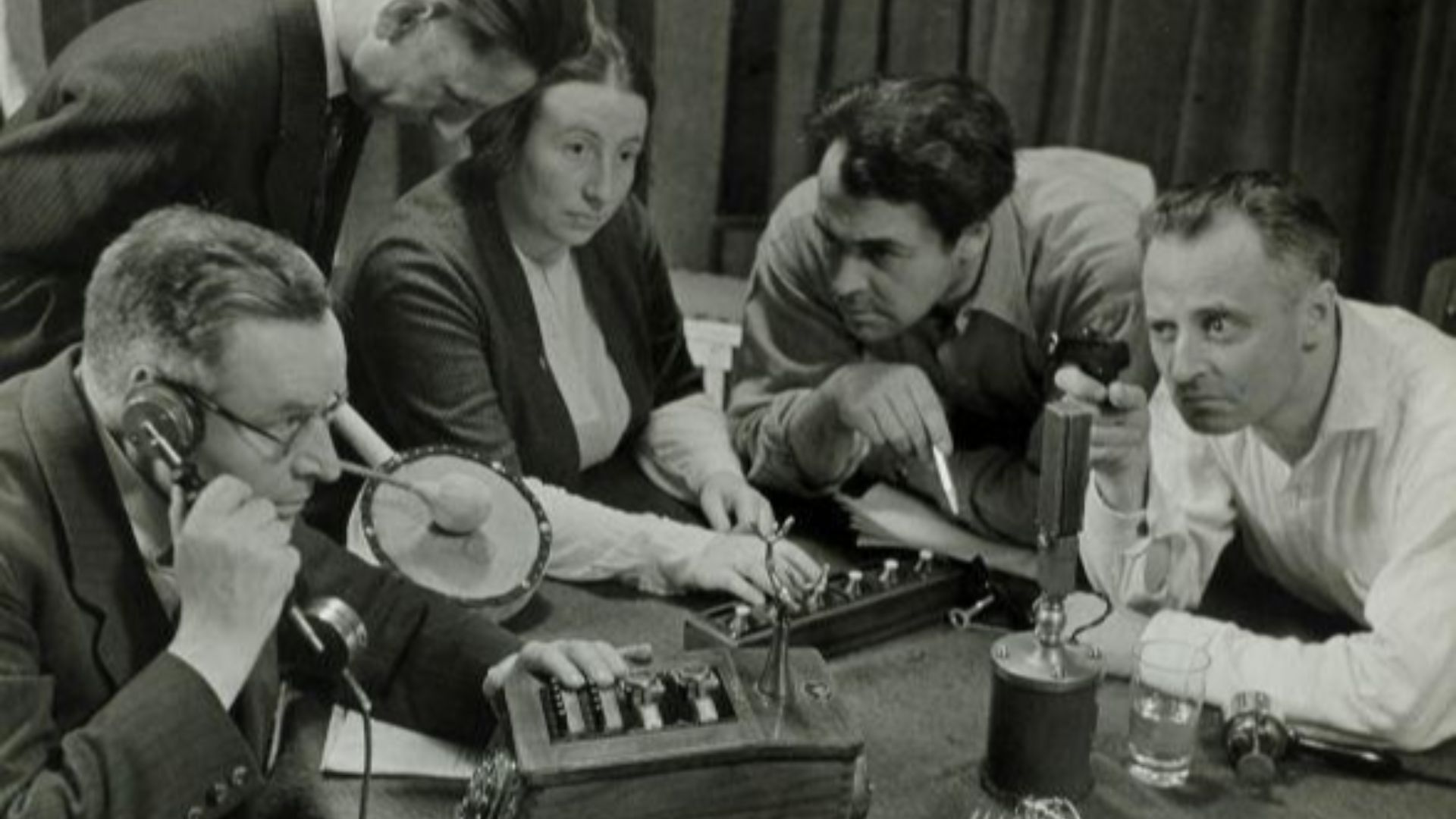 Wiel van der Randen, Wikimedia Commons
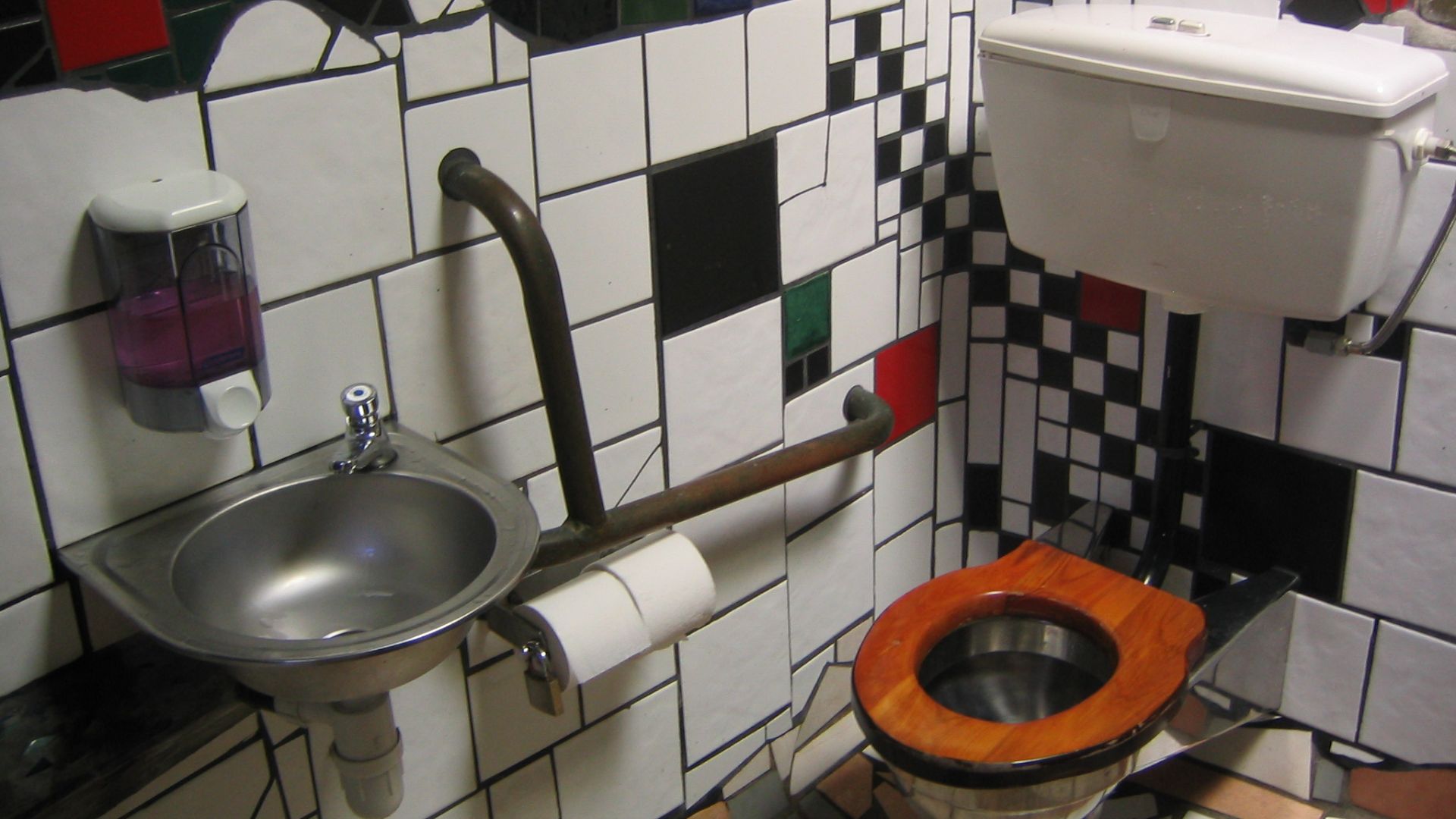
Sharing A Single Bathroom Among Large Families
Morning routines in big families weren't for the faint of heart when only one bathroom stood between ten people and the start of the day. Lines formed in the hallway, and arguments over mirror time were daily events. Scheduling meant survival.
 Phil Whitehouse from London, United Kingdom, Wikimedia Commons
Cleaning Houses With Only Brooms And Elbow Grease
Back in the 1960s, cleaning the house meant doing everything the hard way. There were no robotic vacuums quietly roaming the floors or fancy spray mops cutting corners—just a broom, a bucket full of soapy water, and a whole lot of elbow grease. From scrubbing sticky kitchen floors to chasing dust out of every corner, keeping a house spotless doubled as a full-body workout.
 Lewis, George P. (Photographer), Wikimedia Commons
Wearing Plastic Rain Bonnets When It Started To Drizzle
When sudden rain threatened a perfectly styled bouffant or pompadour, out came the trusty plastic rain bonnet. Folded neatly in purses, these transparent covers shielded hairstyles from the elements without sacrificing visibility. Practicality trumped fashion, though back then, the bonnets themselves were considered quite chic.
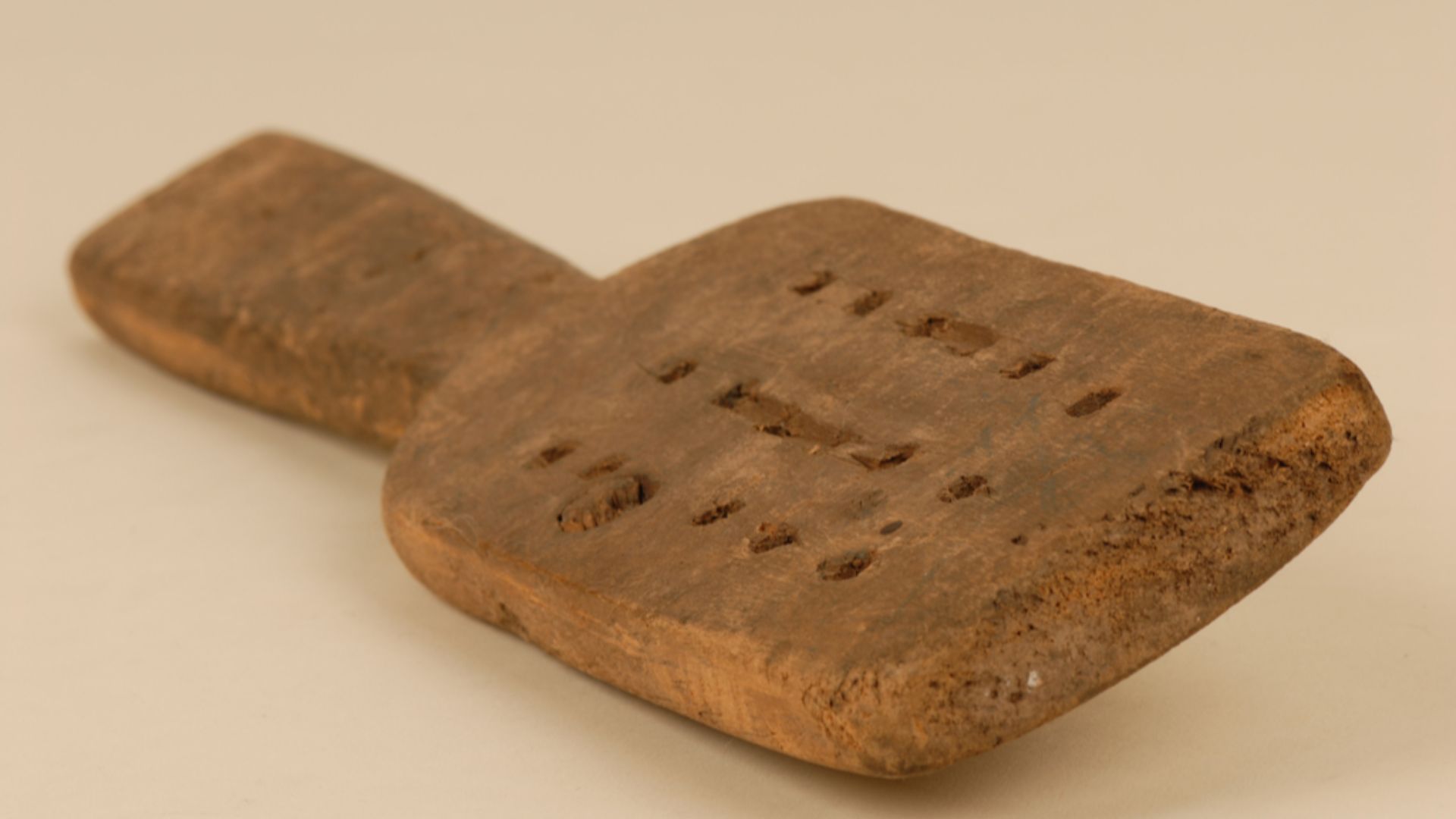
Accepting Paddling Or Spanking As Normal School Punishment
Discipline in schools once included a firm whack with a wooden paddle right in front of classmates if necessary. Teachers were given the green light to dole out physical punishment without parental permission. It was seen as part of character-building, not controversy.
 Museo de la Educación, Wikimedia Commons
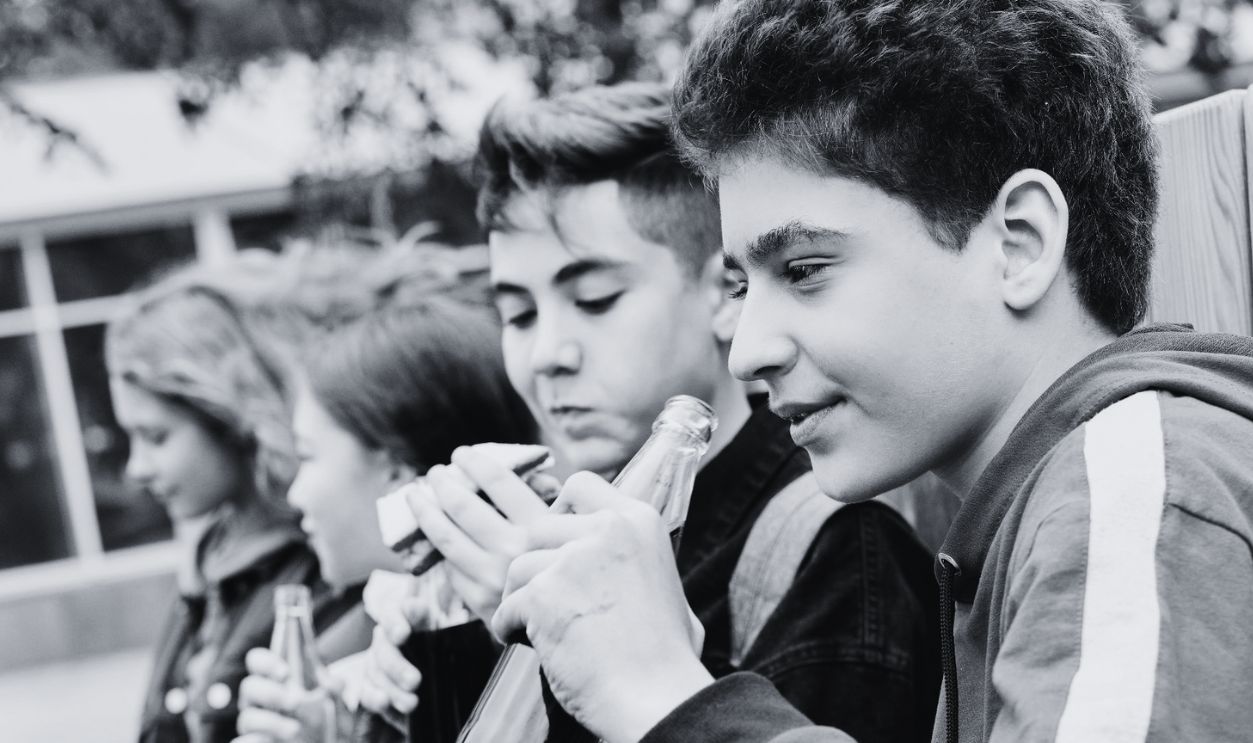
Sharing Soda Bottles Or Sandwiches Casually Among Friends
Passing around a bottle of soda or splitting a sandwich with bare hands was no big deal. Germs were an afterthought, if they were thought of at all. Friends shared everything without hesitation: drinks, snacks, and even the occasional lollipop. Hygiene standards were too relaxed.
Washing Dishes By Hand After Every Meal
Without dishwashers humming quietly, washing dishes was a manual, often tedious, family affair. Hot water, soap, a sponge, and a rack for drying were the tools of the trade. Every plate and glass went through soapy hands, and dish duty usually rotated among siblings or landed squarely on the kids.

Reading Road Maps Spread Across The Front Seat
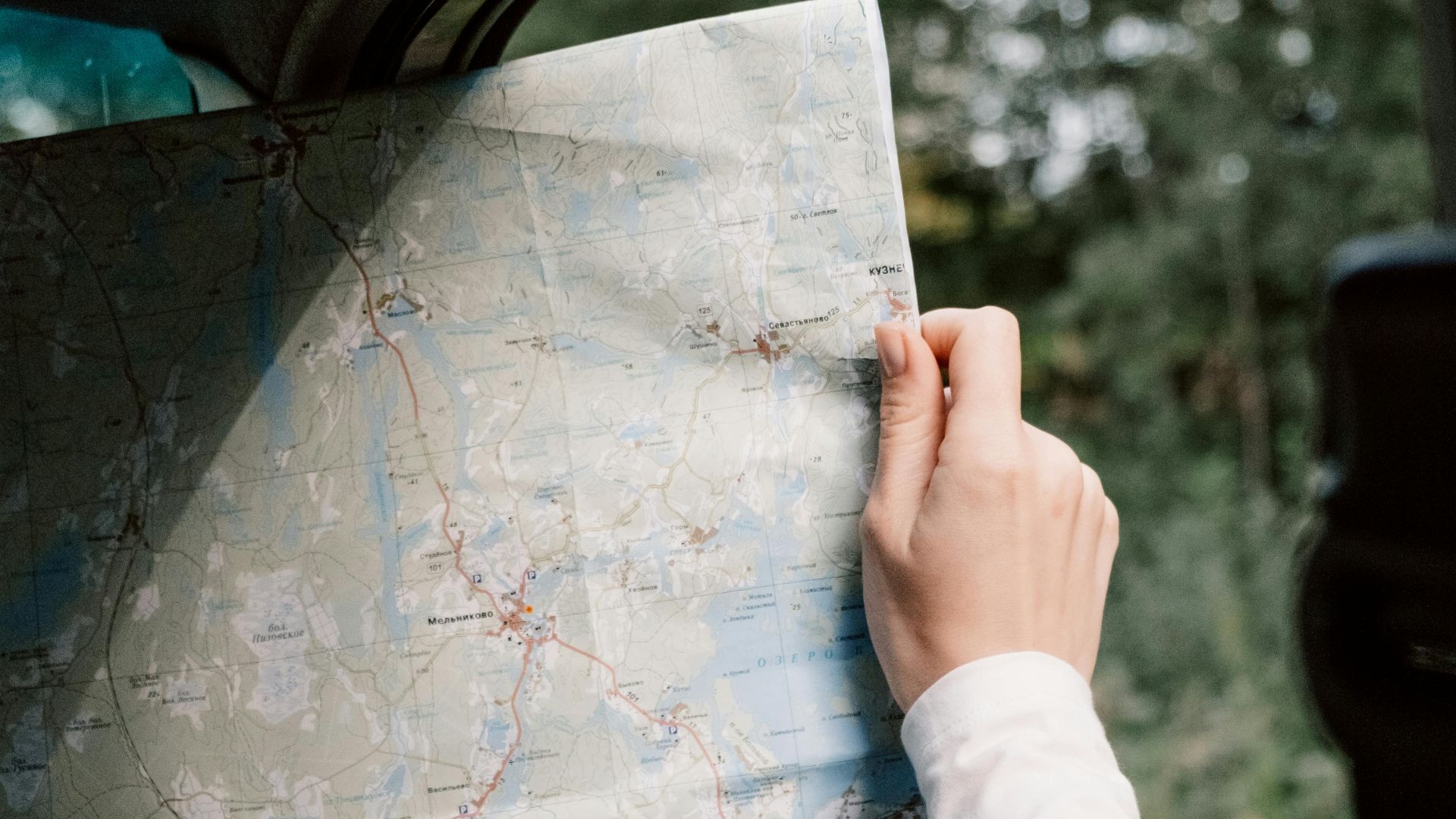
Before GPS told drivers where to turn every few seconds, road trips began with unfolding a massive paper map across the front seat. Traveling meant deciphering tiny town names and guessing distances with a finger or a ruler. Wrong turns were almost a given, and arguments over directions became legendary.
Answering The Phone Without Knowing The Caller
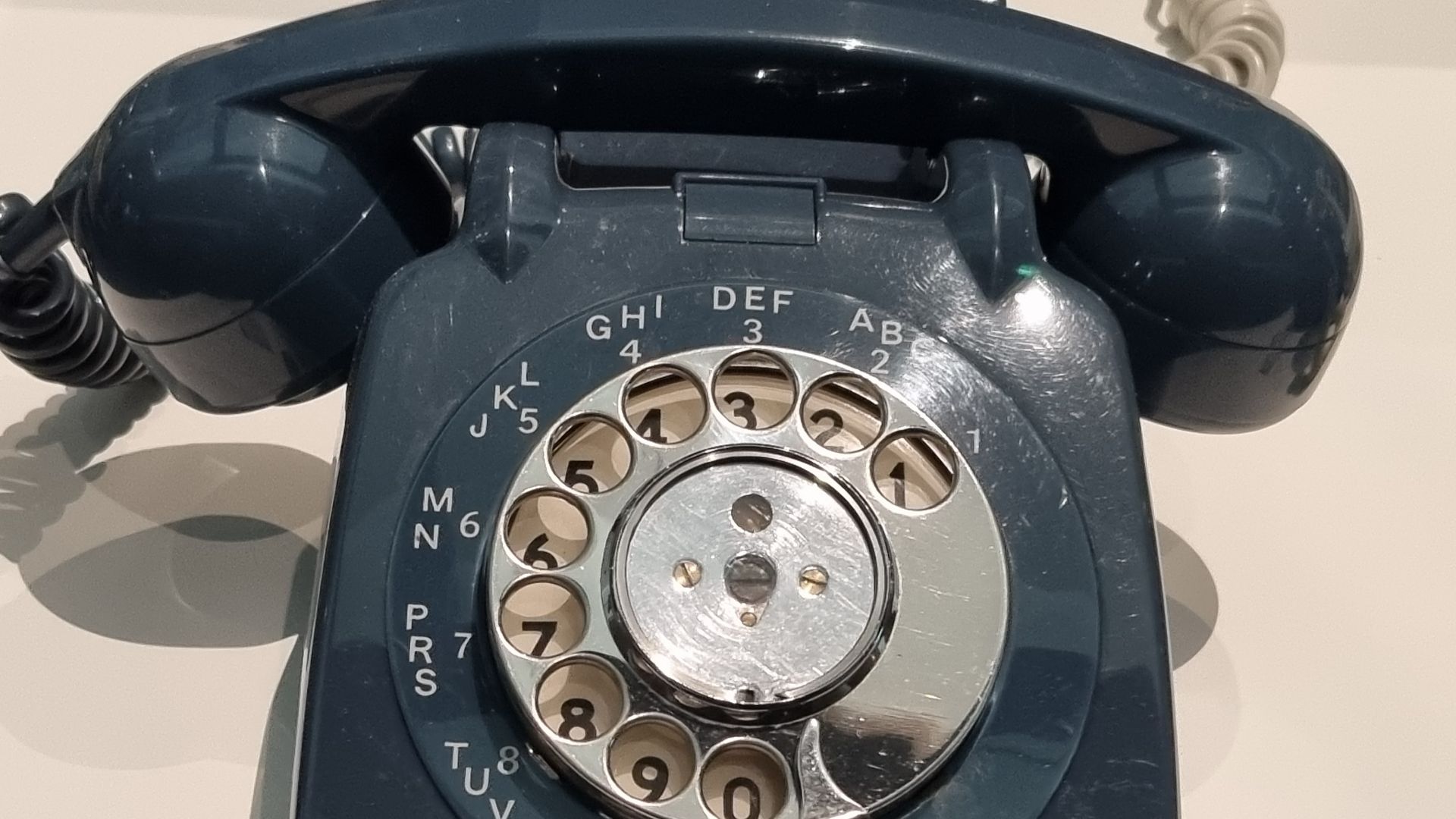
Caller ID didn't exist, so every ring of the phone was a mystery in the 1960s. You simply picked up and said "hello," ready for anything from Grandma's hour-long chat to a stranger's wrong number. It took guts and curiosity to answer without knowing who was on the other end. Do you think you can do it today?
Accepting Candy Or Soda From Strangers
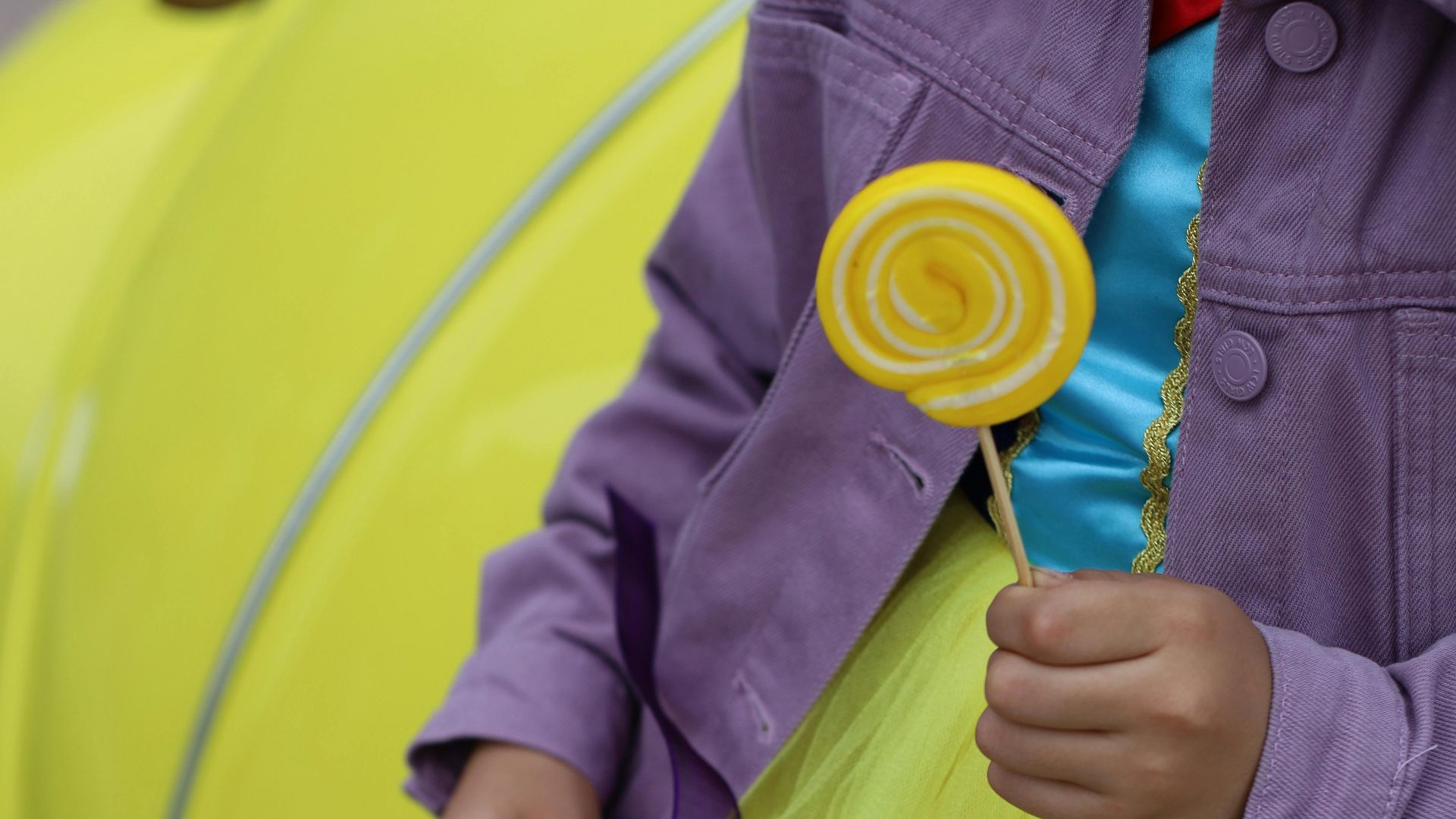
Believe it or not, accepting sweets from strangers was seen as a neighborly gesture. Kids thought nothing of taking a soda or a candy from adults they barely knew. Kindness was assumed, not questioned. In today's world of "stranger danger" education and hyper-vigilance, this attitude would feel risky.
Fixing Cars Yourself With A Basic Toolkit
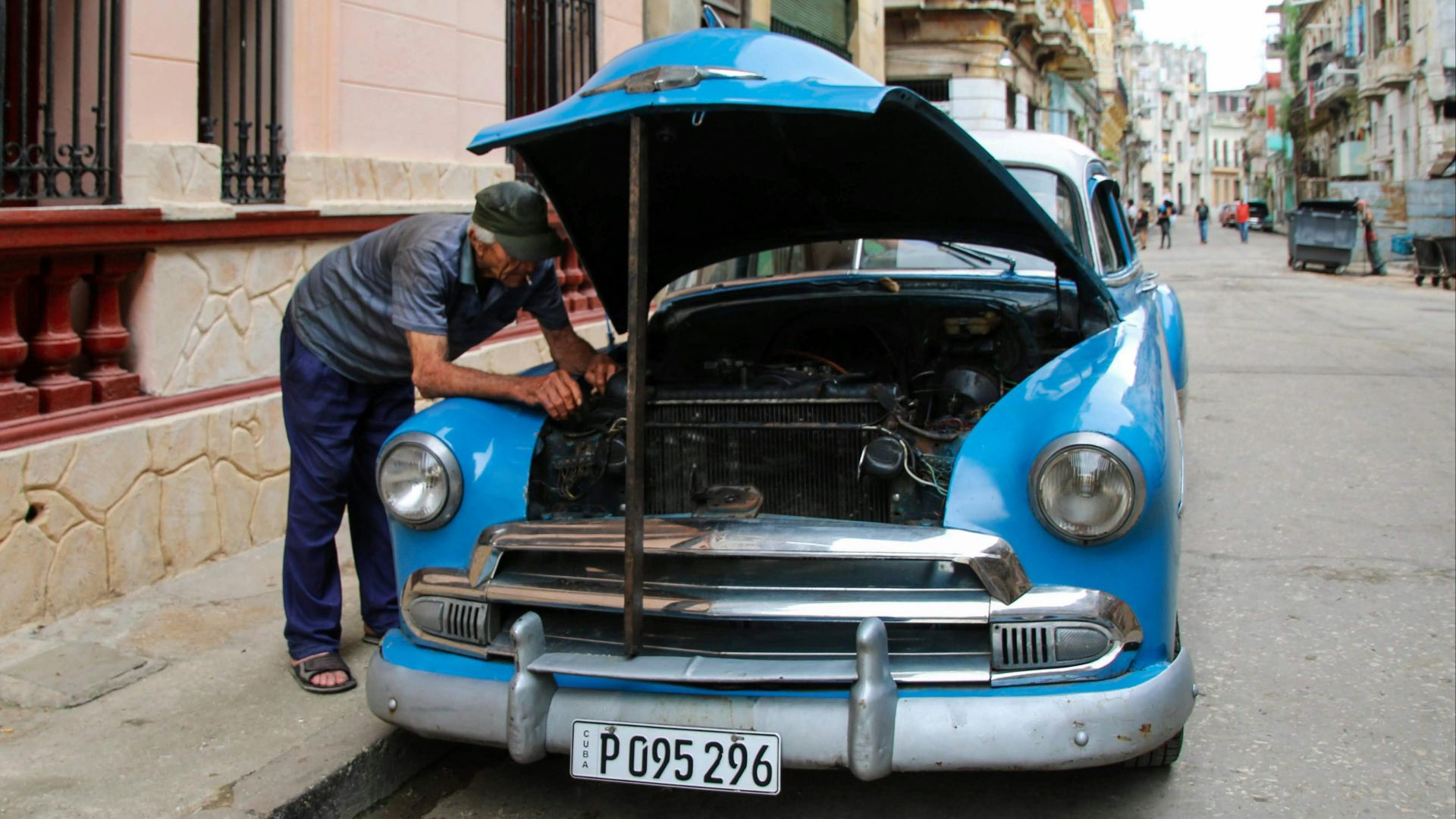
When cars were simpler machines, fixing them didn't require a mechanical engineering degree. A basic toolkit and a little common sense could handle everything from changing a belt to tweaking a carburetor. Weekends often involved tuning up the family car right in the driveway.
Letting Gas Station Attendants Pump Gas For You
Pulling into a gas station once meant staying comfortably behind the wheel while an attendant in a crisp uniform filled your tank, checked your oil, and washed your windshield. Tipping was optional, but the service was automatic. Self-serve pumps didn’t dominate until much later. Today, this might seem like rich people's behavior.