

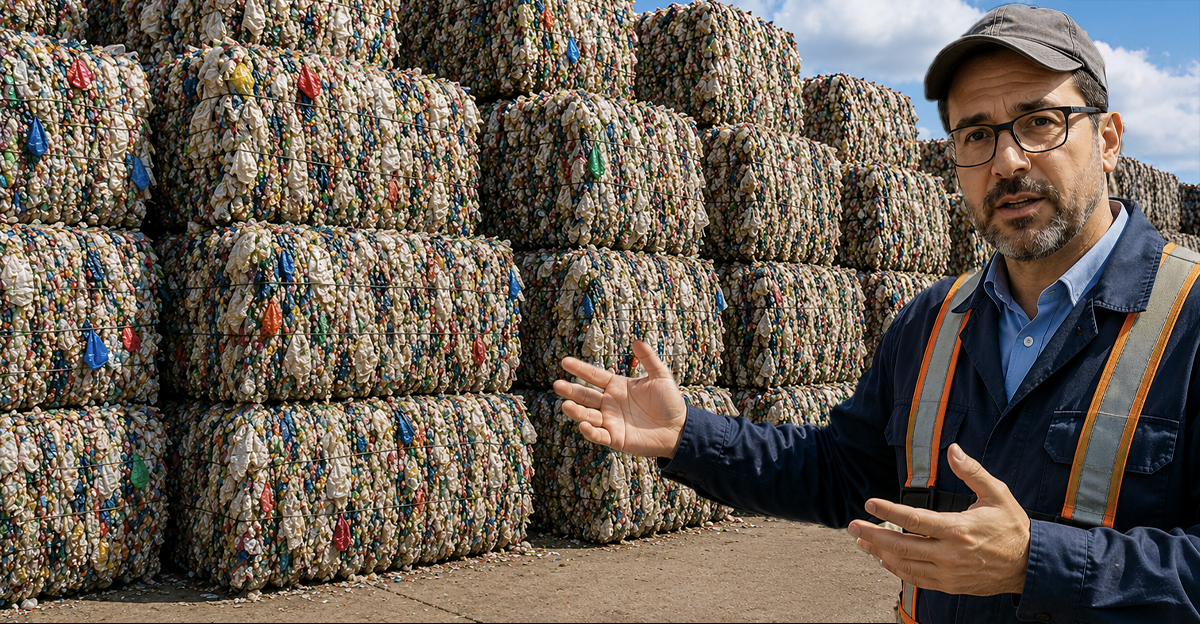
Turning Plastic Into Fuel
Plastic waste has long posed one of the world's most stubborn environmental challenges, particularly when it contains PVC, a chlorine-rich plastic that is difficult to recycle safely. Now, two separate research efforts have unveiled promising new approaches. A U.S.-China collaboration has demonstrated a one-step process that converts mixed plastic waste into gasoline-range hydrocarbons, while Yale engineers have developed a new system for producing jet-fuel precursors and other valuable chemicals from discarded plastics.
The PVC Challenge
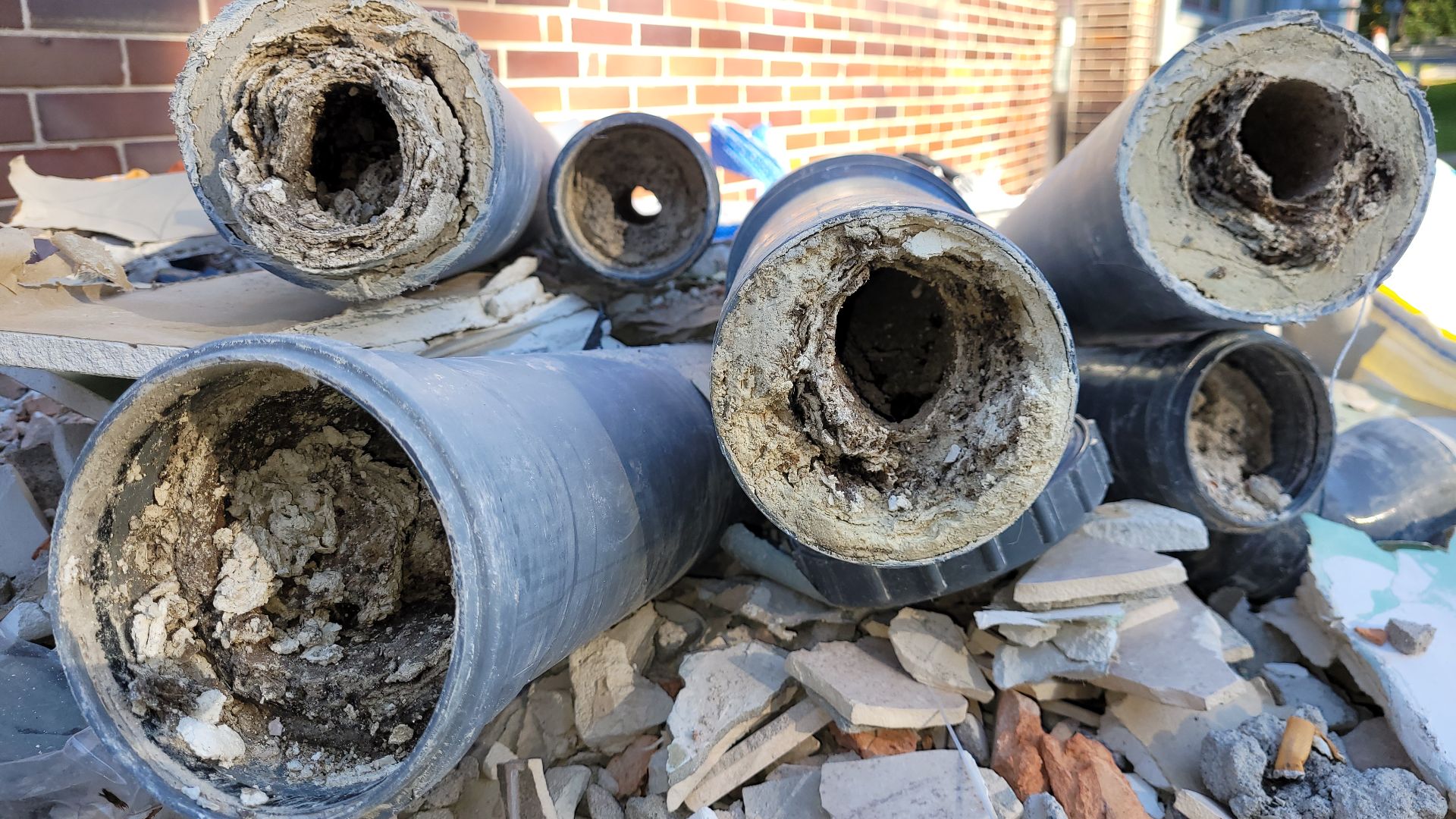
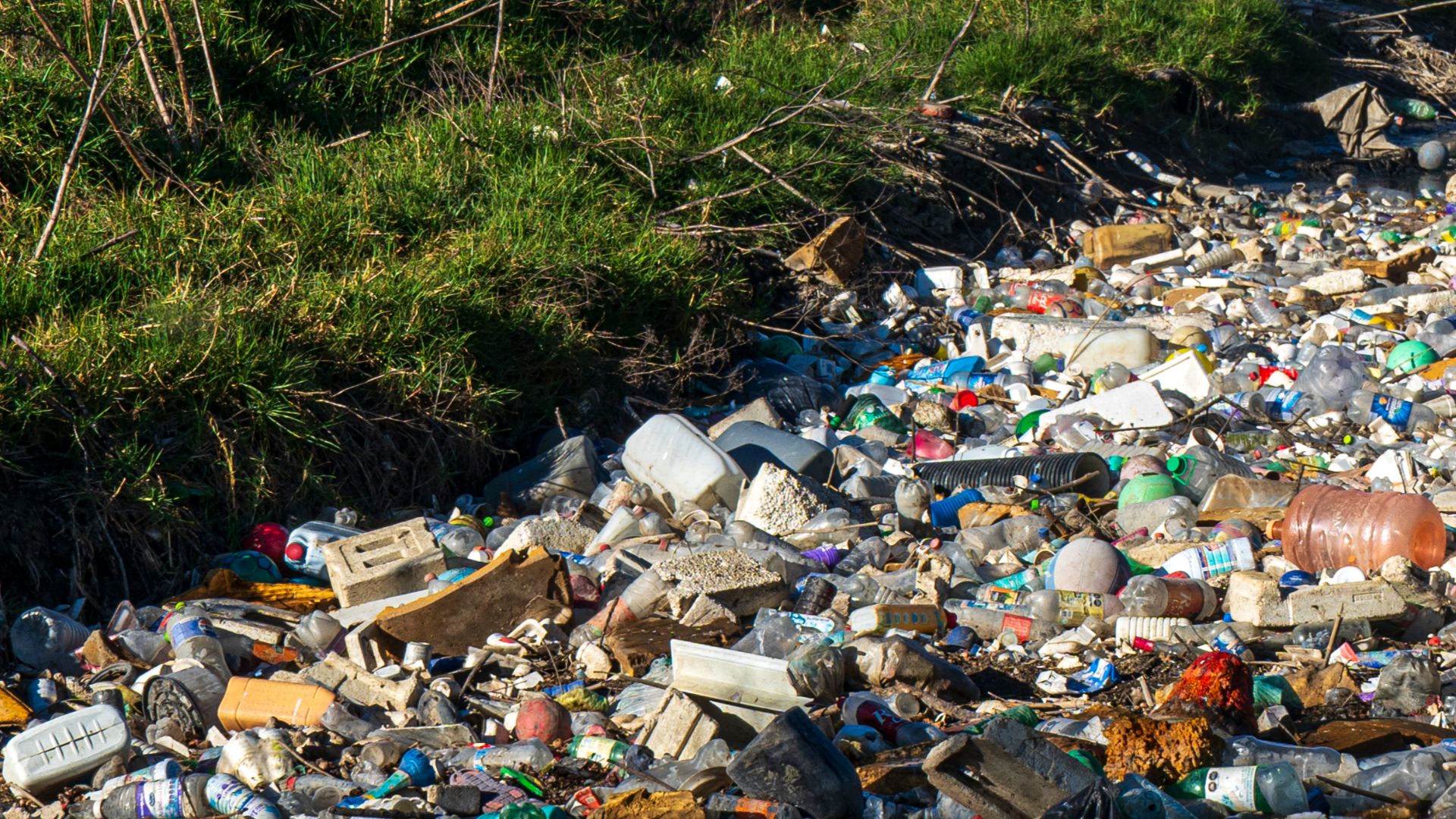
Polyvinyl chloride, better known as PVC, accounts for roughly 10% of global plastic production and is widely used in pipes, medical devices, packaging, appliances, and clothing. Because it contains chlorine, PVC has traditionally been one of the most difficult plastics to recycle safely using conventional fuel-conversion methods.
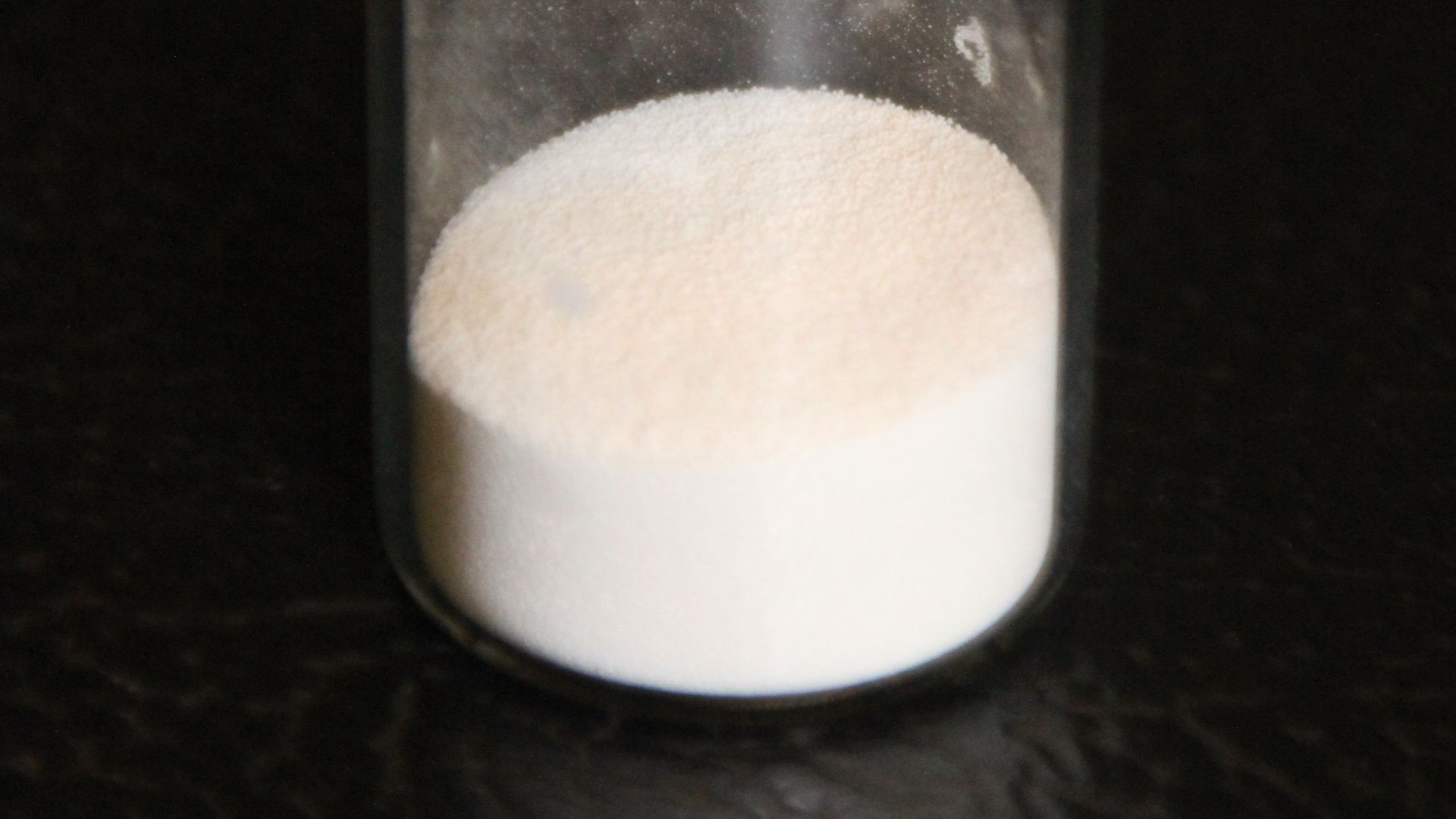
Why PVC Is Difficult
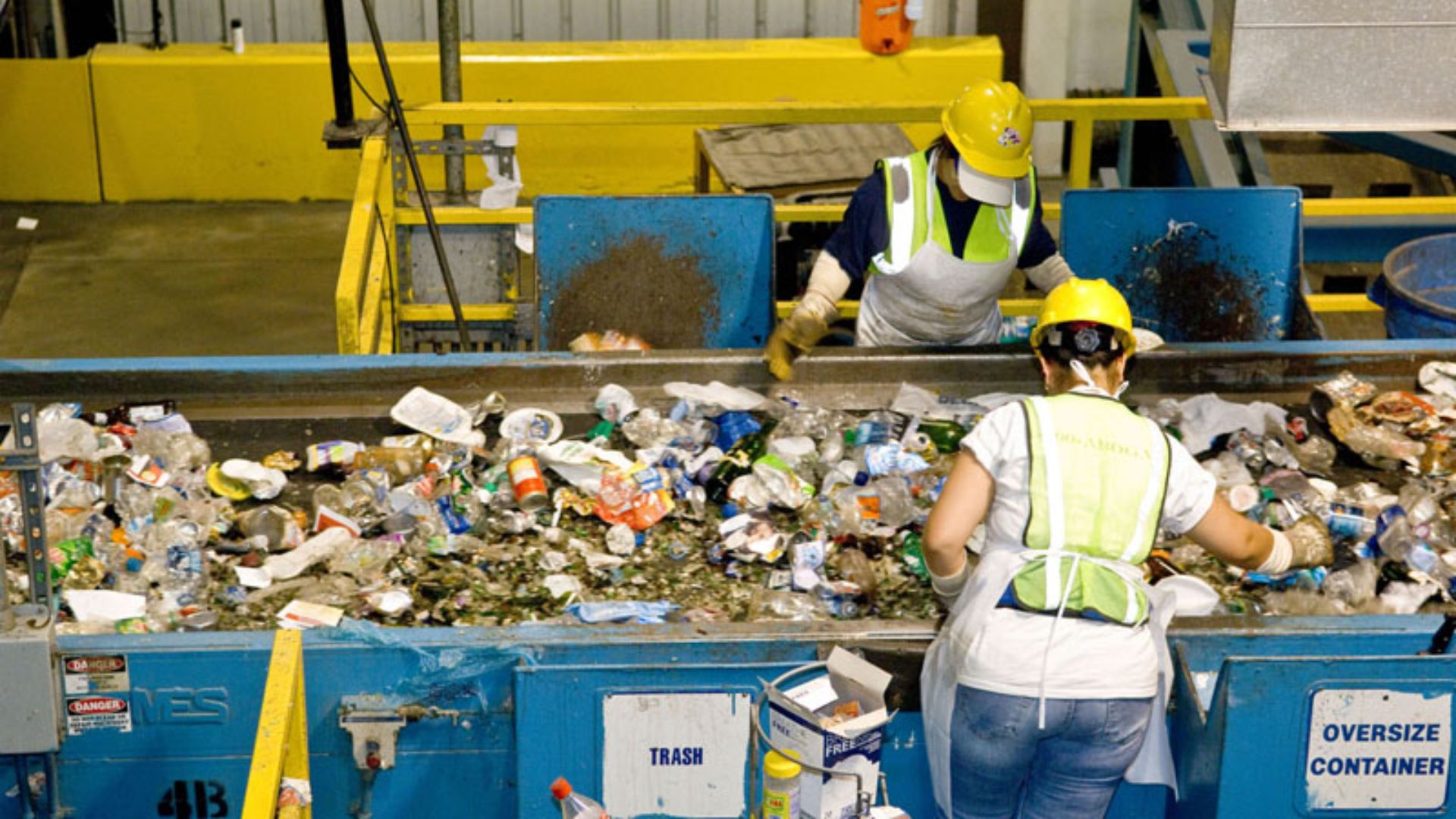
Traditional waste-to-energy technologies require PVC to undergo dechlorination before it can be processed. Removing chlorine usually involves high temperatures and multiple processing steps to prevent toxic chlorinated compounds from forming, increasing both energy consumption and operating costs.
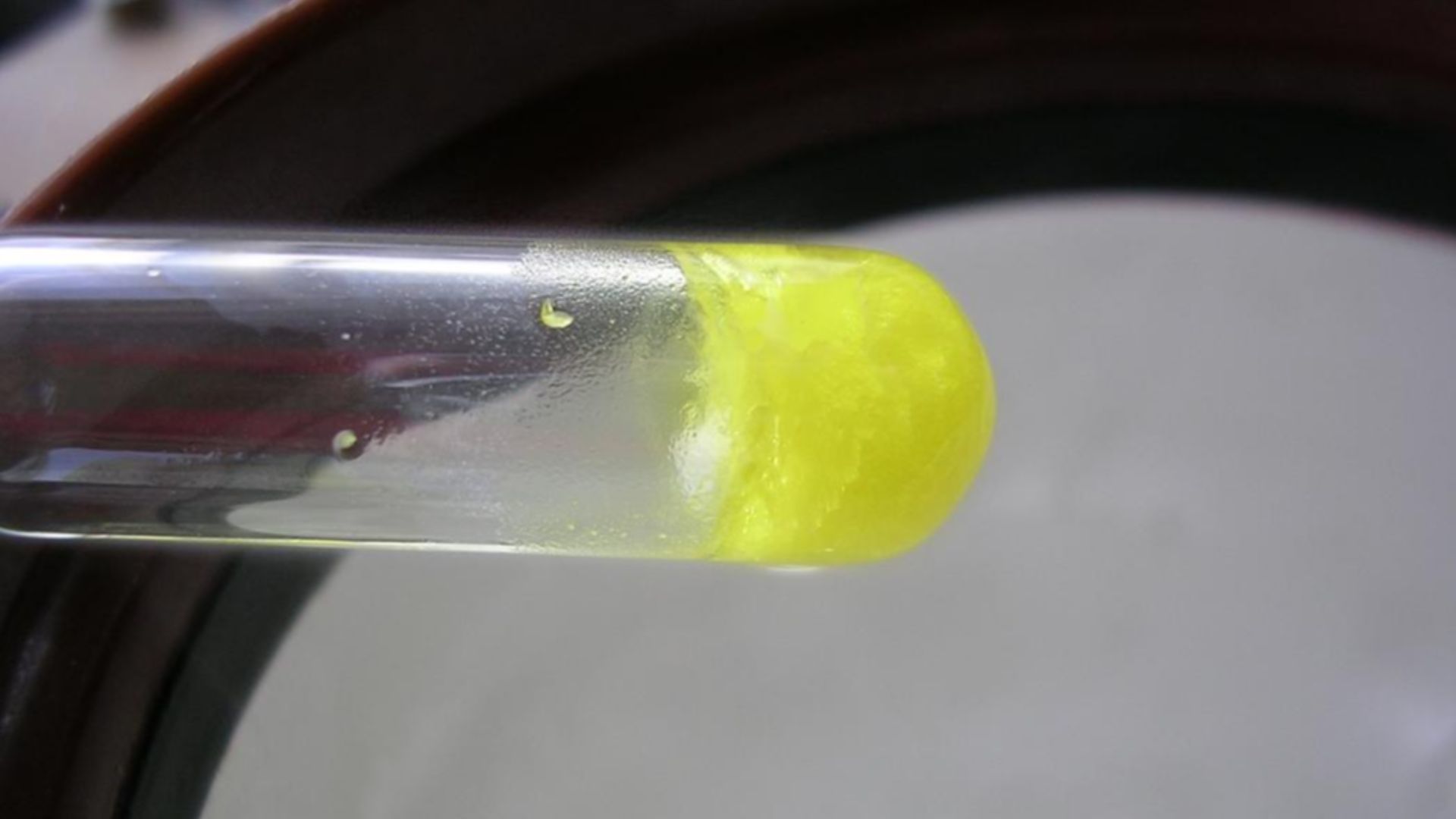 Alexander C. Wimmer, Wikimedia Commons
A Joint International Effort
The new breakthrough resulted from collaboration among researchers at the U.S. Department of Energy's Pacific Northwest National Laboratory, Columbia University, the Technical University of Munich, and East China Normal University. Their findings were published in the journal Science.
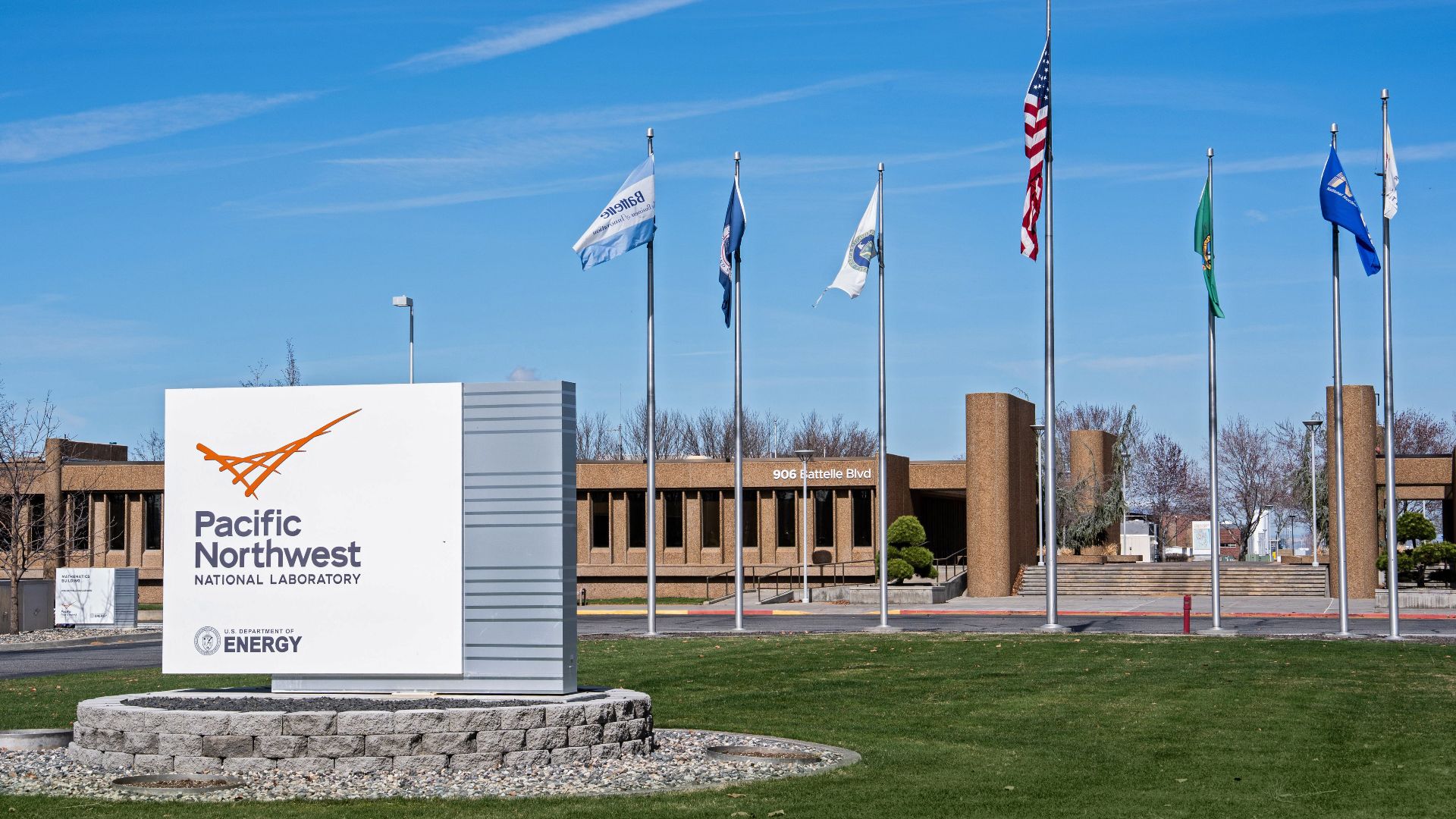 Timothy.Holland.PNNL, Wikimedia Commons
One Step Instead Of Many
Rather than separating dechlorination from fuel production, the researchers combined the necessary reactions into a single-stage catalytic process. The method upgrades discarded PVC directly into chlorine-free fuel-range hydrocarbons while simultaneously producing hydrochloric acid as a valuable industrial byproduct.
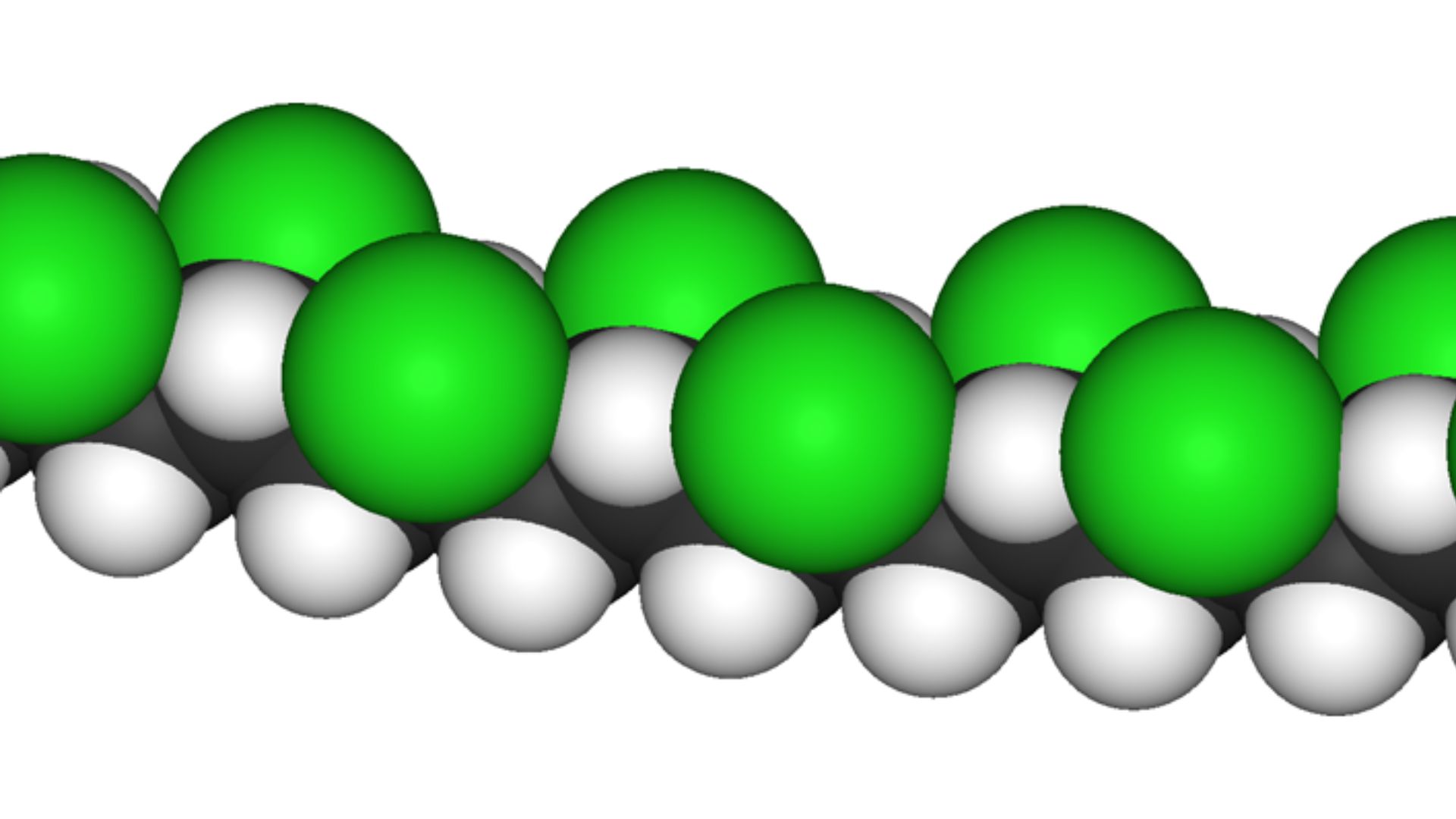
Operating At Low Temperatures
Unlike conventional plastic conversion methods that depend on extremely high heat, the new process operates at room temperature and ambient pressure for many applications. Lower operating temperatures reduce energy requirements while simplifying the equipment needed for industrial-scale processing.

Using Refinery Byproducts
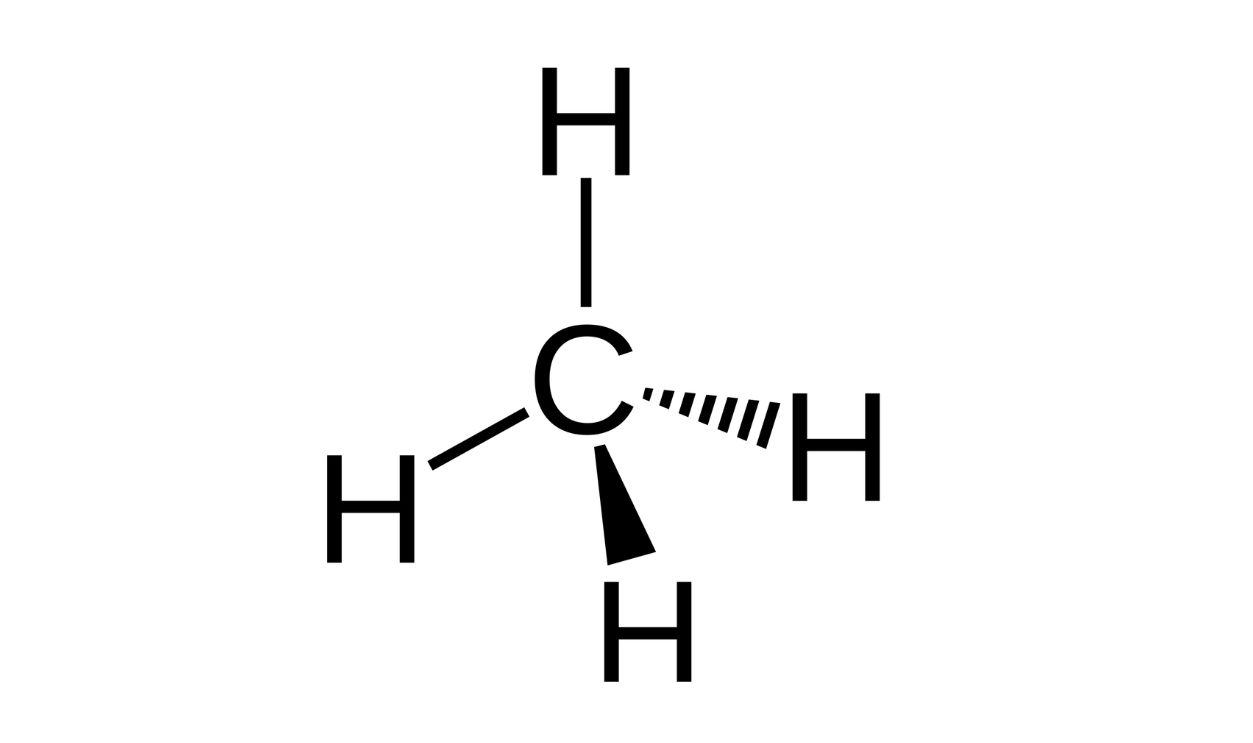
The researchers combined waste plastics with light isoalkanes, hydrocarbon byproducts already produced during petroleum refining. These compounds help drive the chemical reactions needed to break apart PVC while simultaneously creating new gasoline-range hydrocarbon molecules.
 SVG version by Patricia.fidi, Wikimedia Commons
Gasoline Range Products
The resulting liquid products consist primarily of hydrocarbons containing six to twelve carbon atoms. These molecules fall within the gasoline range, making them suitable as fuel components rather than simply producing lower-value chemical feedstocks or waste products.

Recovering Hydrochloric Acid
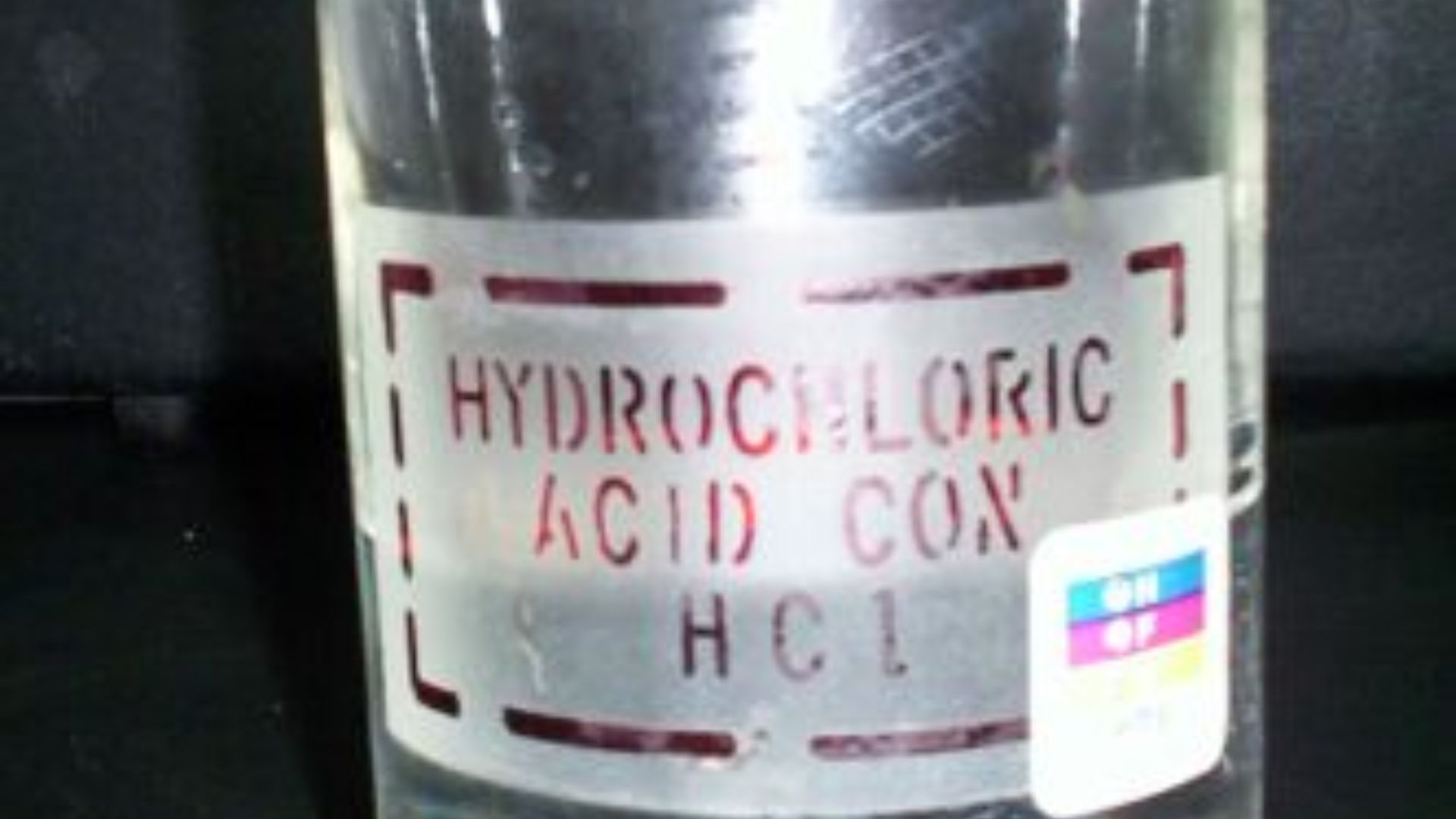
Instead of releasing chlorine-containing pollutants, the process converts chlorine into recoverable hydrochloric acid. According to the researchers, this byproduct can serve as a useful industrial raw material in applications including water treatment, pharmaceuticals, food production, and metal processing.
High Conversion Efficiency
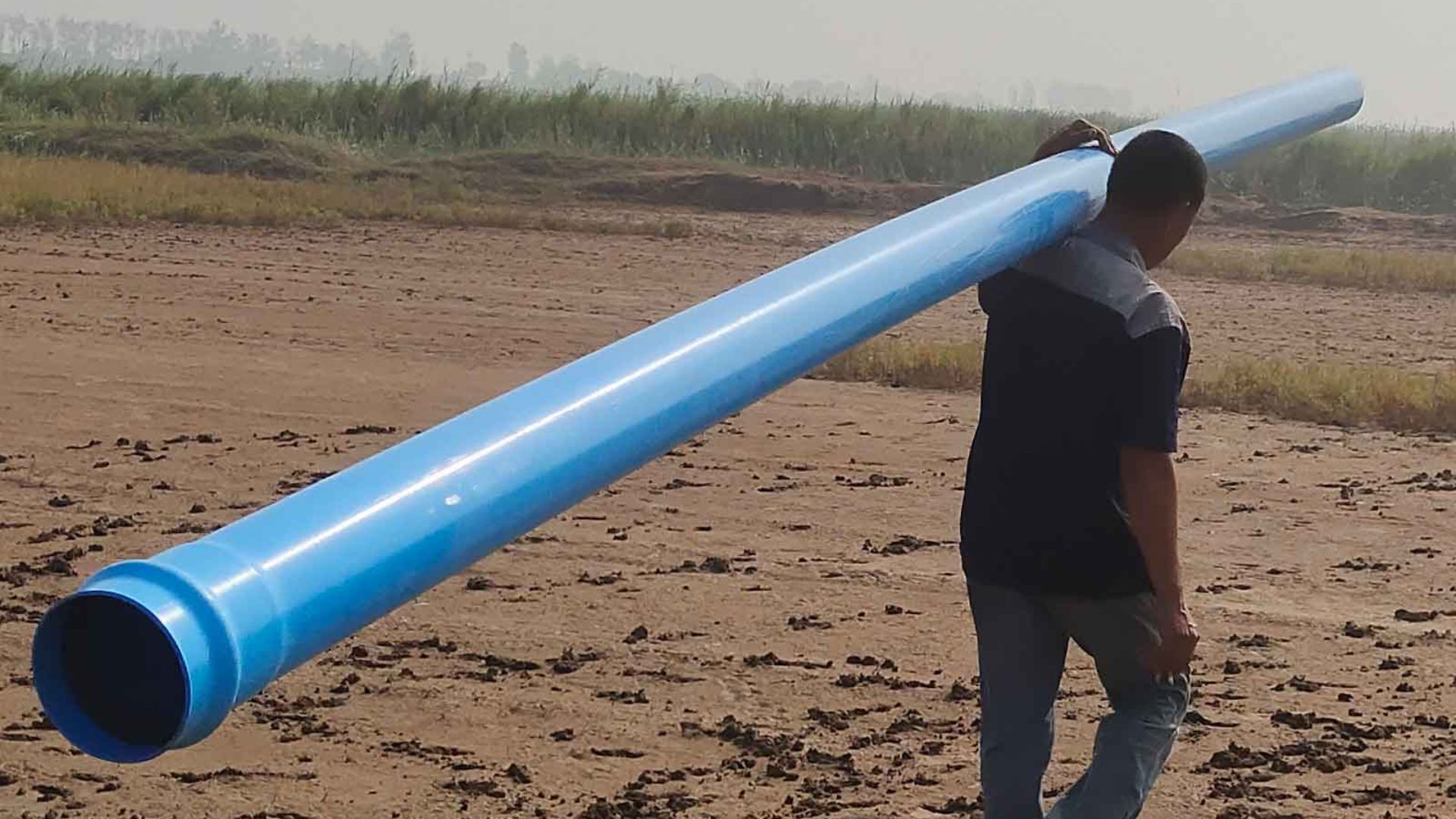
Laboratory tests produced some pretty impressive results. The researchers reported approximately 95% conversion for soft PVC pipes and as much as 99% conversion for rigid PVC pipes and PVC-coated wires under suitable operating conditions.
 Yamiyami123, Wikimedia Commons
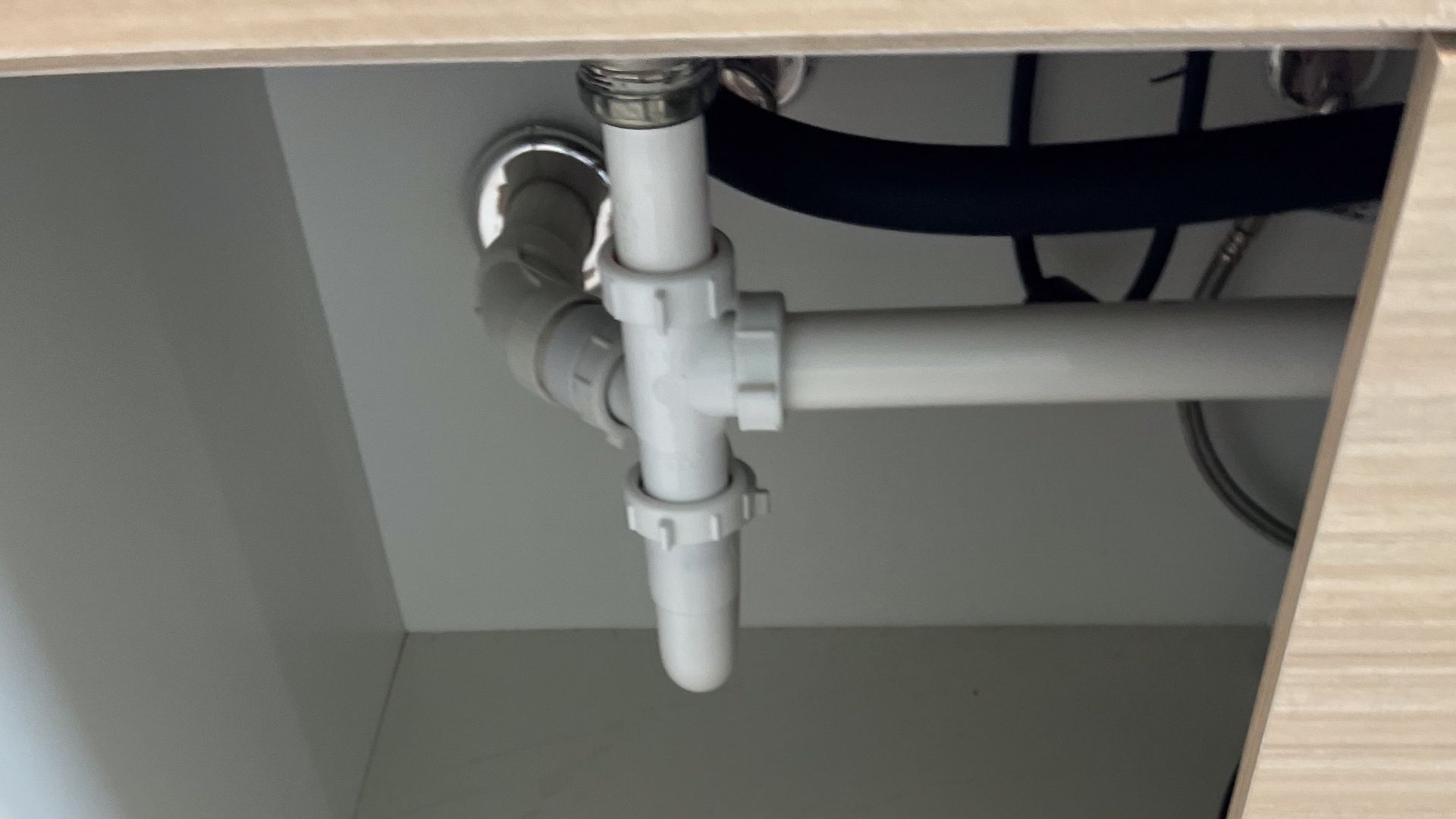
Mixed Plastic Waste
The process also handled mixed waste streams rather than requiring perfectly sorted materials. Tests combining PVC with common polyolefins achieved approximately 96% solid conversion efficiency, demonstrating the method's potential for processing real-world contaminated plastic waste.
 Tony Webster, Wikimedia Commons
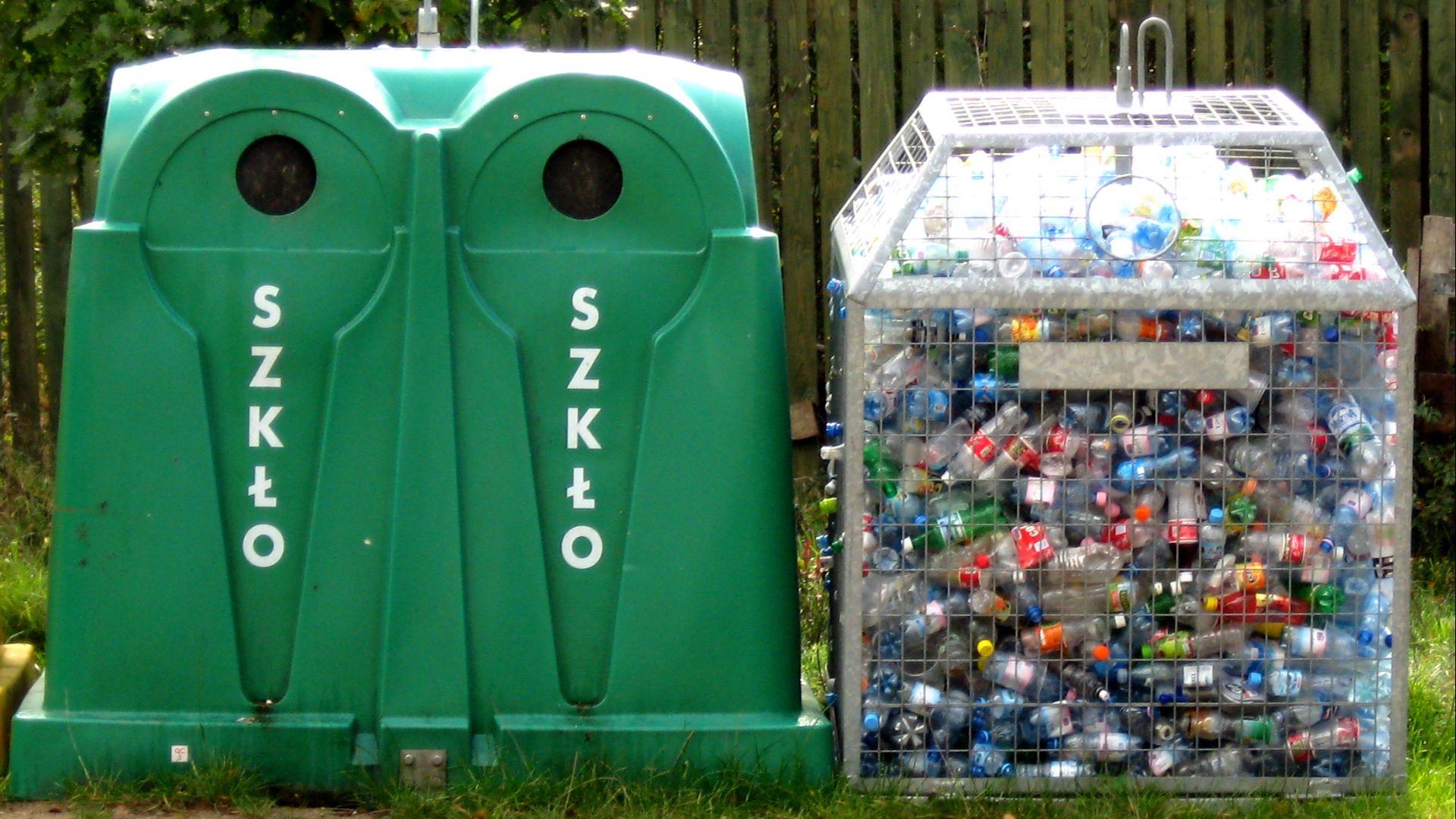
Simplifying Recycling
Because the process eliminates separate dechlorination and multiple intermediate stages, researchers think it could seriously reduce equipment requirements, lower operating costs, and improve the economic viability of chemical recycling for difficult plastic waste streams.
 © 2008 by Tomasz Sienicki [user: tsca, mail: tomasz.sienicki at gmail.com], Wikimedia Commons
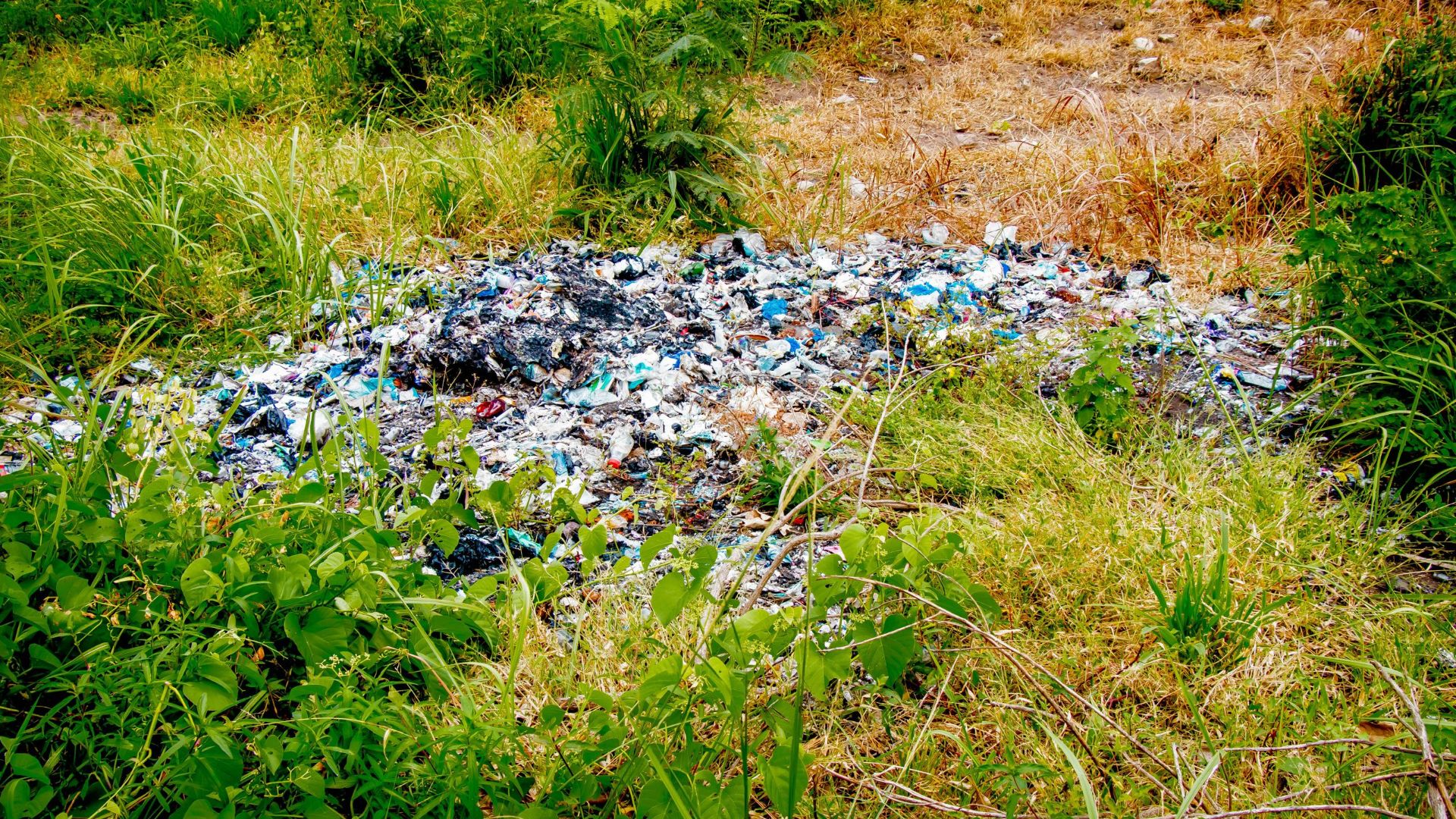
Supporting A Circular Economy
The researchers describe the technology as supporting a circular economy by transforming discarded plastics into valuable chemical products rather than landfilling or incinerating them. Recovering both liquid fuels and hydrochloric acid increases the value extracted from waste materials.
 Ibrahim Achiri, Wikimedia Commons
Yale's Separate Approach
While the international team focused heavily on PVC, Yale engineers pursued a different strategy for converting plastic waste into valuable fuels. Their work emphasizes an efficient, catalyst-free pyrolysis system capable of producing fuel precursors and industrial chemicals from common plastic waste.
 LukaszKatlewa, Wikimedia Commons
Eliminating Catalysts
Many conventional plastic-to-fuel systems depend on expensive catalysts that gradually lose effectiveness. Yale's design avoids catalysts altogether, reducing cost while eliminating concerns about catalyst degradation and replacement over time.
 USEPA Environmental-Protection-Agency, Wikimedia Commons
A Three Stage Reactor
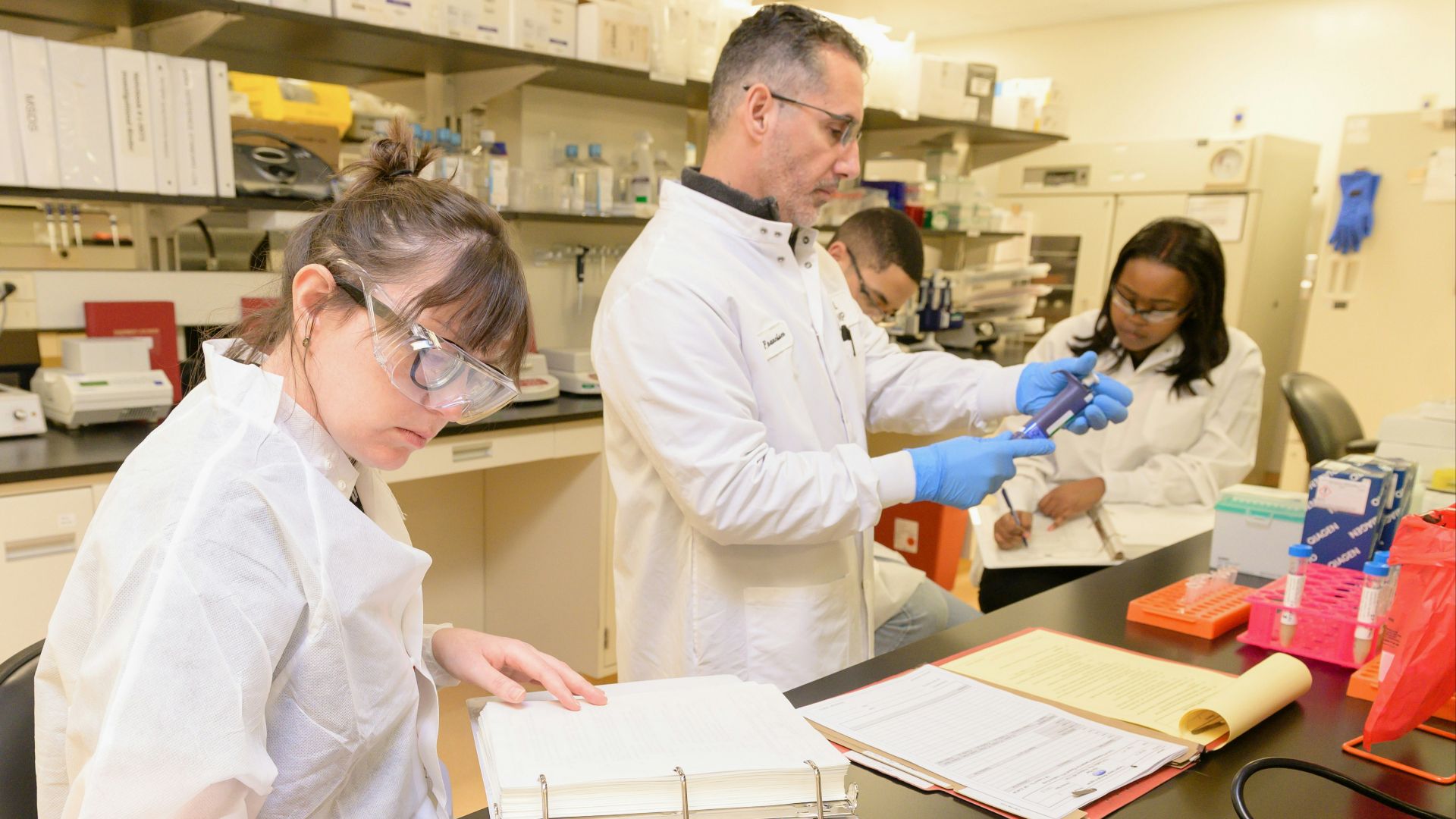
The Yale researchers developed a specially designed electrically heated carbon reactor featuring three sections with progressively smaller pore sizes. This carefully engineered structure controls how plastic molecules break apart, improving product selectivity and reducing unwanted byproducts.
 National Institute of Allergy and Infectious Diseases, Unsplash
High Fuel Yields
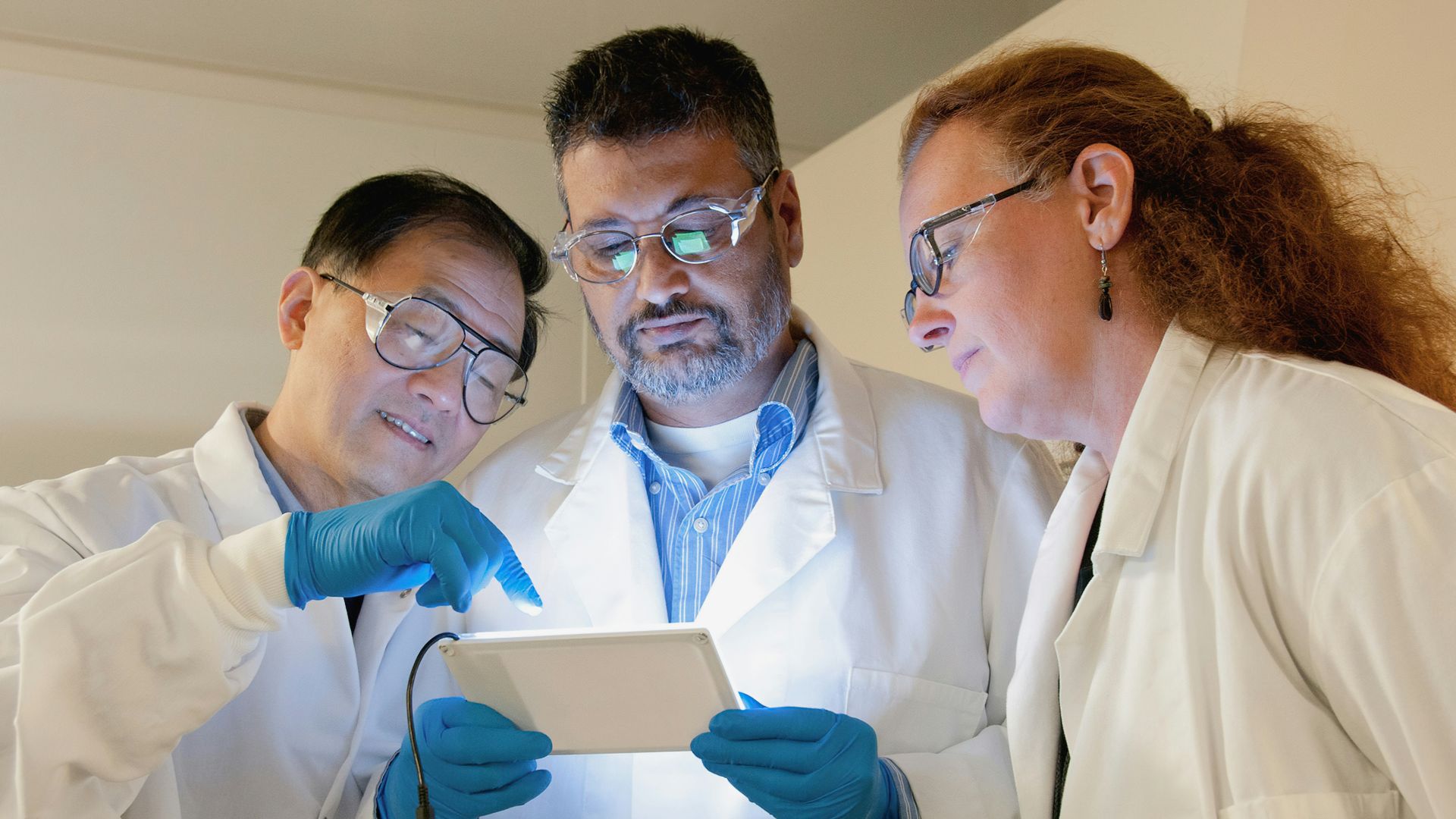
Testing with polyethylene showed encouraging results. The researchers reported converting nearly 66% of the plastic into valuable chemicals suitable for fuel production using their optimized 3D-printed reactor design.
 National Cancer Institute, Unsplash
A Simpler Commercial Design
To demonstrate scalability, the Yale team also built a version using commercially available carbon felt rather than custom 3D-printed components. Even without extensive optimization, the simpler design converted more than 56% of plastic into useful chemicals.
 Eduardobadillol, Wikimedia Commons
Potential Aviation Applications
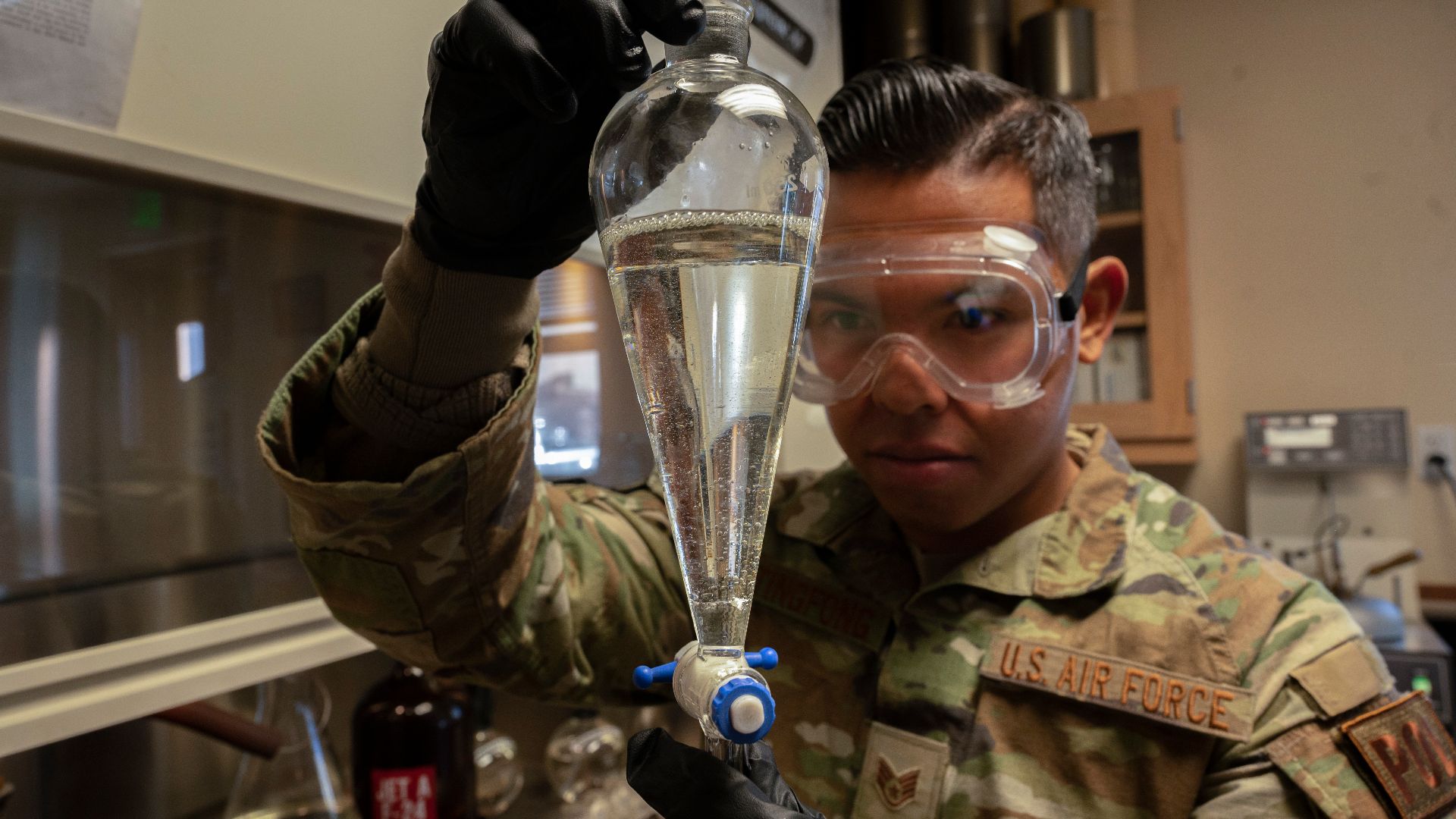
According to Yale's announcement, the resulting chemical products can serve as precursors for jet fuel and other transportation fuels. The researchers believe their technology offers a practical strategy for reducing plastic waste while supplying valuable feedstocks for future fuel production.
 Airman 1st Class Isaiah Pedrazzi, Wikimedia Commons
Two Different Strategies
Although developed independently, both research efforts pursue similar goals. Each seeks to transform discarded plastics into valuable hydrocarbon products while simplifying existing recycling technologies, reducing costs, and improving the practicality of large-scale plastic waste conversion.
 Kristoferb (talk), Wikimedia Commons
Moving Toward Industry
Both teams emphasize that their systems were designed with industrial applications in mind. The U.S.-China process simplifies handling of mixed PVC waste, while Yale's reactor demonstrates that catalyst-free systems may also achieve commercially meaningful fuel yields.
 Olivier Dugornay, Wikimedia Commons
A Promising Direction
These advances show how chemical engineering continues to reshape plastic recycling. By extracting valuable fuels and industrial chemicals from difficult waste streams through simpler, more efficient processes, researchers hope to make plastic recovery both economically workable and environmentally beneficial.
 Radulf del Maresme, Wikimedia Commons
You May Also Like:
Scientists are investigating a strange signal coming from deep beneath Earth's surface.
Scientists finally unlocked the secret of what made Roman concrete almost indestructible.
Scientists just tapped into an energy source that could last forever







%20(Ifremer%2000377-48865%20-%2056).jpg)