Seafloor Heat Revolution
Energy stories usually start on land. This one doesn’t. It begins far offshore, where heat slips through rock and water, and where engineers and scientists see possibility instead of empty darkness waiting quietly below us.
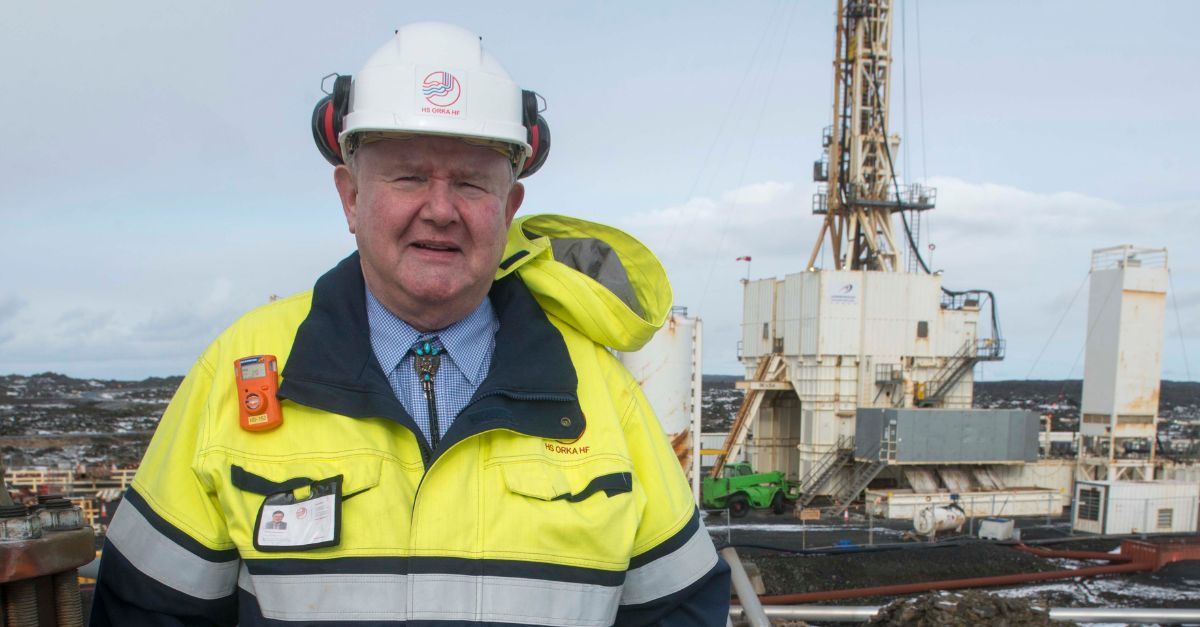
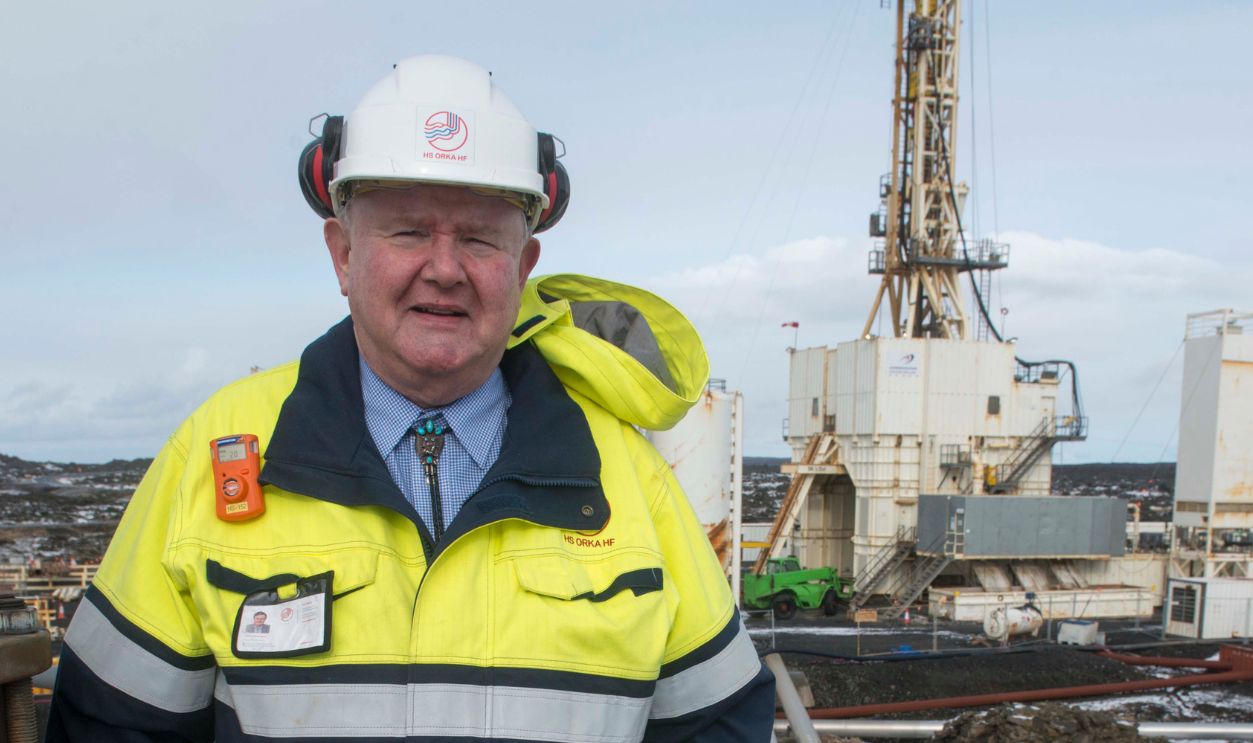 HALLDOR KOLBEINS, Getty Images
Earth's Hidden Power
Scientists estimate that beneath the world's oceans lies enough geothermal energy to power human civilization for millions of years. This is a measurable reality based on thermal readings from deep-sea exploration missions. The ocean floor constantly releases heat from Earth's molten core through cracks and fractures in the planetary crust.
Ocean Floor Secrets
More than 70% of Earth's surface sits underwater, hiding geological processes that dwarf anything happening on land. The seafloor is an active, living system where tectonic plates pull apart, and volcanic activity creates massive heat sources. For decades, oceanographers noticed unusual temperature readings near certain underwater mountain ranges.
Geothermal Energy Basics
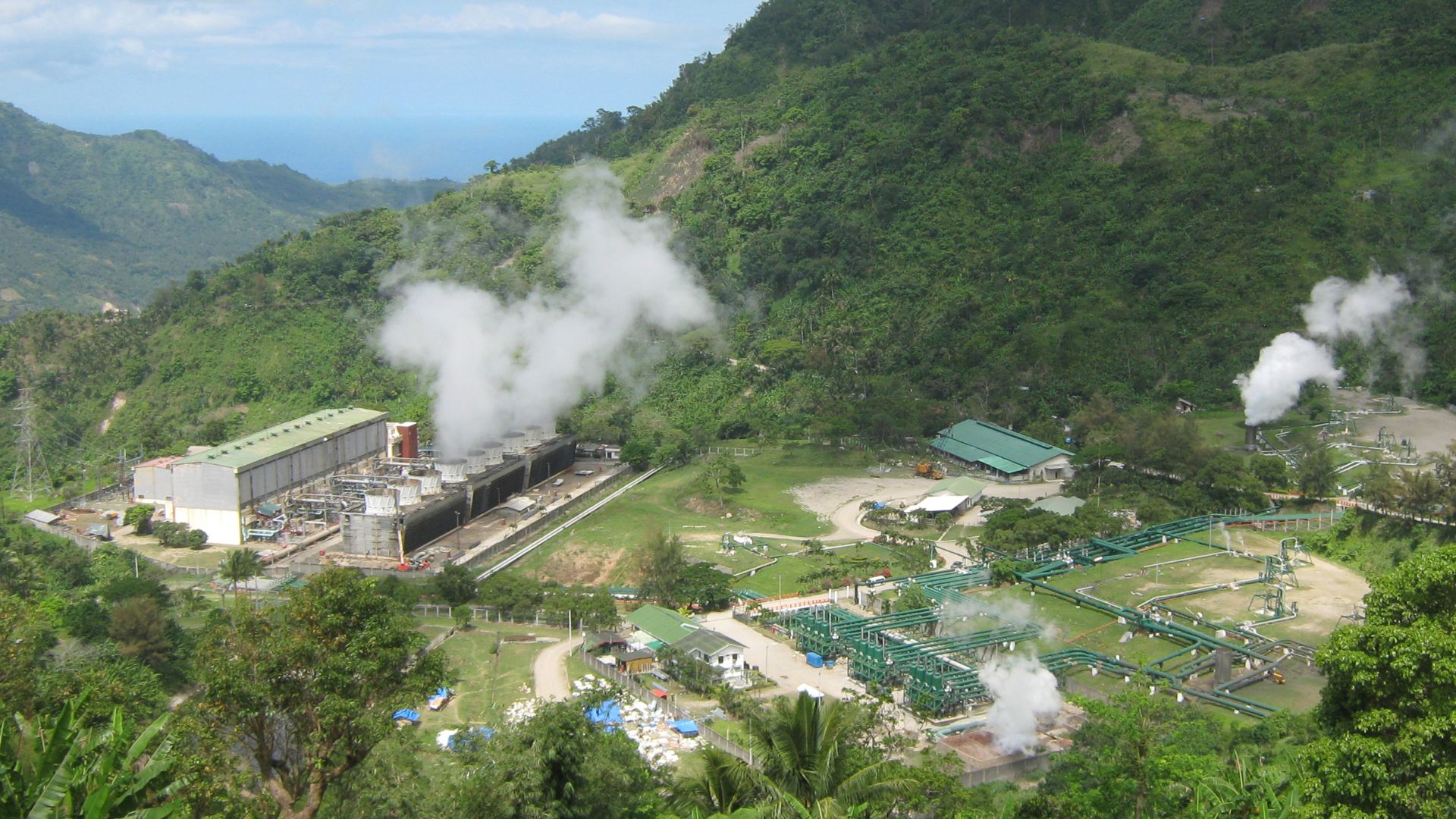
Unlike solar panels that stop working at night or wind turbines that sit idle during calm weather, geothermal energy flows continuously from Earth's interior. The planet's core maintains temperatures exceeding five thousand degrees Celsius, and this heat gradually migrates toward the surface through conduction and convection.
 Mike Gonzalez (TheCoffee), Wikimedia Commons
Mid-Ocean Ridge Discovery
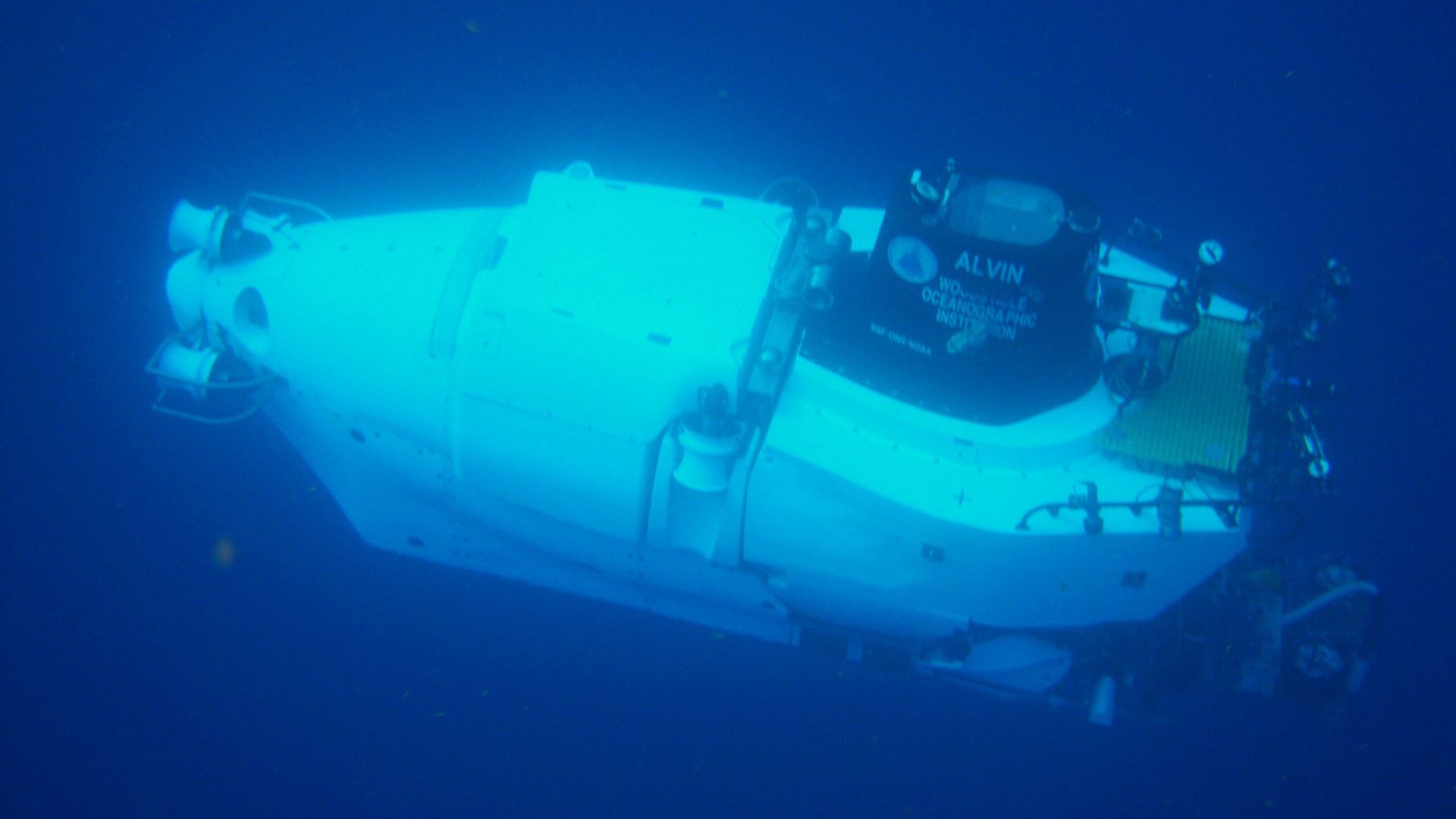
In February 1977, the submersible Alvin descended over 2000 meters to the Galapagos Spreading Center and changed everything scientists thought they knew about the ocean floor. The crew discovered underwater hot springs releasing superheated water into the frigid depths, surrounded by bizarre life forms.
 Gavin Eppard, WHOI. Credit: Expedition to the Deep Slope/NOAA/OER., Wikimedia Commons
Tectonic Plate Boundaries
Earth's outer shell consists of tectonic plates that constantly move at rates between 10 and 170 millimeters per year. Where these plates pull apart, they give rise to rifts that allow magma from deep within the planet to rise toward the surface.
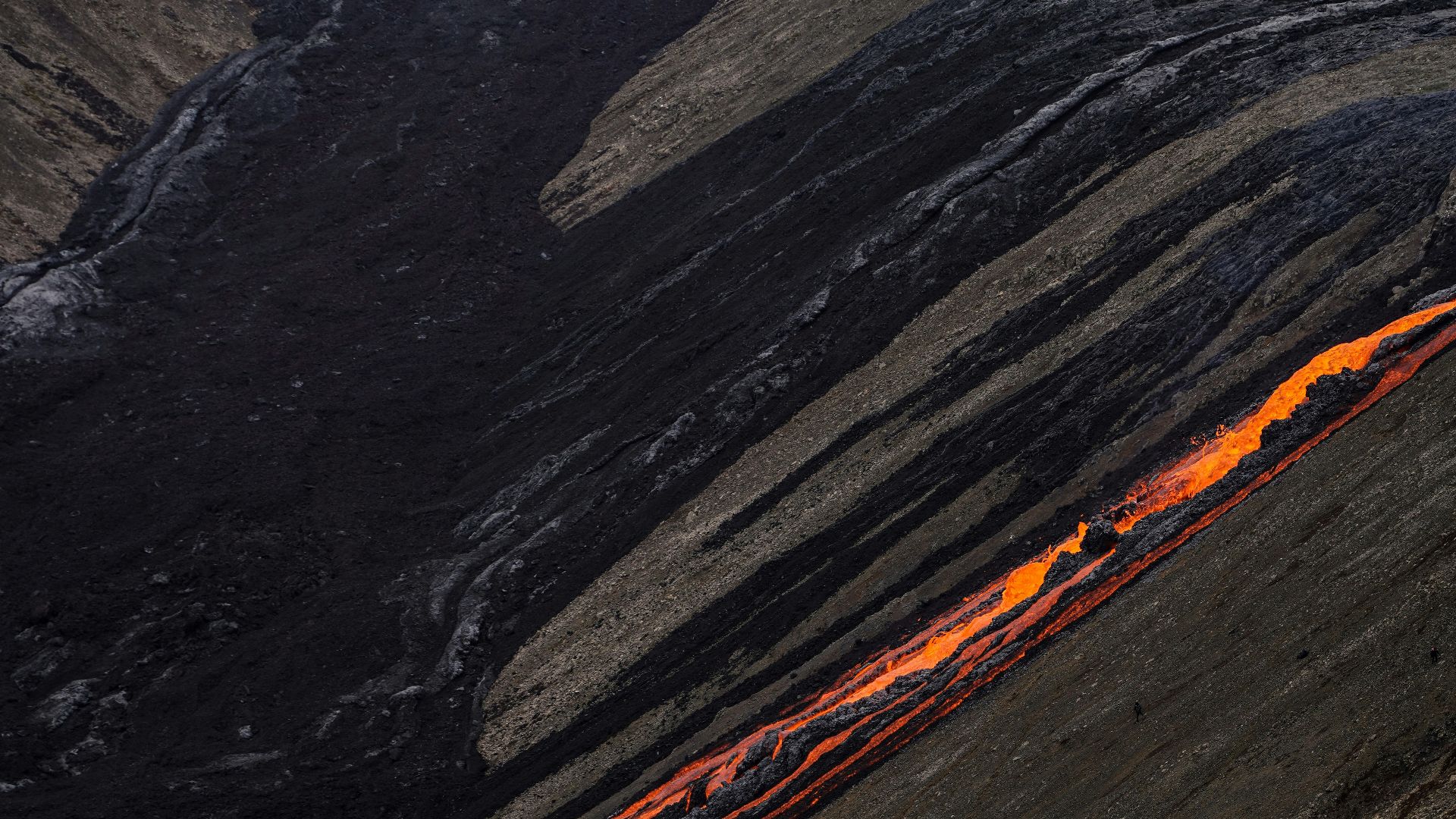
Hydrothermal Vents Found
After the initial Galapagos discovery, oceanographers mapped hundreds of hydrothermal vent sites across all major ocean basins. These vents occur where seawater seeps into cracks in the seafloor, gets heated by magma chambers below, and shoots back up through the ocean floor at extreme temperatures and pressures.
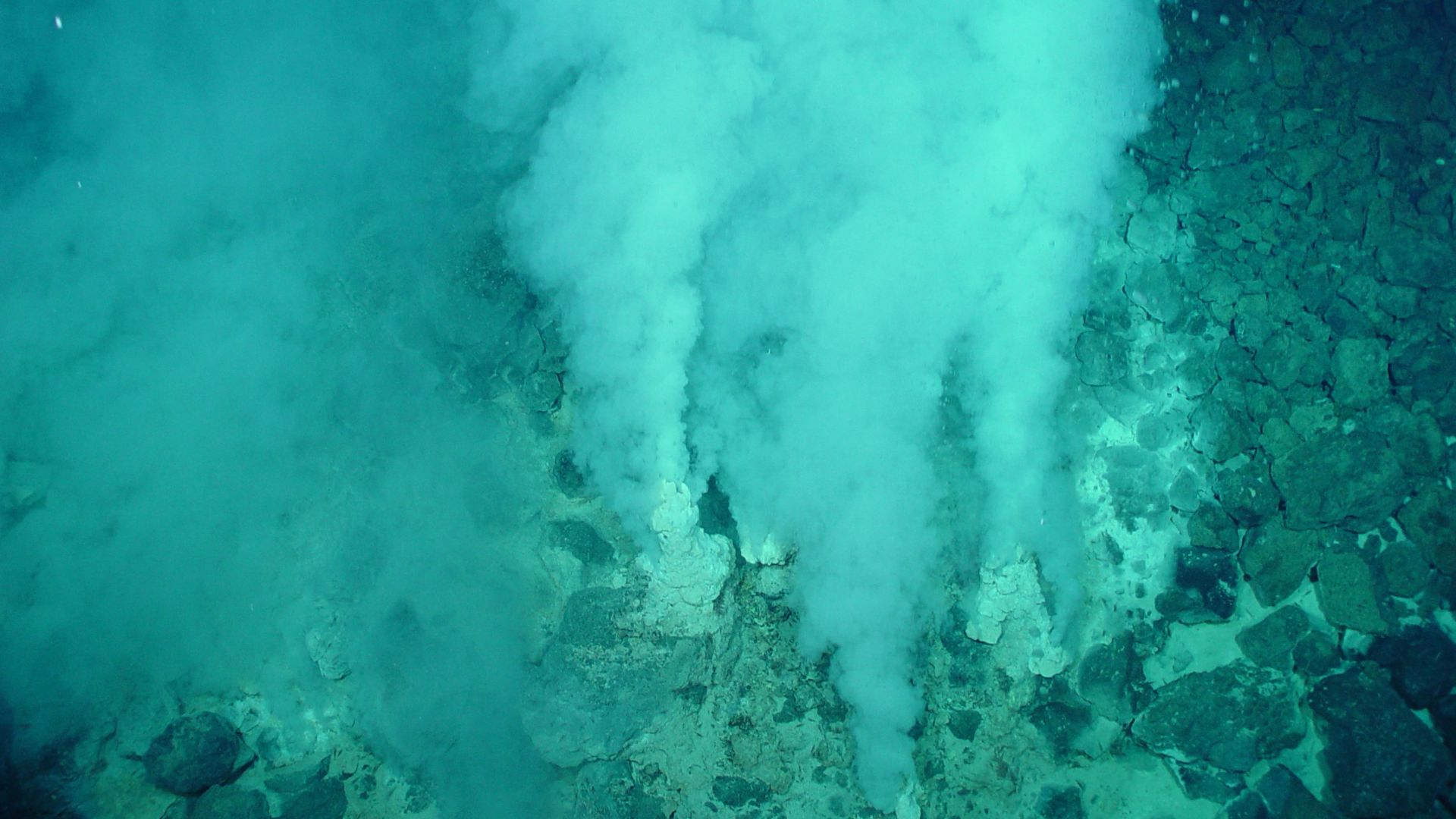
Black Smoker Systems
The most dramatic hydrothermal features are called black smokers—towering chimney structures that belch dark plumes of mineral-rich water into the ocean. When superheated fluid loaded with dissolved metals and sulfides hits the near-freezing seawater, the minerals instantly precipitate out.
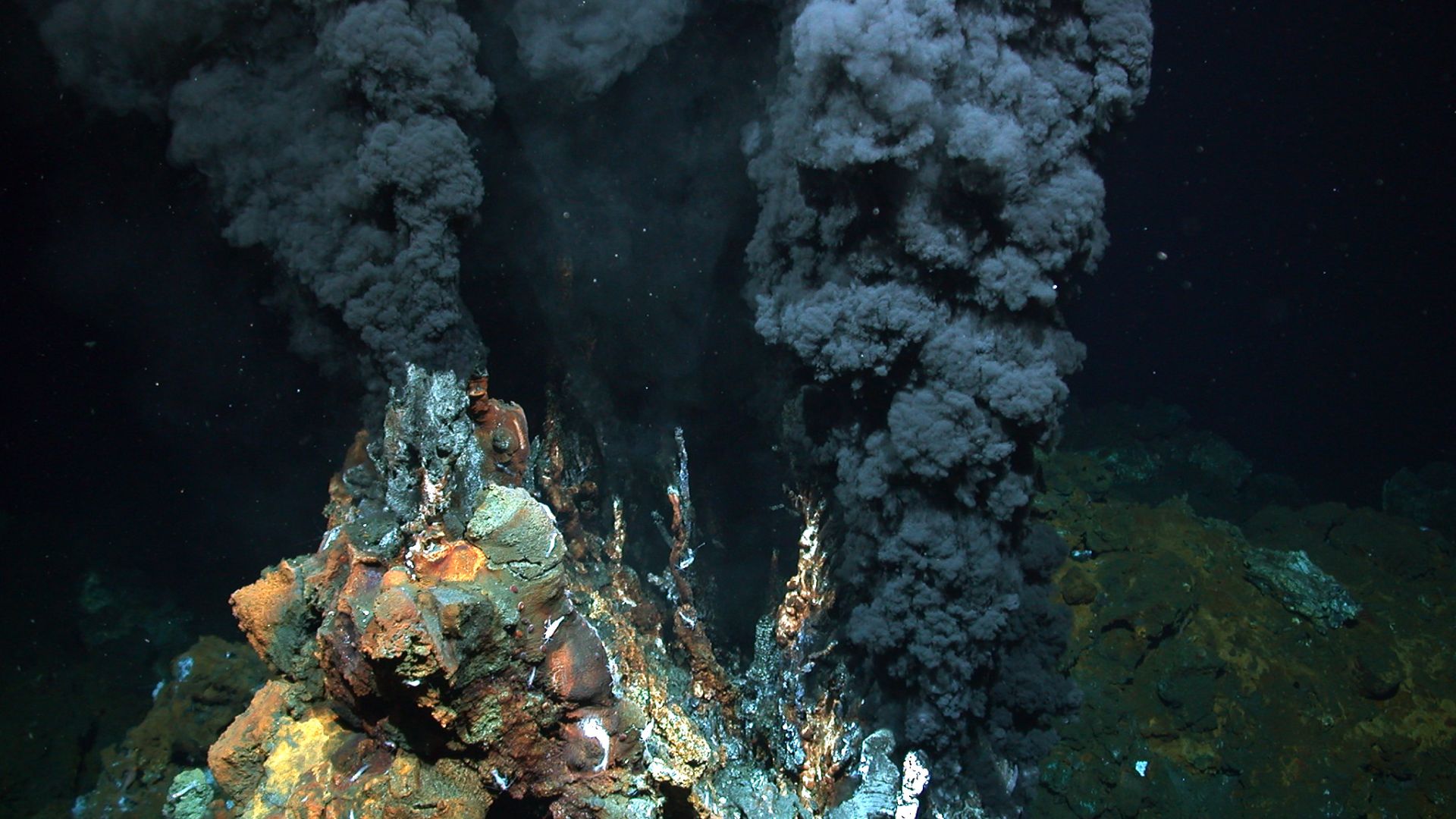 MARUM − Zentrum fur Marine Umweltwissenschaften, Universitat Bremen, Wikimedia Commons
Temperature Measurements
Modern deep-sea expeditions using remotely operated vehicles have recorded fluid temperatures at black smoker vents reaching 750 degrees Fahrenheit in some locations along the East Pacific Rise. Besides, the Mid-Atlantic Ridge commonly shows vent temperatures between 300 and 400 degrees Celsius.
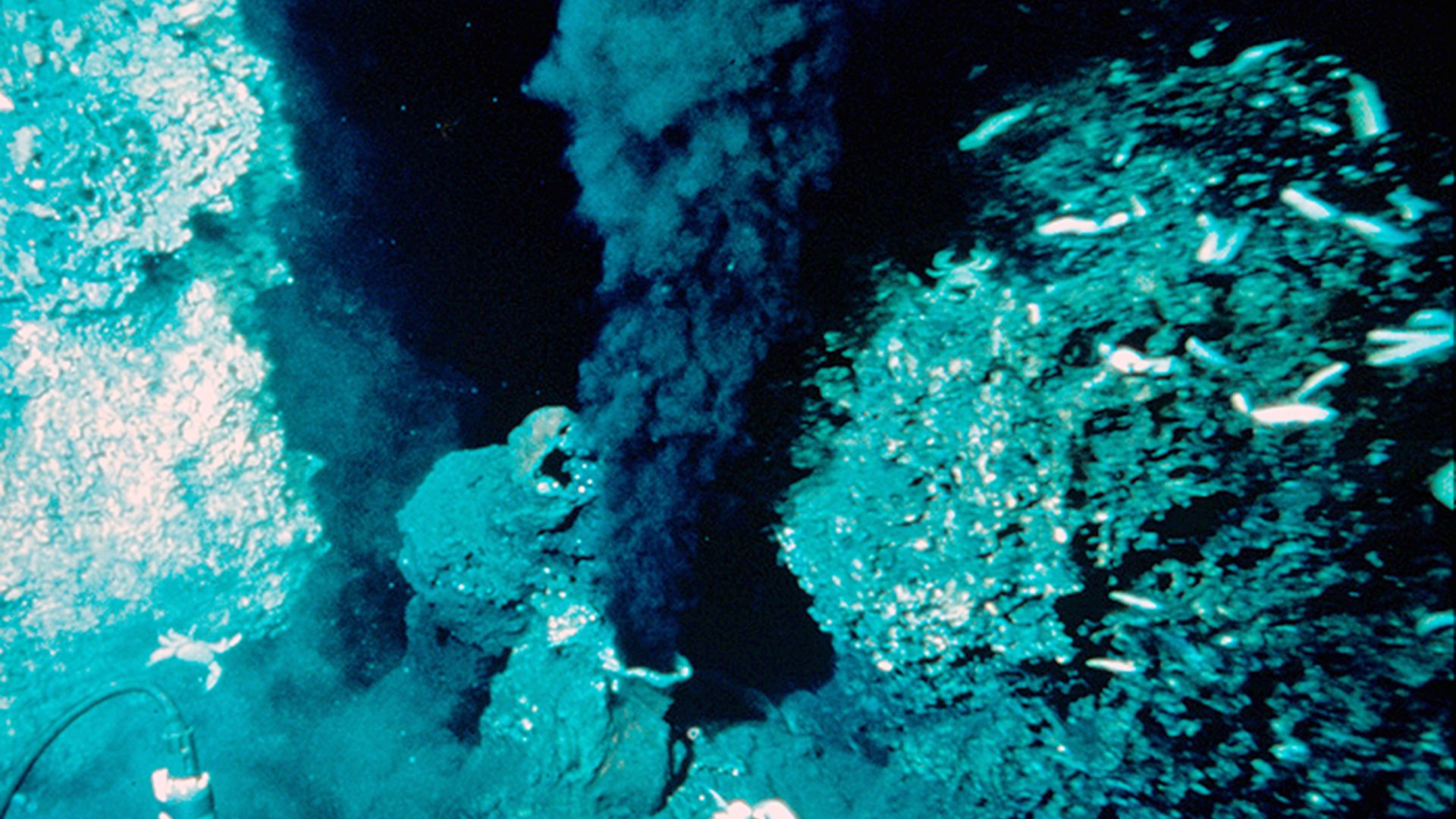 W.R. Normark, Dudley Foster, Wikimedia Commons
Supercritical Fluid Potential
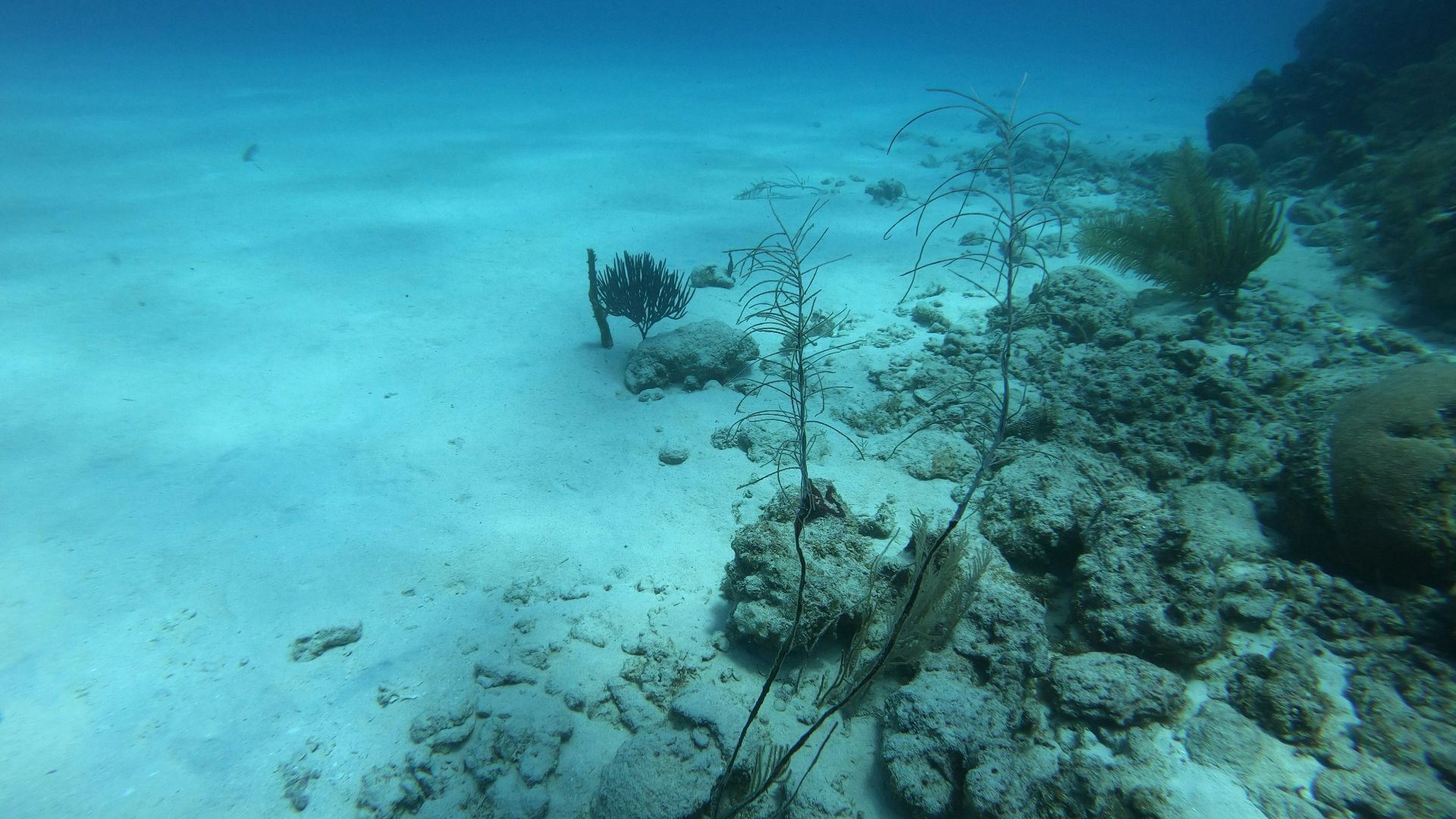
Water behaves strangely under extreme conditions—above certain temperature and pressure thresholds, it enters a "supercritical" state that's neither liquid nor gas but something in between. At depths of 4 to 5 kilometers below the seafloor, seawater becomes supercritical and can carry ten times more energy per unit volume.
Iceland's Geographic Advantage
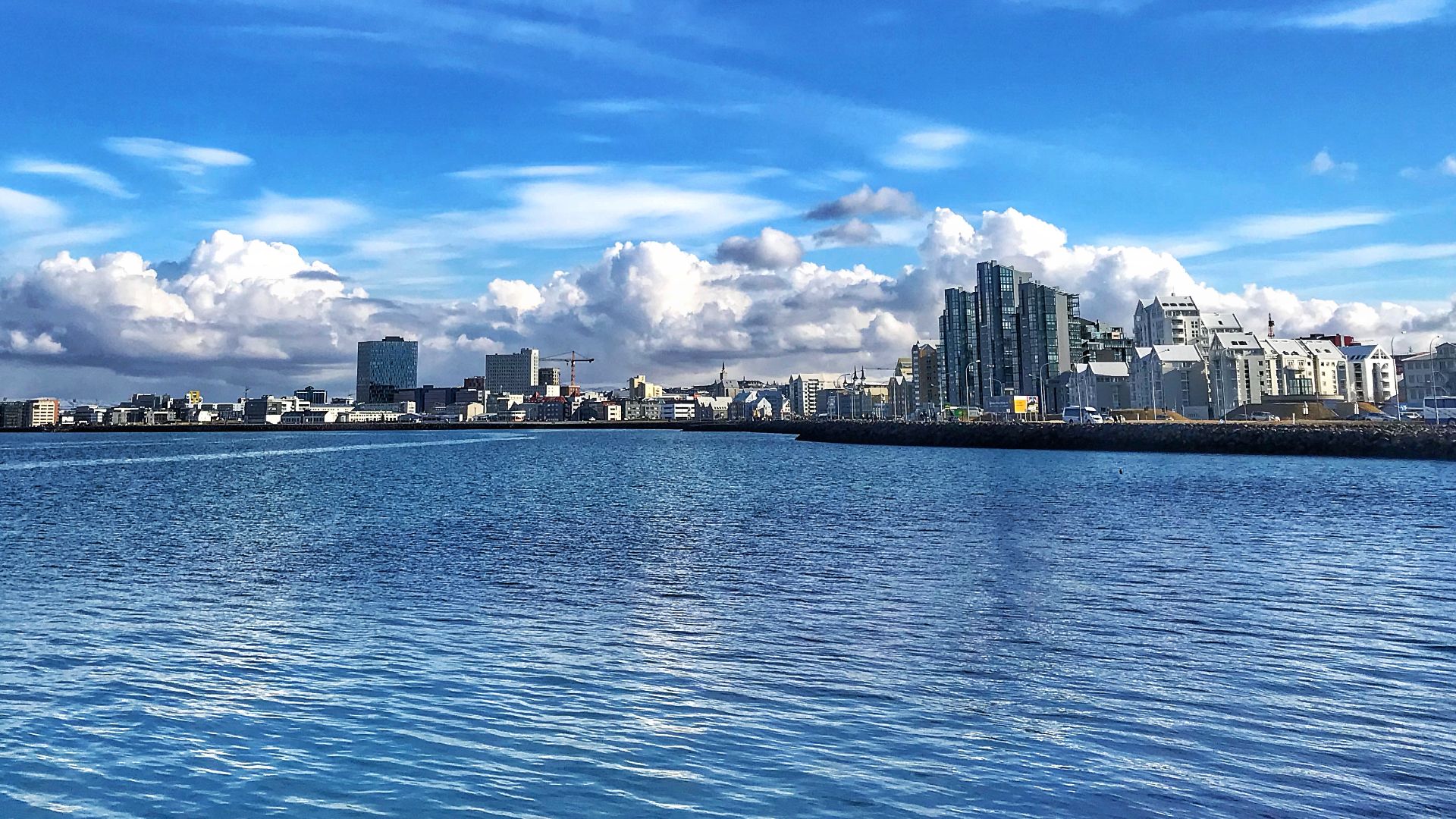
Iceland sits directly on top of the Mid-Atlantic Ridge, where the North American and Eurasian tectonic plates are actively pulling apart. This unique position means the island nation has shallow access to the same intense geothermal systems that normally exist only on the deep ocean floor.
 Lydur Skulason from Iceland, Wikimedia Commons
IDDP Project Launched
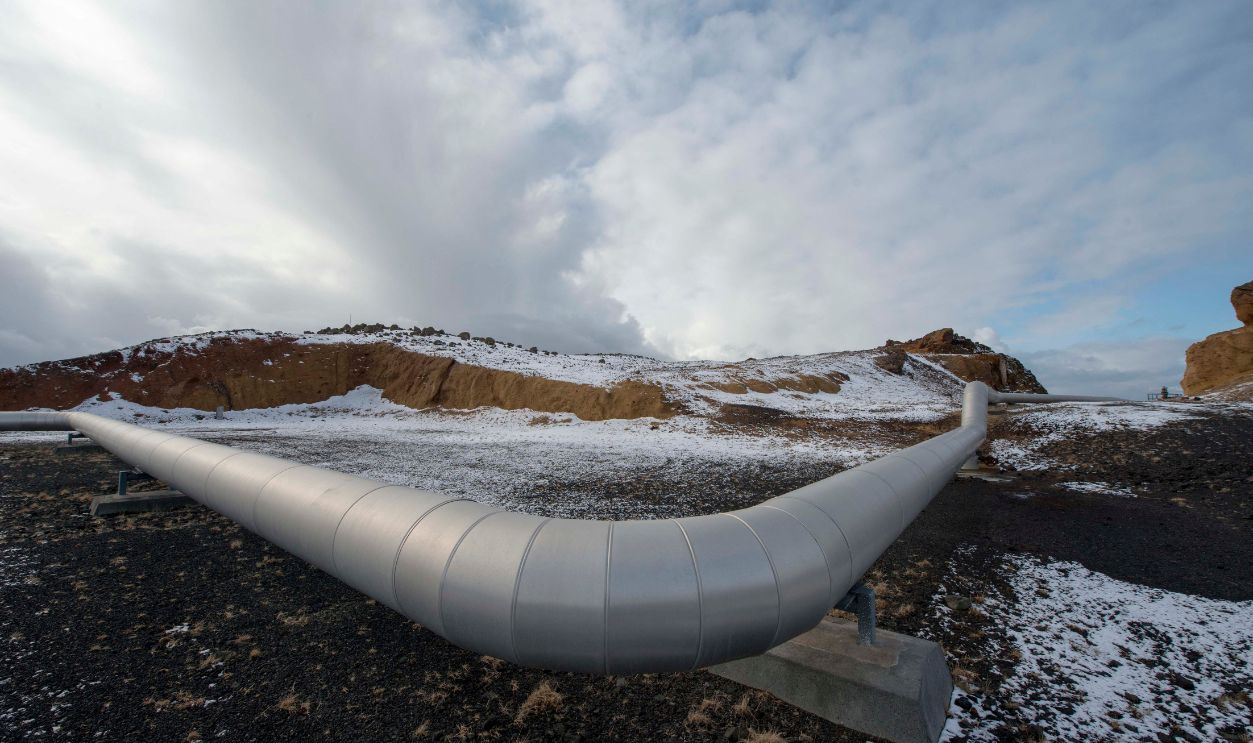
In the year 2000, Iceland's National Energy Authority partnered with four major energy companies to create the Iceland Deep Drilling Project. The team called themselves "Deep Vision" and set their sights on drilling beyond four thousand meters to tap into supercritical hydrothermal fluids—resources theoretically capable of producing ten times more power.
 HALLDOR KOLBEINS, Getty Images
First Drilling Attempt
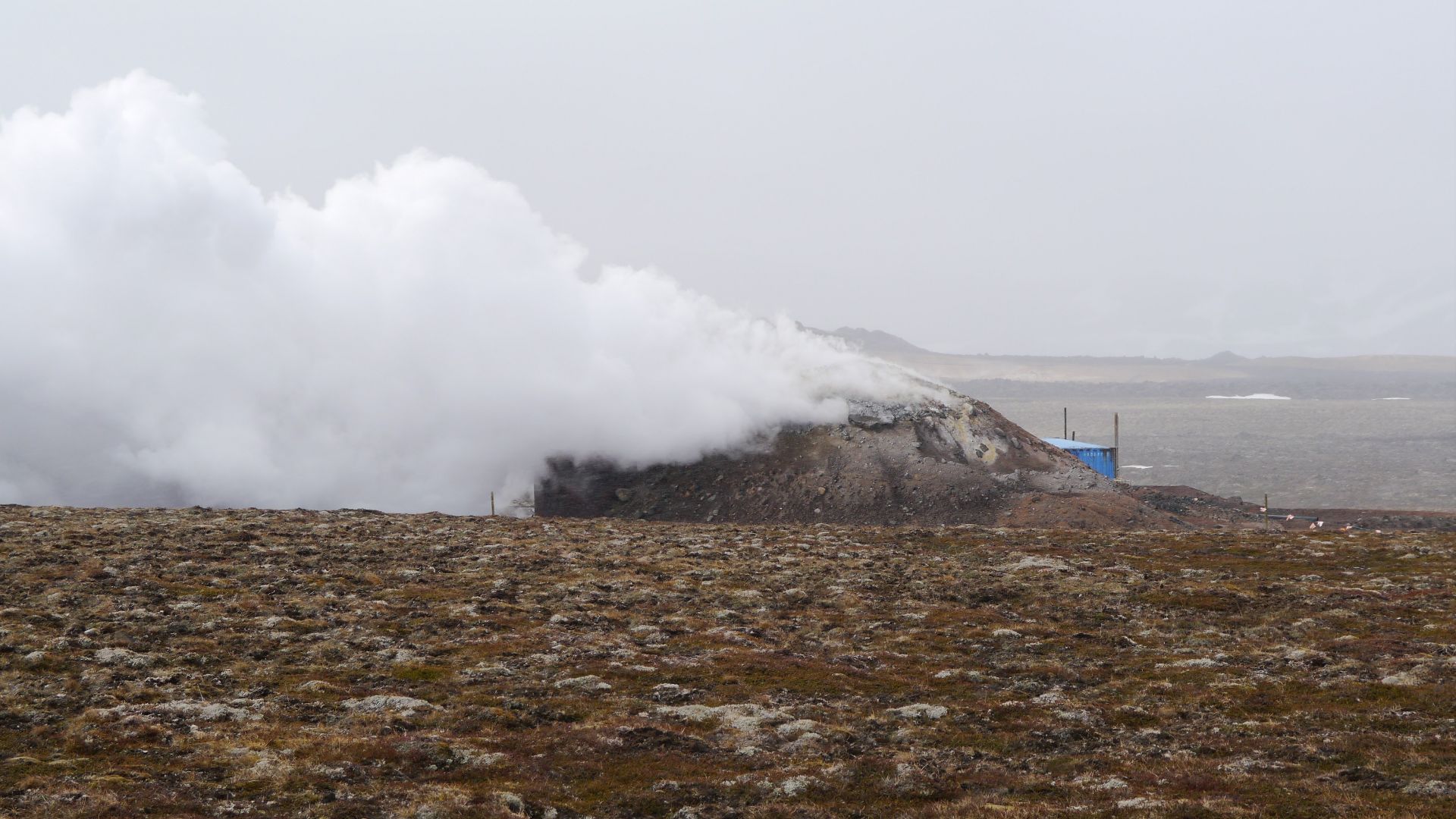
IDDP-1 at Krafla in northeast Iceland began drilling in 2009 with plans to reach four and a half kilometers depth, but something unexpected happened at just two thousand one hundred meters down. The drill bit suddenly penetrated 900 degrees Celsius rhyolitic magma with molten rock flowing directly into the borehole.
IDDP-2 Success
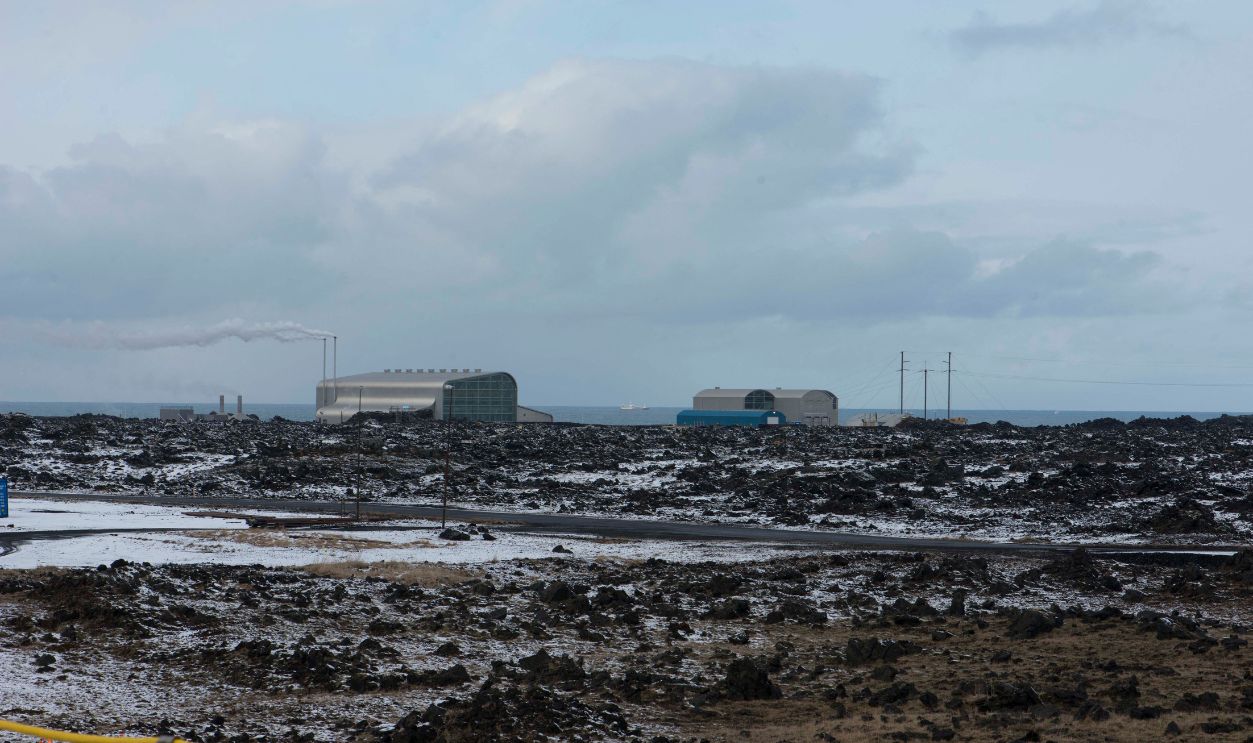
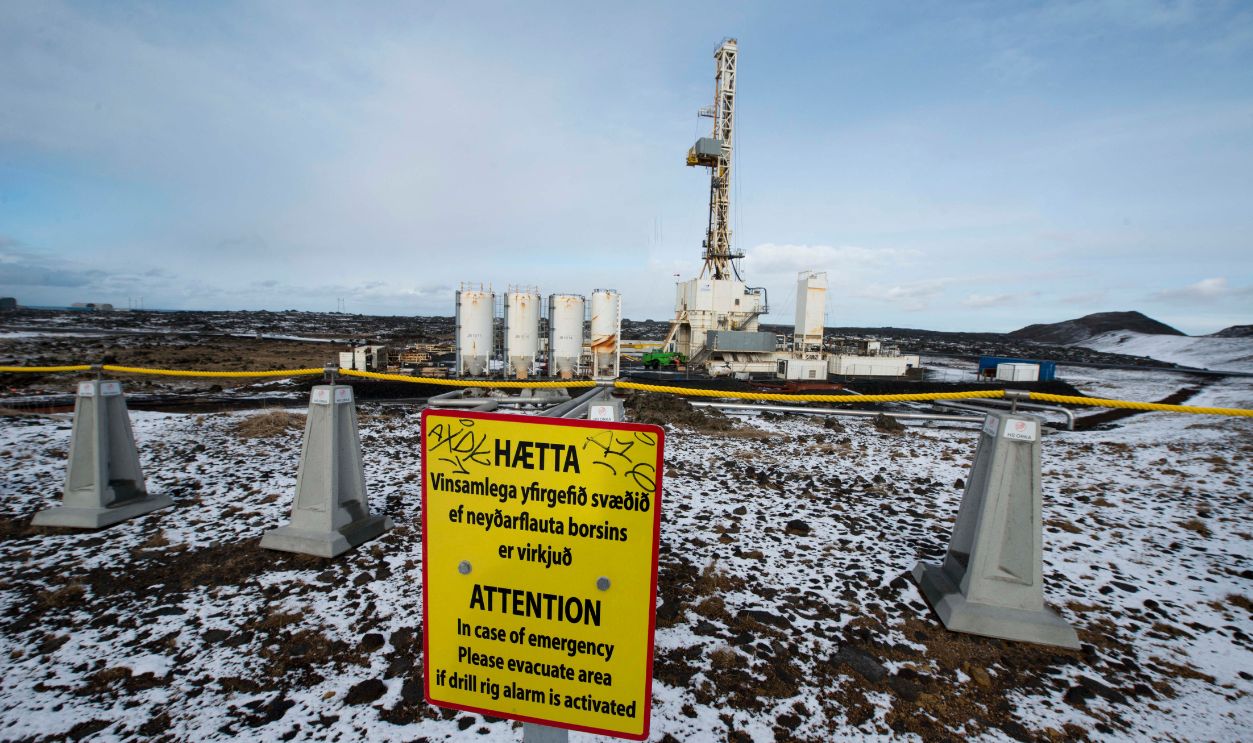
Learning from Krafla's unexpected magma encounter, Deep Vision selected the Reykjanes Peninsula in southwest Iceland for their second attempt in 2016. Reykjanes offered a geothermal system recharged by seawater, making it the only land-based analog to mid-ocean ridge black smoker systems anywhere on Earth.
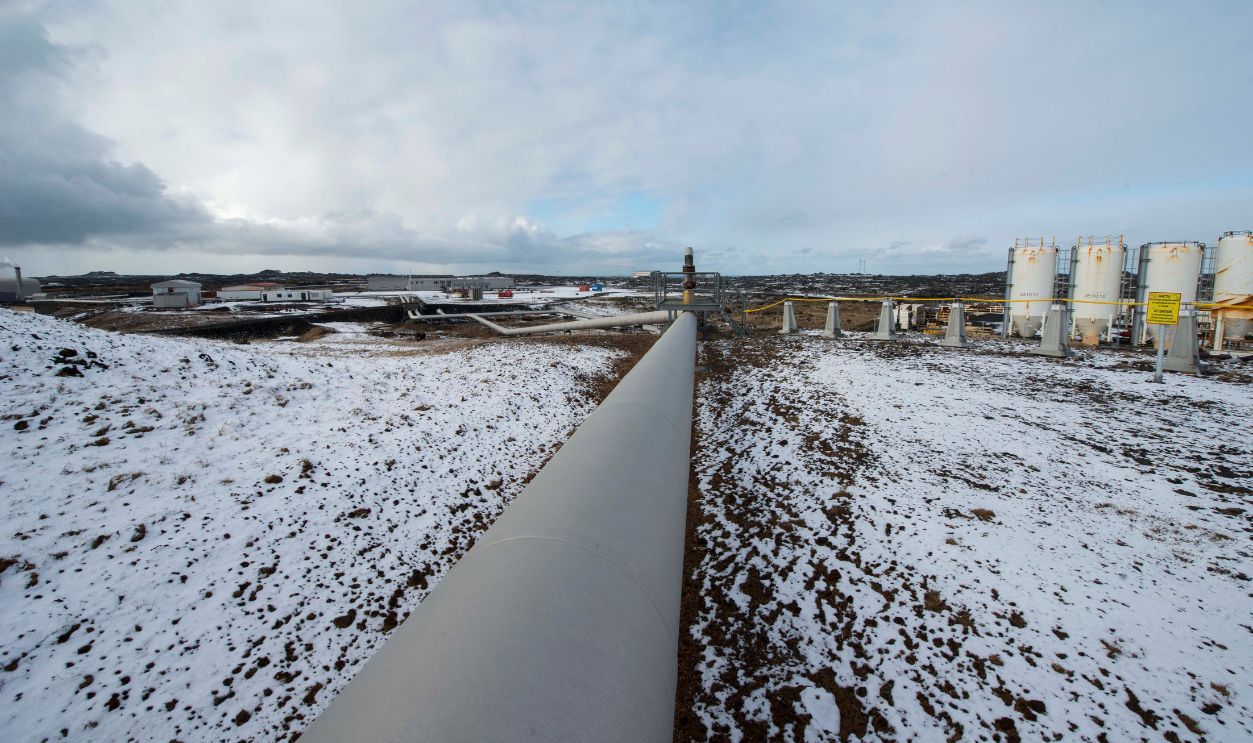 HALLDOR KOLBEINS, Getty Images
Record-Breaking Depths
The IDDP-2 borehole became the deepest high-temperature geothermal well ever drilled in human history. Core samples retrieved from the bottom showed metamorphosed basalt and gabbro altered by hydrothermal processes at temperatures between 700 and 900°C over geological time.
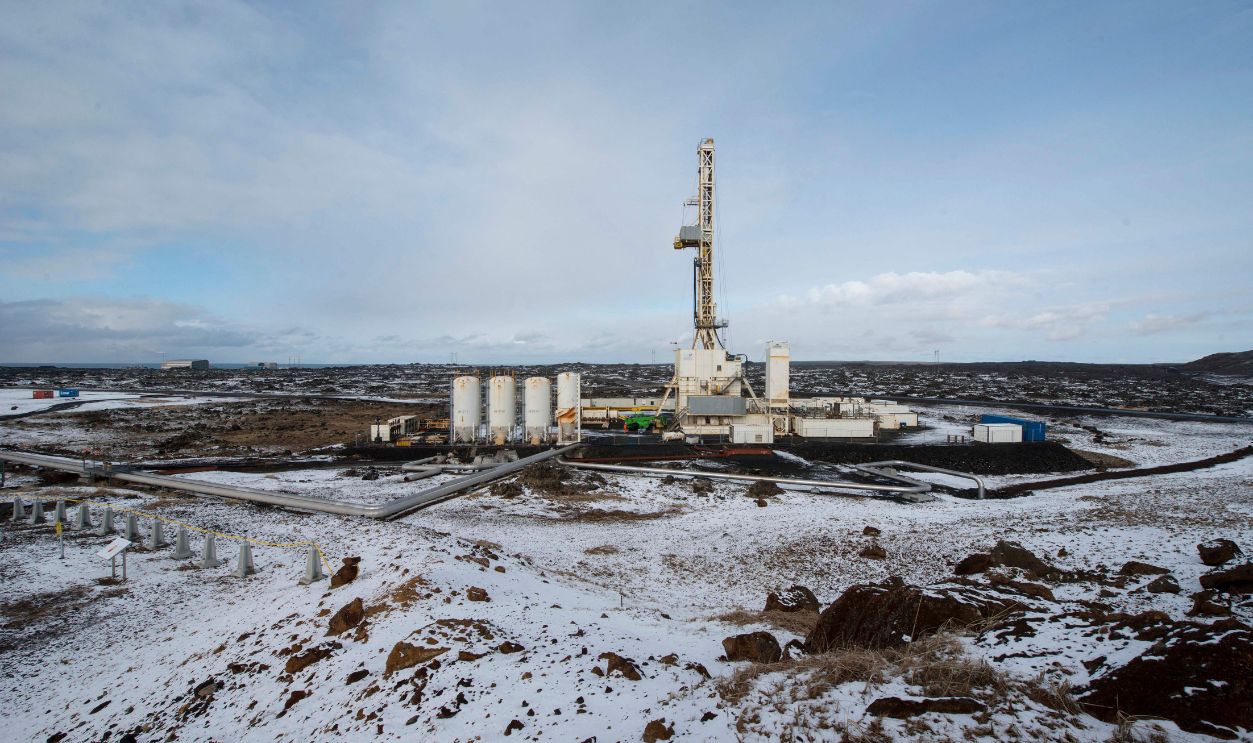 HALLDOR KOLBEINS, Getty Images
426-Degree Discovery
After drilling stopped, engineers allowed the borehole to heat naturally for just six days before taking measurements that stunned the scientific community. The bottom-hole temperature was 426 degrees Celsius, with fluid pressure at 340 bars, conditions that placed the water firmly in the supercritical phase.
 HALLDOR KOLBEINS, Getty Images
Power Output Estimates
Engineers calculated that a single well producing supercritical steam at the rate of 0.67 cubic meters per second could theoretically generate between 30 and 50 megawatts of electrical power. Compare this to conventional geothermal wells in Iceland that typically produce three to five megawatts, and the implications become staggering.
 HALLDOR KOLBEINS, Getty Images
Global Energy Comparison
Humanity consumed approximately 472 quadrillion BTUs of energy globally in 2006, with the vast majority coming from coal, oil, and natural gas. Meanwhile, researchers estimate that geothermal resources worldwide could, in theory, provide millions of quads of energy annually.
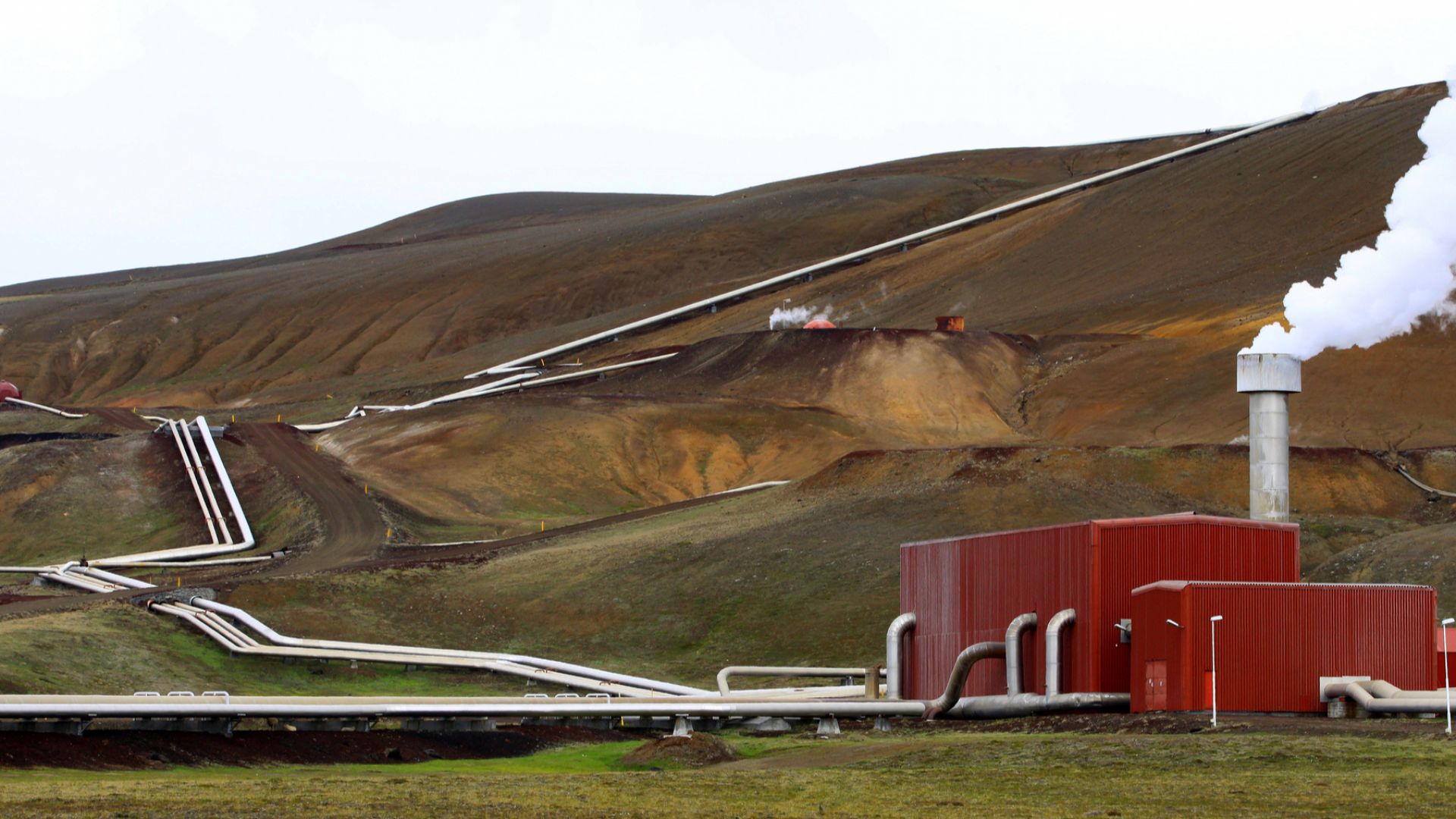
Offshore Drilling Challenges
Drilling on the ocean floor presents obstacles that don't exist on land, starting with the simple fact that operations must occur thousands of meters below the sea surface in crushing pressures and total darkness. Remotely operated vehicles and subsea drilling platforms must withstand corrosive saltwater.
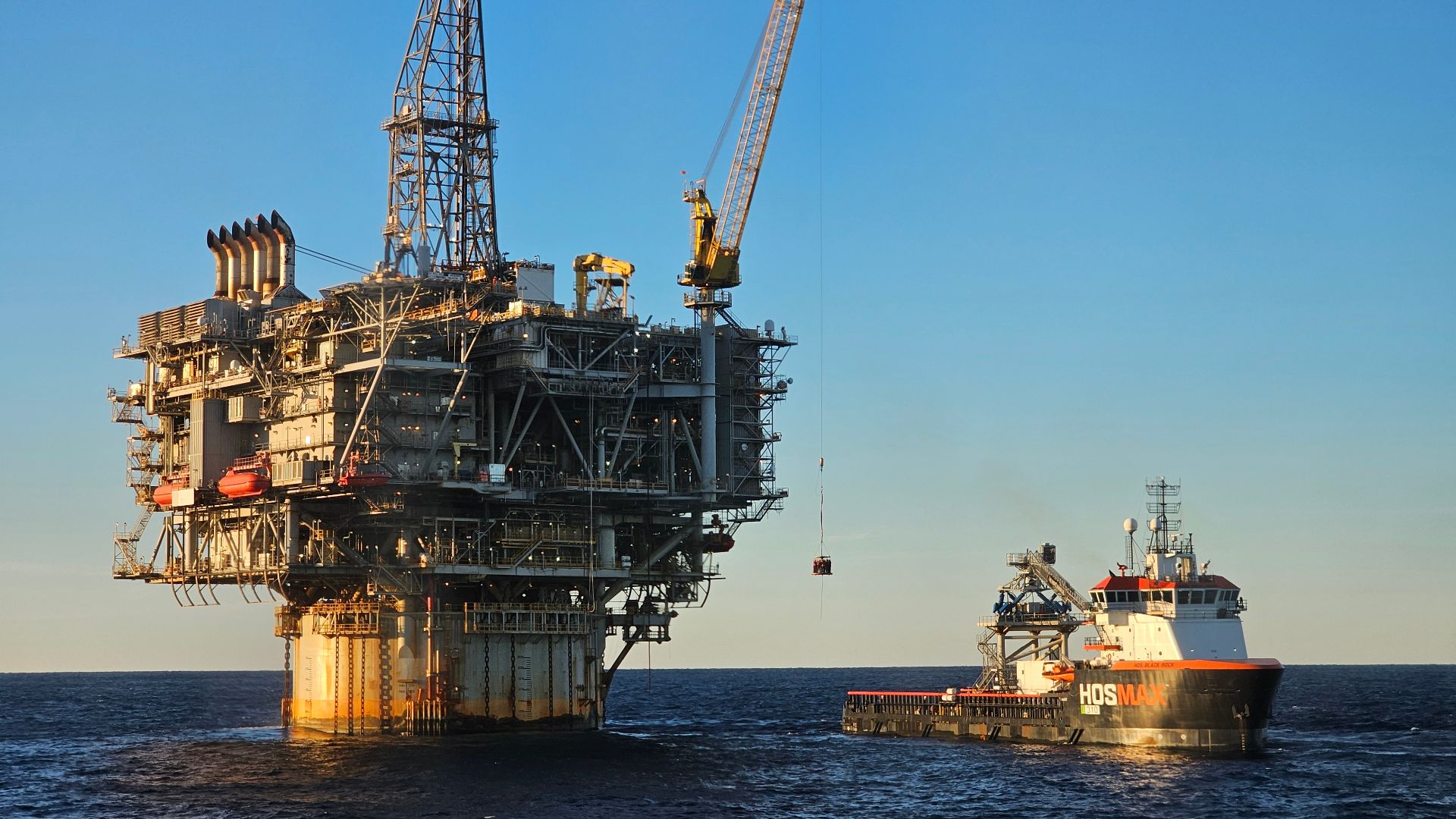
Transmission Cable Problems
High-voltage direct current cables running across the seafloor face constant threats from underwater currents, seismic activity, anchor strikes by ships, and even attacks by curious marine animals, such as sharks known to bite cables. Norway and the Netherlands already operate such cables, as do certain transmission lines.
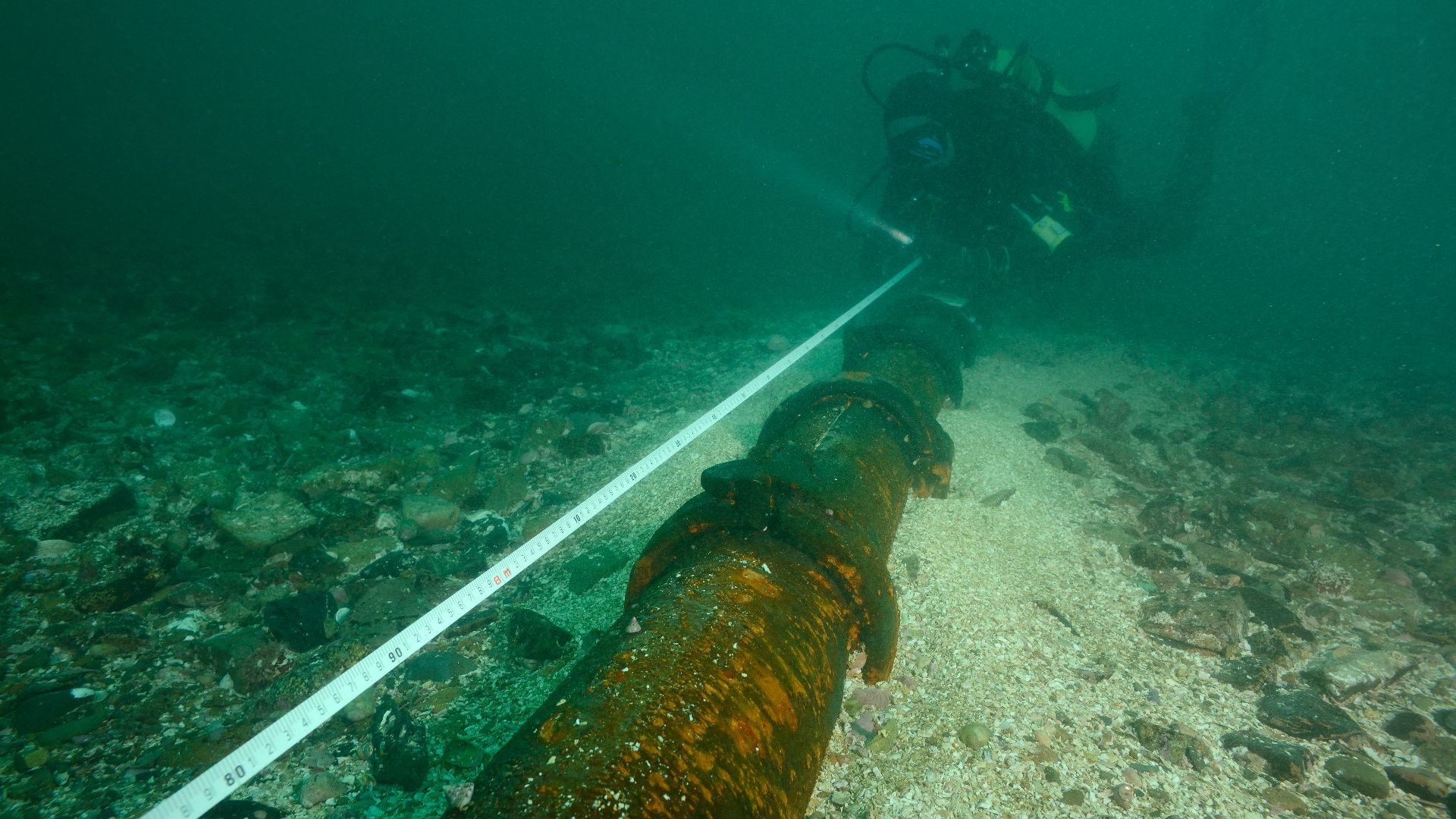 Olivier Dugornay (Ifremer), Wikimedia Commons
Environmental Considerations
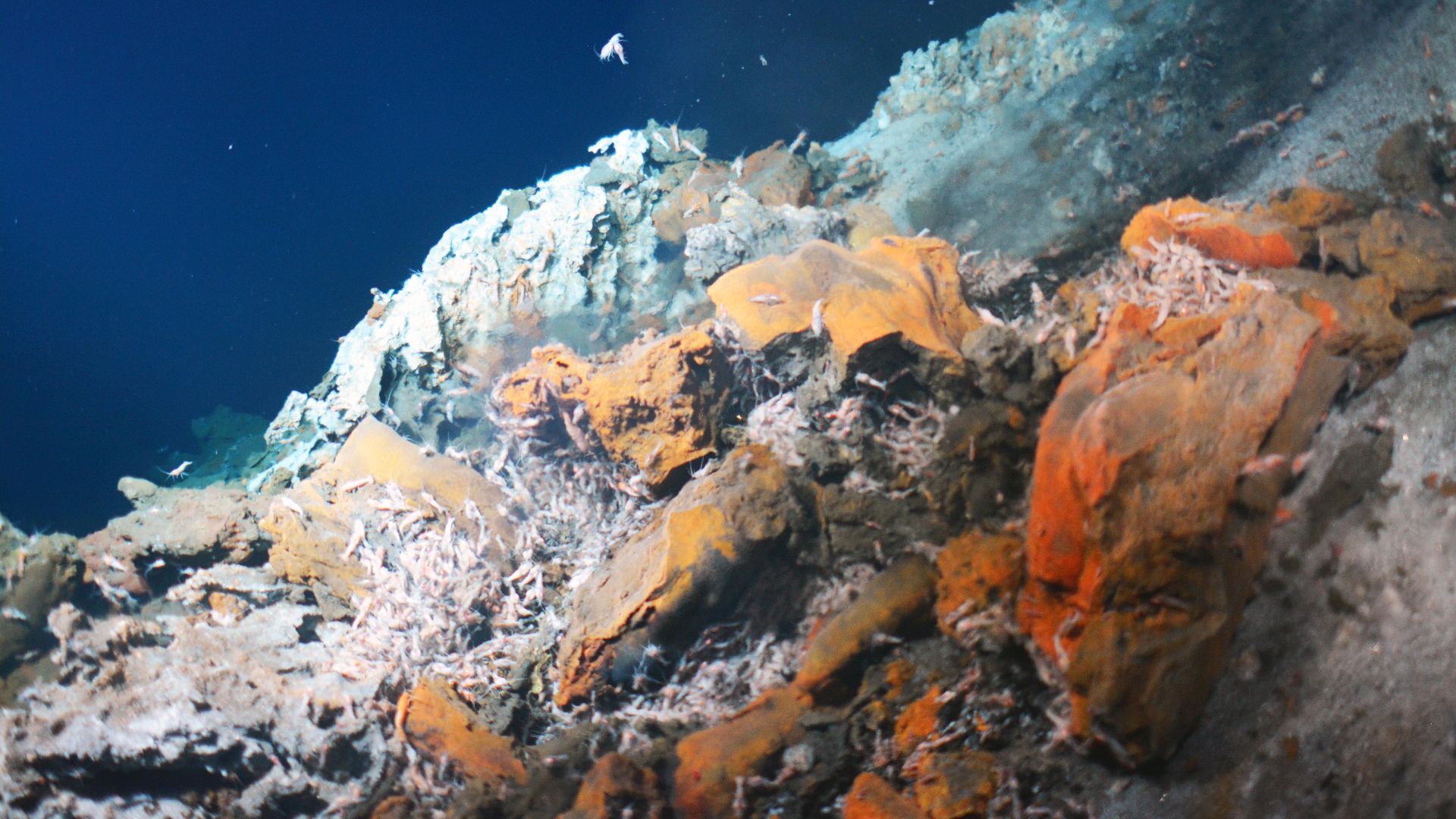
Marine biologists worry that extracting heat from hydrothermal vents could destroy unique ecosystems where specialized organisms have evolved to survive in extreme conditions found nowhere else on Earth. These chemosynthetic communities derive their energy from the chemicals in vent fluids rather than photosynthesis.
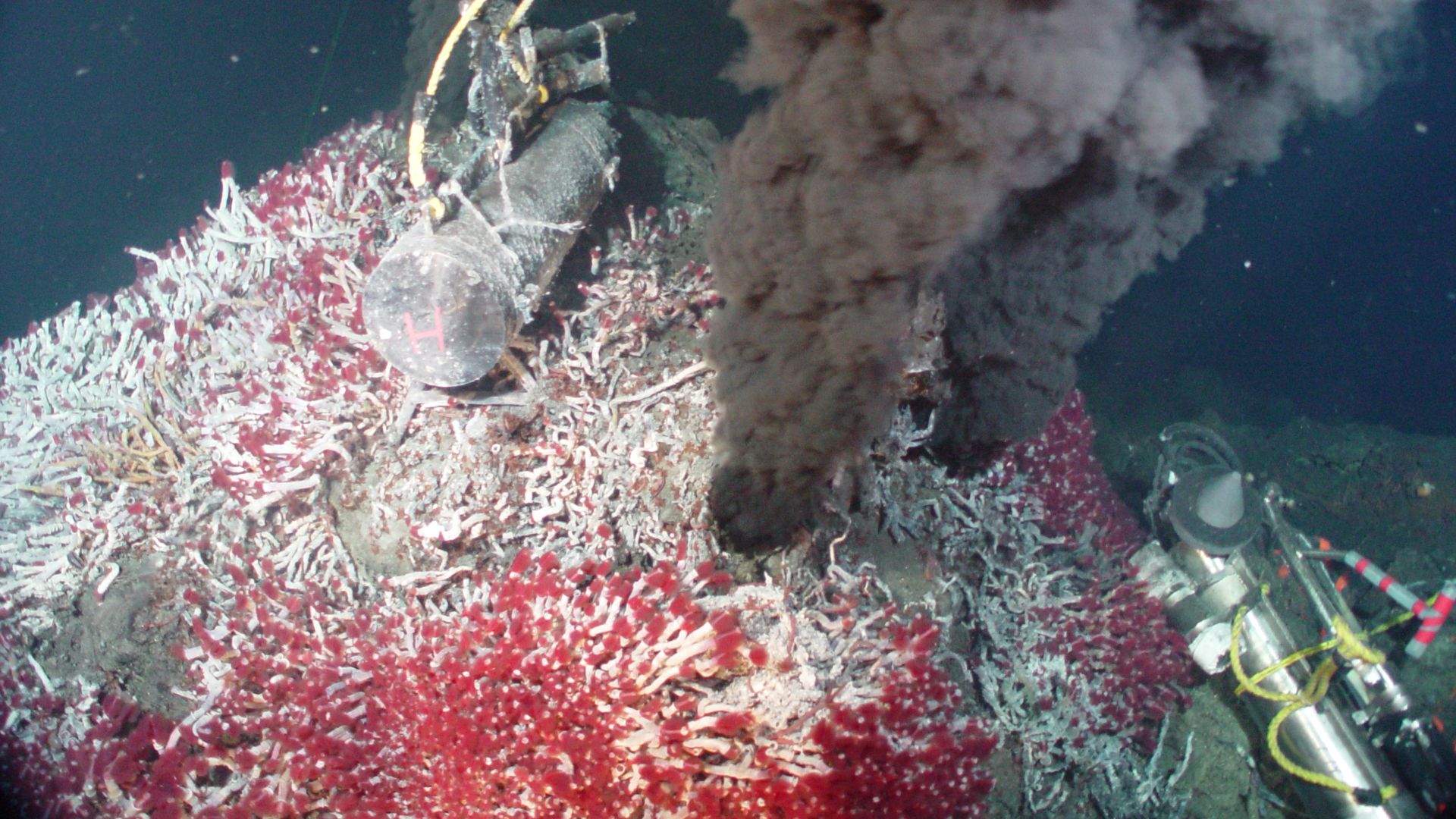
Marine Life Impact
Hydrothermal vent ecosystems host organisms that exist nowhere else on Earth, thriving in superheated water through chemosynthesis rather than sunlight. Giant tube worms, blind shrimp, and specialized bacteria have evolved over several years to survive these extreme conditions. Extracting geothermal energy could disrupt temperature gradients and chemical compositions.
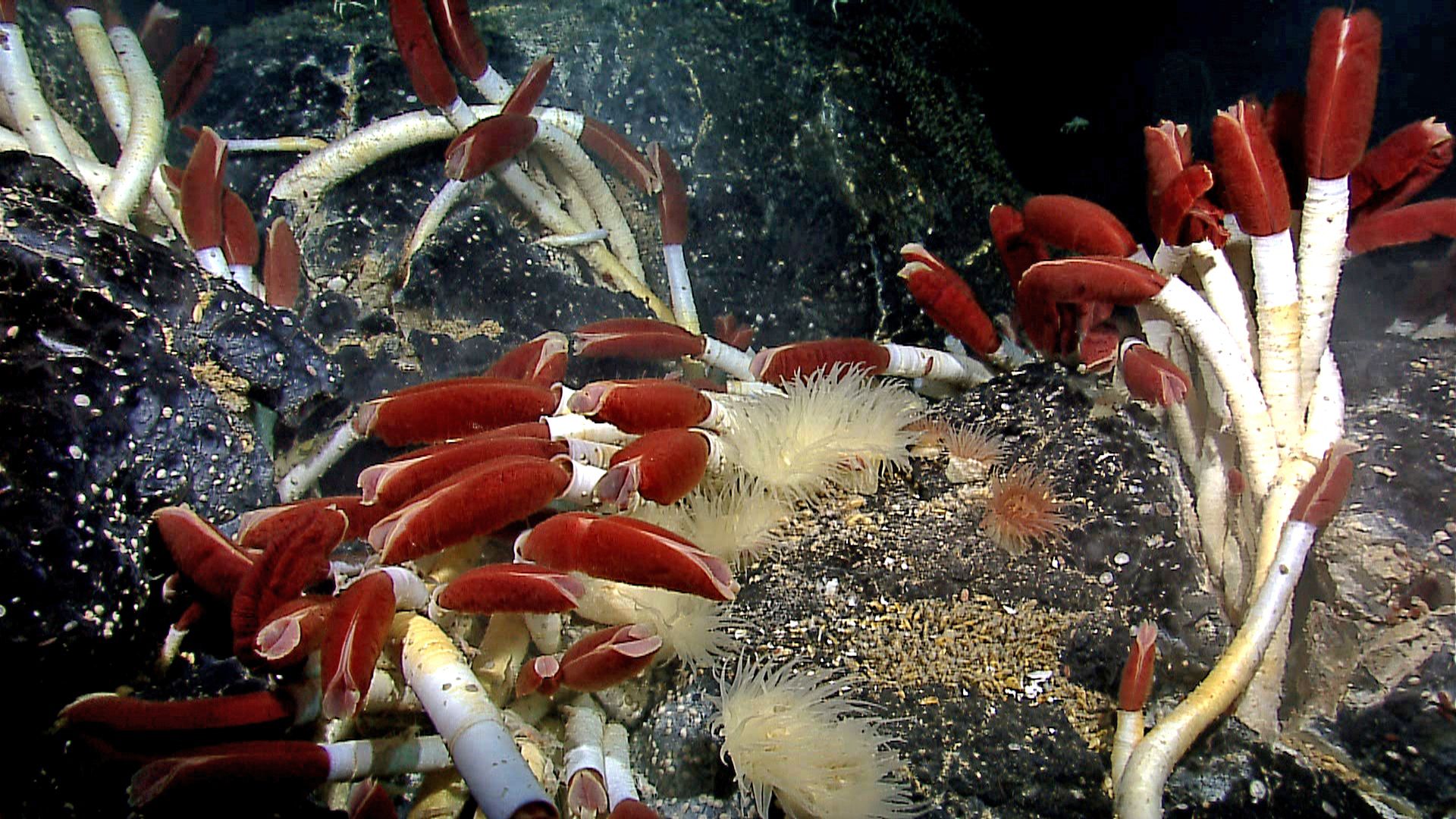 NOAA Okeanos Explorer Program, Galapagos Rift Expedition 2011, Wikimedia Commons
Economic Cost Analysis
Building a single offshore geothermal power plant could cost billions of dollars in initial investment, requiring specialized drilling rigs, subsea infrastructure, and maintenance systems capable of operating at extreme depths. Investors hesitate because the technology remains largely unproven at commercial scales.
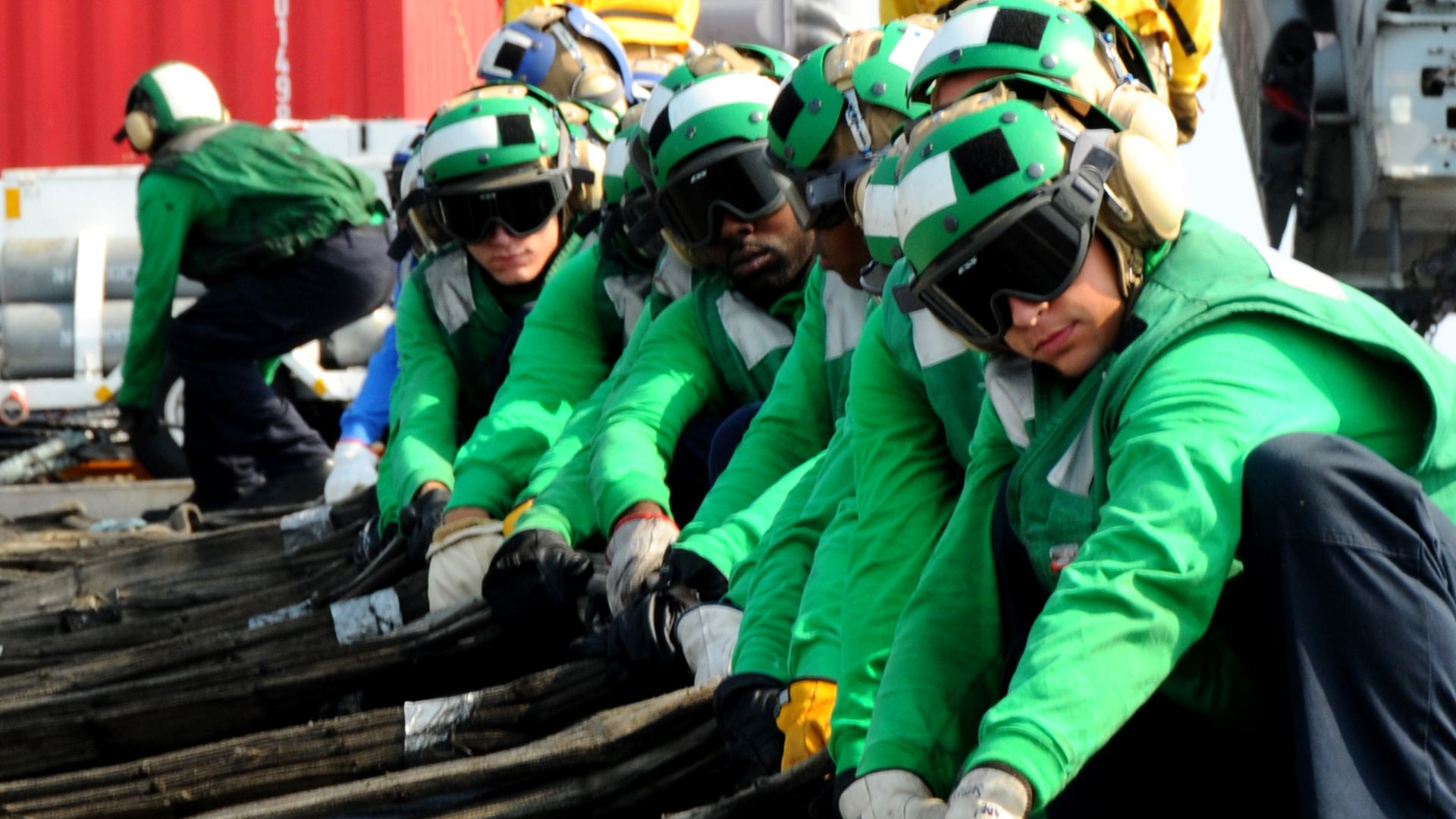 U.S. Navy photo by Mass Communication Specialist 3rd Class Brent Thacker, Wikimedia Commons
Green Hydrogen Solution
CGG, a geoscience consulting firm, proposed an innovative workaround for the cable transmission problem by using offshore geothermal energy to produce green hydrogen through steam electrolysis. The hydrogen can then be transported by ship or converted to ammonia for easier storage and sale.
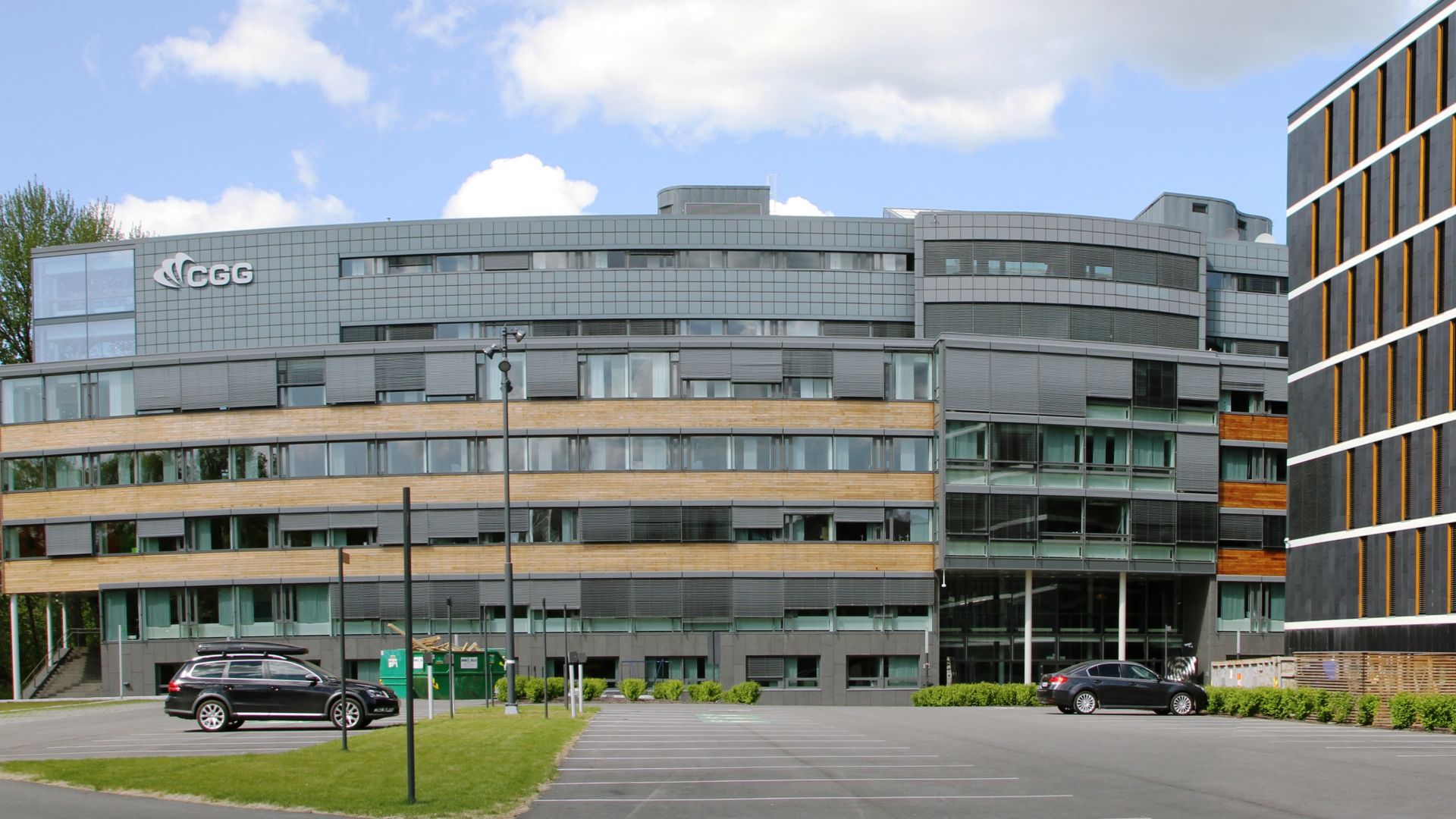
International Collaboration Needed
No single nation or corporation possesses the financial resources and technical expertise to develop ocean floor geothermal systems alone. Successful implementation requires unprecedented cooperation between governments, energy companies, research institutions, and environmental organizations across multiple countries. International maritime law adds another layer of complexity.
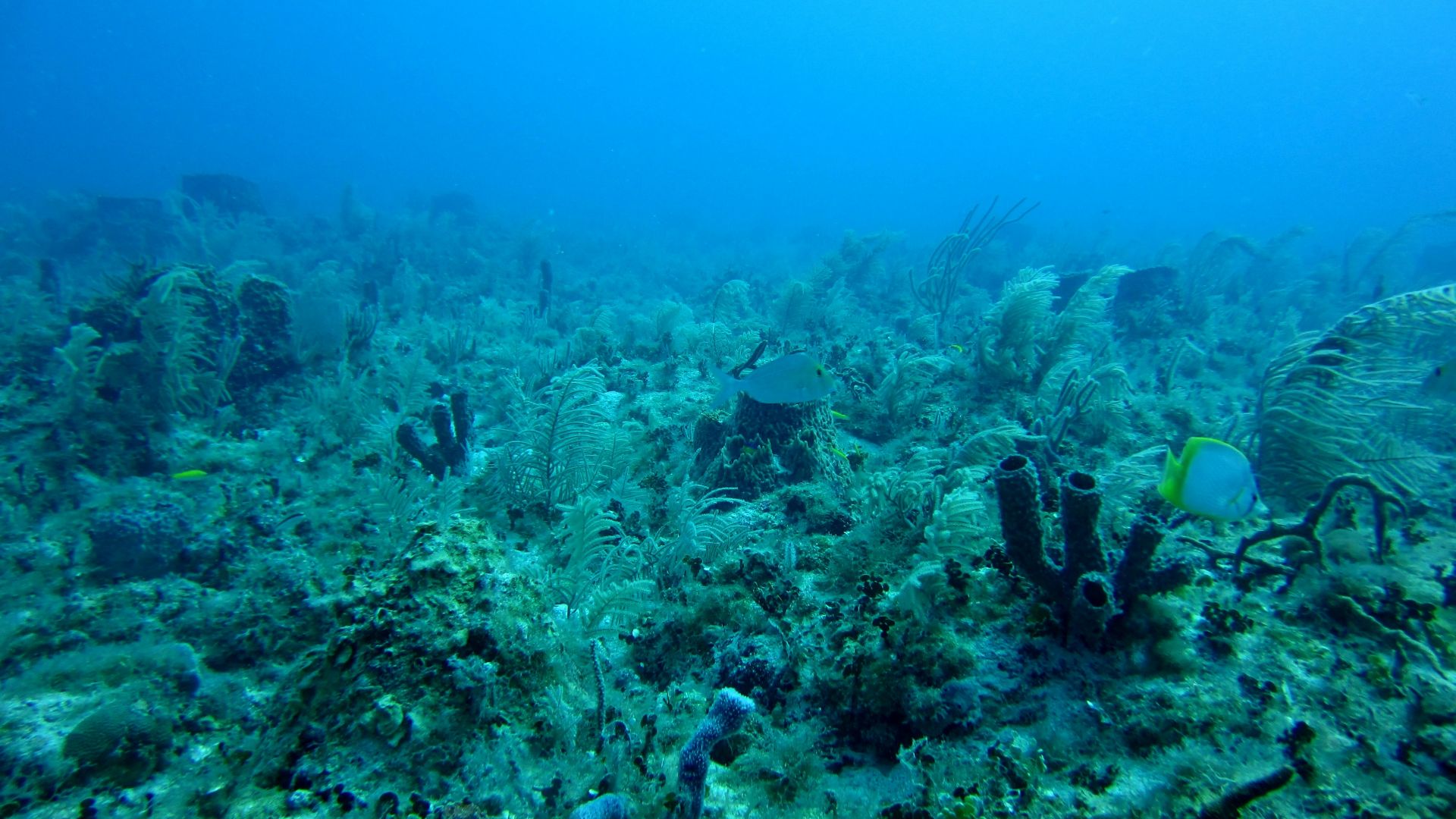
Humanity's Energy Future
If engineers can overcome the technical and economic challenges, ocean floor geothermal energy could provide clean, reliable power for as long as Earth remains geologically active. Unlike fossil fuels that took millions of years to form and will eventually run out, geothermal heat regenerates continuously from radioactive decay.
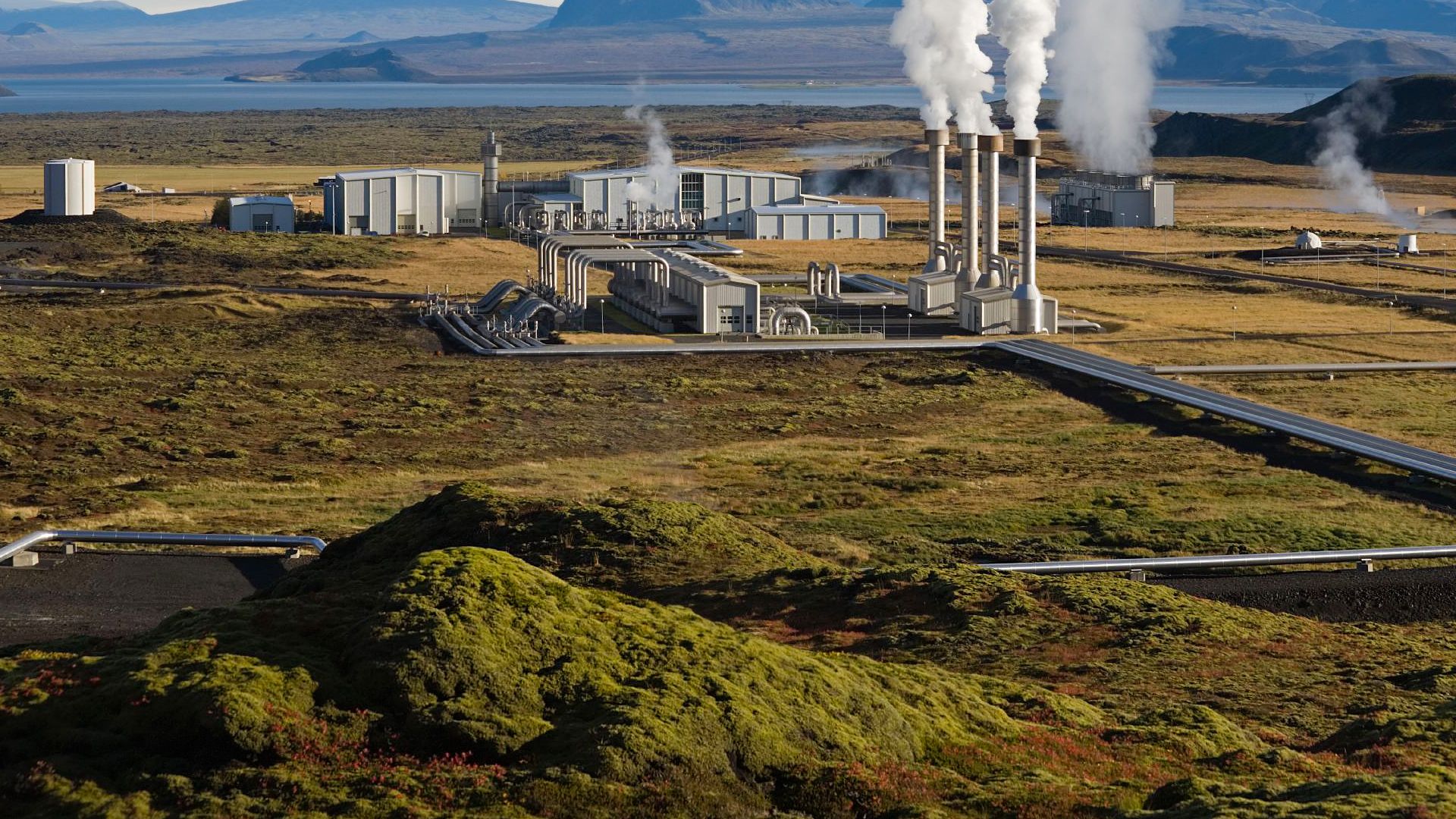 Gretar Ivarsson – Edited by Fir0002, Wikimedia Commons