

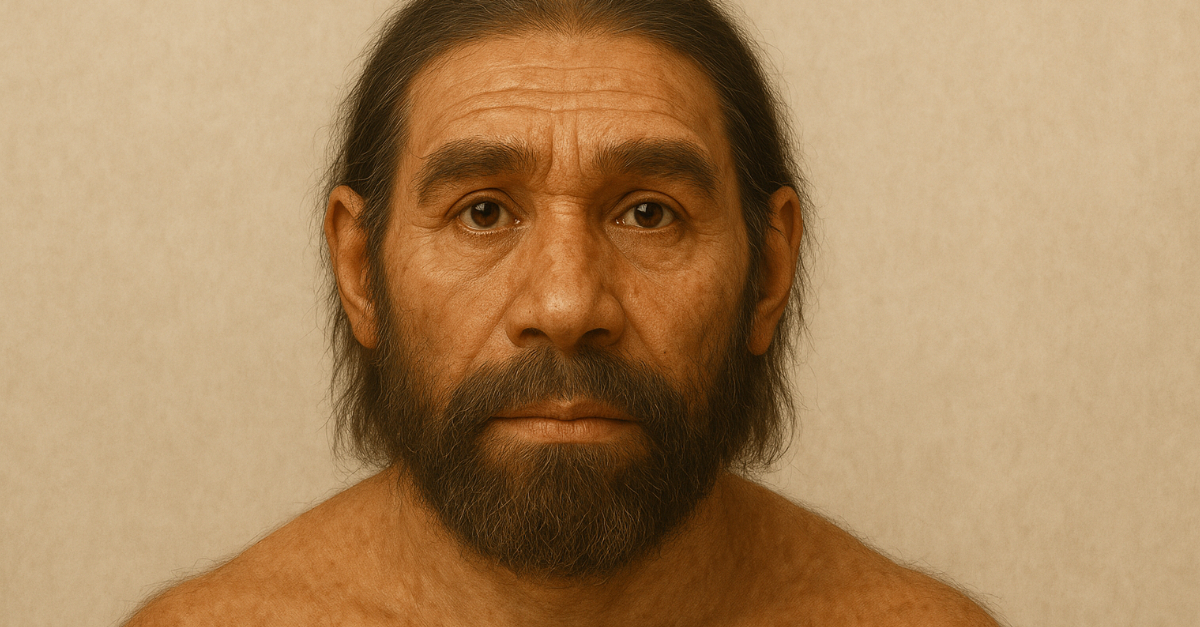
A skull that’s rewriting history
It started as a crushed fossil discovered decades ago in central China. Now, thanks to new digital reconstruction, scientists have realized this ancient skull—known as Yunxian 2—is about one million years old, and it’s completely reshaping what we know about the human story.
Found in Hubei Province
The skull was discovered near Yunxian County, in China’s Hubei Province, along the Han River. Excavations began in the late 1980s, and the find was originally dismissed as just another Homo erectus fossil. Few realized how significant it would become decades later.
 The waters of the Ruili River, Wikimedia Commons
Rediscovered through technology
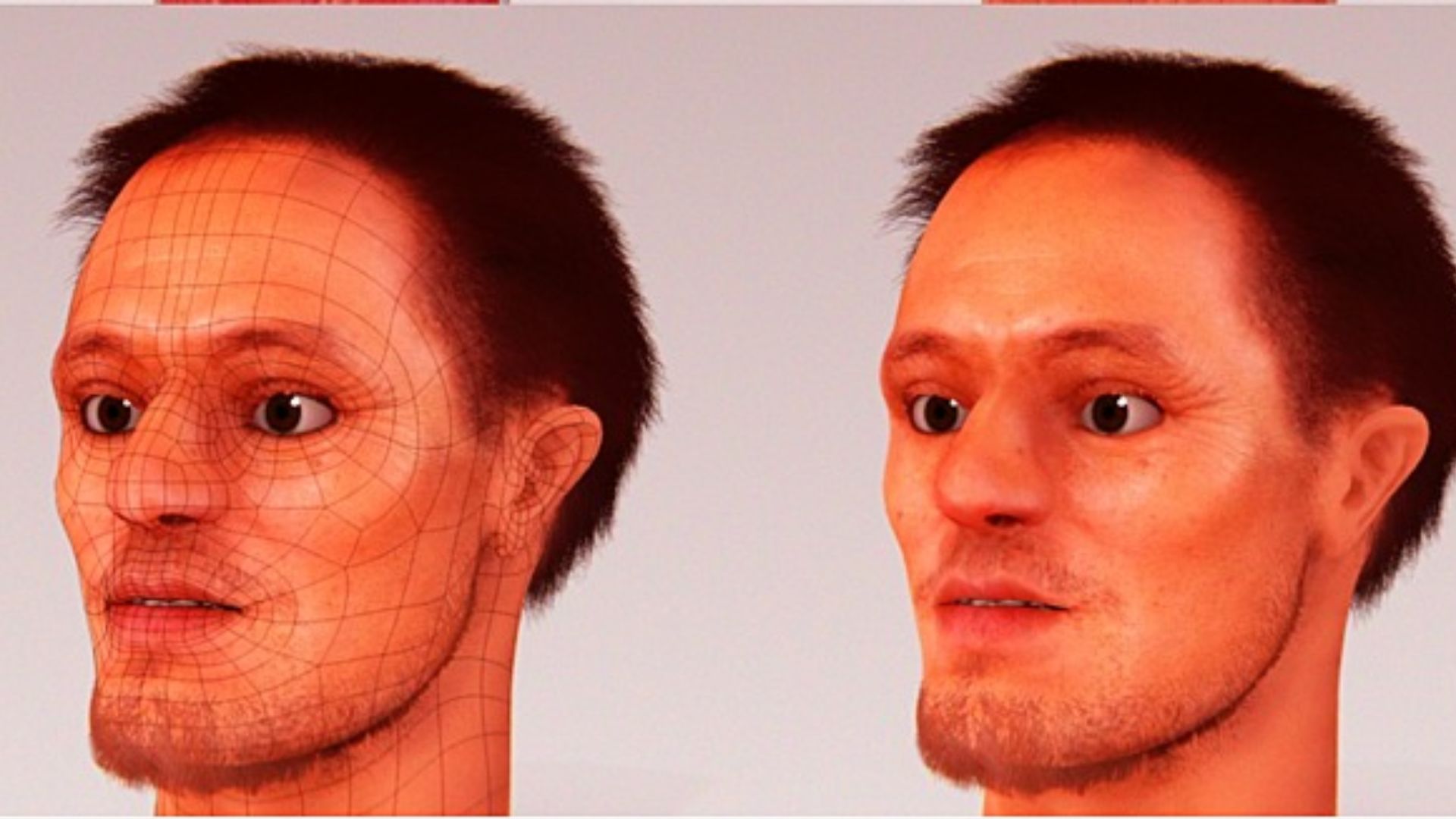
Modern CT scans and 3D imaging allowed researchers from the Chinese Academy of Sciences to virtually rebuild the skull, which had been badly crushed. For the first time, scientists could see what it originally looked like—revealing surprising, advanced features.
One million years—and counting
Dating techniques now place Yunxian 2 between 940,000 and 1.1 million years old—making it one of the oldest known human-related fossils found in East Asia. That pushes parts of our evolutionary timeline back by nearly half a million years.
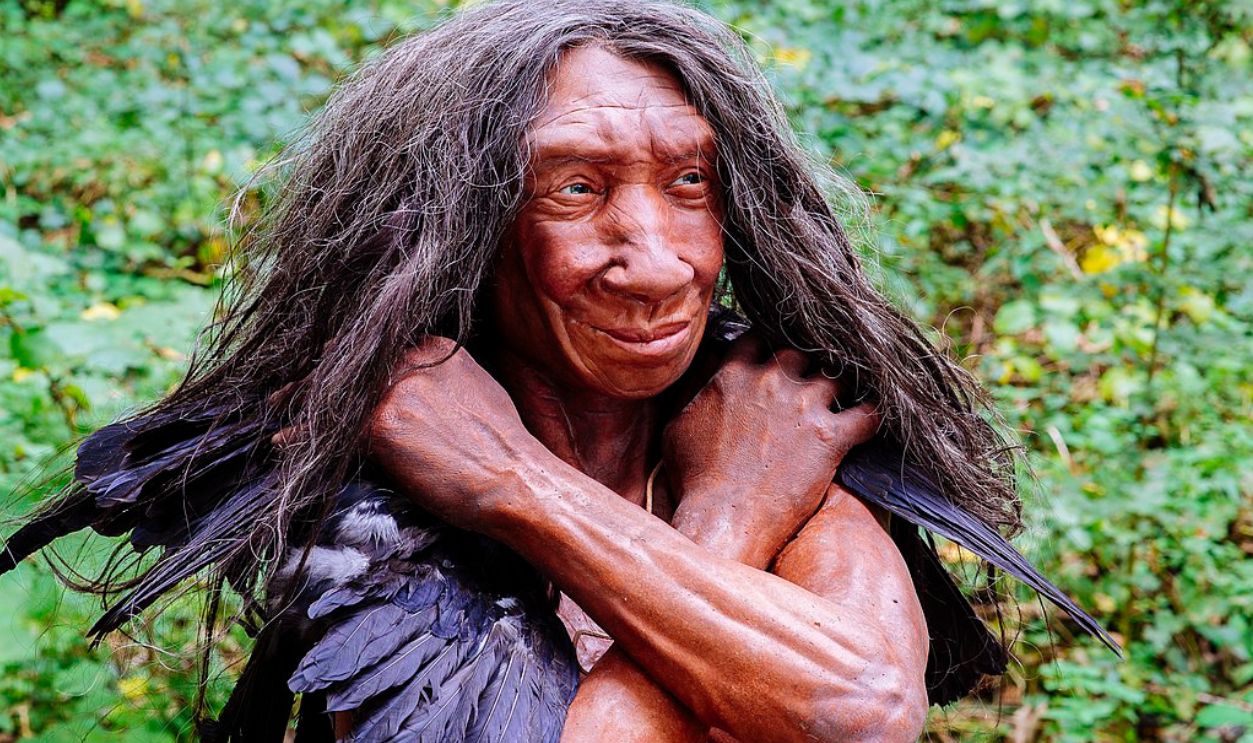 Mettmann, CC BY-SA 4.0, Wikimedia Commons
“A remarkable fossil”
“This is a remarkable fossil that fills a crucial gap in our understanding of early human evolution in East Asia,” said paleoanthropologist Xiu-Jie Wu of the Chinese Academy of Sciences. “It shows that human evolution in Asia was far more complex than previously thought.”
Not Homo erectus after all
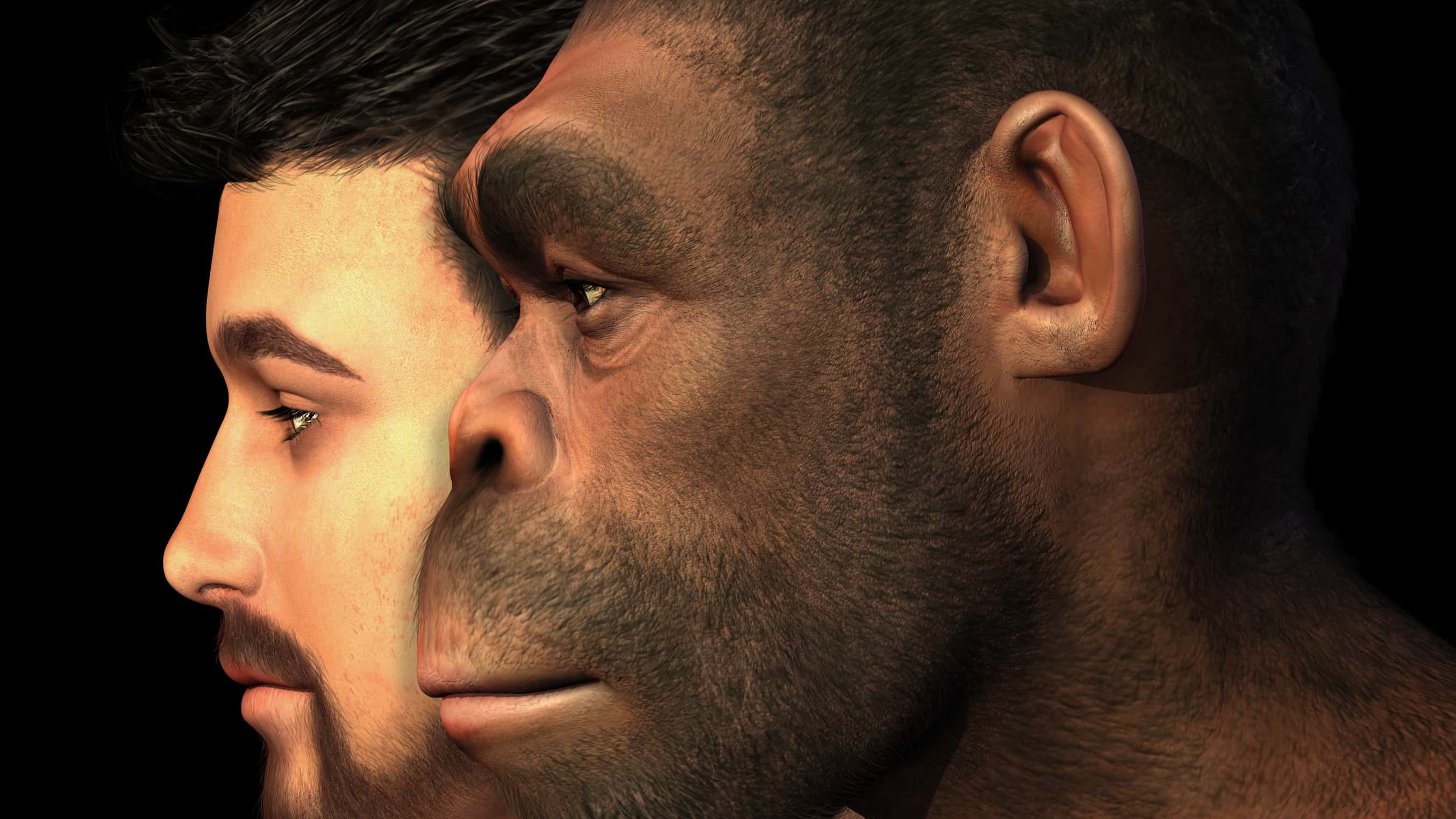
For years, scientists assumed the Yunxian fossils belonged to Homo erectus. But new digital analysis shows the skull’s shape and proportions don’t quite fit that category—it might represent a different branch of the human family tree altogether.
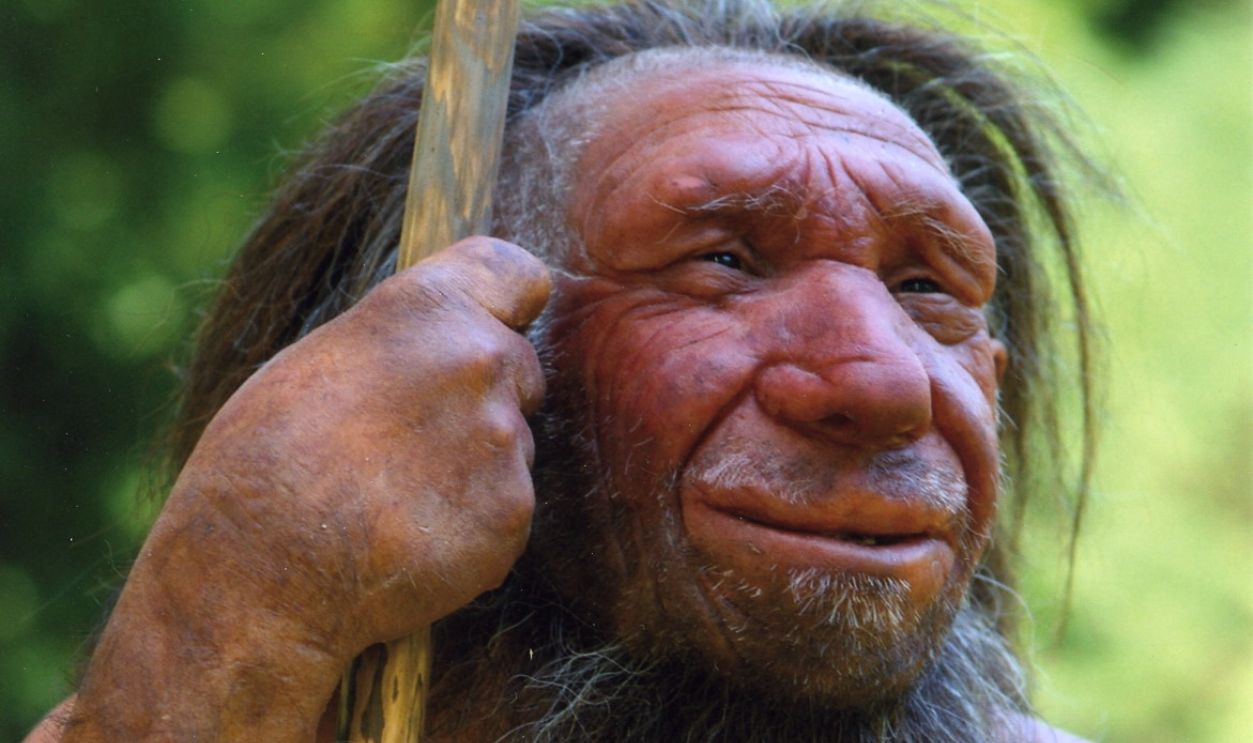 Neanderthal-Museum, Mettmann, CC BY-SA 4.0, Wikimedia Commons
The “Dragon Man” connection
Researchers noticed that the skull shares similarities with Homo longi—nicknamed “Dragon Man”—discovered in northern China in 2021. Both fossils have features linking them to the mysterious Denisovans, an extinct human species known mostly from DNA.
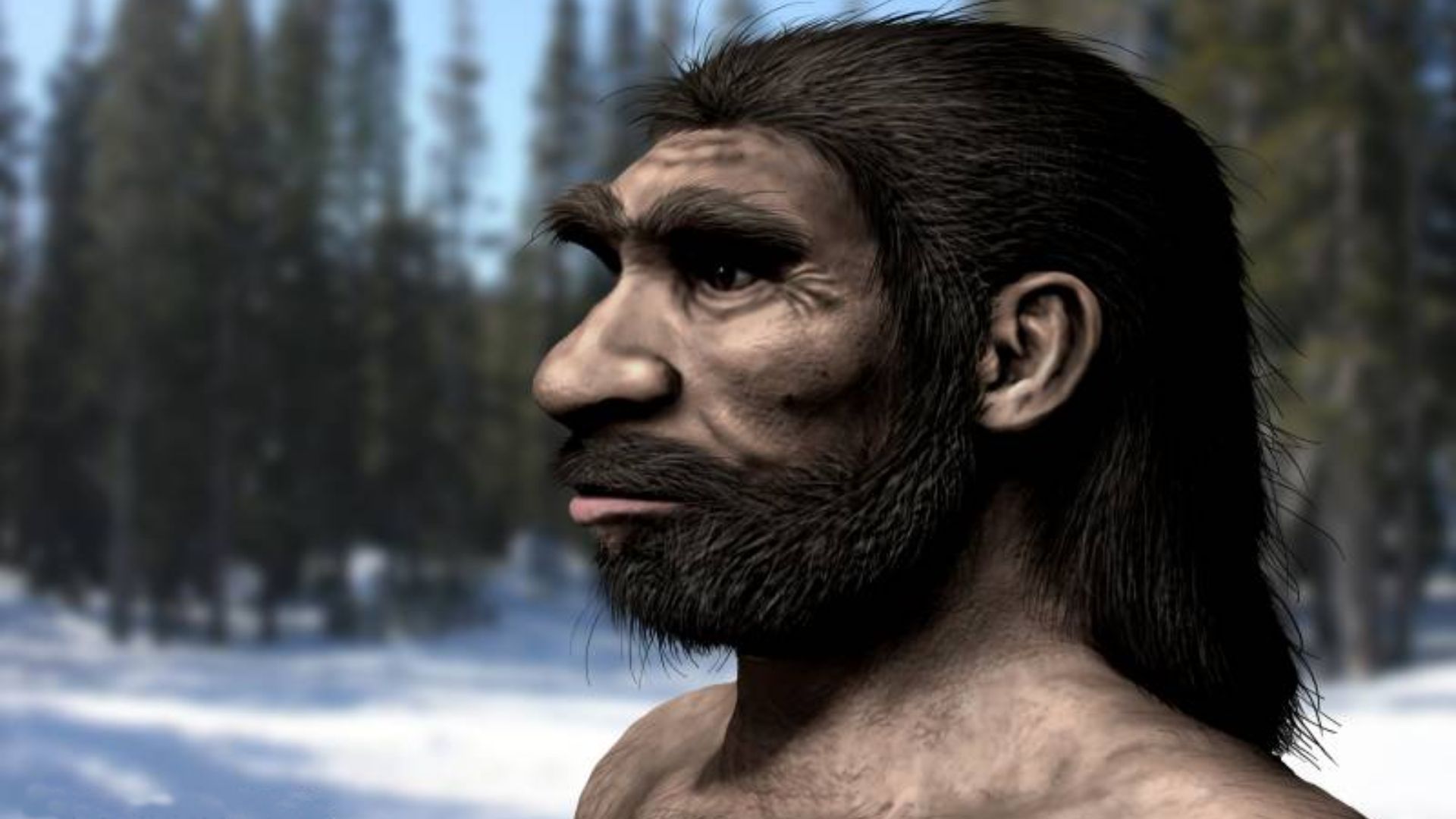 Nobu Tamura, Wikimedia Commons
The Denisovan clue
If that connection holds up, it could mean the split between modern humans, Neanderthals, and Denisovans began over a million years ago, much earlier than scientists once believed. That’s not a small adjustment—it’s a full timeline rewrite.
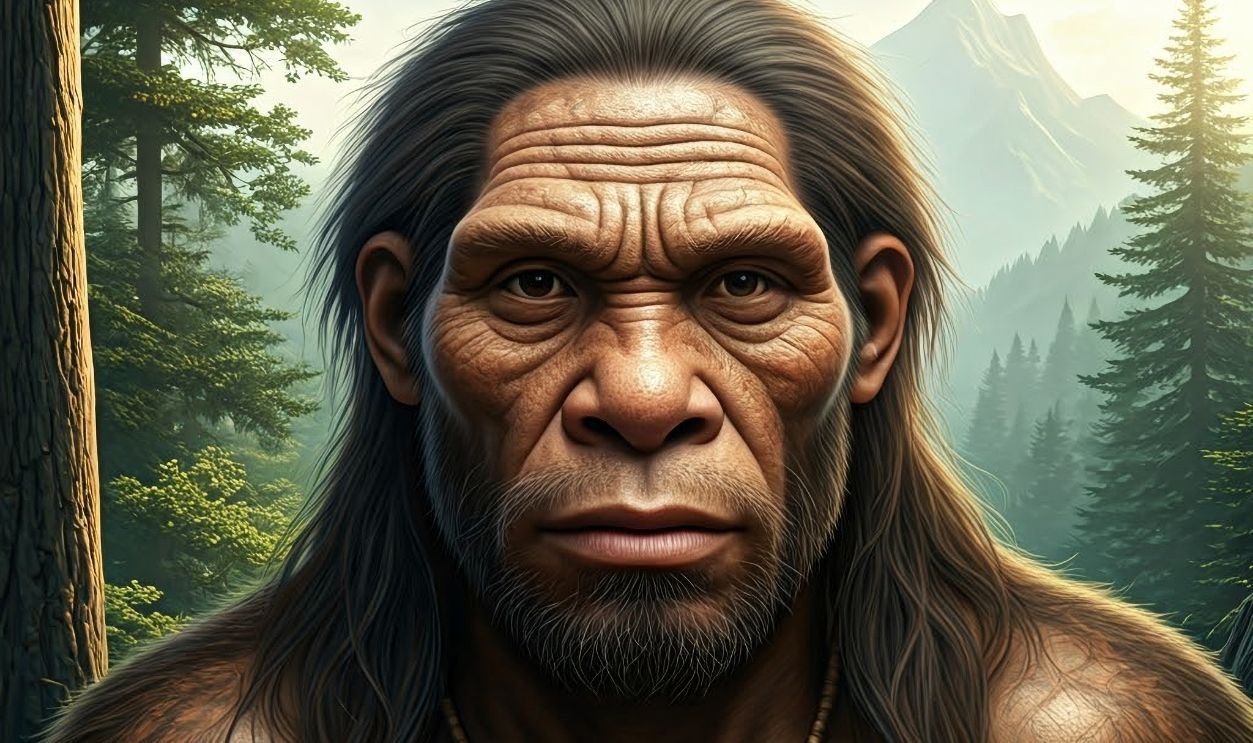
A face both ancient and modern
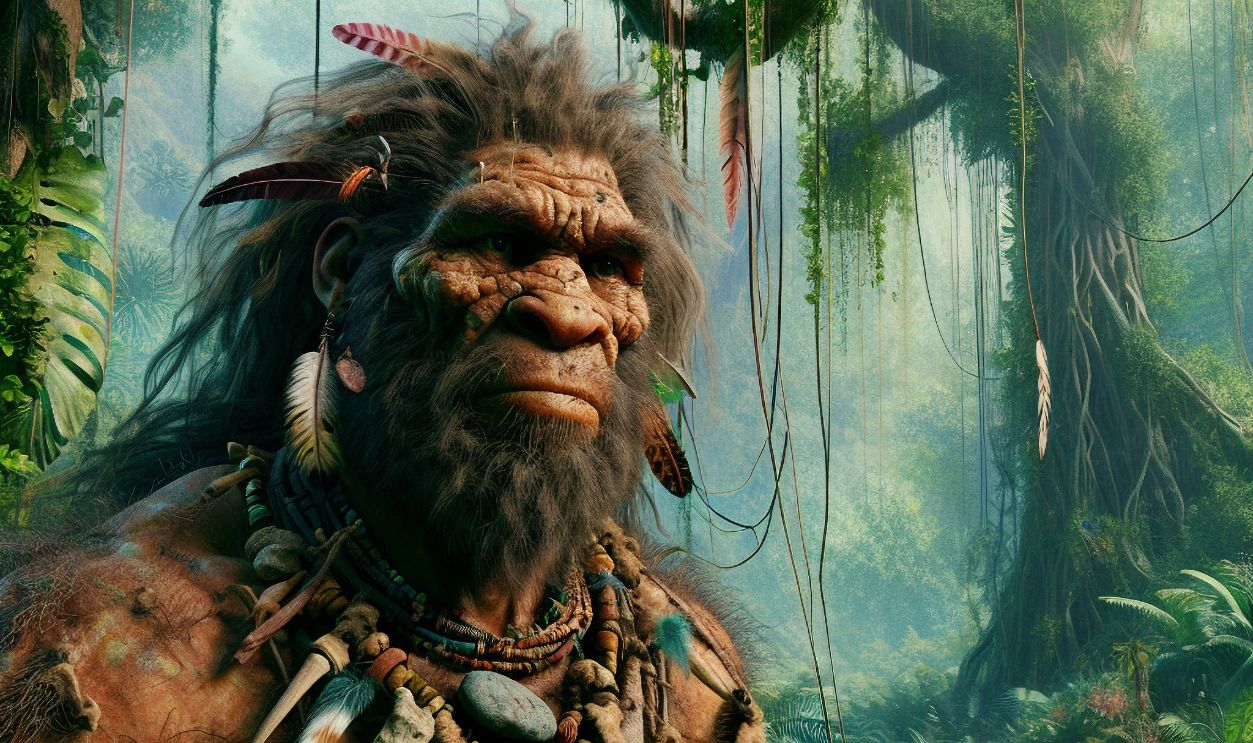
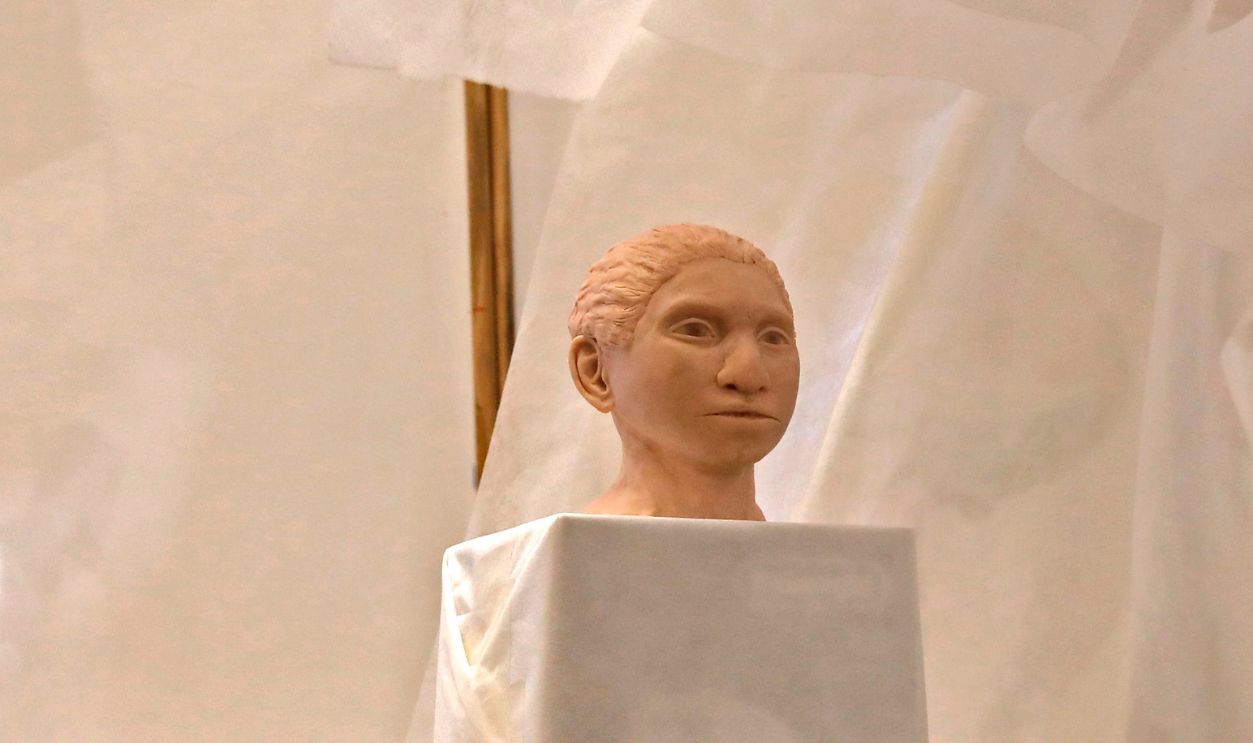
The reconstructed skull shows thick brow ridges and a long, low braincase typical of early humans—but also a flatter, more delicate face. It’s a mix of primitive and modern features, suggesting Yunxian 2 sat at a crossroads in our evolution.
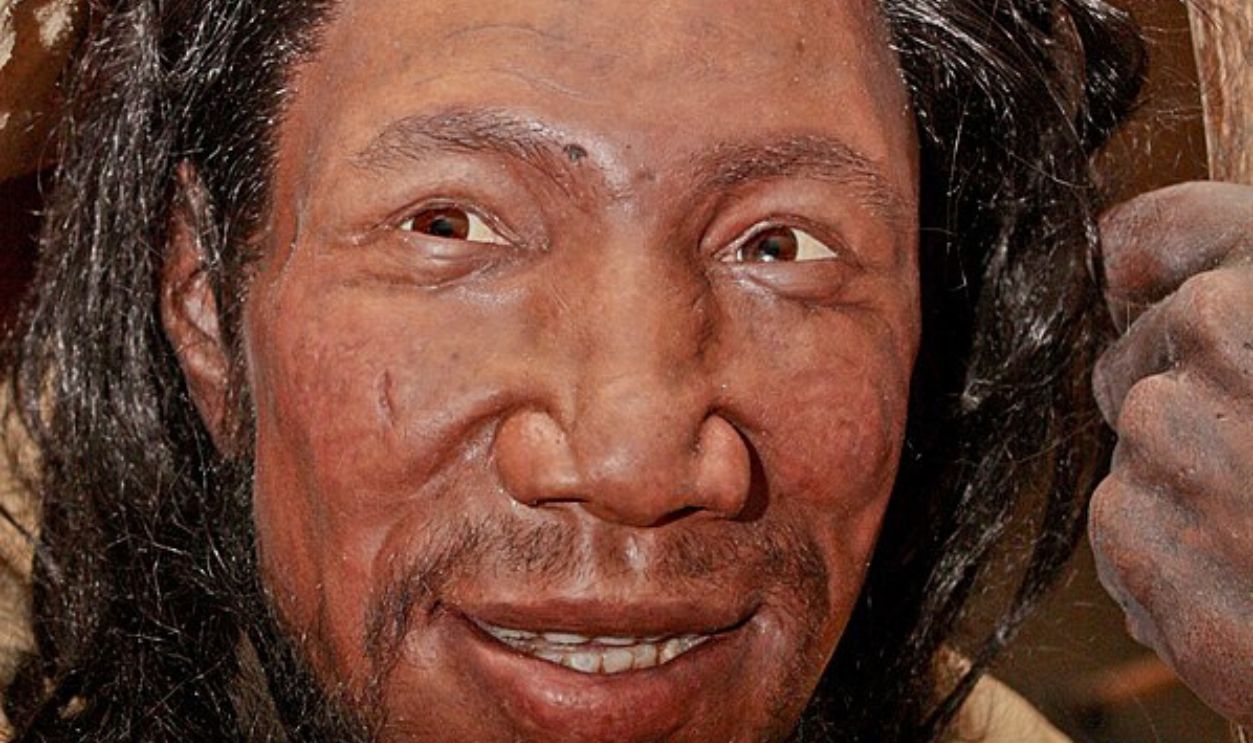 Daniela Hitzemann, CC BY-SA 4.0, Wikimedia Commons
Filling in the missing years
Before this find, there was a glaring gap in Asia’s fossil record between 800,000 and 1.2 million years ago. Yunxian 2 helps fill that gap—bridging earlier Homo erectus fossils and later species like the Denisovans and early Neanderthals.
The technology behind the breakthrough
Using advanced 3D reconstruction, researchers virtually “uncrumpled” the skull’s fragments and digitally aligned them. This painstaking process revealed details never visible before—like cranial curvature, vault thickness, and brain volume.
 Cicero Moraes, Wikimedia Commons
The age of the skull shocked everyone
When new dating techniques confirmed it was roughly a million years old, researchers were stunned. “That’s much older than we expected for such an advanced skull shape,” said Prof. María Martinón-Torres, a paleoanthropologist at Spain’s National Research Center on Human Evolution.
A branch of our family we barely know
This fossil might belong to a now-lost human lineage that lived in Asia for hundreds of thousands of years—long before modern humans or Neanderthals appeared. Scientists believe this population may have eventually given rise to the Denisovans.
Why this changes everything
If Denisovans evolved earlier than thought, that pushes the entire human evolutionary tree back in time. It also suggests that multiple human species were thriving—and possibly interacting—across Asia nearly a million years ago.
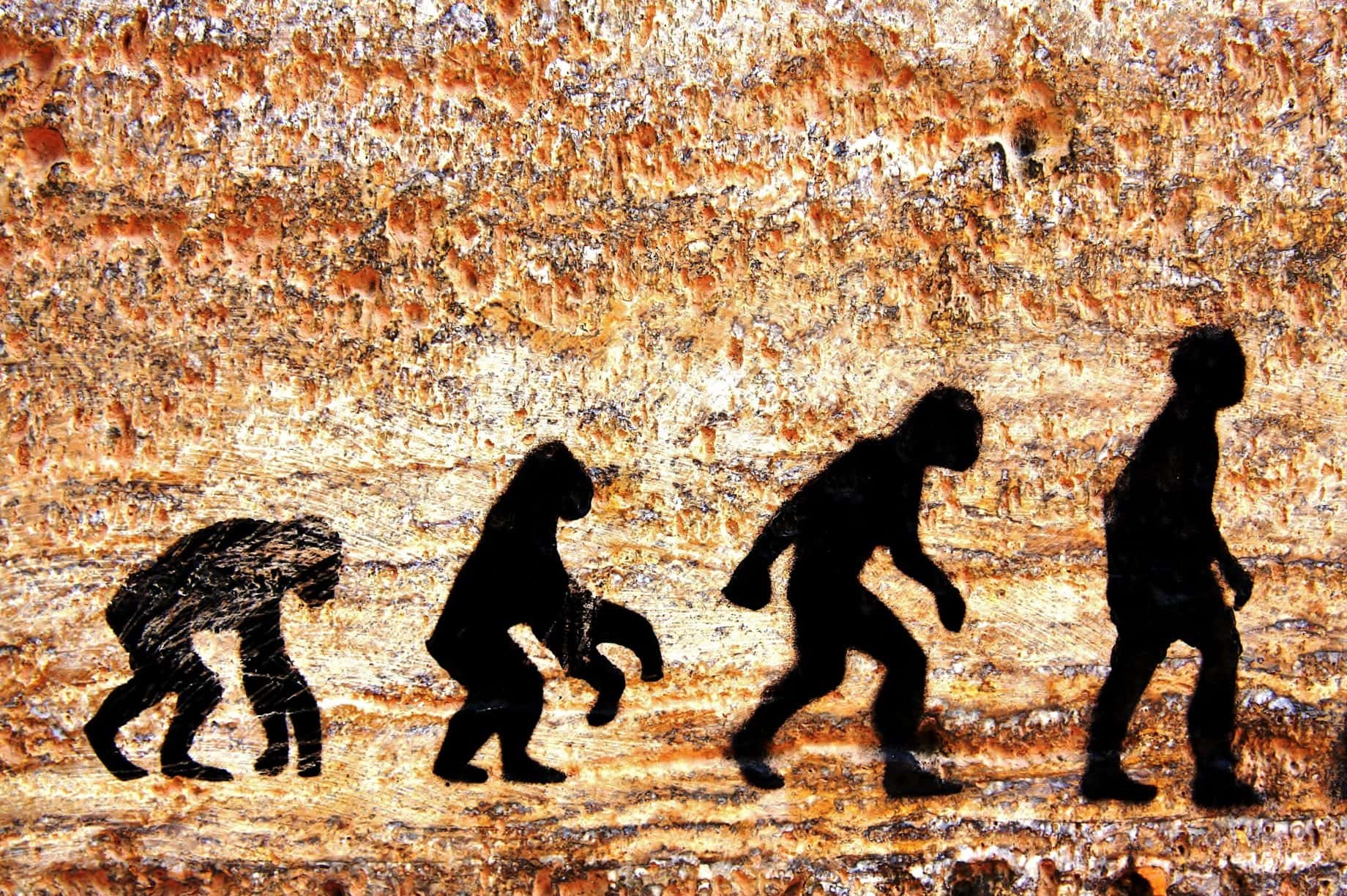
A more tangled family tree
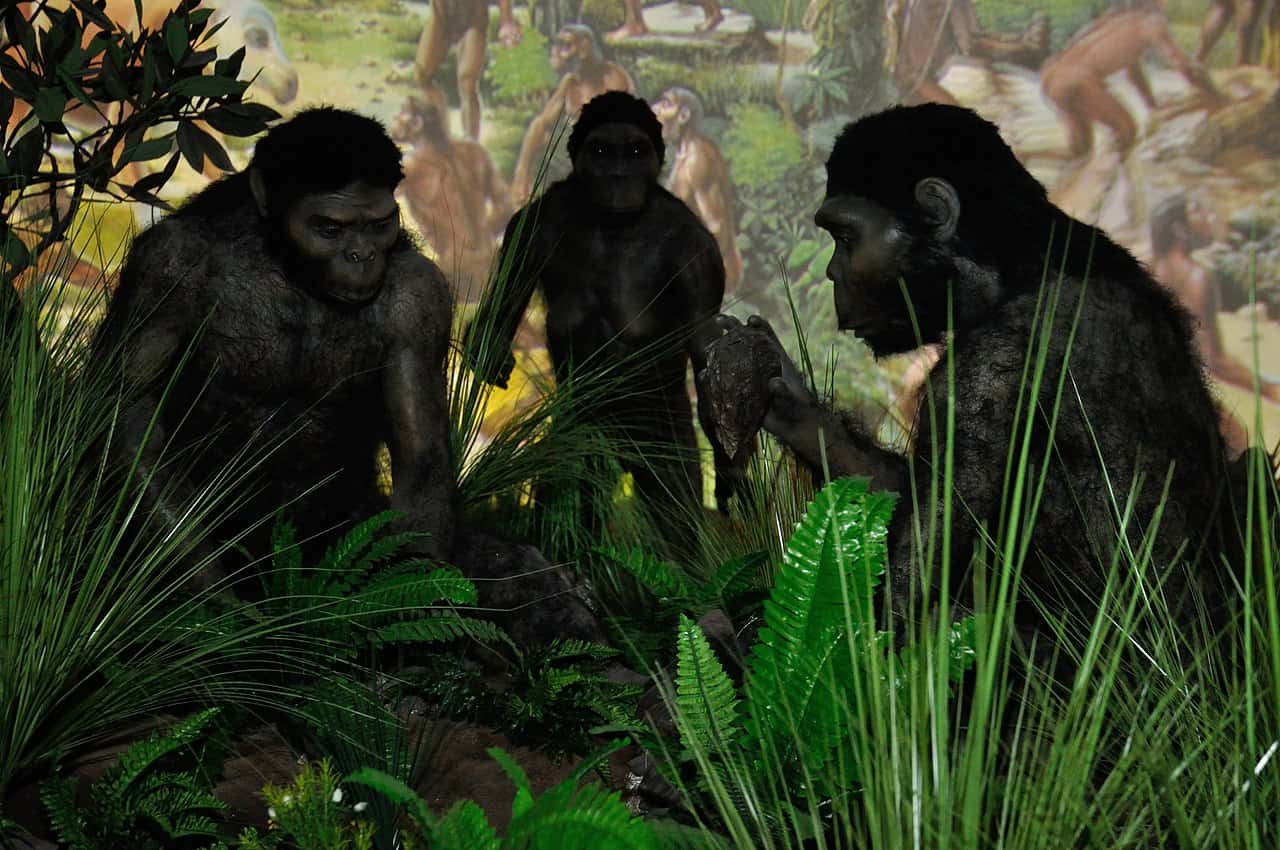
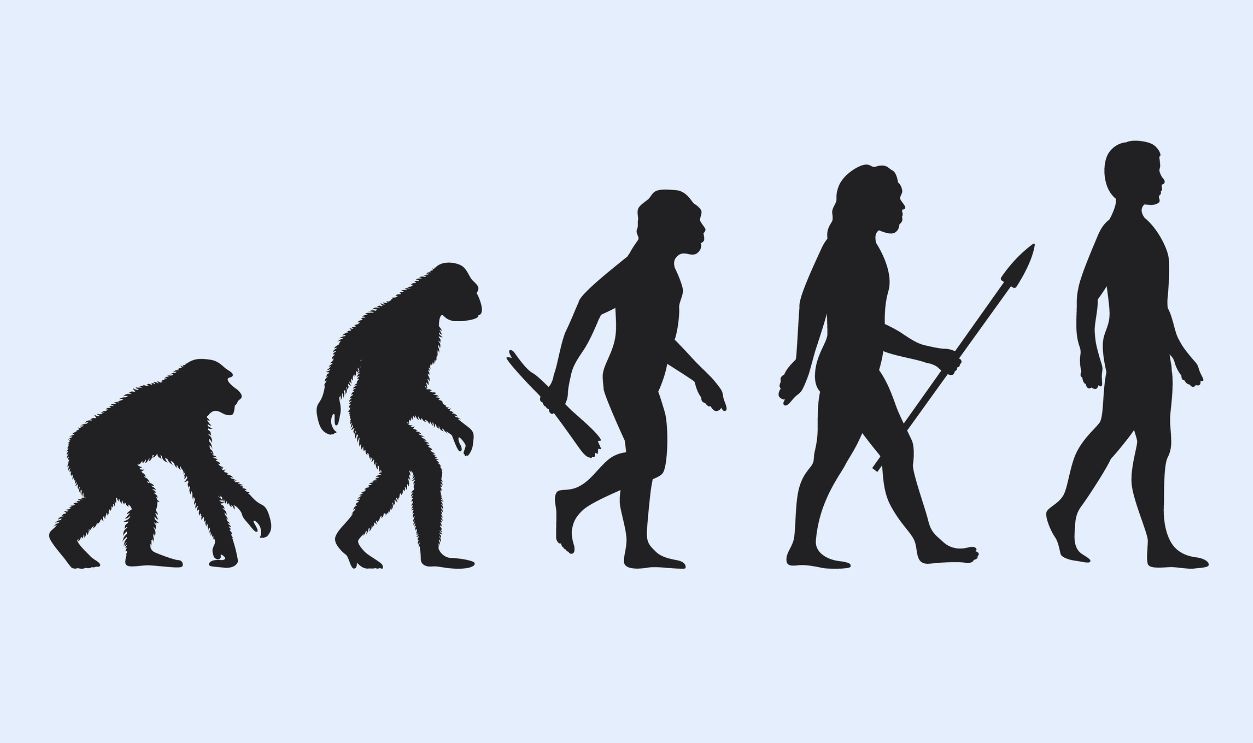
Human evolution wasn’t a straight ladder from apes to us—it was a bush, with many overlapping species coexisting. Yunxian 2 is the newest branch on that bush, showing how complex the path to modern humans really was.
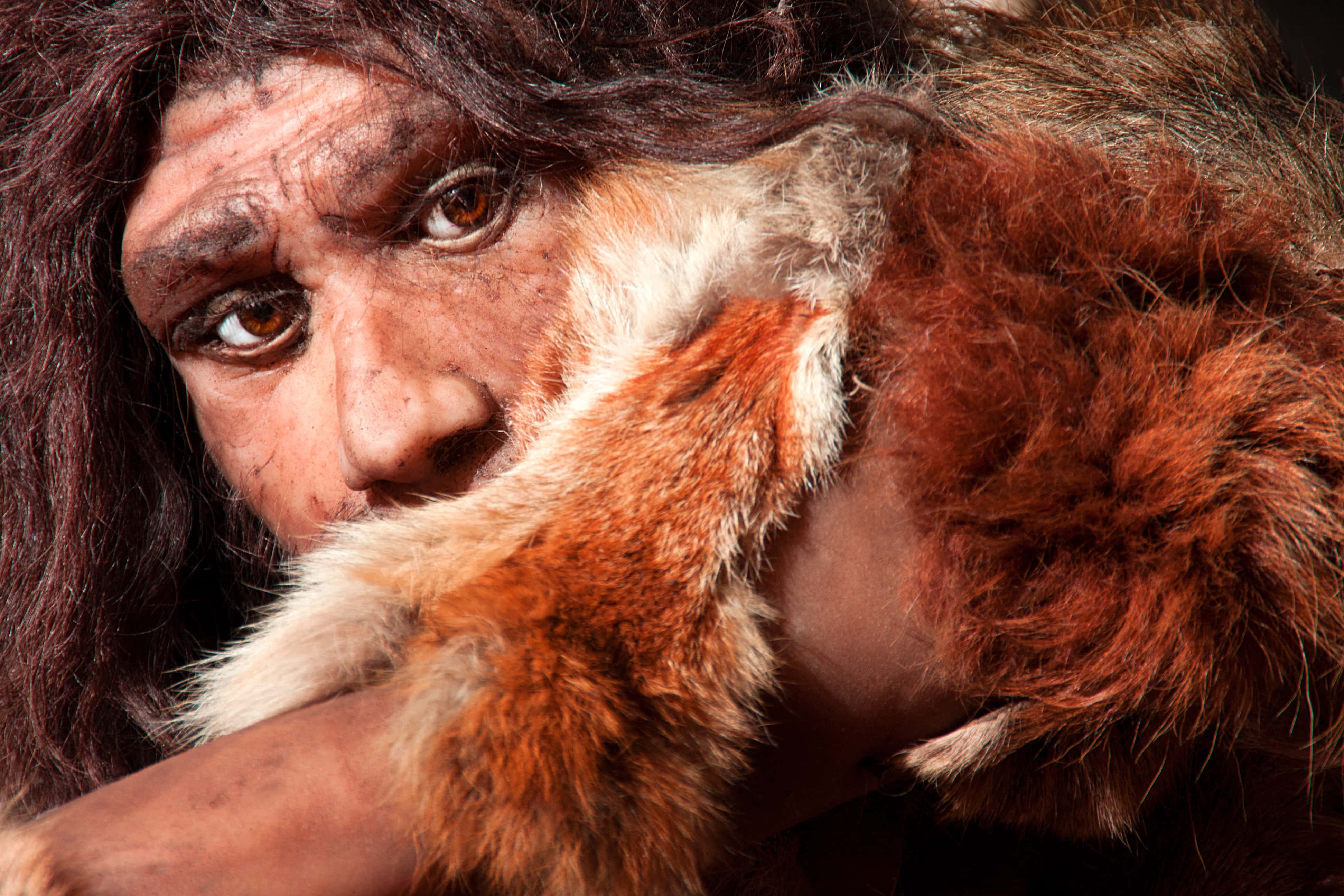
Asia steps into the spotlight
For decades, human origins research focused on Africa. This discovery doesn’t replace that—but it gives Asia a starring role, showing that significant evolutionary developments were also happening independently there.
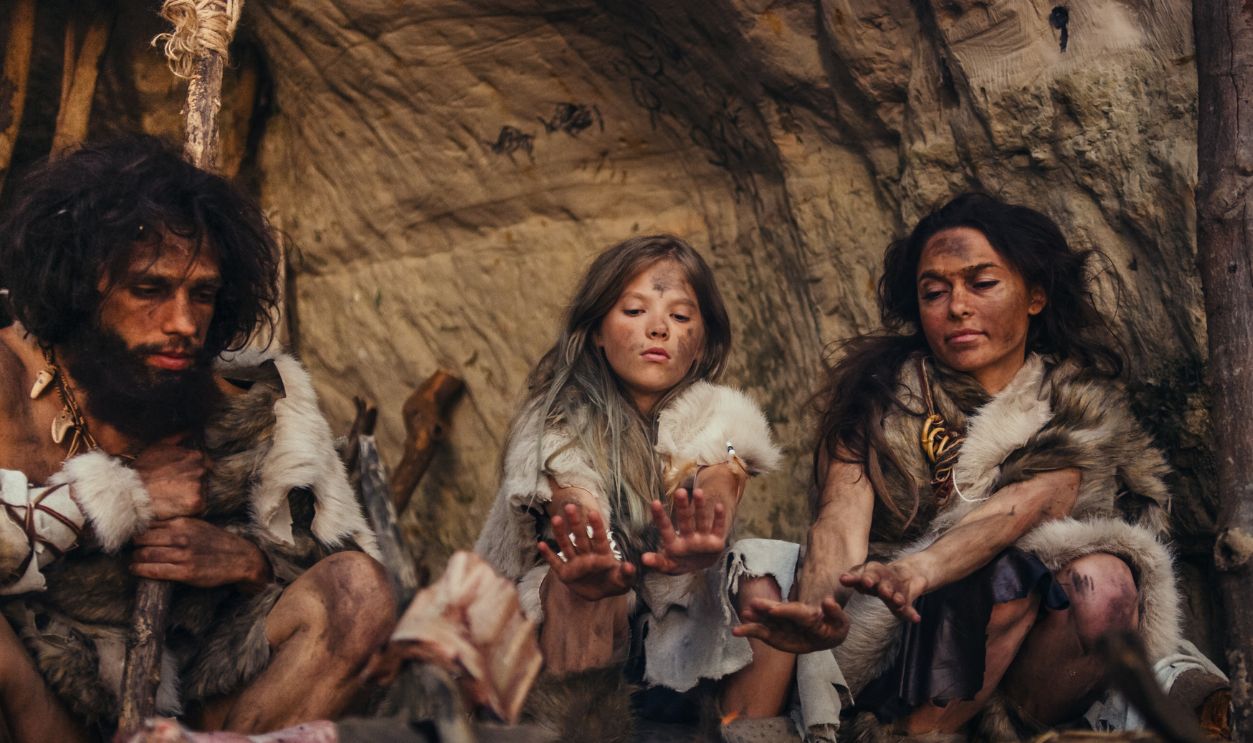
What about Africa?
Many scientists still emphasize Africa as the primary cradle of humankind, but Yunxian 2 proves Asia wasn’t just a “receiver” of early humans—it was a second center of innovation, adaptation, and survival.
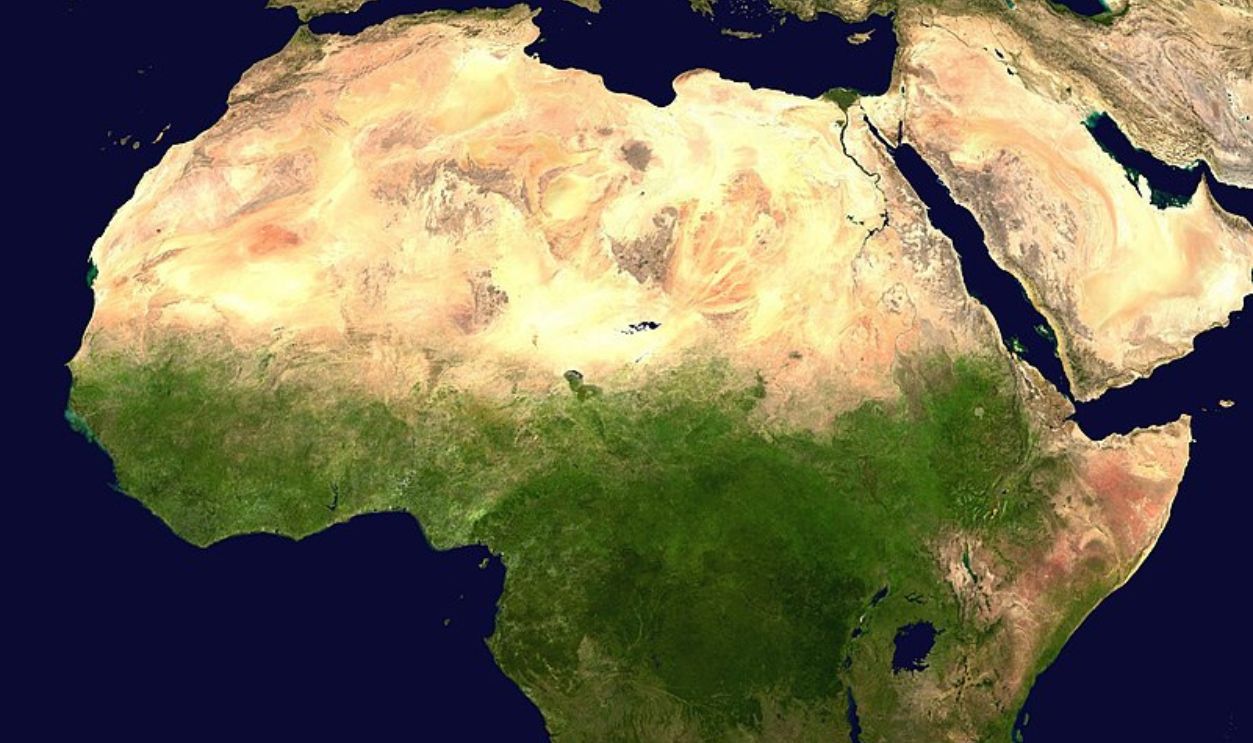
The DNA mystery
Unfortunately, DNA doesn’t survive for a million years. That means we can’t yet confirm Yunxian 2’s genetic identity. But scientists hope that protein residue or sediment DNA around the fossil might eventually unlock new evidence.
Reactions from around the world
The discovery has “sparked global excitement,” according to Reuters, as researchers around the world race to reexamine fossils in Asian collections. Many believe other “misclassified” skulls could tell a similar story.
 Sue Hutton, CC BY-SA 2.0, Wikimedia Commons
Skeptics urge caution
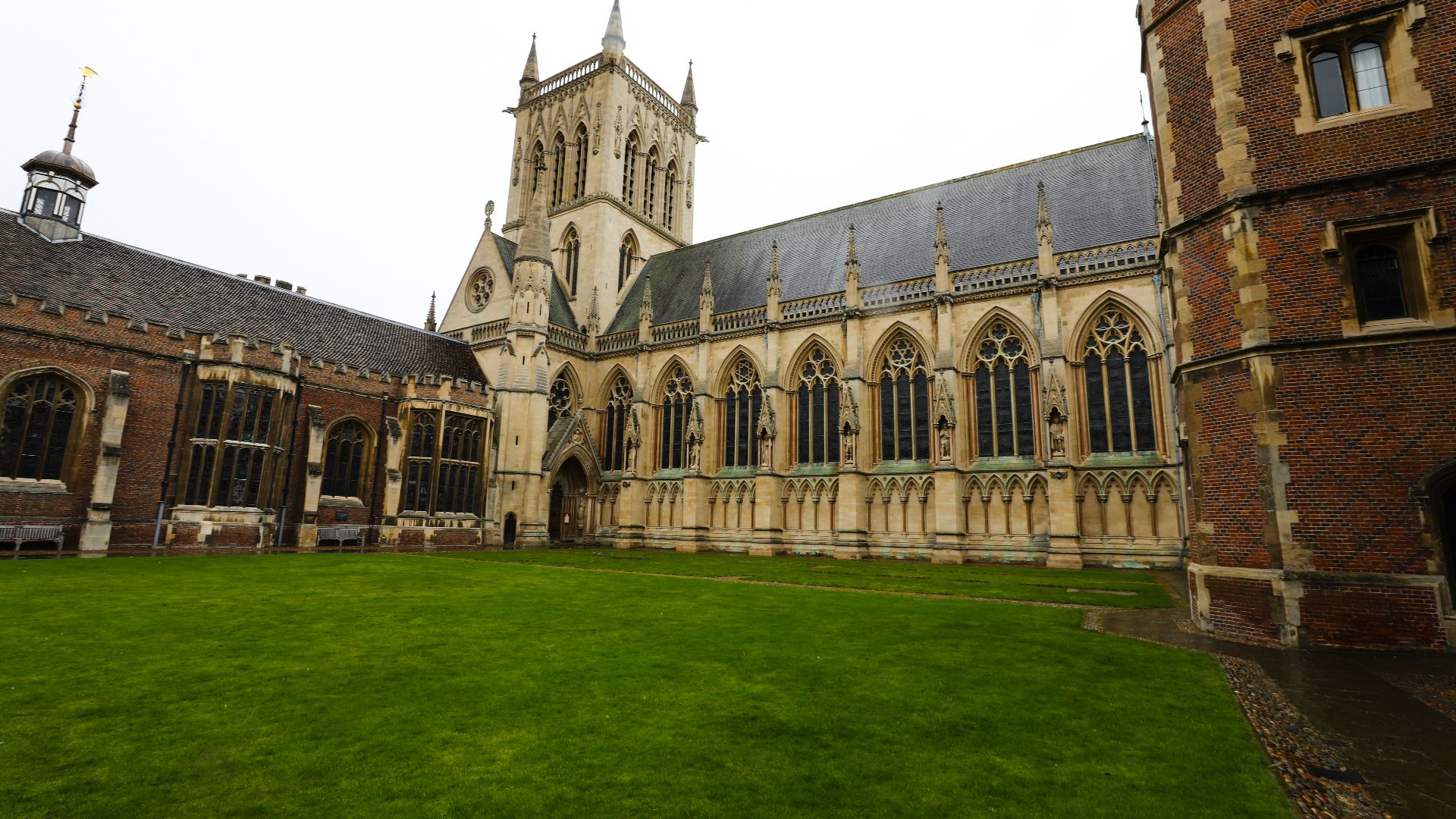
Some scientists, including researchers at the University of Cambridge, warn that without DNA, it’s premature to name a new species. Still, most agree that Yunxian 2 shows Asia’s role in human evolution is far from secondary.
Why this matters today
This discovery doesn’t just change how we view the past—it reshapes our understanding of what it means to be human. Our species didn’t emerge from one clean line, but from a web of shared ancestry across continents.
 Biswarup Ganguly, Wikimedia Commons
The story keeps evolving
Every time scientists think they’ve solved the timeline of human origins, a new fossil like Yunxian 2 turns up and forces a rewrite. It’s a reminder that evolution isn’t done surprising us.
The grand takeaway
We’re not the endpoint of a neat progression—we’re the last survivors of an ancient, complicated tree. Yunxian 2 adds one more branch, reminding us that the story of “us” is far older, deeper, and stranger than we ever imagined.
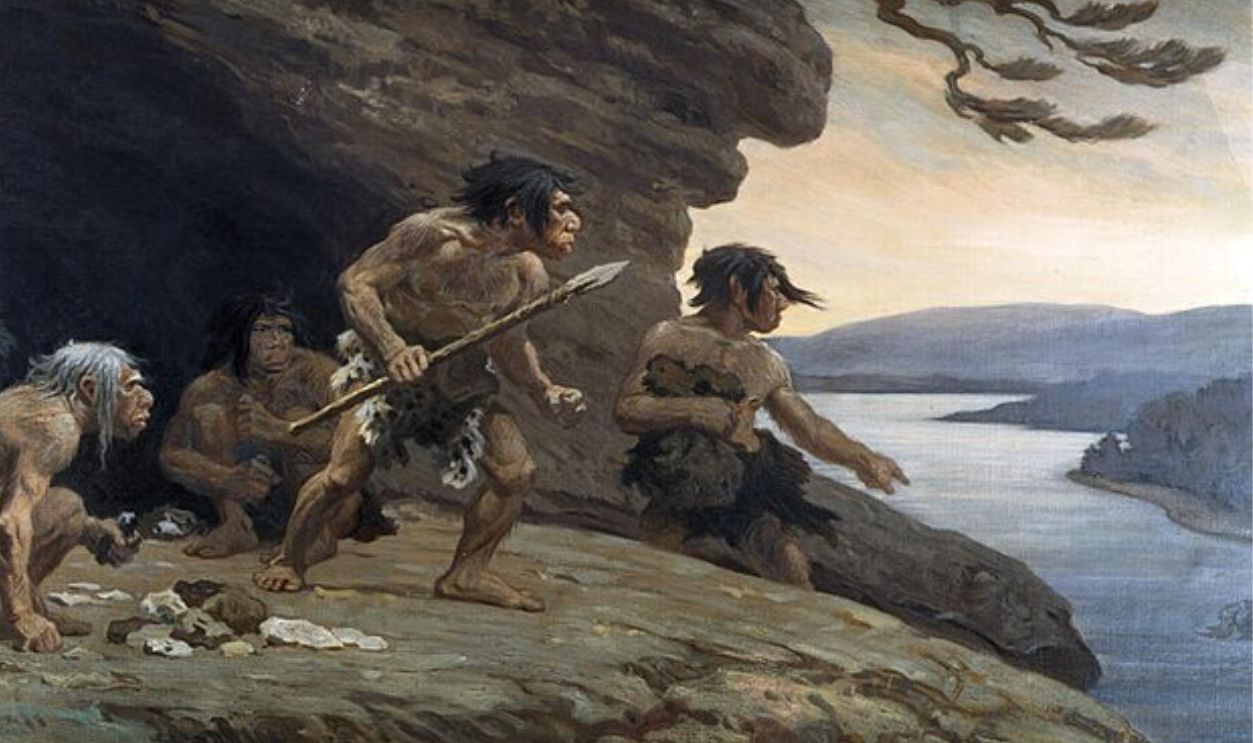 Charles Robert Knight, Wikimedia Commons
Final thought
As Xiu-Jie Wu put it: “This skull teaches us humility. Every time we think we know our origins, the Earth tells us—look again.”
 Neanderthal-Museum, Mettmann, CC BY-SA 4.0, Wikimedia Commons
You Might Also Like:
Archaeologists unearth rare terracotta warrior commander hidden for 2000 years



.jpg)


.jpg)
