
Earth's Climate Was Never Gentle
Human history did not begin under calm blue skies. Our ancient relatives faced droughts, shrinking lakes, changing vegetation, and landscapes that could become brutally dry. Now, archaeological evidence from East Africa suggests one early human species was far better at dealing with these extremes than scientists once imagined.
Meet Homo Erectus
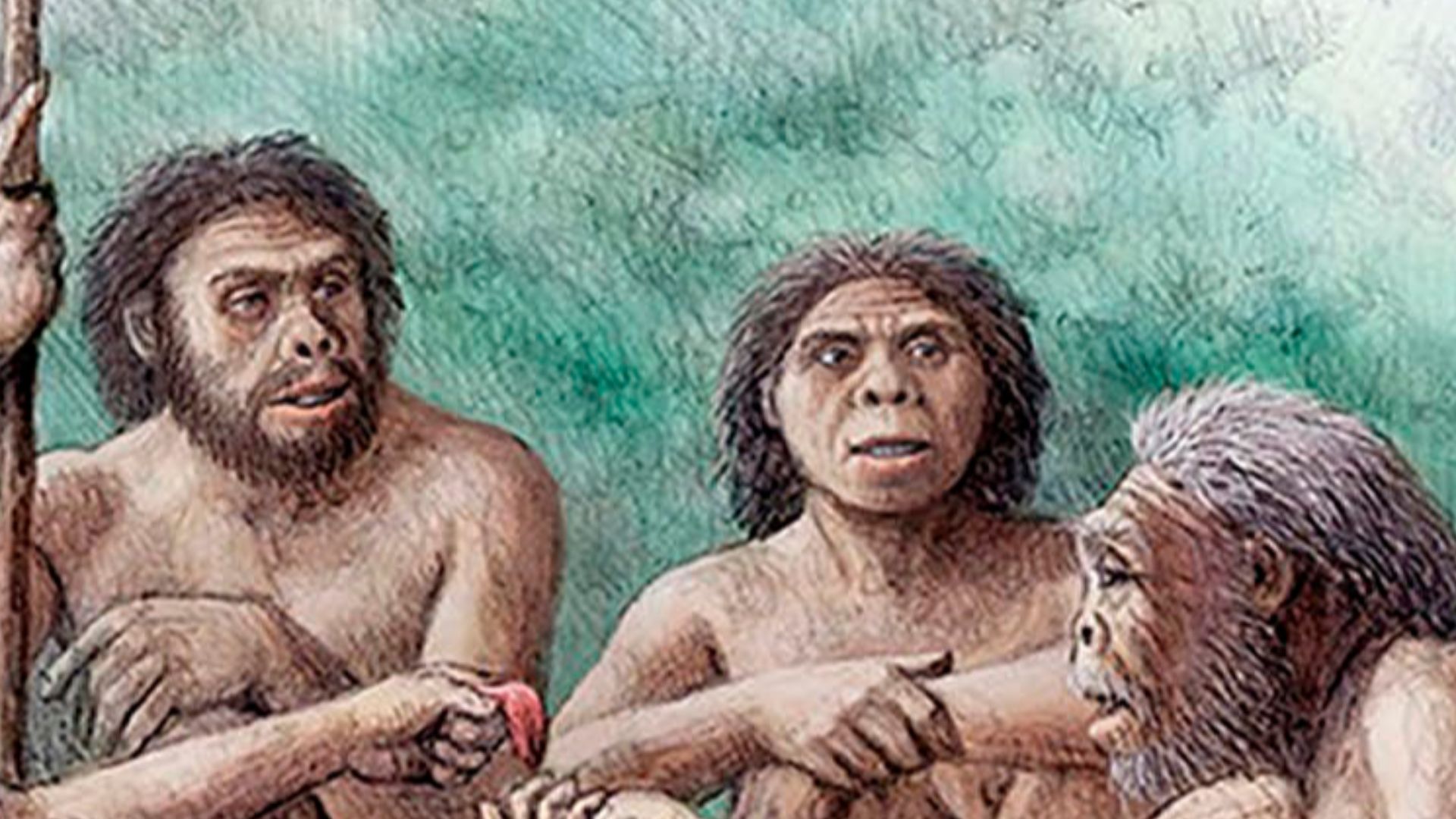
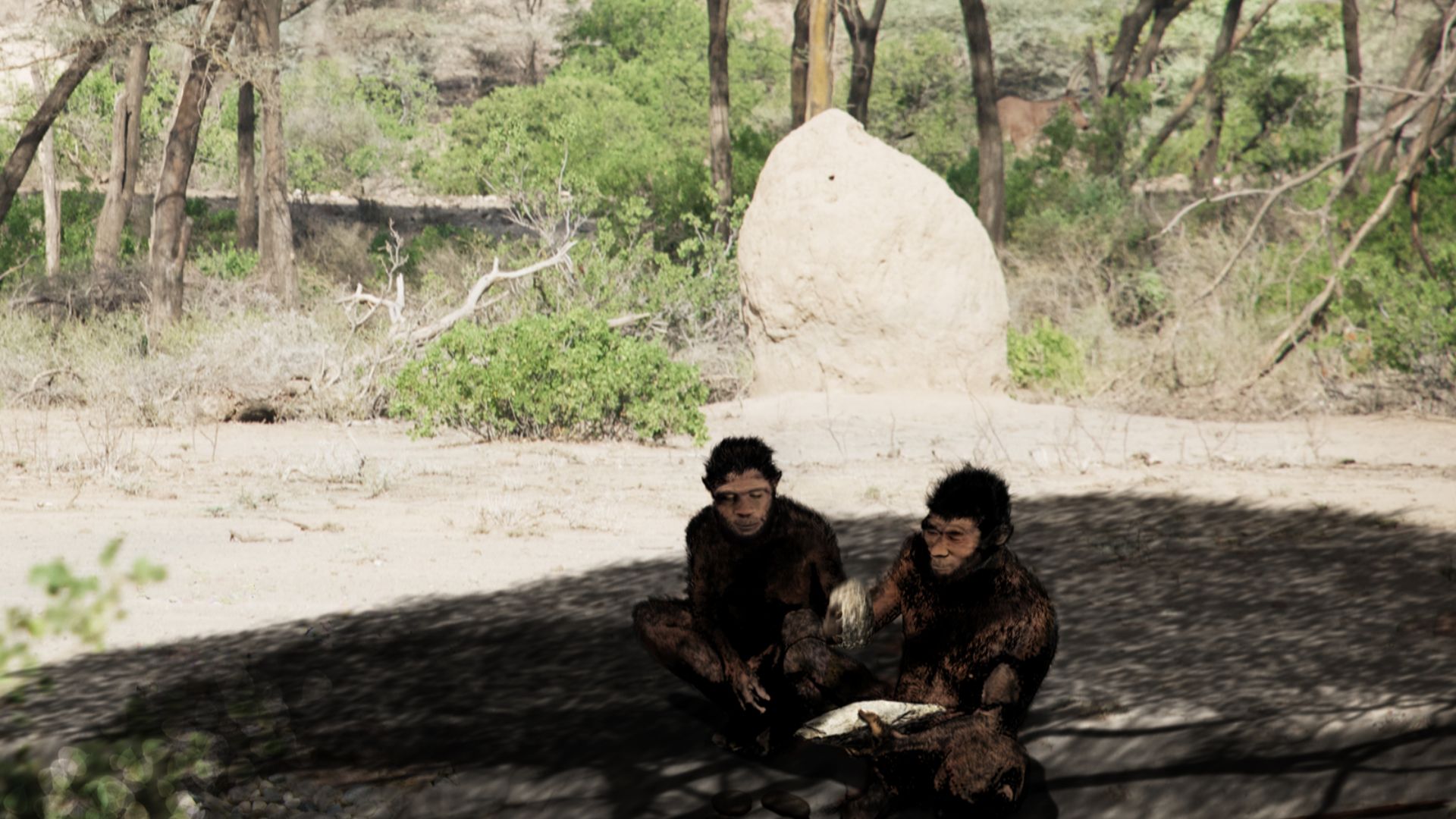
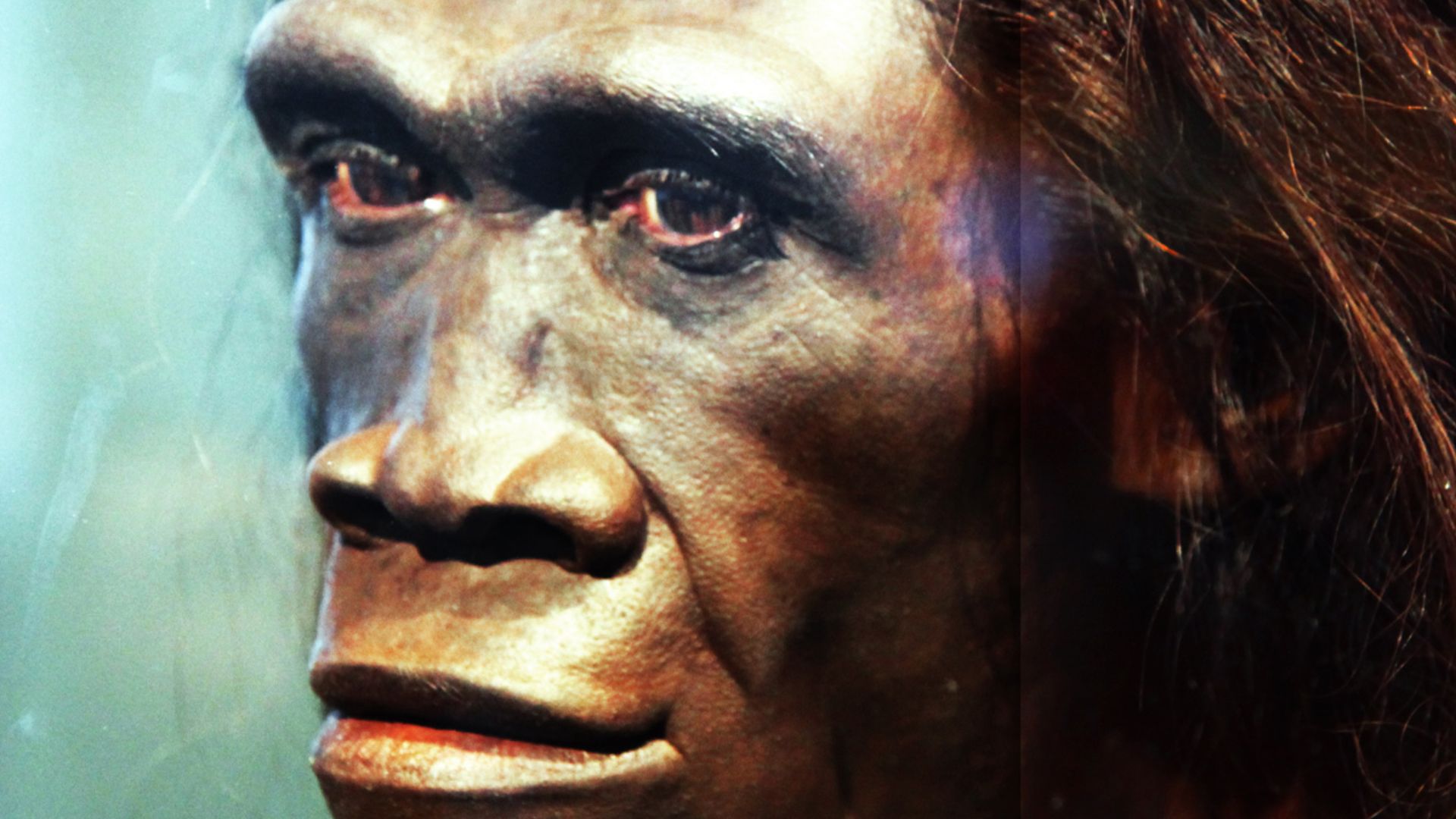
The survivor at the center of the story is Homo erectus, one of humanity's most successful ancient relatives. The species appeared long before modern humans and eventually spread across enormous parts of Africa and Eurasia. Scientists are now learning that its adaptability may have helped make that expansion possible.
 Mauricio Antón. Published by Bartolini-Lucenti, S et al., Wikimedia Commons
A Million-Year-Old Survival Story
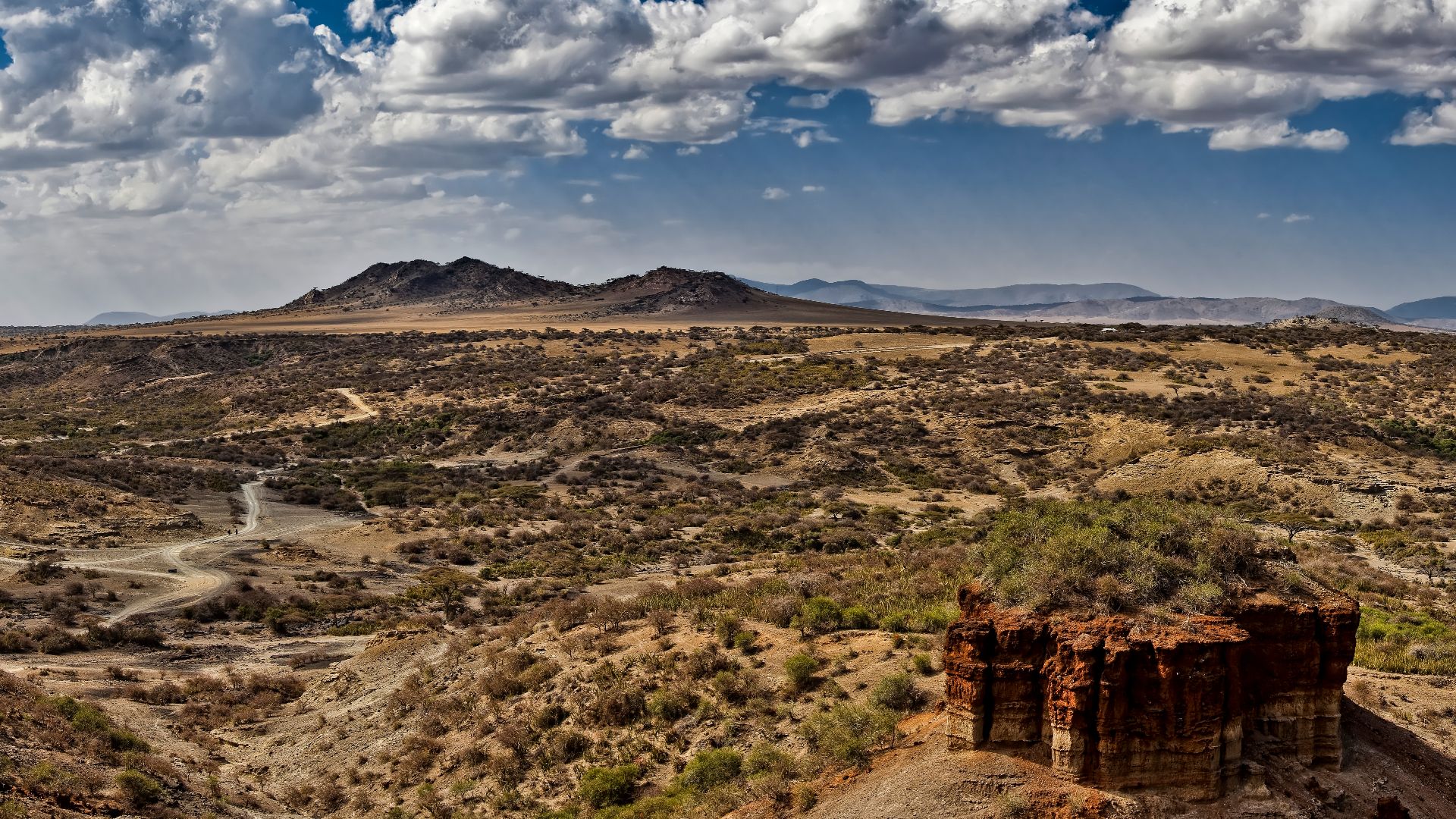
Researchers studying Tanzania's famous Oldupai Gorge found evidence that Homo erectus repeatedly occupied an extremely dry landscape around one million years ago. That matters because sophisticated adaptation to difficult environments was once considered something that developed much later, particularly among Homo sapiens.
Oldupai Gorge Keeps Delivering Surprises
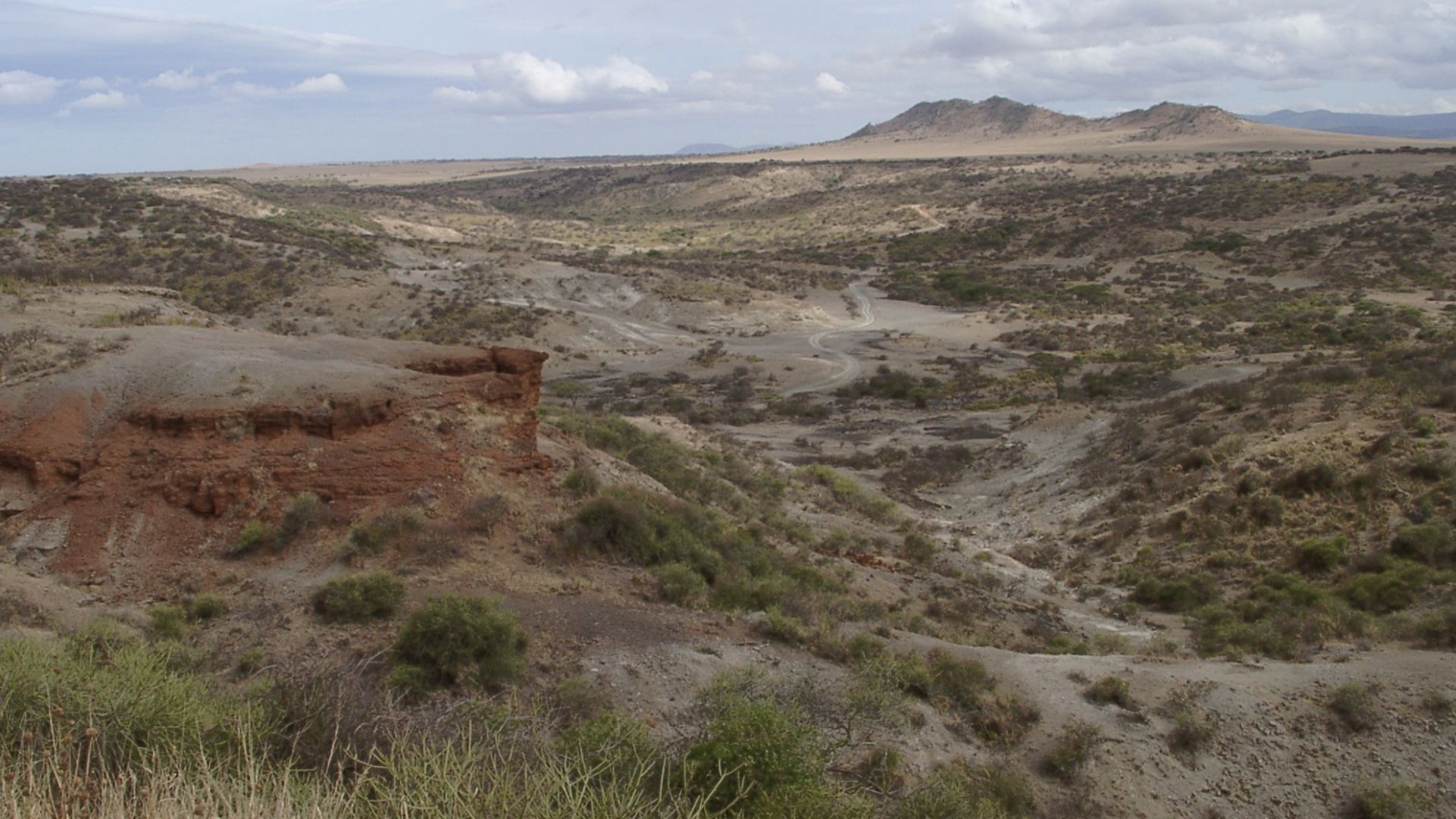
Oldupai Gorge, formerly better known as Olduvai Gorge, has produced important evidence about human evolution for decades. The new research focuses on Engaji Nanyori, an archaeological locality where stone tools, animal remains, sediments, ancient vegetation, and earlier hominin discoveries all combine to tell an unusually detailed story.
 Vinny Burgoo, Wikimedia Commons
The Landscape Was Changing
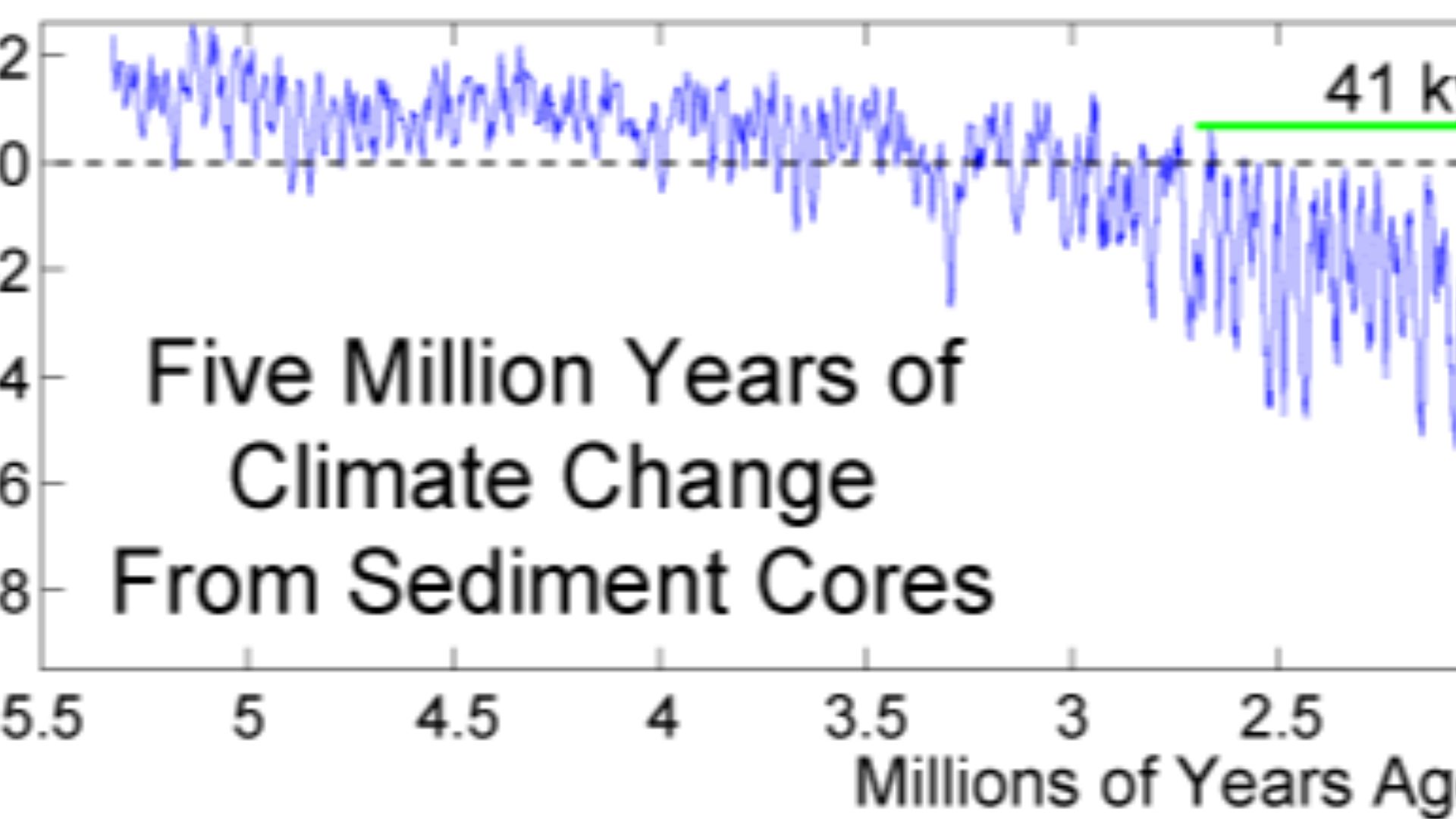
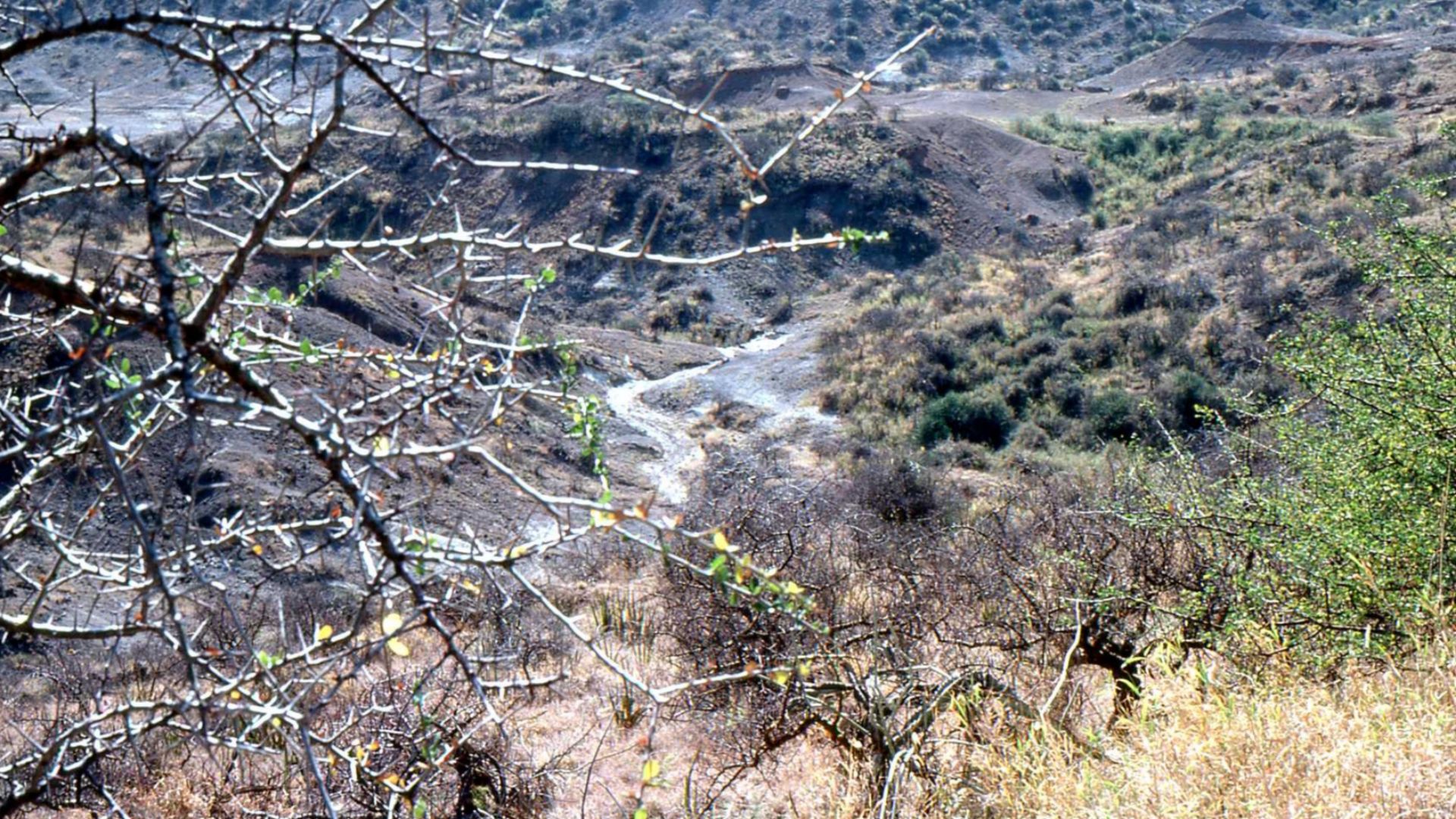
Around this period, Earth was passing through the Middle Pleistocene Transition, when major climate cycles were changing. At Engaji Nanyori, researchers reconstructed an increasingly dry environment with sparse plant cover. This was hardly the lush, forgiving landscape that people sometimes picture when imagining early human evolution.
 Dragons flight (Robert A. Rohde), Wikimedia Commons
Things Got Seriously Dry
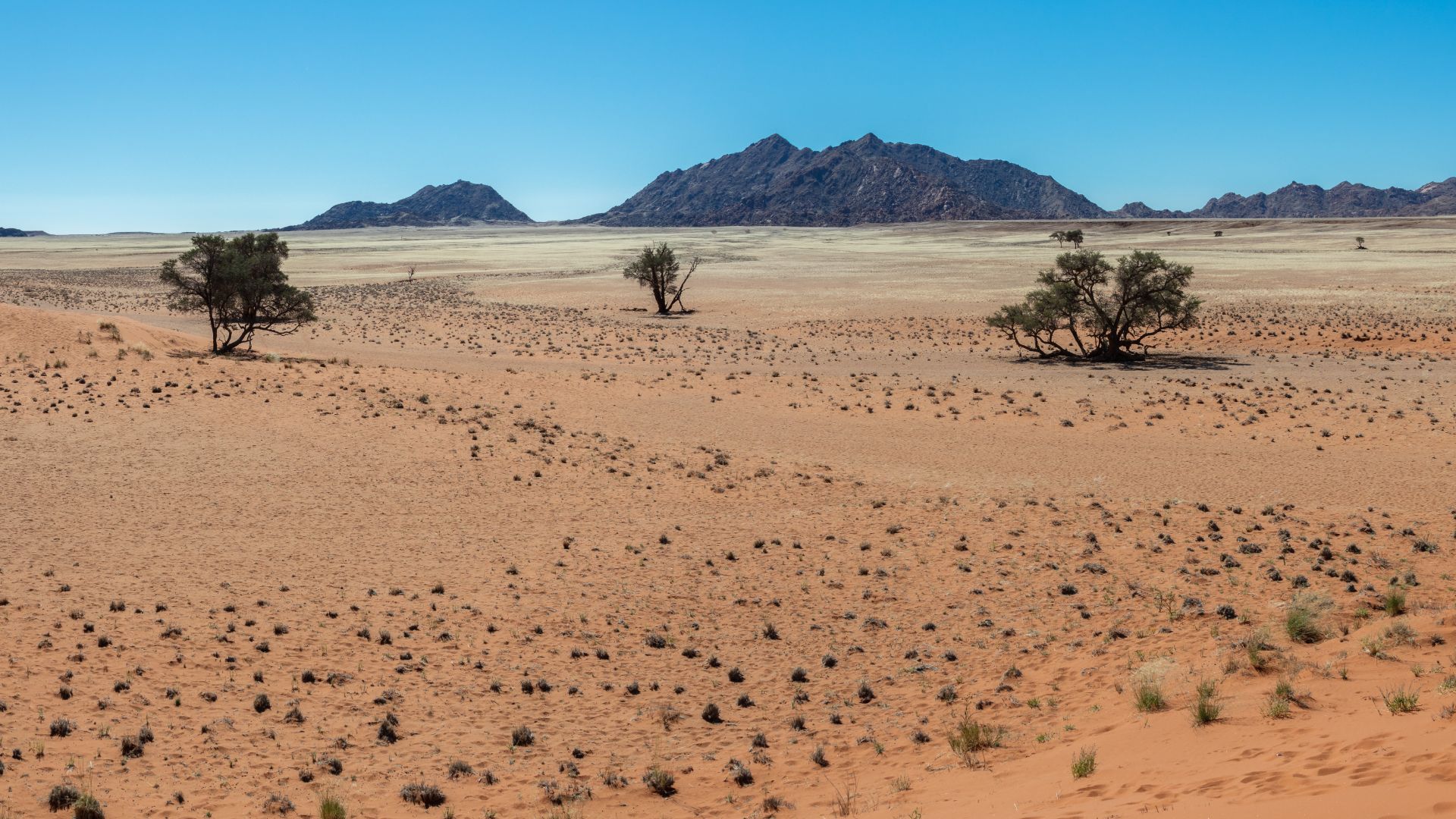
The evidence points to steppe-desert or semidesert conditions around the site. Water was limited, vegetation was drought-resistant, and ecological disturbances were common. Yet Homo erectus did not simply vanish when conditions deteriorated. Archaeological traces suggest these early humans kept returning to the landscape.
 Henry Gilbert and Kathey Schick, Wikimedia Commons
Tiny Pollen Grains Told A Big Story
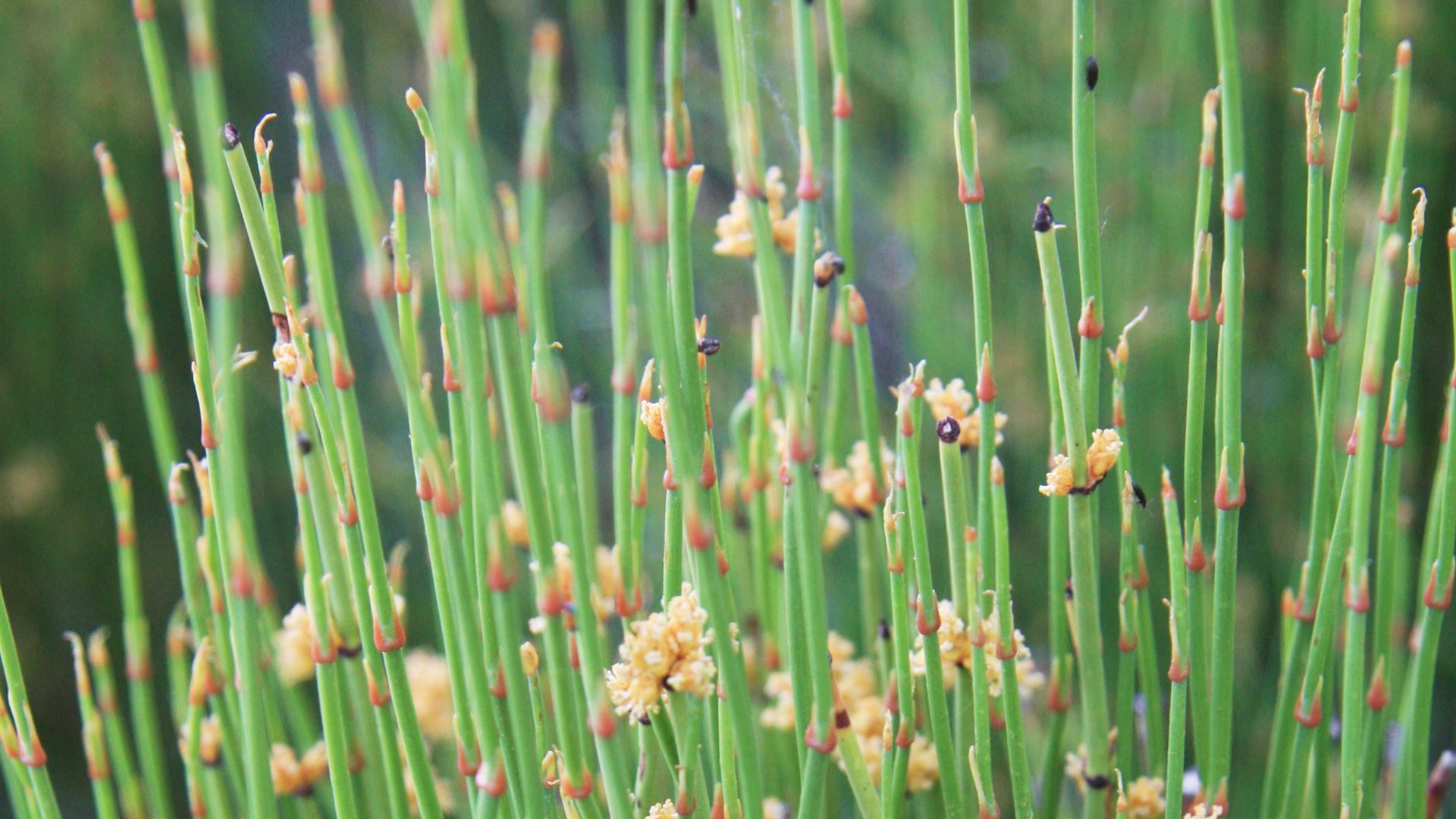
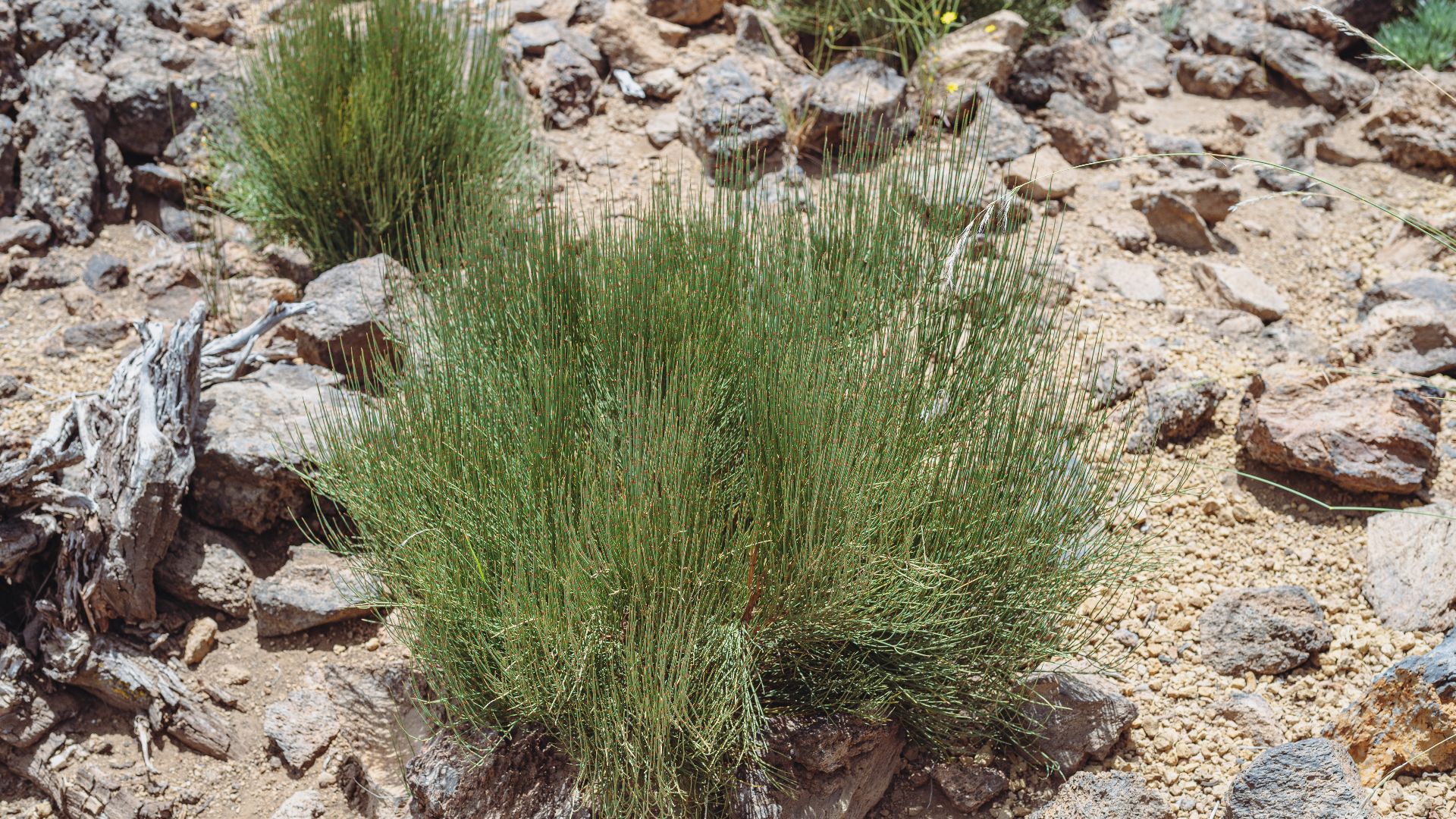
One important clue came from fossil pollen. Researchers found vegetation dominated by plants suited to dry conditions, including ancient relatives of Ephedra. These hardy shrubs painted a picture of an environment dramatically more arid than the greener East African settings many people might expect.
The Desert Had Reached South
The pollen evidence was particularly striking because plants associated with extremely dry Saharo-Arabian environments appeared much farther south than their modern range. Researchers argue that increasingly arid conditions allowed this type of vegetation to spread over 1,000 kilometers beyond its present southern limit.
 Flocci Nivis, Wikimedia Commons
Scientists Read The Dirt
Pollen was only part of the detective work. Researchers examined sediments, chemical signatures, ancient plant remains, animal fossils, geological layers, and climate models. By combining many independent clues, they reconstructed not merely where Homo erectus lived, but what that environment may actually have felt like.
 Tim Evanson, Wikimedia Commons
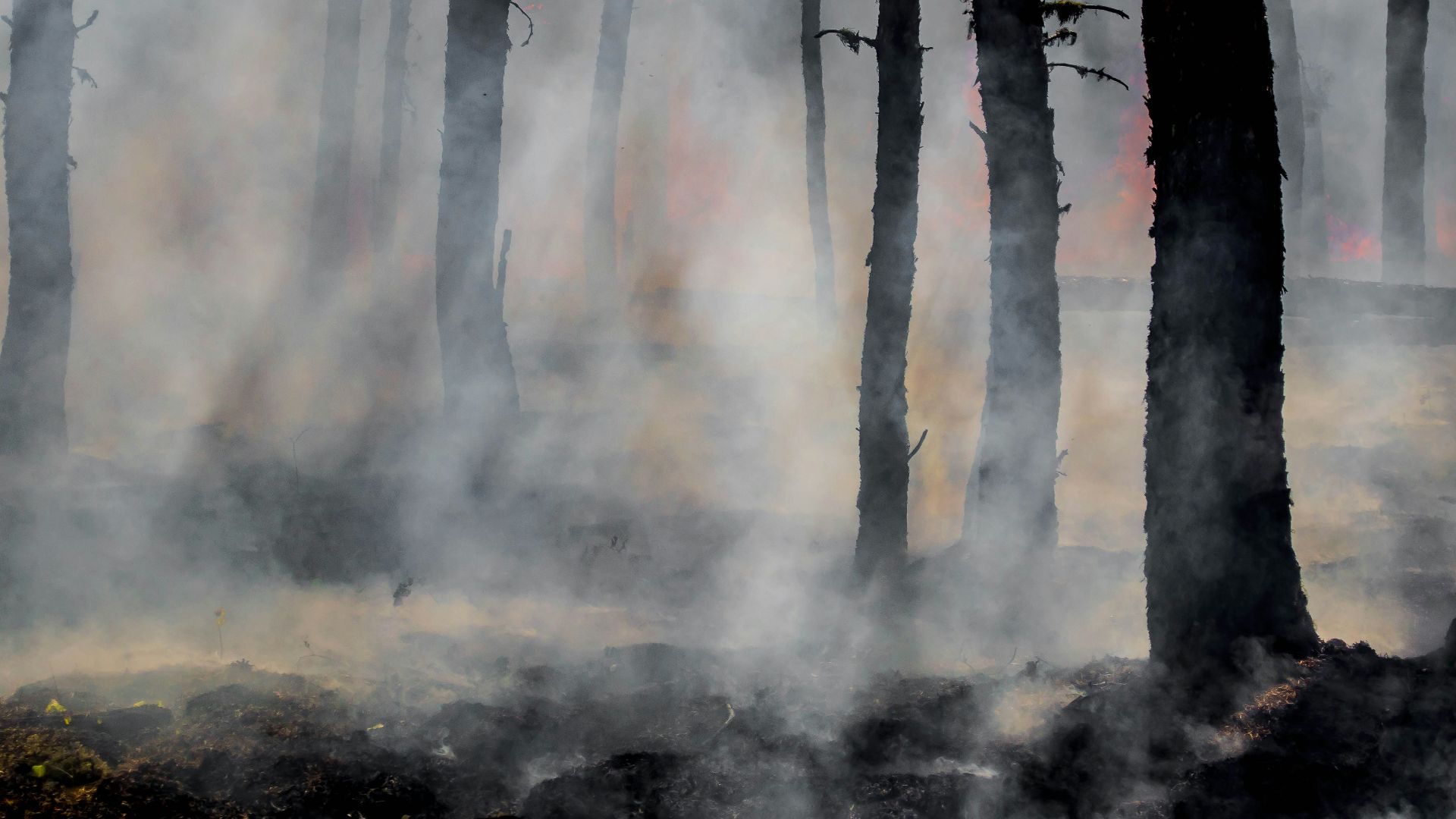
Even Wildfires Left Evidence
Chemical and microscopic traces in the sediments also revealed repeated burning in the ancient landscape. These appear to record natural wildfires, not proof that humans controlled fire there. Either way, Homo erectus was living amid an ecosystem facing both severe dryness and recurring environmental disruption.
Water Was The Ultimate Prize
Surviving a dry landscape largely comes down to finding dependable water. Engaji Nanyori happened to sit near the meeting point of two drainage systems. When rainfall occurred in either catchment, flowing water could reach the area, making the location especially valuable during prolonged dry periods.
 mwanasimba from La Réunion, Wikimedia Commons
They Knew Where To Go
The pattern does not look entirely accidental. Hominin activity clustered around river and pond environments where fresh water would have been easier to find. Researchers believe these ecological "focal points" reduced risk by bringing together water, animals, and useful resources in an otherwise challenging landscape.
 D. Howard Hitchcock, Wikimedia Commons
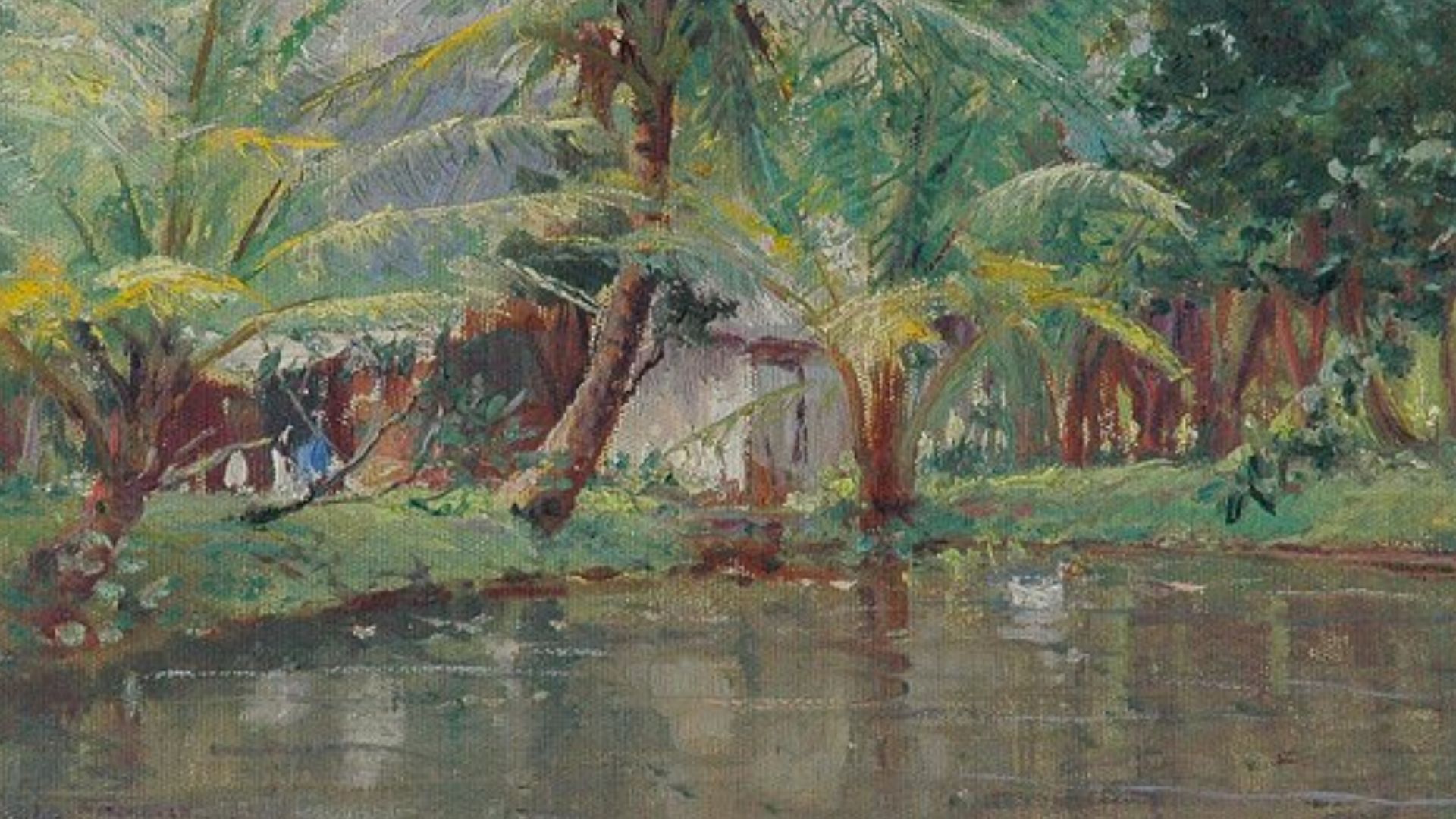
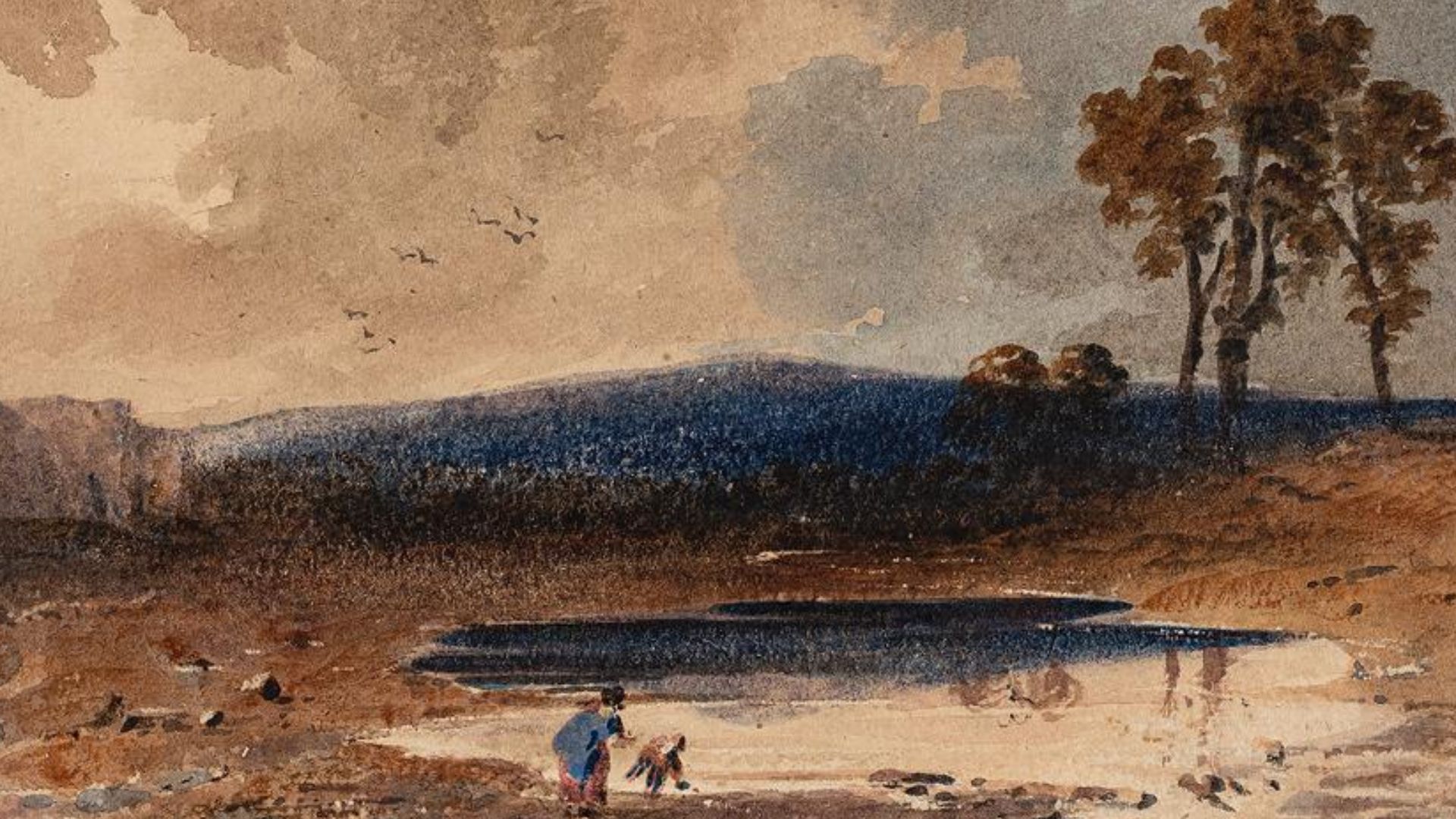
Ancient Ponds Became Survival Hubs
Researchers identified abandoned river channels that had developed into quieter, pond-like environments. Archaeological material was particularly rich around these areas. To a thirsty Homo erectus, such a pond could have been far more than scenery—it was effectively a prehistoric service station stocked with life.
 John Varley, Wikimedia Commons
Stone Tools Filled The Site
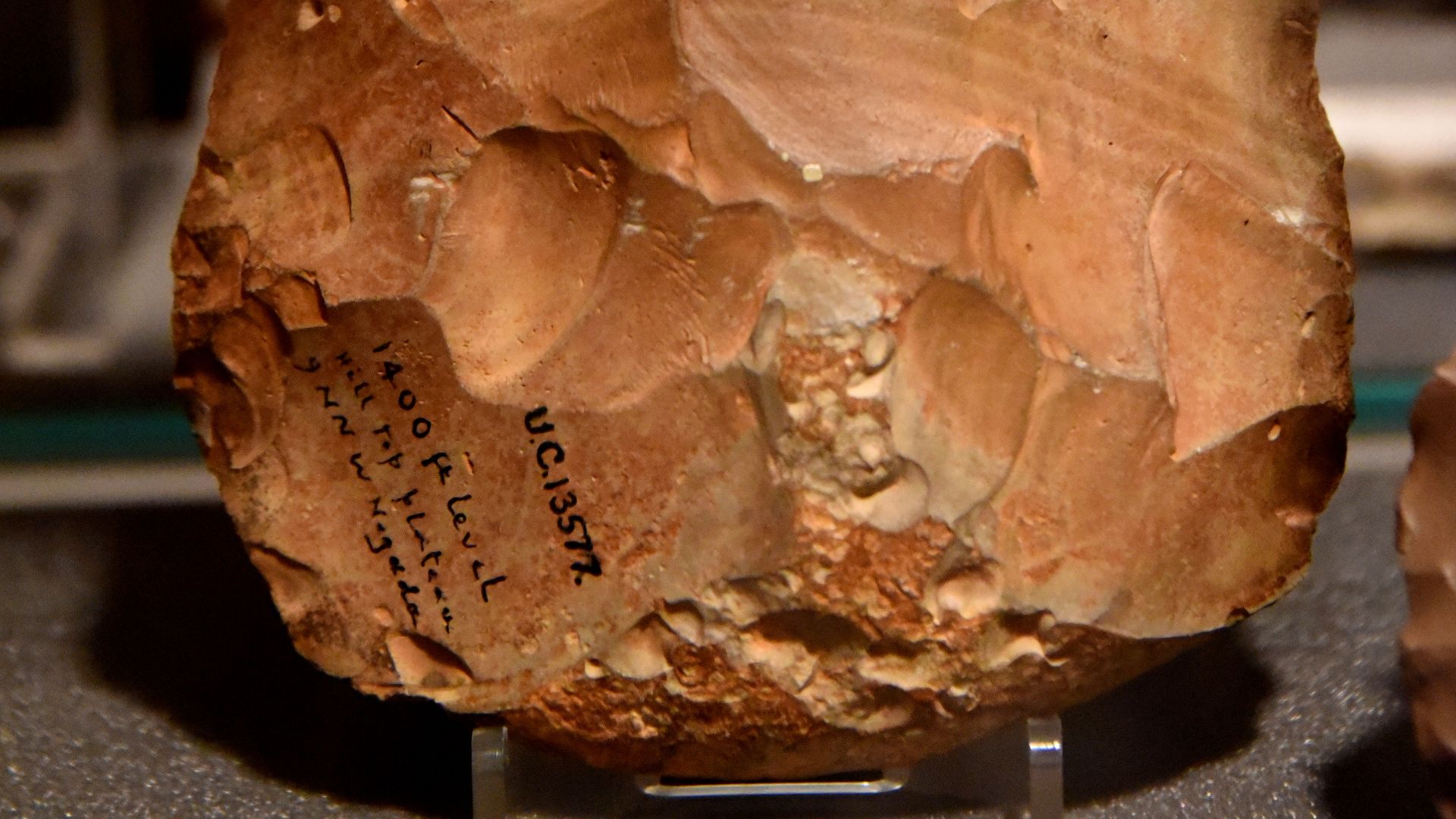
The scale of the archaeological evidence is remarkable. Researchers report at least 22,000 stone artifacts from more than 300 square meters of investigated ground. Many belong to the Acheulean tradition, famous for its carefully shaped tools and long association with Homo erectus.
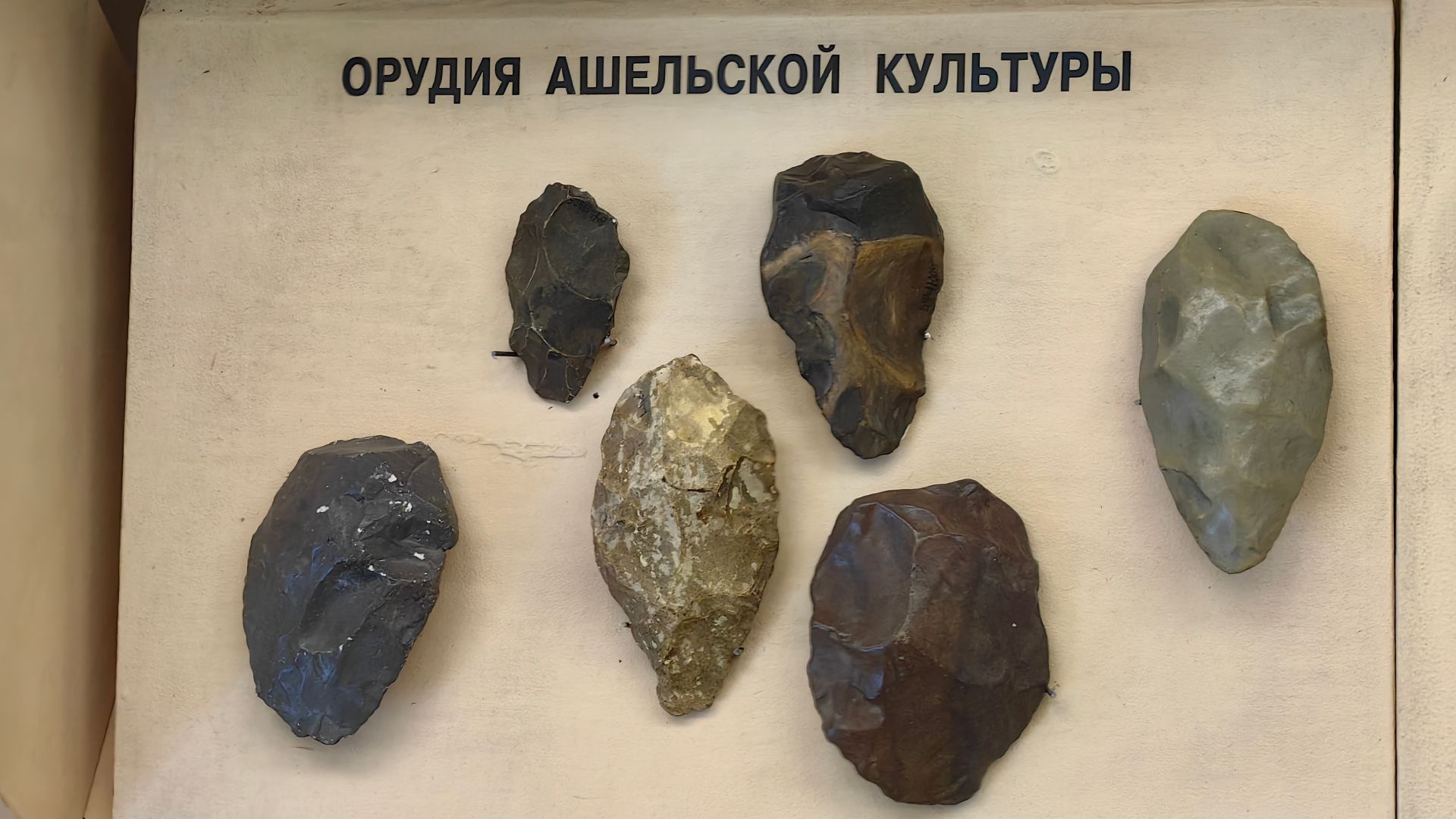 Александр Сигачёв, Wikimedia Commons
Toolmaking Happened Right There
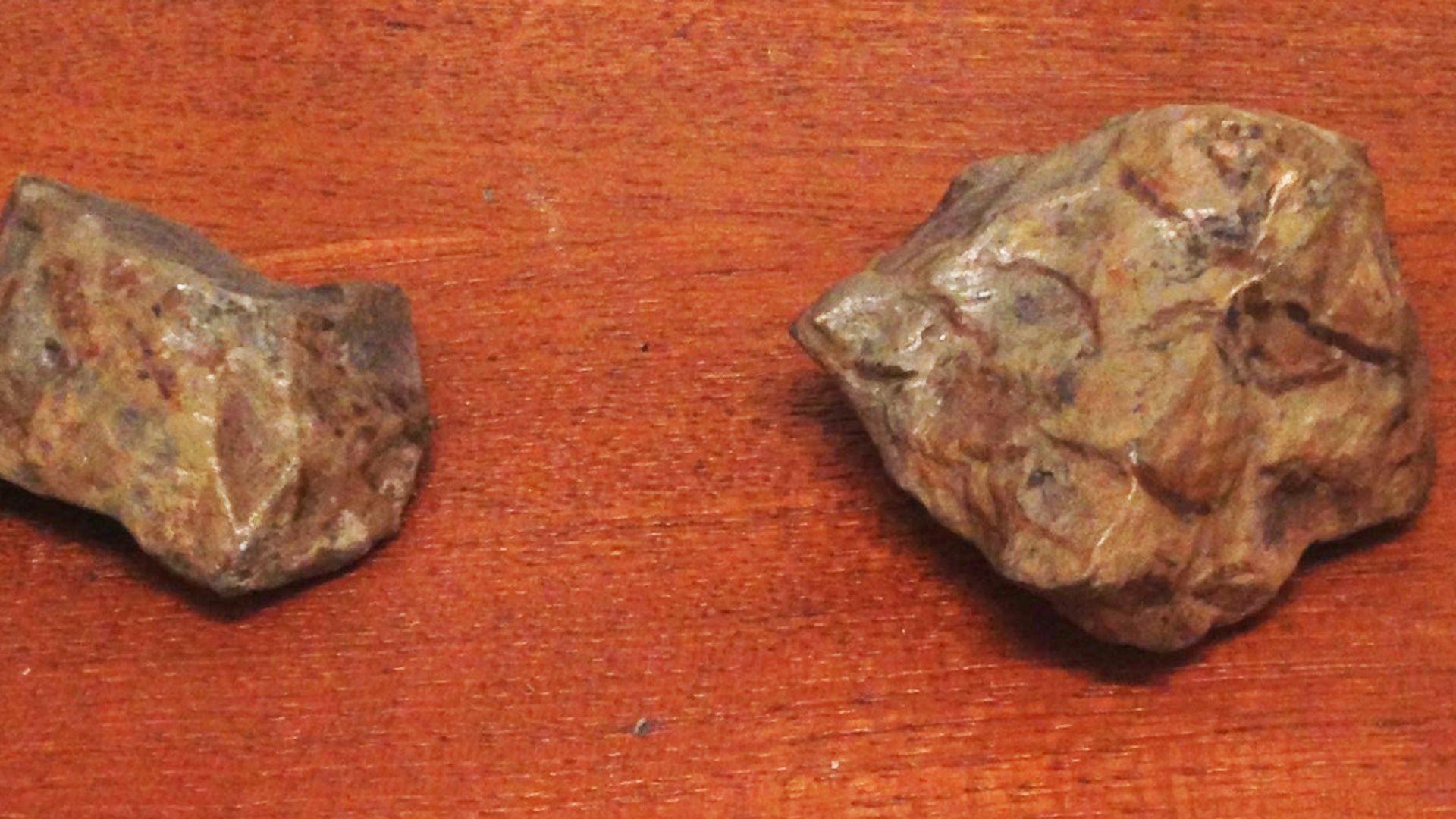
Scientists found evidence for complete stone-working sequences, including flakes, hammerstones, and other debris produced during toolmaking. In other words, people were not simply dropping finished tools as they passed through. They were repeatedly stopping, working stone, and carrying out activities at the site.
Dinner Left Plenty Of Clues
Animal bones were even more abundant. The researchers describe at least 43,000 specimens recovered from the studied area. Many came from medium-sized bovids, providing strong evidence that Homo erectus repeatedly gained access to animal carcasses and processed them within this harsh dryland environment.
Humans Were Not Just Scavenging Scraps
Researchers found relatively little carnivore damage on many of the bones. Combined with the location of stone artifacts and animal remains, that suggests hominins were major accumulators of the carcasses. Whatever their exact hunting and scavenging strategies, they were clearly finding reliable ways to obtain valuable food.
 Tales from the Workshop, Wikimedia Commons
Flexibility Was The Secret Weapon
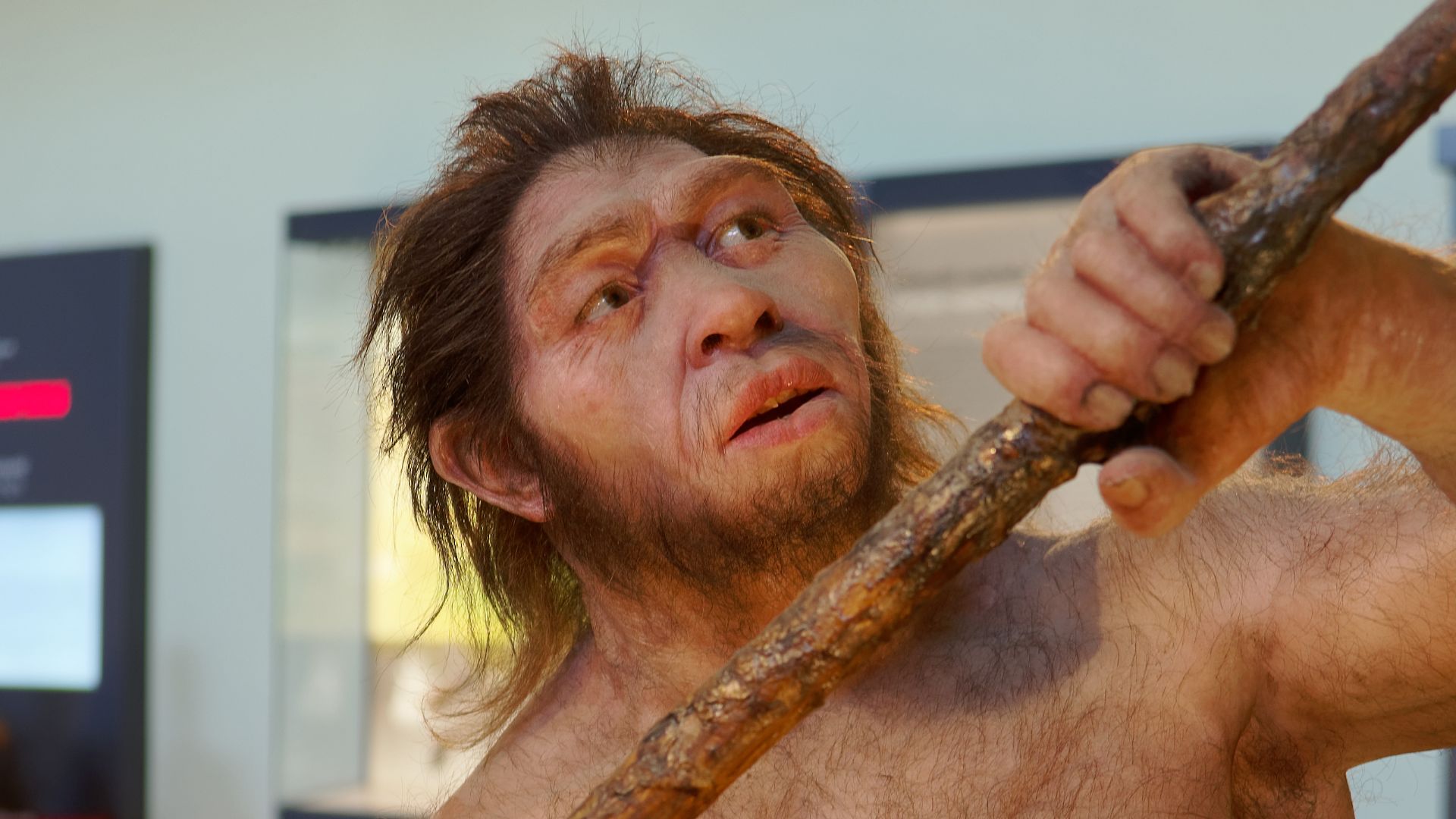
Nothing about the discovery requires imagining Homo erectus magically conquering the desert. Their strength appears to have been flexibility. They targeted dependable water, processed animals, gathered useful stone, and repeatedly returned to productive patches instead of treating the entire landscape as equally habitable.
 Jakub Hałun, Wikimedia Commons
They Did Not Need Fancy New Technology
Interestingly, survival did not necessarily involve inventing an entirely new technological system. Their broader Acheulean toolmaking tradition remained recognizable. Instead, researchers suggest that these hominins adjusted how they used resources and landscapes—a reminder that behavioral flexibility can matter just as much as technological breakthroughs.
 Osama Shukir Muhammed Amin FRCP(Glasg), Wikimedia Commons
This Wasn't One Lucky Visit
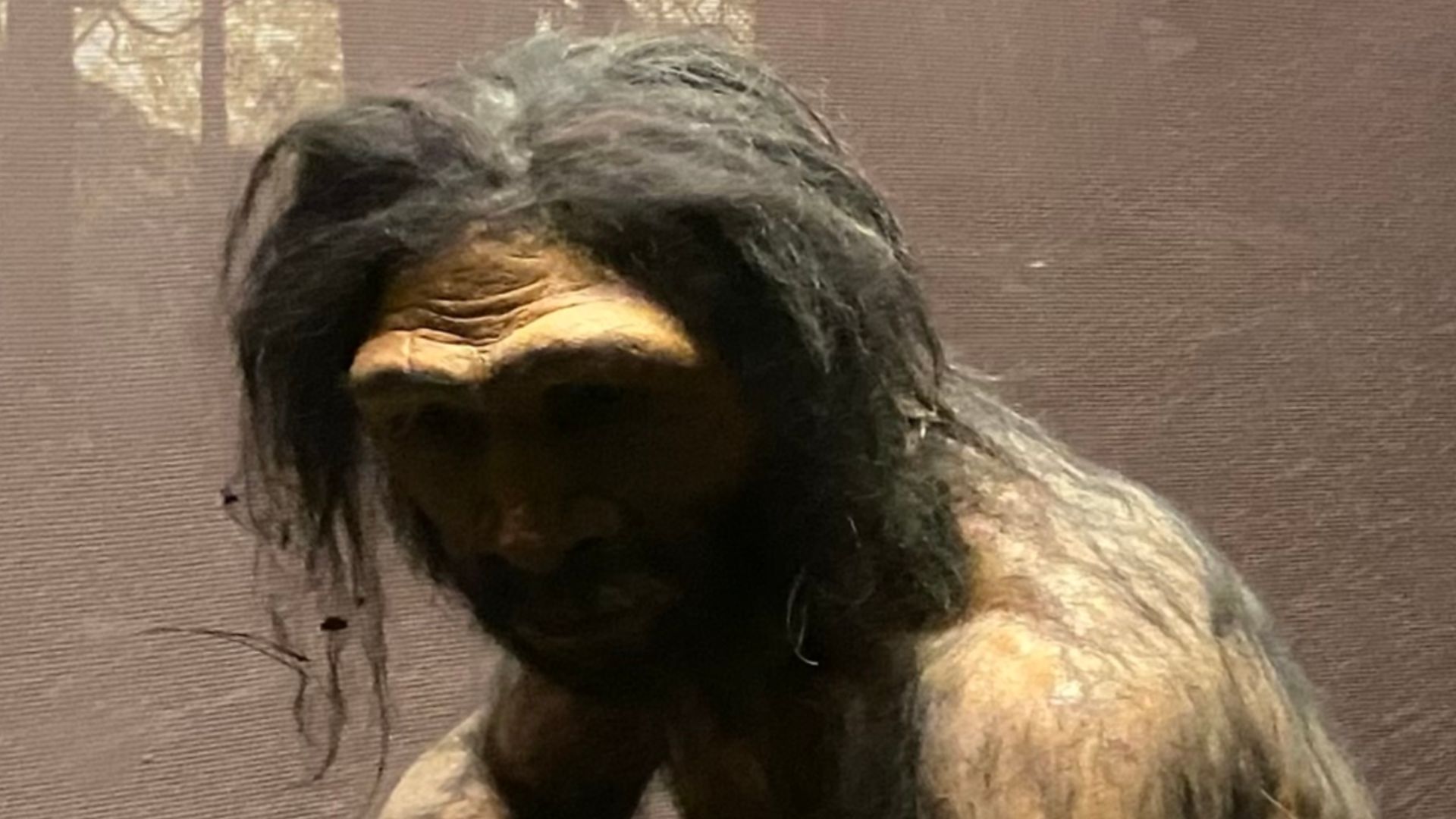
Perhaps most importantly, the archaeological record represents repeated occupation rather than one adventurous group briefly wandering through. The sediments involved may represent cycles spanning thousands of years. That makes Engaji Nanyori evidence for a lasting strategy of returning to a difficult but manageable environment.
 Ryan Schwark, Wikimedia Commons
Early Humans Were Tougher Than Expected
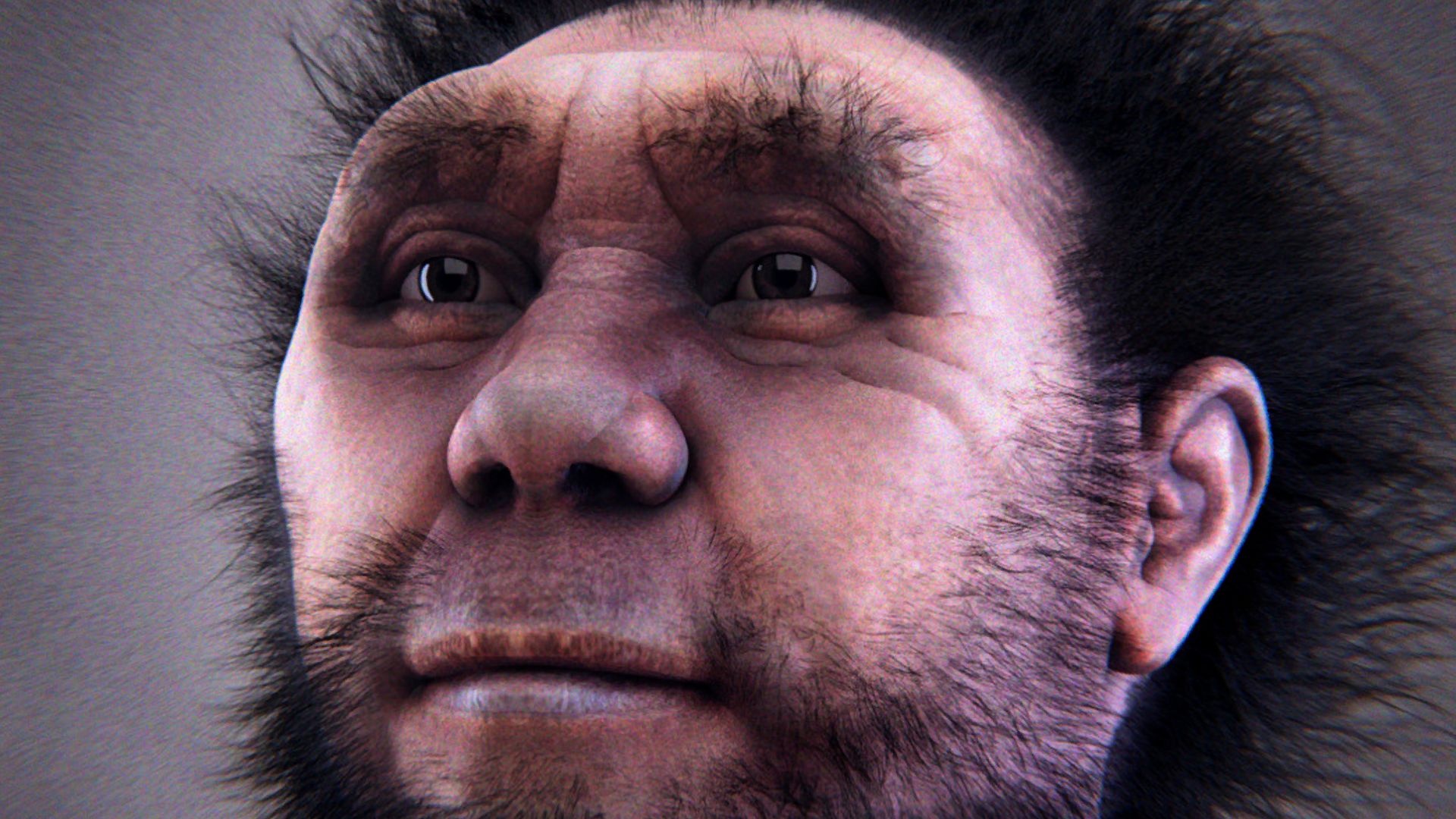
Older ideas often portrayed early hominins as closely tied to narrow ecological comfort zones. The new evidence challenges that picture. Homo erectus increasingly looks like an ecological generalist capable of surviving environmental conditions that researchers once assumed only much later humans could successfully exploit.
 Cicero Moraes, Wikimedia Commons
Climate Still Mattered
None of this means climate was irrelevant. Extreme environmental change could shrink resources, alter migration routes, and make entire regions unattractive. Archaeologists increasingly argue, however, that climate and human behavior must be studied together rather than assuming environmental changes automatically caused people to disappear.
 Diego Delso, Wikimedia Commons
Survival Could Mean Moving Smarter
Adaptation did not require staying stubbornly in one spot. Early humans could concentrate around rivers, ponds, prey-rich areas, and other dependable patches while avoiding less productive ground. This ability to recognize useful landscapes may have allowed populations to remain within regions that looked, overall, extremely hostile.
 Neanderthal-Museum, Mettmann, Wikimedia Commons
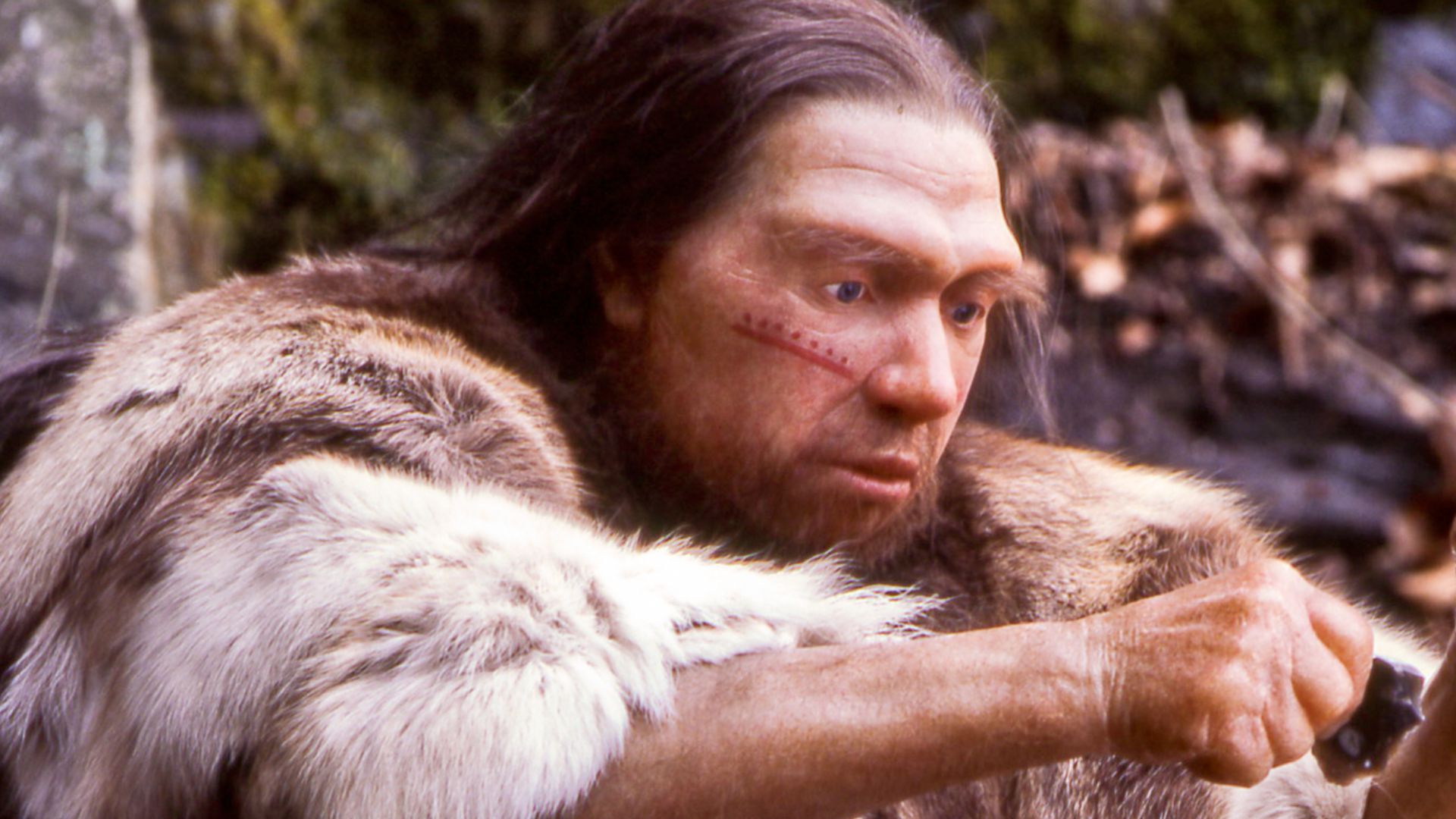
That Skill May Explain A Great Migration
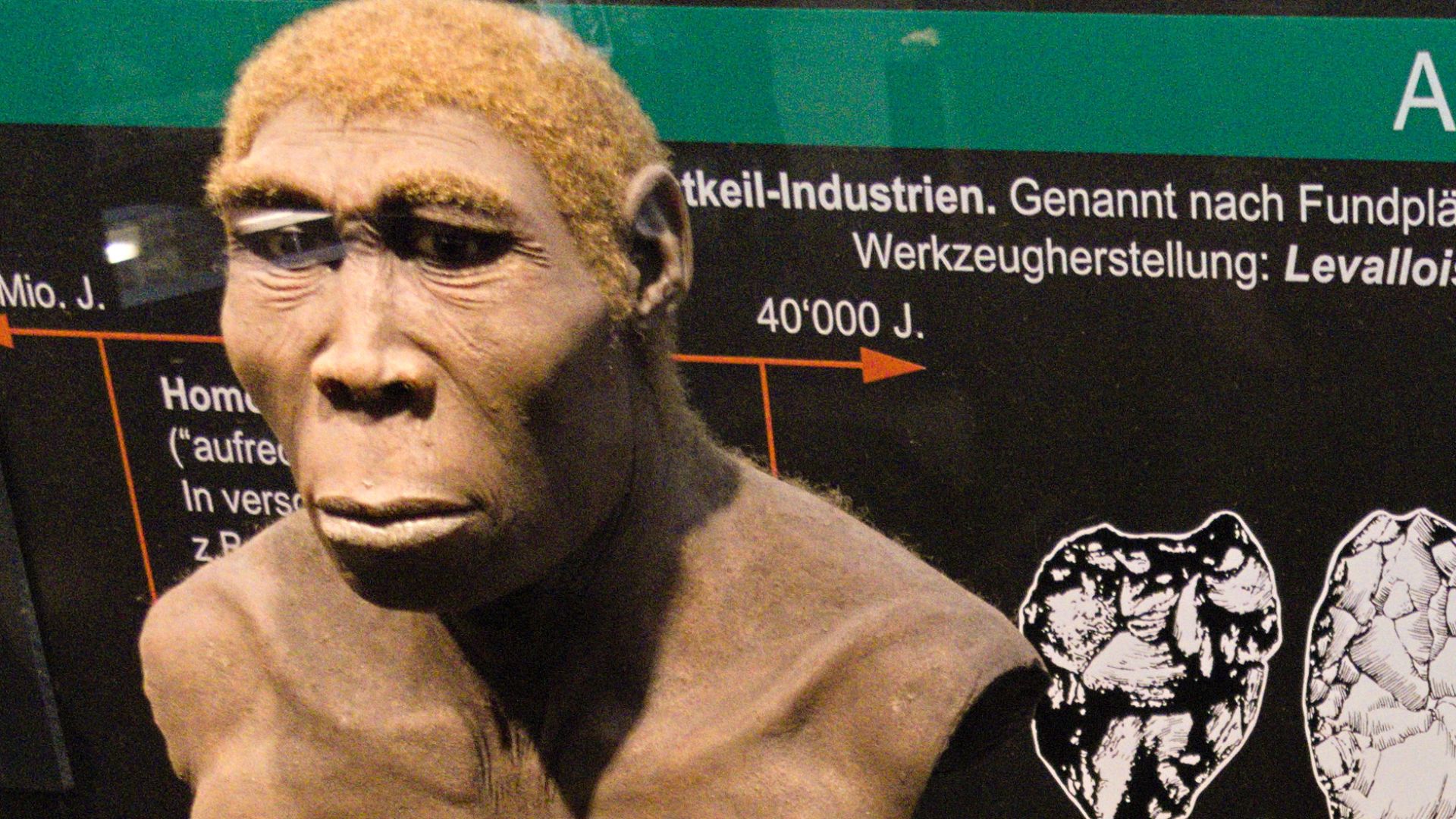
Homo erectus eventually spread astonishingly far, reaching environments across Africa and Eurasia. The researchers propose that an ability to exploit dry, marginal landscapes could have helped make those movements possible. A hominin comfortable outside ideal habitats suddenly had far more of the planet available to explore.
 Ginger 1315, Wikimedia Commons
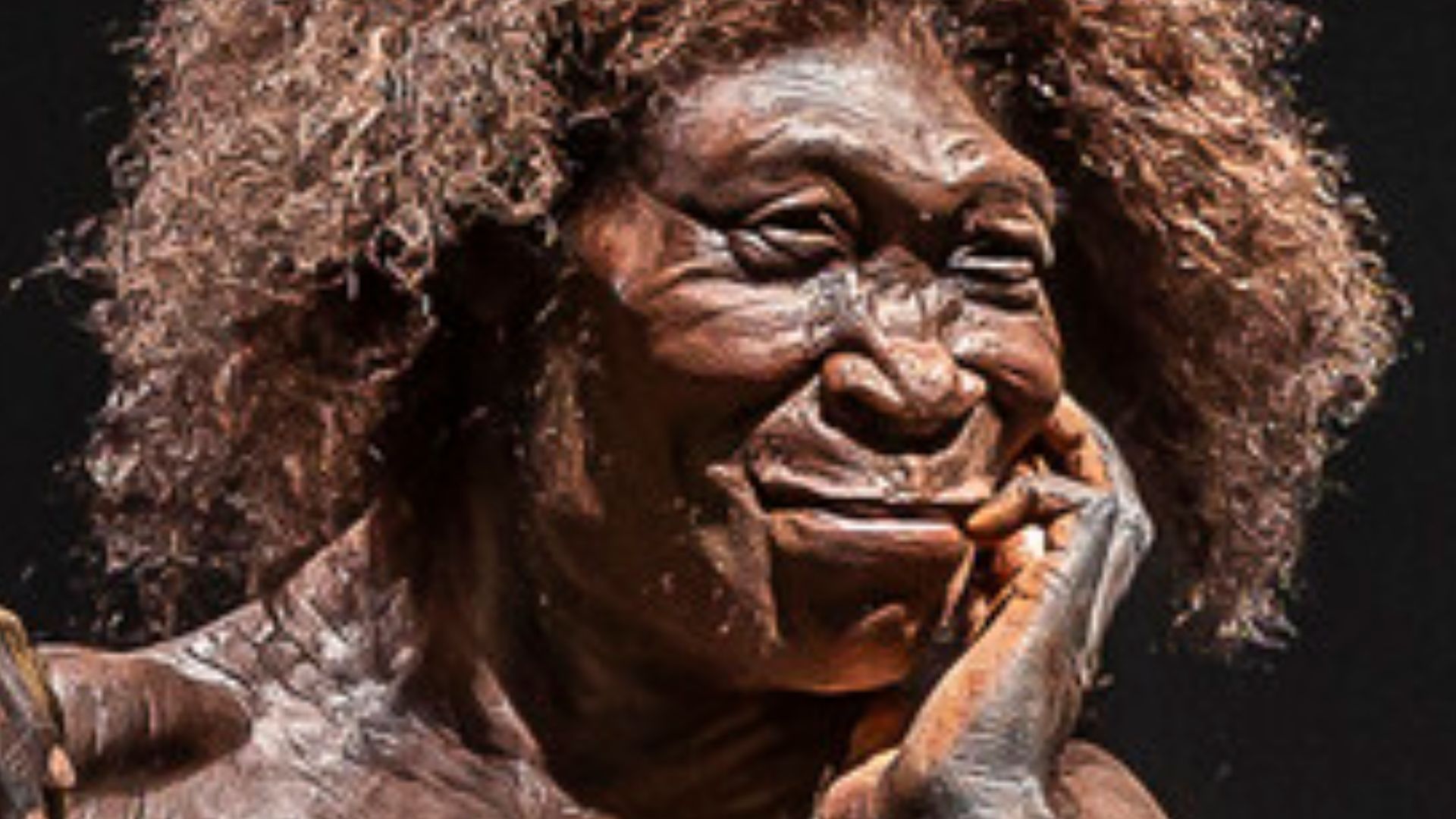
Adaptability Started Earlier Than We Thought
That may be the study's most important implication. Ecological flexibility was apparently not an invention of our own species. Long before Homo sapiens appeared, another member of our genus was already adjusting behavior to cope with scarce water, changing vegetation, disrupted ecosystems, and severe climatic variability.

Ancient Survival Is Not A Modern Blueprint
There is an obvious temptation to turn this into a comforting lesson about today's climate change. That would be misleading. Ancient hominin populations were small and mobile, while modern societies depend on enormous cities, farms, infrastructure, and global supply chains. Archaeological resilience does not make modern warming harmless.
 Cicero Moraes, Wikimedia Commons
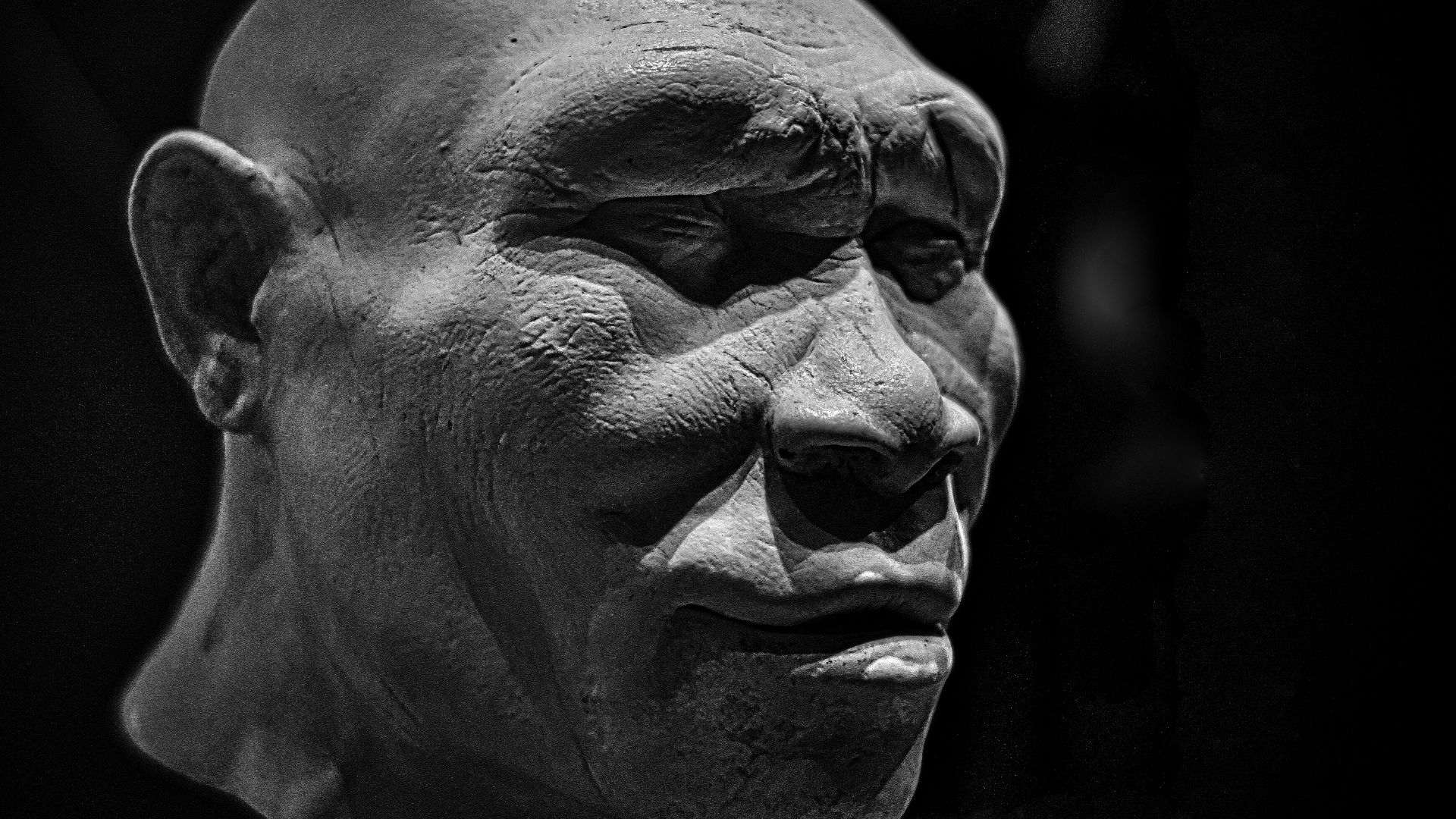
The Survivors Changed Our Story
The finds at Engaji Nanyori give Homo erectus more credit than it once received. One million years ago, these humans were apparently navigating an unforgiving, increasingly arid world by finding water, using tools, processing animals, and returning to productive places. Human adaptability, it seems, has very deep roots.
 Werner Ustorf], Wikimedia Commons
You May Also Like: