When The Earth Starts Gossiping
Sometimes history doesn’t get “discovered” so much as it gets tired of hiding. In Myanmar, a powerful earthquake cracked the ground open near an old royal landscape—and suddenly there were stairways, platforms, and brickwork where there used to be ordinary earth. Now researchers are asking a delicious question: did this accidental reveal just breathe new life into ancient mentions of a royal “water palace” that people have argued about for ages?
The Quake That Turned Dirt Into Headlines
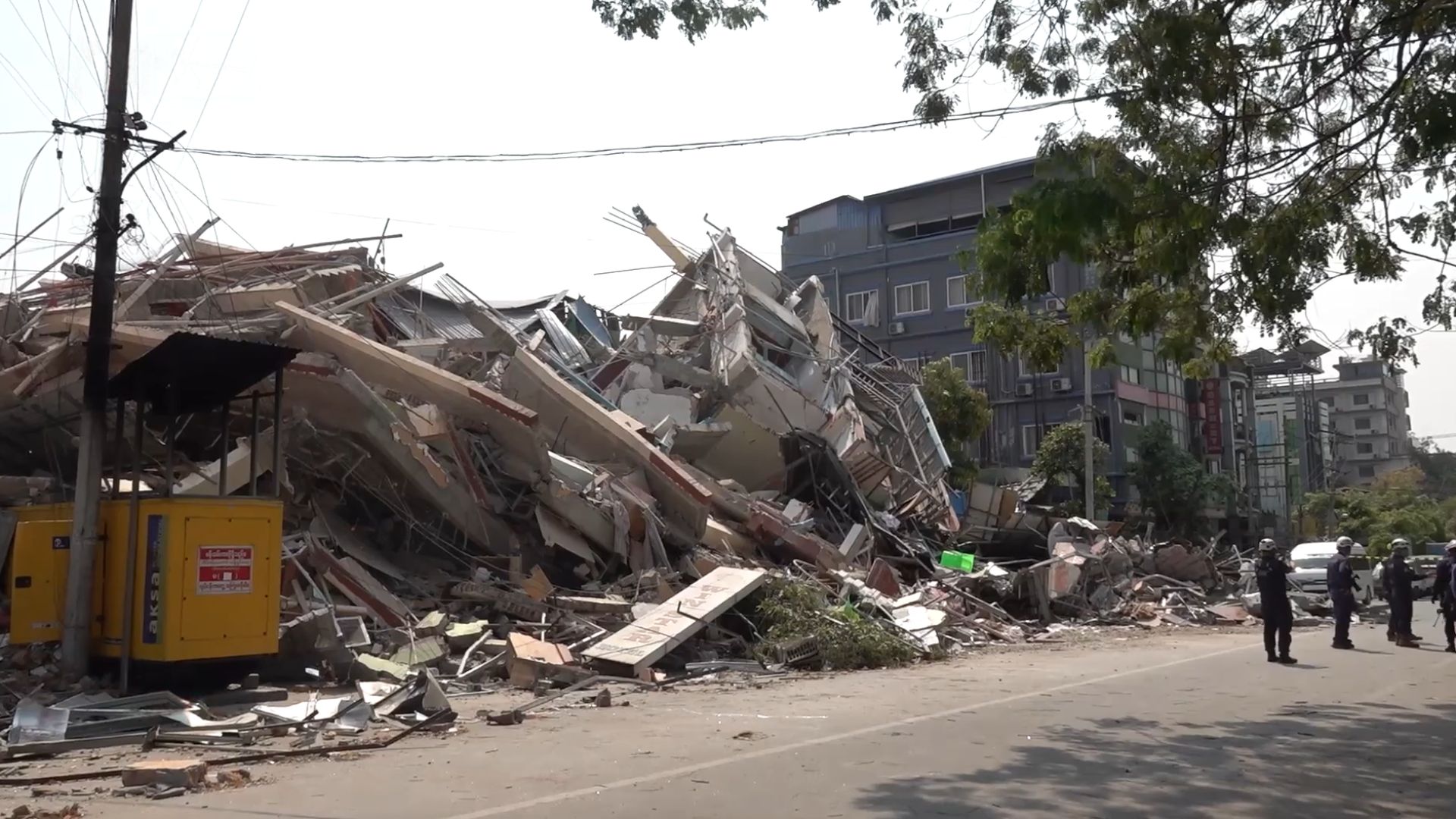
A major earthquake hit central Myanmar and left behind the kind of damage no one ever wants to see. But alongside the destruction, it also created deep fissures and ground shifts that exposed buried architecture. It’s a sobering reminder that nature can be ruthless—and weirdly revealing.
 SarahDepper, Wikimedia Commons
A Ruin That Didn’t Need A Shovel To Introduce Itself
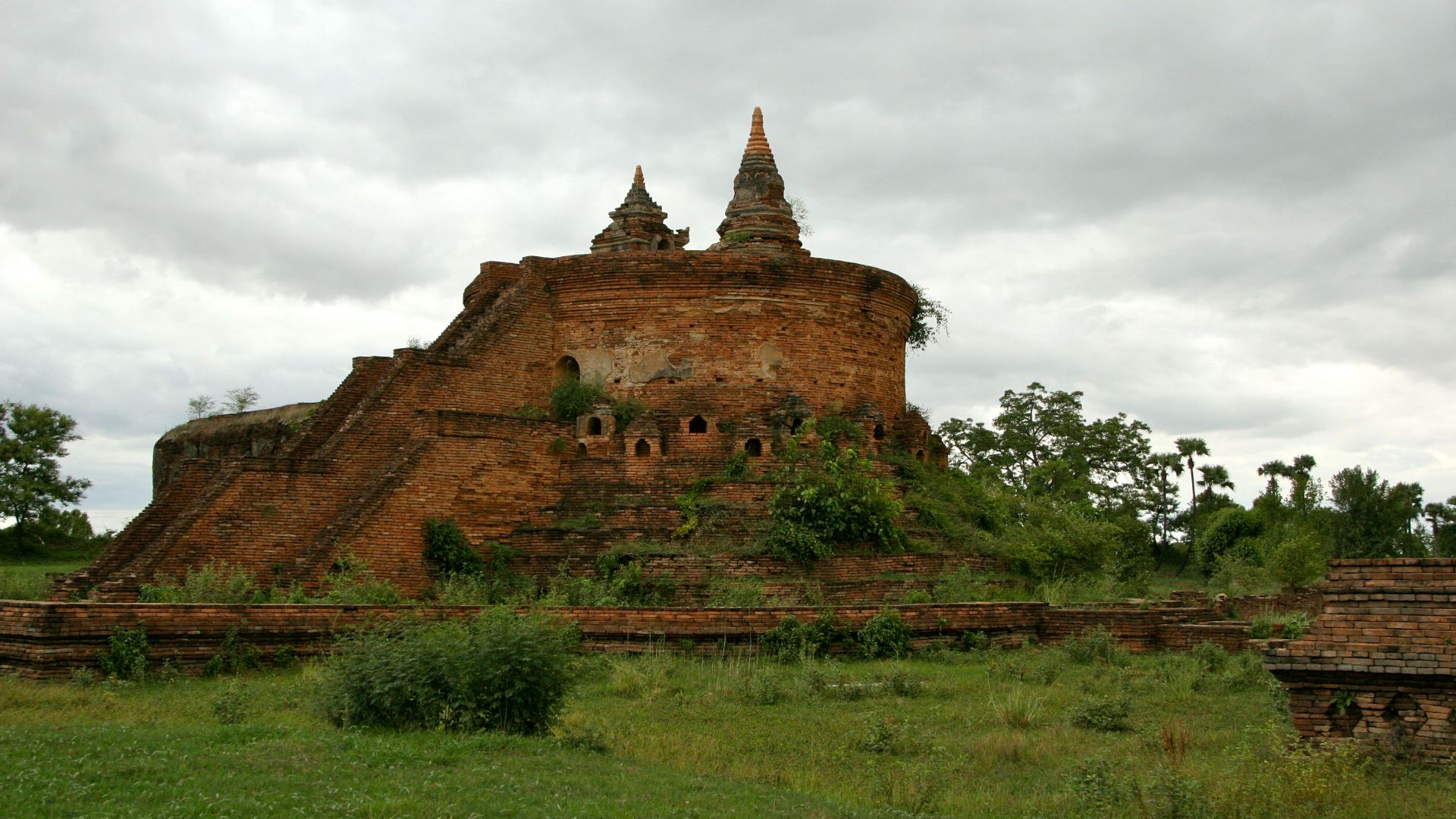
Instead of archaeologists picking a promising spot and digging carefully, the ground basically did the first round of excavation on its own. In the newly split earth, people could see organized brickwork and structural lines that didn’t look random at all. That “wait, is that…?” moment was the start of everything.
 SarahDepper, Wikimedia Commons
The Location Is Doing A Lot Of Heavy Lifting
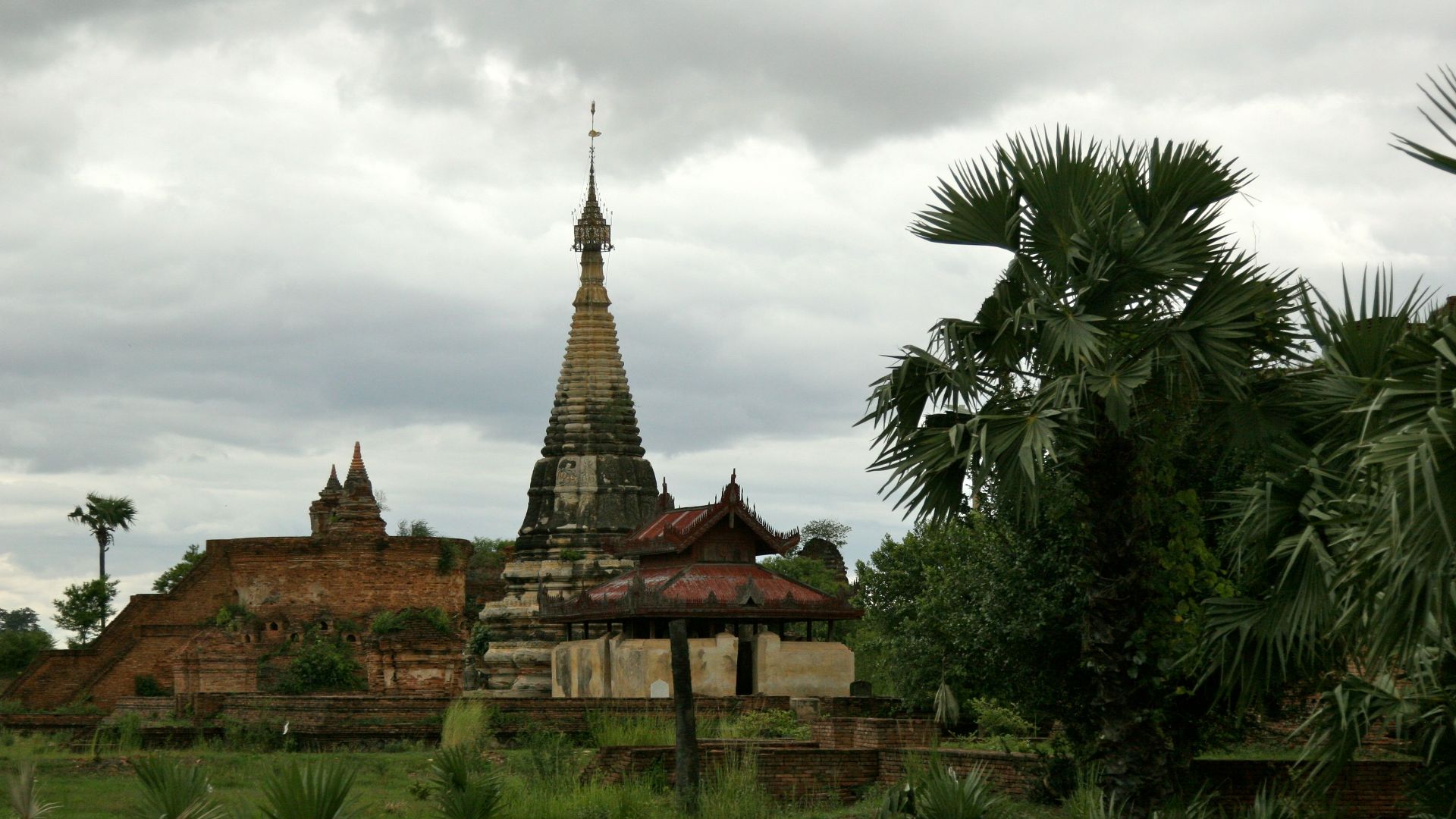
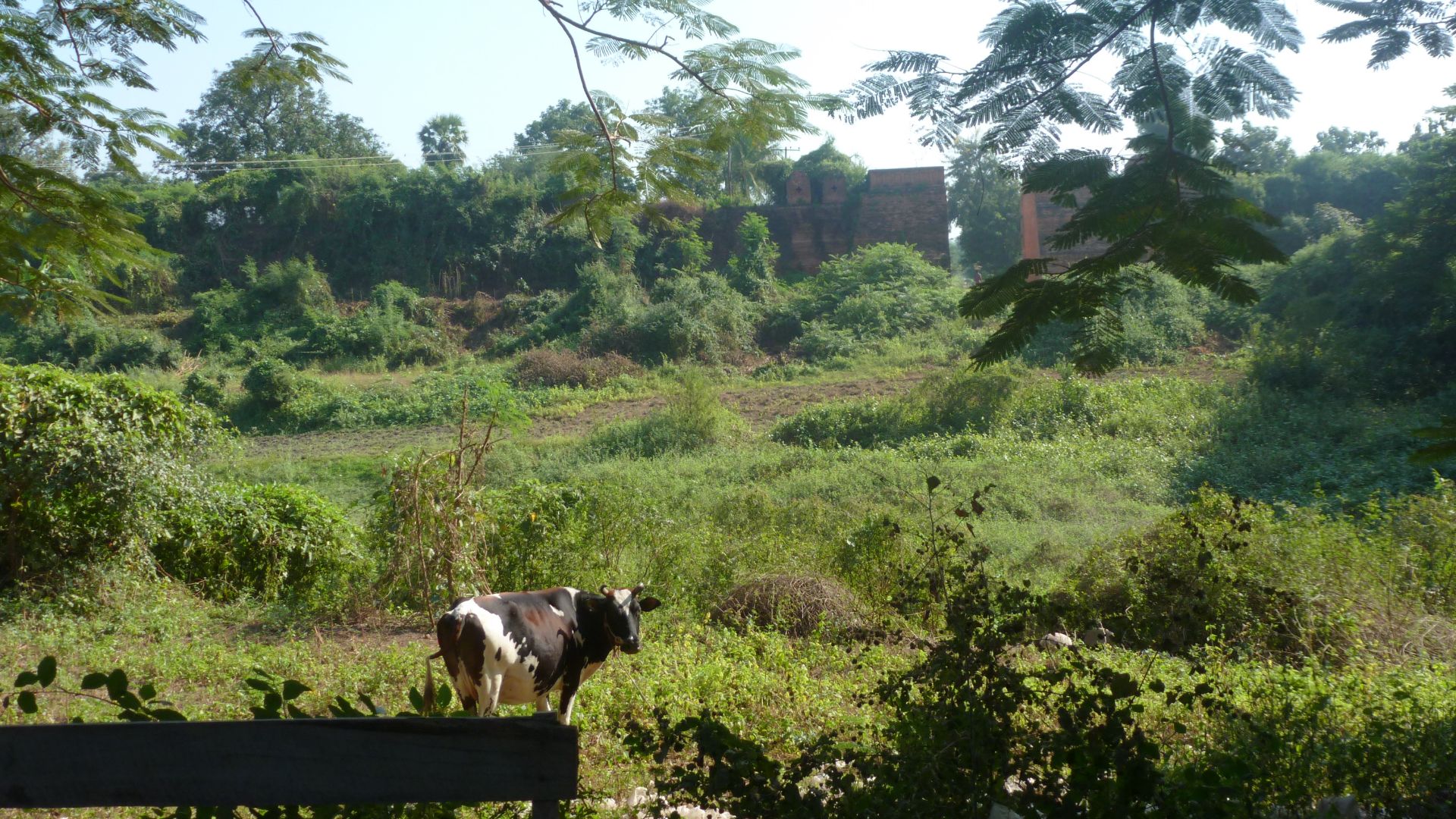
This isn’t just any countryside surprise. The remains appeared near a region tied to Inwa (Ava), a former royal capital with centuries of political and cultural weight behind it. In other words, the setting makes the discovery feel less like coincidence and more like overdue history.
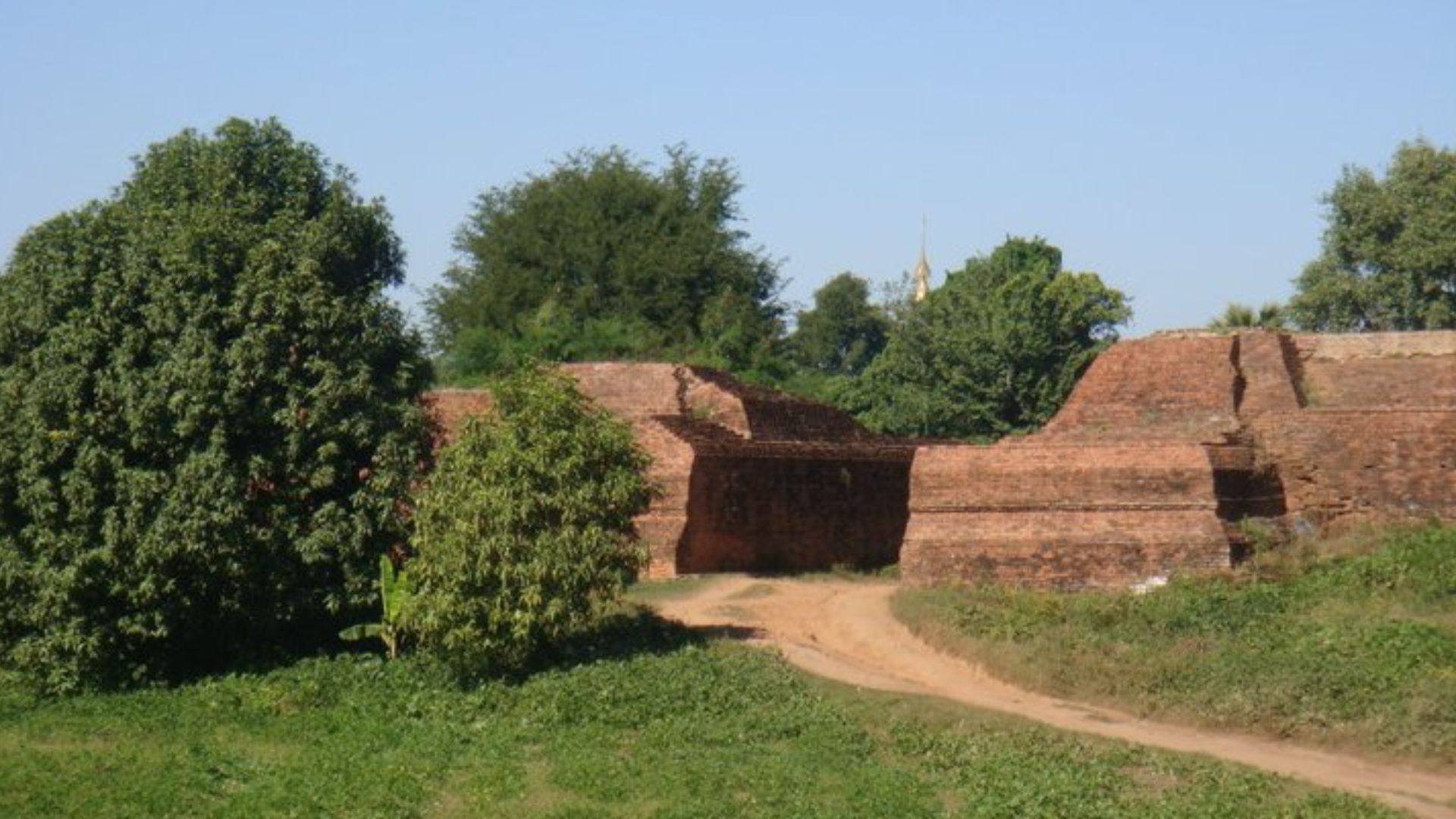 Mydaydream89, Wikimedia Commons
A Staircase Had Been Spotted Years Earlier
Here’s the part that feels painfully relatable: clues had surfaced before, but nothing fully clicked. Years earlier, locals reportedly found a staircase while working nearby. It was intriguing, sure—but without more context, it was easy for the moment to pass and the ground to reclaim its secret.
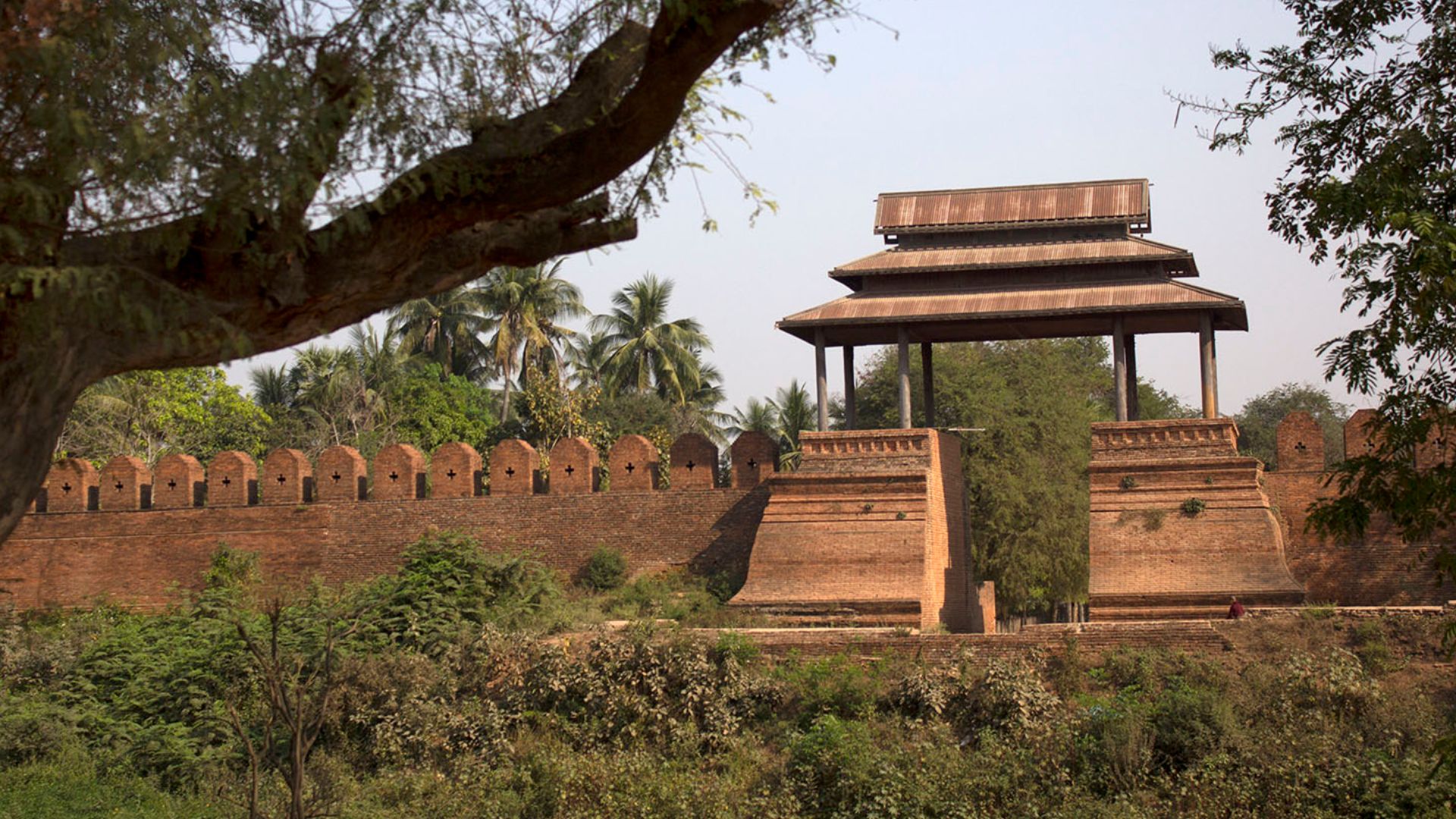
Archaeologists Move In Without Rushing The Moment
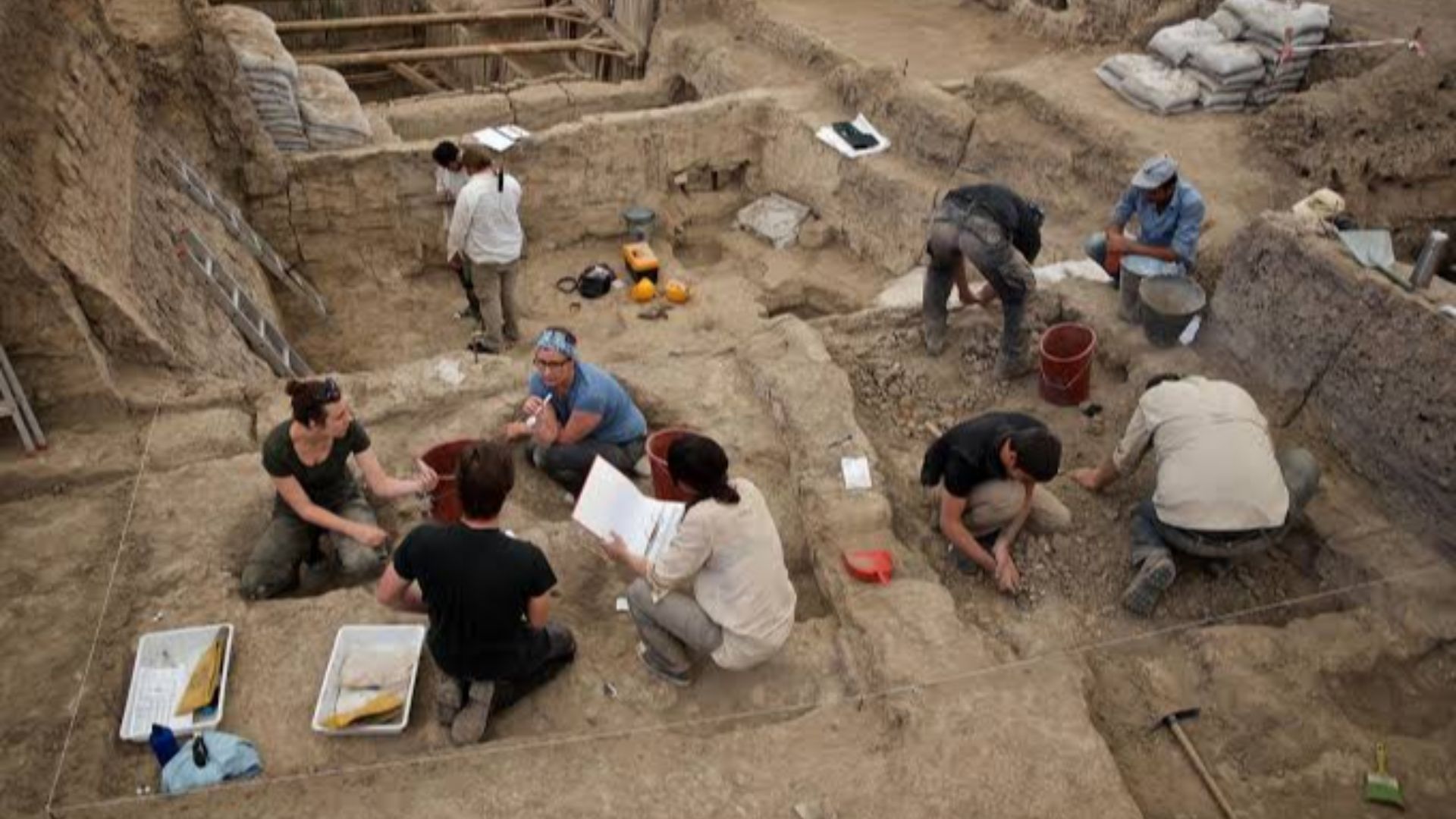
Once the quake exposed enough to justify a serious look, archaeological authorities began investigating. The early work has focused on identifying what’s there, mapping it, and keeping it from being damaged further. It’s a careful approach, because once fragile remains are disturbed, you can’t un-disturb them.
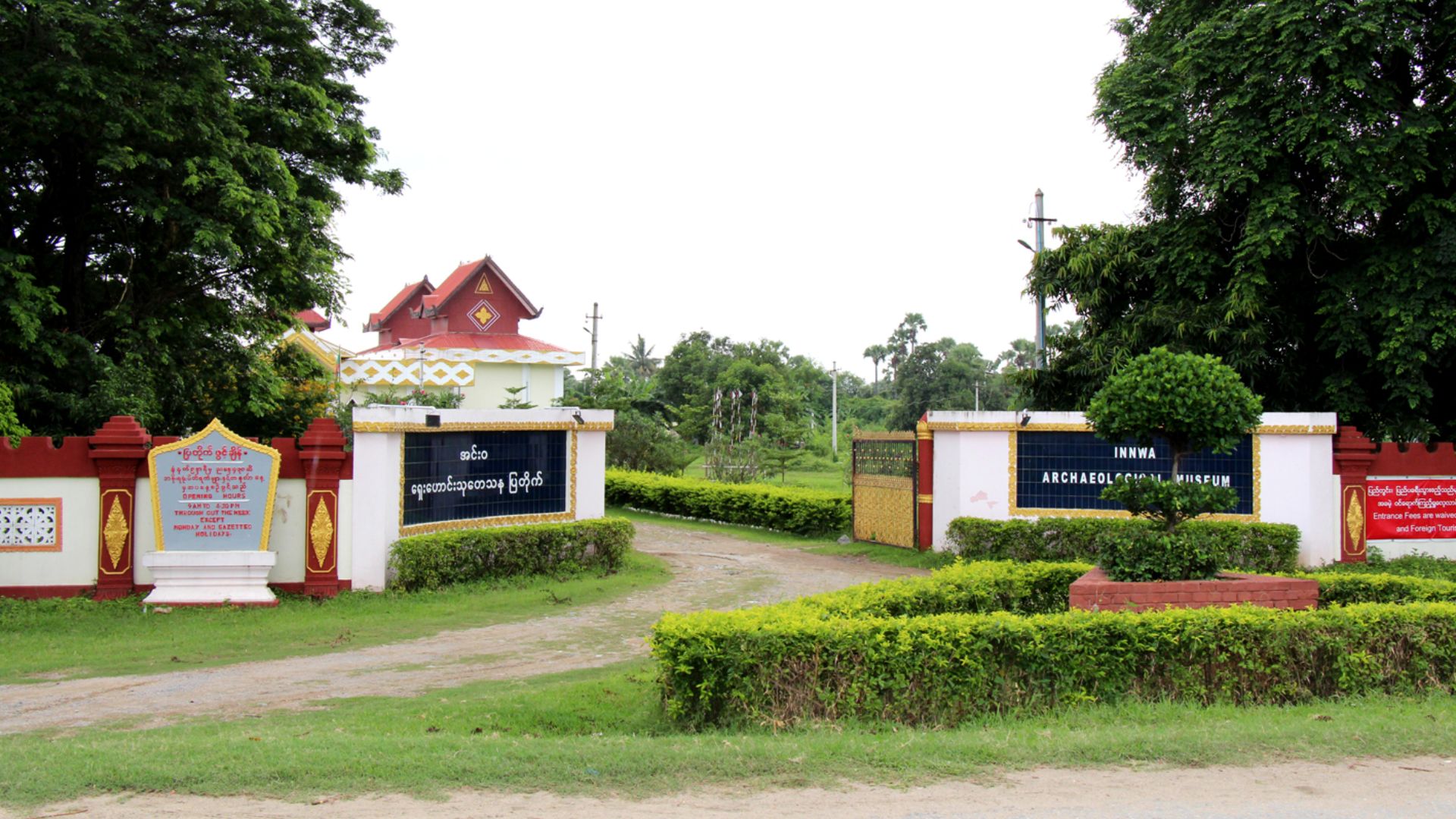
Platforms And Steps Point To Something Important
The uncovered features include stairways, brick foundations, and raised platforms—elements that usually scream “planned architecture,” not accidental rubble. It’s the kind of layout that suggests a place meant for people to approach, enter, and gather, not a structure meant to stay unnoticed.
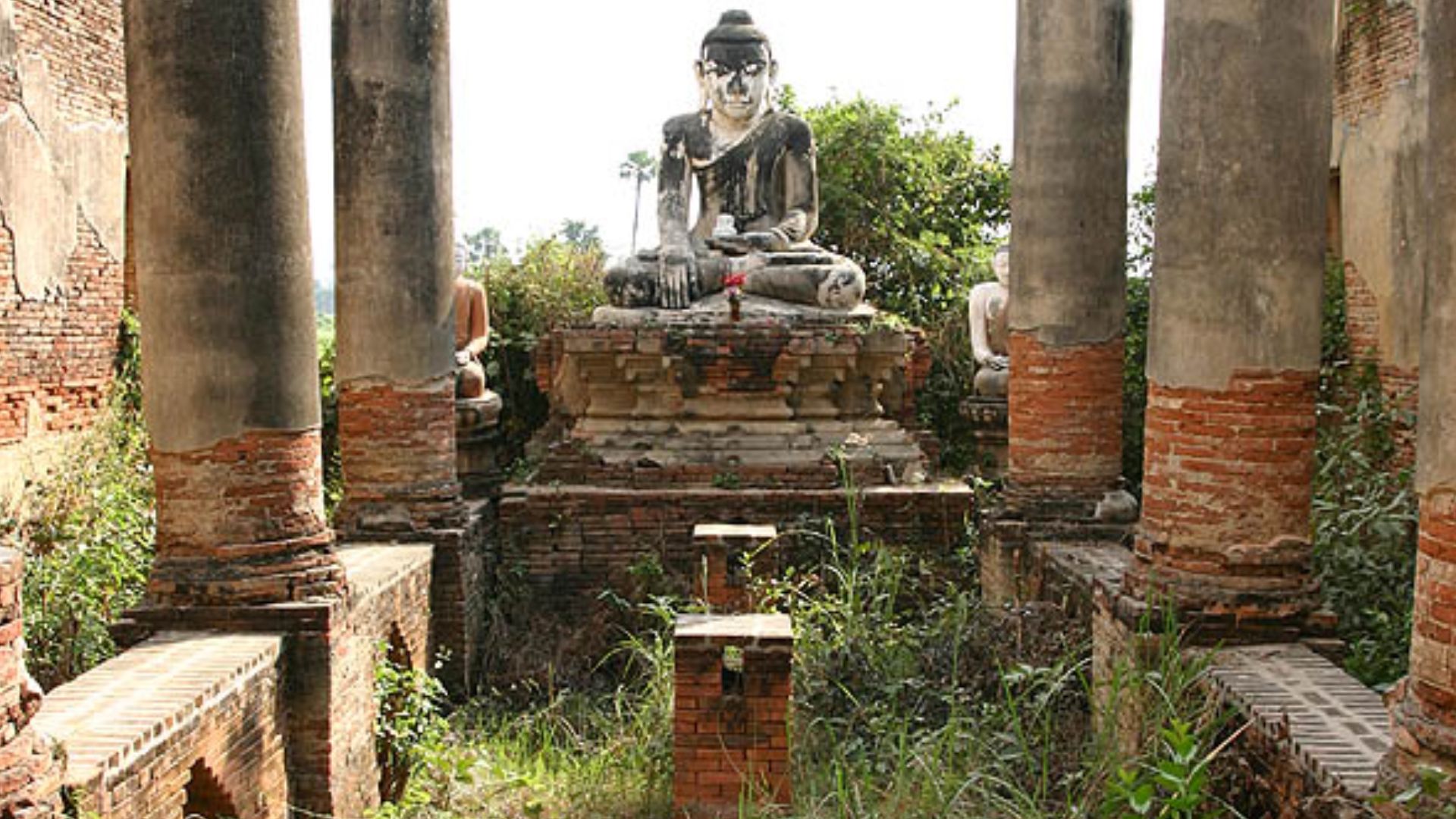 Jialiang Gao www.peace-on-earth.org, Wikimedia Commons
The Measurements Start Building A Bigger Picture
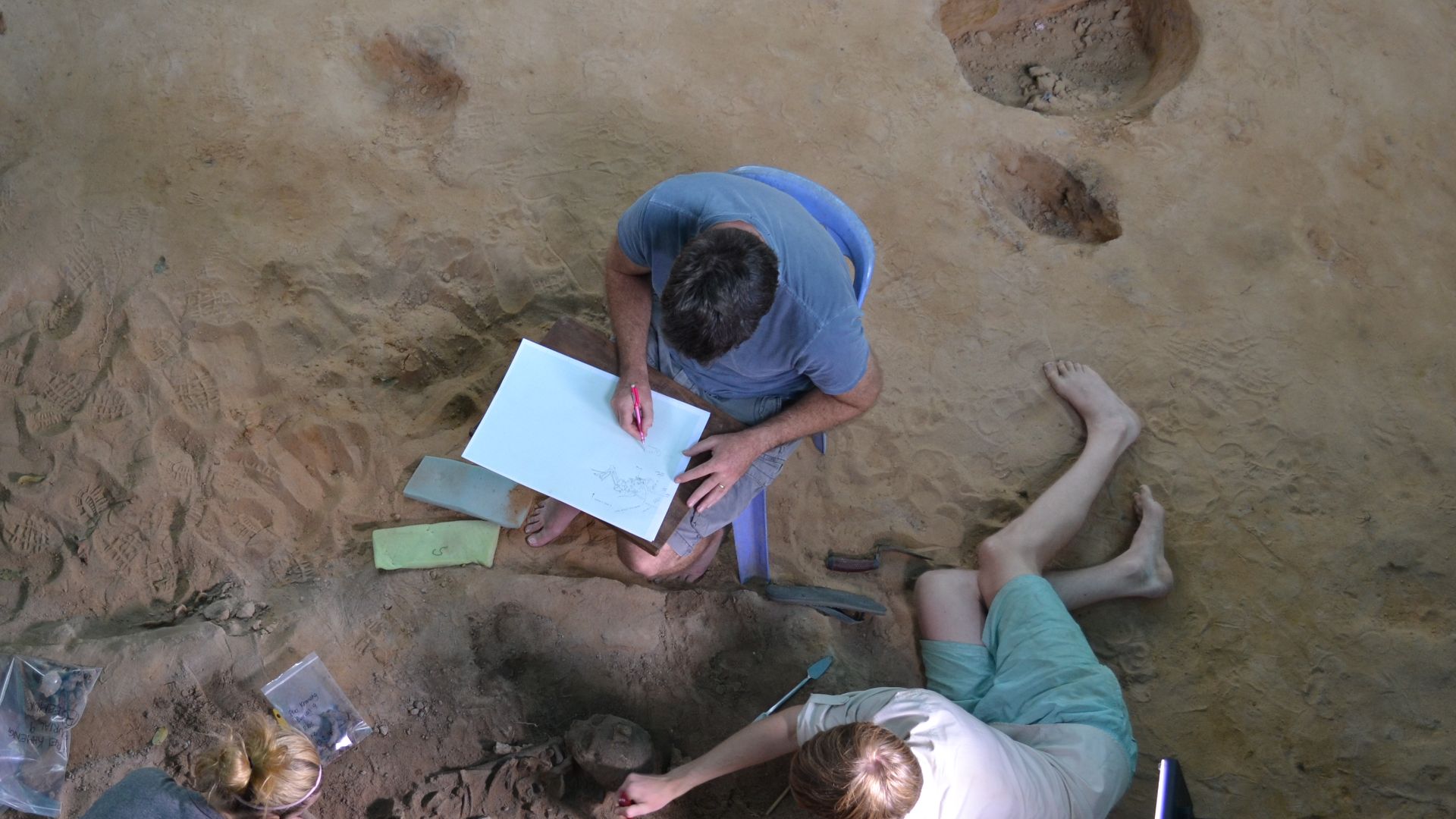
Even small details matter here. The dimensions of exposed platforms and steps help researchers imagine how the building was arranged, how people moved through it, and what parts might still be buried nearby. Archaeology can feel like detective work where the clues are…bricks.
 Dougald O'Reilly, Wikimedia Commons
The Big Question: Is This The “Water Palace”
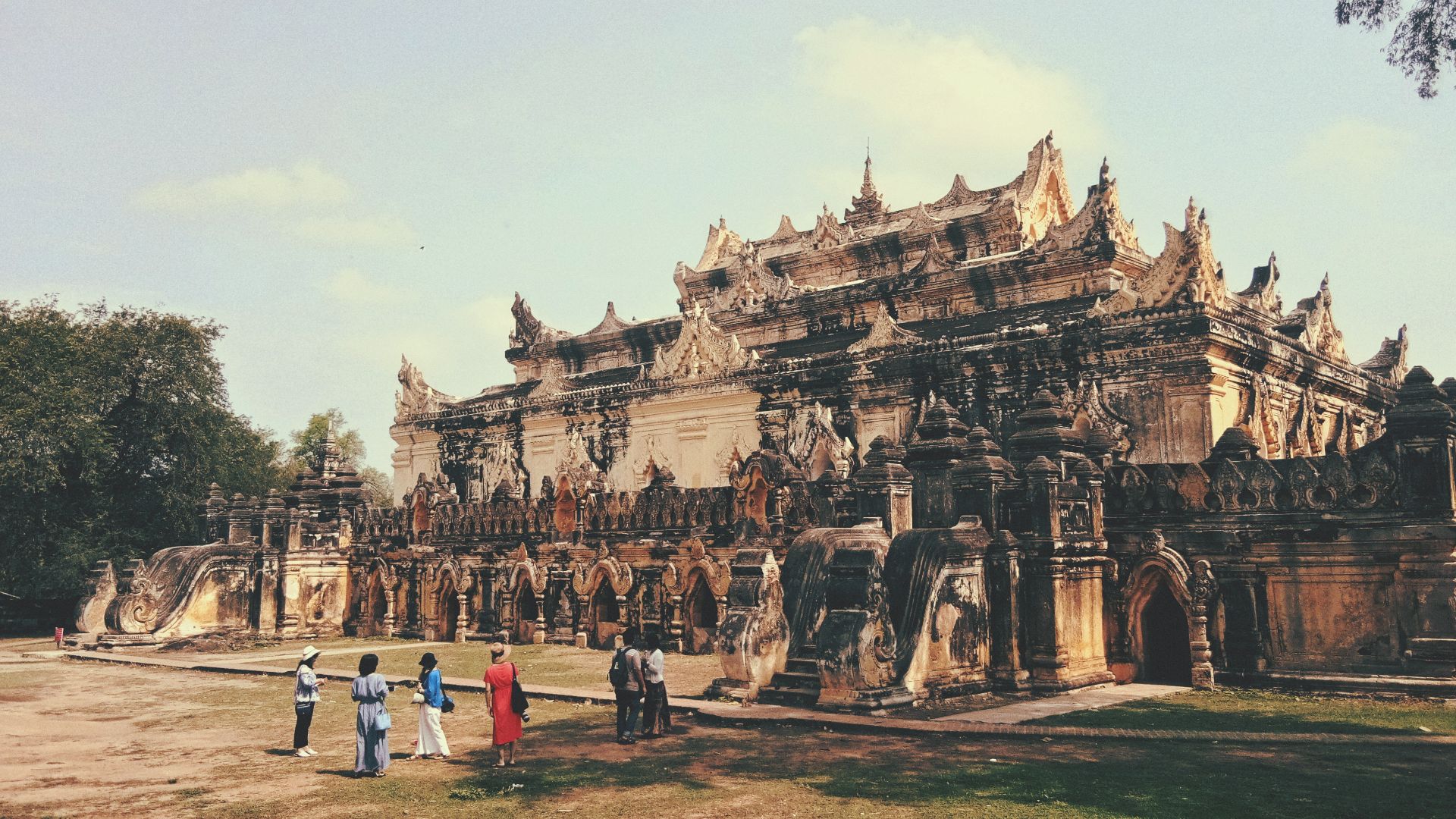
As soon as the photos and descriptions circulated, the speculation began. Researchers started comparing what’s emerging from the ground with old written references to a royal structure tied to water. That doesn’t mean anyone’s declaring “case closed,” but it does mean the idea isn’t coming out of nowhere.
 Kaungkinpyar, Wikimedia Commons
What The Old Manuscripts Actually Talk About
Ancient texts describe a royal place associated with water, ceremonial use, and a grand setup that sounds built for both function and prestige. The tricky part is that texts can be literal, symbolic, exaggerated, or all three at once, so matching them to ruins is never as simple as “this sentence equals that staircase.”
 Creator:Court of King Mindon or Thibaw, or associated workshops, Wikimedia Commons
Not Literally Underwater, But Definitely Water-Centered
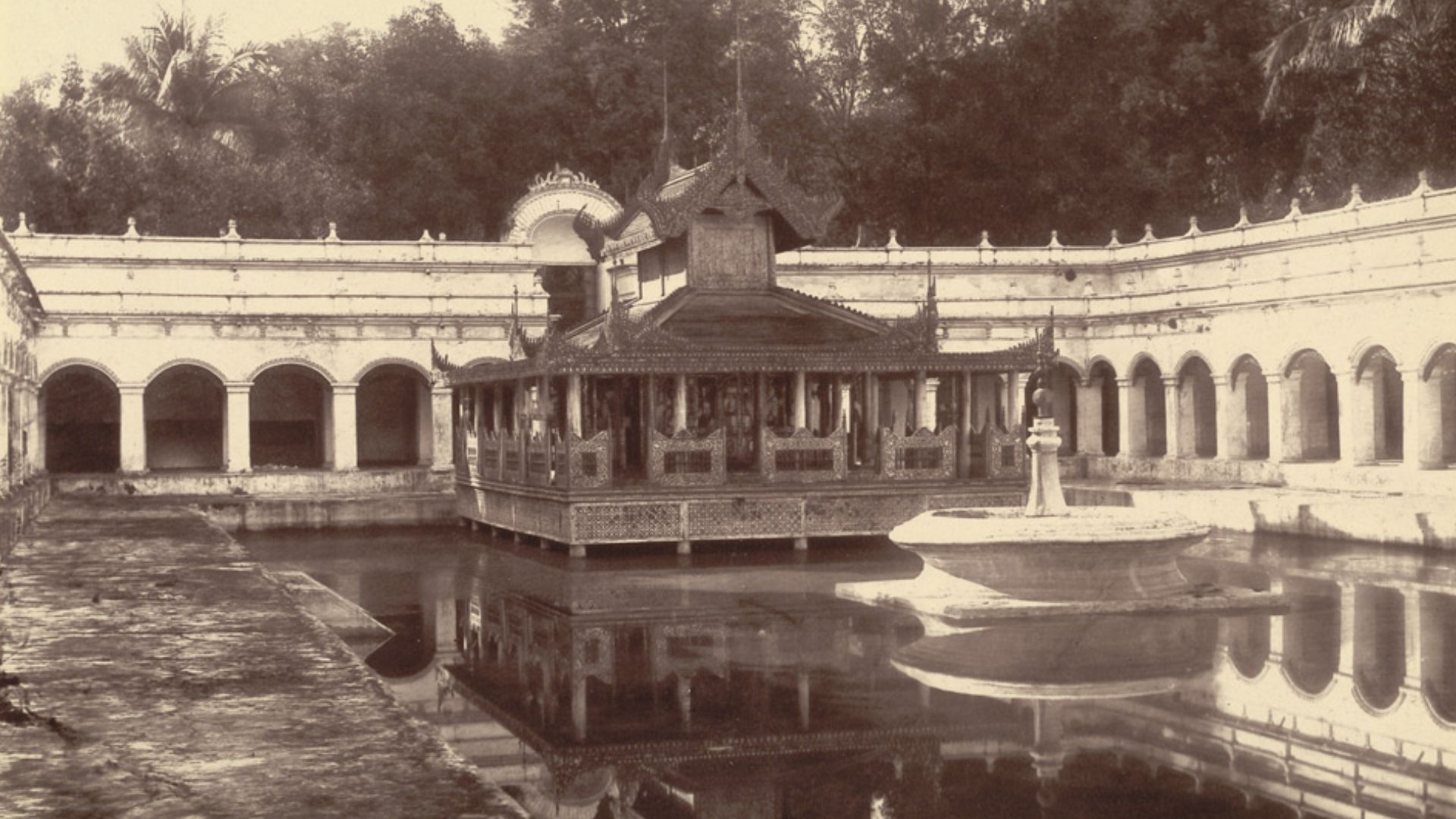
It’s worth saying plainly: the concept of an “underwater palace” can mislead people into imagining something submerged like a fantasy set. The more grounded interpretation is that it was a water-linked royal structure—possibly near canals, pools, or floodable areas used in rituals. Water doesn’t have to cover the building for the building to be about water.
 Willoughby Wallace Hooper, Wikimedia Commons
The Structure May Have Been Mostly Wood
Based on early interpretations, the building likely incorporated substantial wood elements, with brick foundations supporting a traditional royal-style layout. In Myanmar’s climate and history, wood structures can vanish while their bases remain—so what we see now may be the skeleton, not the full body.
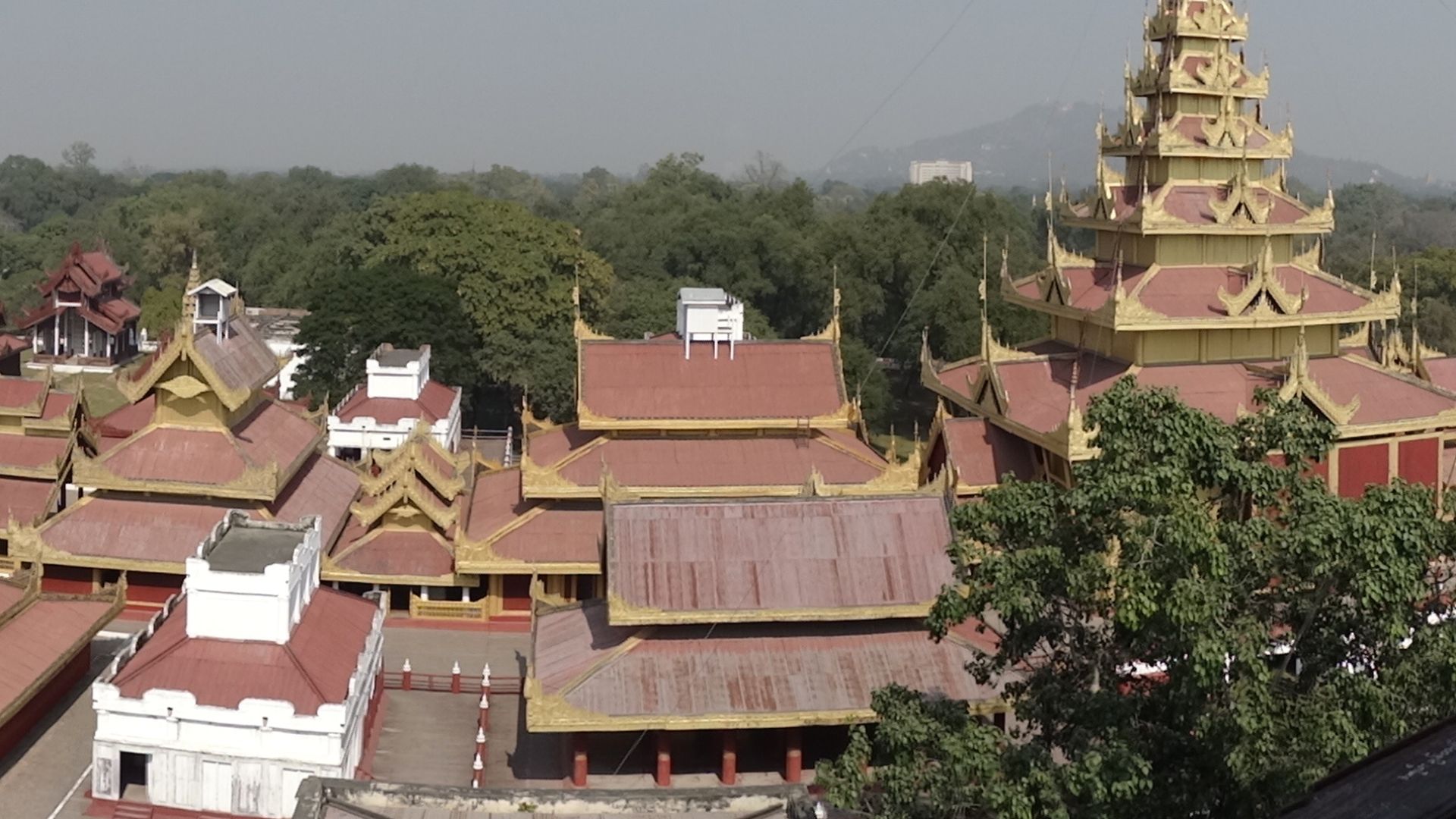
It Feels Familiar If You Know Royal Burmese Architecture
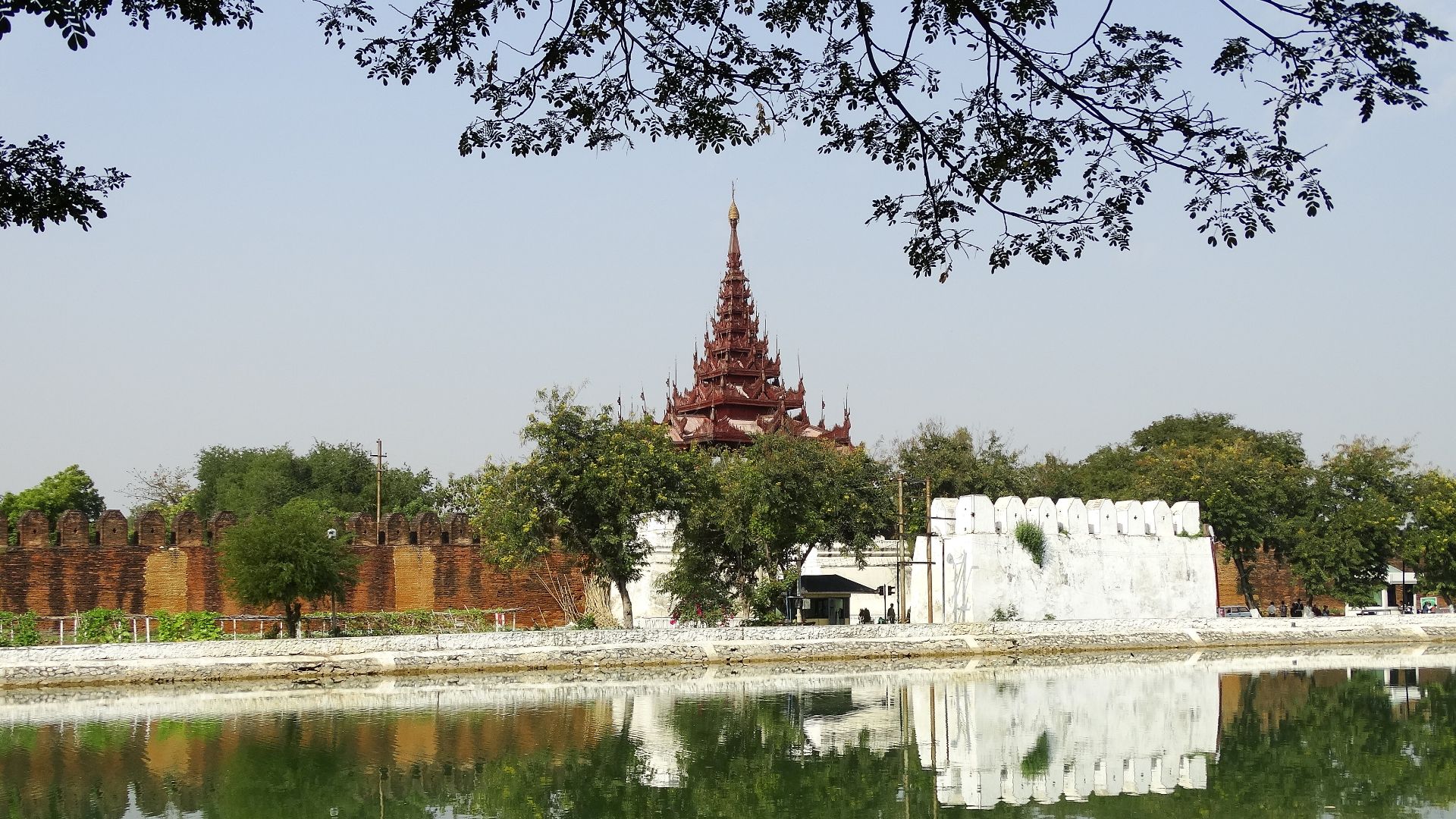
Researchers have noted similarities between what’s being uncovered and other well-known historic structures in the region. That resemblance matters because it anchors the find in a real architectural tradition, rather than pushing it into the “too strange to be true” category.
Why Water Was A Royal Obsession
In royal court life, water isn’t just practical—it’s symbolic and ceremonial. Seasonal festivals, purification rites, and public displays of legitimacy often involve water in some form. So if this site truly connects to royal ritual life, water would be a feature, not an accessory.
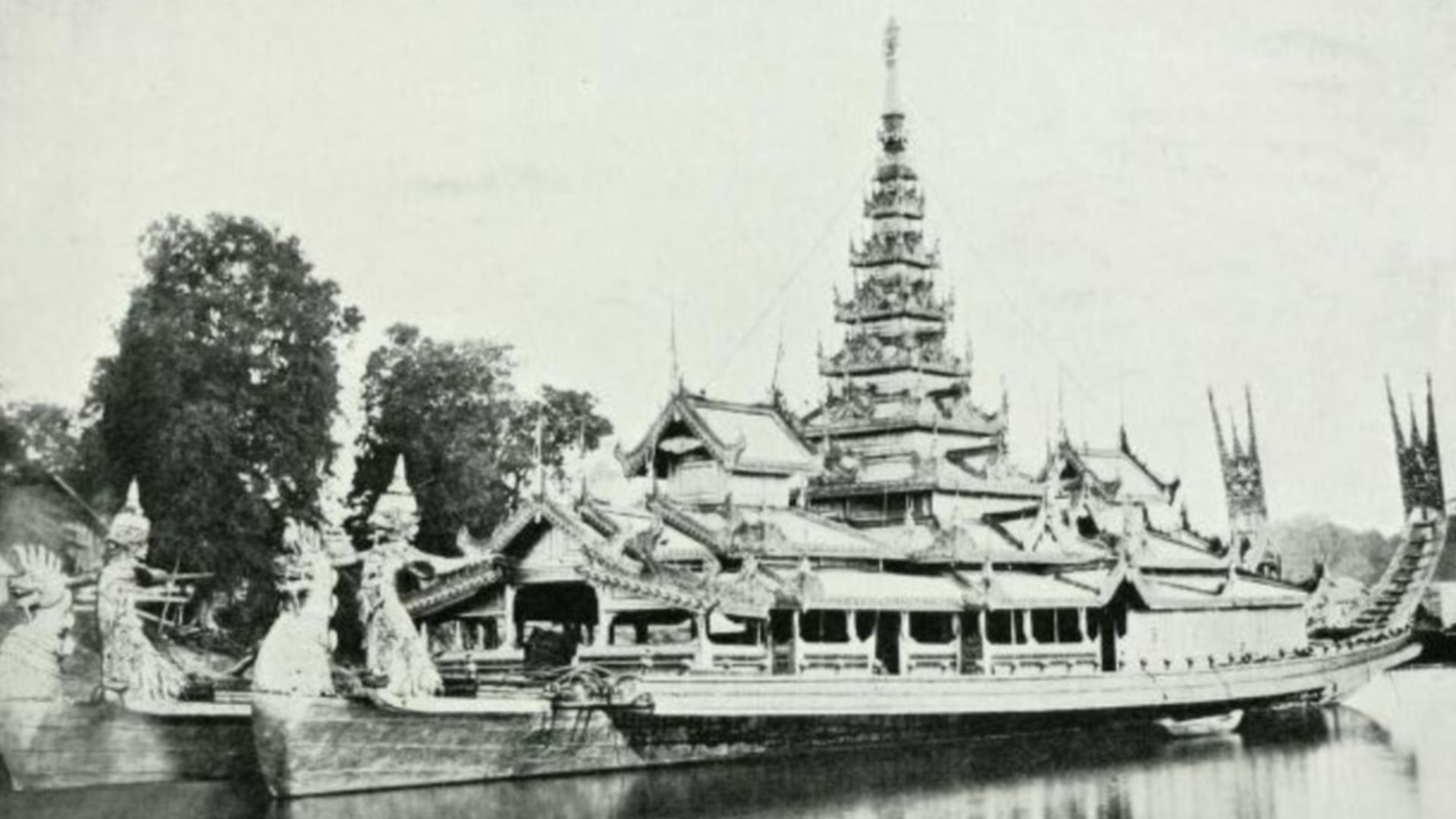 O'Connor, V. C. Scott (Vincent Clarence Scott), Wikimedia Commons
This Is Where Myth And Masonry Start Shaking Hands
The most exciting part isn’t that the ruins perfectly match every line of an old description. It’s that there might finally be a physical place worth testing those descriptions against. Even a partial match can change how historians read and trust certain accounts.
Inwa’s History Makes This Discovery Feel Inevitable
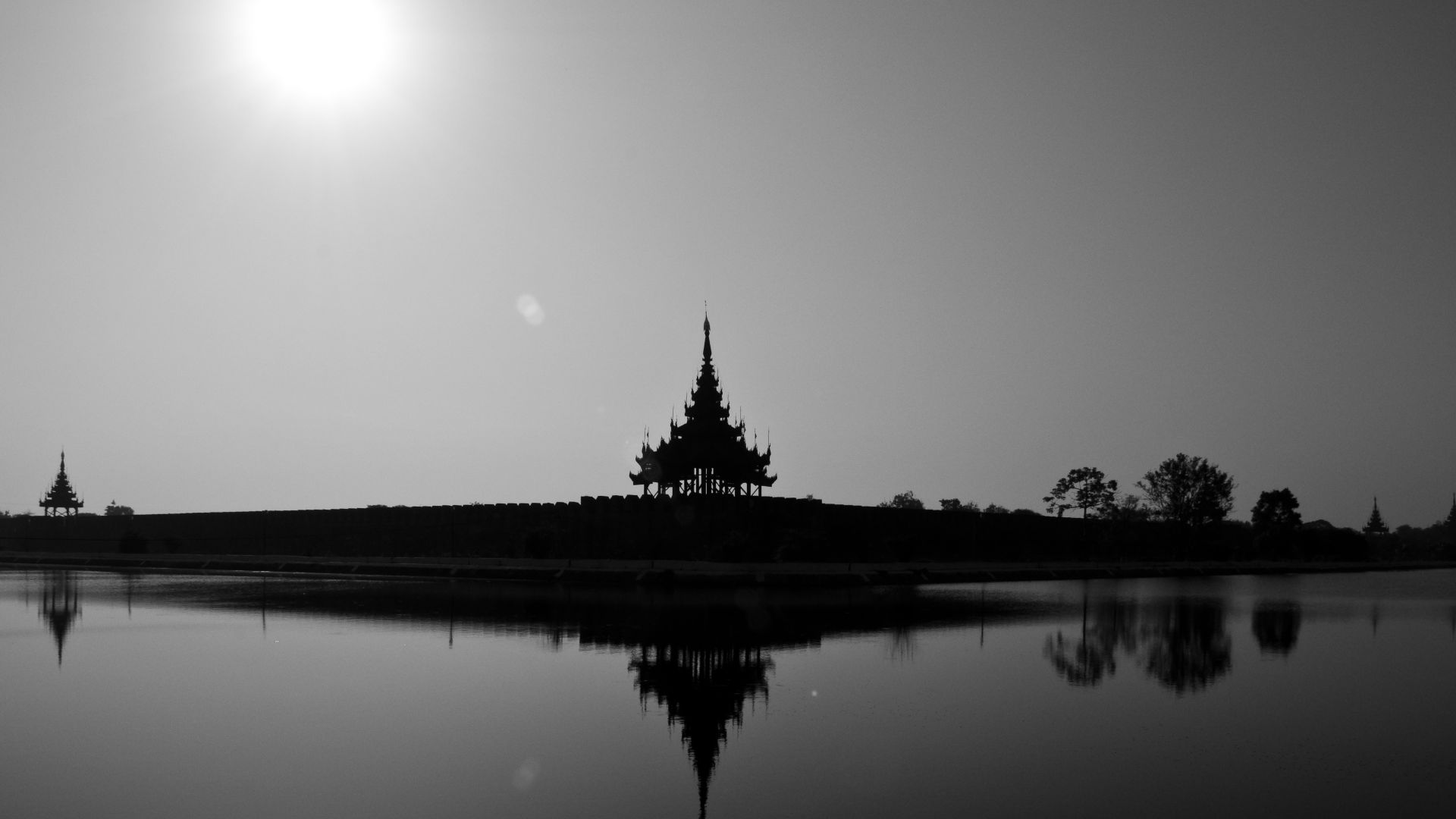
Inwa wasn’t some quiet backwater—it was a major royal center over long stretches of time. When a place holds that much history, it’s almost suspicious when the ground seems too quiet. The odds of buried elite structures nearby were never low.
Earthquakes Have Been Part Of This Story Before
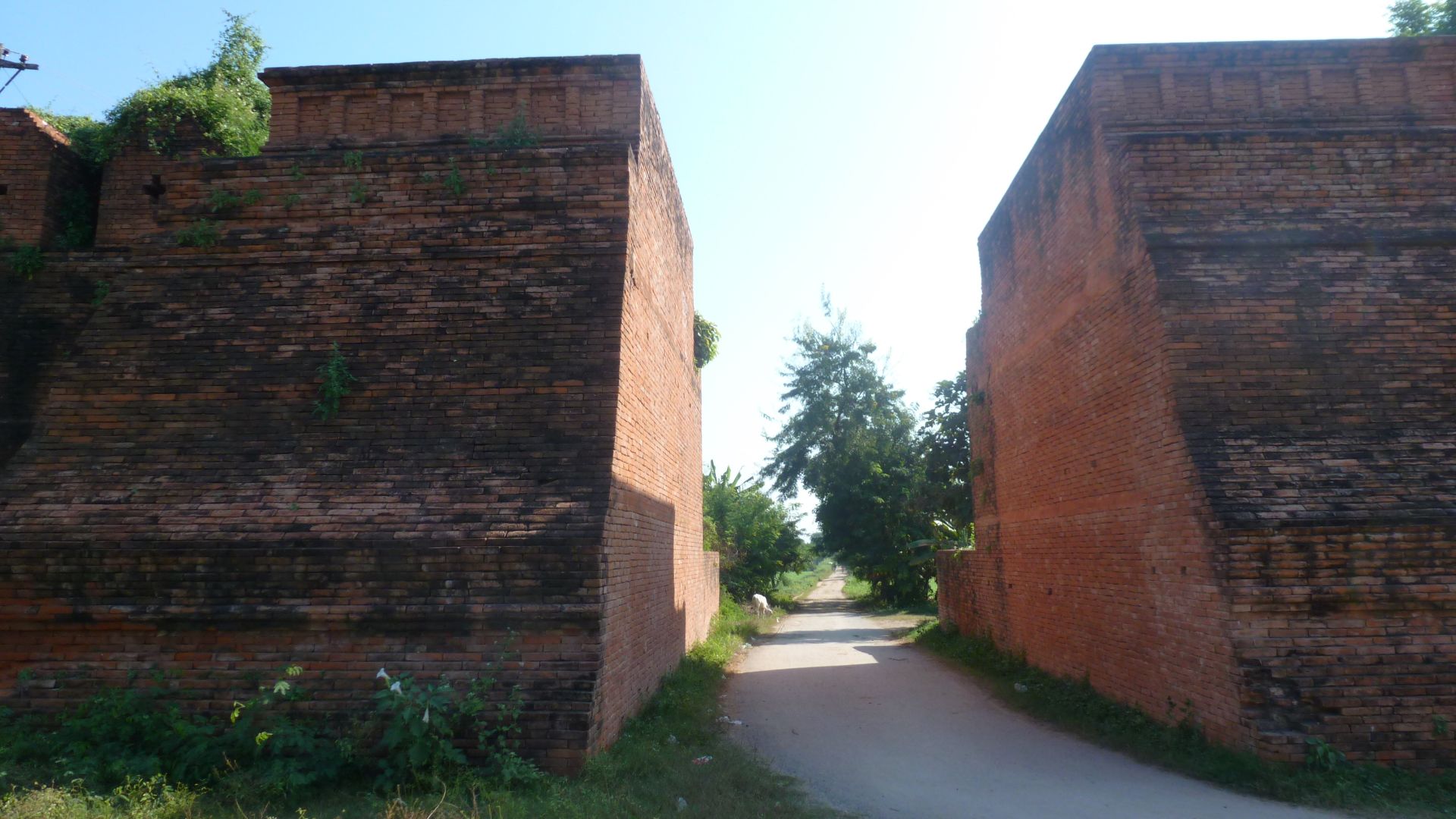
Here’s the dark irony: earthquakes have repeatedly damaged and reshaped the region’s historic sites. Inwa itself is famously tied to seismic events in the past. So this new discovery feels like history repeating itself—except this time the damage also revealed something.
 China News Service, Wikimedia Commons
The “Is It Really That Place?” Debate Is Healthy
Some scholars and observers remain cautious about connecting the structure to a legendary-sounding royal site. That caution isn’t pessimism—it’s good practice. One staircase does not a palace make, and a strong story doesn’t count as proof.
Excavation Is Slow For A Reason
Digging faster doesn’t mean learning faster. It can mean destroying context, collapsing fragile areas, or losing subtle clues like soil layering and construction phases. The best archaeology often looks boring in real time because it’s trying not to ruin the thing everyone came to see.
Preservation Becomes The Next Big Challenge
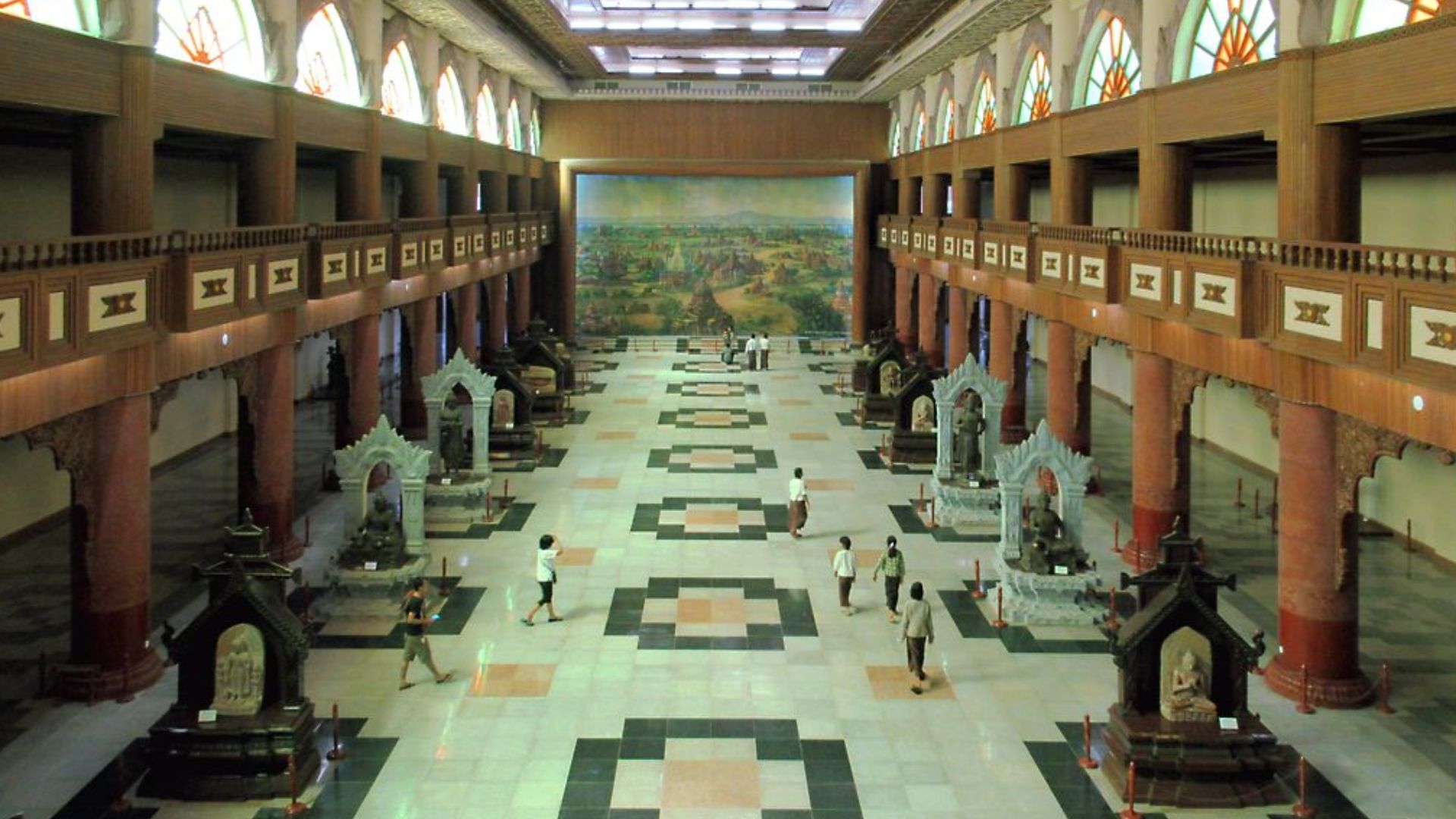
Once something is exposed, it becomes vulnerable—to weather, foot traffic, opportunistic construction, and plain old erosion. Protecting a site like this can require fencing, monitoring, documentation, and long-term planning. Discovery is only the beginning; safeguarding it is the marathon.
 David Stanley from Nanaimo, Canada, Wikimedia Commons
What Researchers Hope To Learn Next
The next steps are all about expanding the map: where the structure extends, how it was built, and what features might tie it to water use or royal ceremony. If the layout continues to match key elements from the old descriptions, the argument gets stronger. If it doesn’t, that’s still valuable—because it clarifies what those texts might have meant.
The Past Didn’t Resurface Quietly
However this turns out, the moment is already significant. A disaster forced the ground open and turned a long-discussed idea into something researchers can physically examine. And if nothing else, it’s a reminder that the past doesn’t always wait politely in museums—it sometimes barges back in through a crack in the earth.
 Adam Jones from Kelowna, BC, Canada, Wikimedia Commons
You May Also Like:
Archaeologists Find Ancient God In A Sewer
Source: 1