Archaeologists never expect much from a basic utility trench, so the crew near Salerno figured it would be an ordinary job. The dirt looked the same as always until a patch of soft gray soil showed strange shapes pressed into it.
Once the workers called in the experts, it became clear they had stumbled onto something incredibly rare: Bronze Age footprints left in volcanic ash from Vesuvius.
If you want to know what was happening in that spot when those prints were made, and what they reveal about life long before Pompeii, keep going.
An Area Changed By Vesuvius Long Before Pompeii
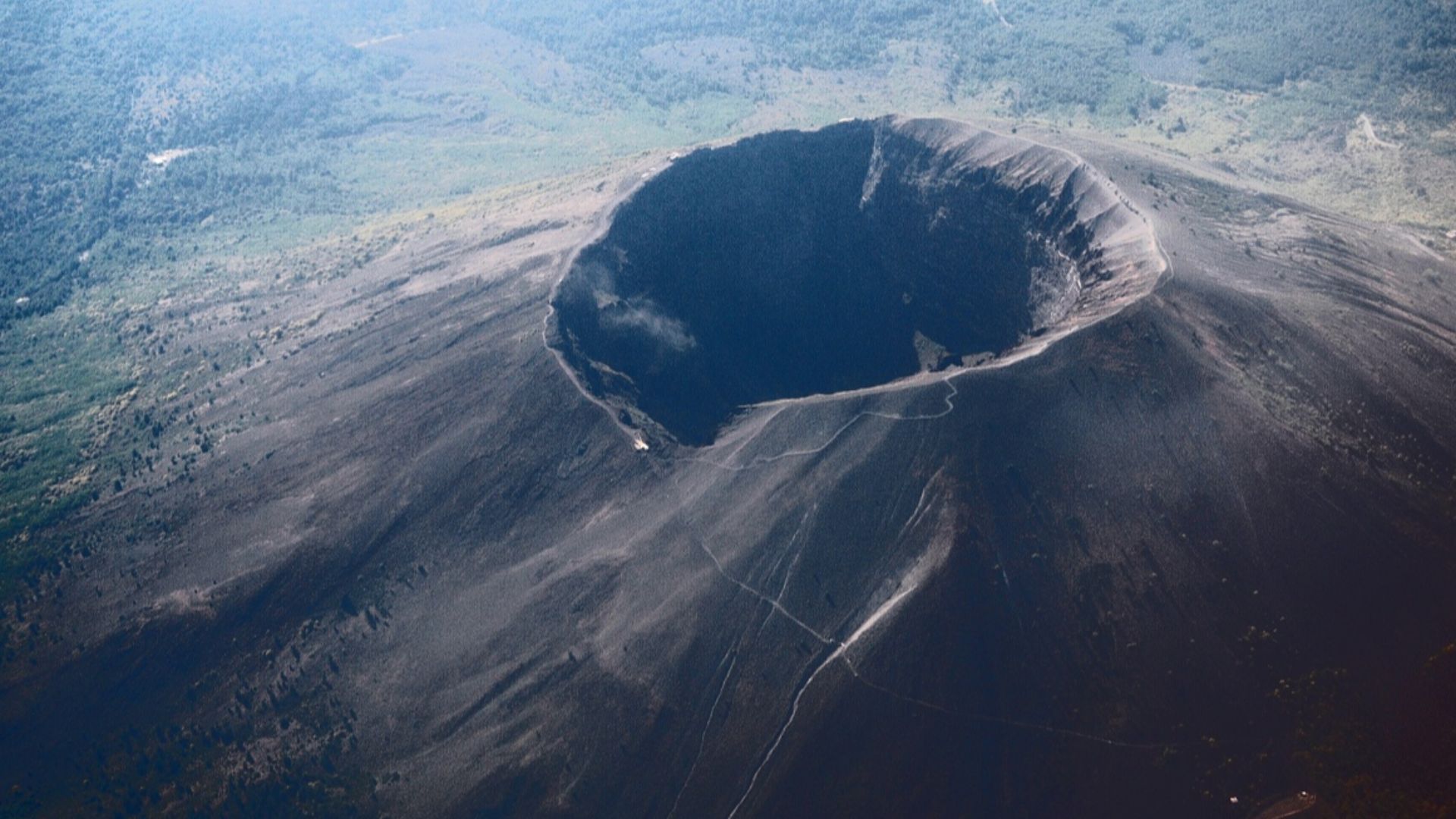
Most people think of Vesuvius only as the volcano that buried Pompeii, yet it shaped life in southern Italy long before that famous disaster.
Thousands of years earlier, an eruption covered the region in a layer of fine ash. As it settled, it formed a soft surface that slowly hardened. Before it fully set, people and their animals walked across it and left deep footprints that stayed in place once the ash dried.
The area back then looked completely different from what you see today. There were no paths or fences, just wide open ground with scattered water sources. In those times, people traveled on foot, guiding their animals to better grazing spots or new water. For a short time, the ash behaved like wet clay, so every step left a clear mark.
Fast forward to today, when archaeologists study those prints, they are looking at real movement. Someone lifted a foot, set it down, shifted their weight, and kept walking.
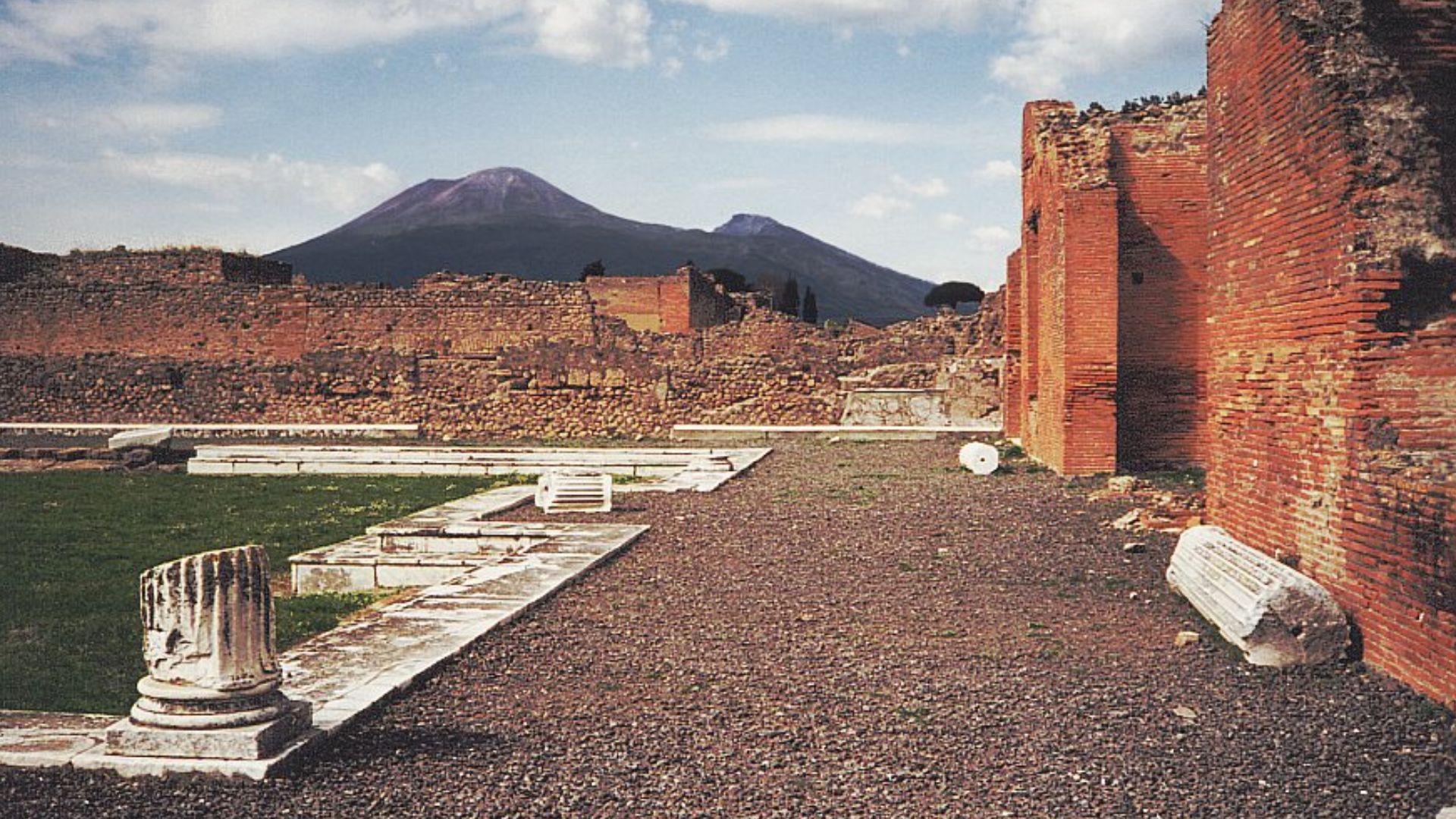 *drew~commonswiki, Wikimedia Commons
The People And Animals Who Left Their Mark
Once the trench exposed the first prints, more emerged in a dense cluster. Some belonged to adults with wide strides. Others were smaller, probably made by adolescents or children walking alongside older relatives. Variations in foot size help researchers identify who was present, and the spacing between prints hints at their pace.
Furthermore, the animal tracks help build the larger picture. The shapes match livestock that would have been common during the Bronze Age, possibly cattle or sheep.
You see, these creatures were sources of food, materials, and wealth. Moving them along safe routes was part of the yearly rhythm of life. The prints suggest it may have been a family guiding animals toward shelter after the eruption or simply moving between seasonal grazing spots.
This Is A Rare Kind Of Preservation
Finding footprints from the ancient world is rare. Why? Because most soil erodes, dries out, or gets stepped on again until nothing is left. Volcanic ash changes that.
Once it settles, it can harden fast. The eruption that left this ash happened centuries before the Roman Empire, yet it created the perfect material for preserving footprints.
In the area near Salerno, the ash seems to have firmed up only after people and animals walked across it. When new layers of soil gradually covered the surface, the prints stayed protected underground. And as time passed, more layers formed on top, burying the old path deeper and deeper. Modern construction occasionally cuts through these layers, which is why finds like this tend to appear by surprise.
What made this discovery stand out was how close the prints were to one another. Many people had walked across the same soft surface around the same time. For archaeologists, that cluster offers a tiny snapshot of real activity rather than just a single step preserved by chance. It is unusual to see so much human and animal movement captured in such a small space.
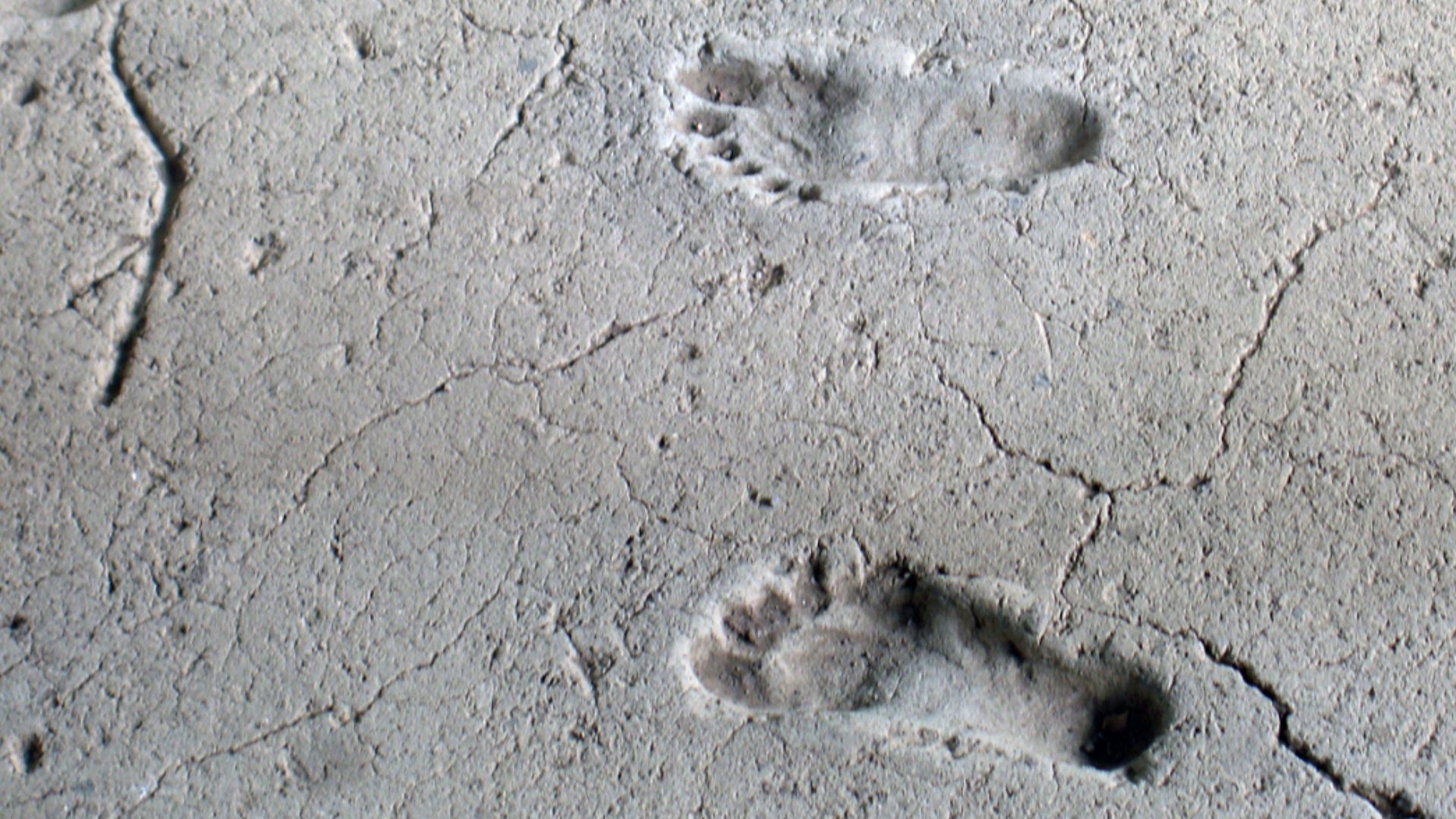 Dr d12 at English Wikipedia (Original text: Dr d12), Wikimedia Commons
A Chance Discovery That Expands The Story Of Southern Italy
Each footprint helps fill in another piece of the region’s past. Archaeologists now have solid proof that people were moving through this Italian area not long after the eruption, and that they followed organized routes.
The discovery also shows that Salerno was connected to a wider web of prehistoric activity across Campania. The people who crossed that soft ash had no idea anyone would ever see their steps. Yet their footprints still share a story that feels surprisingly alive today.