Lost Civilizations And The Search For Eternal Life
For thousands of years, humanity has chased a secret said to conquer death and perfect matter itself. Ancient myths and misunderstood texts became entangled over time. Tracing their origins exposes why the Philosopher’s Stone refuses to disappear, even in an era built on evidence and skepticism.

Humans Have Always Searched For Immortality
Across cultures and centuries, people have imagined escaping morality through elixirs, sacred springs, or perfected bodies. This pursuit reflects fear of mortality and hope for mastery over nature. From ancient myths to modern cryonics, immortality remains a recurring human dream.

A Promise Of Ultimate Transformation
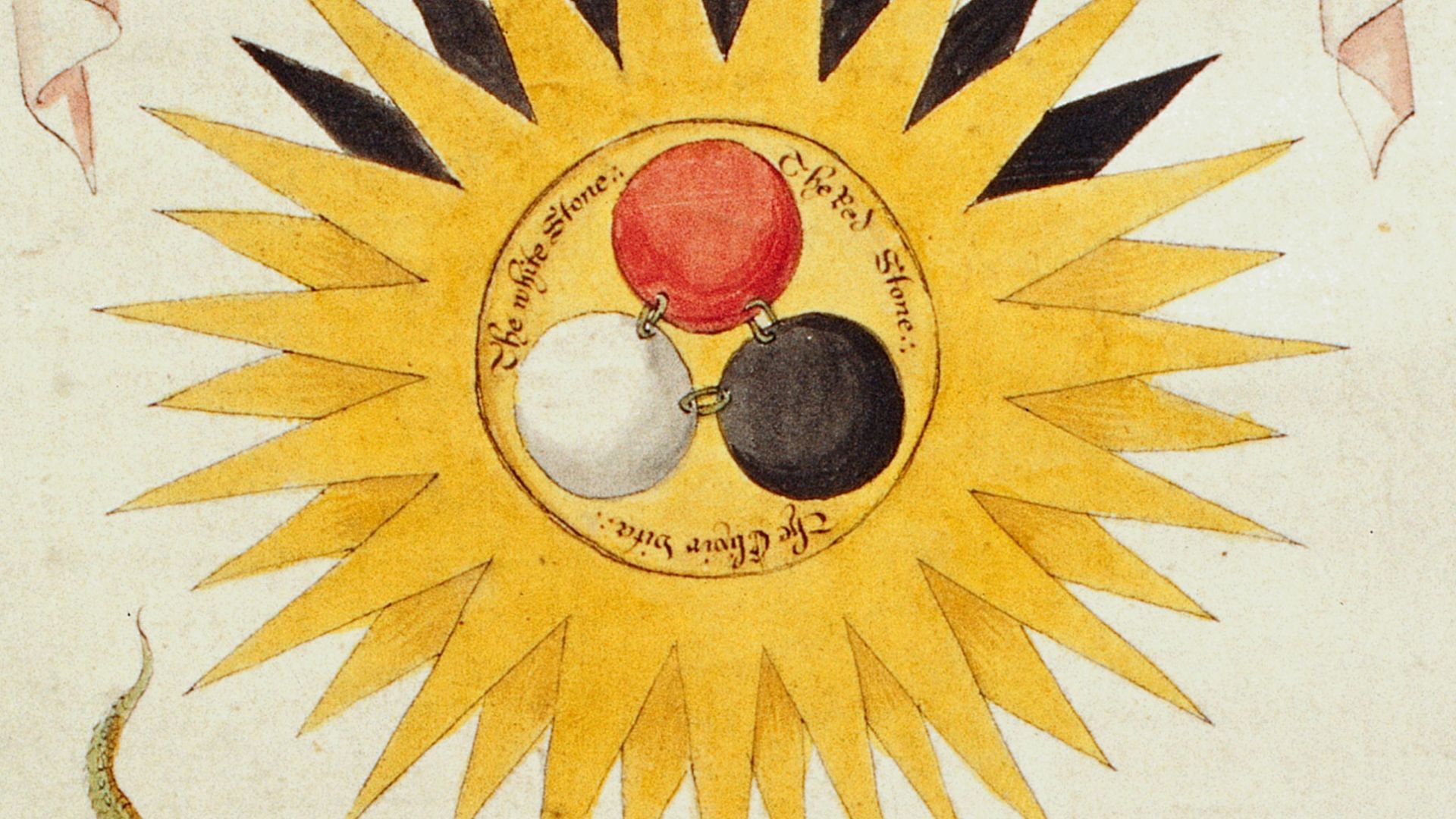
The Philosopher’s Stone was described as a substance capable of transmuting metals and extending life. Historically, it also symbolized spiritual refinement. Alchemists treated it as both a laboratory goal and an inner transformation by merging practical experimentation with moral and philosophical discipline.
 Emmanuel Bustamante Ordonez, Wikimedia Commons
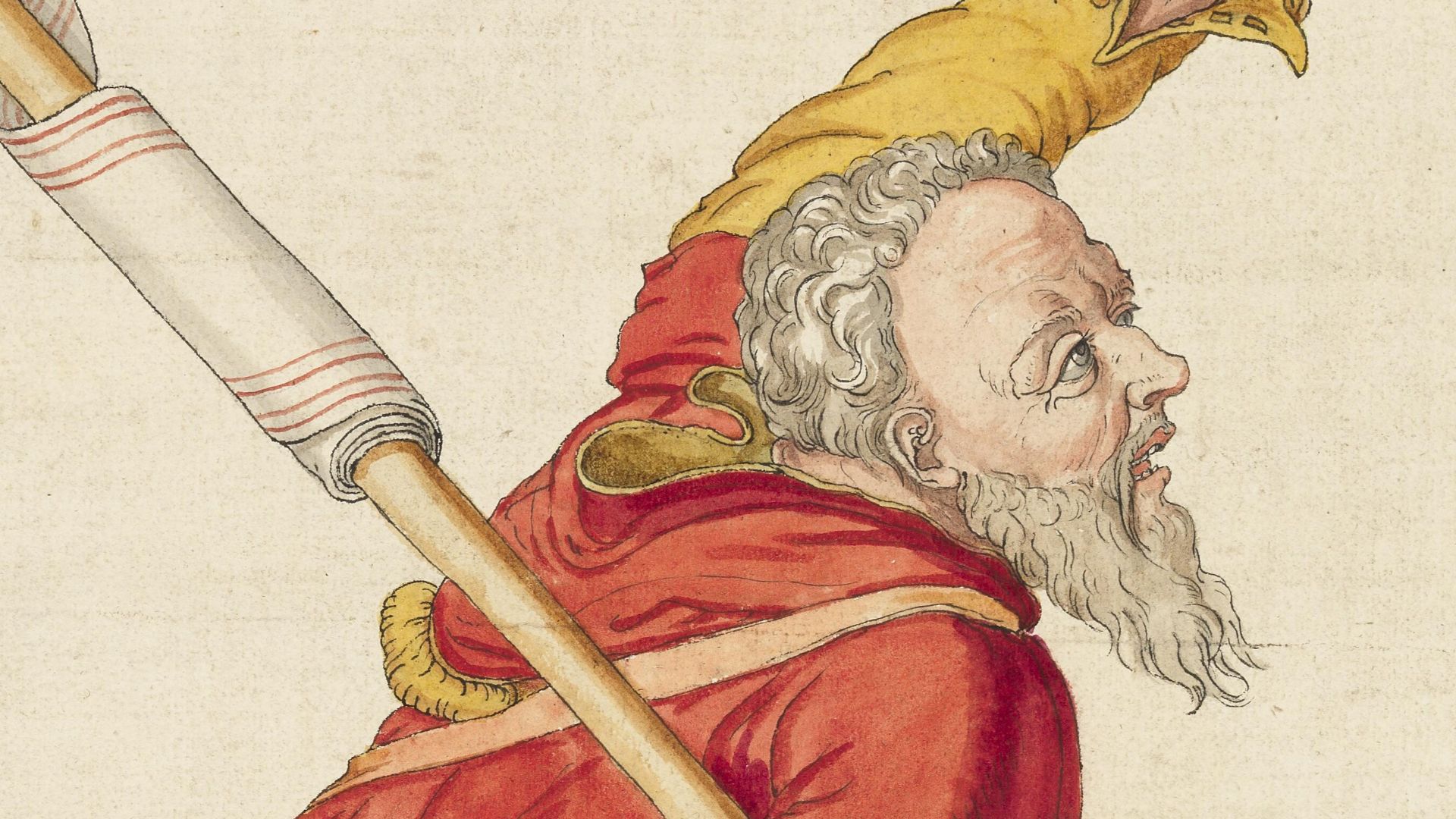
Ancient Alchemists Spoke In Riddles And Symbols
Medieval alchemists intentionally concealed their methods using coded imagery and obscure language. This secrecy protected dangerous experiments and limited access to the uninitiated. Symbolism allowed spiritual interpretations alongside physical procedures to ensure texts would survive religious scrutiny and intellectual rivalry.
The Single Line That Became The Foundation Of Alchemy
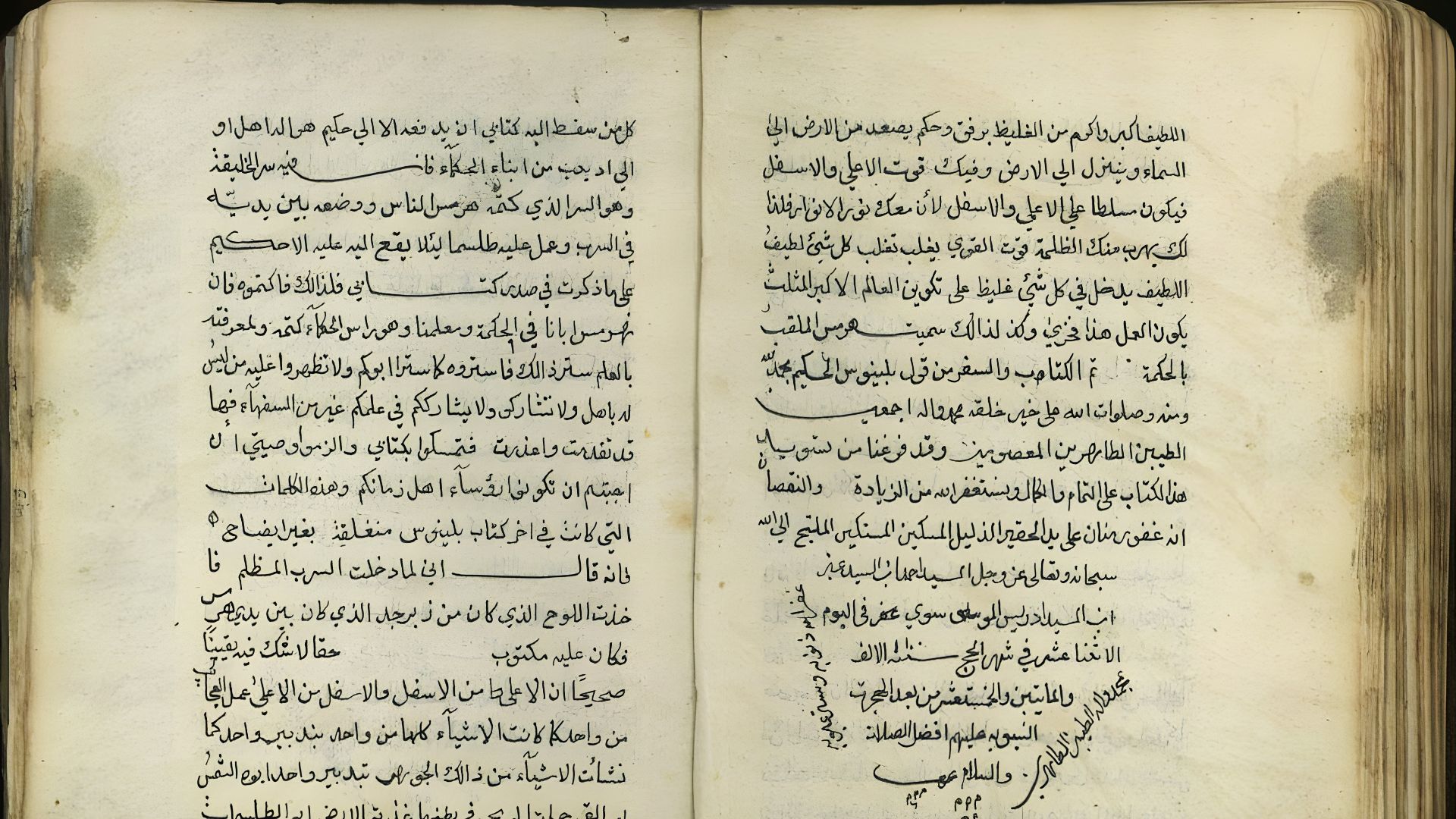
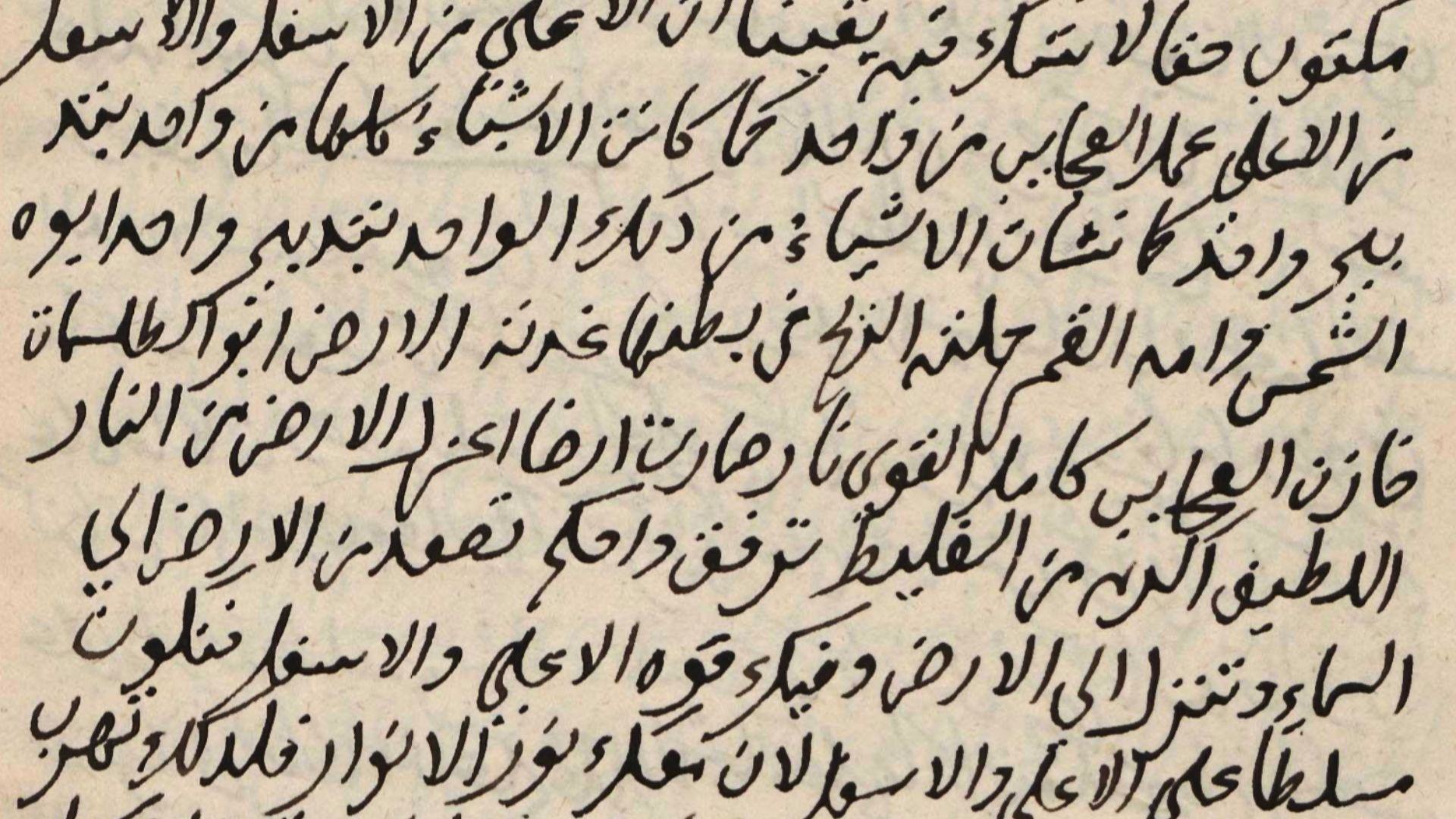
“As Above, So Below” expresses the principle of correspondence, suggesting universal patterns repeat at every scale. In alchemy, this linked cosmic order to earthly matter and human consciousness. The phrase comes from Arabic versions of the Emerald Tablet, not ancient Egyptian inscriptions as often claimed.
 Unknown authorUnknown author, Wikimedia Commons
What The Emerald Tablet Actually Is And Where It Appeared
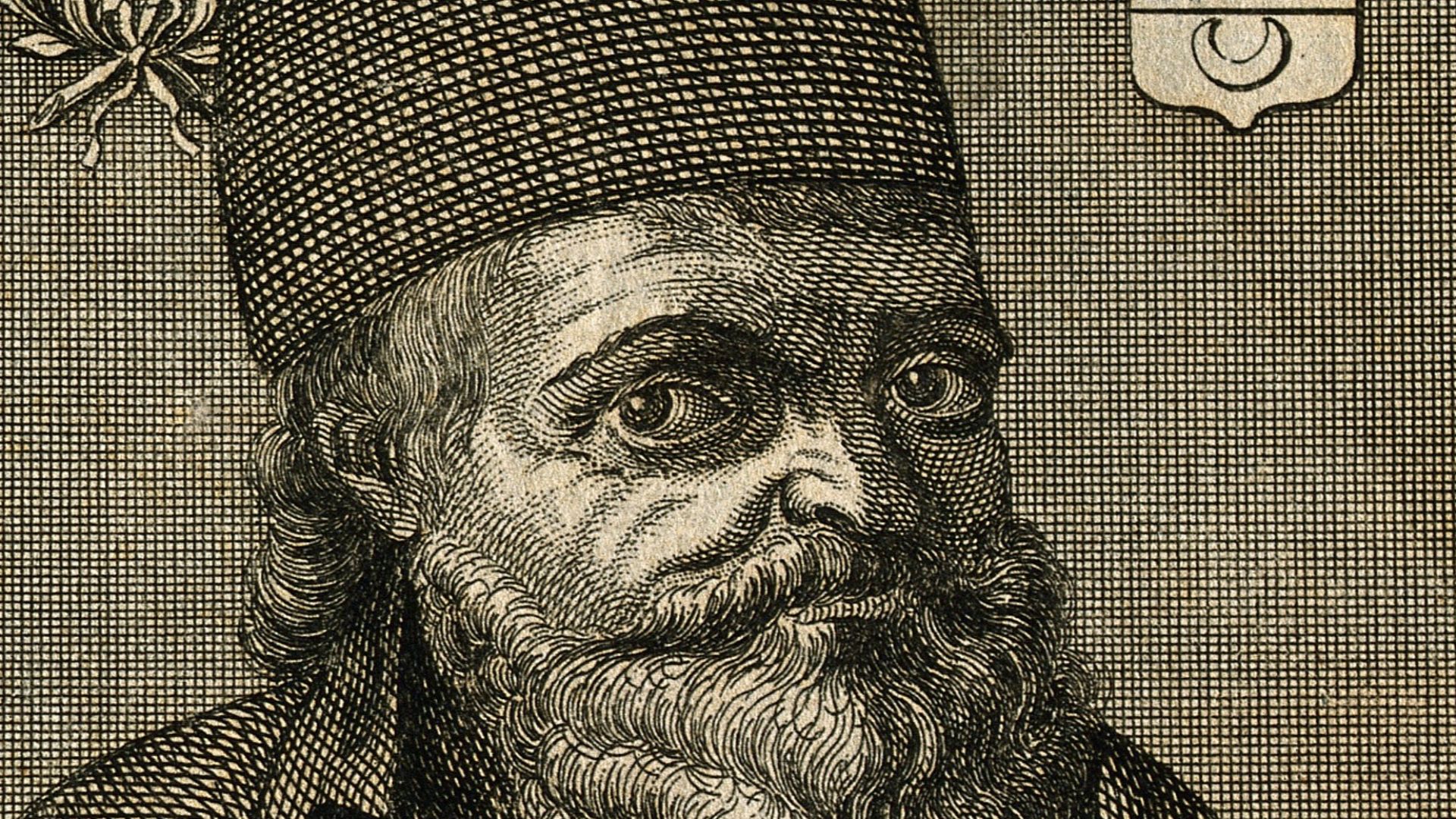
The Emerald Tablet survives as a short cryptic text preserved in medieval Arabic manuscripts, later translated into Latin. No archaeological tablet exists. Its attributed author, Hermes Trismegistus, likely represents a symbolic fusion of Greek and Egyptian wisdom rather than a historical individual.
 Unknown authorUnknown author, Wikimedia Commons
The Birth Of Hidden Knowledge
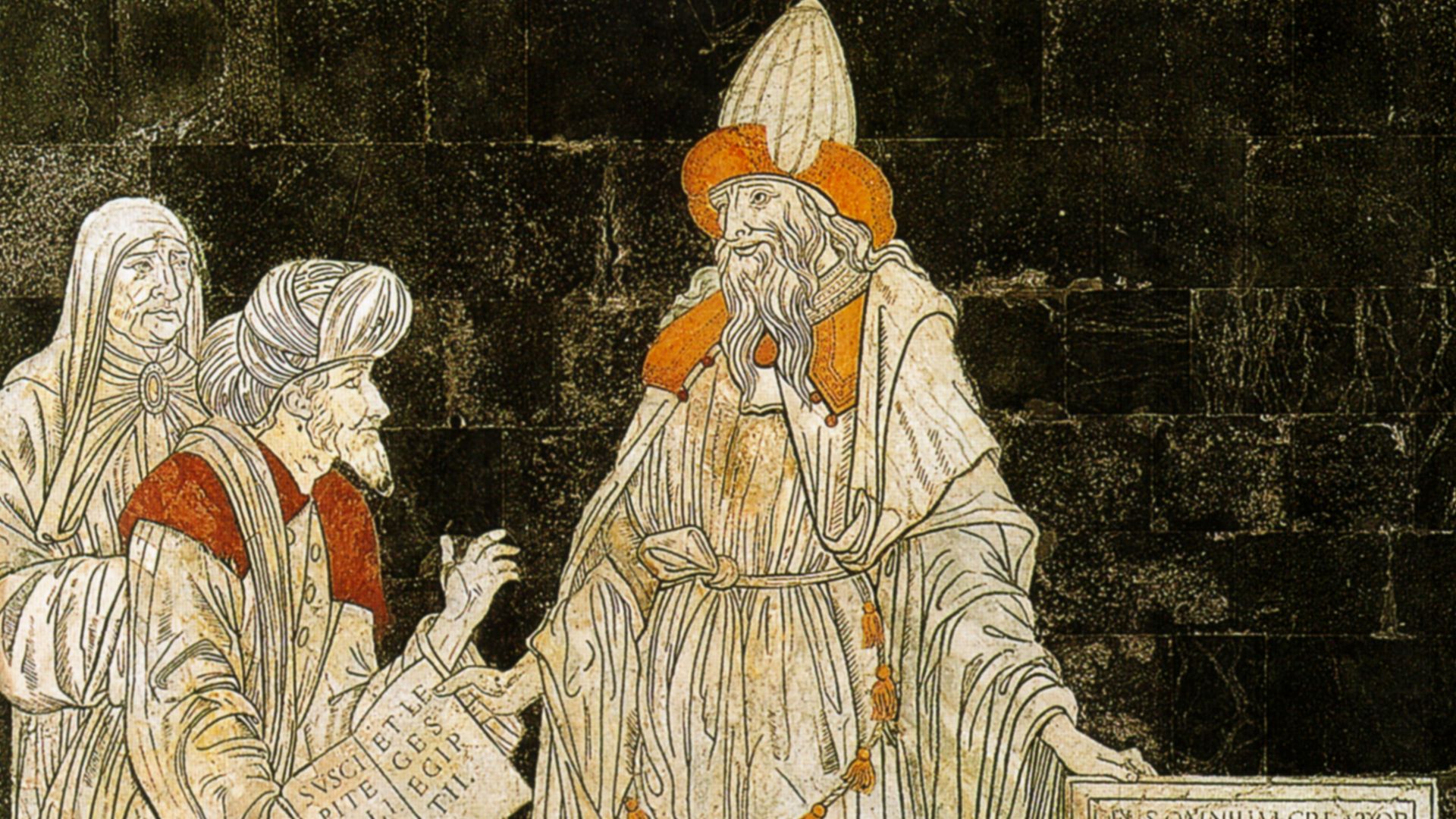
Hermes Trismegistus emerged during late antiquity as a legendary sage combining Greek Hermes and Egyptian Thoth. Texts attributed to him, known as the Hermetica, were written between the first and third centuries. They explored cosmology and divine knowledge, and later impacted esoteric and philosophical traditions.
 Giovanni di Stefano, Wikimedia Commons
The Egyptian God Thoth Became A Legendary Teacher
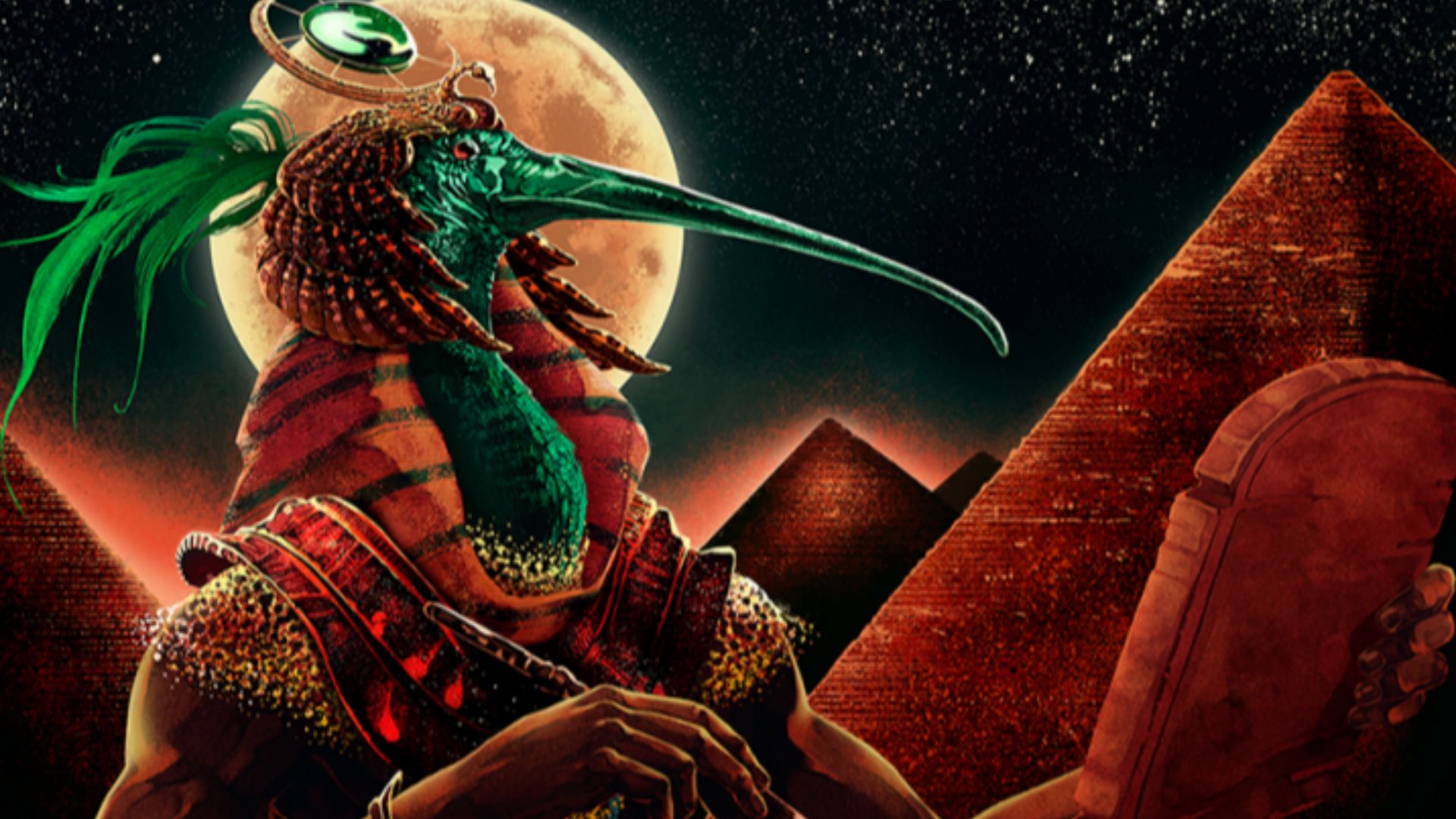
In ancient Egypt, Thoth was revered as the god of writing and wisdom, not a human teacher. Later Greek writers reimagined him as an ancient master of hidden knowledge. Over time, mythology transformed Thoth into a source of secret teachings rather than a historical figure.
 Wicca Magazine, Wikimedia Commons
Sacred Knowledge That Predates Civilization Itself
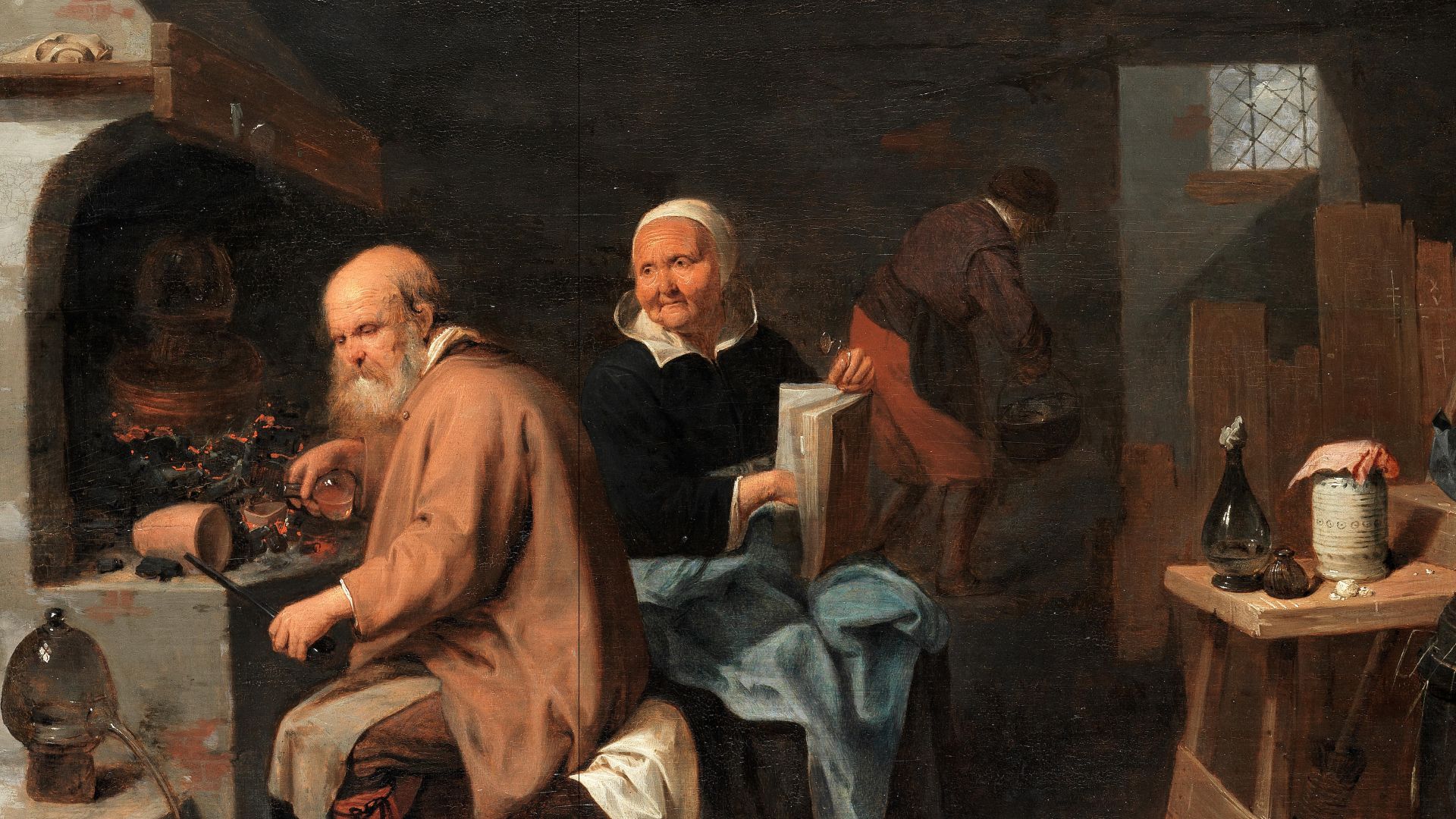
Claims that alchemical wisdom originated before known civilizations appear in later esoteric traditions. Stories of lost golden ages reflect dissatisfaction with modern decline. No evidence supports advanced global cultures 10,000 years ago, yet narratives persist because they promise forgotten perfection.
 David Ryckaert III, Wikimedia Commons
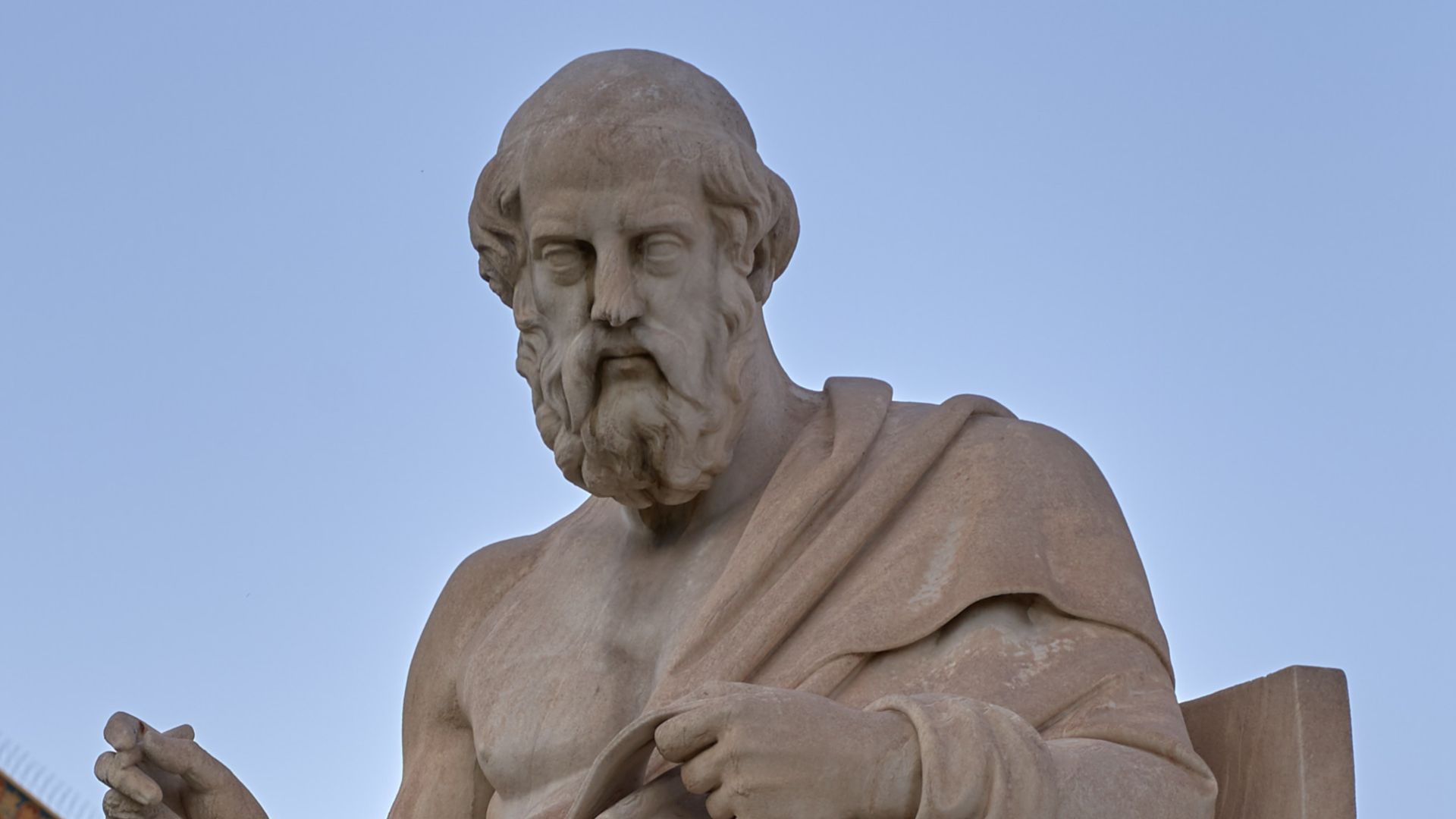
Plato’s Atlantis And Philosophy Disguised As History
Plato described Atlantis, where Toth allegedly came from, as a powerful island civilization destroyed by catastrophe. Most scholars view it as a moral allegory warning against hubris, not a historical record. Still, its vivid detail has fueled centuries of speculation about lost worlds.
 George E. Koronaios, Wikimedia Commons
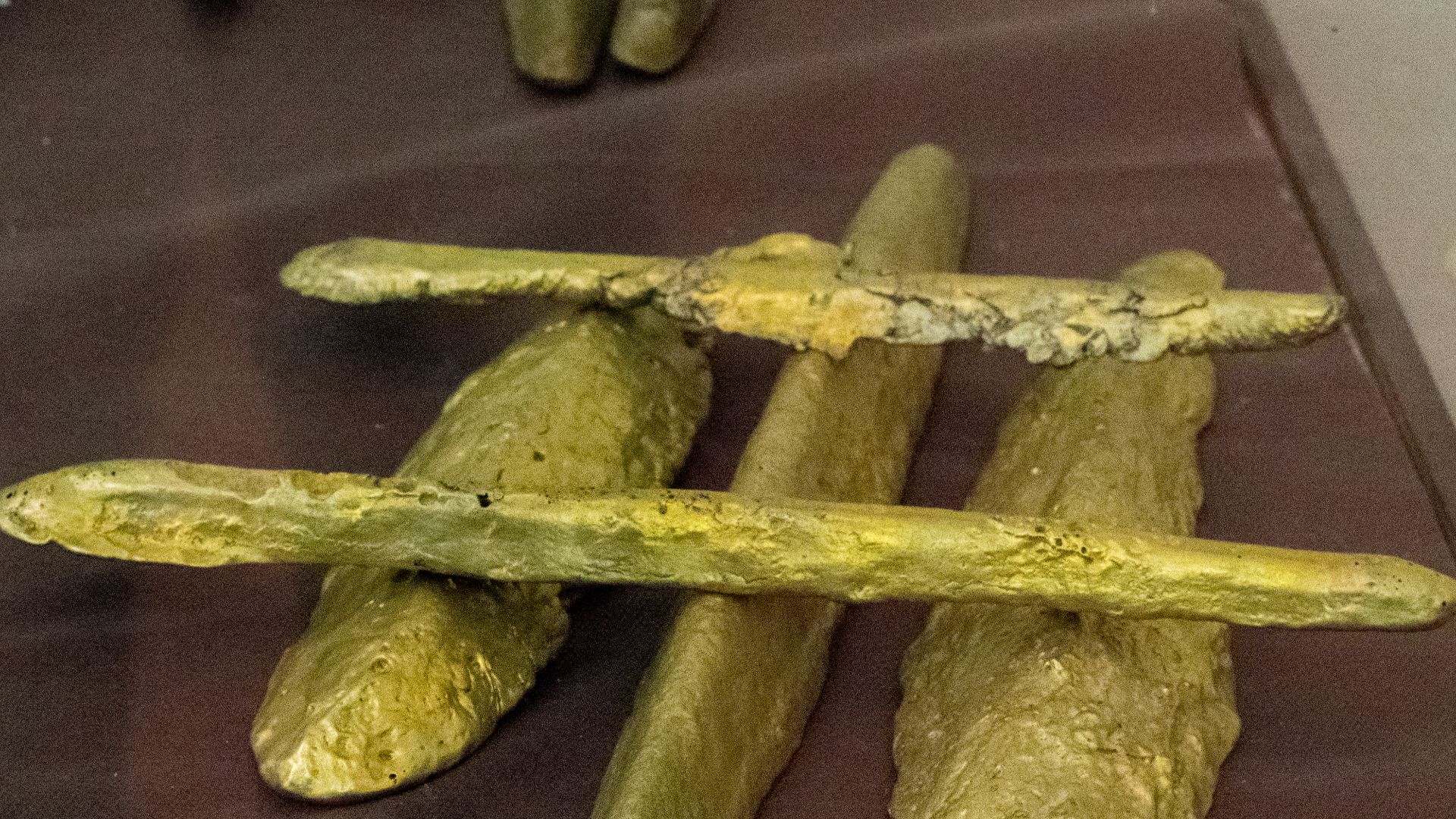
The Myth Of Lost Atlantean Technology
Orichalcum appears in classical sources as a valuable metal, likely a copper alloy. Plato’s reference to it in Atlantis later inspired claims of lost super-materials. Archaeology supports its mundane composition, while mythology transformed it into evidence of vanished advanced technology civilizations.
 Emanuele riela, Wikimedia Commons
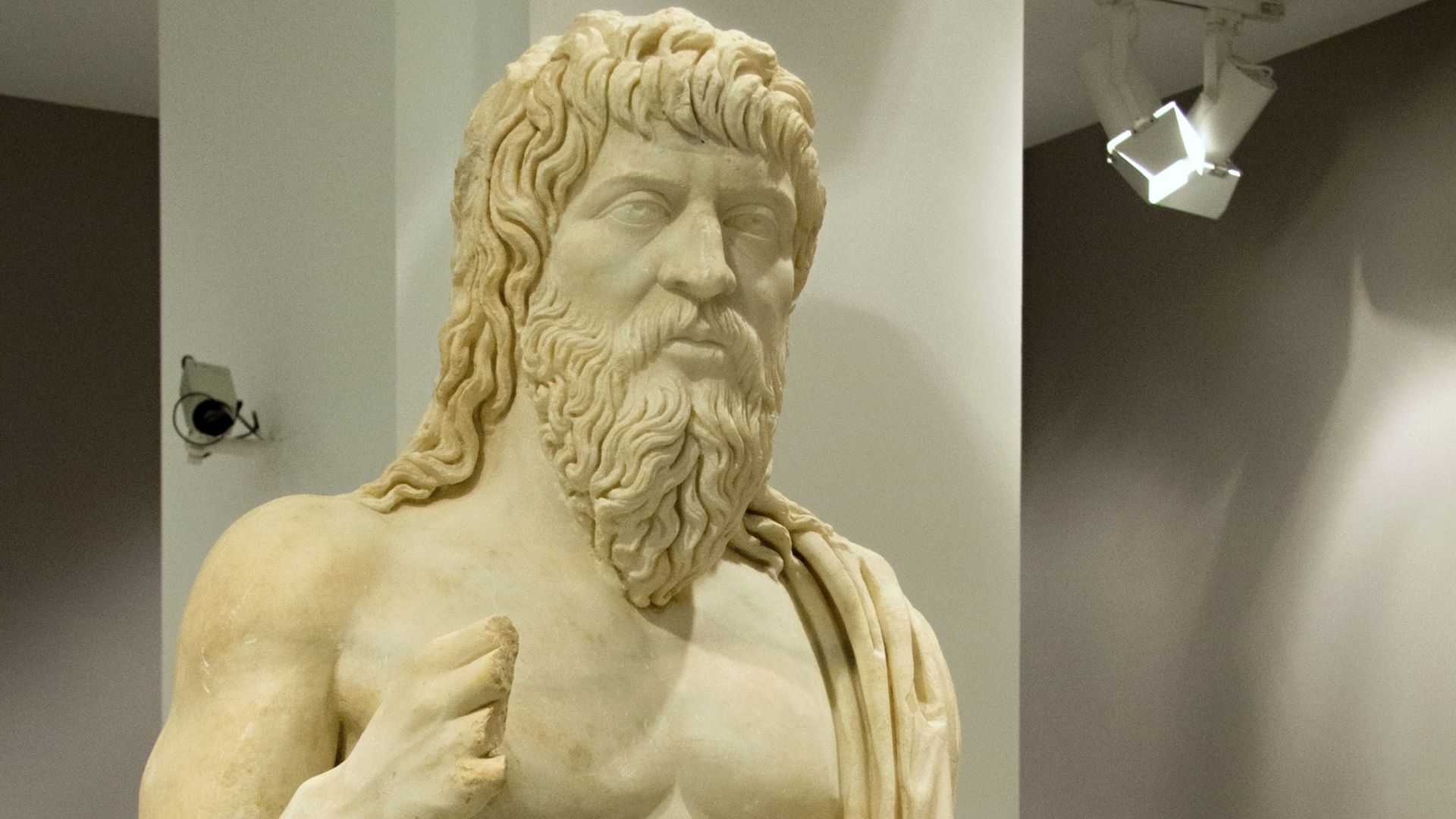
Mysteries Of The Green Book
Apollonius of Tyana was a 1st-century philosopher later surrounded by miracle stories. Medieval legends claim he discovered a green leather book filled with symbols. No historical records confirm this text. The story reflects how revered thinkers were later cast as guardians of forbidden ancient knowledge.
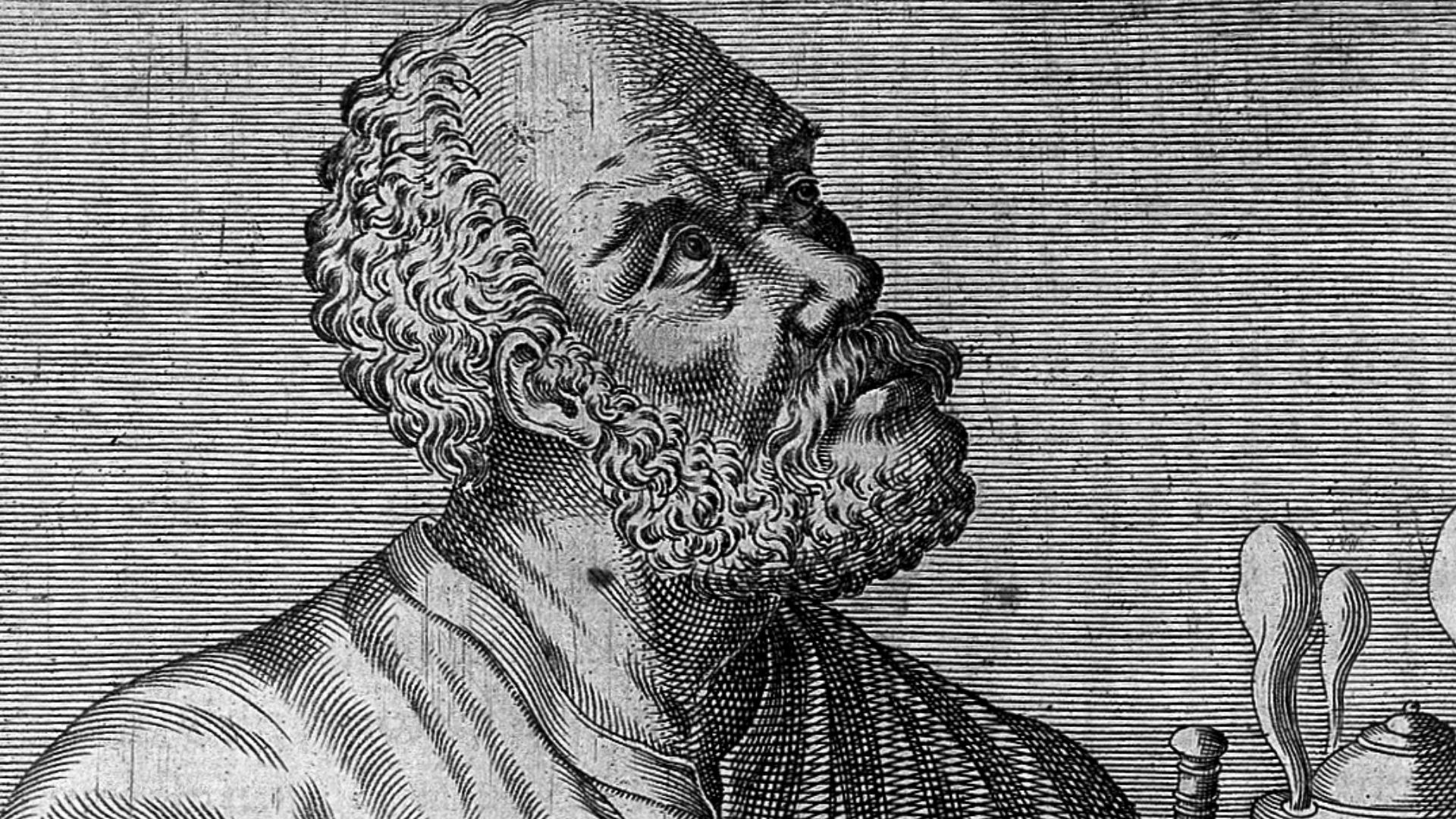
Arab Scholars Expanded Alchemical Thought
From the 8th century onward, Islamic scholars translated Greek and Egyptian texts, preserving alchemical theory during Europe’s decline. Figures like Jabir ibn Hayyan emphasized experimentation alongside philosophy. Their writings reshaped alchemy into a systematic discipline that later reentered Europe through the Spanish and Sicilian trade routes.
Medieval Europe Recovered A Forgotten Science
By the Middle Ages, Latin translations of Arabic alchemical works spread across monasteries and universities. Scholars blended practical metallurgy with Christian theology, sometimes clashing with church authorities. Alchemy became an experimental craft and a controversial intellectual pursuit that shaped early European science and philosophical culture.
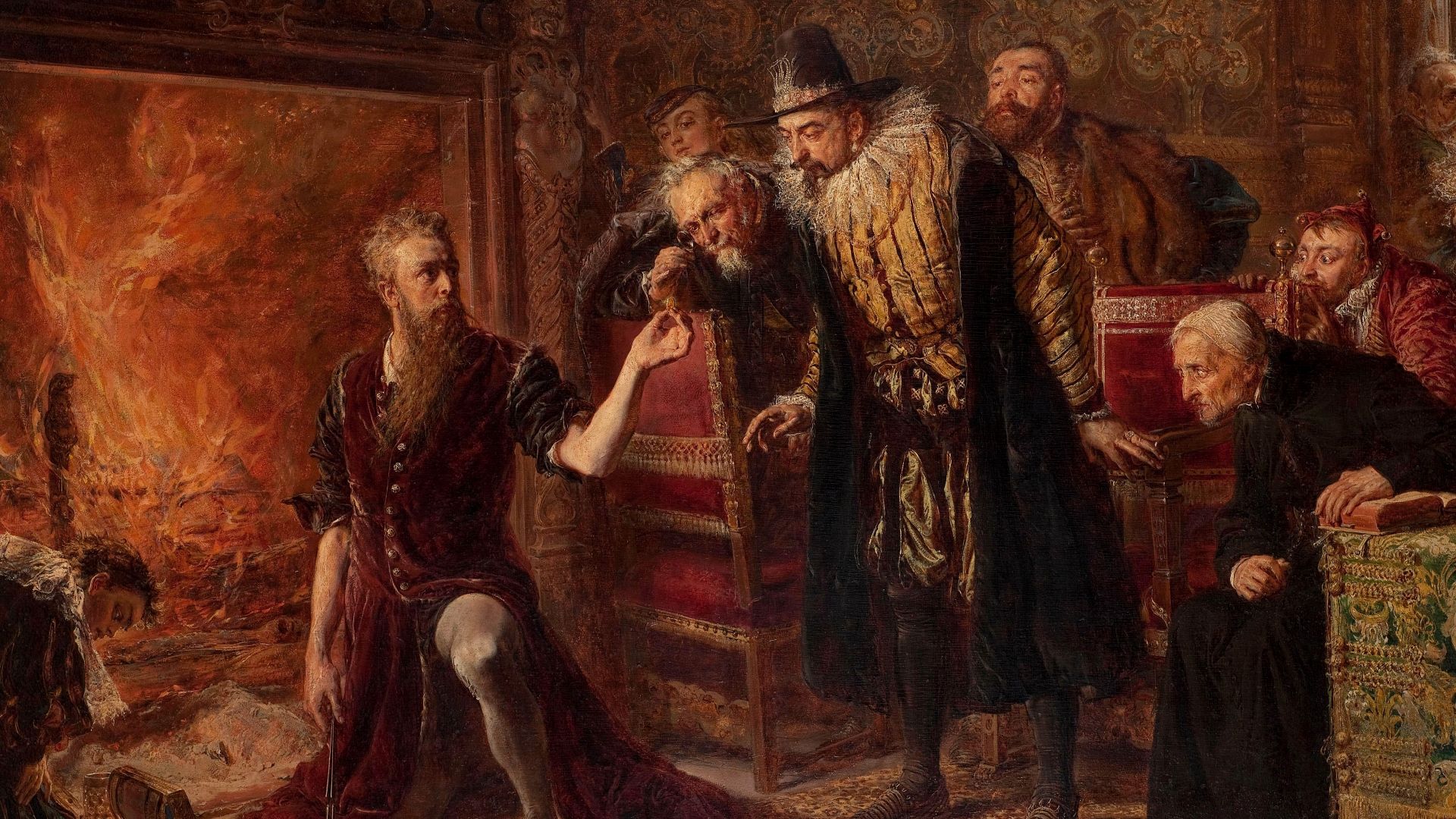 Jan Matejko, Wikimedia Commons
The Making Of An Immortal Legend
Nicolas Flamel was a real 14th-century Parisian scribe and bookseller. Centuries after his death, legends claimed he discovered the Philosopher’s Stone and achieved immortality. These stories emerged long later, fueled by mysterious manuscripts and the absence of contemporary evidence confirming alchemical success.
A Secret Lifelong Obsession With Alchemy
Isaac Newton devoted decades to alchemical research, filling notebooks with experiments and translations. He believed alchemy revealed divine laws governing matter. These writings, hidden during his lifetime, show early science intertwined with theology and mysticism, which challenged the idea that modern physics emerged separate from occult traditions.
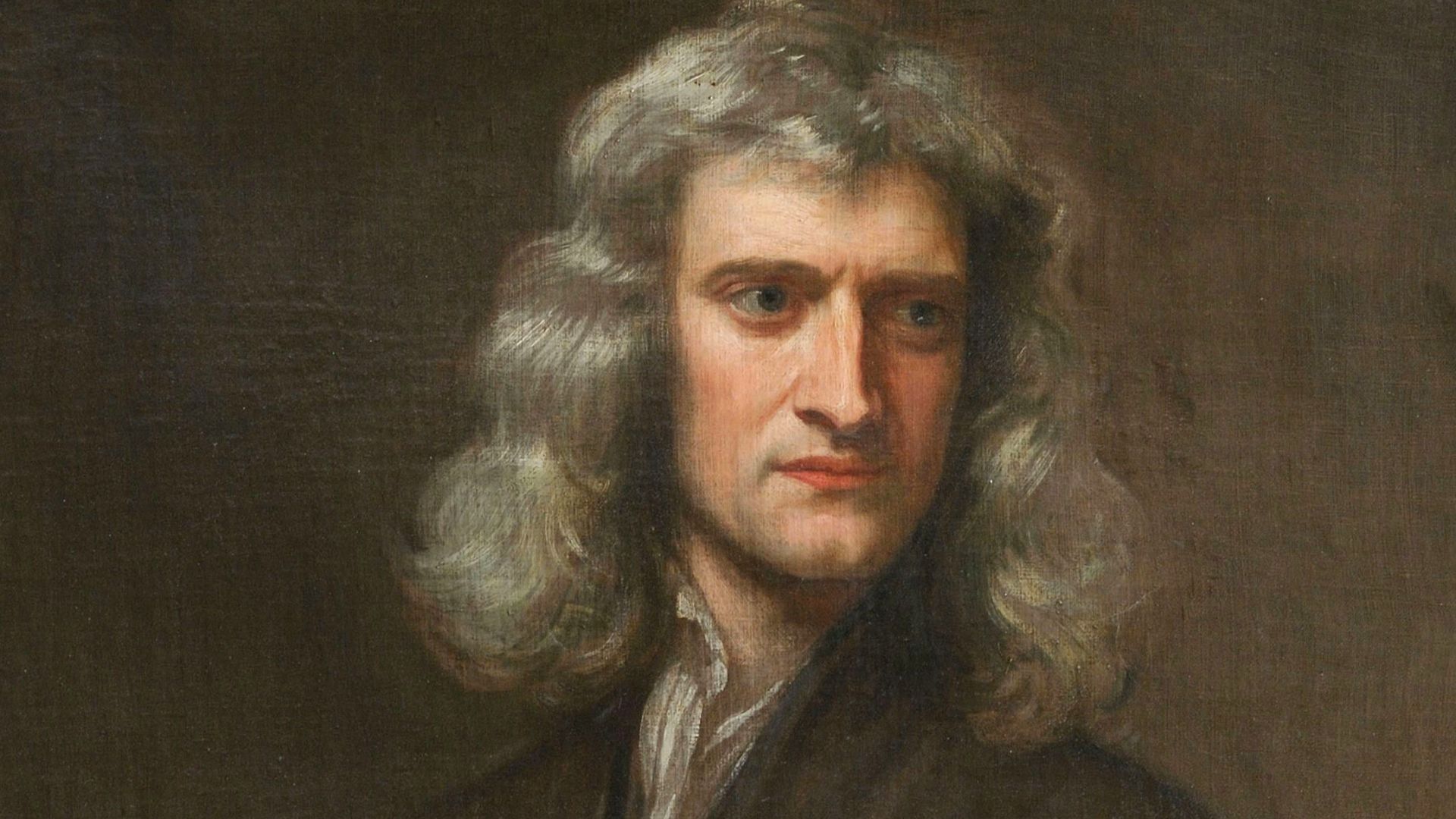 Godfrey Kneller, Wikimedia Commons
Believing Life’s Essence Can Be Extracted
Many alchemists believed living matter contained a vital essence transferable between substances. This idea drew from Aristotelian philosophy and medical theories. While incorrect scientifically, it motivated experiments using plants and blood.
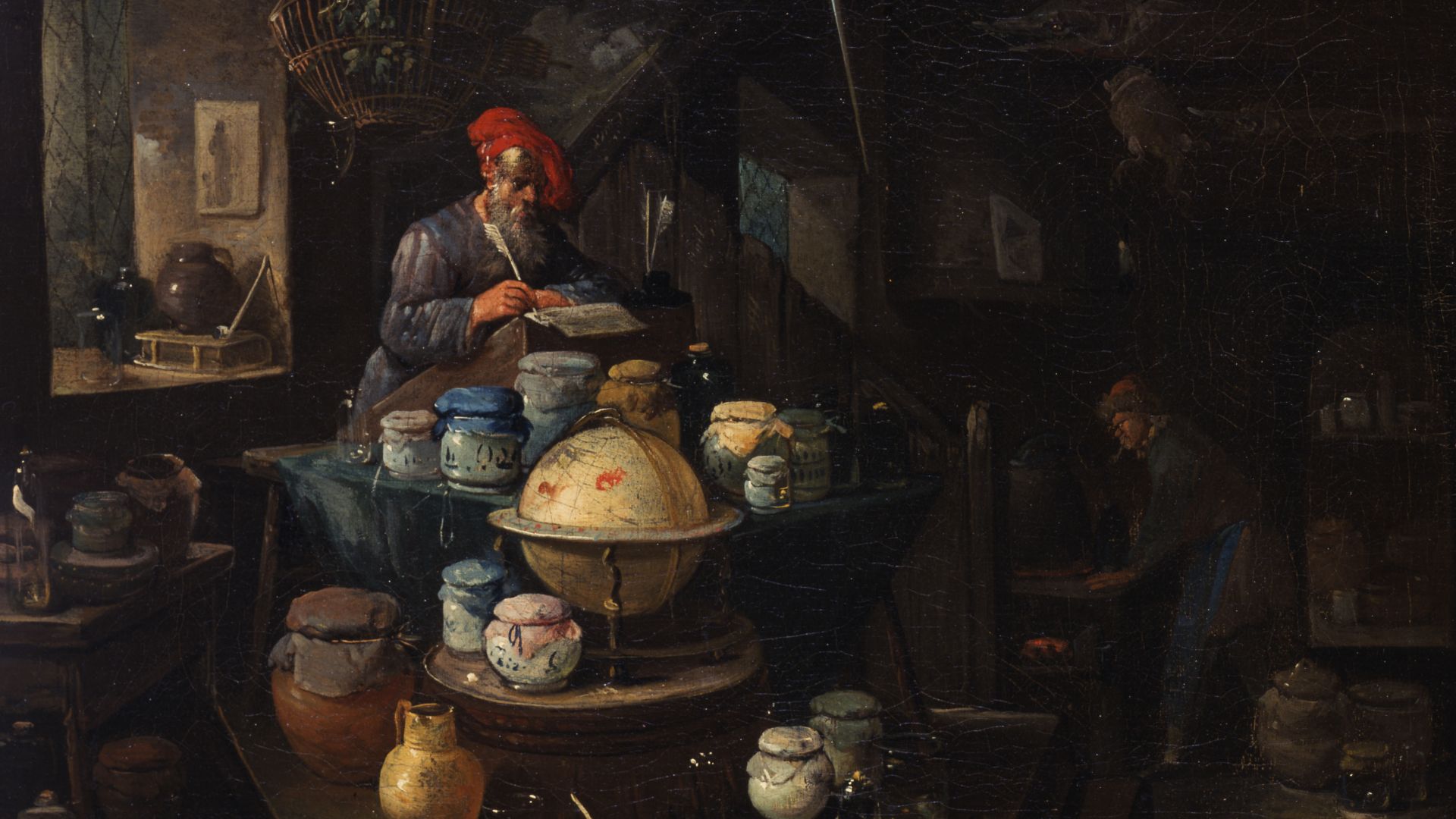 Egbert van Heemskerck, Wikimedia Commons
Experiments That Accidentally Changed Science Forever
In 1669, German alchemist Hennig Brand attempted to isolate life’s essence from urine. Instead, he discovered phosphorus, a glowing element previously unknown. Though chasing myth, his work marked a turning point that demonstrated how alchemical experimentation directly contributed to the emergence of empirical chemical science.
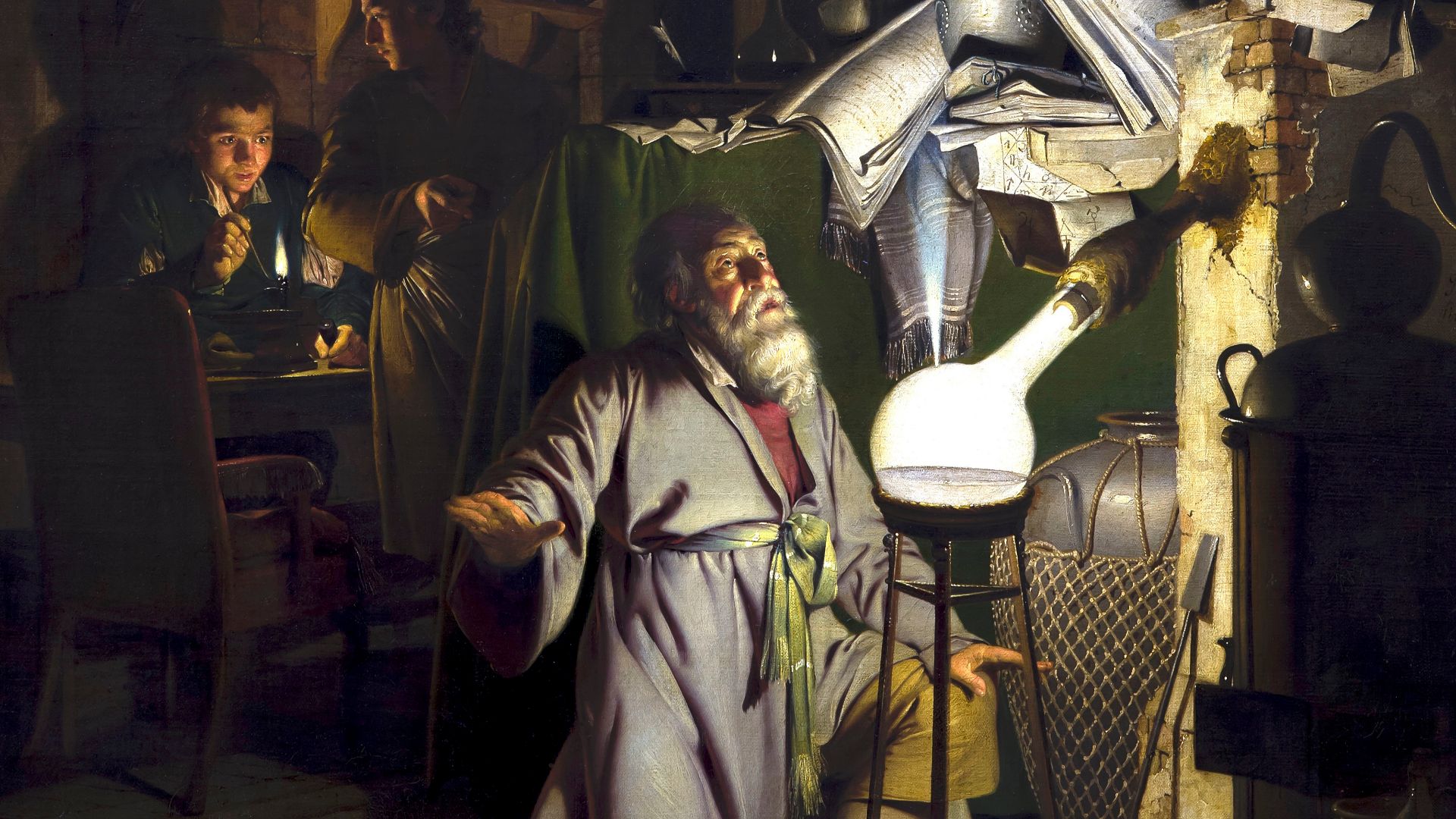 Joseph Wright of Derby, Wikimedia Commons
Alchemy Quietly Gave Birth To Modern Chemistry
As alchemical goals failed, techniques endured. Distillation, crystallization, and controlled heating became foundational laboratory methods. By the 18th century, symbolic language had faded and was replaced by measurement and reproducibility. Modern chemistry inherited alchemy’s tools while discarding its metaphysical aims.
 Yulia Kolosova, Wikimedia Commons
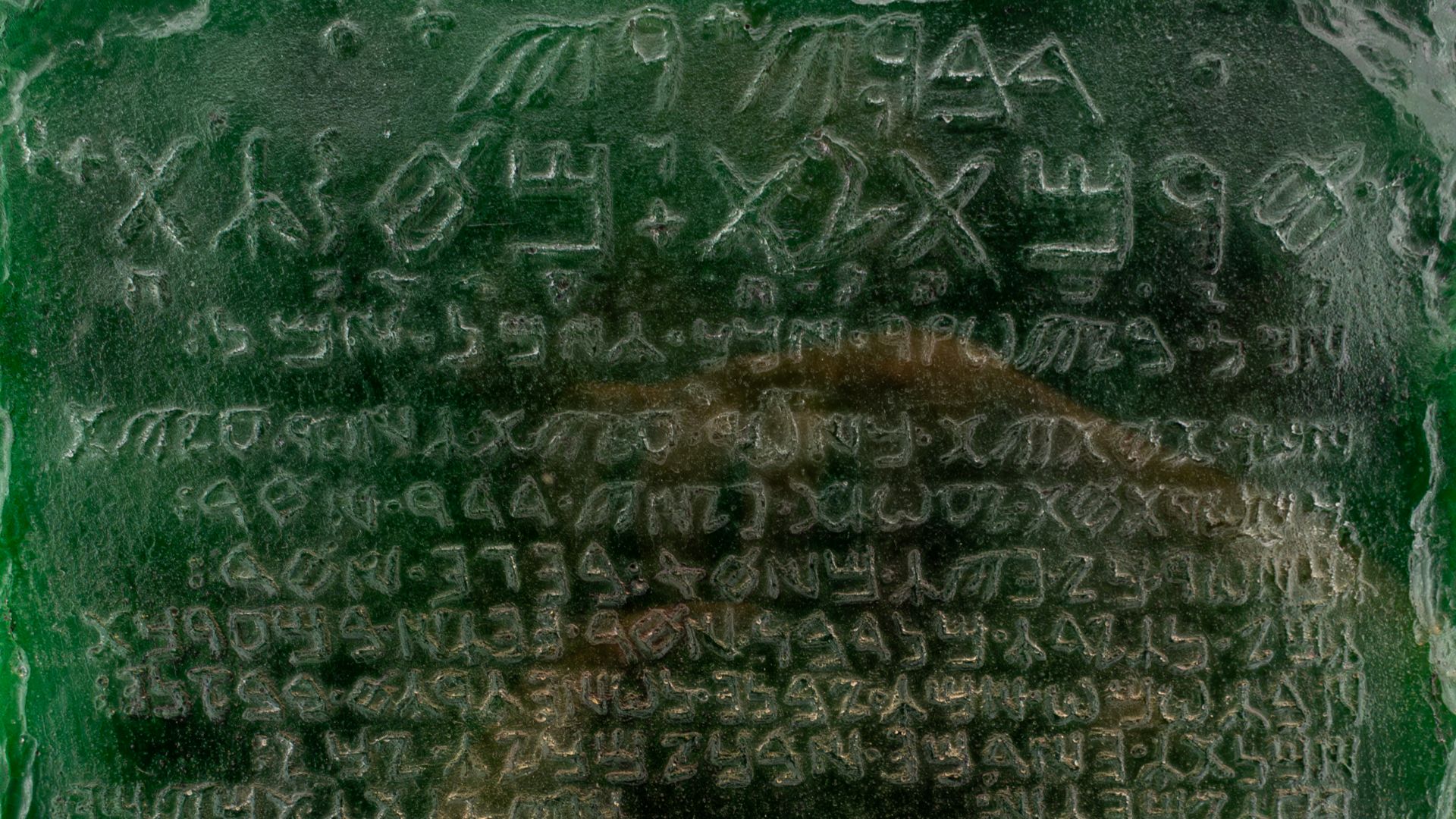
The Man Who Claimed To Find The Emerald Tablets
In the early 20th century, Maurice Doreal claimed he discovered emerald tablets under the Great Pyramid. He said a secret brotherhood allowed him to study and translate them. However, no evidence supports this story. As a matter of fact, later investigations revealed false credentials and fabricated travel claims, undermining his extraordinary narrative entirely.
Astral Travel, Ancient Technology, And The Firestone Myth
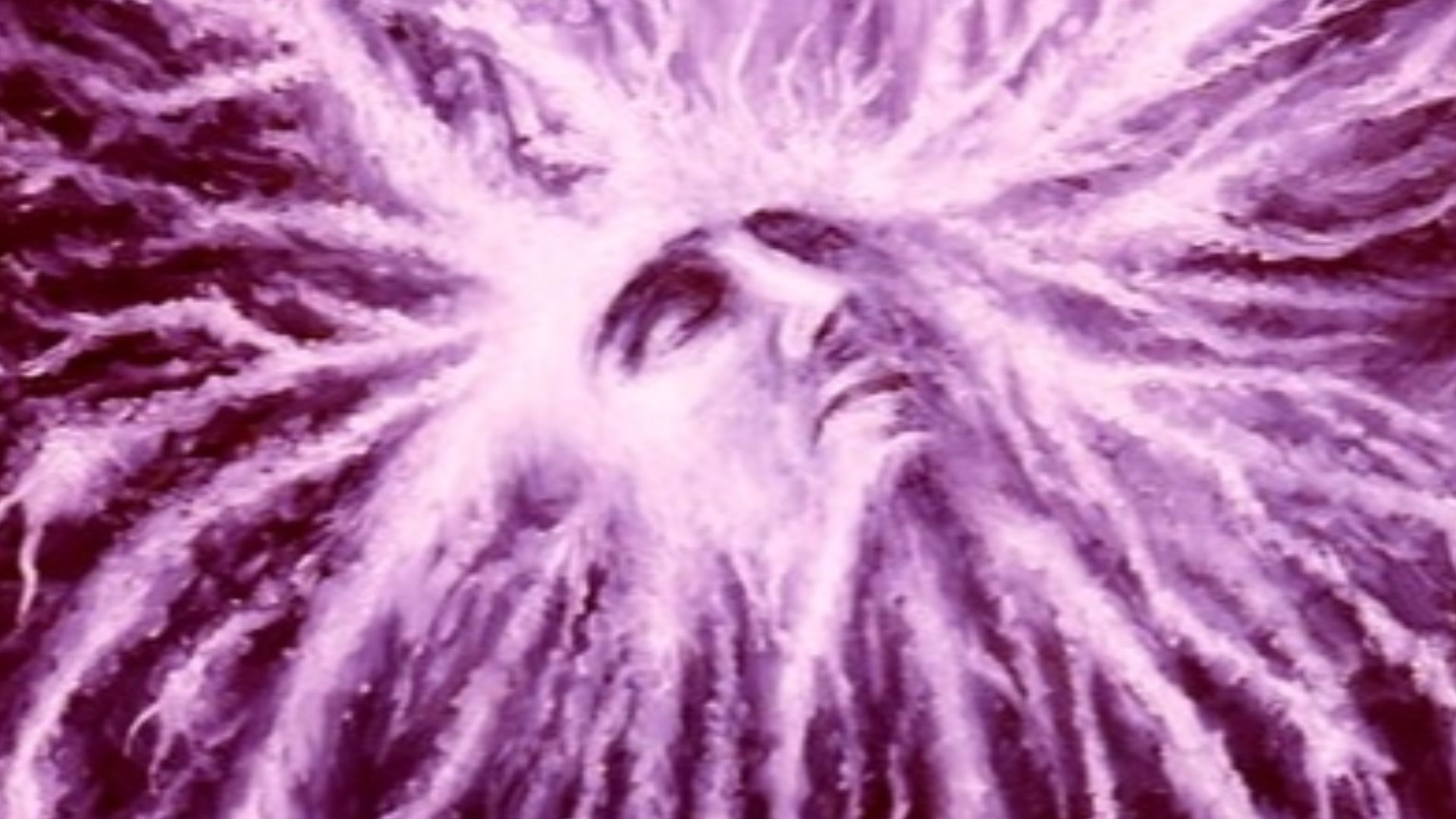
Doreal later claimed his tablet knowledge came through astral travel. His writings described advanced ancient devices, including a powerful Firestone. These ideas resemble early 20th-century occult and science-fiction themes.
 Jeroen van Valkenburg, Wikimedia Commons
The Emerald Tablets Of Thoth Were Exposed
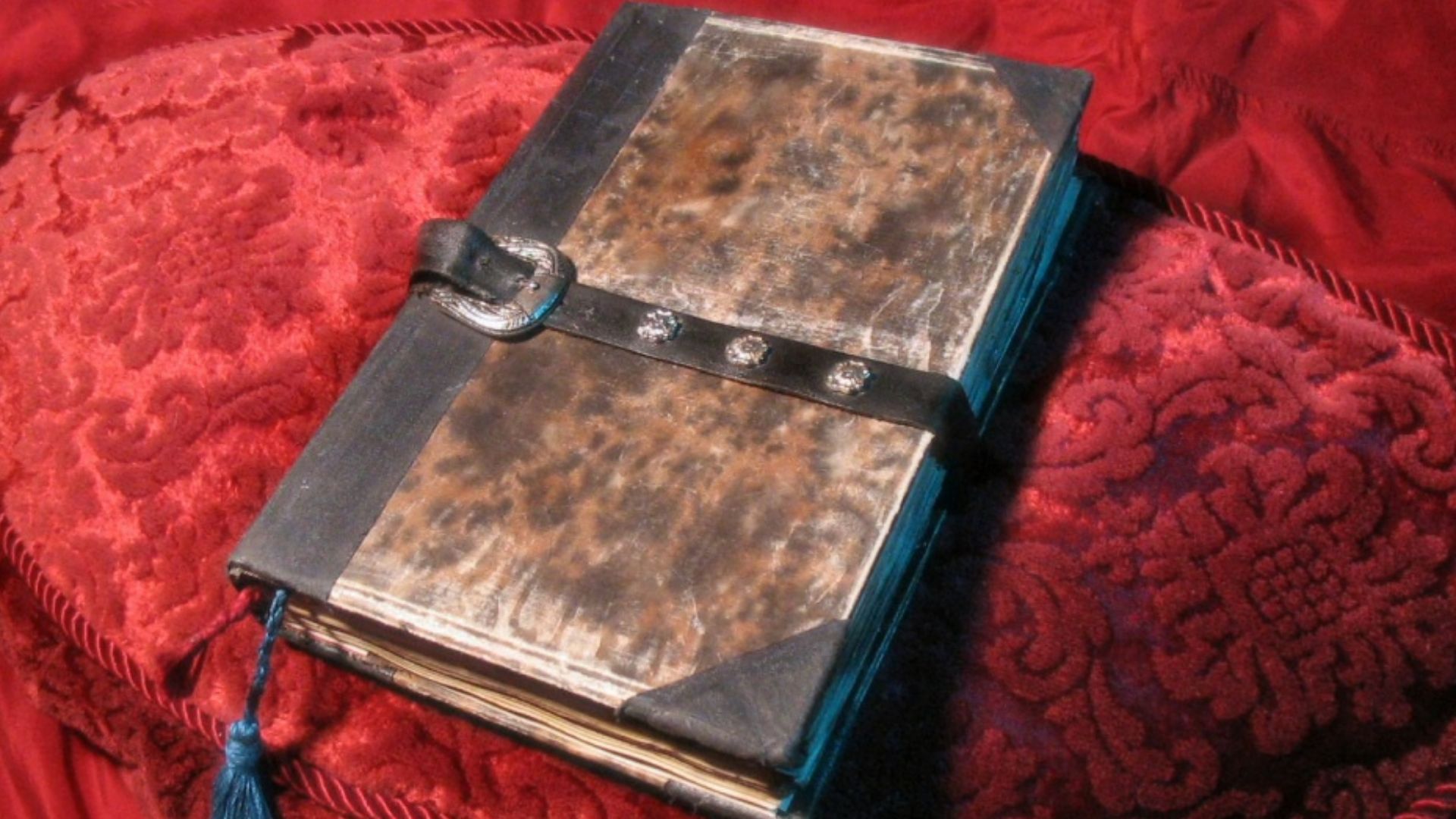
Researchers found that Doreal never visited Egypt and held no academic credentials. His tablet texts borrowed heavily from Theosophy and even echoed passages resembling H P Lovecraft’s fictional Necronomicon. His own wife publicly disputed his claims, yet followers continued treating the work as an ancient revelation.
 Shubi(Shubi), Wikimedia Commons
Alchemy’s Internet Resurrection
In 2011, the anonymous Book of Aquarius appeared online, claiming to decode alchemy without metaphor. It encouraged readers to attempt practical stone-making experiments. Forums formed, then vanished. No verified success followed, but the book reflected modern impatience with symbolism.

Why Literal Alchemy Fails Without Symbolic Understanding
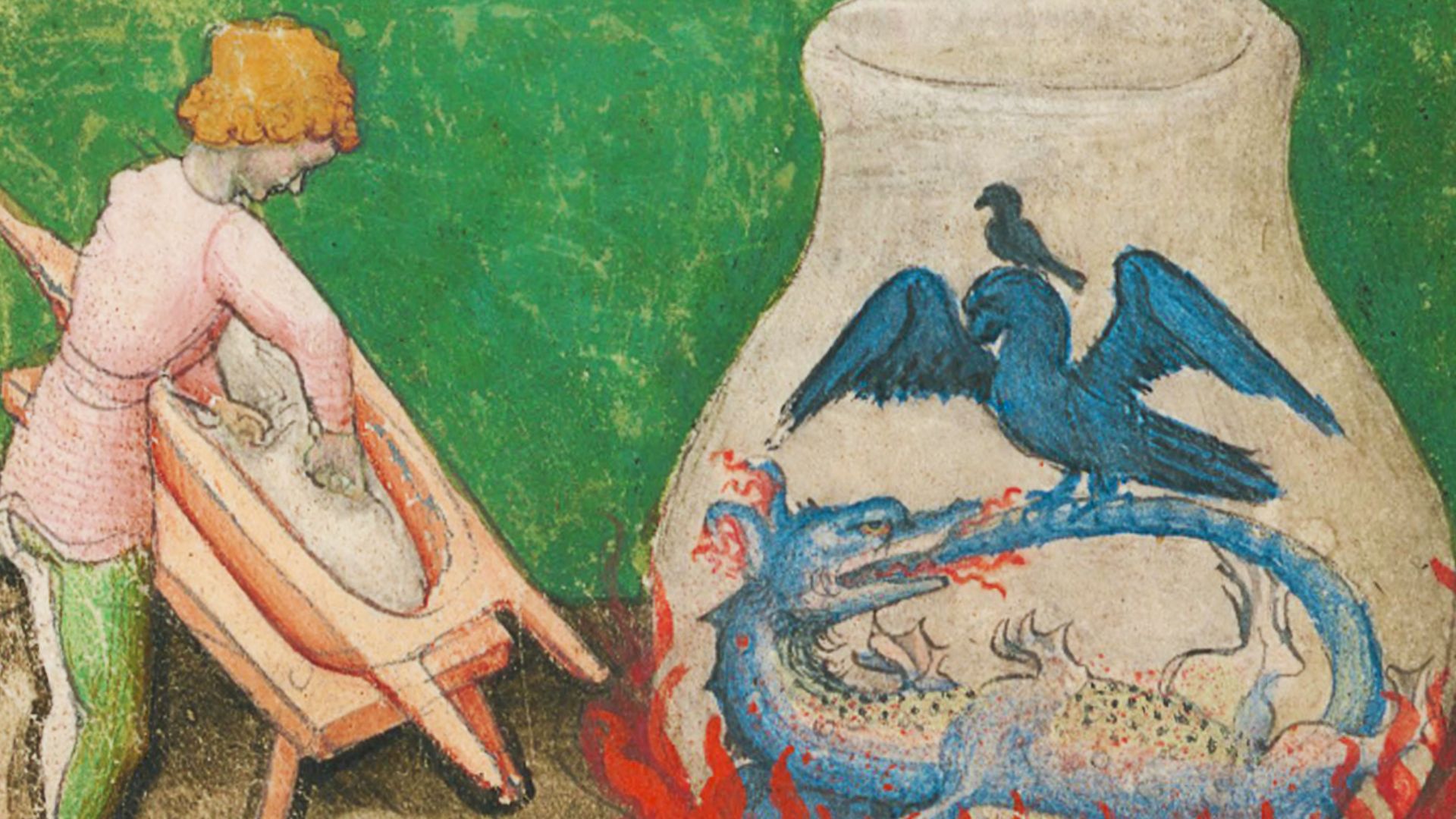
Alchemy’s language was never purely technical. Symbols encoded spiritual, psychological, and ethical ideas alongside material processes. When stripped of metaphor, experiments lose coherence and purpose. Modern attempts often fail because they ignore alchemy’s original framework, which blended inner transformation with observation of matter.
 Unknown authorUnknown author, Wikimedia Commons
A Reflection Of Human Longing
Across history, the Philosopher’s Stone has symbolized mastery over morality and imperfection. Whether myth or metaphor, it reflects lasting human desires for meaning and transcendence. Each generation reshapes the Stone to reveal more about itself than about hidden substances or lost ancient technologies.