Filling The Fossil Gap
The discovery of ancient human fossils in North Africa offers a new understanding of a poorly documented evolutionary period. These remains reveal gradual anatomical change and confirm Africa’s central role in the development of early human populations.

The Discovery Announcement
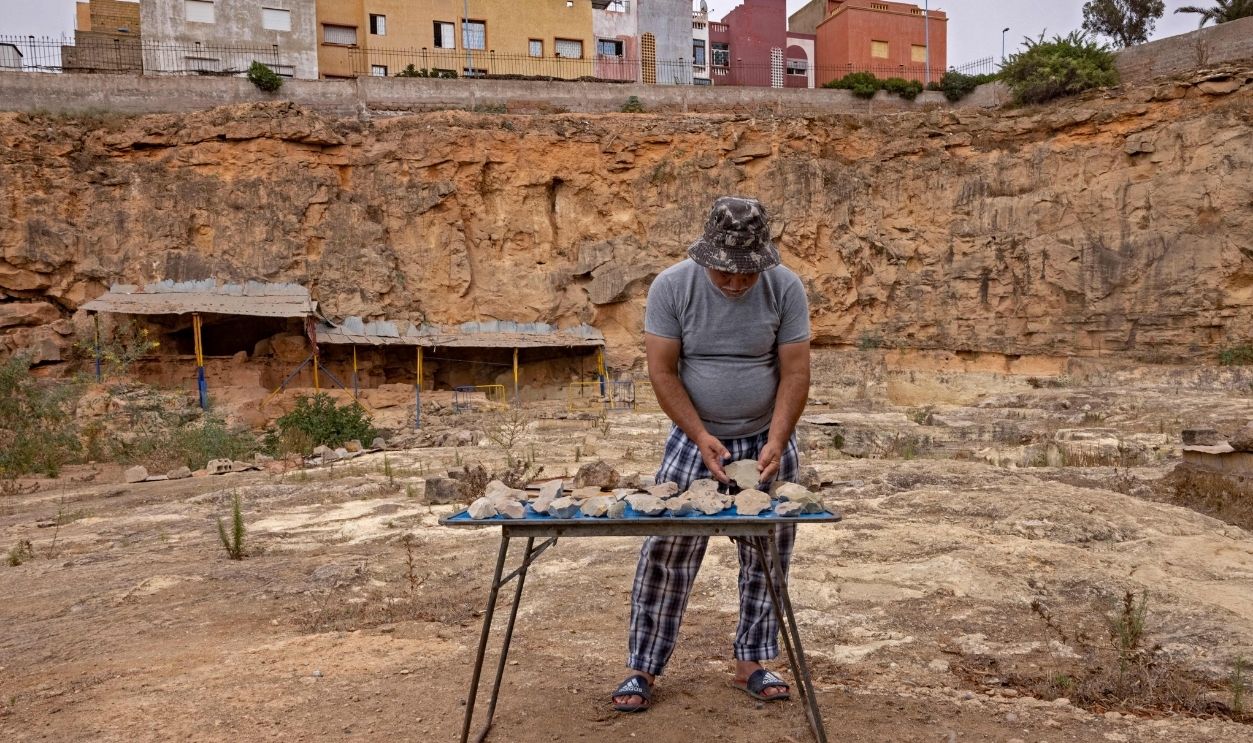
Scientists announced a major fossil discovery in Morocco on 7 January. The research appeared in Nature. Fossils were found inside the Grotte des Hominides cave at Thomas Quarry I, near Casablanca. This discovery addresses questions about human origins.
Precise Dating Through Magnetism
These fossils date to 773,000 years before present. Scientists analyzed magnetic minerals within 180 sediment samples, which captured Earth’s last major pole reversal. That reversal provides an exact timestamp for dating the fossils with unprecedented precision.
What Was Found
Excavators uncovered three jawbones from adults and children, accompanied by numerous teeth and several vertebrae fragments. Together, the remains provide evidence of at least three individuals preserved within the cave’s ancient sediment layers.

Three Decades Of Excavation
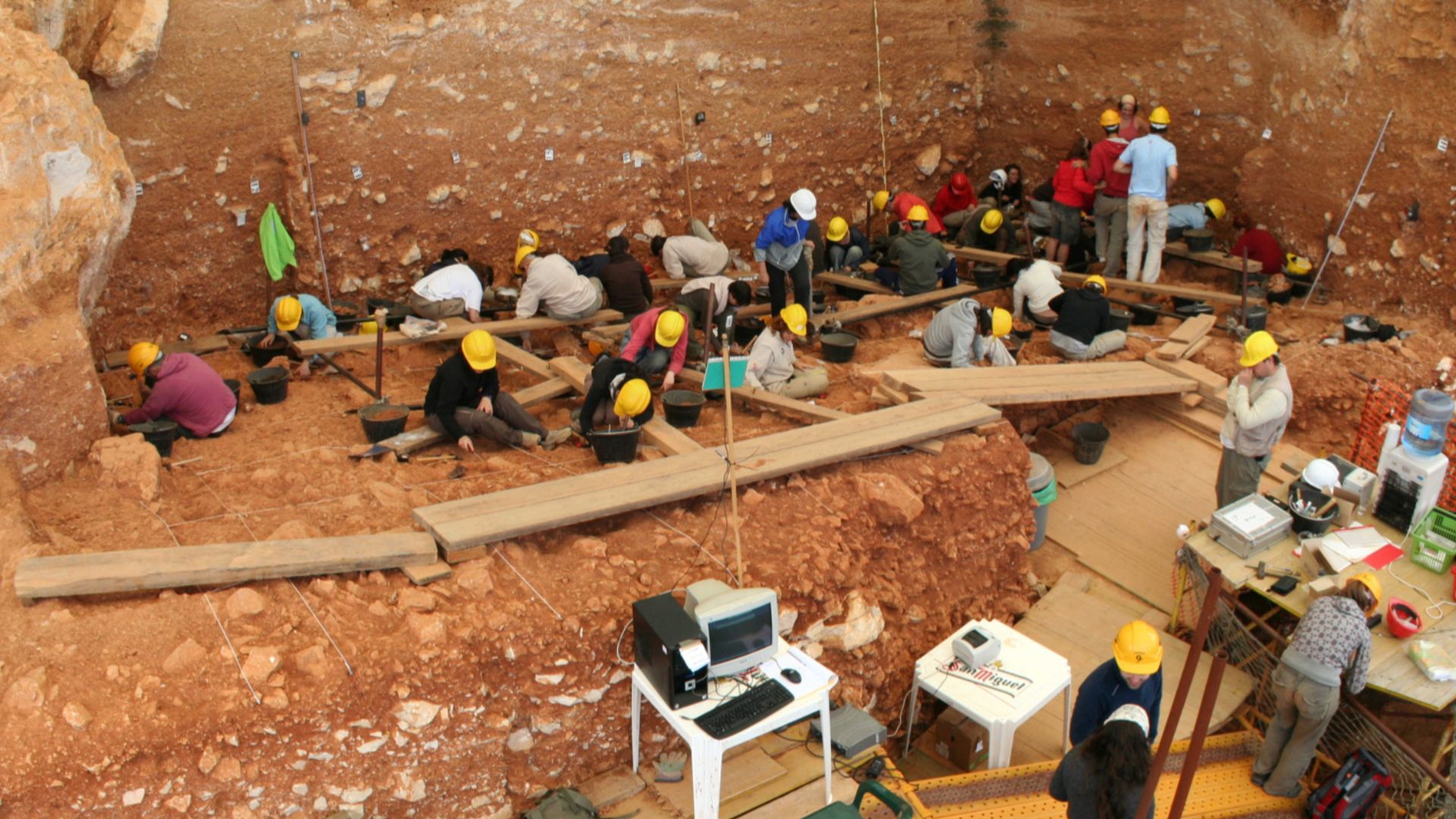
The Thomas Quarry site has been studied since 1969. Modern systematic excavations started in 1988. The Moroccan-French collaboration worked for over thirty years. Recent mandible discoveries occurred in 2008 and 2009 under rigorous scientific conditions, providing a clear context.
The African Fossil Gap
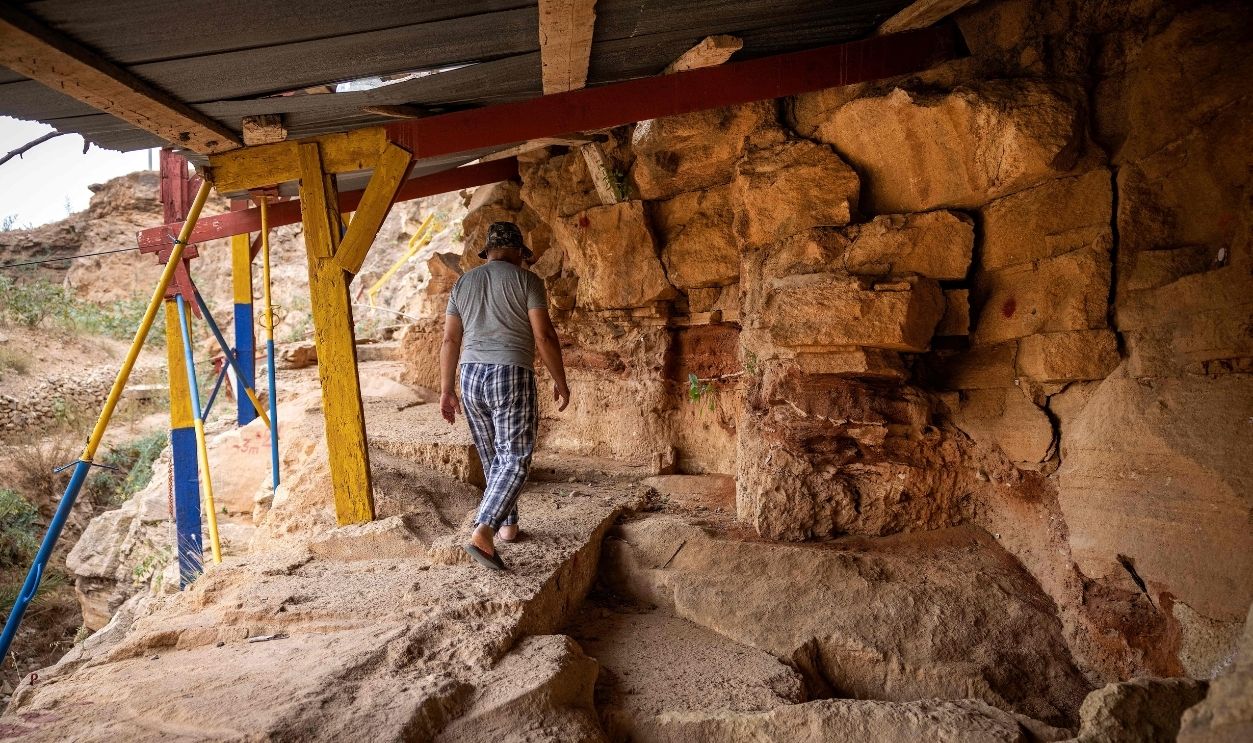
Africa's fossil record goes strangely quiet after one million years. Almost no hominin fossils exist until 500,000 years later. These new specimens fall directly in that gap. This period witnessed the split between modern human ancestors and relatives like Neanderthals.
Ideal Preservation Conditions
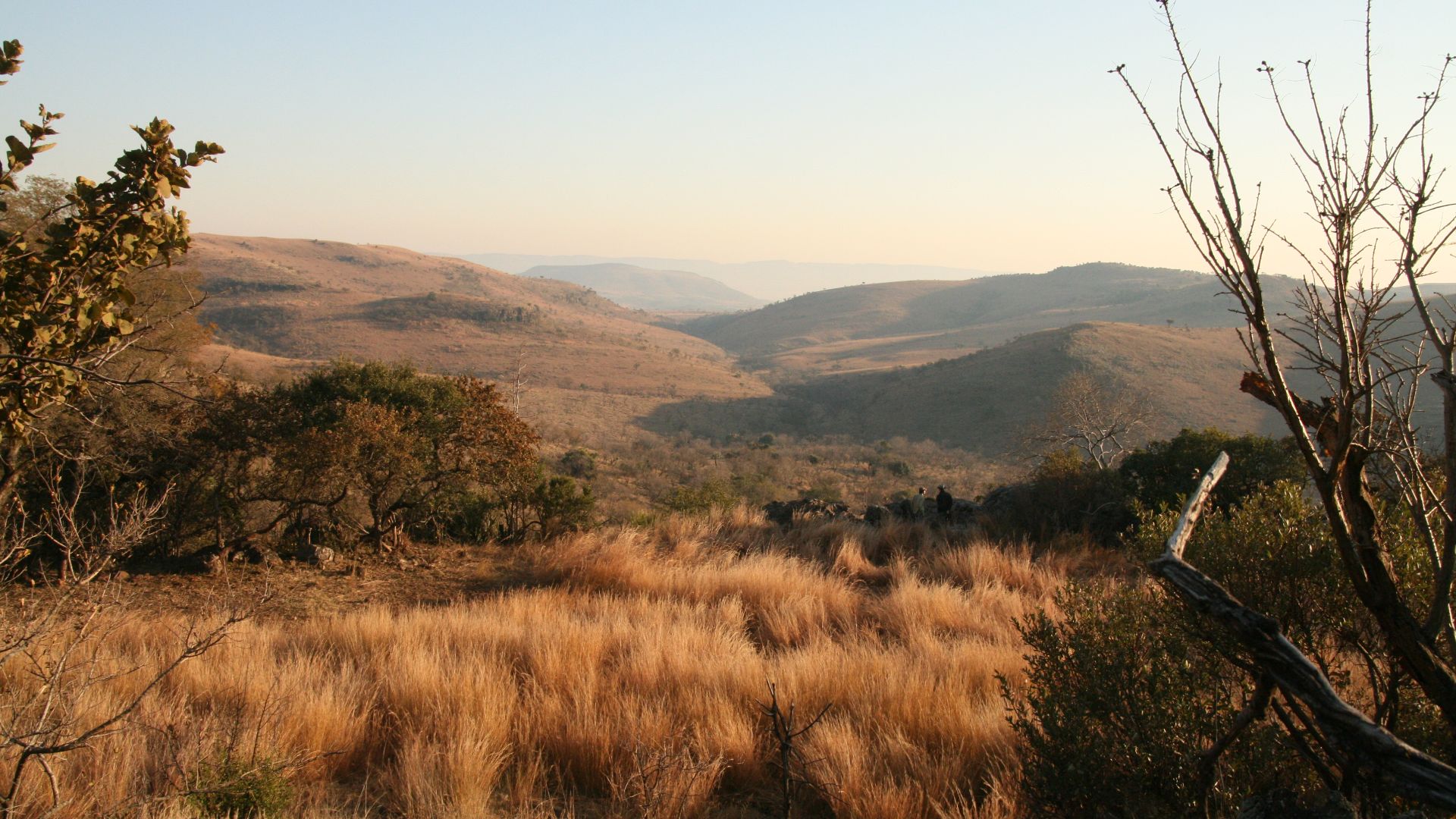
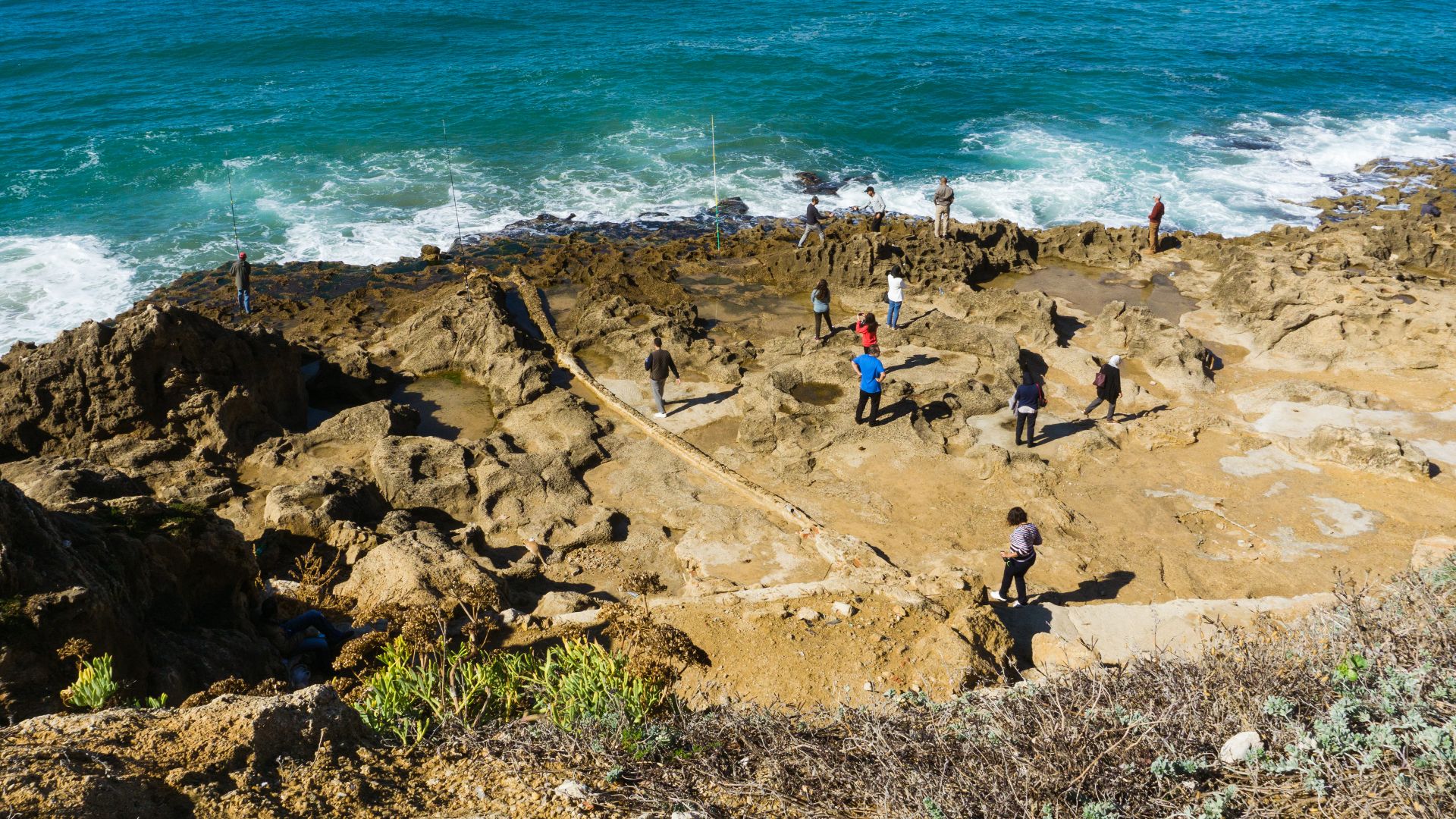
Coastal Morocco provided remarkable circumstances for fossil survival. Ancient seas carved caves into the cliffs, while wind and waves layered sediments quickly. Cementation locked the deposits firmly, and geological activity created a natural vault that safeguarded bones and tools for hundreds of millennia.
 Alexey Komarov, Wikimedia Commons
Cave Environment And Dangers
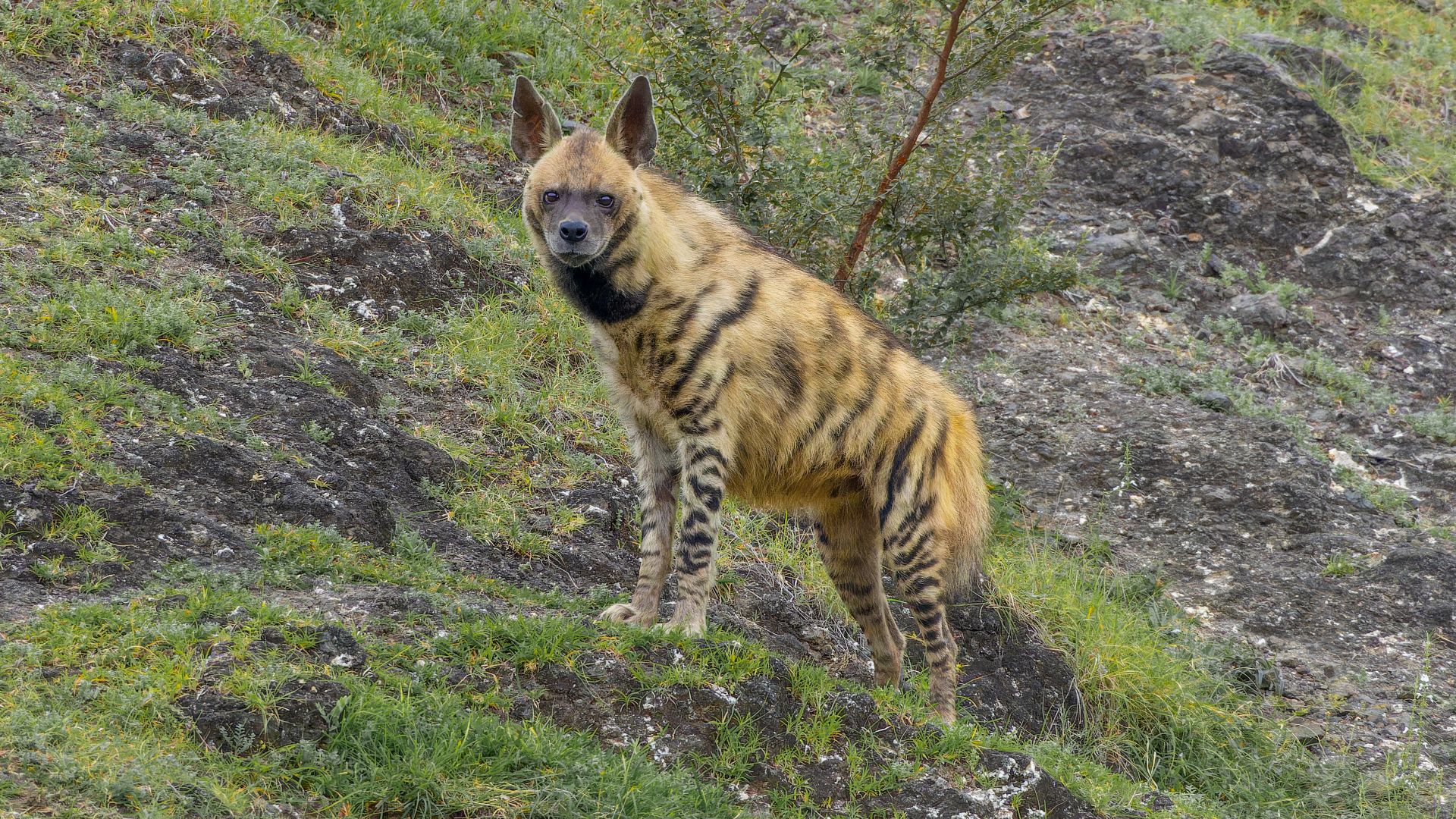
This cave was dangerous for early humans. Hyenas and other carnivores dominated the space, as bite marks cover many bones. People probably sheltered near the entrance occasionally. The cave served mainly as a predator den rather than a human home.
 Tisha Mukherjee, Wikimedia Commons
Mosaic Anatomy Revealed
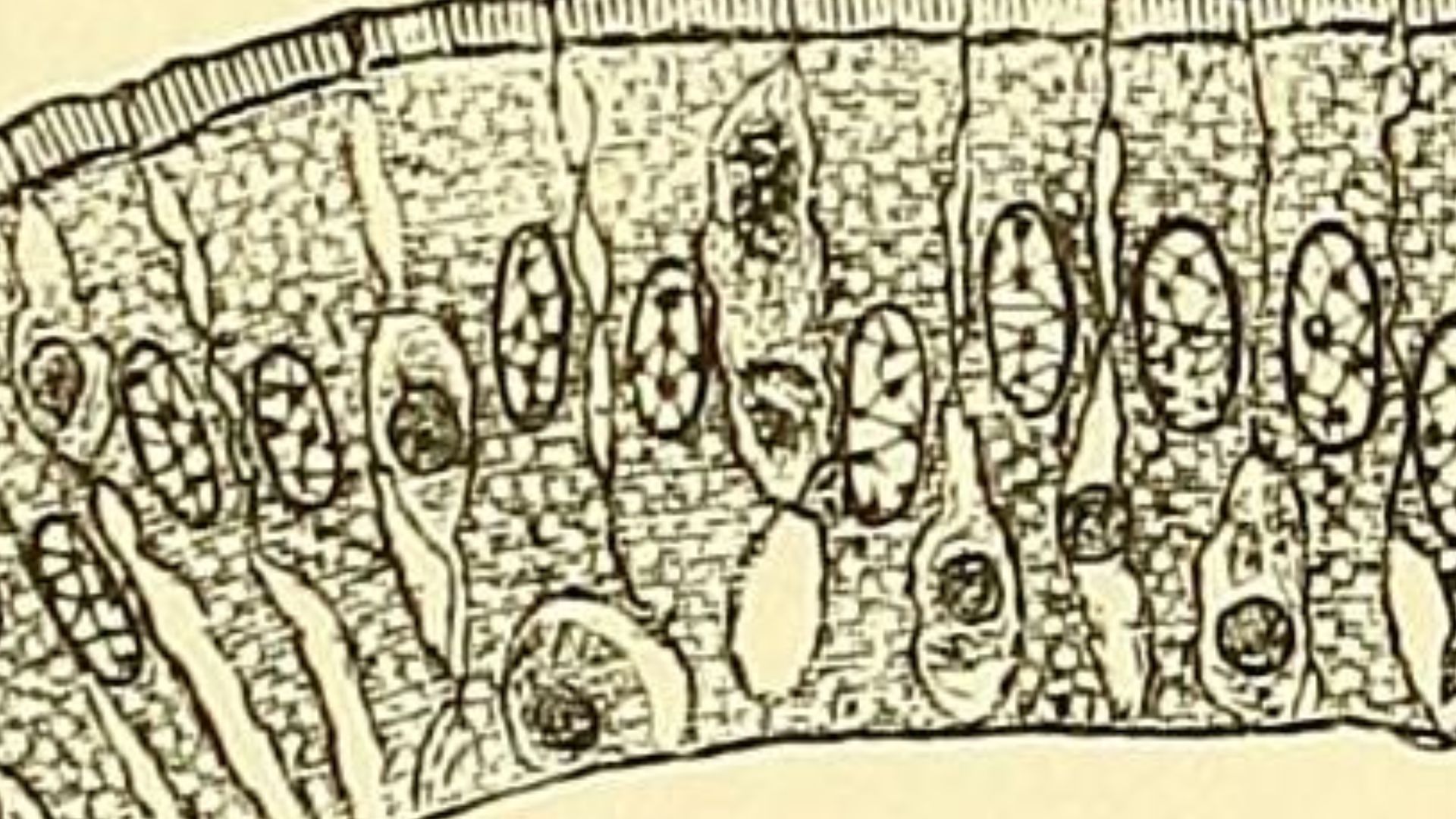
The fossils display a puzzling anatomical mix. The mandibles look archaic with elongated shapes. Their teeth appear surprisingly modern in size and structure. This combination shows evolution in action. Different body parts evolved at different speeds through time.
 Internet Archive Book Images, Wikimedia Commons
Missing The Modern Chin
None of the jawbones recovered has a chin. Modern humans always possess prominent chins. The individuals retained the flat jaw profiles of earlier species. The chin developed much later, and its absence helps scientists identify the evolutionary position on the family tree.

Advanced Tooth Structure
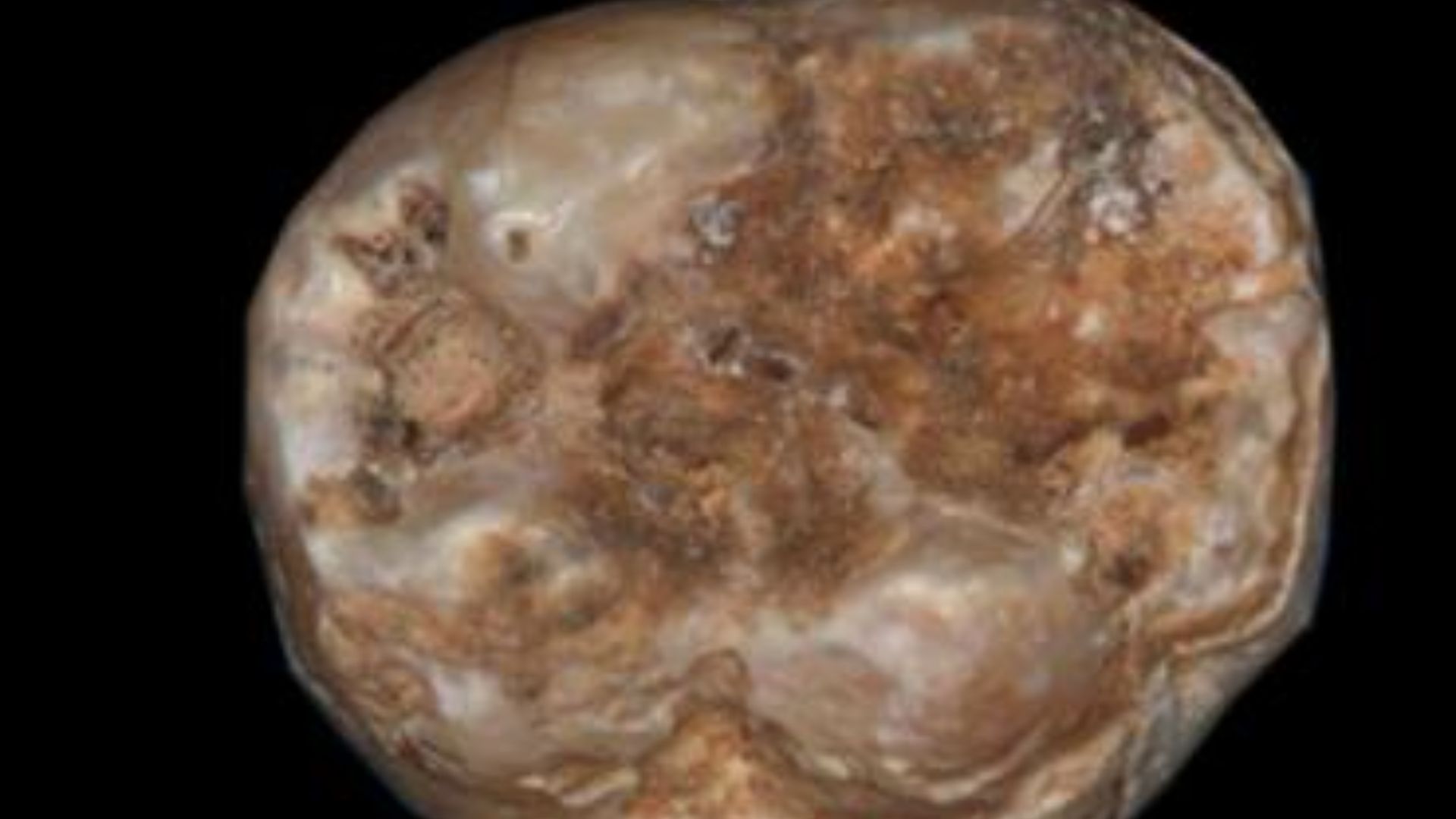
Scientists scanned teeth using advanced imaging. Internal structures became visible without damage. The junction between enamel and dentine tells stories. These patterns align with modern humans and Neanderthals. Tooth morphology suggests these individuals were evolving toward later human forms.
 Prof. Israel Hershkovitz, Tel Aviv University, Wikimedia Commons
Relationship To Homo Erectus
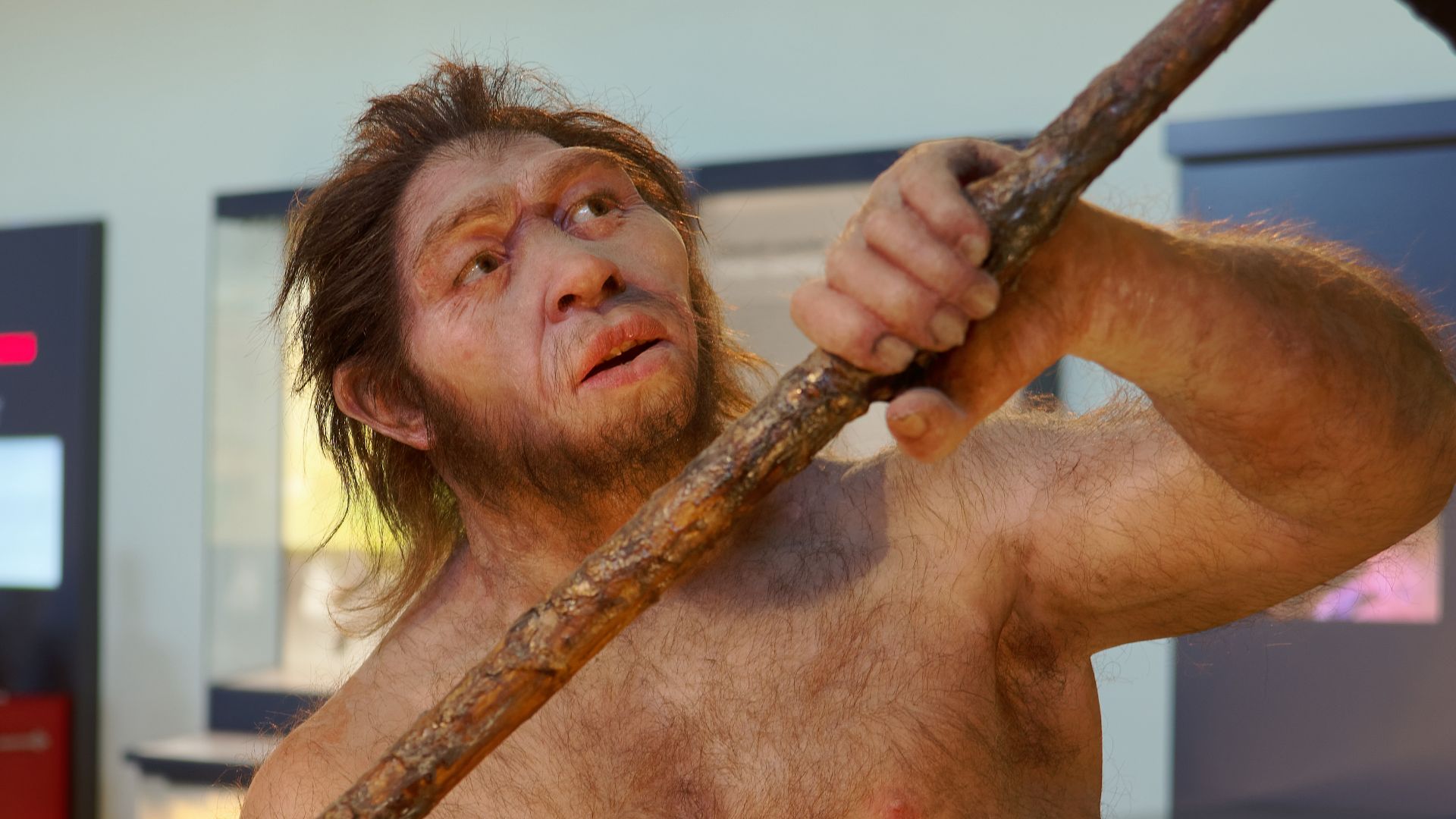
Researchers identify these as advanced Homo erectus. This population developed unique North African characteristics. They represent a transitional stage between species. The fossils sit near the divergence point. One branch led to Sapiens while another produced Neanderthals and Denisovans.
 Jakub Halun, Wikimedia Commons
Last Common Ancestor Question
DNA analysis predicts when lineages split. Fossils from Morocco fall within that window. They might represent the actual ancestral population. Their presence provides significant evidence about evolutionary timing, shared origins, and continental evolutionary diversity.
 PublicDomainPictures, Wikimedia Commons
Comparison With Spanish Fossils
Spanish caves yielded fossils of similar age. Homo antecessor lived in Atapuerca around 770,000 years ago. The Moroccan and Spanish specimens differ significantly. Regional differences had already emerged. African and European populations were diverging by this early date.
 Mario Modesto Mata, Wikimedia Commons
Challenging European Origin Theories
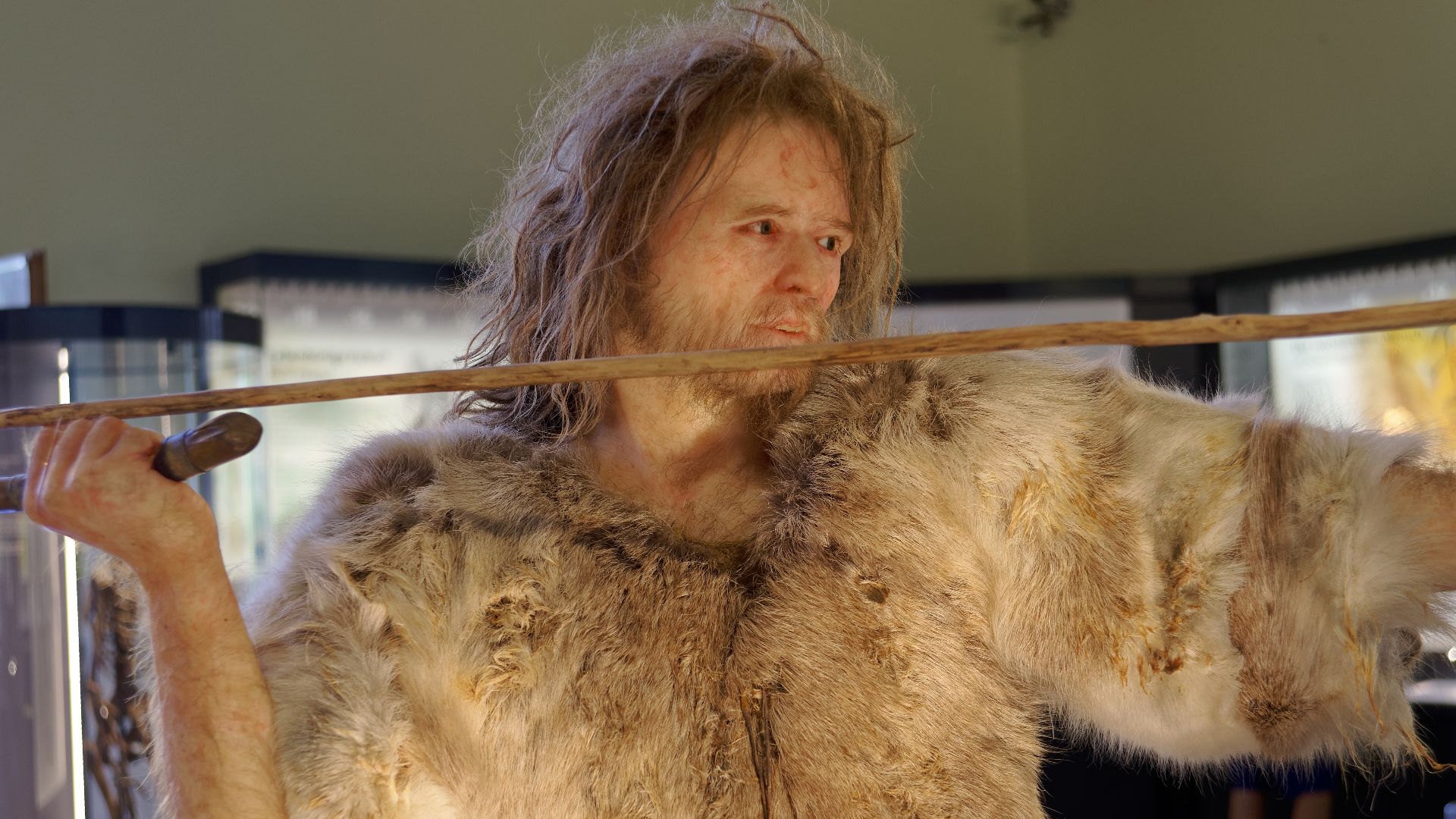
Debate existed about human geographic origins. Some researchers suggested European roots were possible. Every confirmed early Sapiens fossil comes from Africa. The Morocco specimens add powerful evidence. Africa remains the most probable birthplace for our species and close relatives.
 Jakub Halun, Wikimedia Commons
Acheulean Stone Tools Present
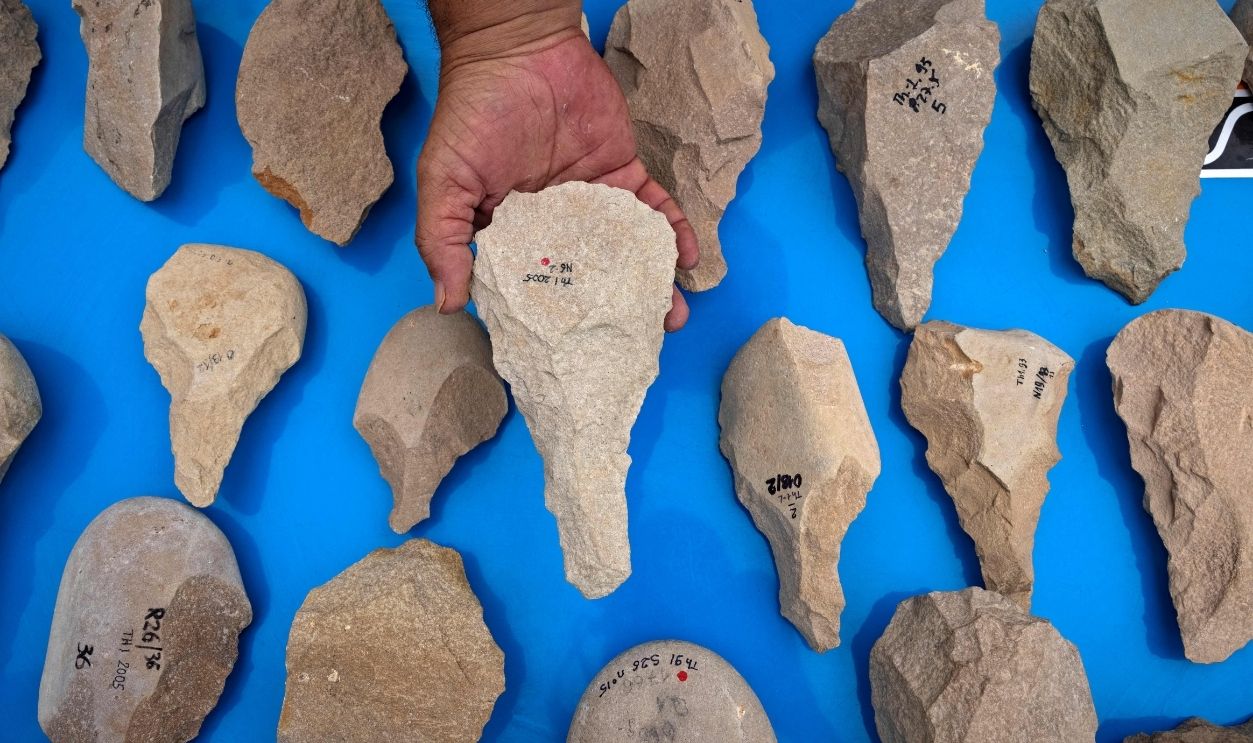
Stone tools accompanied the fossils throughout the deposits. These belong to the Acheulean technological tradition. Nearby Thomas Quarry contains the oldest such tools in northwest Africa. Toolmakers focused on producing sharp flakes. They brought finished handaxes from elsewhere rather than making them here.
Ancient Fauna Assemblage
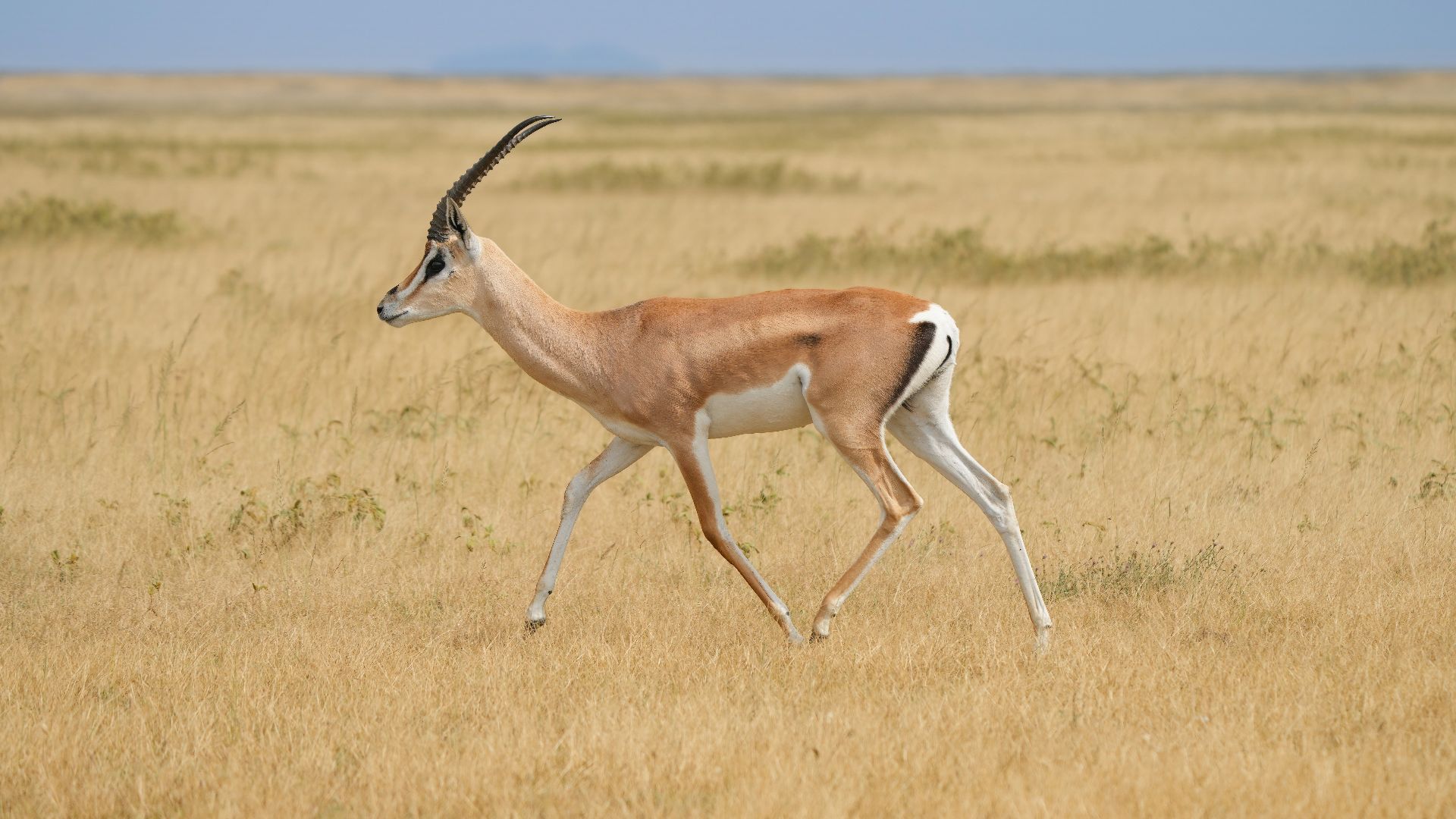
A rich animal community inhabited ancient Morocco. Gazelles grazed across the landscape. Giant baboons roamed in groups. Bears and hyenas prowled for prey. This fauna assemblage indicates an open woodland environment. Competition among carnivores was intense based on the bone evidence.
 Giles Laurent, Wikimedia Commons
Climate And Environment
Ancient Casablanca looked different than today. Grasslands stretched across the terrain. Trees grew in scattered clusters. The climate was dry but not desert. Ecological corridors occasionally opened through the Sahara. These pathways connected northwest Africa with eastern and southern populations.
 Pere Lopez Brosa, Wikimedia Commons
North Africa's Hidden Role
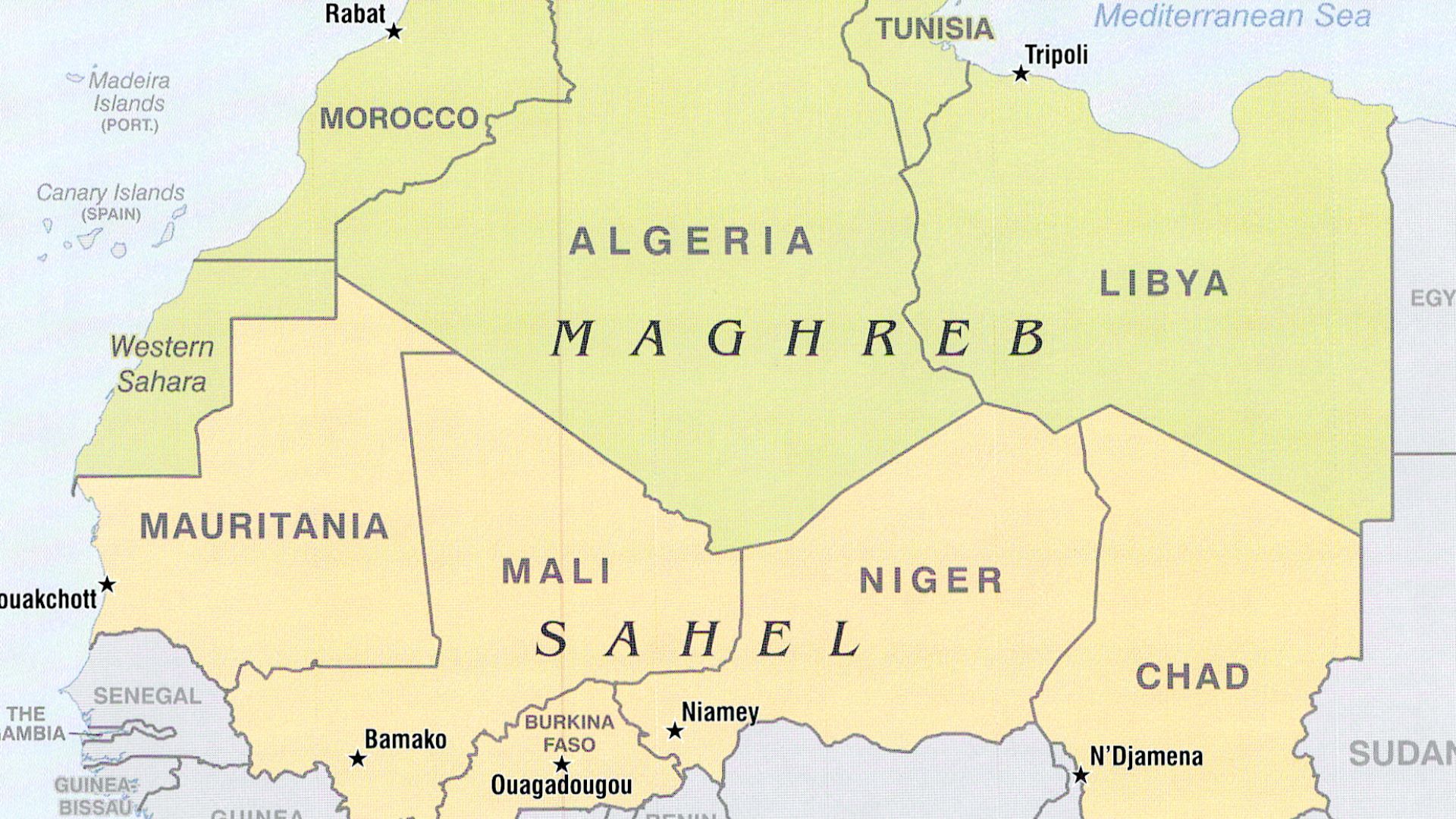
Most human evolution studies focused on East Africa. Southern Africa also received significant attention. Northwest Africa remained understudied by comparison. This discovery highlights the region's importance. The Sahara permitted movement rather than completely isolating populations during climatically favorable periods.
 Central Intelligence Agency, Wikimedia Commons
Link To Jebel Irhoud
Morocco already held crucial evolutionary evidence. Jebel Irhoud fossils represent the oldest confirmed Homo sapiens. Those specimens lived 300,000 years before present. The new Casablanca fossils predate them by nearly half a million years. Morocco documents a long span of human presence.
 Shannon McPherron, MPI EVA Leipzig, Wikimedia Commons
Regional Differentiation Evidence
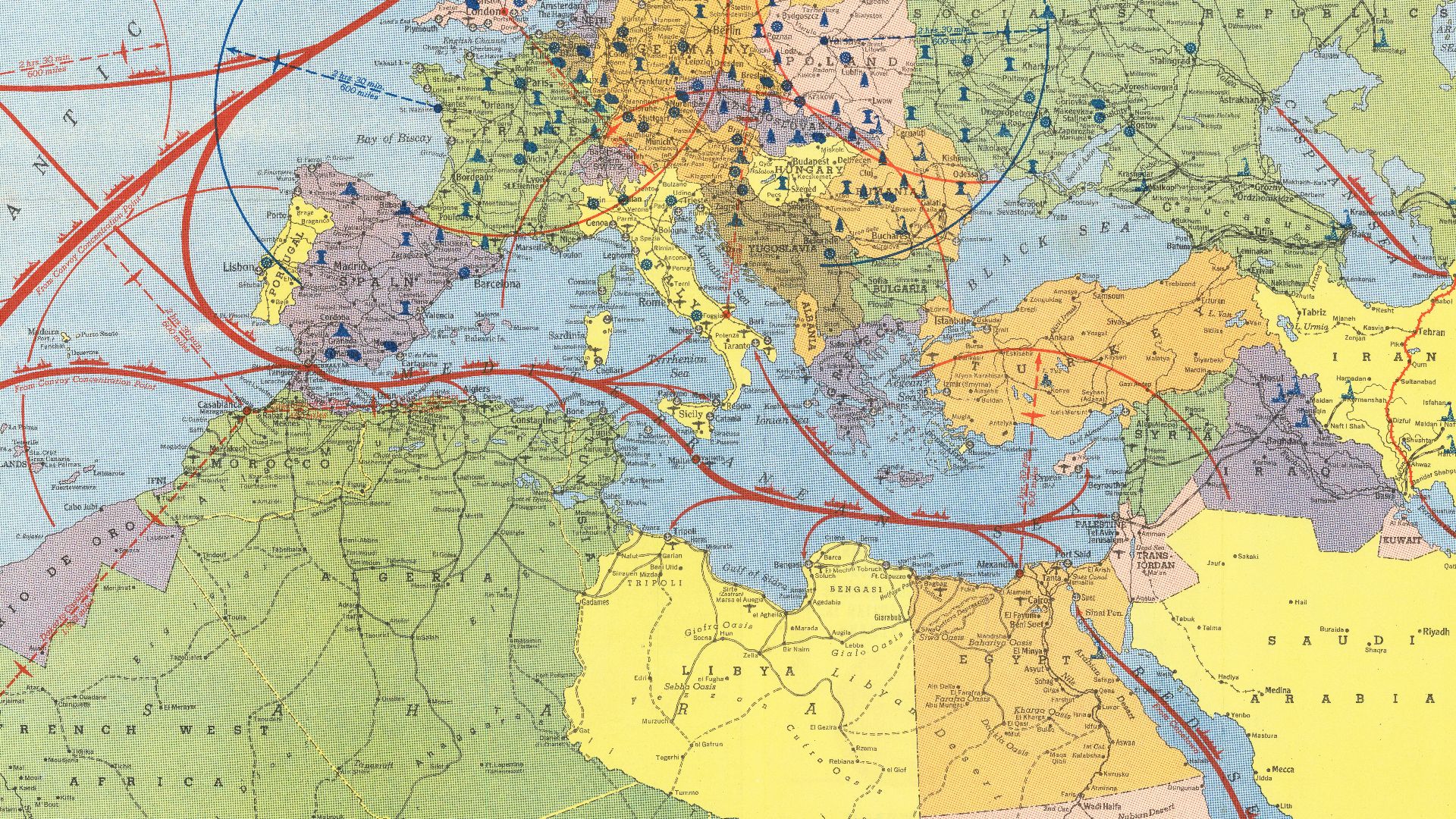
Populations displayed distinct regional traits early in human history. North Africans differed anatomically from Europeans, and those differences deepened over time. Long‑standing separation meant each group followed its own evolutionary path, with environmental pressures shaping unique adaptations across regions.
 Hammond & Co., Wikimedia Commons
Genetic And Fossil Evidence Converge
Genetics and paleontology finally agree on timing. DNA analysis predicted ancestral dates around 700,000 years. Physical fossils now exist from that exact period. This convergence strengthens both lines of evidence. Scientists can finally attach anatomy to genetic timelines with confidence.
 National Cancer Institute, Unsplash
Incomplete Species Classification
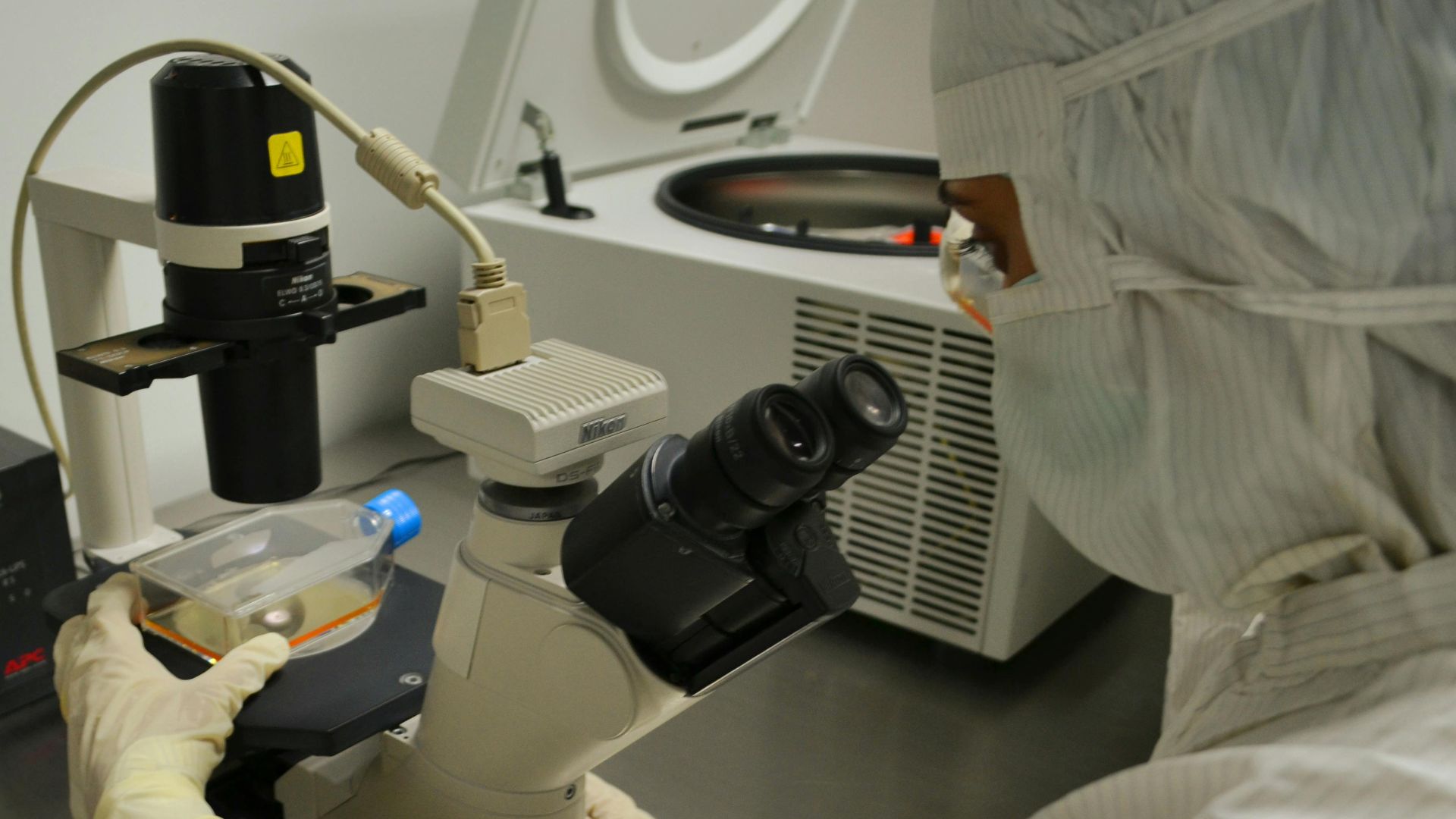
Scientists deliberately left these fossils unnamed. The fragmentary remains make classification difficult. More specimens would help establish identity. Planned protein analysis might reveal relationships. For now, they remain classified as advanced North African Homo erectus pending additional evidence and analysis.
Future Research Directions
Much work remains to be done. North Africa holds many unexplored archaeological sites. Protein extraction from these fossils is planned. Additional discoveries would clarify evolutionary pathways. Scientists need more specimens from this critical time period. Each new find refines our understanding further.
Why This Discovery Matters
This discovery addresses fundamental questions about ourselves. It illuminates a mysterious period in our past. The fossils represent the root of our family tree. They strengthen the case for African origins decisively. Understanding where we came from helps explain what we are. Morocco holds the keys to human history.
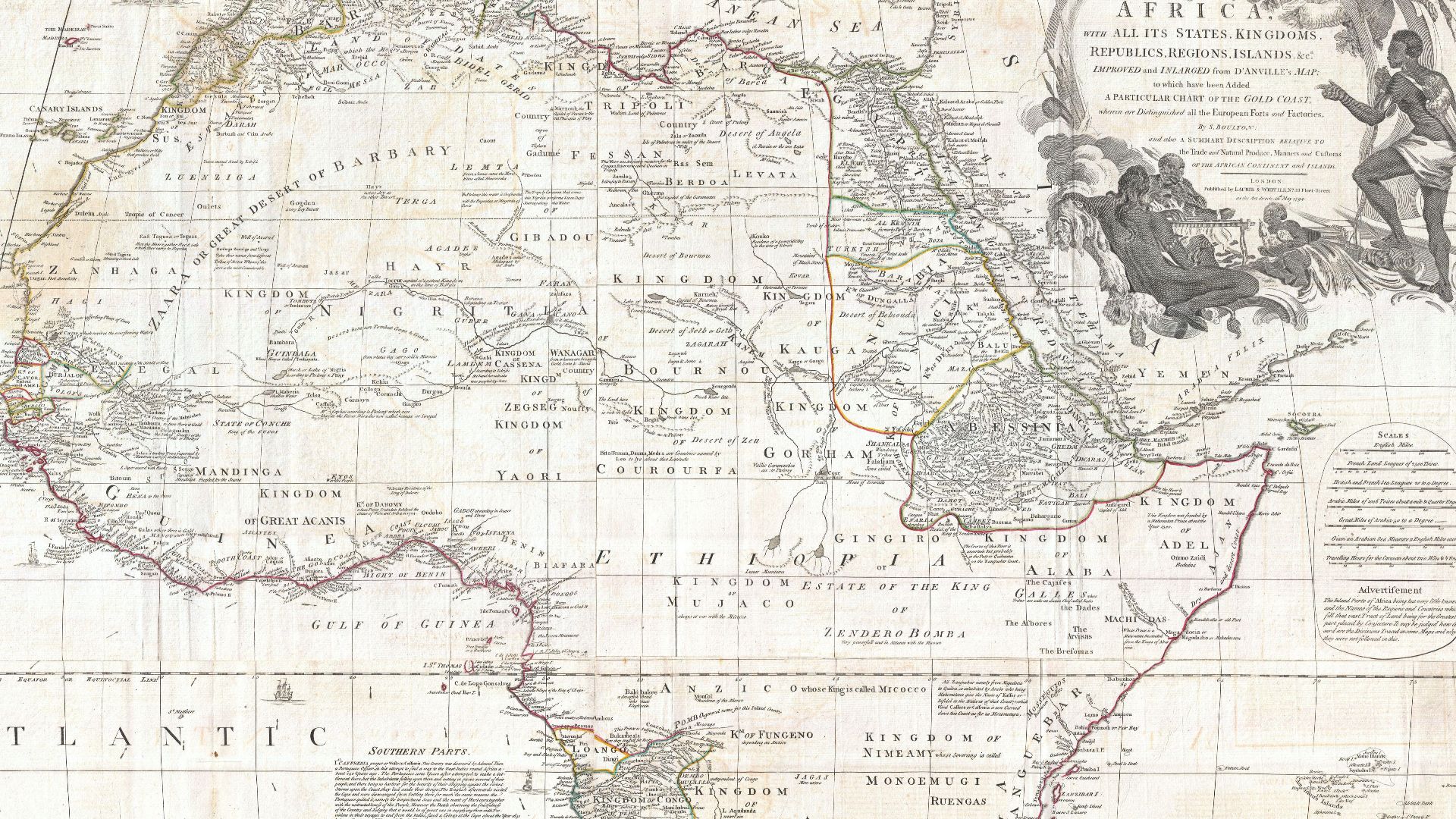 Solomon Boulton / Jean Baptiste Bourguignon d'Anville, Wikimedia Commons