The Tribe That Refused to Break
Tucked between rivers, valleys, and snow-capped peaks of the Pacific Northwest lives a tribe whose story is filled with courage, heartbreak, and unshakable pride. They’re called the Nez Perce, but in their own language, they call themselves the Nimiipuu—“The People.” They’ve been pushed, tricked, and hunted, but they never gave up who they are.
Born From the Land
The Nez Perce once roamed across what is now Idaho, Oregon, and Washington. Their homeland was massive, covering over 17 million acres. Rivers, forests, and mountains weren’t just places to them—they were family. Everything they needed to live came from that land.
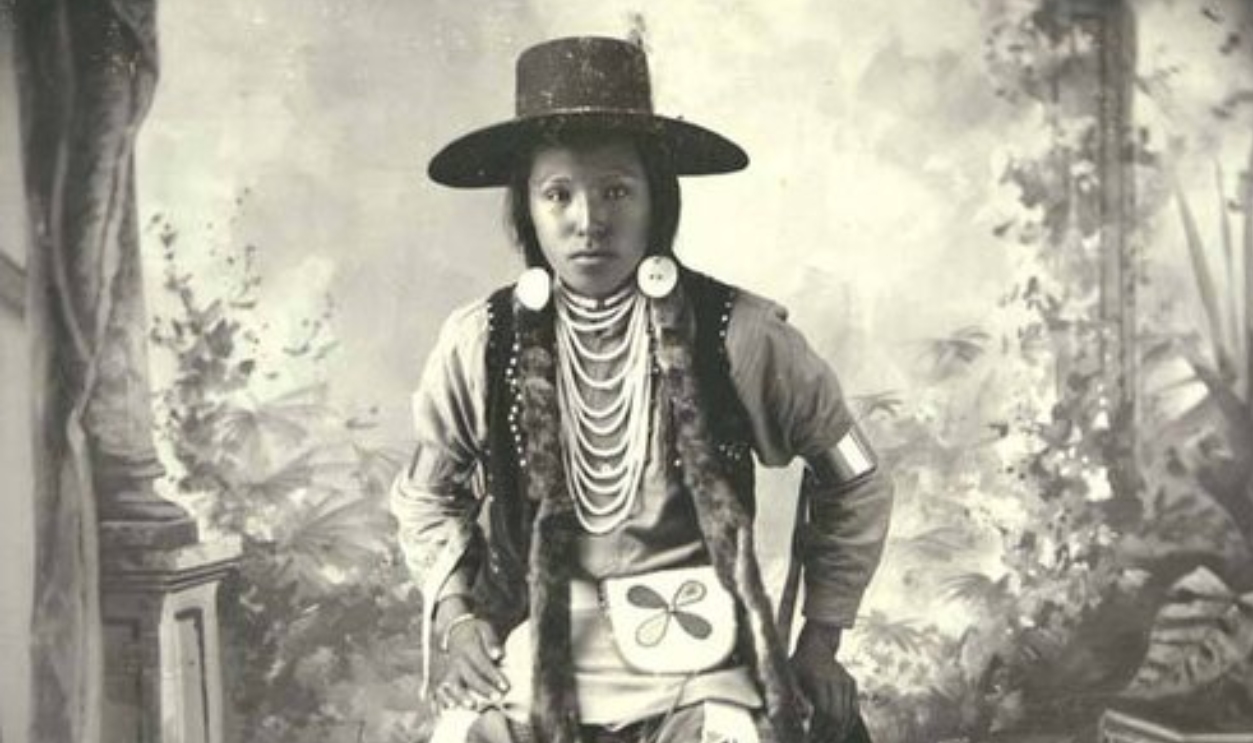 Frank La Roche, Wikimedia Commons
Masters of the Horse
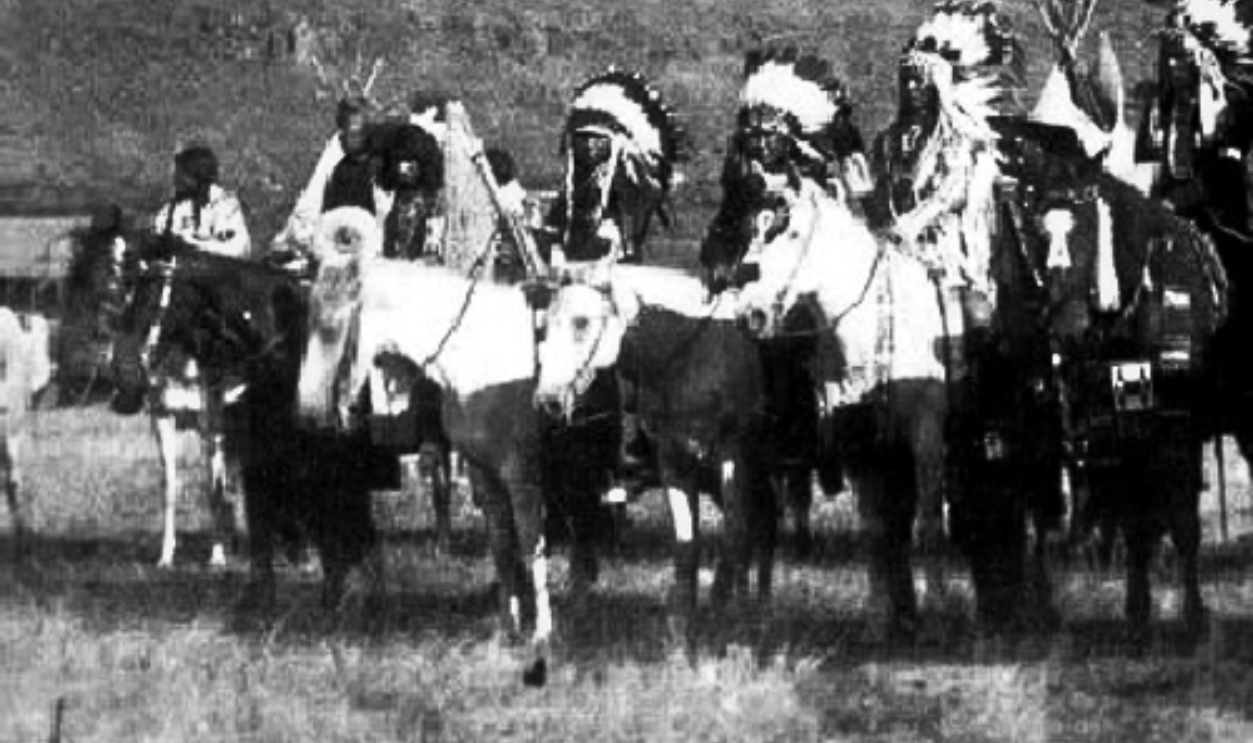
Long before cars, the Nez Perce were known for something special: horses. They became expert riders and breeders, especially of the famous spotted Appaloosa horse. These horses weren’t just for travel or hunting—they were part of the tribe’s identity.
 Unknown authorUnknown author, Wikimedia Commons
River Life
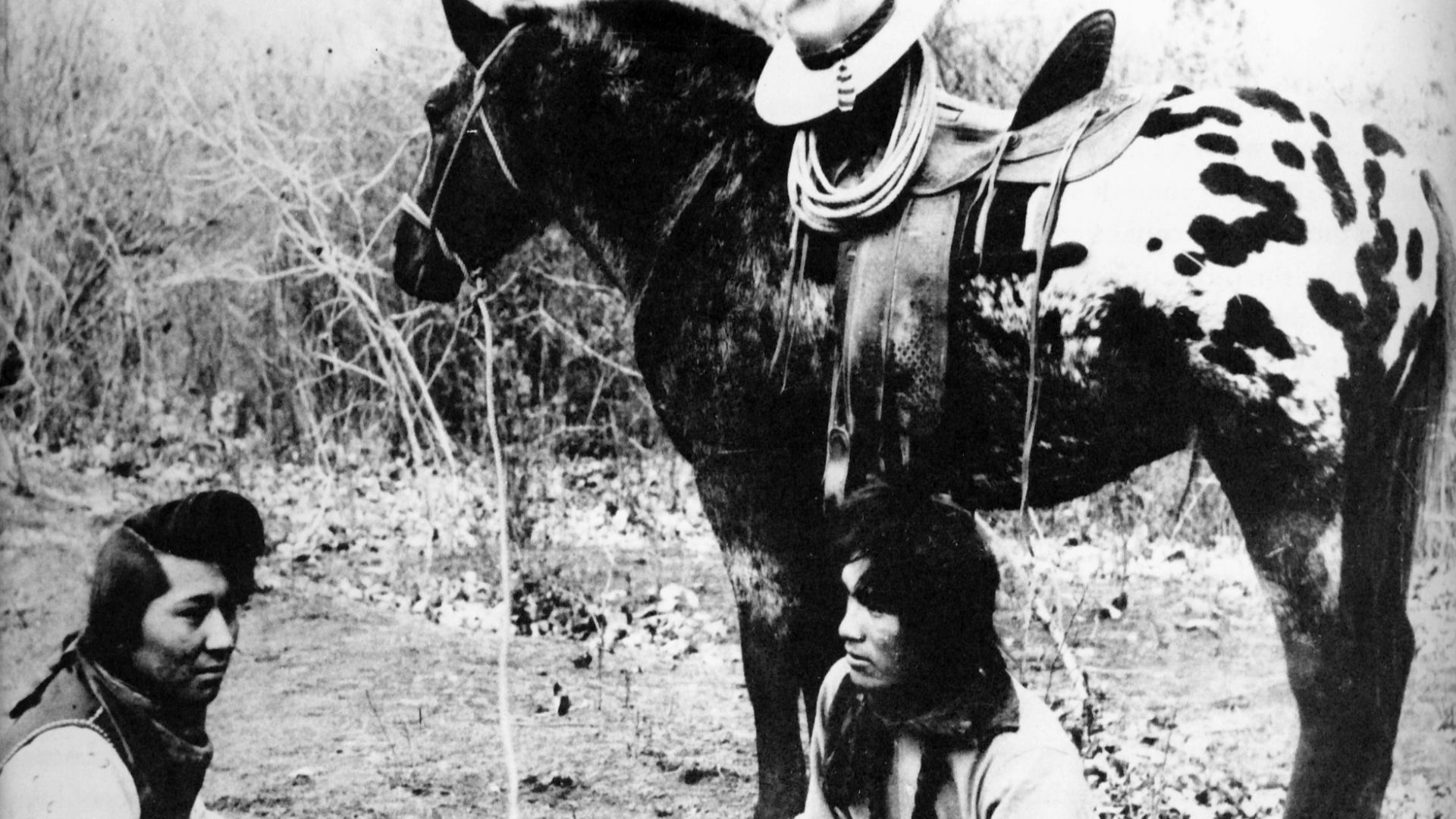
Their lives flowed with the rivers. Salmon was their main food, and they caught it using clever techniques passed down for generations. They also hunted elk and deer, and picked wild roots and berries. They followed the seasons, always in tune with nature.
 Unknown authorUnknown author, Wikimedia Commons
Deeply Spiritual
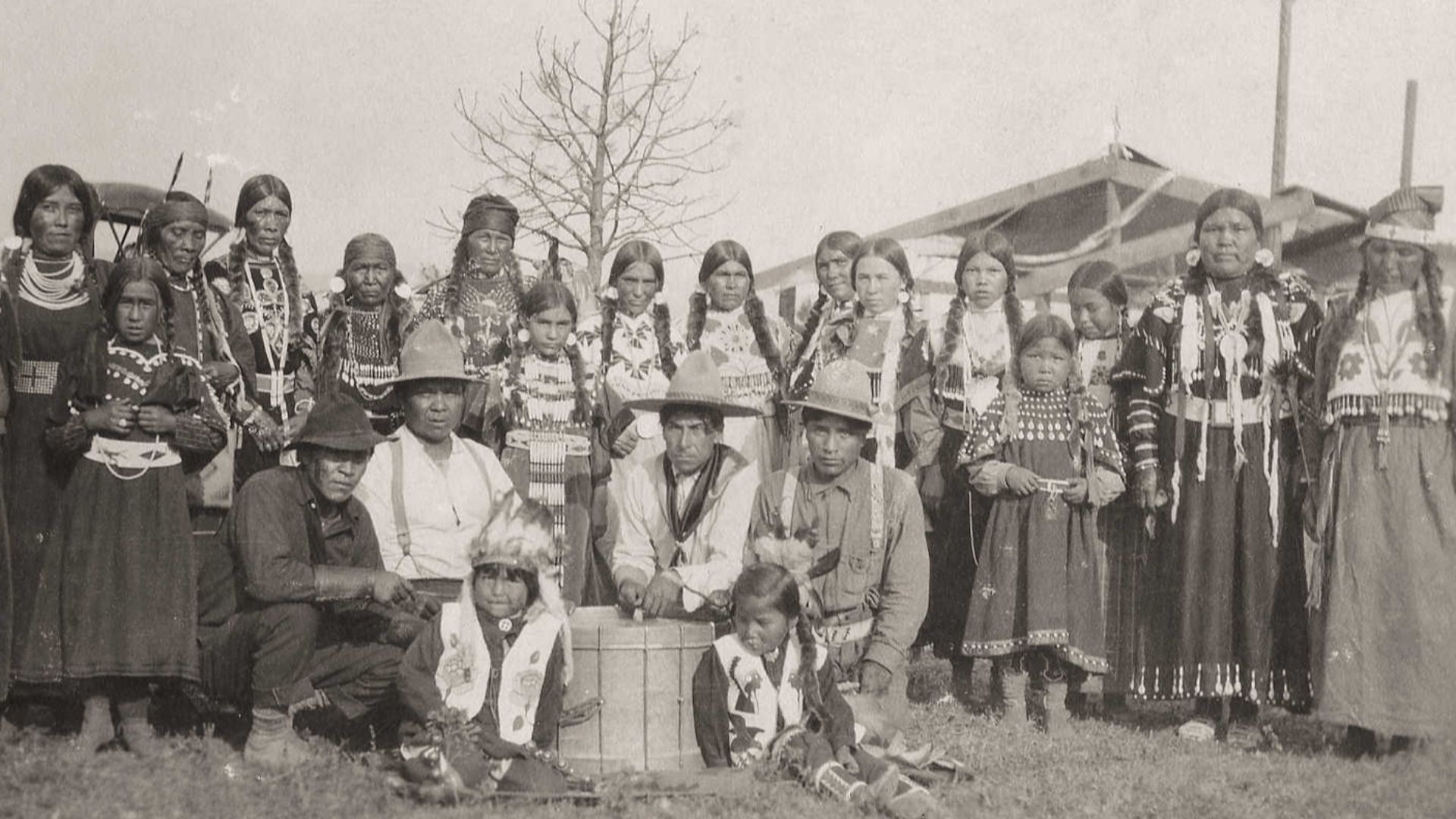
To the Nez Perce, the Earth wasn’t just dirt and trees. It was alive. They honored spirits of animals, rivers, and mountains. Ceremonies, dances, and vision quests were all part of their spiritual life. Everything they did came with respect for the world around them.
 Steve Shook from Moscow, Idaho, USA, Wikimedia Commons
Friendly and Fair
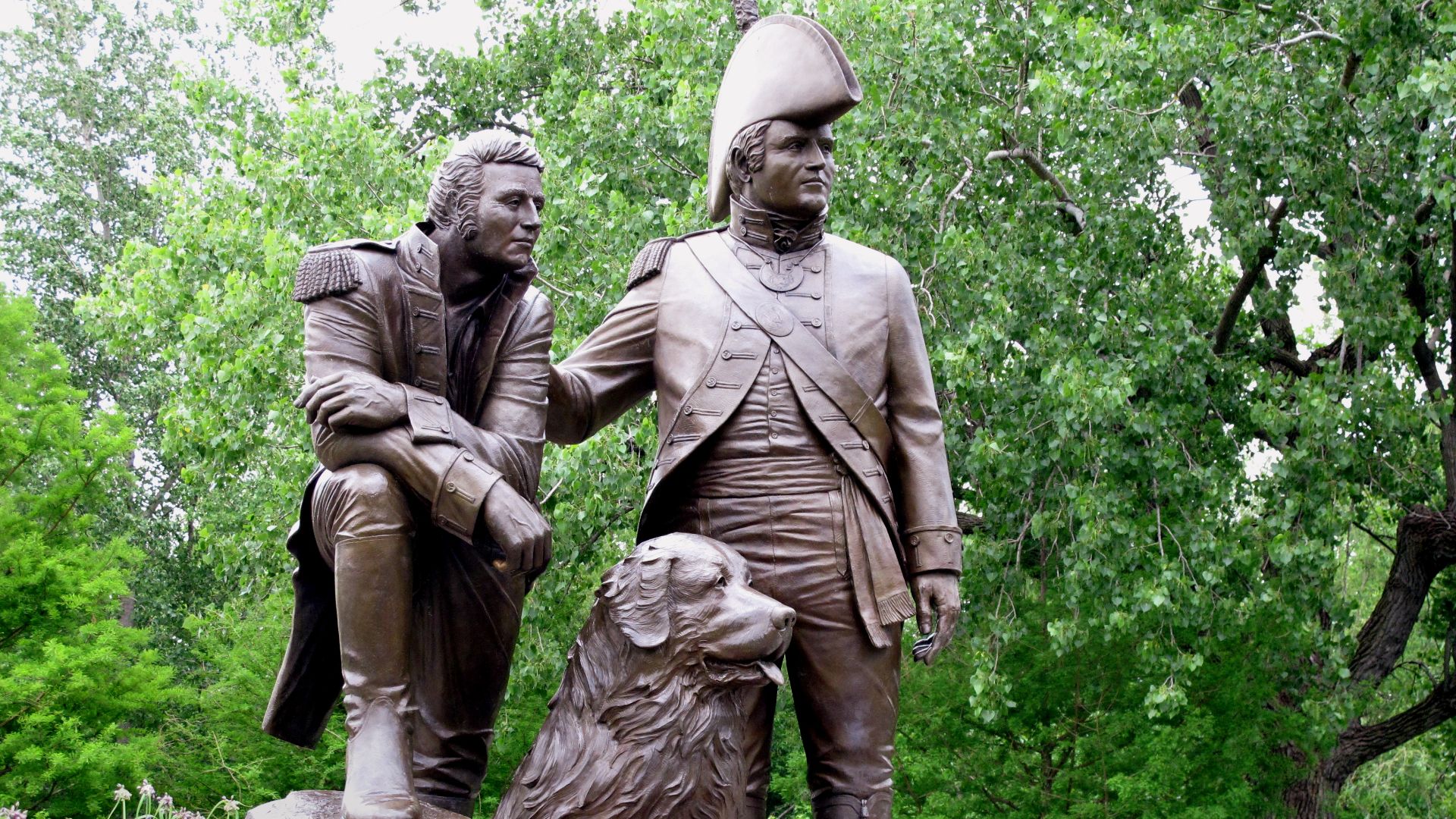
The Nez Perce were known for being welcoming. When Lewis and Clark showed up in 1805, cold and hungry, the tribe helped them out. They shared food and knowledge, expecting the same kindness in return. Sadly, that didn’t last.
 NOAA Photo Library, Wikimedia Commons
A Deal Gone Bad
In 1855, the US government signed a treaty giving the Nez Perce a reservation. But after gold was found on their land, that deal was thrown out. A new treaty took away 90% of their land. Many Nez Perce refused to sign it. And that set the stage for a major showdown.

A Run for Survival
In 1877, the US Army came to force the Nez Perce off their land. Instead of giving in, the tribe packed up and fled. What followed was a 1,170-mile journey through harsh terrain, with soldiers close behind. It was one of the most impressive retreats in history.
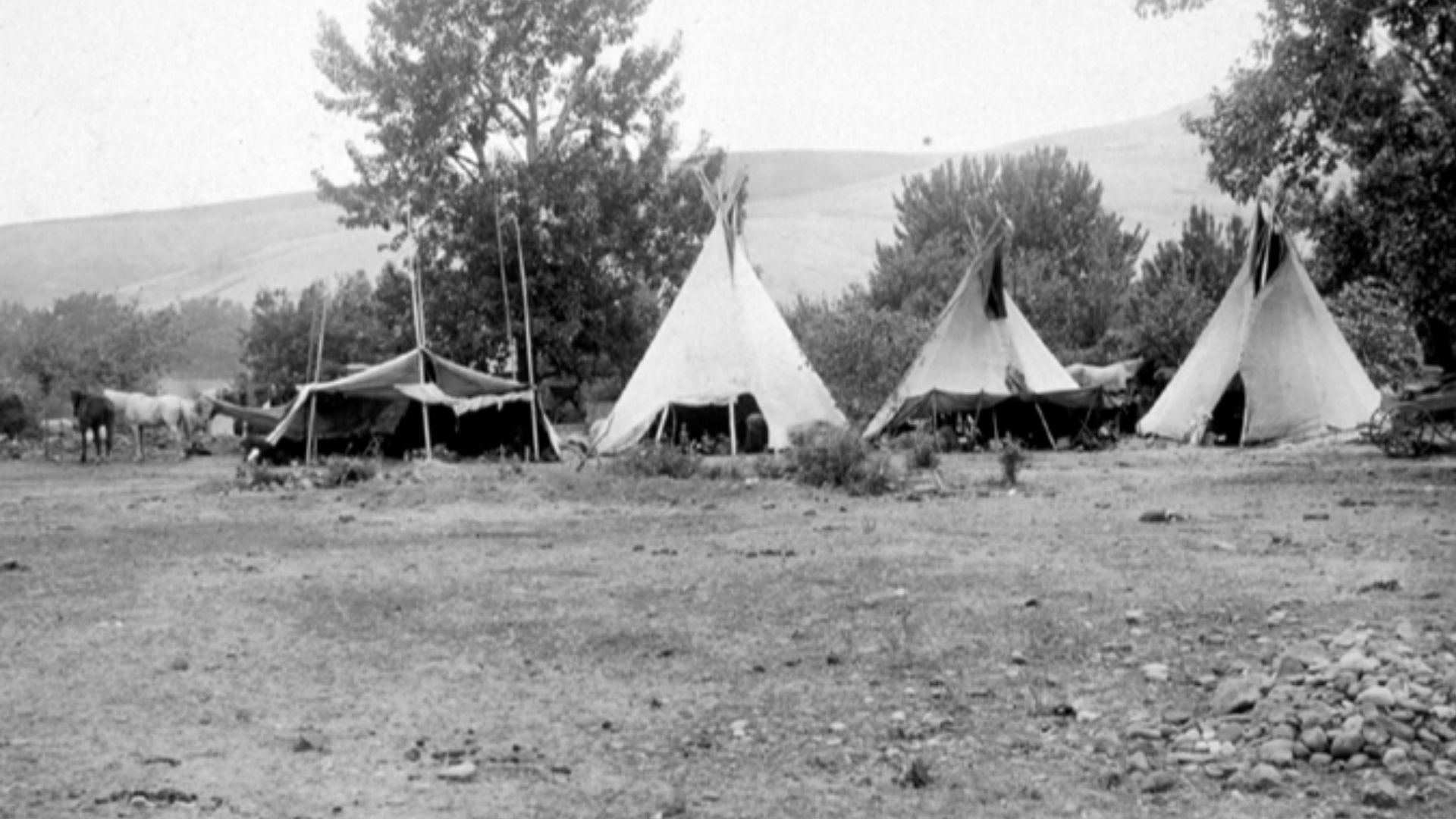 Robbiegiles, Wikimedia Commons
Chief Joseph’s Painful Choice
Chief Joseph became the face of the Nez Perce resistance. After months of fighting and losing loved ones, the tribe was finally cornered. Joseph made the hardest choice of his life. “From where the sun now stands, I will fight no more forever,” he said. His words still break hearts.
 John Hale Fouch (1849-1933), Wikimedia Commons
Taken Far From Home
Instead of being allowed to go home, the surviving Nez Perce were shipped to Kansas and Oklahoma. Many died from disease and poor conditions. Years later, they were finally allowed to return to parts of their homeland. But it would never be the same.
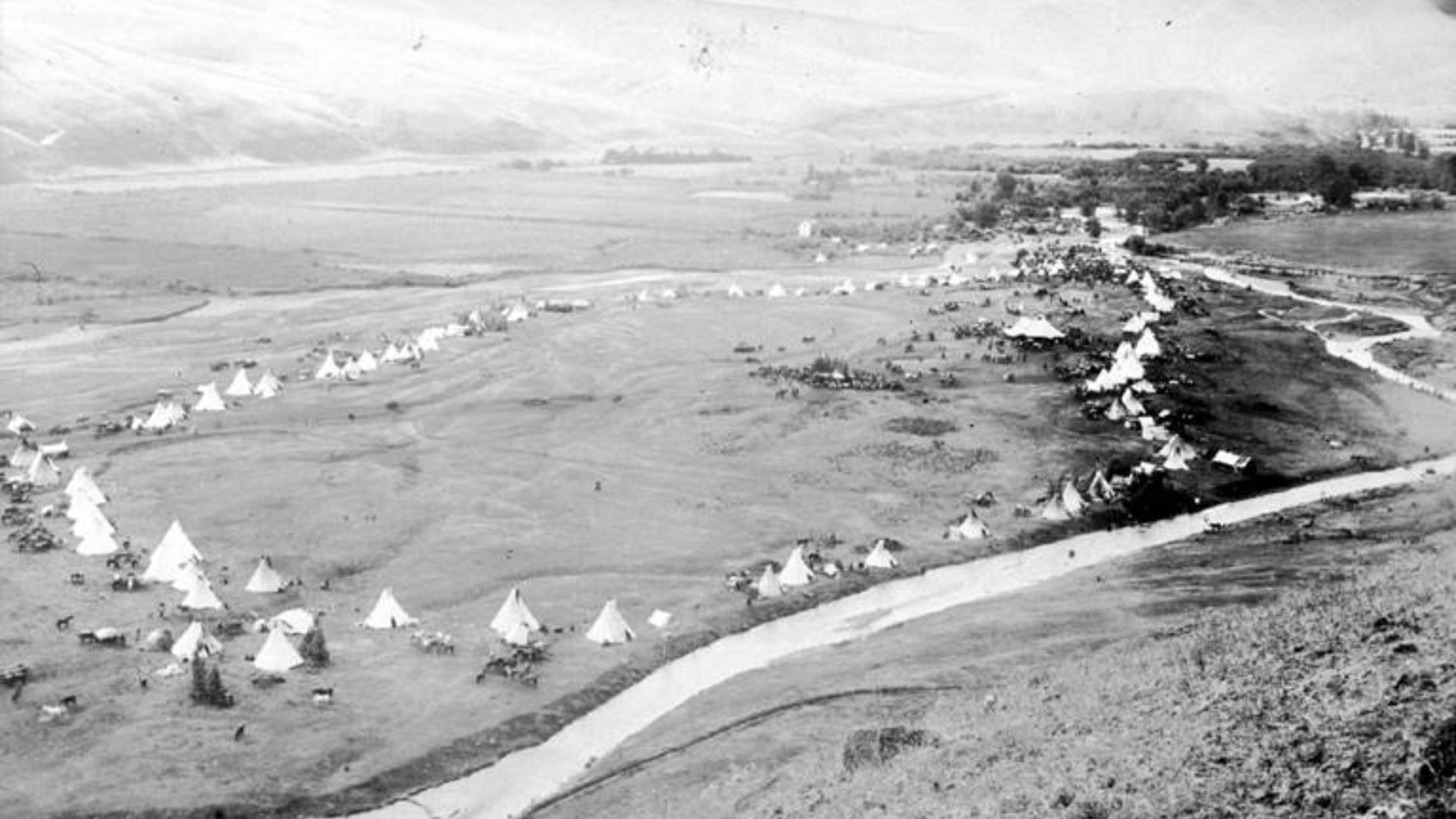
The Horses Live On
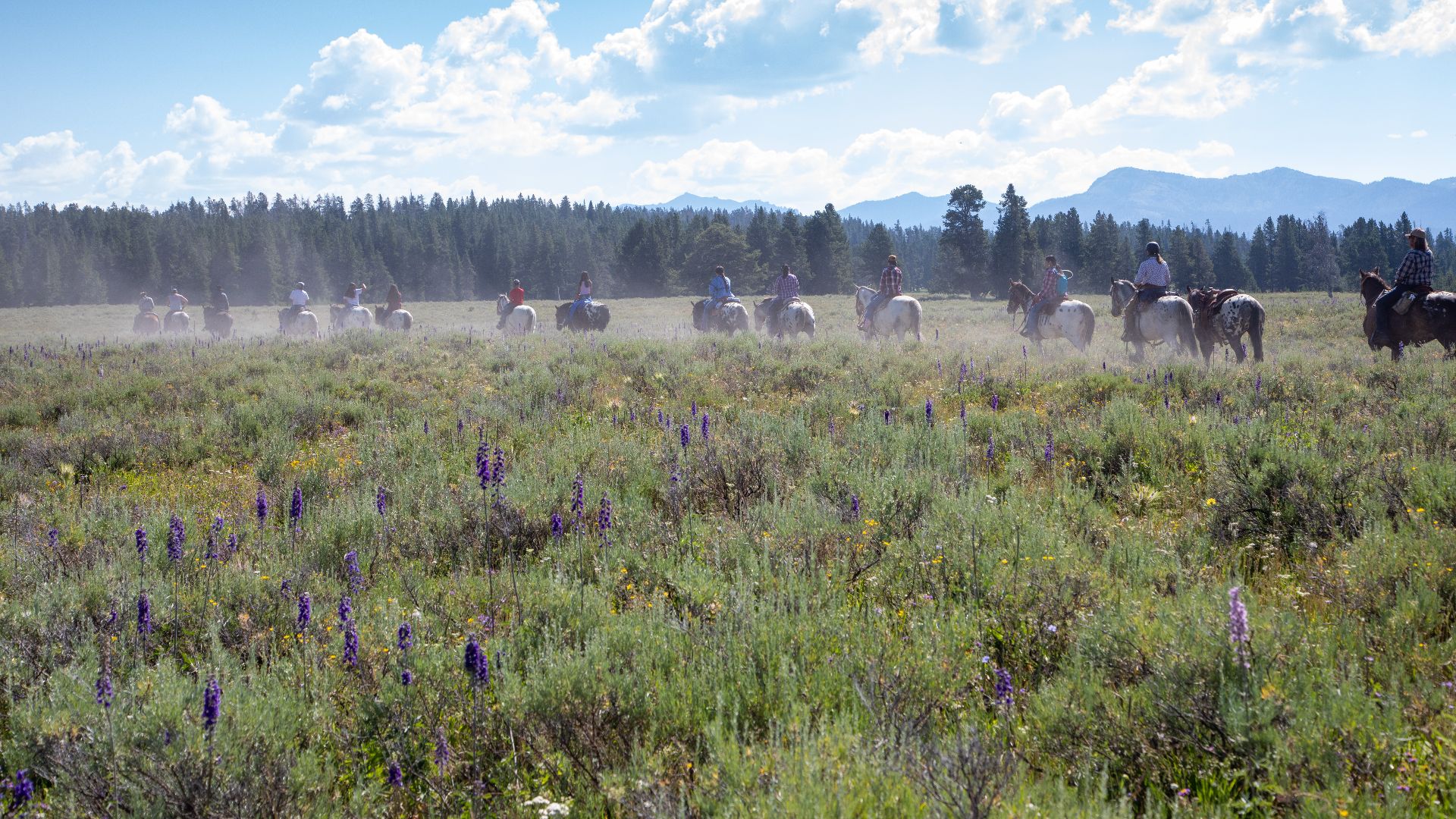
Despite all they lost, the Nez Perce kept their Appaloosa horses. These strong, beautiful animals became a symbol of pride. Today, the tribe works to preserve the breed and honor the deep bond between rider and horse.
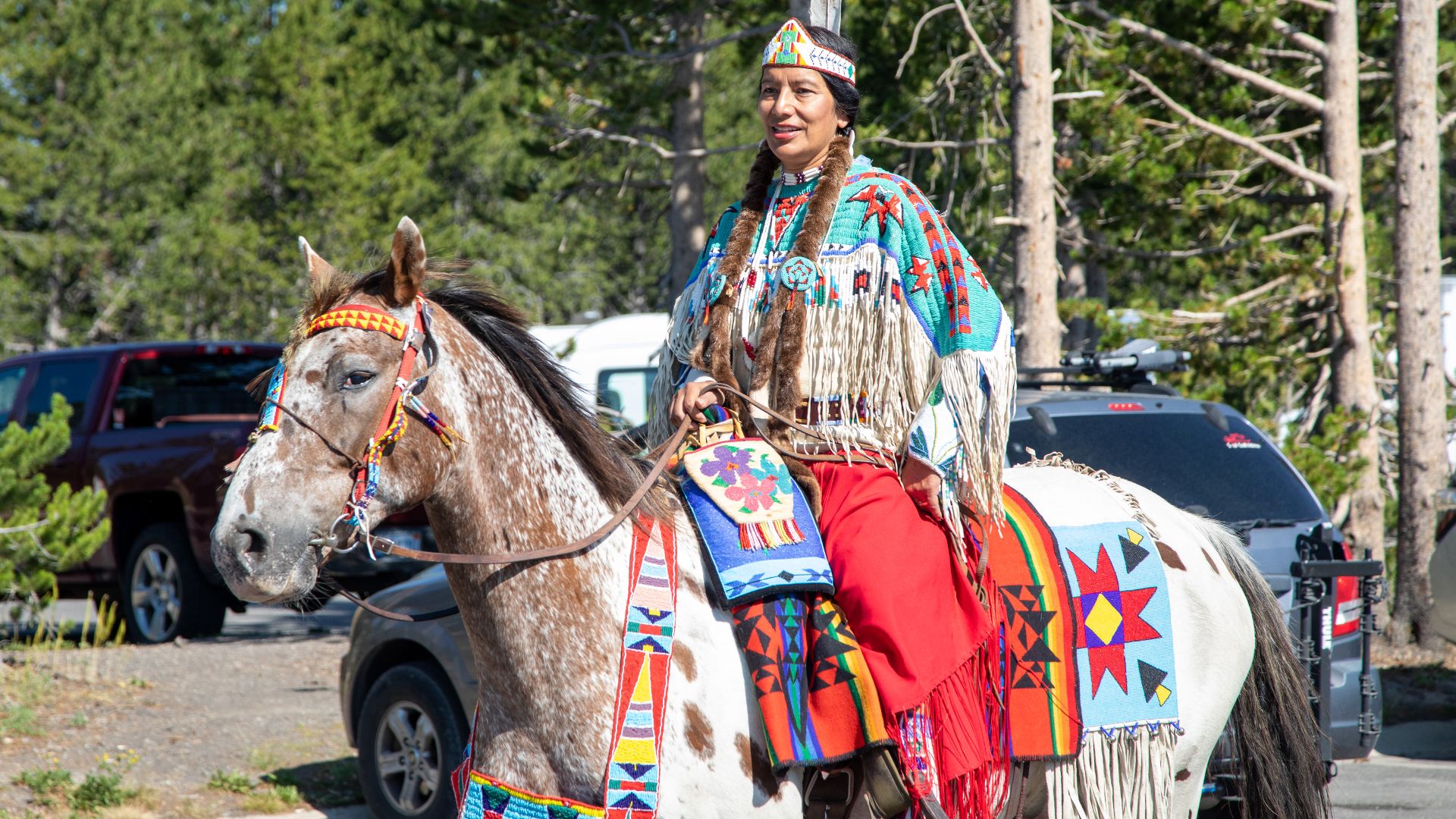 YellowstoneNPS, Wikimedia Commons
Saving Their Language
The Nez Perce language is still alive, but just barely. Fewer people speak it every year. That’s why elders and teachers are working hard to bring it back. For many young Nez Perce, learning their language is a way to stay connected to their roots.
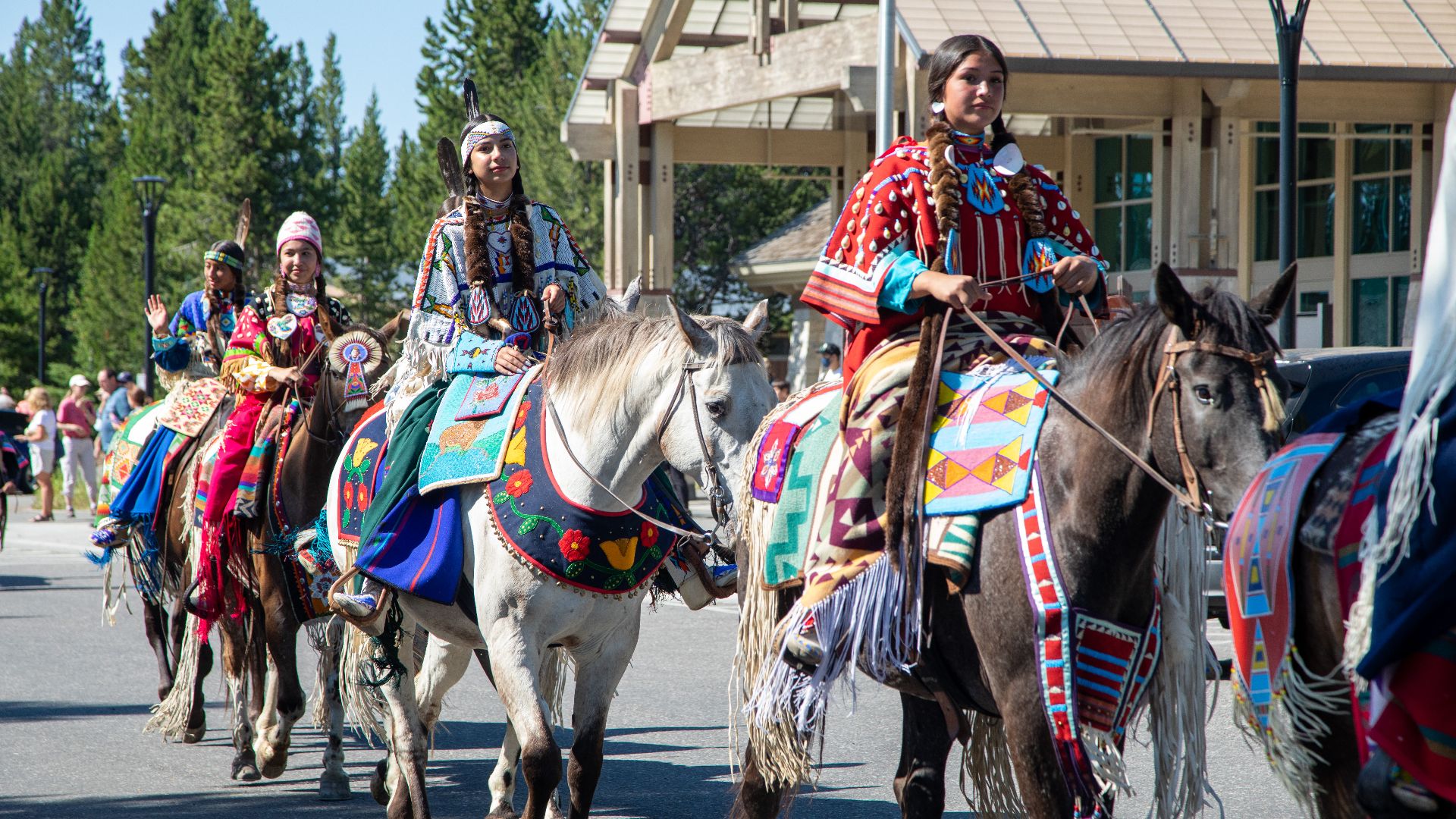 YellowstoneNPS, Wikimedia Commons
Dancing for the Ancestors
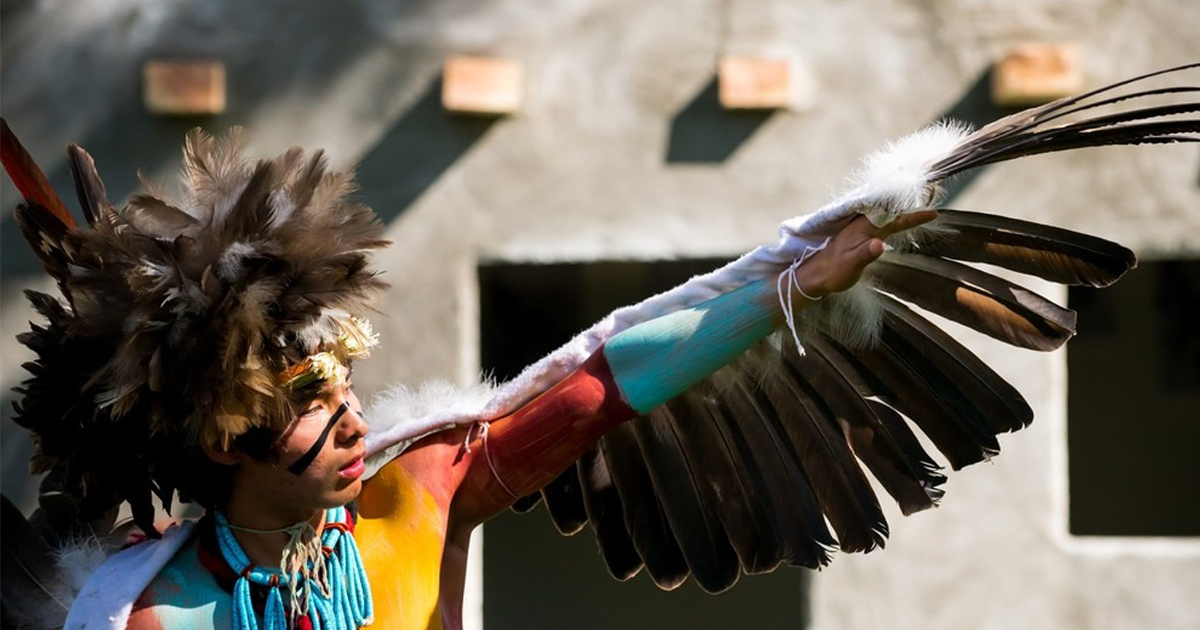
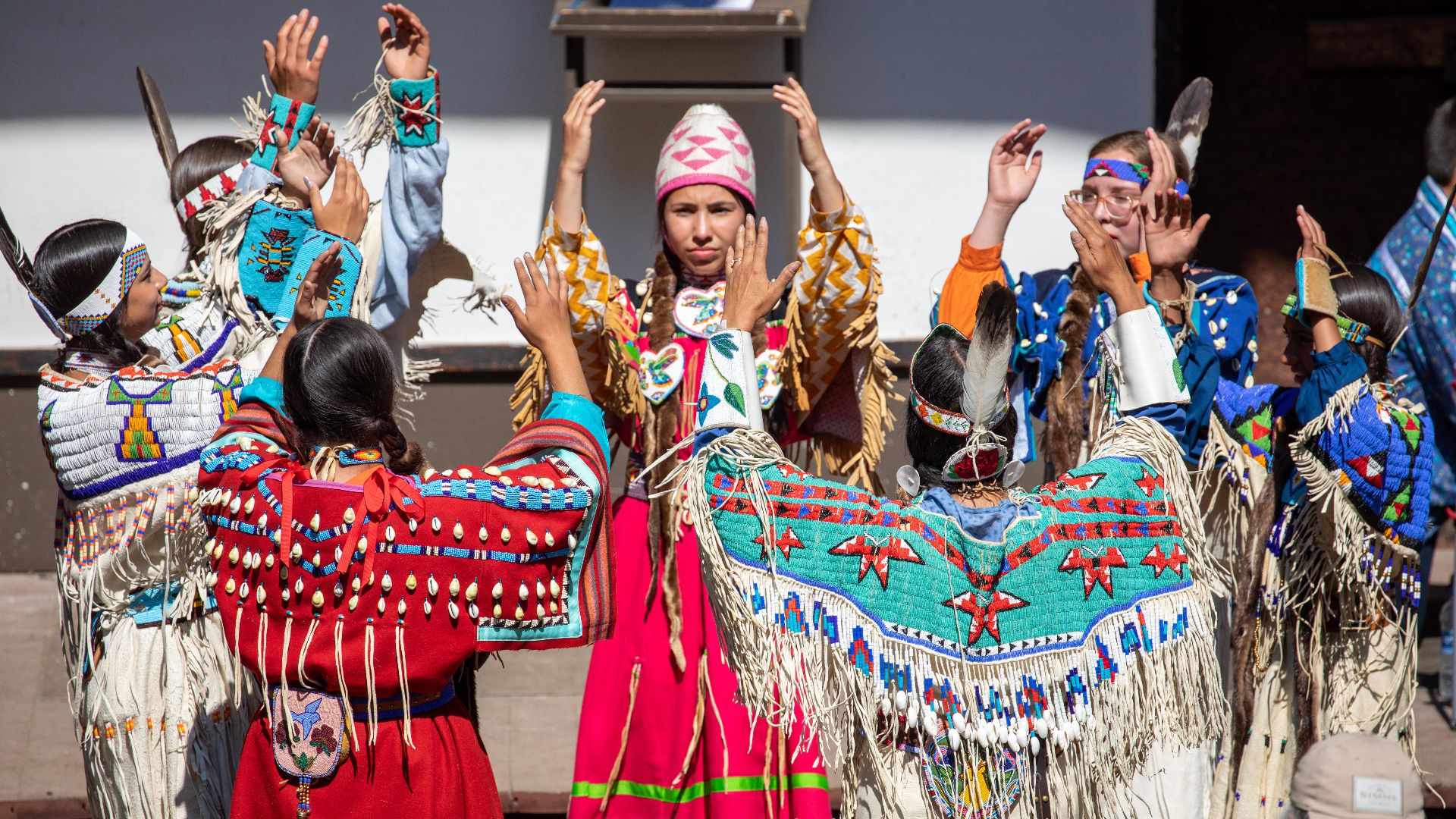
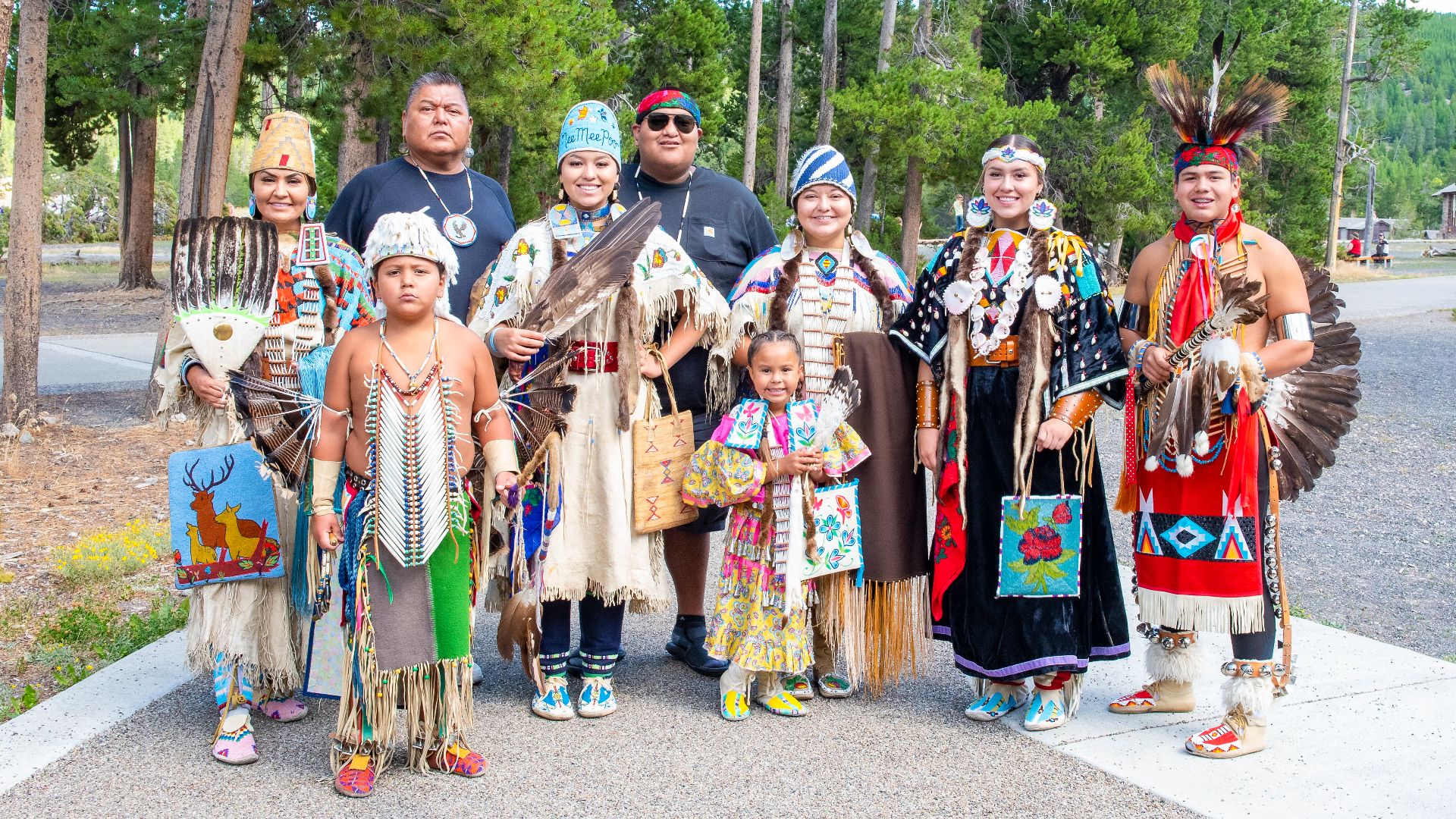
Powwows are a big part of life today. These gatherings are filled with dancing, drumming, and colorful outfits that reflect tradition. They’re a time to remember ancestors, share stories, and celebrate being Nimiipuu.
 YellowstoneNPS, Wikimedia Commons
Sacred Ground
The Nez Perce are still fighting to protect their sacred places. These are the rivers where they fished, the valleys where they prayed, and the hills where they buried their dead. They want future generations to have access to those places too.
 YellowstoneNPS, Wikimedia Commons
Teachers and Leaders
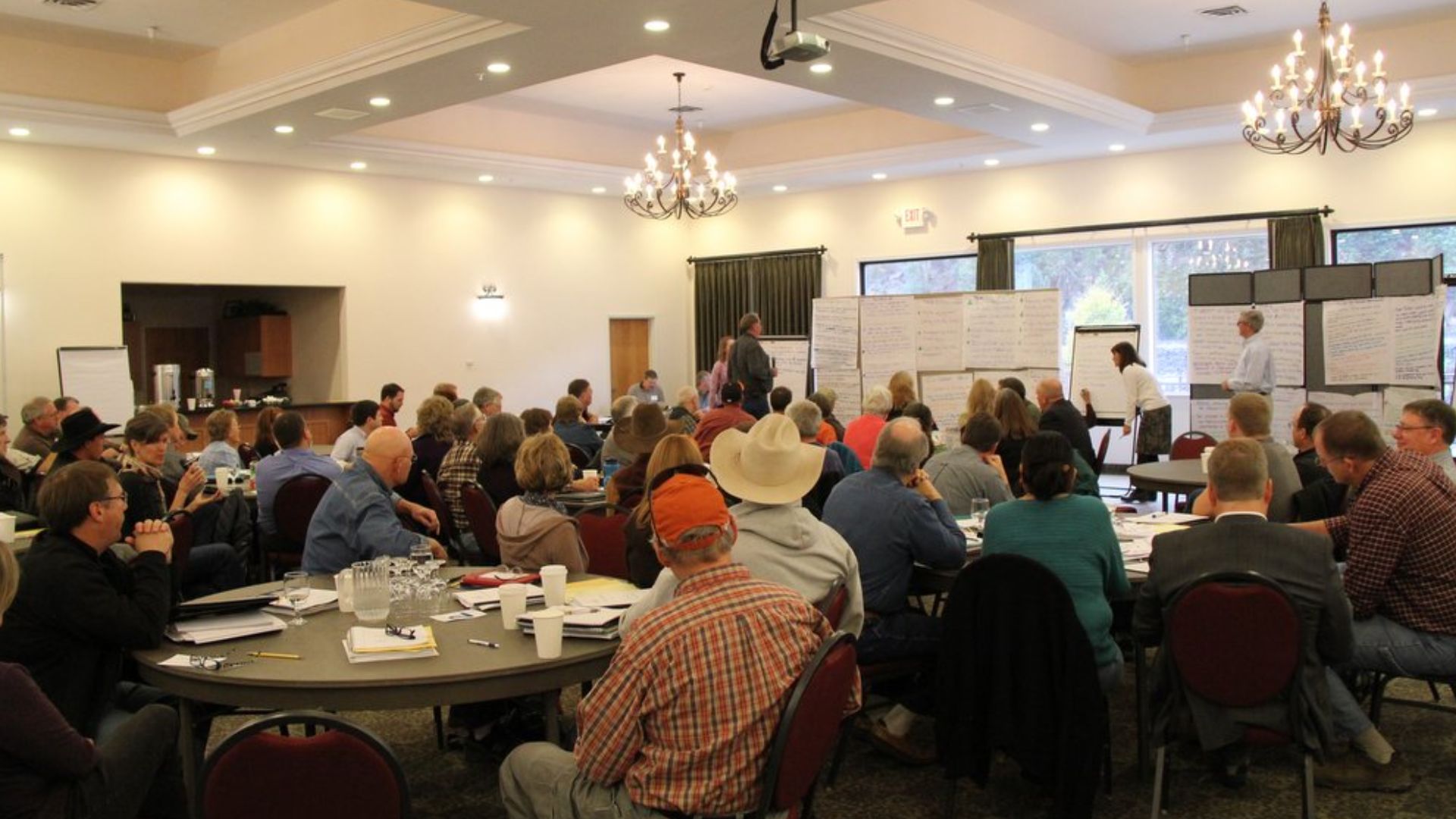
Today’s Nez Perce are artists, lawyers, activists, and leaders. They run programs to help their people stay healthy, educated, and connected to their heritage. And they share their story with anyone willing to listen.
 Forest Service Northern Region from Missoula, MT, USA, Wikimedia Commons
Life in Lapwai
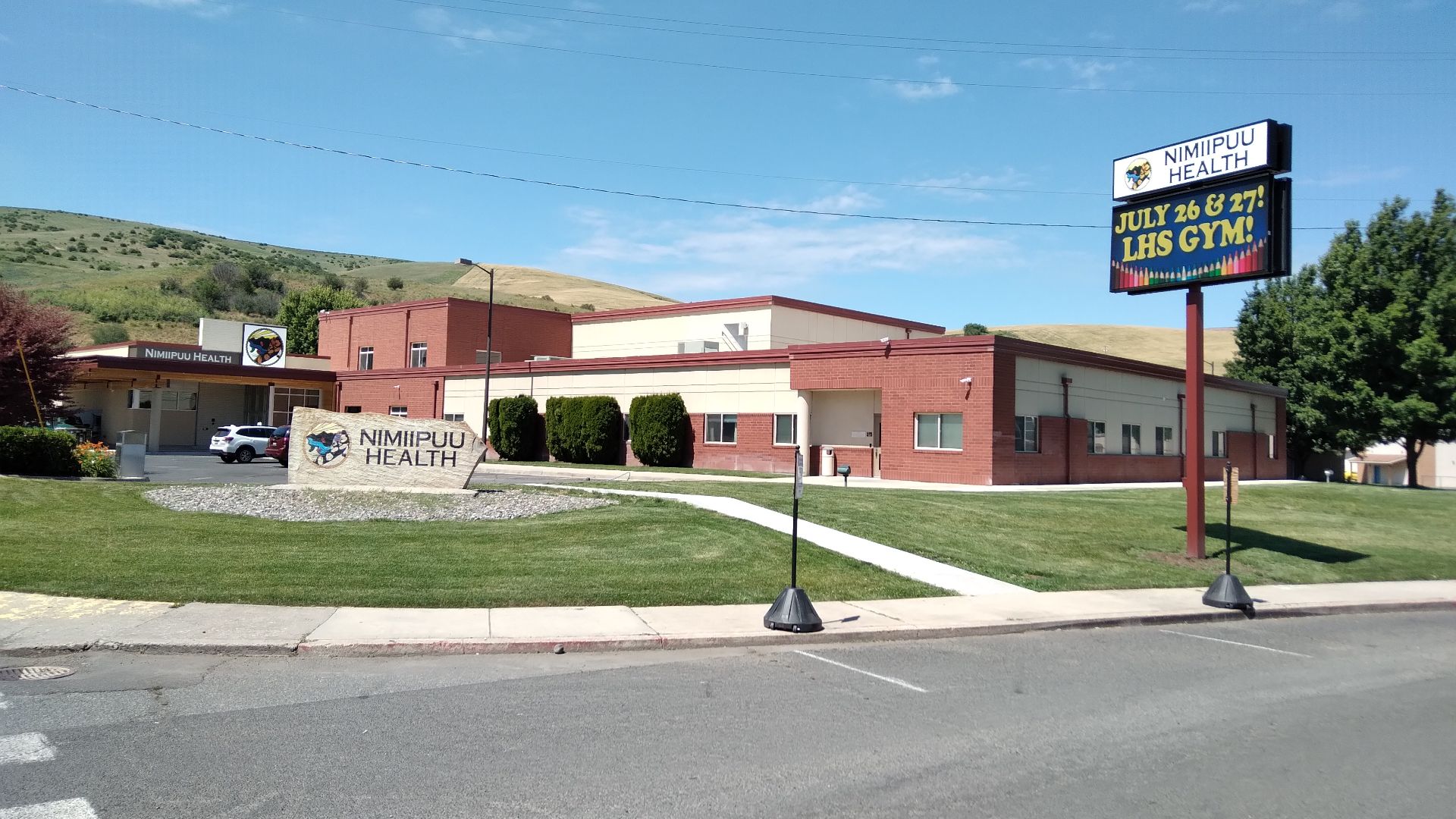
The modern Nez Perce Tribe is based in Lapwai, Idaho. They govern themselves, run schools and hospitals, and keep traditions alive through community programs. They’re not stuck in the past—they’re building a future, too.
 Bobjgalindo, Wikimedia Commons
Still Here, Still Strong
Everything the Nez Perce have been through could have destroyed them. But they’re still here. Still riding horses. Still dancing. Still telling stories. They’re proof that even after everything is taken from you, you can still hold on to who you are.
 NPS / Ashton HookerYellowstoneNPS, Wikimedia Commons
You May Also Like:
The Dark History of California’s Trail of Tears
Blackfoot Nation: The Most Aggressive Tribe in North America
Incredible Images Of The Most Feared Tribe In U.S. History