The Ancestral Divide
Humanity lost its family album somewhere around half a million years back. The pages were blank. Scientists kept searching Africa for answers that refused to surface. Then Morocco's coastal caves decided to speak.
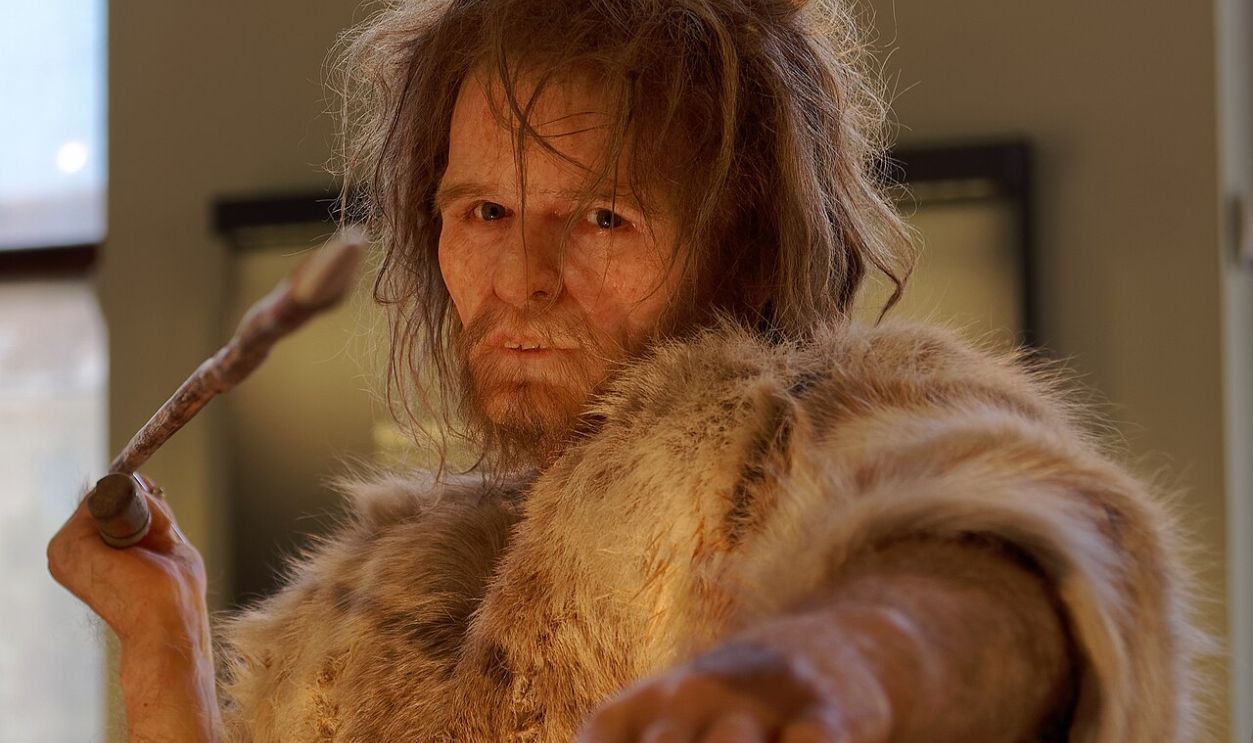 Jakub Hałun, CC BY-SA 4.0, Wikimedia Commons
Early Evolution Context
Somewhere between 800,000 and 550,000 years ago, our family tree split. Modern humans, Neanderthals, and their mysterious cousins, the Denisovans, all descended from one common ancestor, but nobody could find this elusive “ancestor x”. Genetic evidence pointed to this critical divergence.
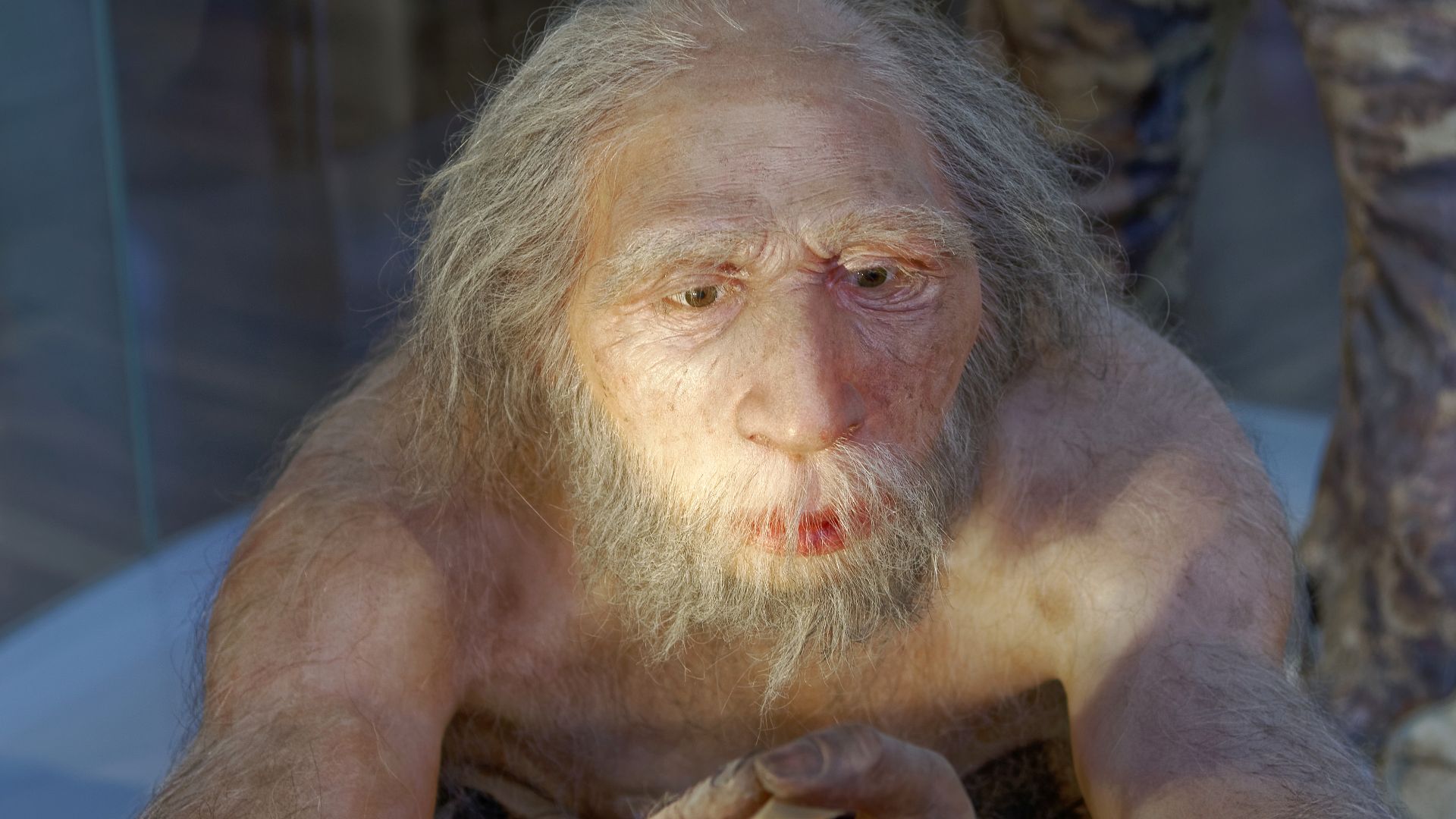 Jakub Hałun, Wikimedia Commons
African Fossil Gap
Picture a mystery novel missing its critical middle chapters. That's exactly what paleoanthropologists faced when examining Africa's hominin fossil record. Abundant fossils existed from one million years ago, then suddenly—nothing. The record jumped inexplicably to around 500,000 years ago.
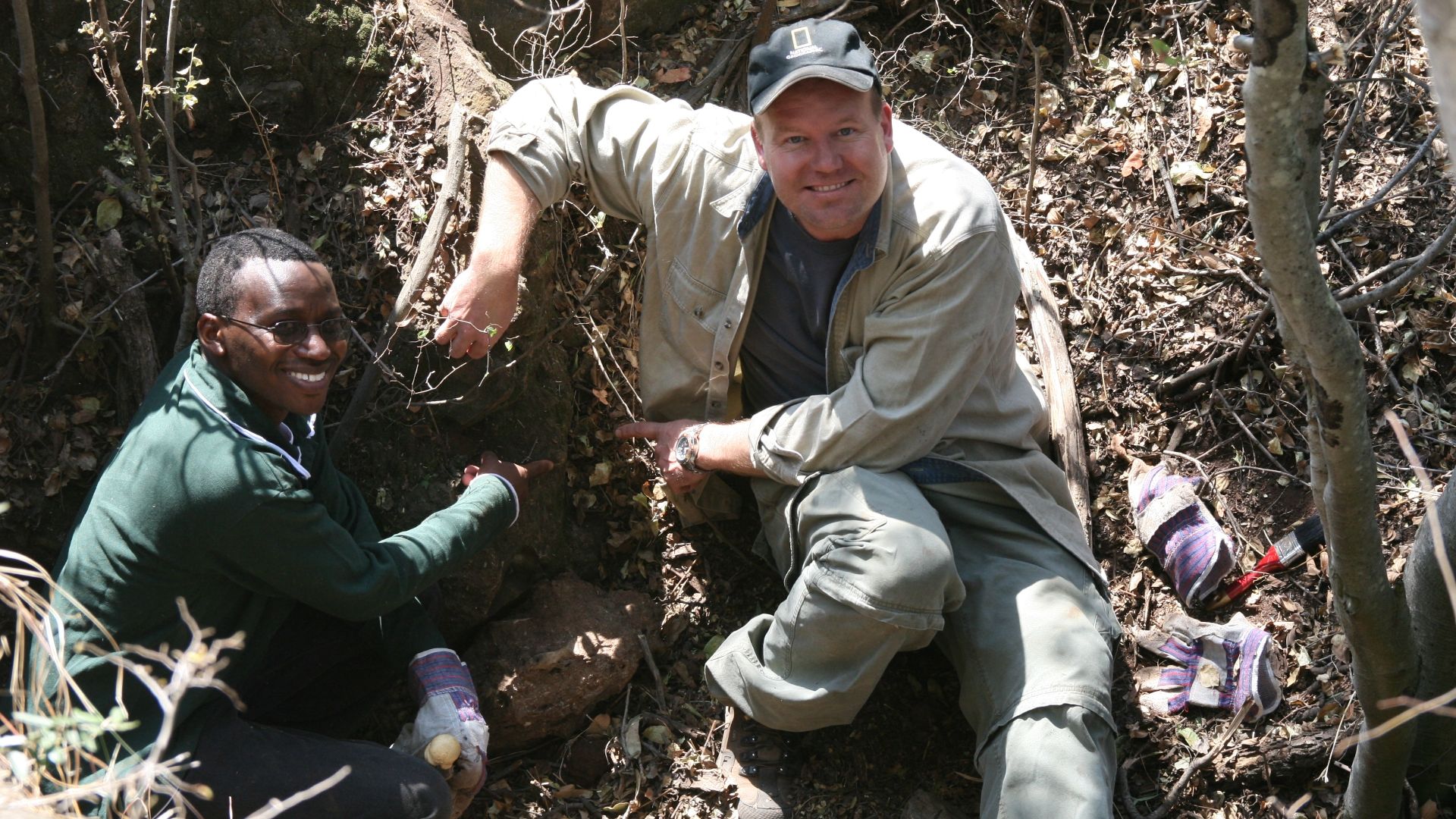
Morocco's Geological Significance
The Rabat-Casablanca coastal region is a geological time capsule. Repeated sea-level oscillations over millions of years created perfect conditions: coastal caves, rapid sand cementation, and protective limestone formations. These geological quirks transformed Morocco's Atlantic coast into one of Africa's richest repositories for Pleistocene fossils.
 Earth Science and Remote Sensing Unit, NASA Johnson Space Center, Wikimedia Commons
Thomas Quarry Site
Thomas Quarry sprawls across raised coastal formations near Casablanca, containing two distinct archaeological zones separated by time. The oldest area, Thomas Quarry I-L, contains 1.3-million-year-old Acheulean stone tools, the earliest confirmed evidence of human toolmaking in northwest Africa.
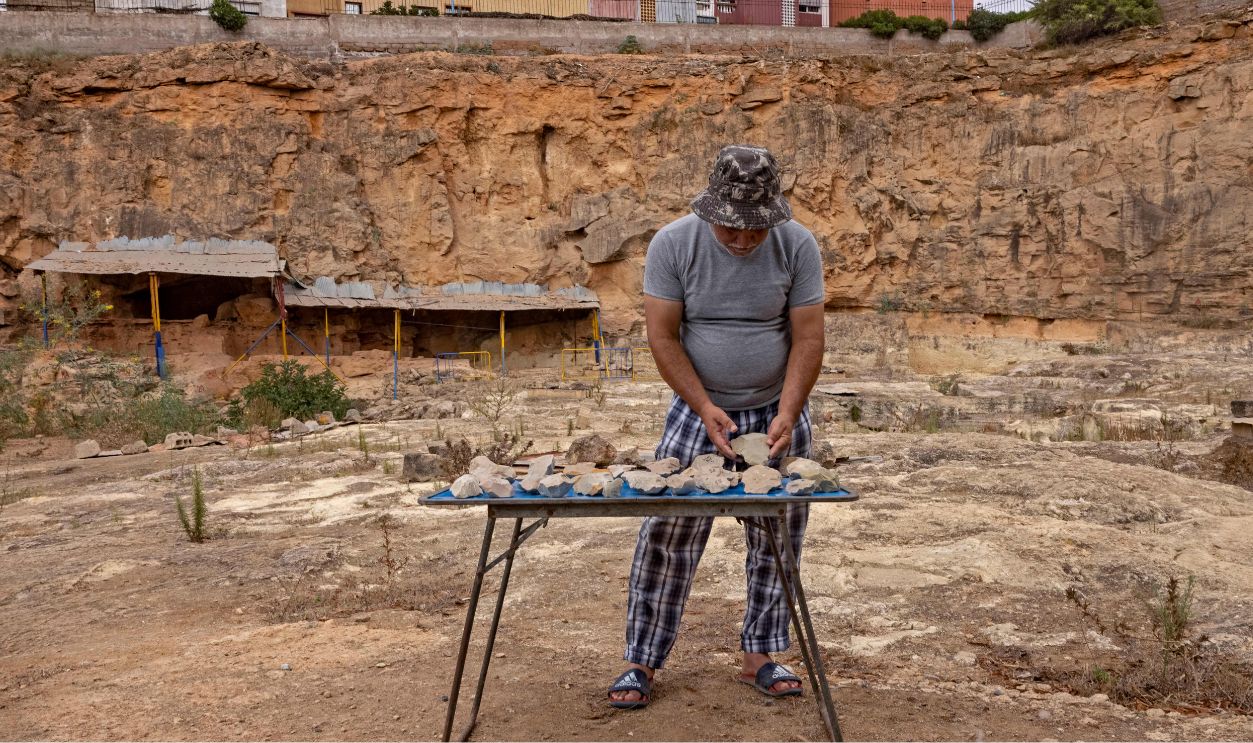
1969 Initial Discovery
Amateur fossil collector Philippe Beriro changed human evolutionary history during a casual 1969 exploration. Inside Grotte a Hominid's cave at Thomas Quarry, Beriro stumbled upon a partial human mandible jutting from ancient sediment. His discovery immediately attracted scientific attention.
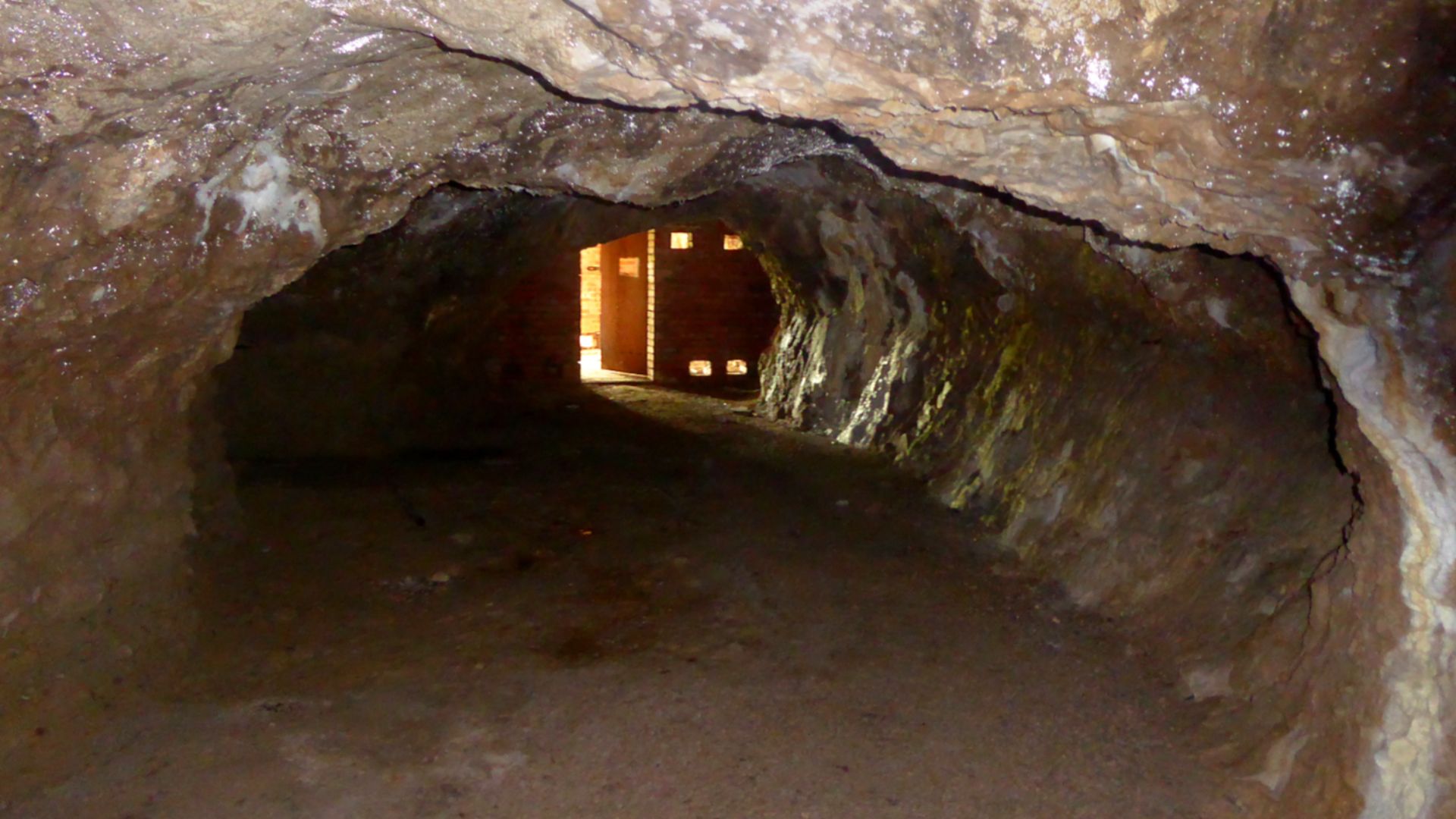 Llywelyn2000, Wikimedia Commons
Decades Of Research
Between 1969 and 2015, controlled excavations gradually revealed Quarry's secrets. International teams meticulously documented stratigraphic layers, recovered additional hominin remains, and catalogued Acheulean stone tools alongside diverse animal fossils. Early quarrying operations had disturbed some sediments, creating dating uncertainties that plagued initial interpretations.
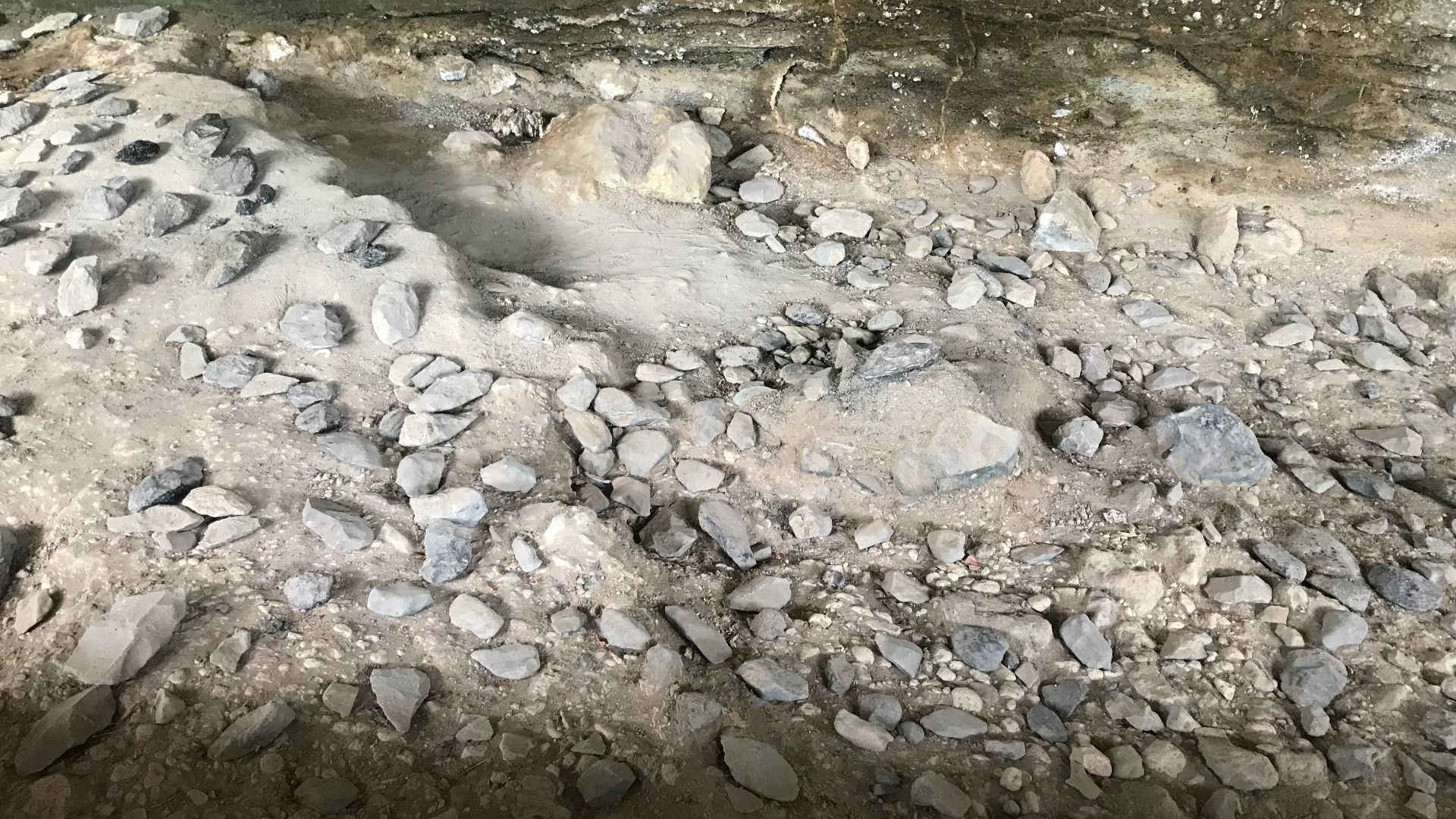
Grotte A Hominides
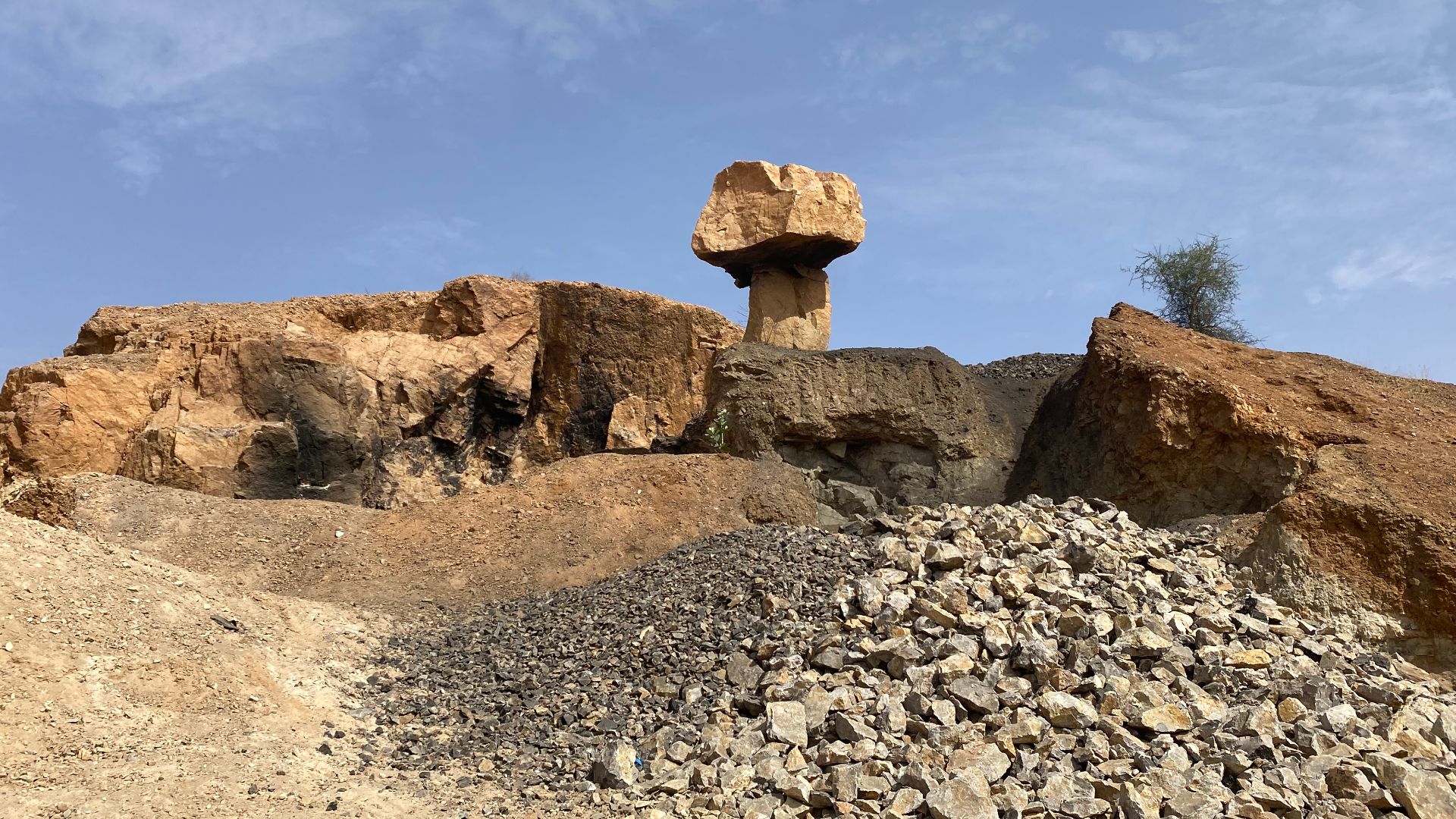
This was likely a death trap. Nearly 800,000 years ago, carnivores dragged prey into this coastal cave carved from limestone. Hyenas gnawed bones there regularly. Panthers stalked nearby wetlands teeming with gazelles, antelopes, and now-extinct giant gelada baboons.
Renewed Excavations Begin
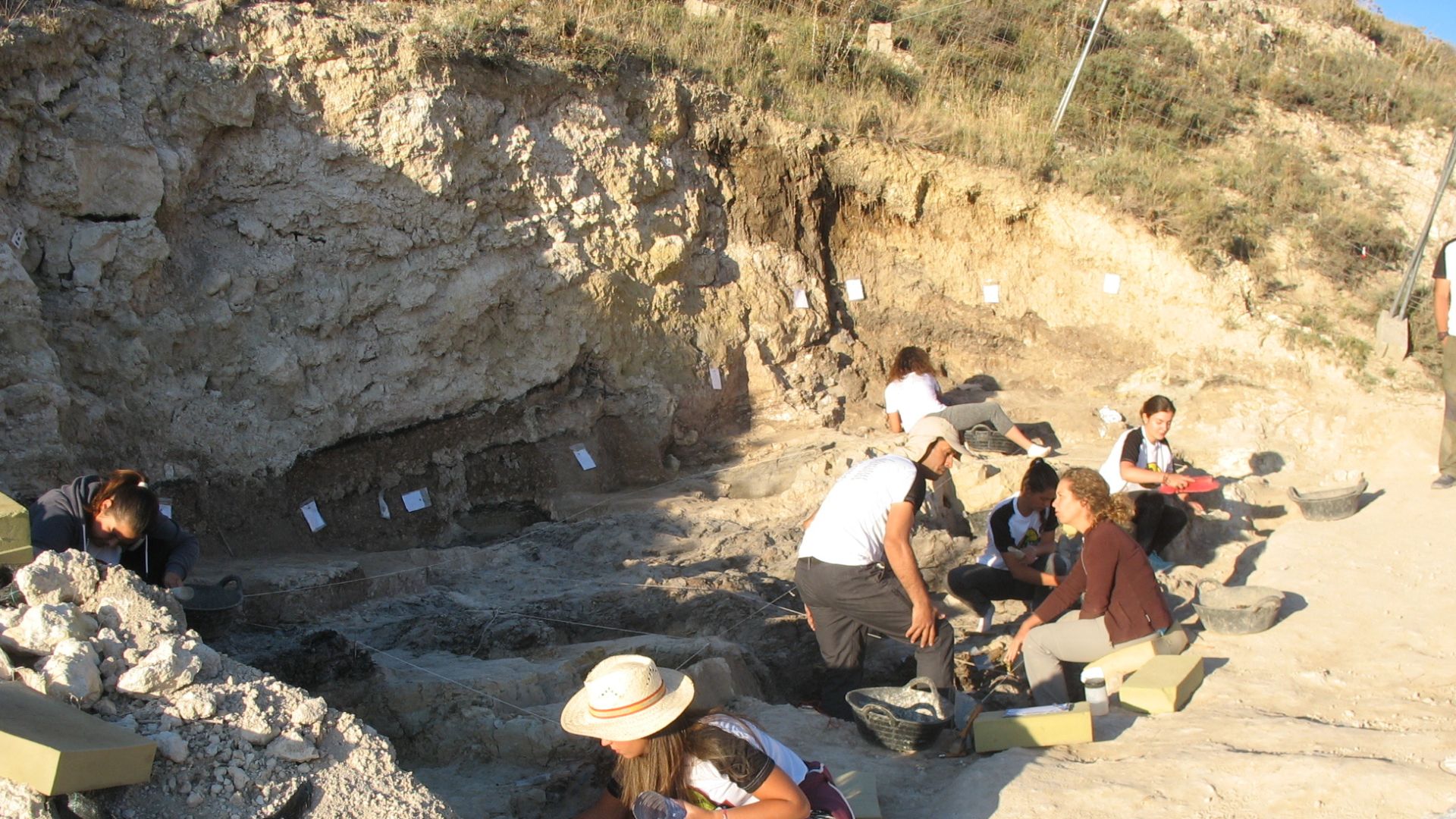
Everything changed when Jean-Jacques Hublin launched new excavations at Thomas Quarry. The Max Planck Institute for Evolutionary Anthropology partnered with Morocco's Institut National des Sciences de l'Archeologie et du Patrimoine, bringing innovative technology to the site. Hublin's team targeted intact sediment layers.

Fossil Remains Unearthed
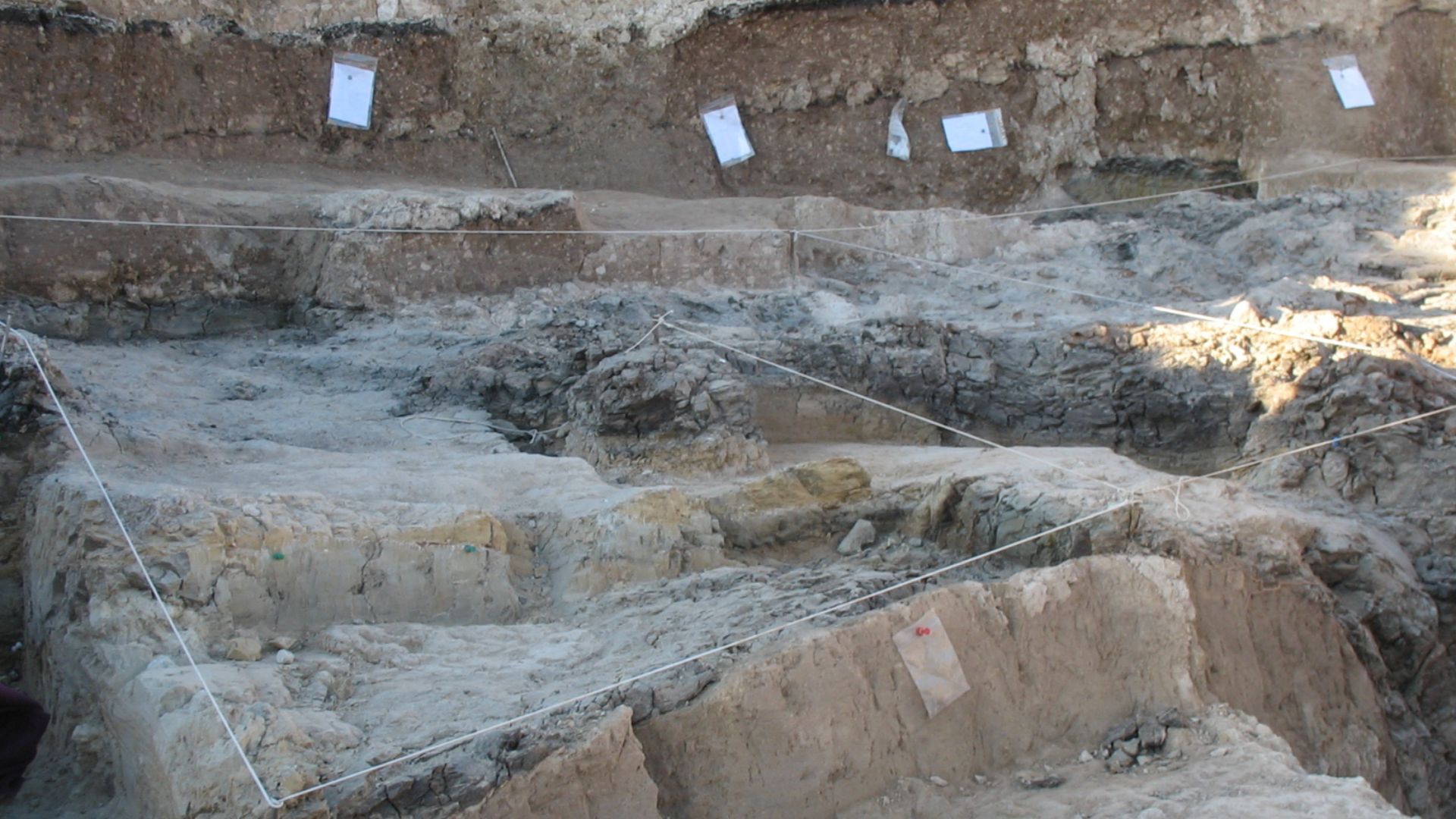
The systematic excavations between 1994 and 2015 yielded precious fragments: two partial adult mandibles, one child's jawbone, several isolated teeth, multiple vertebrae, and one femur bearing carnivore bite marks. Each specimen was carefully documented within its stratigraphic context. The bones showed a puzzling blend, though.
Three Jawbone Specimens
One adult mandible was unexpectedly gracile. It was slender and nearly complete with worn but intact teeth. Another adult jaw appeared stronger and more fragmentary. The child's mandible brought to light critical developmental information about growth patterns in these ancient populations.
Vertebrae And Teeth
Several cervical and thoracic vertebrae survived the carnivore scavenging that marked this cave's history. These spinal fragments, though incomplete, provided important anatomical data about posture and body proportions. The dental remains proved particularly informative—researchers analyzed crown morphology, molar complexity, and wear patterns.

Magnetostratigraphy Dating Method
Forget radiocarbon dating; these fossils were far too ancient. Researchers collected 180 sediment samples surrounding the hominin remains, analyzing microscopic magnetic minerals trapped when sediments originally formed. Ancient iron particles preserve Earth's magnetic field orientation from their deposition time, creating permanent geological signatures.

Matuyama-Brunhes Reversal
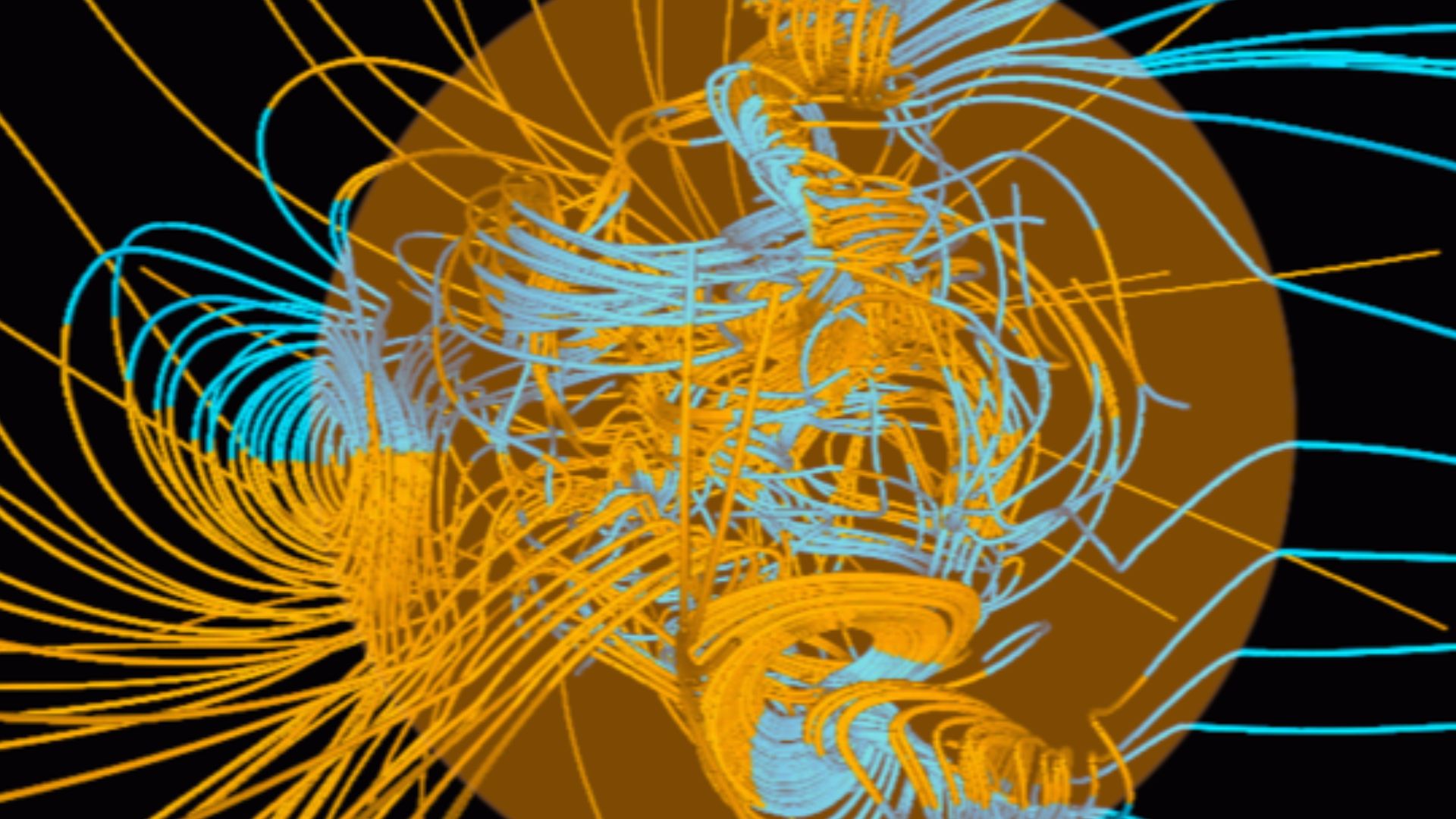
Earth's magnetic poles don't stay put. Roughly every 450,000 years, magnetic north and south completely flip. The most recent major reversal occurred approximately 773,000 years ago, when the planet's magnetic field weakened dramatically before reversing polarity over several thousand years.
773,000-Year Age
The magnetostratigraphic analysis delivered shockingly precise results: 773,000 years ago, give or take minimal uncertainty. This date positioned the fossils squarely within the mysterious gap that has plagued African paleoanthropology. More significantly, the timing aligned perfectly with genetic estimates for when human, Neanderthal, and Denisovan lineages diverged.
Primitive Anatomical Features
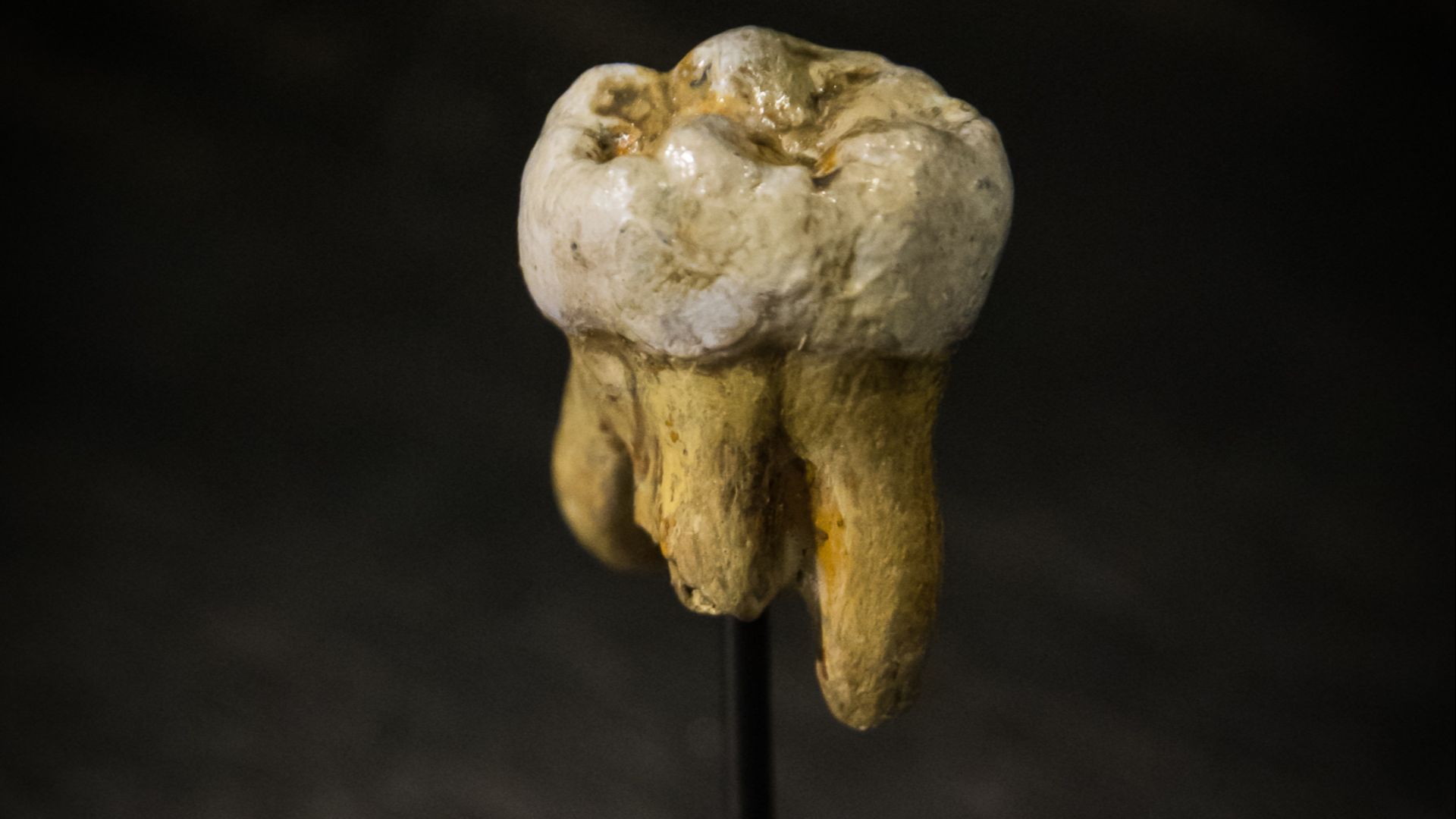
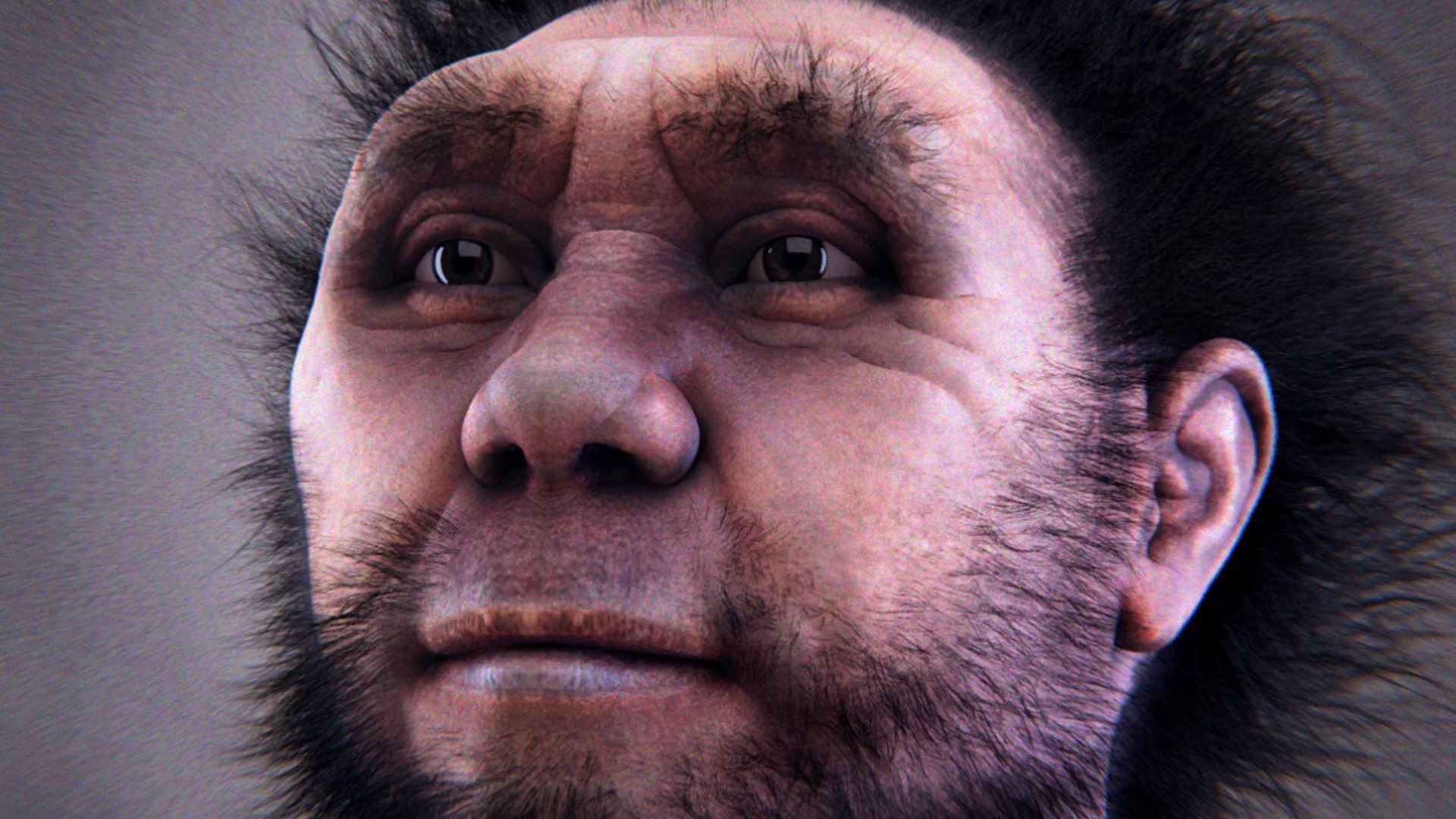
These weren't modern-looking humans wearing ancient clothes. The mandibles lacked defined chins, a hallmark trait appearing only in later Homo sapiens populations. Tooth roots showed archaic configurations similar to Homo erectus, the widespread human ancestor from two million years ago. Certain cranial proportions recalled earlier hominin species.
 Cicero Moraes, Wikimedia Commons
Modern-Like Traits
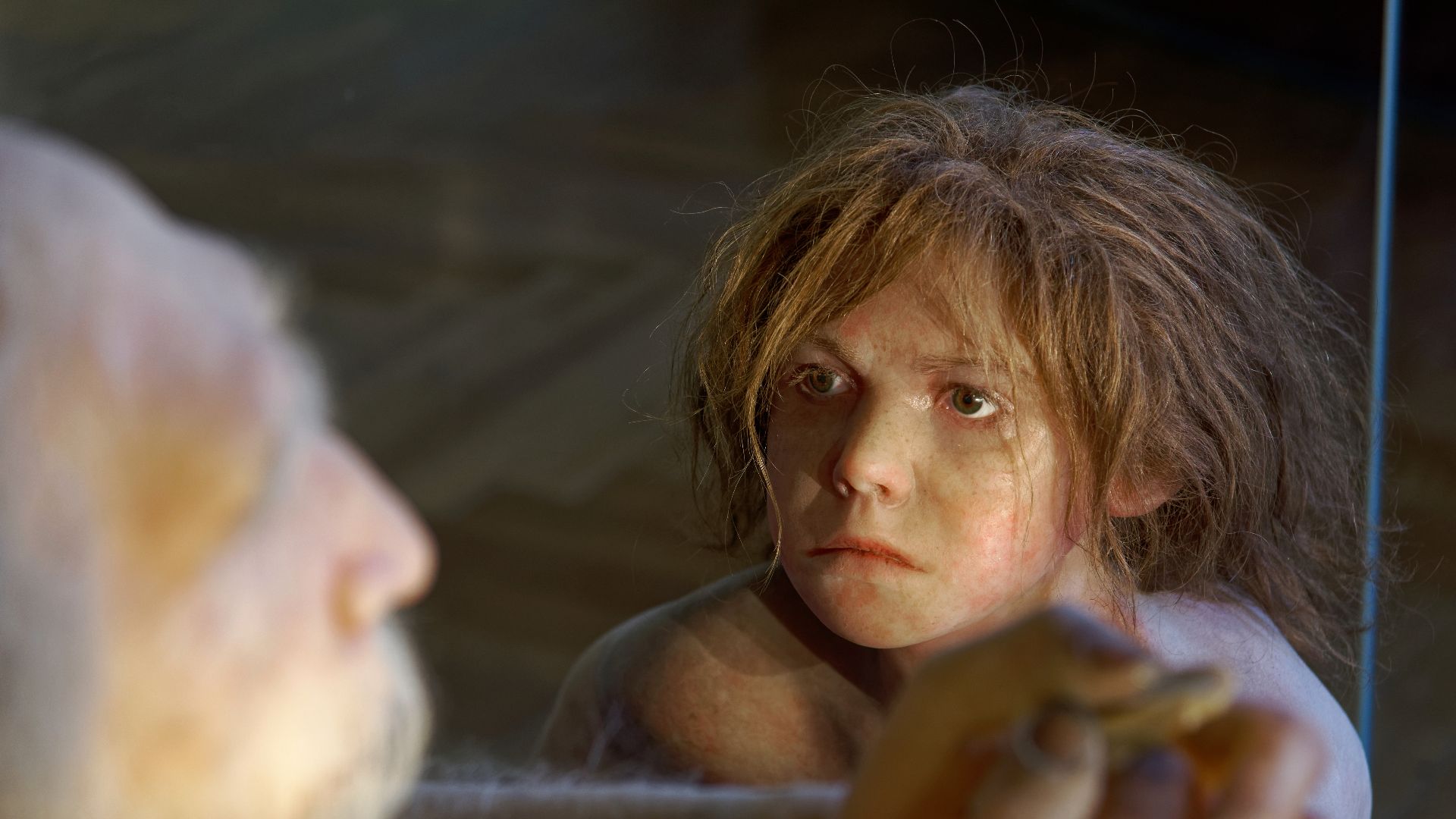
But here's where things got interesting. Some anatomical features looked surprisingly advanced. Facial morphology hinted at later human forms rather than archaic ancestors. Certain dental crown patterns aligned more closely with early Homo sapiens than expected for such ancient specimens.
 Jakub Hałun, Wikimedia Commons
Mosaic Anatomy Pattern
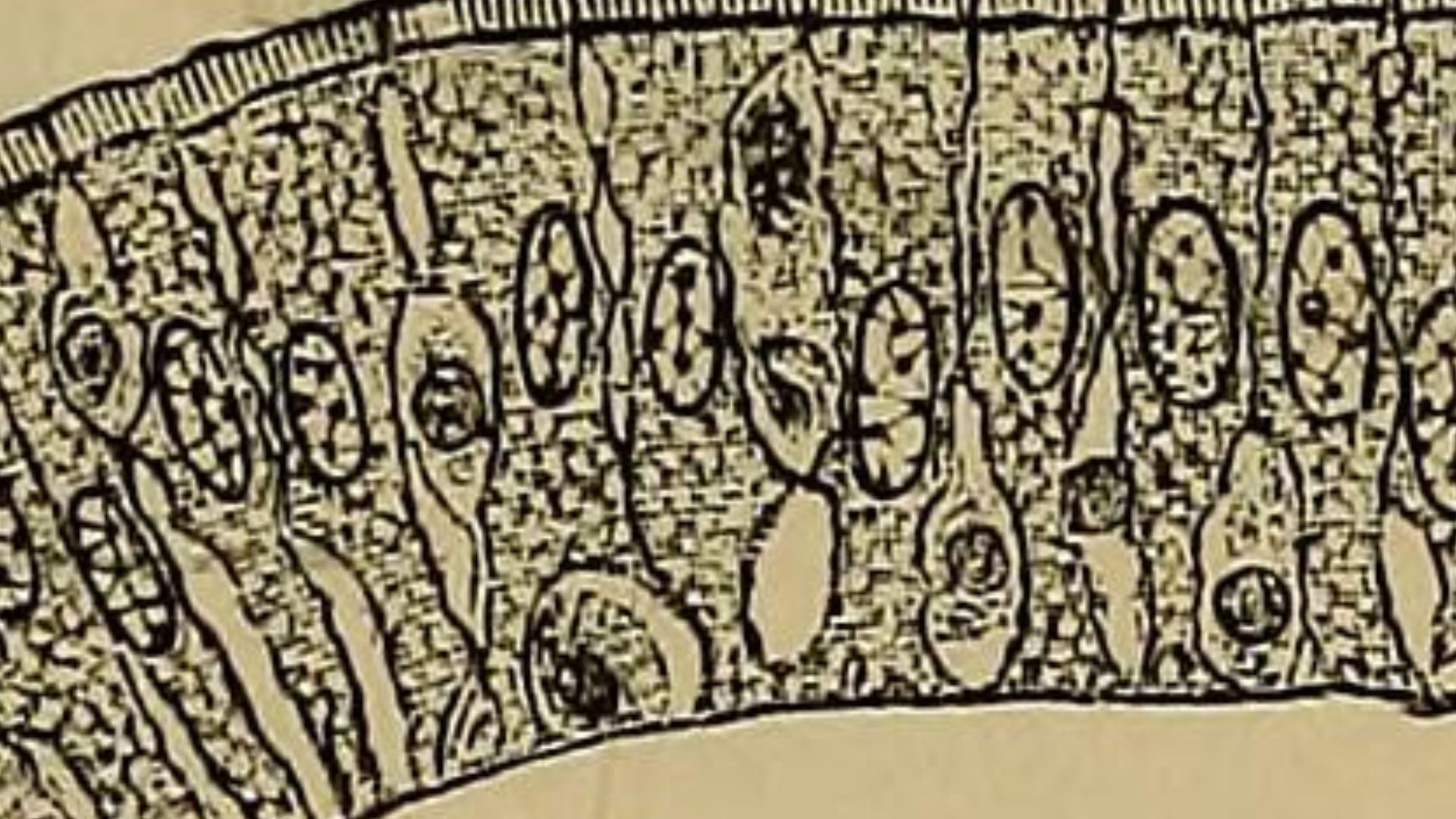
Imagine an evolutionary remix where ancient features blended with modern traits in unexpected combinations. Researchers identified this "mosaic" pattern throughout the Thomas Quarry fossils: archaic teeth alongside modern jaw configurations. This anatomical patchwork showed how human evolution proceeded non-uniformly.
 Internet Archive Book Images, Wikimedia Commons
Homo Erectus Connections
The Thomas Quarry hominins descended from Homo erectus populations. Researchers interpreted these Moroccan fossils as representing evolved African Homo erectus forms, populations beginning to diverge from their ancient ancestors. Classic Homo erectus traits remained visible in tooth roots, jaw robustness, and certain cranial features.
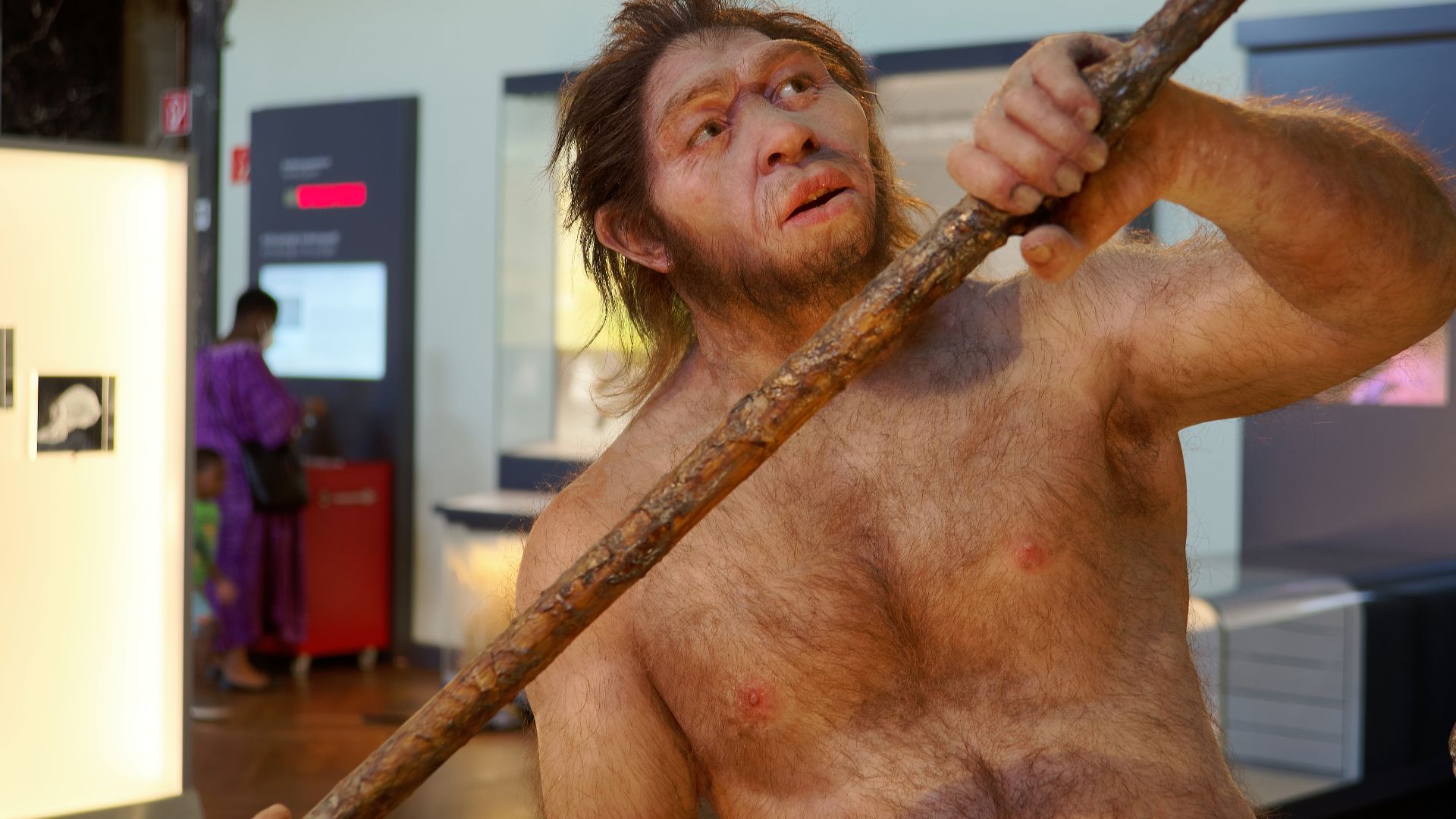 Jakub Hałun, Wikimedia Commons
Homo Antecessor Comparison
Spanish paleoanthropologists had previously championed Homo antecessor from Atapuerca's Gran Dolina cave as humanity's last common ancestor. Dating between 950,000 and 770,000 years ago, these European fossils showed their own primitive-modern mosaic, initially suggesting Homo sapiens might have Eurasian rather than African origins.
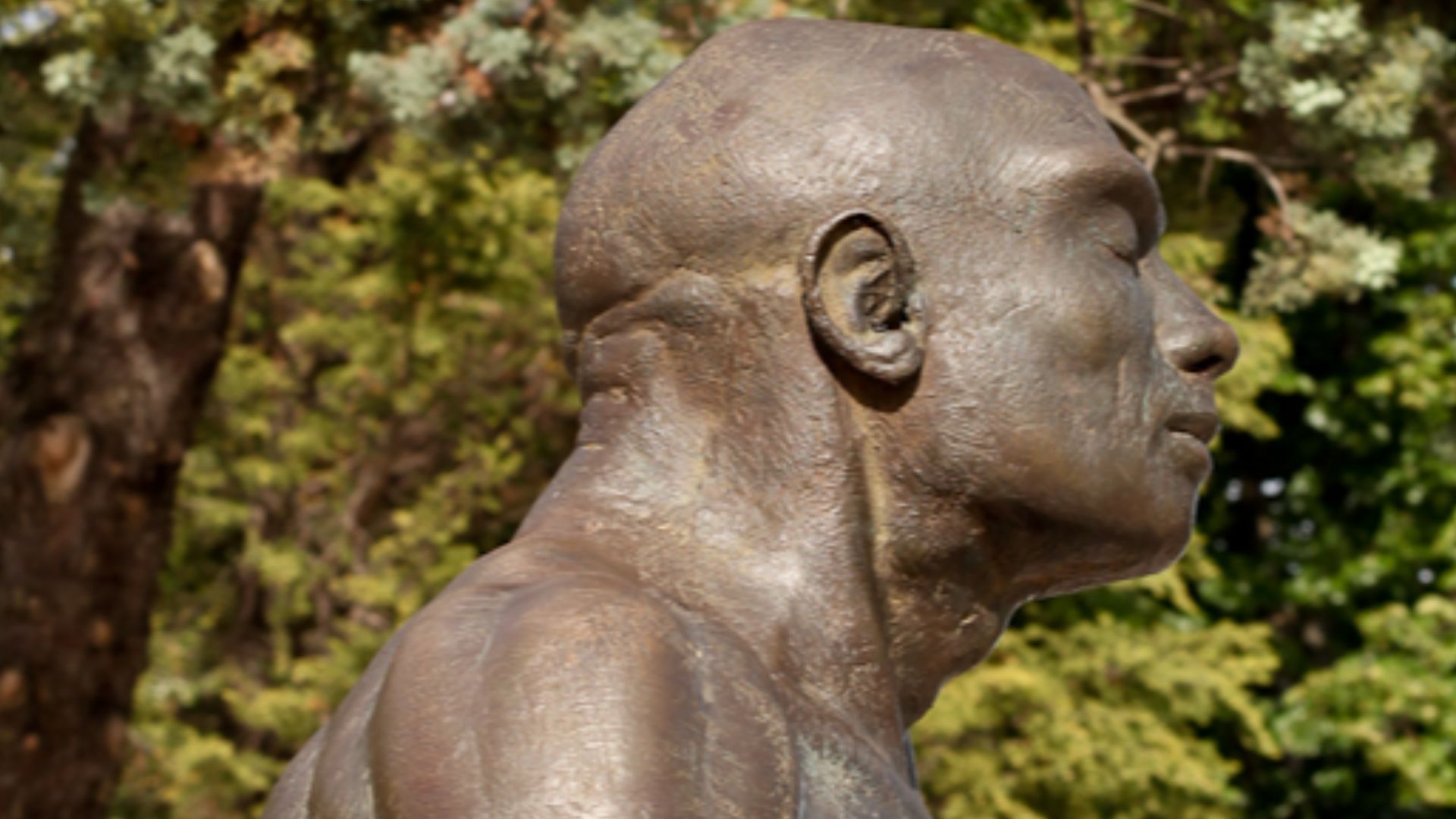 Raúl Hernández González, Wikimedia Commons
Regional Differentiation Evidence
Dental morphology told the decisive story. While both populations shared similar ages and mixed ancestral traits, their teeth highlighted important differences. Homo antecessor possessed specialized Neanderthal-related dental features linking them to European lineages. The Moroccan specimens lacked these Neanderthal markers.
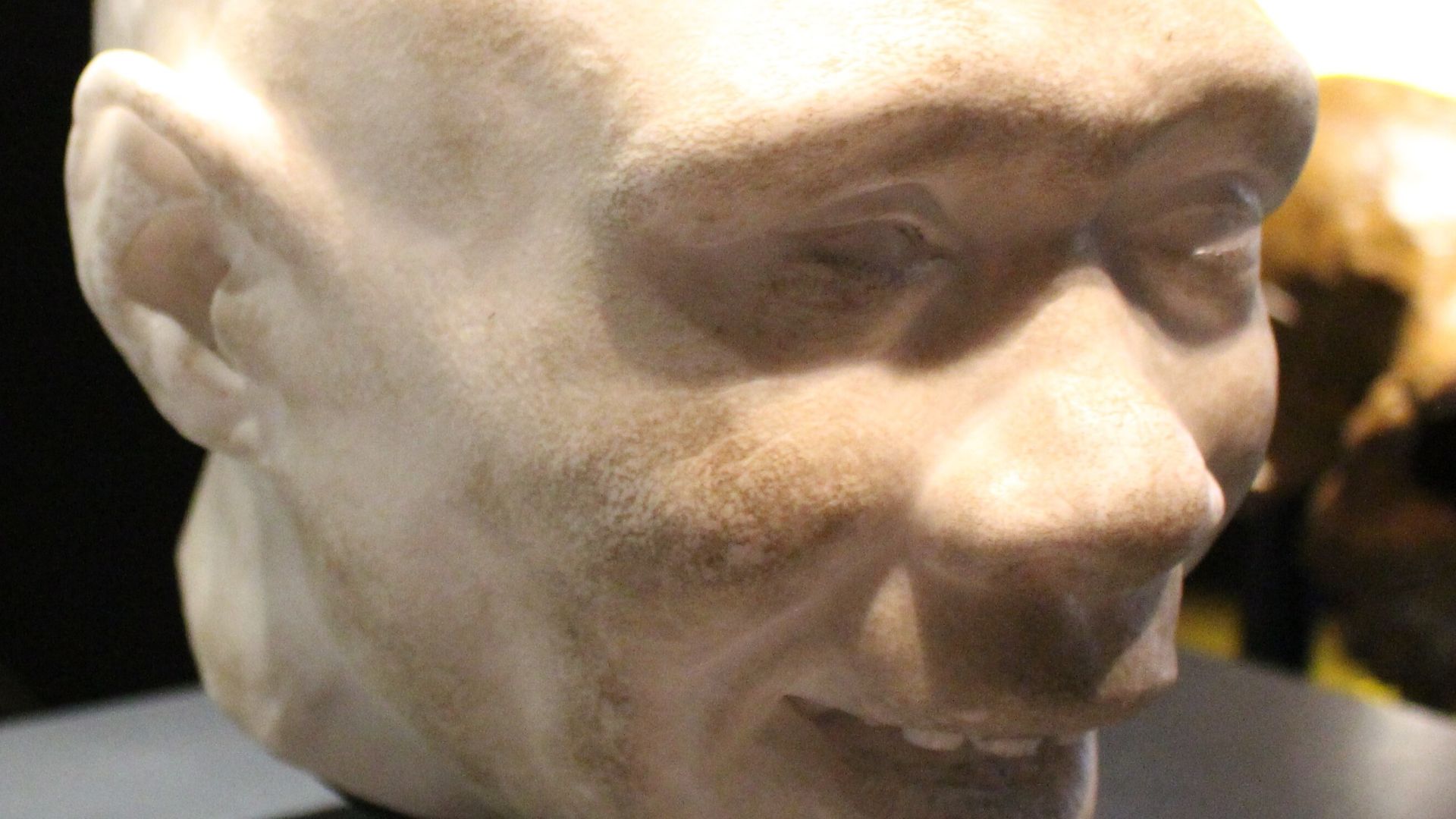 Emoke Denes, Wikimedia Commons
African Lineage Proof
The verdict was clear. Humanity's roots lay in Africa, not Europe. The Thomas Quarry fossils demonstrated that populations basal to the Homo sapiens lineage already inhabited North Africa 773,000 years ago, precisely when genetic evidence suggested lineage divergence. This eliminated the "absence of plausible ancestors" problem.

Pan-African Evolution
Forget the "Garden of Eden" hypothesis, placing human origins in one specific region. The Moroccan discovery reinforced emerging evidence that Homo sapiens evolved across the entire African continent. Northwest Africa was central to the emergence of humans.
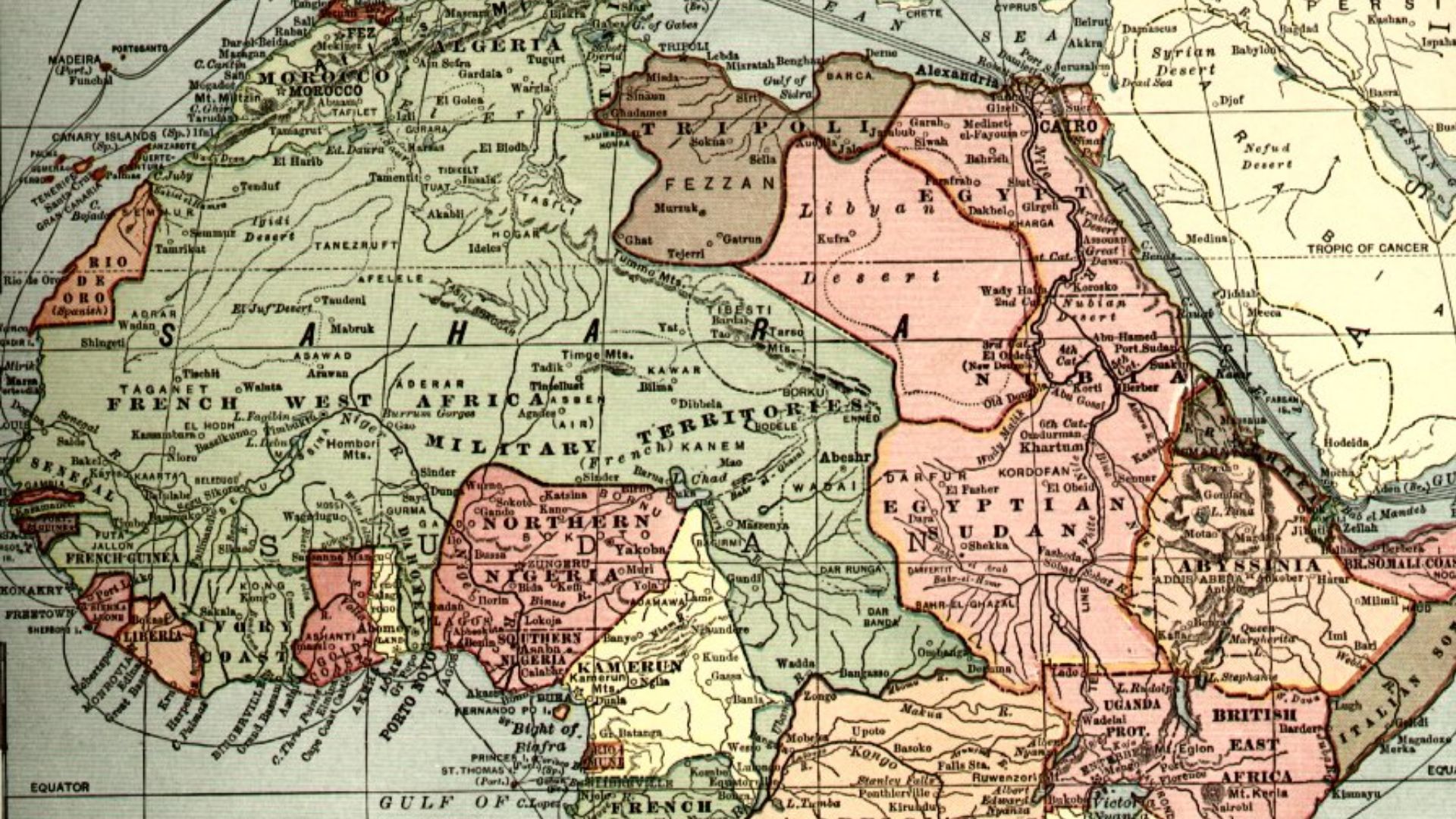
Jebel Irhoud Connection
Morocco's paleontological significance extended far beyond Thomas Quarry. Just 100 kilometers west of Marrakesh, the Jebel Irhoud cave site yielded fossils dated to 315,000 years ago—previously the oldest widely accepted Homo sapiens remains. These specimens showed modern facial features paired with elongated braincases.
 Shannon McPherron, MPI EVA Leipzig, Wikimedia Commons
Human Origins Redefined
This discovery fundamentally restructured our species' origin story. The evolutionary divergence leading to Homo sapiens began earlier than conventionally assumed, involved multiple African populations interacting across the continent, and proceeded through mosaic evolution rather than through a single, sudden change.