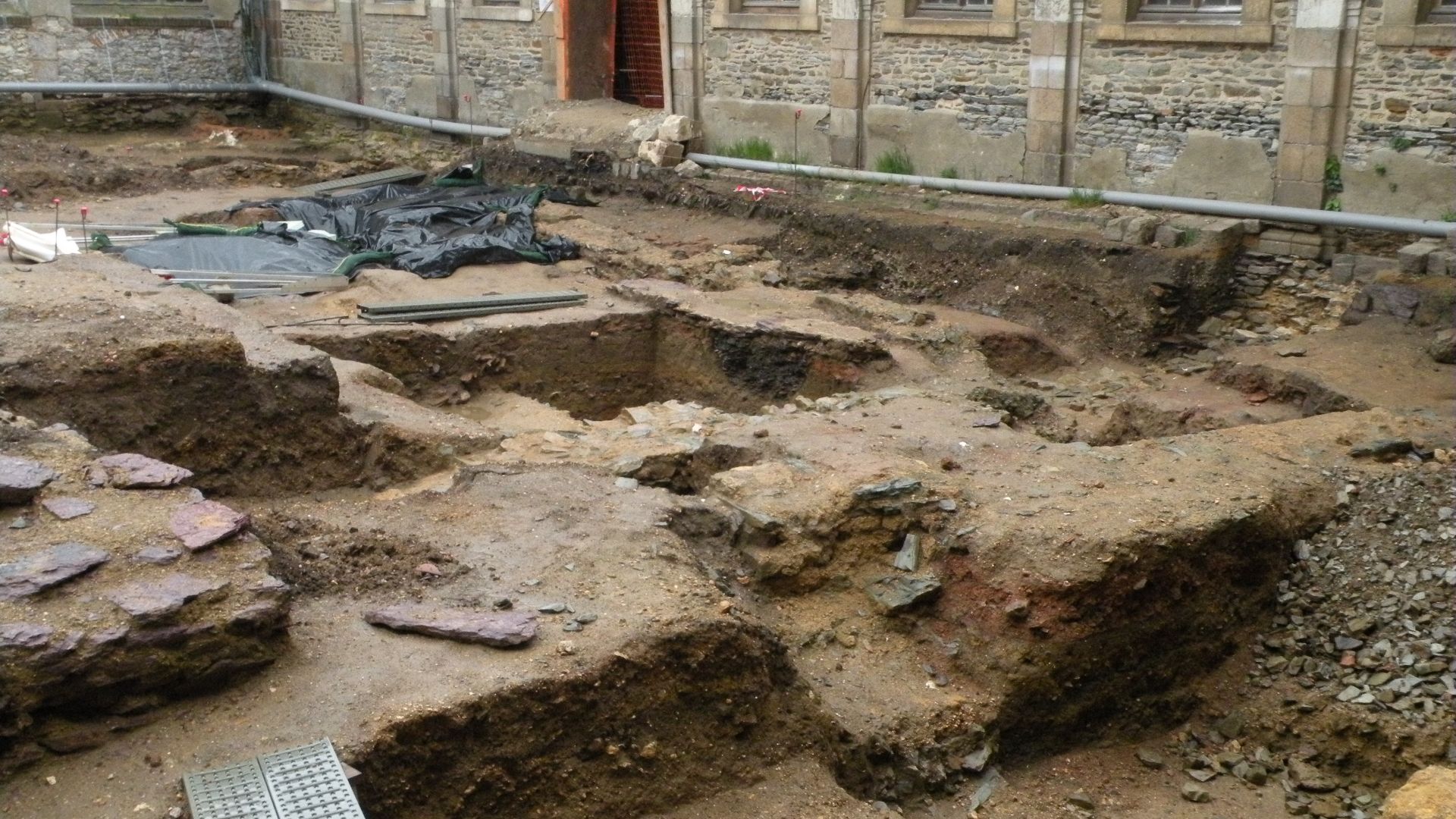
In the picturesque town of Morlaix in northwestern France, archaeologists have made a remarkable discovery that has opened a window into medieval religious life. As researchers carefully excavated a 700-year-old Dominican convent, they found more than 200 burials and a wealth of religious artifacts that tell a fascinating story of faith, community, and daily life in medieval France.
This significant archaeological site, explored by France's National Institute for Preventive Archaeological Research (INRAP), has yielded insights that both question and expand our understanding of medieval religious communities and burial practices.
A Sacred Timeline Revealed
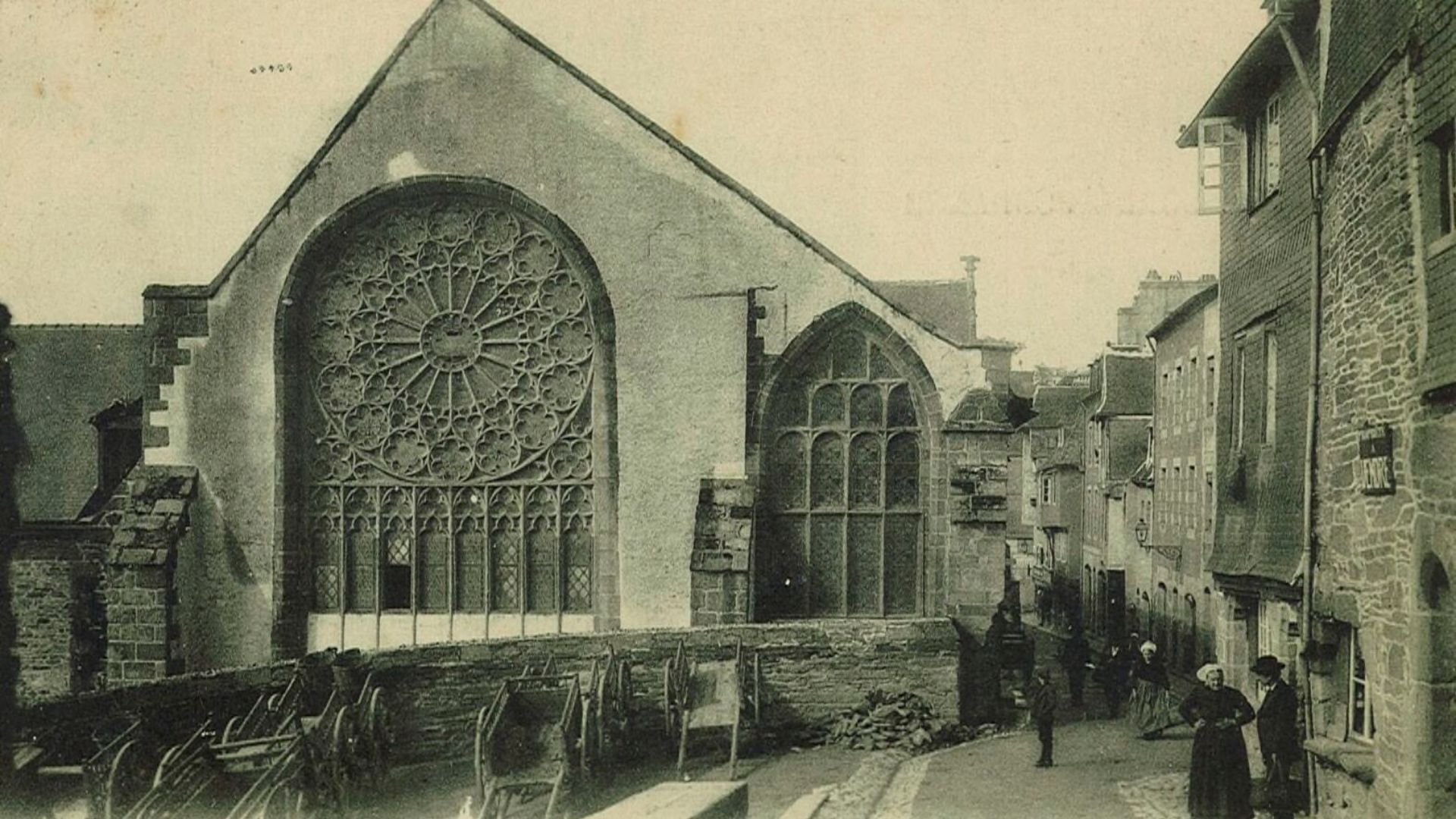
The convent's history begins in 1238, when the Dominican Order—known in France as the Jacobin Order—established a religious community in Morlaix. The church itself was consecrated in 1250 and underwent significant restoration and expansion following a fire in 1344.
This timeline places the convent's founding during a period of remarkable religious expansion throughout Europe, when mendicant orders, such as the Dominicans, were establishing new communities focused on preaching and education.
What makes this excavation particularly important is the completeness of the archaeological record. Unlike many religious buildings that have been continuously used and modified over centuries, this convent site provides researchers with relatively undisturbed layers of history.
The excavation brought to light not just the foundations of the church but also evidence of architectural evolution, showing how the convent adapted and expanded over time to accommodate its growing community and changing needs.
The architectural investigation identified various parts of the church, including a 15th-century extension, the nave, and the south and west wings. This spatial distribution offers critical information about how the community organized its sacred and communal spaces, reflecting the Dominican emphasis on both contemplation and engagement with the broader society.
Stories Beneath The Stones
Perhaps the most poignant aspect of this archaeological discovery is the extensive burial site containing the remains of over 200 individuals. These burials include men, women, and children of all ages, with most interred in single tombs, though some joint tombs in masonry vaults were also discovered.
One notable vault contained the remains of 17 individuals, suggesting either a family burial site or perhaps victims of a single catastrophic event like disease or disaster. The diversity of the burial population challenges simplified notions of medieval convent life.
The presence of men, women, and children suggests that the convent served not only as a home to religious orders but also as a central institution for the broader community. This mirrors the medieval practice of burying community members within or near sacred spaces, with proximity to holy sites considered beneficial for the soul's journey after death.
Well, the arrangement of the burials themselves tells a story of social hierarchy and changing practices. The excavation showed varying burial customs that evolved across different time periods and social standings. Those of higher status were buried closer to the altar or in more elaborate tombs.
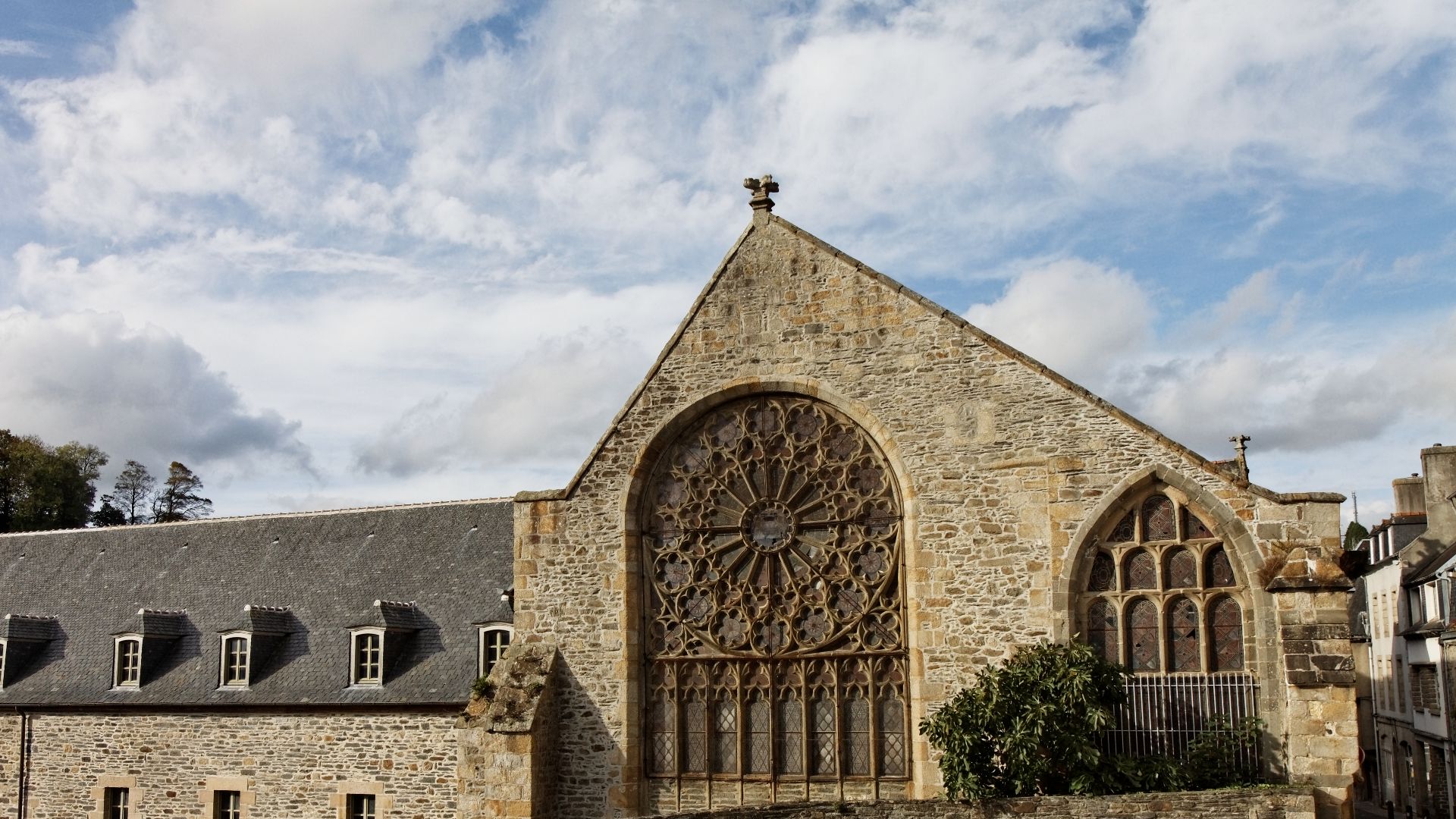 Thesupermat, Wikimedia Commons
Objects Of Faith And Daily Life
The excavation yielded an extraordinary collection of artifacts that illuminate both the spiritual practices and everyday lives of those associated with the convent. Researchers discovered traces of wooden coffins, copper pins that once secured burial shrouds, and various personal items, including rings and bracelets.
These objects provide intimate glimpses into the lives and deaths of medieval people, preserving details that written records rarely capture. Of particular significance are the religious devotional objects, which provide insight into medieval spiritual practices. The excavation uncovered rosaries crafted from diverse materials, including wood, bone, stone, and glass, as well as crucifixes made of wood, copper, and terracotta.
Archaeologists also identified preserved wooden crosses and fragments of silk scapulars, necklace-like devotional objects worn by the faithful. These personal religious items tell us about individual spiritual practices and the intimate relationship between medieval Christians and their faith. The preservation of such delicate objects gives a rare opportunity to understand the material aspects of medieval devotion beyond what is described in texts.
Research at the site continues, with experts conducting more detailed analyses of the building structures and human remains. Through examination of preserved wooden artifacts and bone remains, archaeologists hope to uncover more about the health, lifestyle, and possible causes of death of the convent's inhabitants.