Keepers Of Hidden Order
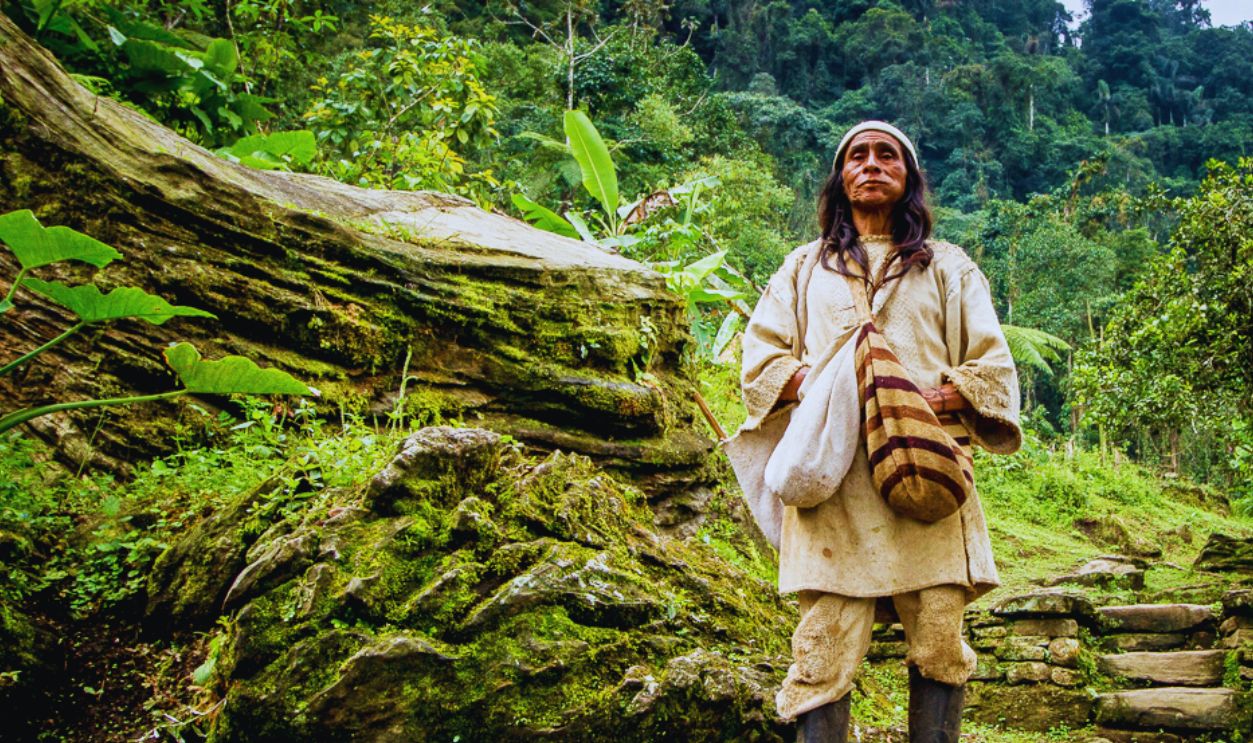
Far above Colombia’s Caribbean shoreline, the Kogi inhabit the Sierra Nevada de Santa Marta. They believe this mountain sustains the world’s balance, and their daily rituals are meant to keep it alive.
The Heart Of The World
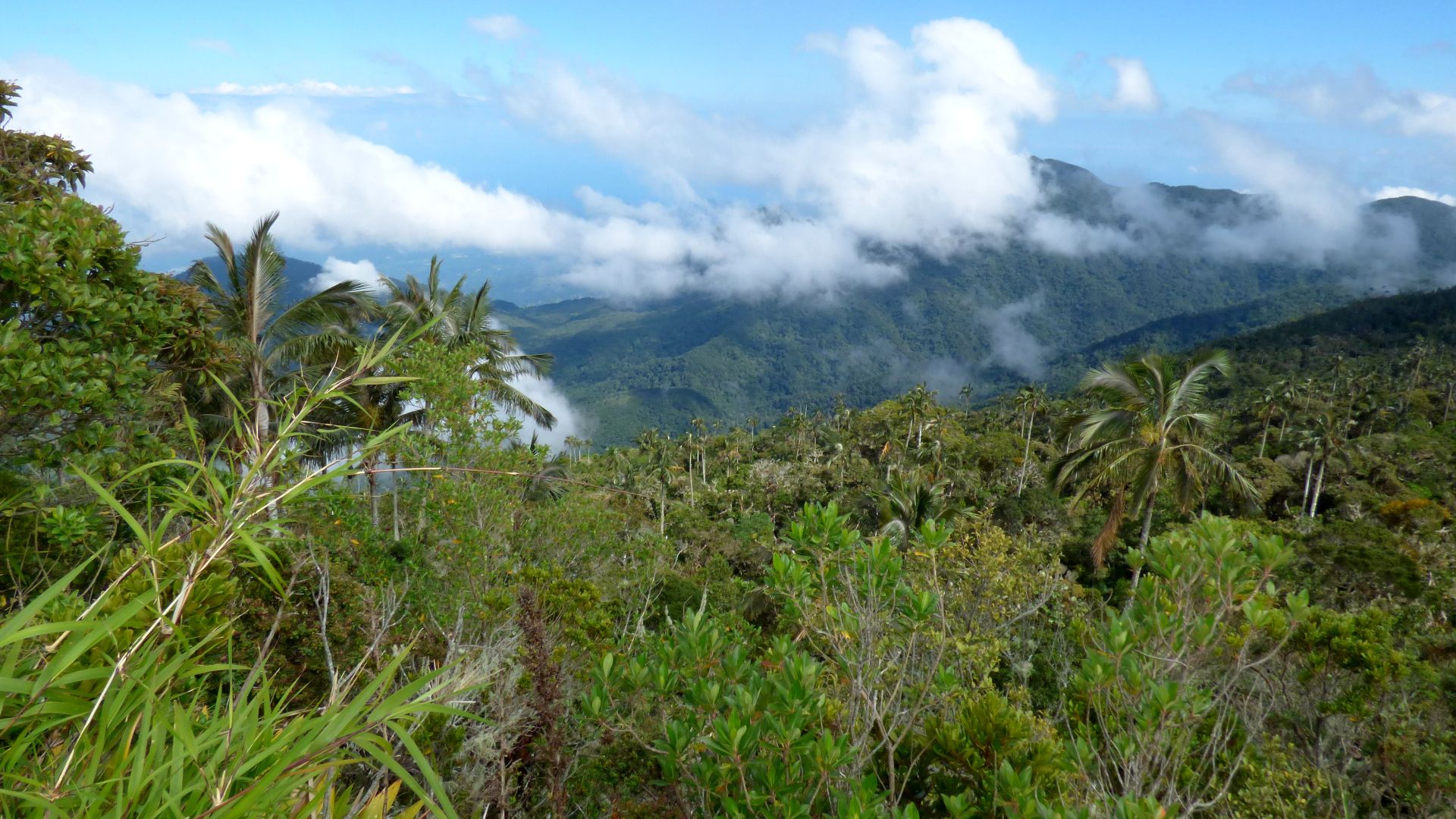
The Sierra Nevada de Santa Marta rises 18,700 feet from Caribbean beaches in just 26 miles. Every climate zone exists here—from tropical forests to glaciers. The Kogi call it "The Heart of the World". About 12,000 Kogi live across 600 settlements.
 Alejandro Bayer Tamayo from Armenia, Colombia, Wikimedia Commons
When Spanish Conquistadors Couldn't Follow
Spanish colonizers arrived in 1498, finding the advanced Tairona civilization along Colombia's coast. But when the Tairona retreated into the mountains and became the Kogi, something remarkable happened. The terrain was so steep and so cloud-covered that Spanish forces simply gave up.
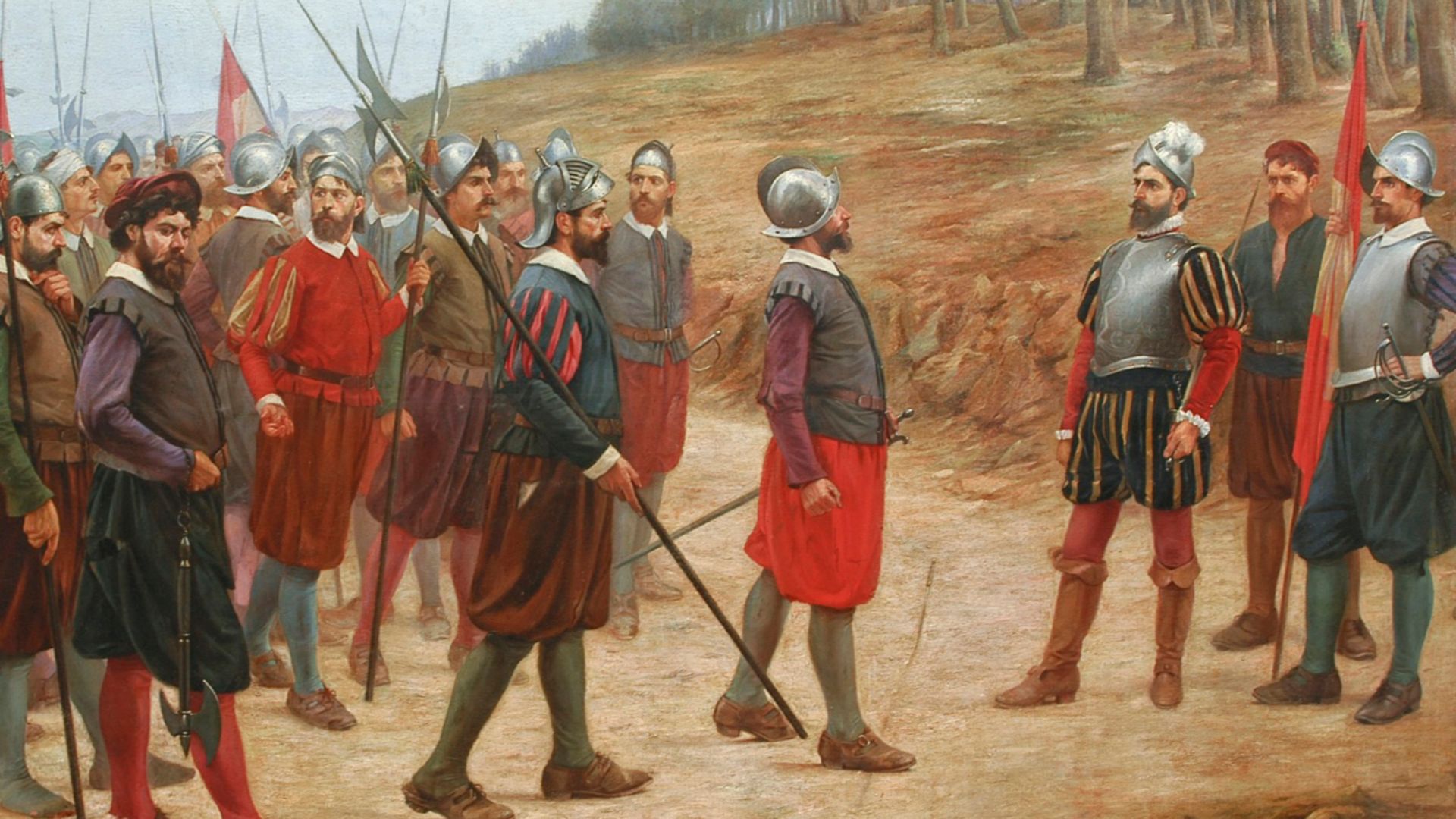 Juan Lepiani, Wikimedia Commons
Mamos Trained In Darkness
Picture a child who won't see sunlight until age nine. Kogi spiritual leaders, the Mamos, live in caves during childhood and develop heightened spiritual senses in complete darkness. Their mothers teach them meditation and connection to Aluna—the cosmic intelligence behind reality. Only then do they emerge, forever changed.
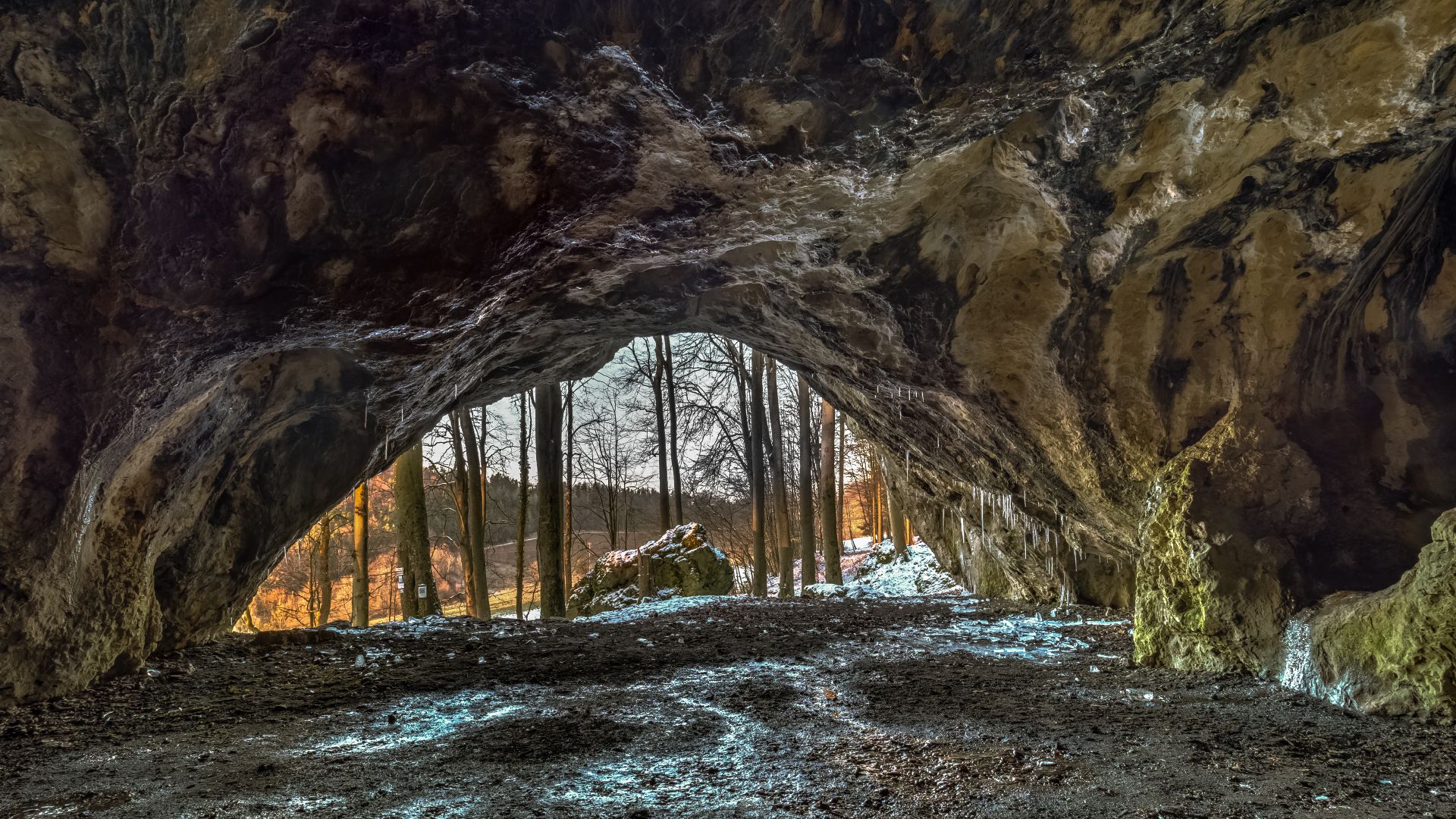
Aluna And Thought Reality
The Kogi see a dimension most of us miss entirely. They call it Aluna. It’s a pure thought and intention that exists before the physical world. Every mountain, every river, every living thing is first a thought-form in Aluna, then becomes matter. The Mamos work between these realms daily.
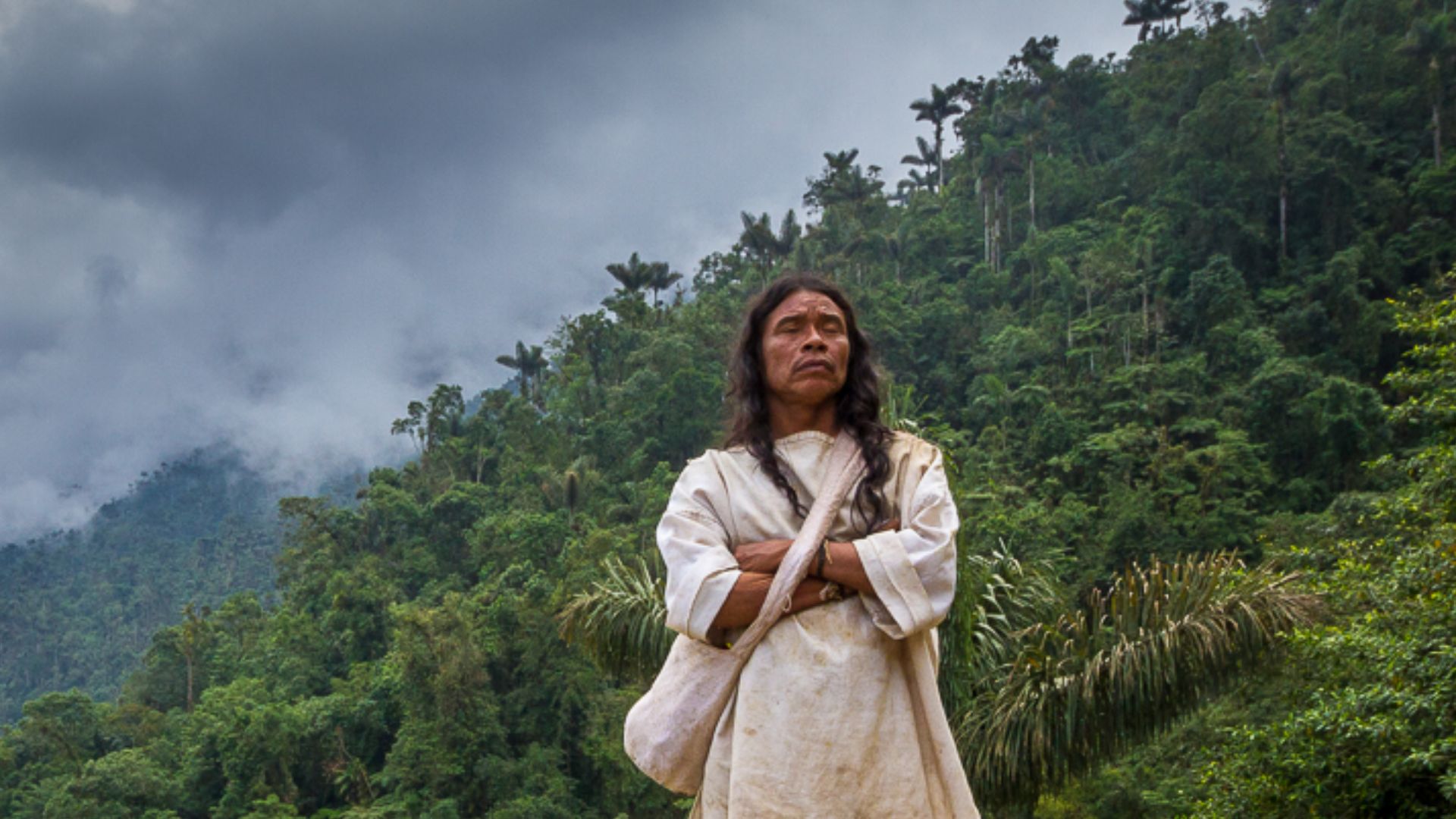 Dwayne Reilander, Wikimedia Commons
The Role Of Divination
Before major decisions happen, the Mamos perform divination by reading coca leaves and interpreting dreams inside ceremonial houses. Sometimes a single decision gets delayed for months because the divination reveals poor timing. This consultation with Aluna ensures every community action harmonizes with ecological and spiritual patterns that ordinary perception cannot detect.
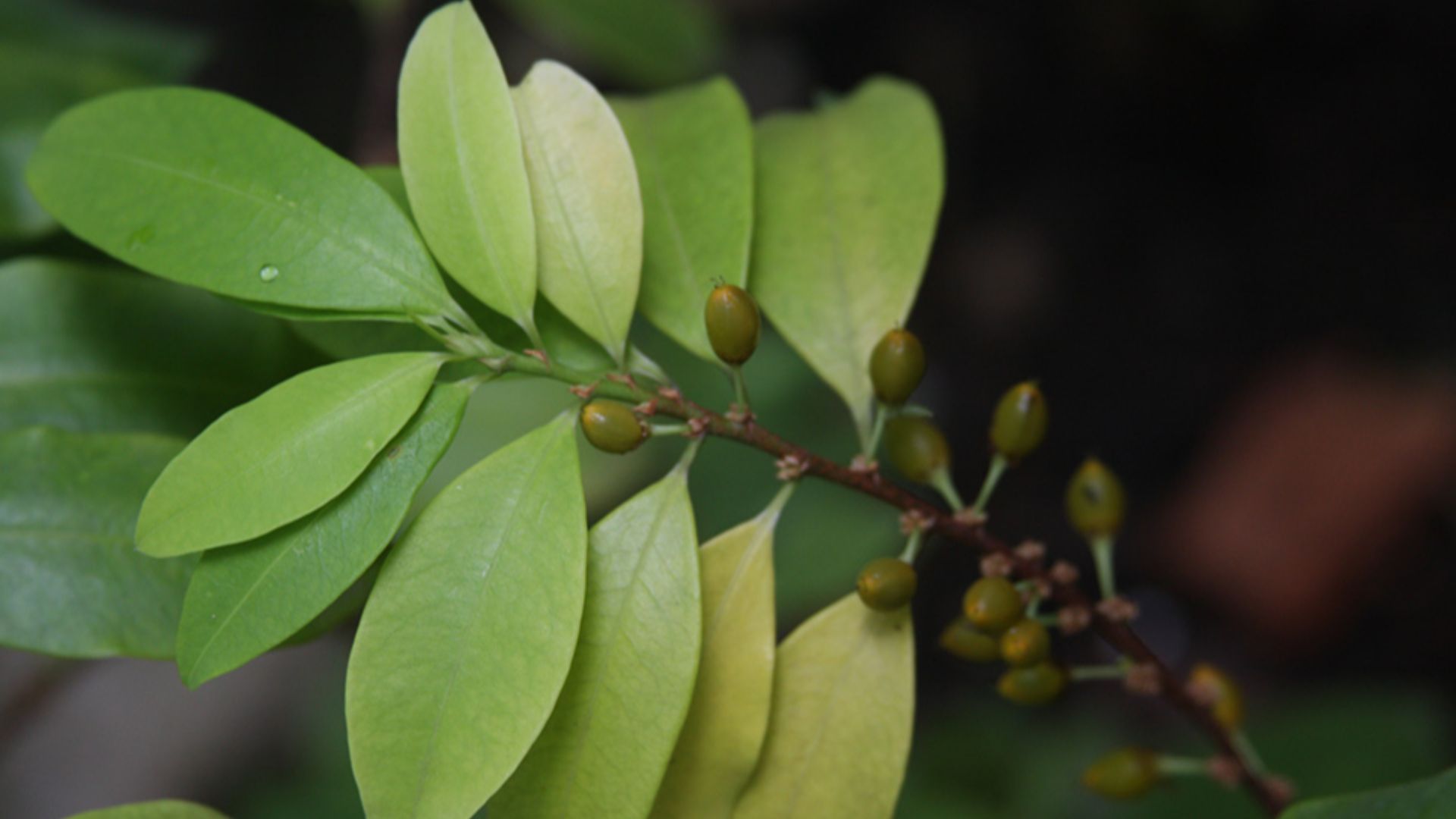 Kristi Denby/Archivo Centro Takiwasi, Wikimedia Commons
Why They Emerged In 1990 After Five Centuries
In 1990, the Kogi did something they'd never done. They invited BBC filmmaker Alan Ereira into their sacred territory to film a warning. After 500 years of silence, the Mamos were watching their glaciers vanish and sacred sites crumble. They called it environmental damage from "Younger Brother".
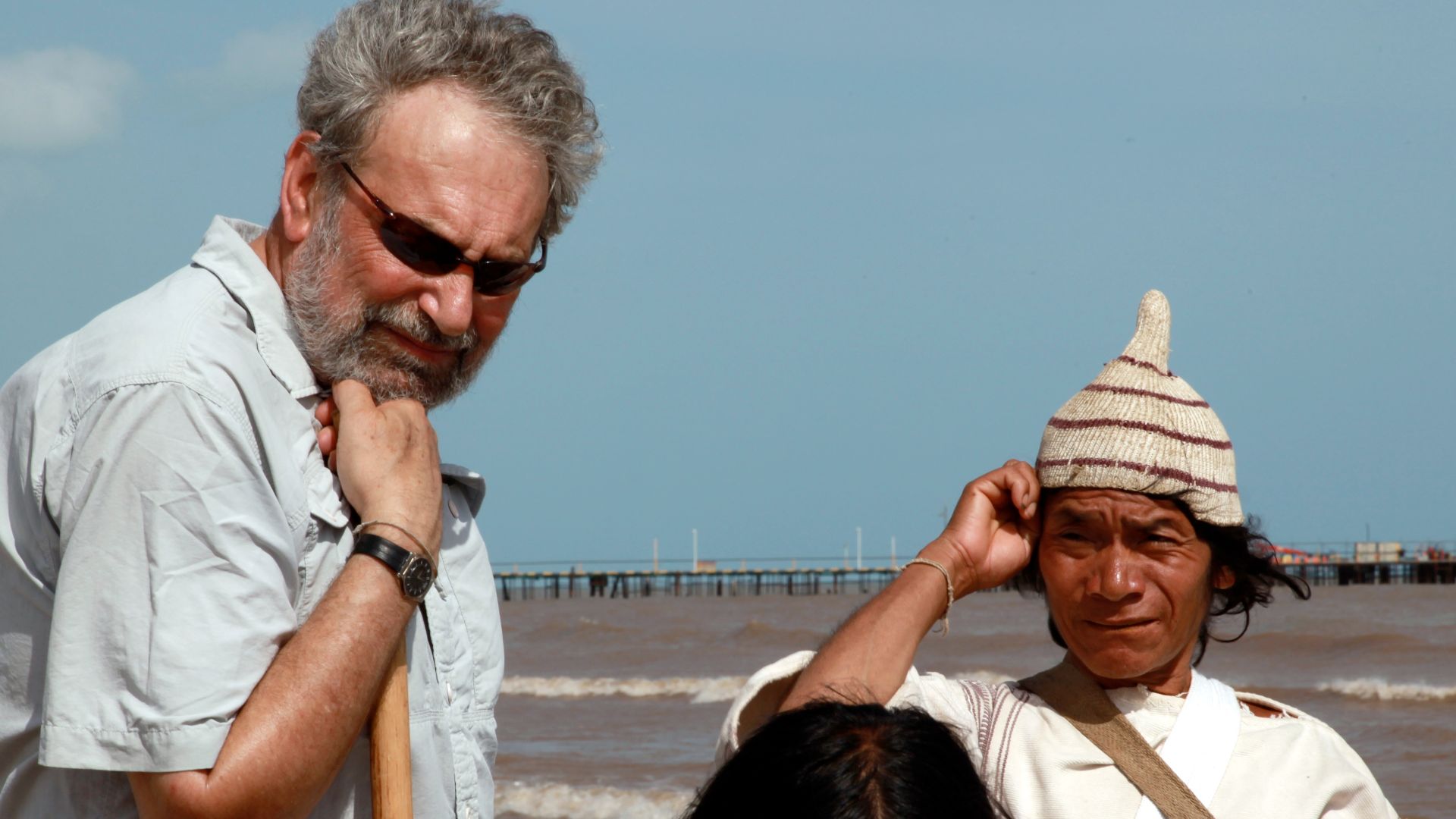 Alan Ereira, Wikimedia Commons
The Younger Brother And The Elder Brother
The Kogi call themselves "Elder Brothers"—humanity's spiritual guardians maintaining world balance through ritual. We're "Younger Brother," technically skilled but spiritually blind. This isn't arrogance on their part. It's a responsibility. They chose stewardship over expansion, living as earth's immune system while we consume and wonder why everything's breaking.

Mountains As Living Sacred Organs
To the Kogi, the Sierra Nevada is a living body with actual organs. Coastal lagoons are the womb. Certain peaks are the heart. Valleys are intestines. Rivers are blood vessels. When gold mining scars a valley or development drains a lagoon, they're watching organ failure happen in real-time.
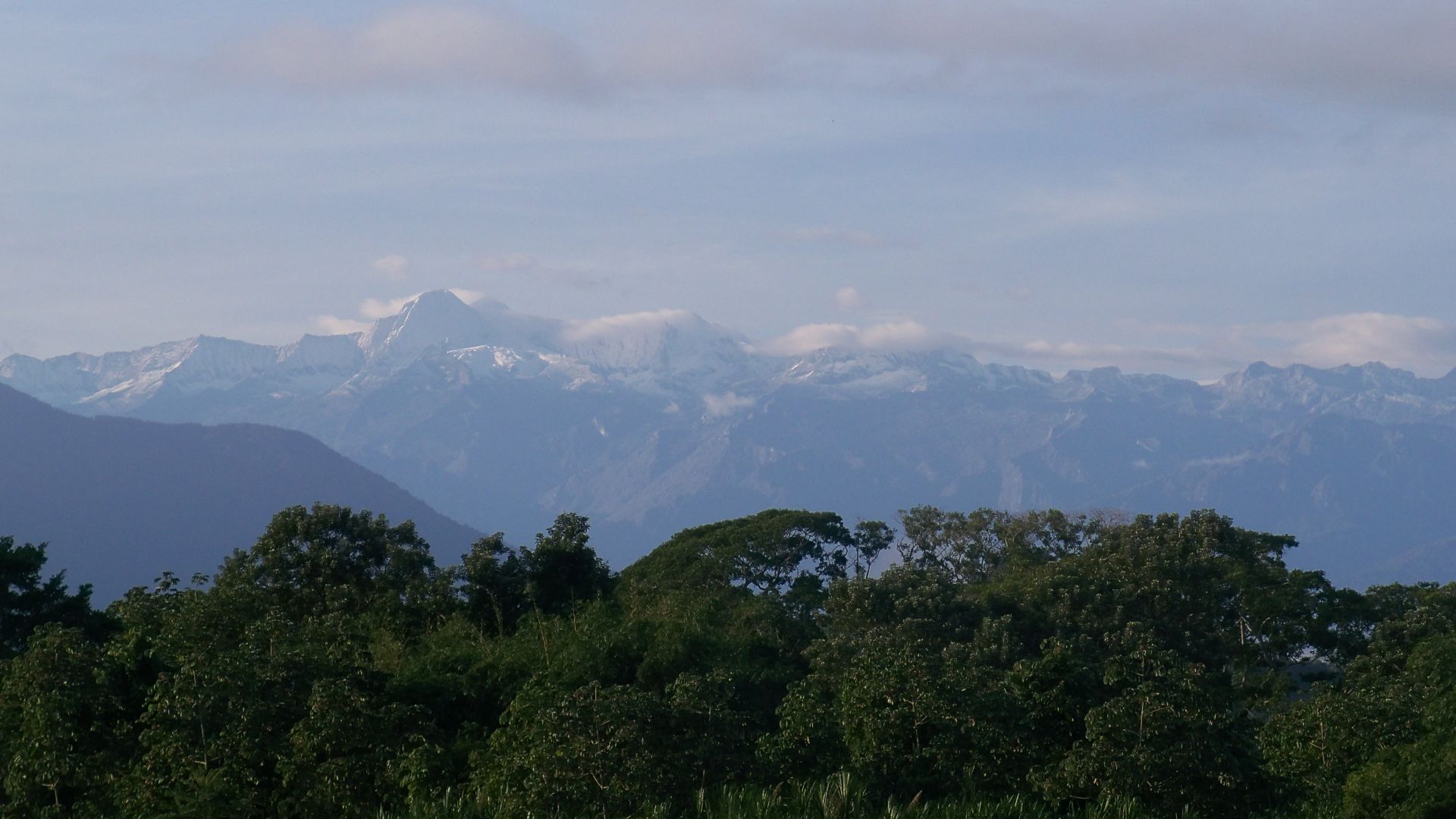
The Sacred Linea Negra
The Linea Negra connects 54 sacred sites encircling the Sierra Nevada, marking ancestral territory where ceremonial work must happen. Since 1976, it's been legally protected. Farms keep expanding into it anyway. So do tourists. Developers ignore it completely. The Mamos watch each violation rupture the energetic integrity on which their environmental work depends.
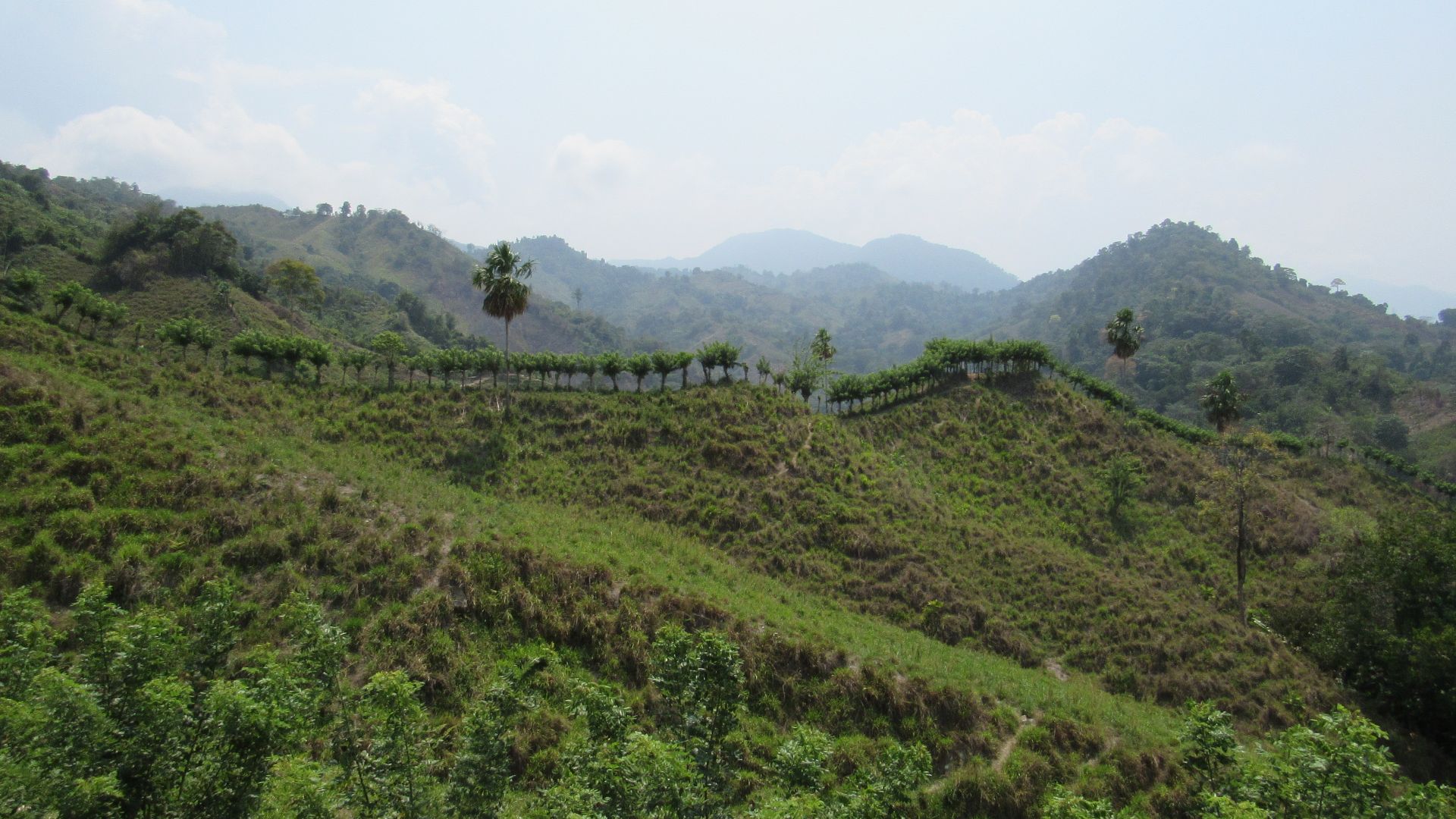
Pagamento Before Taking
Before harvesting a plant or even using water, the Kogi make pagamento—spiritual payment. They begin with offerings of coca leaves and other ritual objects, placed before any use of nature’s gifts. The Mamos believe our failure to practice pagamento creates an ecological debt now destroying ecosystems worldwide.
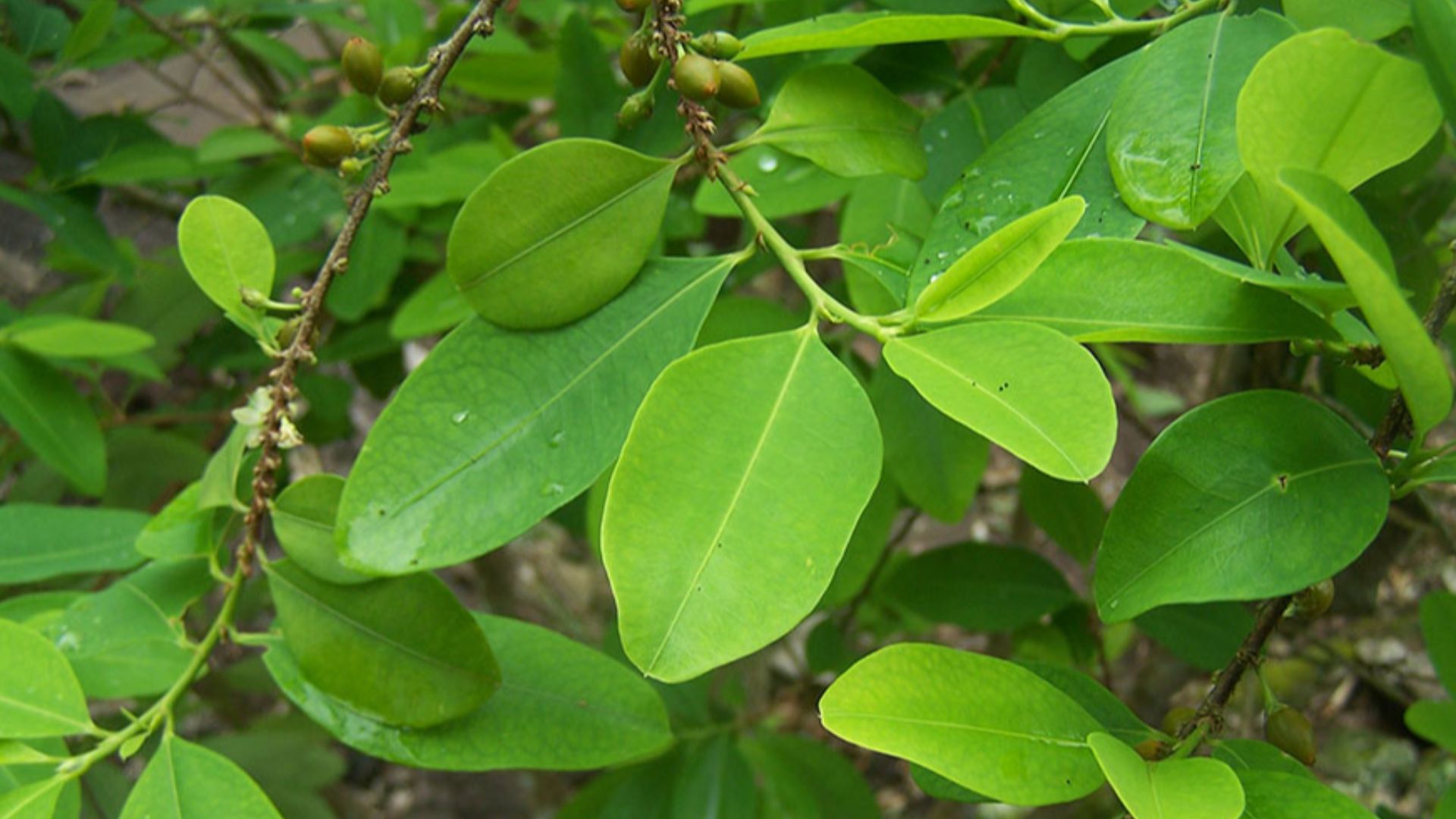 François Delonnay, Wikimedia Commons
Mochila Bags As Cosmic Records
Kogi women weave mochila bags in geometric patterns that take months to complete. Each design encodes teachings, cosmic principles, astronomical cycles, and agricultural calendars. The patterns reflect the universe's structure, and colors come from natural dyes. Every mochila is a three-dimensional textbook of knowledge you can carry.

Poporo And Sacred Balance
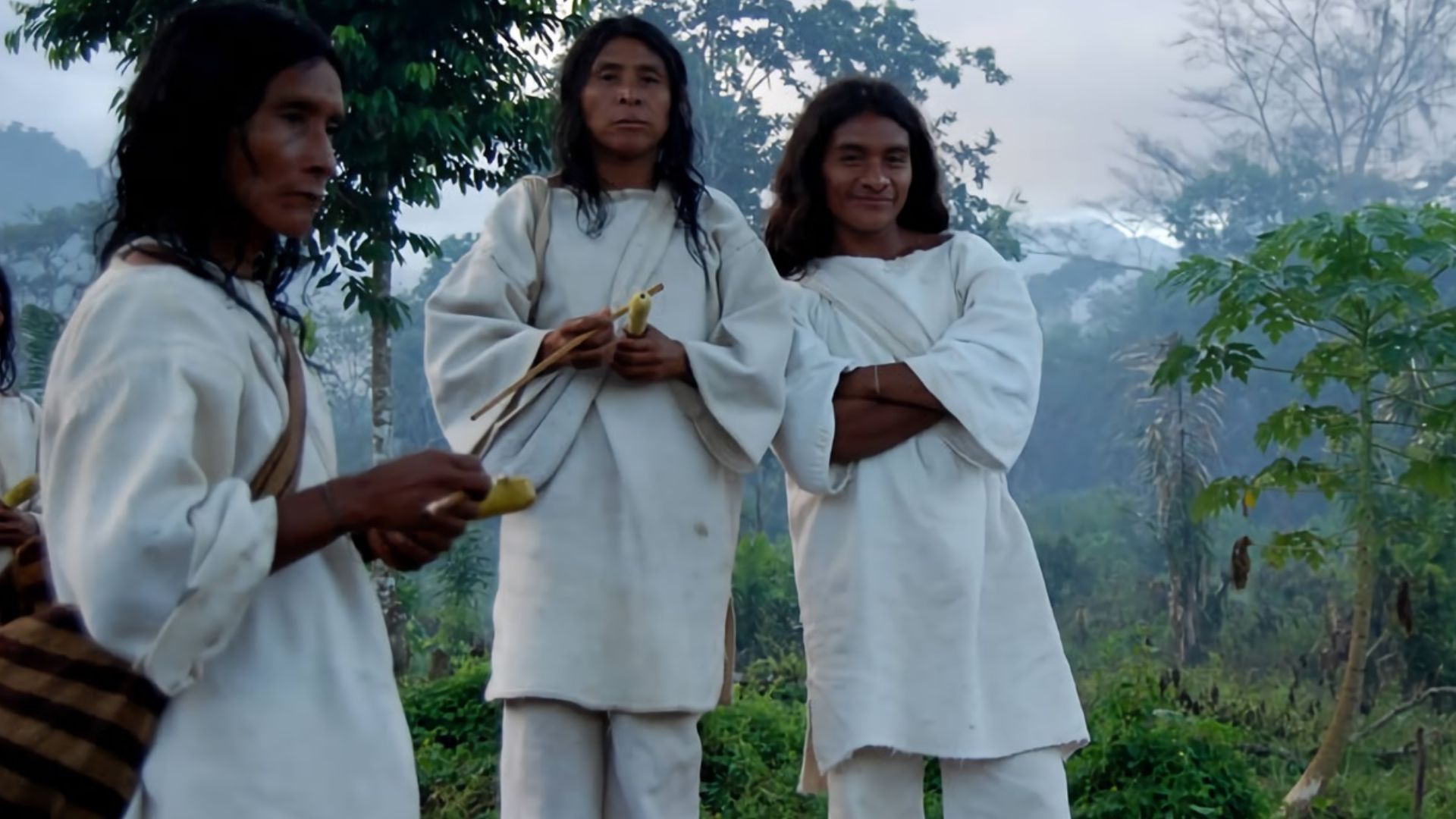
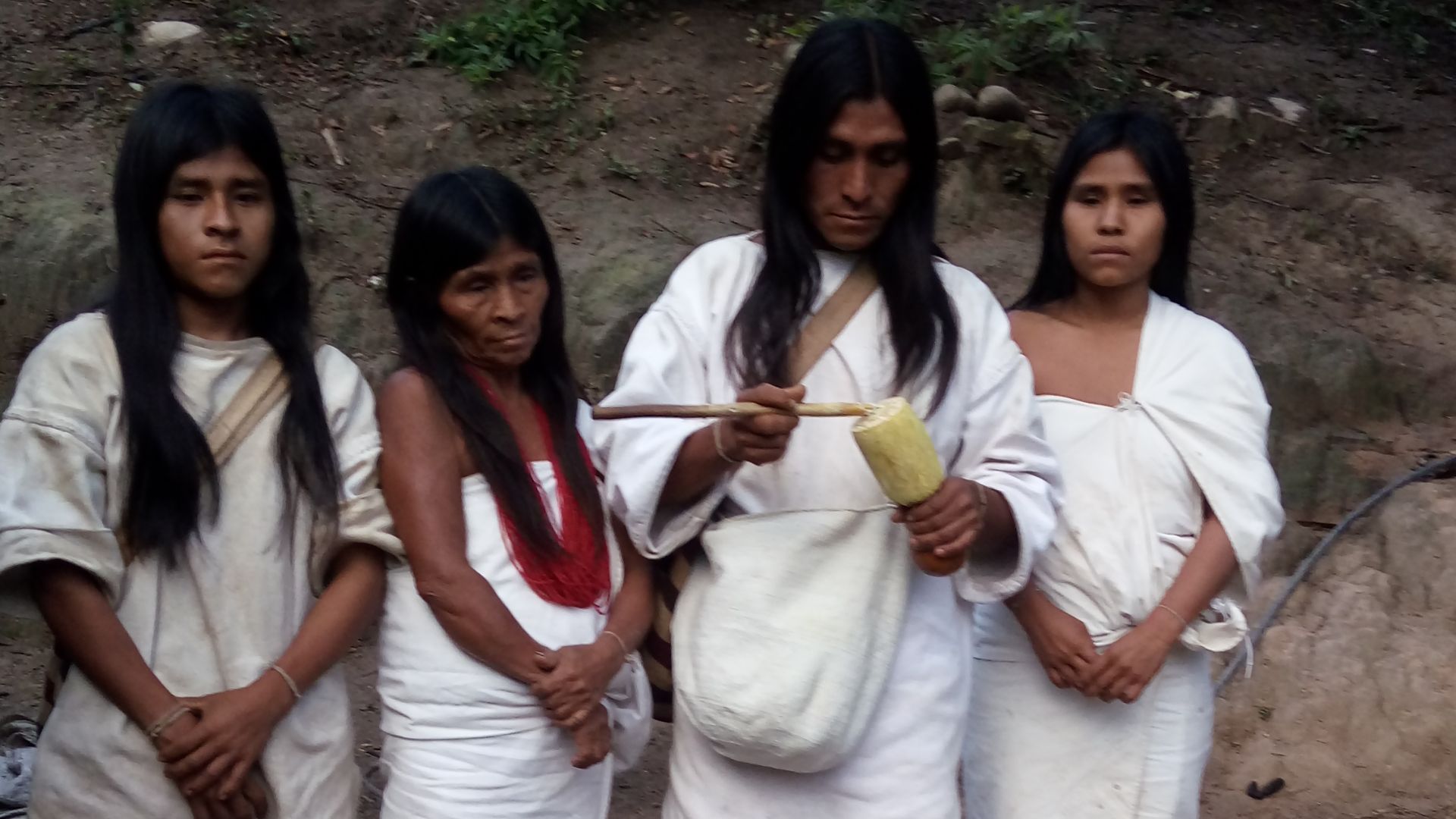
Kogi men carry poporos—hollow gourds containing ground shells—used during sacred coca chewing. They meditate while rolling a stick inside. This contemplative act connects them to feminine energy; the gourd represents the womb. It facilitates access to Aluna. Each poporo becomes a lifelong companion.
 Mauricio Bolano, Wikimedia Commons
White Clothing And Weaving
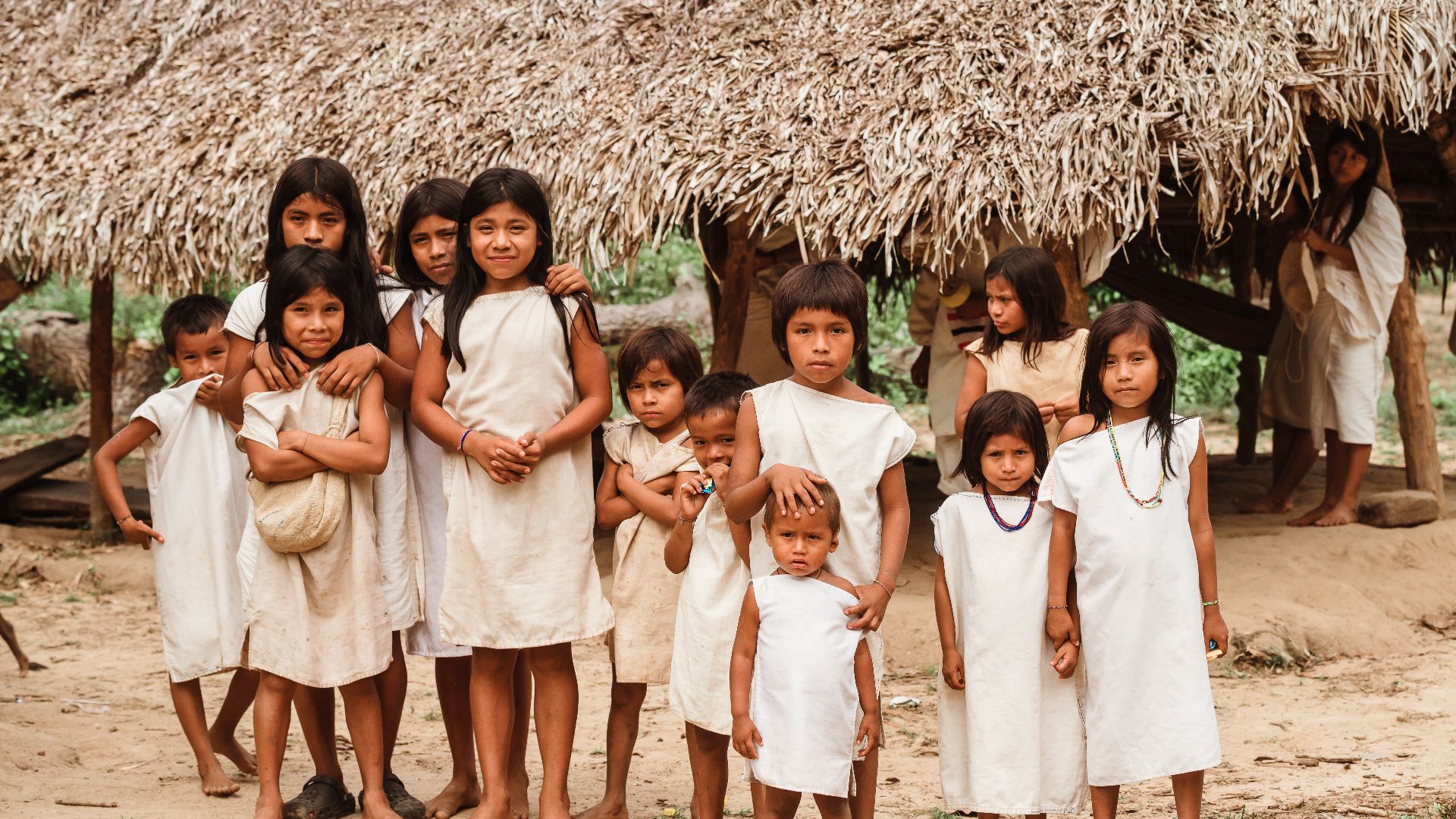
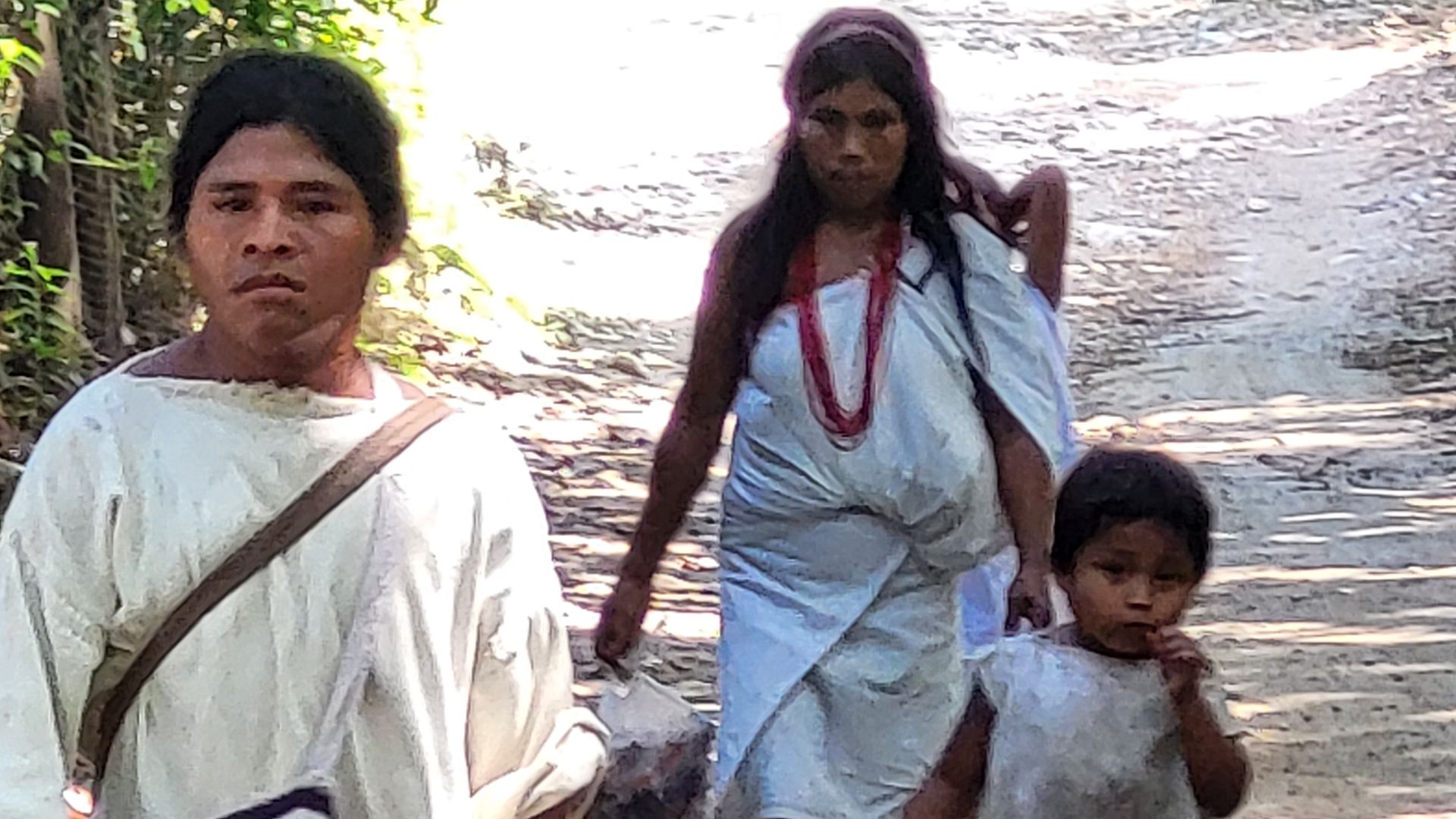
Both genders wear white cotton, handwoven from cotton they grow themselves. White represents purity and spiritual clarity. But women’s textile work is more than craft—they literally weave reality and cosmic order through textile work.
 ROCHY HERNÁNDEZ, Wikimedia Commons
Tairona Gold And Lost Mastery
The Kogi trace their lineage to master goldsmiths who used lost‑wax casting and alloys to craft sacred objects. These were not ornaments but spiritual instruments channeling energy and Aluna. Later, Spanish conquistadors melted thousands, and erased encoded wisdom. Seeing gold as perilous, the Kogi abandoned goldworking to protect their cosmology.
 Nalin Singapuri, Wikimedia Commons
Living Without Money
The Kogi don't use money. They exchange goods and labor through direct barter and reciprocal relationships. There's no wealth accumulation, no profit motive. Everything aims for balance and maintaining relationships. To them, money is the very thing enabling the ecological exploitation they're warning us about.
 Hernan Hernandez, Wikimedia Commons
The Architecture Of Homes
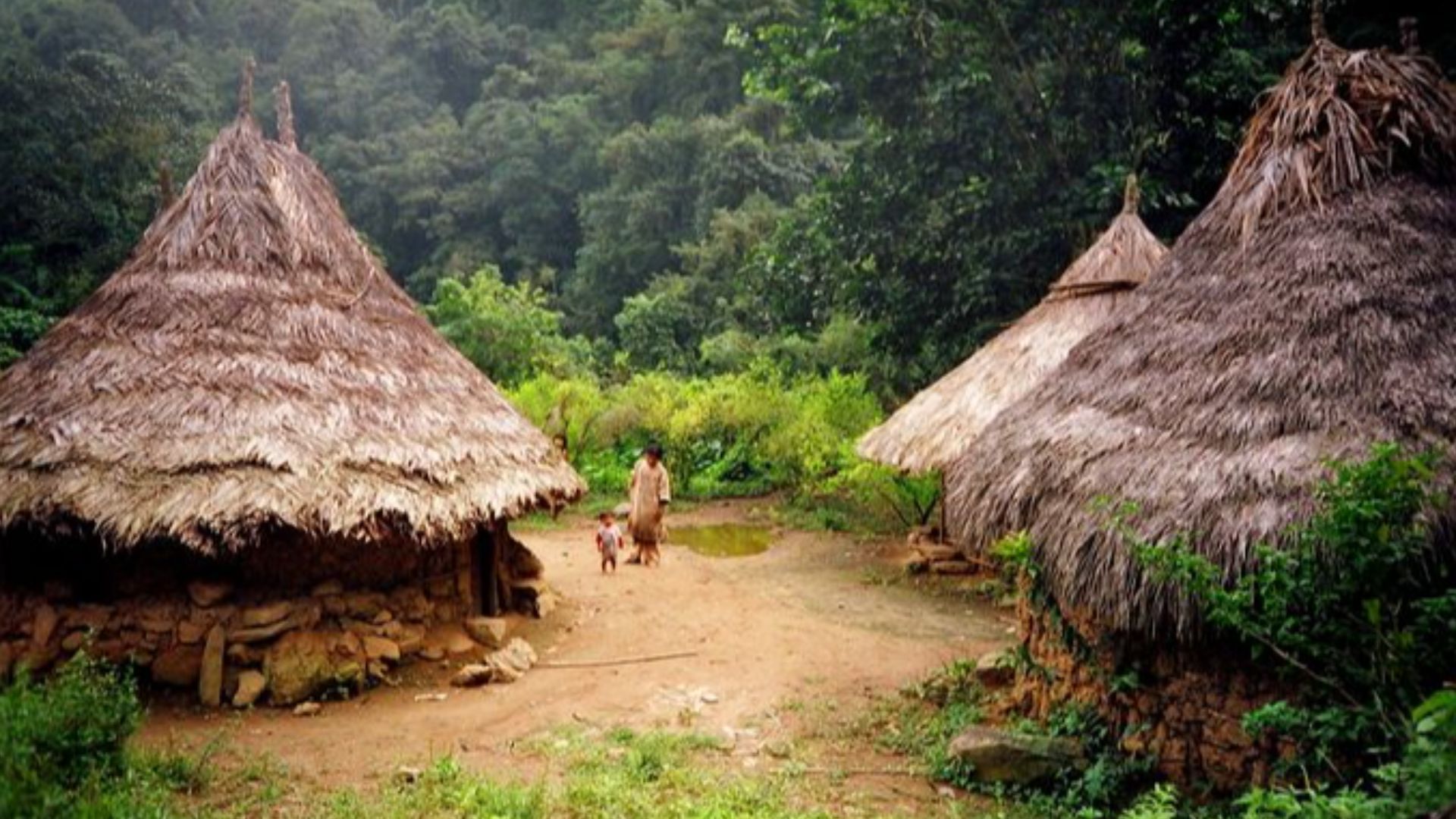
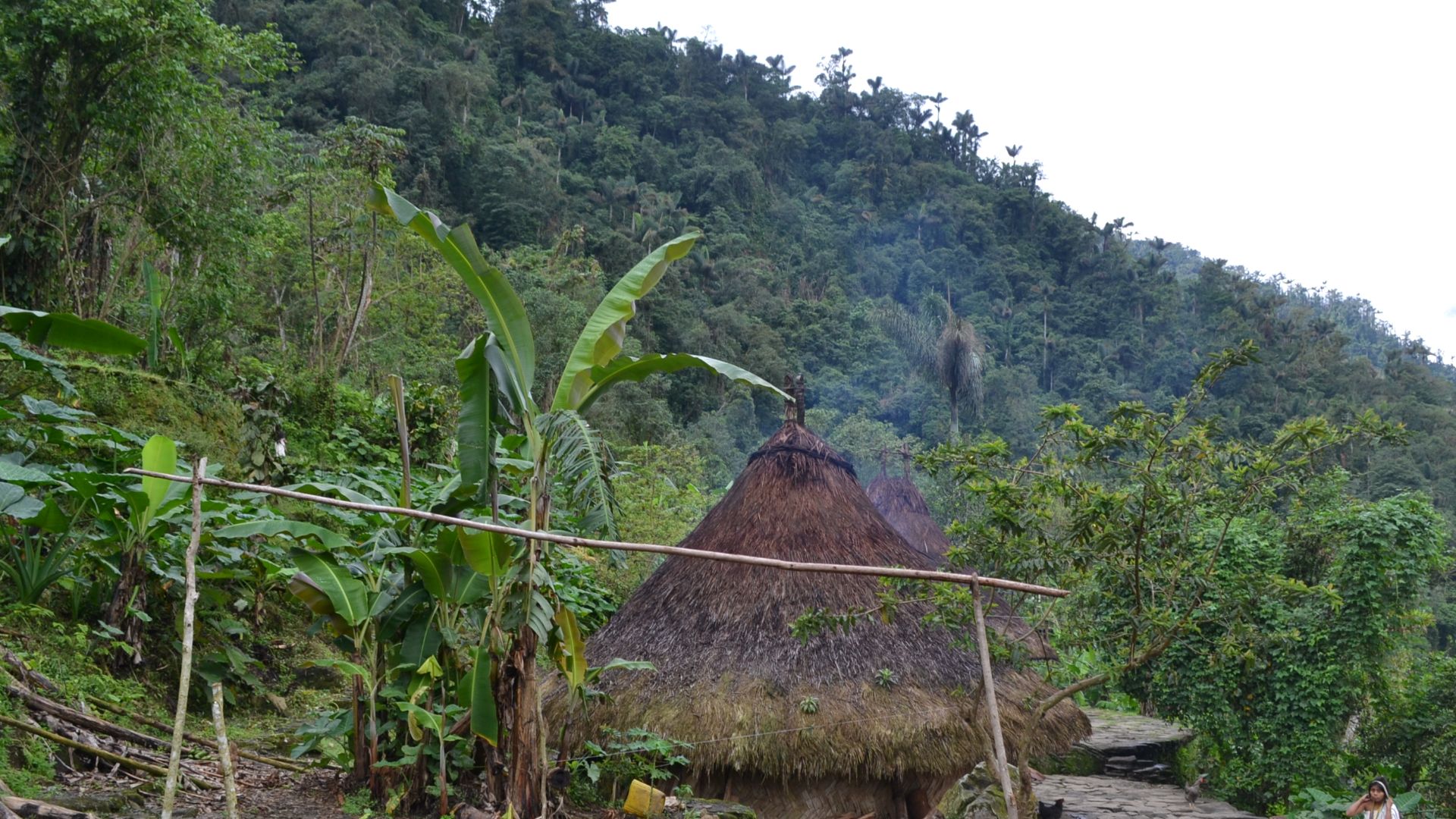
Kogi homes are circular with conical thatched roofs, called nuhue, built from sustainably harvested forest materials. The circular floor is Earth, the dome is sky, and the central pole is the world's axis. Families sleep in hammocks around the perimeter. The proportions echo astronomical ratios.
 Thomas Dahlberg, Wikimedia Commons
The Ceremonial House
Larger ceremonial houses serve as the Mamos' working spaces. Men gather here for all-night sessions of coca chewing and meditation. During these sessions, Mamos diagnose problems in Aluna's fabric—identifying which threads human activity has cut or tangled. Then they perform rituals to repair them.
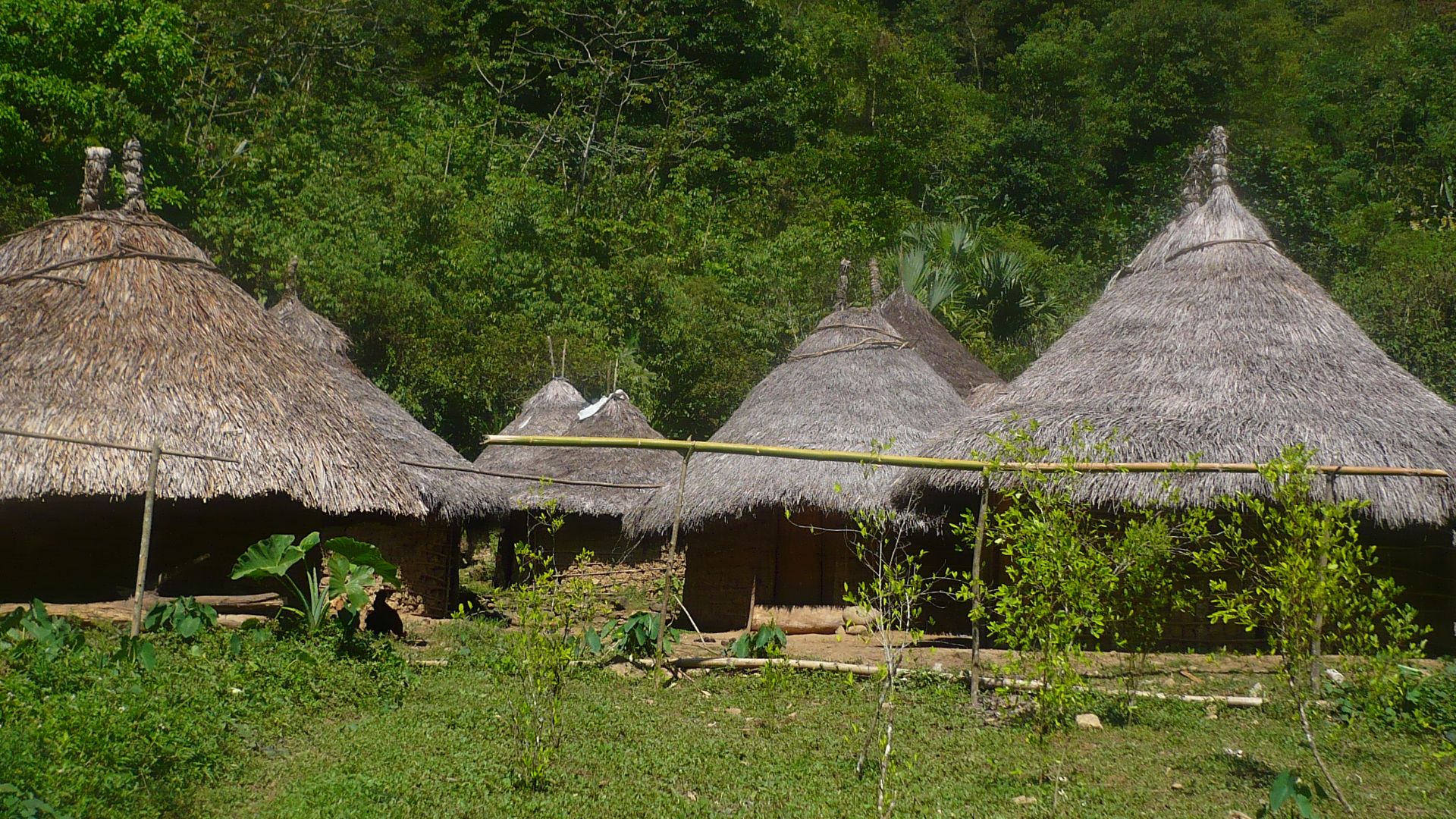 Romain Bréget, Wikimedia Commons
Agricultural Terraces That Mirror Star Patterns
Kogi agriculture uses ancient terracing carved into steep mountainsides, some inherited from their Tairona ancestors. They're astronomical calendars. Terrace patterns align with constellations. Planting schedules follow celestial cycles that the Mamos observe. They grow diverse crops in polyculture systems that mimic natural forests.
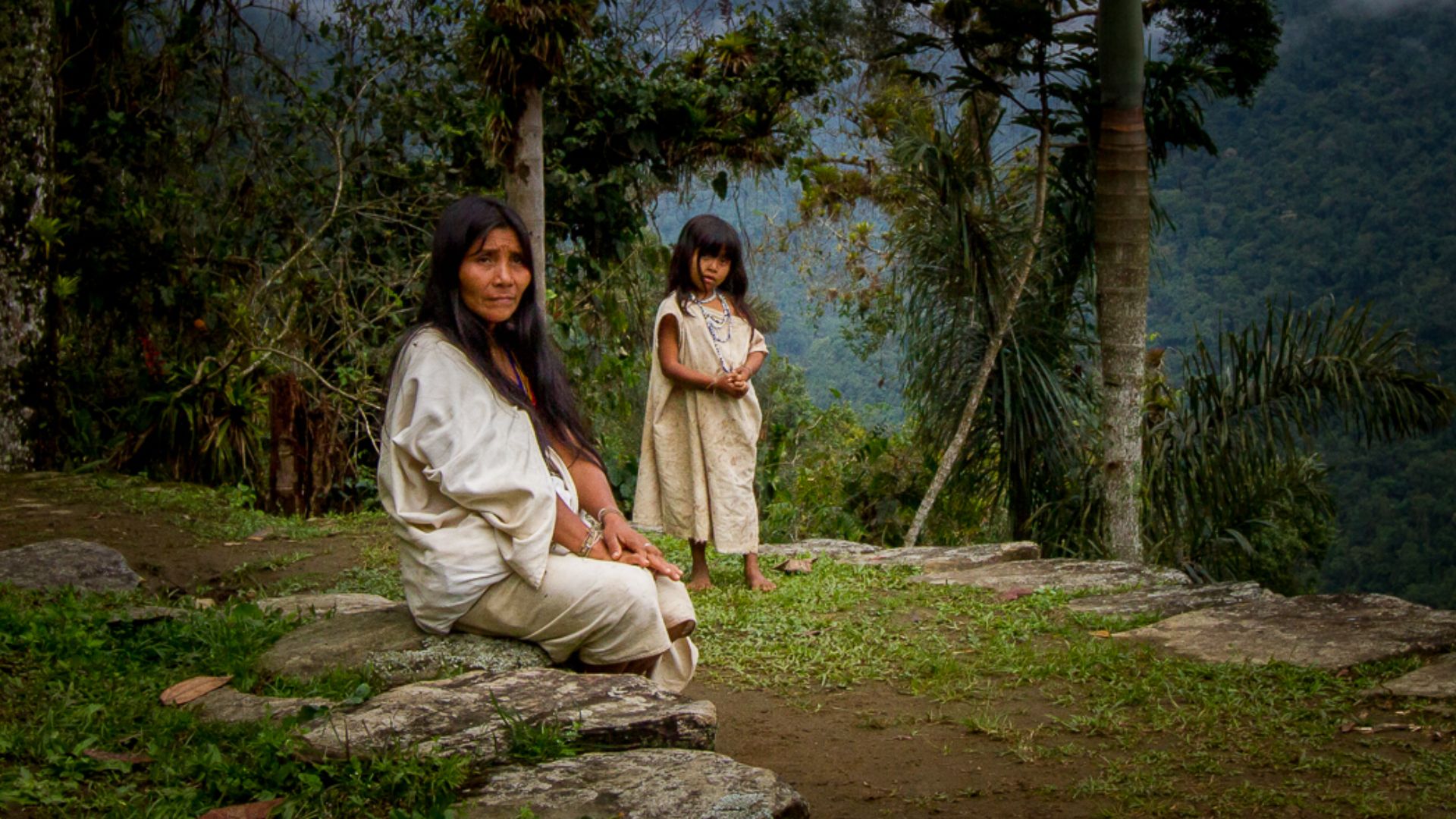 Dwayne Reilander, Wikimedia Commons
Why They Rejected Modern Medicine And Education
The Colombian government has tried to introduce schools and medical clinics. The Kogi largely refuse. They believe that Western education programs children to value extraction over reciprocity, and modern medicine treats physical symptoms while ignoring spiritual causes in Aluna. They maintain traditional healing with medicinal plants and ritual.
The Kogi Conception Of Time
The Kogi experience time completely differently than we do. It's not linear but cyclical and multidimensional. Past, present, and future exist simultaneously in Aluna, accessible through meditation. Actions today ripple backward and forward through time's fabric. The current ecological crisis reflects accumulated temporal damage, and restoration requires healing across multiple time dimensions.

Child-Rearing Without Punishment Or Separation
Kogi children are never physically punished or psychologically shamed. They're raised through modeling and gentle guidance instead. Infants stay in constant physical contact with mothers or female relatives, and children learn by watching and participating in adult activities. This produces individuals with strong community bonds and emotional regulation.
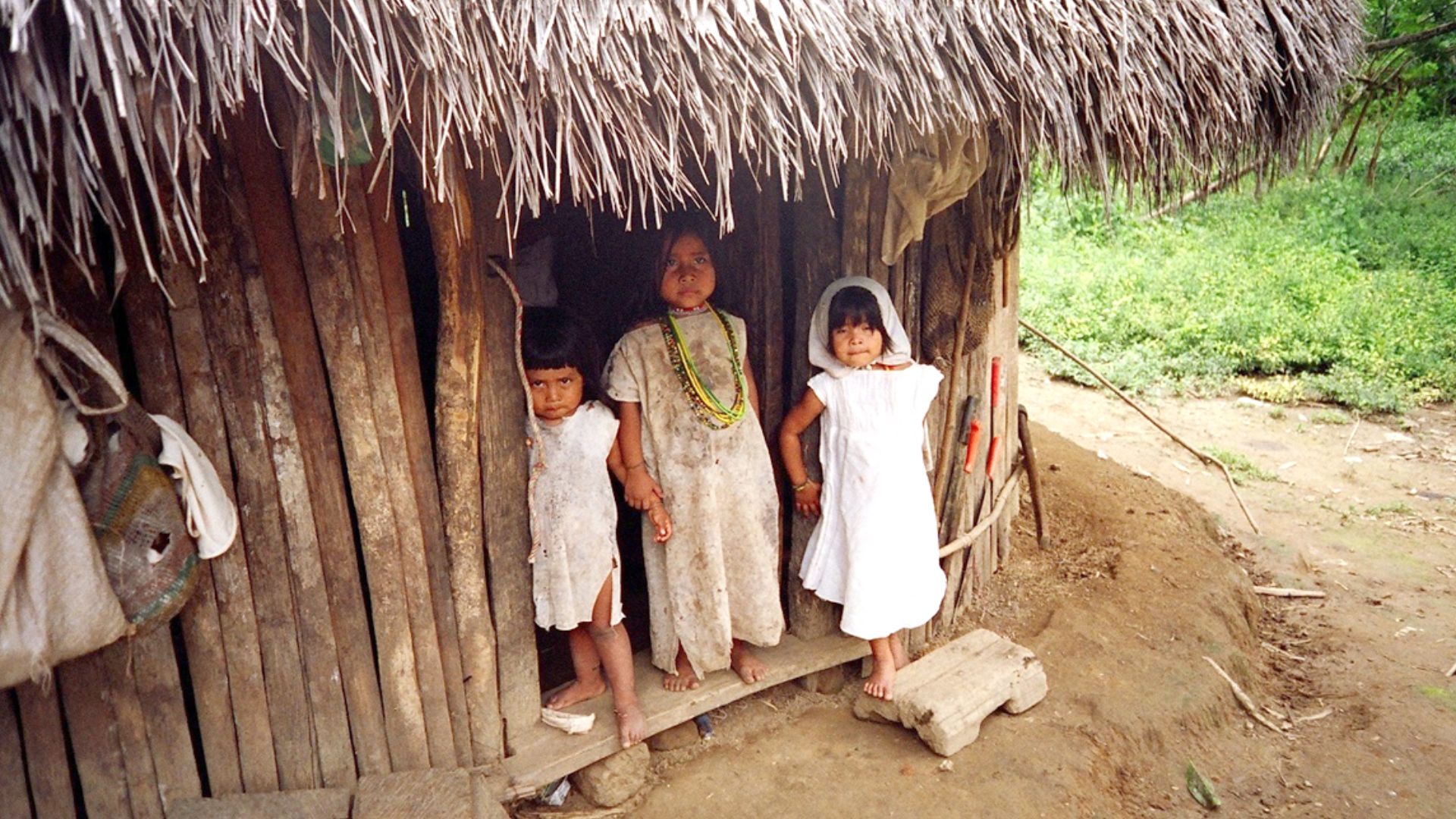 The original uploader was Thomasdhl at German Wikipedia., Wikimedia Commons
Language As Living Connection To Ancestral Knowledge
The Kogi speak Kogi (also called Kaggaba), a Chibchan language completely unrelated to Spanish. It preserves concepts untranslatable in European languages—specific terms for relationships between spiritual and material realms, types of reciprocity, and ecological processes with no English equivalents.
 Mauricio Bolano, Wikimedia Commons
Language As Living Connection To Ancestral Knowledge (Cont.)
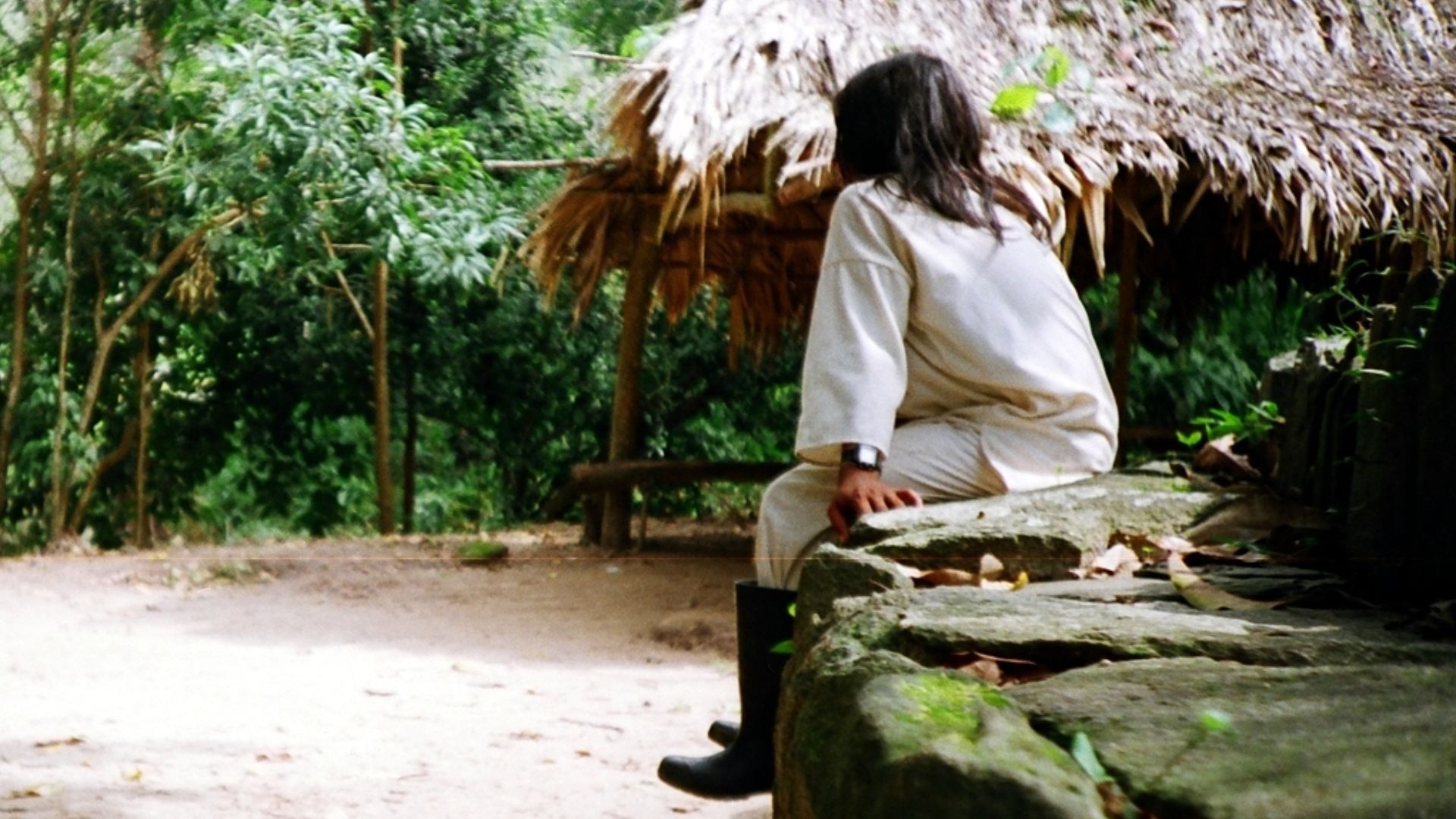
Language safeguards the cognitive frameworks central to their worldview. With each elder’s passing, irreplaceable wisdom vanishes. Every Mamo carries thousands of hours of oral tradition, absorbed during childhood, preserving ancestral knowledge through memory and spoken transmission.
The 2012 Return
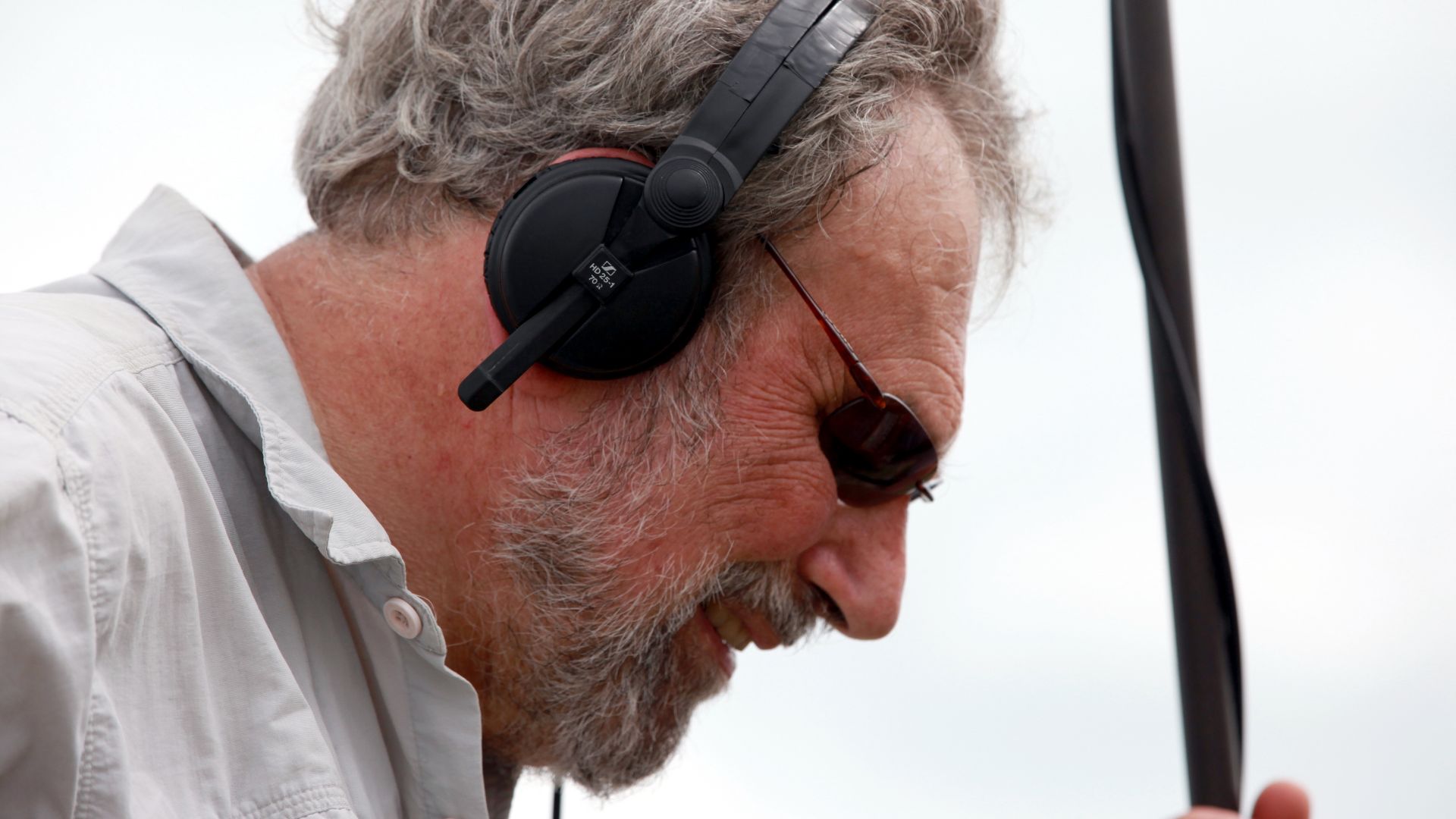
Filmmaker Alan Ereira came back in 2012 after the Mamos reported something terrifying. Their first warning had been completely ignored. Glaciers that existed for millennia were nearly gone. Rivers had dried up. Species were disappearing at accelerating rates. His film documented sacred sites destroyed by development through before-and-after comparisons.
 Alan Ereira, Wikimedia Commons
Kogi Warnings Align With Science
Initially dismissed as primitive superstition, the Kogi warnings about glacier loss and climate disruption now align precisely with scientific data. When they observe that destroying mountain ecosystems affects global weather, climate scientists see biodiversity feedback loops saying the same thing. Different languages describing one reality: life-support systems collapsing at accelerating rates.
 Julianruizp, Wikimedia Commons