

A Circular Clue Left By Britain’s First Settlers
Star Carr’s roundhouse, which dates back to around 8,500 BC, is considered the oldest known dwelling ever discovered in Britain. Far more than a temporary shelter, the circular structure suggests its hunter-gatherer occupants had established a lasting presence in the area. The find challenges the idea that these early communities were constantly on the move, pointing instead to a population with strong ties to the landscape they called home.
Nicky Milner’s Team Brings Prehistory Back To Life
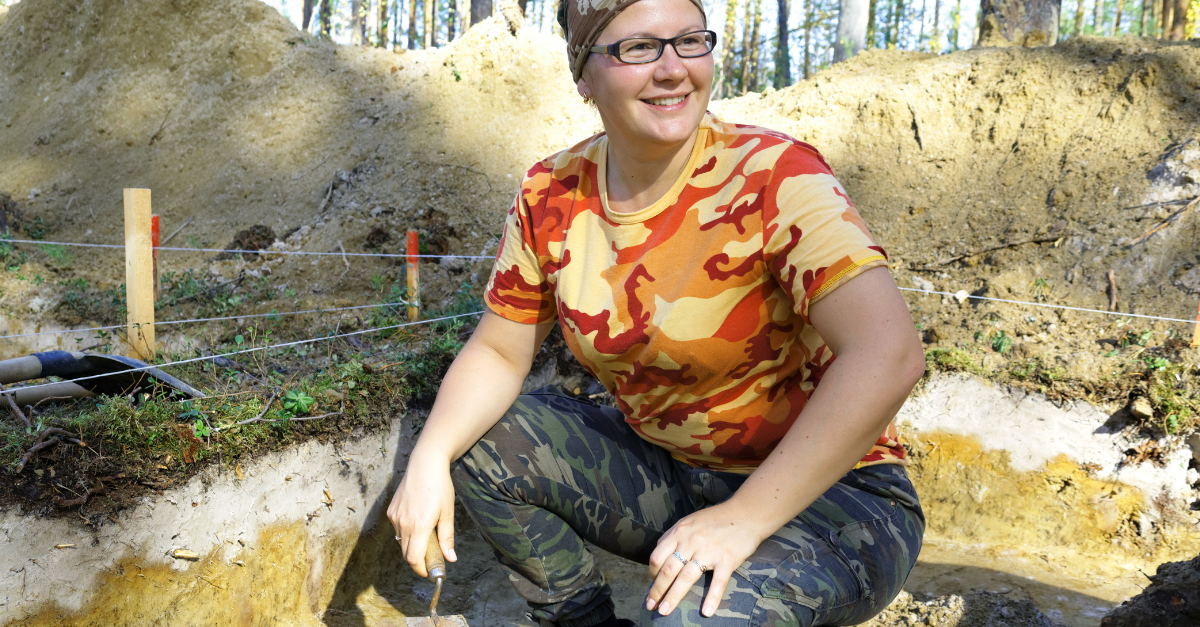
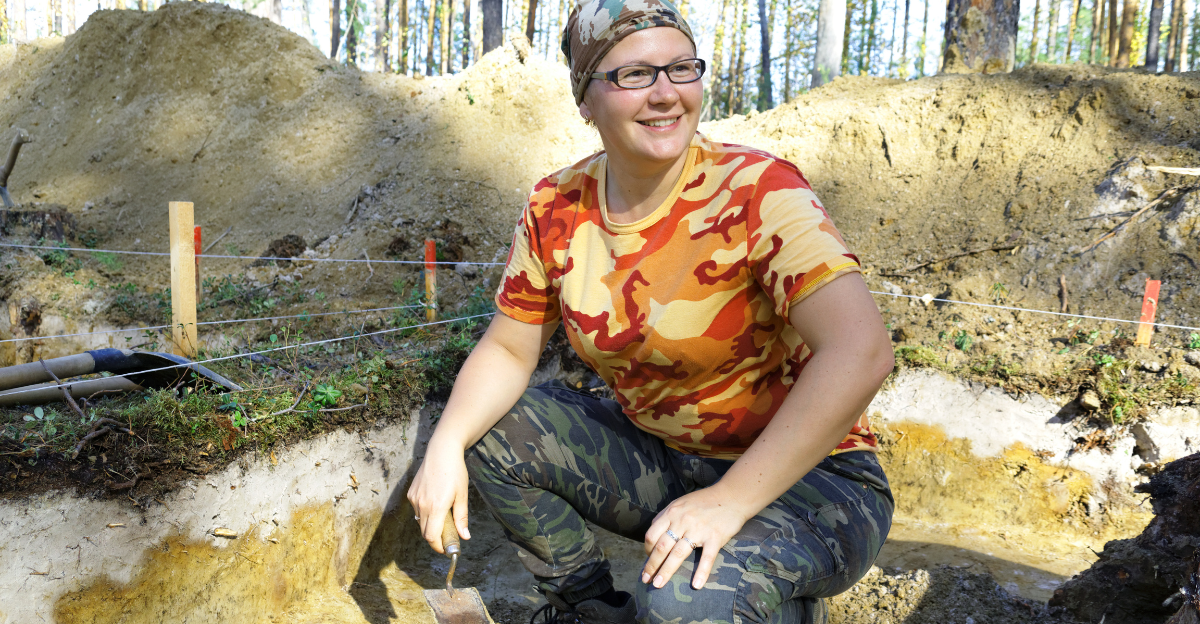
Dr Nicky Milner, an archaeologist from the University of York, led the excavation at Star Carr. The research was a collaboration between the Universities of York, Manchester, UCL, and Cambridge, supported by funding from the British Academy, the McDonald Institute in Cambridge, and the Vale of Pickering Research Trust.
 Dig into Early Prehistory by University of York
A “Time Travel” Discovery
Dr Milner described the experience as akin to time travel, given the site’s remarkable preservation. The excavation revealed not only the 10,500-year-old dwelling but also Europe’s earliest known carpentry and ritual artifacts, including red deer antler headdresses.
 Jonathan Cardy, Wikimedia Commons
This House Is Older Than Stonehenge
Stonehenge draws the crowds, sure, but it’s a rookie compared to this circular hut built thousands of years earlier. With thatched reeds, timber posts, and hearth-centered life, Star Carr’s home redefines Britain’s prehistoric identity. “It’s sensational,” said Dr Nicky Milner, University of York’s senior archaeologist, in 2010.

Britain’s First Home Was Lakeside Real Estate
Prime location? Absolutely. The ancient house sat beside a now-vanished lake in North Yorkshire. Back then, it stood next to an archaic lake and near the remains of a wooden quayside. These waters likely provided families here with a fresh supply of fish and water.
 Andrew Curtis, Wikimedia Commons
The Star Carr Was Unique
An intriguing aspect of this dwelling is the evidence of long-term habitation. While Mesolithic hunter-gatherers were often thought to be highly nomadic, Star Carr was occupied for 200 to 500 years, indicating a semi-permanent settlement. This challenges previous assumptions about early mobility.
 Kirsty High, Wikimedia Commons
Eighteen Timber Posts Formed A Perfect Circle Of Survival
The house’s skeleton—eighteen timber posts in a tight ring—measured just 3.5 meters across. Small? Sure. But intentional. That circle was engineered for warmth, strength, and symmetry. This was the home base for a grounded, resourceful community.
 Kelsey Todd, Wikimedia Commons
The Thatched Roof That Preceded History
Archaeologists aren't entirely sure what the roof of the Star Carr dwelling looked like, but they believe it was probably constructed from readily available materials such as animal hides, thatch, turf, or tree bark. Based on the circular layout of the structure, researchers think the roof may have taken the form of a cone—similar to a teepee—or a more rounded, dome-like design resembling a wigwam. Either way, it would have provided shelter from the elements while making use of the natural resources surrounding the settlement.

Sunken Floor As A Thermal Design
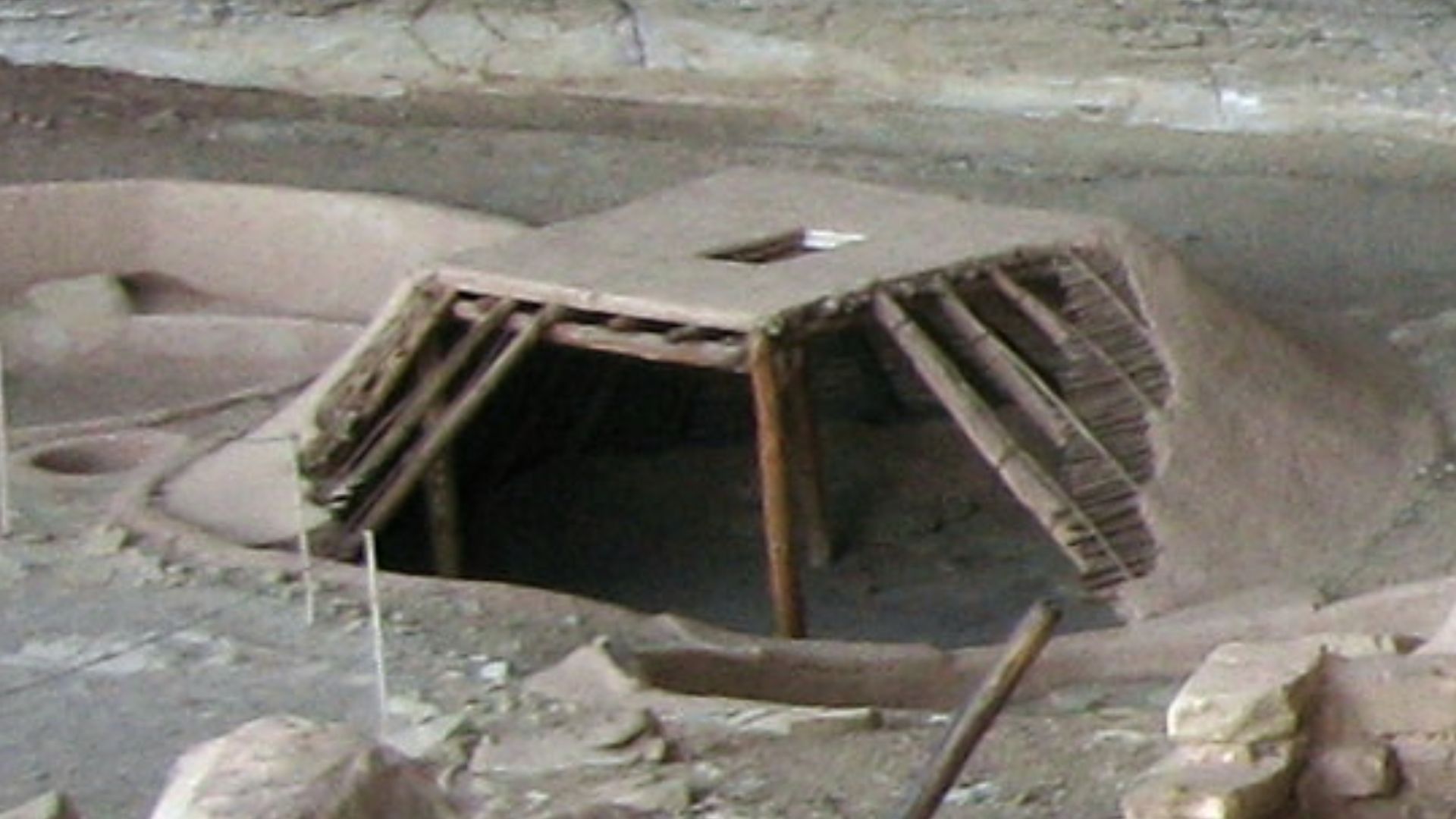
The floor sat lower than ground level, making it the perfect design for trapping heat. Overhead, a thatched or hide-covered roof likely rested on wooden beams. Add moss, reeds, or grass flooring, and you’ve got the Stone Age version of home insulation.
 Wwbailey, Bill Bailey, Wikimedia Commons
Why Did They Need Insulation In The First Place?
Insulation was vital for survival in Mesolithic Britain because the climate was cold and damp, especially near Lake Flixton. After the last Ice Age, temperatures continued to fluctuate, and early humans required methods to stay warm and protect themselves from harsh weather conditions.
 David Dixon , Wikimedia Commons
Insulation Was Key
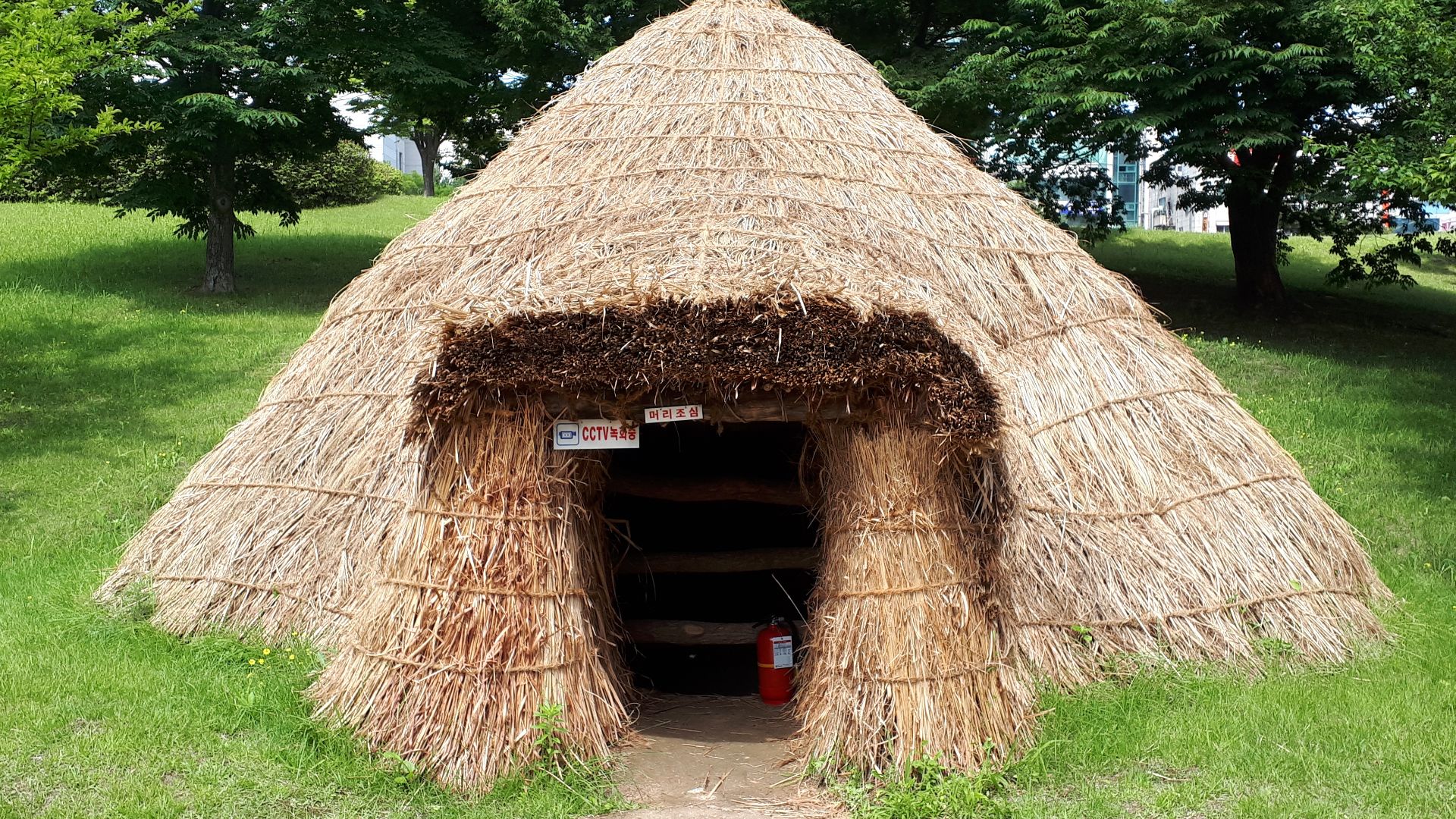
Insulation also played a role in comfort and efficiency. It helped create a stable indoor environment. Warmth allowed residents to cook, craft tools, and store food without extreme temperature shifts affecting their resources. Over time, early humans refined their building techniques, making settlements more durable and sustainable.
 Lee Kang-cheol, Wikimedia Commons
The Entire Design Screams Evolution
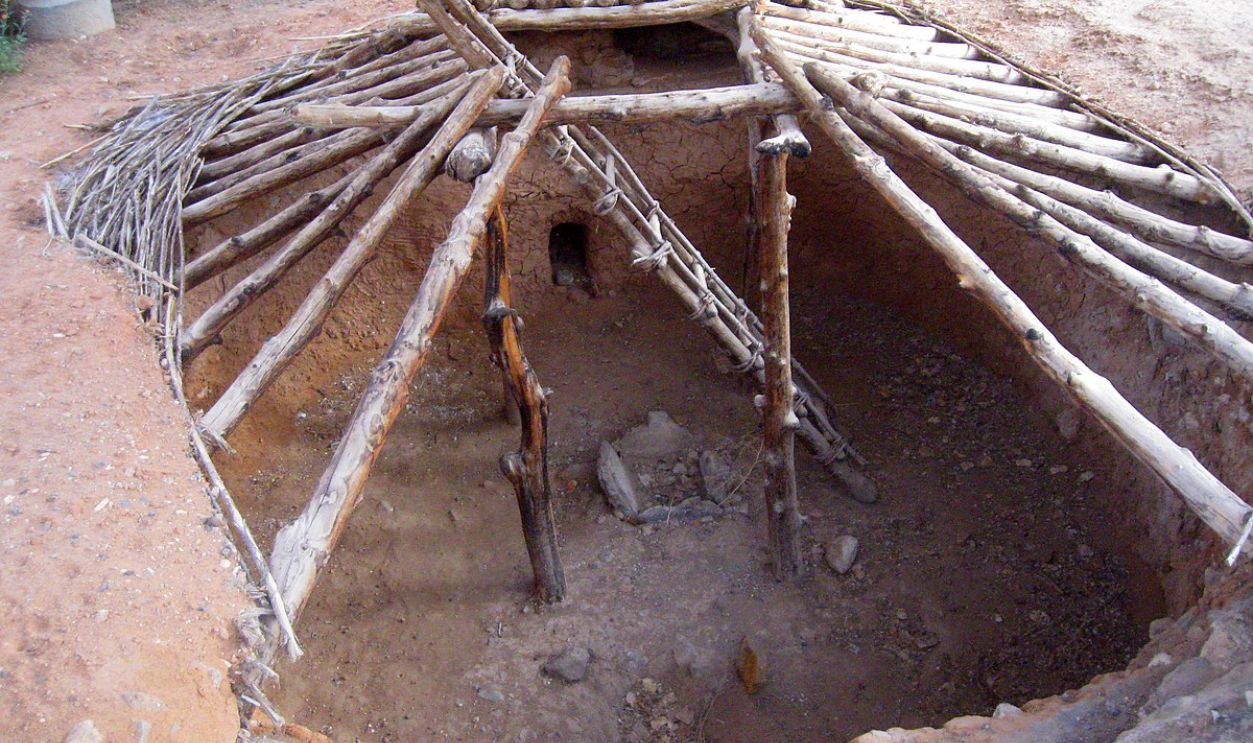
The design screams evolution to adapt to seasonal needs or available resources. The walls being supported by timber posts and the roof being secured are not coincidences. If we look at how we build homes today, this is really not far-fetched. But before Star Carr…
 The Dye Clan, Wikimedia Commons
The Howick House Held The Record As Britain’s Oldest
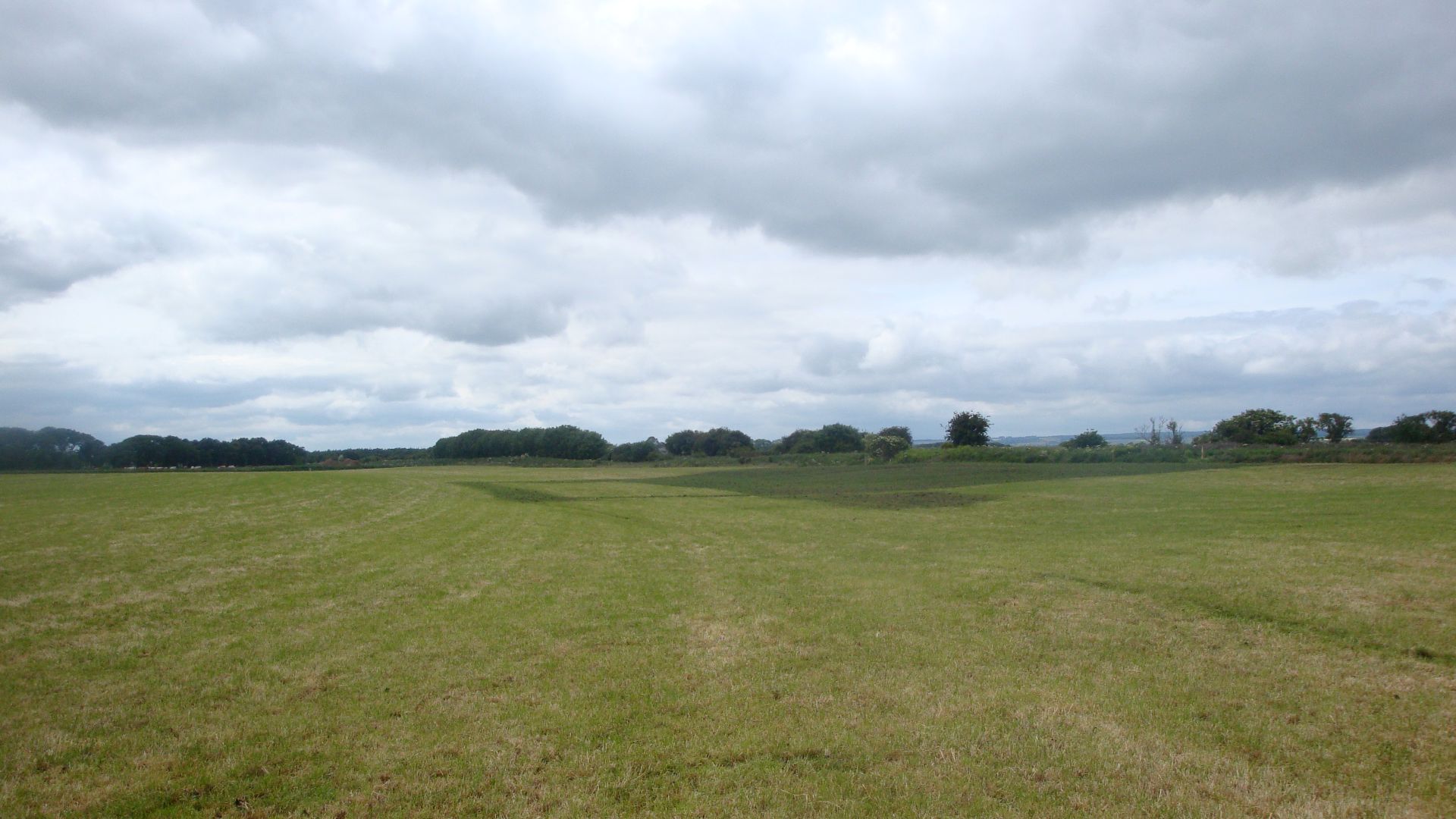
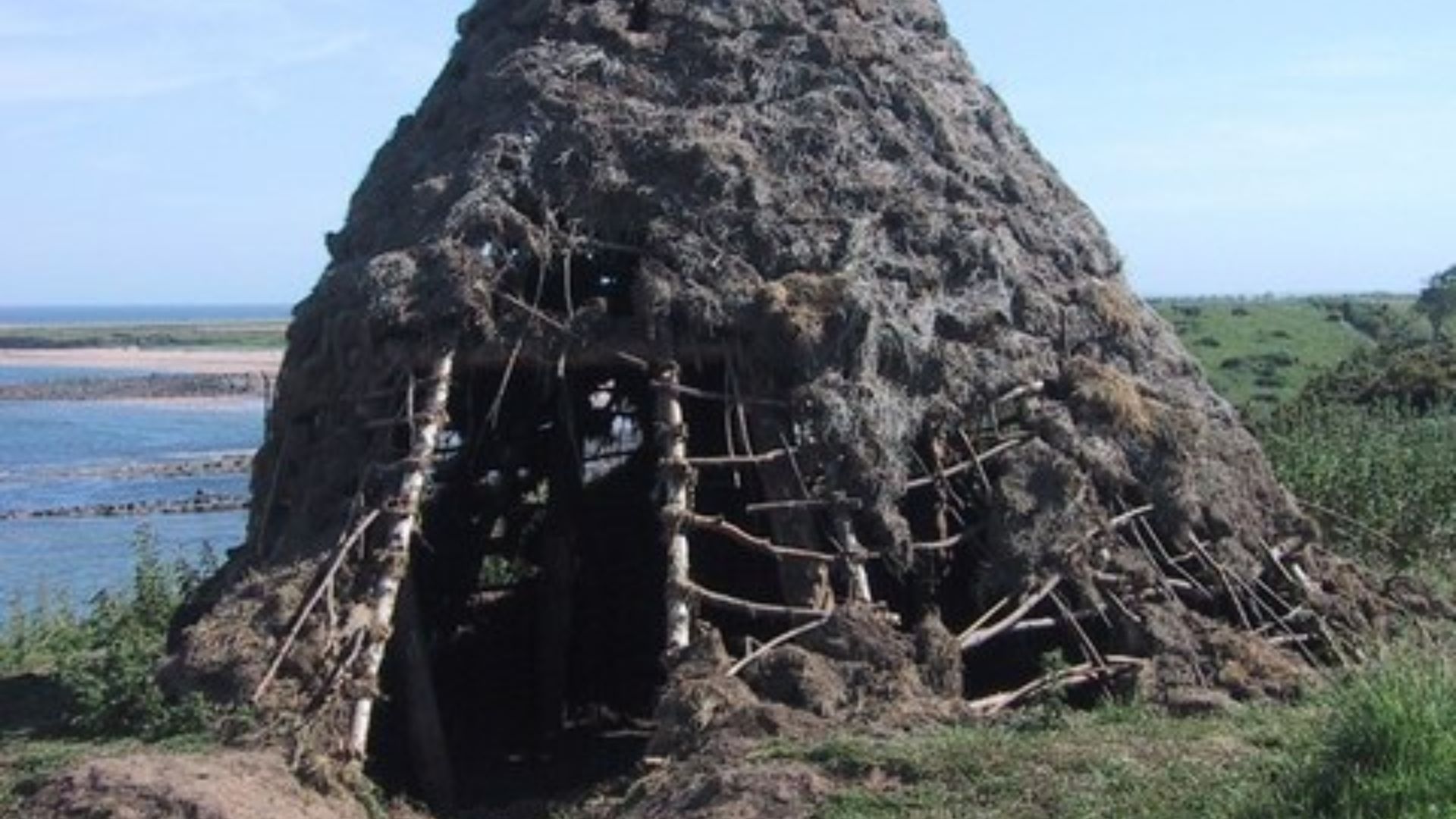
Northumberland’s Howick House reigned as Britain’s oldest until Star Carr’s discovery stole the spotlight. Built around 7600 BC, this 6-meter-wide circular shelter featured sturdy post holes and a sunken floor. For 100 years, it served as a rare permanent base for Mesolithic families.
 Sarah Charlesworth, Wikimedia Commons
Howick’s Life Was Anything But Temporary
Inside, the Howick house offered warmth and flavor—hearths still held charcoal, nutshells, and bone. Researchers believe birch poles and pine beams supported a conical roof draped in turf and reed thatch. Add coastal food, fresh water, and flint nearby. That’s real, rooted living.
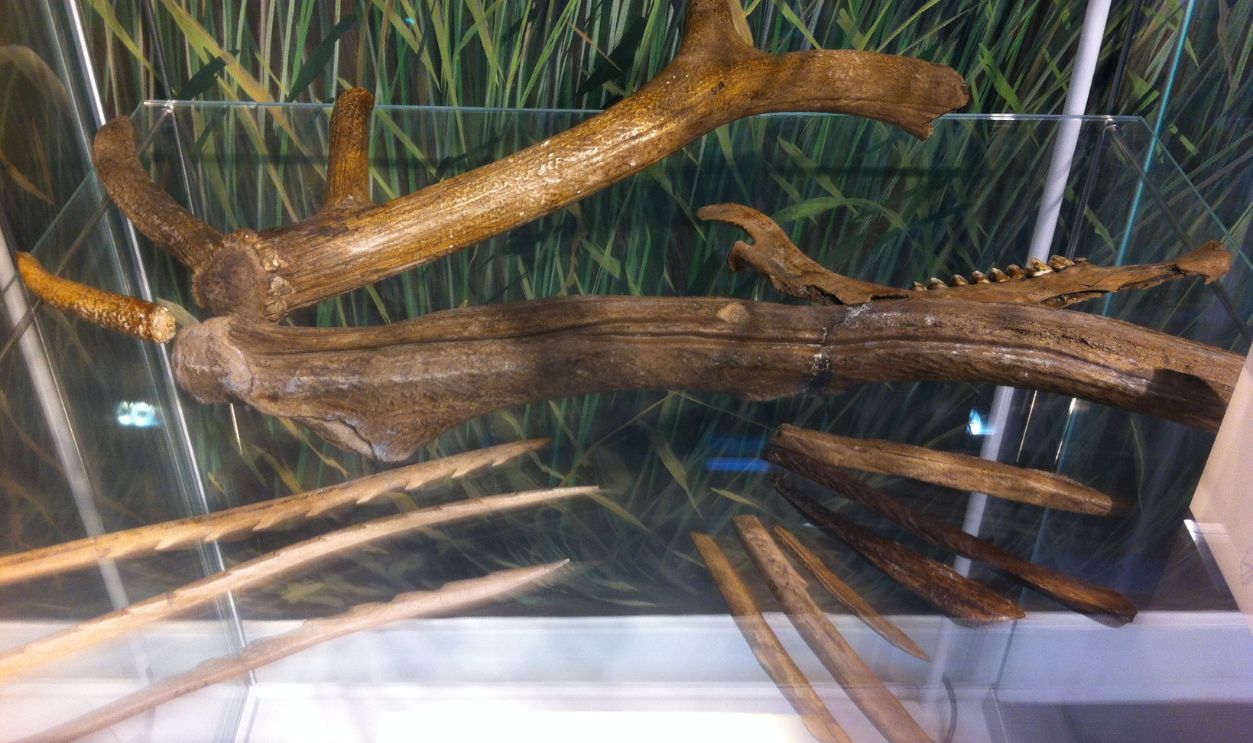
Now, Let’s Circle Back To Ancient British Carpentry At Star Carr
One of the most remarkable discoveries at Star Carr was a wooden platform built along the edge of what was once Lake Flixton. Constructed from carefully worked timbers, the structure reveals a surprisingly sophisticated level of woodworking skill for a community living more than 10,000 years ago. Archaeologists believe the platform created a stable working area above the muddy shoreline, where residents may have butchered animals, crafted tools, or carried out ceremonial activities tied to the lake and its surroundings.
How Did They Know This?
The presence of cut marks and shapes on the wood suggests that early Mesolithic people were deliberately modifying timber rather than simply using fallen branches or natural materials. This discovery challenges previous assumptions that hunter-gatherers lacked sophisticated construction skills.
 The Portable Antiquities Scheme, Jane Southgate, 2019-10-30 17:18:25, Wikimedia Commons
The Red Deer Antler Headdresses
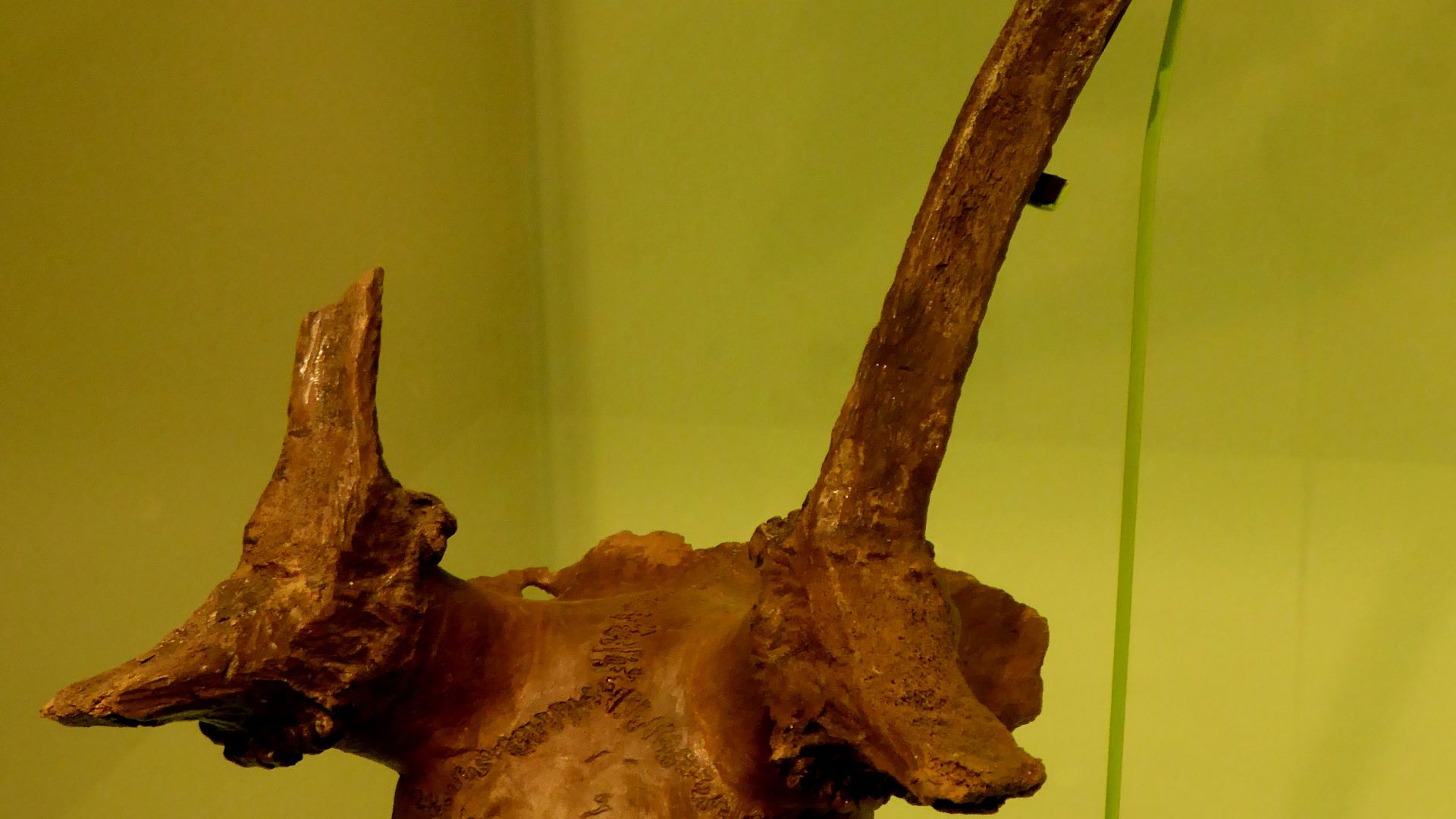
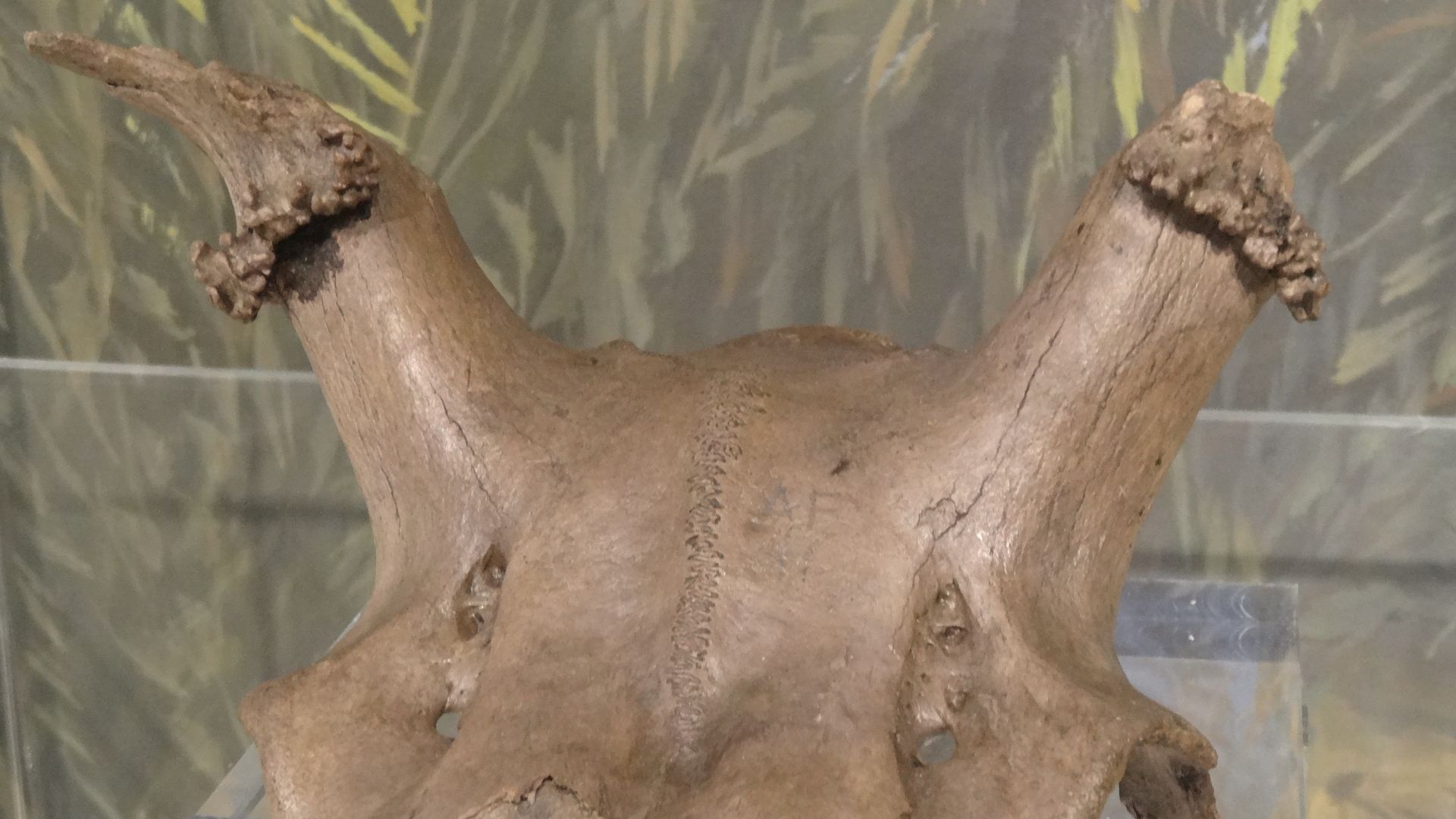
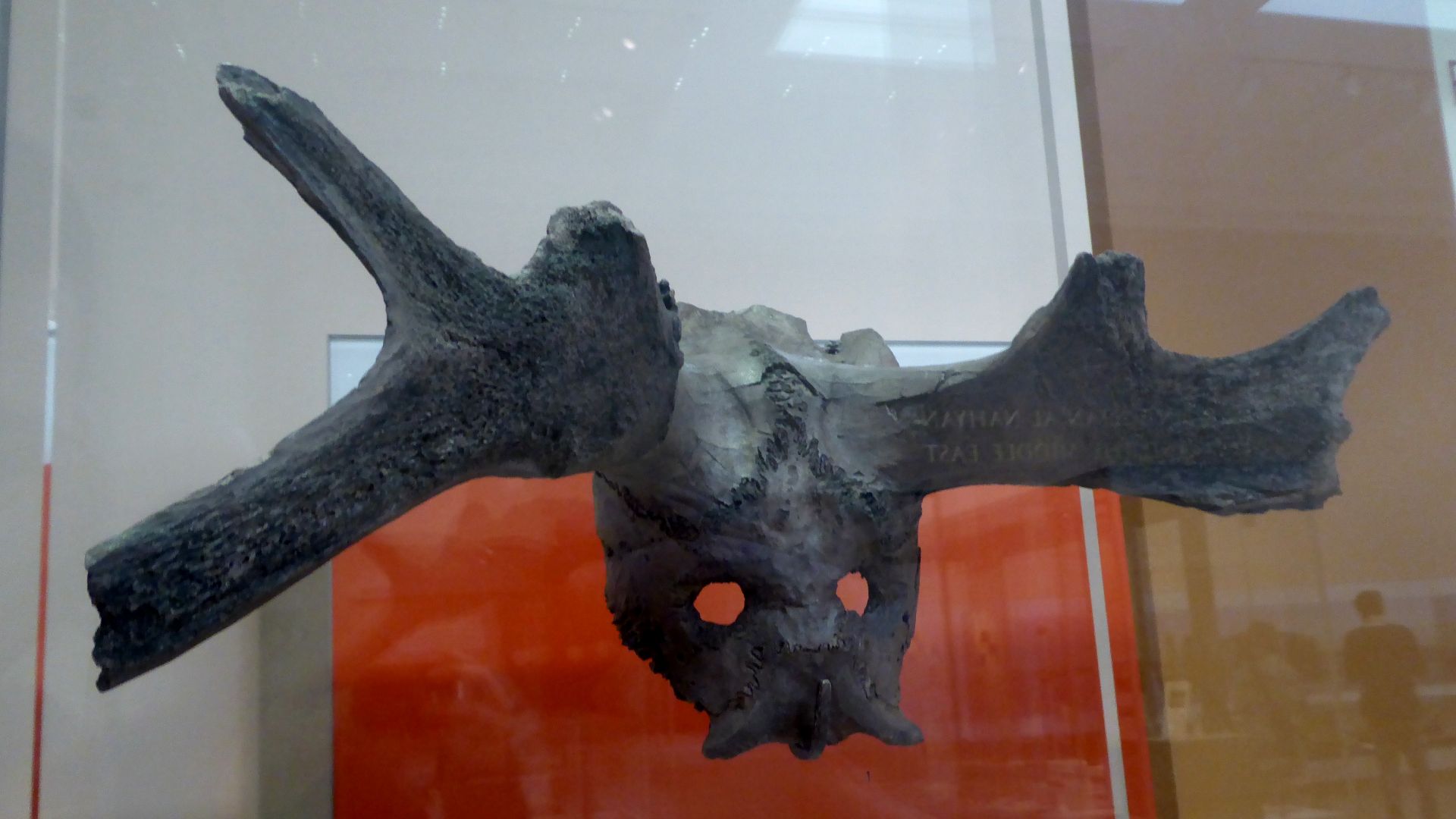
The red deer antlers headdresses found at Star Carr are among the most fascinating artifacts from Mesolithic Britain. These modified deer skulls, known as frontlets, were likely worn by early hunter-gatherers for multiple roles.
 Ethan Doyle White, Wikimedia Commons
The Deer Antler Headdresses Features
They were crafted from the skulls of male red deer, with the antlers still attached, and carefully altered to fit securely on the wearer’s head. The lower jaw and cranial bones were removed, and the frontal bone was perforated, possibly to allow for straps or cords to fasten them.
 Jonathan Cardy, Wikimedia Commons
Theories On Their Uses Abound
First, archaeologists theorize that these frontlets were hunting disguises, allowing hunters to blend into their environment while stalking prey. Another possibility is that they were worn during ritual dances or shamanic ceremonies. The shaping of the antlers suggests careful craftsmanship, with a more profound cultural significance beyond simple utility.

How They Got Them Into Shape
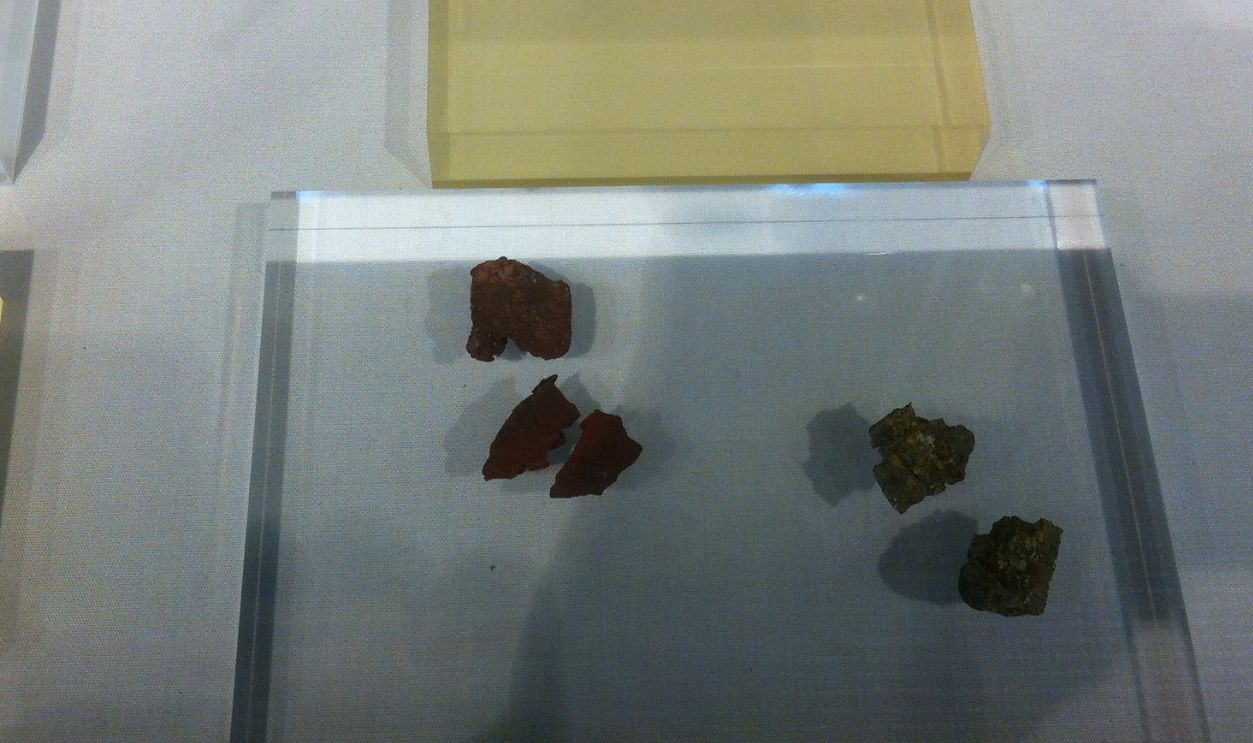
The researchers speculated that damp clay was packed inside the skull and placed in embers to facilitate bone modification. A total of 24 frontlets have been uncovered at Star Carr, accounting for approximately 90% of all known examples from early prehistoric Europe.
Technology And Expertise To The Rescue
Archaeologists have used laser scanning to study the fine details. They’ve been able to identify intricate cut marks that provide insight into Mesolithic tool usage. Experimental archaeology has also been employed to reconstruct the manufacturing process of these objects, confirming the complexity of their design.
 Santabiblia, Wikimedia Commons
There’s More
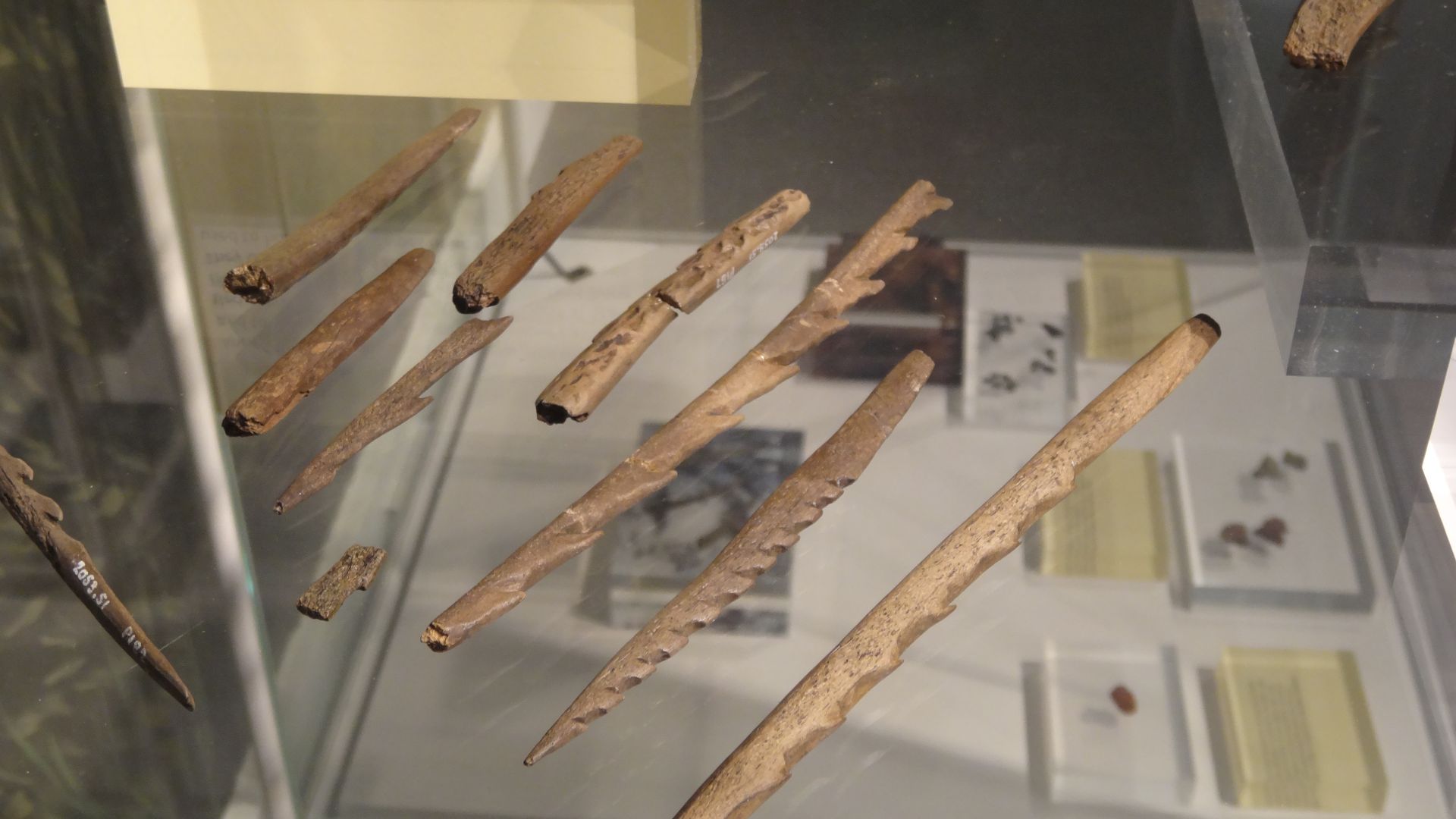
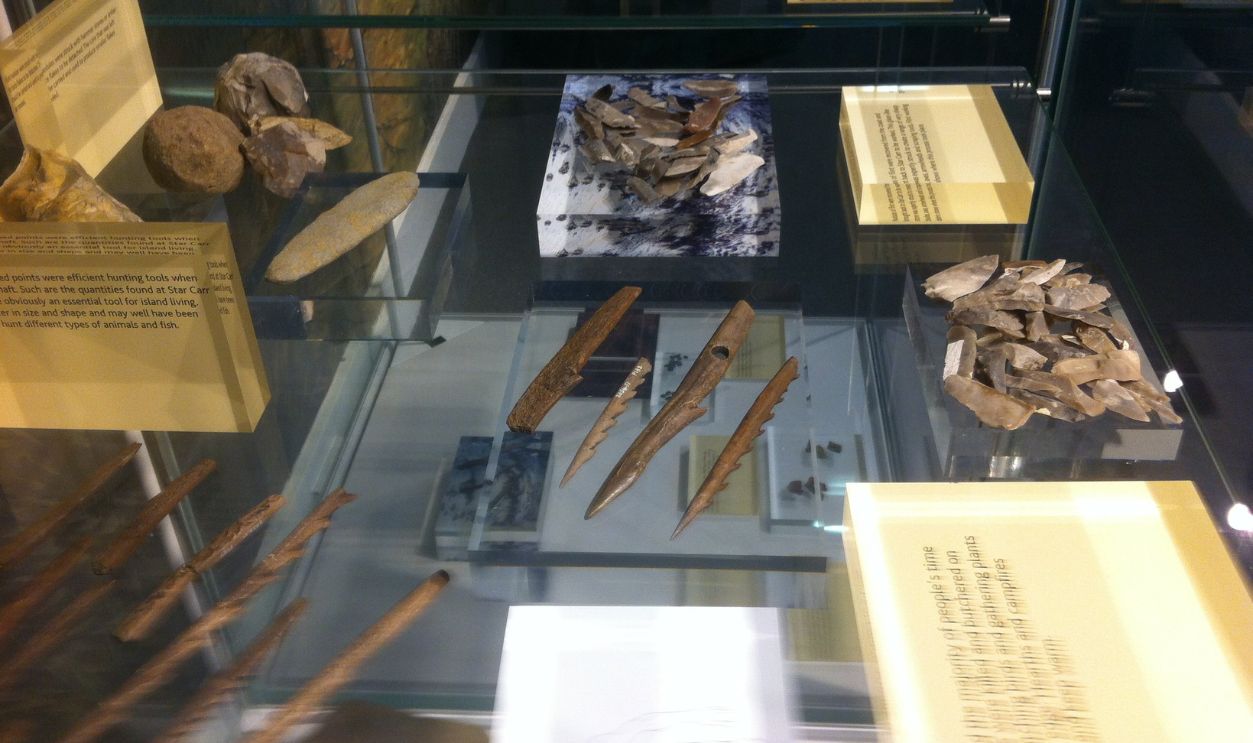
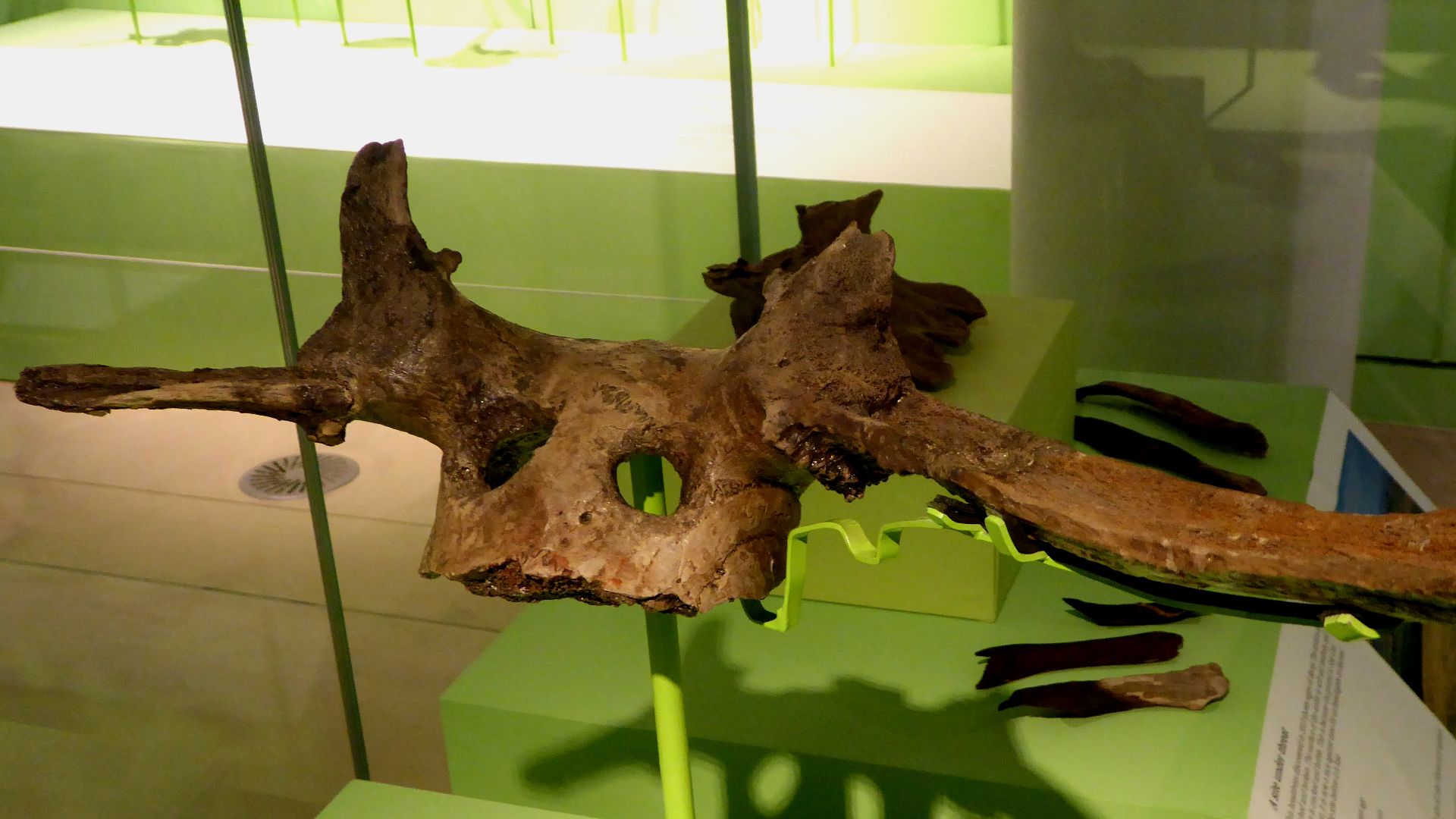
Among the findings, they also found barbed points. Nearly 200 projectile points made from red deer antlers were unearthed at the site. These barbed points were likely used for hunting and fishing, either as spear tips or harpoon heads.
 Ethan Doyle White, Wikimedia Commons
Barbed Points Gave Hunters An Edge
These tools gave hunters a major advantage when tracking animals through the dense wetlands around Lake Flixton, where accuracy could mean the difference between success and going hungry. Even more remarkable is the sheer number of barbed points found at the site. The collection accounts for roughly 97% of all known examples discovered in the United Kingdom, underscoring Star Carr's status as one of the most important Mesolithic sites ever unearthed and a remarkable hub of early technological innovation.
Next Up, Animal Remains
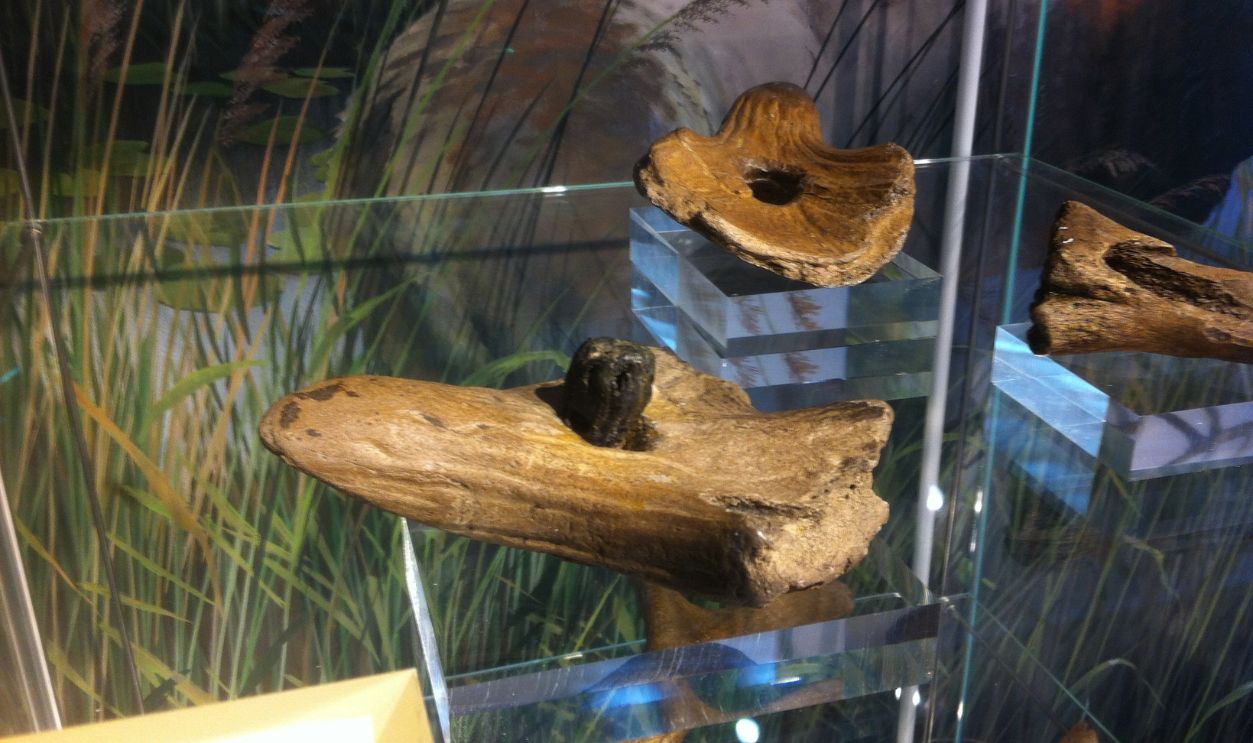
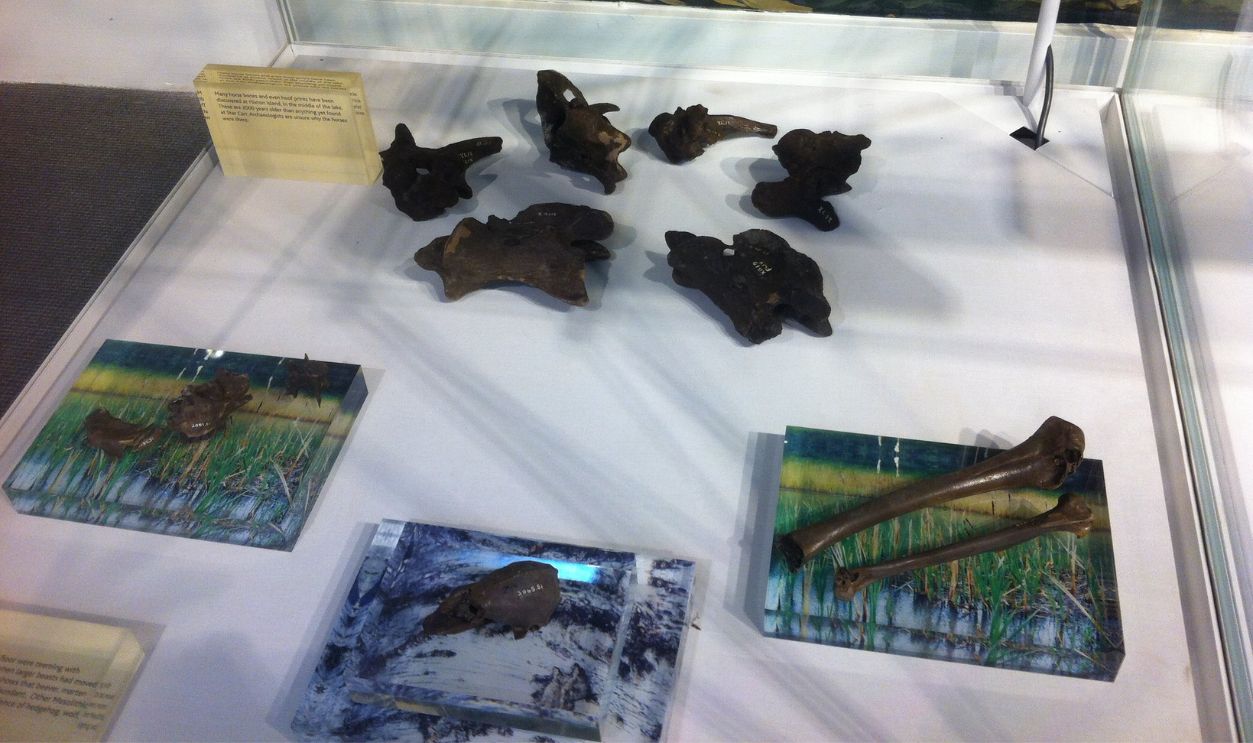
The site contained a remarkable range of animal bones, including those from red deer, roe deer, wild boar, elk, aurochs (wild cattle), birds, beavers, pine martens, hedgehogs, hares, and badgers. Particularly intriguing was the discovery of wolf remains, which, upon closer examination, were identified as domesticated dogs.
 Ethan Doyle White, Wikimedia Commons
Flint Tools And Engraved Shale Pendant
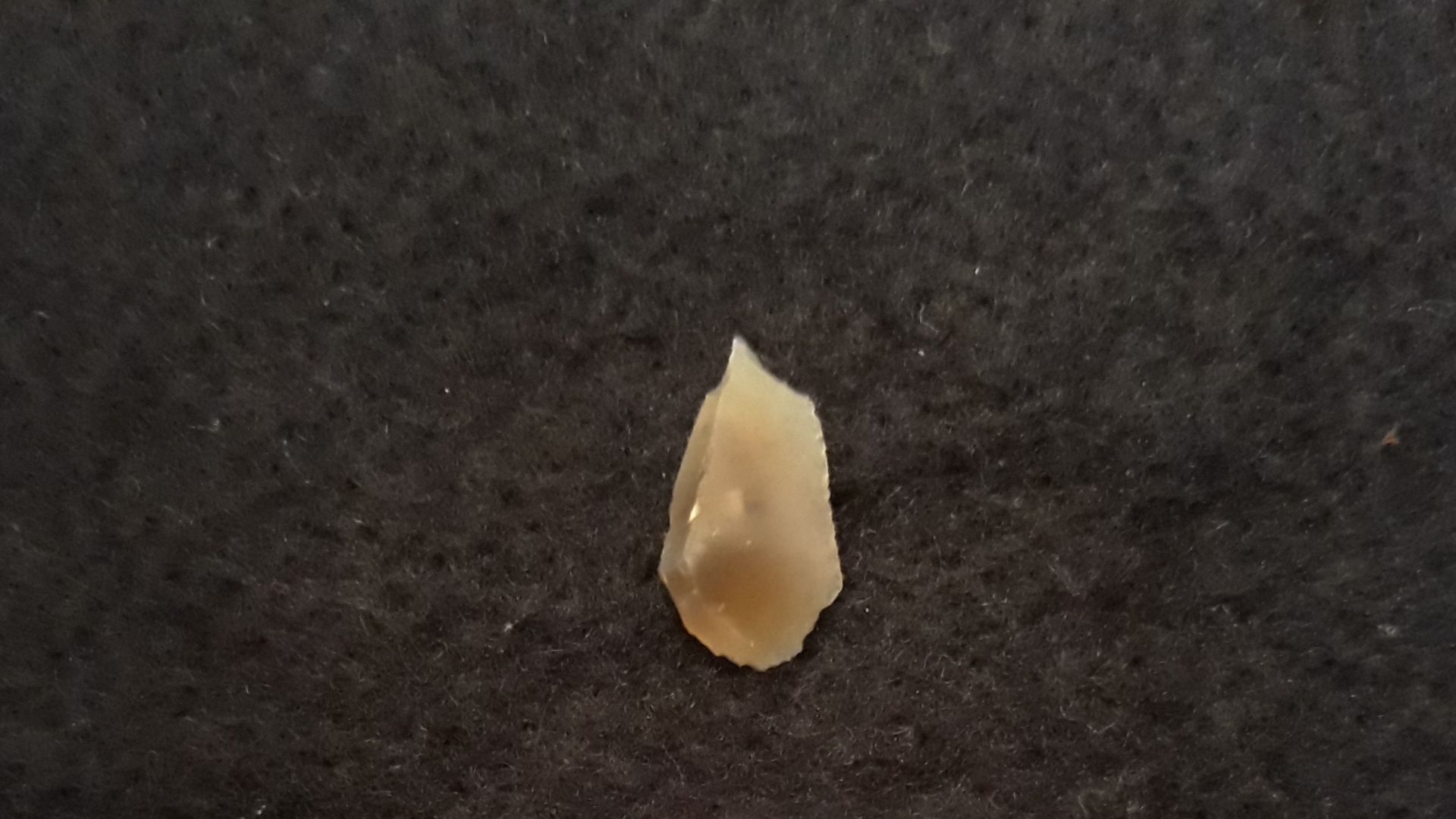
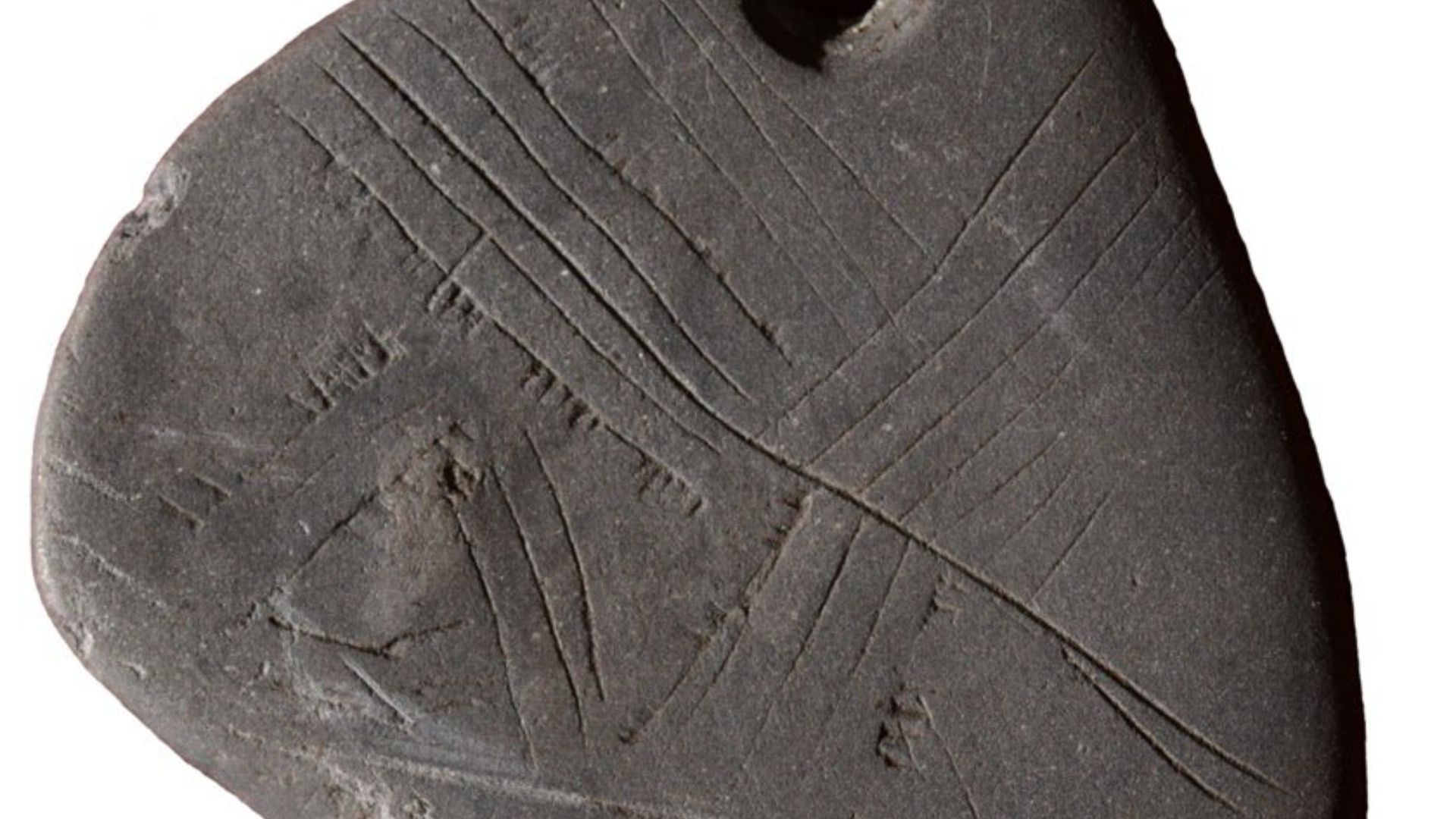
The excavation yielded a vast collection of flint tools and wooden artifacts. Microliths—small, sharp stone blades—were used as weapons or composite tools. Then, a delicate shale pendant featuring intricate engravings was also discovered at the site. The markings on the pendant resemble geometric patterns.
Organic Preservation
Thanks to the waterlogged peat at Star Carr, archaeologists recovered not only the structure but also a rare haul of organic materials that are seldom preserved at other sites. Their pristine condition gave researchers an unprecedented look into ancient crafting techniques. It’s as if this site waited to be found.



.jpg)