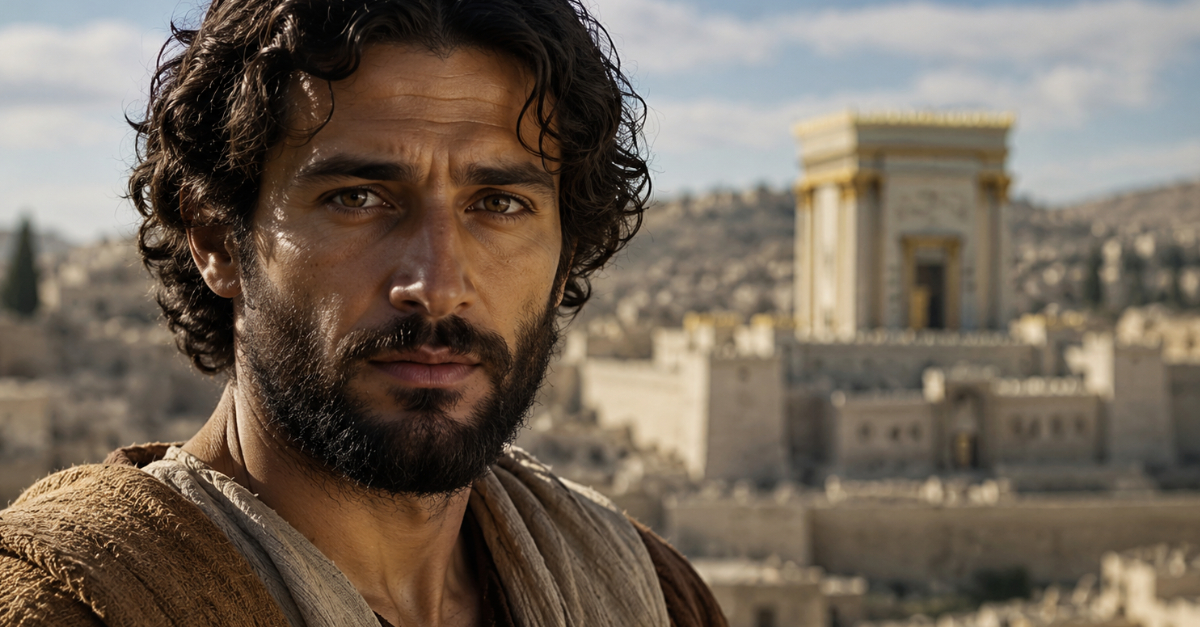
The Villain Everyone Thought They Knew
For nearly 2,000 years, Judas Iscariot has been remembered as the man who betrayed Jesus. His name became so synonymous with treachery that calling someone “a Judas” is still considered an insult today.
But what if one of history's most hated men has been misunderstood all along?
The Worst Reputation In History?
Think about it for a second. There are plenty of famous villains throughout history, but very few people have become an insult in their own right. Judas did. For centuries, his entire legacy has been reduced to a single act. But the more biblical scholars and historians examined the story, the more questions they found waiting underneath it.
 Screenshot from Judas, ABC (2004)
The Story Everyone Knows
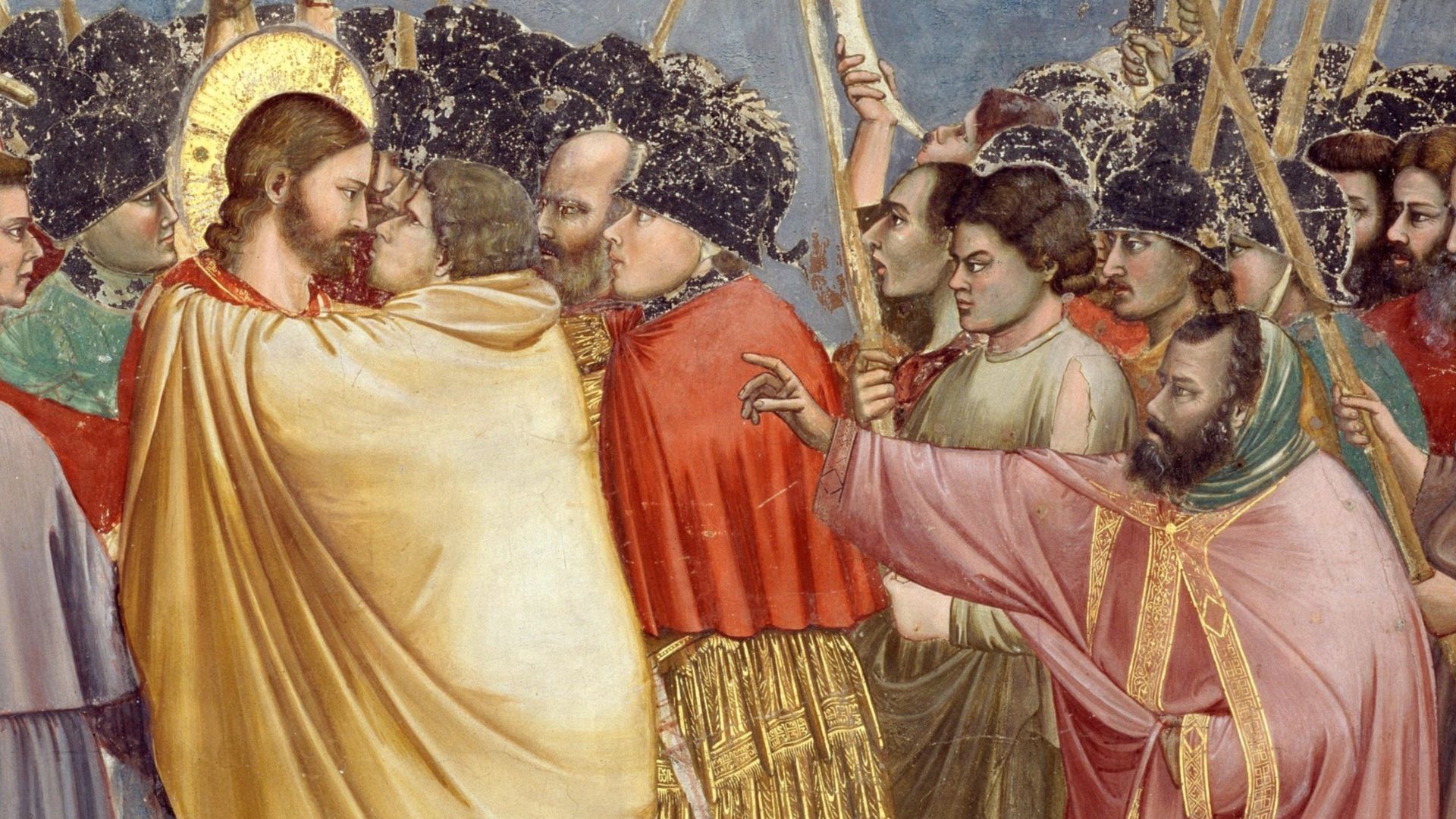
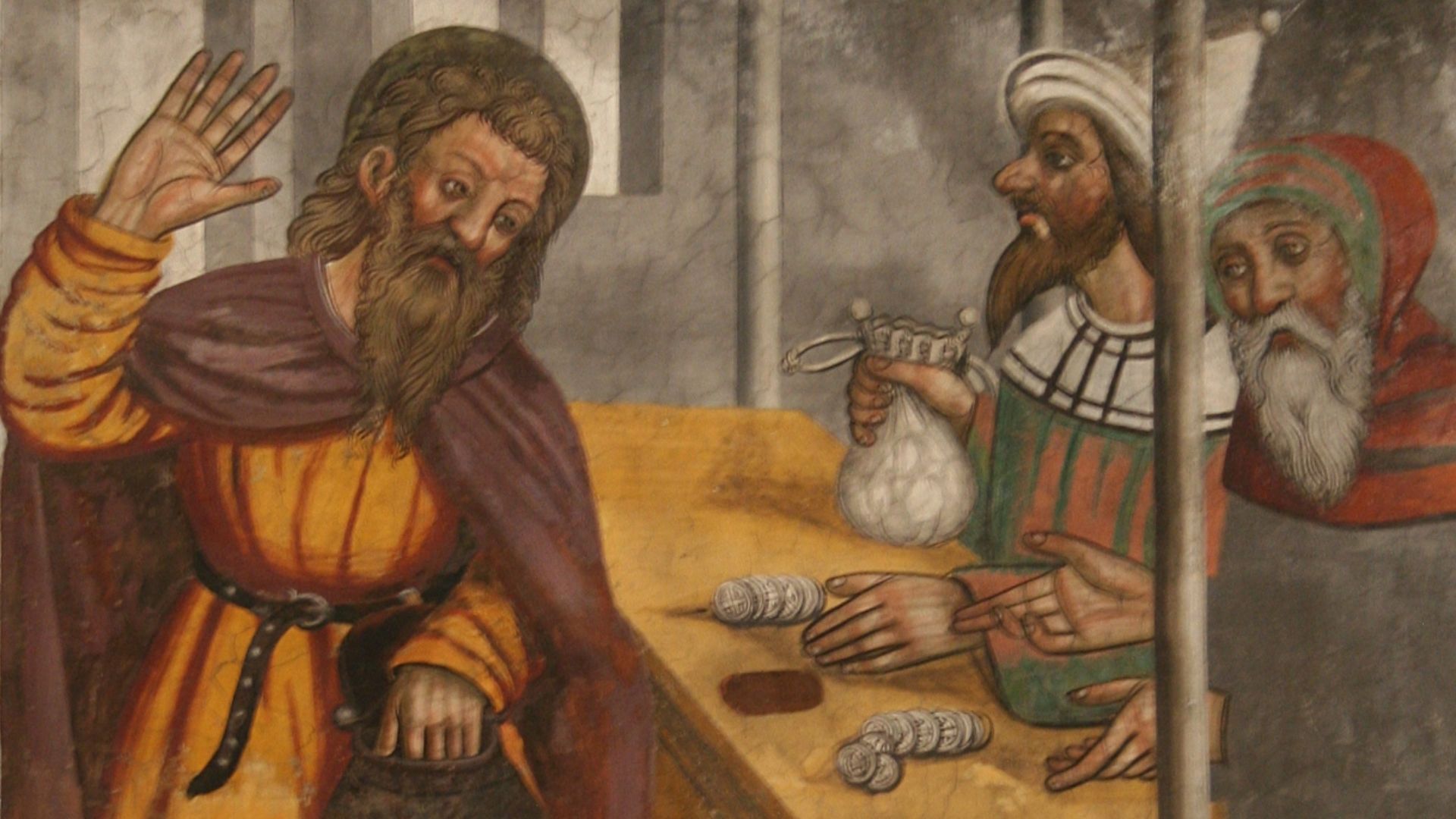
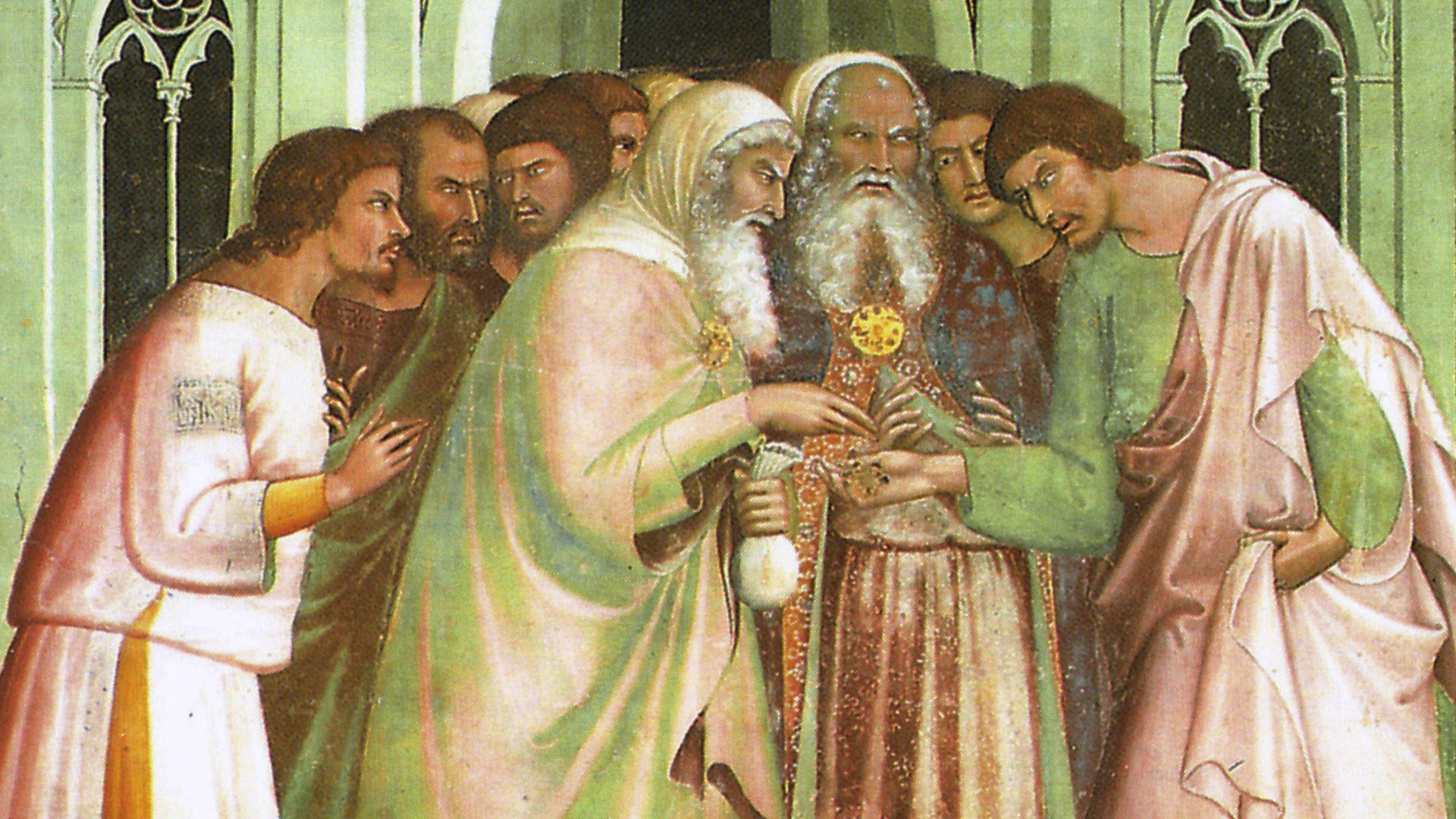
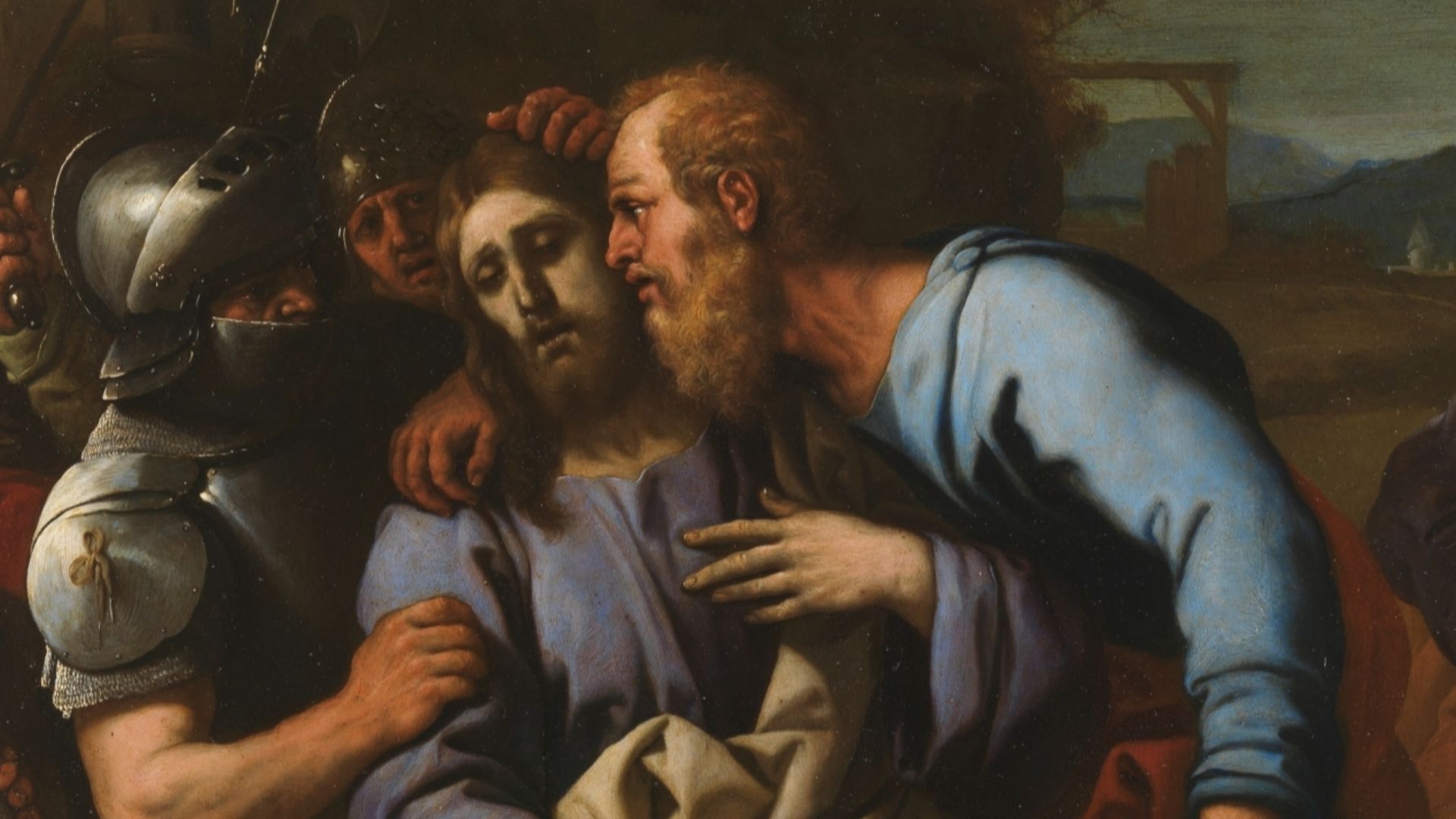
According to the New Testament, Judas was one of Jesus' twelve disciples. He later agreed to hand Jesus over to the religious authorities for thirty pieces of silver and identified Him with a kiss in the Garden of Gethsemane. That's the version most people know, and for almost two thousand years, it's been treated as the end of the conversation.
Except...It Really Isn't
Historians and theologians have been debating Judas for centuries because one obvious question refuses to go away. Why would someone who spent years following Jesus suddenly decide to betray Him? Was thirty pieces of silver really enough? Or was something else going on that we've overlooked?
 Berrucomons, Wikimedia Commons
Even The Bible Isn't Quite That Simple
It's easy to assume the Bible gives one clear reason for Judas' actions. It doesn't. Some passages emphasize the thirty pieces of silver, making it easy to conclude that greed was the driving force. Other passages, however, tell a more complicated story.

There Was More Than One Explanation
The Gospels of Luke and John describe Satan entering Judas before the betrayal. Some biblical scholars have also suggested Judas may have expected Jesus to become a political Messiah who would confront Roman rule and became disillusioned when that never happened. The New Testament doesn't explicitly say this—it remains one interpretation among several.
 Lippo Memmi, Wikimedia Commons
Then Things Get Even Stranger
According to the Gospels, Jesus repeatedly told His followers that He would be arrested, die, and rise again. In other words, the Crucifixion wasn't presented as an unexpected accident. It was central to His mission. That raises an uncomfortable question. If those events had to happen, what exactly was Judas' role?
 Leonardo da Vinci, Wikimedia Commons
That's The Question That Changed Everything
For centuries, theologians have argued over whether Judas acted entirely on his own or whether he was unknowingly carrying out a role that had always been part of God's plan. It isn't just a question about Judas. It's also a question about prophecy, free will, and whether both can exist at the same time.
 Screenshot from Judas, ABC (2004)
Then An Ancient Book Suddenly Made Headlines
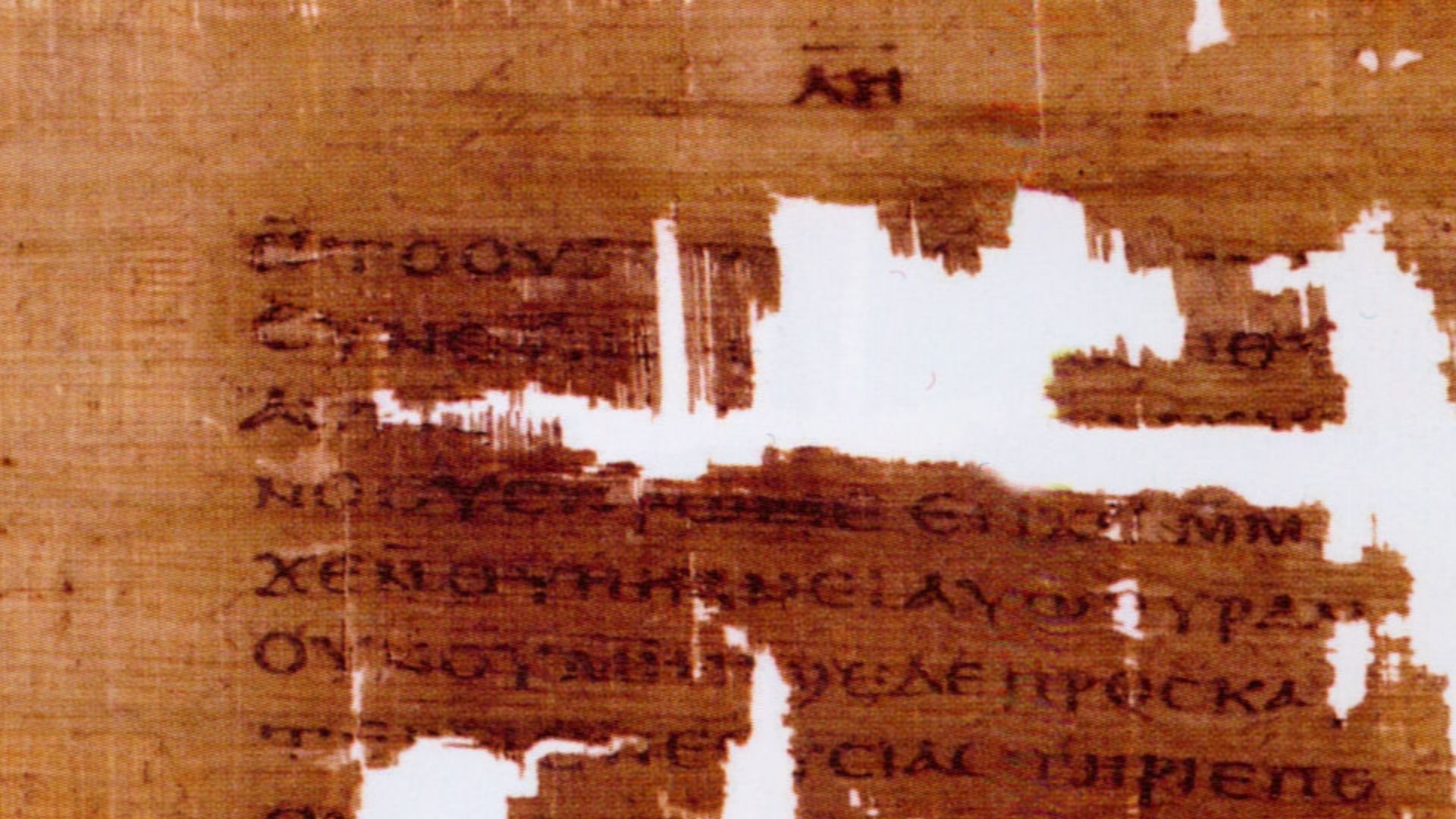
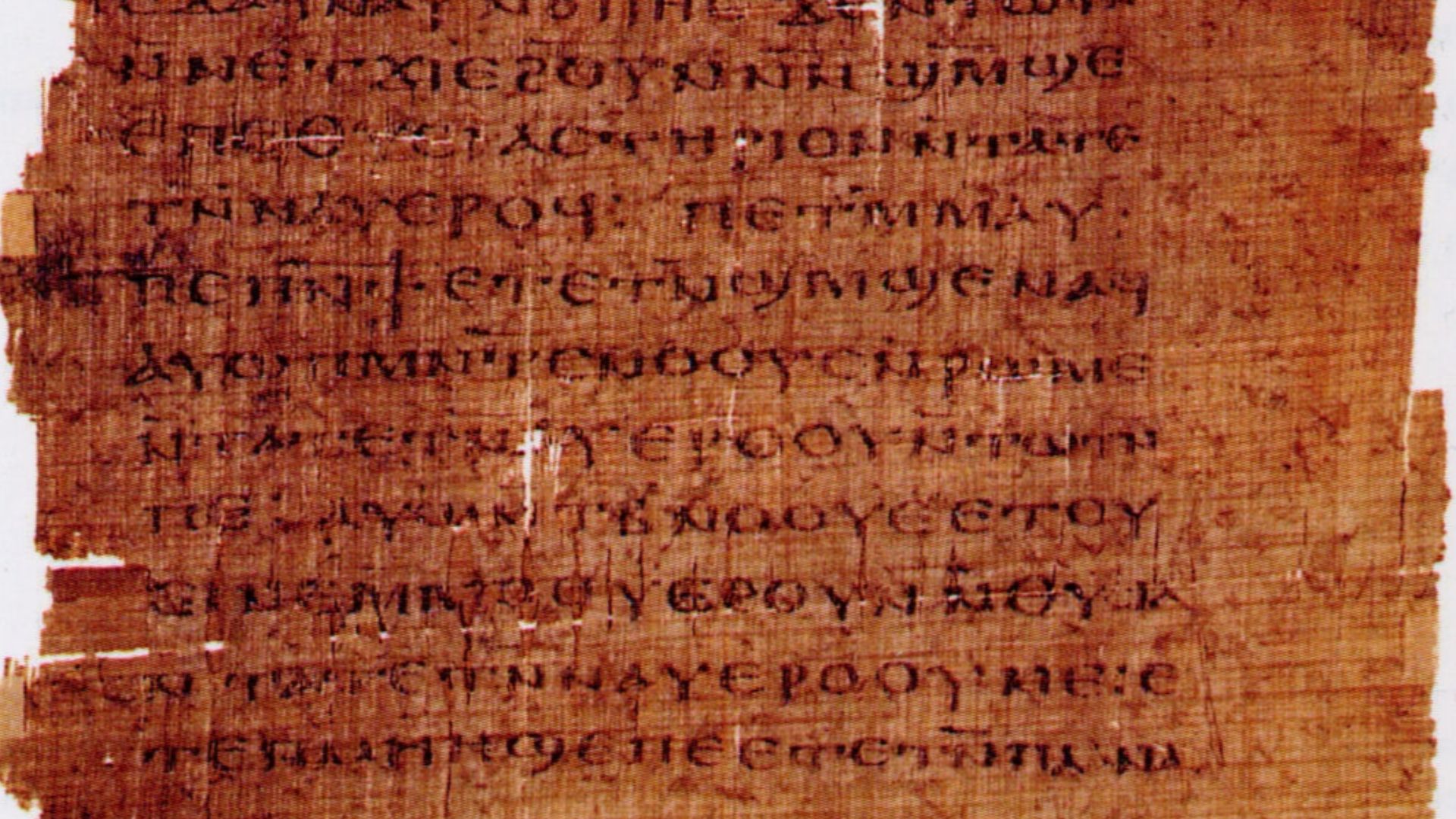
In the 1970s, an ancient manuscript surfaced in Egypt. It spent decades passing through the antiquities market before finally being authenticated, restored, and published in 2006. Its title immediately grabbed the world's attention: The Gospel of Judas.
 WolfgangRieger, Wikimedia Commons
It Turned The Entire Story Upside Down
Unlike the four Gospels in the New Testament, this ancient text portrays Judas as the disciple who best understood Jesus' spiritual mission and suggests he handed Jesus over at Jesus' own request. It was a dramatic reversal of the traditional story, and it immediately reignited one of Christianity's oldest debates.
 WolfgangRieger, Wikimedia Commons
But Before You Rewrite History...
That's when headlines around the world started asking whether Judas had finally been “cleared.” The reality, however, is much more interesting—and much more complicated. The problem is that most historians and virtually every mainstream Christian denomination reject The Gospel of Judas as a historically reliable account of Judas' life. So why are some scholars still talking about it today? That's where the story gets really interesting.

Most Headlines Stopped Too Soon
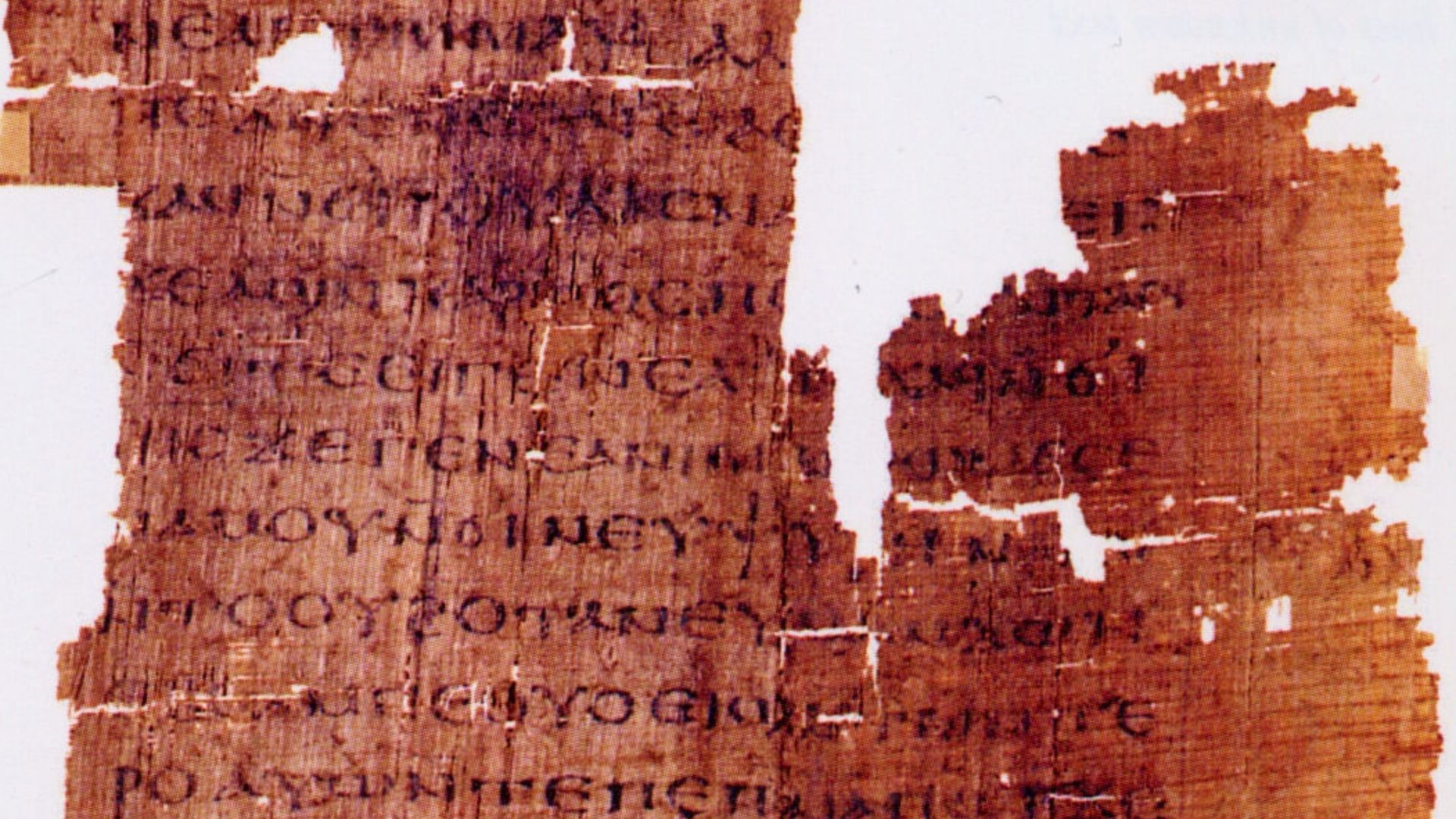
When The Gospel of Judas was published, some headlines made it sound as though one of history's biggest mysteries had finally been solved. They hadn't. The manuscript certainly got scholars talking, but before anyone could take its claims seriously, they first had to answer a much more basic question: Who actually wrote it?
 WolfgangRieger, Wikimedia Commons
The Timing Was A Big Problem
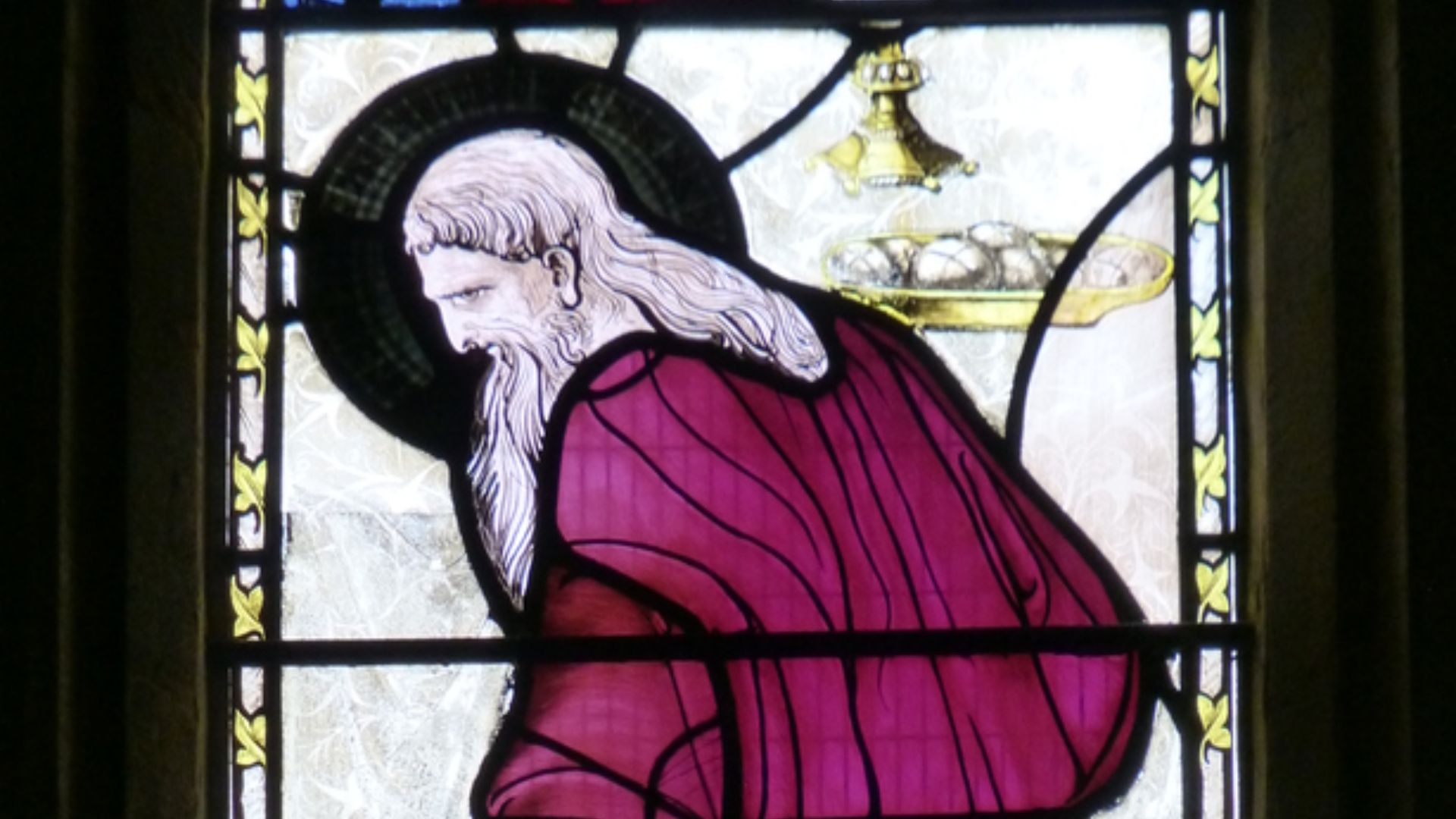
That's where the theory starts running into trouble. Most scholars believe the original text of The Gospel of Judas was written around the middle of the 2nd century—roughly a century after Judas lived. That doesn't automatically make it false, but it does make it much harder to treat as an eyewitness account.
 GadgetSteve, Wikimedia Commons
Scholars Still Took It Seriously
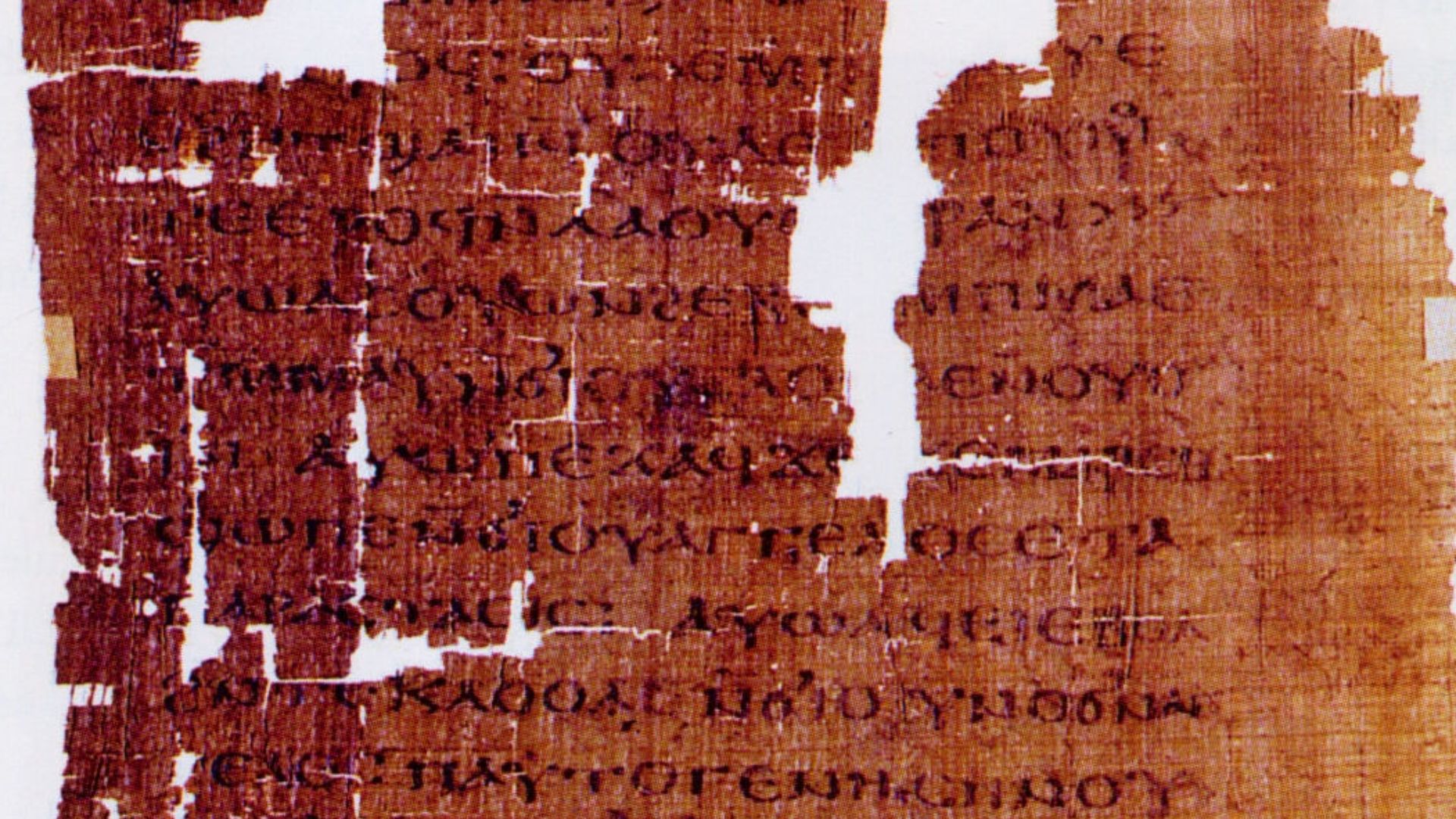
The surviving Coptic manuscript dates to around the 3rd or 4th century and was authenticated using radiocarbon dating, ink analysis, and handwriting studies before publication. In other words, scholars were confident the manuscript itself was ancient—even if they didn't accept its version of events.

Not Every Christian Believed The Same Things
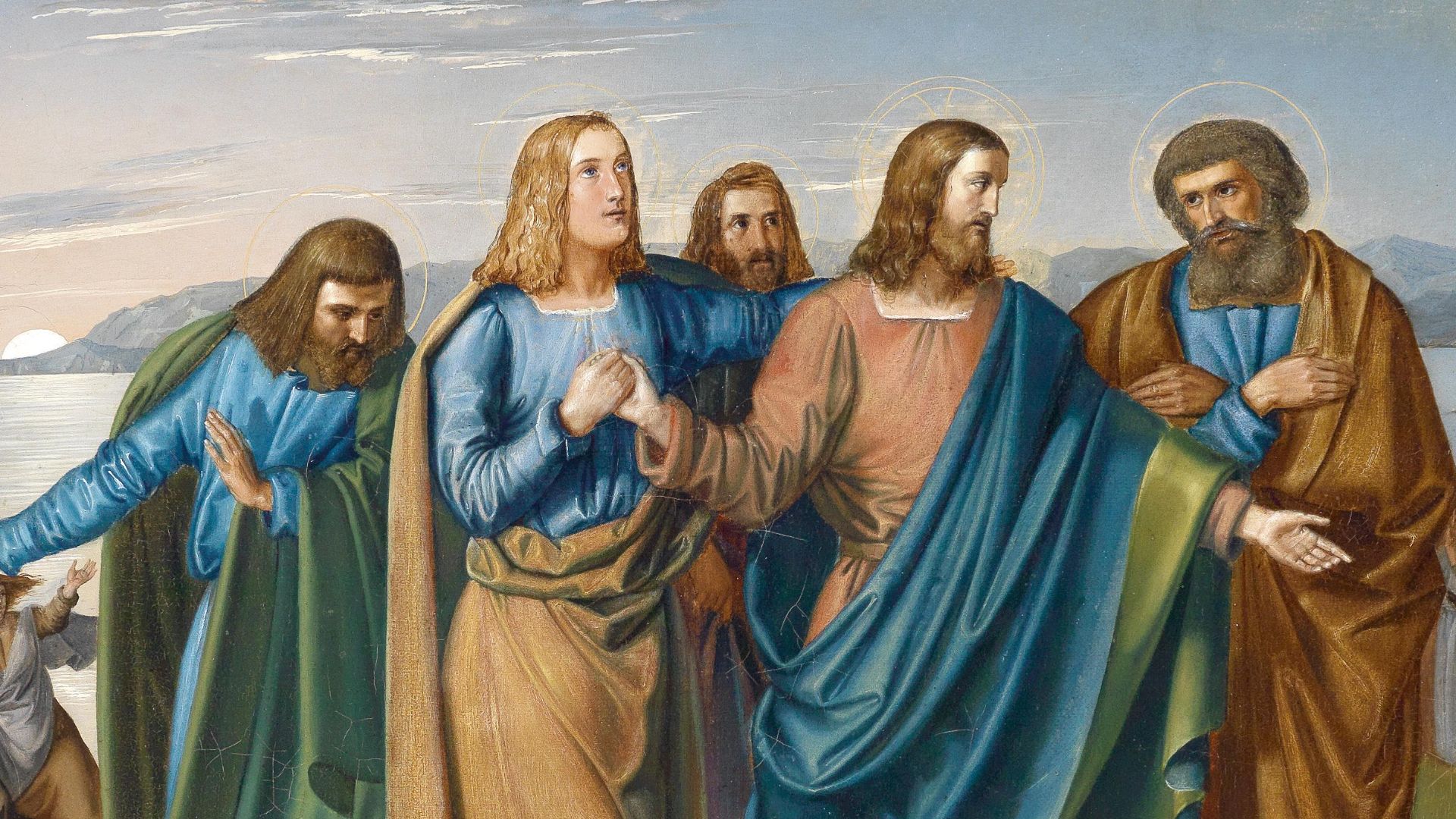
One surprise for many people is that early Christianity wasn't completely unified. Different groups had very different ideas about Jesus, salvation, and even Judas himself. Most scholars believe The Gospel of Judas was produced by a Gnostic Christian community whose beliefs differed significantly from what became mainstream Christianity. That helps explain why its version of Judas is so dramatically different.
 Carl Oesterley, Wikimedia Commons
So Why Didn't Historians Ignore It?
Because ancient writings can still tell us something valuable, even when they aren't considered historically reliable. Most scholars don't see The Gospel of Judas as proof that the historical Judas was innocent. Instead, they see it as evidence that some early Christians were asking very different questions about Jesus and His disciples than the ones most people know today.
 WolfgangRieger, Wikimedia Commons
Here's Where Things Get Really Interesting
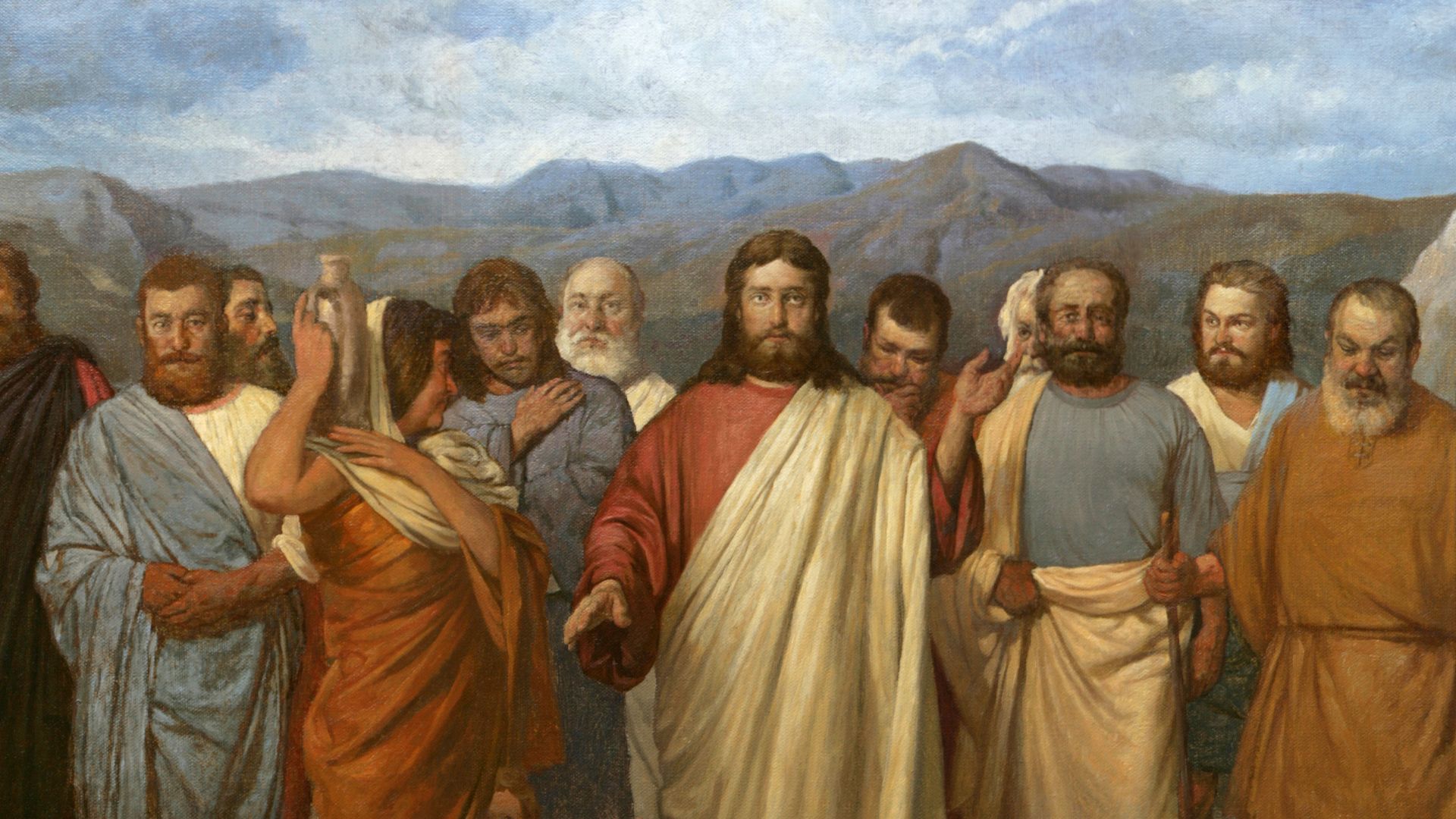
Not everyone questioning Judas' reputation relies on The Gospel of Judas. Some biblical scholars make an entirely different argument. They accept the New Testament accounts but point out that Jesus repeatedly predicted His own arrest and Crucifixion. If those events were central to His mission, then Judas' role becomes much harder to reduce to a simple one-word label.
 Andrey Nikolaevich Mironov (A.N. Mironov), Wikimedia Commons
That Doesn't Mean Judas Was Innocent
This is where people sometimes get confused. Relatively few biblical scholars argue that Judas should no longer be viewed primarily as a traitor. The debate is whether his actions can be understood only as betrayal, or whether they also served a necessary role within the larger story the Gospels tell. Those aren't the same question.
 Screenshot from Judas, ABC (2004)
Even The Thirty Pieces Of Silver Raise Questions
The famous payment appears only in Matthew's Gospel, where it also echoes passages in the Old Testament, particularly Zechariah 11. Many biblical scholars note that the amount may carry symbolic theological meaning in addition to any historical significance. The Gospel writers frequently connected events in Jesus' life with earlier Hebrew Scriptures, making those connections part of the story they were telling.
Then Came The Regret
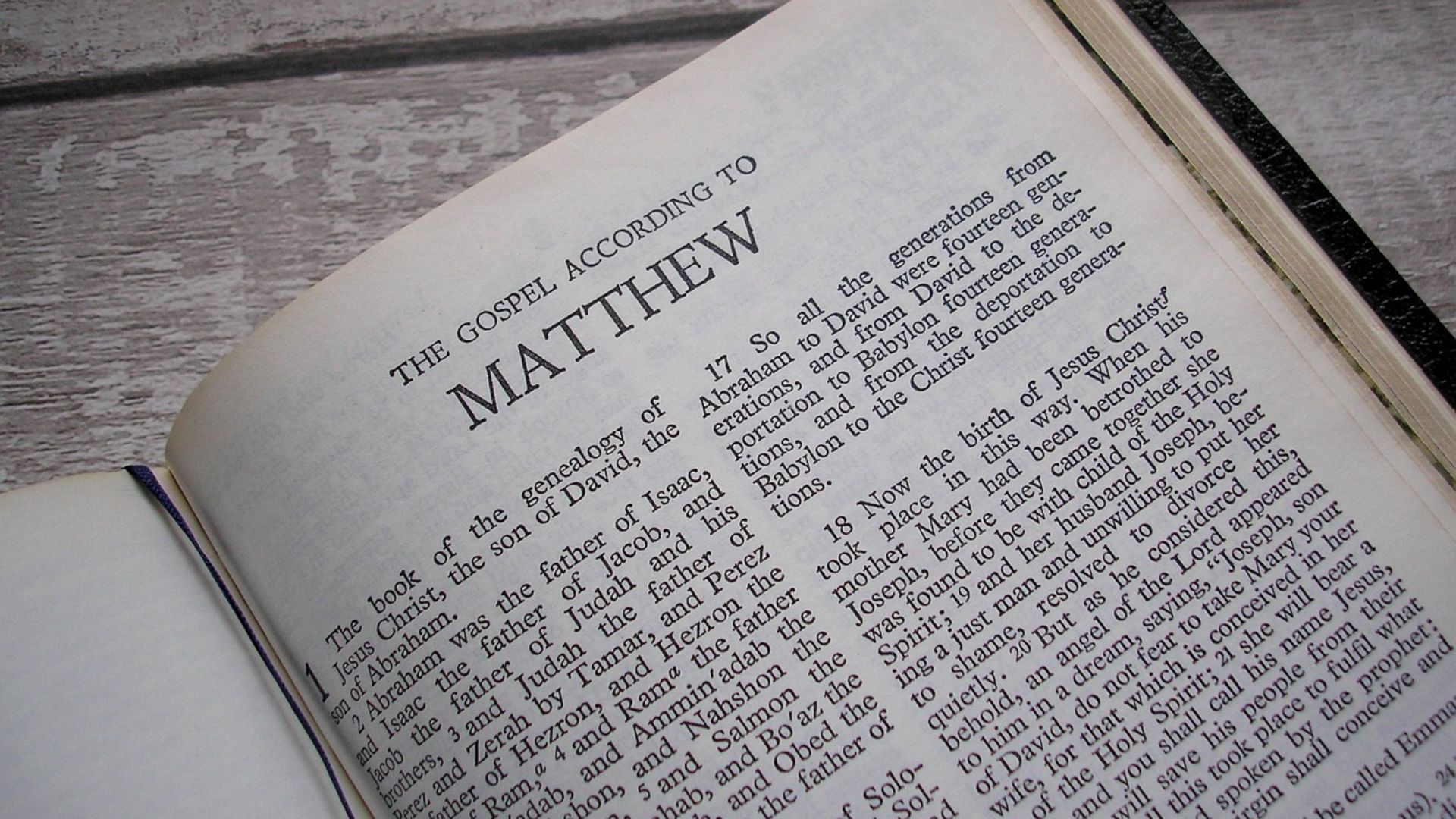
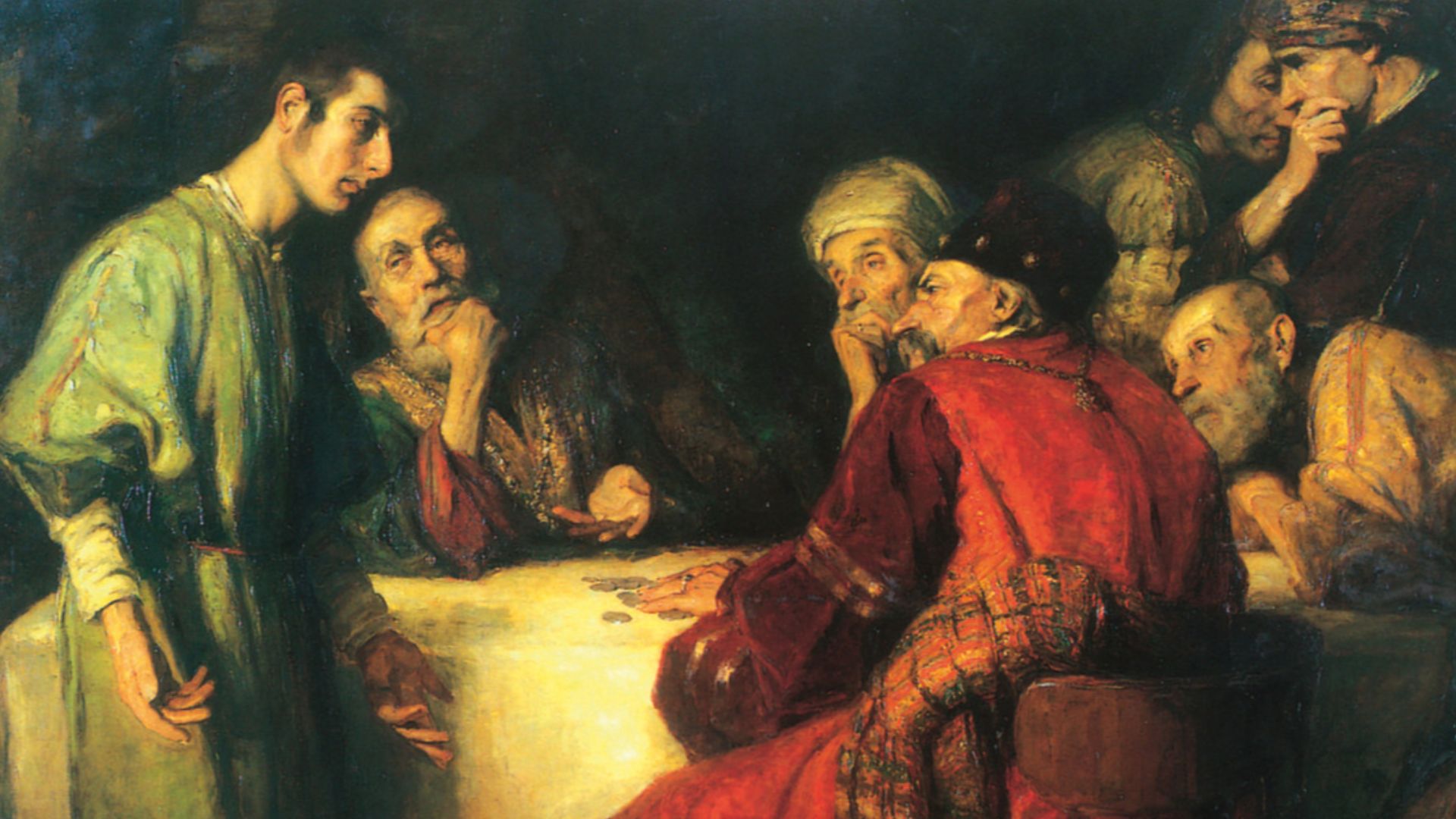
According to Matthew, Judas was overcome with remorse after Jesus was condemned. He returned the thirty pieces of silver to the chief priests before taking his own life. Acts describes his death differently, and scholars have debated for centuries whether the accounts preserve different traditions, describe the same event from different perspectives, or simply reflect different theological emphases.
 Janos Pentelei Molnar, Wikimedia Commons
So...Was Judas A Traitor After All?
If you're looking for a simple yes-or-no answer, you're probably going to be disappointed. The overwhelming majority of historians and Christian traditions still regard Judas as the disciple who betrayed Jesus. But many scholars also argue that his motives, his role, and even his legacy are far more complex than the one-dimensional version most of us grew up hearing.
 Luca Giordano, Wikimedia Commons
The Man History Never Stopped Arguing About
The discovery of The Gospel of Judas didn't overturn two thousand years of Christian tradition. But it did remind historians that the ancient world was full of competing ideas—and that even history's most infamous villain may be more complicated than a single label can capture.
Whether you still see Judas as the ultimate traitor or simply a far more complex figure, one thing is certain: people are still arguing about him nearly 2,000 years later.
 Screenshot from Judas, ABC (2004)
You Might Also Like: