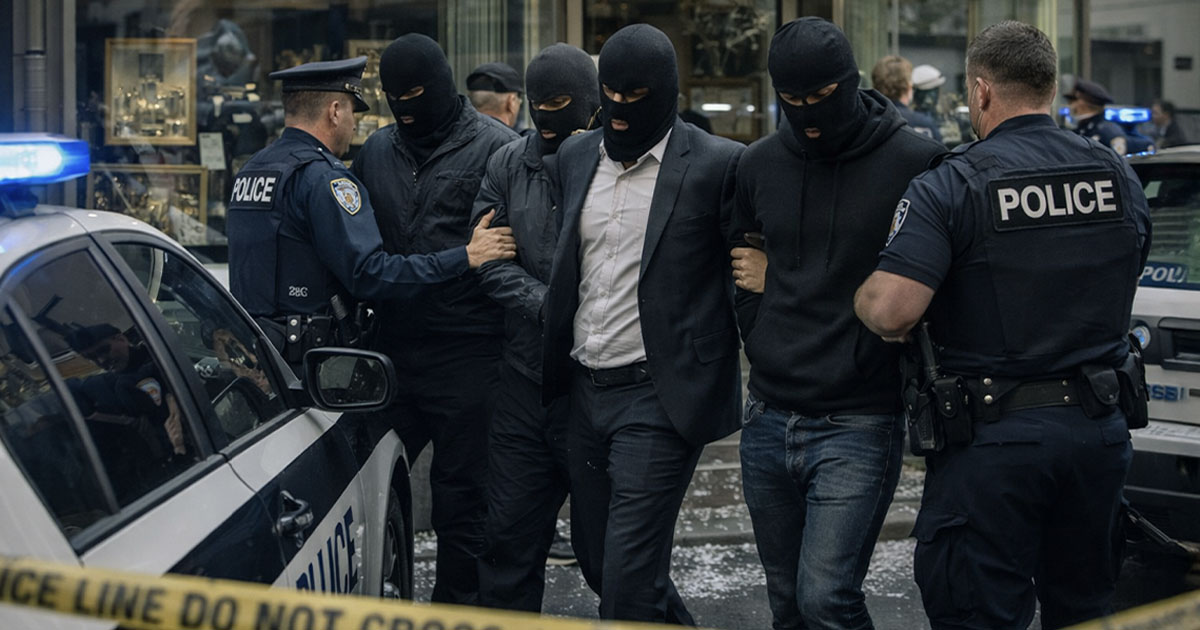
Who Are the Pink Panthers?
They don’t smash and grab like amateurs. They stroll in calm, well-dressed, and smiling. Then, in under three minutes, millions are gone. The Pink Panthers aren’t just thieves. They’re a global mystery that law enforcement still can’t close.
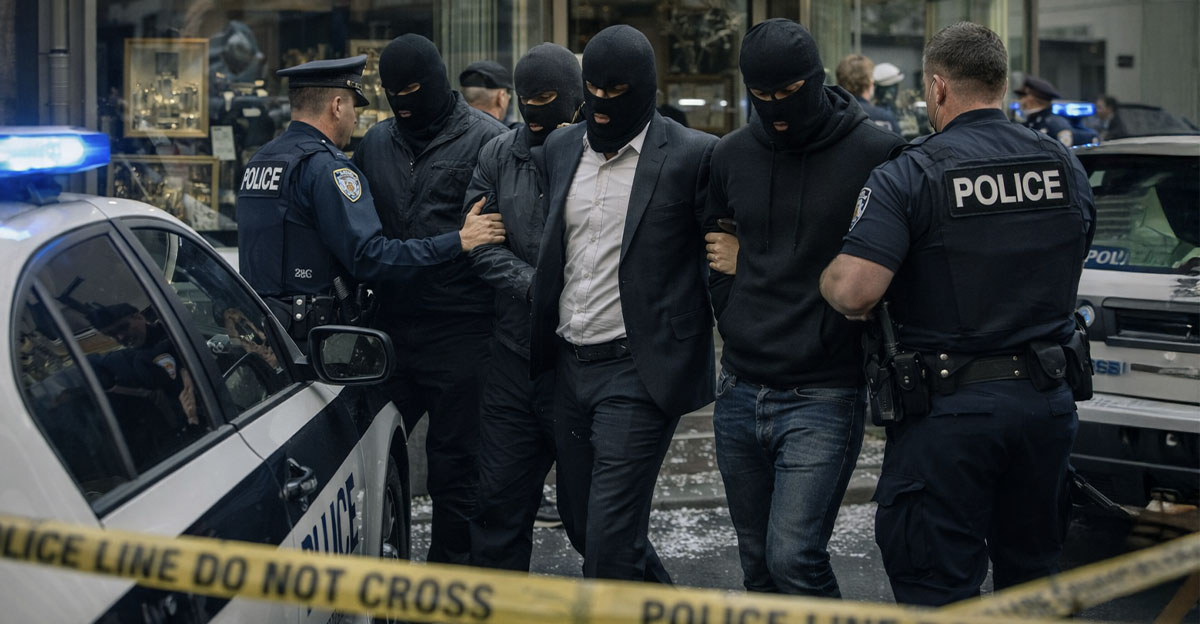
A Name Born From a Movie Scene
The Pink Panthers got their name in the early 2000s, inspired by a theft that echoed a scene from The Pink Panther film. In one early robbery, a diamond was hidden inside a jar of face cream, just like in the movie. Investigators latched onto the nickname, and it stuck.
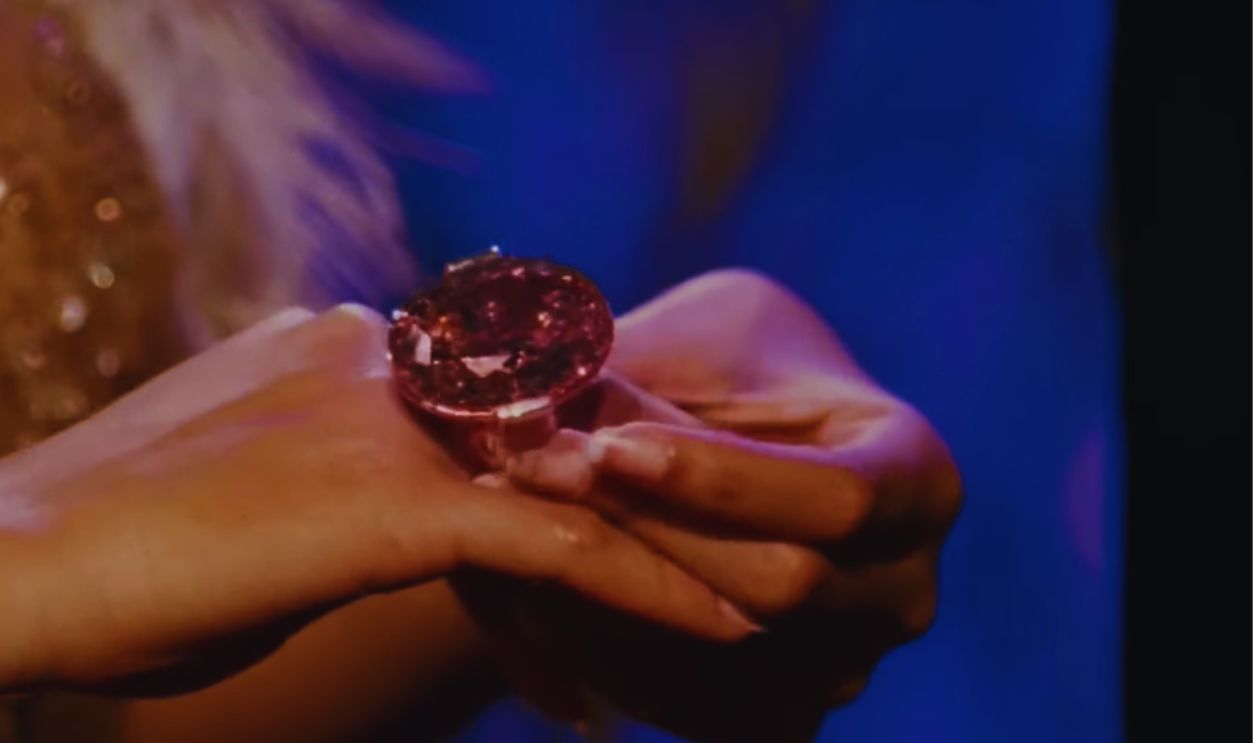 Screenshot from The Pink Panther, United Artists (1963)
Modern Day Outlaws
The Pink Panthers are not one gang but a loose network of professional jewel thieves, mostly originating from the Balkans. Many are from Serbia, Montenegro, Bosnia, and Croatia. Interpol estimates the group has included over 200 members operating in rotating cells.

War Shaped Their Skills
Many early Pink Panther members grew up during the Yugoslav wars of the 1990s. Some had military training. Others learned discipline, coordination, and survival in chaos. Those skills later translated into precision crime. As one investigator put it, “They plan like soldiers.”
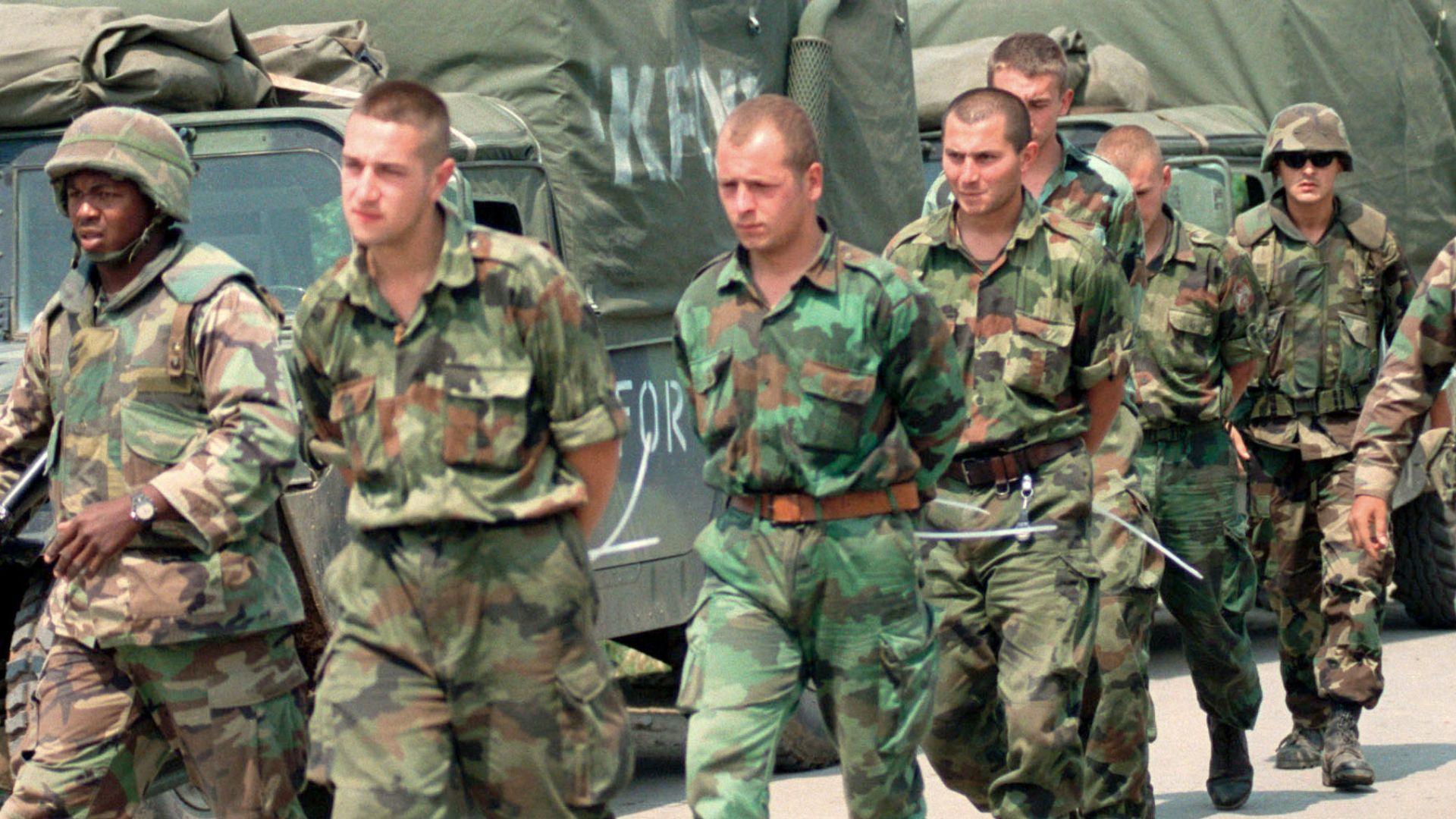 Sergeant Craig J. Shell, U.S. Marine Corps, Wikimedia Commons
The First Major Heists
Their global reputation began around 2003. One early hit in Tokyo netted over $3 million in diamonds. In 2004, a robbery in Dubai made headlines. From there, the list exploded: Paris, London, Monaco, Cannes, Zurich, Tokyo, and Los Angeles.
Speed Is Their Signature
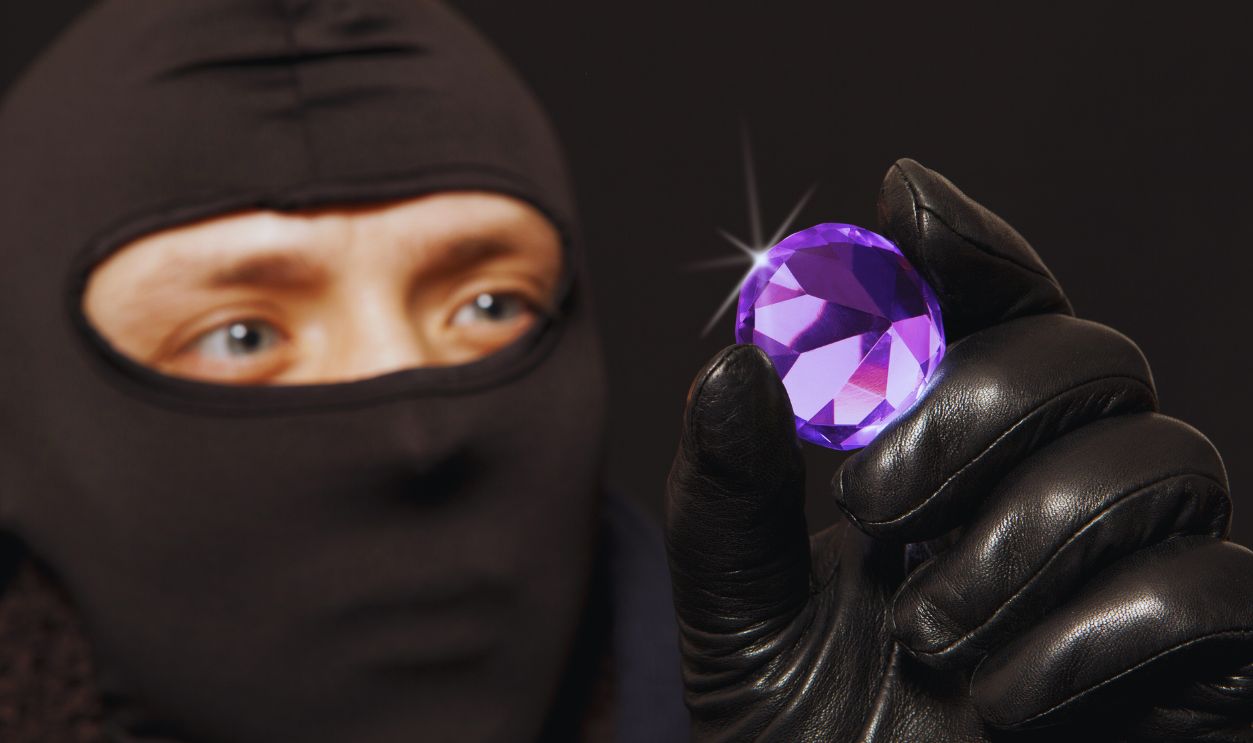
Most Pink Panther robberies last between 60 and 180 seconds. They often use stolen cars rammed into storefronts, smoke grenades to confuse guards, and pre-planned escape routes. Violence is rare. Intimidation is calculated. Chaos is controlled.

The Numbers Are Staggering
Interpol estimates the Pink Panthers have stolen more than $500 million in jewels worldwide. Some law enforcement agencies believe the total may exceed $1 billion. Individual heists regularly range from $5 million to $30 million in stolen gems.

Style Is Part of the Strategy
Pink Panther members often dress impeccably. Suits, sunglasses, confidence. They blend in before striking. One French detective said, “They look like customers until the second they’re not.” That psychological edge buys them precious seconds.

Escaping Like Ghosts
After a robbery, they disappear fast. Borders mean little. Fake passports, safe houses, and rotating identities keep them ahead. Cars are burned. Phones are discarded. Trails vanish. By the time police arrive, the Panthers are often in another country.

Interpol Declares War
In 2007, Interpol officially launched Operation Pink Panther. Notices were issued. Profiles built. Task forces formed across Europe and Asia. Despite arrests, the network kept functioning. Remove one cell, another appears.
 Alexandar Vujadinovic, Wikimedia Commons
Arrests That Didn’t End It
Some high-profile members have been caught. In 2014, Darko Šarić associates were linked to Panther operations. In 2018, Serbian courts sentenced several members for robberies in France and Switzerland. But the crimes continued anyway.

Why They’re Hard to Stop
The Panthers avoid central leadership. No boss. No headquarters. Members know only what they need to know. If arrested, they can’t betray much. This structure frustrates investigators who rely on hierarchy to dismantle gangs.

Jewelers Live in Fear
High-end jewelers now train staff specifically for Panther-style robberies. Reinforced glass, fog cannons, and timed locks became industry standards because of them. One Monaco jeweler said, “They forced us to redesign luxury security.”

A Robin Hood Myth Emerges
In some Balkan regions, Pink Panther members are viewed with admiration. They target luxury brands and insurers, not individuals. That perception fuels local silence. As one Serbian journalist said, “They steal from the rich, and people look away.”
 https://pixlr.com/image-generator/, Wikimedia Commons
The Money Trail Problem
Diamonds are easy to move and hard to trace once cut. Stolen gems are quickly broken down, recut, or sold through black-market dealers in Antwerp, Dubai, and Asia. By the time police trace a stone, it’s already transformed.
Hollywood Took Notice
Documentaries, books, and crime series have been inspired by the Pink Panthers. In 2013, the film The Diamond Heist drew heavily from their exploits. The myth grew alongside the crimes, complicating public perception.

Law Enforcement Grows Smarter
In the 2020s, agencies began using AI surveillance, facial recognition, and cross-border data sharing. Some Panther cells were identified faster than before. Arrests increased, but not enough to end the phenomenon.

Are They Still Active?
Yes. Though quieter, Panther-style robberies continued through 2023 and 2024, particularly in Europe and the Middle East. Police now avoid using the name publicly, fearing it glamorizes the crimes.

The Latest Event
As of late 2025, Interpol confirms several original Pink Panther members are incarcerated, aging, or retired. However, newer recruits trained by veterans have taken their place. In early 2026, a $15 million jewelry robbery in Milan showed all the classic Panther signatures. Same speed. Same precision. Same disappearance. The legend isn’t over. It just adapted.

Why the Pink Panthers Still Matter
The Pink Panthers exposed how fragile luxury security really is. They embarrassed governments, insurers, and billion-dollar brands. More than thieves, they became a symbol of modern crime’s evolution. And for now, they’re still ahead of the game.

You May Also Like:
Sam Bass turned one bad decision into Wild West immortality.
After Boston Corbett avenged Abraham Lincoln, he went so far off the rails that the courts had him committed to an insane asylum.