Inside The Arctic Borehole
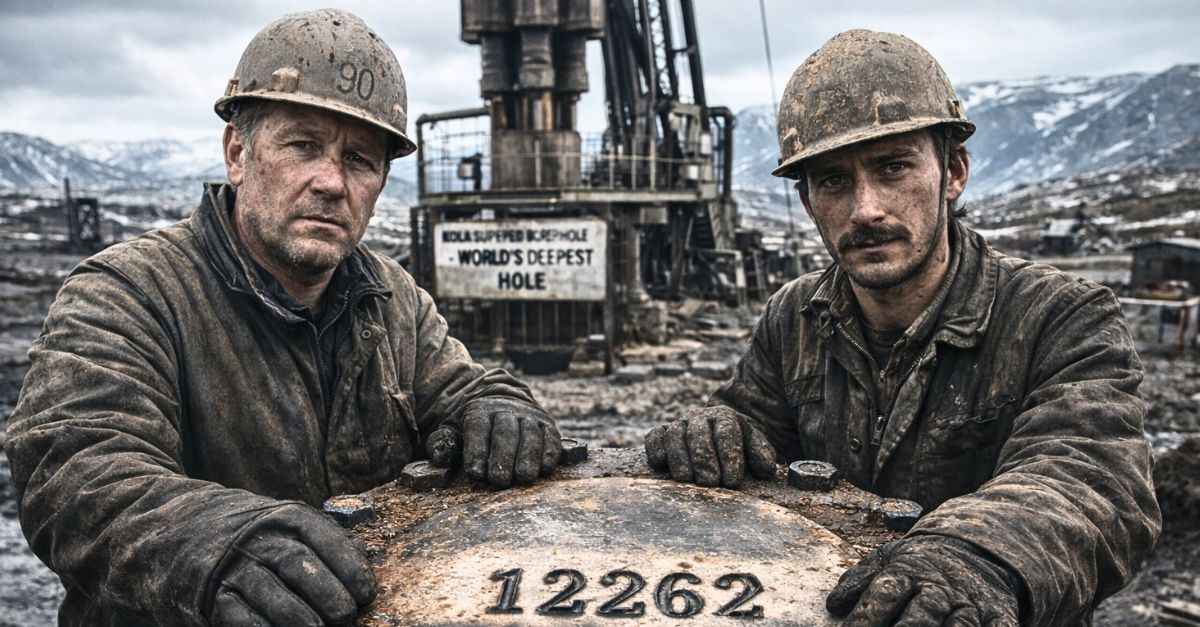
Beneath a quiet stretch of Arctic land lies a scientific effort that pushed technology to its breaking point. The Kola Superdeep Borehole exposed unexpected heat and geological surprises that challenged decades of assumptions, leaving behind unanswered questions.
A Hole That Fascinated Scientists And The Public
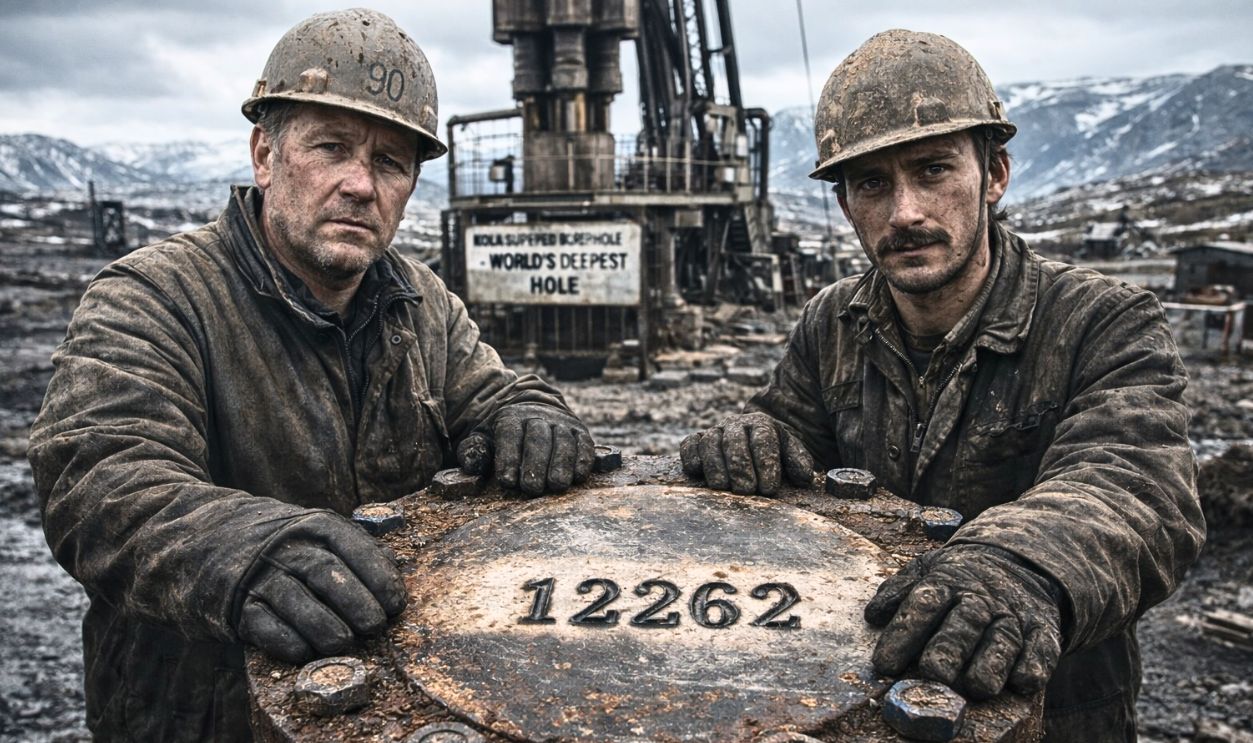
Few scientific projects have sparked as much curiosity as the attempt to drill deeper into Earth than ever before. The Kola Superdeep Borehole wasn’t driven by profit, but by a desire to understand the unknown, which reveals just how extreme and surprising the planet beneath us can be.
 Alexander Novikov, Wikimedia Commons
The Remote Location Few People Ever See
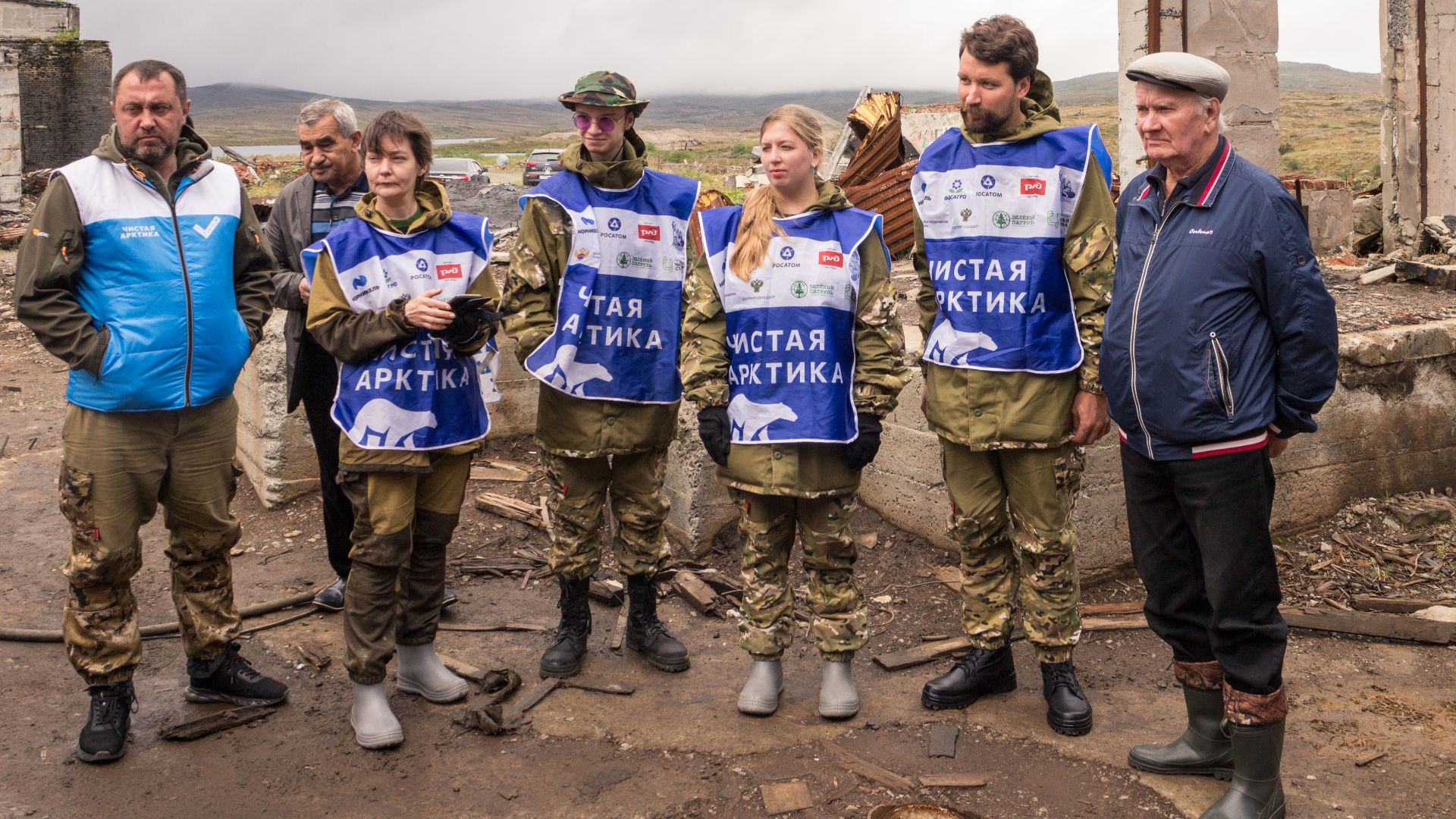
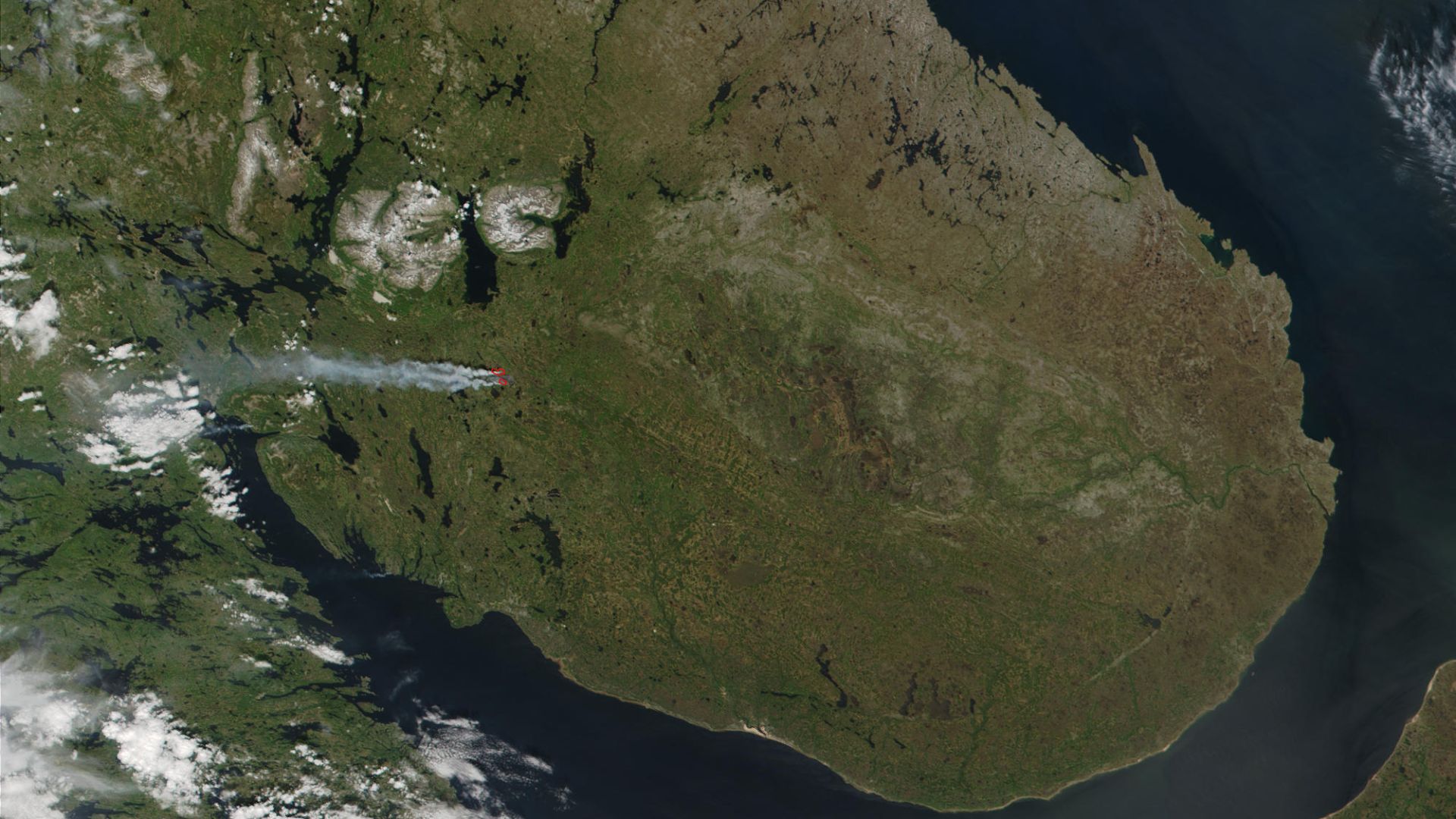
The site was established near the Kola Peninsula in northwestern Russia, well inside the Arctic Circle. Scientists selected this remote region for its ancient, stable geology, even though its harsh climate and limited infrastructure made year-round operations far more challenging.
 Jacques Descloitres, MODIS Land Rapid Response Team, Wikimedia Commons
With An Ambitious Goal To Drill Deeper Than Ever Before
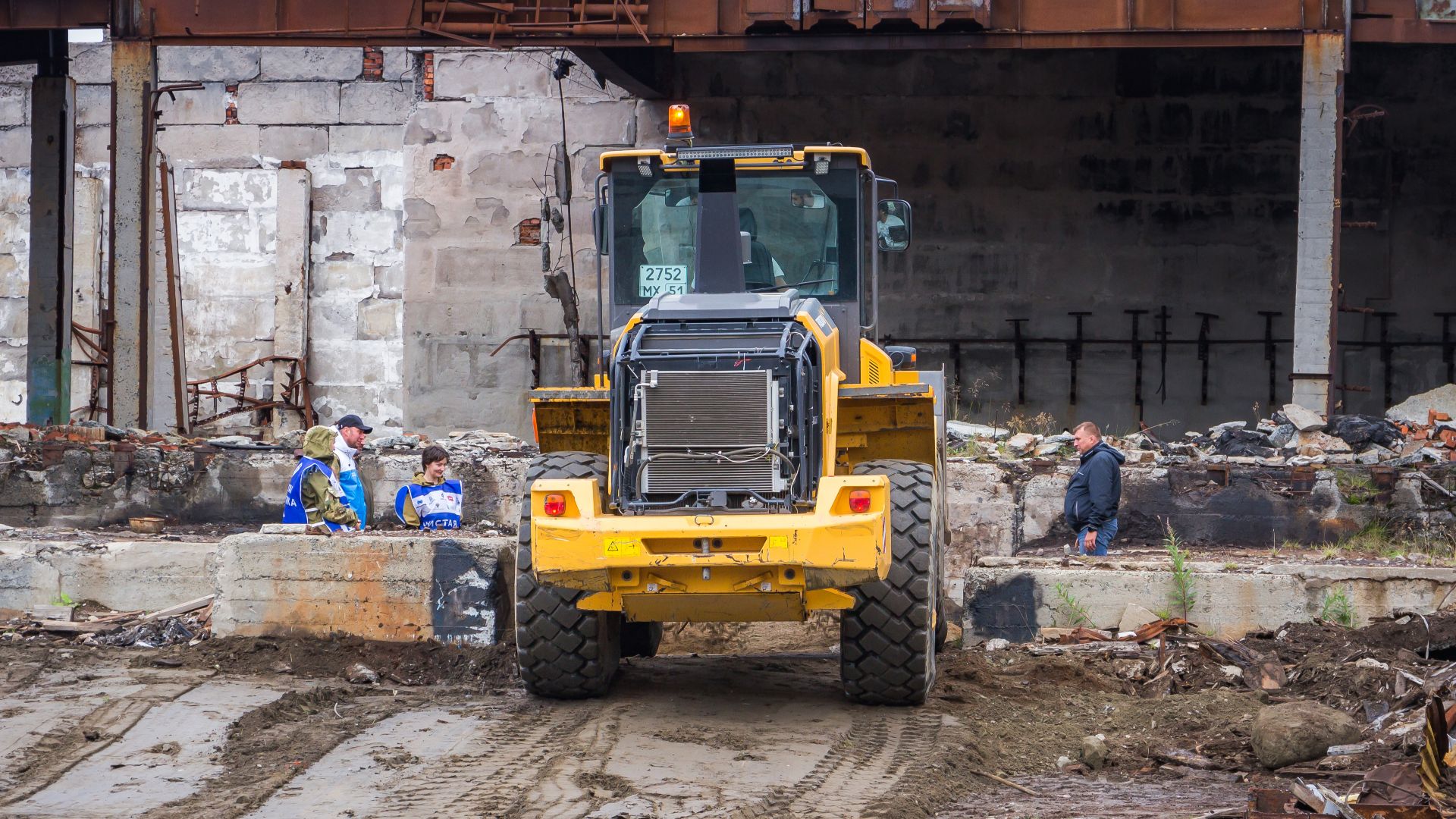
This project’s objective was straightforward but unprecedented: penetrate deeper into Earth’s crust than any previous effort. By studying rock samples and conditions directly, scientists hoped to improve their understanding of seismic behavior and how heat moves through the planet’s interior.
 Alexander Novikov, Wikimedia Commons
A Cold War Era Push To Discover Earth’s Secrets
During the Cold War, scientific achievements carried political weight. While the United States emphasized space exploration, the Soviet Union invested heavily in Earth sciences. The Kola project became a symbol of technological ambition that highlights the belief that knowledge itself was a strategic advantage.
 Alexander Novikov, Wikimedia Commons
How The Project Took Shape
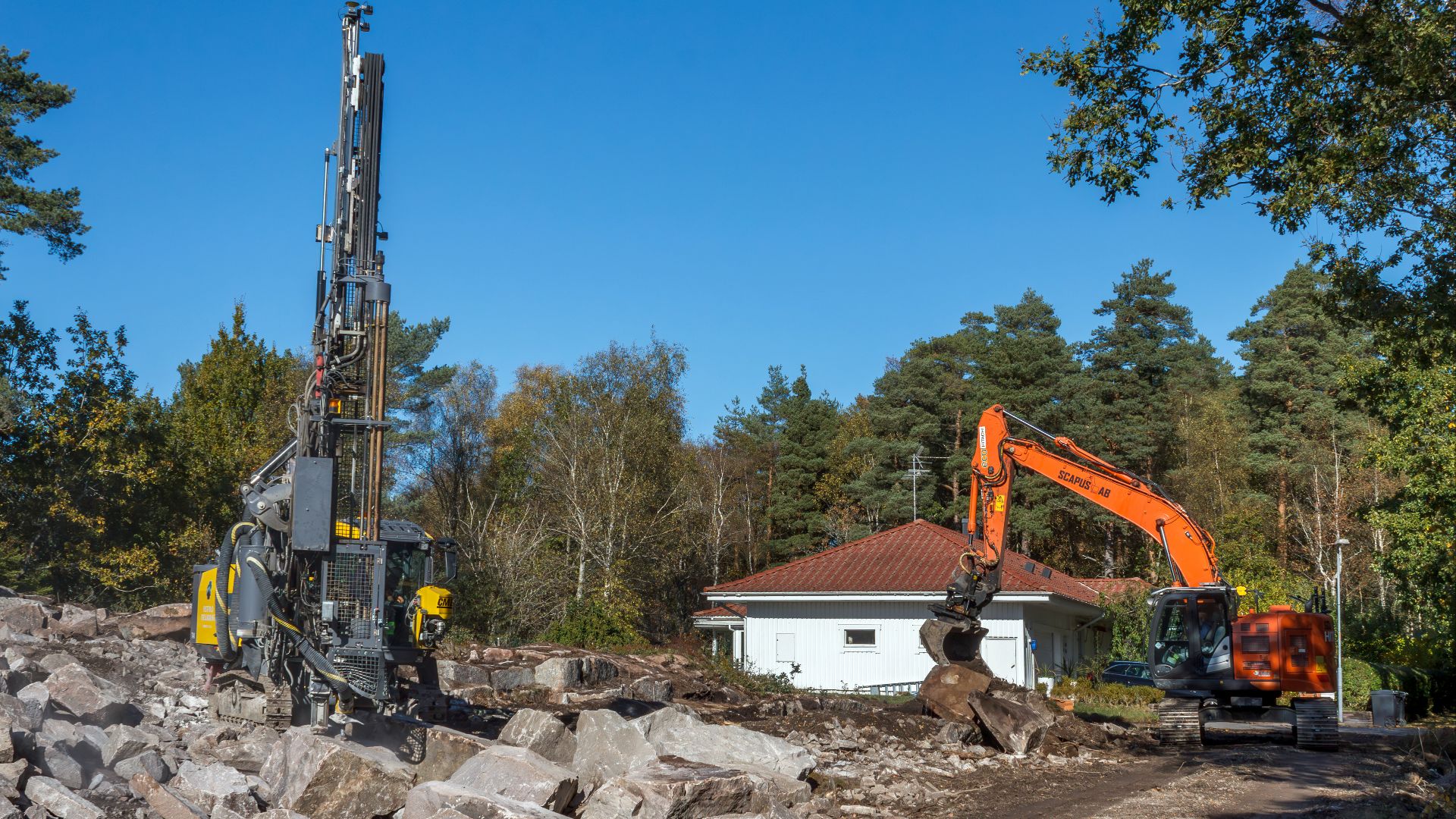
Rather than drilling a single straight shaft, engineers created a network of boreholes that branched at different depths. This approach allowed scientists to adapt methods as conditions changed, extending the project’s lifespan while gradually pushing the limits of available technology.
Early Breakthroughs That Encouraged Scientists
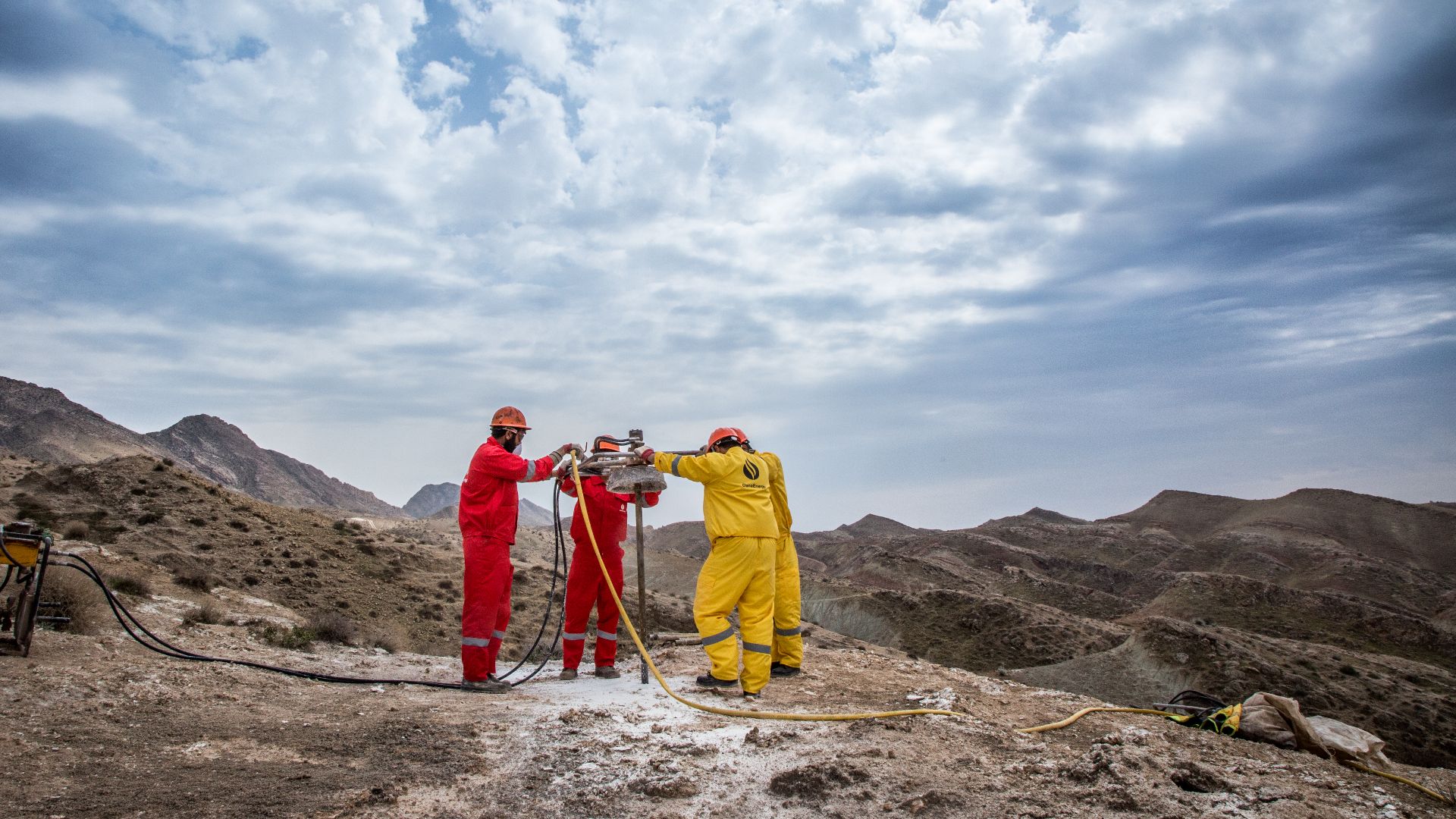
In its early years, the project exceeded expectations. Drilling progressed steadily, and core samples provided valuable geological data. These early successes reinforced confidence that deeper layers of Earth’s crust could be studied directly rather than inferred through surface measurements.
 Dana Energy , Wikimedia Commons
What 7.5 Miles Below The Surface Really Means
Reaching more than 7.5 miles underground placed the borehole deeper than Mount Everest is tall. At that depth, pressure and temperature increase dramatically, creating conditions unlike anything experienced at the surface. They push both materials science and engineering to their absolute limits.
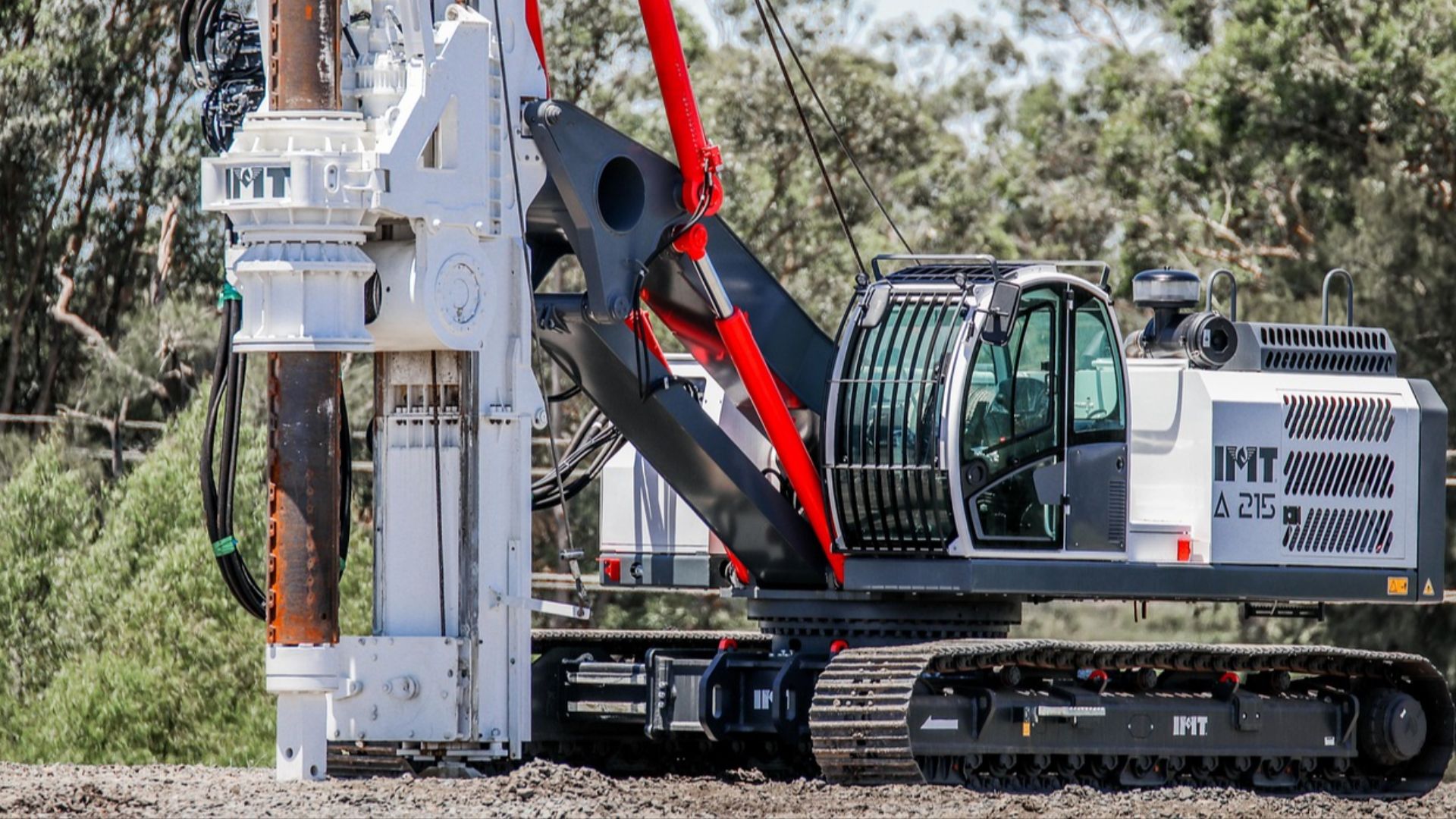
No Wider Than A Dinner Plate
The borehole’s narrow diameter was intentional. A smaller opening reduced the risk of collapse under immense pressure and heat. However, this design also made drilling more complex by leaving little room for error when equipment failed or rock behavior became unpredictable.
 Wasilij Martynow, Shutterstock
When Conditions Underground Became Increasingly Extreme
As drilling pushed deeper, conditions below the surface became far harsher than anticipated. Pressure increased steadily, and rock formations grew less stable as temperatures climbed faster than existing models predicted. They forced engineers to constantly adjust techniques just to keep the project moving forward.
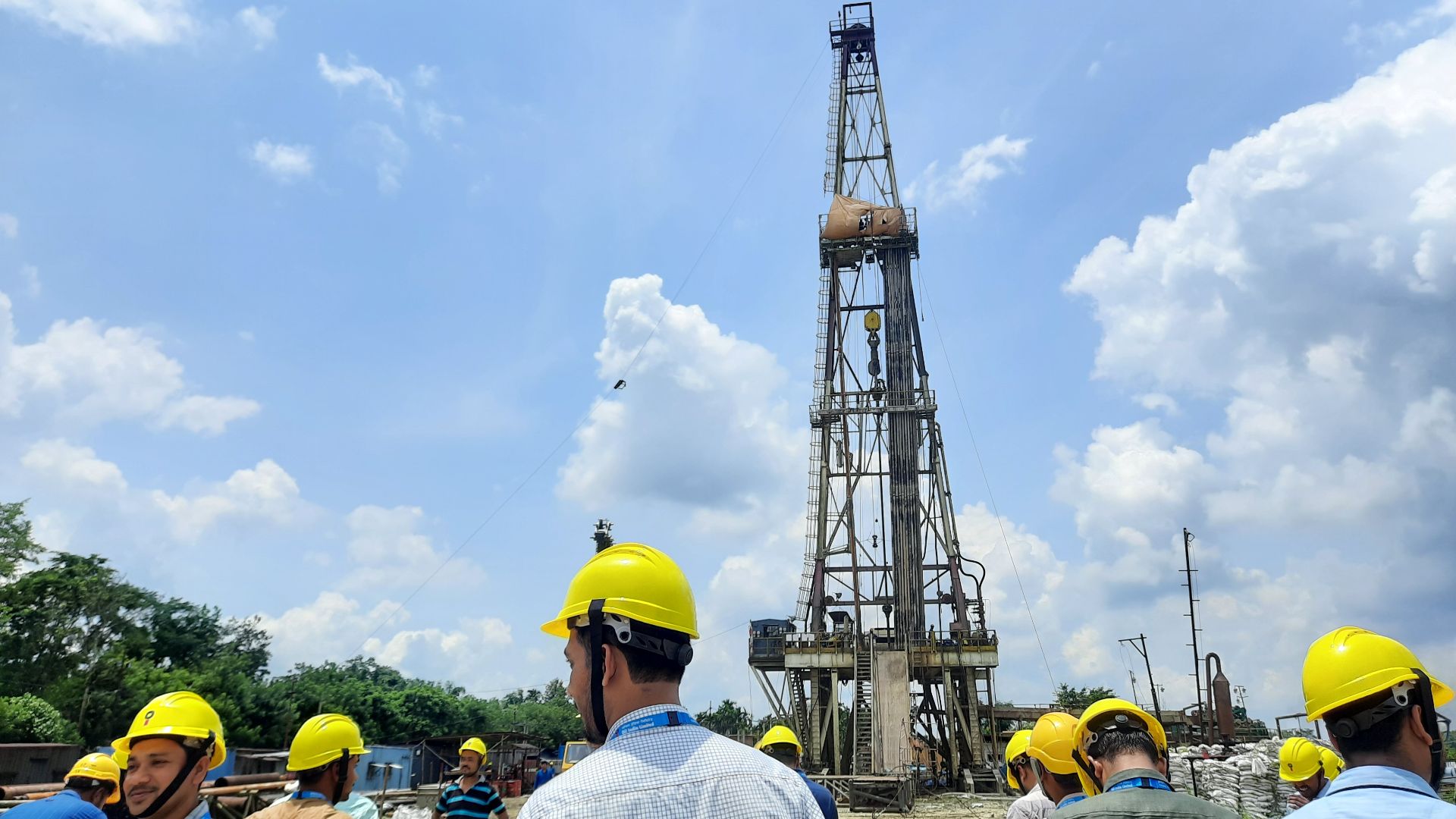
Unexpected Heat Changed Everything
By the late stages of drilling, temperatures at depth reached nearly 356°F. This was far hotter than scientists expected for that level of the crust, which overturned assumptions about Earth’s thermal gradient and introduced challenges that no existing drilling technology was designed to handle.
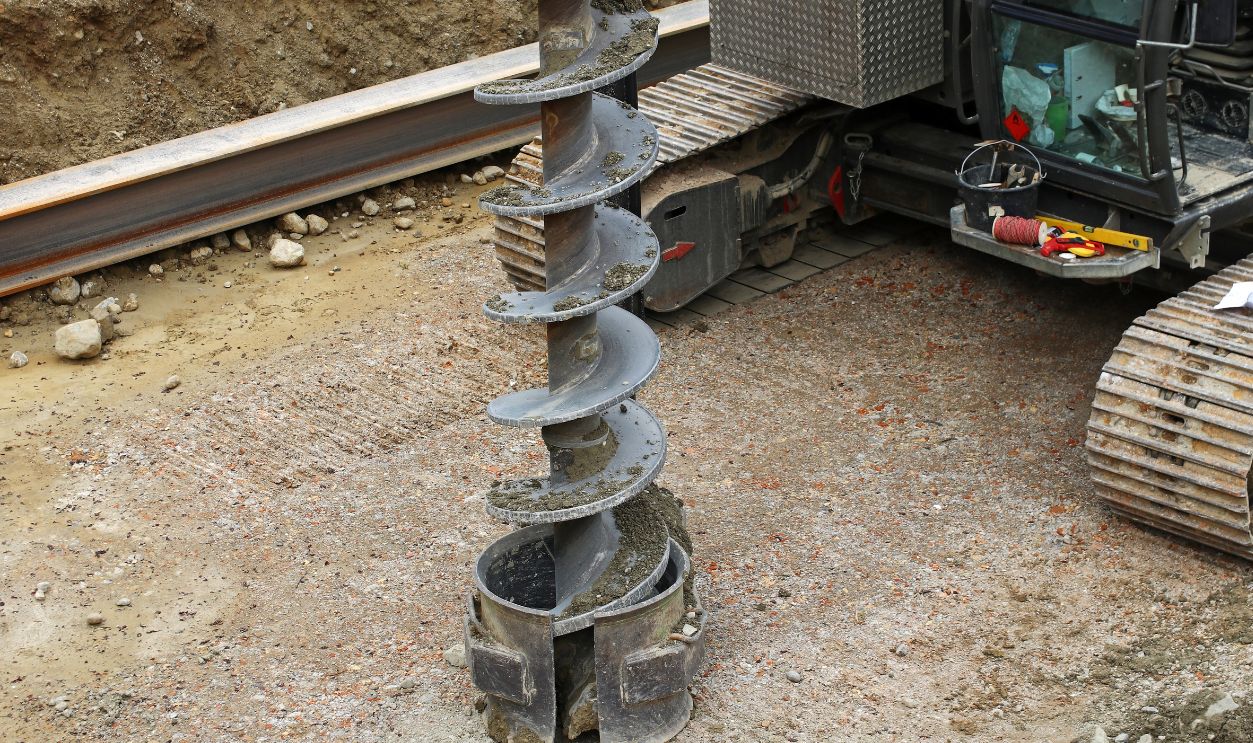
Rising Temperatures Overwhelmed The Drilling Technology
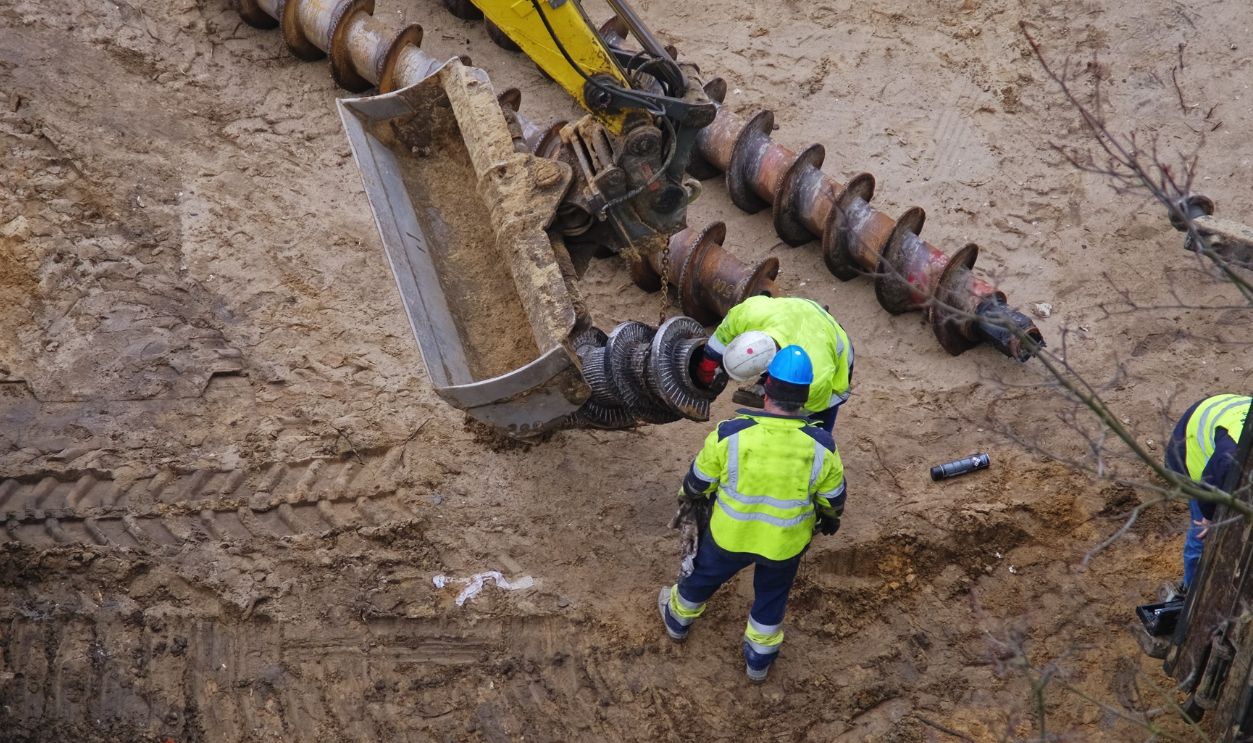
Extreme heat caused metal components to weaken and drill bits to wear out rapidly. Even specially designed equipment struggled to function reliably. Rock also began behaving more like plastic than solid stone, further complicating drilling operations at extreme depths.
The Earth’s Mantle Was Out Of Reach
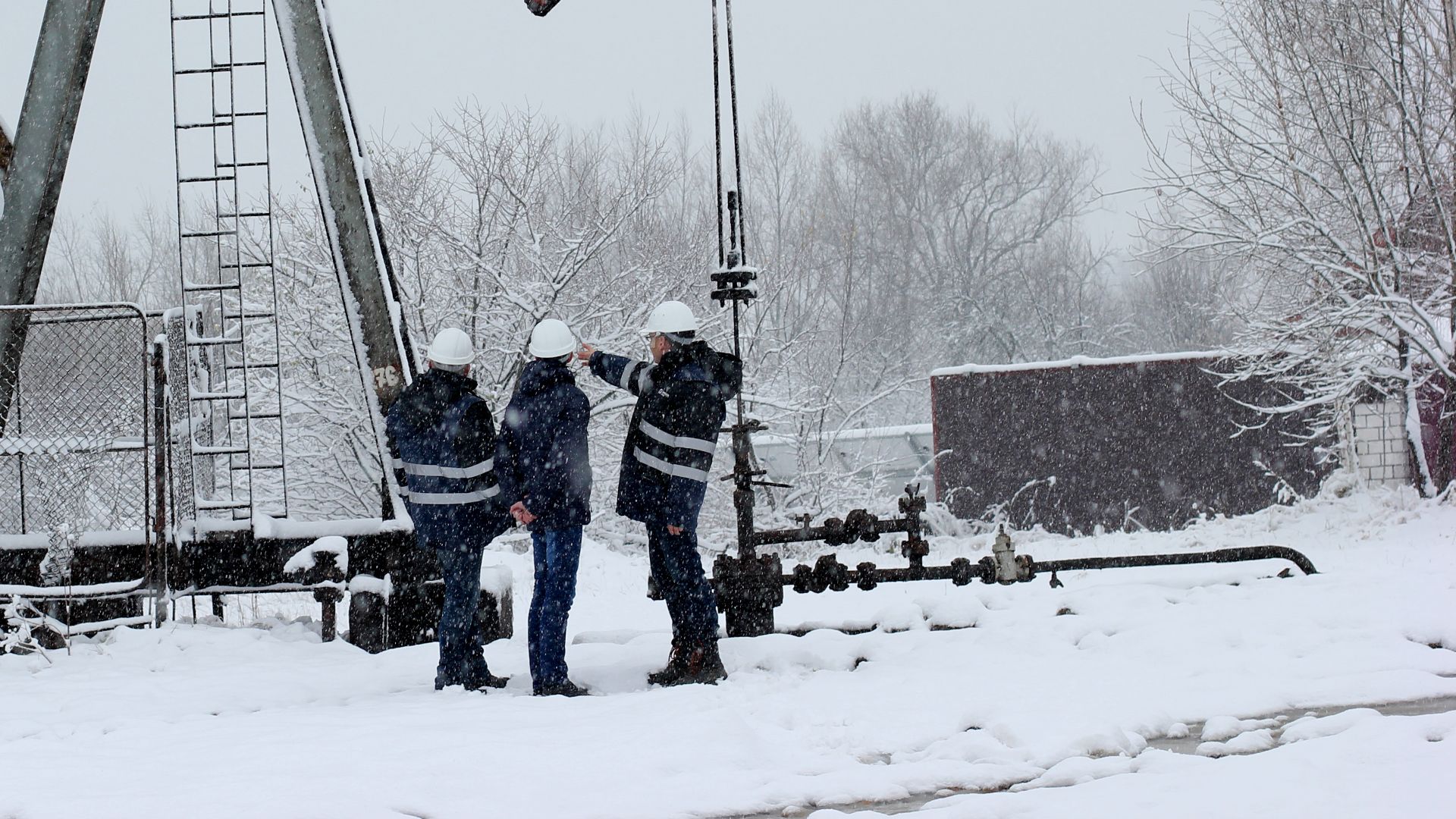
Although the original ambition included reaching Earth’s mantle, scientists eventually accepted that this goal was unattainable with available technology. Even at this depth, the borehole had only penetrated roughly one-third of the continental crust beneath the region.
 Galya Malanchuk, Wikimedia Commons
Water Discovered Where Science Said None Should Exist
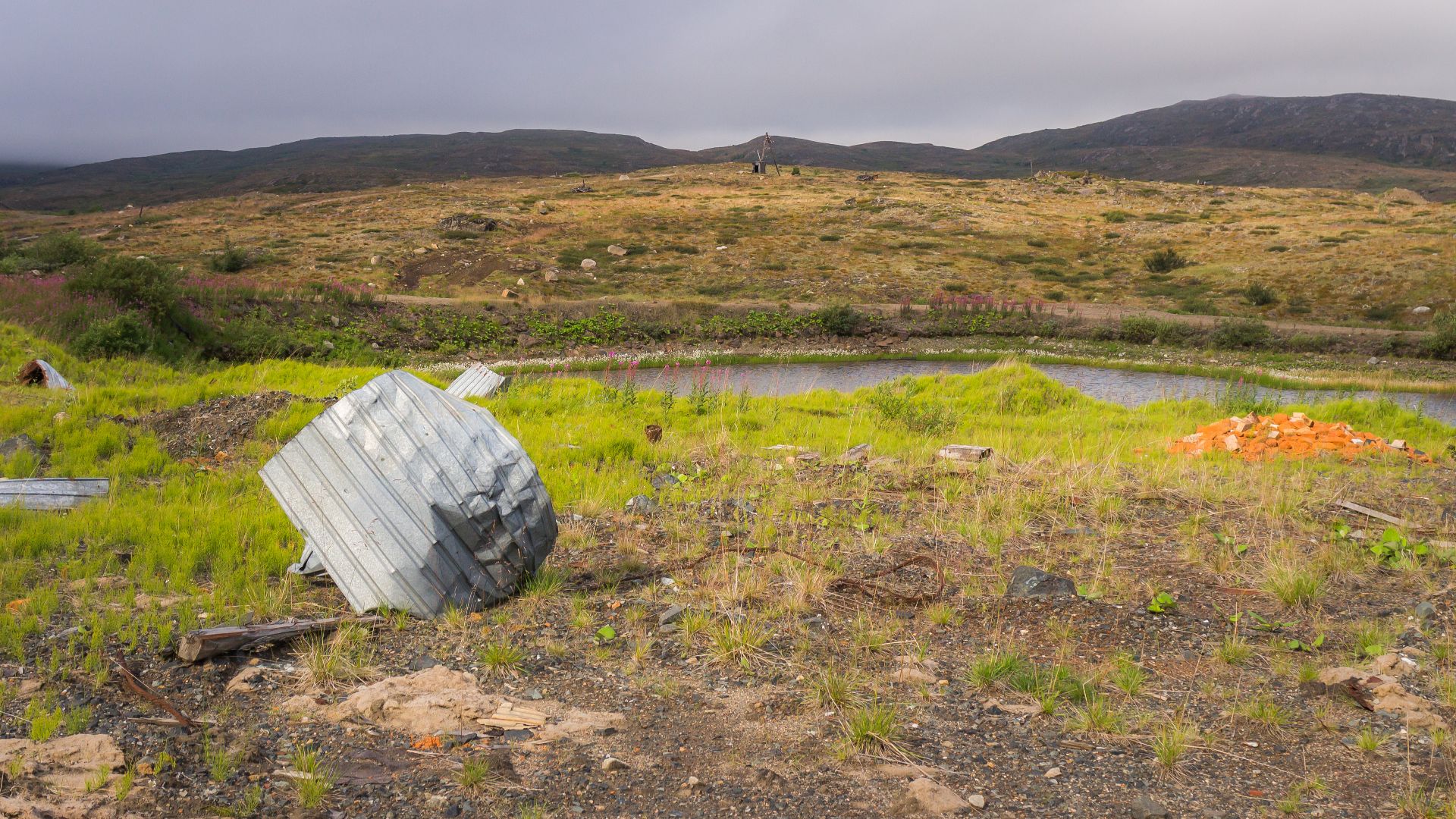
One of the most surprising findings was the presence of water deep within fractured rock. Scientists had believed rock at such depths would be impermeable, but evidence showed fluids could migrate far deeper than previously assumed.
 Alexander Novikov, Wikimedia Commons
Traces Of Ancient Life Locked Inside Deep Rocks
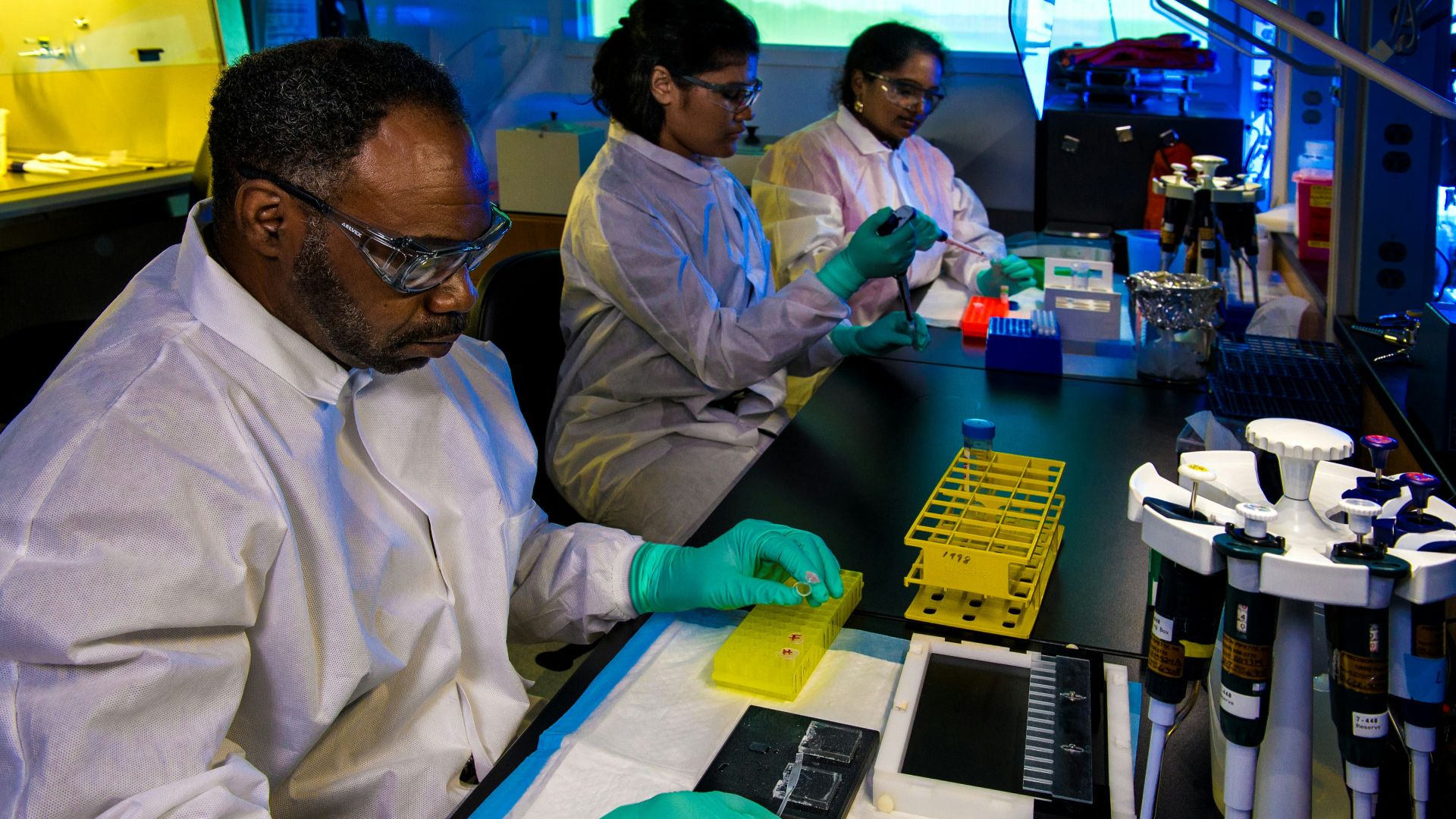
Core samples revealed microscopic fossils embedded in rock formations more than two billion years old. These ancient biological traces demonstrated that early life existed far earlier than once thought. Moreover, it showed that evidence of it could survive intense pressure and heat deep within the crust.
These Findings Challenged Geological Assumptions
Together, these discoveries forced scientists to reconsider long-standing ideas about crust composition and heat flow. The Kola Borehole showed that direct observation could contradict decades of theoretical models, which highlights how much of Earth’s interior remains poorly understood.
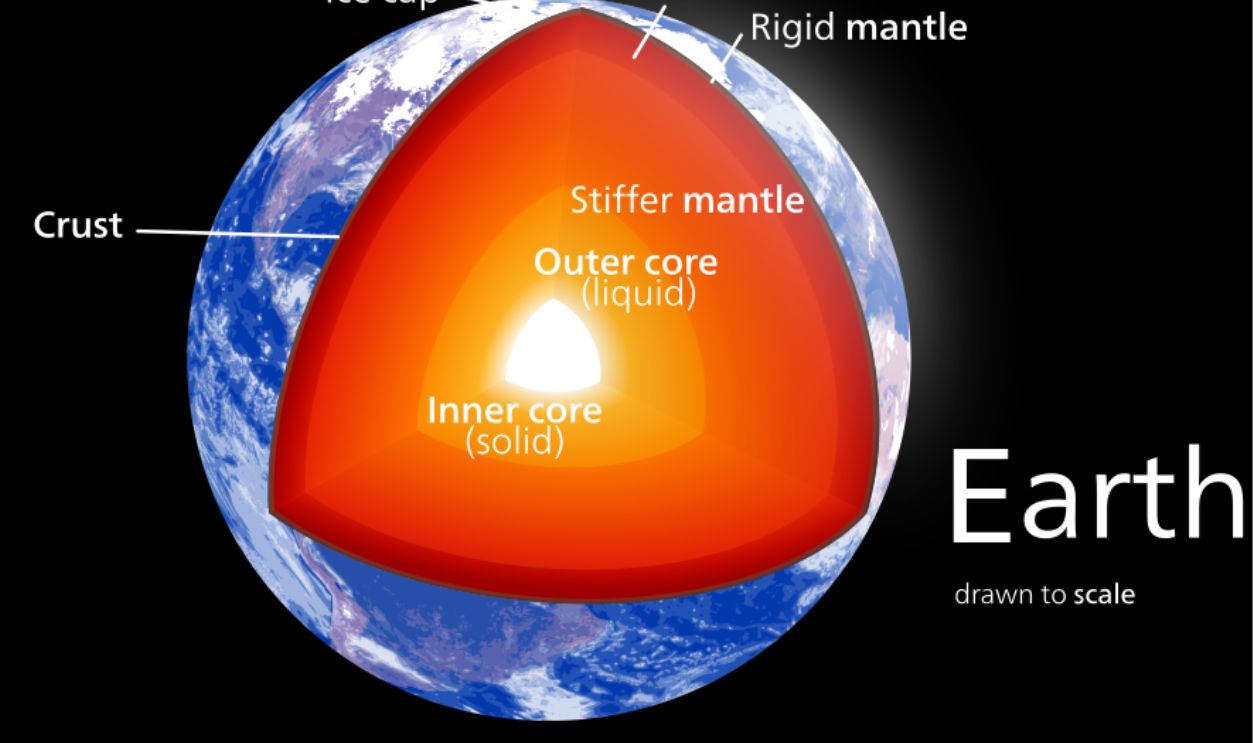 Kelvinsong, CC BY-SA 3.0, Wikimedia Commons
Strange Sounds And Stories That Sparked Dark Legends
As the project gained attention, rumors began circulating about unusual noises coming from deep underground. These claims were later traced to misreported stories and fabricated audio, but the combination of secrecy and extreme conditions made the project fertile ground for speculation.
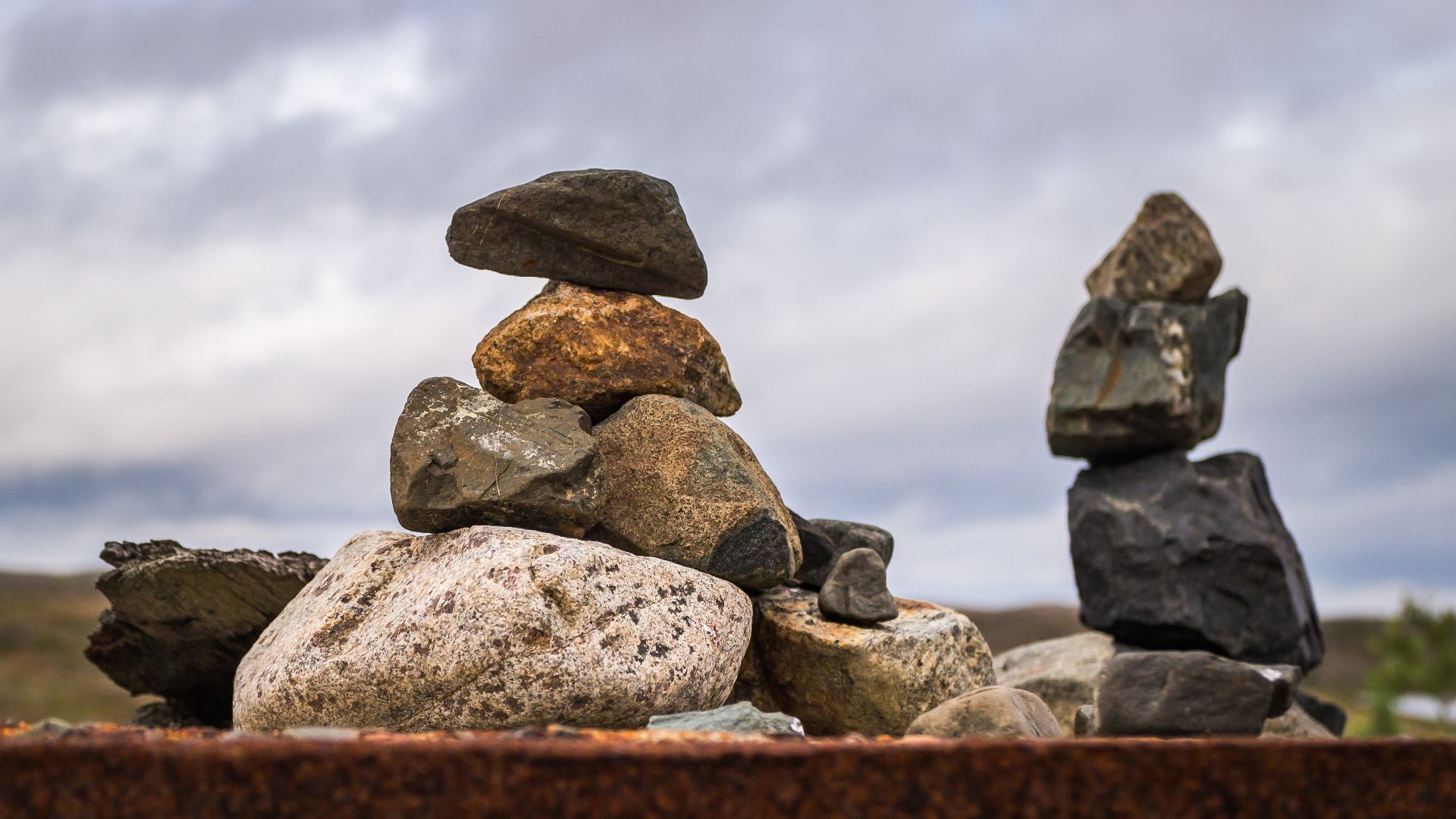 Alexander Novikov, Wikimedia Commons
The “Entrance To Hell” Myth Took Hold
The idea that the borehole was an “entrance to hell” emerged largely from a hoax amplified by tabloids and early internet culture. Dramatic headlines blurred fact and fiction, and turned a serious scientific effort into a source of supernatural folklore.
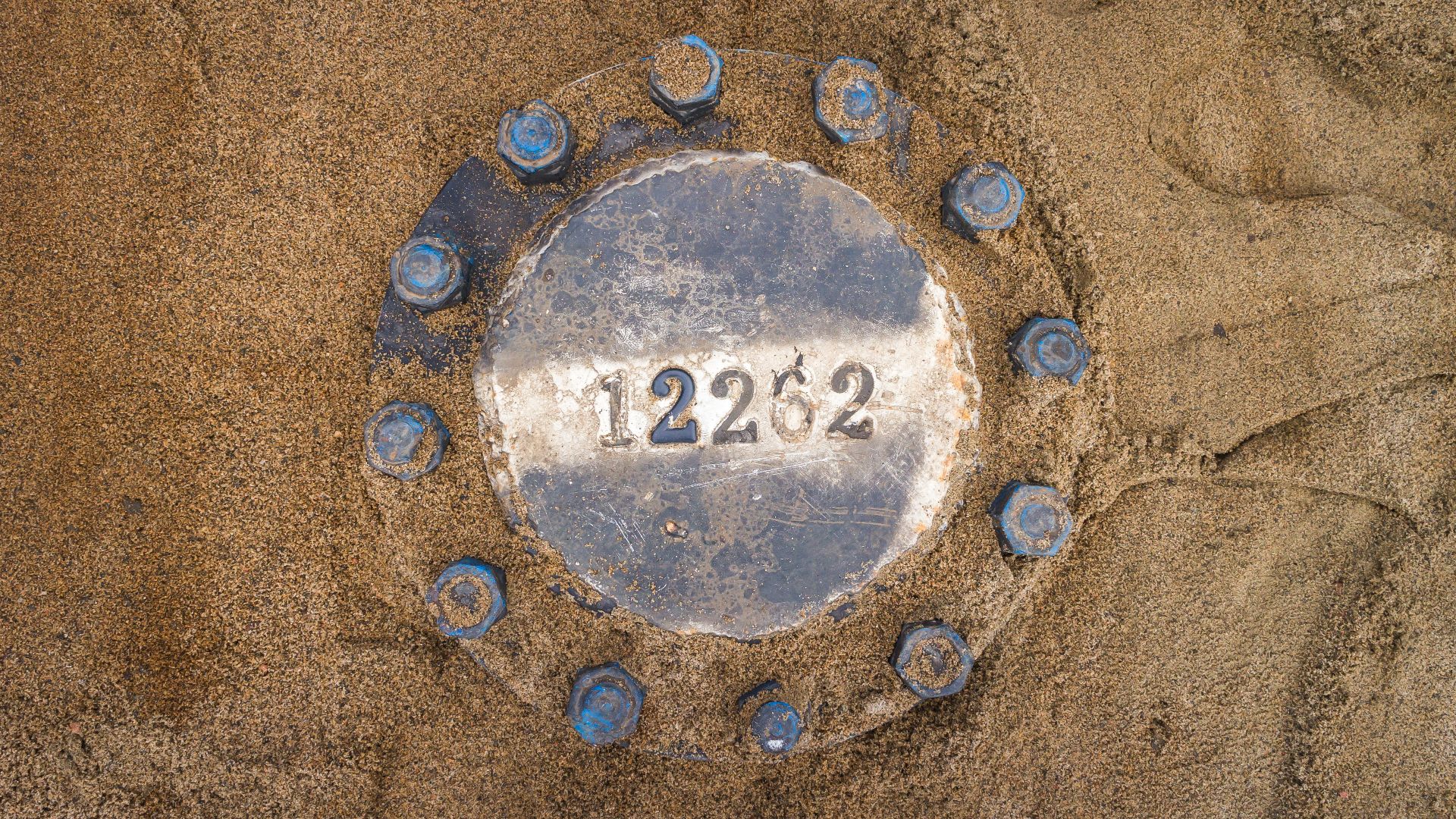 Alexander Novikov, Wikimedia Commons
The Difference Between Scientific Reality And Folklore
In reality, the sounds attributed to the borehole were linked to drilling vibrations and natural geological stress. No credible evidence ever supported supernatural claims, but the myth persisted, overshadowing legitimate discoveries and demonstrating how easily science can be distorted through sensational storytelling.
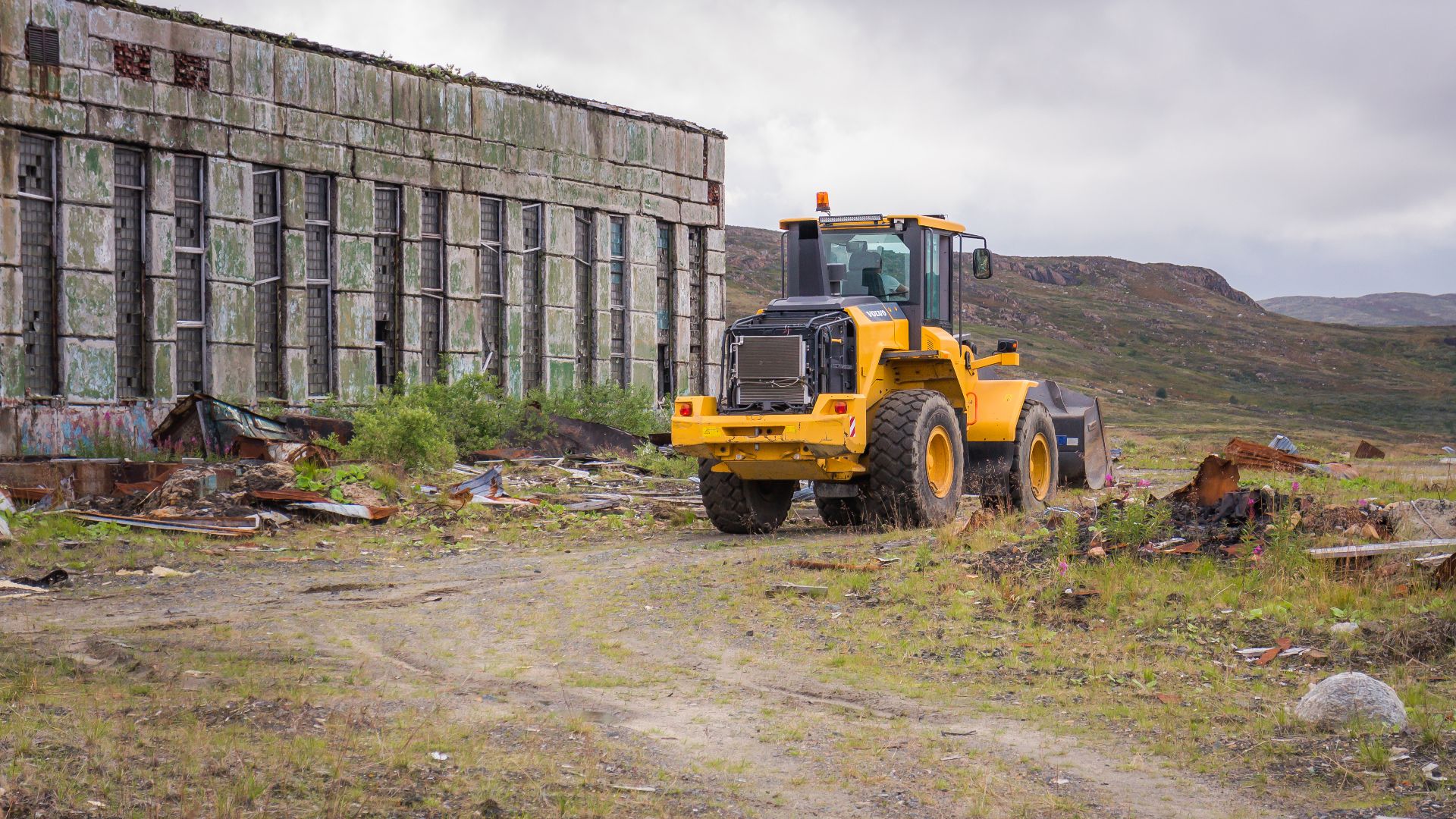 Alexander Novikov, Wikimedia Commons
Funding Struggles And Shifting Political Priorities
By the late 1980s and early 1990s, economic strain and political change weakened support for large-scale scientific projects. As the Soviet Union collapsed, funding for the borehole dwindled, and priorities shifted toward more immediate economic and social concerns.
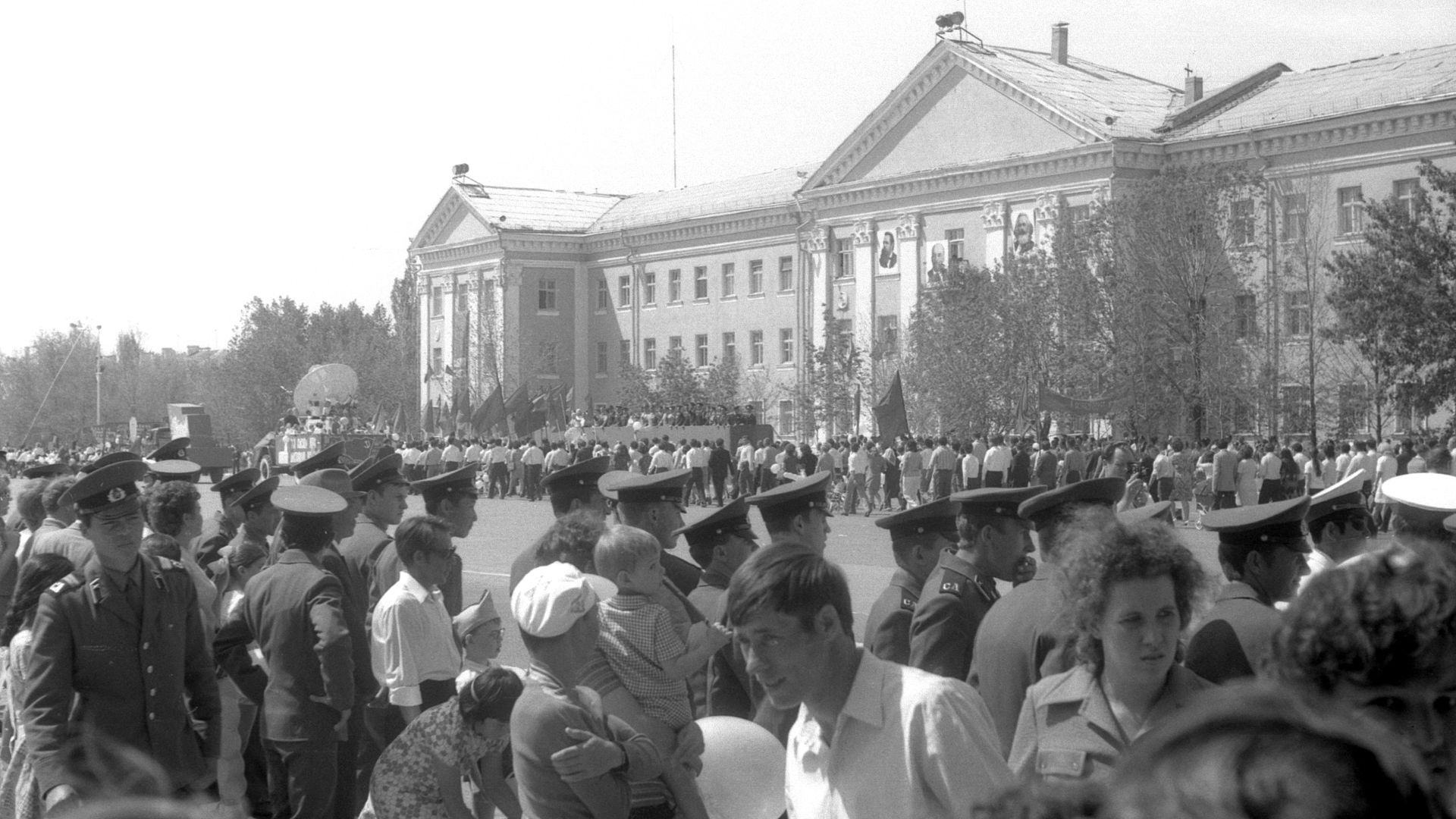 Vyacheslav Argenberg / Transfer from A. S., Wikimedia Commons
So, The Project Was Ultimately Abandoned
Extreme heat, repeated equipment failures, and declining financial support made continued drilling impractical. In 1992, active drilling ceased, and by 1995 the project was officially terminated, marking the end of one of the most ambitious Earth science experiments ever attempted.
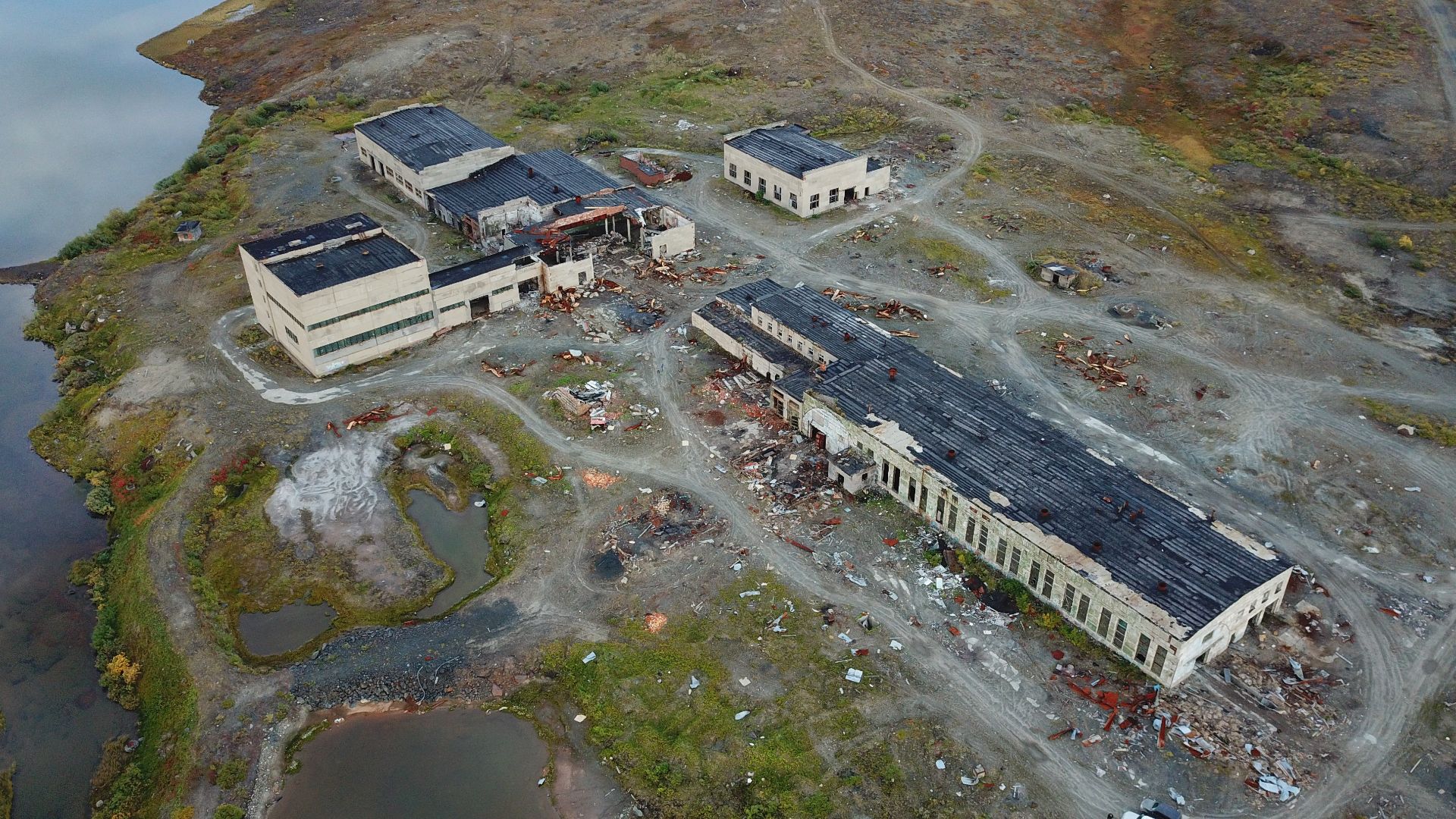 Evgeny Anatolyevich Shelkovnikov, Wikimedia Commons
What Became Of The Borehole After Drilling Stopped
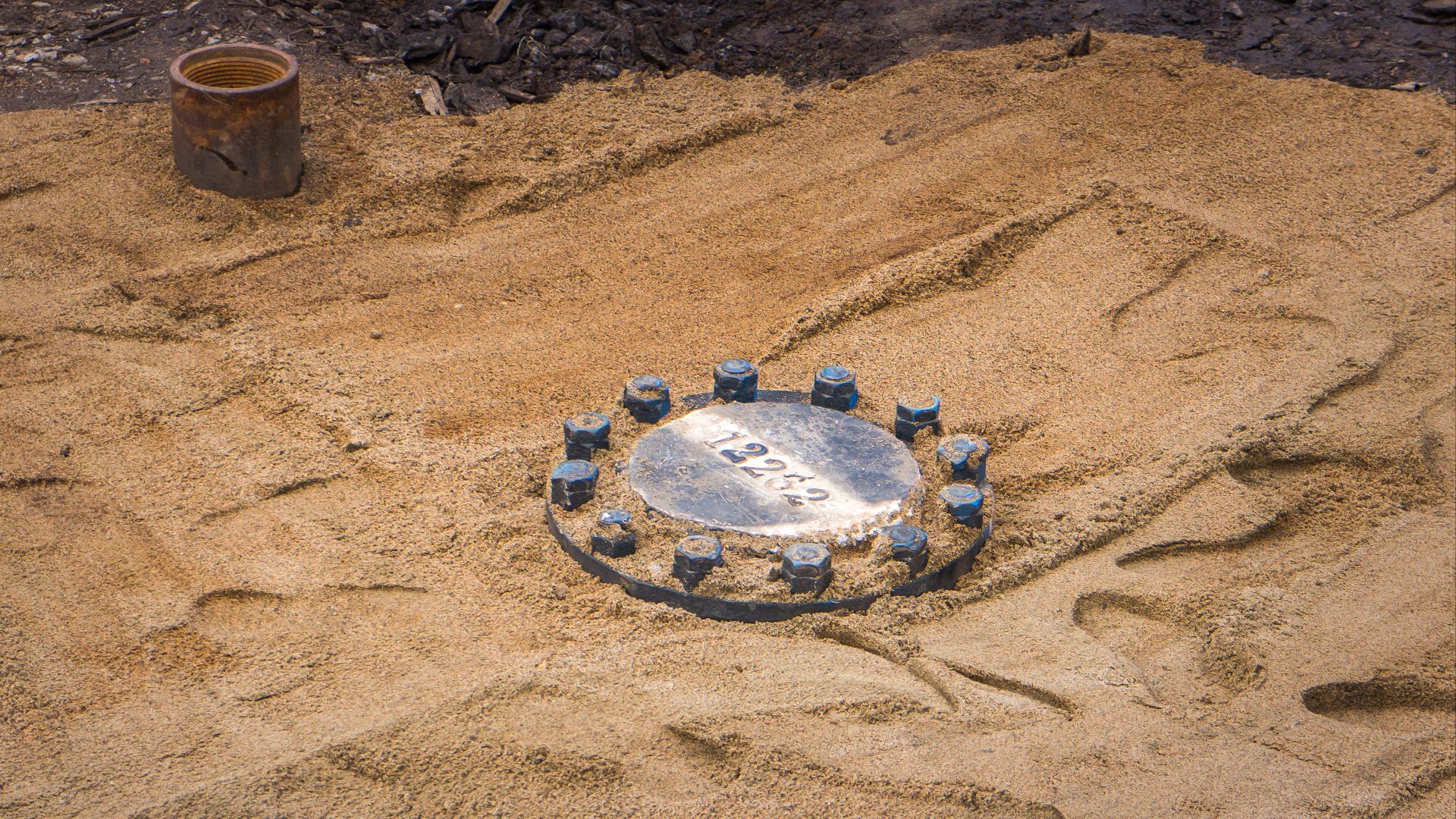
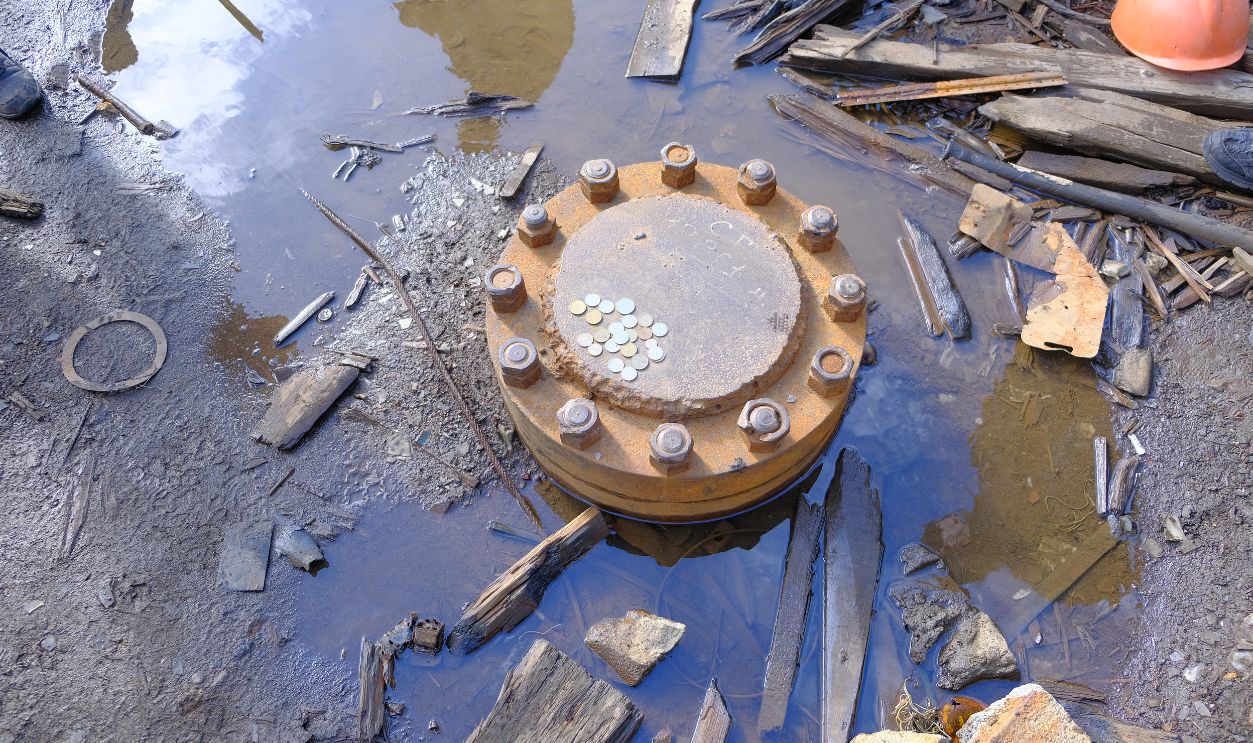
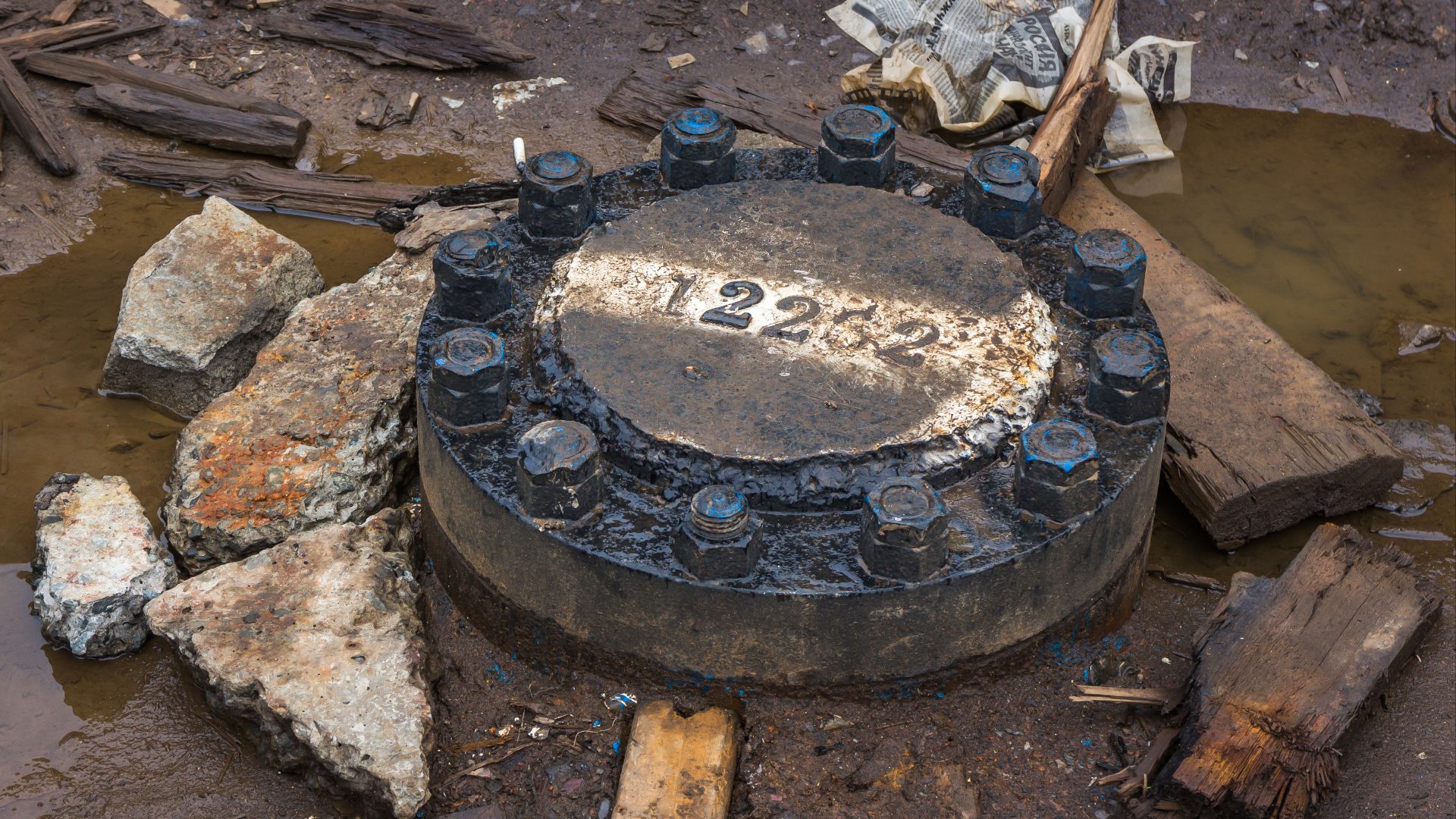
Equipment was removed, and the borehole itself was eventually sealed with a metal cap. Leaving such a deep opening unsecured posed safety and environmental risks. So, a metal cap was installed to stabilize the site and prevent human access to the deepest point ever drilled.
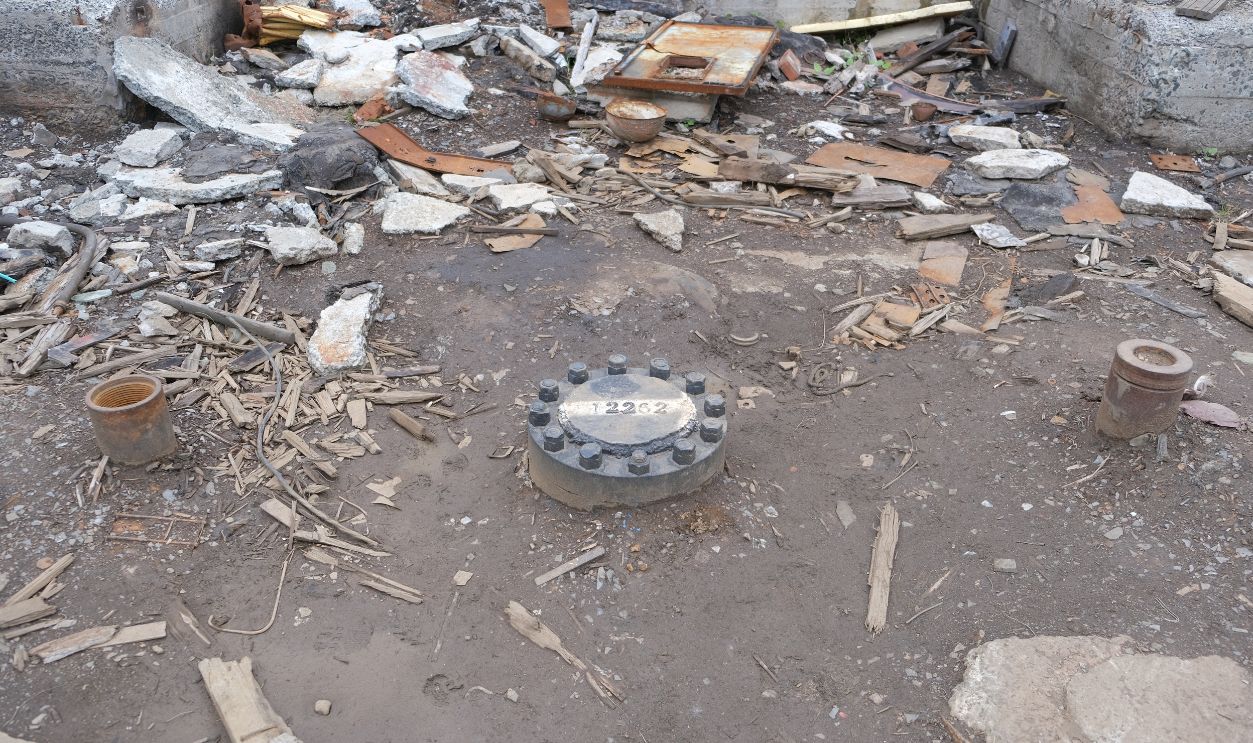 Wasilij Martynow, Shutterstock
An Isolated Site Frozen In Time
Today, the former research site stands largely abandoned in the Arctic environment. Rusting structures and empty buildings remain exposed to harsh weather, which gives the area an eerie stillness. Once a hub of innovation, it now feels like a relic of another era.
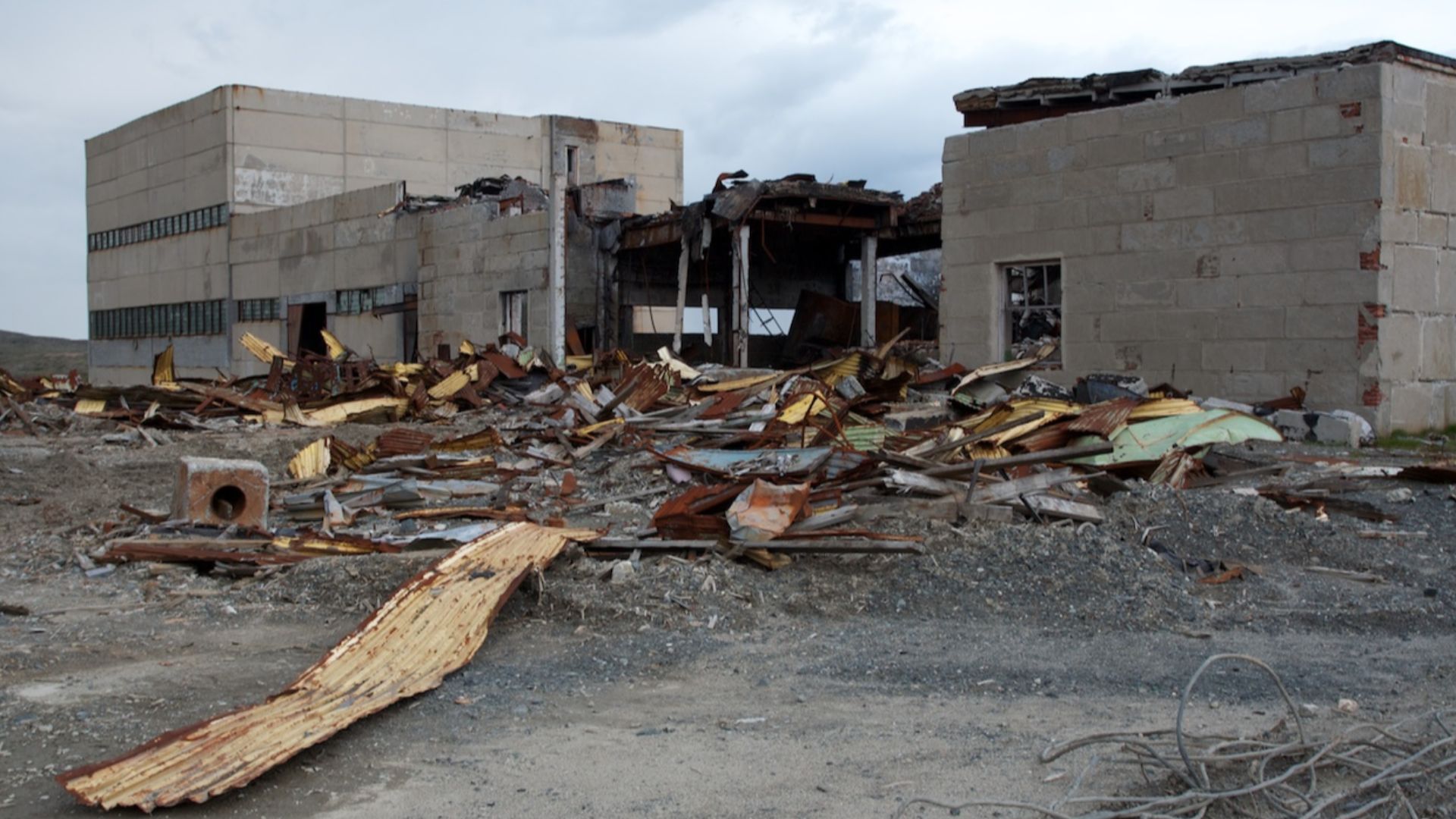
But Scientists Still Study The Core Samples
Although drilling stopped decades ago, the recovered core samples remain invaluable. They provide rare, direct evidence of deep crust conditions to help researchers study ancient geology and rock behavior in ways that no surface-based methods can fully replicate.
The Kola Superdeep Borehole And Human Limits
The Kola Superdeep Borehole demonstrated both human ambition and constraint. It expanded scientific understanding while exposing technological boundaries imposed by heat and pressure. More than a failed attempt, it stands as a reminder that exploration often reshapes knowledge, even when goals remain unmet.
 Alexander Novikov, Wikimedia Commons