A Way of Life the Modern World Almost Erased
Imagine waking up tomorrow with no house, no grocery store, no job, no money, and no phone—and somehow being completely fine. That's everyday life for the Hadza people of Tanzania, one of the last hunter-gatherer societies on Earth. But the most surprising part isn't how they survive—it's the strange secret scientists discovered after spending decades living among them.
Meet the Hadza
The Hadza, also called the Hadzabe, live near Lake Eyasi in northern Tanzania's Arusha Region. Researchers estimate their population at roughly 1,300 to 1,500 people. Only a few hundred still live primarily by hunting and gathering, making them one of the last communities on Earth to do so.
Living in the Cradle of Humanity
The Hadza live in the Great Rift Valley, an area often called the cradle of humankind. Ancient human ancestors once walked these same landscapes. Today, the Hadza still travel through baobab forests, rocky hills, and dry grasslands that have changed surprisingly little over time.
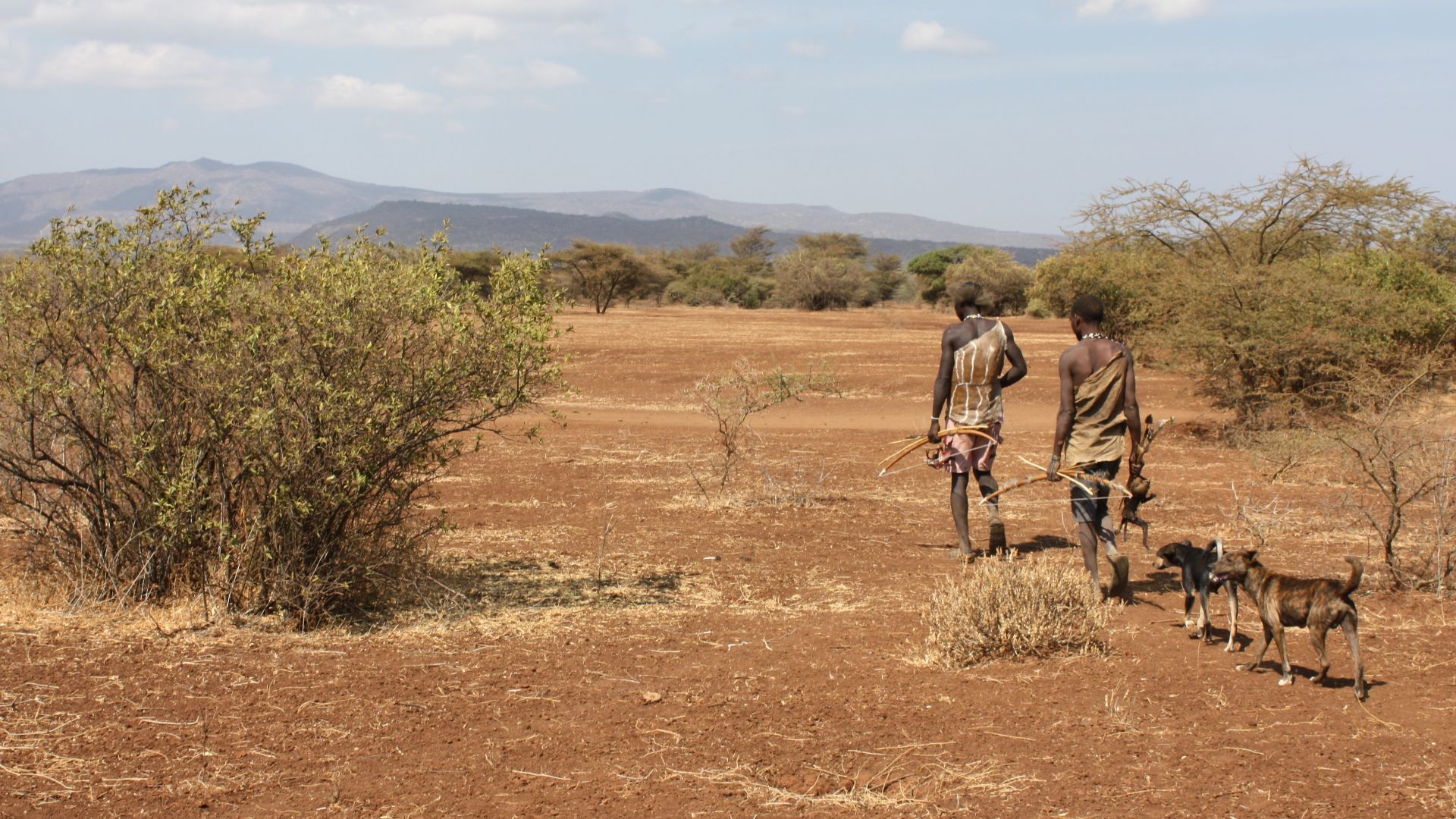 Andreas Lederer, Wikimedia Commons
One of the World's Oldest Peoples
Genetic studies suggest the Hadza descend from some of the oldest human populations in Africa. Scientists cannot pinpoint exactly when their ancestors arrived, but evidence indicates they have lived in East Africa for tens of thousands of years, long before cities or countries existed.
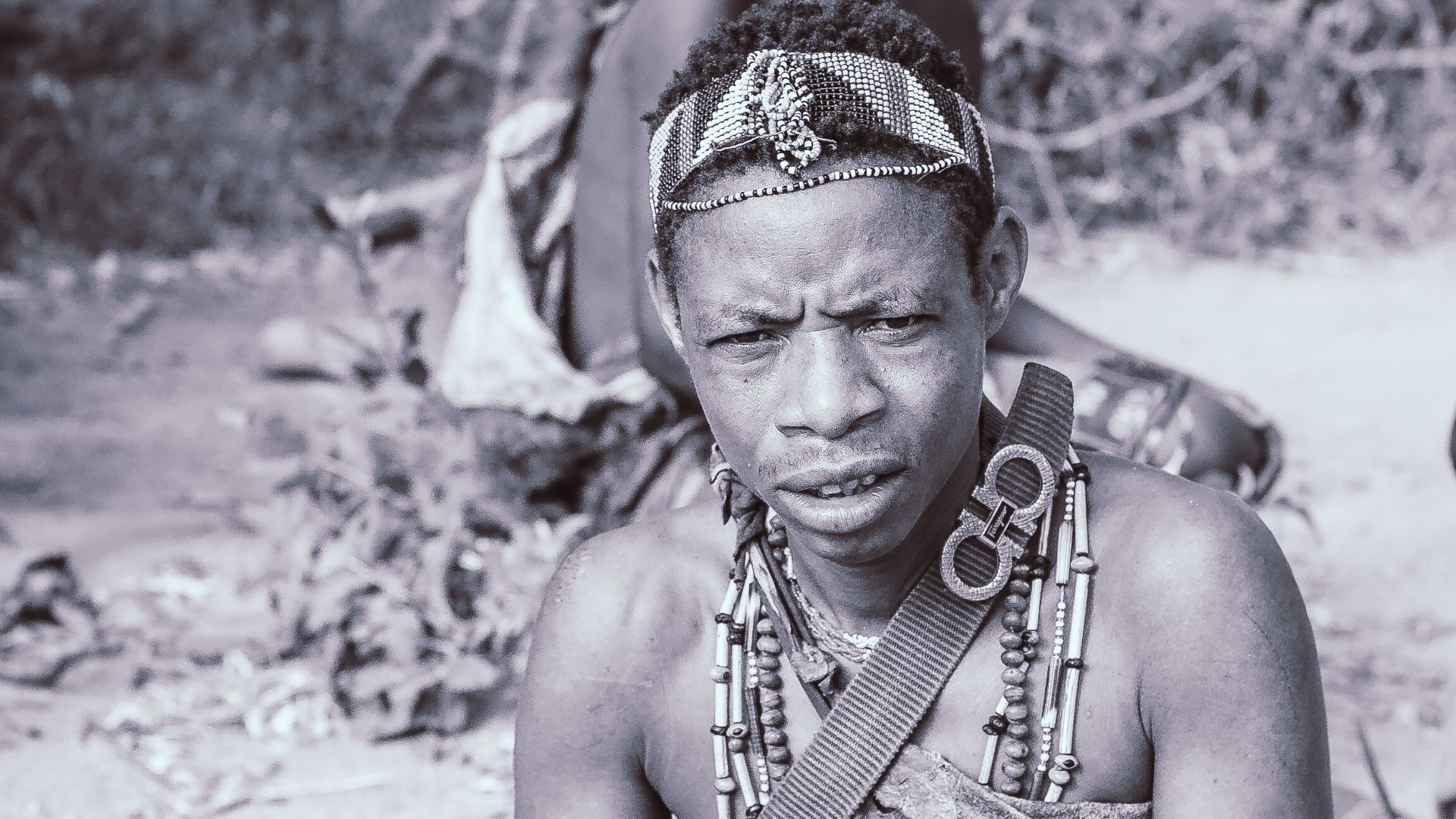 Erasmus Kamugisha, Wikimedia Commons
While Everyone Else Settled Down
Thousands of years ago, many societies switched to farming. Nearby groups such as the Iraqw and Datoga eventually raised crops and livestock. The Hadza largely continued hunting animals and gathering wild foods instead, preserving a lifestyle that predates agriculture.
No Streets, No Addresses, No Problem
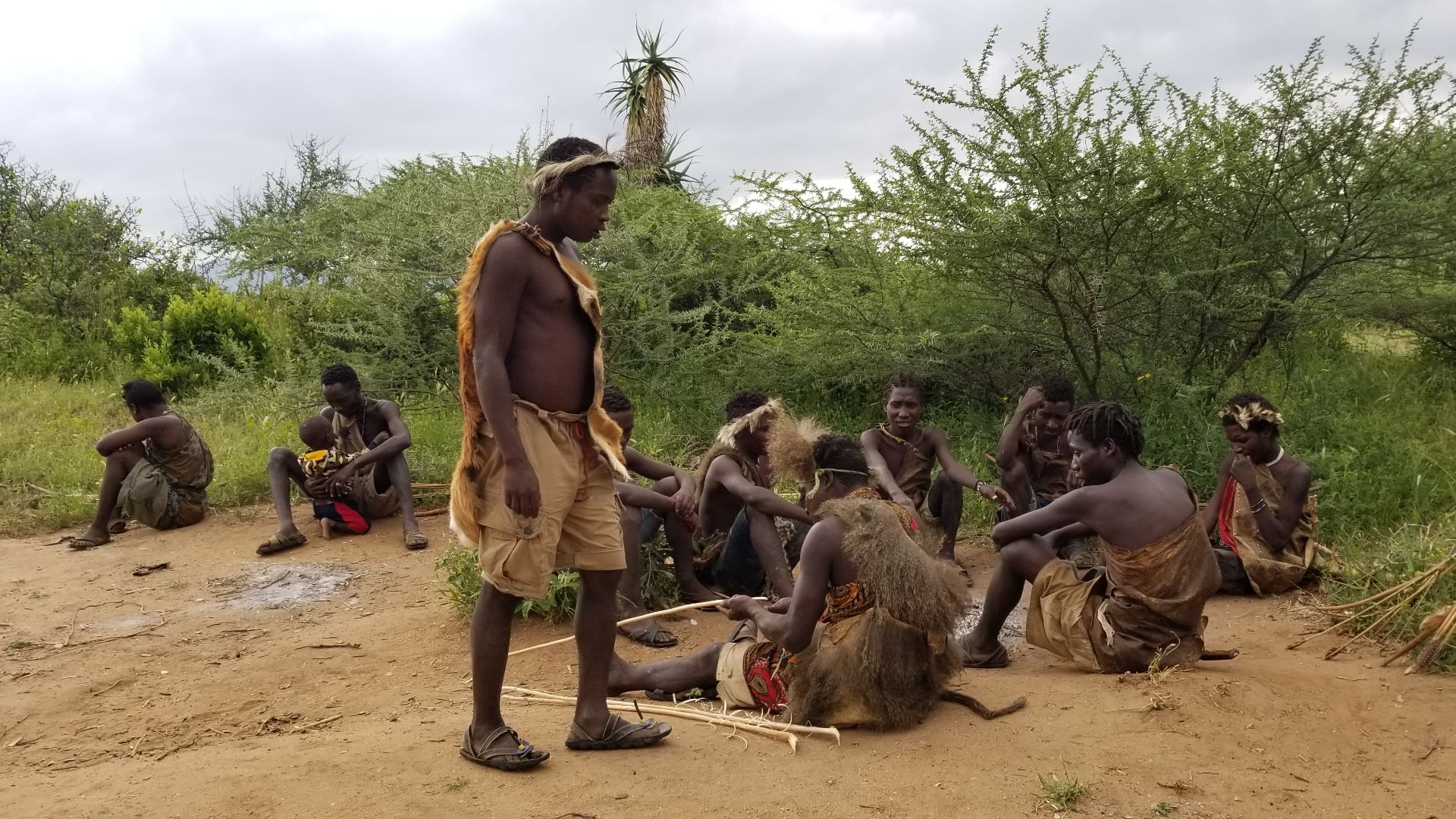
Still today, a Hadza camp looks very different from a modern neighborhood. There are no roads, fences, mailboxes, or property lines. Camps are usually small, often containing between 20 and 40 people who live together and share daily responsibilities.
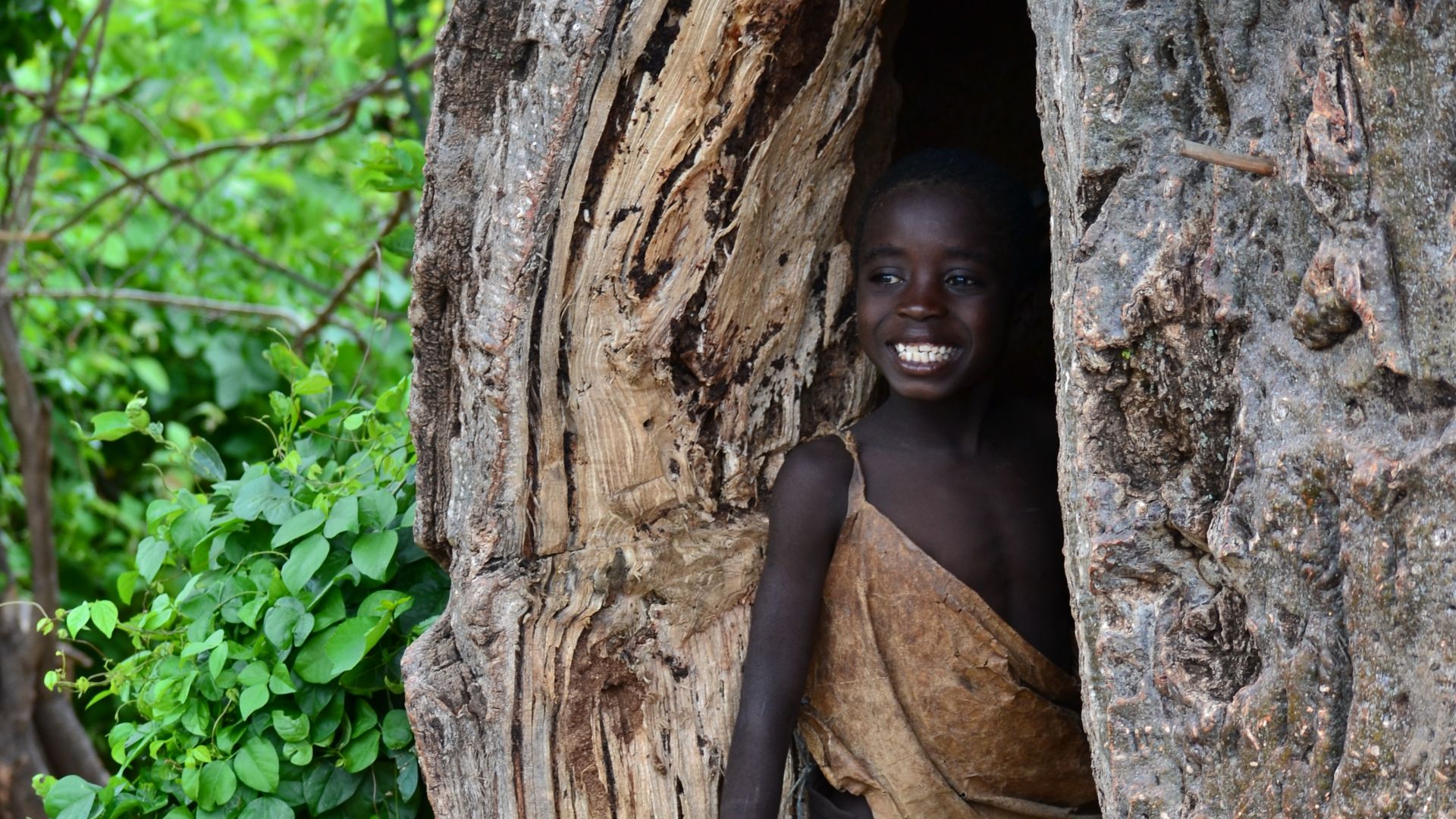
Home Can Move Tomorrow
Unlike permanent villages, Hadza camps are temporary. If food becomes harder to find or water sources dry up, families simply move. Some camps remain in one location for months, while others relocate much sooner depending on conditions.
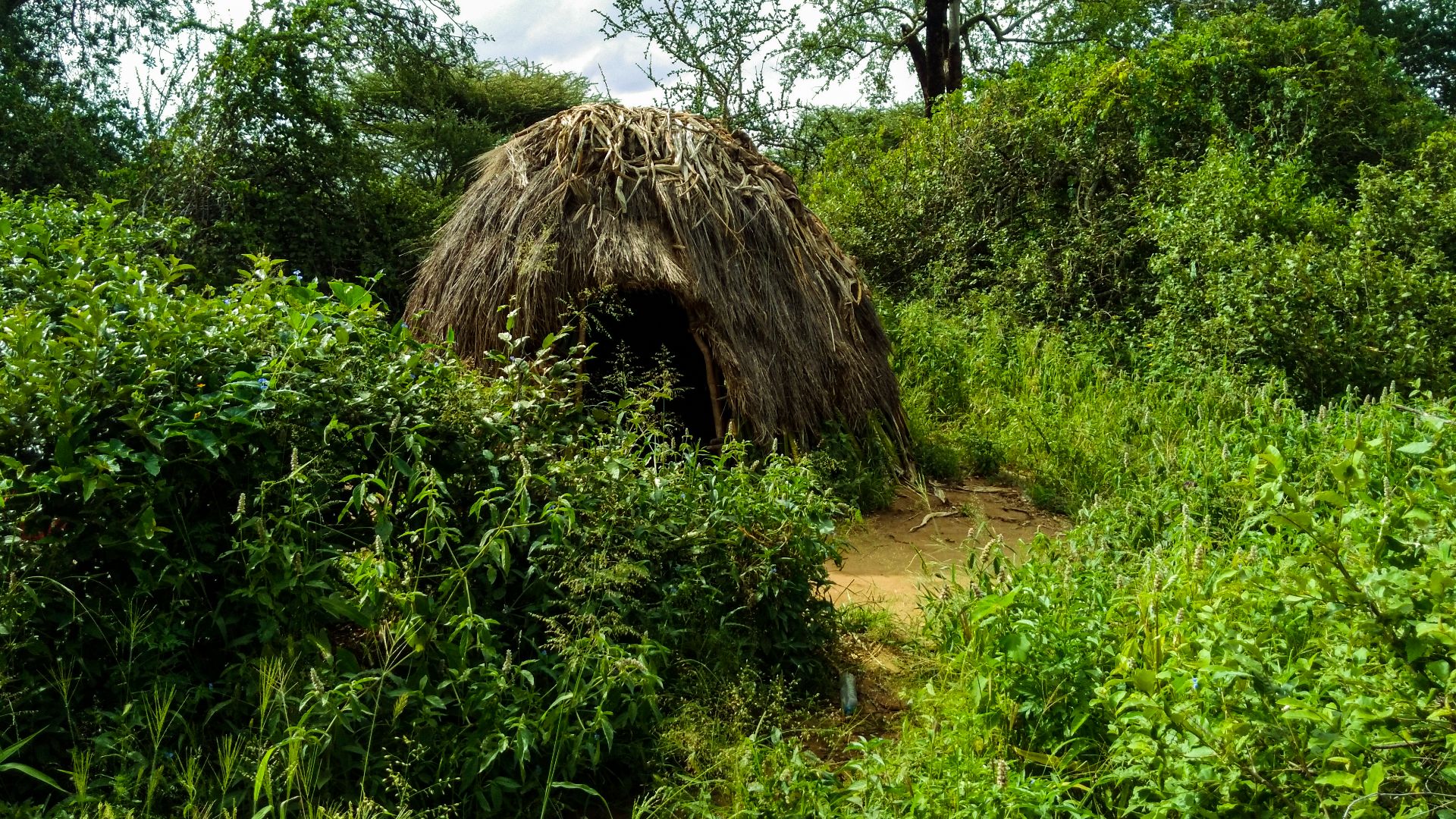
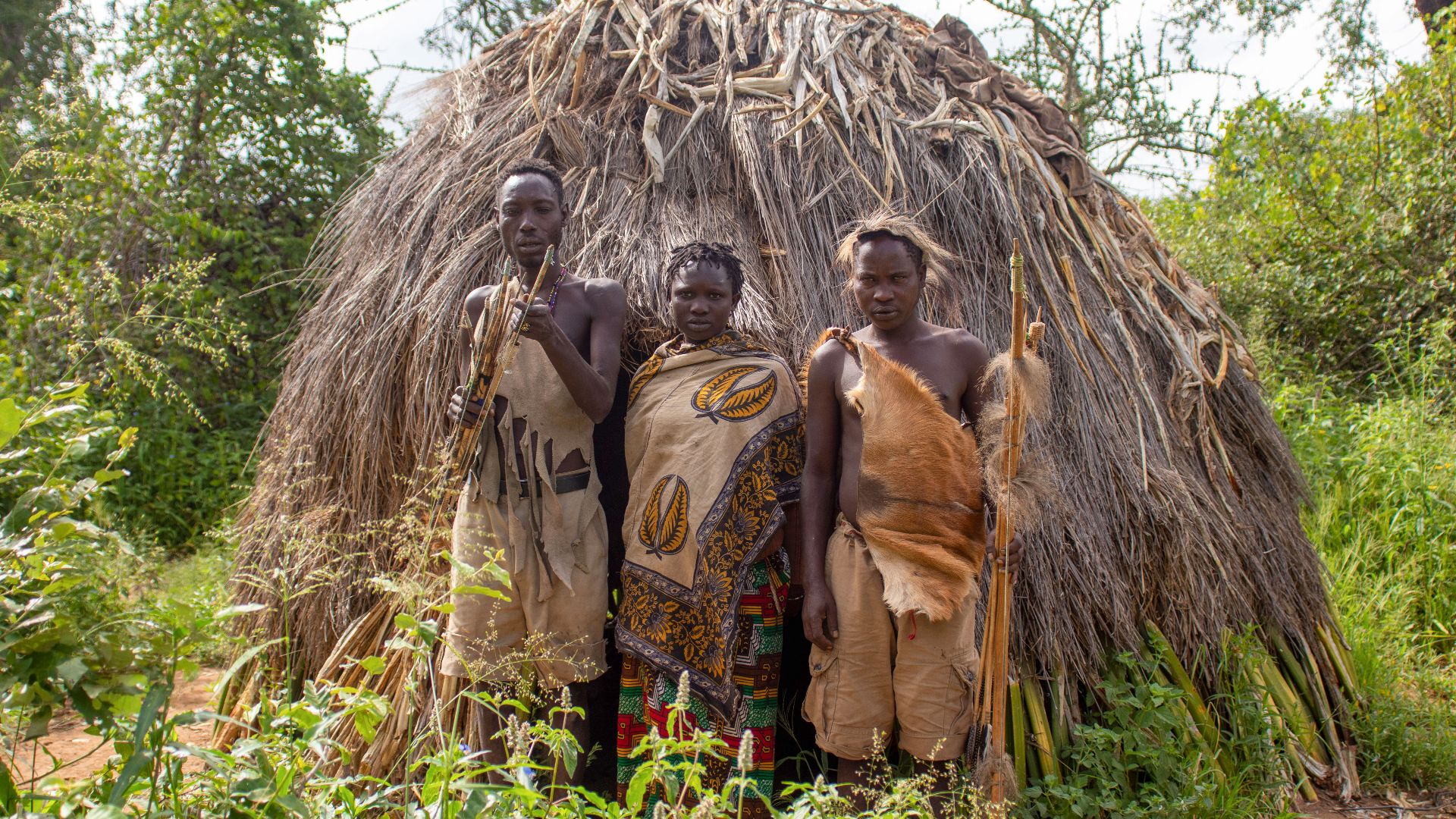
Building a House Before Dinner
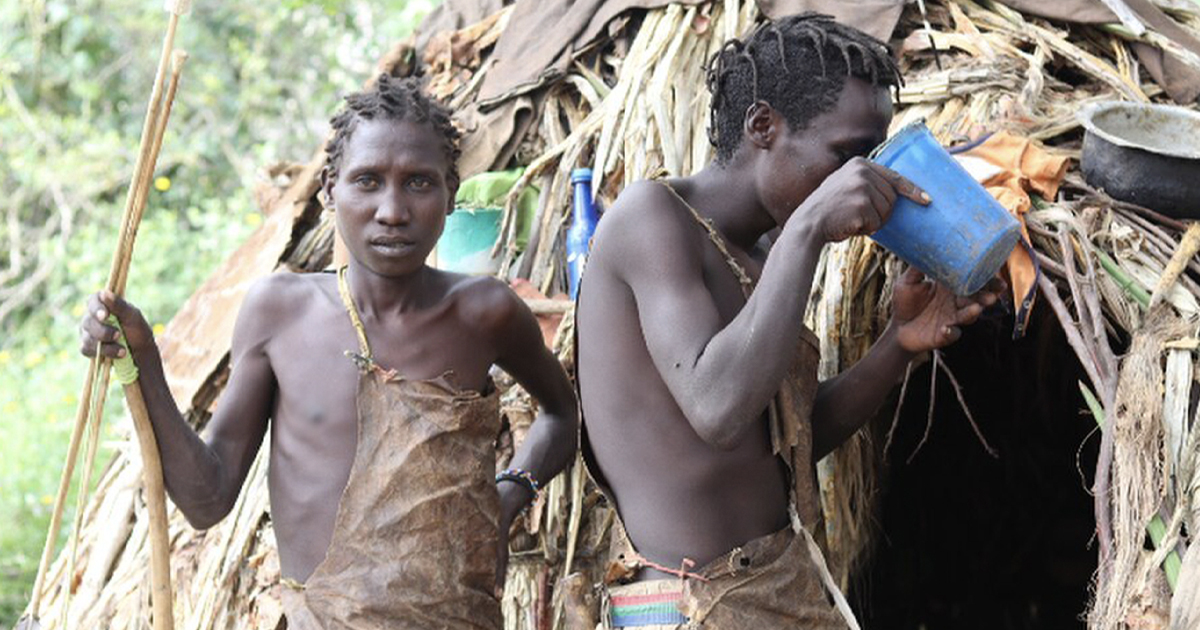
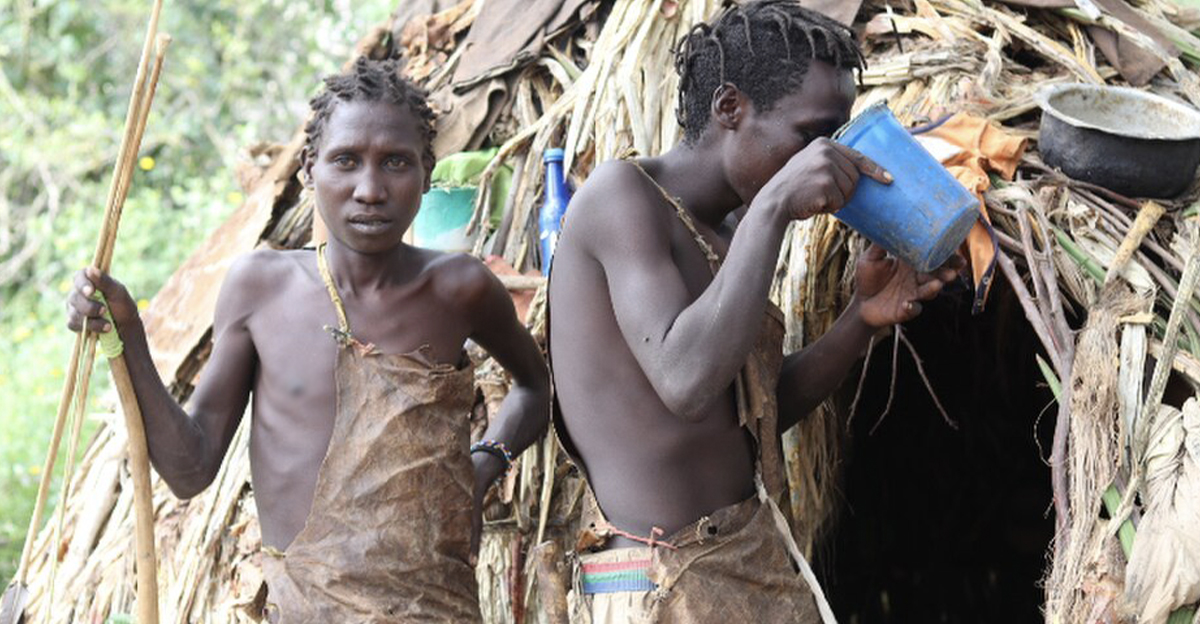
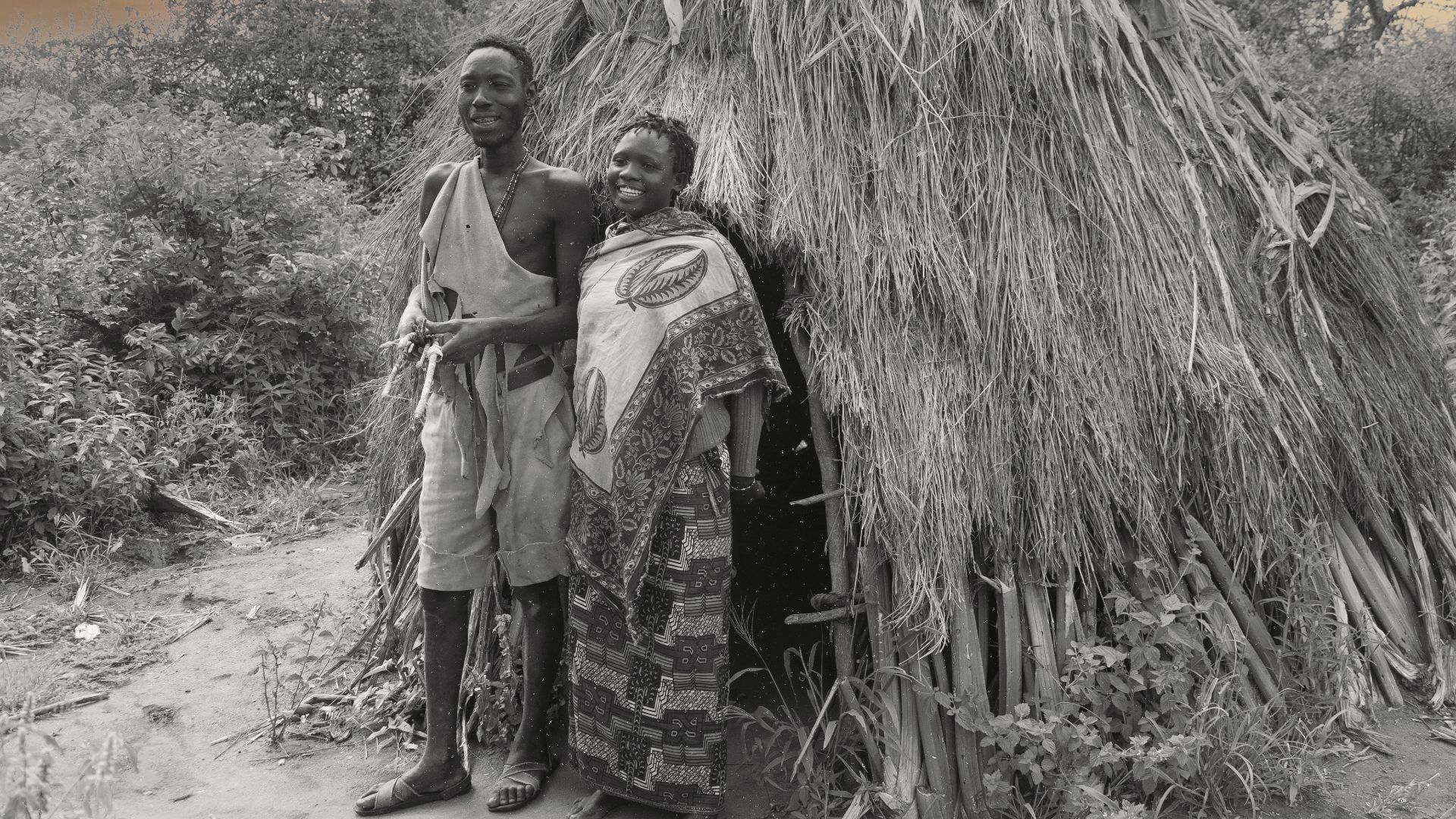
Hadza shelters are usually built by women using branches, grass, and brush. The dome-shaped huts provide shade from the hot African sun and protection from rain. They are practical rather than fancy, because the camp may move again before long.
 Calvin pro7, Wikimedia Commons
What a Typical Morning Looks Like
There are no alarm clocks ringing at sunrise. People wake naturally, gather around the remains of the campfire, and begin discussing the day's plans. Some prepare for hunting while others organize gathering trips for fruits and roots.
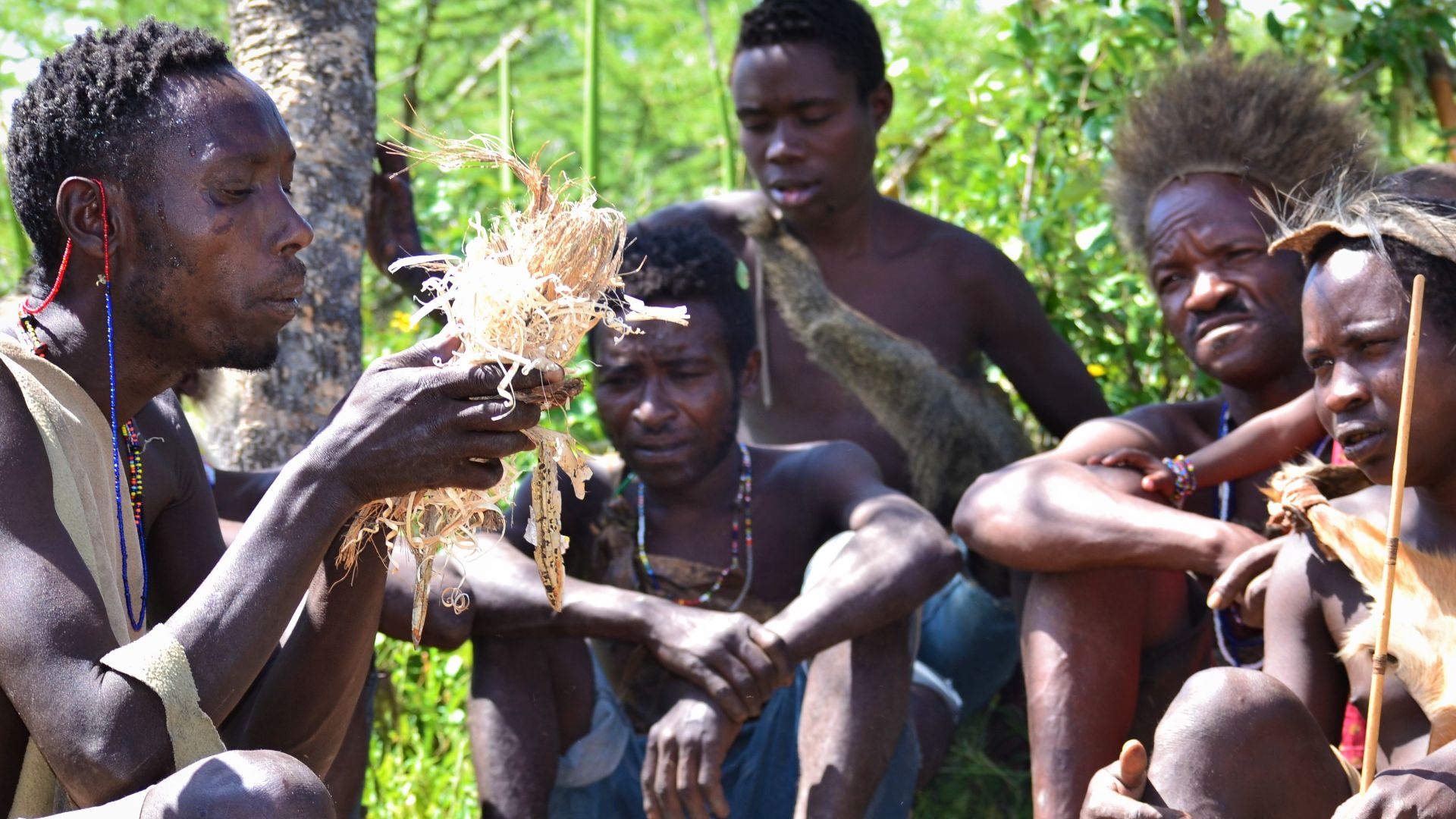
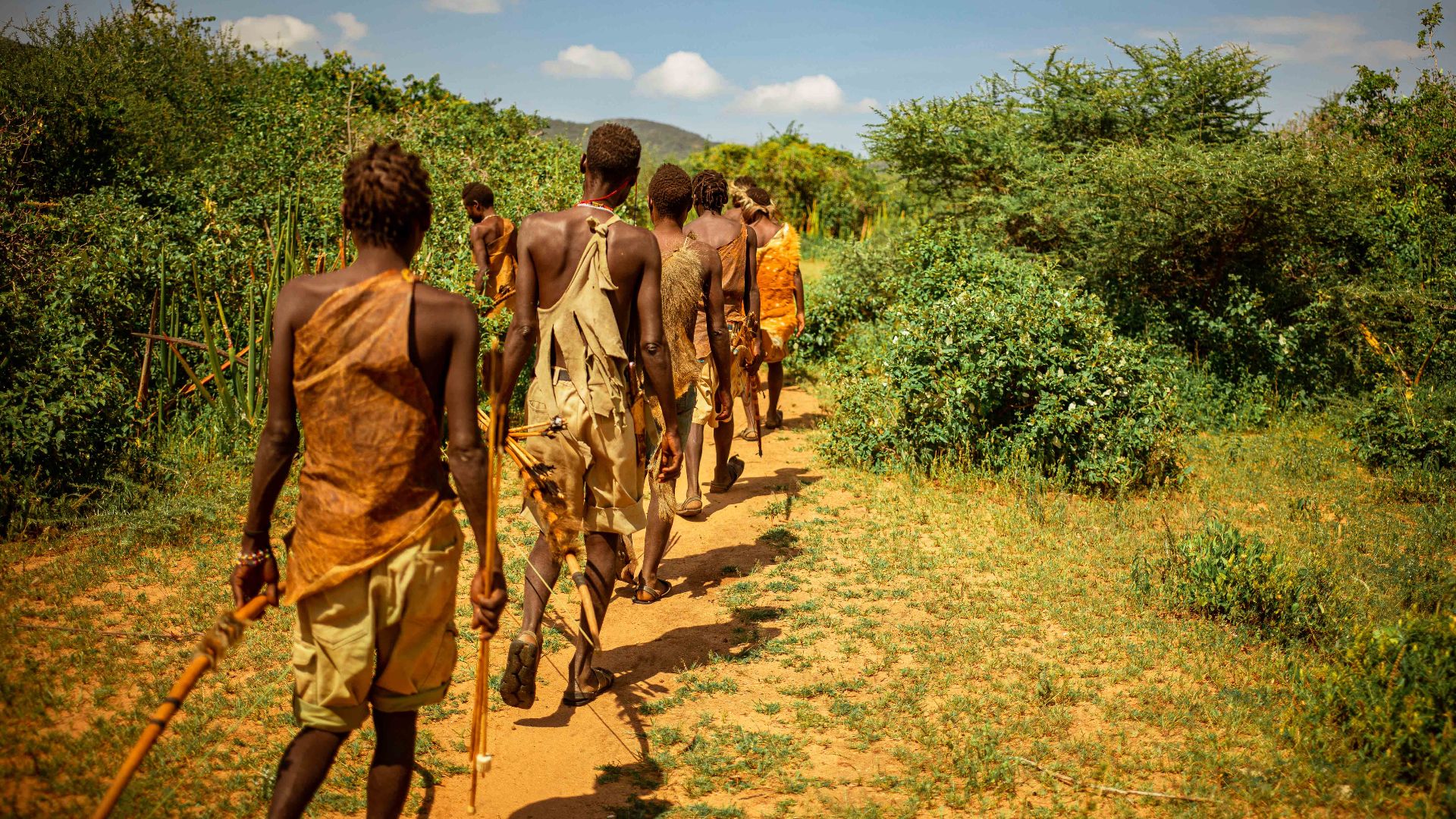
The Hunters Leave Camp
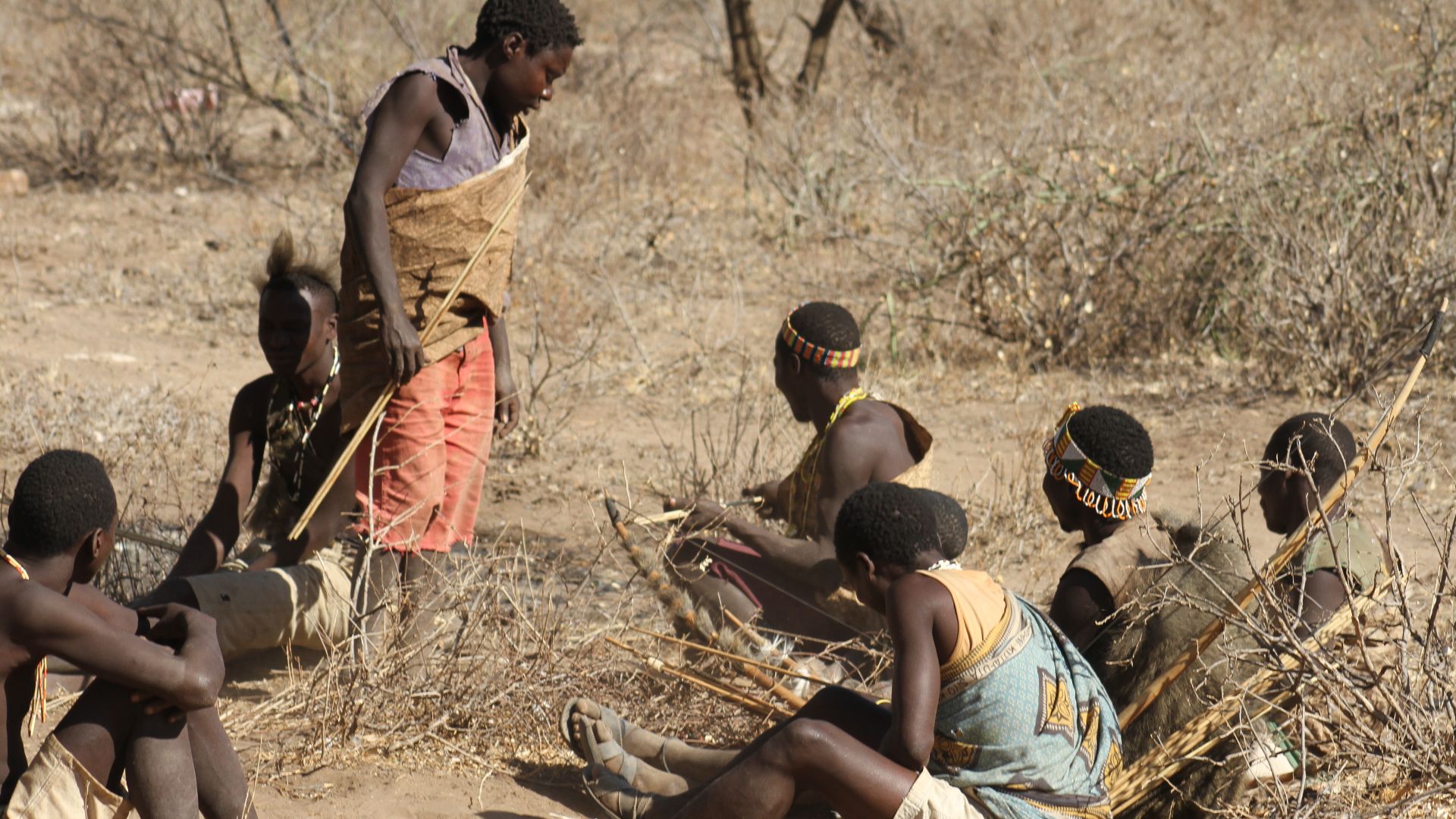
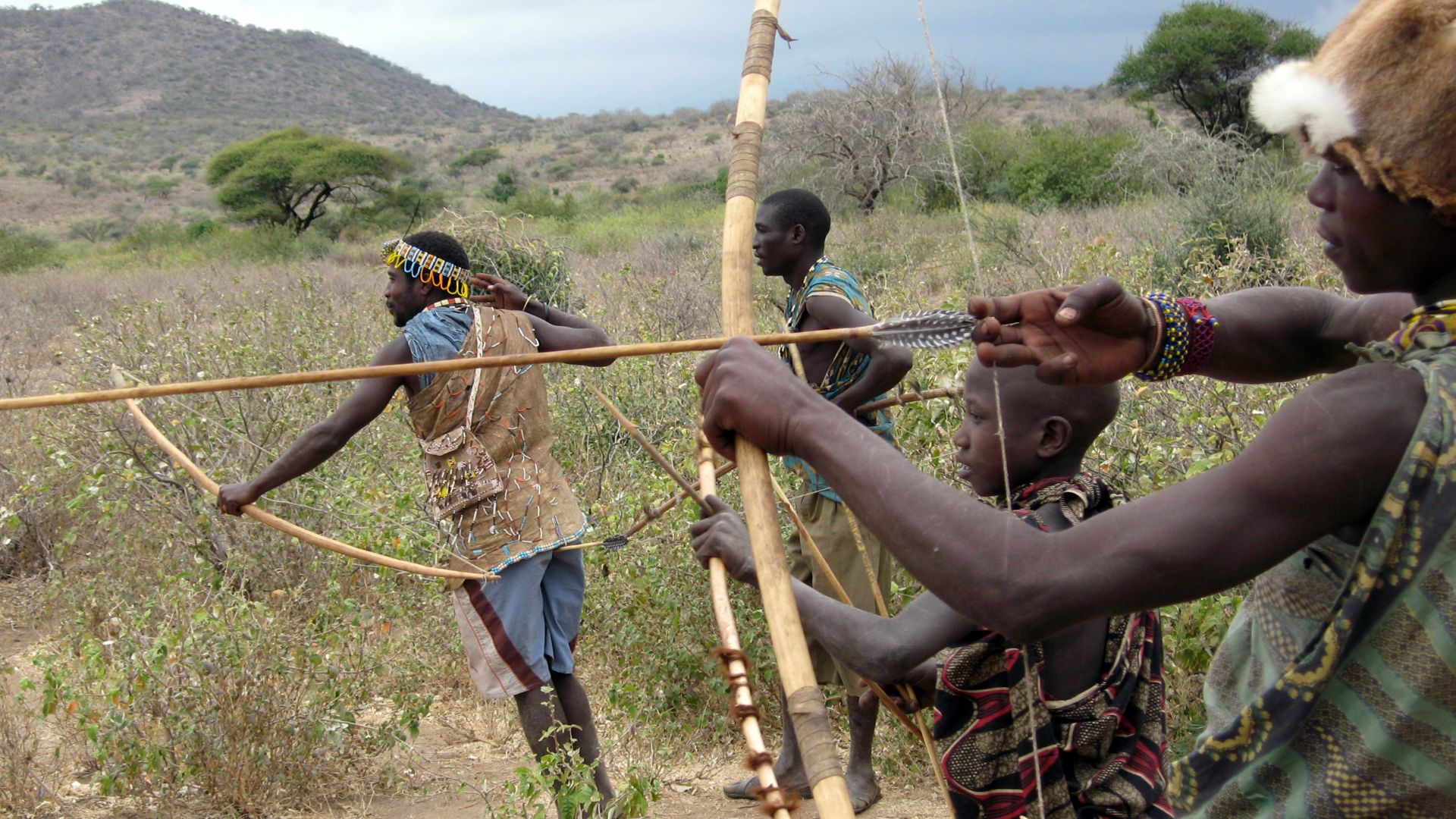
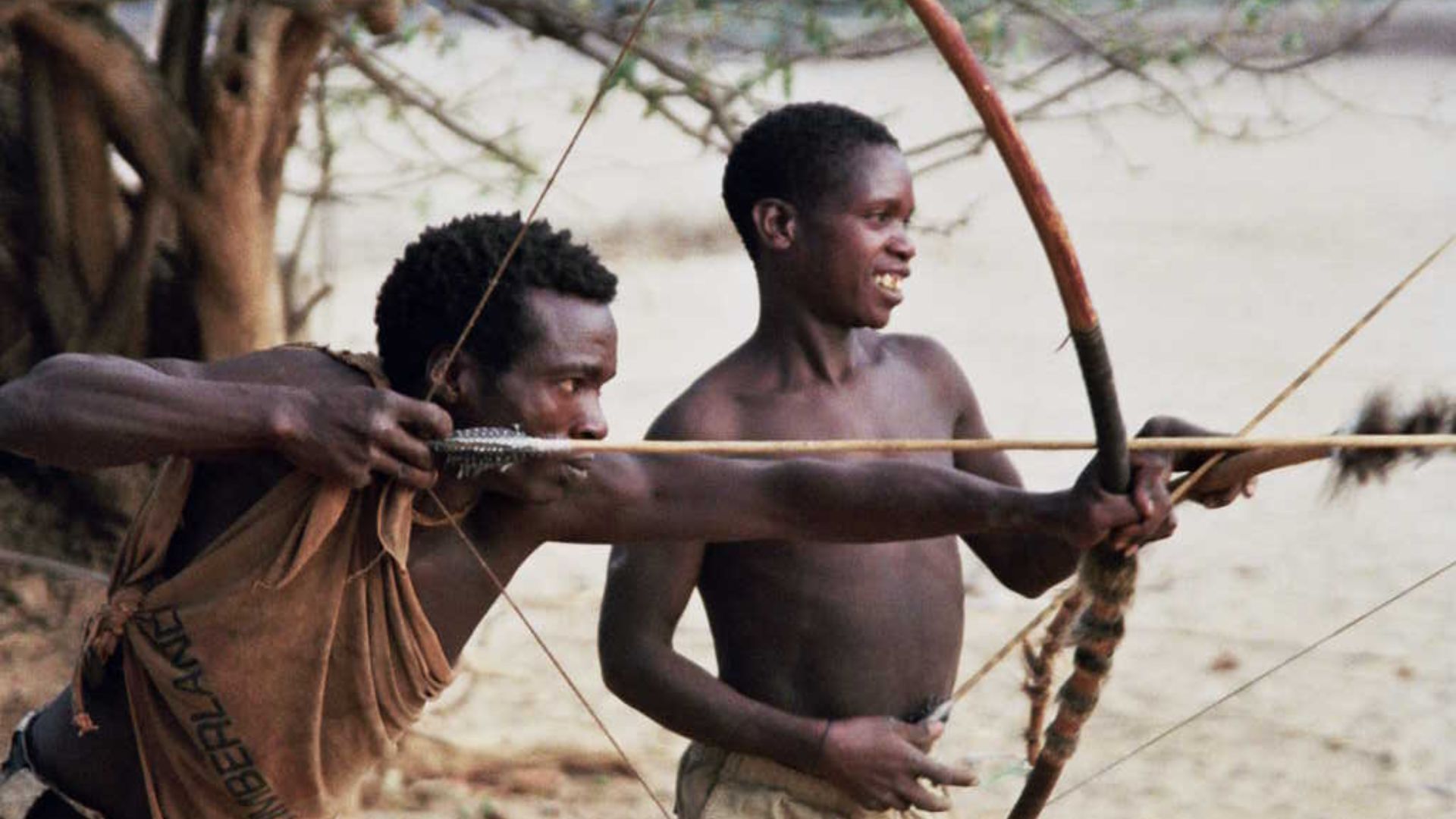
Most adult men spend part of their day hunting. Carrying handmade bows and arrows, they may walk miles across rough terrain searching for signs of animals. Success is never guaranteed, which is why hunting requires patience and experience.
 Arnold Tibaijuka, Wikimedia Commons
Reading the Ground Like a Book
A skilled Hadza hunter can learn a lot from a single footprint. Tracks reveal what animal passed by, how large it was, and how recently it moved through the area. These skills are taught from childhood and refined over decades.
What's on the Menu?
The Hadza hunt animals such as dik-diks, guinea fowl, baboons, warthogs, and antelope. Meat is highly valued, but it is not eaten every day. Hunting success varies, which makes other food sources equally important.
 Ron Rieckenberg, Wikimedia Commons
Bows, Arrows, and Handmade Tools
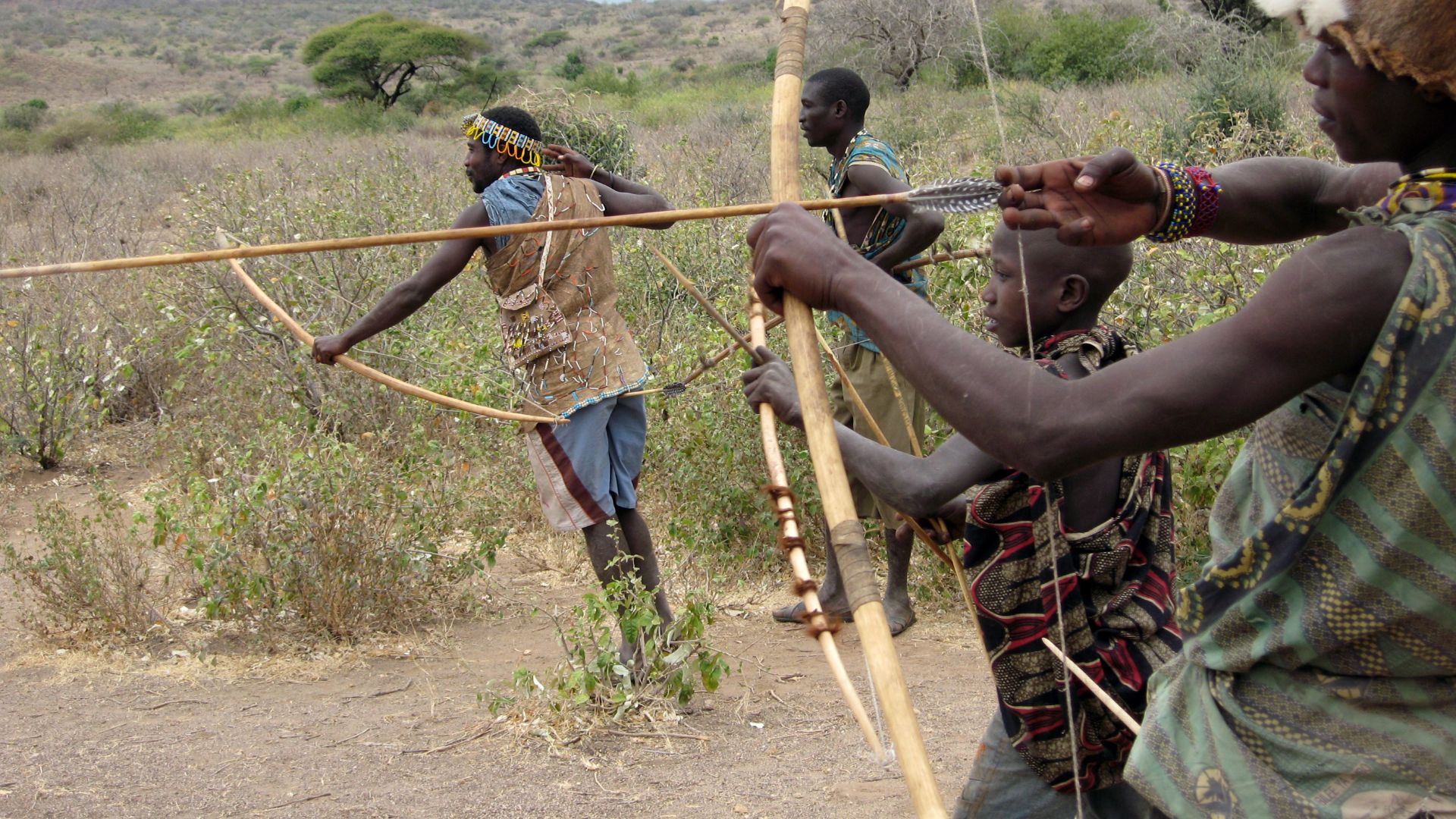
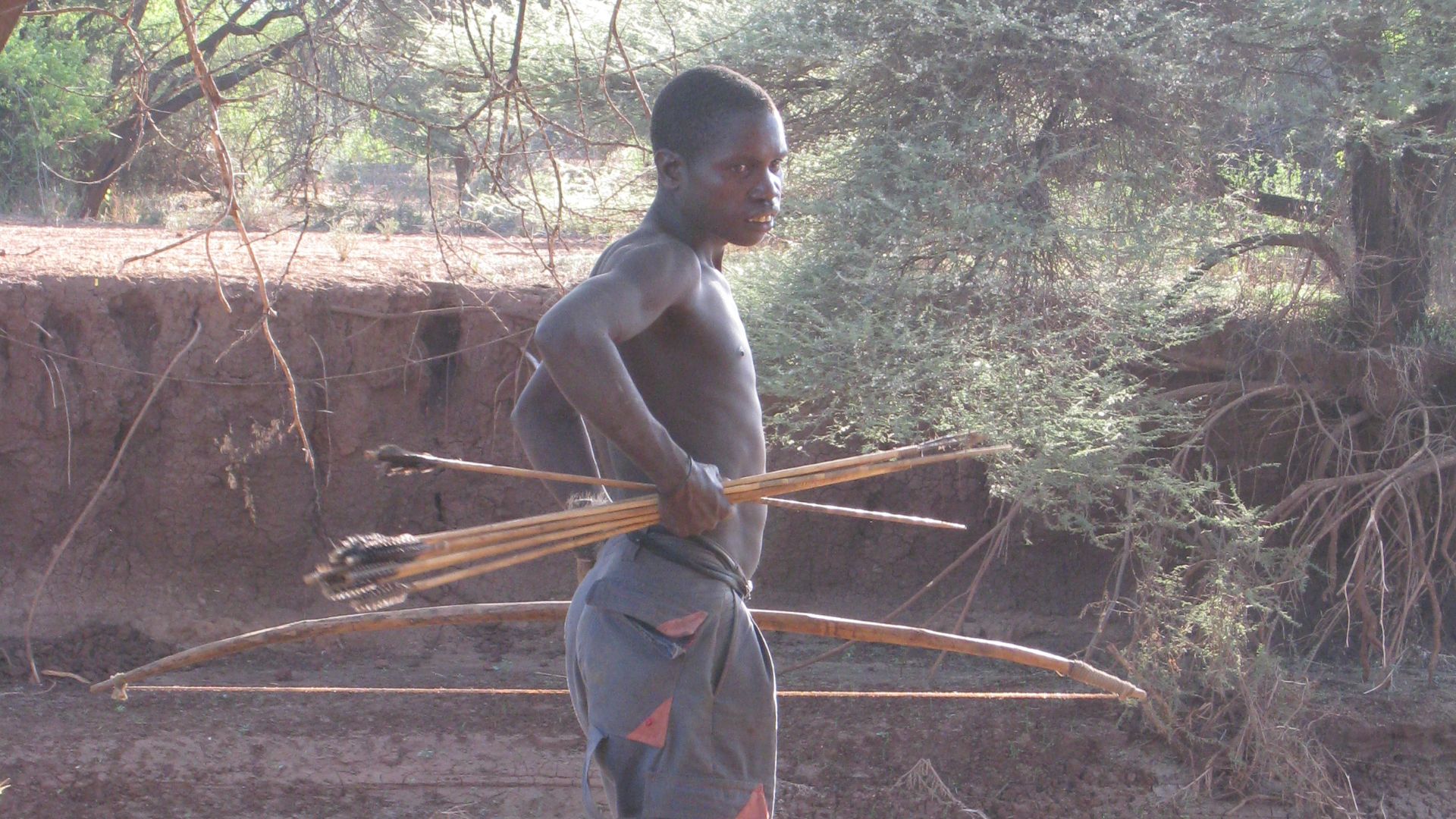
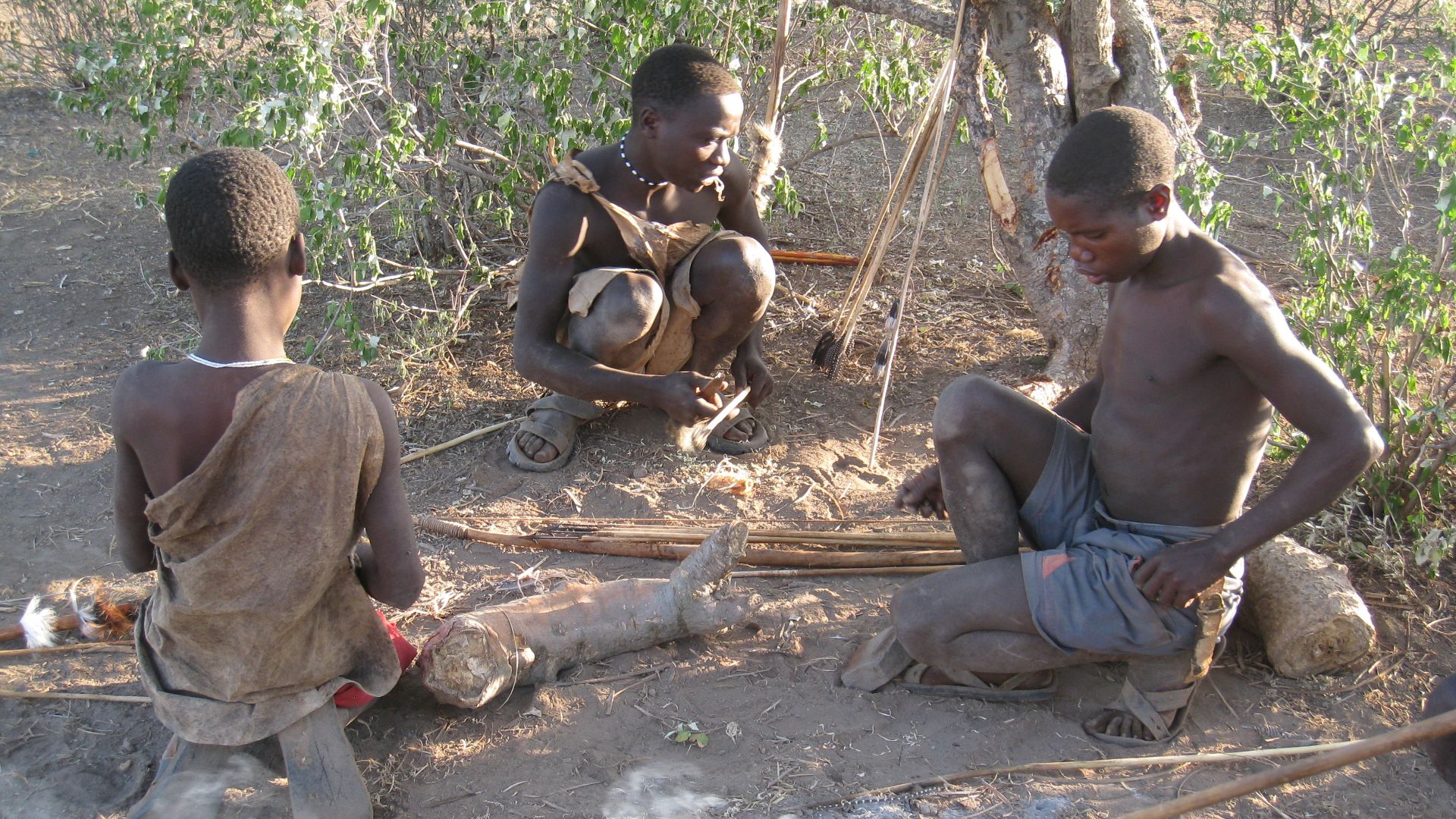
Hadza hunters make most of their own equipment. Bows are crafted from local wood, while arrows are carefully shaped by hand. Metal arrowheads are often made from traded materials and attached using traditional techniques.
Sometimes the Arrows Are Poisoned
For larger game, hunters may use poison derived from local plants. The poison is applied to arrow tips and helps weaken wounded animals. This practice has been used for generations and increases hunting success in difficult conditions.
 kiwiexplorer, Wikimedia Commons
The Food They Love Most
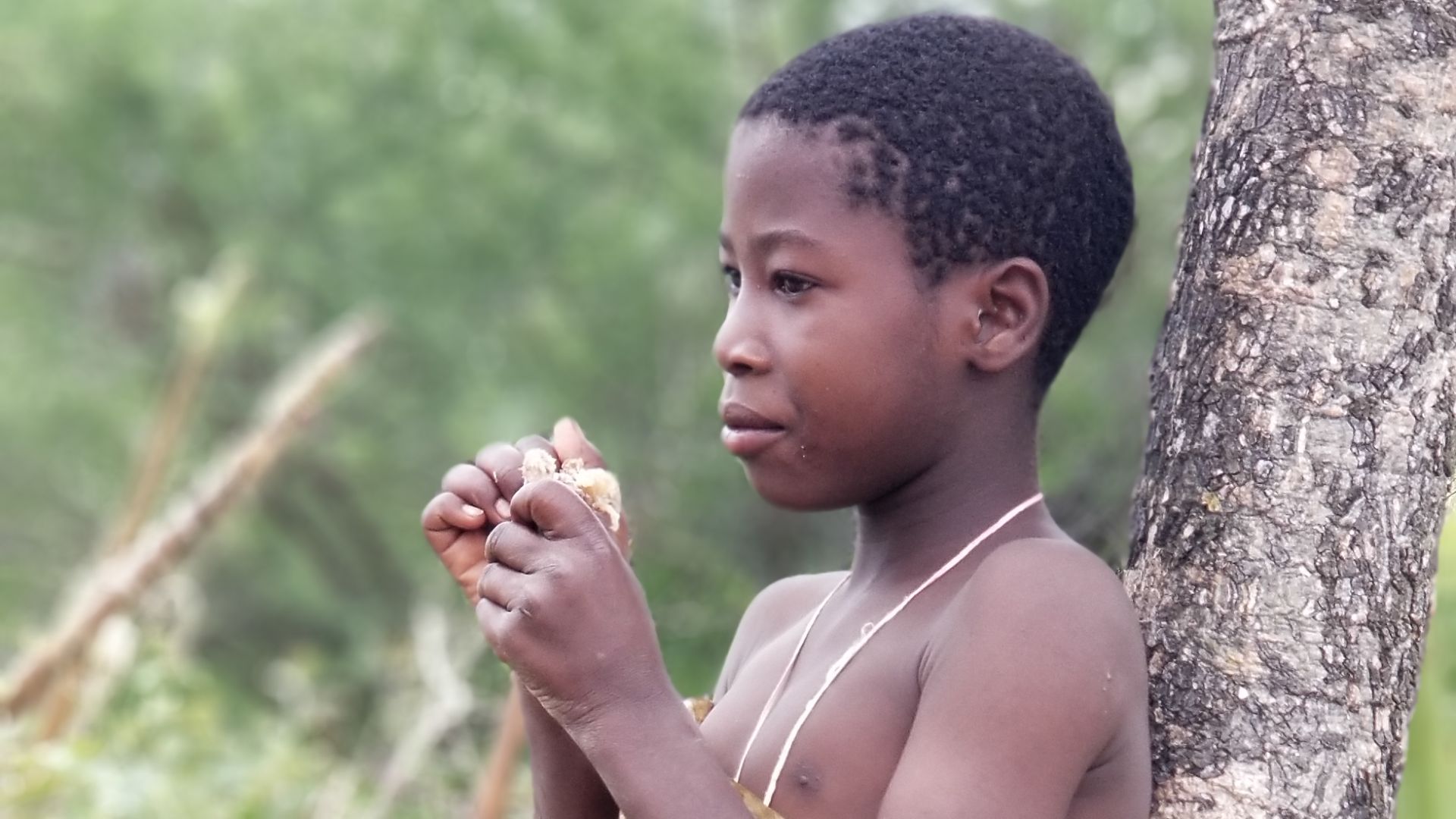
Many Hadza say honey is their favorite food. It is rich in calories and highly nutritious. Men sometimes climb tall baobab trees to reach beehives, risking painful stings along the way for what they consider a worthwhile reward.
 Masele Czeus25, Wikimedia Commons
Their Most Unusual Friend
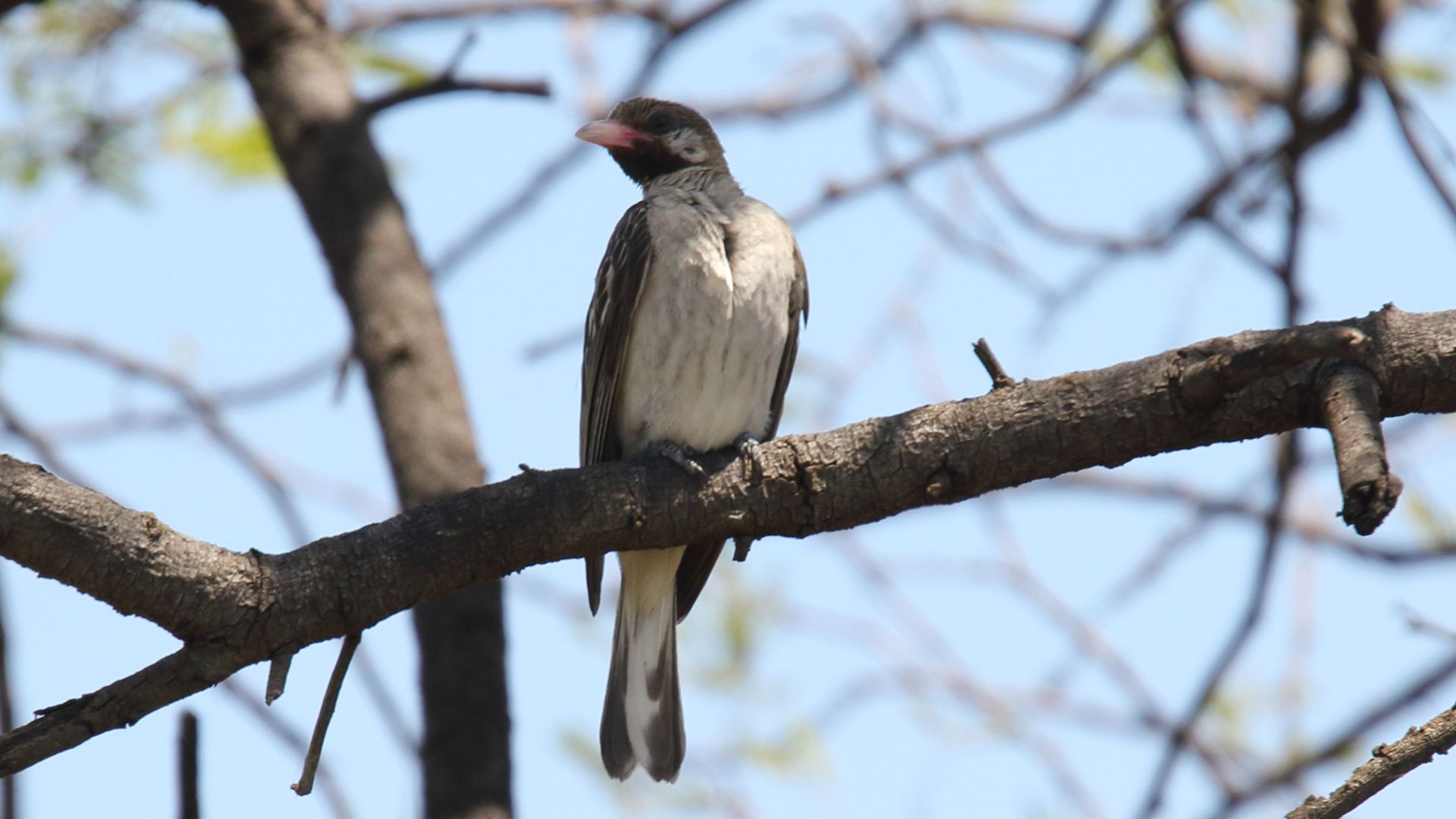
The Hadza have a remarkable relationship with a bird called the greater honeyguide. The bird leads people to hidden beehives by calling and flying ahead. Once the hive is opened, the bird feeds on leftover wax while the Hadza collect honey.
 Dominic Sherony, Wikimedia Commons
The Women Keep Everyone Fed
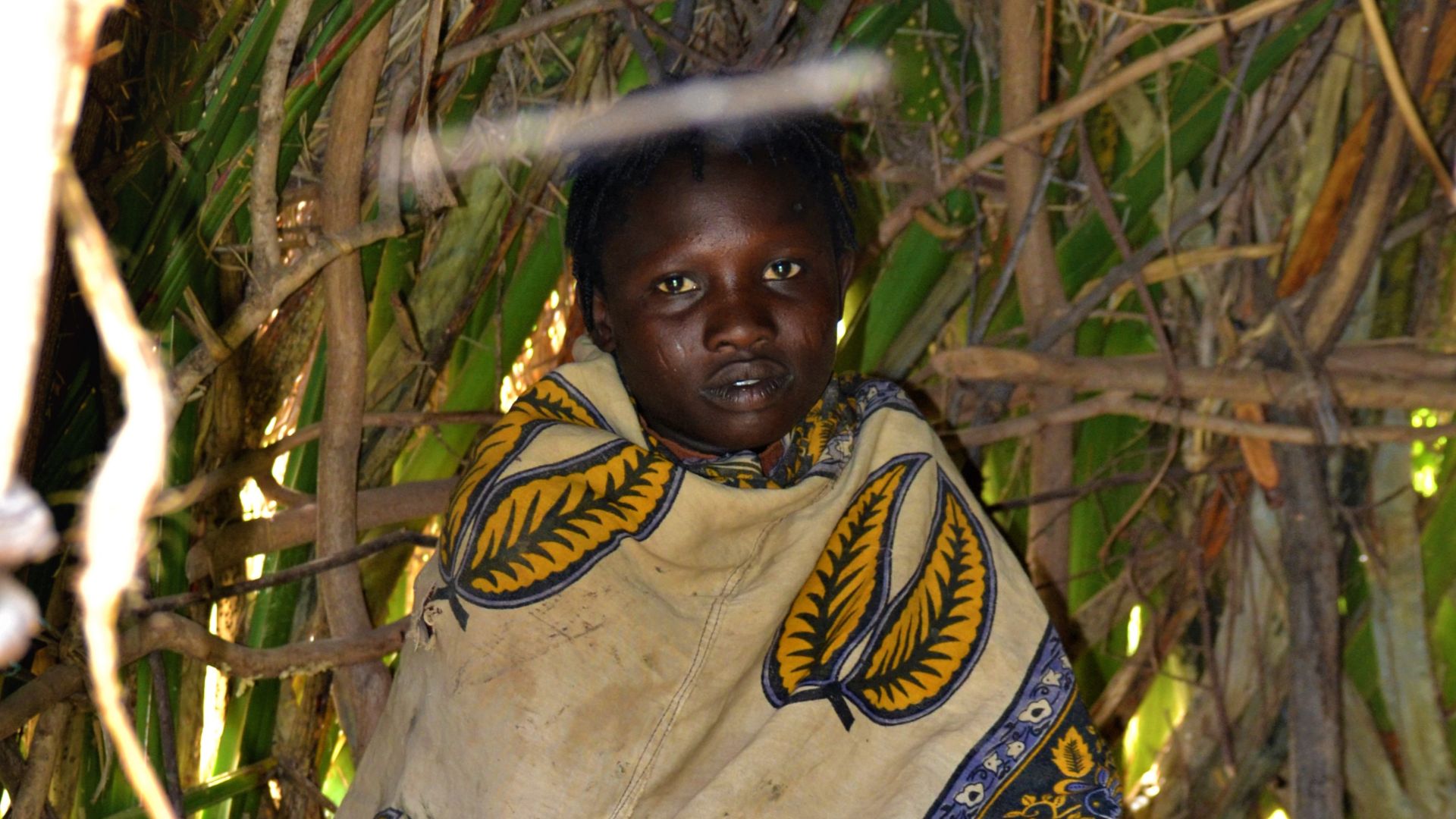
While hunters search for animals, women gather berries, baobab fruit, seeds, and edible plants. Researchers have found that these gathered foods often provide a large portion of the tribe's daily calories throughout the year.
Digging for Dinner
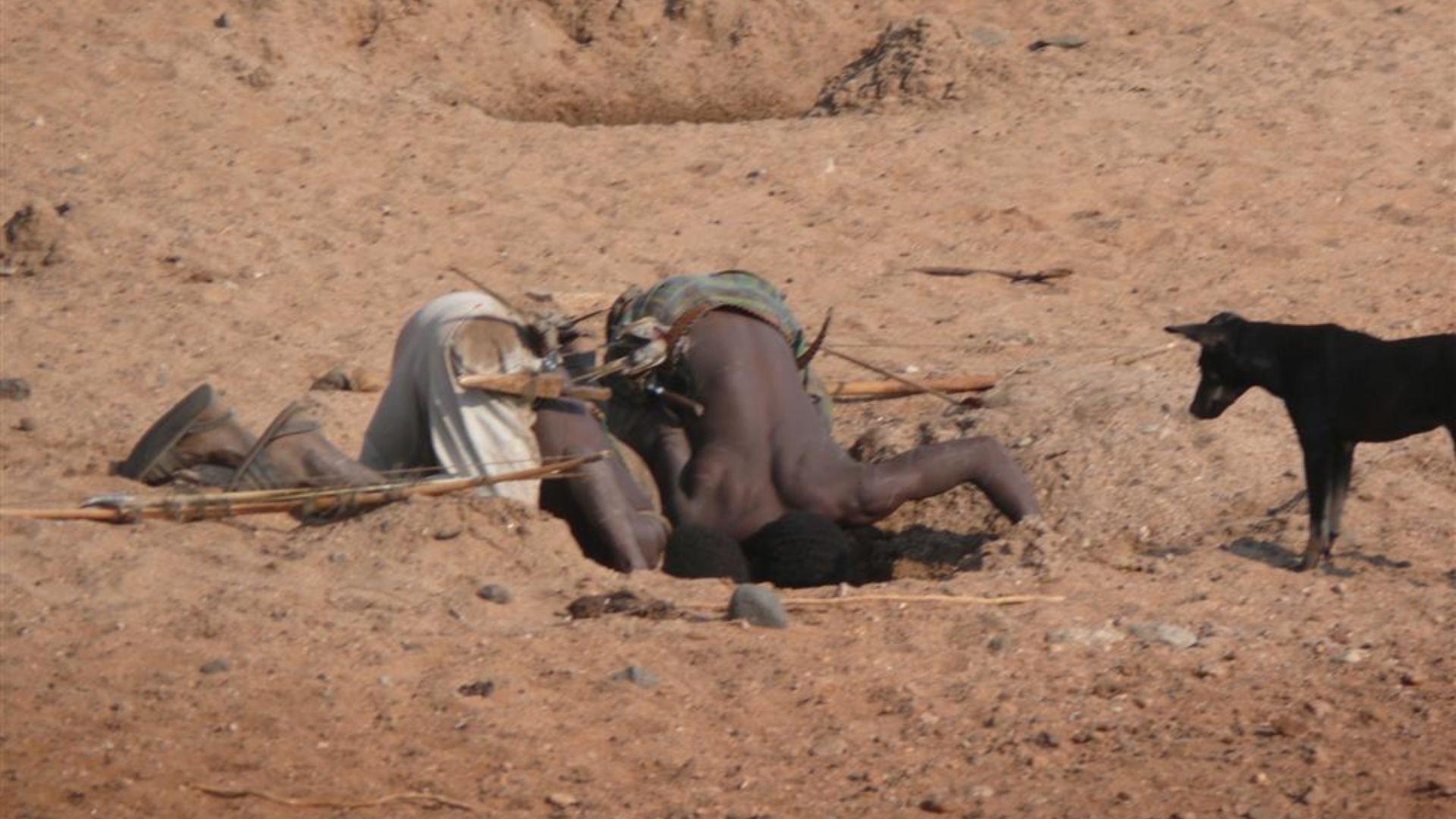
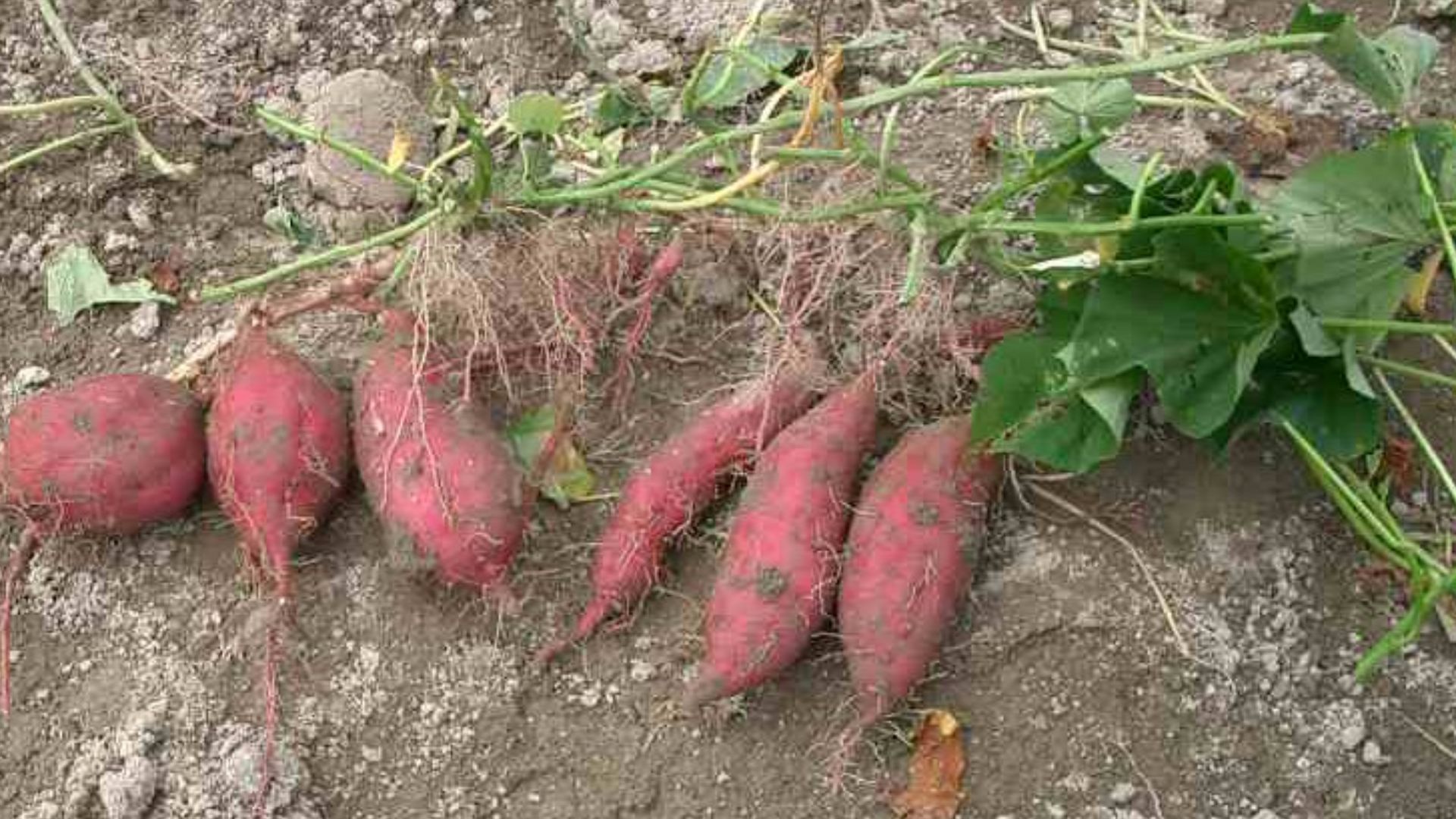
One of the most important foods is a starchy underground root called a tuber. Women use digging sticks to find them beneath the soil. They may not look exciting, but tubers are a dependable source of food when hunting is slow.
 miya (talk), Wikimedia Commons
No Grocery Stores Needed
Nearly everything the Hadza eat comes directly from nature. There are no farms supplying vegetables and no trucks delivering food. Their meals depend entirely on what can be hunted, gathered, dug up, or found nearby.
 kiwiexplorer, Wikimedia Commons
Nobody Eats Alone
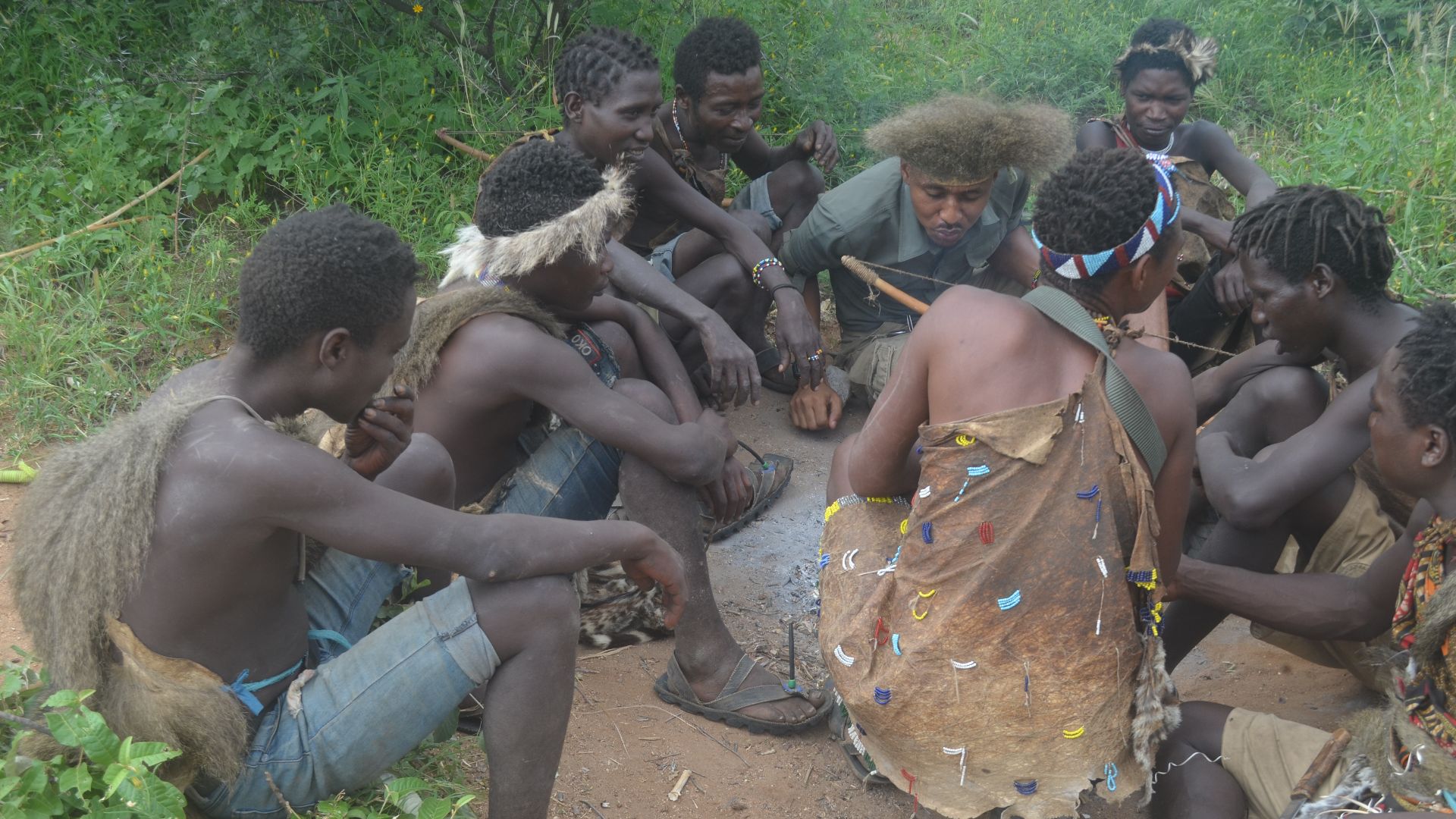
Sharing is one of the most important Hadza traditions. When a hunter brings back a large animal, the meat is distributed throughout the camp. This helps ensure everyone eats, even if their own hunting or gathering efforts were unsuccessful.
 Masele Czeus25, Wikimedia Commons
What They Wear Today
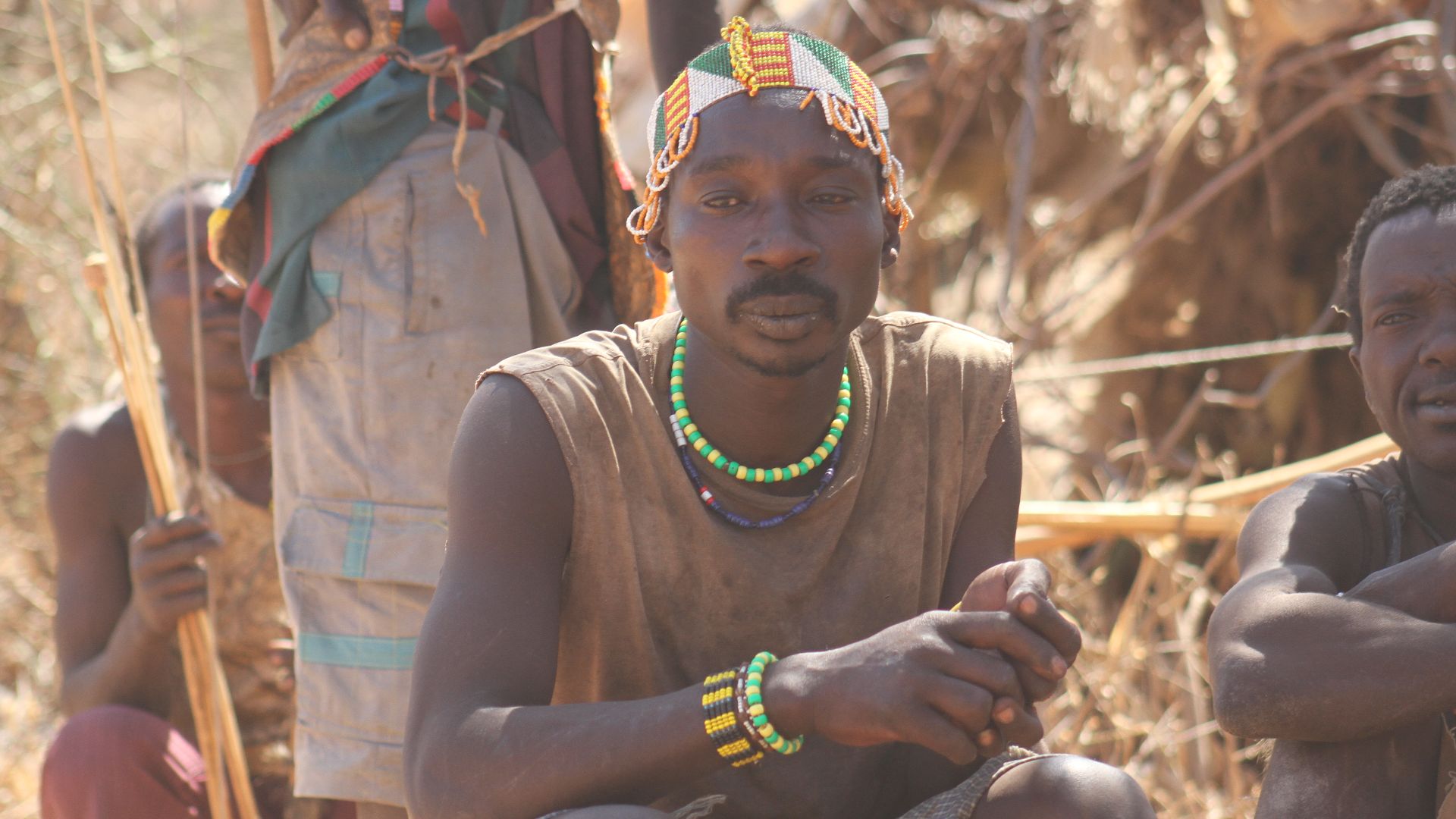
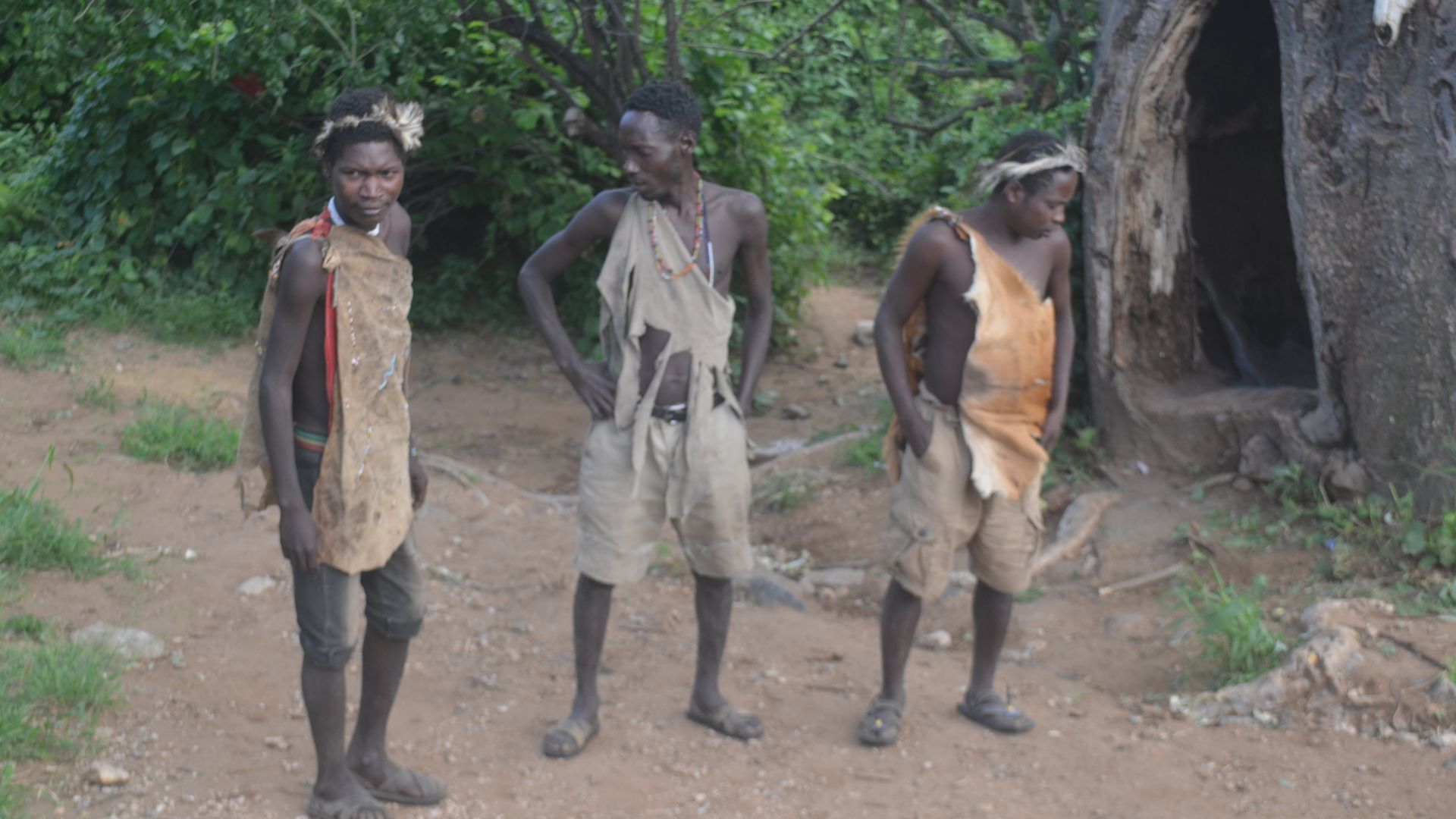
Historically, the Hadza wore animal hides and simple garments made from natural materials. Today, many wear secondhand clothing obtained through trade, tourism, or nearby communities. Traditional clothing can still be seen during certain cultural activities.
Learning Without Schools
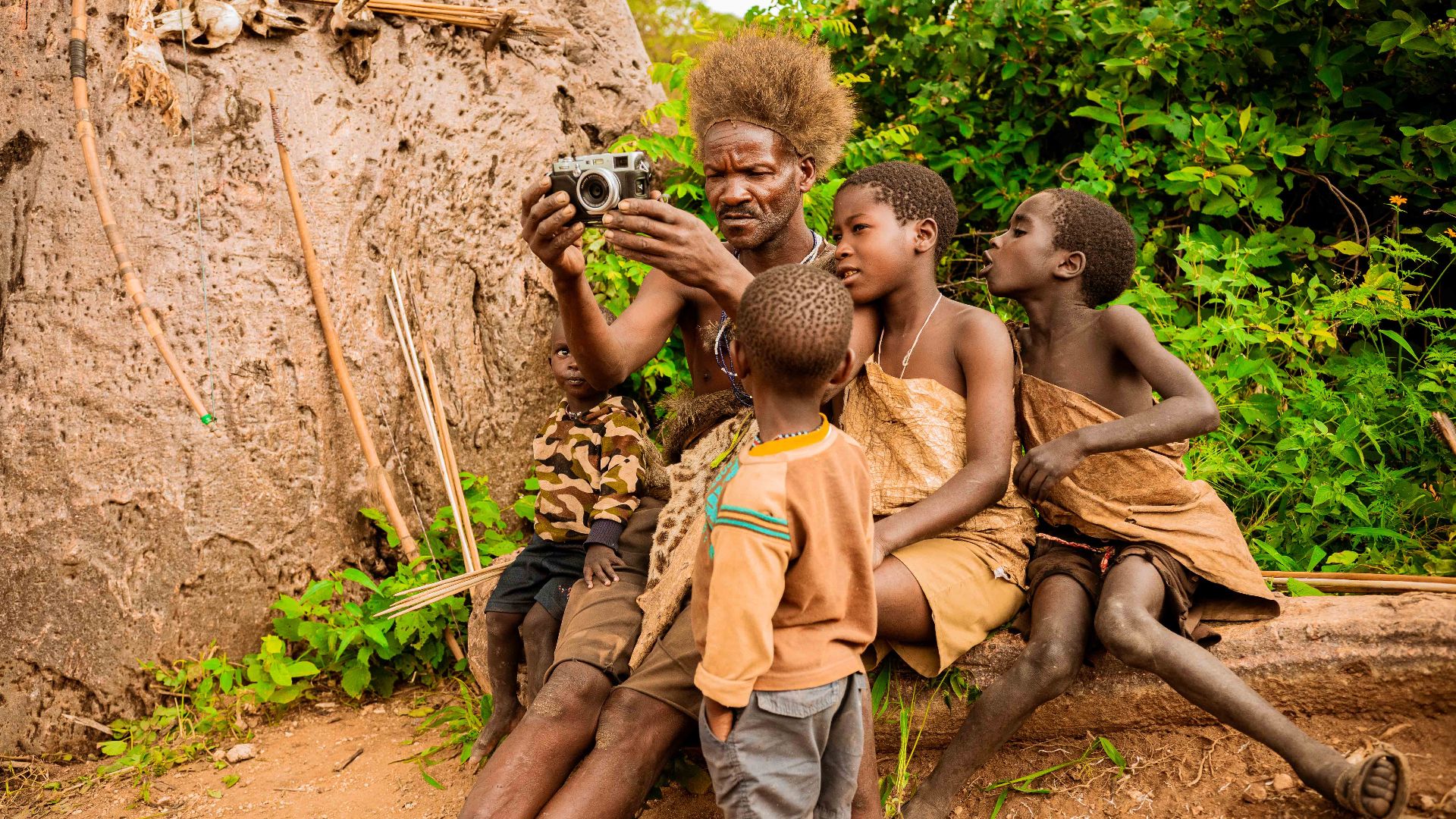
Hadza children learn differently from most children around the world. Instead of sitting in classrooms all day, they learn by watching adults. Boys often practice with miniature bows while girls learn gathering and camp-building skills.
 Arnold Tibaijuka, Wikimedia Commons
Family Life Is Flexible
People are free to move between camps and spend time with different relatives. Extended families often spread across multiple camps. This flexibility helps maintain social connections and allows people to live where they feel most comfortable.
 Masele Czeus25, Wikimedia Commons
Marriage Is a Personal Choice
Unlike some traditional societies, marriages among the Hadza are generally based on personal choice. Men and women select their own partners, and divorce is relatively common. People are not usually pressured to remain in unhappy relationships.
 Erasmus Kamugisha, Wikimedia Commons
A Language Unlike Any Other
The Hadza speak Hadzane, one of the world's rare language isolates. Linguists have never found another language closely related to it. The language contains distinctive click sounds that many visitors find difficult to reproduce.
 Masele Czeus25, Wikimedia Commons
The Challenges Closing In
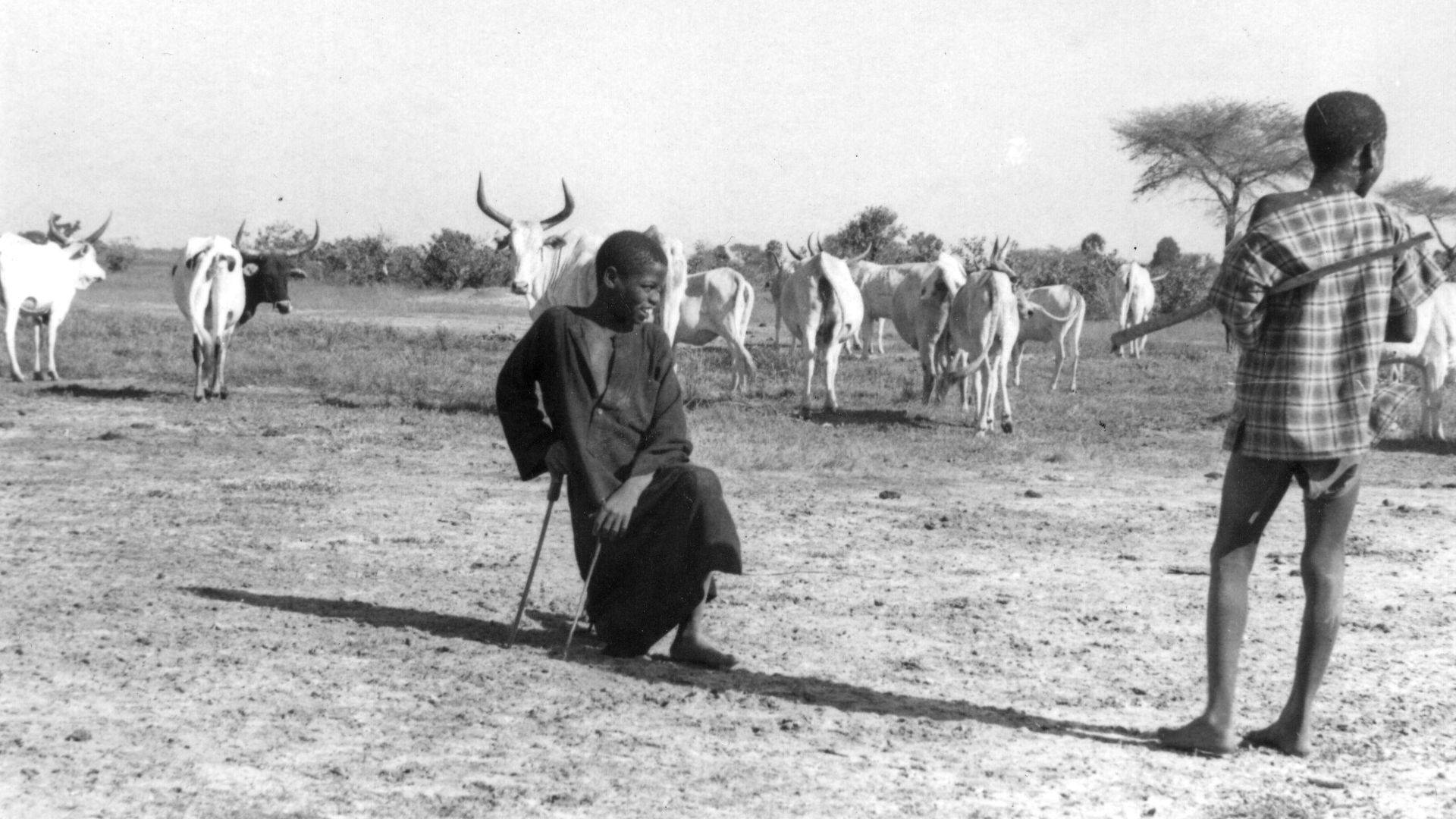
The Hadza face growing threats from expanding farms, cattle grazing, tourism development, and land disputes. Each year, more of their traditional territory disappears. Many advocates worry that continued land loss could threaten their unique way of life.
 John Atherton, Wikimedia Commons
A Modern World at Their Doorstep
Tourists, researchers, schools, and government programs increasingly interact with Hadza communities. Some families embrace aspects of modern life, while others prefer maintaining traditional practices. Like many indigenous groups, they are balancing change with cultural preservation.
But there is one part of their lifestyle that remains unchanged—and most shocking to today’s researchers.
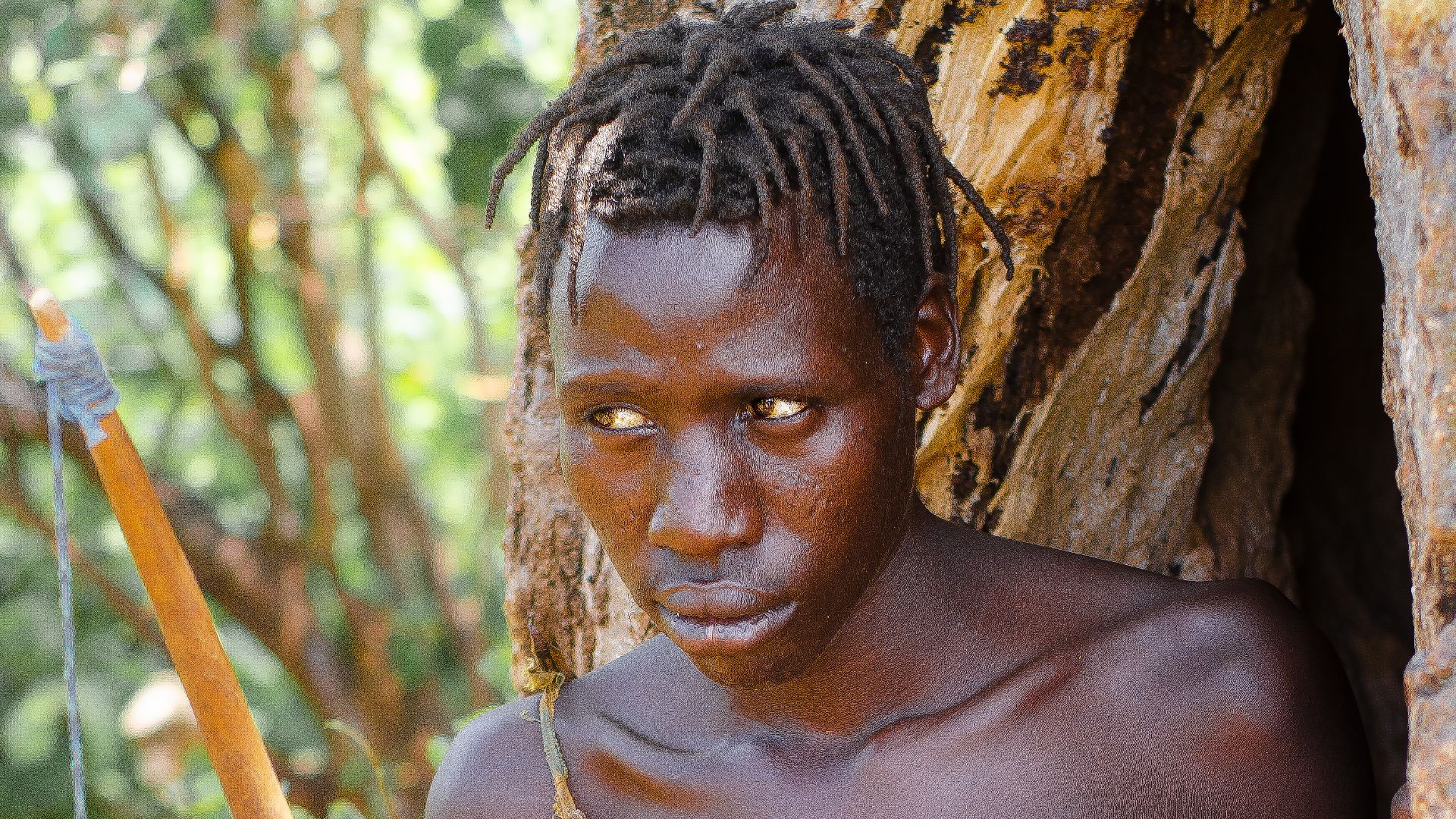 Erasmus Kamugisha, Wikimedia Commons
The Secret That Stunned Scientists
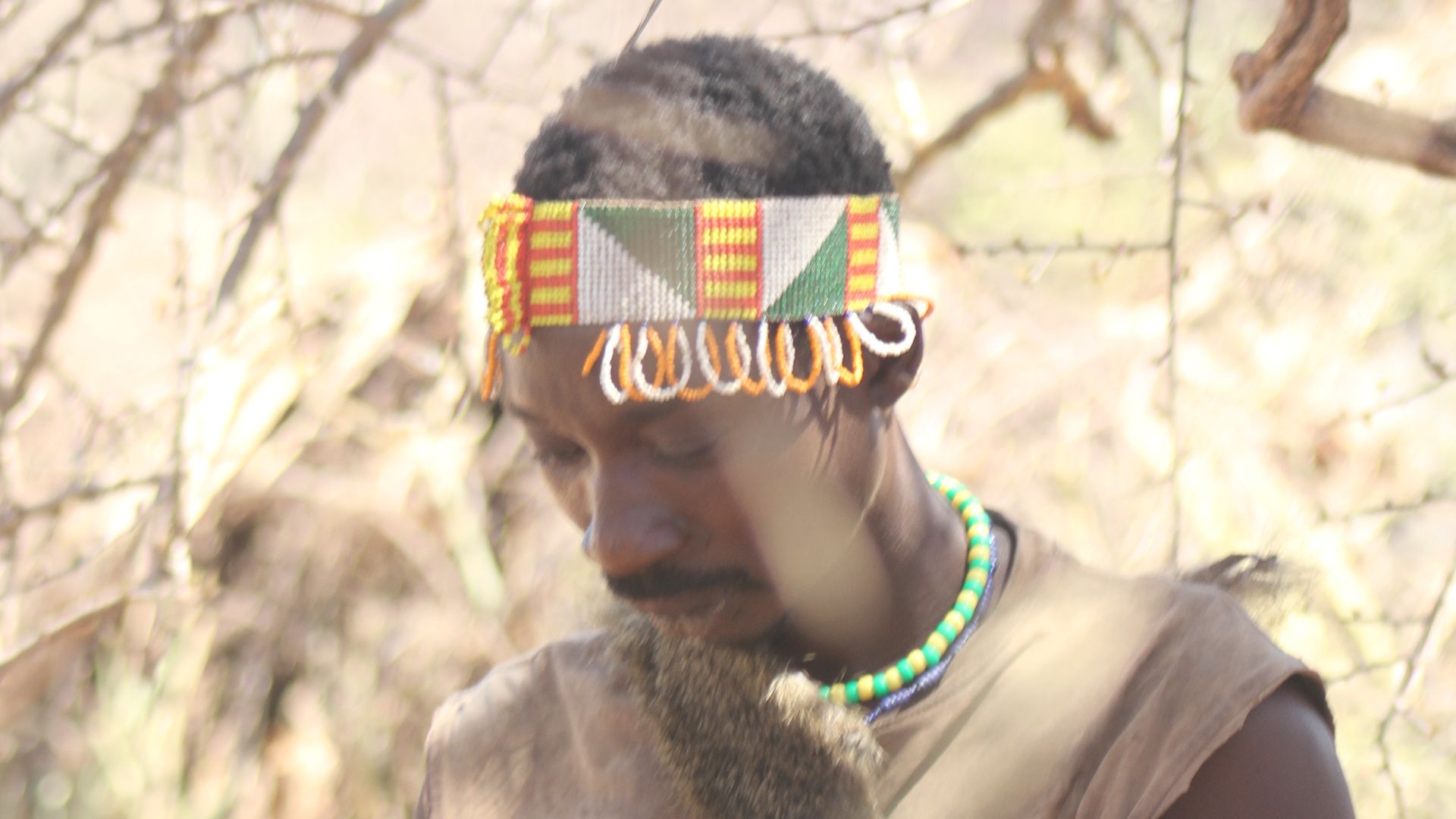
For decades, anthropologists expected to find someone in charge of Hadza society. Researchers including Frank Marlowe spent years studying their camps and discovered something surprising: there are no chiefs, kings, police officers, judges, or formal rulers directing daily life.
How Do They Make It Work?
Despite having no government, no written laws, and no formal authority figures, Hadza camps remain remarkably cooperative. Disagreements happen, but people often resolve them through discussion or by moving camps. For many researchers, the Hadza became proof that human communities can function peacefully without powerful leaders controlling every decision.
 A_Peach from Berlin, Germany, Wikimedia Commons
Maybe We've Been Measuring Success All Wrong
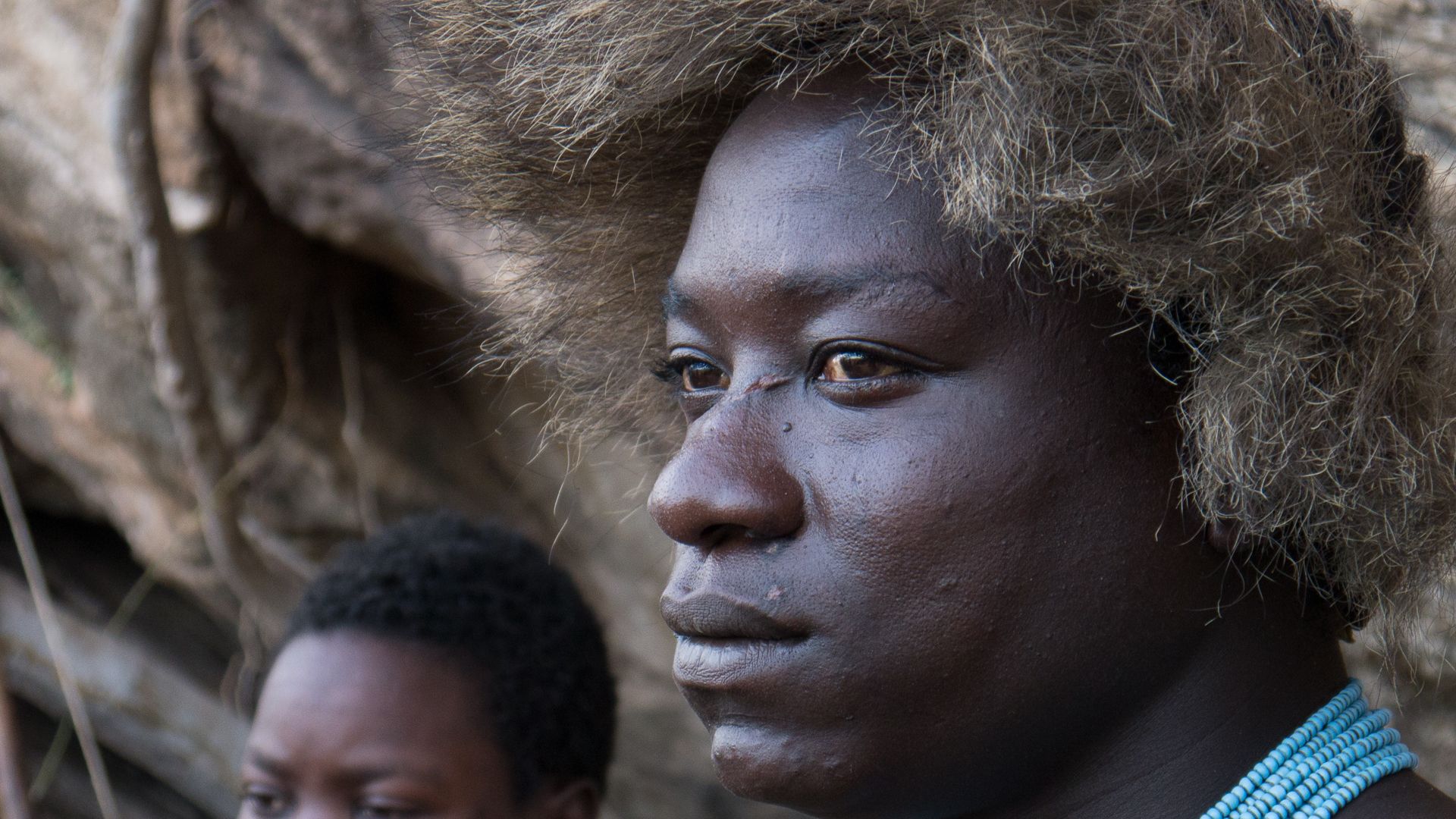
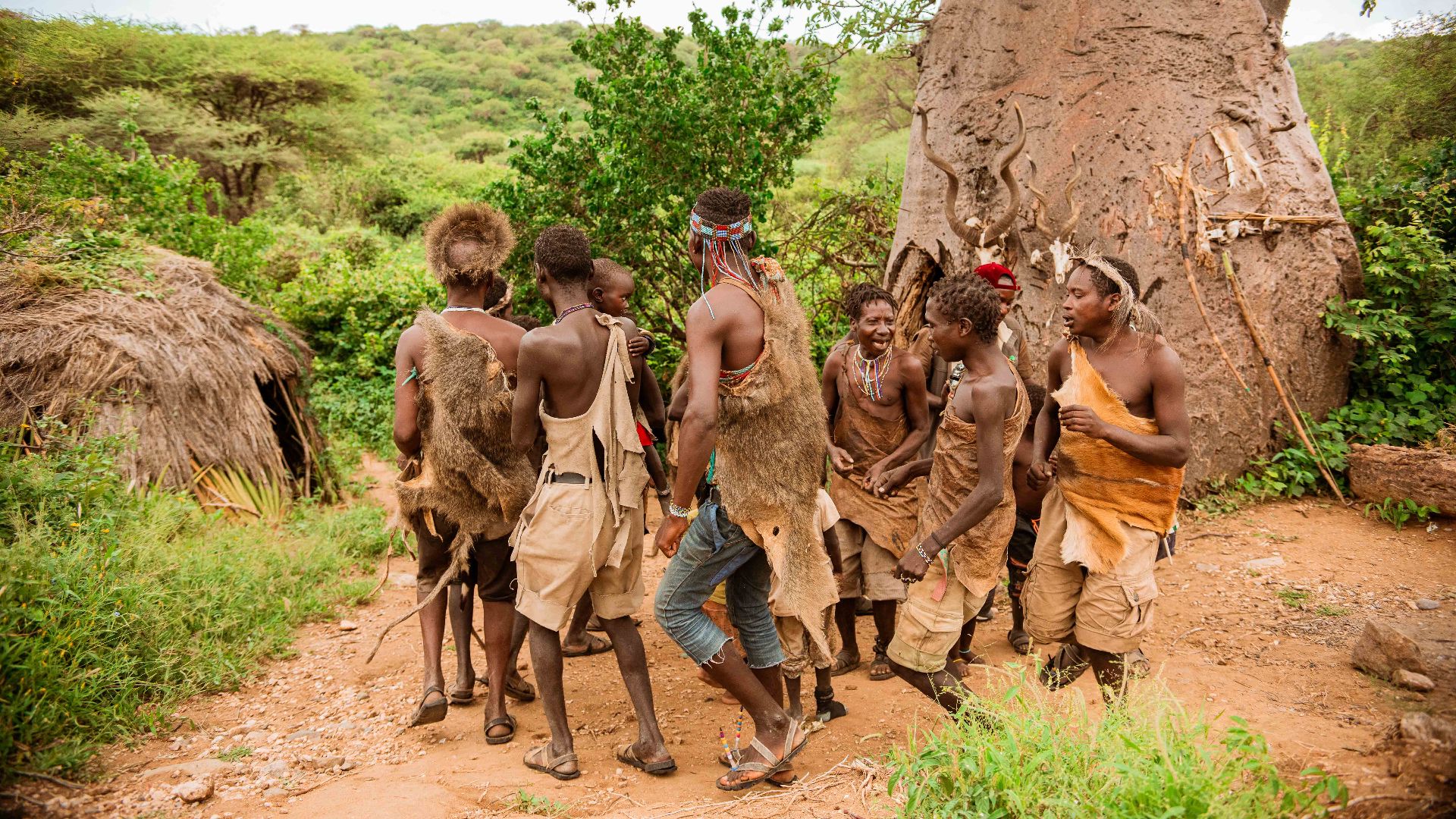
In the industrialized world, we're often told that bigger houses, higher incomes, and more possessions lead to a better life. The Hadza challenge that idea completely. They own very little, yet many of their daily needs are met through skills, shared resources, and strong community ties rather than money.
 Arnold Tibaijuka, Wikimedia Commons
What Modern Life Keeps Chasing
Life as a Hadza comes with real hardships, but researchers have noted that they spend much of their day outdoors, stay physically active, and maintain close social relationships. Ironically, many people in wealthy countries spend billions of dollars trying to recreate those same things through gyms, wellness programs, and social activities.
In a world obsessed with having more, the Hadza offer a powerful lesson about the value of needing less.
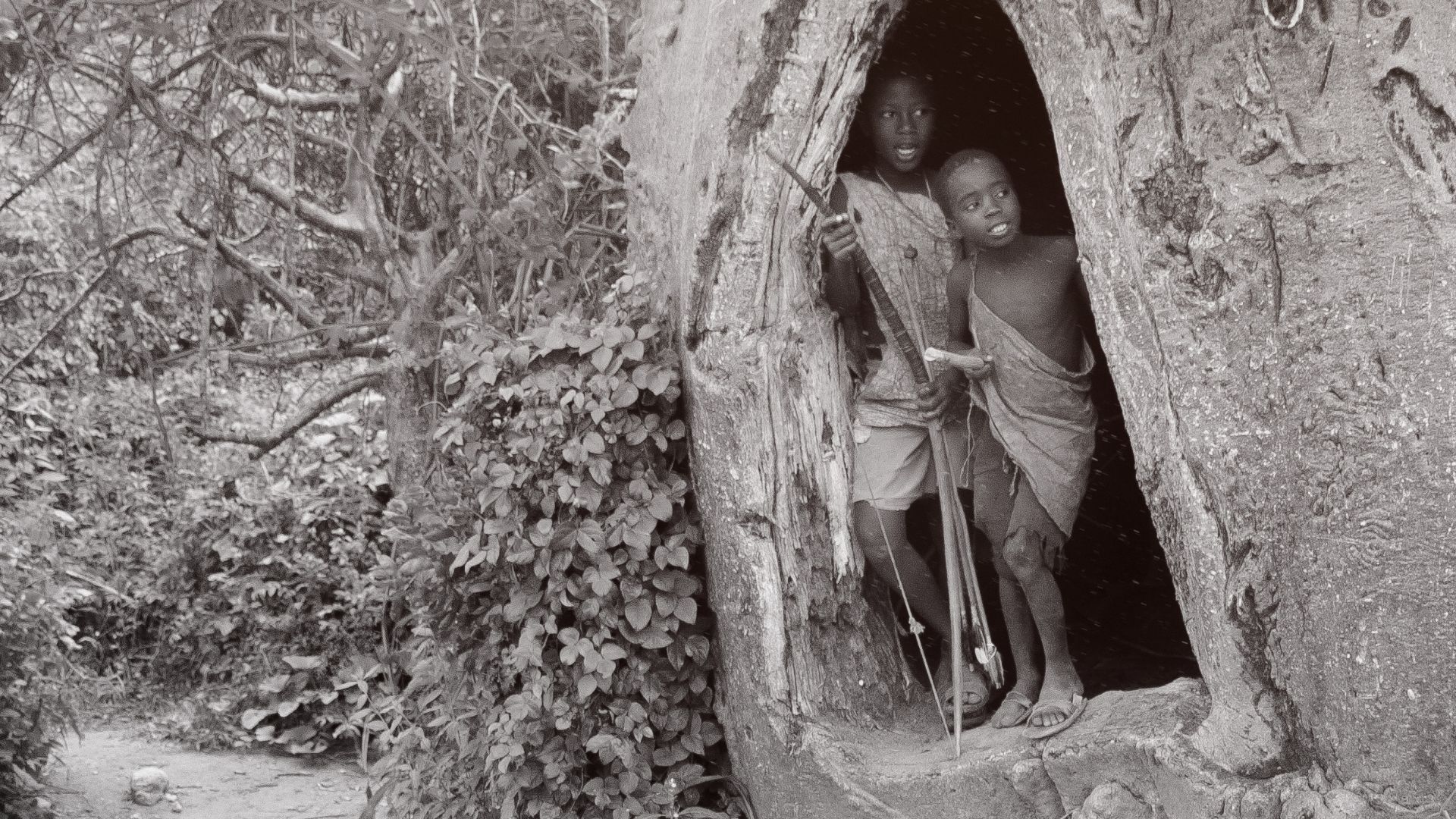 Erasmus Kamugisha, Wikimedia Commons
You May Also Like:
The Amazonian Tribe That Vanished Into The Jungle To Survive
The Jungle Tribe That Protects Themselves With Spears Dipped In Poison
Historical Photos Of The Tribe That Outsmarted Their Enemies