Gold Before the Pharaohs
Gold rarely survives five thousand years with its story intact. Yet in a prehistoric grave near the Black Sea, archaeologists uncovered objects that reshaped what we know about early Europe. Power, belief, and inequality appear far earlier than expected. But not only was it discovered by accident—it was almost forgotten as soon as it was found.
 Ivano Giambattista, CC0, Wikimedia Commons, Modified
The Accidental Discovery at Varna
In 1972 in Varna, Bulgaria, excavator operator Raycho Marinov noticed a metal bracelet in the bucket of his machine. At first, he thought it was simple copper. He put the bracelet in a box and forgot about it for weeks. Thankfully, he remembered to tell a local museum curator.
When official excavation of the site began, archaeologists quickly realized the site concealed something extraordinary.
 Philip Kromer from Austin, TX, USA, Wikimedia Commons
Radiocarbon Dating to the Fifth Millennium BC
Radiocarbon analysis of associated organic remains placed the cemetery between roughly 4600 and 4200 BC. Calibration curves confirmed the timeframe within the Late Chalcolithic period. Consequently, the gold predates Mesopotamian examples by centuries. Chronology alone forced scholars to reconsider established developmental sequences.
 Yulia Kolosova, Wikimedia Commons
The Varna Necropolis Layout
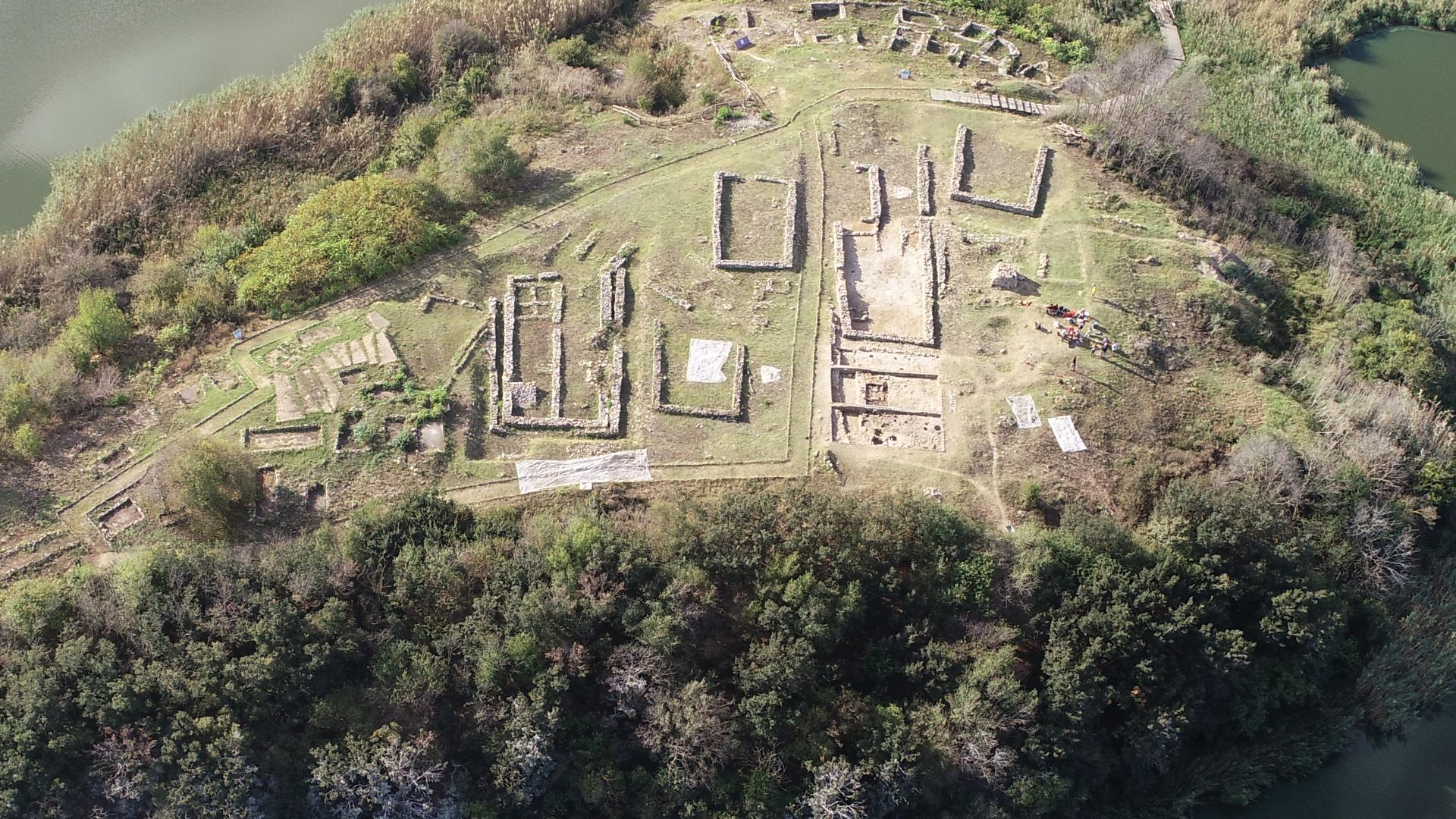
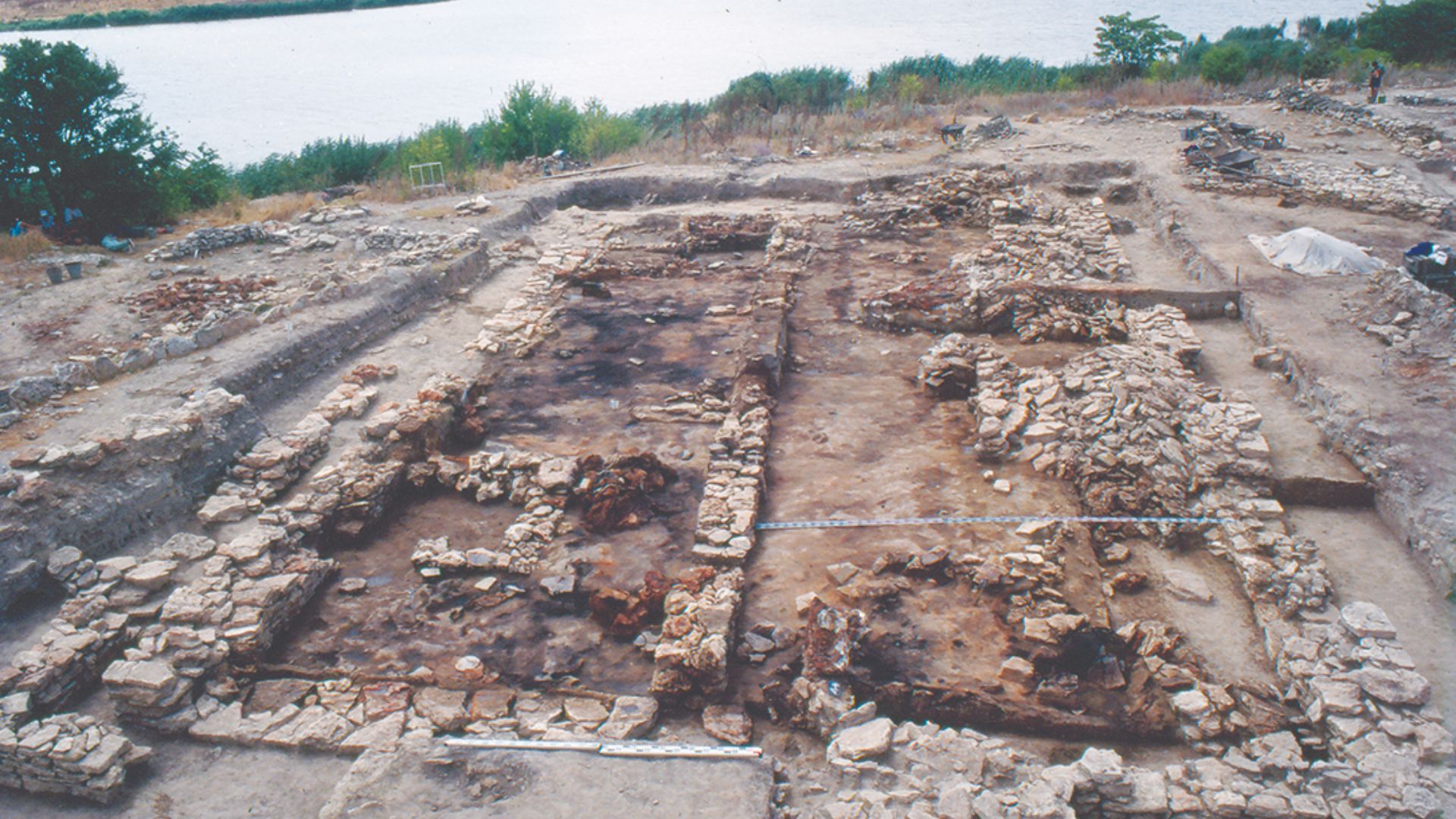
Excavations revealed 294 graves arranged in a structured cemetery near the Black Sea coast. Burial pits varied in depth and orientation. Spatial organization suggests intentional planning rather than random interment. Over time, systematic mapping documented patterns across the entire site.
 Ivan Vajsov, Wikimedia Commons
Grave 43 and the Elite Individual
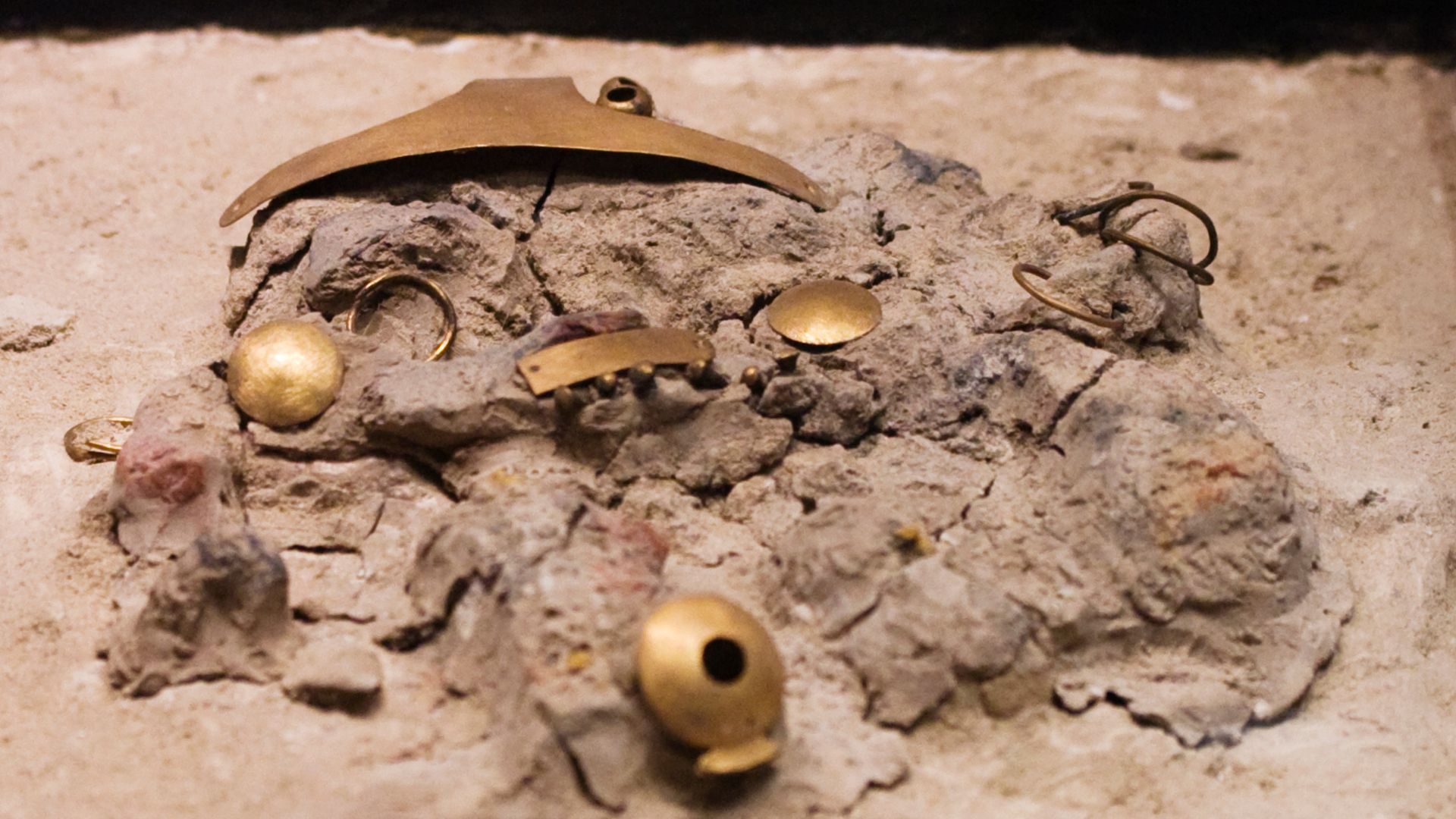
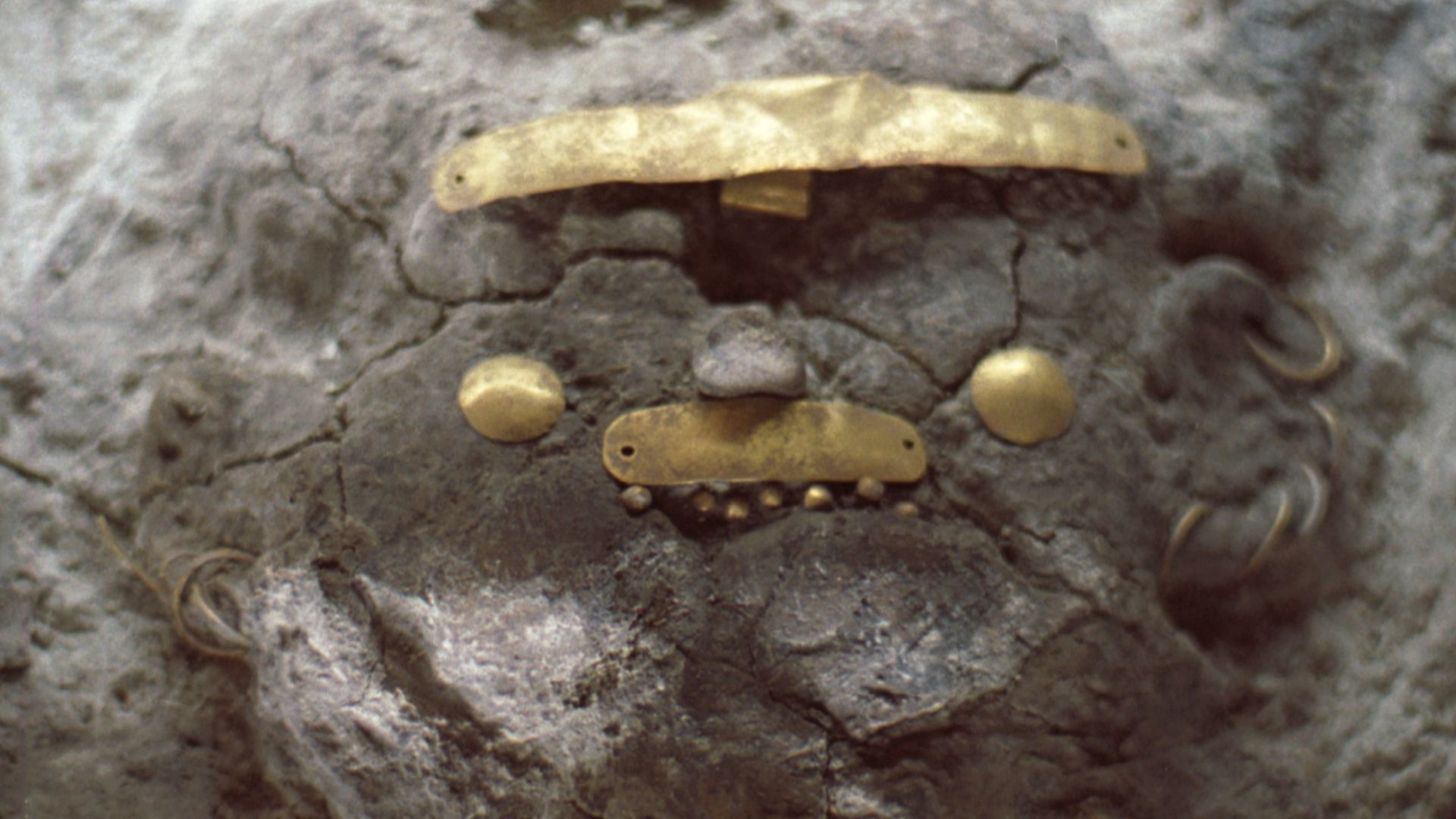
Grave 43 stunned excavators. Inside lay an adult male, surrounded by hundreds of gold objects carefully arranged around his body. Weight alone signaled distinction. Burial position and ornament concentration implied elevated status. Silence must have fallen across the trench that day.
The Total Weight of the Gold
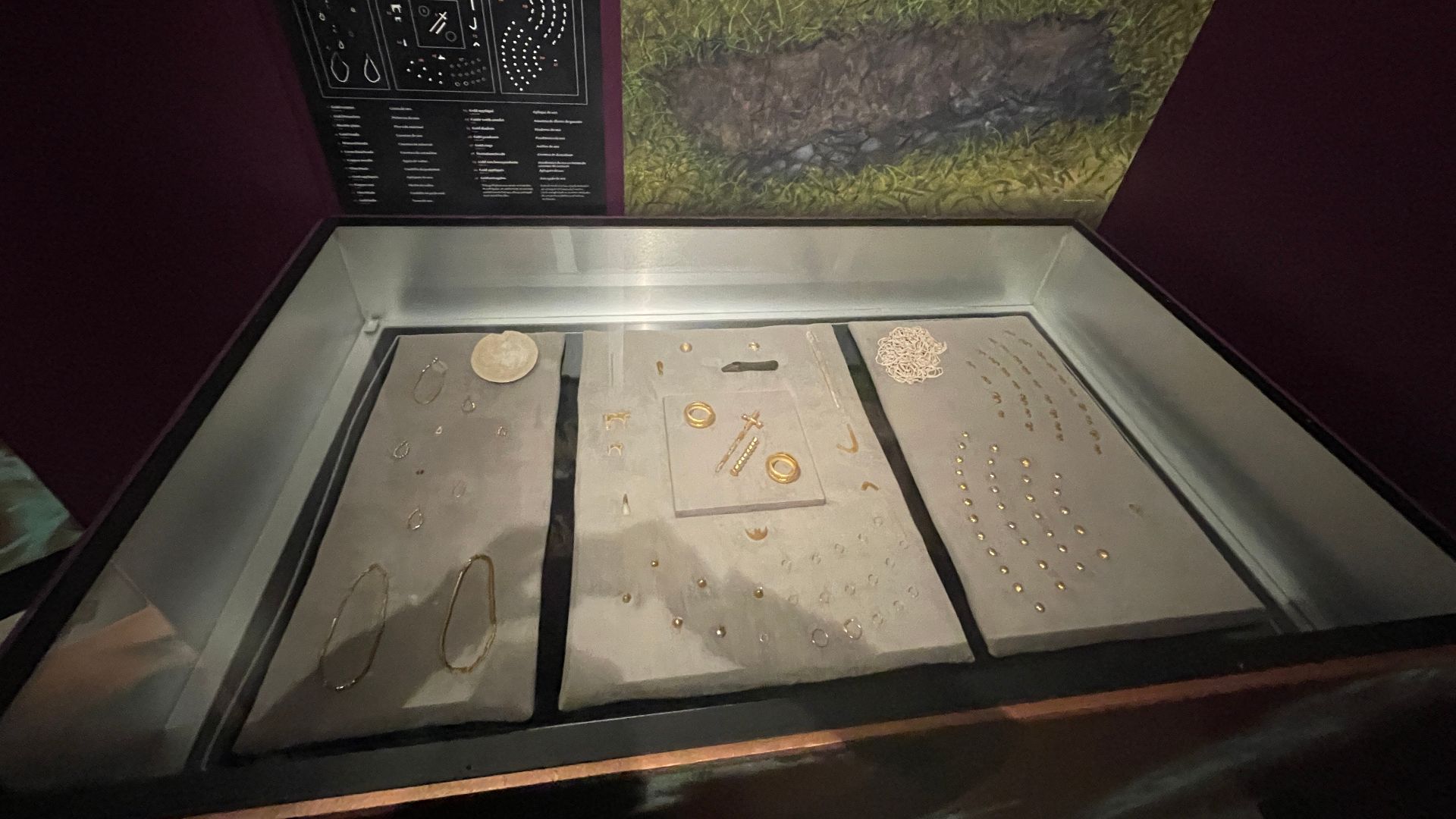
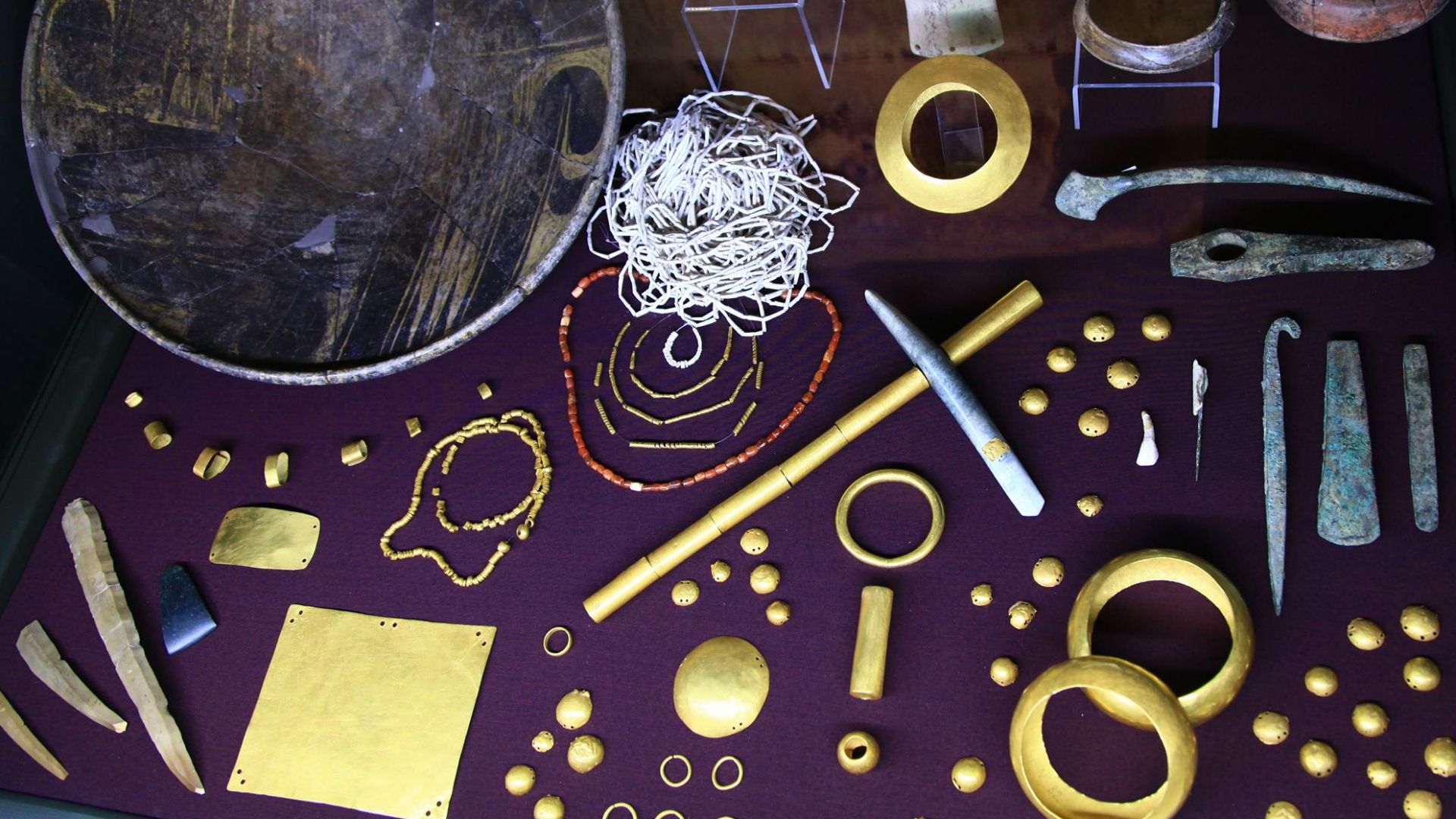
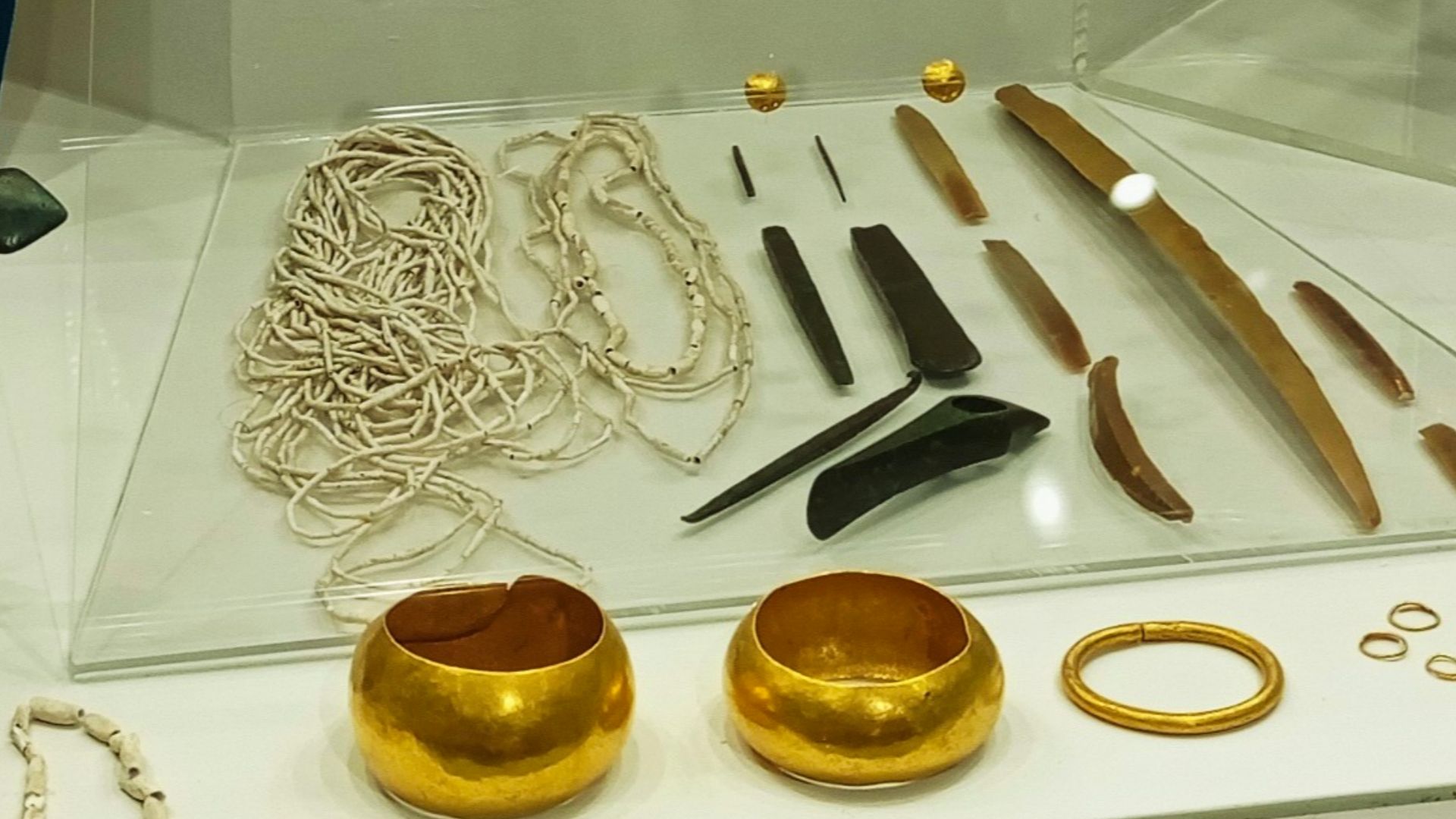
Over six kilograms of worked gold emerged from the cemetery. More than 3,000 individual pieces were cataloged. For the fifth millennium BC, such concentration remains unparalleled. Quantity mattered while accumulation signaled wealth in tangible form.
 CryolophosaurusEllioti, Wikimedia Commons
Hammering and Shaping Techniques
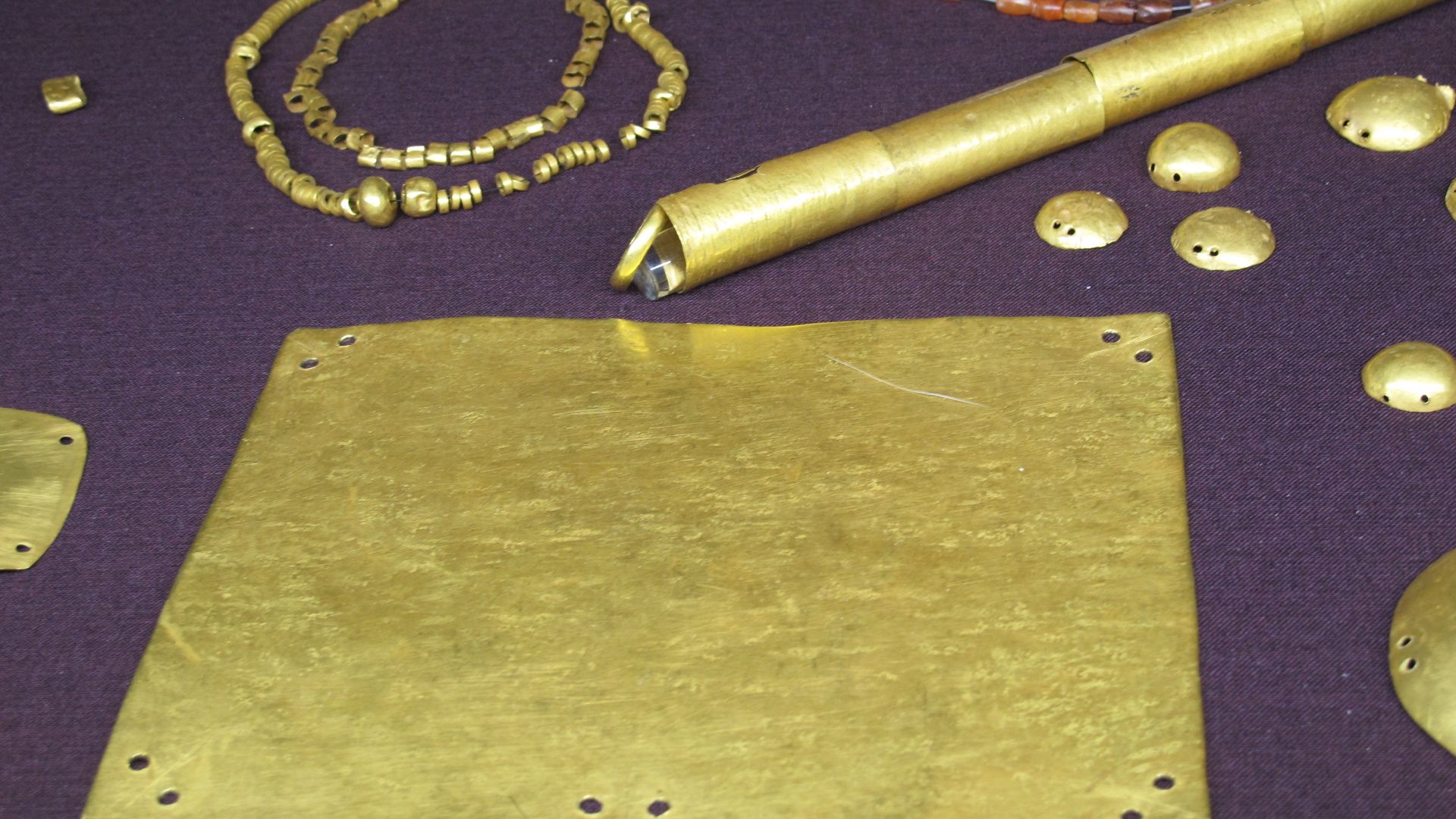
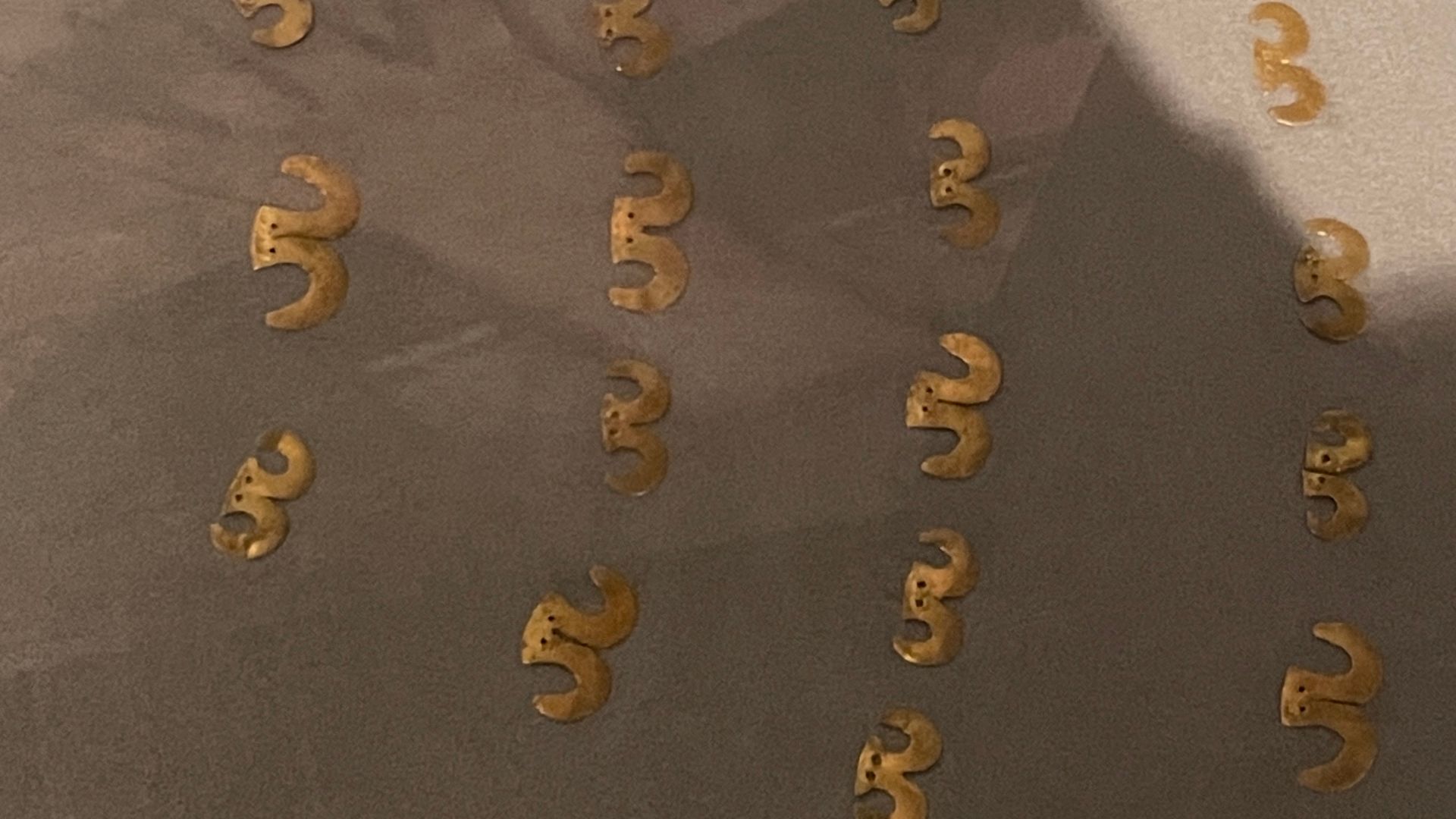
Microscopic examination shows the artifacts were primarily cold-hammered and annealed, often from native gold, though some pieces were also cast using lost-wax techniques. Metallurgical knowledge, therefore, extended beyond simple ornamentation. Craft specialization existed, supported by controlled production methods.
 Gabriele Burchielli from Seville, Spain and Italy, Wikimedia Commons
Symbolic Graves Without Human Remains
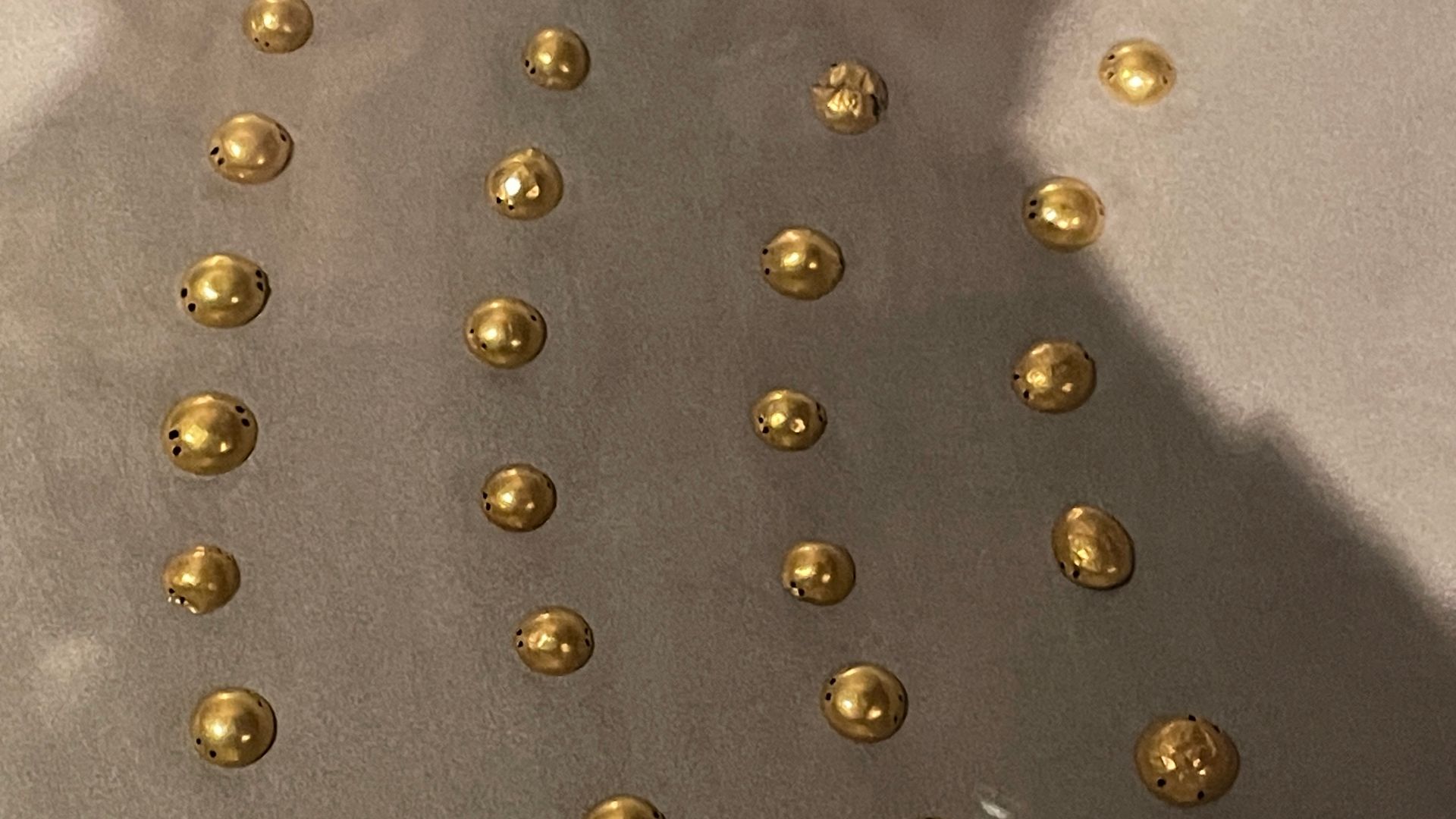
Several burial pits contained elaborate offerings, yet no skeletal remains. Why honor an absent body? Some researchers interpret these as cenotaphs dedicated to symbolic figures. Although ritual intent becomes harder to measure than metal weight, presence and absence both communicate meaning.
 CryolophosaurusEllioti, Wikimedia Commons
Health Profile of the Elite Man
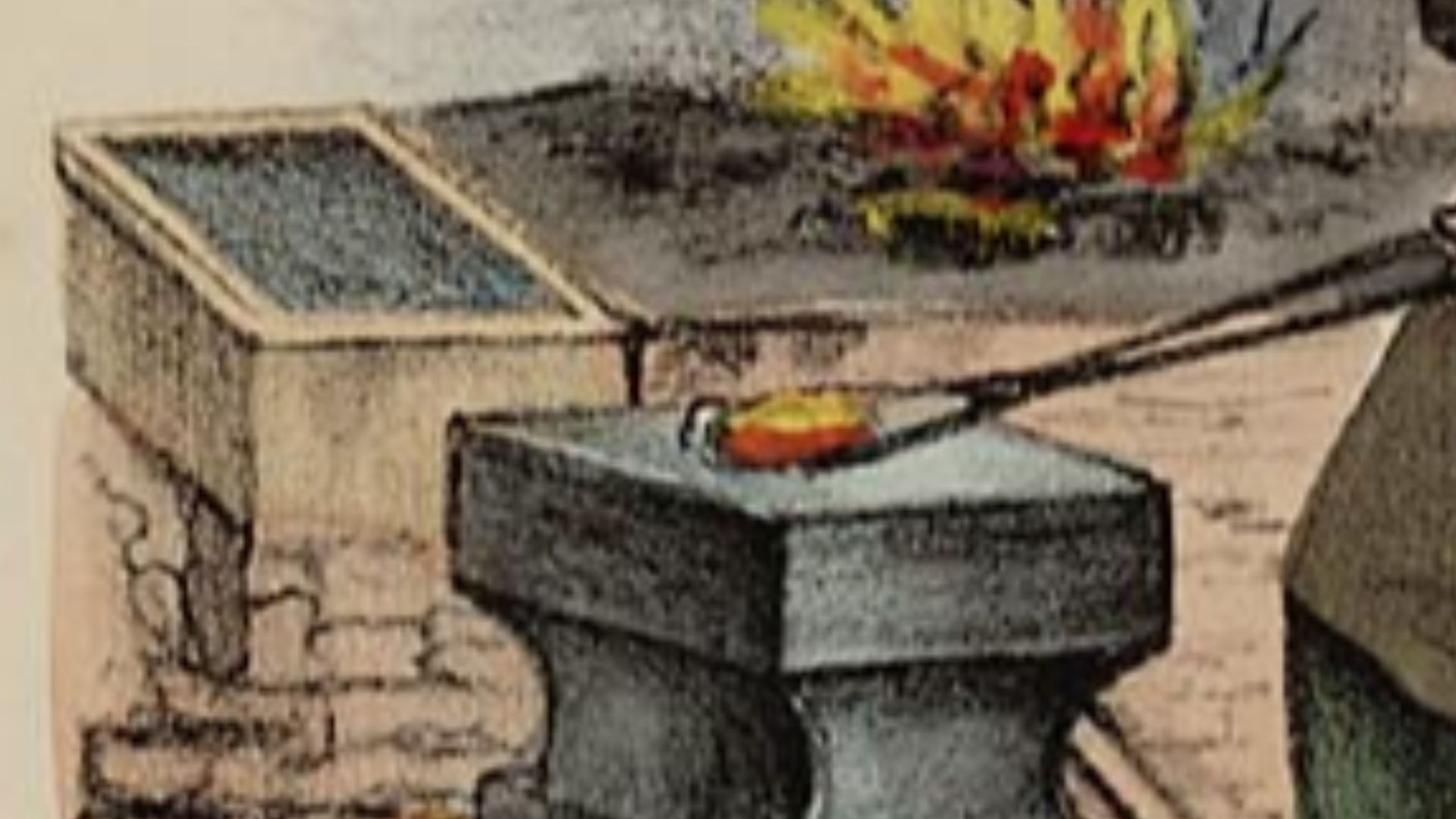
Skeletal analysis of the man in Grave 43 revealed strong muscle attachments, arthritis in the spine and joints, and a protein-rich diet—consistent with an active life, possibly as a metalsmith. Consider what that implies about daily labor. Physical evidence often whispers status more convincingly than gold.
 Unknown authorUnknown author , Wikimedia Commons
Geographic Position on the Black Sea
Along the western Black Sea coast, Varna occupied a liminal space between inland plains and maritime routes. Coastal breezes met fertile hinterlands. Geography shapes destiny quietly. Proximity to water likely connected this community to distant shores long before written memory.

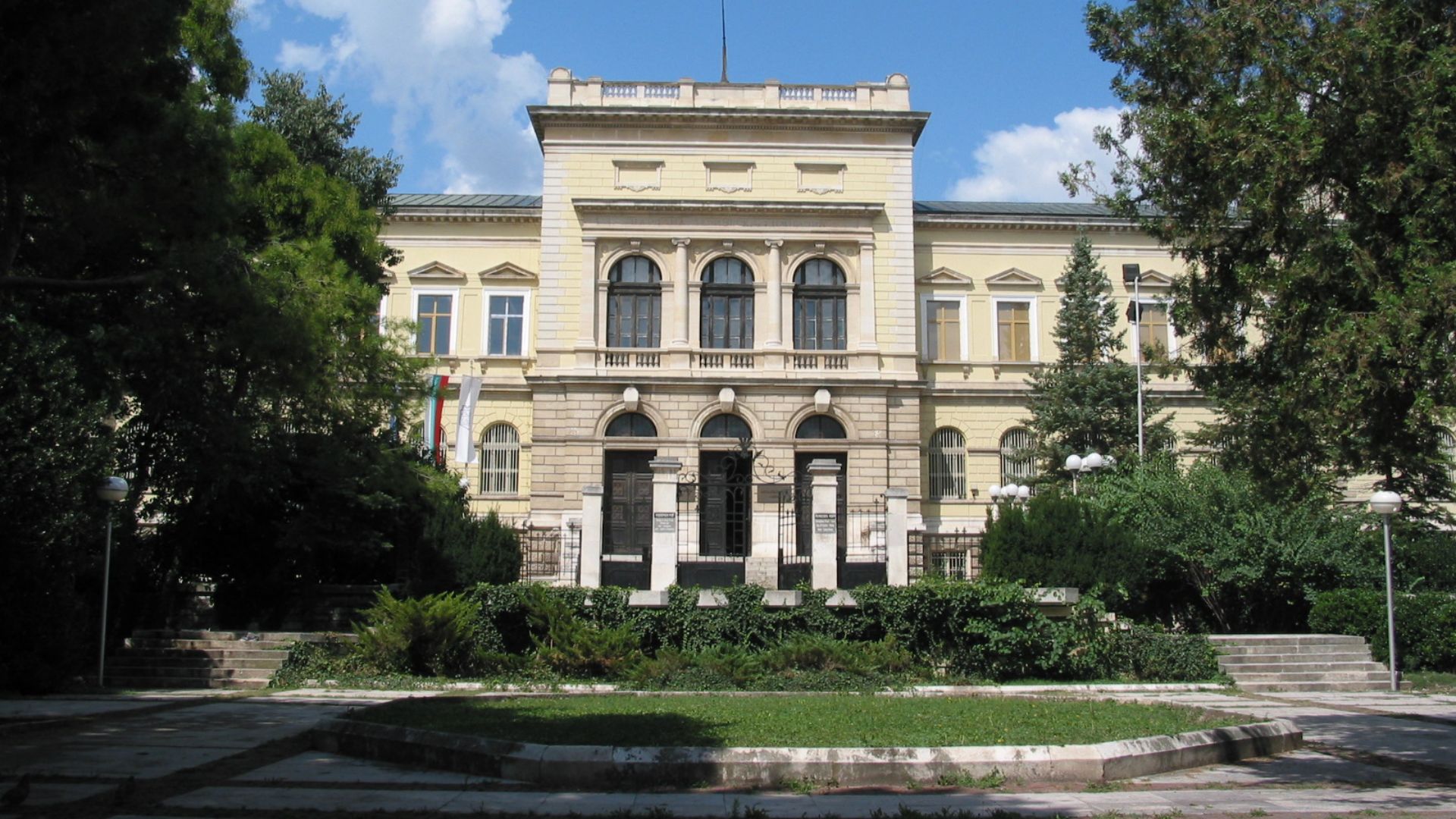
Preservation at the Varna Archaeological Museum
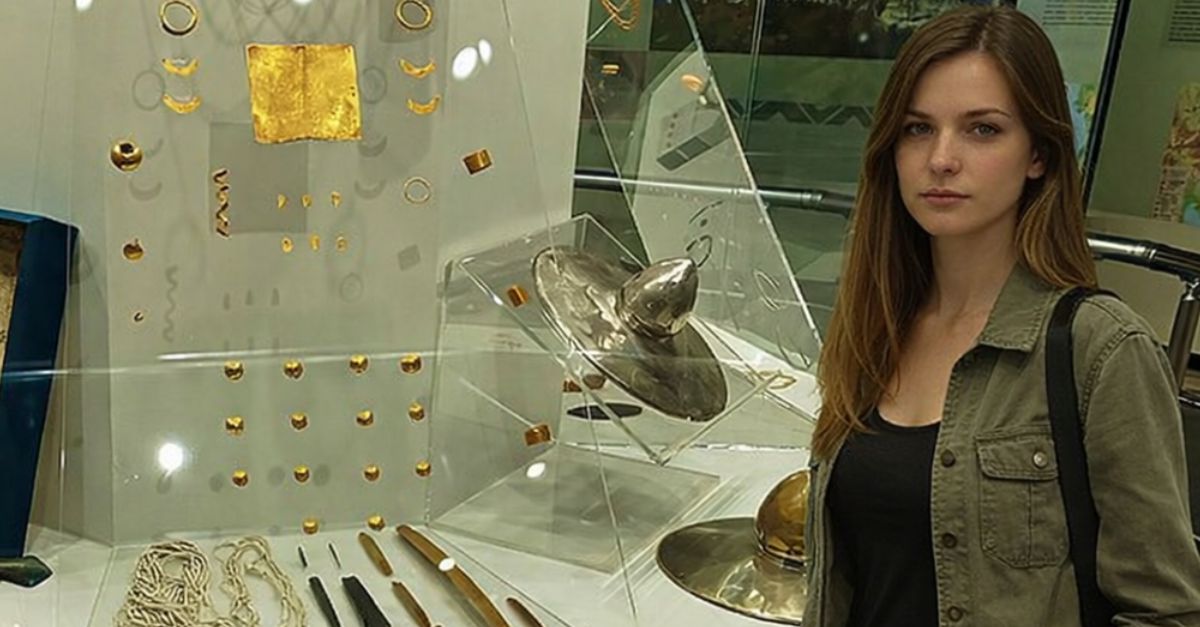
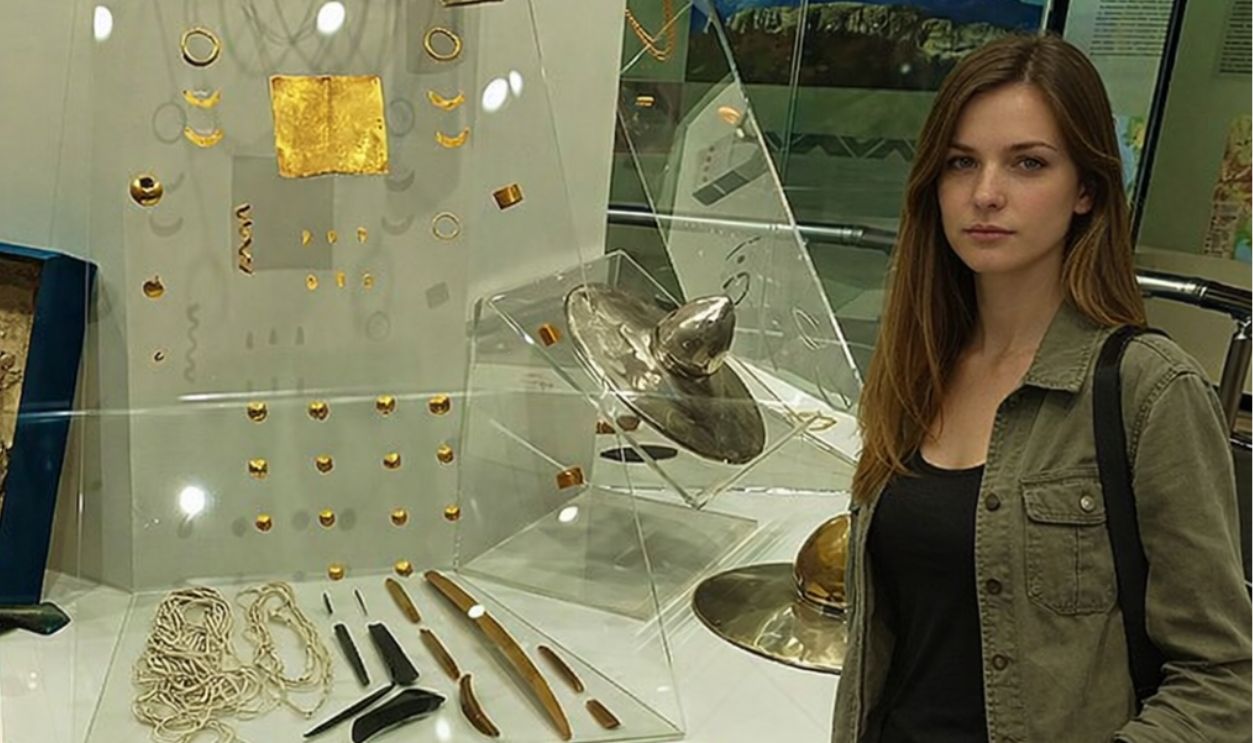
Today, climate-controlled cases inside the Varna Archaeological Museum house the artifacts. Visitors lean closer to study tiny beads hammered five millennia ago. Glass now replaces soil. Still, those glints of gold manage to feel surprisingly immediate.
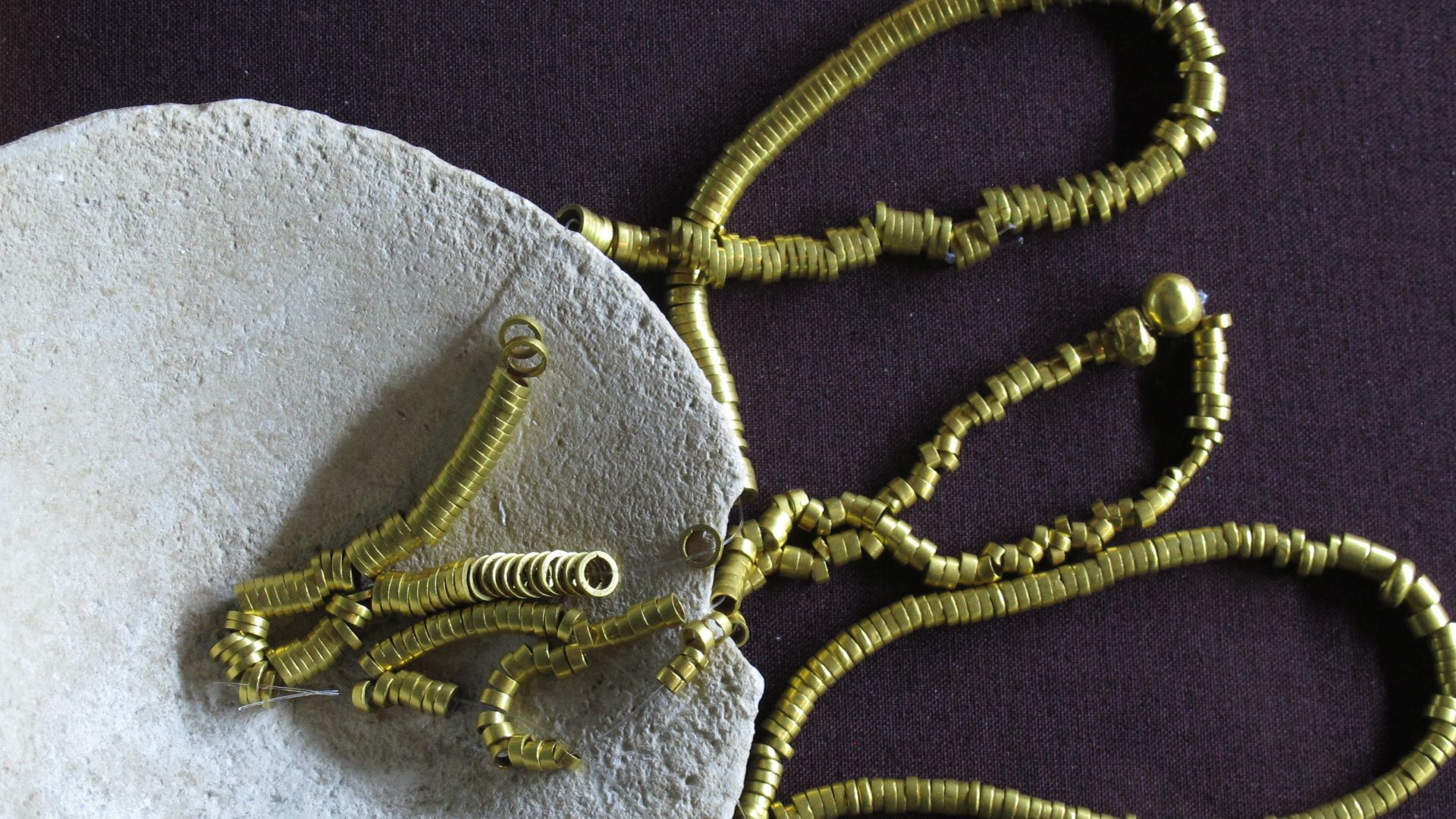
Ornament Types and Body Placement
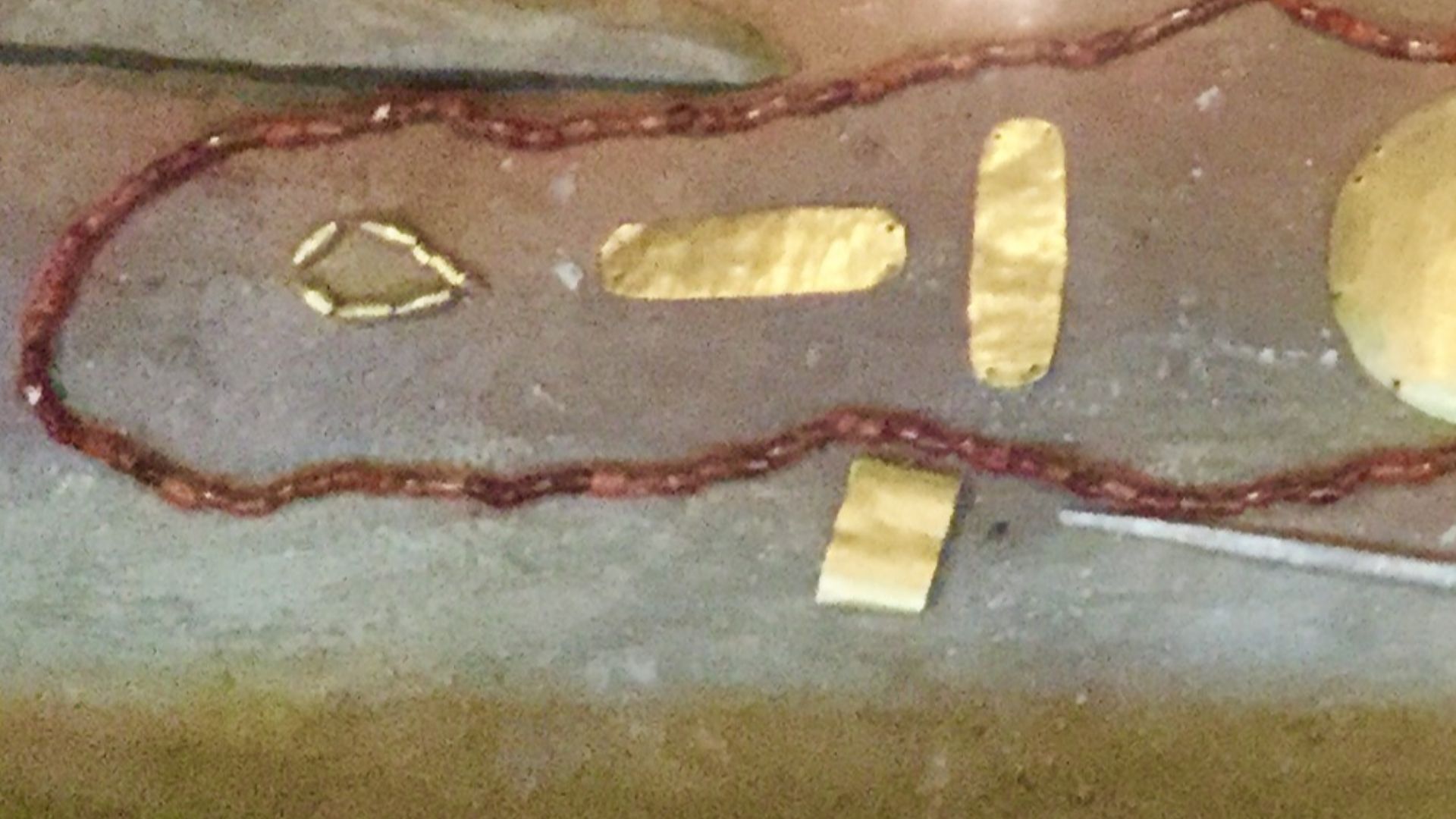
Beads clustered around the neck. Bracelets circled wrists. Thin gold appliqués lined garments that no longer survive. Therefore, placement was deliberate, not random decoration. Arrangement across the body suggests rules everyone understood, even if those rules were never written down.
 Gabriele Burchielli from Seville, Spain and Italy, Wikimedia Commons
Absence of Defensive Weapons
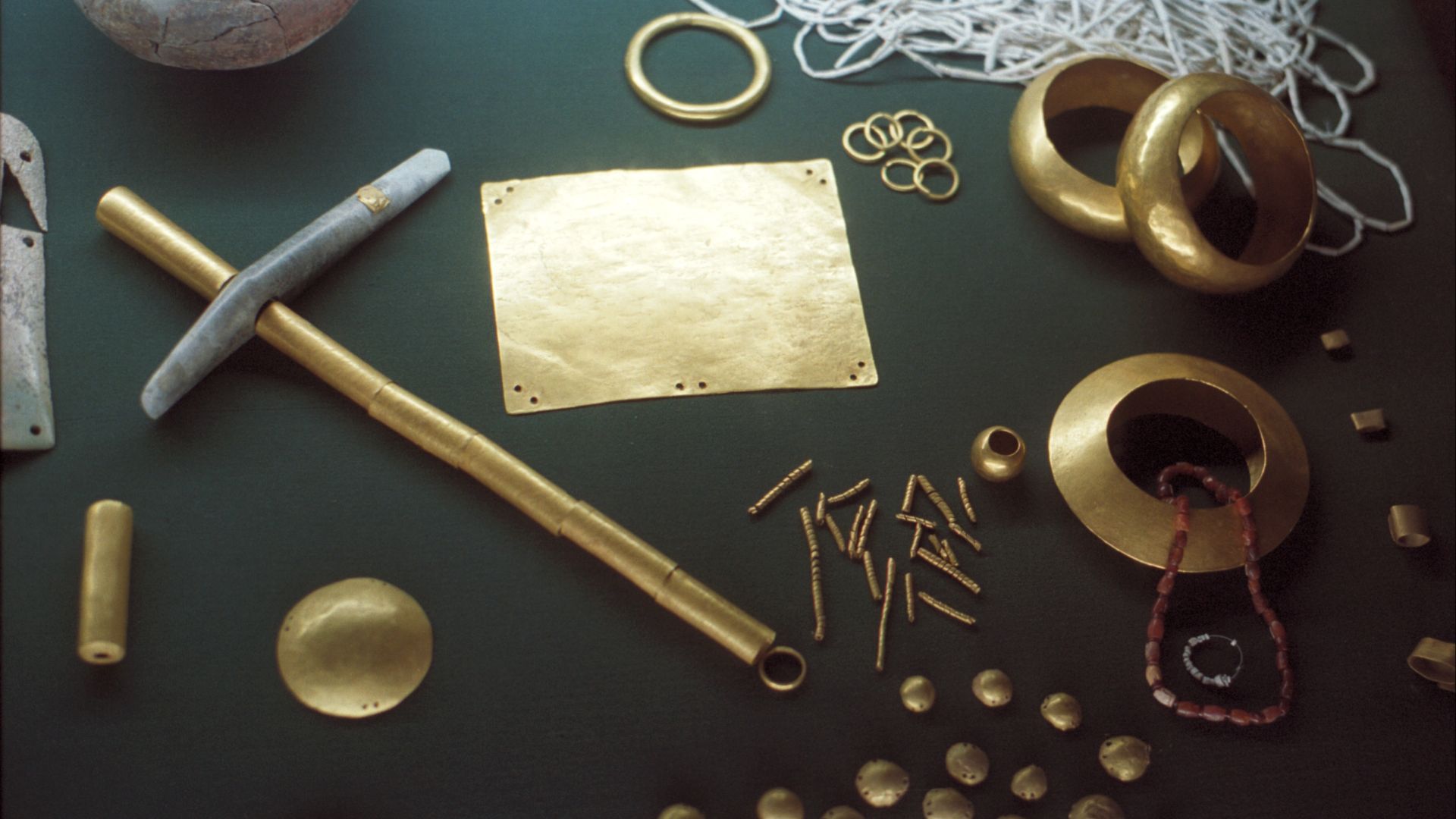
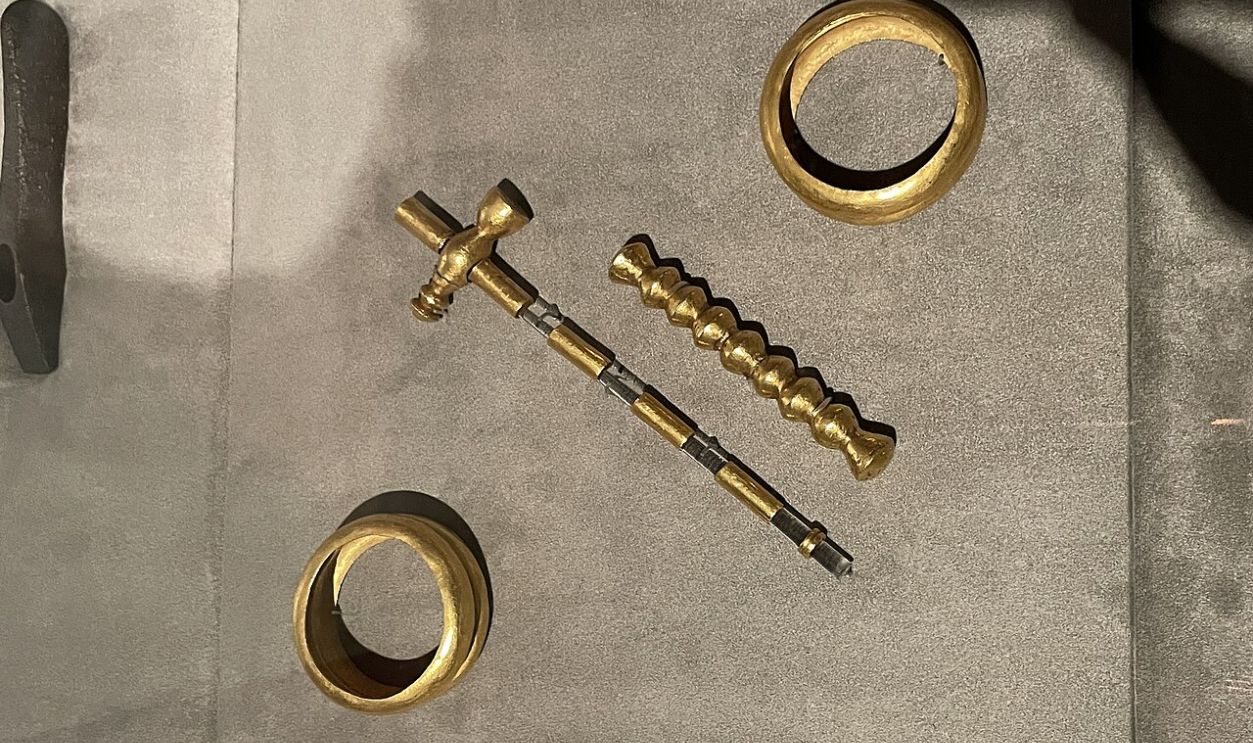
Notice the selective armory of Grave 43. Ceremonial axes (one with a gold-wrapped handle like a scepter), a flint blade, and a war adze are present, but no projectile weapons appear. Power here did not advertise itself through blades. Authority may have rested in ritual, lineage, or control of resources. After all, leadership leaves different signatures in the ground.
Gold as a Non-Functional Material
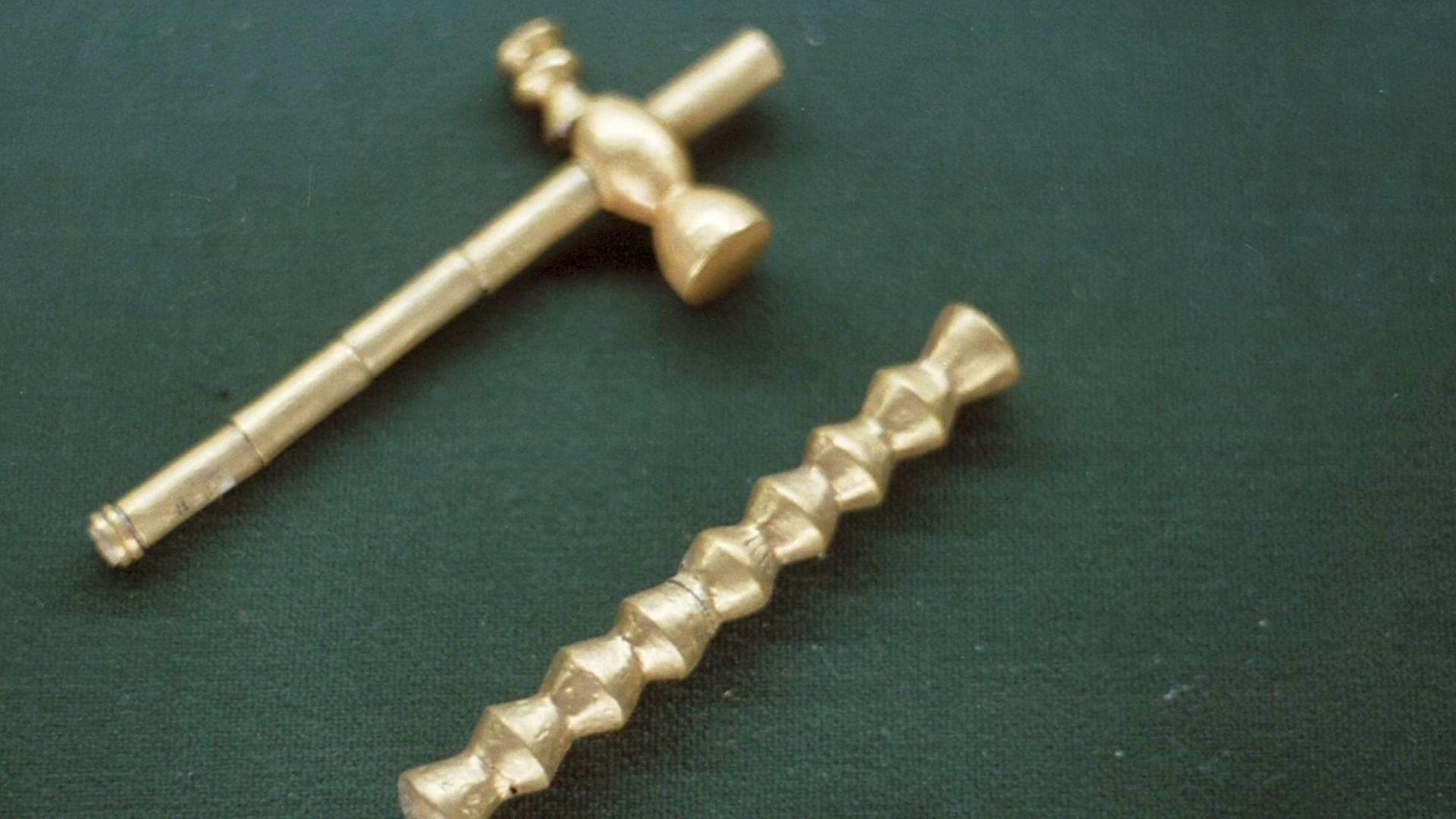
Gold offers little practical utility in daily survival. It bends easily and cannot cut or till soil. Yet communities invested labor in shaping it. Because of rarity and luster, symbolic value likely outweighed function. Material choice signals shared belief systems.
Trade Links Beyond the Region
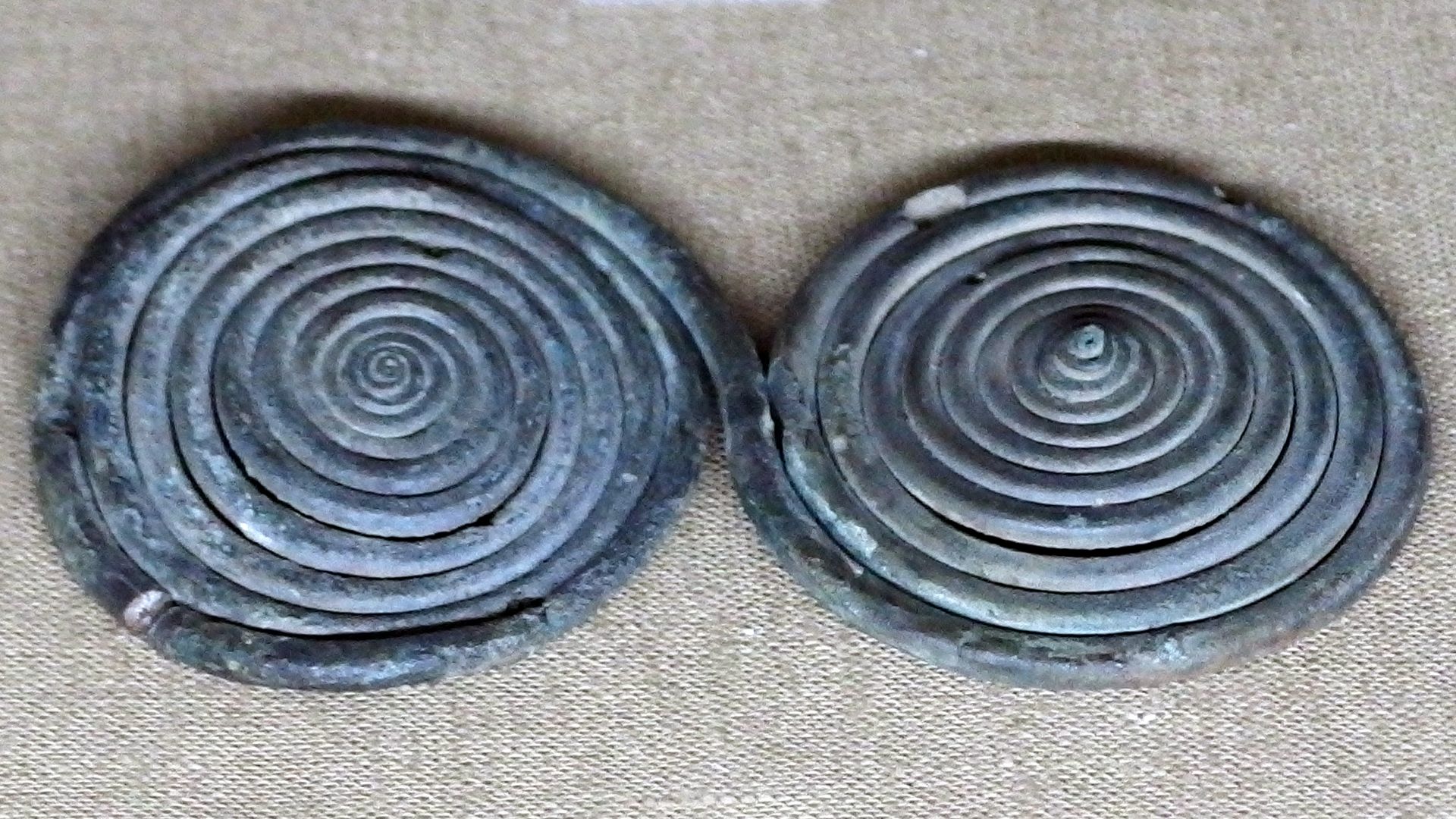
Archaeological parallels connect Varna to sites across the Balkans and possibly into Anatolia. Similar ceramic styles and copper forms suggest interaction spheres extending hundreds of kilometers. Exchange networks moved materials and ideas alike. So, isolation was unlikely during this period.
 Mark Ahsmann, Wikimedia Commons
Copper Tools in the Cemetery
Copper artifacts accompanied several burials. Awls. Small tools. Decorative elements. Smelting knowledge had already taken root in southeastern Europe. Metalworking here was an established practice, not a sudden innovation.
 CryolophosaurusEllioti, Wikimedia Commons
Salt Production Near Provadia
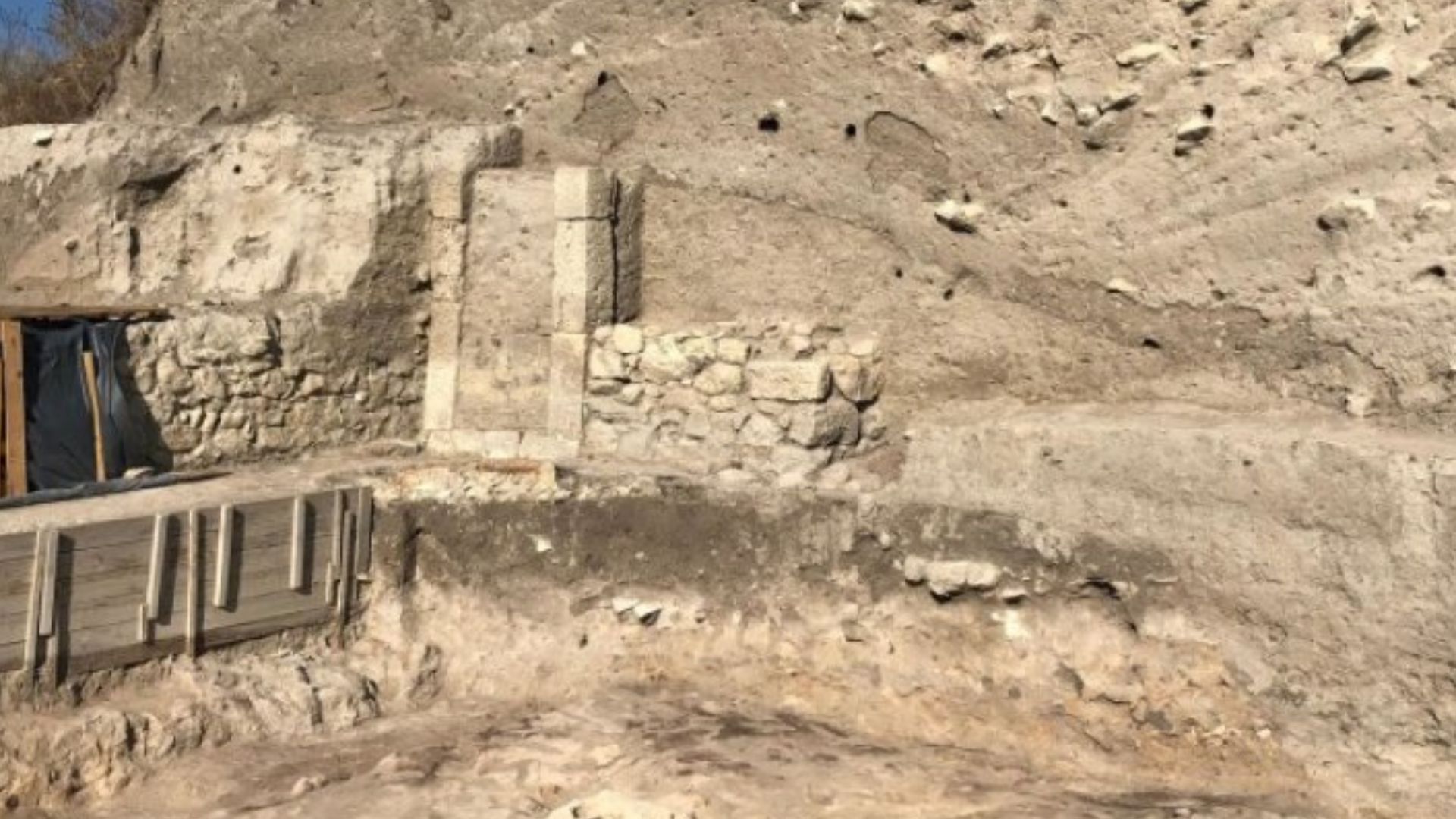
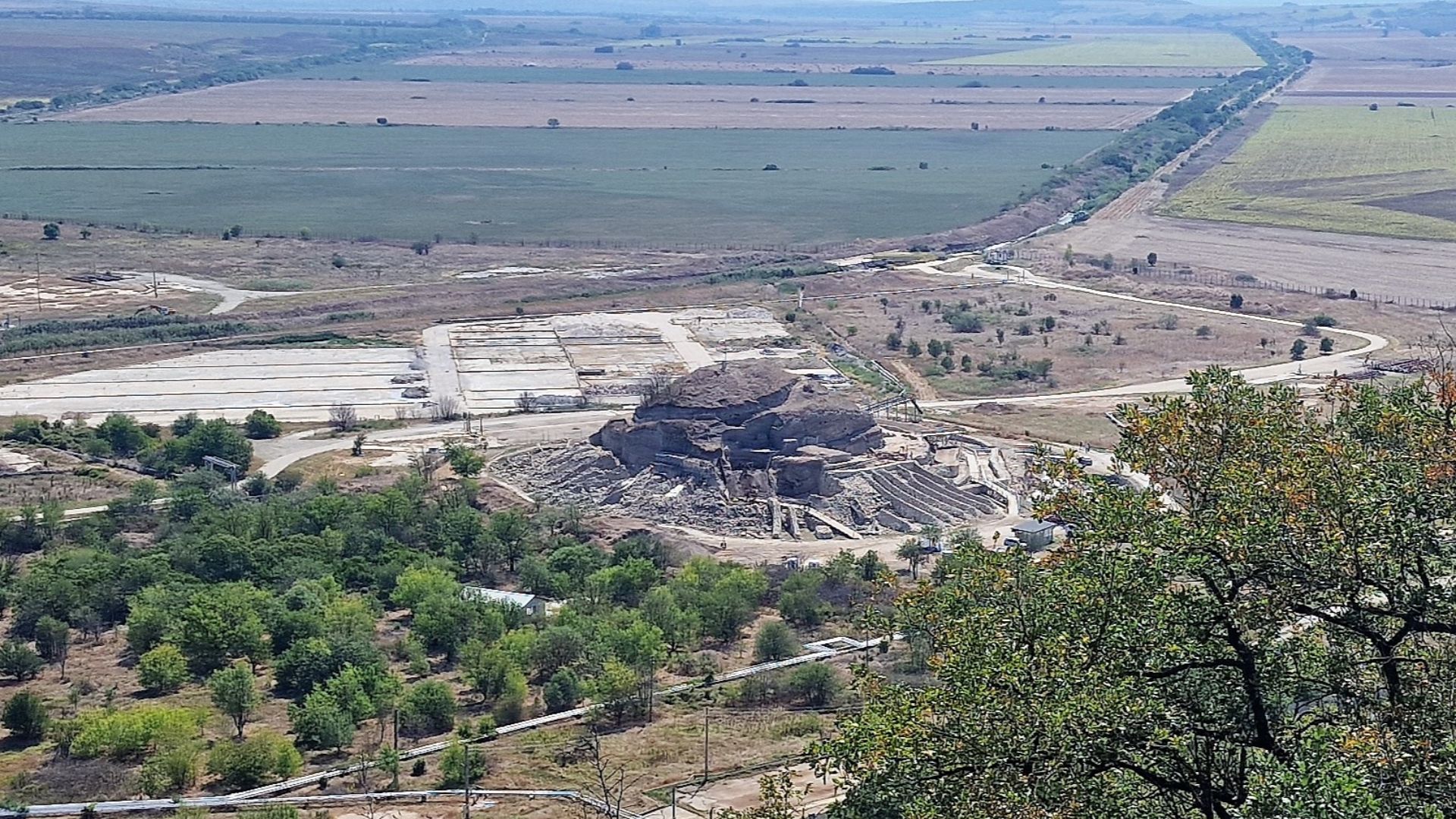
Not far from Varna, at Provadia Solnitsata, archaeologists uncovered massive prehistoric salt works. Thick fortification walls guarded brine springs. Salt further preserved food and held trade value. Wealth sometimes begins with seasoning rather than metal.
 Vanya Ilcheva, Wikimedia Commons
Evidence of Craft Specialization
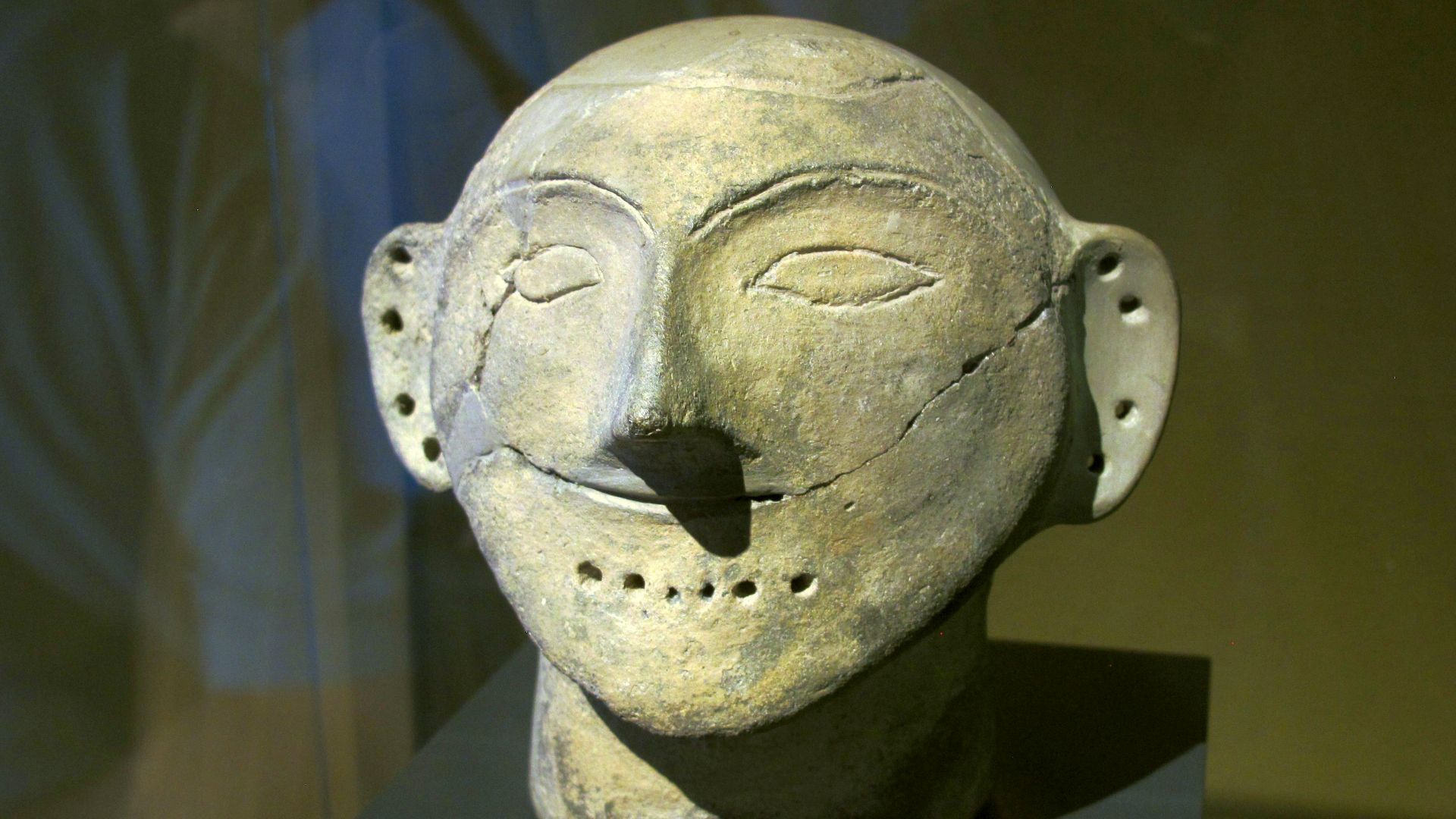
Precision in bead uniformity hints at trained hands repeating measured movements. Craft takes time while time requires surplus. That surplus suggests organized labor. Step by step, social complexity emerges from something as small as a drilled ornament.
 Gabriele Burchielli from Seville, Spain and Italy, Wikimedia Commons
Gender Patterns in Grave Goods
Comparative study shows men more frequently received heavy gold ornaments, whereas many female burials contained fewer metal objects. Statistical distribution reveals patterned differentiation rather than random variation. Social roles, therefore, likely influenced mortuary treatment within the cemetery.
Climatic Instability in the Late Chalcolithic
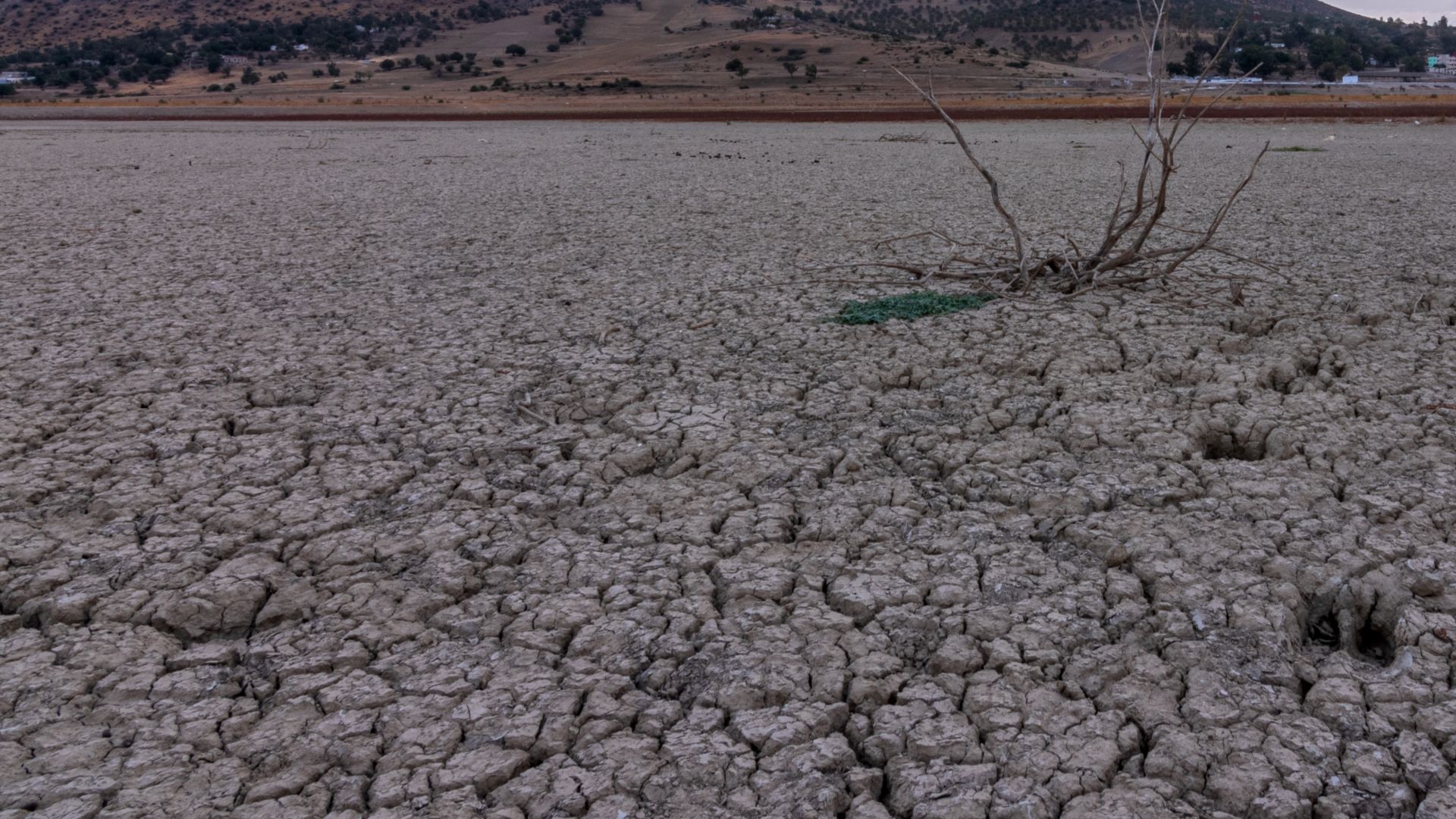
Toward the end of the fifth millennium BC, environmental shifts affected southeastern Europe. Pollen records indicate changing vegetation and possible drought stress. Communities built on delicate balances can fracture quickly. Climate leaves traces long after gold fades.
 Houssain tork, Wikimedia Commons
Rethinking Early European Complexity
For decades, scholars placed social hierarchy elsewhere on the timeline. Varna rearranged that mental map. Gold surfaced like a signal flare from deep prehistory. Assumptions shifted. Europe’s early story grew older, heavier, and far more intricate.
 ChernorizetsHrabar, Wikimedia Commons
Skeletal Trauma and Survival
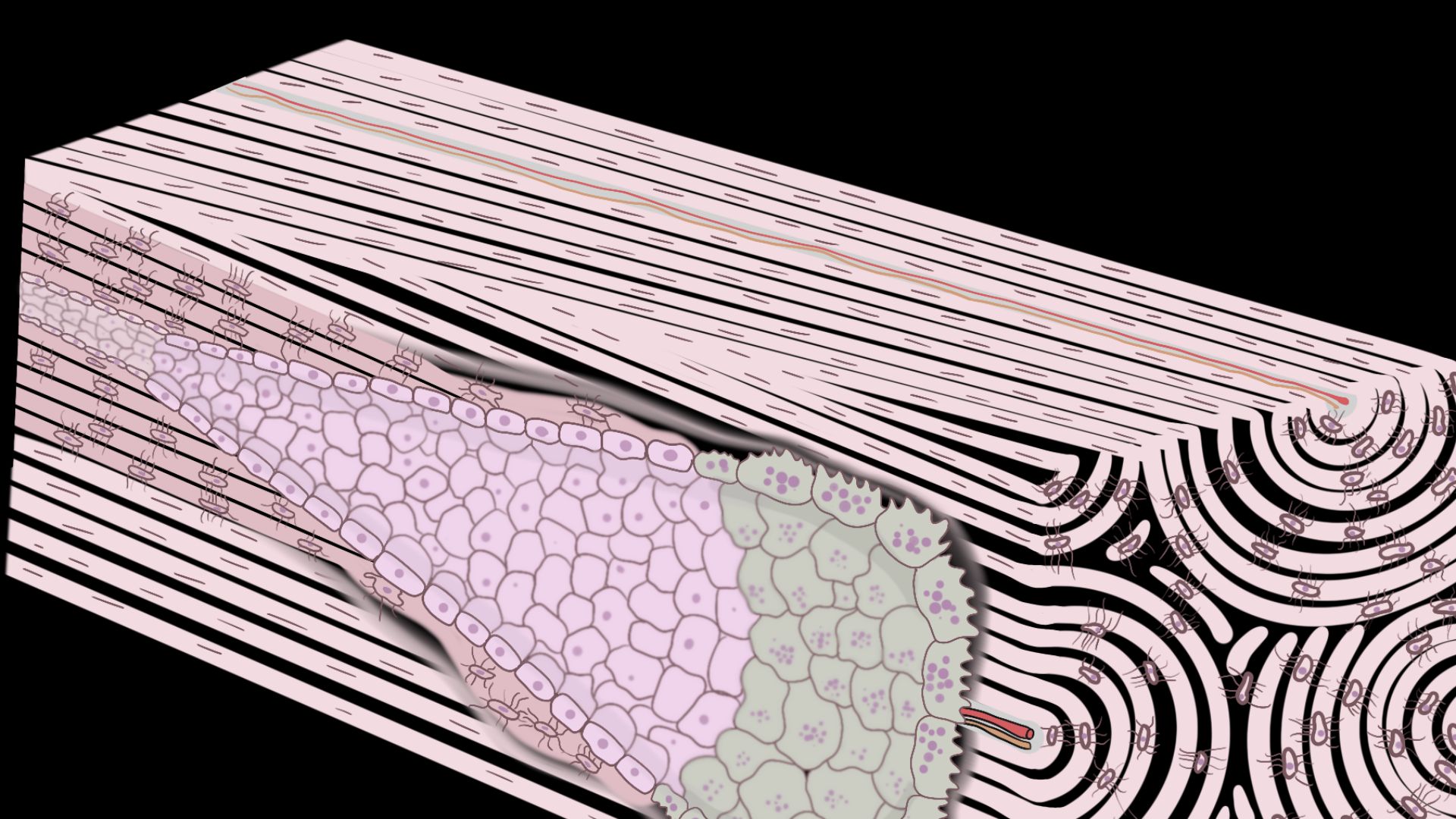
Several skeletons from the cemetery display healed fractures and cranial injuries. Bone remodeling indicates individuals survived significant trauma. Recovery implies access to care within the community. Biological evidence therefore points to social support systems operating five thousand years ago.
 Riveromonicadaniela, Wikimedia Commons
Burial Orientation and Spatial Order
Graves followed consistent directional patterns across sections of the necropolis. Body orientation and pit alignment suggest shared ritual guidelines. Moreover, clustering reveals deliberate zoning within the cemetery. Order in death often reflects structured thinking among the living.
 Ivan Vajsov, Wikimedia Commons
The Sudden Disappearance of the Varna Culture
After centuries of prosperity, material traces grow sparse. Settlements shrink. Burial wealth declines. Archaeologists debate migration, climate stress, or social upheaval as possible causes. Whatever the trigger, a flourishing society faded quietly, leaving gold behind as its echo.
Influence on Modern Archaeological Theory
What does Varna force scholars to reconsider? Linear models of gradual social development seem less convincing. Complexity appears earlier than once assumed. Such gold in a grave challenges comfortable timelines because evidence sometimes moves faster than theory.
 CryolophosaurusEllioti, CC BY 4.0, Wikimedia Commons
Why the Artifacts Still Matter
Five thousand years later, those small hammered beads still command attention. Visitors study them through museum glass, yet the questions feel immediate. Who held power? How was wealth defined? Varna reminds us that inequality and symbolism run deep in human history.
 Ivano Giambattista, Wikimedia Commons