A Stone Puzzle That Refuses to Be Solved
Across the hills of Northern California lies an archaeological find that continues to confuse researchers. Long, carefully stacked stone walls run through landscapes where no one remembers building them. There is no clear record of who made them, when they were built, or why they exist at all. More than a century later, the Berkeley Mystery Walls still challenge everything archaeologists think they know—and the deeper they look, the stranger the questions become.
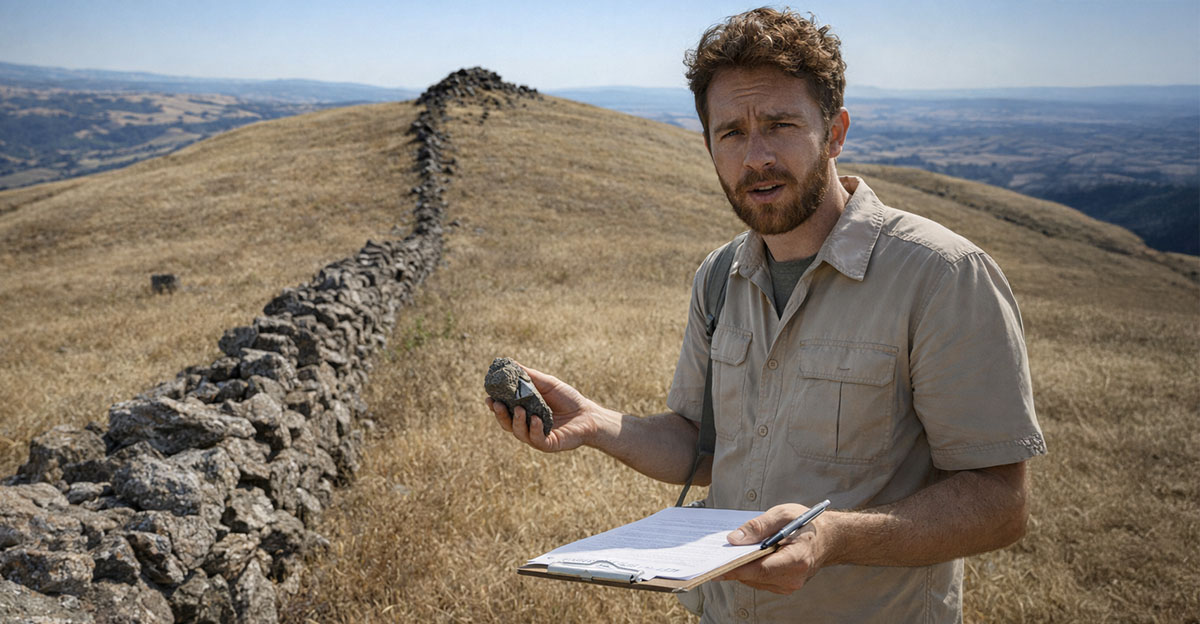
Hidden in the East Bay Hills
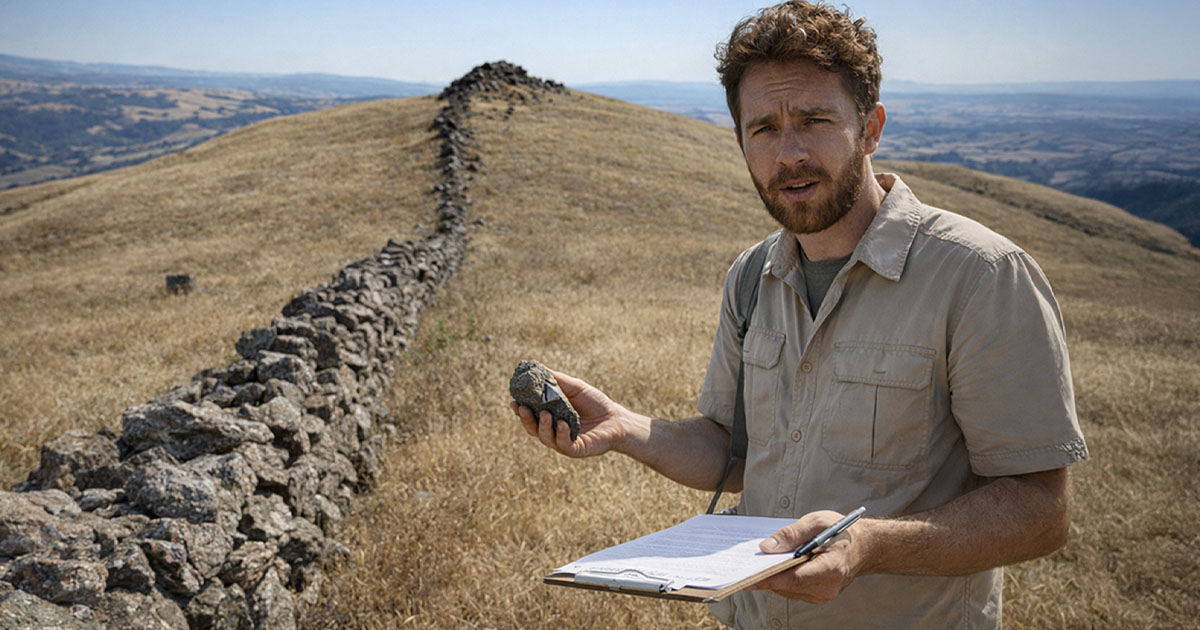
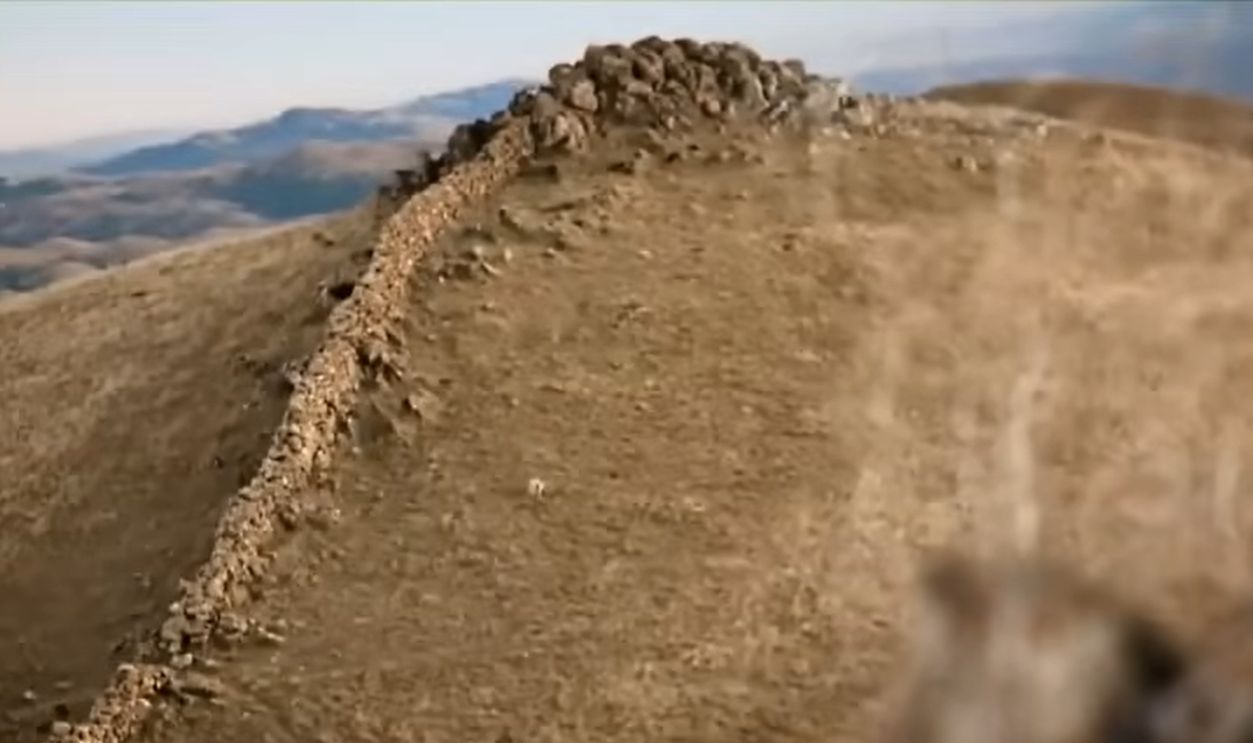
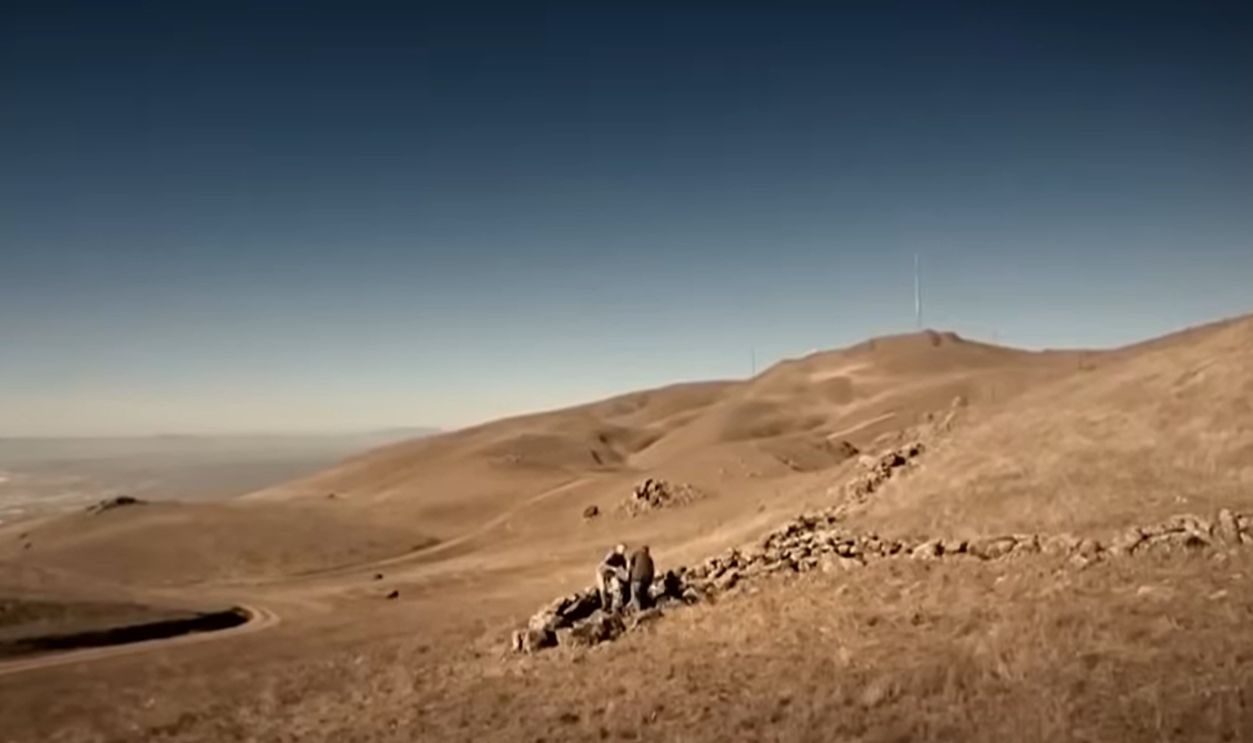
The walls appear throughout the East Bay, including areas around Berkeley, Oakland, El Cerrito, Orinda, and San Pablo. Some sections run along ridgelines with wide views of the bay. Others cut straight across hillsides without following paths, fences, or property lines. Many people hike past them without realizing how strange they really are.
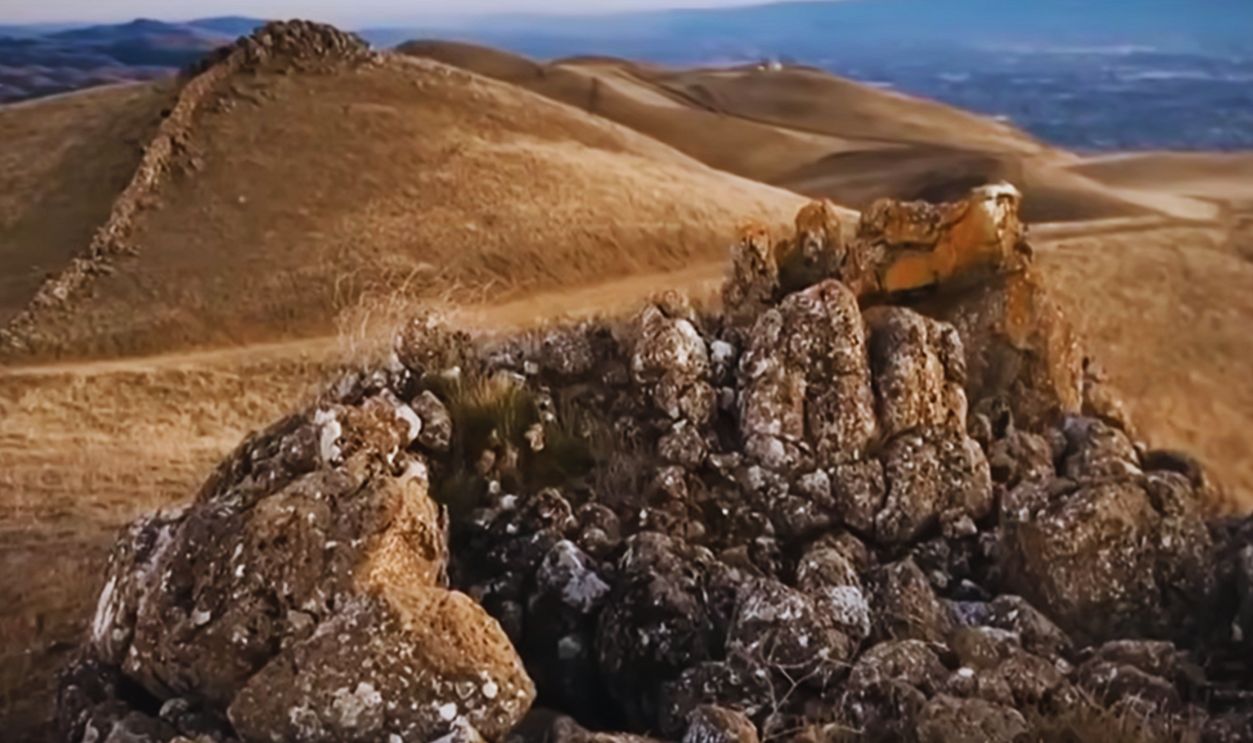 Screenshot from America Unearthed, H2 (2012–2019)
Built With Care, Not Cement
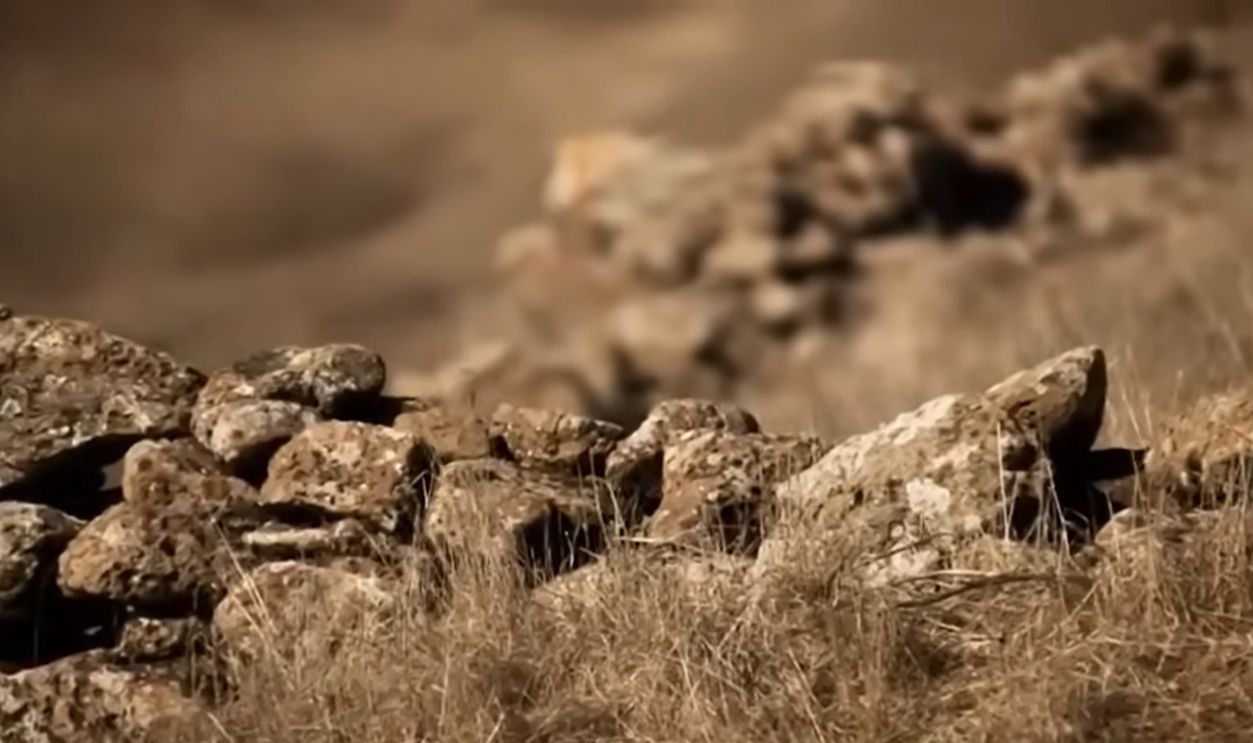
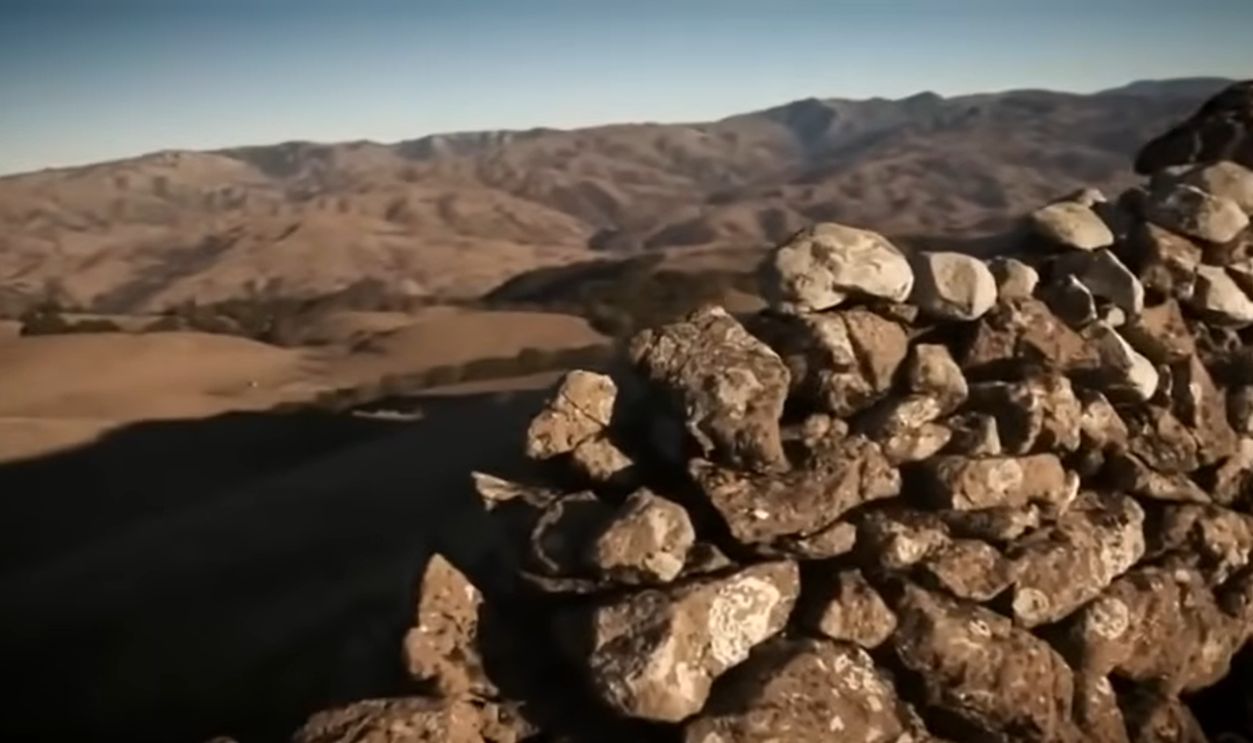
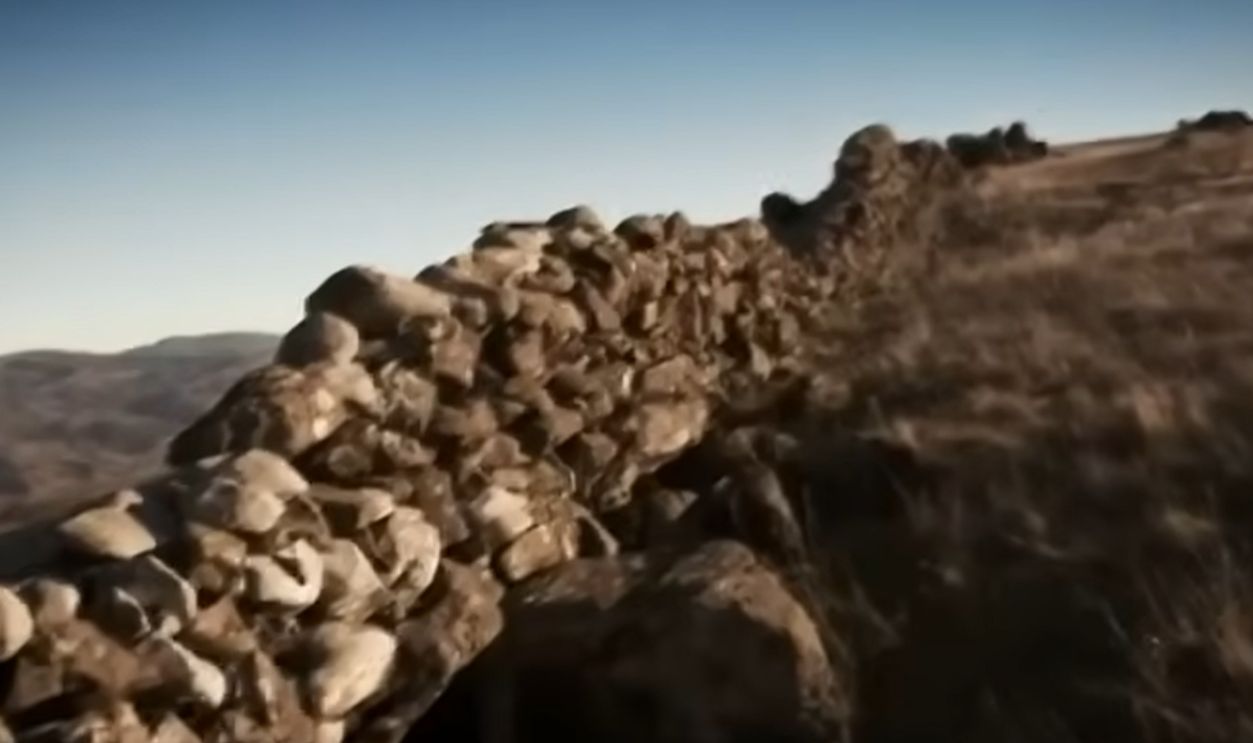
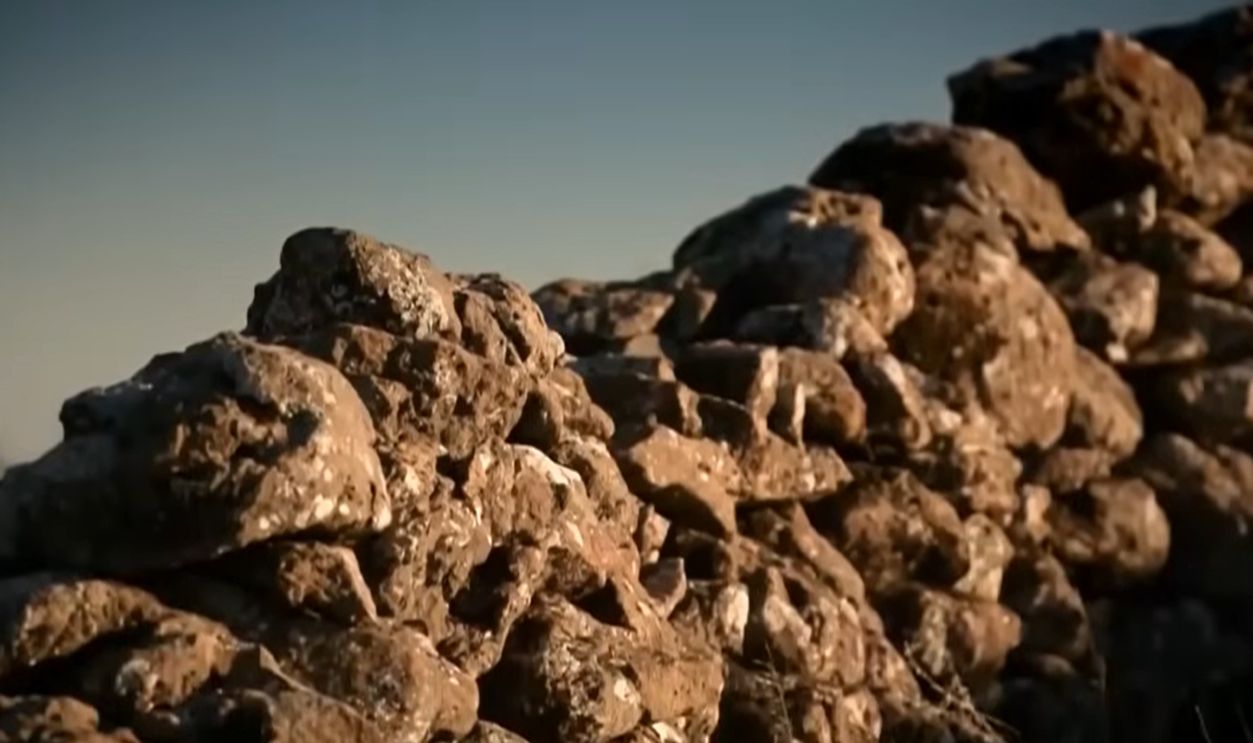
Each wall is made from local stone stacked without mortar. Most sections stand about three to four feet tall and are two to three feet wide. In many places, the stones are tightly fitted together, which suggests patience and skill. These are not piles of rocks pushed aside by chance.
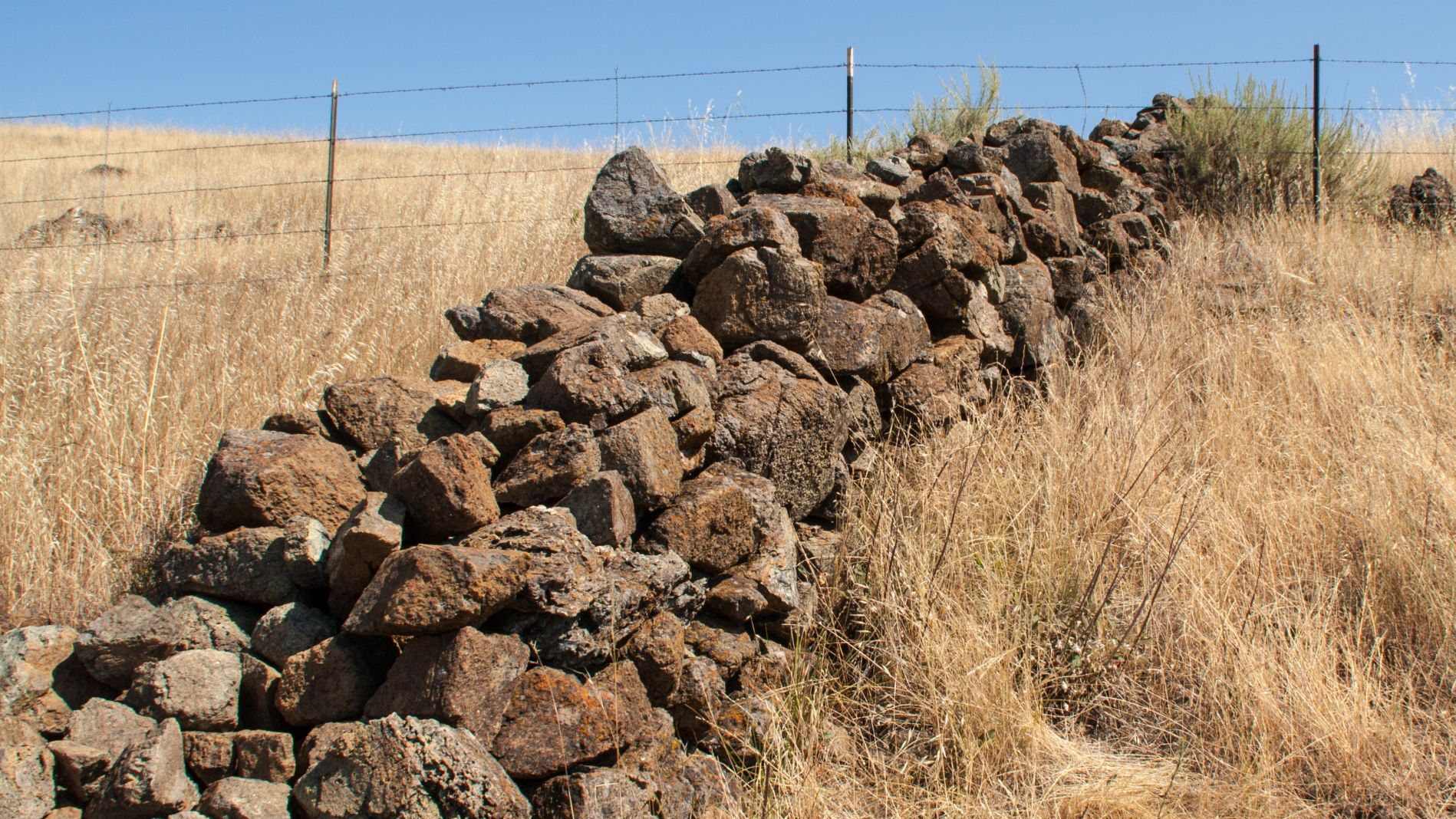
More Than Just a Few Stones
This is not one wall or even a handful of them. Researchers believe the network may once have stretched more than 50 miles in total. Today, erosion, development, and vegetation have broken many sections apart. Even so, enough remains to show this was a massive effort.
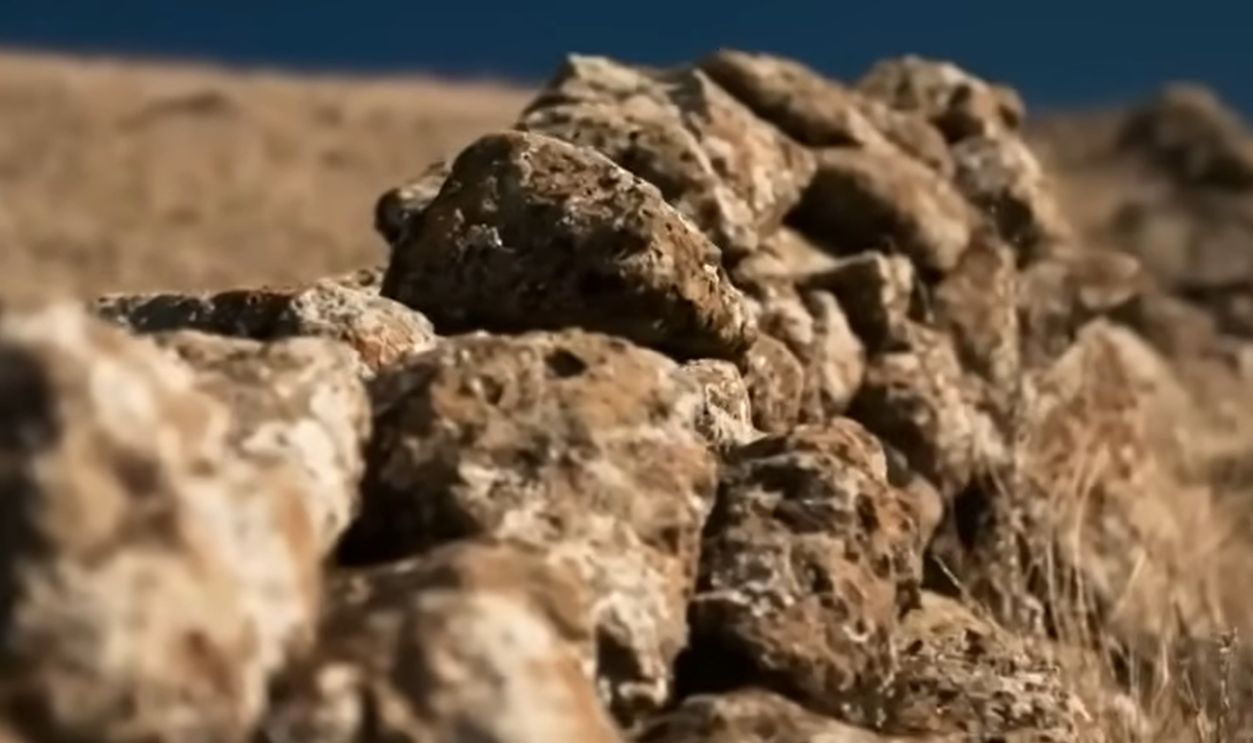 Screenshot from America Unearthed, H2 (2012–2019)
Settlers Found Them Already There
When European settlers arrived in the mid-1800s, the walls were already standing. Early ranchers often assumed they were old fences or livestock barriers. But no one could explain who built them, and no historical documents mentioned their construction.
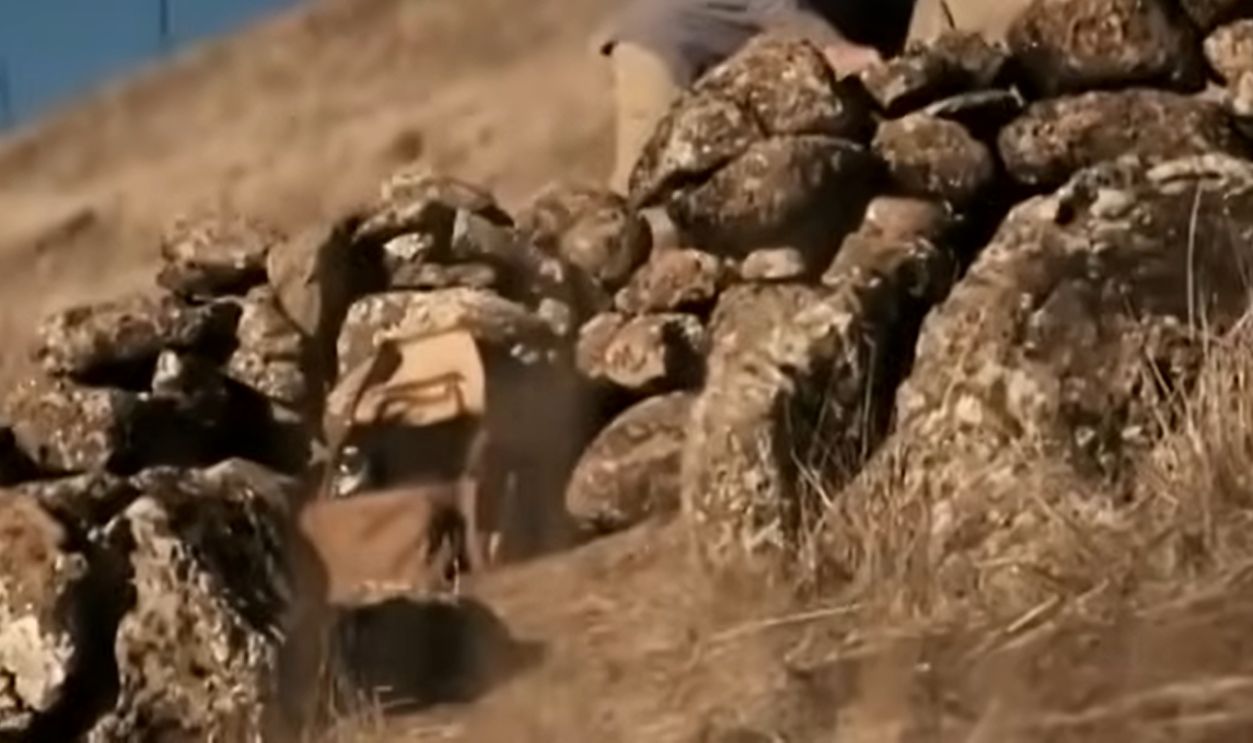 Screenshot from America Unearthed, H2 (2012–2019)
No Spanish Records
Spanish missionaries kept detailed records of their activities in California. Yet there is no mention of these walls being built or used. That absence is important, because it suggests the walls were already old by the time Europeans arrived.
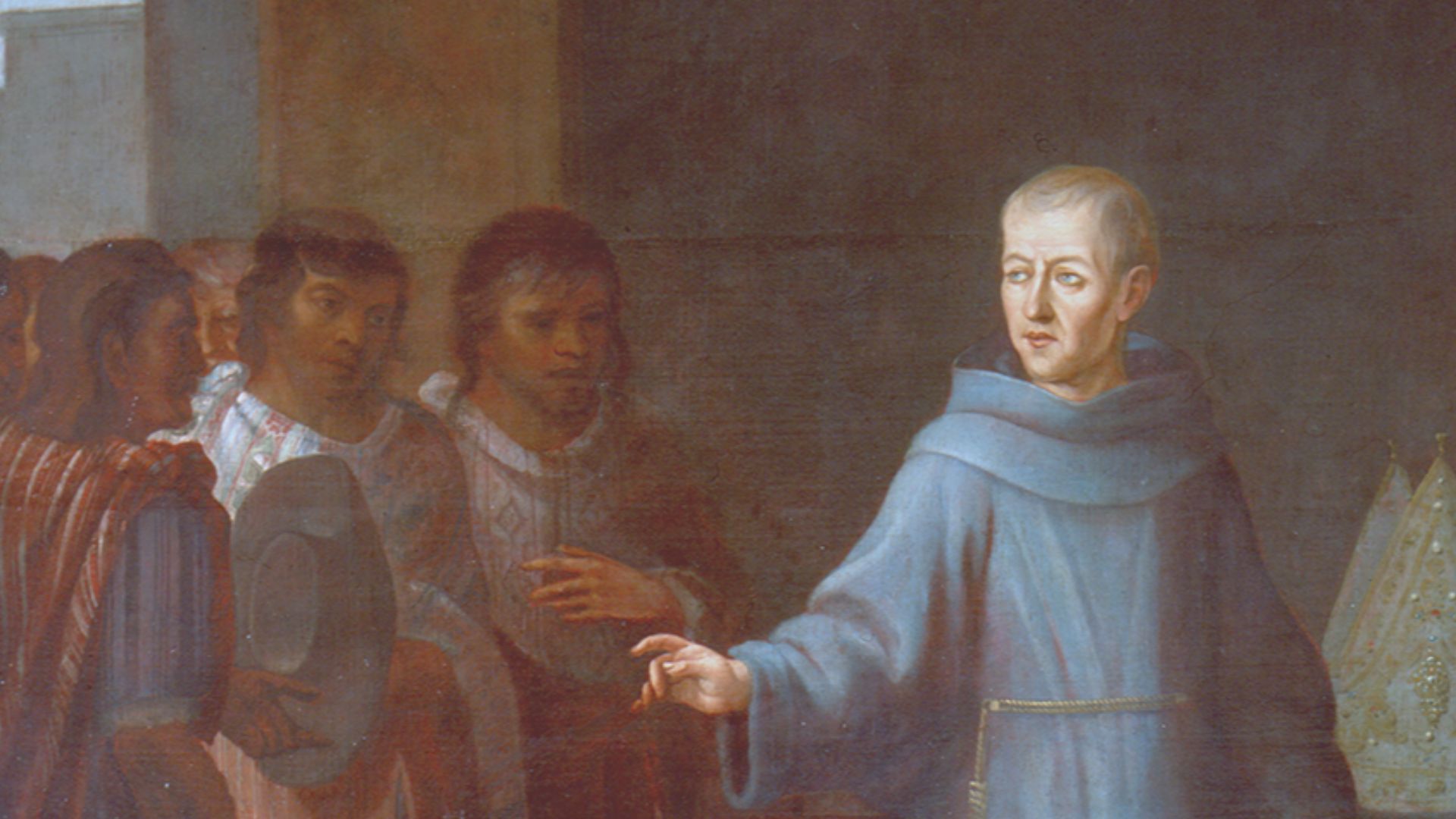 AnonymousUnknown author, Wikimedia Commons
The Indigenous Theory
One common idea is that the walls were built by Native American groups who lived in the region long before colonization. The Ohlone people occupied much of the Bay Area. However, archaeologists have not found oral histories, traditions, or tools that clearly connect them to large stone wall construction.
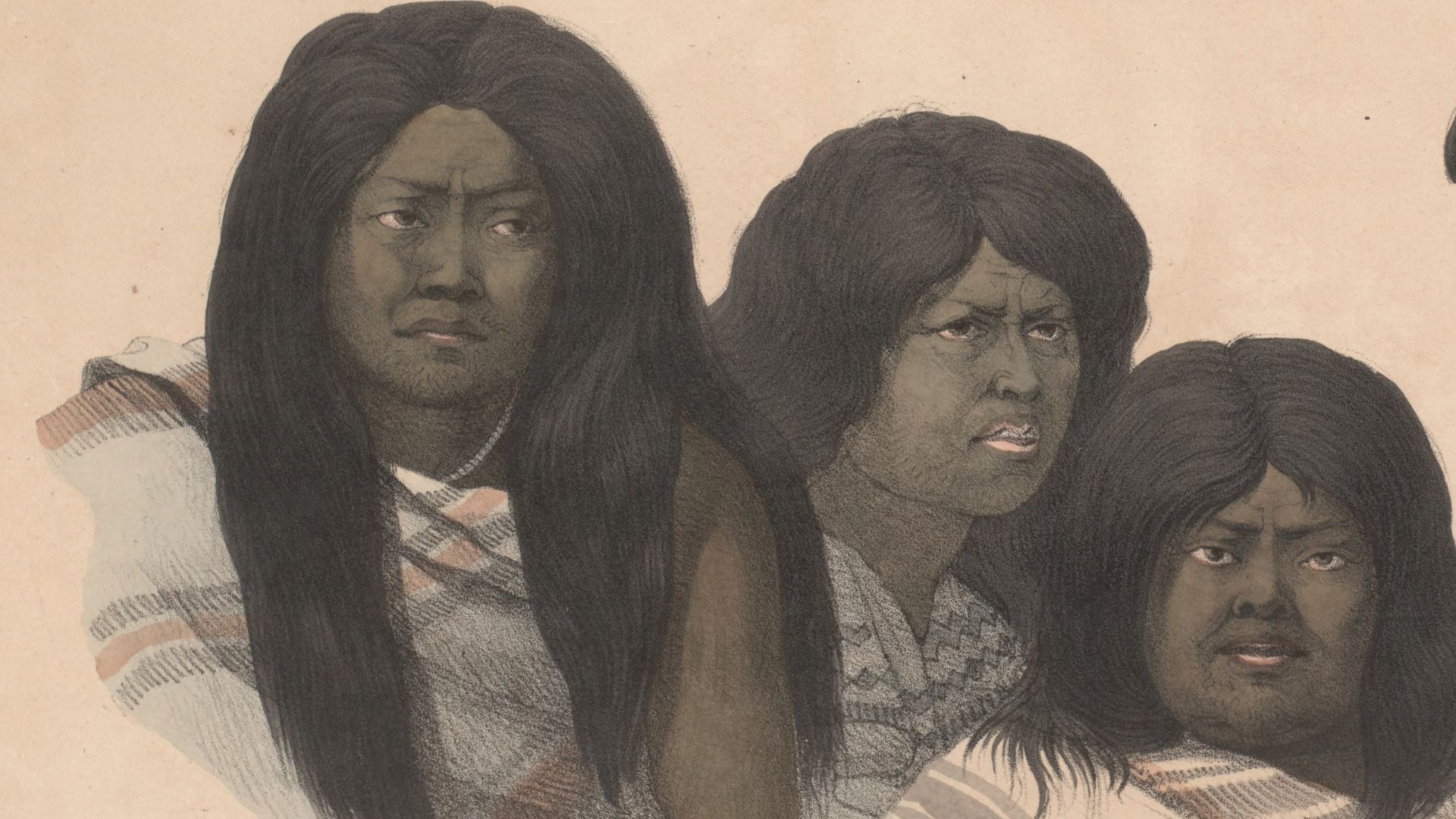 Louis Choris, Wikimedia Commons
The Tool Problem
Stone walls like these usually leave behind evidence. Tools, quarries, or work sites are common in similar structures around the world. Around the Berkeley Mystery Walls, those clues are missing. This gap makes researchers hesitate to assign the walls to any known culture.
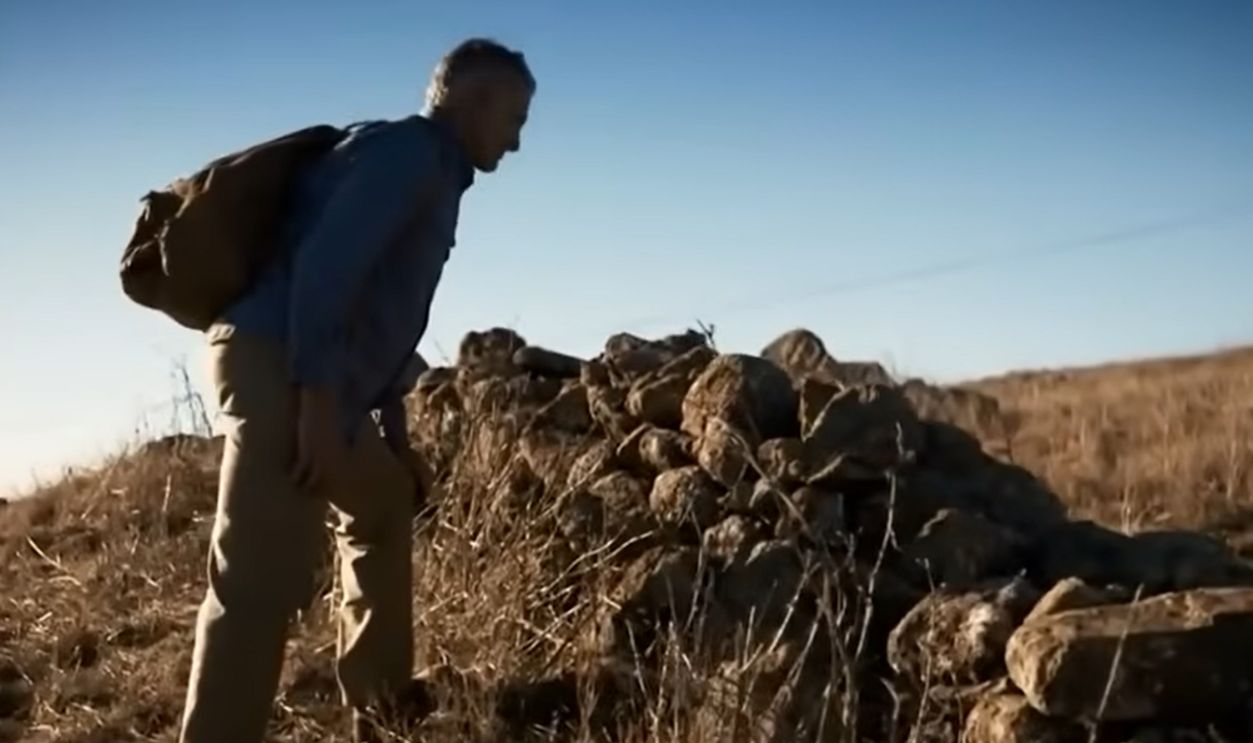 Screenshot from America Unearthed, H2 (2012–2019)
A Chinese Immigrant Explanation
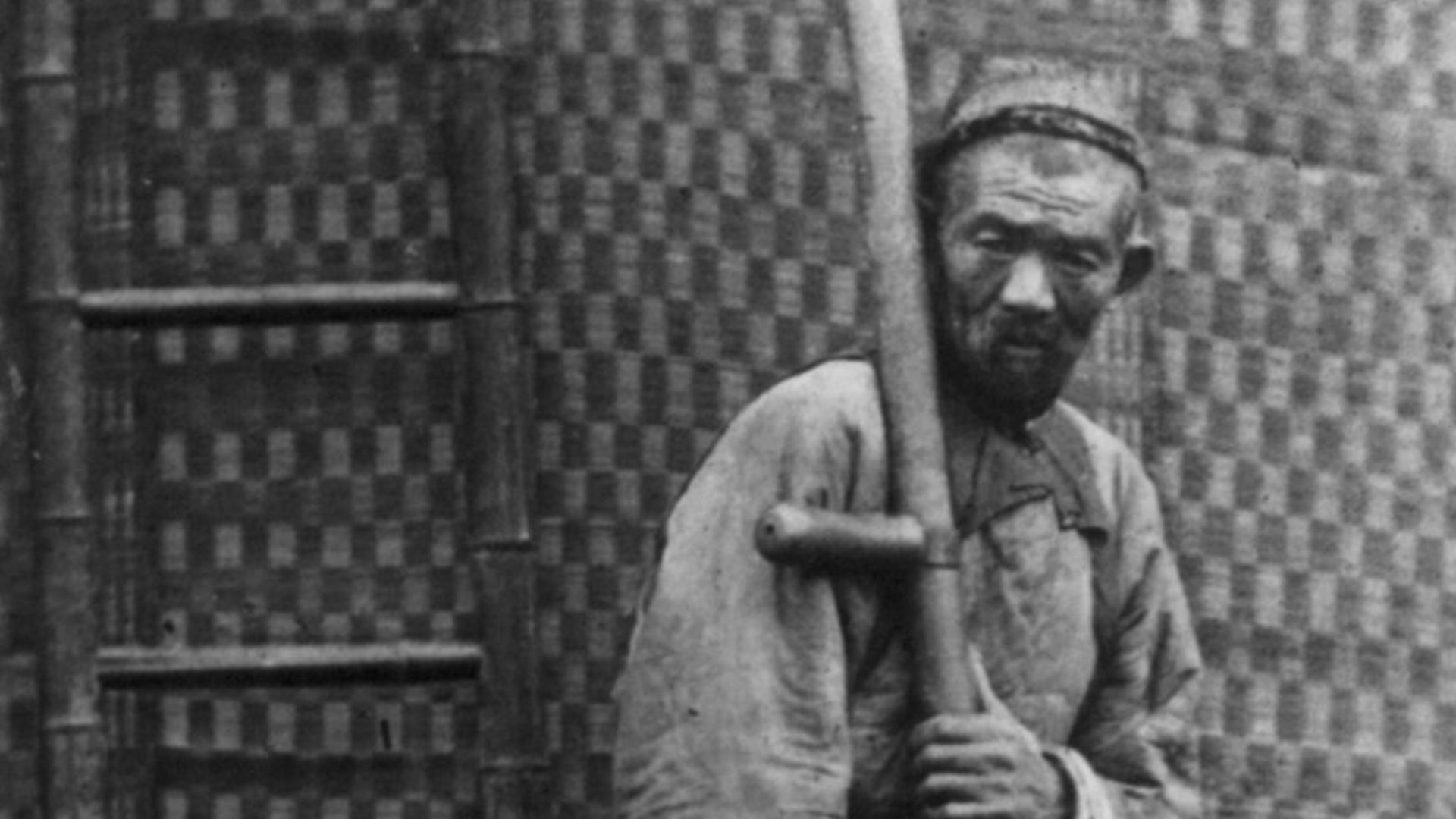
Another theory suggests Chinese laborers built the walls in the 1800s, possibly during the Gold Rush era. Chinese workers did build stone features elsewhere in California. However, historians have found no records of such walls being constructed in the East Bay hills.
 Thomson, J. (John), 1837-1921, photographer., Wikimedia Commons
The Locations Don’t Make Sense
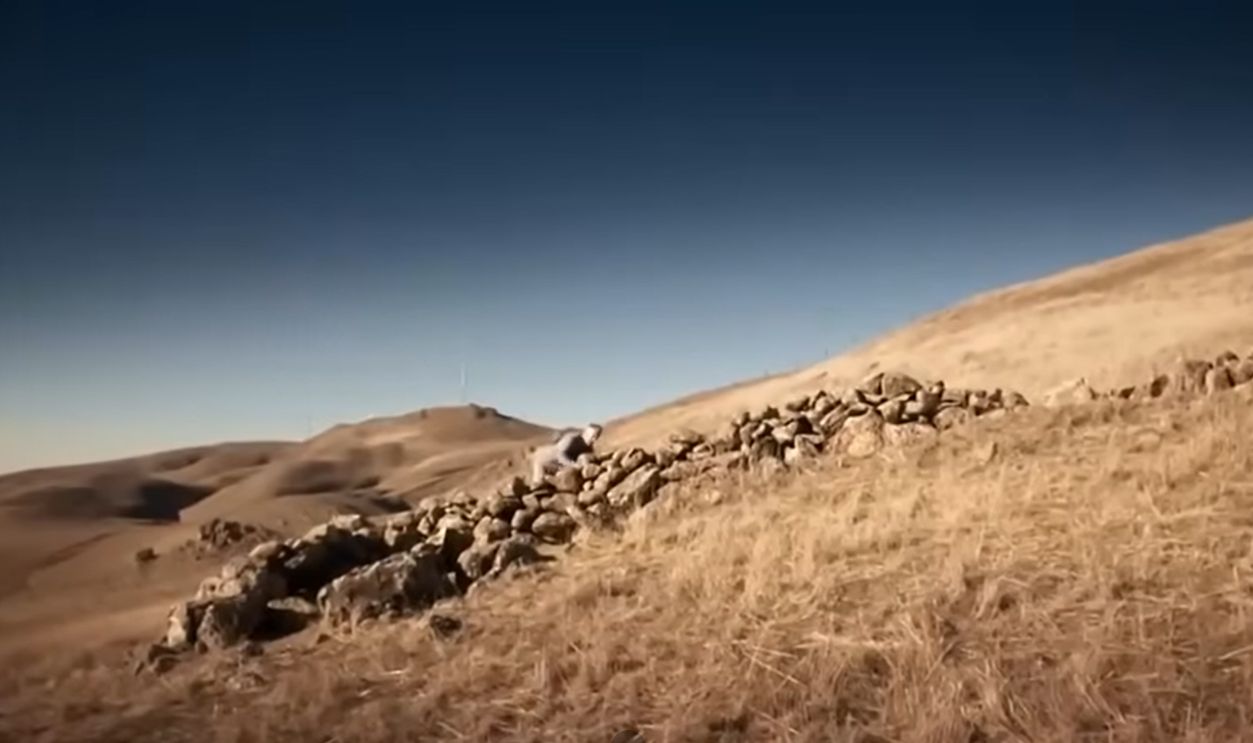
If the walls were fences, they would follow property lines. If they were livestock barriers, they would block movement logically. Instead, many walls cut straight across hills and valleys. Archaeologist Glenn Farris once noted that the walls “don’t behave like practical structures.”
 Screenshot from America Unearthed, H2 (2012–2019)
Early Academic Interest
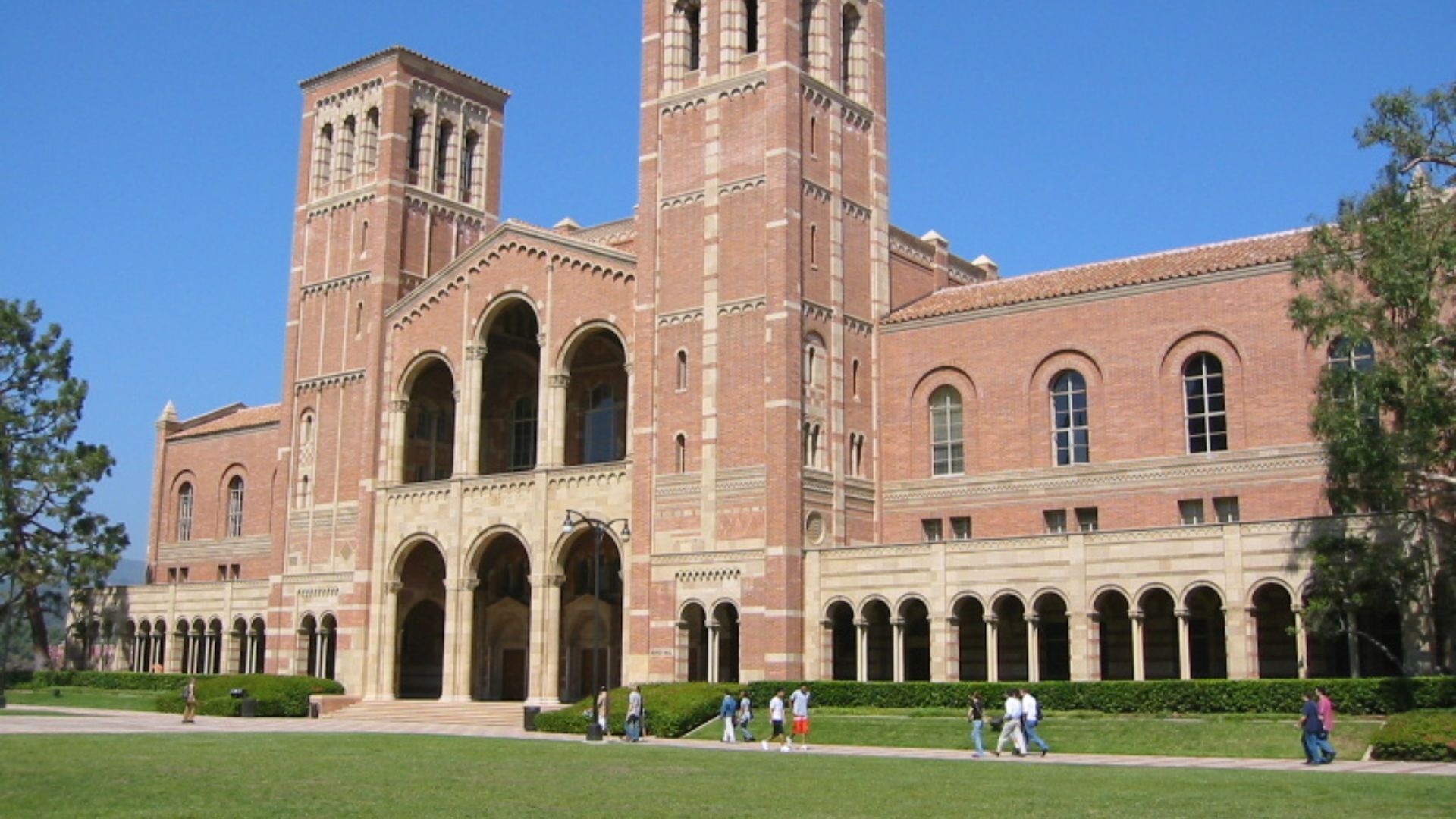
By the early 1900s, researchers at the University of California began surveying the walls. They documented their construction and placement but could not determine their age. Without organic material, traditional dating methods were useless.
 Aegis Maelstrom, Wikimedia Commons
The Dating Dead End
Stone itself cannot be dated. There is no mortar to analyze. Any organic material nearby might be unrelated. Archaeologist Brian Fagan has explained that stone structures without context are among the hardest archaeological features to date.
 Screenshot from America Unearthed, H2 (2012–2019)
Defensive Walls That Do Not Defend
If the walls were meant for defense, they are far too low. They would not stop people or animals. If they were ceremonial, there is no known ritual tradition tied to them. Every explanation seems to fall apart under closer inspection.
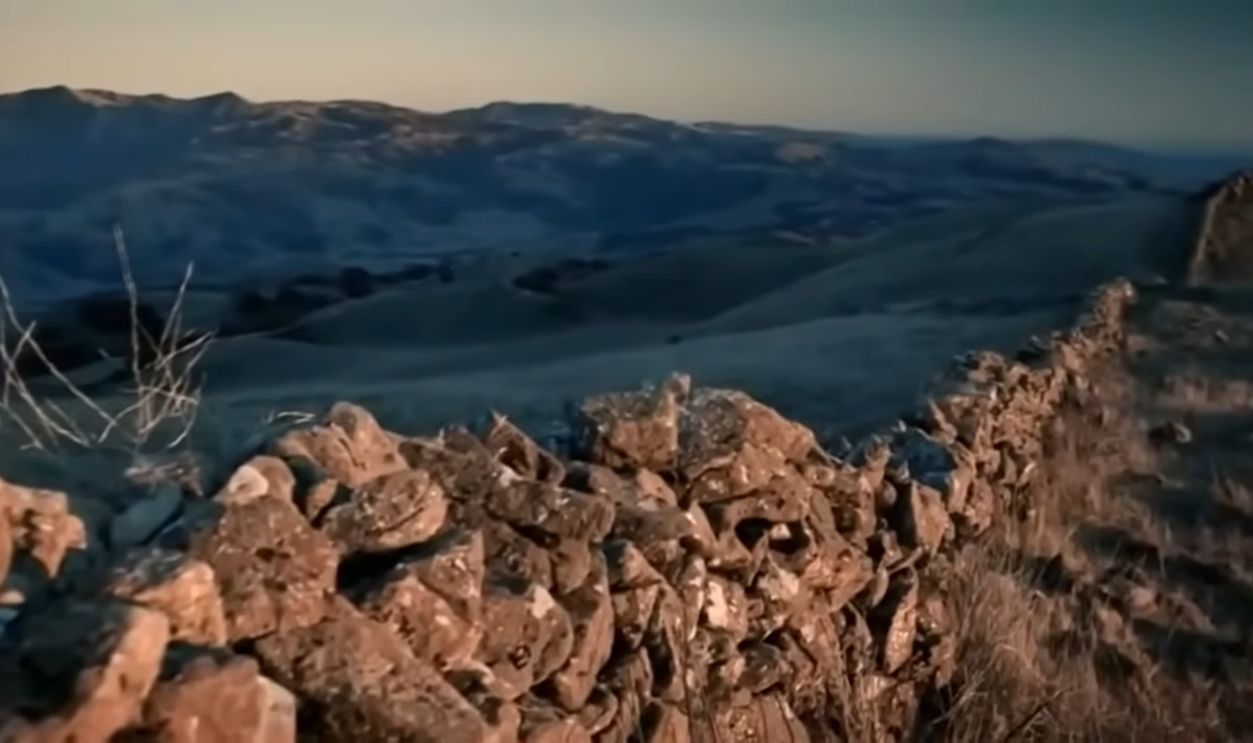 Screenshot from America Unearthed, H2 (2012–2019)
Fringe Theories Appear
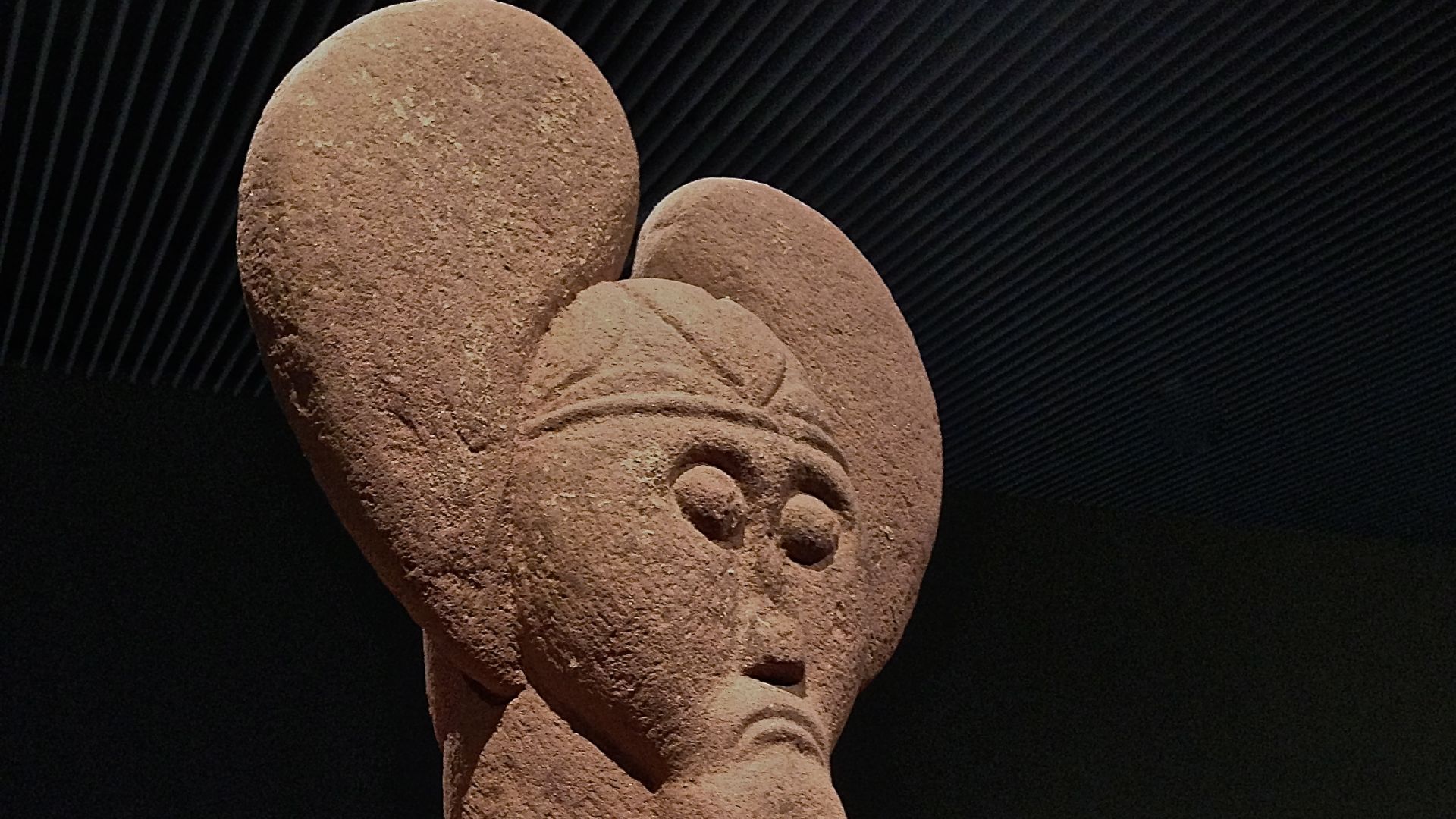
Because no solid explanation exists, fringe ideas have filled the gap. Some claim the walls were built by ancient Europeans, such as Phoenicians or Celts. Mainstream archaeologists reject these ideas completely due to a total lack of evidence.
How Old Could They Be?
Estimates vary widely. Some researchers think the walls may be a few hundred years old. Others believe they could be several thousand years old. Without reliable dating, both possibilities remain on the table.
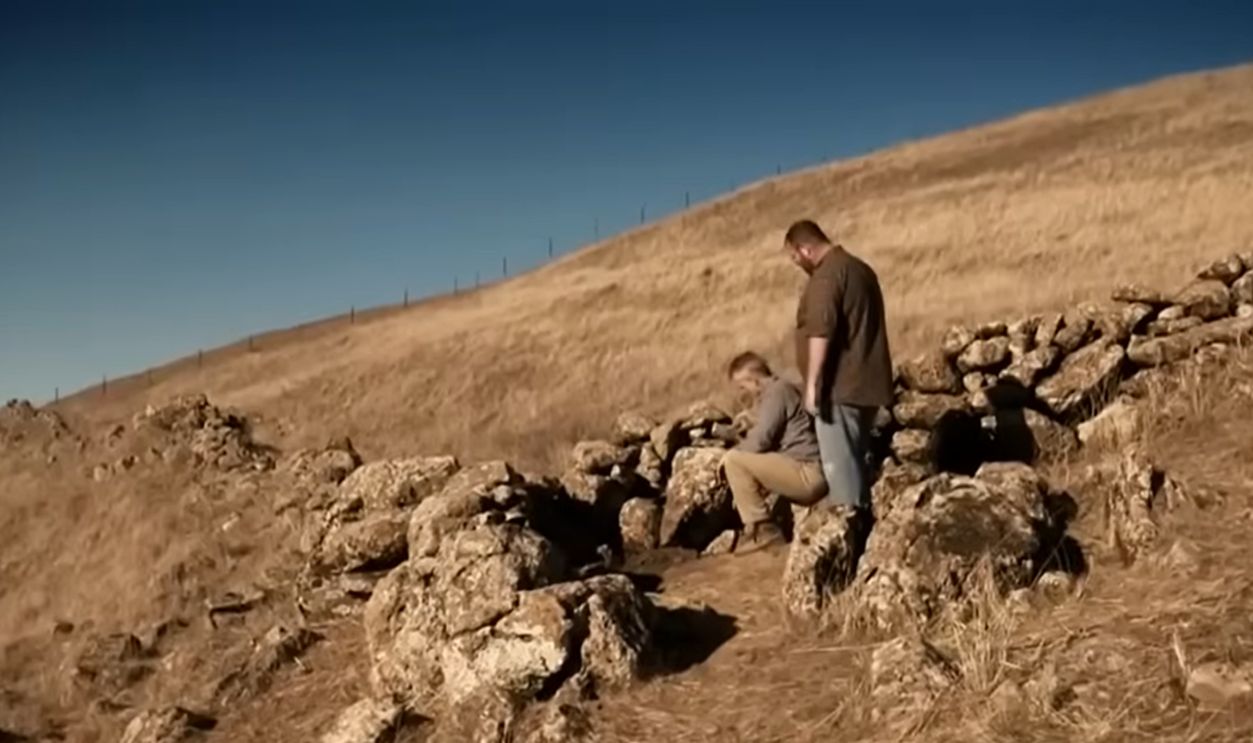 Screenshot from America Unearthed, H2 (2012–2019)
Patterns That Raise Eyebrows
When mapped, some wall segments appear to follow ridgelines or align with natural sightlines. This has led to speculation about symbolic or navigational purposes. So far, no clear pattern has been proven, but the idea continues to intrigue researchers.
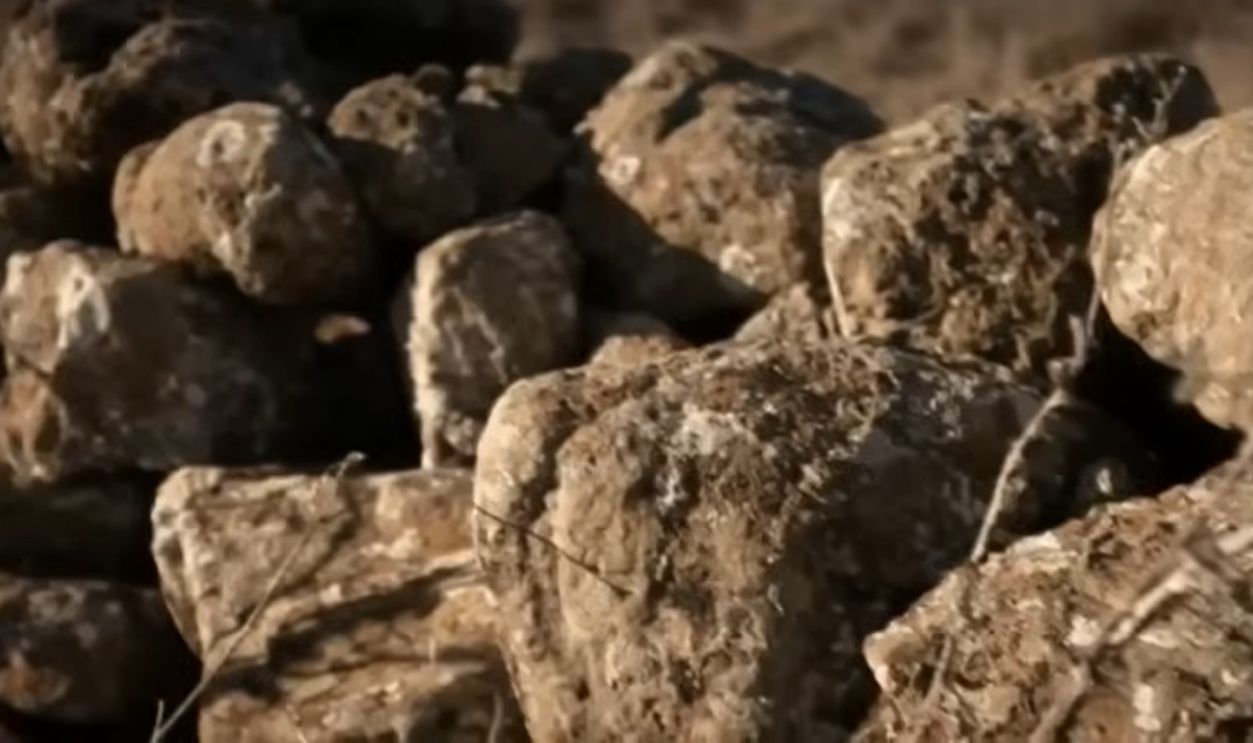 Screenshot from America Unearthed, H2 (2012–2019)
Why Construction Stopped
Many walls end suddenly, without signs of collapse or erosion. It looks as if whoever built them simply stopped. Whether this was due to migration, conflict, or changing priorities is unknown.
 Screenshot from America Unearthed, H2 (2012–2019)
Still No Agreement
Modern archaeologists remain divided. Some think the walls were built over time by different groups. Others believe they served more than one purpose. No theory has convinced everyone.
 Screenshot from America Unearthed, H2 (2012–2019)
Protected, But Unexplained
Today, some sections are protected within regional parks and open spaces. Visitors can walk alongside them, touch the stones, and wonder who placed them there. What they cannot do is read a sign that explains the answer.
 Screenshot from America Unearthed, H2 (2012–2019)
A Mystery That Won’t Go Away
The Berkeley Mystery Walls are clearly human-made. They required labor, planning, and intention. Yet they sit outside of any clear historical narrative. That contradiction is what keeps researchers coming back.
 Screenshot from America Unearthed, H2 (2012–2019)
Why This Still Matters
The walls remind us that history is incomplete. Even in a place as studied as California, there are stories we have not figured out yet. For archaeologists, the Berkeley Mystery Walls are not just an oddity. They are an unsolved question waiting patiently in the hills.
 Screenshot from America Unearthed, H2 (2012–2019)
You May Also Like: