Mystery Suspended In Stone
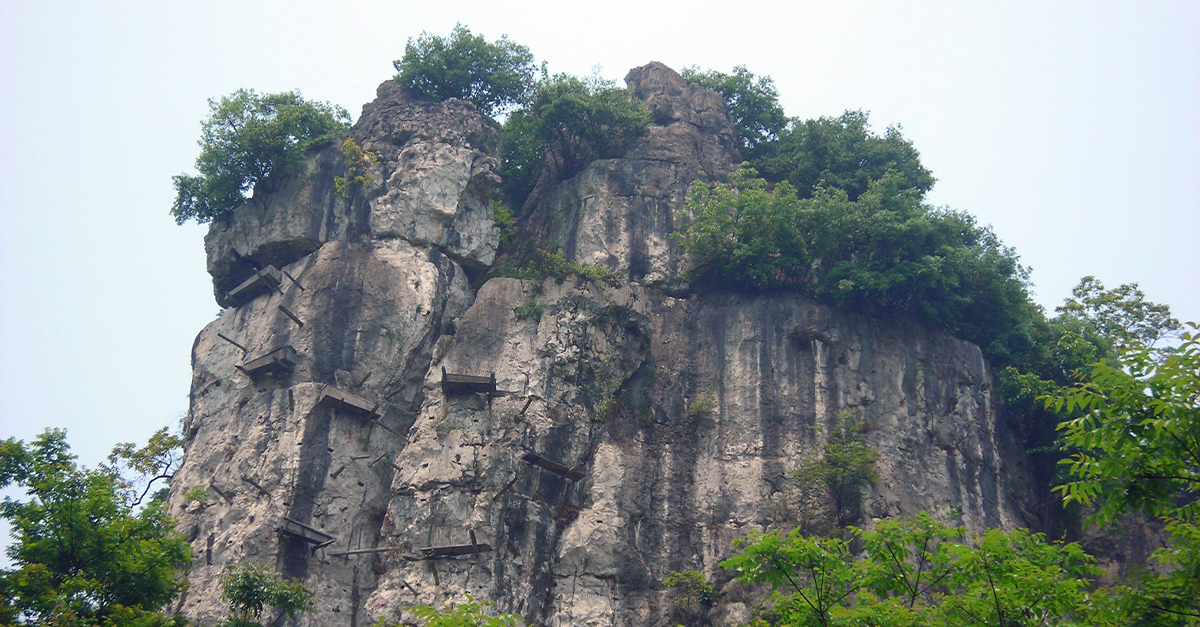
For centuries, travelers and researchers were baffled by coffins wedged high into sheer cliffs across the rugged terrain of southern China. Recent DNA research has finally enabled us to pinpoint the identity of the Hanging Coffin People, showing a direct genetic link to the historically documented Bo people.
Where Are The Hanging Coffins?
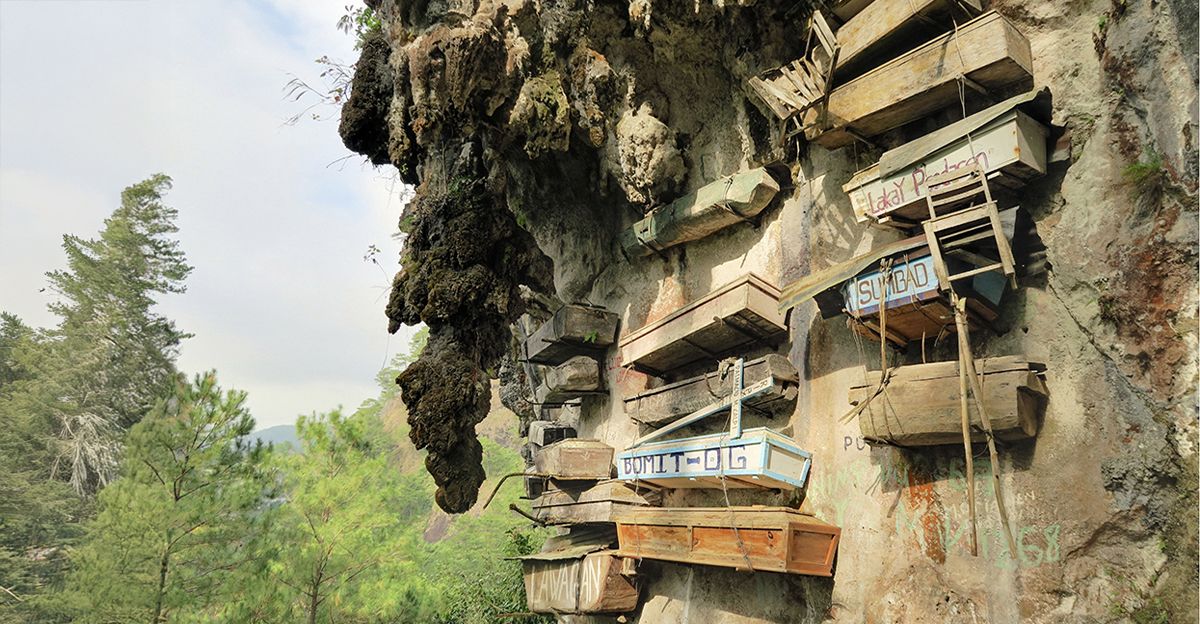
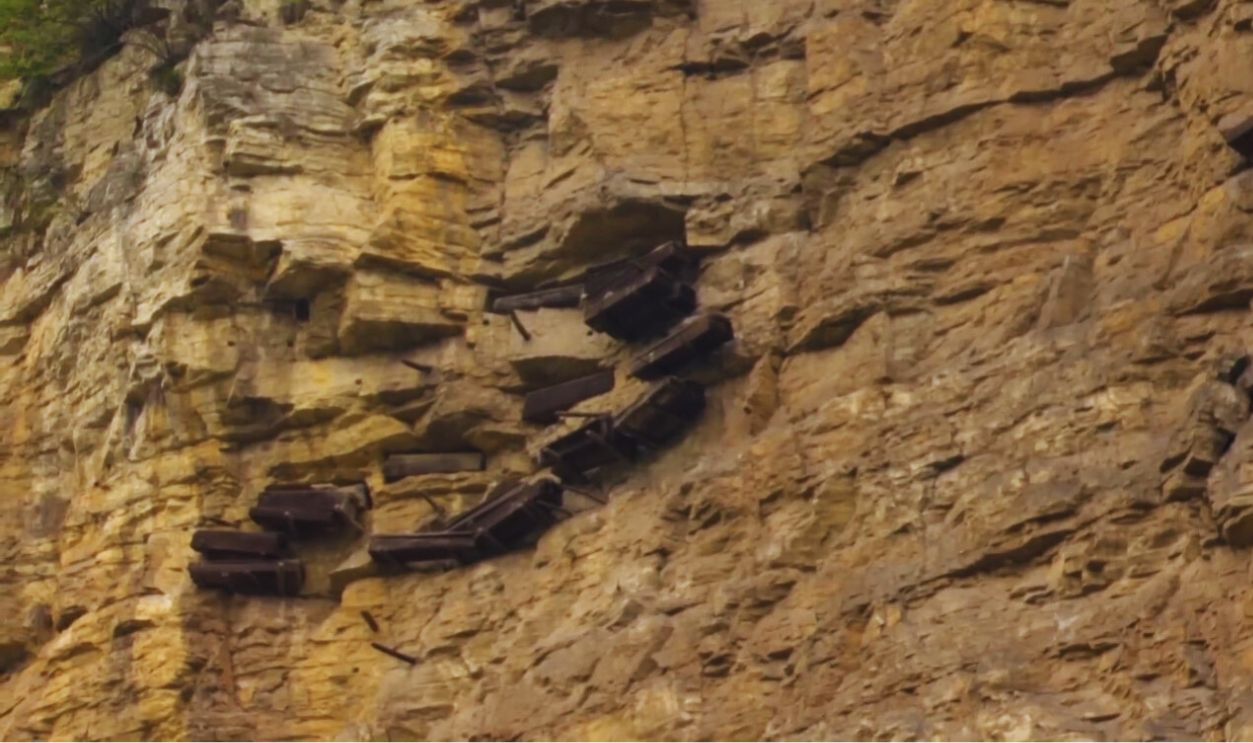
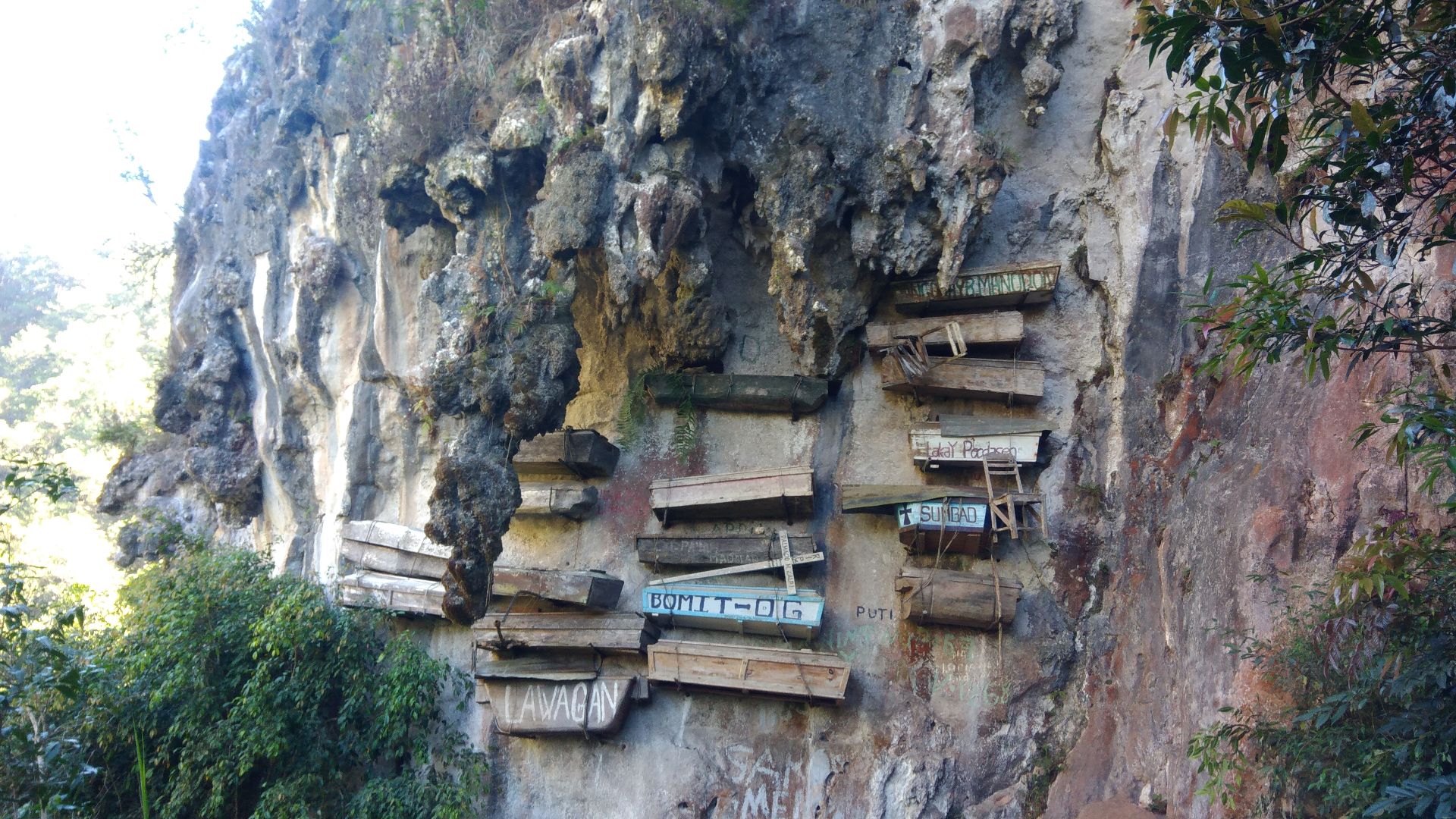
Hanging coffins are mostly concentrated in southwestern China, especially the provinces of Sichuan, Yunnan, Guizhou, and Chongqing. These regions are all defined by steep cliffs and deeply carved river gorges, geography that probably encouraged this unusual burial practice and coincidentally helped to preserve those remains for modern study.

The Hanging Coffin Tradition
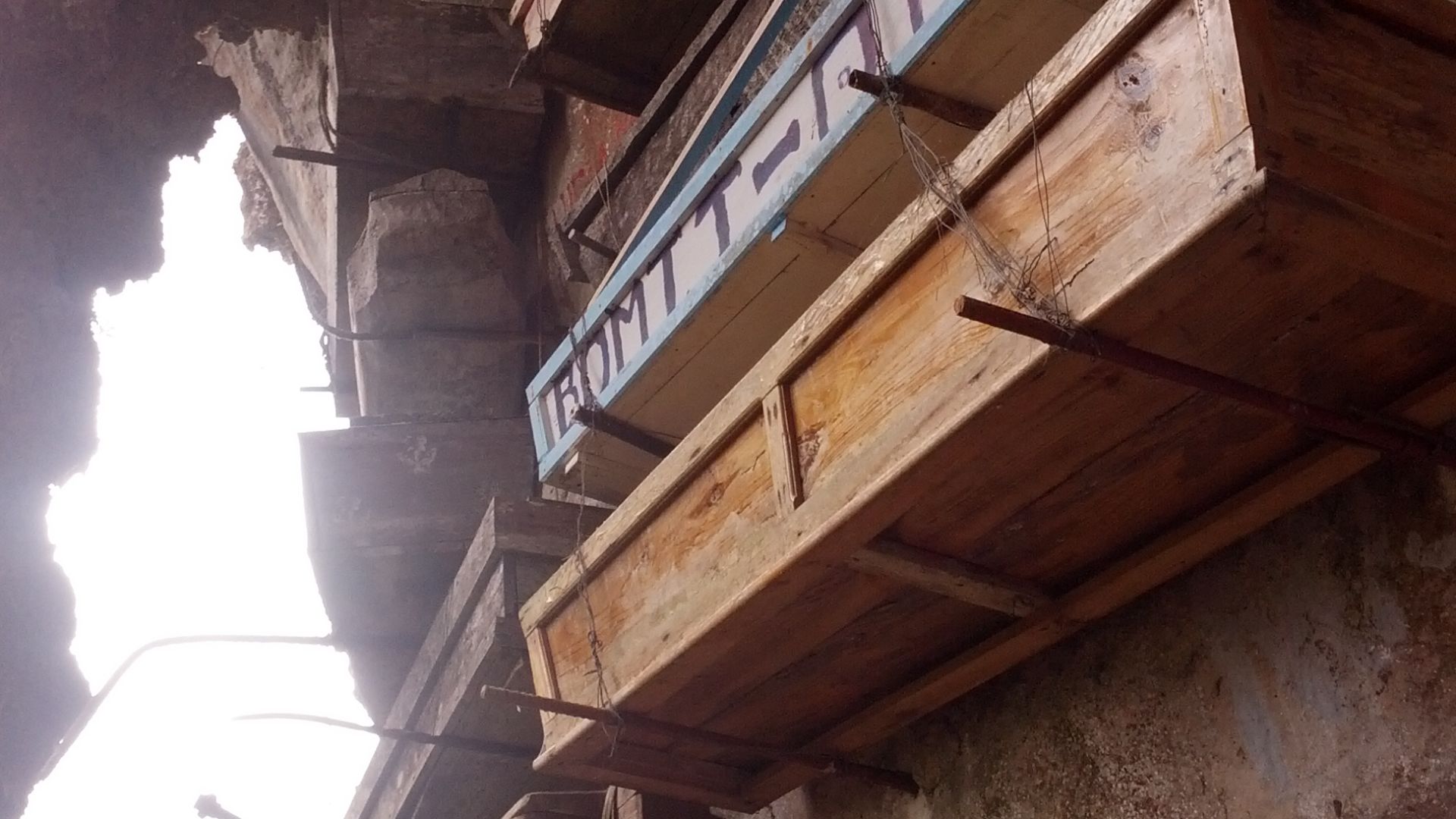
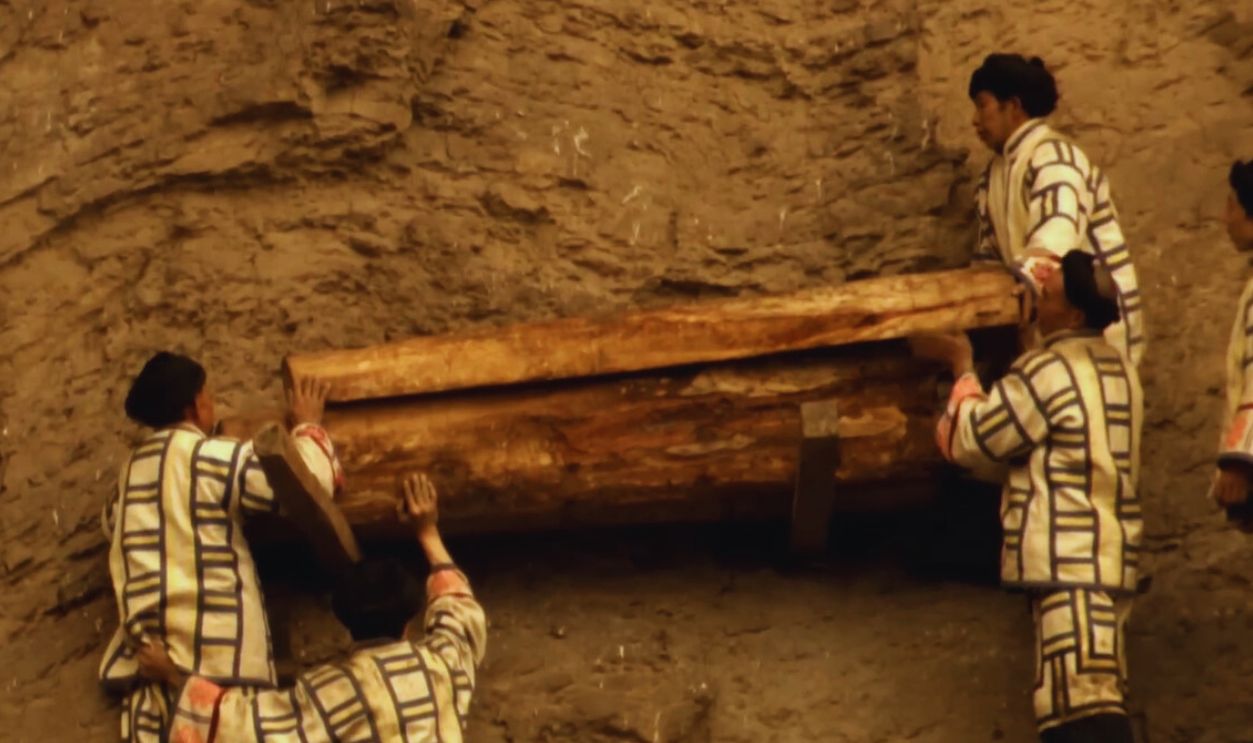
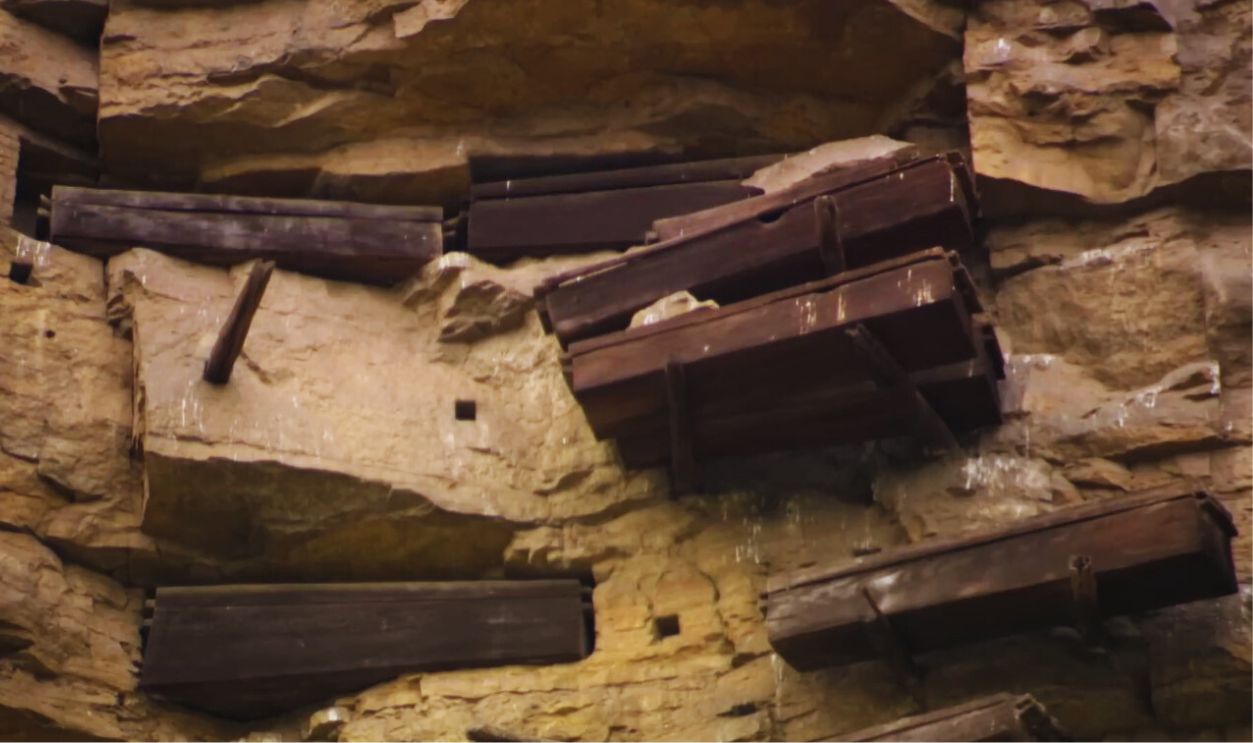
The coffins in question were carved from single tree trunks and placed in cliff niches, caves, or on wooden beams protruding out of the cliff face itself. Some of them date back as far as two thousand years. The practice is the result of funerary ritual, reverence for ancestors, and more immediate practical concerns like protection from animals and flooding.
 Juliethepearl, Wikimedia Commons
Early Theories About The Builders
Before the days of genetic evidence, scholars offered up many possible explanations for the coffins’ origins. Some thought they were left behind by vanished tribes or migrants who used the cliffs before moving on; others saw more concerted symbolic efforts to place the dead closer to heaven. Without any written information left behind, the builders’ identity remained as elusive as a will o’ the wisp.
 Screenshot from Mysterious Hanging Coffins of China, Discovery Channel (2008)
Historical Mentions Of The Bo People
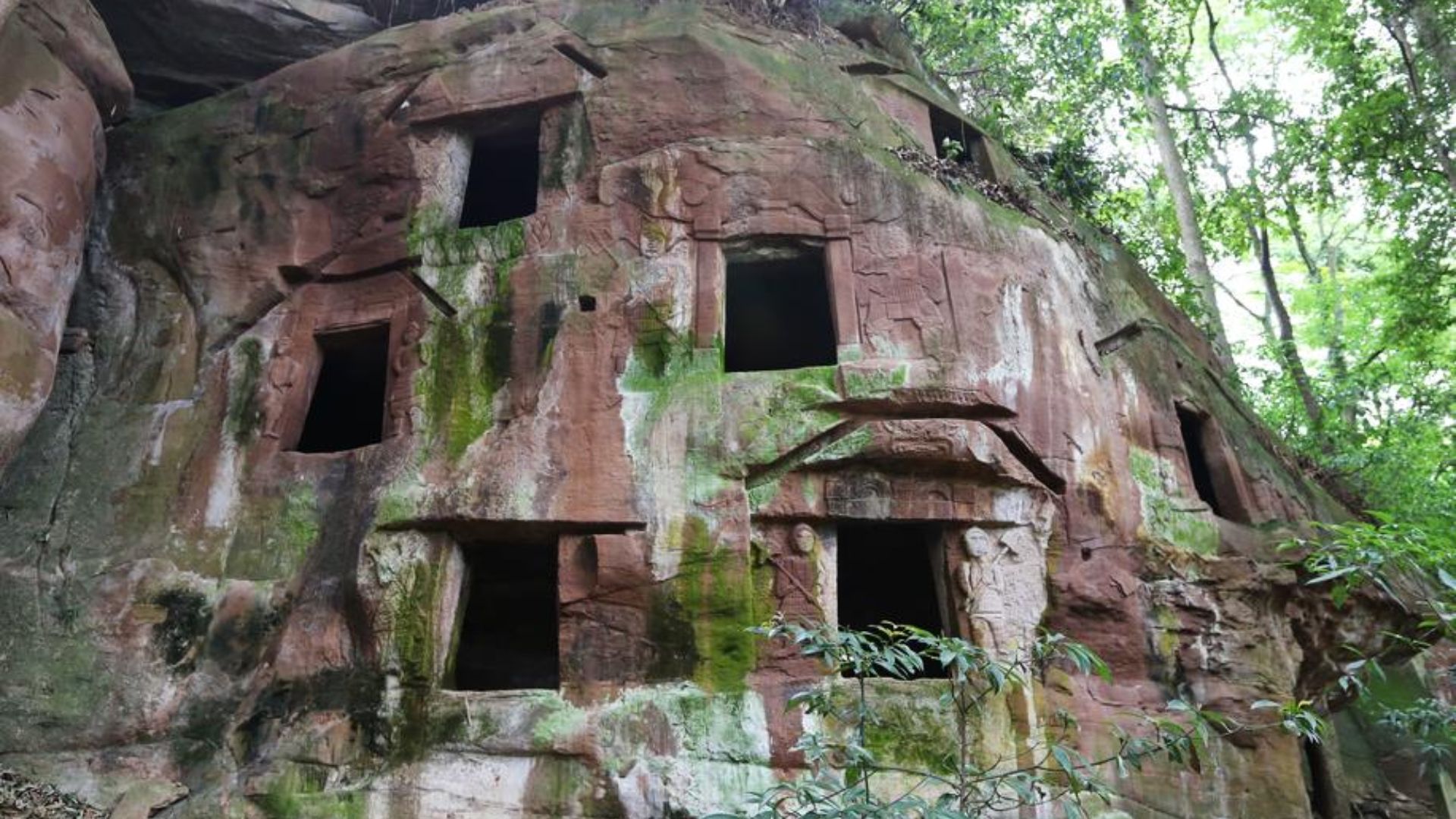
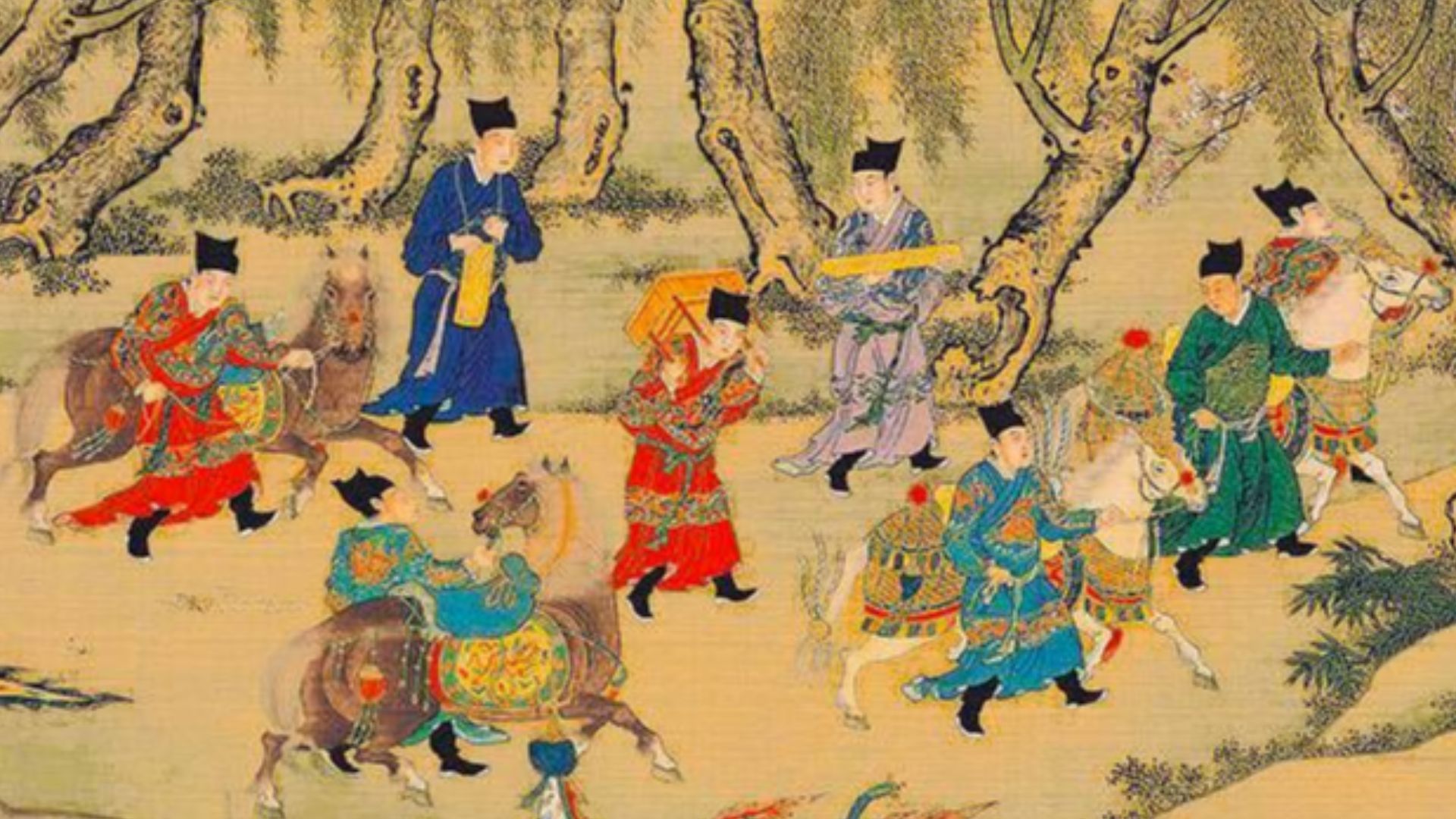
Chinese historical records from the Zhou, Qin, and Han periods mention the Bo as inhabitants of southwestern China with their own distinctive set of customs. These texts also recount their eventual crushing defeat under the boot heels of imperial armies, after which all references to the Bo abruptly fade into history’s ether.
A People Lost To History
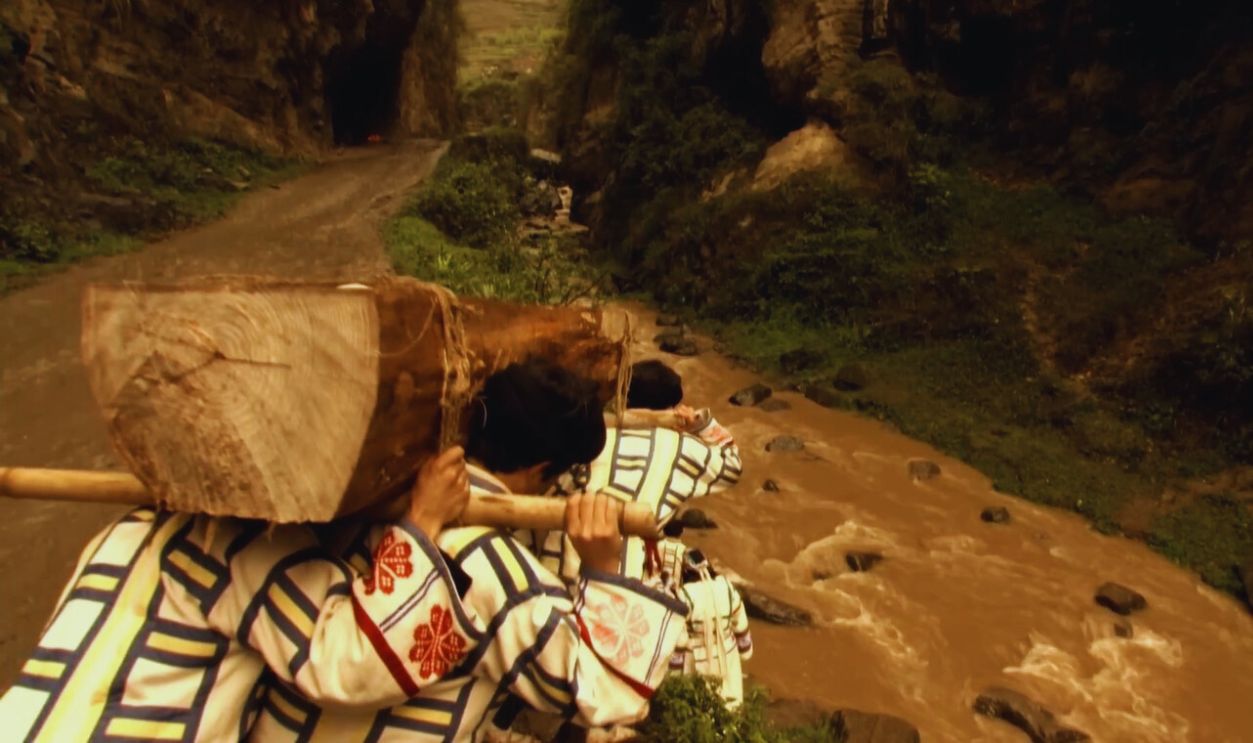
By the time of the Ming Dynasty, the Bo were widely thought to have disappeared off the map completely. The hanging coffins scattered across former Bo territory became the eerie and haunting reminders of a people assumed to have suffered total annihilation rather than be absorbed into later vibrant populations.
 Screenshot from Mysterious Hanging Coffins of China, Discovery Channel (2008)
DNA Recovered
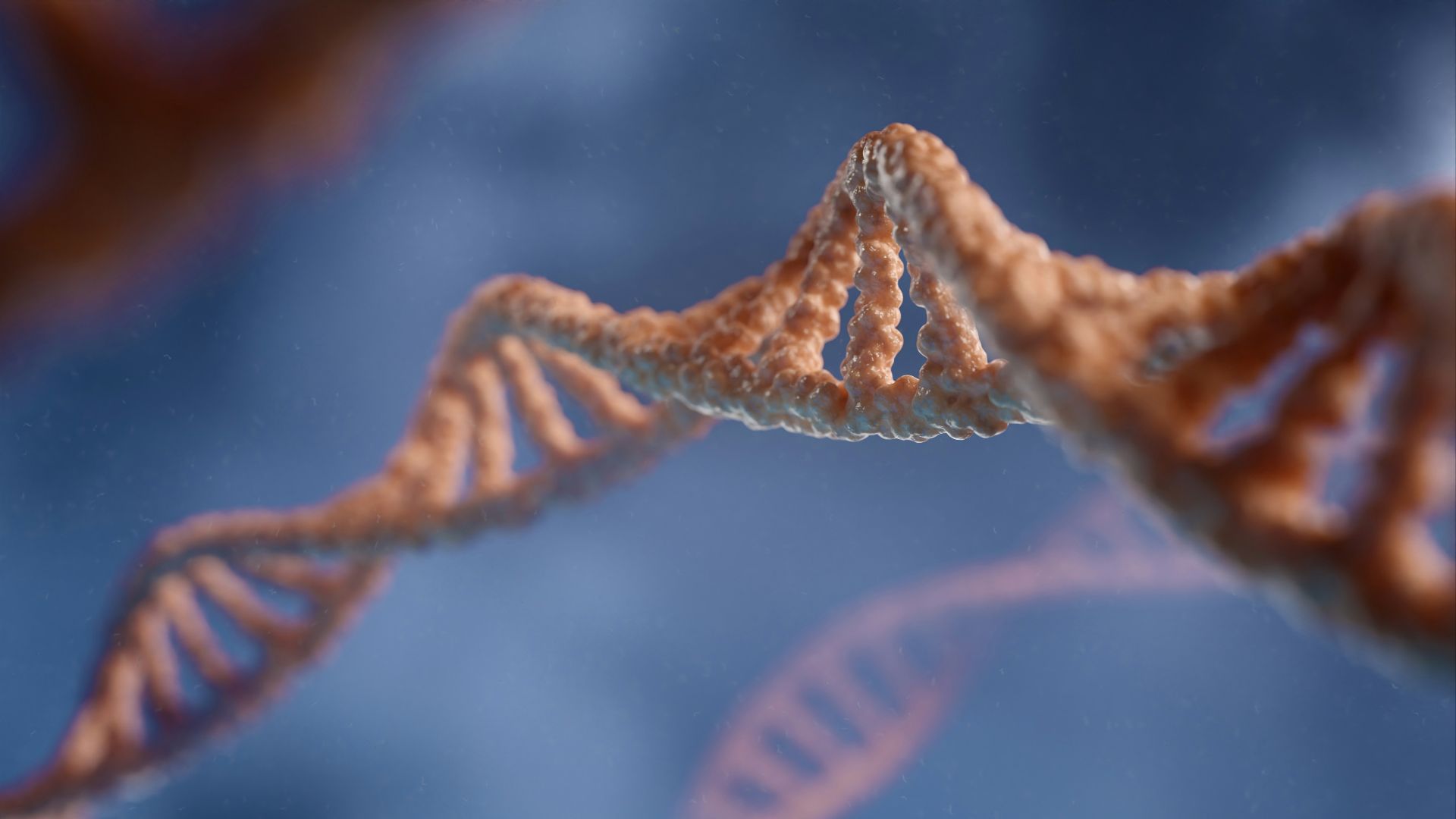
As we all know, DNA techniques have advanced by leaps and bounds in recent decades, and this is what allowed researchers to extract the priceless genetic material from bones and teeth found in hanging coffins. Despite the challenges of humidity, age, and decay, enough DNA was salvaged from the caskets to enable genetic supersleuths to start making some meaningful population comparisons.
Ancient Vs Modern Populations
Researchers compared the ancient DNA from the coffins with the genetic data assembled from modern populations living in the local area. The comparative analysis showed a strong genetic continuity, suggesting that the descendants of the coffin builders are still living across the region today.
 Lastithegreat, Wikimedia Commons
Bo Connection Confirmed
The genetic results wholeheartedly support that the Hanging Coffin People were the Bo or other closely related groups. This evidence puts to rest the long-standing mystery by linking these archaeological remains directly to a population named in the annals of the historical past.
 Screenshot from Mysterious Hanging Coffins of China, Discovery Channel (2008)
They Haven’t Gone Anywhere
One of the most amazing findings of this research is that the living descendants of the Bo still steadfastly inhabit the same regions. Though their cultural practices evolved over centuries, genetic continuity shows resilient survival through assimilation into other communities rather than eradication by conquering invaders.
 Screenshot from Mysterious Hanging Coffins of China, Discovery Channel (2008)
Survival Through Assimilation
Rather than being wiped off the face of the earth, the Bo were most likely absorbed into the neighboring ethnic groups. Their burial traditions went out of practice, but the families themselves lived on. DNA evidence shows how cultural disappearance doesn’t necessarily mean genetic destruction.
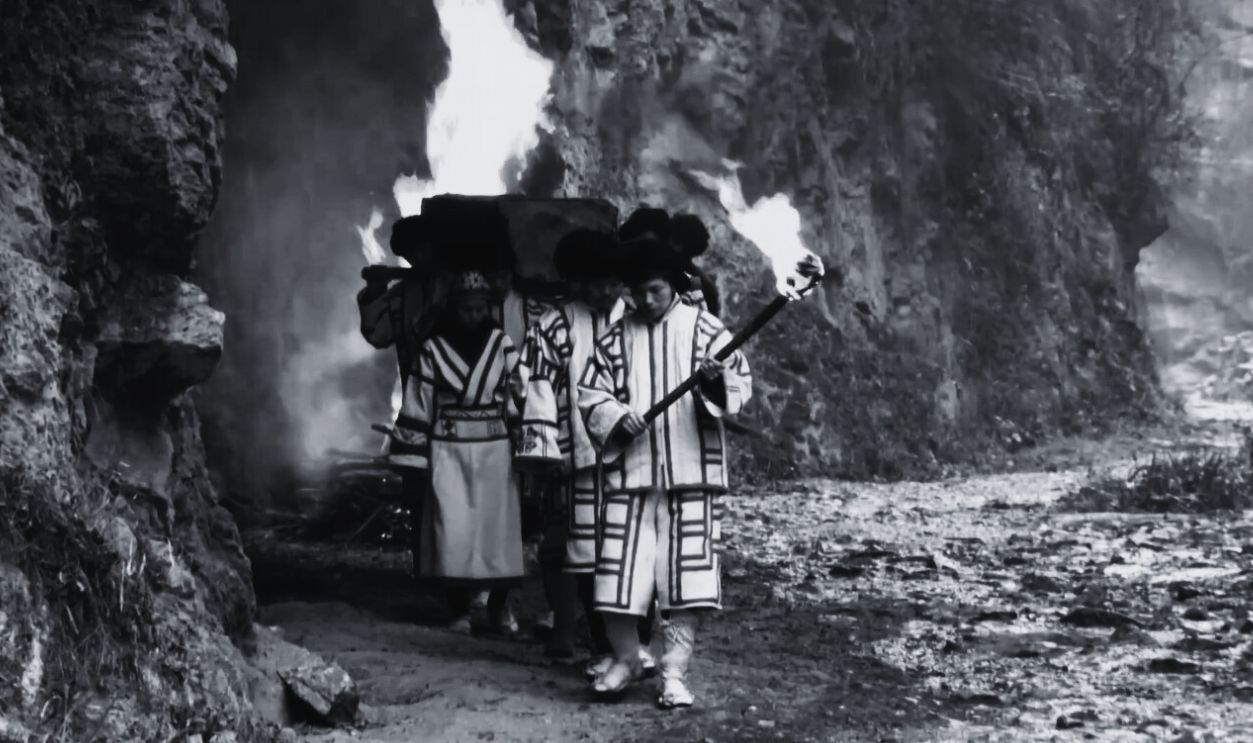 Screenshot from Mysterious Hanging Coffins of China, Discovery Channel (2008)
Rethinking Imperial Erasure
Chinese historical records tend to describe defeated groups as exterminated. Genetic data clouds this narrative, suggesting survival through assimilation was a lot more common than total destruction. The Bo people are a classic case instance of how imperial histories can obscure the lived realities of subjugated peoples.
 Mingdynastyavenger, Wikimedia Commons
Why The Coffins Were Placed High
The precipitous cliffside placement was likely a combination of spiritual beliefs with practical considerations. Cliffs protected the remains, visibly marked territory, and reinforced ancestral presence in the landscape. The burials were a combination of ancient belief systems and adaptation to the world around them.

Role Of Geography
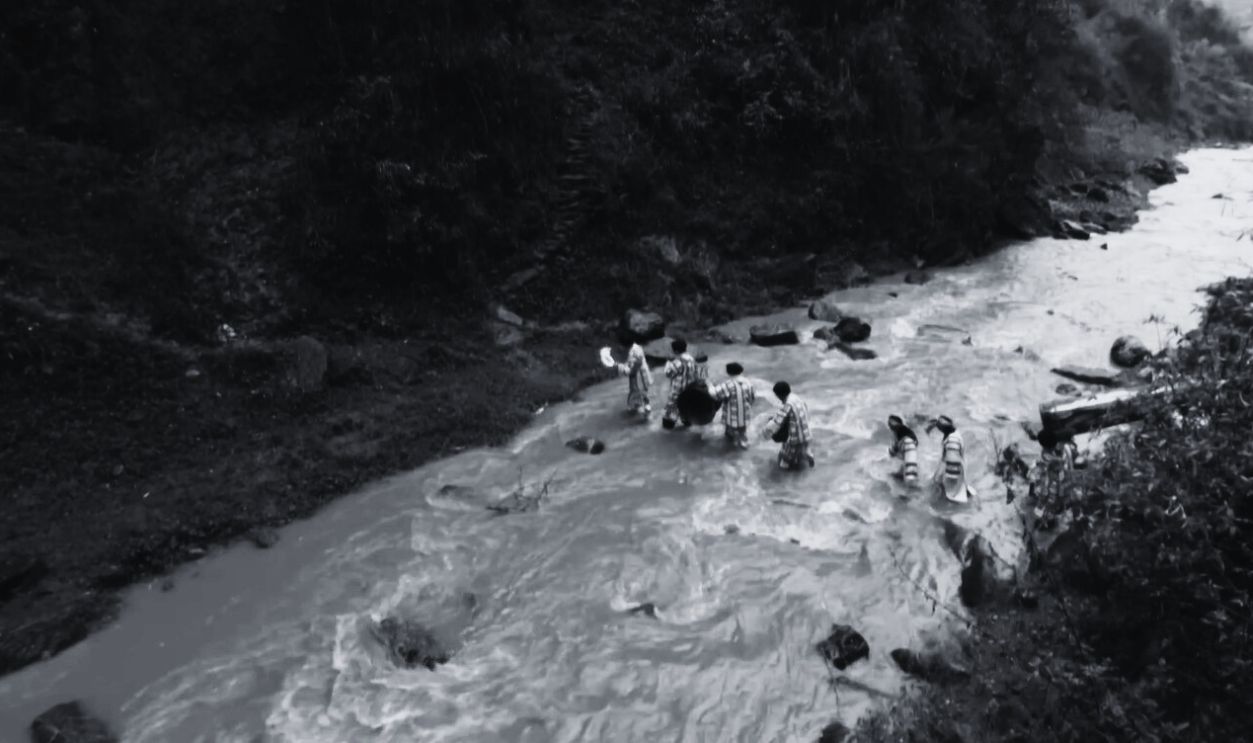
Southwestern China’s rugged terrain was massively influential in Bo burial practices. Cliffs and river valleys made these high placements possible and enduring. Geography played an active role in cultural expression rather than merely being the picturesque window dressing.
 Screenshot from Mysterious Hanging Coffins of China, Discovery Channel (2008)
Implications For Chinese Archaeology
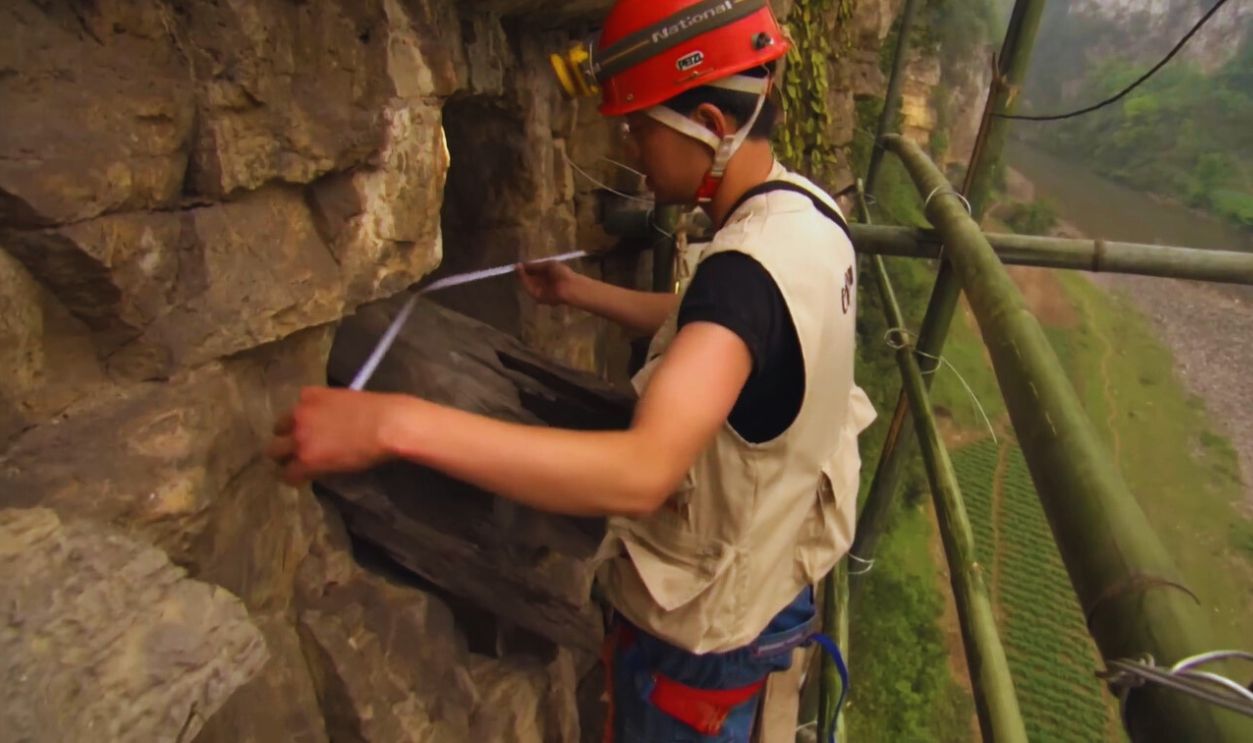
The study is yet another demonstration of the power of combining archaeology, history, and genetics. It sets the precedent of resolving other disputed identities in China’s mind-bogglingly complicated prehistory and challenges our complacent assumptions based solely on written sources or material culture that we can see in front of us.
 Screenshot from Mysterious Hanging Coffins of China, Discovery Channel (2008)
Ethical Considerations
Researchers worked hand-in-hand with local authorities and communities, recognizing publicly that ancient remains represent ancestors, not just data. The identification of living descendants makes ethical stewardship and respectful interpretation even more important.
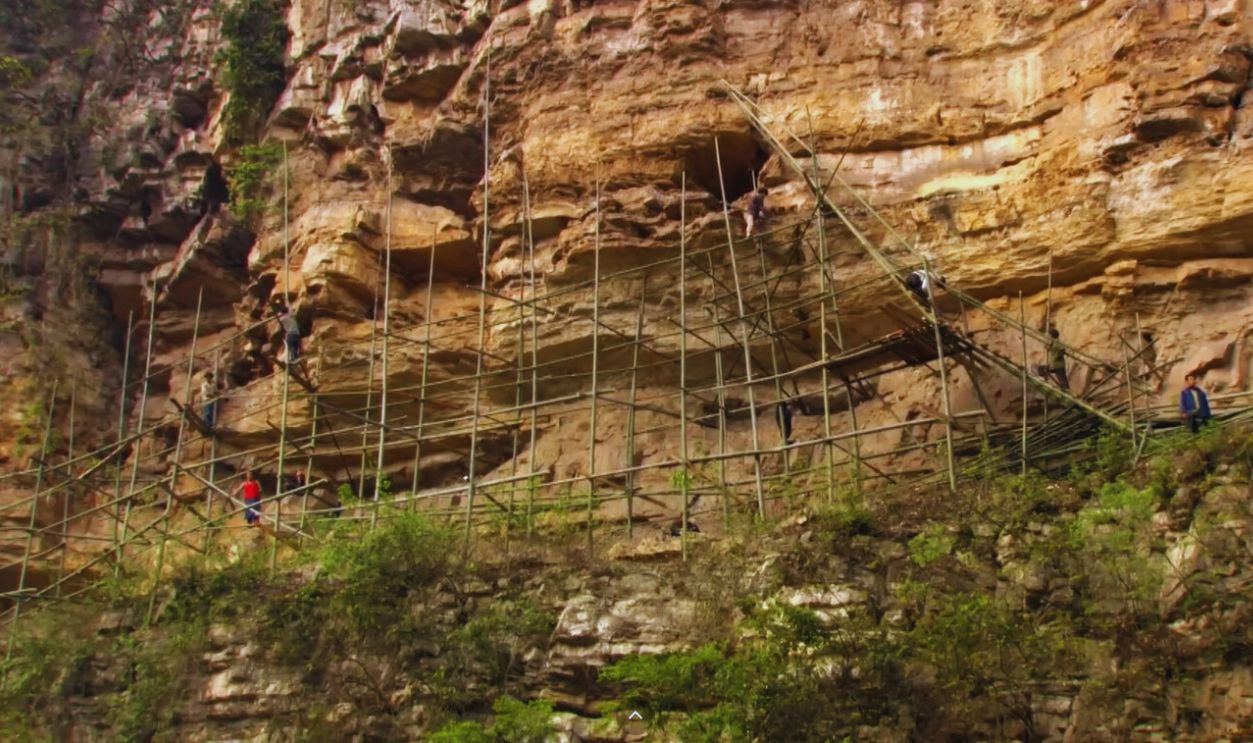 Screenshot from Mysterious Hanging Coffins of China, Discovery Channel (2008)
Public Fascination And Scientific Responsibility
Hanging coffins have long been the fodder for sensational theories. This research replaces fanciful speculation with real evidence while also respecting cultural complexity, something that wild theorizers don’t necessarily take into account. It reminds scholars to balance morbid public curiosity with proven methodologies and cultural sensitivity.
 Cahyo Ramadhani, Wikimedia Commons
Wider Context
Cliff burials are a worldwide phenomenon, from Southeast Asia to the Philippines. The Bo case adds to a global understanding of how human societies adapt their burial practices to environment, belief systems, and social structure from time immemorial.
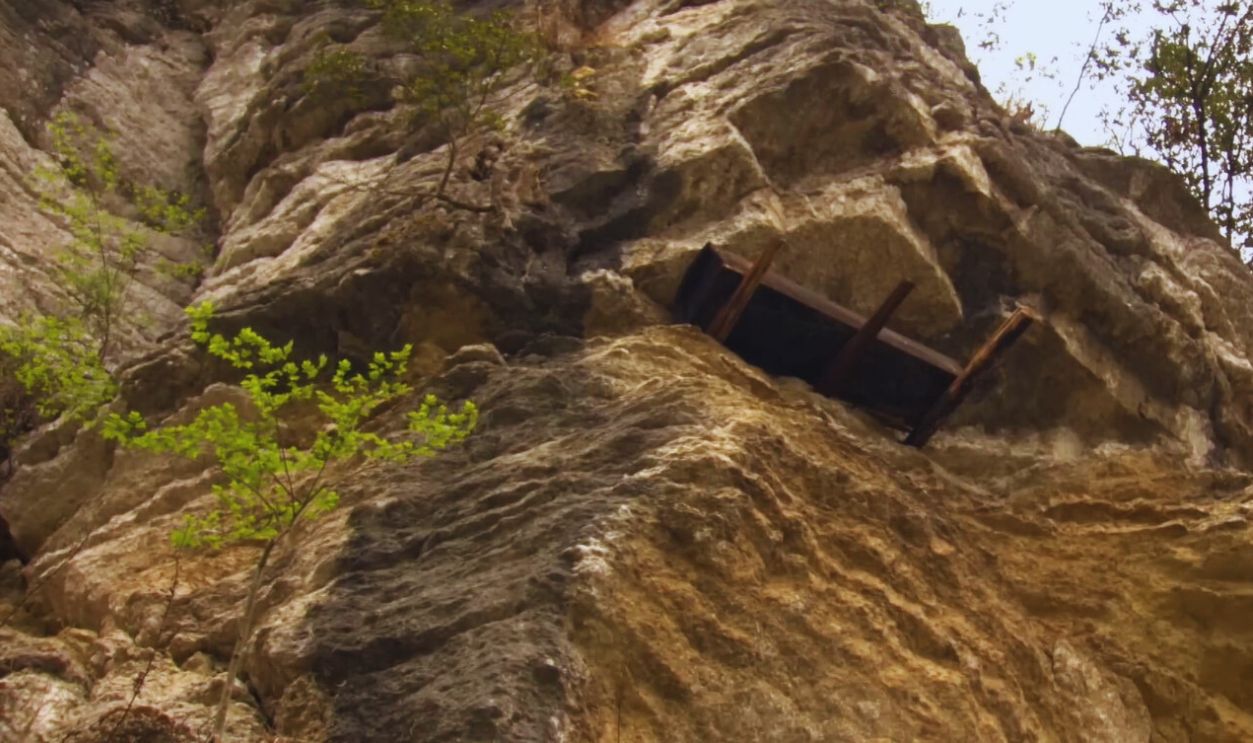 Screenshot from Mysterious Hanging Coffins of China, Discovery Channel (2008)
Local History Gets A Rewrite
For communities in southwestern China, this diligent research breakthrough reconnects today’s living people with the deep roots of their ancient historical past once thought to be completely lost. It transforms the hanging coffins from anonymous bizarre relics into ancestral monuments with personal and cultural meaning in the people’s current context.
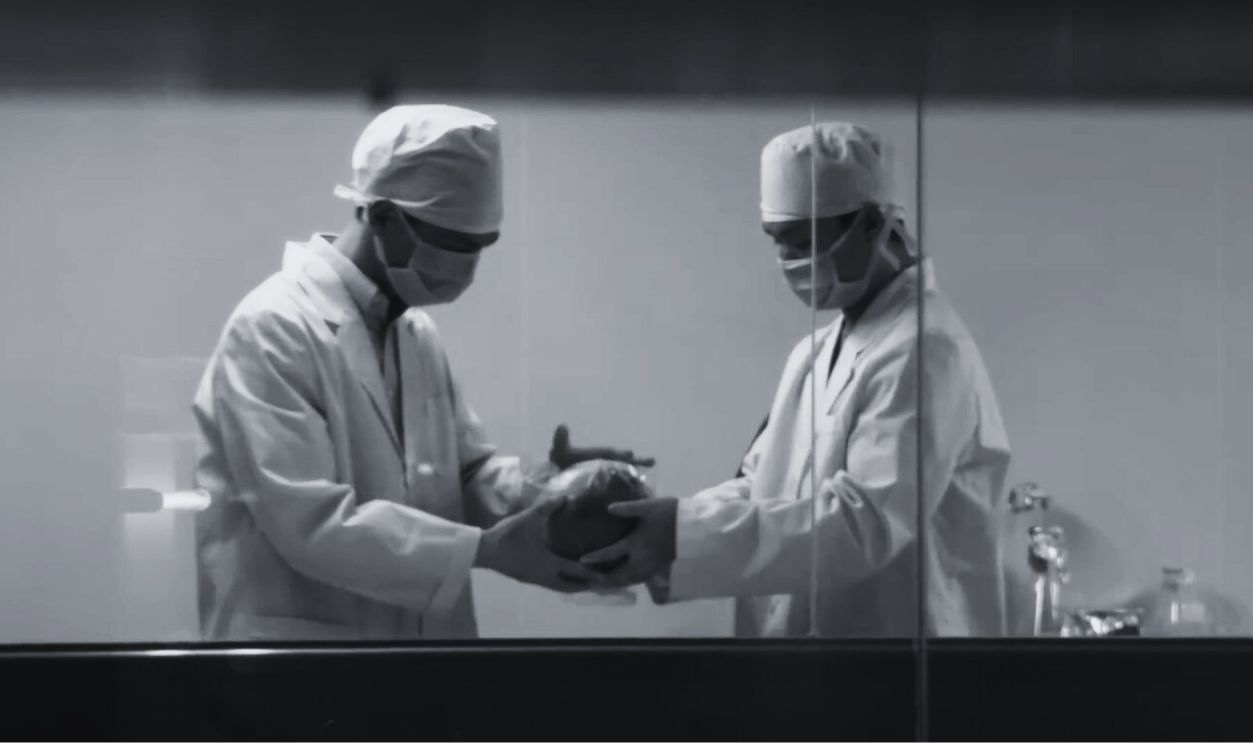 Screenshot from Mysterious Hanging Coffins of China, Discovery Channel (2008)
The Past Lives On
The DNA of the Hanging Coffin People bridges an ancient culture with the peoples still thriving in modern China. Far from being wiped out of history, the quietly Bo endured, borne forth on the relentless downstream currents of history. This discovery is yet one more piece of living history written not in a scroll or book, but in the very DNA of the people themselves.
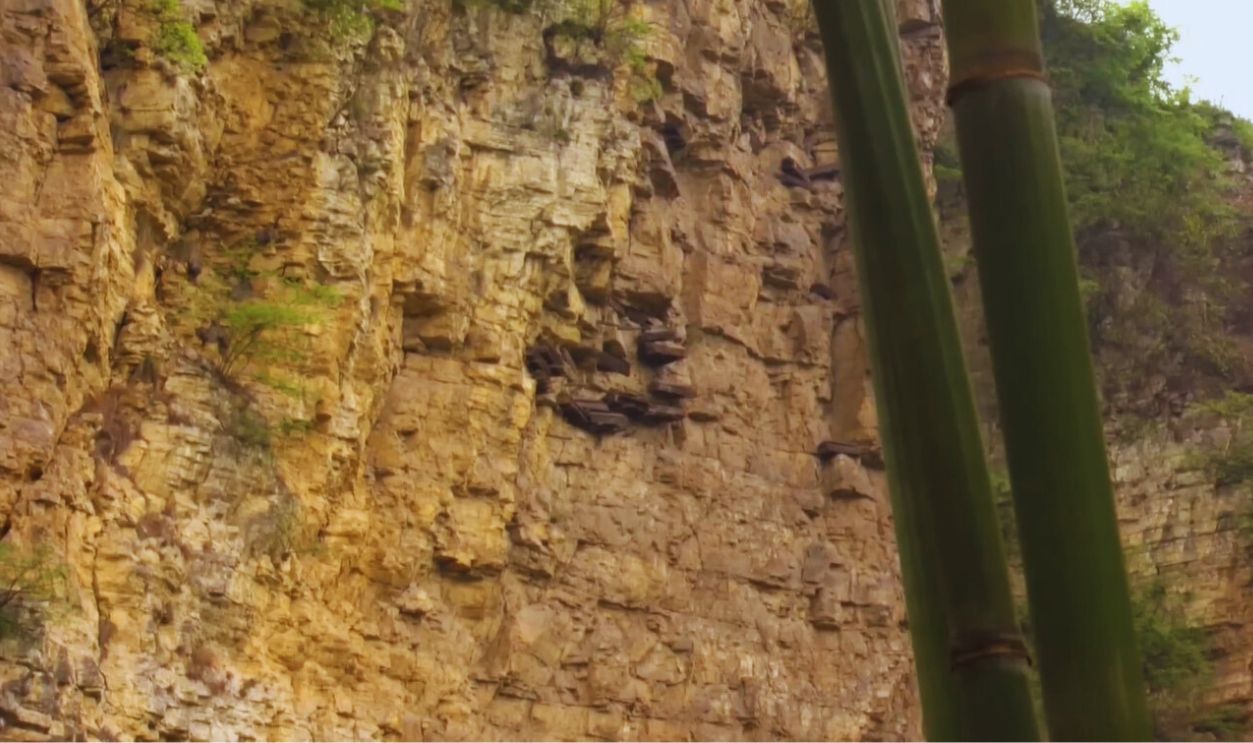 Screenshot from Mysterious Hanging Coffins of China, Discovery Channel (2008)
You May Also Like: