A Toxic Secret
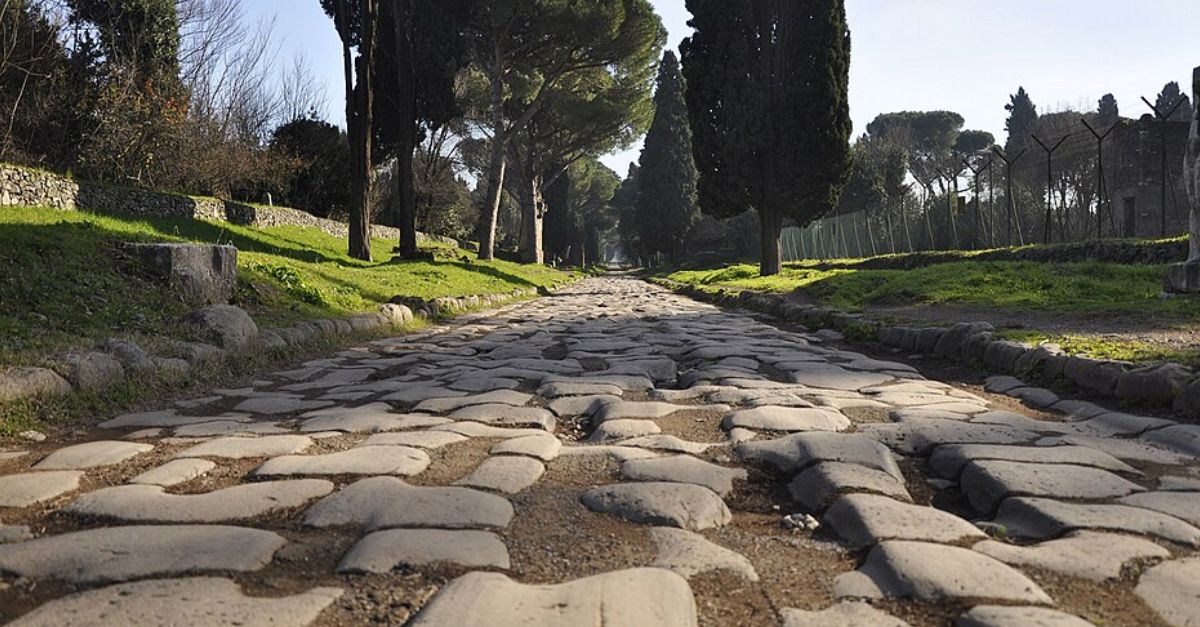
The Roman Empire stunned the world with towering aqueducts and unstoppable legions—but behind all that power, a hidden danger was quietly affecting every citizen, and it wasn’t fighting or betrayal.
How Rome Engineered Its Own Toxic Legacy
Rome's engineers were geniuses. They built aqueducts that spanned miles and cities that pulsed with organized chaos. But within that brilliance was a blunder that quietly poisoned an empire: lead. Metal was everywhere—pipes, pots, pigments, even wine.
 Bernard Gagnon, Wikimedia Commons
With A Metal That Seemed Too Innocent
For centuries, a few, like Vitruvius, the architect, noticed its creeping danger. It didn't burn or sting. That invisibility made it perfect for industry and catastrophic for health. The Romans created incredible wonders—without realizing some of them might kill.
 Sebastian Le Clerc, Wikimedia Commons
From Ore To Empire
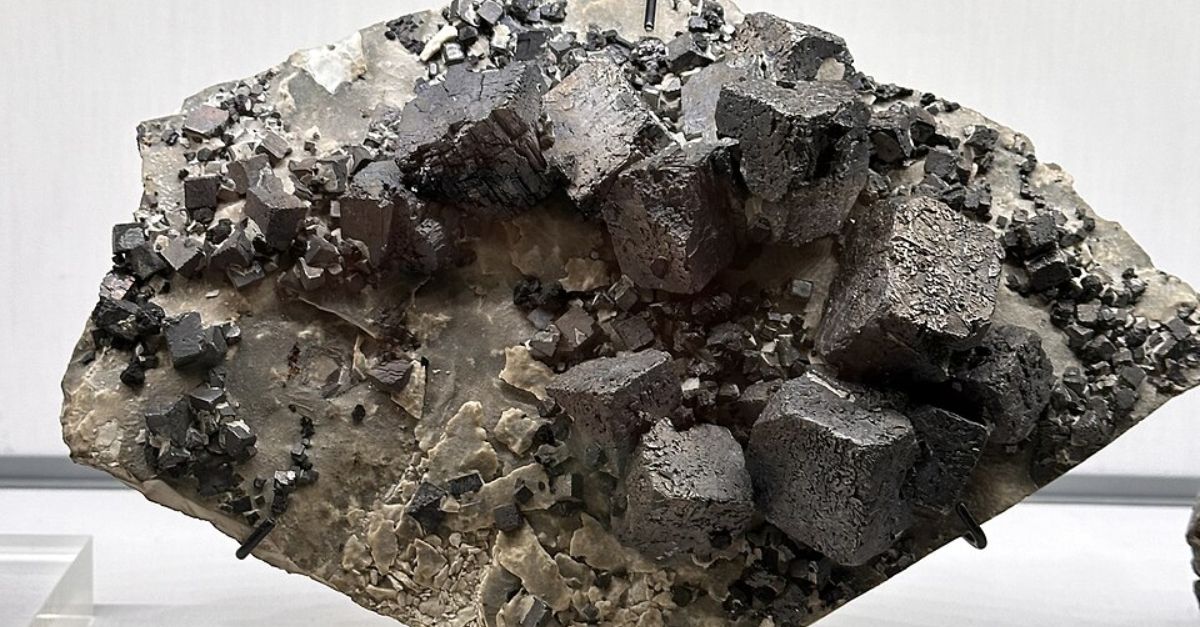
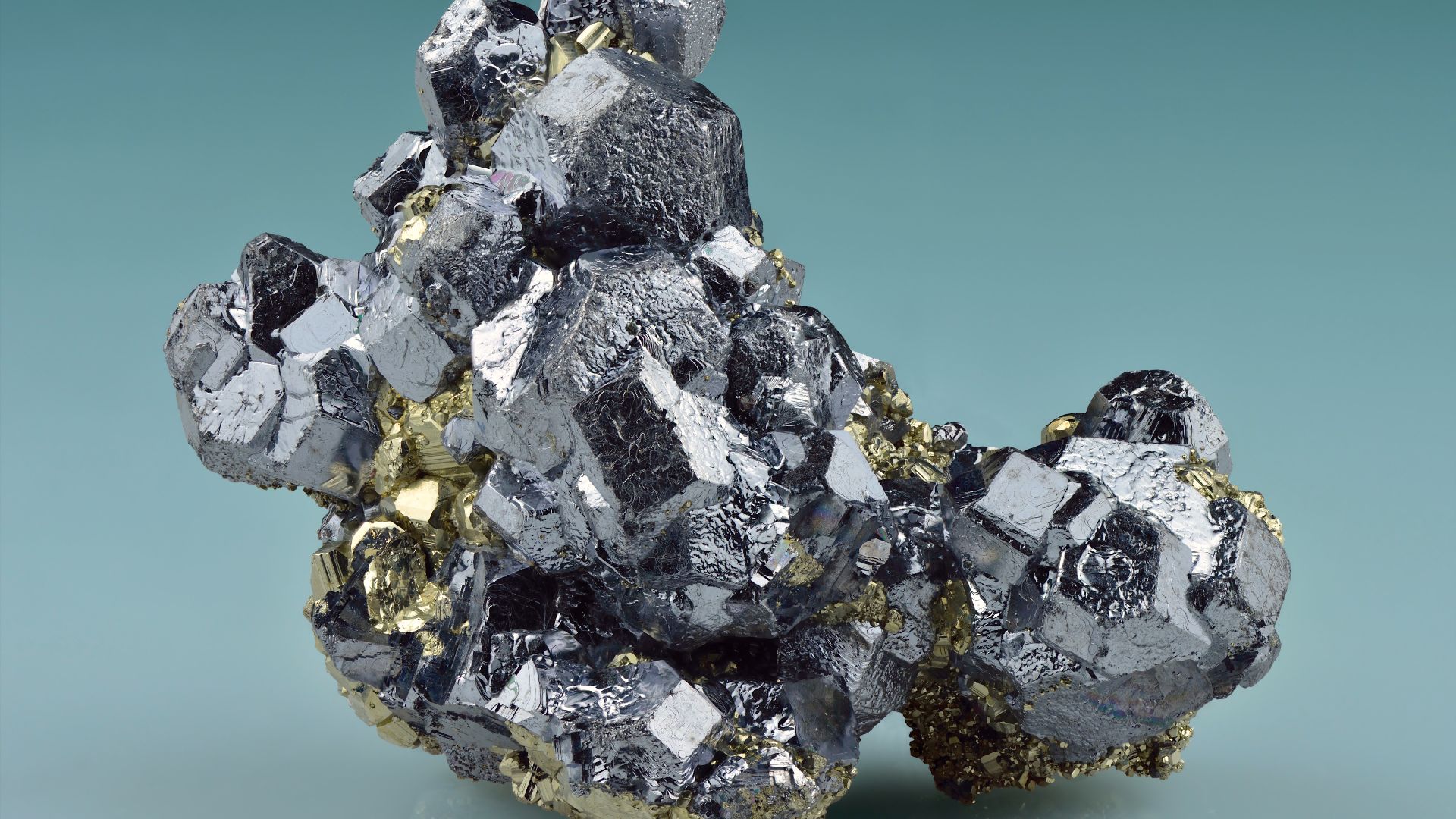
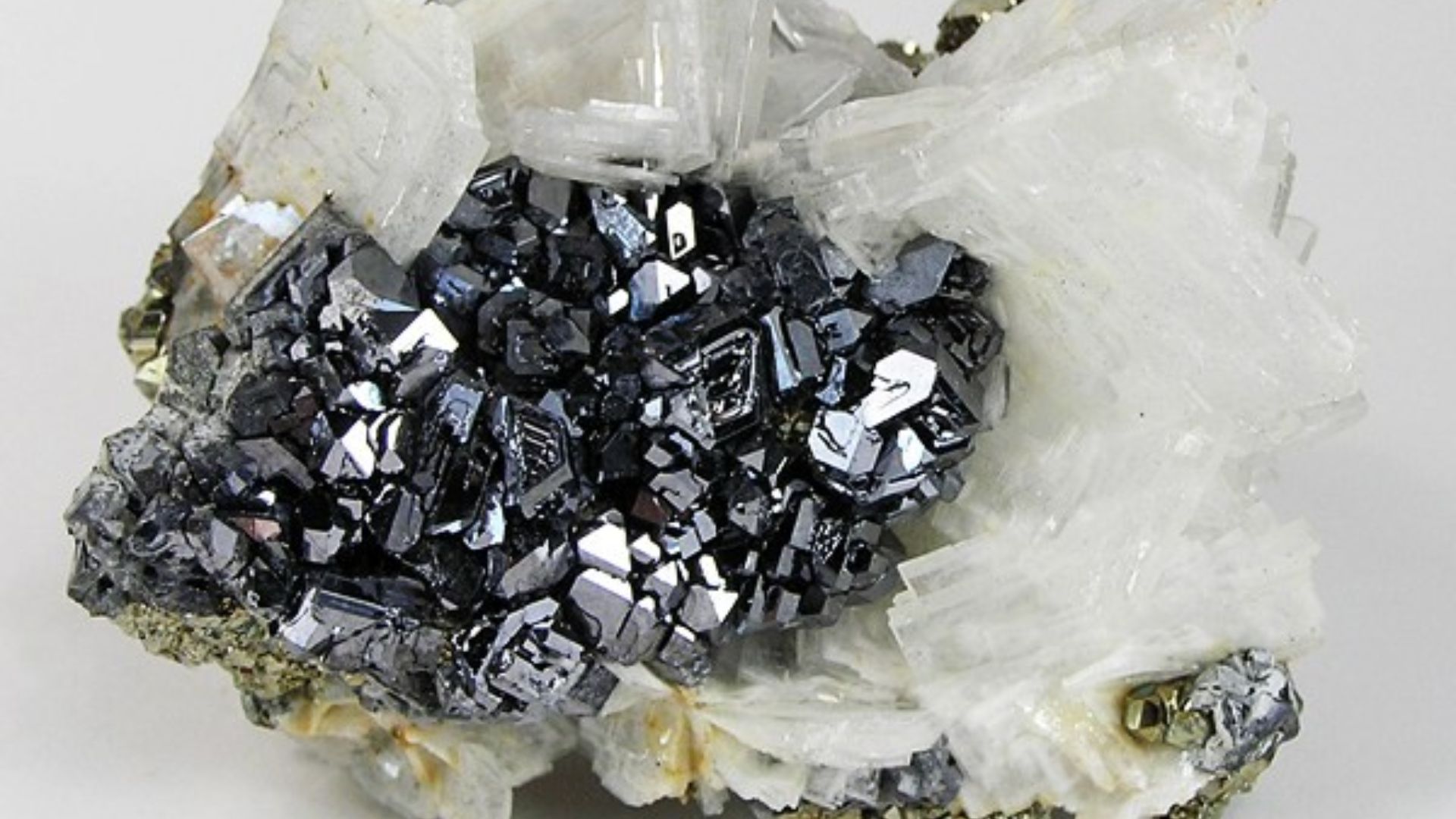
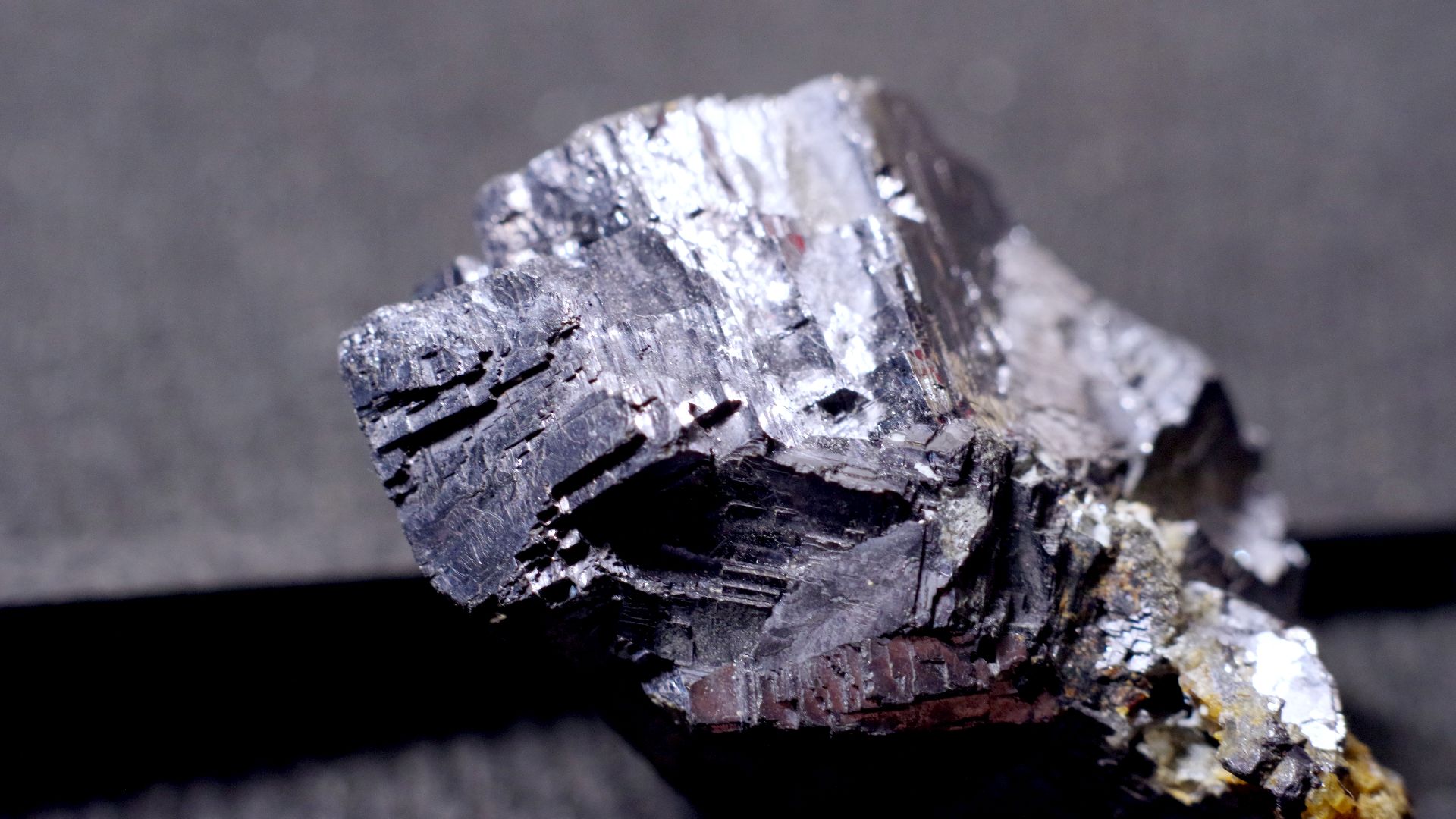
Extracted from galena ore, lead was easy to shape and mix. It came with a bonus, too: silver. Roman mining operations—especially in Spain and Britain—produced so much lead that it left a chemical fingerprint in Greenland's ice cores, visible even today.
 Ivar Leidus, Wikimedia Commons
The Dark Side Of Roman Waterworks
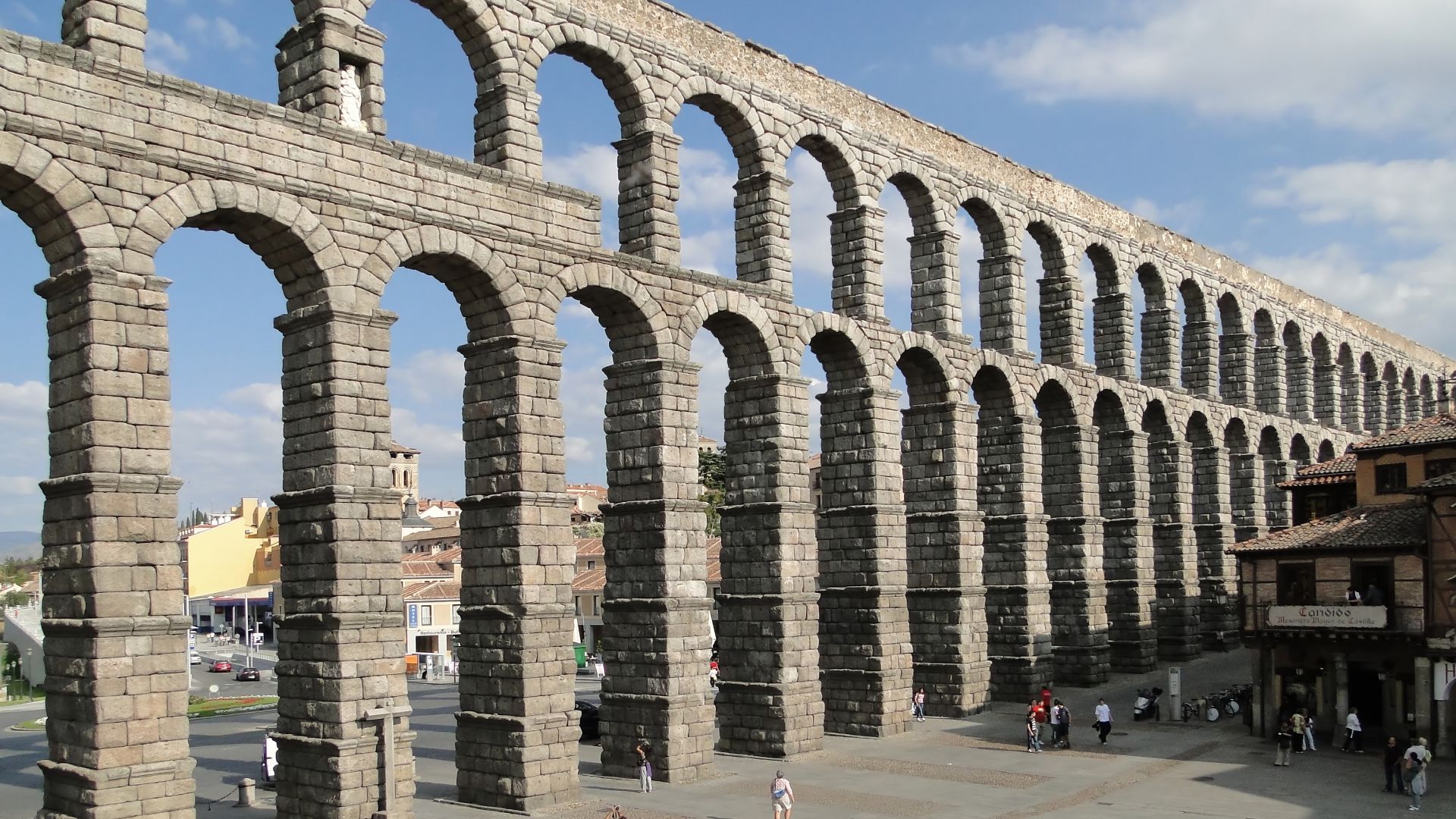
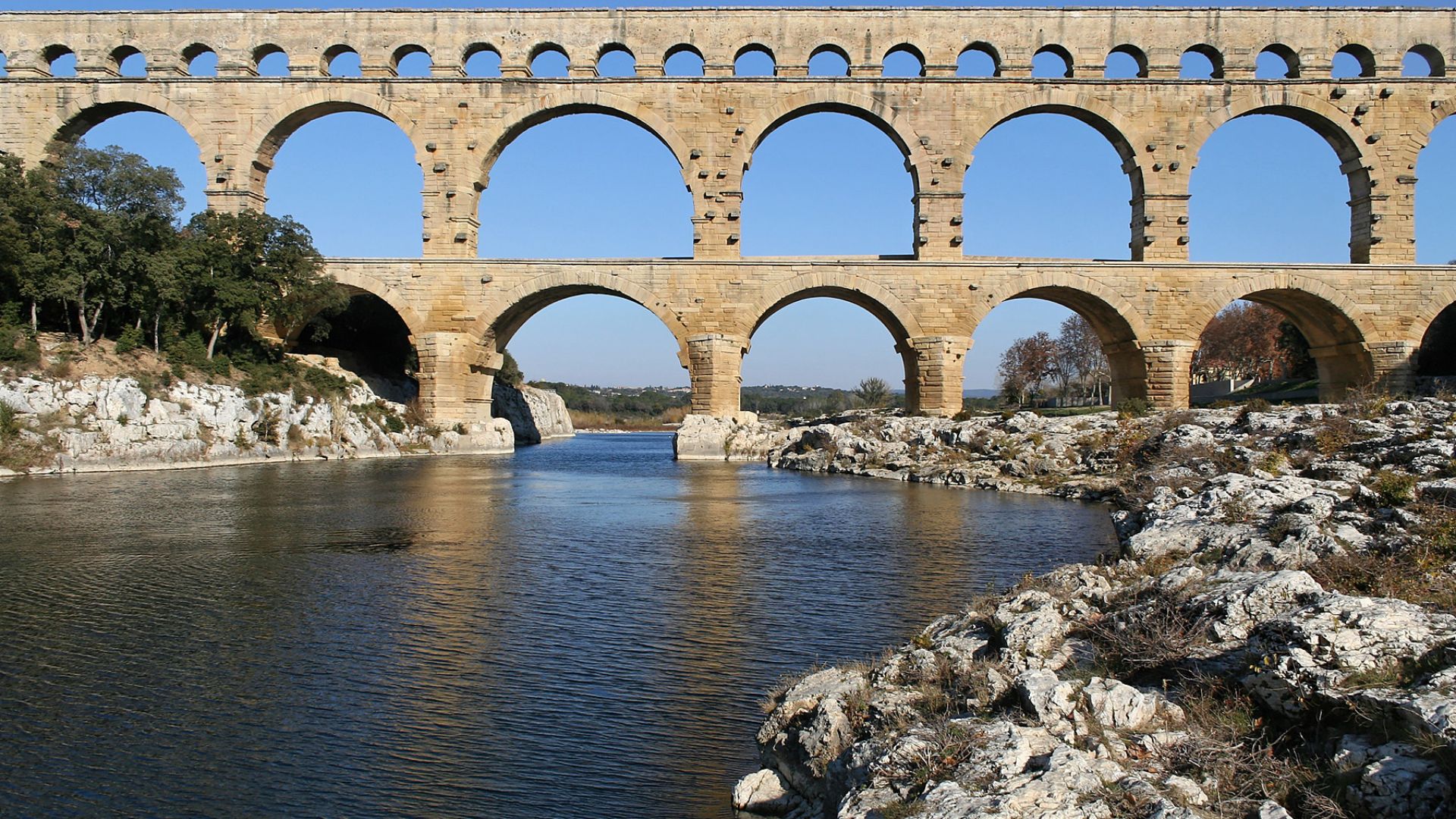
Rome's aqueducts delivered fresh water to fountains and homes through lead pipes that were easy to install and didn't rust. Yet the metal leached into drinking water, especially when the water was slightly acidic. Some argue calcium carbonate buildup may have reduced exposure, but modern studies still suggest health consequences.
 Roberto Ferrari, Wikimedia Commons
The Wine That Poisoned A People
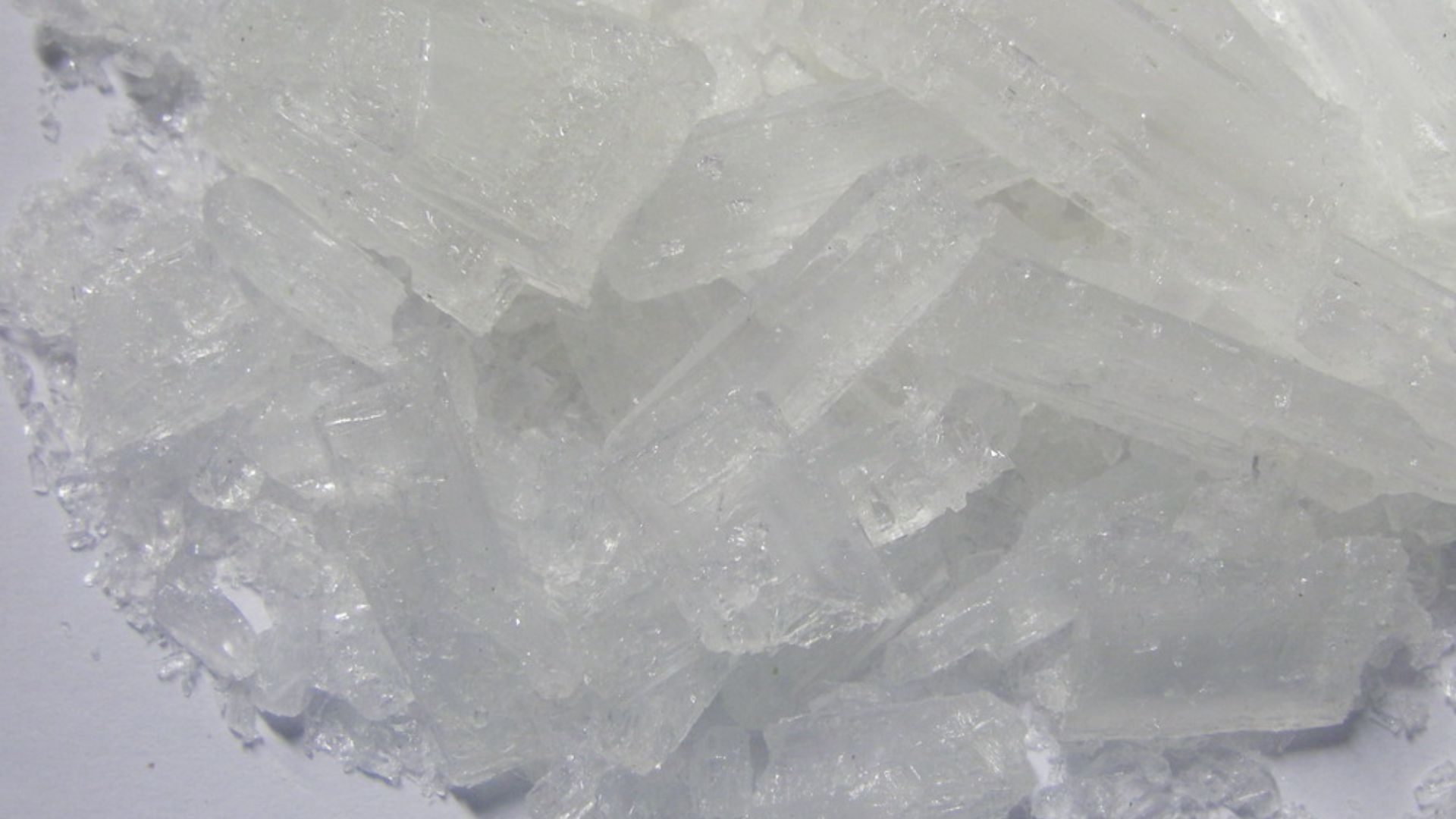
Imagine sipping your favorite red, only to learn it's laced with neurotoxins. Romans sweetened their wine with sapa—a syrup boiled in lead pots that formed toxic lead acetate, better known today as "sugar of lead”. The result? Deliciously poisoned vintages, especially popular among the wealthy.
 Dormroomchemist at English Wikipedia, Wikimedia Commons
Cookware Calamity
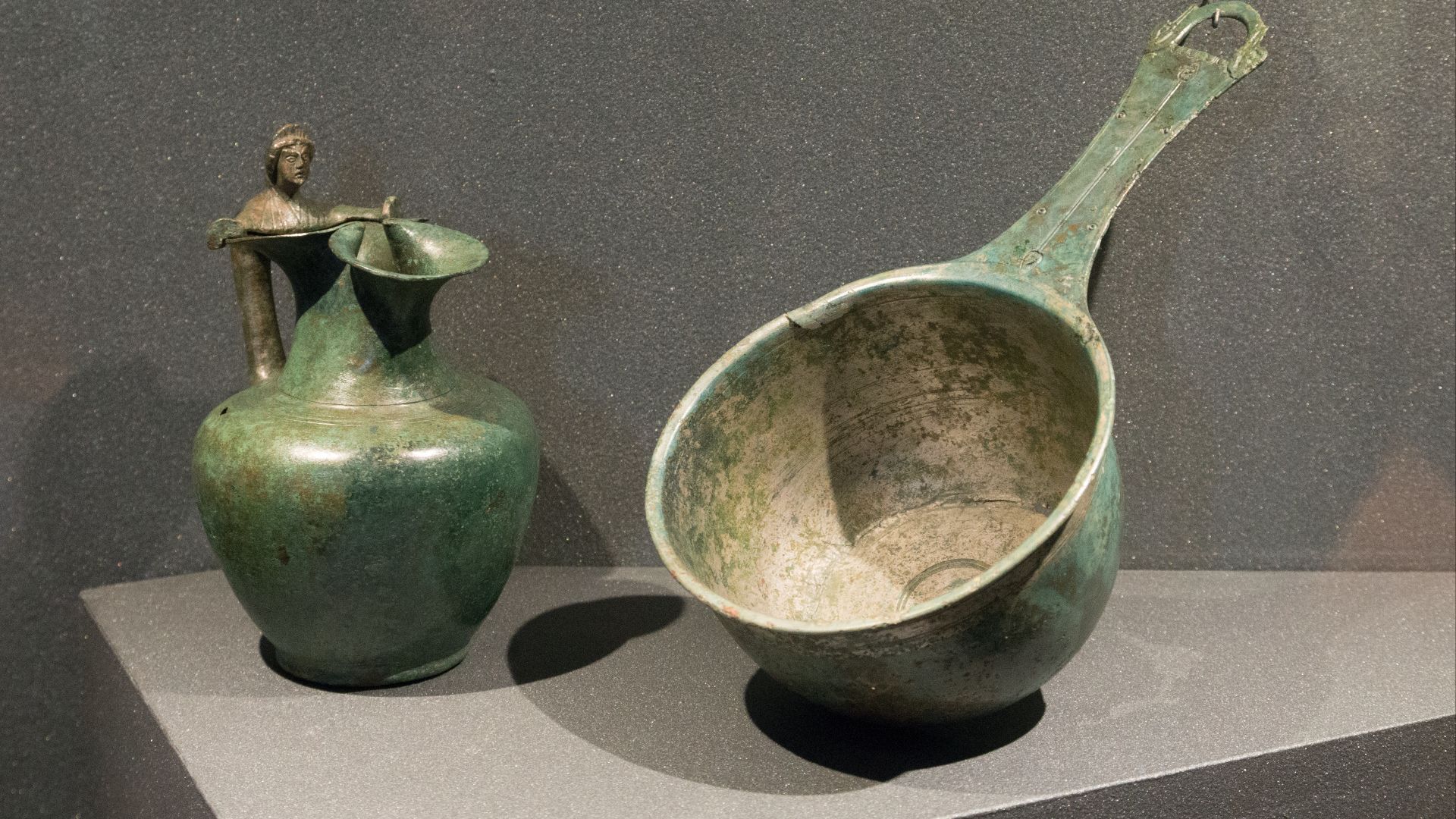
The kitchen wasn't a safe haven in ancient Rome—it was a chemistry lab gone rogue. Romans often used pewter and bronze cookware that contained lead, especially for long, slow cooking. As acidic foods simmered, lead seeped silently into stews and sauces. No alarms, no taste, just slow damage.
Beauty Regimens That Bit Back
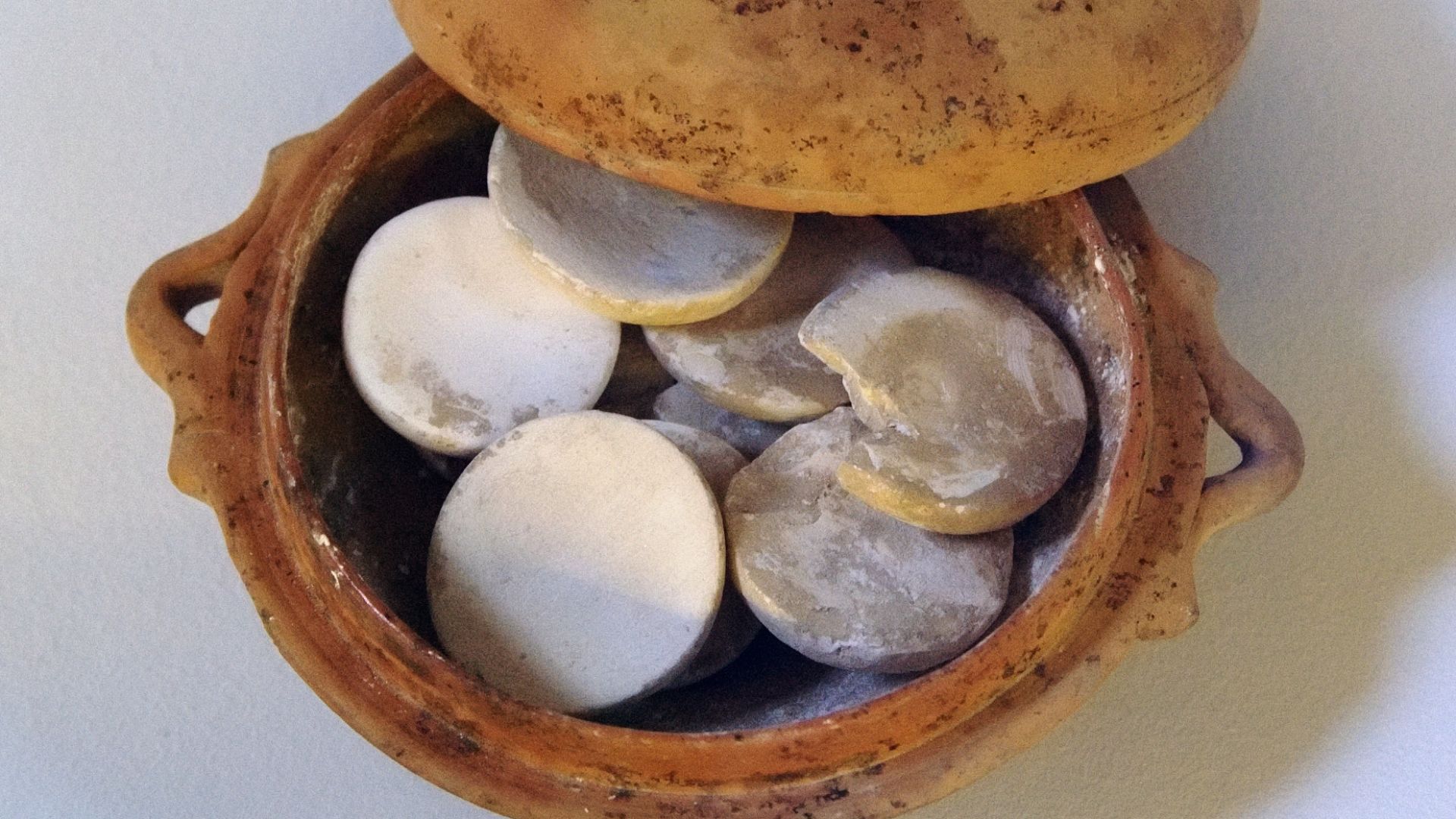
High-society women applied white foundation made from cerussa—a mix of vinegar and lead oxide—to achieve that coveted pale glow. The problem? It slowly poisoned the skin and nervous system. Add lead-based kohl for the eyes and rouge for the cheeks, and you've got a makeover that is both lethal and luxurious.
 Gabriela Ruellan, Wikimedia Commons
When Healing Turned Harmful
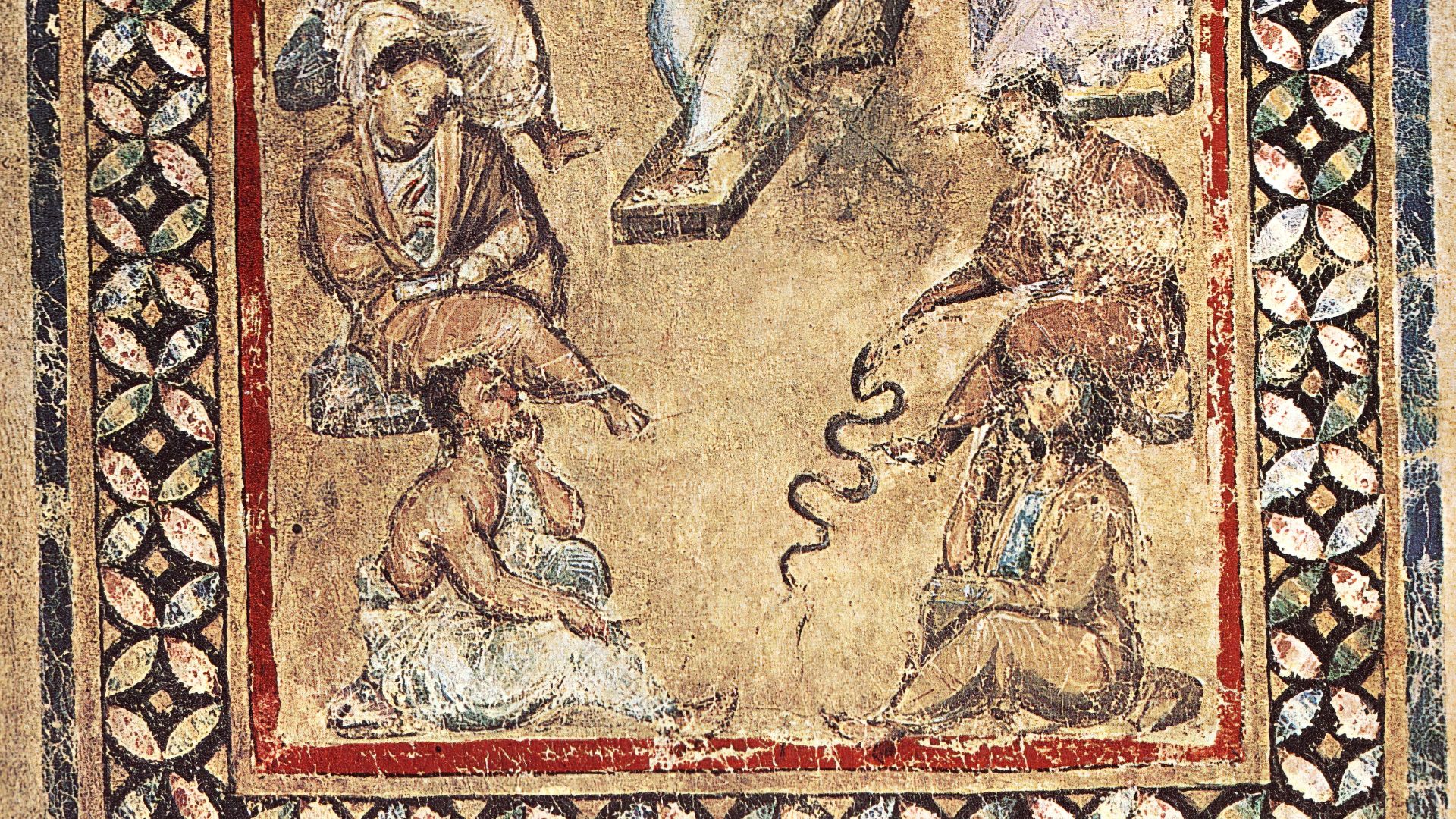
If you fell ill in ancient Rome, your “cure” might have been lead. Doctors mixed it into powders or handed it out in pill form for ulcers and stomach troubles—but instead of healing, it often made things worse, triggering vomiting, fatigue, and even mental decline, all classic signs of slow poisoning.
 Unknown authorUnknown author, Wikimedia Commons
Poison In The Air
To extract silver from galena, Romans roasted ore in open-air furnaces that released lead into the atmosphere. Historians estimate that during the empire's peak, tens of thousands of tons of lead were released annually. This wasn't just local pollution; it drifted across Europe to leave a chemical trail.
 Robert M. Lavinsky, Wikimedia Commons
Ice Core Clues From Greenland
Scientists have drilled into Greenland's glaciers, extracting core samples that preserve layers of snowfall dating back millennia. Inside them? Elevated levels of atmospheric lead during the Roman Empire. Peaks match periods of intense mining and smelting activity.

Mapping Rome's Pollution Across Europe
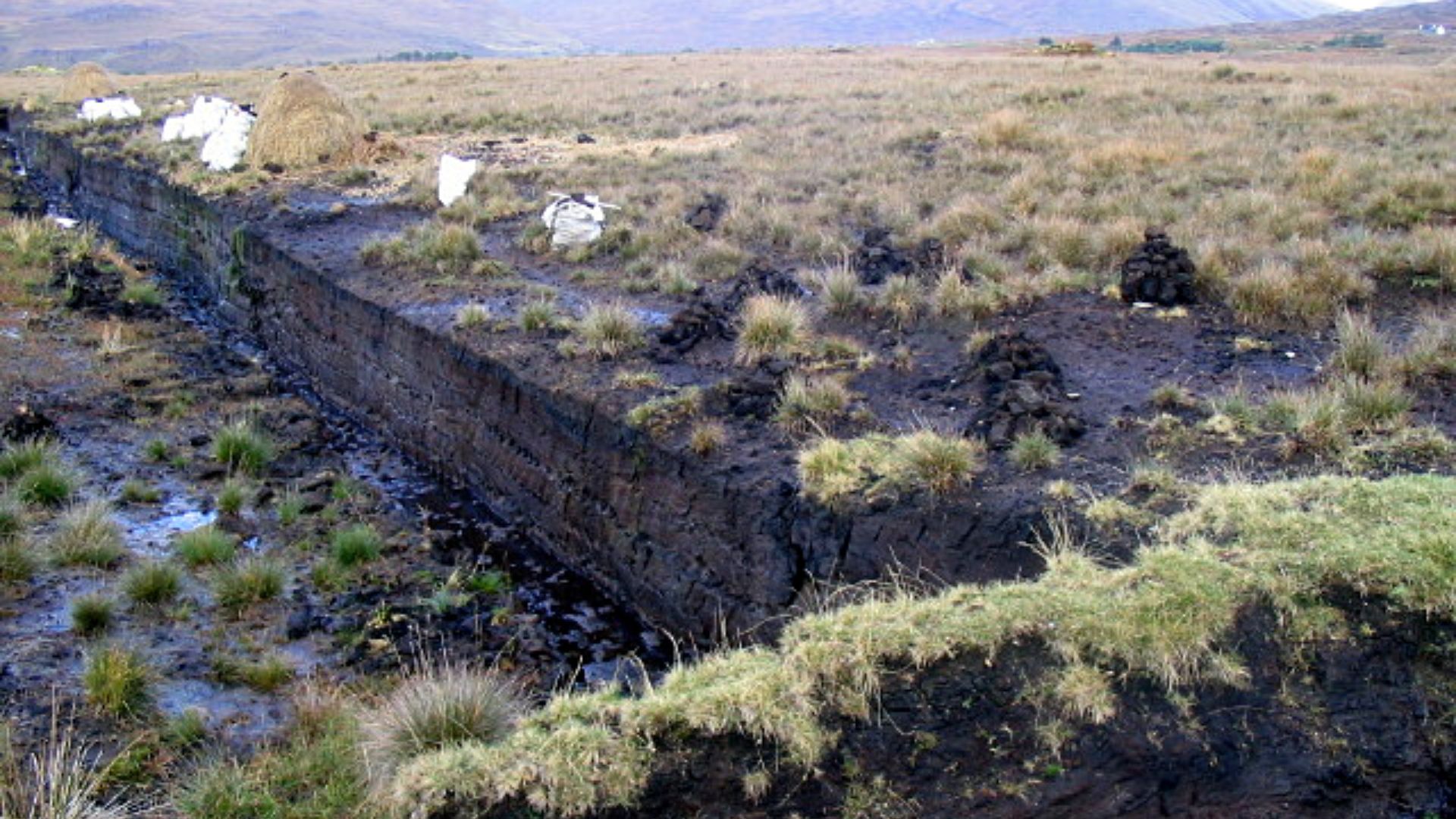
Roman pollution turned the continent into a heavy metal map. Scientists have found high lead levels dating to the empire's height in lake sediments in France and peat bogs in Poland. It's a toxic breadcrumb trail, traced through soil samples and environmental DNA.
 Amos from Tel Aviv, Israel, Wikimedia Commons
The Cognitive Fallout From Chronic Exposure
Chronic exposure to low lead doses is now linked to reduced IQ and behavioral issues. A study from Florida State University suggested that children living near lead sources may have lost 2 to 3 IQ points on average.
 GreaterPonce665, Wikimedia Commons
The Most Vulnerable
Children in ancient Rome faced a slow, invisible threat. Lead exposure hits developing brains hardest, and Roman kids absorbed it through food, water, air, and even toys. With no way to filter or detoxify exposure, many grew up( if they survived at all) with impaired cognition and behavior.
On The Job
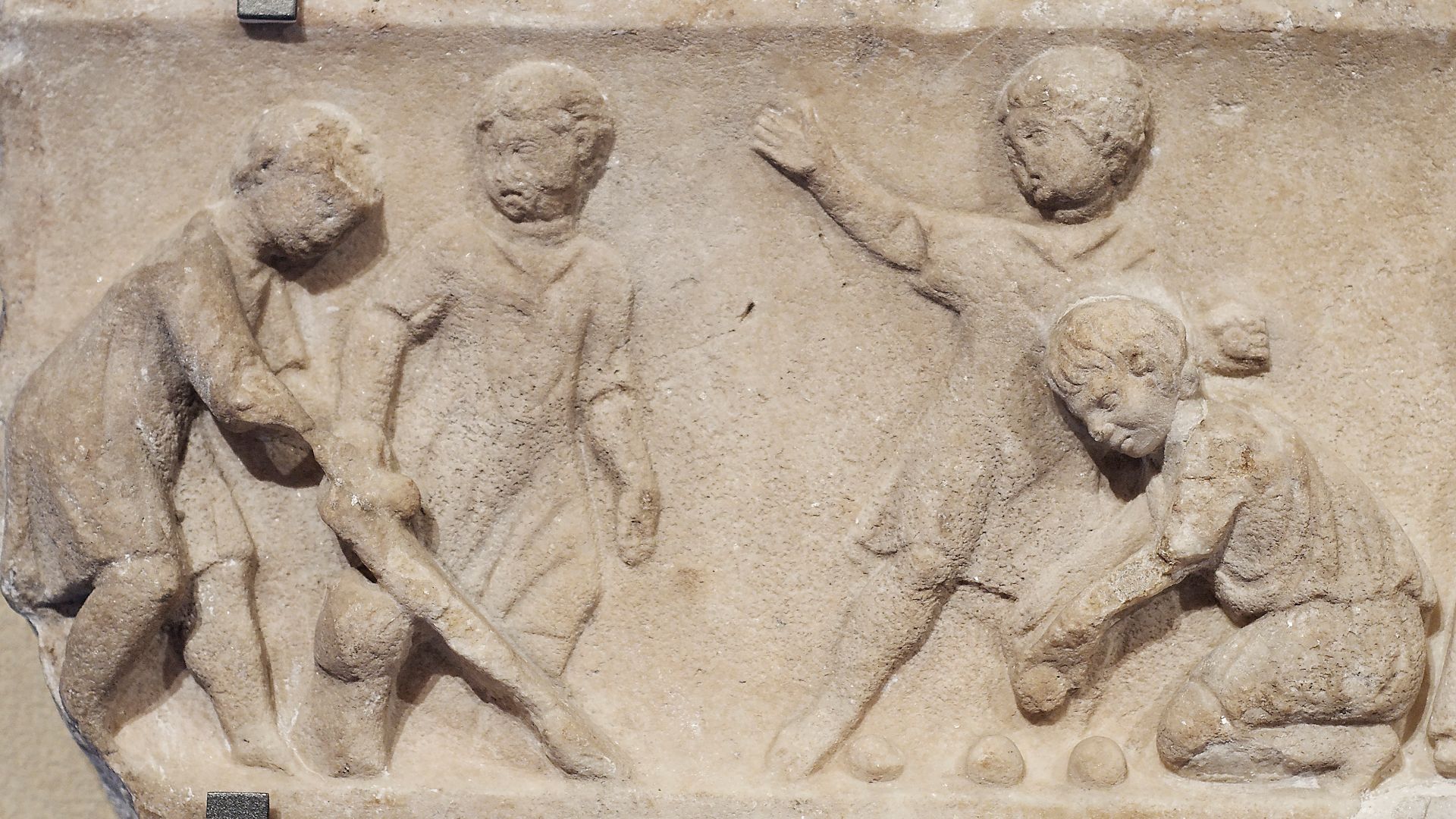
Poorly ventilated and packed with fumes, mines were where slaves and laborers dug up galena by the ton. Smelting added even more exposure. Archaeologists examining miners' remains often find telltale signs of lead poisoning: kidney damage and signs of brain degeneration.
Wealth Came With A Dose Of Lead
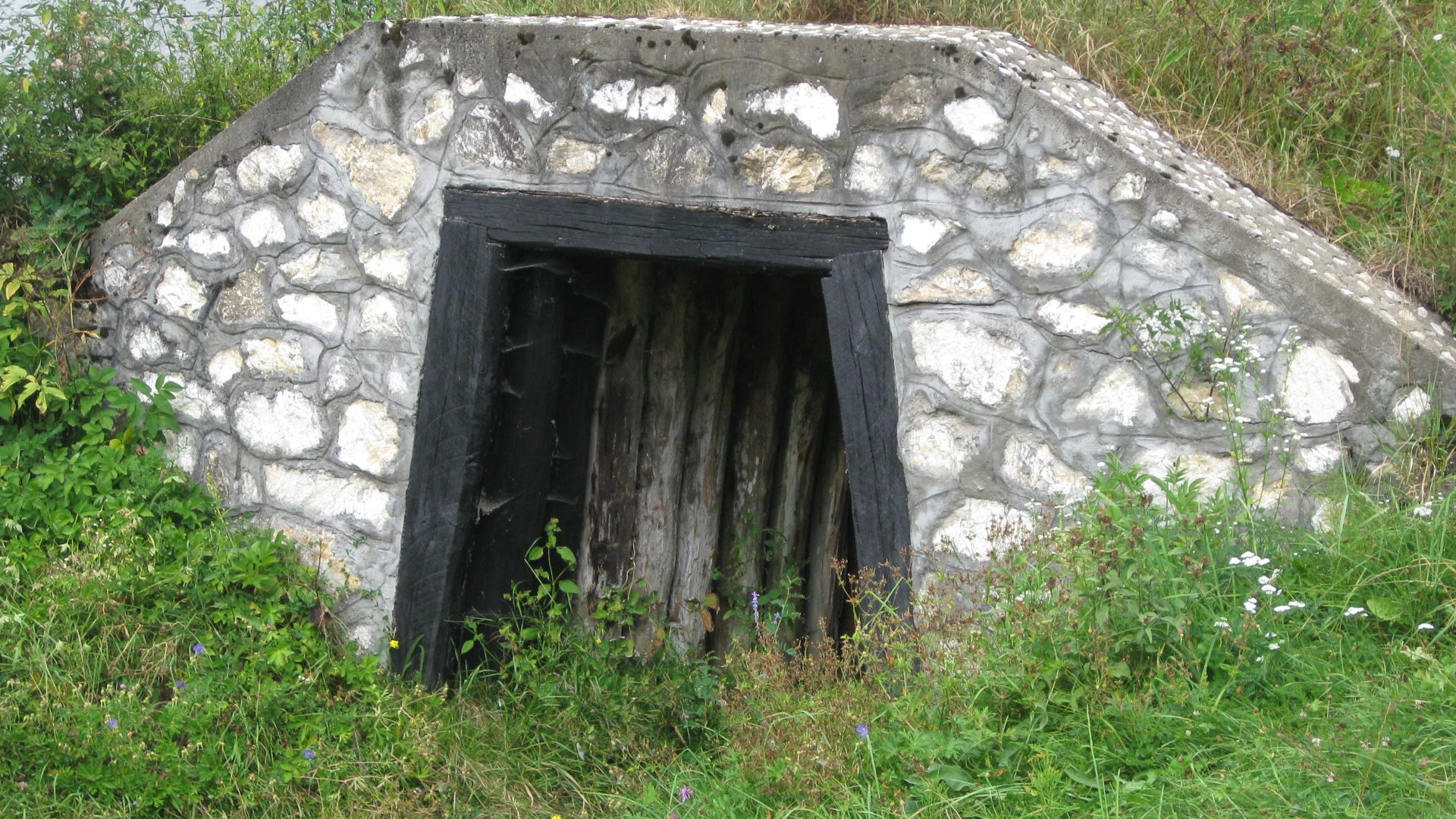
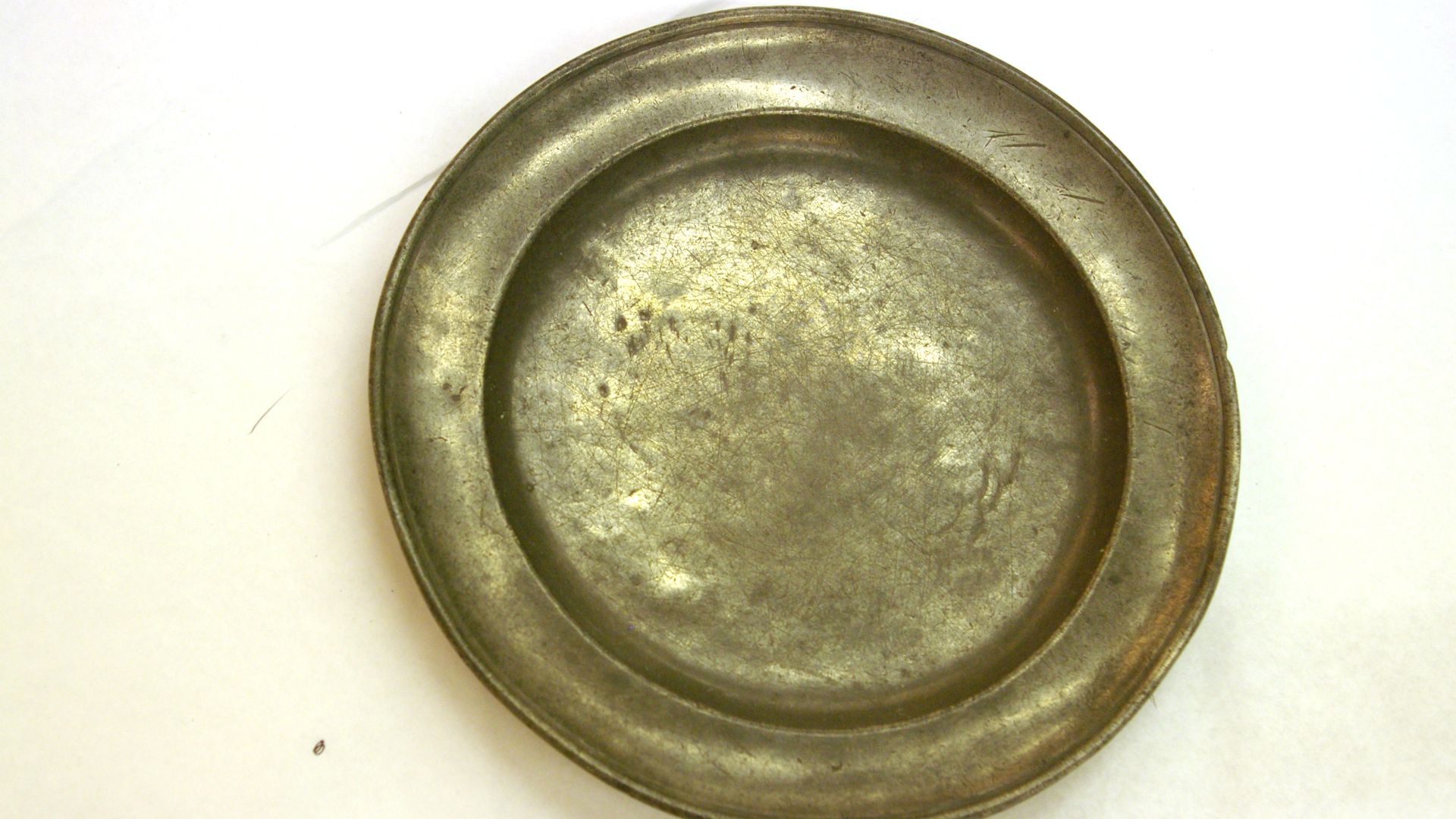
You’d think wealth offered protection—but in ancient Rome, it did the opposite. The elite indulged in more wine, lavish cosmetics, and fine metalware, all quietly laced with lead. From private baths fed by lead-lined pipes to elegant pewter dining sets, their luxury-filled lives came with a hidden cost: even greater exposure to a slow, creeping poison.
 Unknown authorUnknown author, Wikimedia Commons
The Science That Speaks For The Dead
How do we know all this? Science digs up answers—literally. Using mass spectrometry, archaeologists measure lead levels in ancient teeth, bones, artifacts, and even earthenware. The Roman world left behind a biological breadcrumb trail that whispers warnings from every molecule frozen in time.

Why Romans Never Connected The Dots
Despite centuries of exposure, few Romans publicly linked lead to illness. Why? The poisoning is sneaky, and the symptoms can mimic other conditions. Ancient physicians like Galen and Pliny recorded ailments consistent with heavy metal poisoning but never named the culprit.
 Veloso Salgado, Wikimedia Commons
Neighbors Who Knew Better
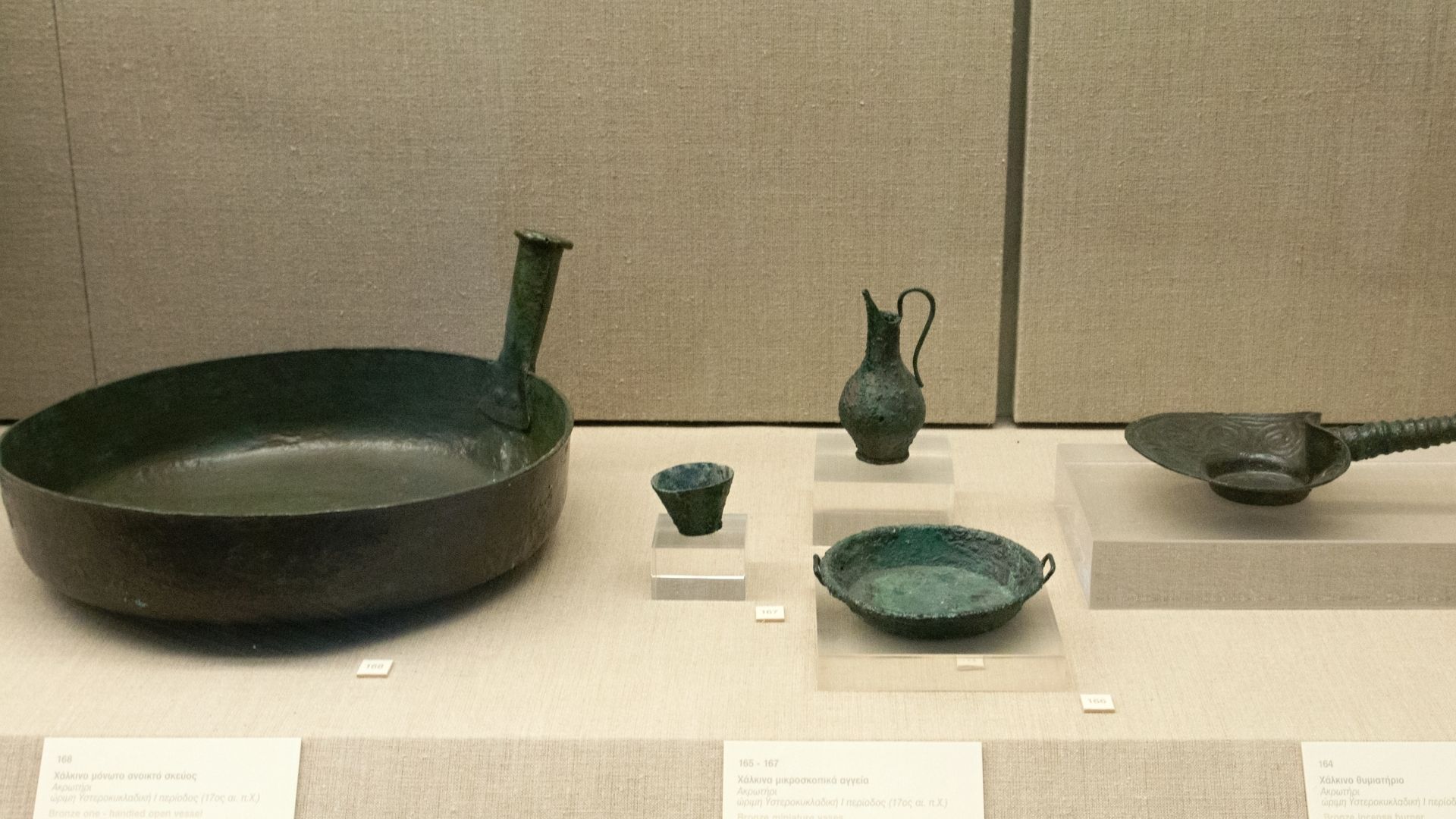
While Rome reveled in lead, other ancient societies steered clear. The Greeks, for instance, favored terracotta or bronze with less lead for cooking and storage. Ancient Egyptians used copper pipes instead of lead for their water systems. However, both cultures used lead in cosmetic products.
Ground Truth
The dead don't lie, and Roman graves have plenty to say. Bioarcheologists have analyzed skeletal remains across the empire, finding abnormally high lead levels in bones and teeth. Since lead accumulates over time, these remains are time capsules of exposure.
 Marco Almbauer, Wikimedia Commons
Fields Of Fallout
Fields near smelting centers show dangerously high concentrations of lead, absorbed into crops and grazing animals. Soil samples from former Roman farms in Britain and Gaul reveal residue that would render modern land unfit for agriculture. Livestock likely ingested contaminated grass to pass toxins into the food chain.

Were There Any Safeguards?
Did anyone try to stop it? Surprisingly, yes, but not for the reasons we'd hope. Some Roman writers criticized sapa for ruining wine flavor or noted strange side effects from cosmetics. Yet, there were no widespread laws or bans. Without germ theory or toxicology, officials didn't grasp invisible threats.
 Saba san giacomo.JPG, Wikimedia Commons
Culture In Contamination
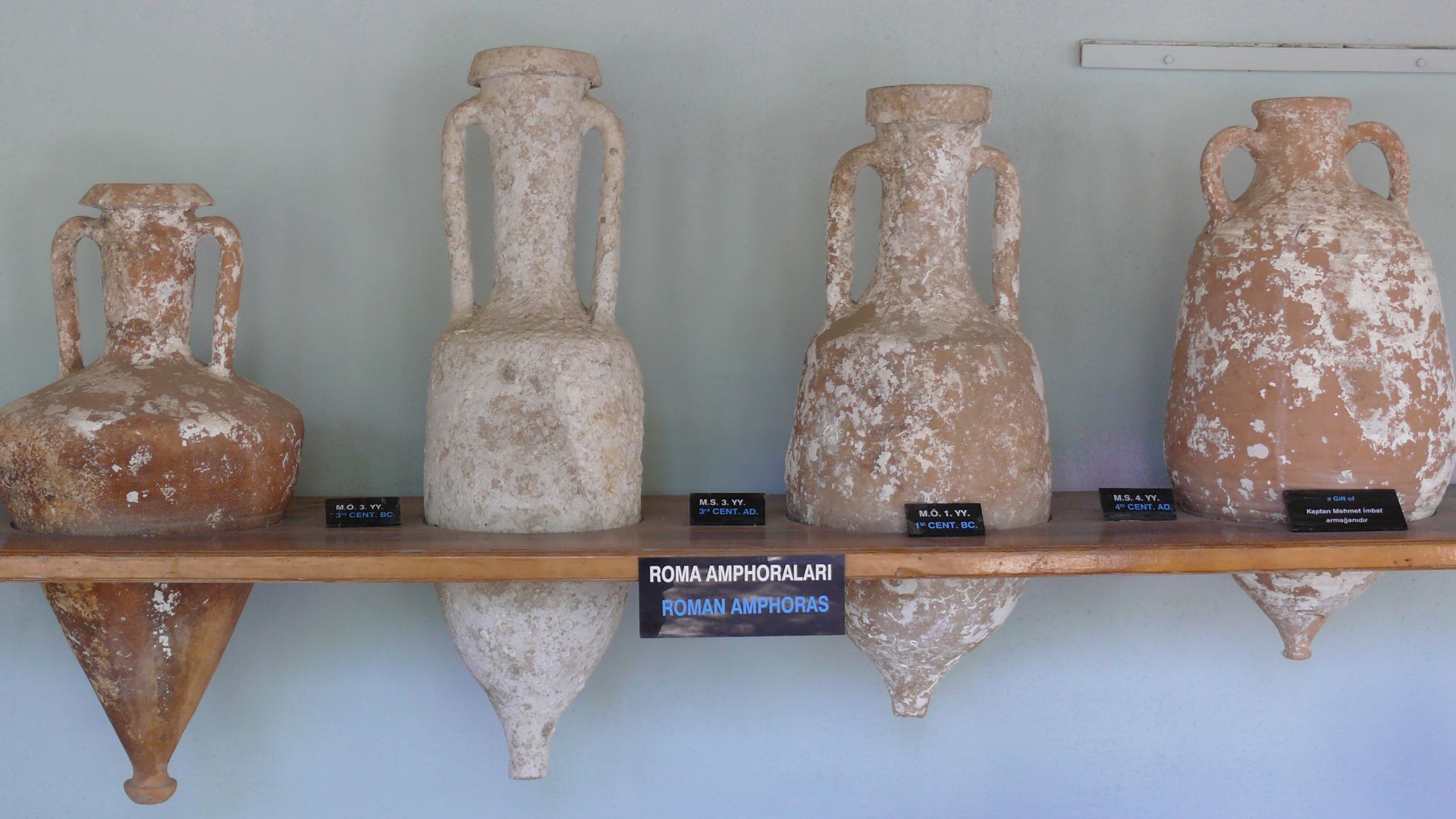
Romans also used lead in pigments for frescoes and black writing ink. Even children's toys weren't off-limits. Artists mixed lead white into wall paintings for brightness, while craftsmen etched fine detail with lead-infused alloys. These artifacts, now museum pieces, are beautiful and biologically hazardous.
Empire Of Extraction
To meet the empire's growing demand for currency, artisans extracted silver from galena, a lead-rich ore. This smelting process pumped staggering amounts of lead into the air. Every silver coin minted came with a cloud of poison.
 Jan Helebrant, Wikimedia Commons
Falling Empires, Failing Minds?
Did lead play a role in Rome’s downfall? Some researchers think so, pointing to widespread exposure that may have affected the minds of its most powerful citizens. Suddenly, the erratic behavior of emperors like Caligula and Nero feels a little less mysterious. Still, most historians stop short of blaming lead alone—seeing it instead as just one piece of a much larger collapse.
 Sergey Sosnovskiy from Saint-Petersburg, Russia, Wikimedia Commons
The Long Echo
Unfortunately, we've repeated Rome's mistakes with frightening precision. Short-term convenience often trumps long-term safety. Rome didn't have the science to see the threat. We do—and sometimes ignore it anyway. That's what makes the Roman lead legacy so compelling: it warns us about human blindness in the face of progress.
 Diego Delso, Wikimedia Commons