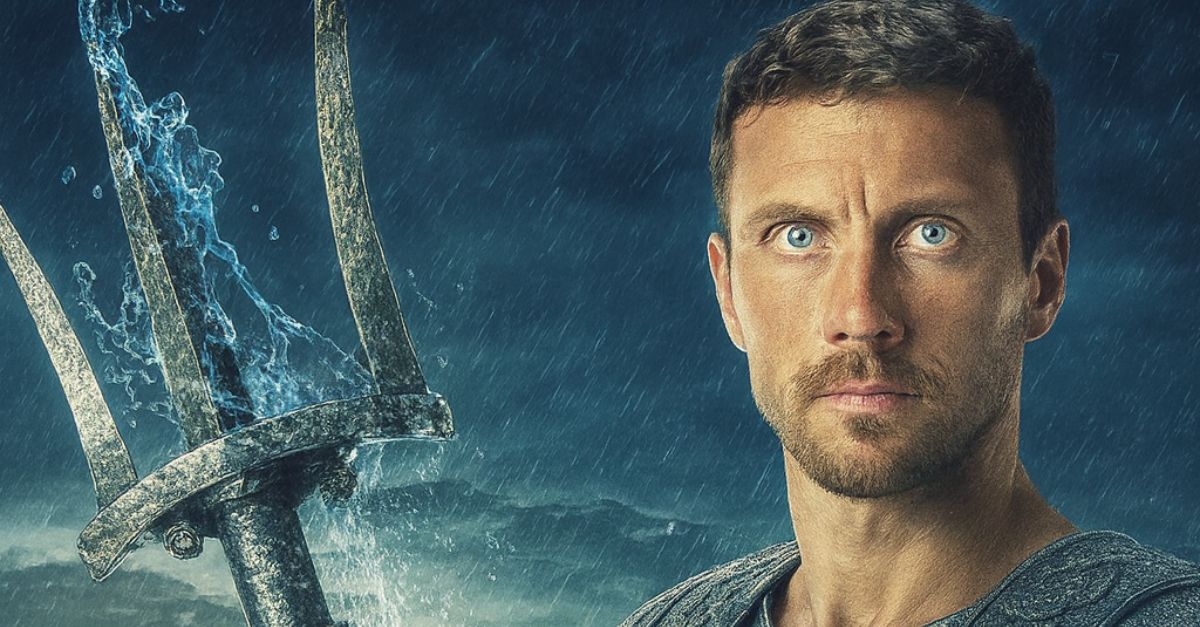
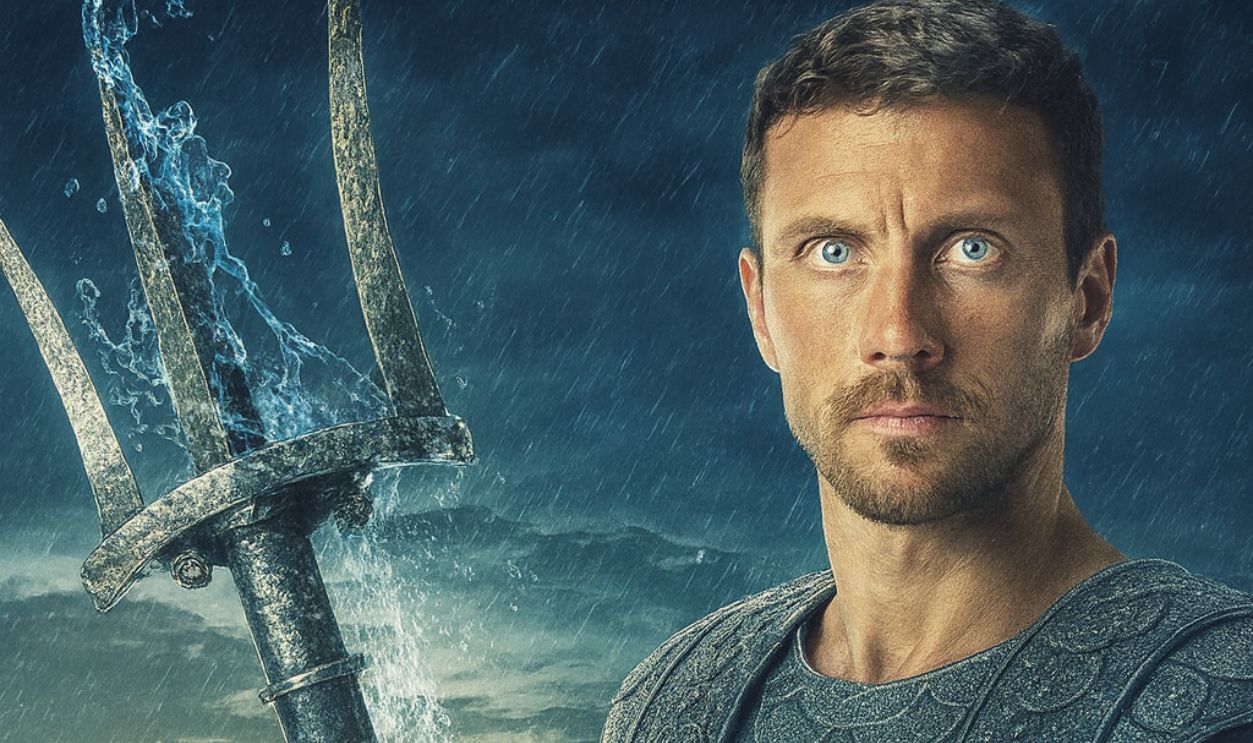
A discovery of the vast Poseidon Temple
The coastline near Samikon rarely draws attention. Yet excavations showed that it hid a structure described only in fragments of ancient text. Recent discoveries changed everything, exposing foundations that match long-debated accounts about an architectural wonder.
An Ancient Story Under The Sand
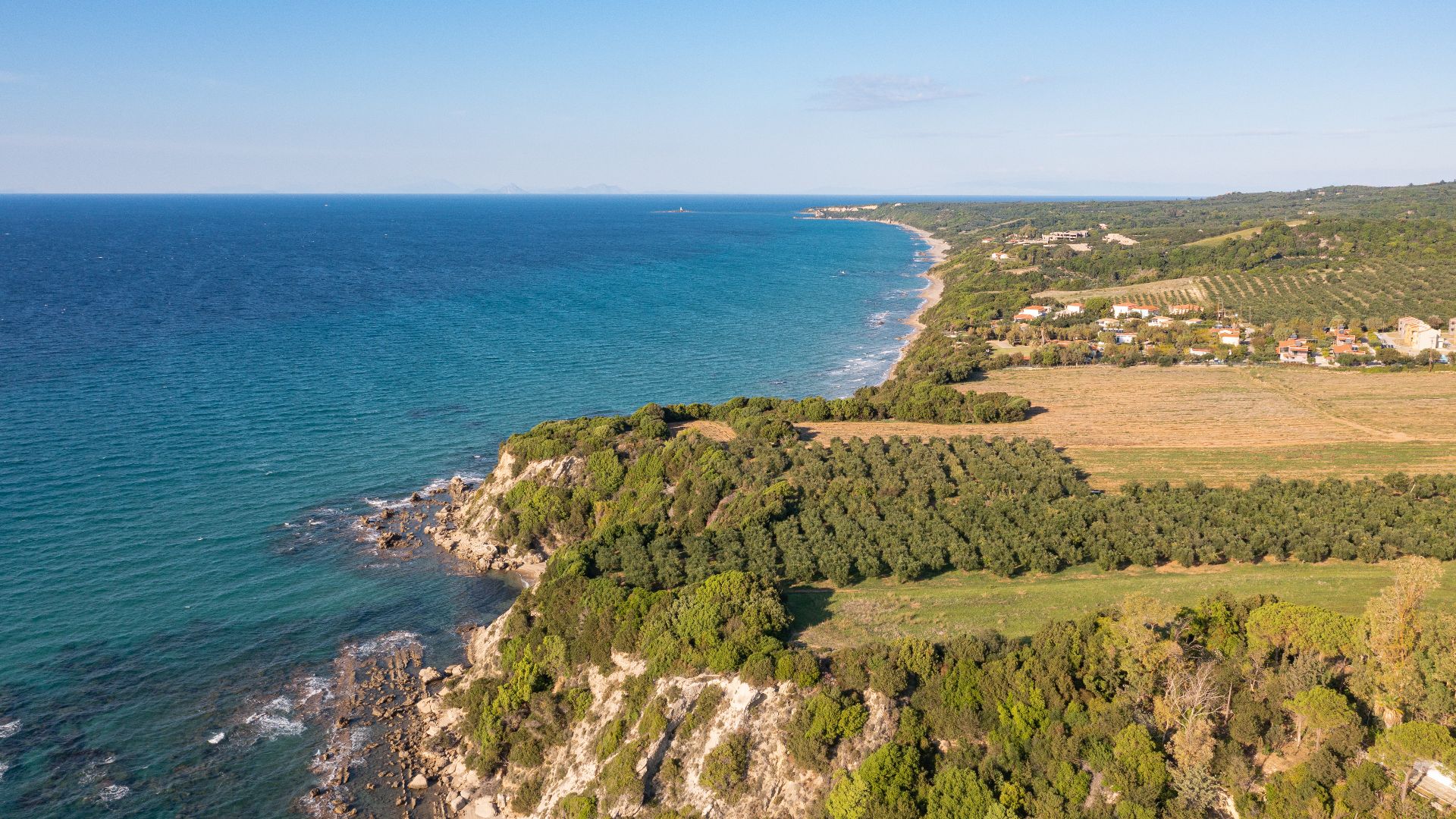
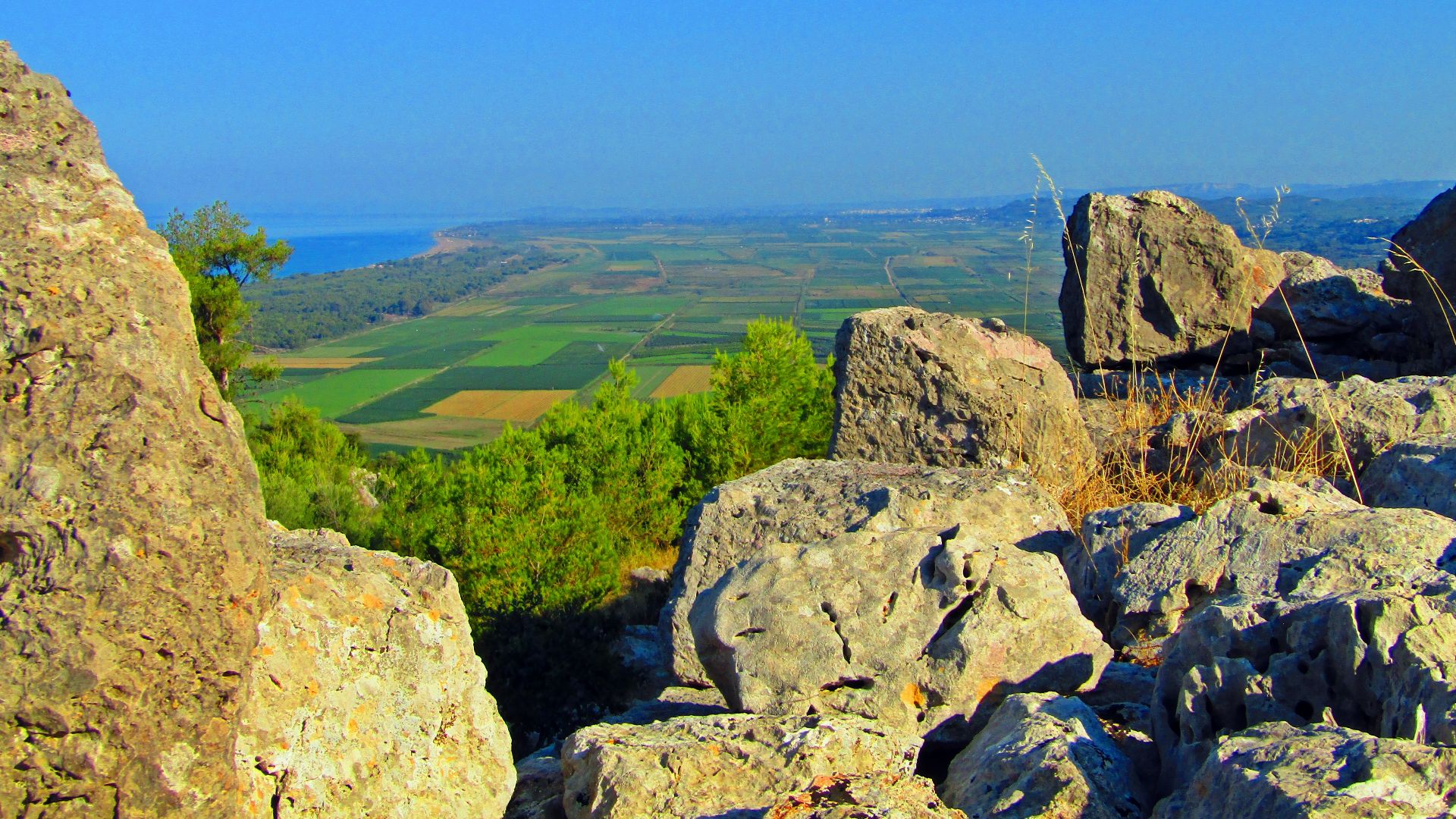
For centuries, the western Peloponnese coastline appeared unremarkable at first glance, defined by long beaches and coastal lagoons. However, this peaceful terrain concealed a significant archaeological secret. Beneath layers of sand and sediment rested the remains of a sanctuary dedicated to Poseidon, untouched since the Archaic period.
With Clues In The Writings Of Greece’s Early Historians
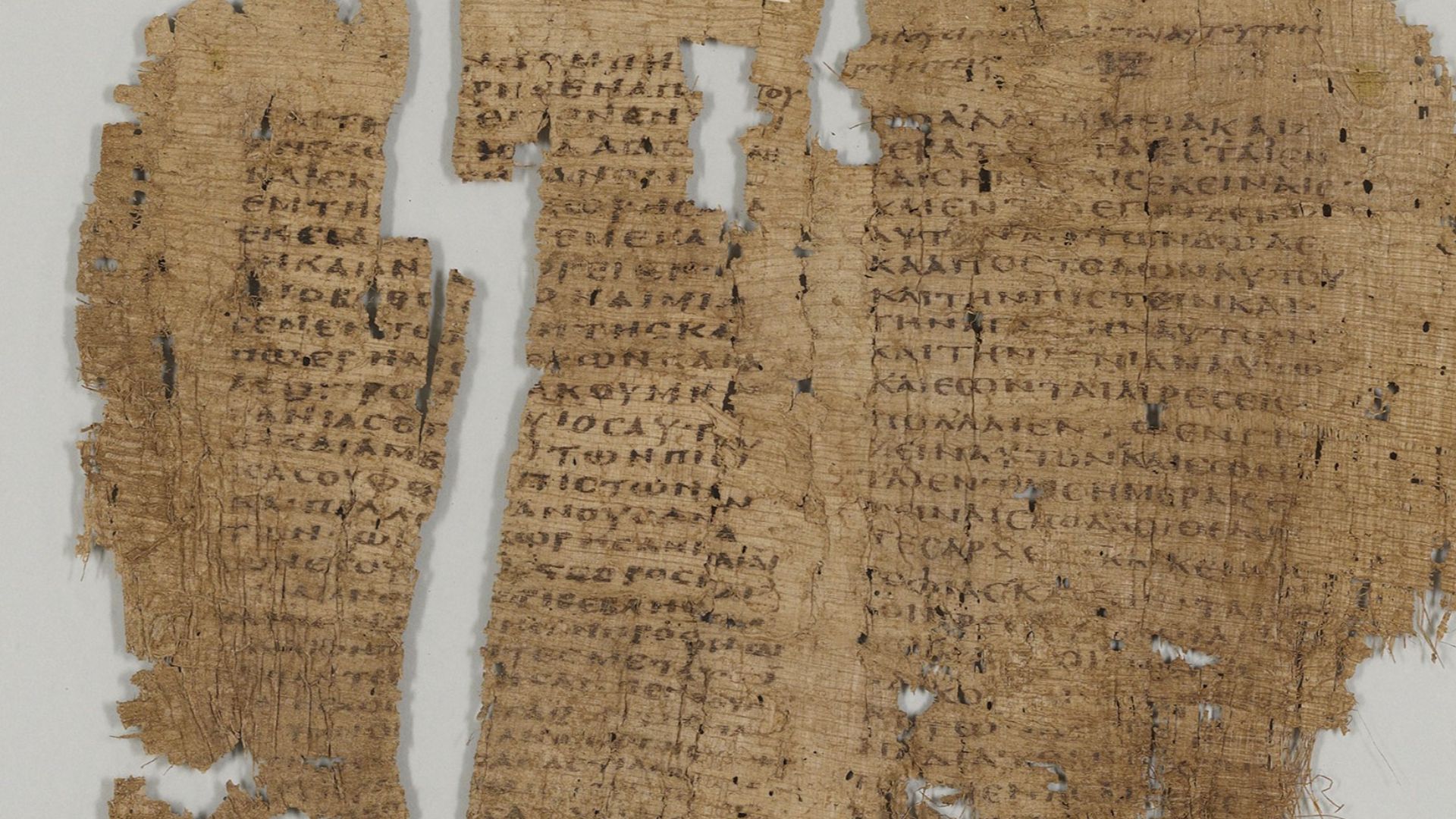
Ancient authors left scattered hints describing a coastal sanctuary linked to Poseidon near the region of Triphylia. Their accounts didn’t provide exact coordinates, but the references helped researchers narrow the search. These documents became essential guideposts that allowed modern archaeologists to compare ancient geography with present-day terrain shifts over millennia.
 AnonymousUnknown author, Wikimedia Commons
Strabo’s Description Sparked A Centuries-Long Search
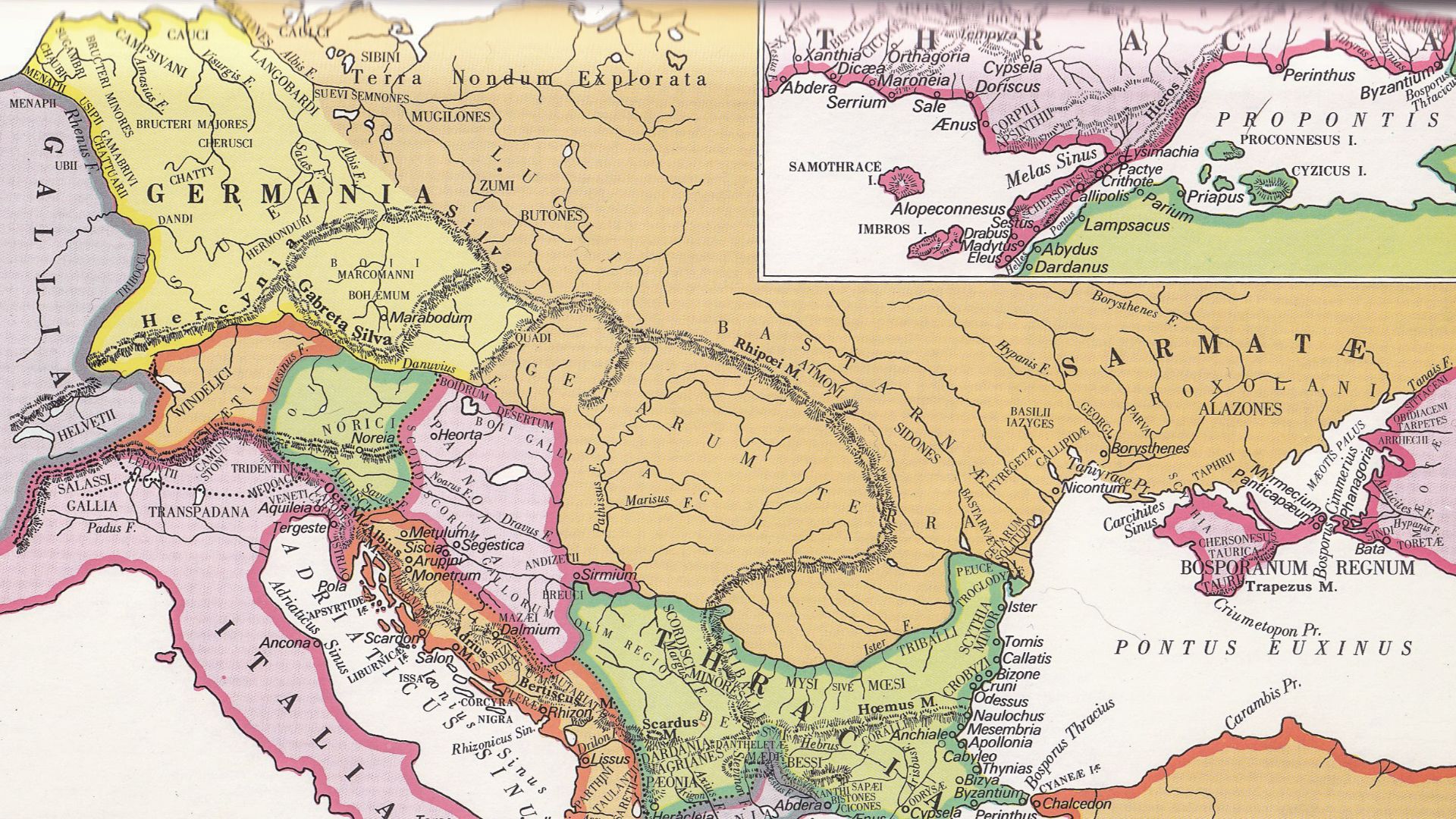
Strabo’s Geography contained one of the most compelling descriptions, referencing a Poseidon sanctuary positioned near Samikon and coastal lagoons. His passage connected the temple to regional alliances, which suggested both religious and political relevance. Because Strabo wrote with unusual precision, his notes encouraged scholars to revisit this area repeatedly.
In An Environment Shaped By Storms And Shifting Shores
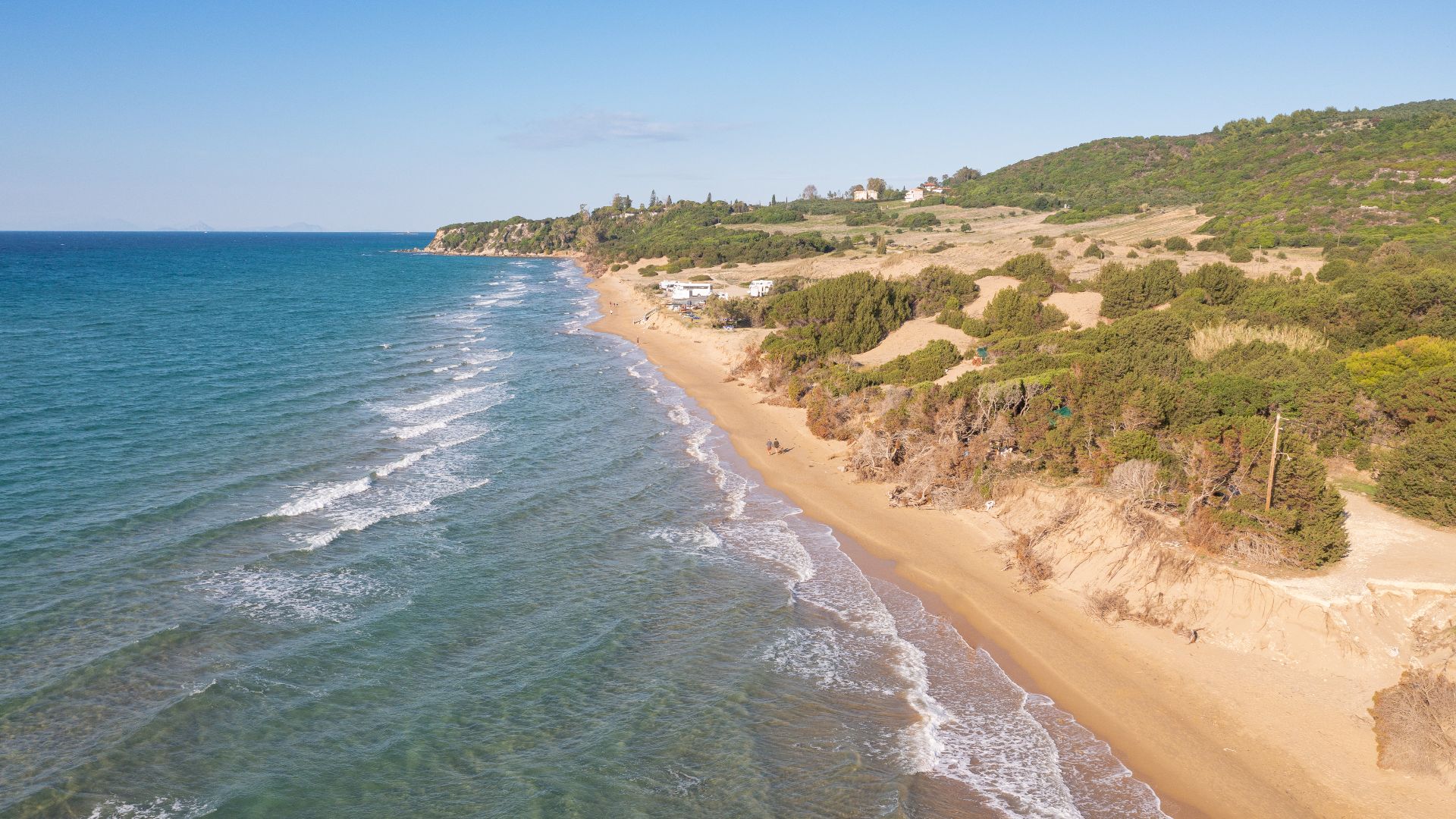
Western Greece’s coastline hasn’t remained stable. Earthquakes and changing sea levels have been transforming its appearance since antiquity. Lagoons expanded and contracted, masking archaeological layers beneath new deposits. These natural forces complicated every investigation, but forced researchers to rethink earlier assumptions.
Modern Archaeologists Returned With Fresh Questions
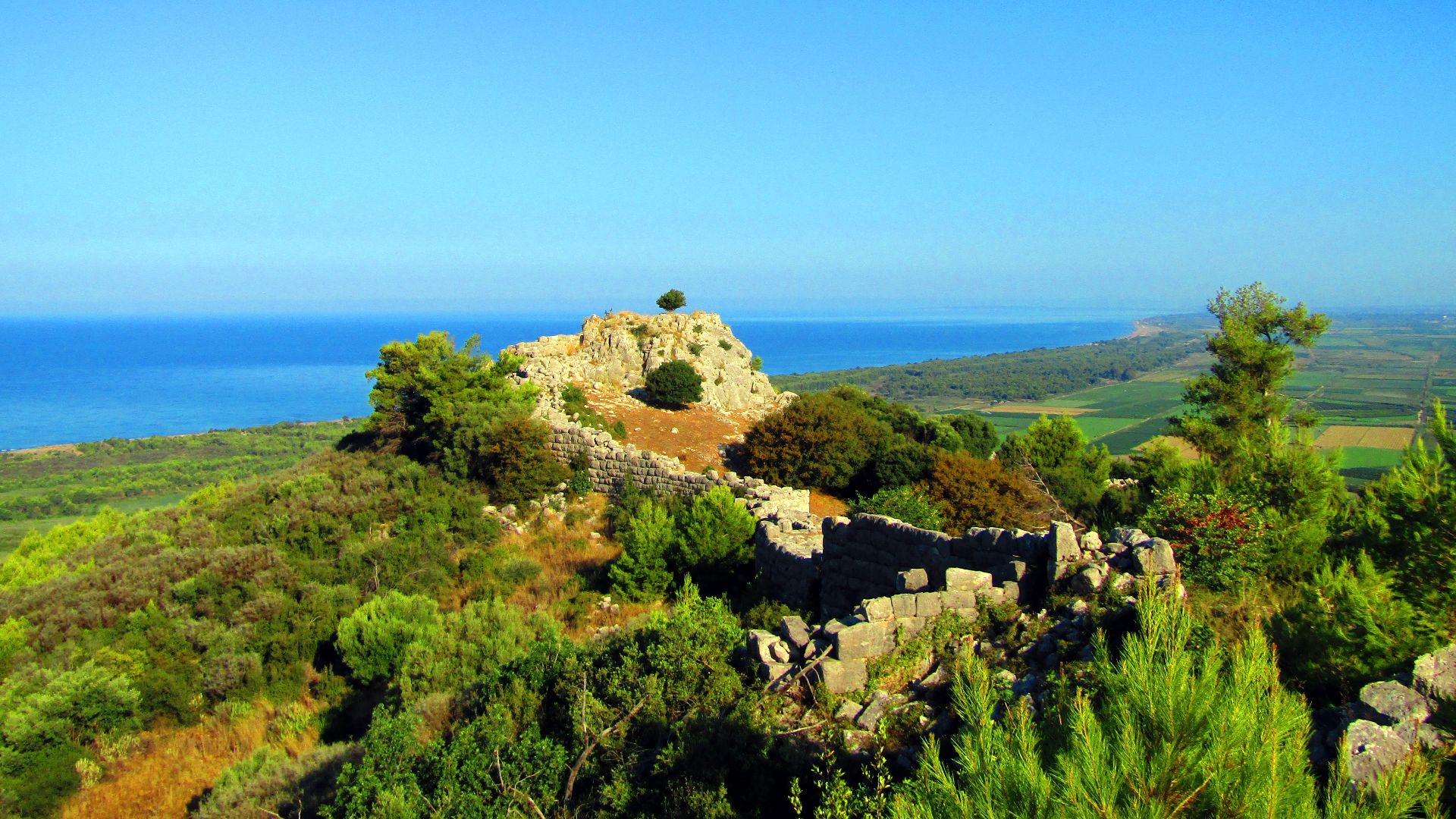
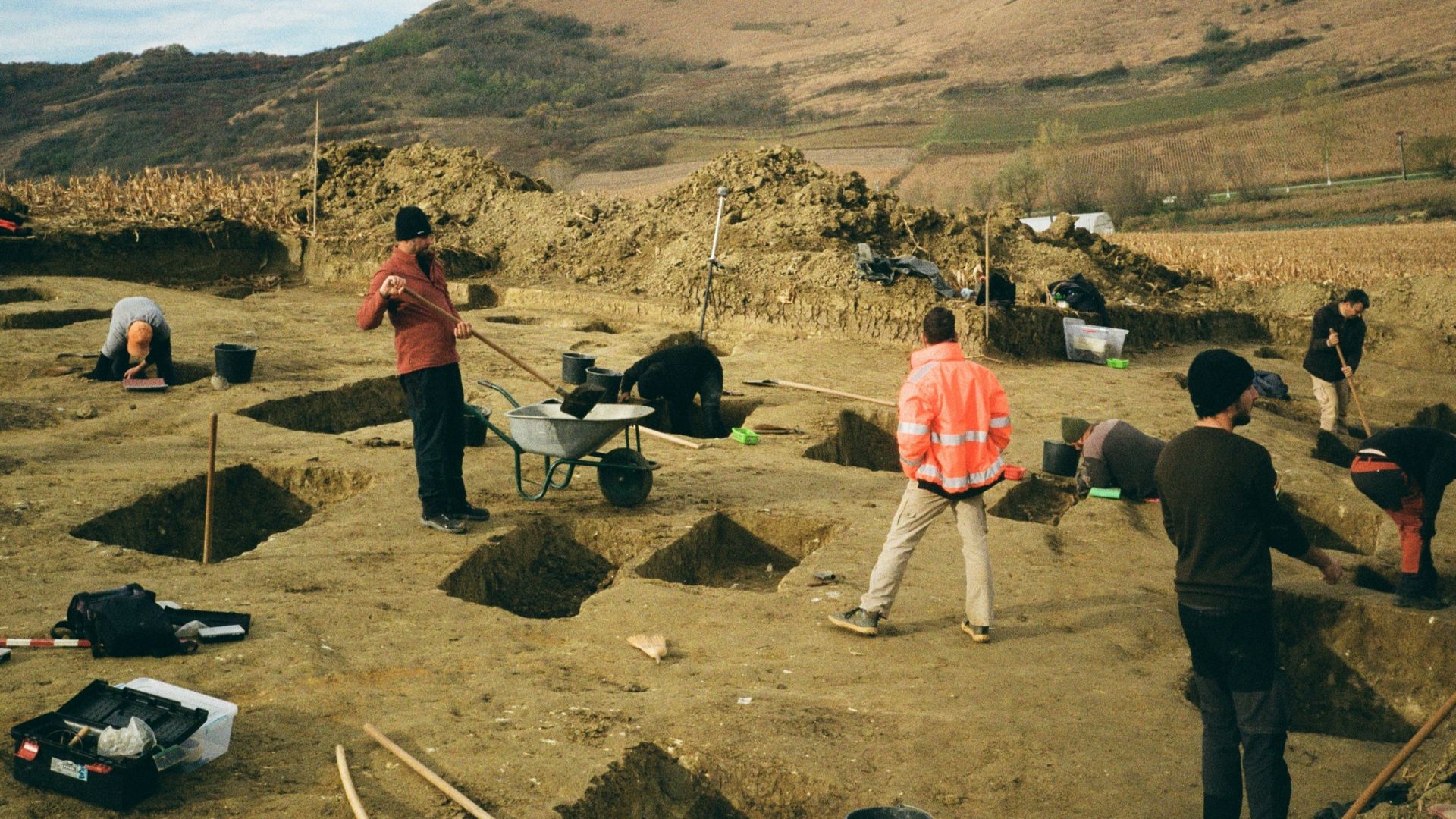
Austrian and Greek researchers revisited the Samikon area using modern surveying tools, including ground mapping and systematic excavation. Unlike earlier expeditions, this team examined how ancient descriptions aligned with geological changes. Their renewed approach led to structural remains that finally matched what historians had suspected for decades.
And Early Excavations Hinted At Something Far Older
Initial digs in the Samikon region uncovered scattered architectural fragments and pottery that didn’t align neatly with known Classical or Hellenistic structures. These early finds suggested deeper layers and older construction phases beneath the surface. Although the evidence was incomplete, it hinted that a significant Archaic-era complex might still wait below.
 Anonymous (Greece)Unknown author, Wikimedia Commons
Then, The First Stone Walls Broke Through The Surface
During recent excavations, archaeologists uncovered the outlines of substantial stone walls that revealed a structured building rather than scattered debris. Their alignment and thickness reflected deliberate planning characteristic of sanctuaries from the sixth century BCE. This moment confirmed that researchers were no longer dealing with speculation—they were standing at the threshold of a temple.
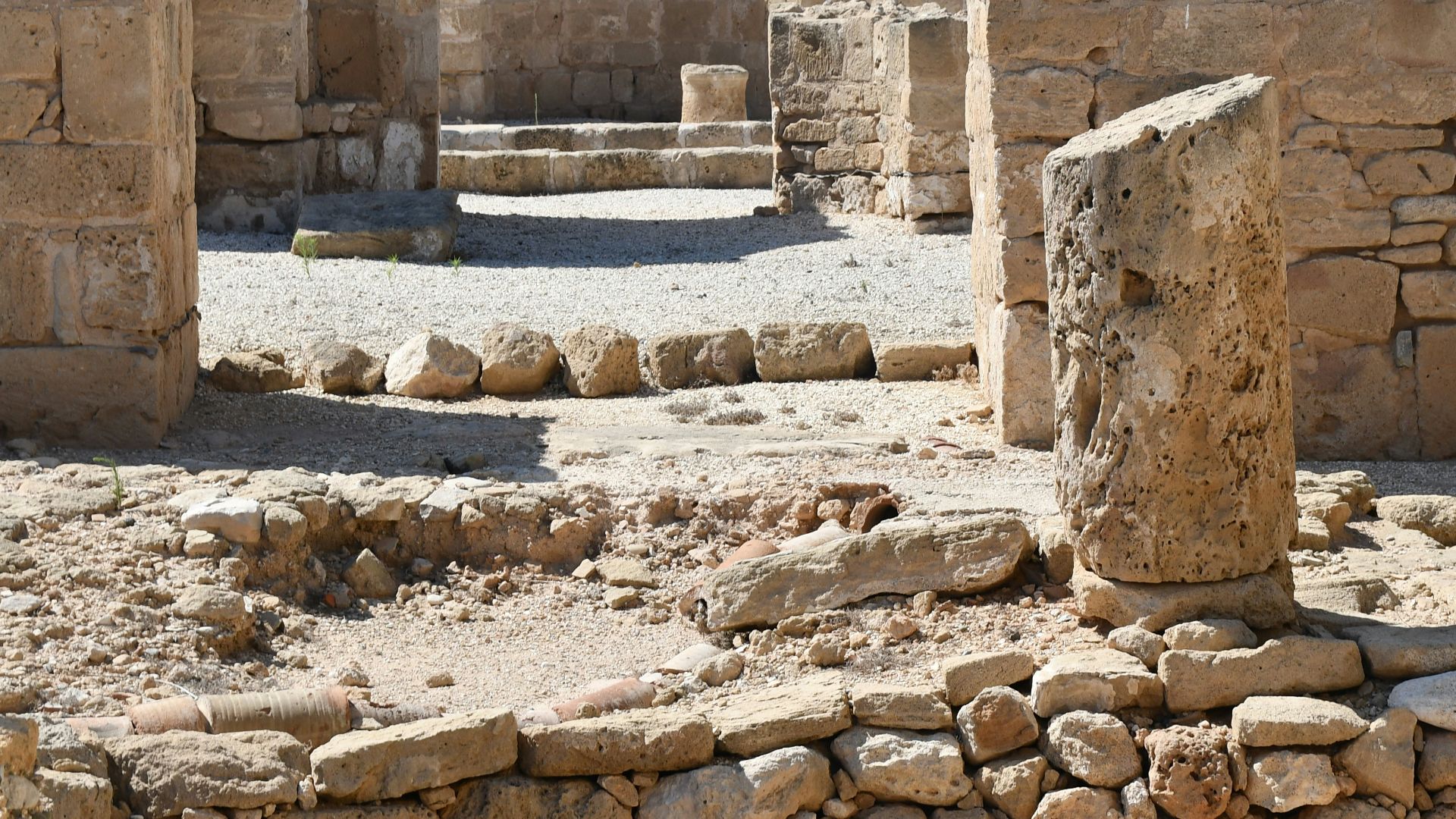
To Show A Floor Plan Far Larger Than Anyone Anticipated
As excavation expanded, the building’s scale surprised researchers. Measuring roughly 92 feet long and over 29 feet wide, the structure surpassed earlier expectations. Its size indicated a sanctuary of regional importance, not a minor local shrine. The dimensions also aligned with what ancient writers implied about its significance within Triphylian territory.
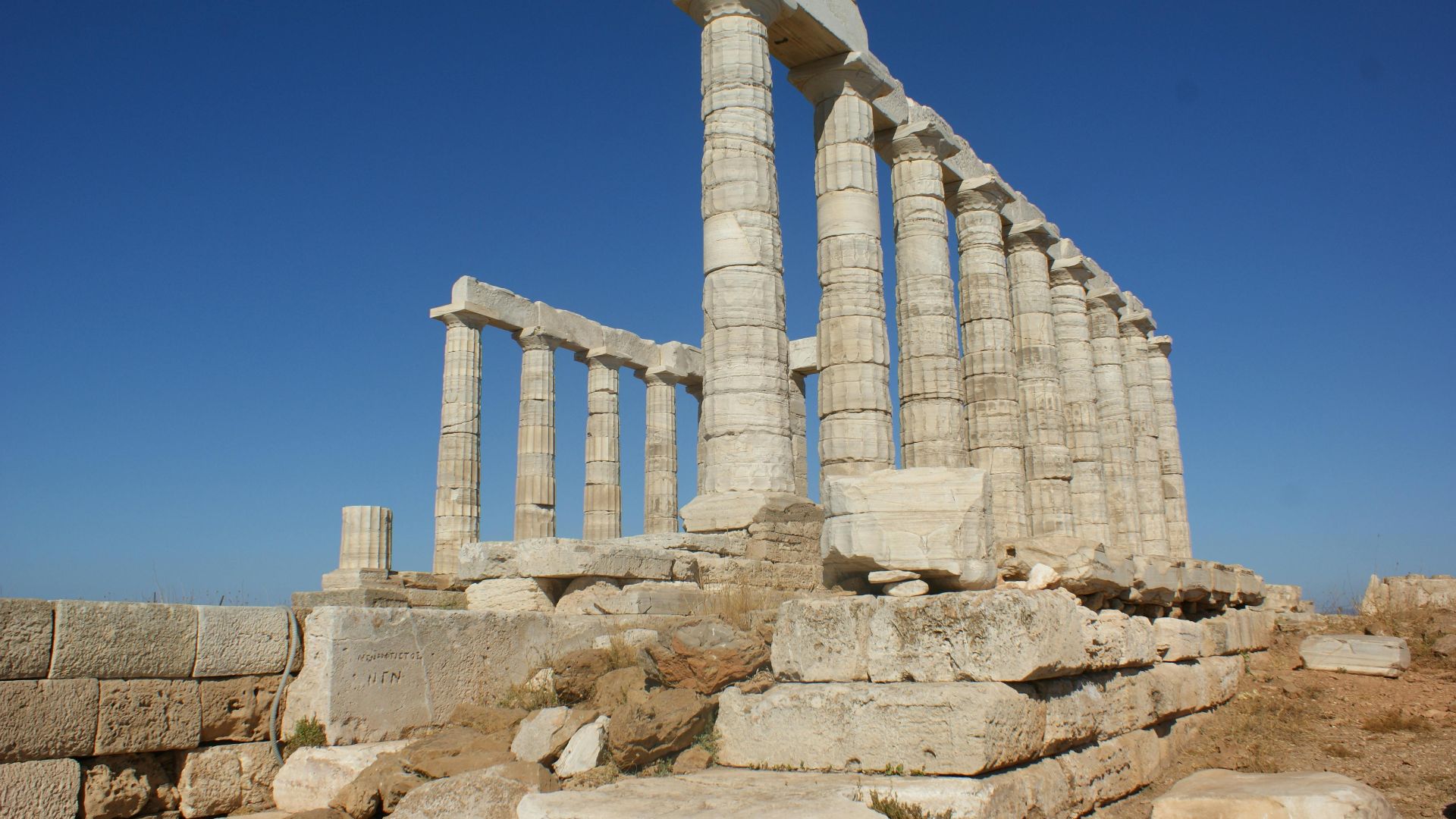
And Two Chambers That Didn’t Match Familiar Temple Designs
Most Greek temples followed predictable interior layouts, yet this structure presented two main rooms side by side. The plan differed from typical single-cell designs, raising questions about function. Archaeologists considered possibilities ranging from dual cult activity to meeting spaces for regional groups.
 Zeynep Merve Kılıç Çakır, Pexels
With A Marble Basin That Pointed Straight To Ritual Use
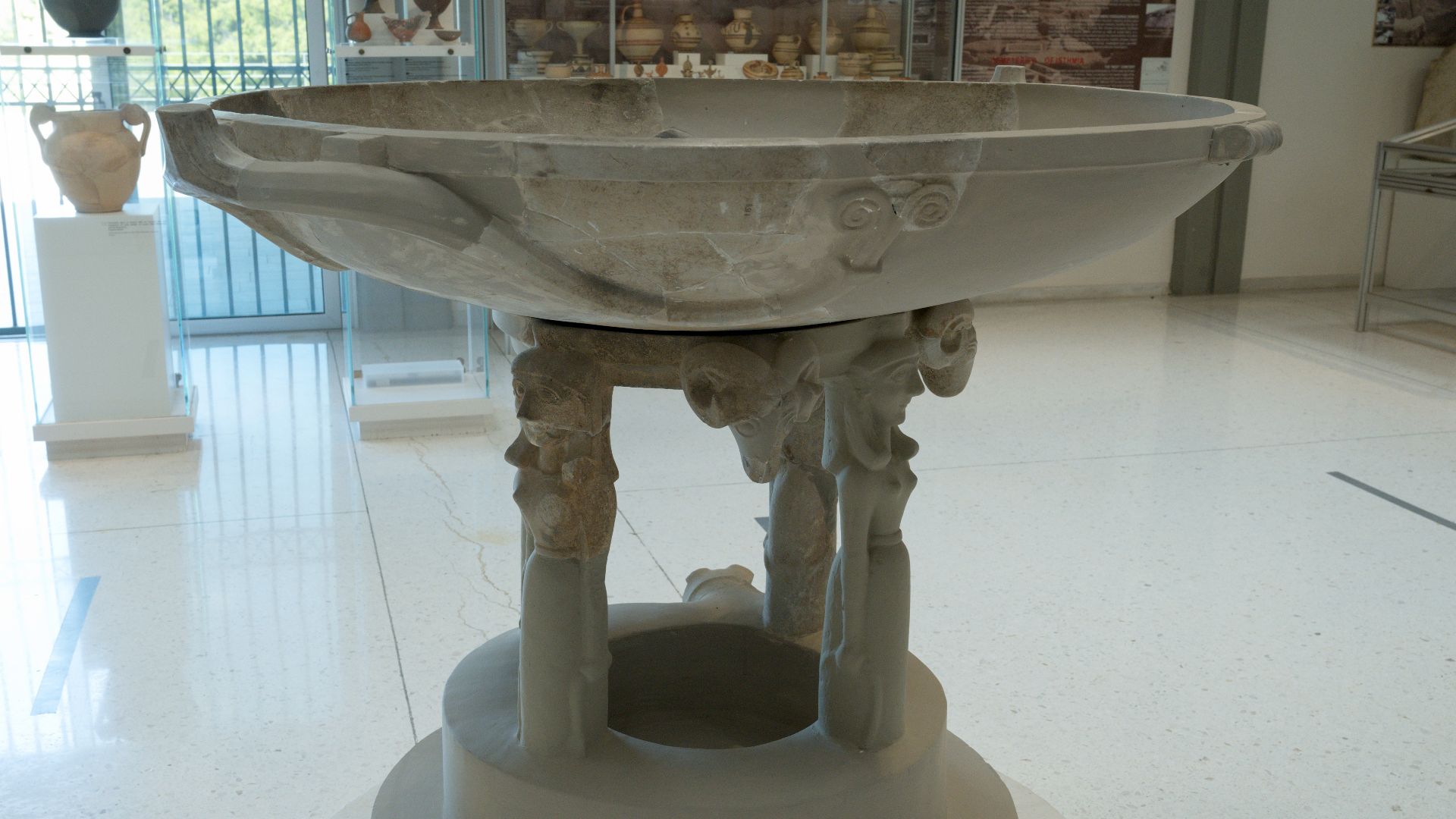
Among the notable discoveries was a marble perirrhanterion, a purification basin used for ritual cleansing before entering sacred spaces. Its presence confirmed the structure’s religious role. Such basins were common in sanctuaries dedicated to major deities. This reinforces the case that the building served worshippers participating in ceremonies centered around Poseidon.
And A Delicate Bronze Plaque No One Dared To Lift
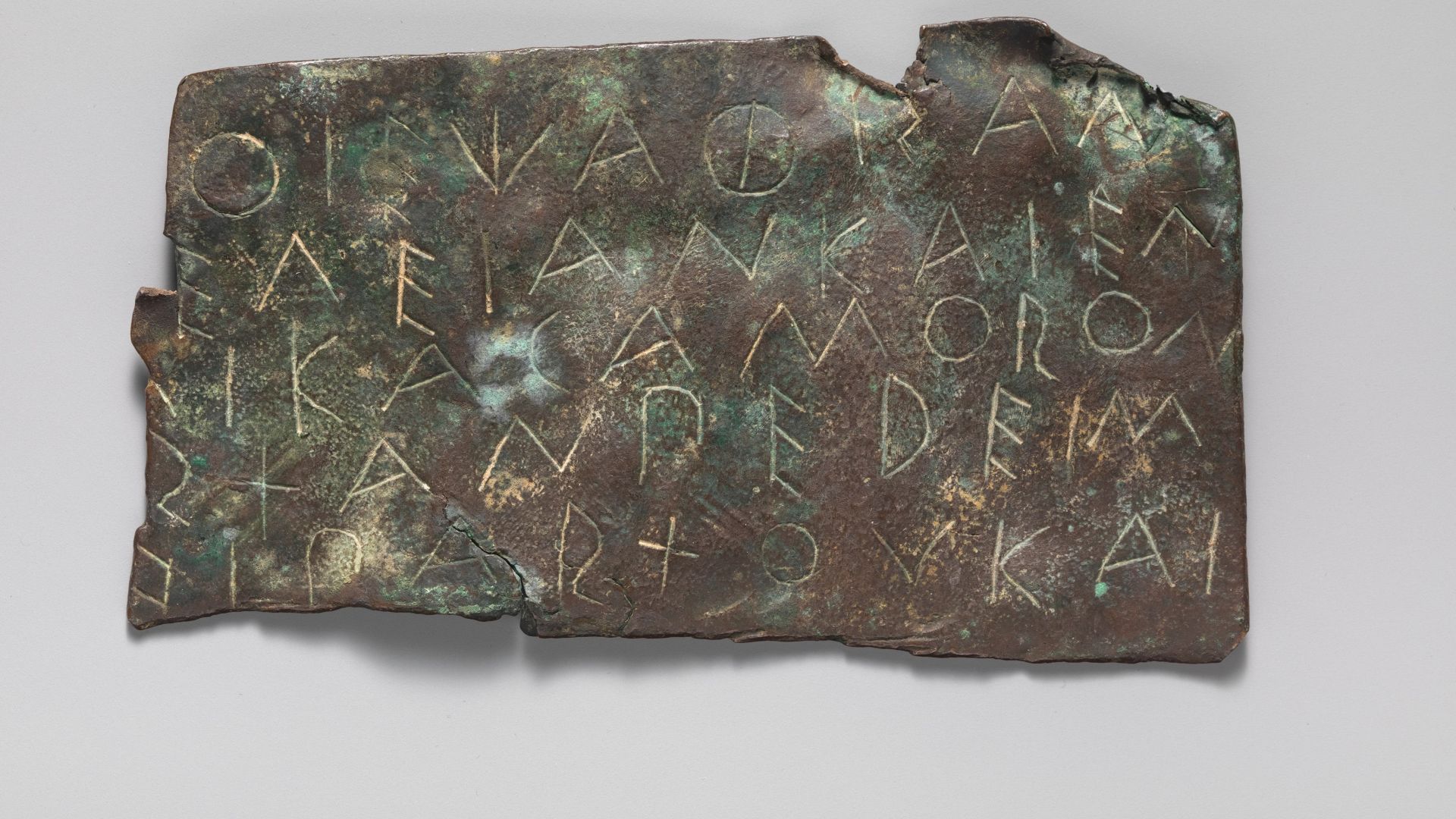
Archaeologists encountered a corroded bronze plaque too fragile to remove safely. Instead of risking damage, they preserved the surrounding soil block for controlled laboratory work. Bronze inscriptions from this period can show names, dedications, or administrative details. This makes the plaque one of the excavation’s most potentially informative yet delicate finds.
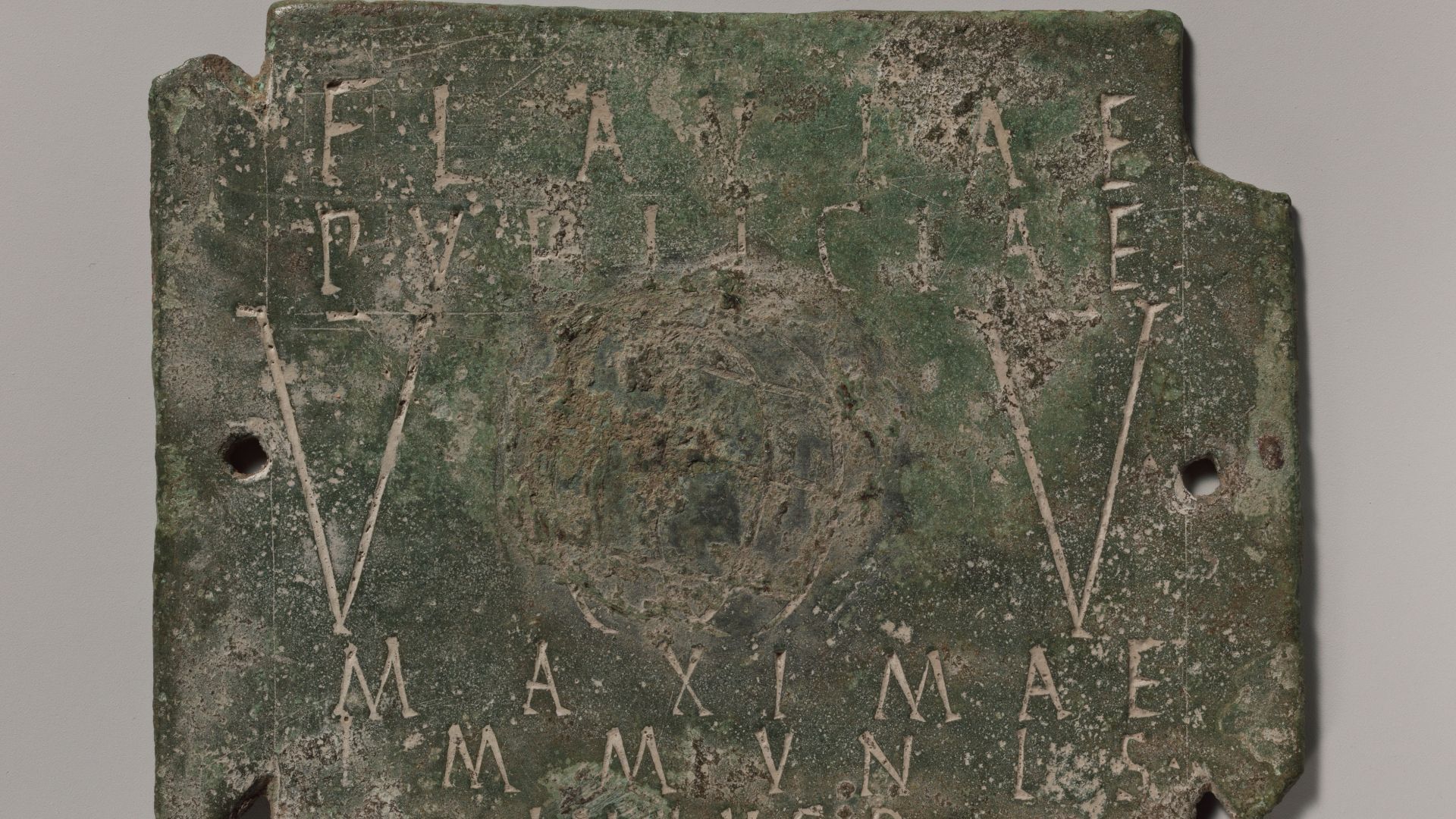
X-Ray Images Showed Hidden Lines Of Ancient Text
Laboratory imaging allowed researchers to examine the plaque without disturbing it. X-ray scans exposed faint inscriptions hidden beneath its corroded surface. While full translation remains ongoing, the early results suggest valuable information about the sanctuary’s users or dedicatory practices during the Archaic era.

Signs That The Sanctuary Served Generations Of Worshipers
Excavations showed construction phases spanning centuries, including Archaic foundations and later Classical modifications. Architectural fragments and reused building materials highlighted continuous activity rather than brief occupation. These layers demonstrated that the sanctuary remained meaningful to coastal communities over long periods.
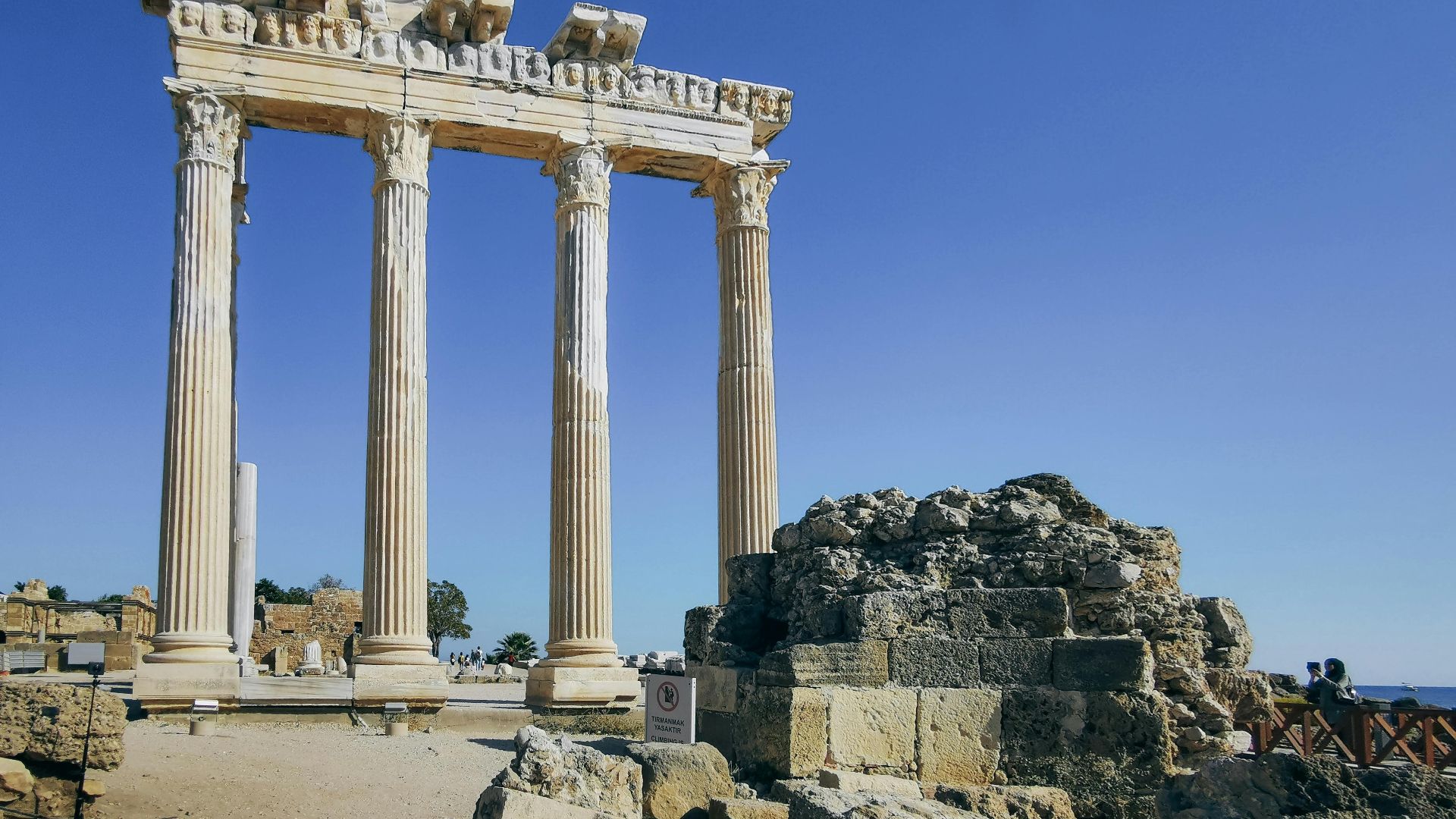
A Major Redesign That Signaled Changing Beliefs
During the late fourth or early third century BCE, builders reconfigured parts of the sanctuary. Adjustments in wall placement, doorway orientation, and interior divisions suggested new ritual priorities or shifting communal needs. Such redesigns reflected broader cultural transitions in Greece, where sanctuaries frequently adapted to political realignments or altered patterns of worship.
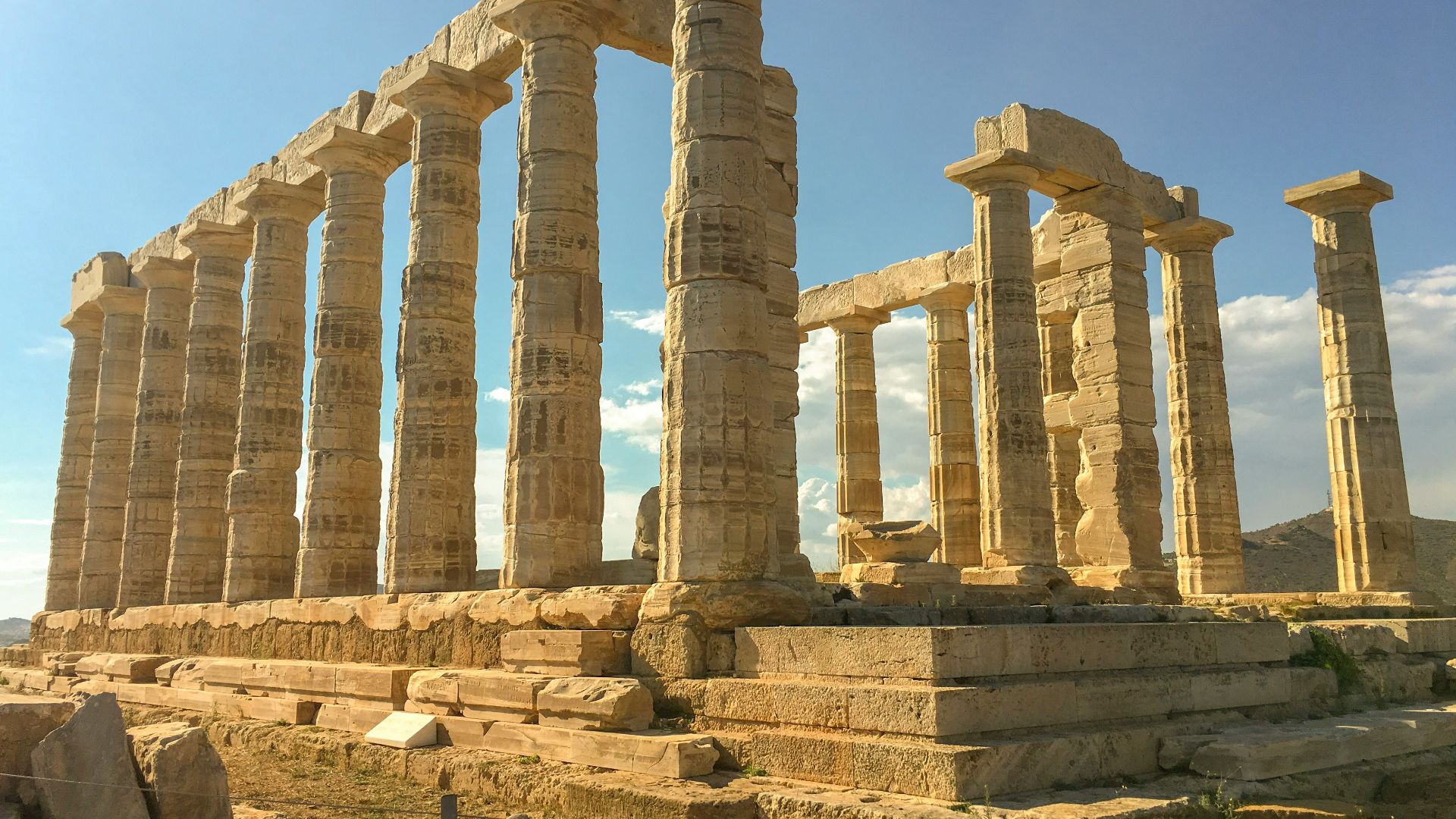
Defensive Walls Shaped By Rising Waters And Coastal Floods
Researchers found evidence of a double-walled boundary surrounding the sanctuary’s northern edge. Geological studies indicated the area experienced significant flooding and shoreline movement over time. The walls may have served as protective barriers, which shows that local communities continually adjusted the site to survive environmental challenges.
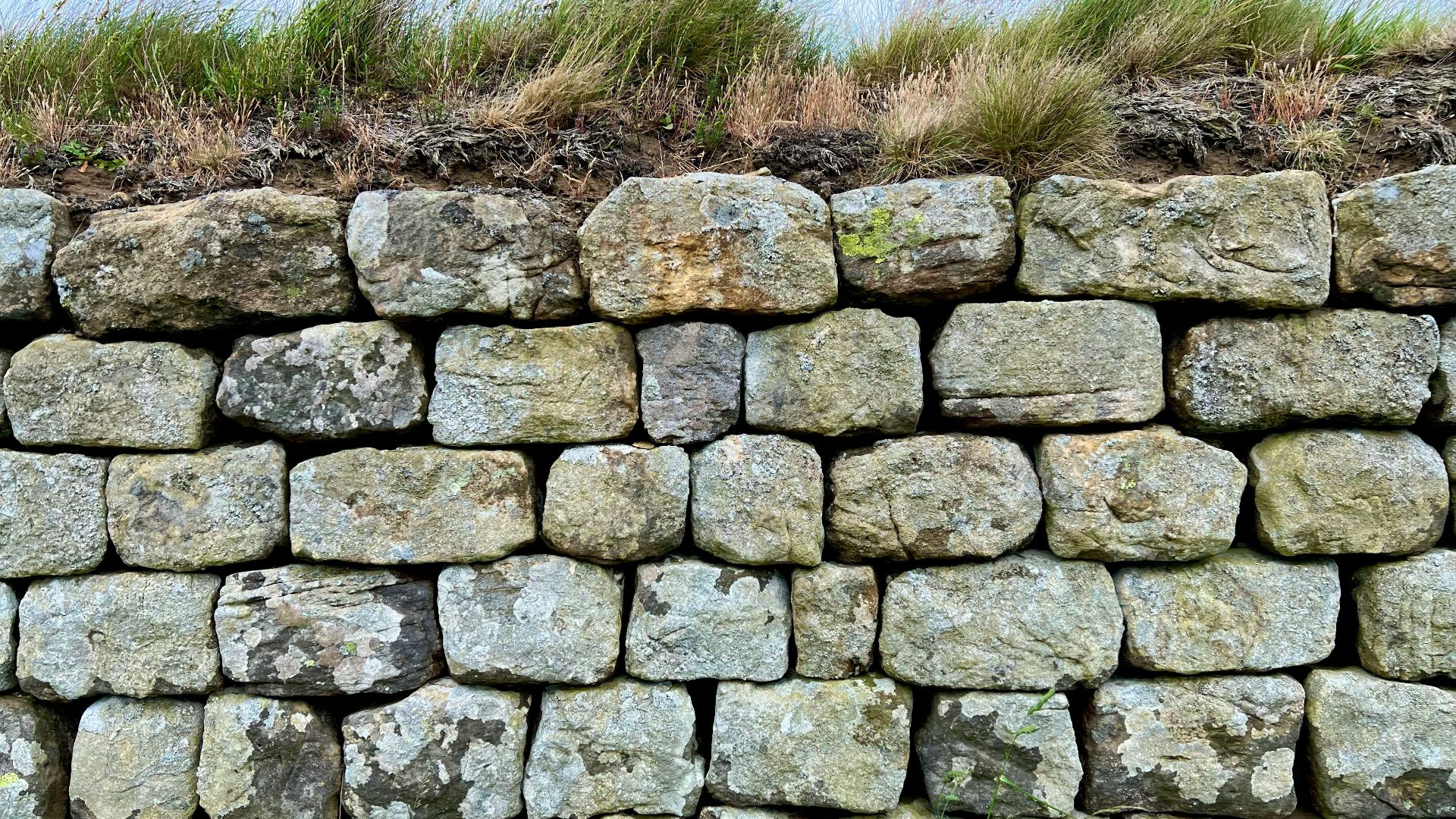
On A Shoreline That Represented Danger And Devotion
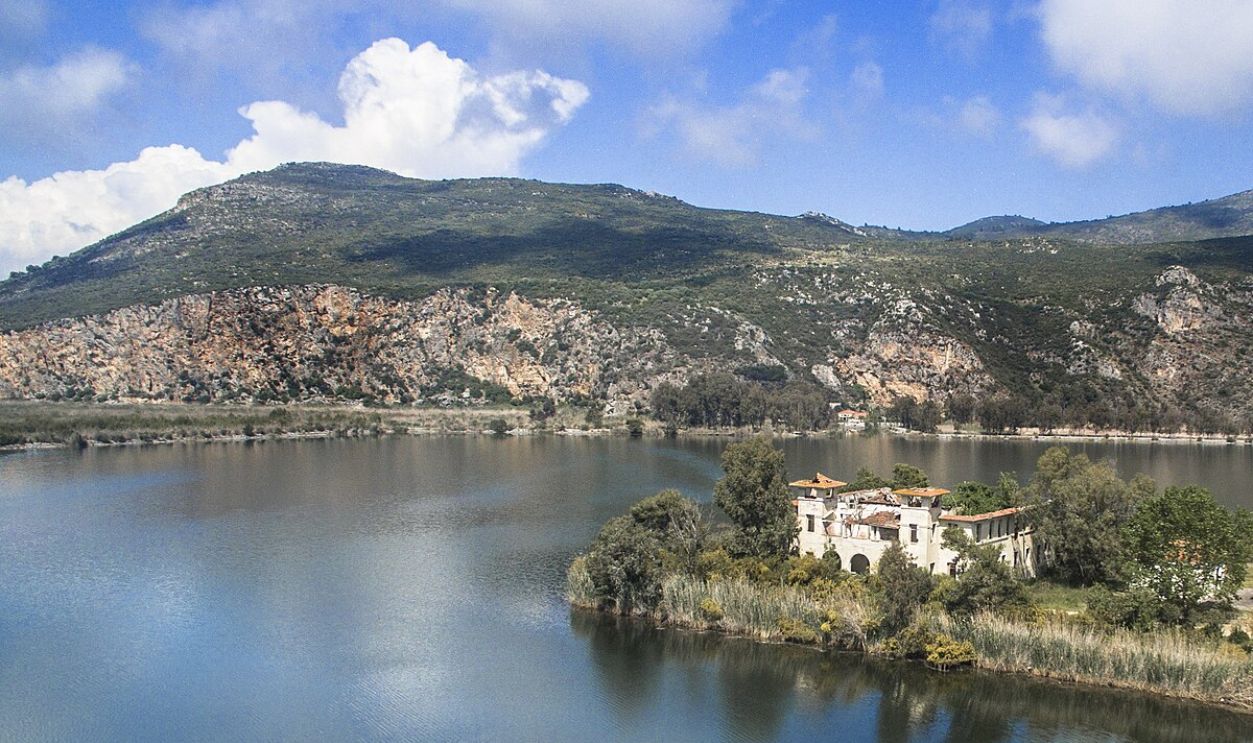
The sanctuary sat near lagoons and earthquake-prone terrain, conditions closely tied to Poseidon’s domains. Communities living here relied on maritime routes yet faced constant environmental risks. Positioning a temple to Poseidon in such a setting reflected both reverence and practical hope.
 GeorgiosKladis, Wikimedia Commons
The Pull Poseidon Held Over Seafaring Communities
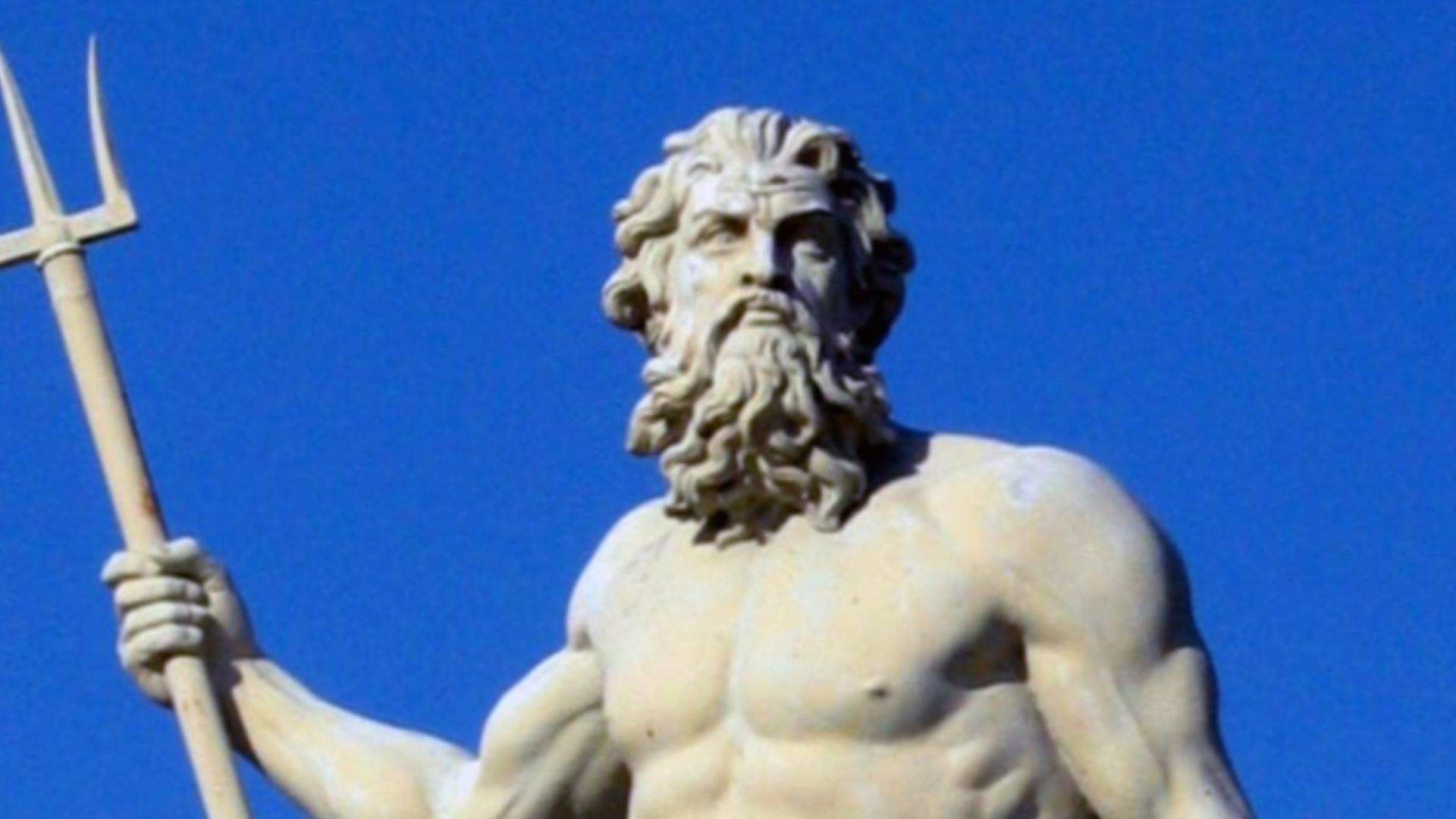
Along Greece’s western coast, Poseidon held special significance for travelers and merchants exploring the Ionian waters. His sanctuary offered a place to seek protection or request favorable conditions. The temple’s size and longevity reflected the enduring relationship between coastal populations and a deity associated with nature’s wrath.
A Possible Meeting Ground For Triphylian City Alliances
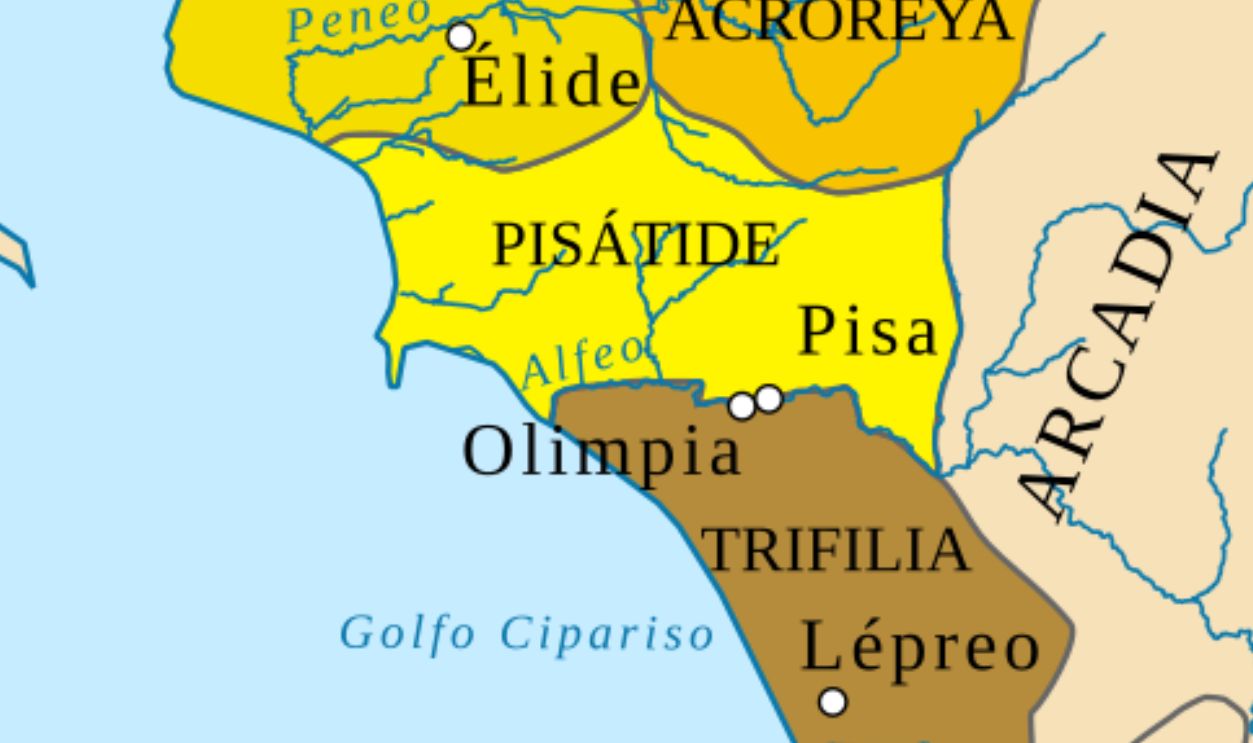
Ancient sources noted that the region’s Triphylian communities shared religious spaces that supported cooperation among nearby settlements. The temple’s scale and unusual floor plan suggested potential civic use alongside worship. Scholars now consider the possibility that the sanctuary served as both a ceremonial center and a gathering place for regional decision-making.
 User:Jolle~commonswiki, Wikimedia Commons
Ritual Activity That Once Filled The Rooms With Purpose
Artifacts such as the purification basin and inscription fragments hint at rituals involving cleansing, offerings, and formal gatherings. While specific ceremonies remain uncertain, the evidence points to structured religious practices. The two-room configuration may have supported processions or separate stages of worship.
Challenging Old Assumptions About Greek Temples
The temple’s large footprint and later reconstruction phases stand apart from the single-cell designs commonly associated with Greek sanctuaries. These differences push researchers to reconsider how regional traditions shaped architectural choices. The Samikon structure tells us that religious buildings across Greece weren’t uniform, and local communities sometimes adapted templates to fit unique needs.
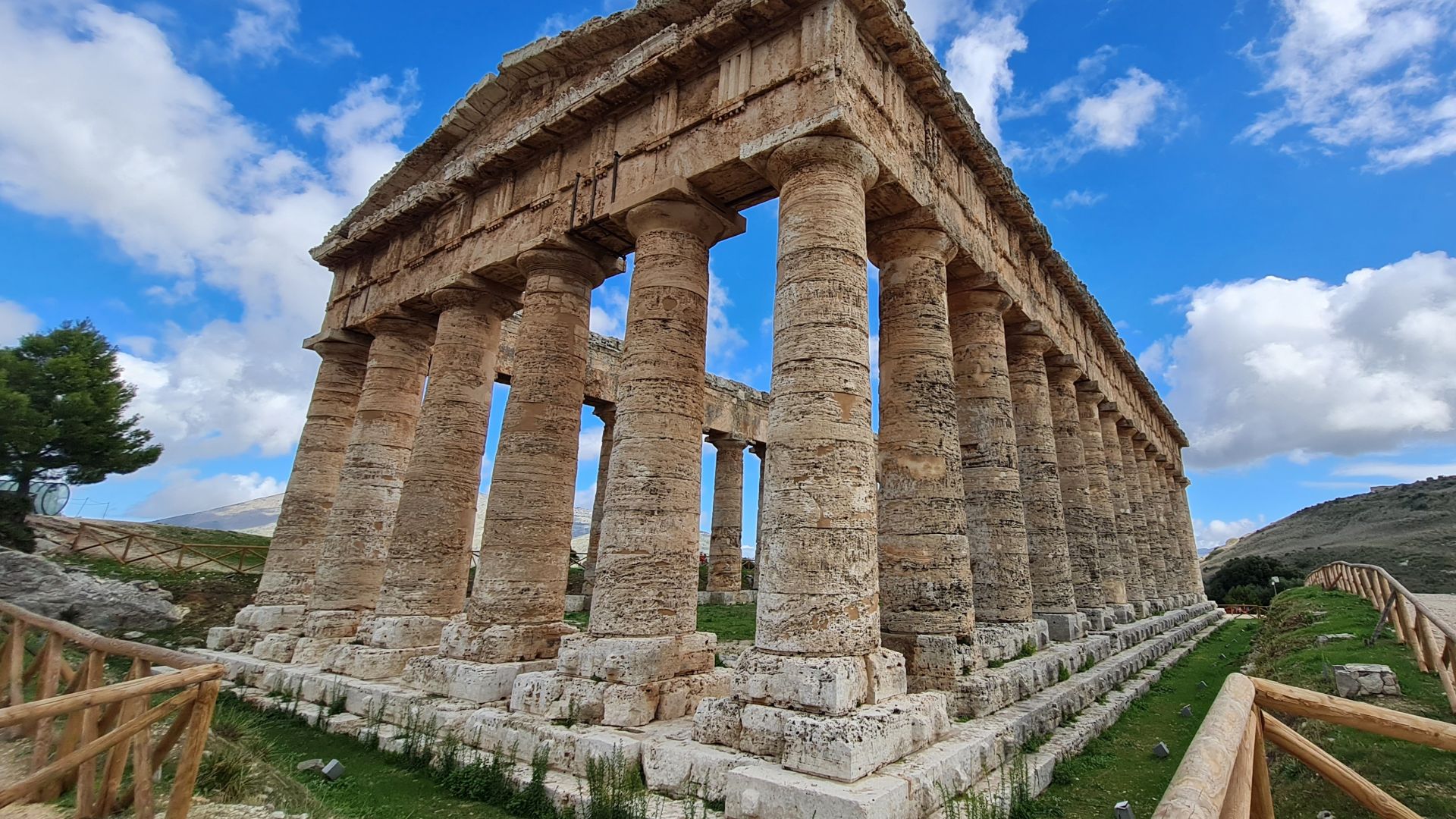
The Political Life Surrounding This Sacred Coast
The region around Samikon sat between powerful Peloponnesian interests, influencing how sanctuaries functioned. Temples often supported alliances or symbolized shared identity. Archaeological and historical evidence suggests this sanctuary’s role extended beyond worship, which links it to wider political networks that shaped cooperation and rivalry among western Greek communities.
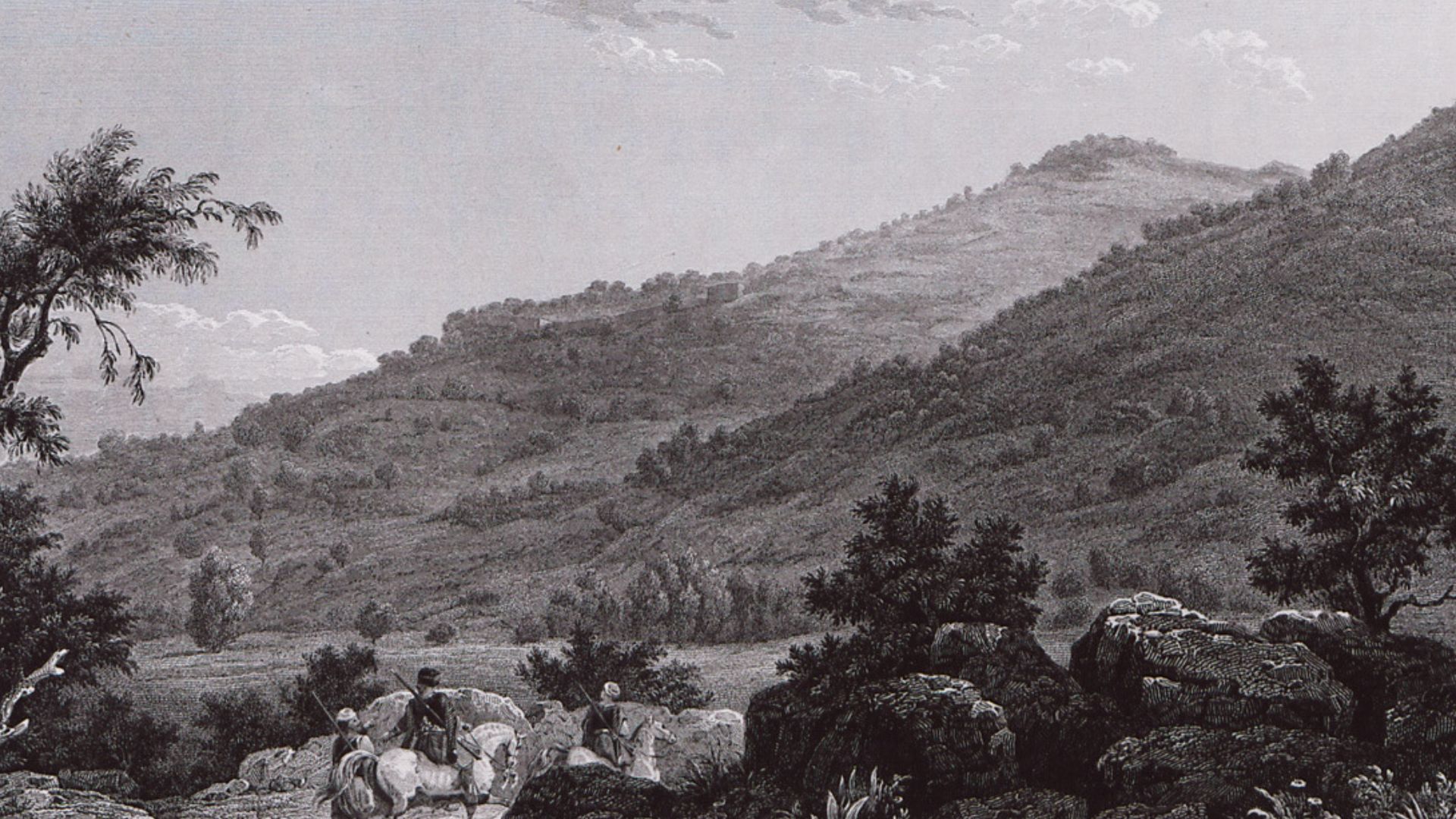 Guillaume Abel Blouet, Wikimedia Commons
A Rare Moment Where Myth And Archaeology Overlap
Discoveries at Samikon brought textual descriptions and physical evidence into alignment. Strabo’s account, once treated cautiously, now corresponds with measurable foundations. This overlap allows scholars to bridge mythic storytelling and archaeological data for a clearer understanding of how ancient people experienced their world.
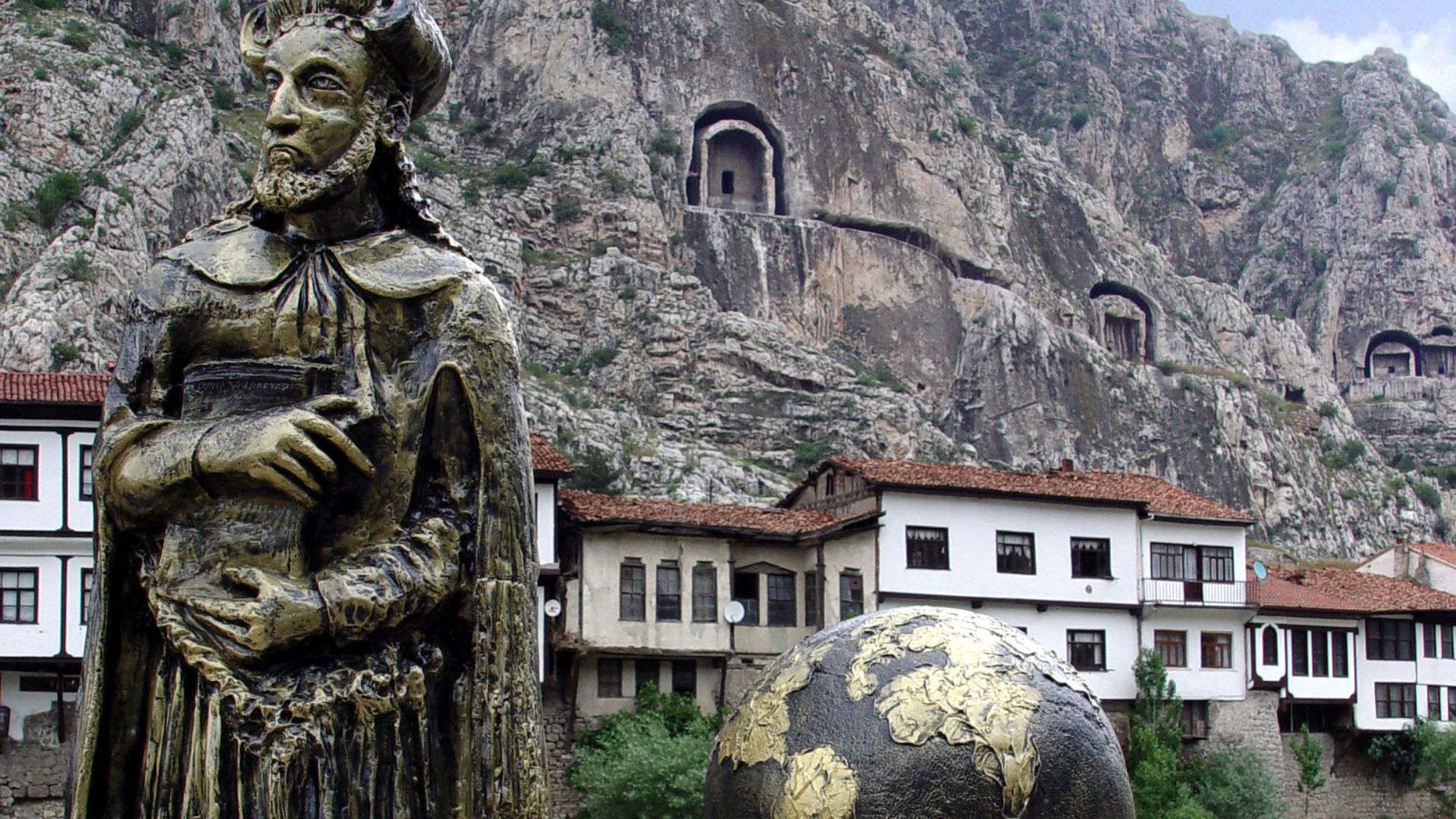
Why Poseidon’s Presence Made This Sanctuary Strategically Important
Poseidon’s influence extended far beyond seafaring rituals. In regions prone to earthquakes and coastal shifts, a sanctuary dedicated to him held practical and symbolic power. Communities viewed the temple as a stabilizing presence. Its prominence suggests a site valued for both safety and allegiance.
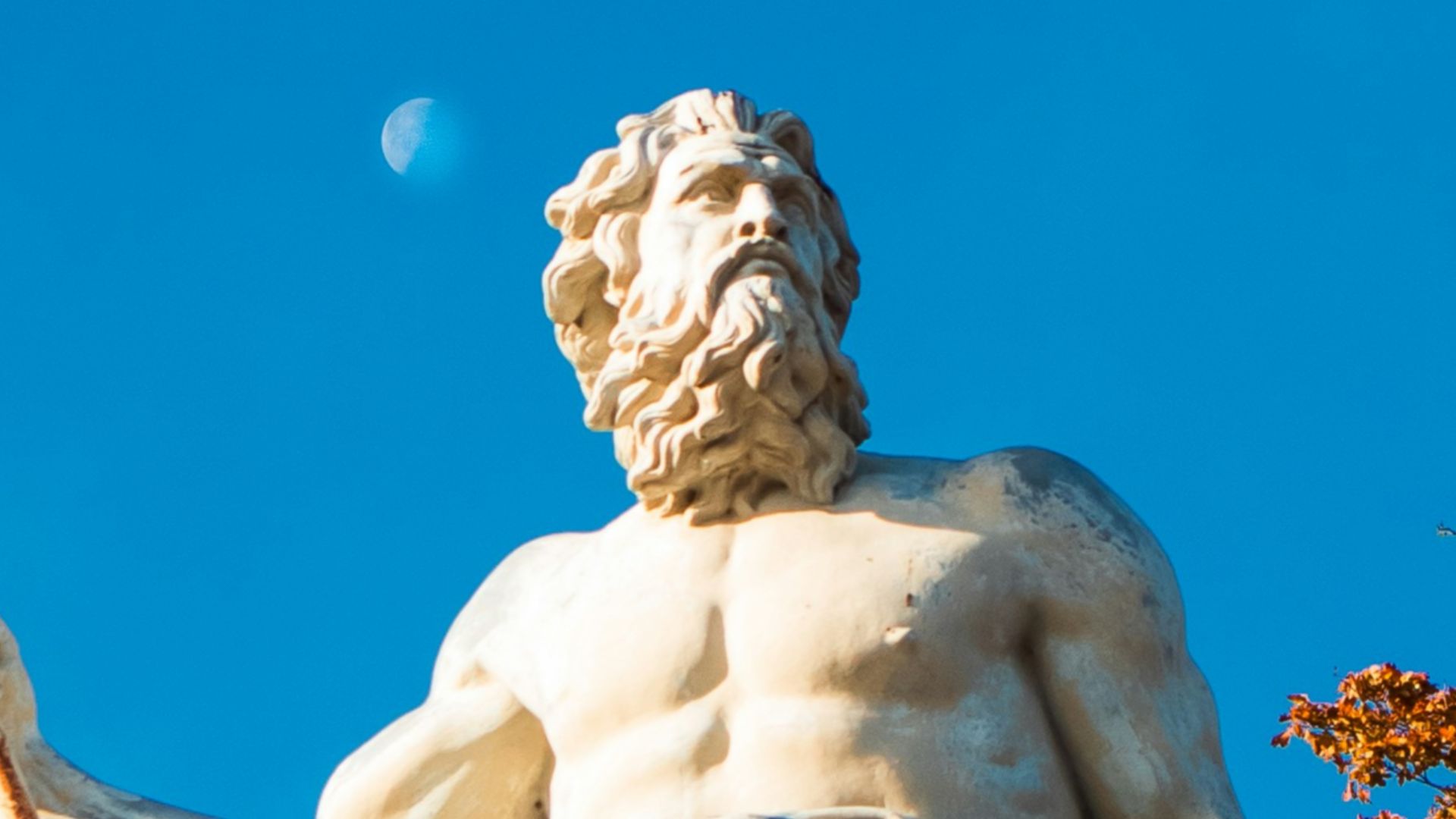
Mysteries That Still Wait Beneath The Sand
Despite significant progress, unanswered questions remain. Archaeologists continue searching for altars and traces of processional routes. Each new layer could clarify how worshipers moved through the space. The site’s partially excavated condition suggests that important pieces of its story are still waiting to surface.
With One Excavation That Rewrote A Chapter Of Greek History
The Samikon discovery reshapes understanding of religious and political life in ancient Triphylia. By confirming the sanctuary’s scale and long-term use, archaeologists now connect scattered historical references to real structures. This excavation proves how a single site can expand the historical map, shedding light on a world hidden for nearly 2,600 years.
 Morikanos P.Philippopoulos, Wikimedia Commons