Religion Carved In Stone
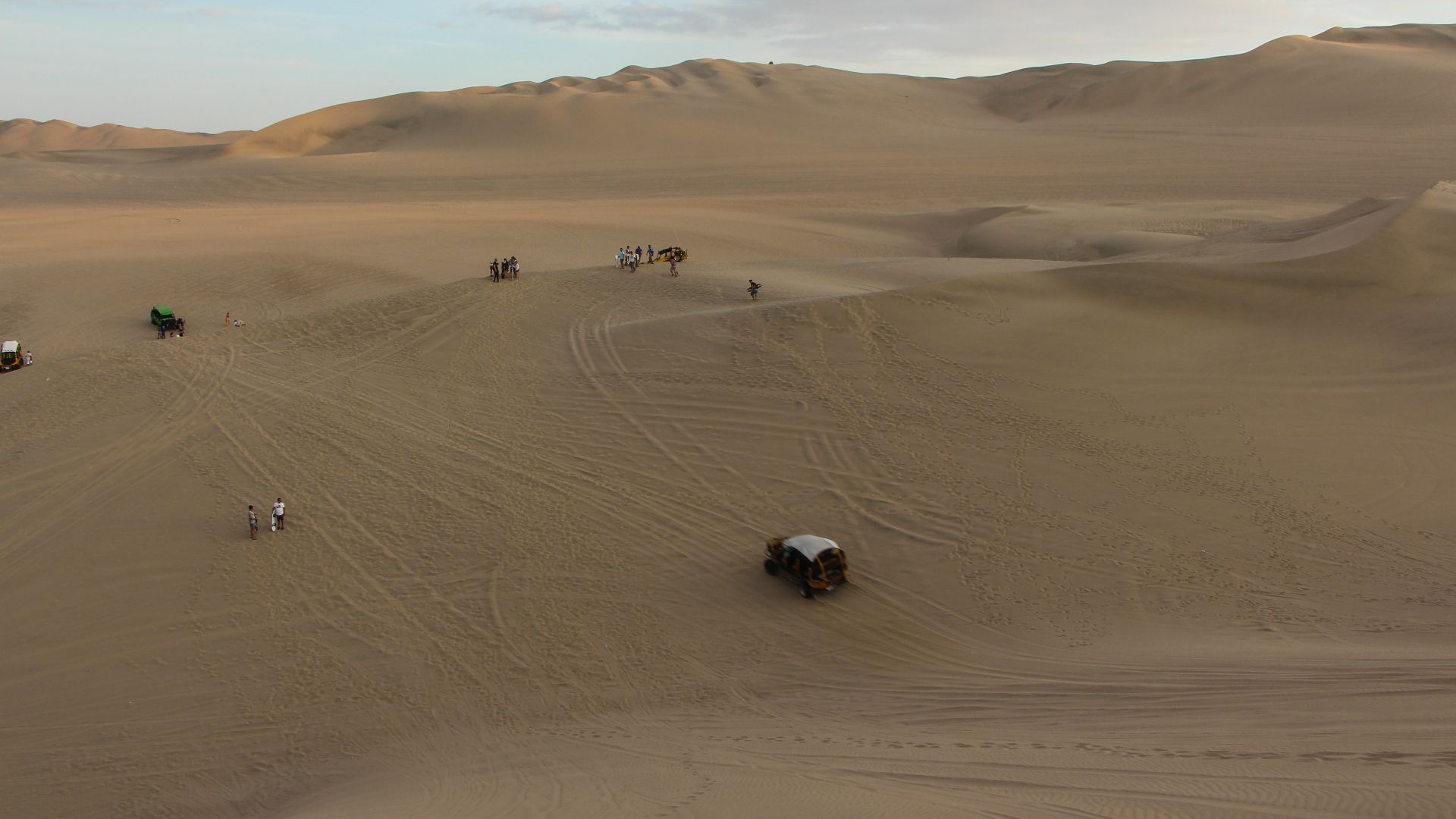
Beneath quiet sand dunes in northwestern Peru, a forgotten temple lay waiting for someone to notice. Its elaborate walls told stories of a civilization that existed before the Inca, before the Moche, before any culture historians had documented in the Andes.
 PsamatheM, CC BY-SA 4.0, Wikimedia Commons, Modified
The Looting That Led To Discovery
Local authorities in Zana district reported looters digging through sand dunes in early 2024. Luis Armando Muro Ynonan from Chicago's Field Museum rushed to the site with his team before more damage occurred. What they found wasn't just ancient artifacts—it was evidence of Peru's earliest organized religion.
 Ivana Viani, Wikimedia Commons
Digging Six Feet Down
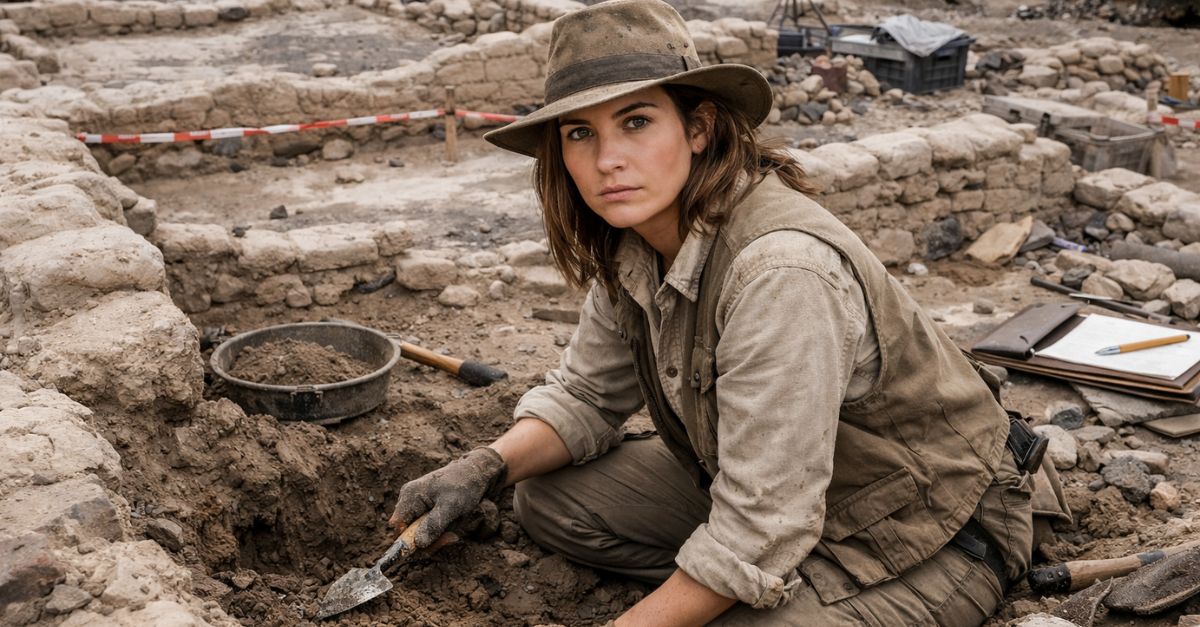
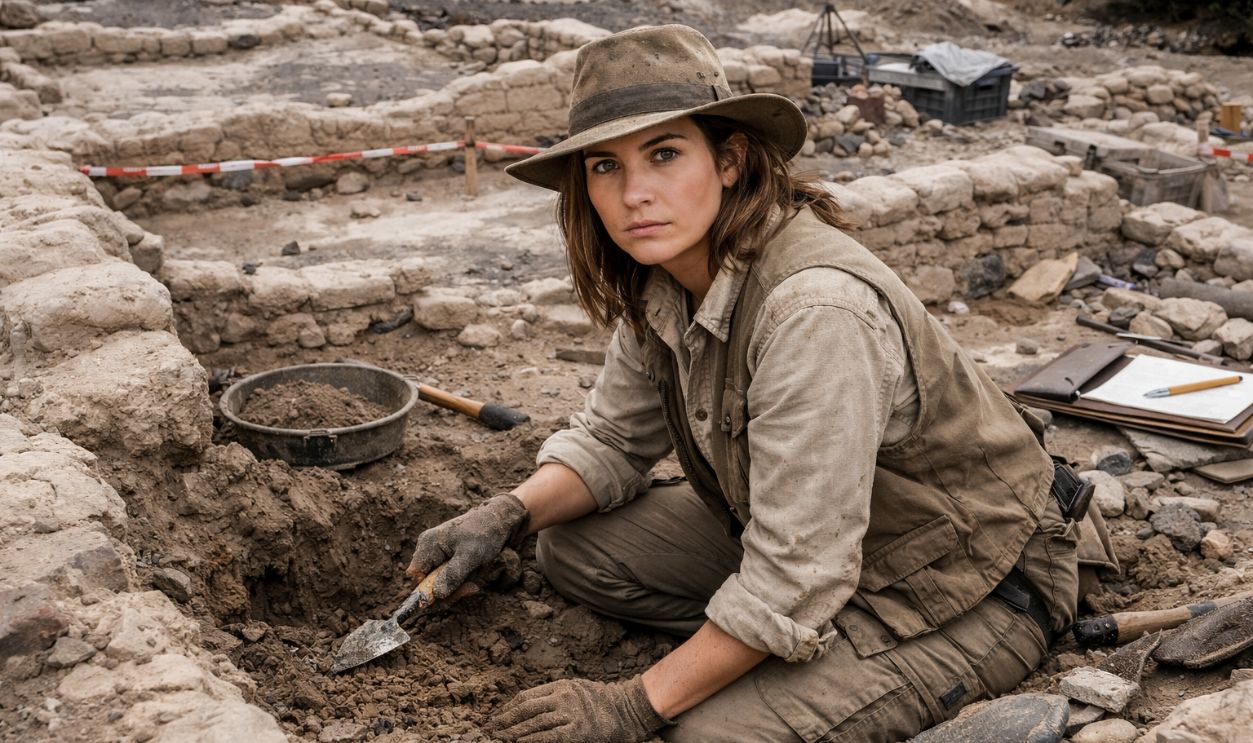
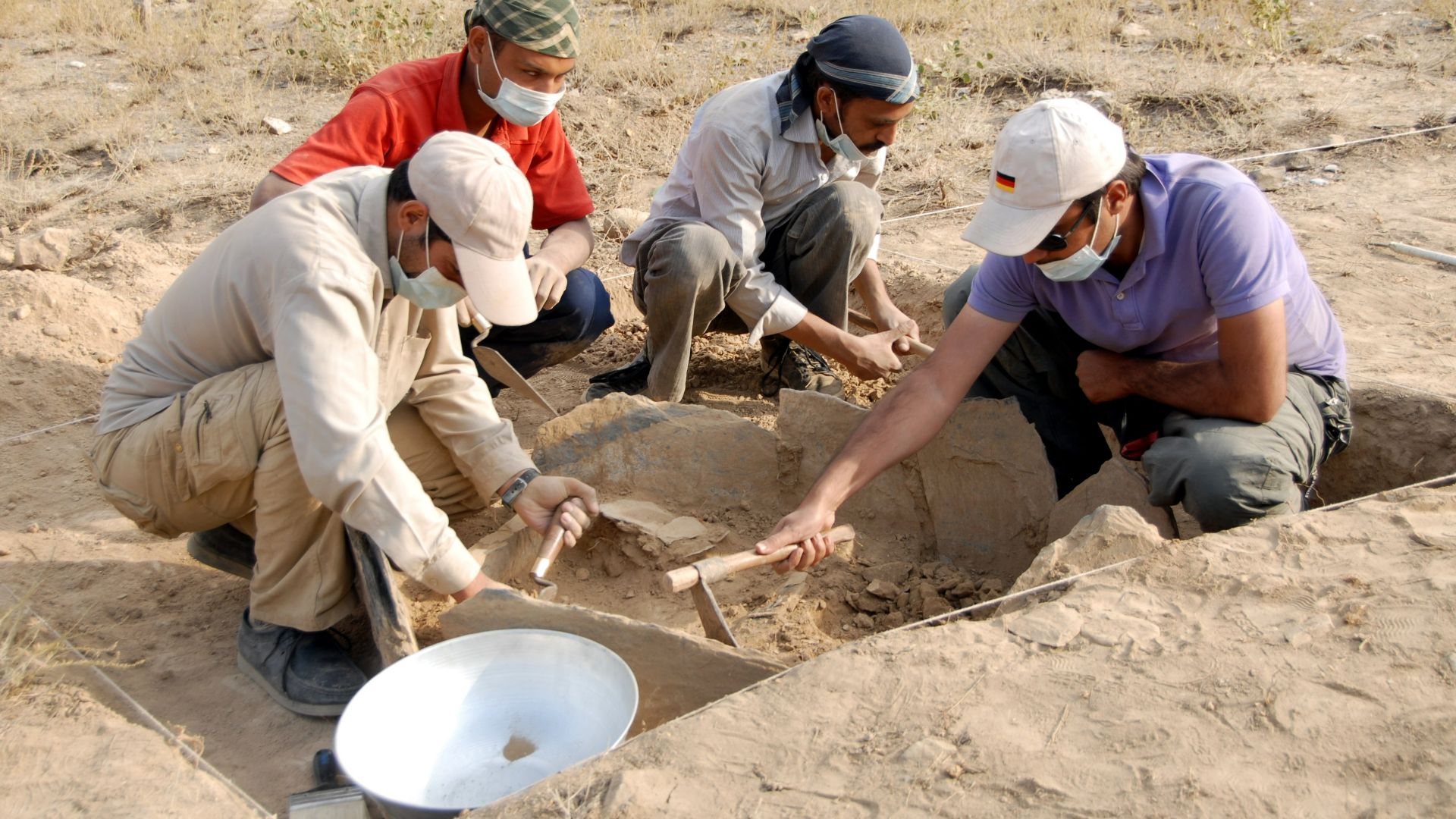
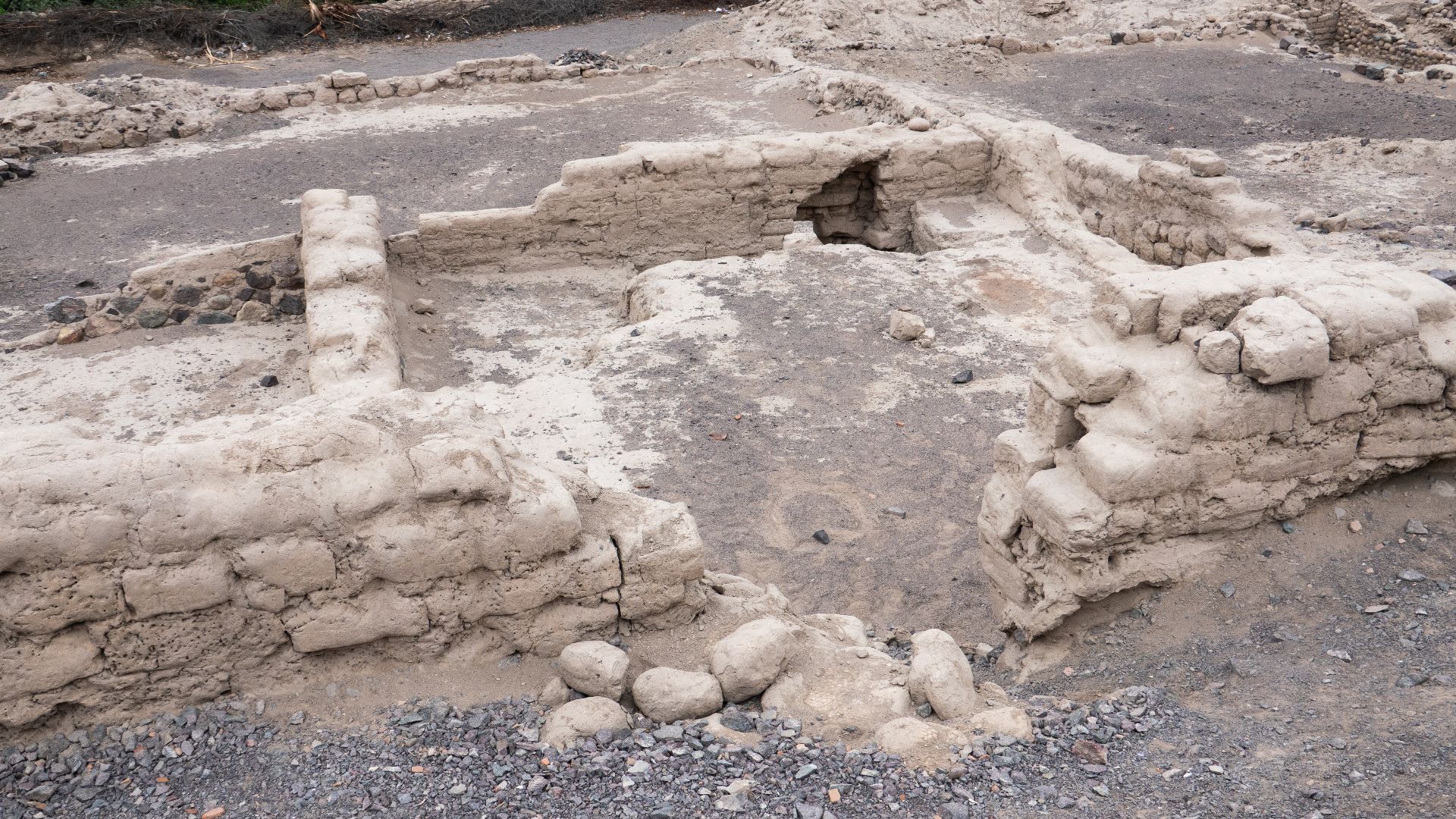
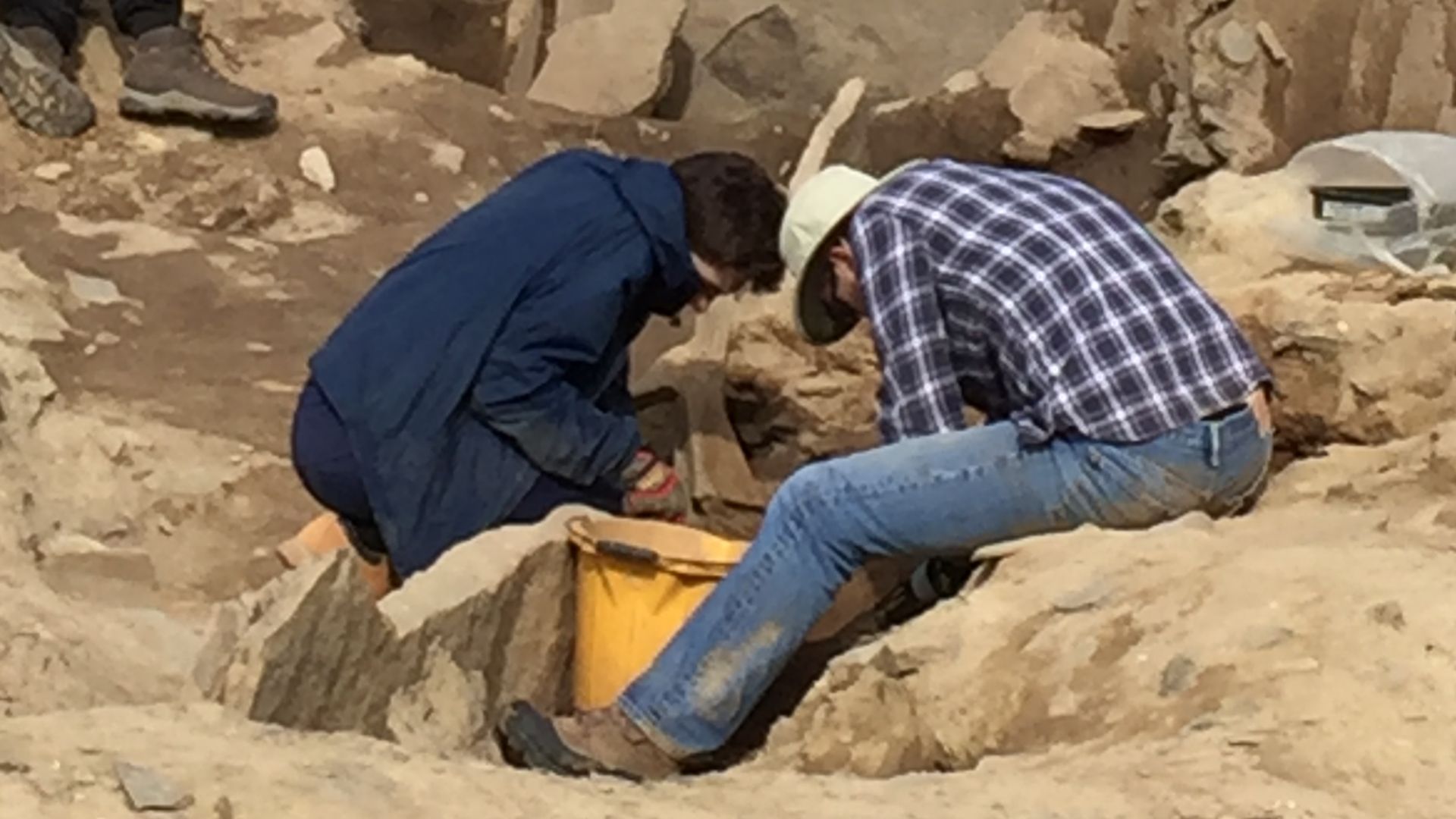
Excavations began on June 3, 2024, in a compact 33-by-33-foot plot. Just six feet beneath the surface, mud and clay walls emerged from the sand. The team had no idea these walls belonged to a massive temple built into the mountainside over 4,000 years ago.
 Junaid Ahmad, Wikimedia Commons
The Multi-Story Temple Structure
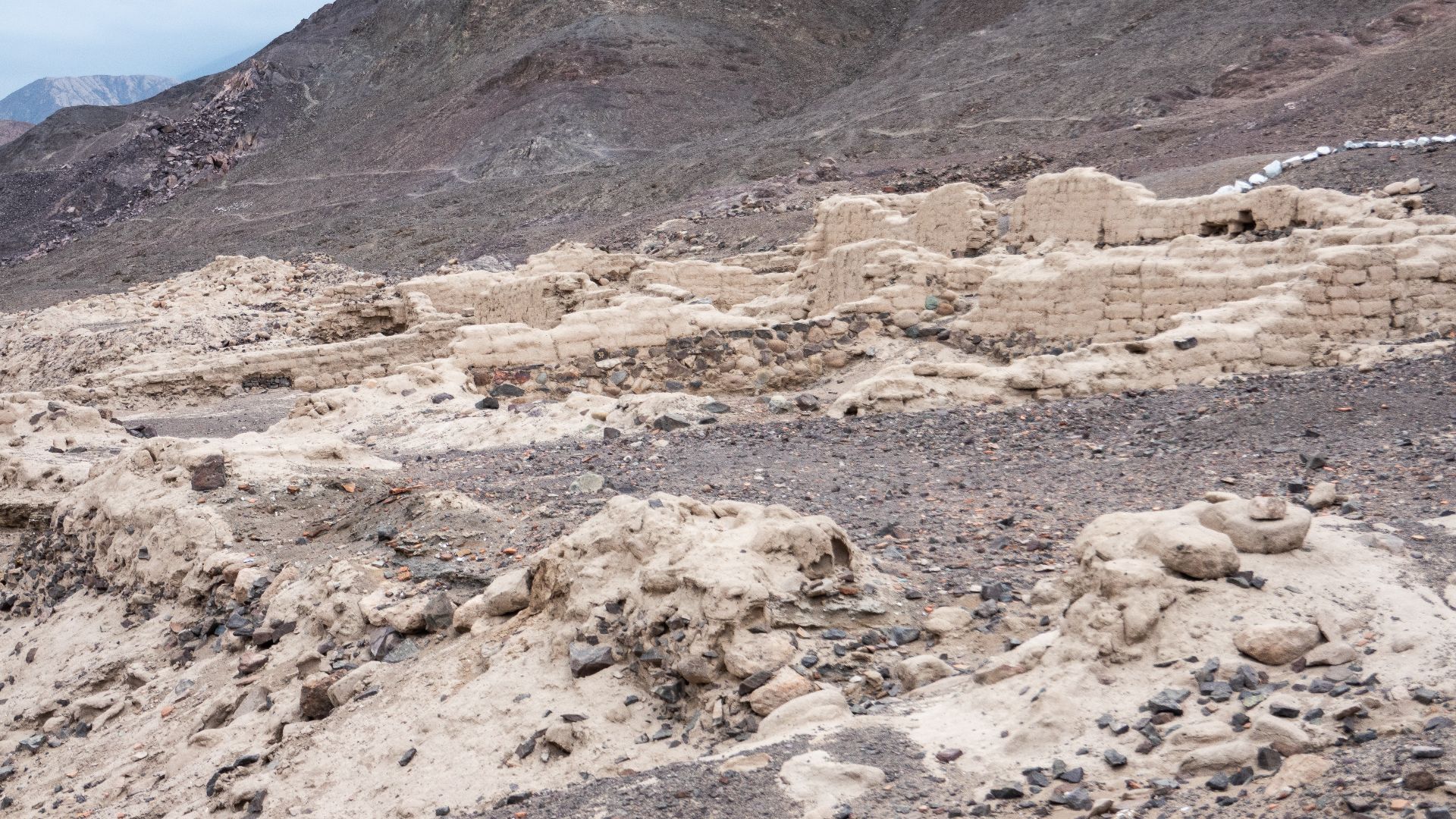
The temple wasn't a simple single-level building but a complex multi-story structure carved into the landscape. Workers had used rammed earth construction techniques to create walls that somehow survived millennia buried under sand. Only one section has been uncovered so far, with much more waiting beneath the dunes.
A Central Staircase To The Gods
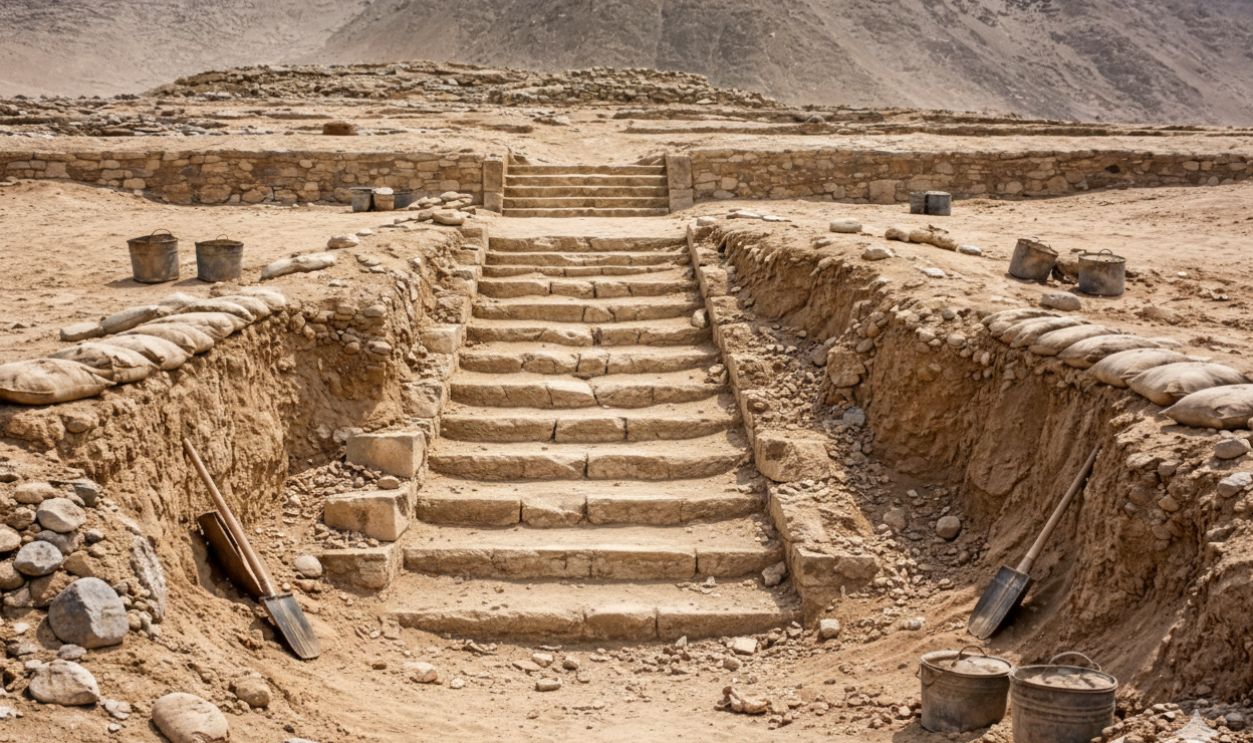
The excavation revealed a central staircase leading upward to what researchers believe was a stage or platform. This wasn't just decoration but a functional space where priests or leaders performed rituals in front of audiences. The Initial Period Peruvians understood theater and spectacle long before written history began.
Friezes Of Hybrid Creatures
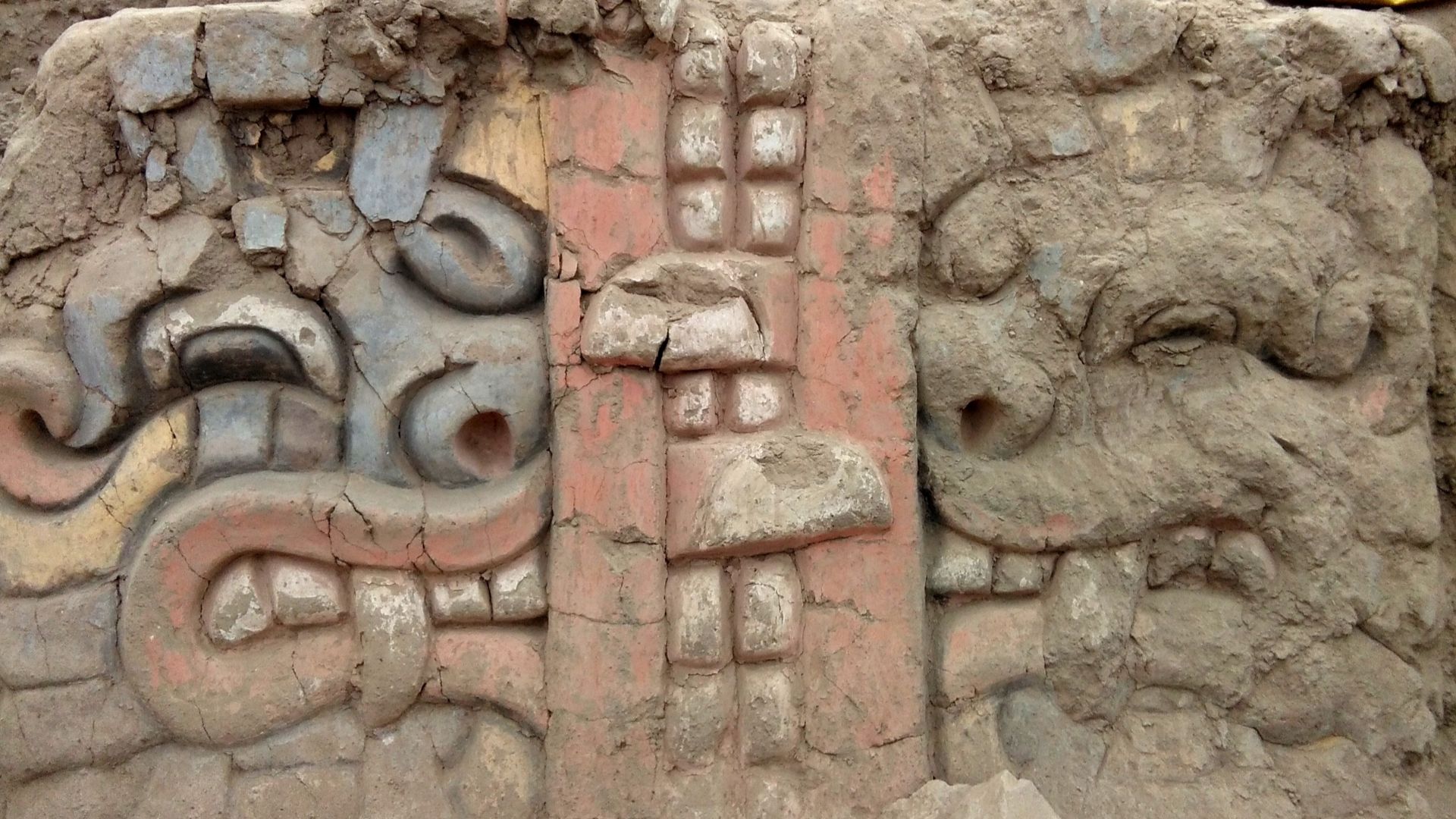
The temple walls displayed intricate carvings preserved in fine plaster showing beings that were part human, part animal. Human bodies bore bird heads in some images. Others featured feline characteristics or reptilian claws extending from otherwise human forms. These were religious symbols carrying deep spiritual meaning.
The Bird-Headed Human Mystery
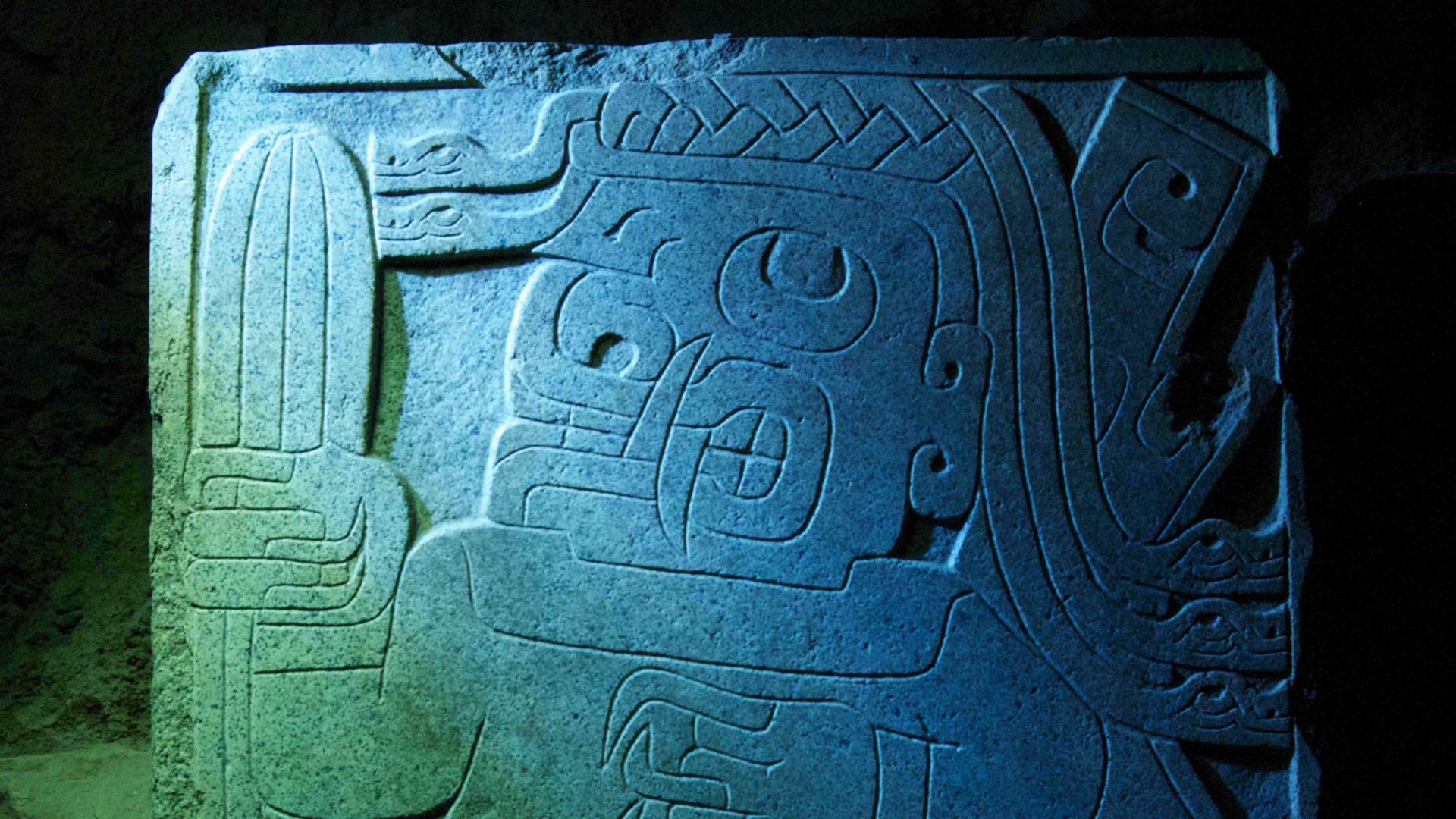
One frieze showed a human figure with a bird's head prominently displayed near the ceremonial staircase. This anthropomorphic bird appeared in later Chavin culture artwork from nearly 500 years afterward. The Zana temple might reveal where this powerful religious symbol originated before spreading across the Andes.
 Marcelo Rodriguez Escudero, Wikimedia Commons
Fine Plaster Preservation
Upper wall portions were covered in fine plaster featuring pictorial designs that survived remarkably intact. This plaster preservation proved crucial for dating because researchers could analyze pigment chemistry. The quality of artistic work demonstrated sophisticated craftsmanship from a supposedly "primitive" culture.
 Yakuzakorat, Wikimedia Commons
Three Adults Between The Walls
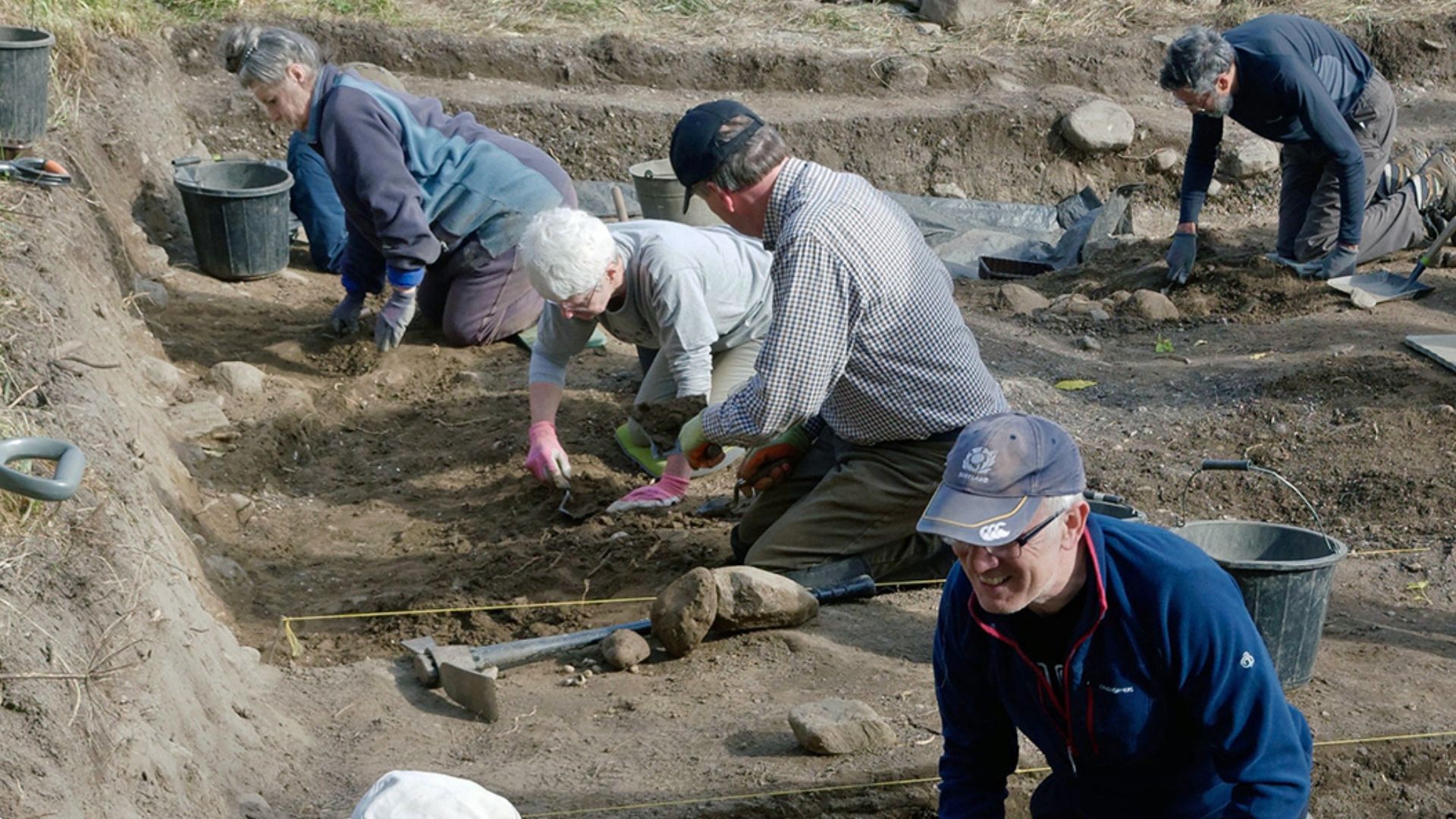
Excavators discovered skeletal remains of three adults wedged deliberately between temple walls rather than buried in typical grave sites. Their unusual placement suggested these weren't ordinary deaths. The positioning indicated possible sacrificial rituals connected to temple construction or dedication ceremonies.
 Julian Paren , Wikimedia Commons
Offerings Wrapped In Cloth
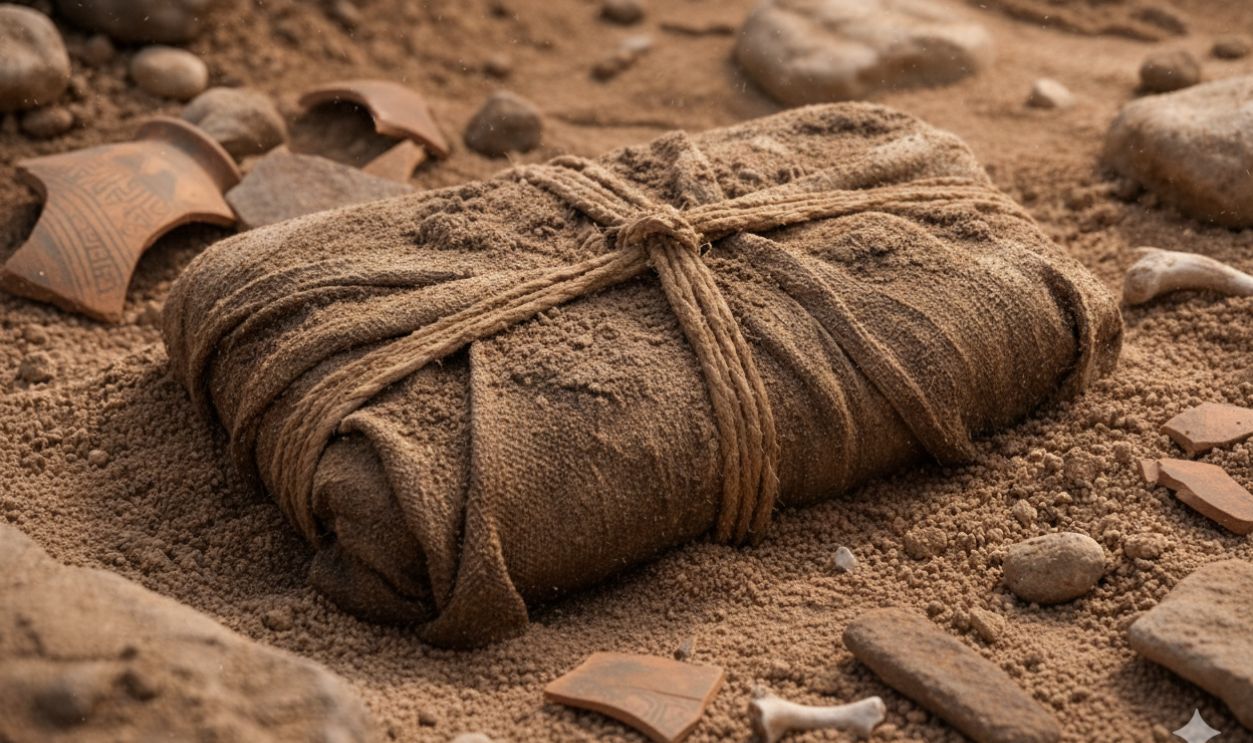
A bundle wrapped in linen fabric lay near the skeletal remains, likely containing ceremonial offerings. These cloth-wrapped items were placed with intention, following specific religious protocols. The practice shows organized belief systems with established rituals rather than improvised spiritual practices.
Evidence Of Sacrificial Practices
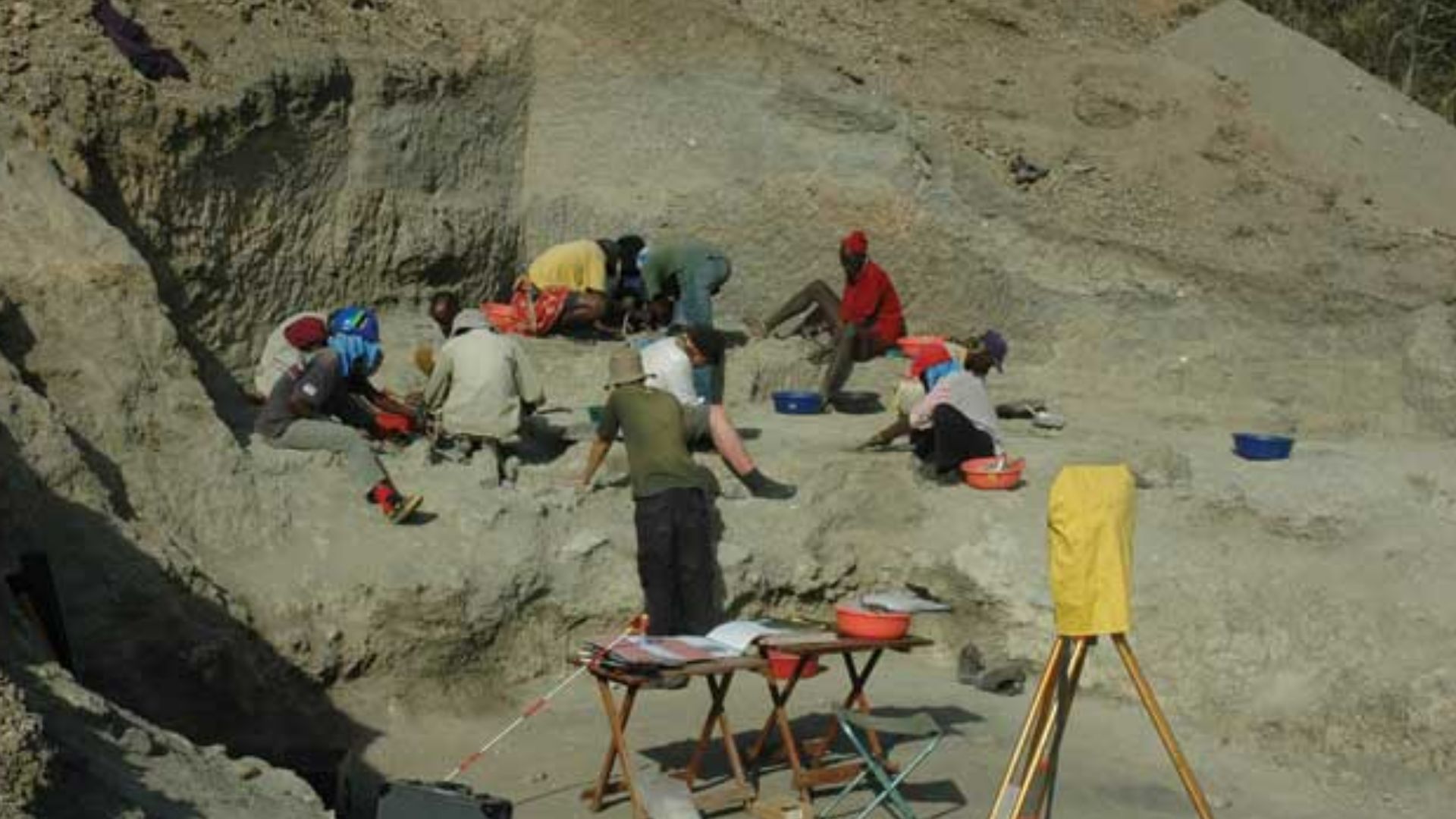
The burials included offerings that researchers interpret as evidence of human sacrifice. While this sounds shocking to modern sensibilities, sacrificial rituals were common across ancient Andean cultures. The Zana temple provides our earliest concrete evidence that these practices began thousands of years before previously documented.
 McHenry, L, Njau, J, Pante, M and de la Torre, I 2012, Wikimedia Commons
The Later Moche Temple Discovery
Archaeologists uncovered a second monument dating to 600–700 CE during the Moche period. This later temple sat near the ancient one, showing continuous sacred use of the location. The Moche, famous for elaborate ceramics and their own human sacrifices, apparently recognized this site's spiritual significance.
 Photo taken by User:Gsd97jks., Wikimedia Commons
A Child's Burial From Later Times
The Moche-era temple contained the remains of a child approximately 5 or 6 years old. This burial occurred centuries after the original temple's construction, proving the site remained important across vast time spans. Different cultures kept returning to perform their own ceremonies here.
 Gaius Cornelius, Wikimedia Commons
Dating Through Multiple Methods
Muro Ynonan collected pigment samples from wall murals for laboratory analysis to confirm the temple's age. Radiocarbon dating of organic materials will provide precise dates. The artistic style and architectural features already place it firmly in the Initial Period between 2000 and 900 BCE.
 Yulia Kolosova, Wikimedia Commons
The Initial Period Explained
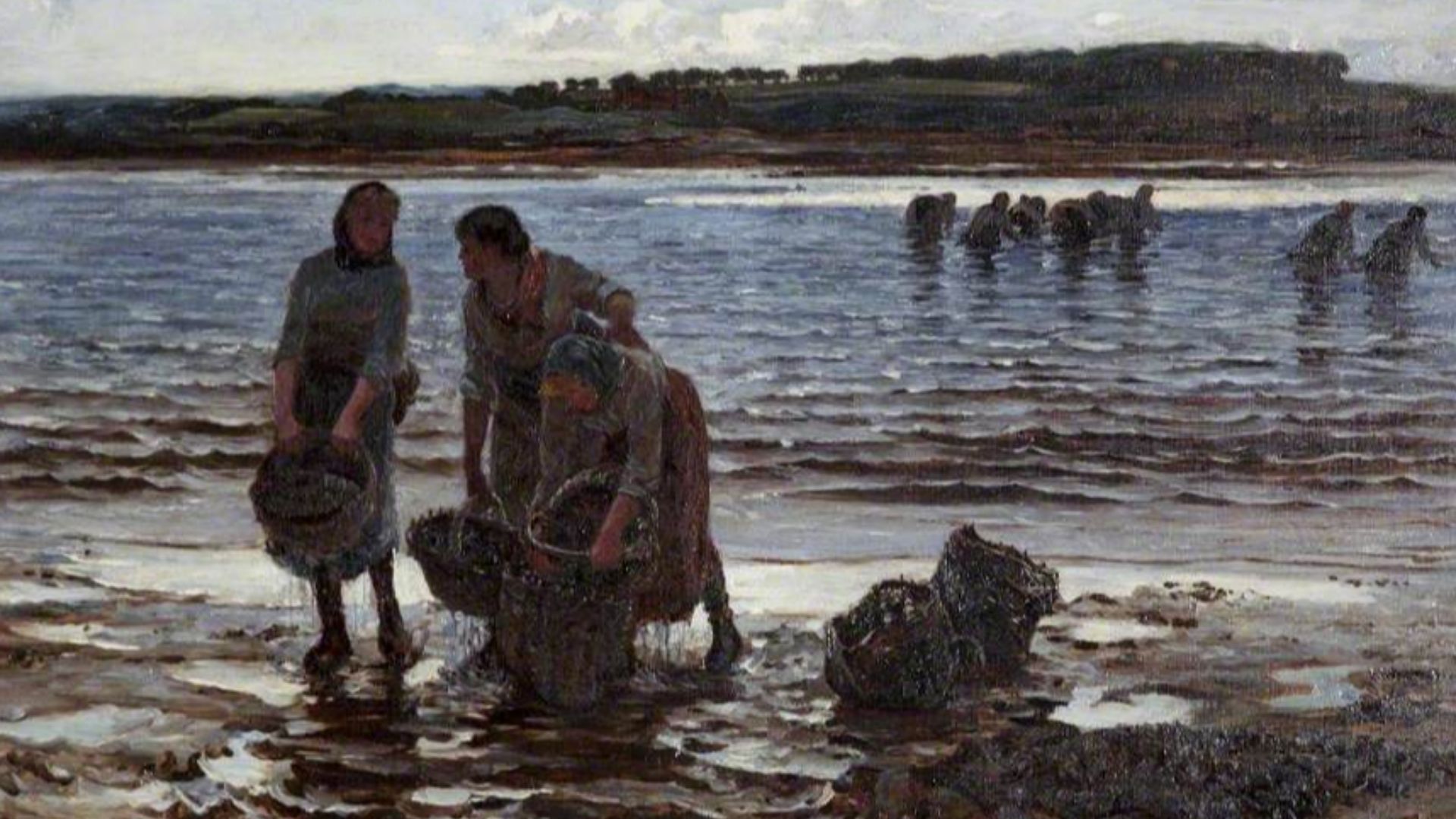
The Initial Period marks when coastal Peruvians transitioned from mobile hunter-gatherers to settled agricultural communities. This era saw the development of weaving, pottery, and stone carving alongside organized religion. Despite its name, the Initial Period wasn't Peru's beginning—humans lived there for 15,000 years prior.
 Colin Hunter, Wikimedia Commons
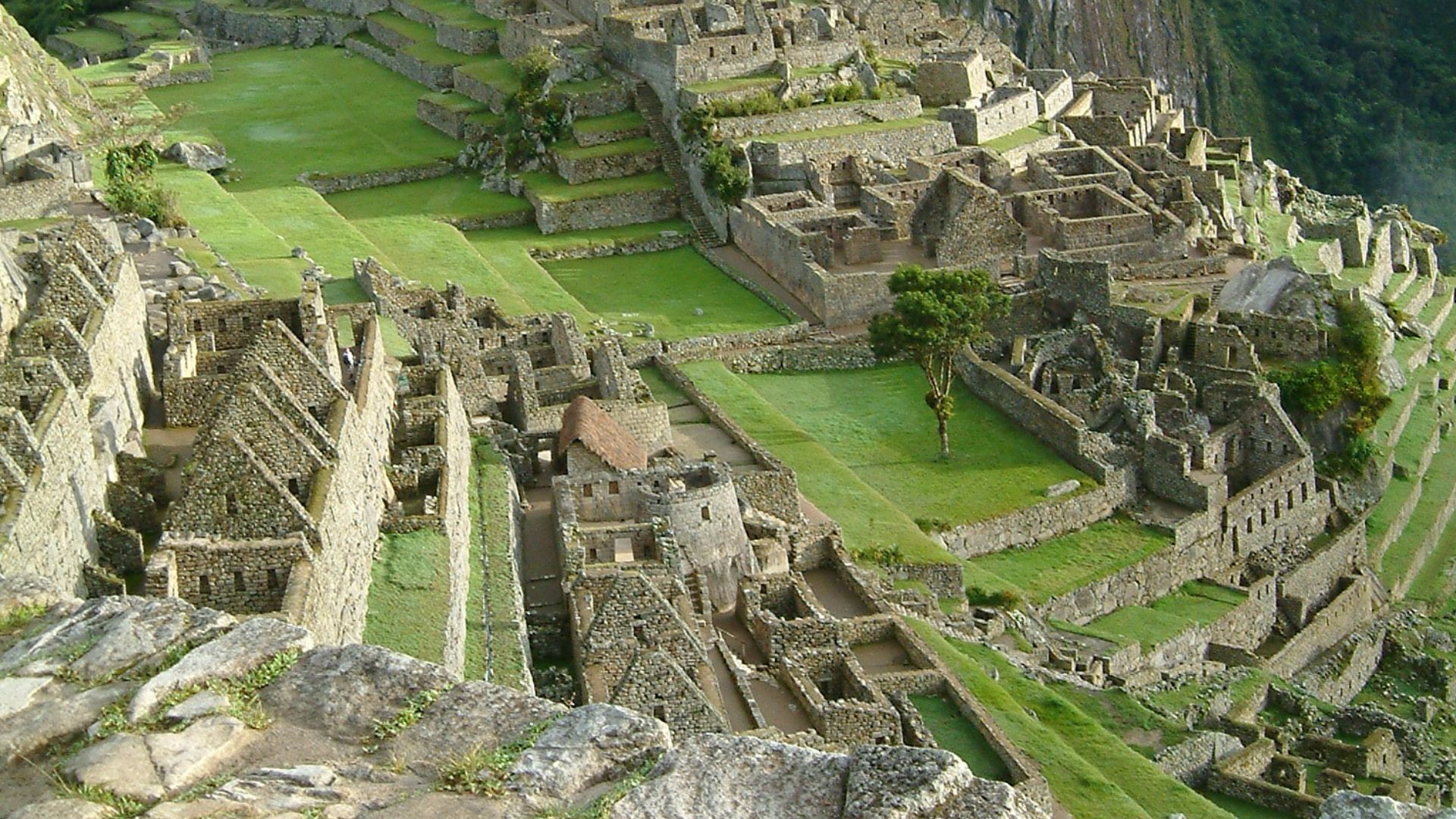
3,500 Years Before Machu Picchu
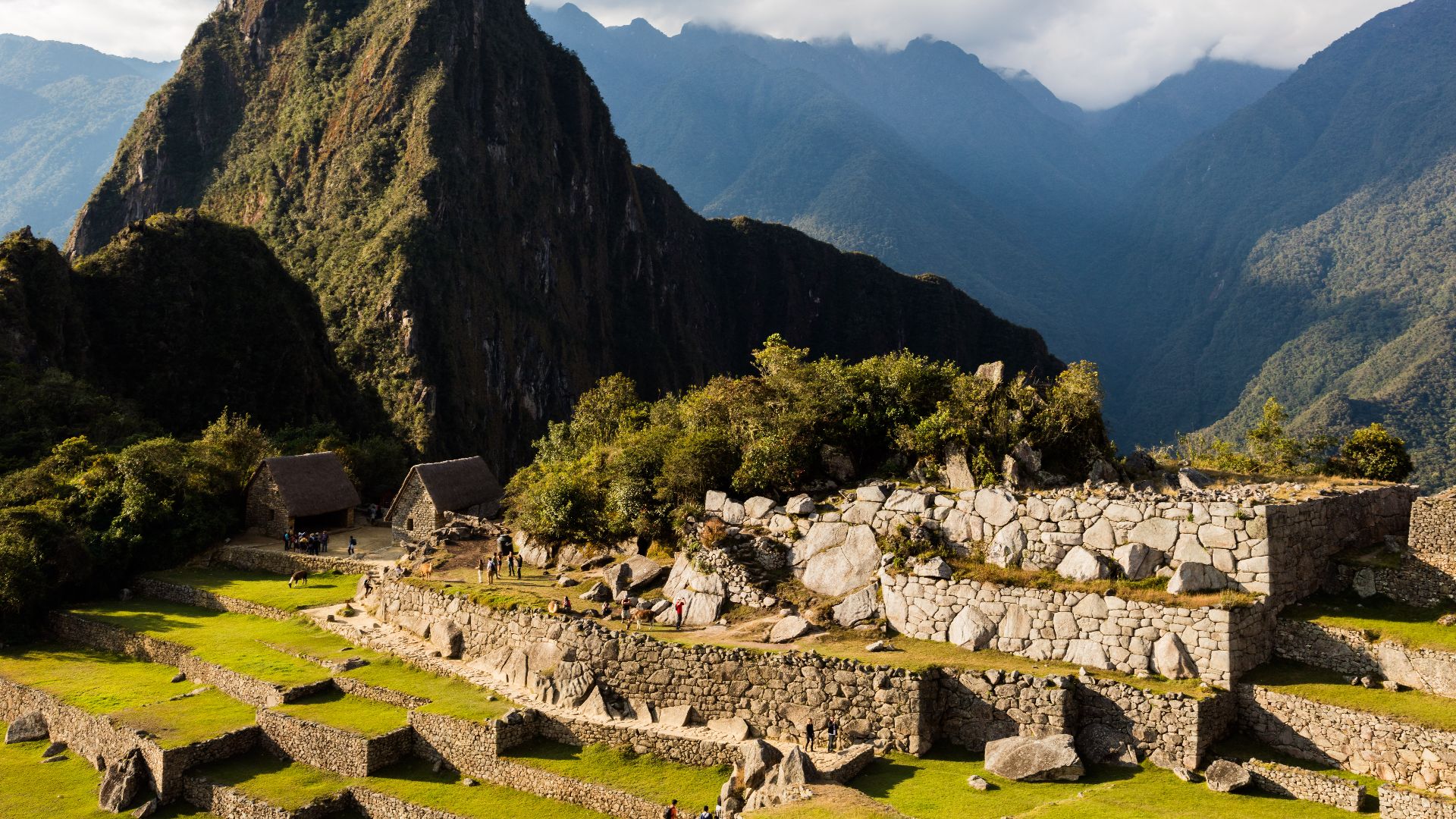
This temple predates Machu Picchu, Peru's most famous archaeological site, by approximately 3,500 years. While the Inca built their mountain citadel around 600 years ago, the Zana temple builders created monumental architecture when European civilization was just beginning. The scale of this time difference is staggering.
 Diego Delso, Wikimedia Commons
A Culture Without A Name
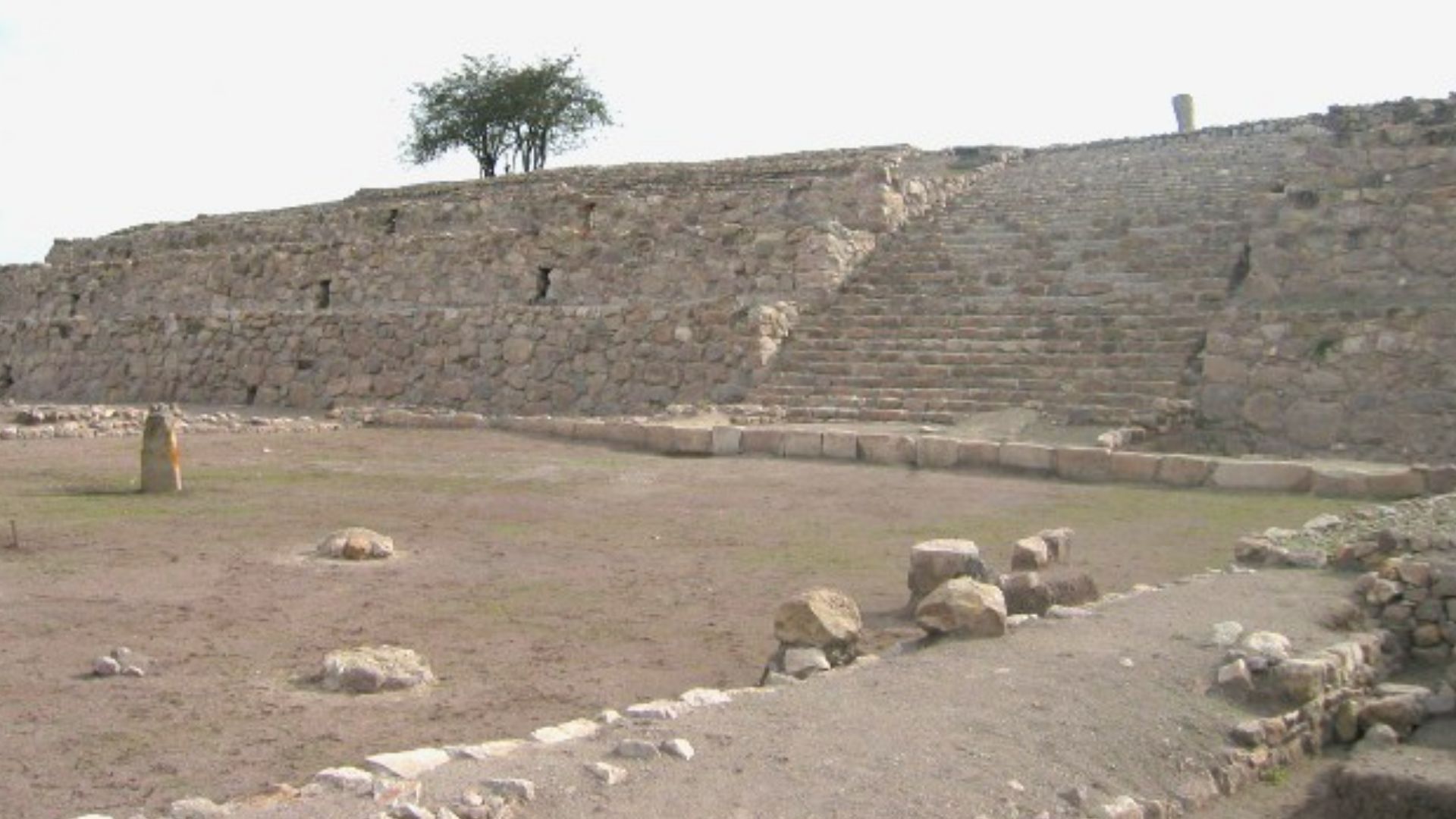
We don't know what these people called themselves because they left no written records. Their language and their name for their own culture vanished into prehistory. Everything we know comes solely from houses, temples, and funerary goods they left behind in the sand.
 Lourdes Cardenal, Wikimedia Commons
How Complex Religion Emerged
Muro Ynonan emphasized that "we still know very little about how and under which circumstances complex belief systems emerged in the Andes." This temple provides rare physical evidence showing that organized religion didn't appear suddenly but developed gradually. Architecture proves these communities invested enormous resources into spiritual infrastructure.
 Allard Schmidt (The Netherlands), Wikimedia Commons
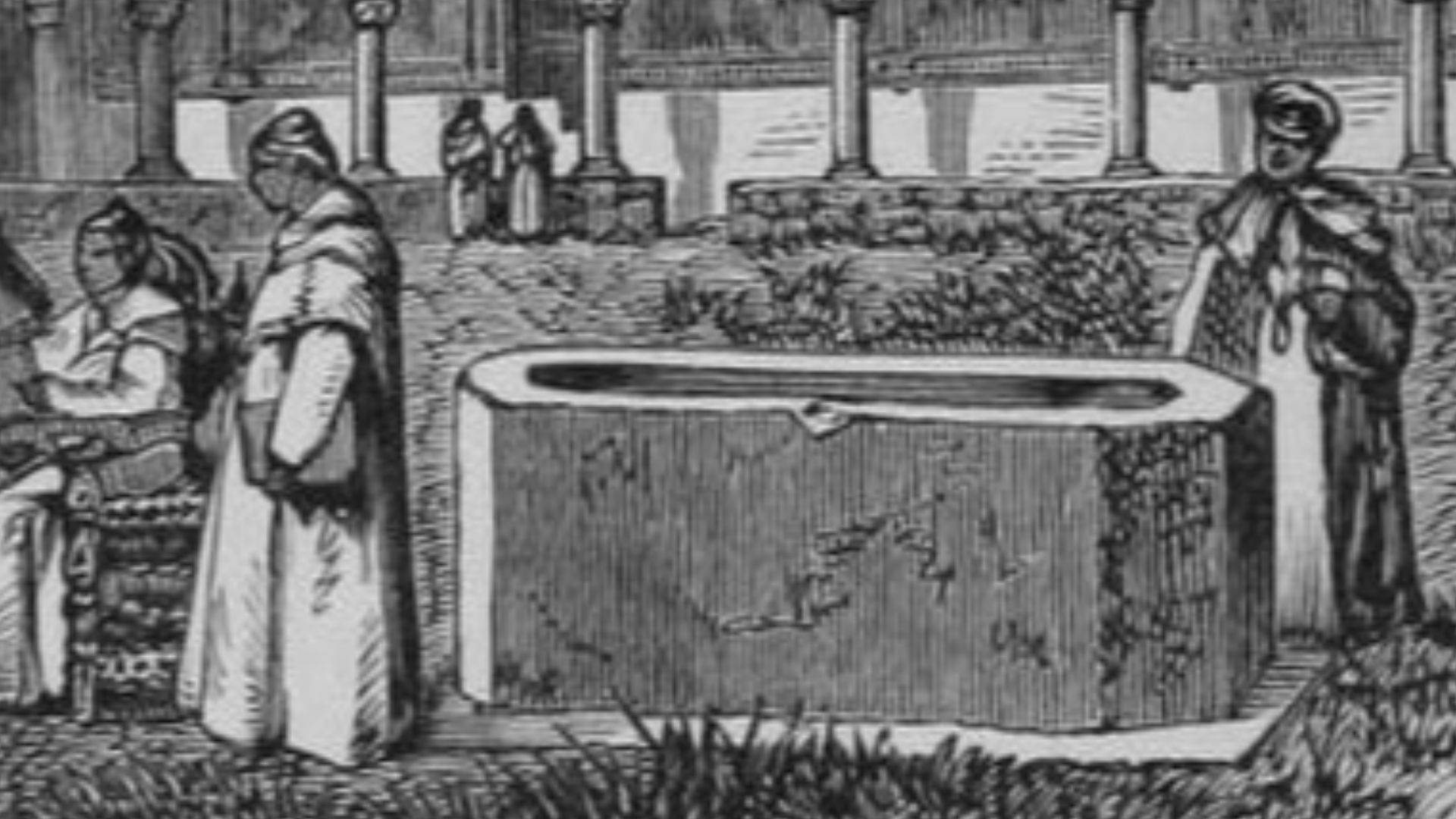
Religion And Political Authority
The temple's existence demonstrates that religion played a crucial role in establishing political power structures. Leaders who controlled religious ceremonies likely held significant authority over communities. The elaborate stage and audience areas suggest a hierarchical social organization with priests or elites performing for gathered crowds.
 Ephraim George Squier, Wikimedia Commons
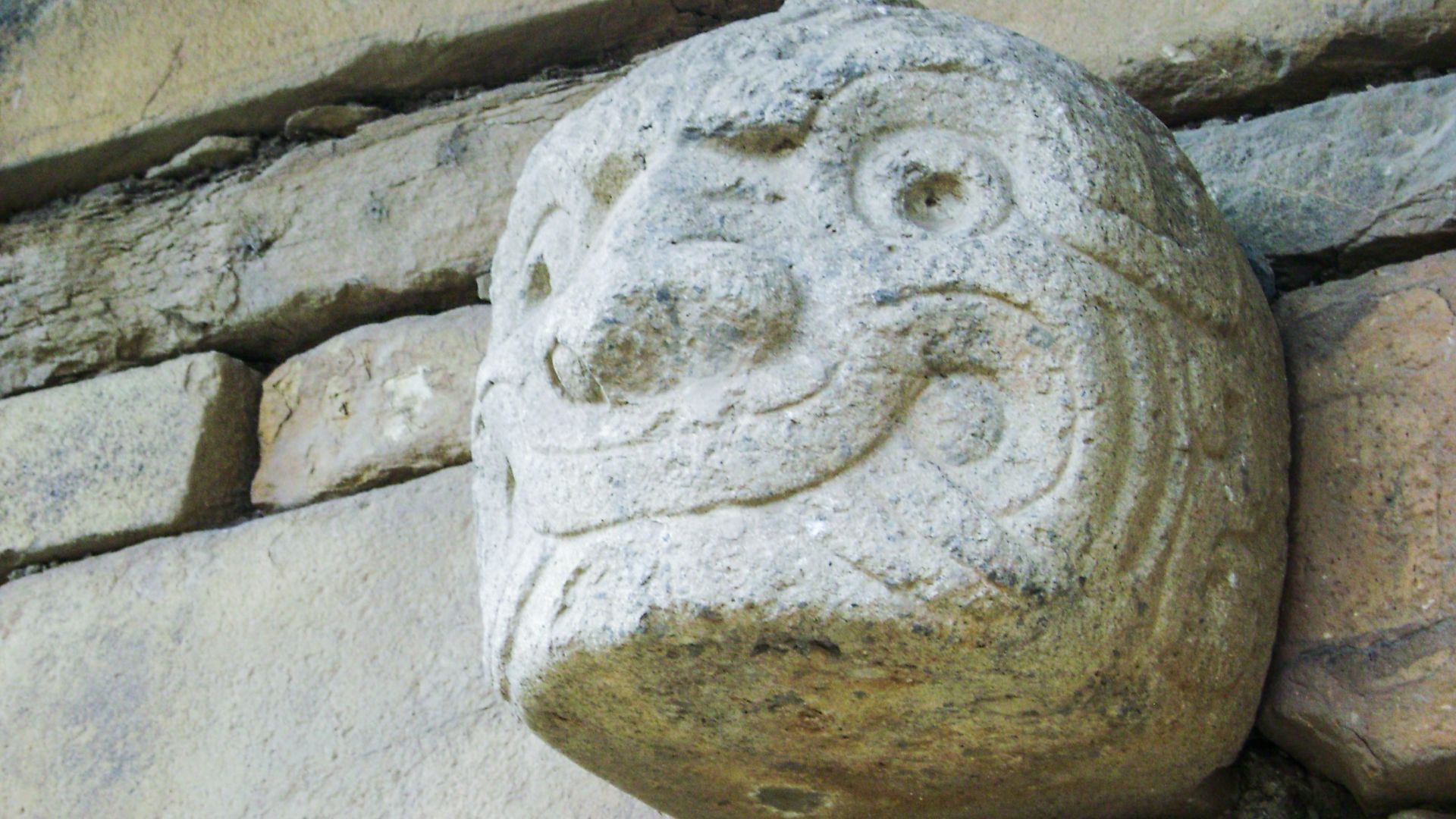
Similarities To Later Andean Cultures
The bird-headed figure carved at Zana resembles religious iconography found in later Chavin culture artwork. This connection points to religious traditions spread across the Andes over centuries, with earlier sites like Zana influencing later civilizations. Spiritual concepts evolved and traveled rather than emerging independently in different regions.
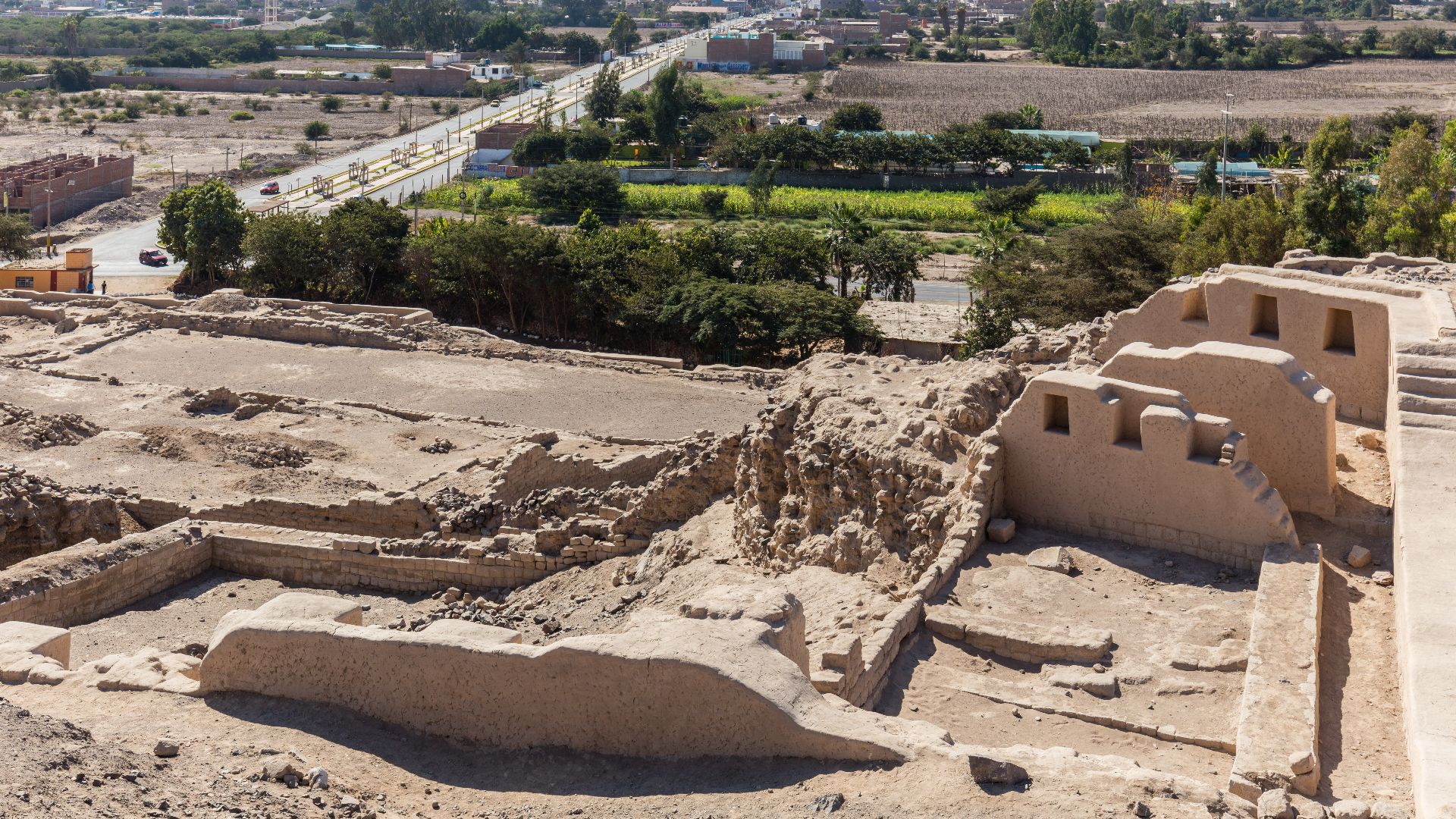
The Los Paredones Complex
The temple forms part of the Los Paredones de la Otra Banda-Las Animas Archaeological Complex. This larger site contains multiple structures from different time periods. Ongoing excavations will likely reveal additional temples, residential areas, and artifacts that flesh out our understanding of this forgotten culture.
 Diego Delso, Wikimedia Commons
Support From International Institutions
Excavation funding came from Dumbarton Oaks, Archaeology in Action, and Peru's Pontifical Catholic University. International collaboration made this discovery possible. Peruvian authorities worked alongside American researchers, demonstrating how global cooperation advances archaeological knowledge about humanity's shared past.
What Chemical Analysis Will Reveal
Researchers are analyzing pigment chemistry from wall murals to determine where materials originated. Different mineral sources create unique chemical signatures. This analysis will show whether the temple builders traded over long distances for art supplies or used only local materials for their religious artwork.
 Yulia Kolosova, Wikimedia Commons
The Race Against Looters
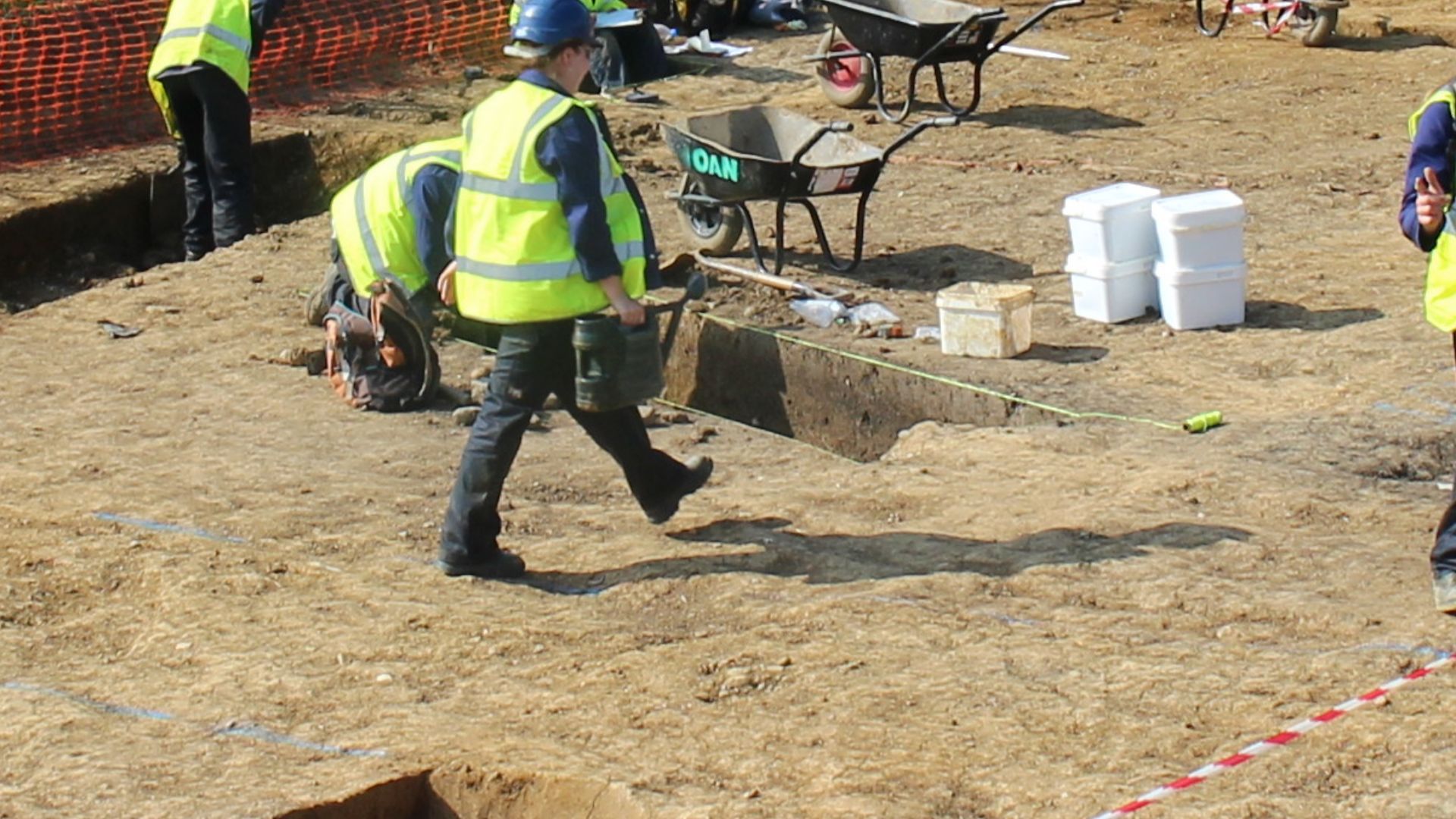
The initial looting reports that sparked excavation highlight ongoing threats to Peru's archaeological heritage. Looters destroy context and steal artifacts for black market sales. Muro Ynonan's quick response prevented further damage, but countless other sites face similar threats. Professional excavation preserves knowledge that illegal digging destroys forever.
 Jeremy Bradley, Wikimedia Commons
Rewriting Andean Religious History
This discovery fundamentally changes our understanding of when organized religion began in South America. Textbooks will need revision to account for complex belief systems existing thousands of years earlier than previously documented. The Zana temple proves that humanity's spiritual impulses drove monumental construction far back into prehistory.