

A Decade Lost
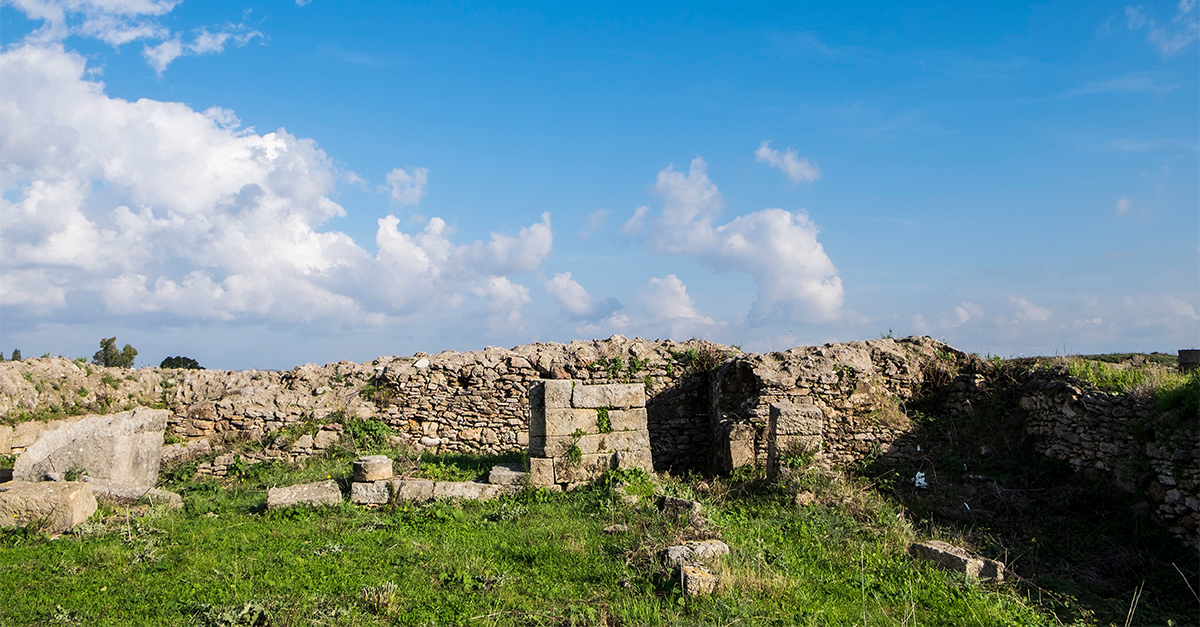
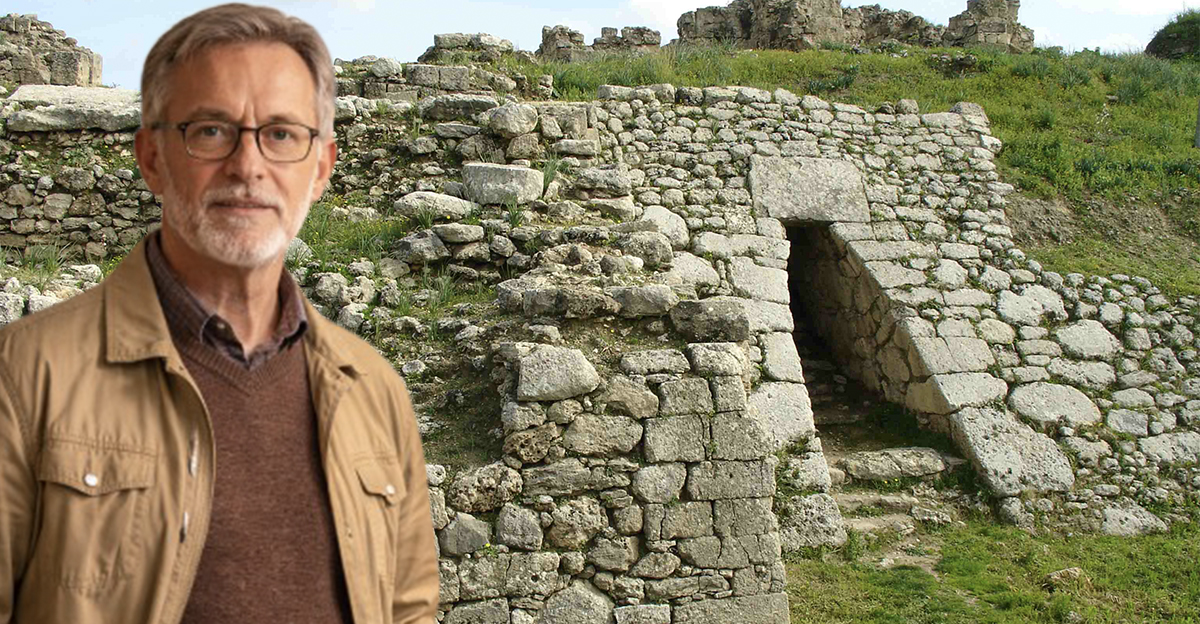
After more than a decade of silence caused by war and chaos, archaeological excavations have resumed at Ugarit, the legendary Late Bronze Age city near Latakia on Syria’s Mediterranean coast. Once a buzzing beehive of trade and literacy, Ugarit is again under intense scrutiny as archaeologists hope to deepen understanding of its language, economy, and mysterious destruction.
Ancient City Of Ugarit
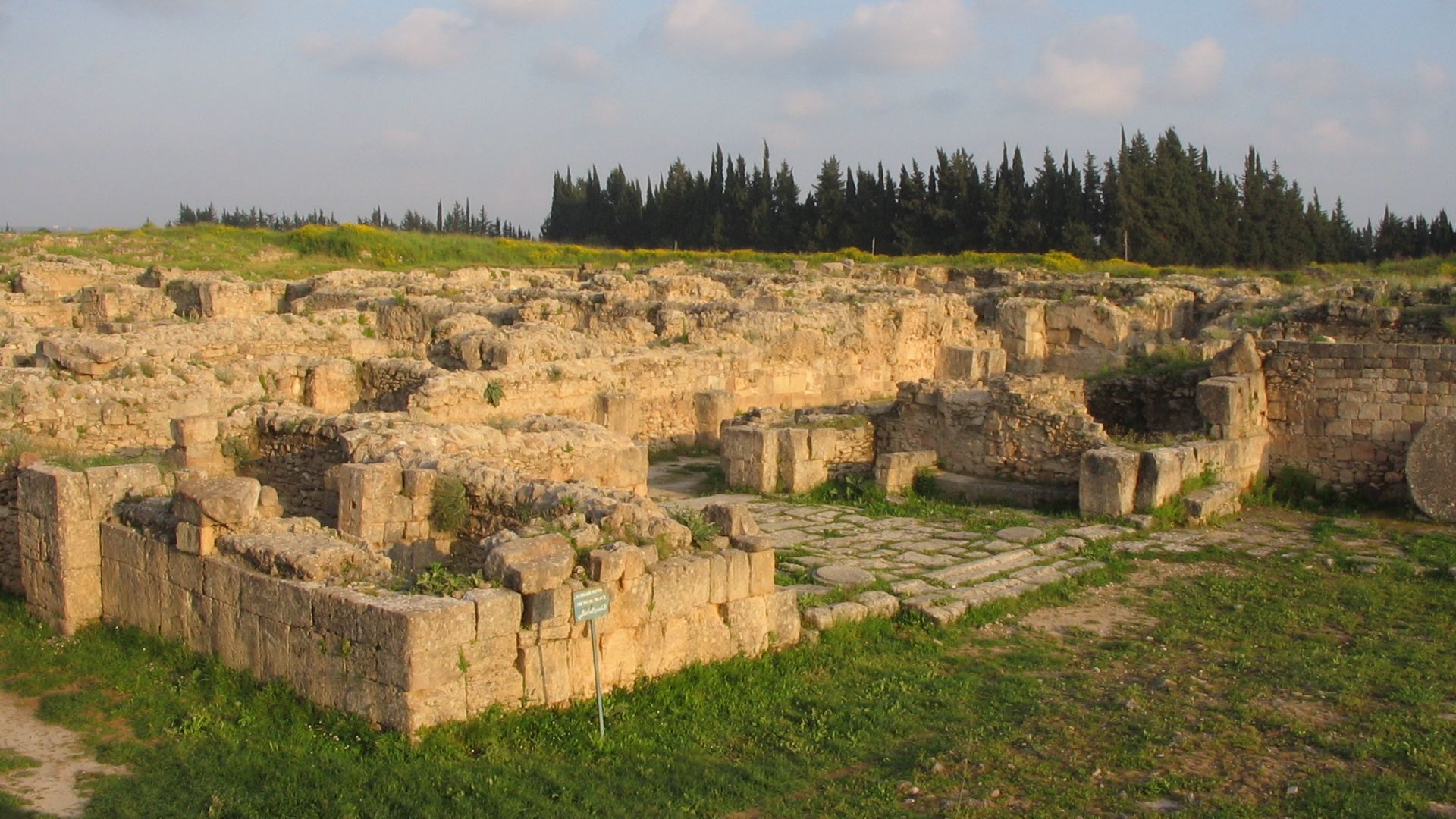
Ugarit flourished between roughly 1450 and 1195 BC as a powerful port city linking Egypt, Anatolia, Cyprus, and Mesopotamia. Its harbors and warehouses made the settlement an ideal place as a commercial hub, while royal palaces and temples were redolent of political sophistication. Archaeological remnants reveal an active cityscape where jabbering merchants, diligent scribes, and wily foreign envoys interacted with each other on a daily basis.
 Ilario Di Nardo, Wikimedia Commons
Archaeological Silence And War
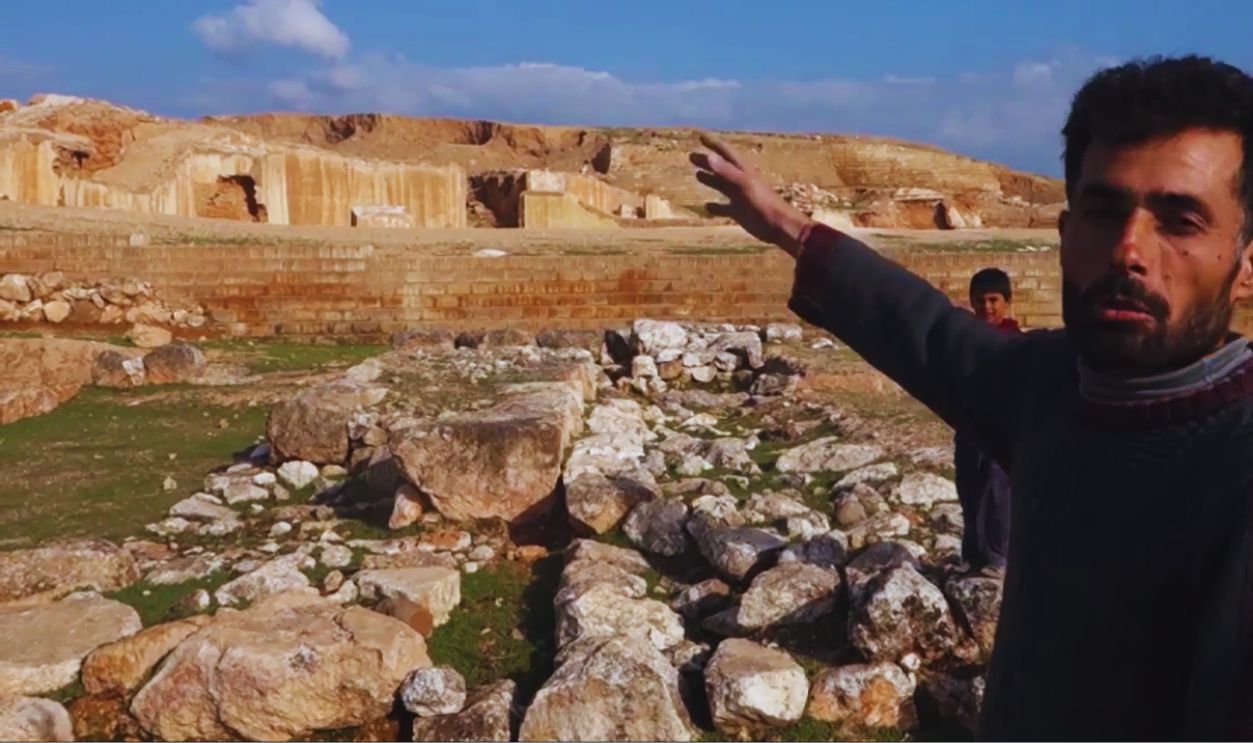
Excavation work at Ugarit ground to a halt around 2011 as Syria plunged into a catastrophic civil war. For fourteen years, research teams floundered around, unable to continue systematic study, leaving trenches unfinished and long-term questions at a standstill. The interruption was a major loss for Near Eastern archaeology and international research collaboration.
 Screenshot from Syria War 2013 – Destroying Syria's Archaeological Past, The New York Times (2013)
Return Of The Archaeologists
Recent field seasons have brought archaeologists back to the Ugarit region under carefully coordinated international and national Syrian supervision. This resumption is a scientific milestone and a symbolic act of cultural rejuvenation, letting researchers reconnect with interrupted datasets while also confirming the importance of conserving shared human heritage.
Tell Semhane’s Potential
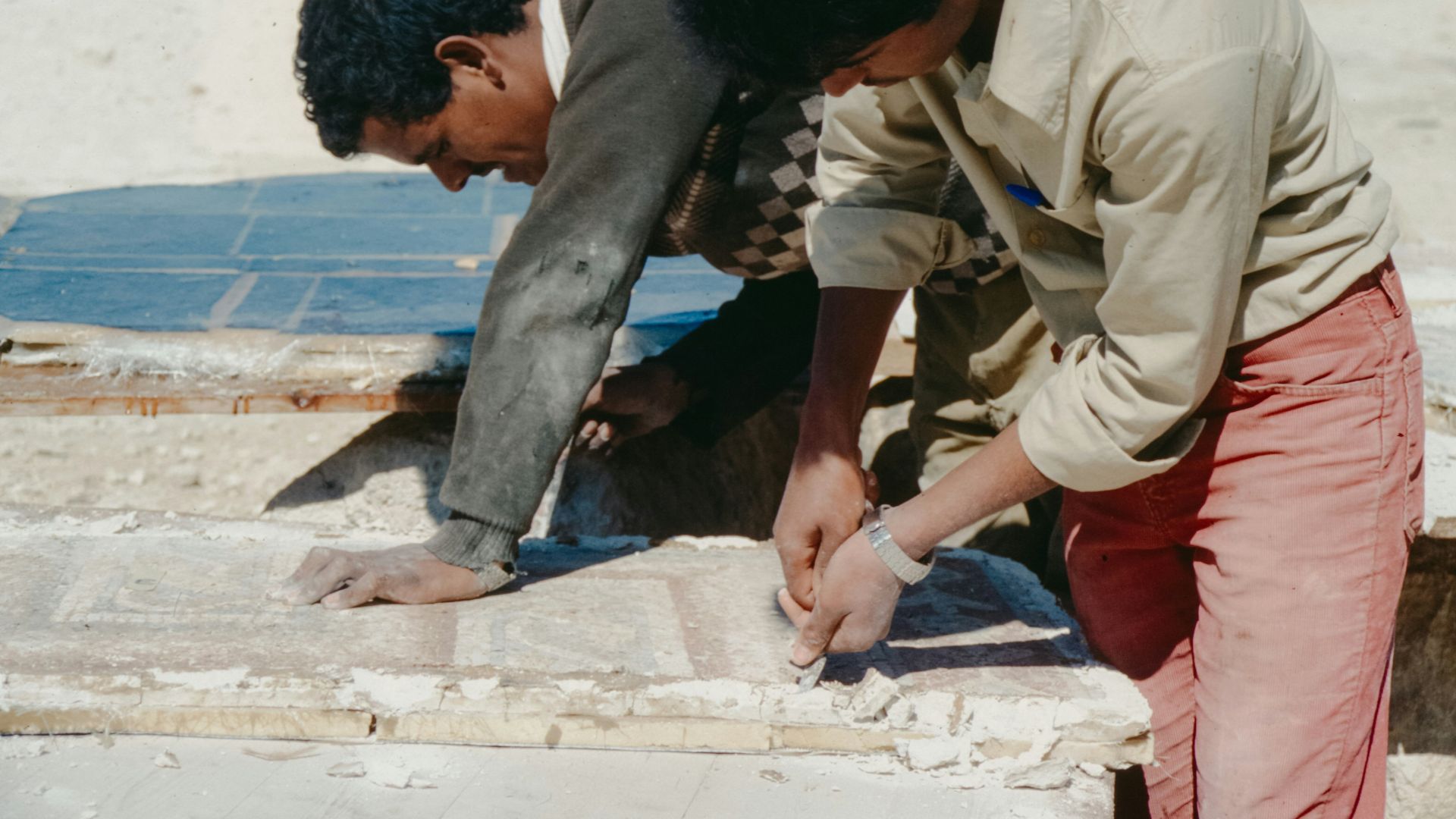
Excavations have thus far been obsessively focused on Tell Semhane, a nearby mound believed to be part of Ugarit’s broader settlement pattern. Researchers hope its preserved layers will give them clues as to how smaller communities supported the kingdom’s economy, agriculture, and administration. This would add to the wealth of knowledge drawn from Ugarit’s monumental central district.
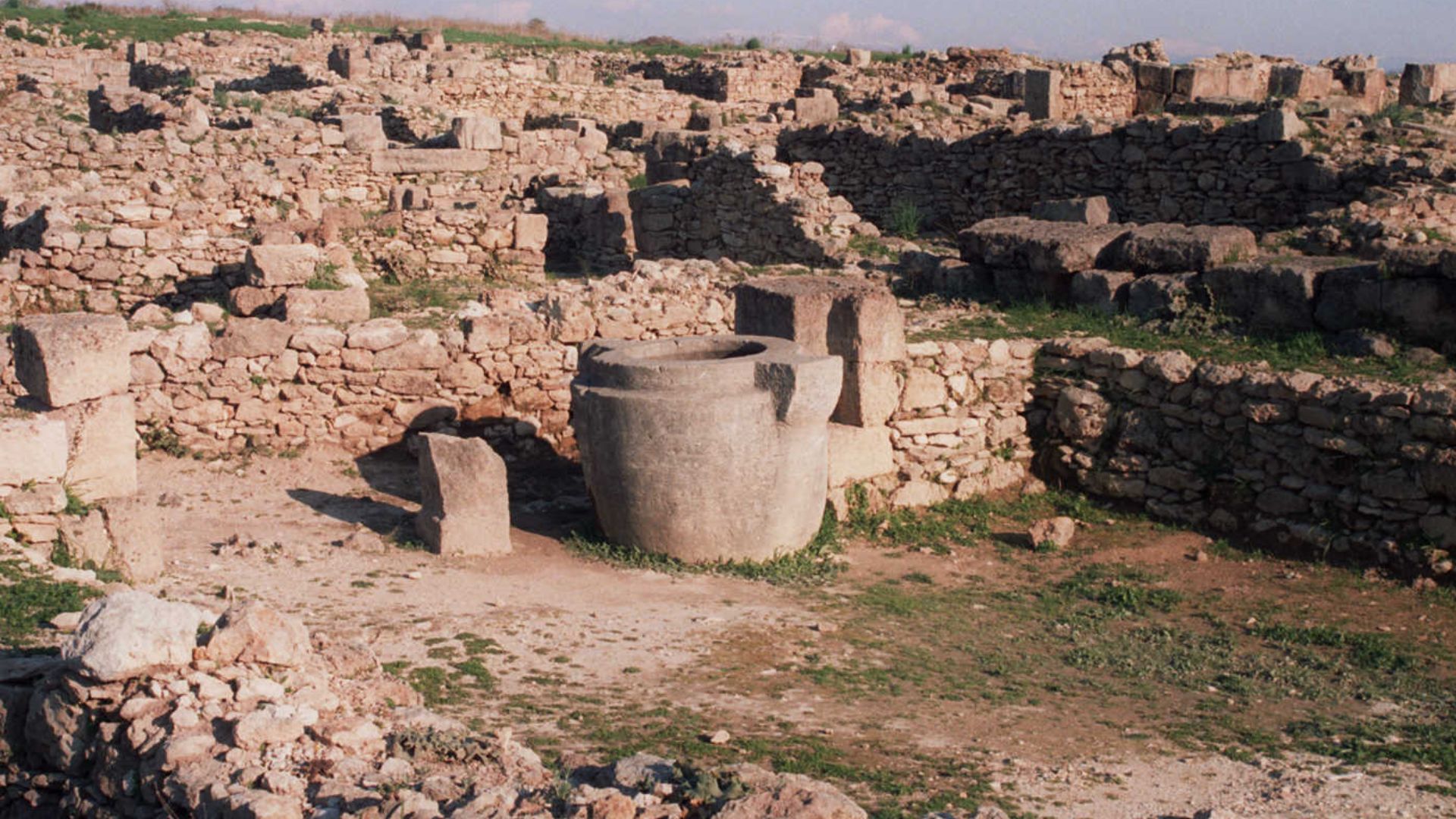 Loris RomitoThe original uploader was LorisRomito at Italian Wikipedia., Wikimedia Commons
Collaborative Mission
The renewed mission brings together Syrian antiquities authorities and international universities, combining the savvy wisdom of local experts with well-financed external technical support. Training young and enthusiastic archaeologists, protecting fragile remains, and reconnecting the previous scholarly networks are central goals, ensuring that future research at Ugarit remains is carried out sustainably and properly.
Everyday Life Revealed
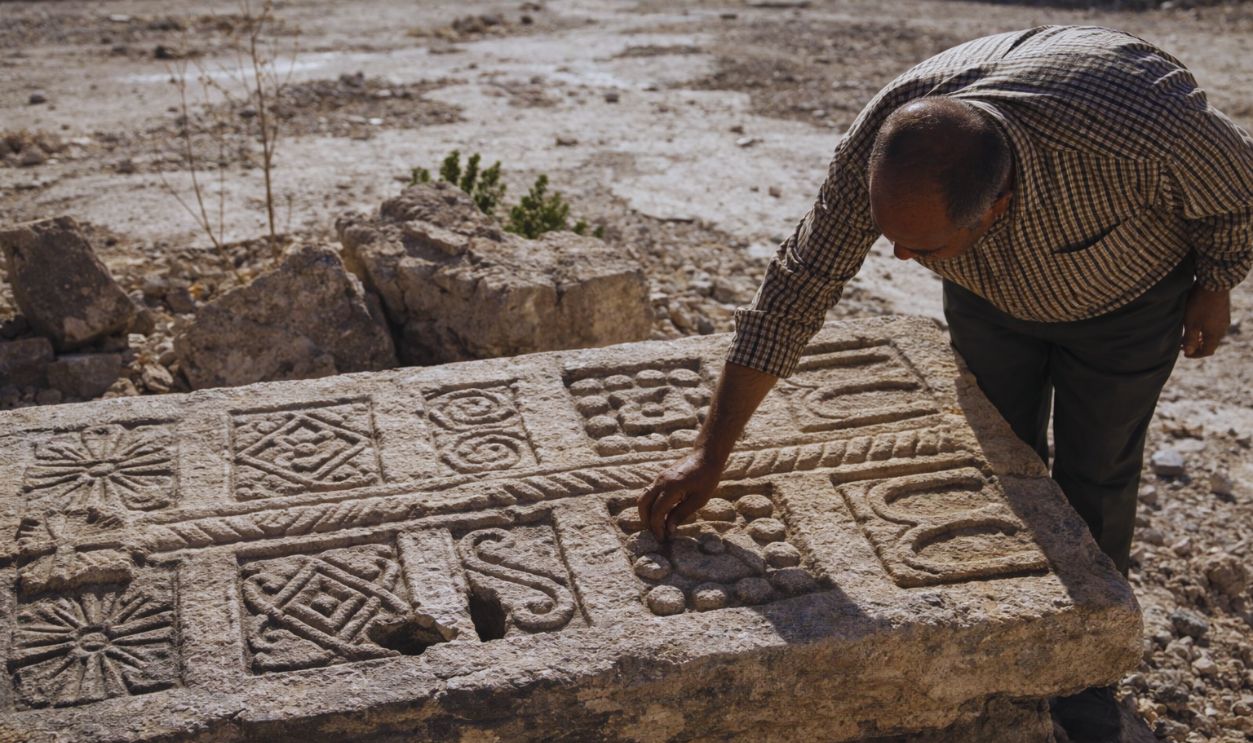
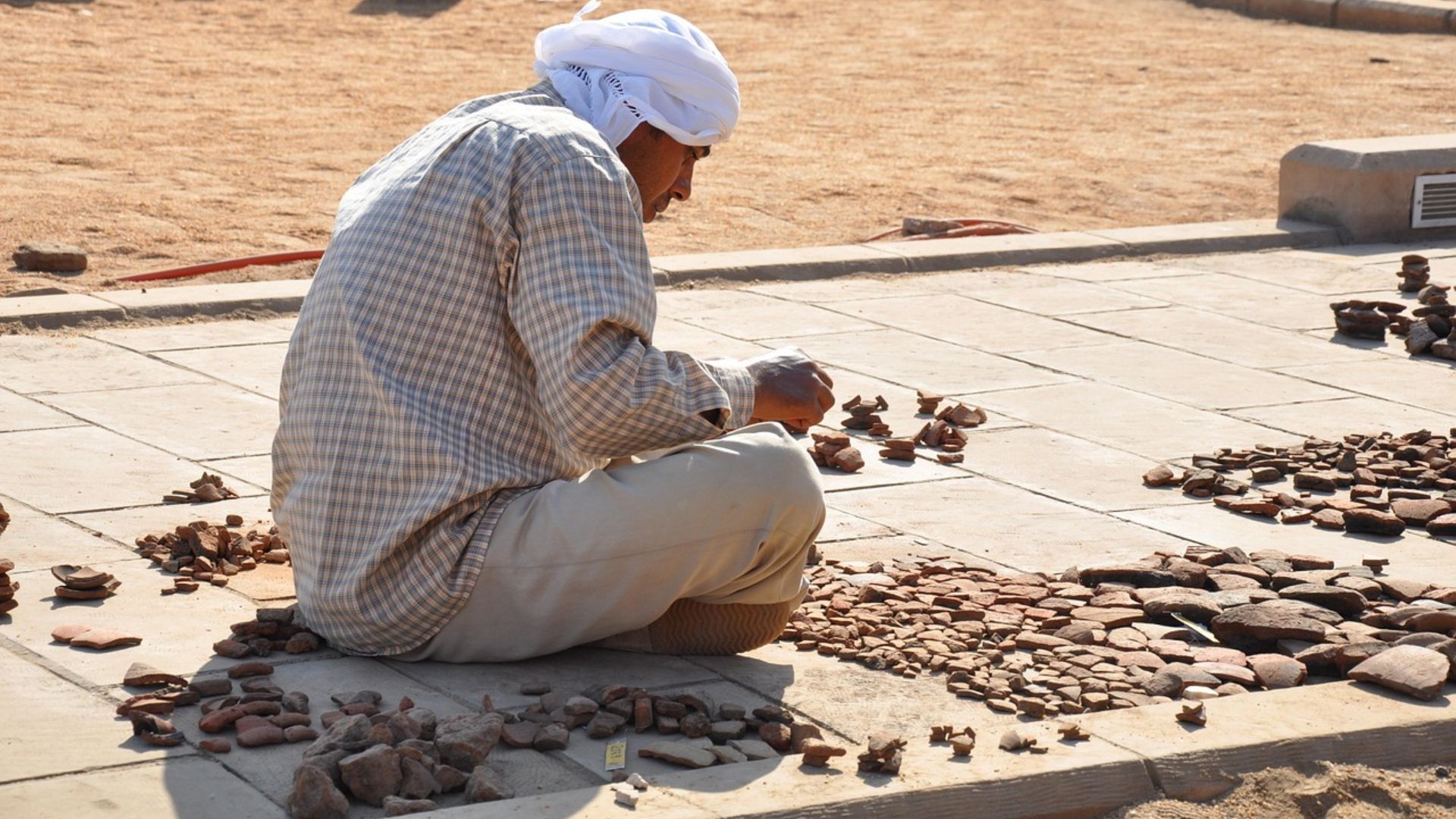
Rather than focusing exclusively on palaces and elite buildings, current excavations are exploring ordinary homes, workshops, and storage areas. These spaces give priceless insights into daily routines, food preparation, craft production, and neighborhood organization, allowing historians to reconstruct what daily life was like for the everyday residents of Ugarit.
A City’s Vast Archives
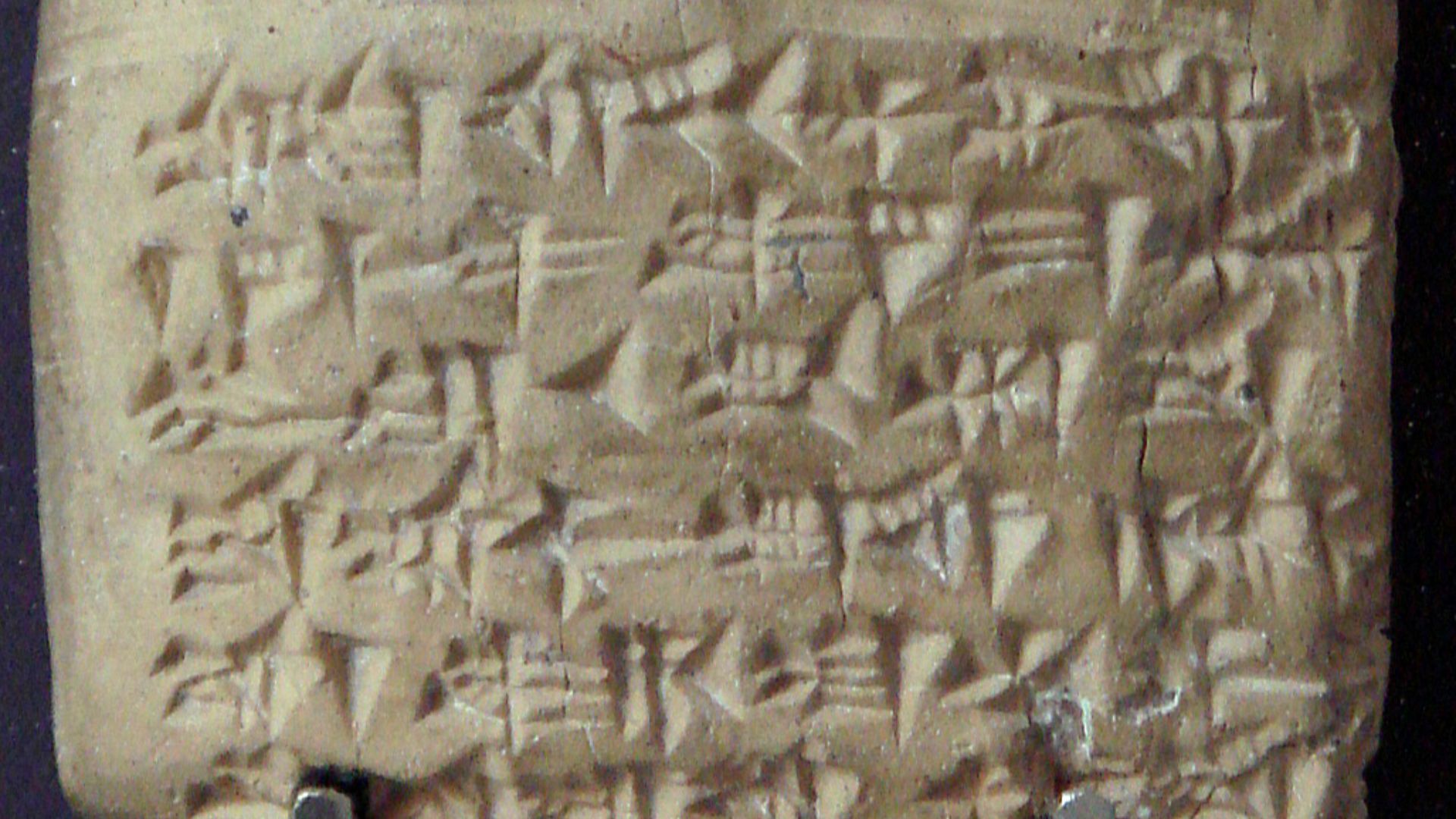
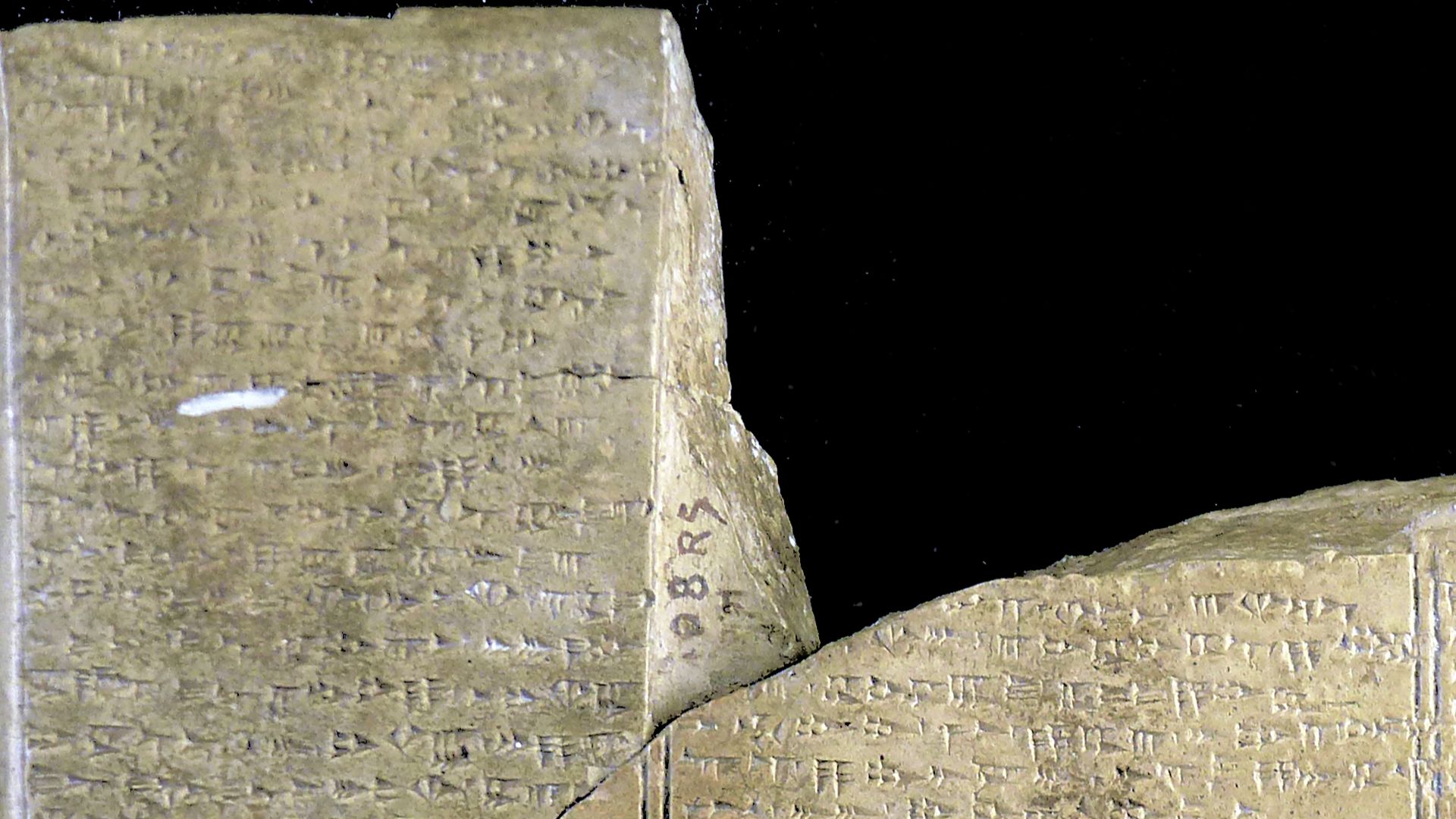
Ugarit is well-known for thousands of clay tablets dug up during earlier excavations, forming one of the richest written archives of the Late Bronze Age. These texts explain royal administration, religious rituals, trade agreements, and legal disputes, giving us a remarkably detailed portrait of this ancient city’s inner workings.
Linguistic Treasure Trove
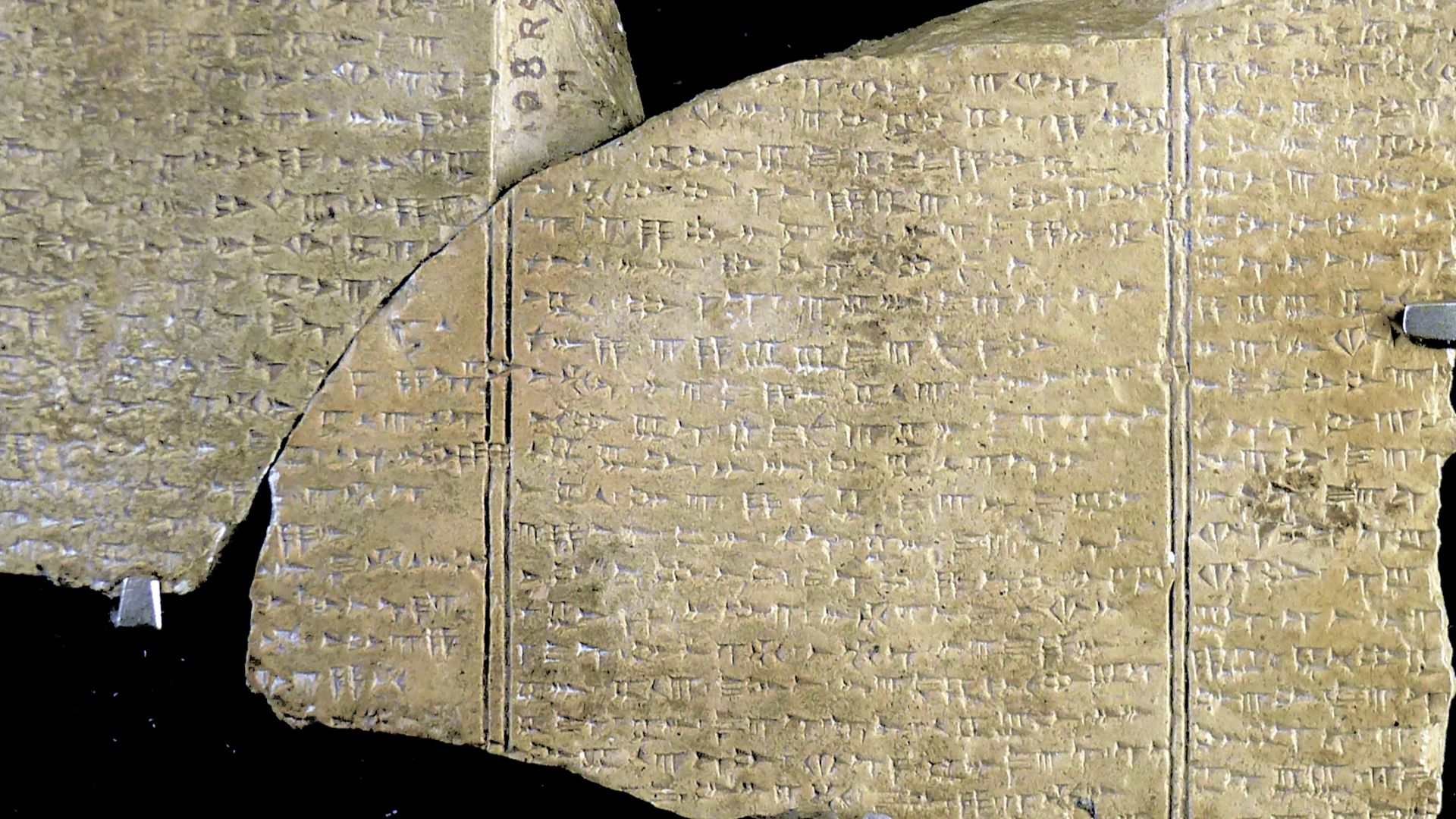
The tablet collections show an astonishingly multilingual society. Texts show up in several languages using different scripts, reflecting Ugarit’s role as a diplomatic and commercial crossroads. This variety of languages leaves no doubt of how deeply the city was embedded within international trade networks around the eastern Mediterranean and Near East.
 Unknown artistUnknown artist, Wikimedia Commons
Birthplace Of Alphabetic Writing
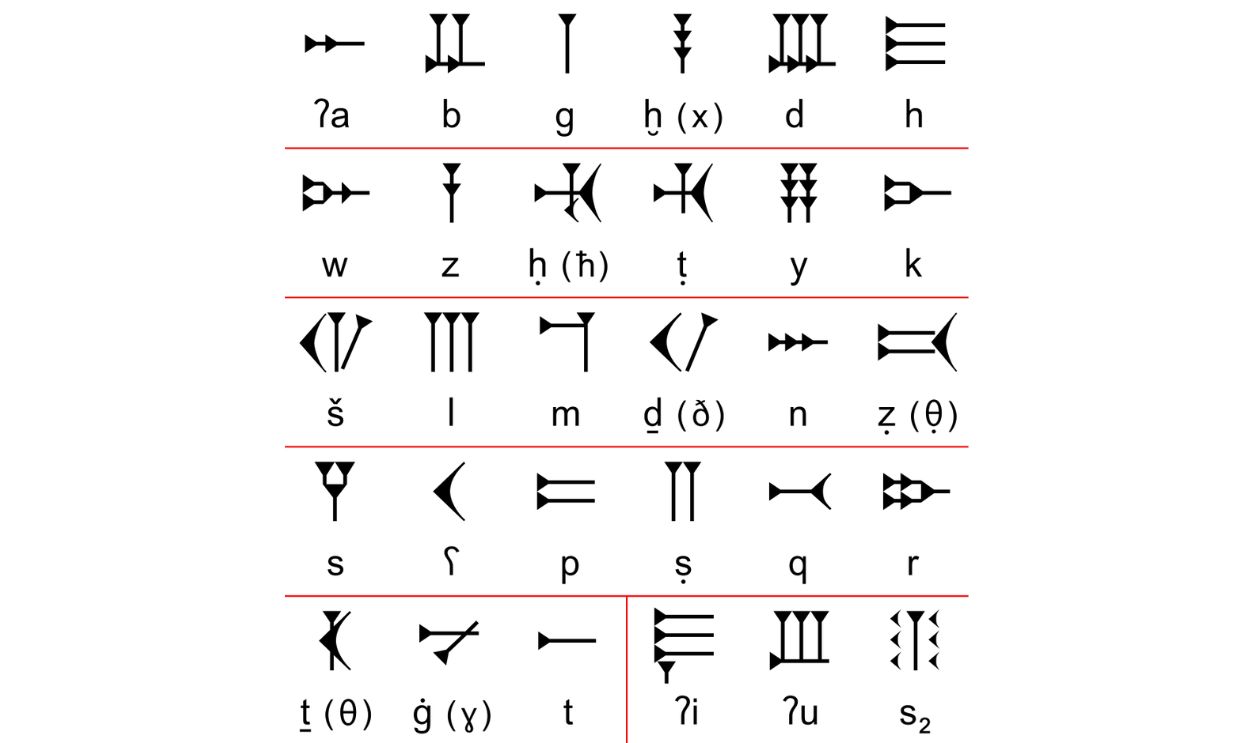
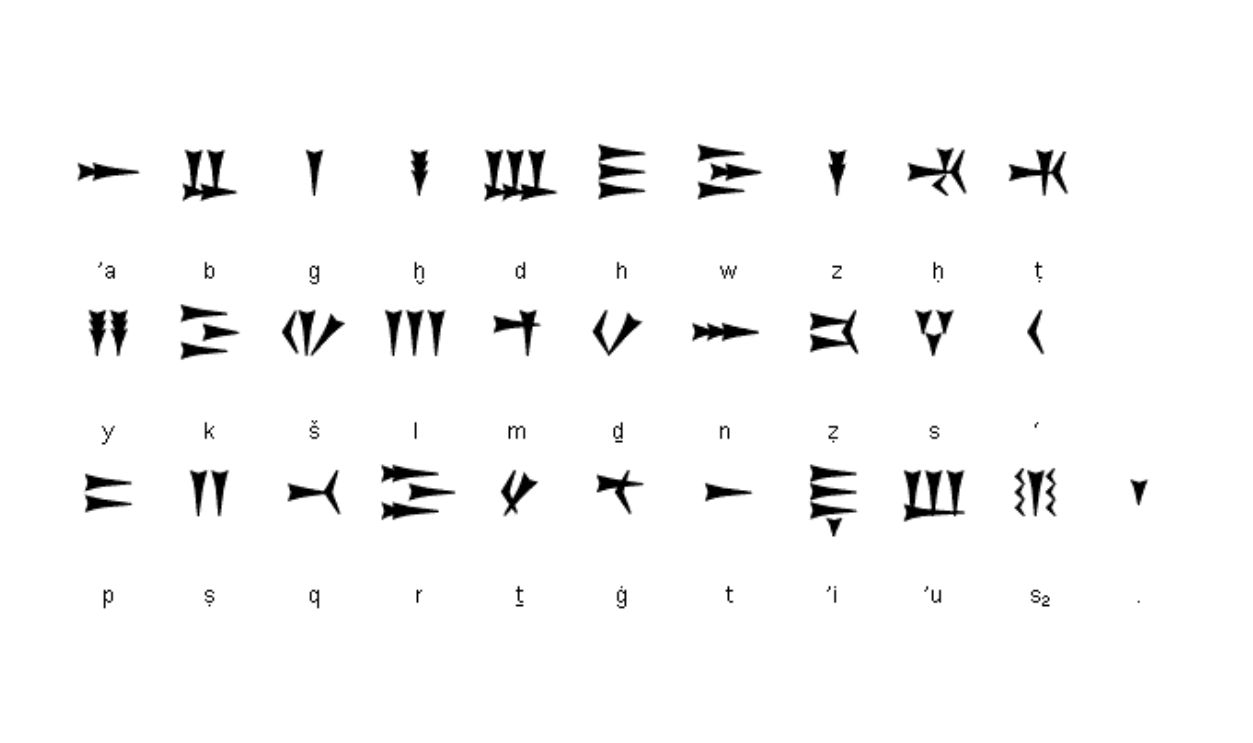
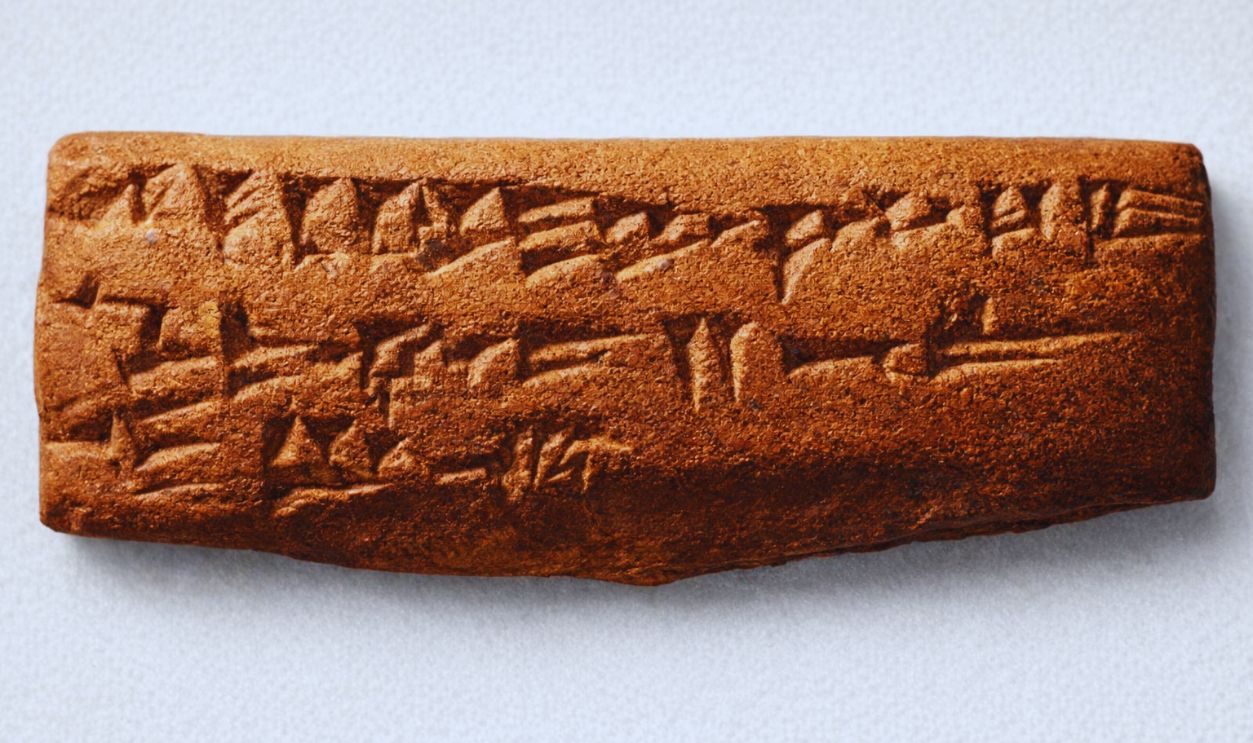
Among Ugarit’s most important contributions to human history is its alphabetic writing system. Consisting of approximately thirty signs, the Ugaritic alphabet was part of a revolutionary shift away from complex syllabic systems, making reading and writing easier to learn and influencing later alphabetic traditions across the Mediterranean world.
 Haubi|Gerhard Haubold, Wikimedia Commons
What Is An Abjad?
The Ugaritic alphabet functioned as an abjad, meaning it mostly records consonants while leaving vowel sounds unstated. This system was a compromise between efficiency and clarity that later shaped Phoenician, Hebrew, and other Semitic writing traditions. Without getting overly technical, the abjad formed a necessary step in the development of modern alphabetic scripts.
Linguistic Legacy And Influence
Although Ugaritic signs look a lot like cuneiform wedges, their structure is fundamentally alphabetic rather than syllabic. The hybrid form of the symbols reflects Ugarit’s position between older Mesopotamian traditions and emerging Levantine innovations of the Late Bronze, illustrating how cultural exchange often drives major breakthroughs in written communication.
 Wikinger at English Wikipedia, Wikimedia Commons
Ugaritic Language
The Ugaritic language was part of the Northwest Semitic family and shared close affinities with Hebrew, Aramaic, and Phoenician. Its texts allow linguists to trace vocabulary, grammar, and poetic structures over centuries. This is a big help in illuminating the development of later religious and literary traditions in the Levant (i.e., the eastern Mediterranean).
Literary Riches
Ugarit’s archives are filled with mythological and poetic compositions, most notably the Baal Cycle. These texts are a lively account of the struggles among gods, cycles of fertility, and divine kingship, helping us learn about Bronze Age belief systems and their influence on later mythologies and their echoes that reverberate in biblical literature.
 Unknown artistUnknown artist, Wikimedia Commons
International Trade Routes
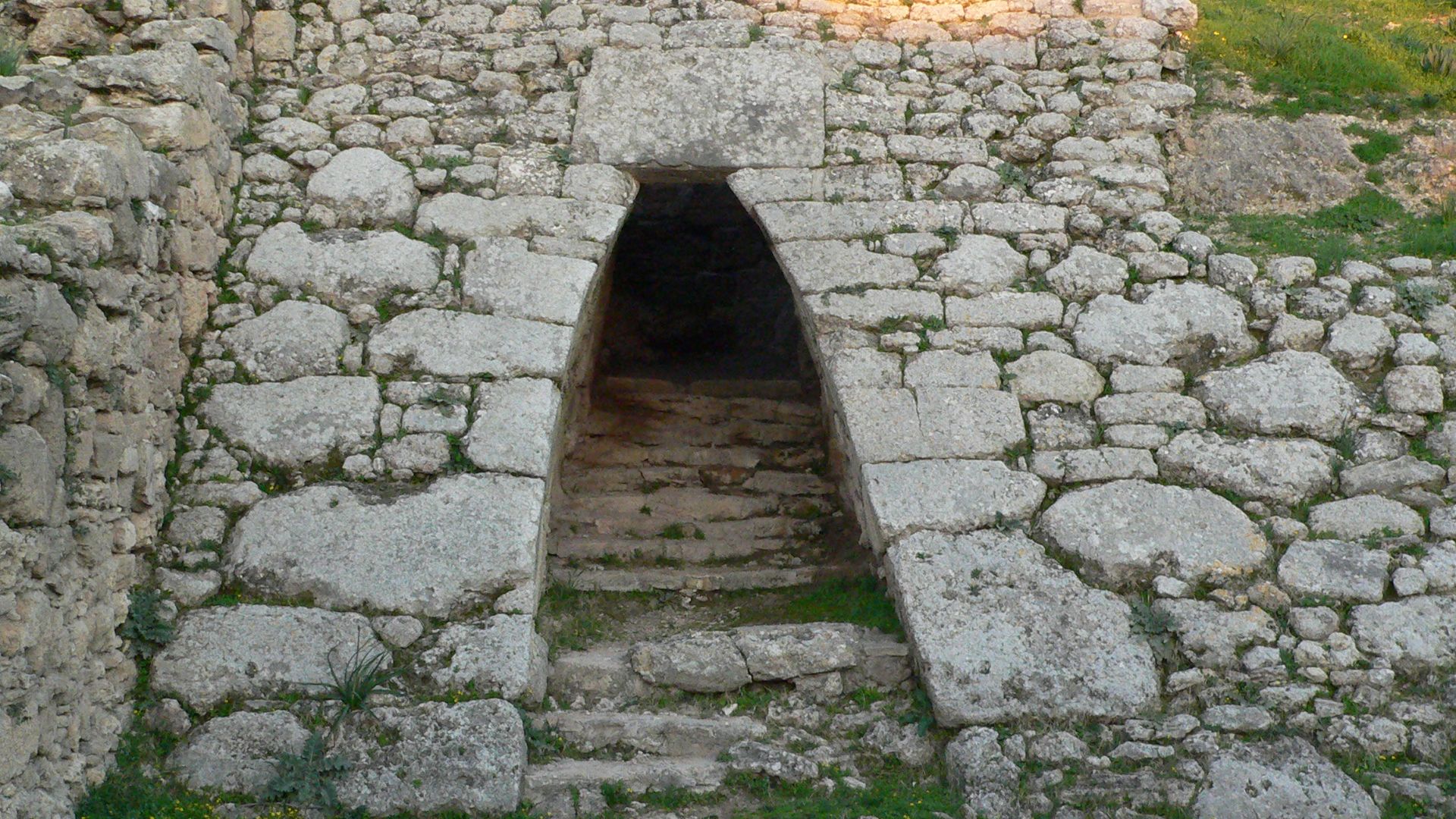
Administrative and diplomatic tablets give hints to Ugarit’s extensive foreign relations. The city upheld treaties, exchanged gifts, and coordinated shipments with many powerful neighbors. It’s clear that economic stability depended heavily on diplomatic alliances across the Late Bronze Age Mediterranean world.
 Disdero (talk · contribs), Wikimedia Commons
The Sea Peoples And Catastrophe
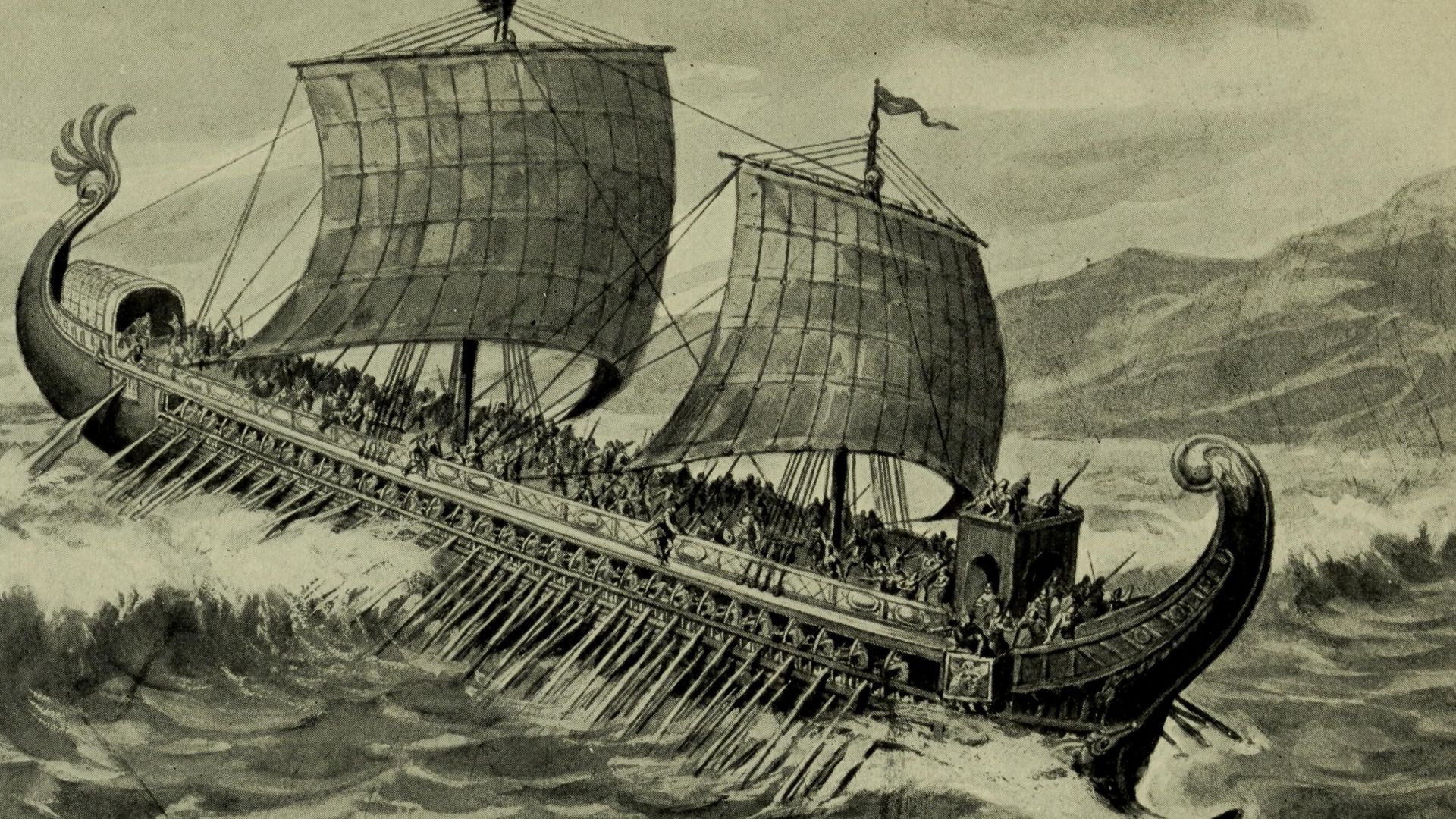
Around 1190 BC, Ugarit was violently destroyed, an event often linked to invasions by the mysterious Sea Peoples. These seaborne groups show up in Egyptian and Near Eastern records as pillaging destructive forces that caused widespread devastation across coastal cities and trade networks.
 Chatterton, E. Keble (Edward Keble), 1878-1944, Wikimedia Commons
Bronze Age Collapse
Ugarit’s fall was part of a broader Bronze Age collapse, a dark period of declining empires, disrupted trade routes, and urban abandonment. Scholars still argue passionately about its causes, which likely included things like climate stress, migration, military aggression, megalomaniac rulers, and economic upheaval all operating simultaneously.
Echoes Of Devastation
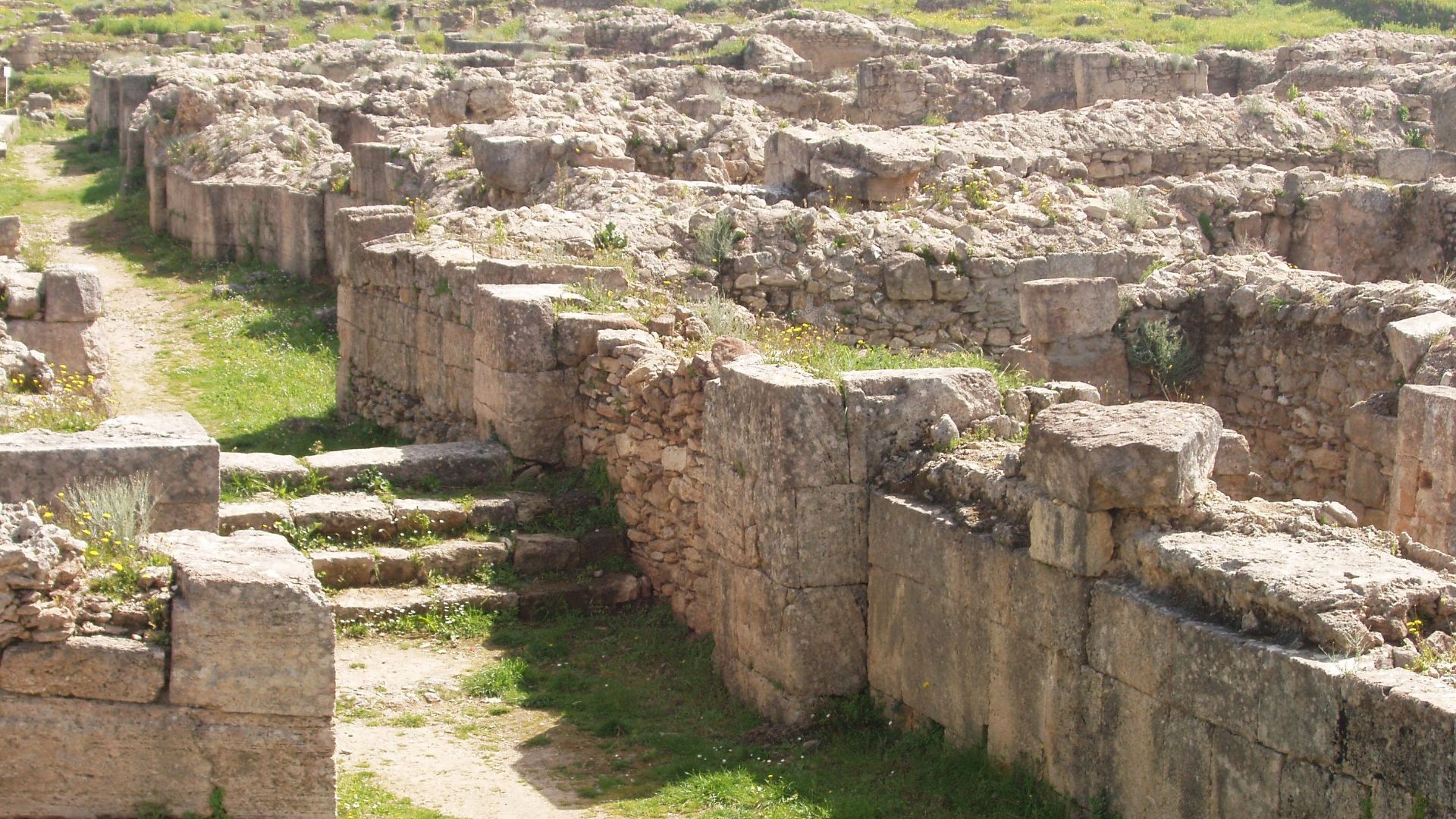
Archaeological layers at Ugarit show signs of sudden destruction, including ash deposits, damaged buildings, and abandoned objects left behind. These findings seem to suggest that the city’s end was swift and devastating, leaving little opportunity for the people to recover or resettle the place in the immediate aftermath.
Beyond Ruin
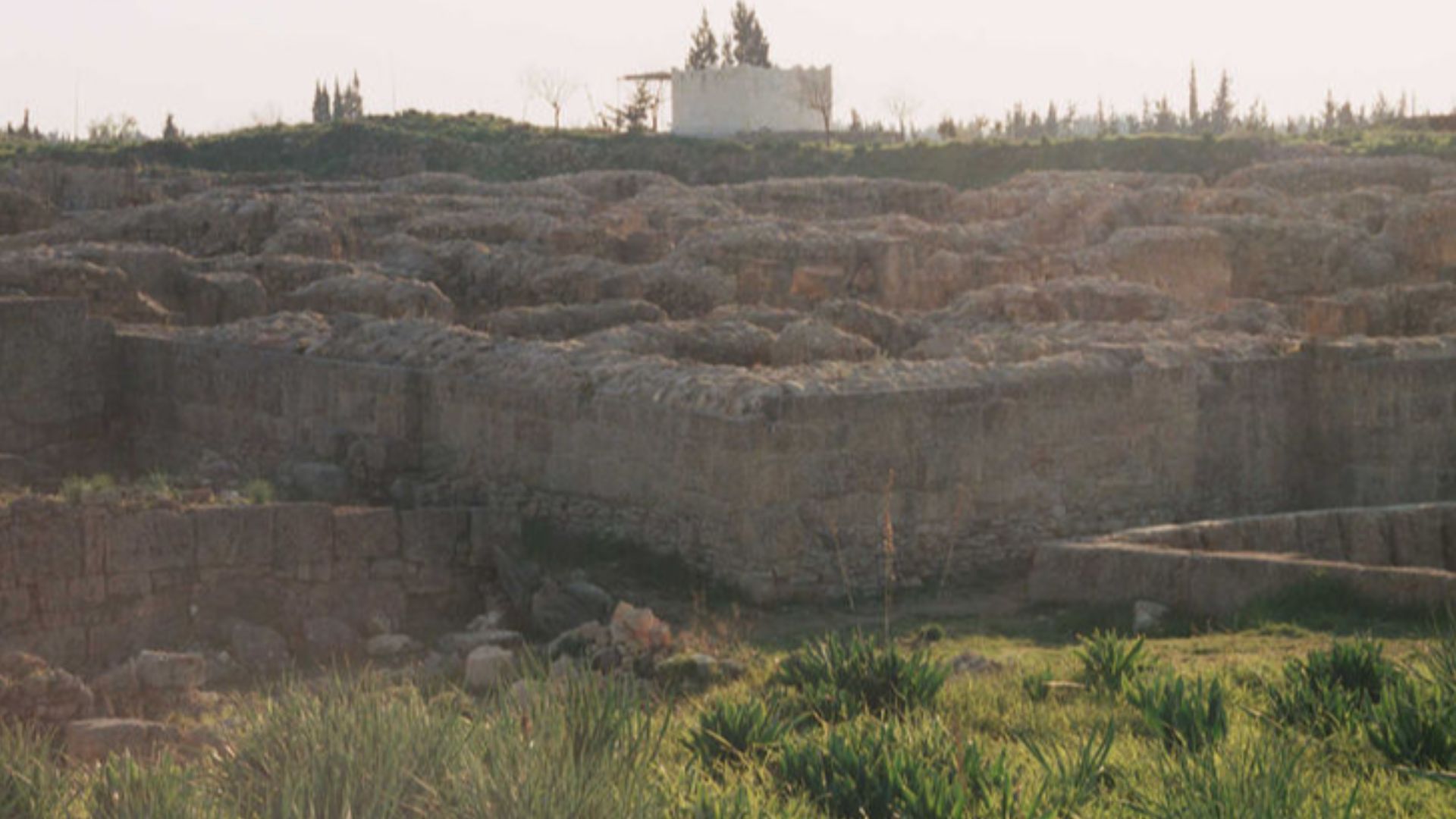
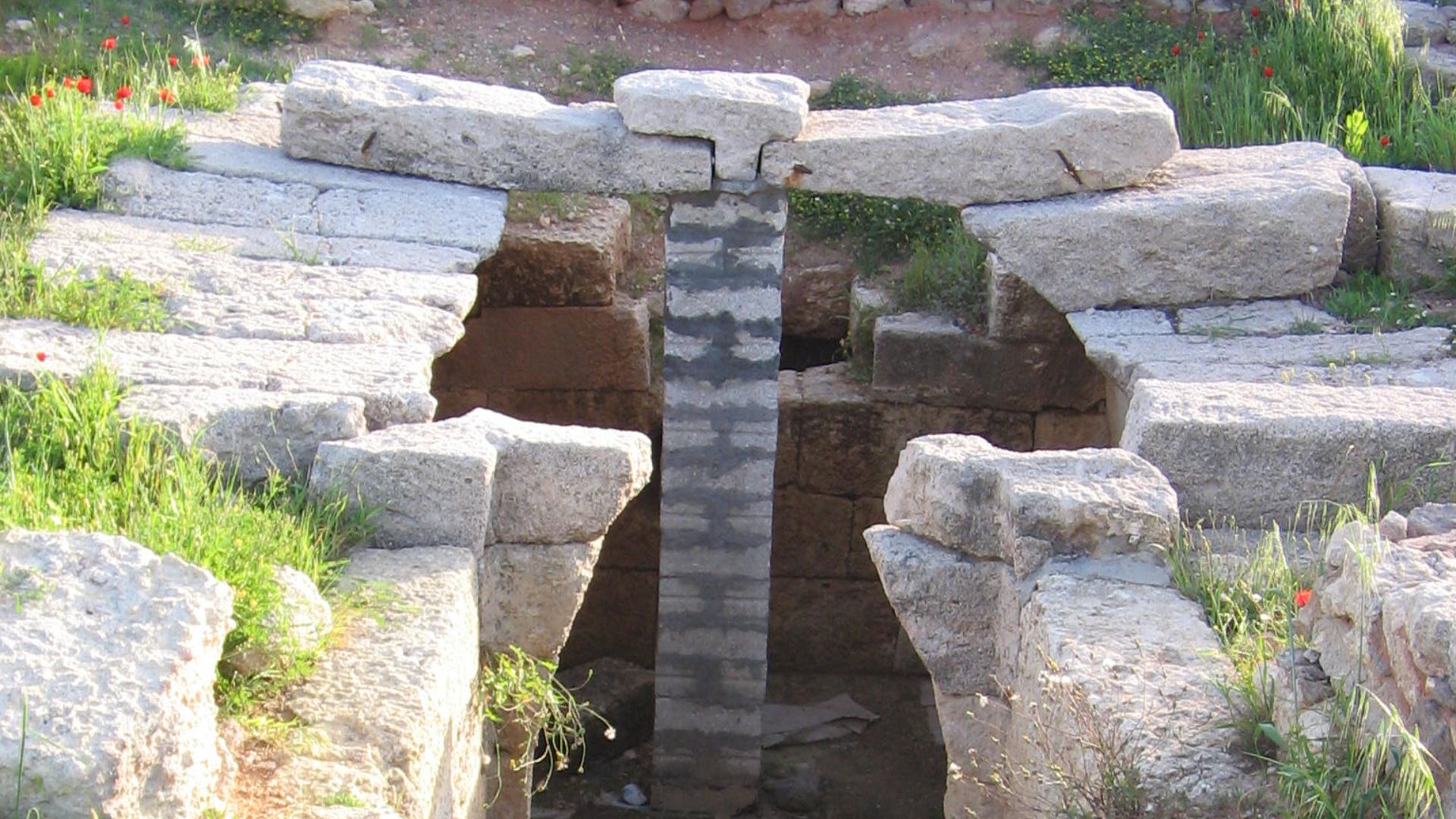
Despite the destruction, Ugarit’s legacy has lived on through its texts and material culture. Buried archives maintained a fragile information link to the distant past that modern scholars now use to reconstruct political systems, religious beliefs, and economic practices long after the city itself disappeared off the historical map.
 Gianfranco Gazzetti, Wikimedia Commons
Picking Up The Pieces
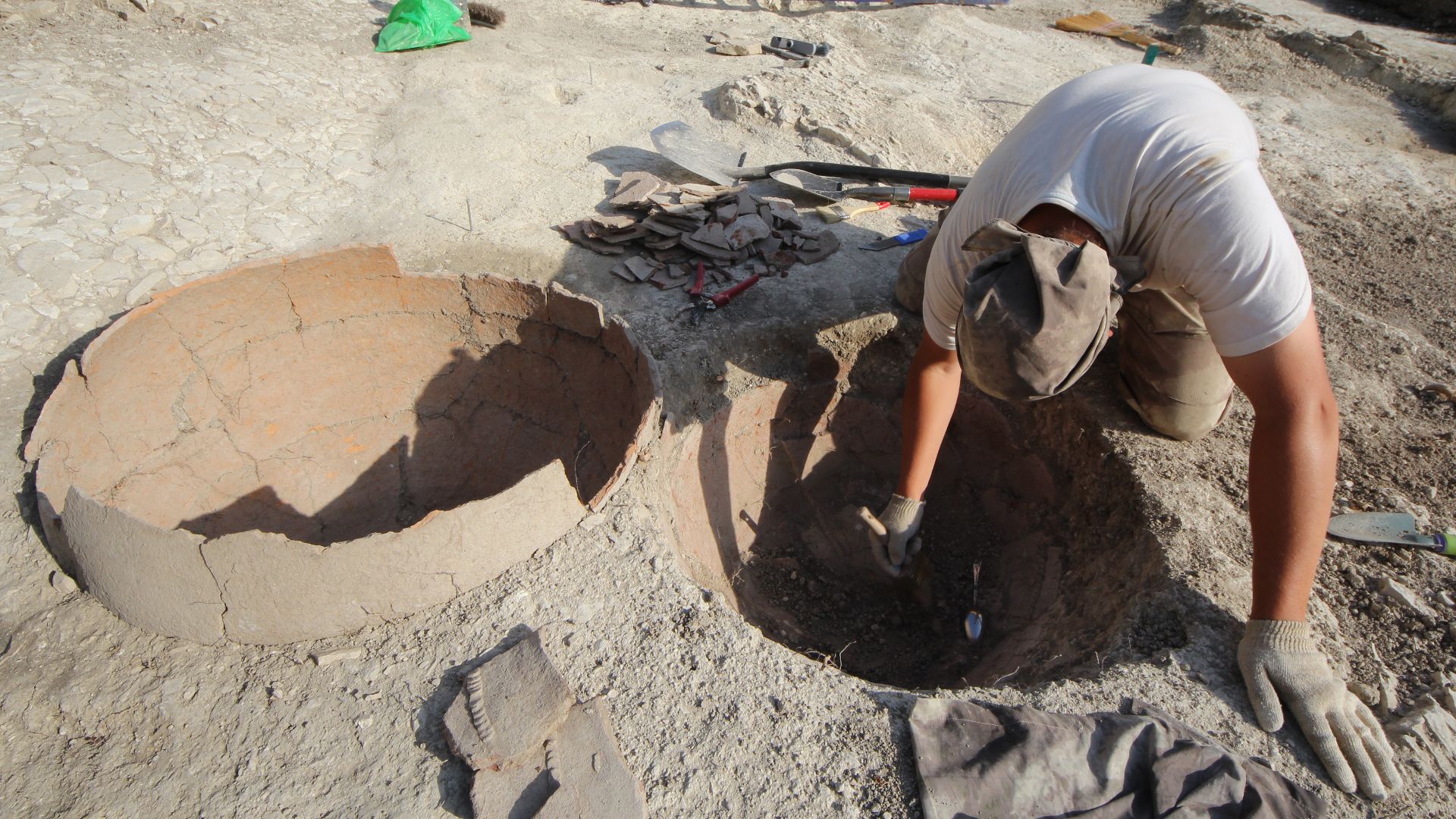
Resuming excavations has a meaning that goes well beyond scholarship. It represents resilience, signaling that cultural preservation can go on even after prolonged conflict. For Syria, the project brings archaeology to the forefront as a promoter of national identity, education, and international cooperation during fitful periods of rebuilding.
 MariyaShubina, Wikimedia Commons
New Generations Look To The Past
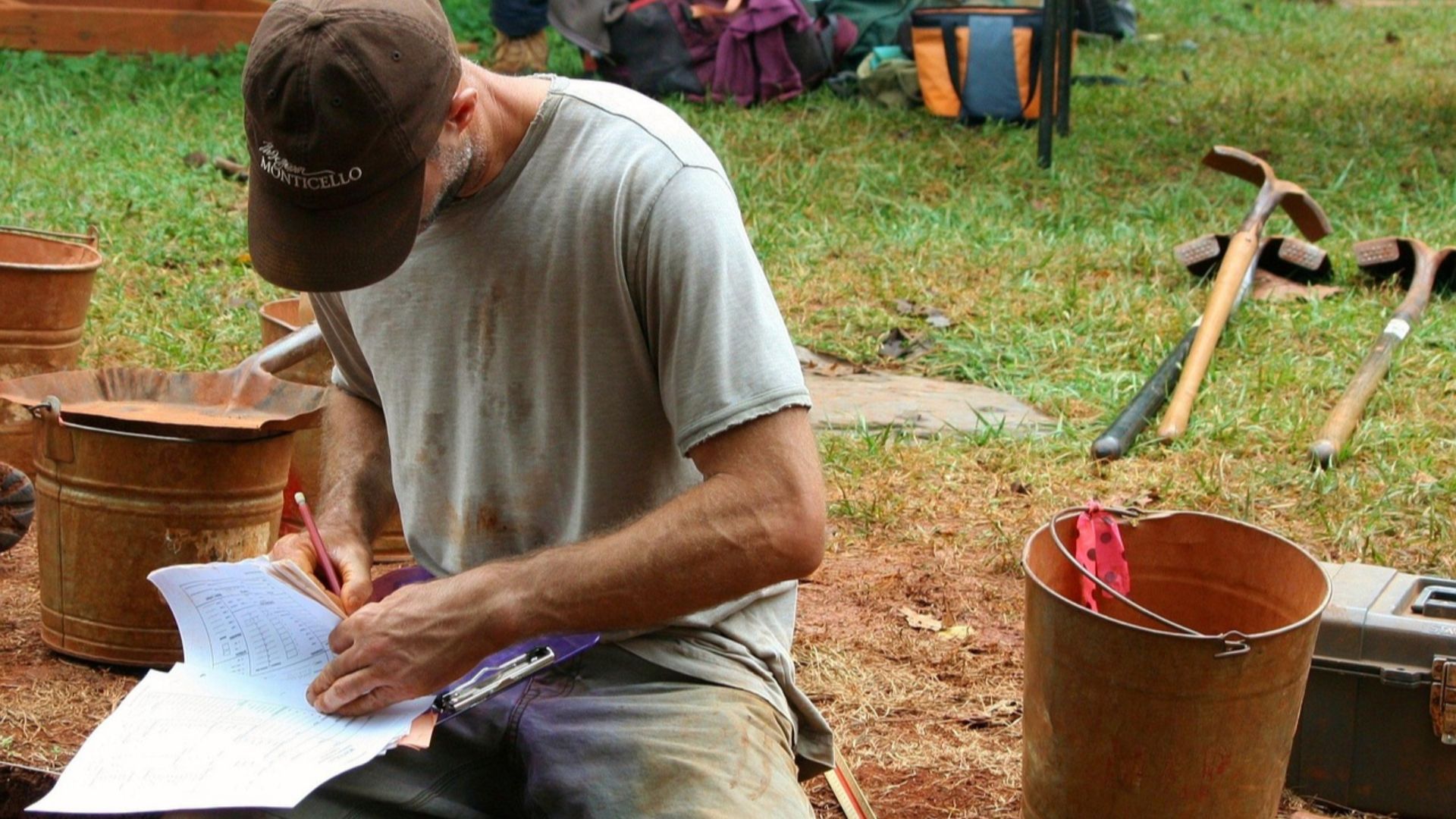
Students and early-career researchers lend a hand in the excavations, and by doing so, gain valuable hands-on experience. Working at a landmark site like Ugarit trains a new generation of archaeologists to understand what they’re looking at. This ensures that expertise is passed on and research traditions continue into the future.
Educational And Cultural Exchange
This project fosters meaningful academic exchange among Syrian, European, and regional institutions. Shared methodologies, joint publications, and collaborative training strengthen global understanding of Near Eastern archaeology while also promoting long-term partnerships that will hopefully help the Syrian people get back on their feet.
 Galina Fomina, Wikimedia Commons
Future Research Goals
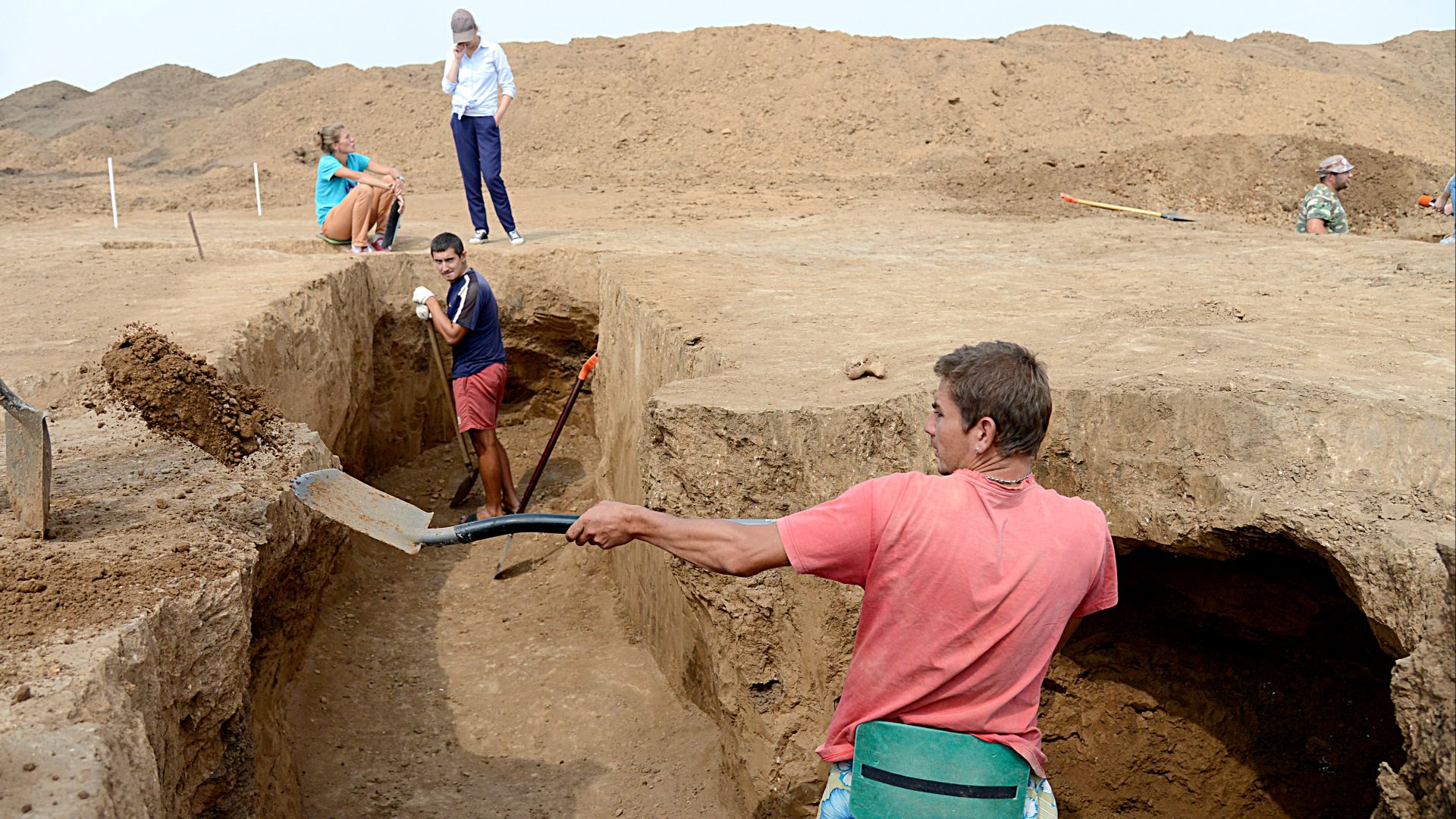
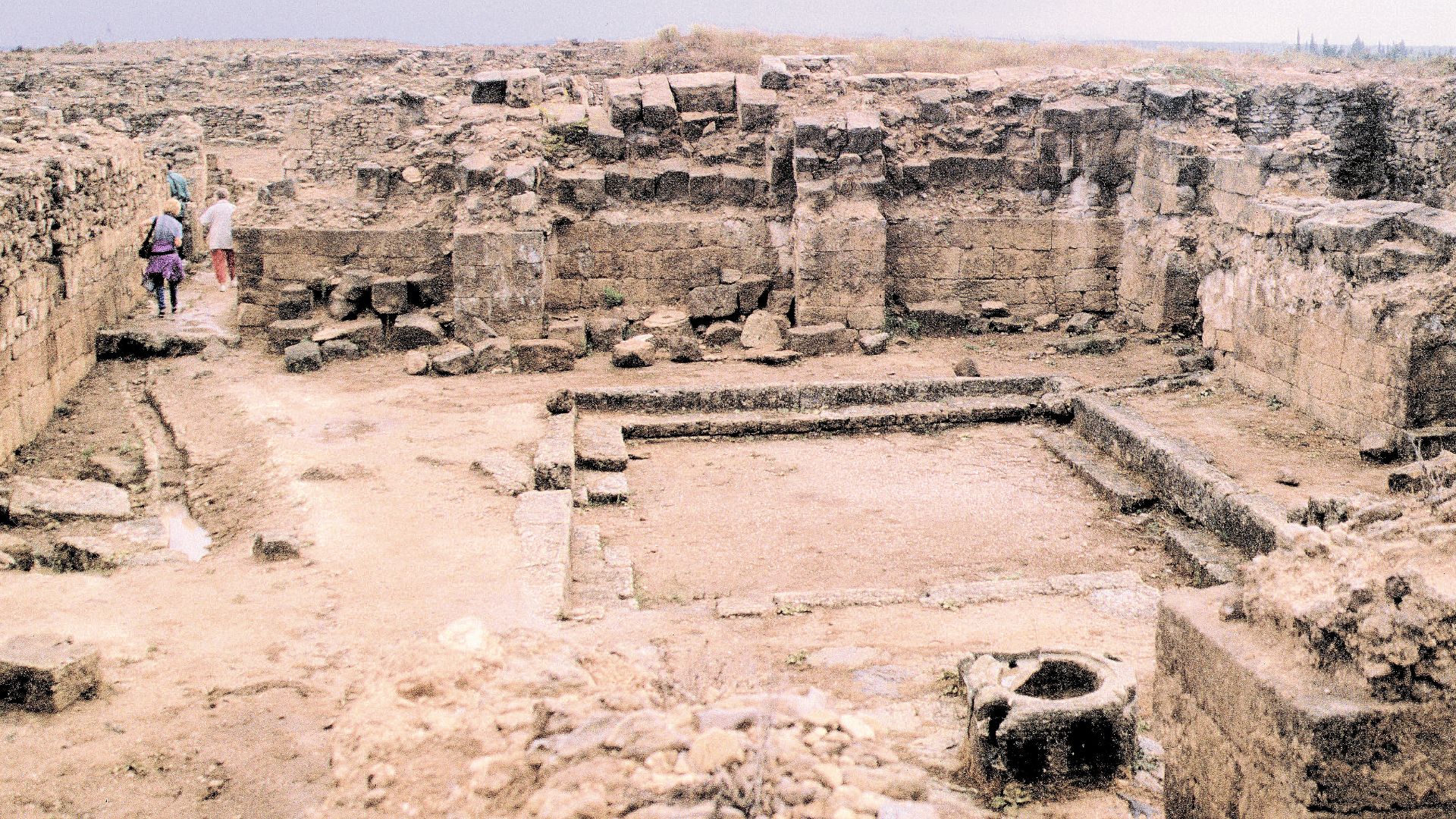
All this frantic digging and research is dedicated to bringing together the new discoveries from surrounding sites with long-studied areas of Ugarit itself. By combining architectural evidence, environmental data, and written records, archaeologists believe deeply that they can produce the most complete reconstruction yet of Ugaritic society.
 Haubi|Gerhard Haubold, Wikimedia Commons
Connecting Past And Present
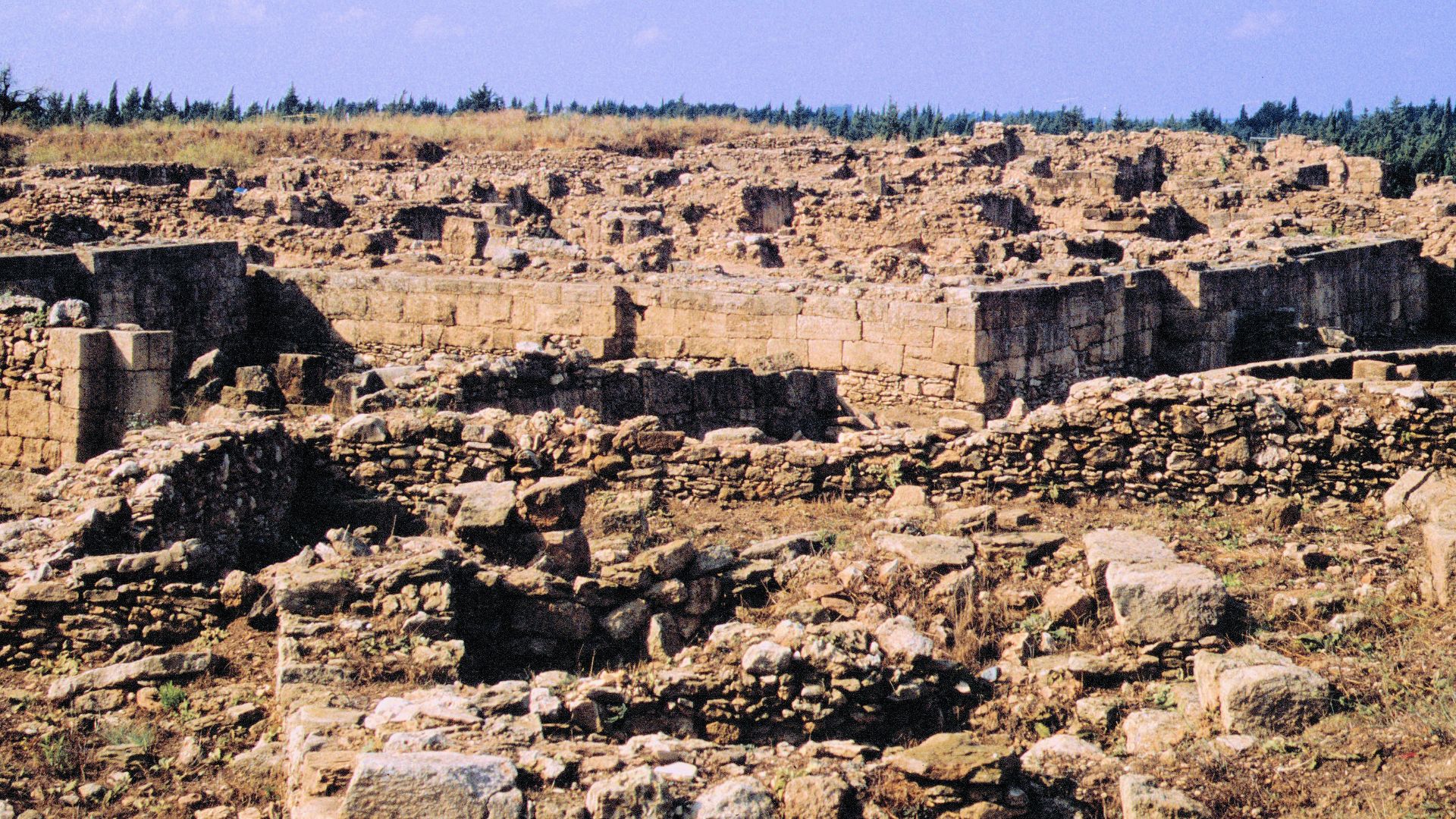
Every artifact hauled up out of the ground at Ugarit reveals ancient individuals who wrote, traded, worshipped, and governed thousands of years ago. As excavations grind on, the city again tells a tale not only of collapse, but an honest and ceaseless attempt to build civilization. Whatever the researchers happen to dig up next, it will only temporarily satisfy our voracious appetite for new knowledge about the past.
 Haubi|Gerhard Haubold, Wikimedia Commons
You May Also Like:





.jpg%20)


