

The Amazing Discovery
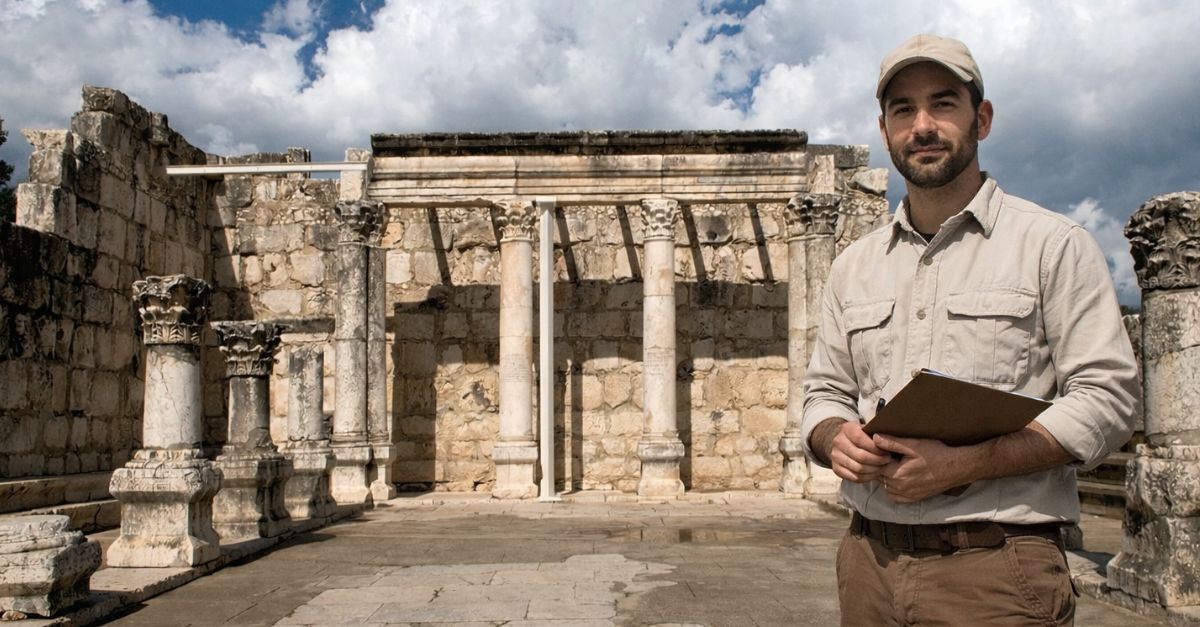
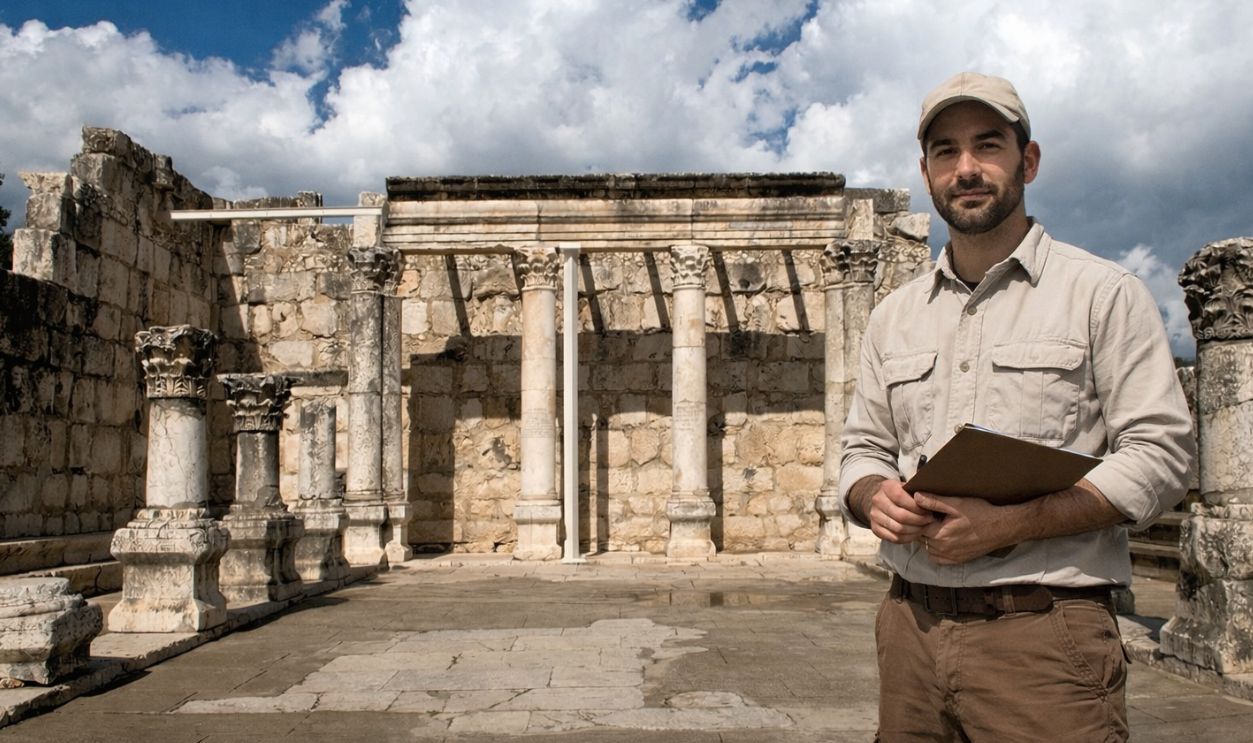
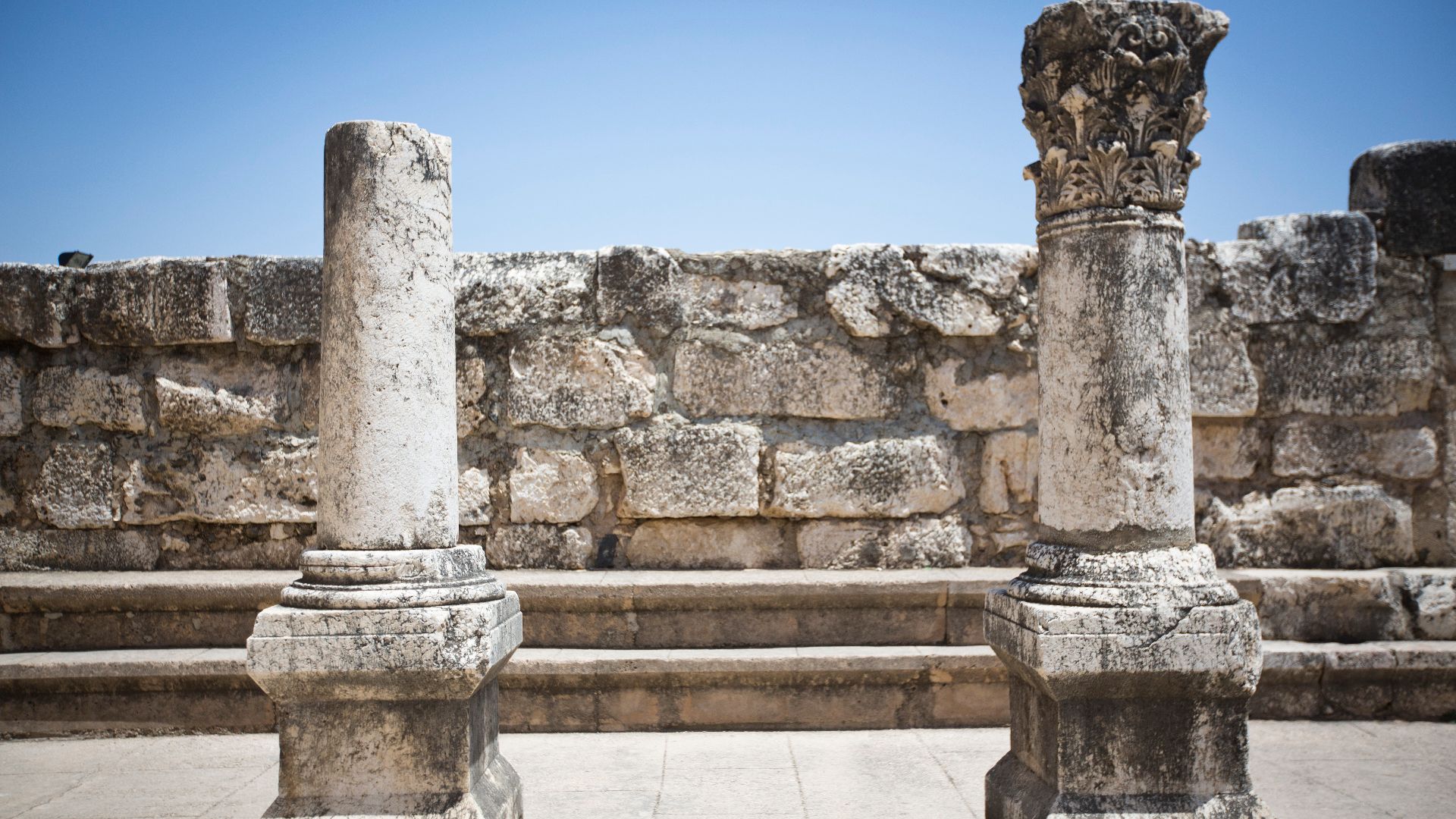
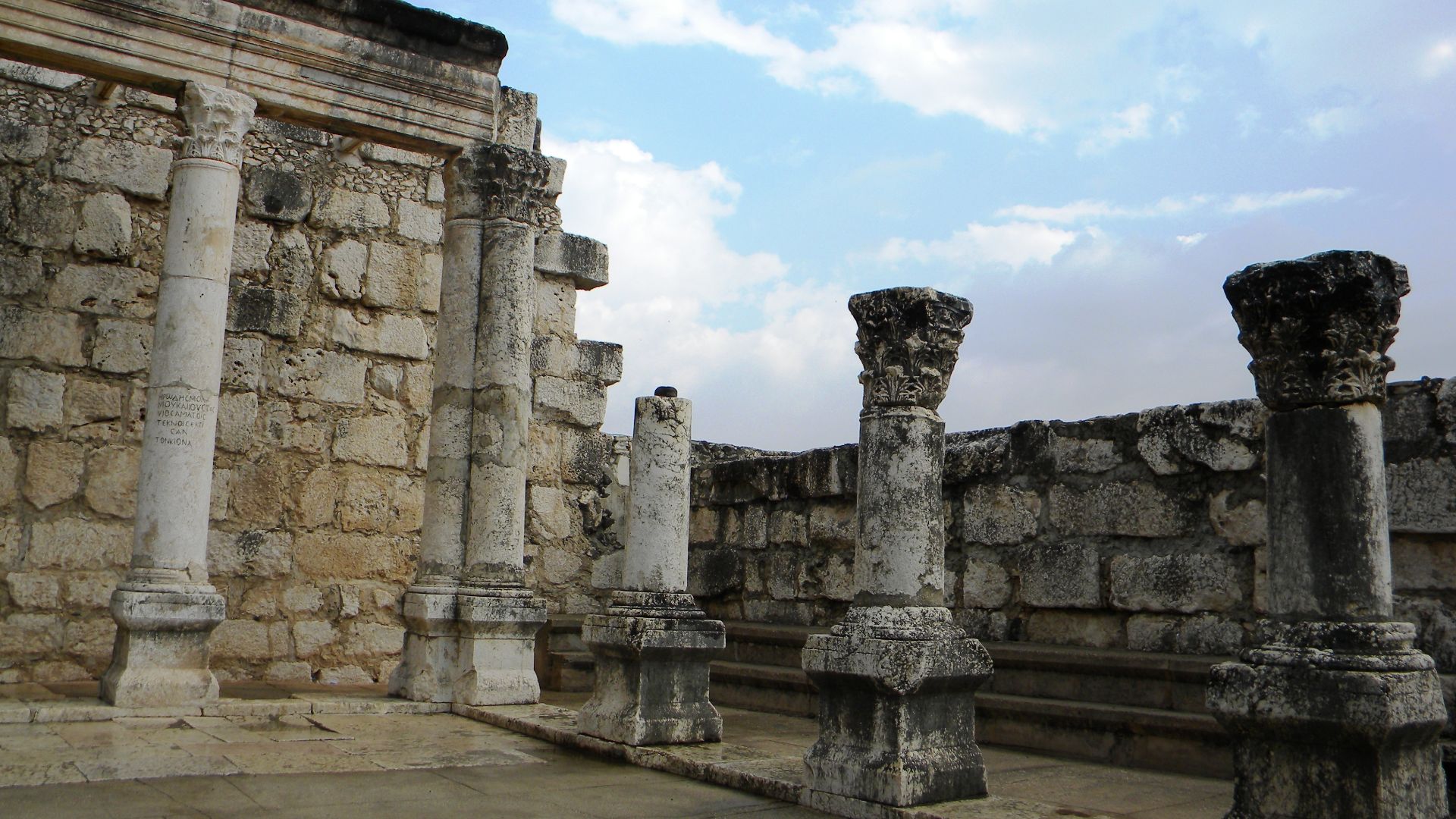
Along Israel's northern shore, white limestone columns rise from ancient ruins. Beneath this visible fourth-century synagogue lies a black basalt foundation from the first century. Archaeologists believe it witnessed Jesus performing miracles nearly 2,000 years ago.
 Eddie Gerald, CC BY-SA 3.0, Wikimedia Commons, Modified
The Town Of Jesus
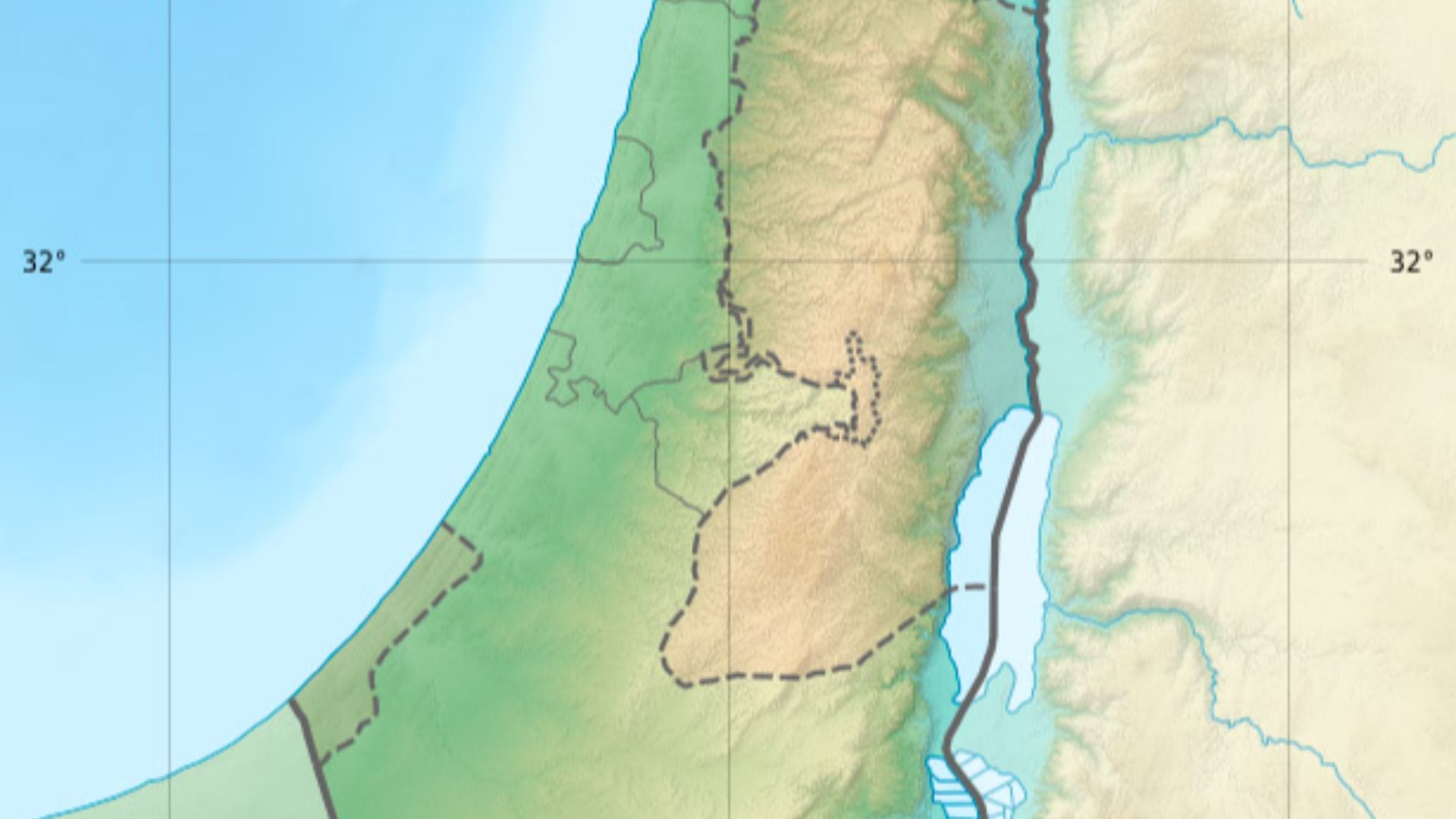
It was a fishing village of 1500 people beside the Sea of Galilee. Founded in the second century BC, Capernaum thrived along the Via Maris—the major trade route connecting Egypt to Damascus. Here, fishermen mended nets while merchants passed through daily.
 Eric Gaba (Sting - fr:Sting) and NordNordWest, Wikimedia Commons
Daily Life In First-Century Capernaum
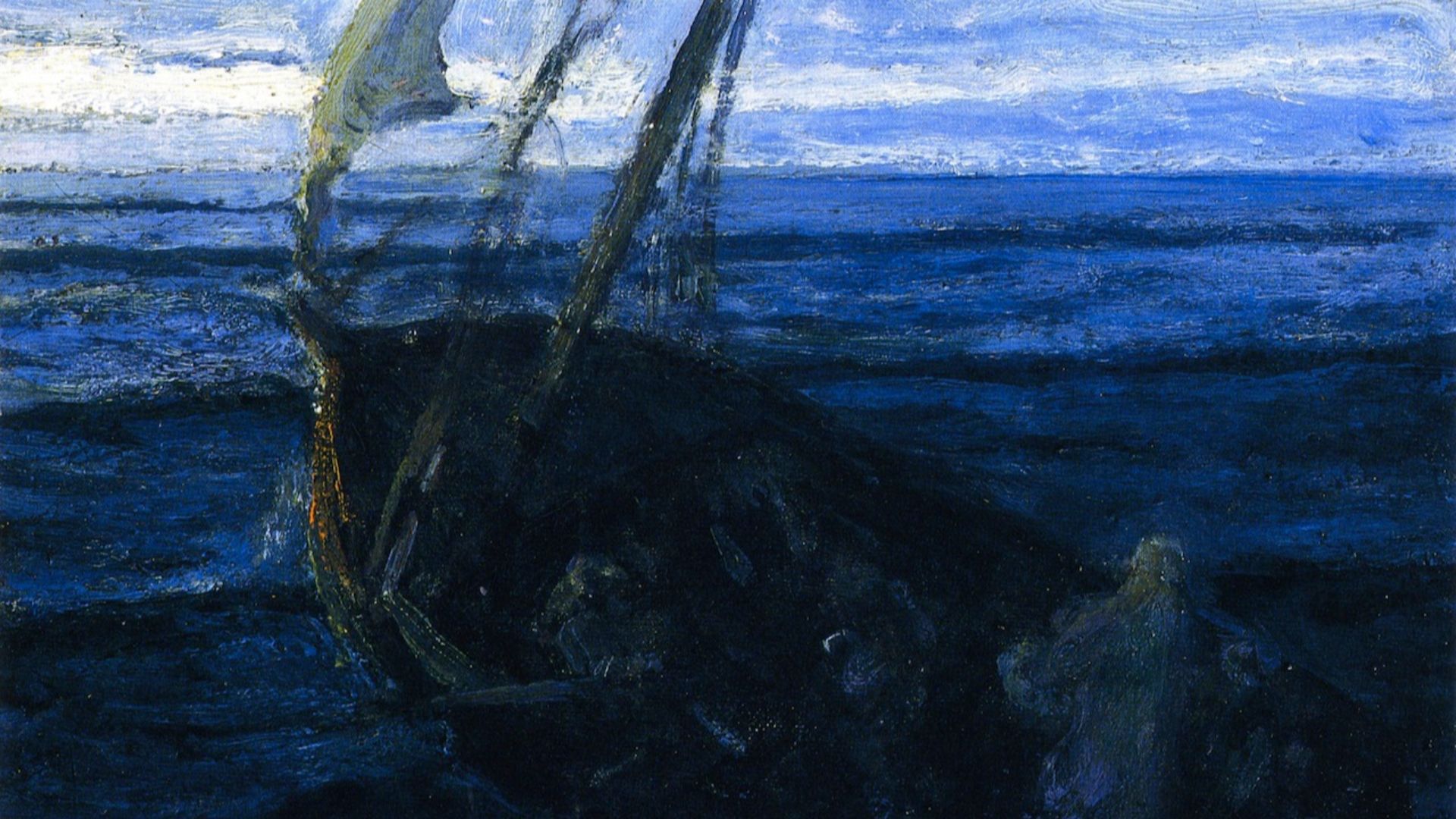
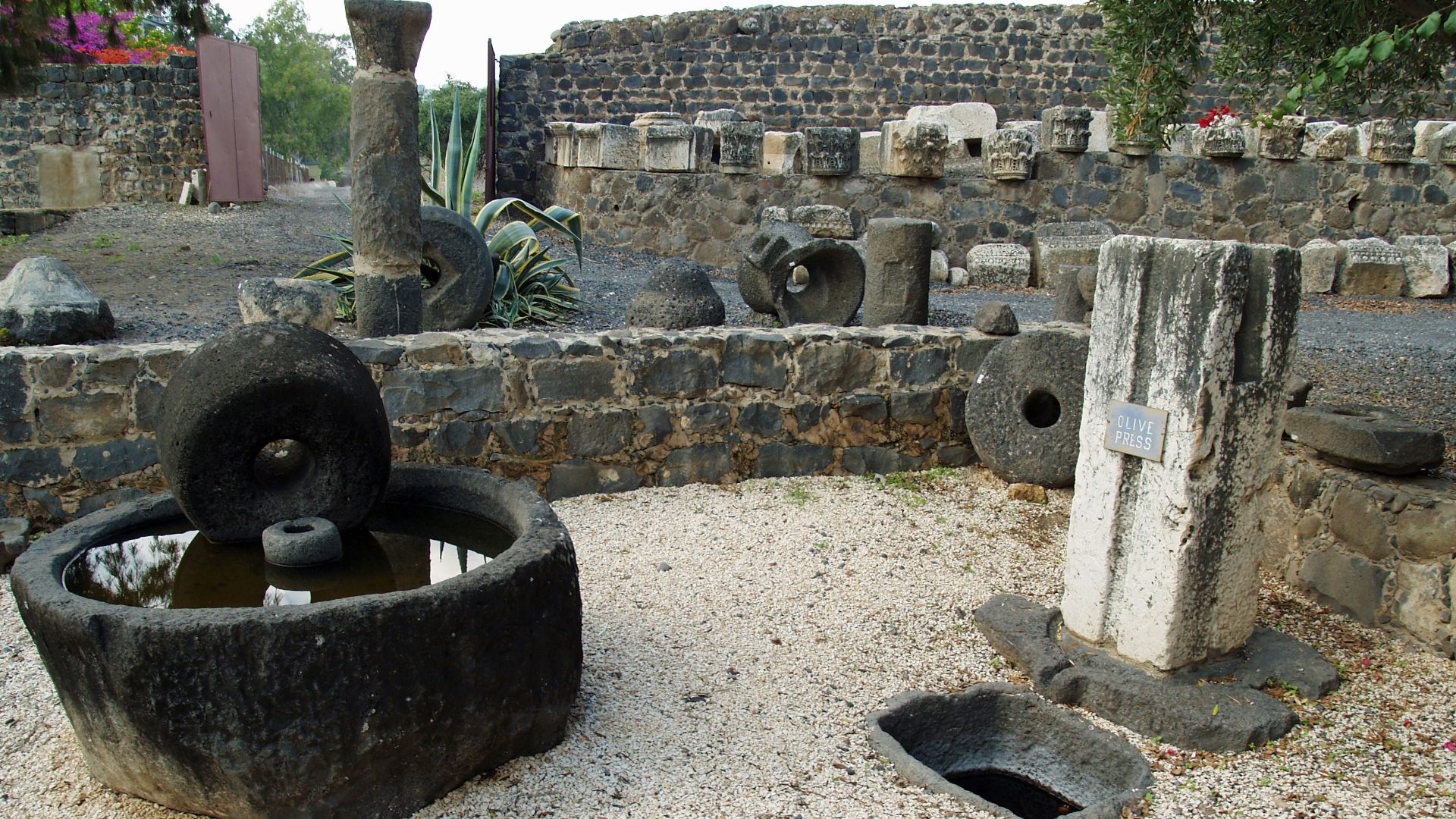
Morning began with fishermen launching boats while merchants traveled the Via Maris trade route through town. Women ground grain on basalt millstones. Oil lamps flickered in dark rooms. Fishing hooks and pottery fragments tell stories of ordinary people, until an extraordinary rabbi made this village the center of his mission.
 Henry Ossawa Tanner, Wikimedia Commons
Jesus's Ministry In Capernaum
After leaving Nazareth, Jesus made Capernaum his headquarters. The Bible calls it "his own city". This lakeside town became the stage for his most intensive teaching and healing ministry. Over 16 New Testament passages mention events that unfolded in these very streets.
 Yourway-to-israel, Wikimedia Commons
Early Archaeological Exploration (1838–1866)
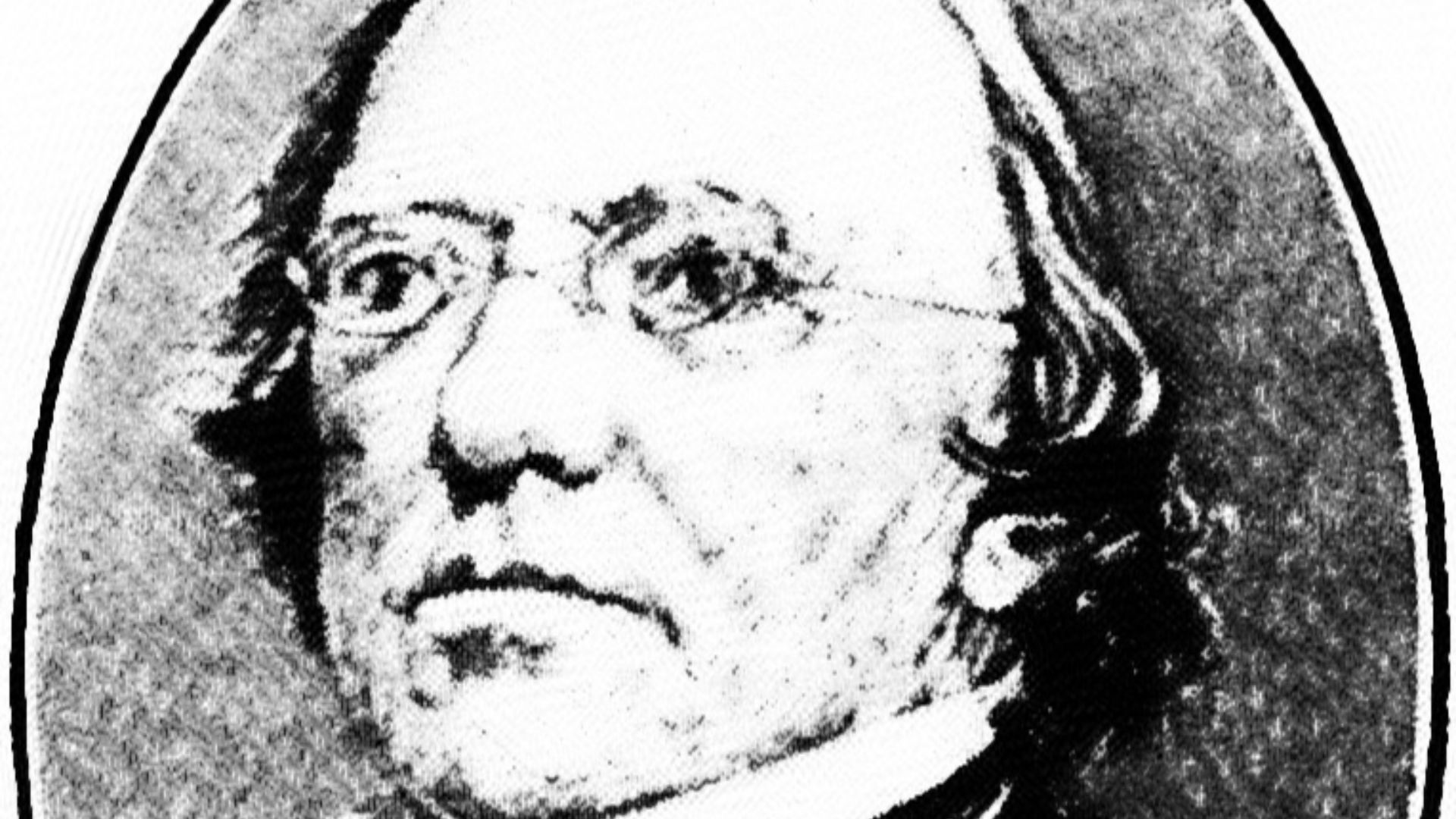
In 1838, American scholar Edward Robinson discovered mysterious ruins but didn't recognize their significance. Nearly three decades later, British Captain Charles Wilson returned to the site in 1866 and identified the impressive white synagogue. The ancient village was finally confirmed as the biblical Capernaum.
 Unknown authorUnknown author, Wikimedia Commons
Miracles In The Synagogue
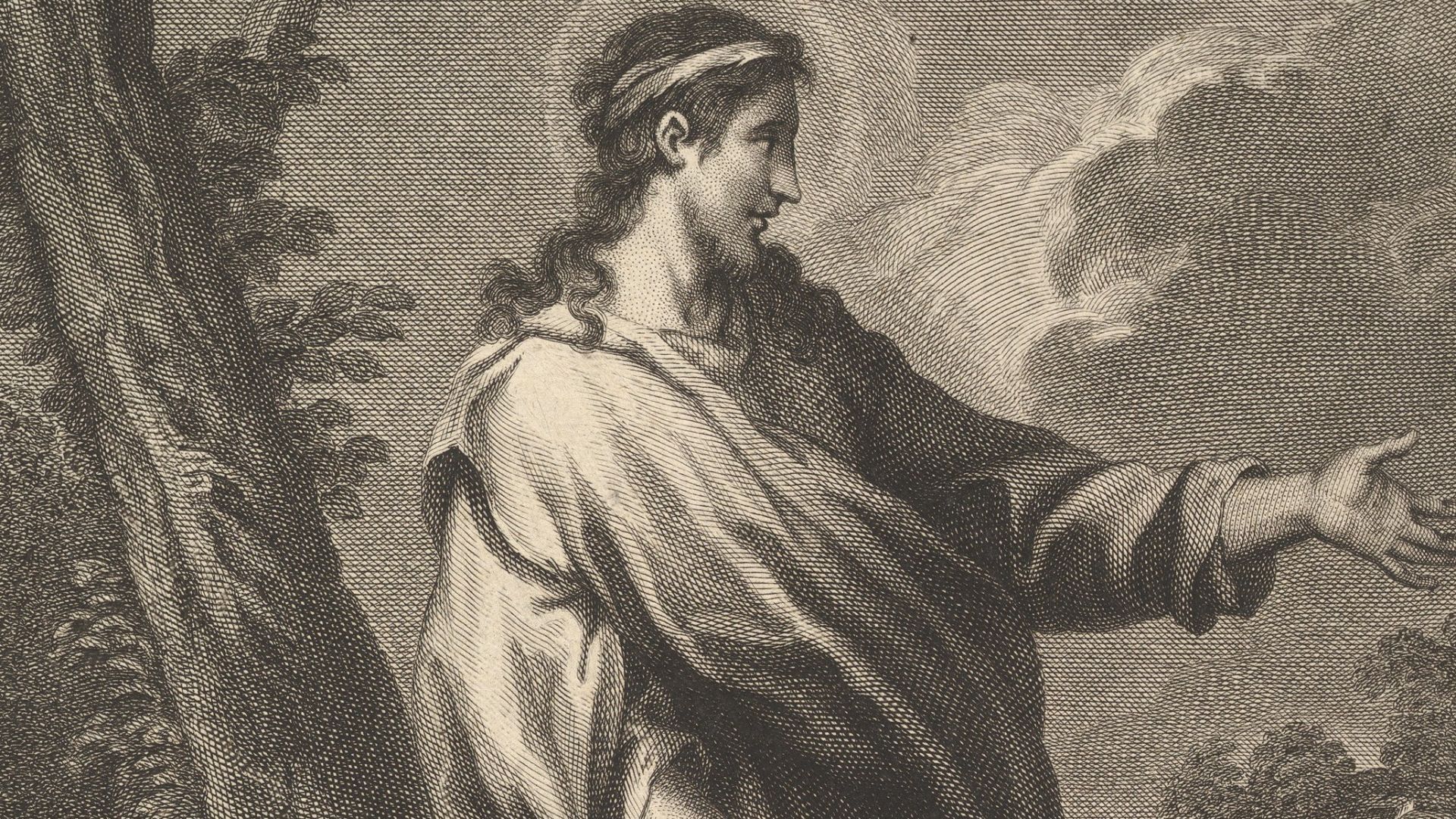
On the Sabbath, Jesus entered this synagogue and encountered a man possessed by an unclean spirit. The demon cried out before Jesus cast it out. He also healed a man's withered hand here. Later, after feeding 5,000, Jesus returned to deliver his Bread of Life discourse.
 François Boucher / Simon Vallée, Wikimedia Commons
German Excavations (1905–1914)
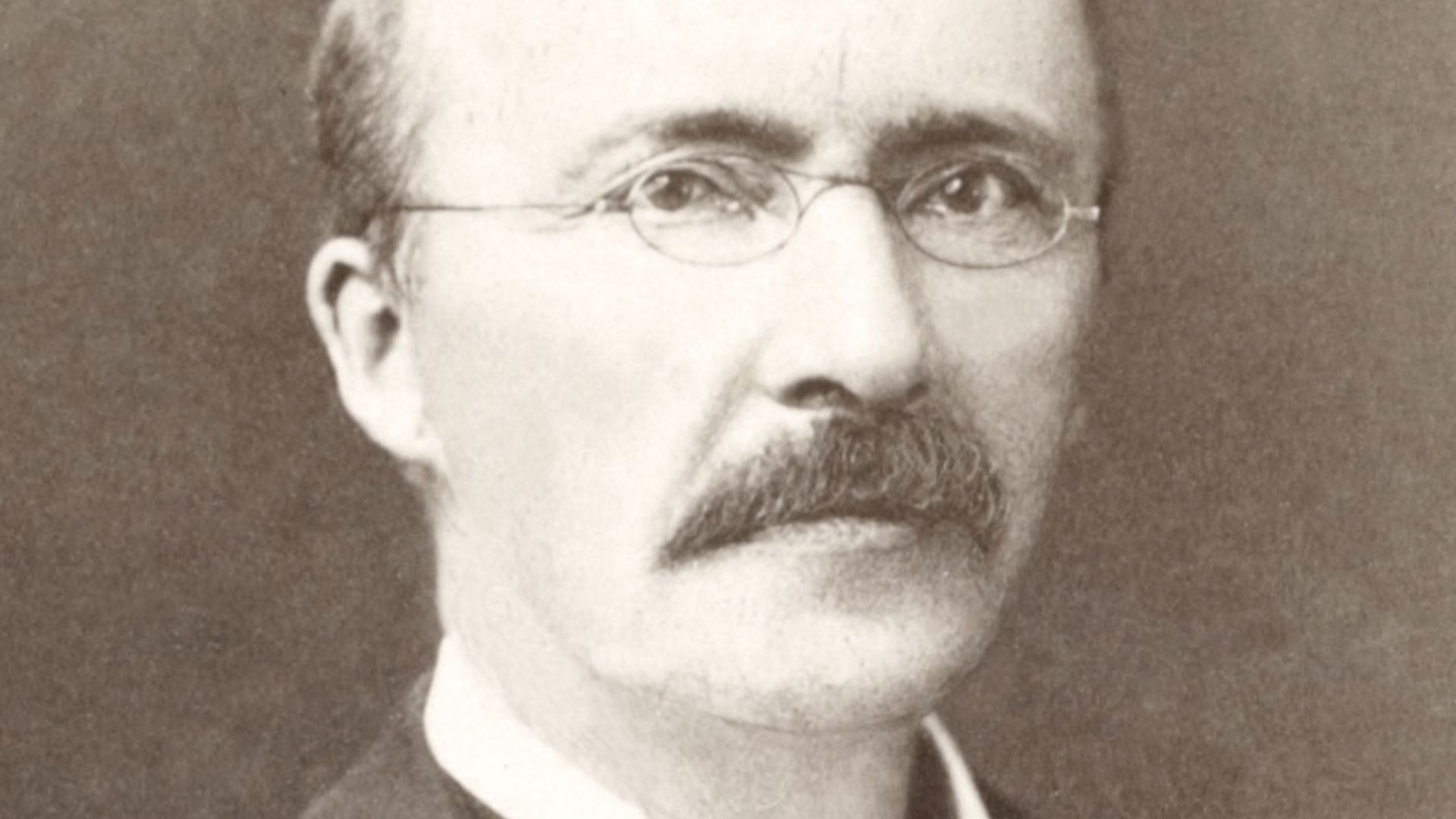
German archaeologists Heinrich Kohl and Carl Watzinger arrived in 1905 to excavate the ornate limestone synagogue. They believed they'd found the very building where Jesus taught. This ornate synagogue featured 16 Corinthian columns, intricate carvings of menorahs, eagles, and palm trees.
 S.Kohn, Hofphotograph, Karlsbad. Upload, stitch and restoration by Jebulon, Wikimedia Commons
The Dating Controversy
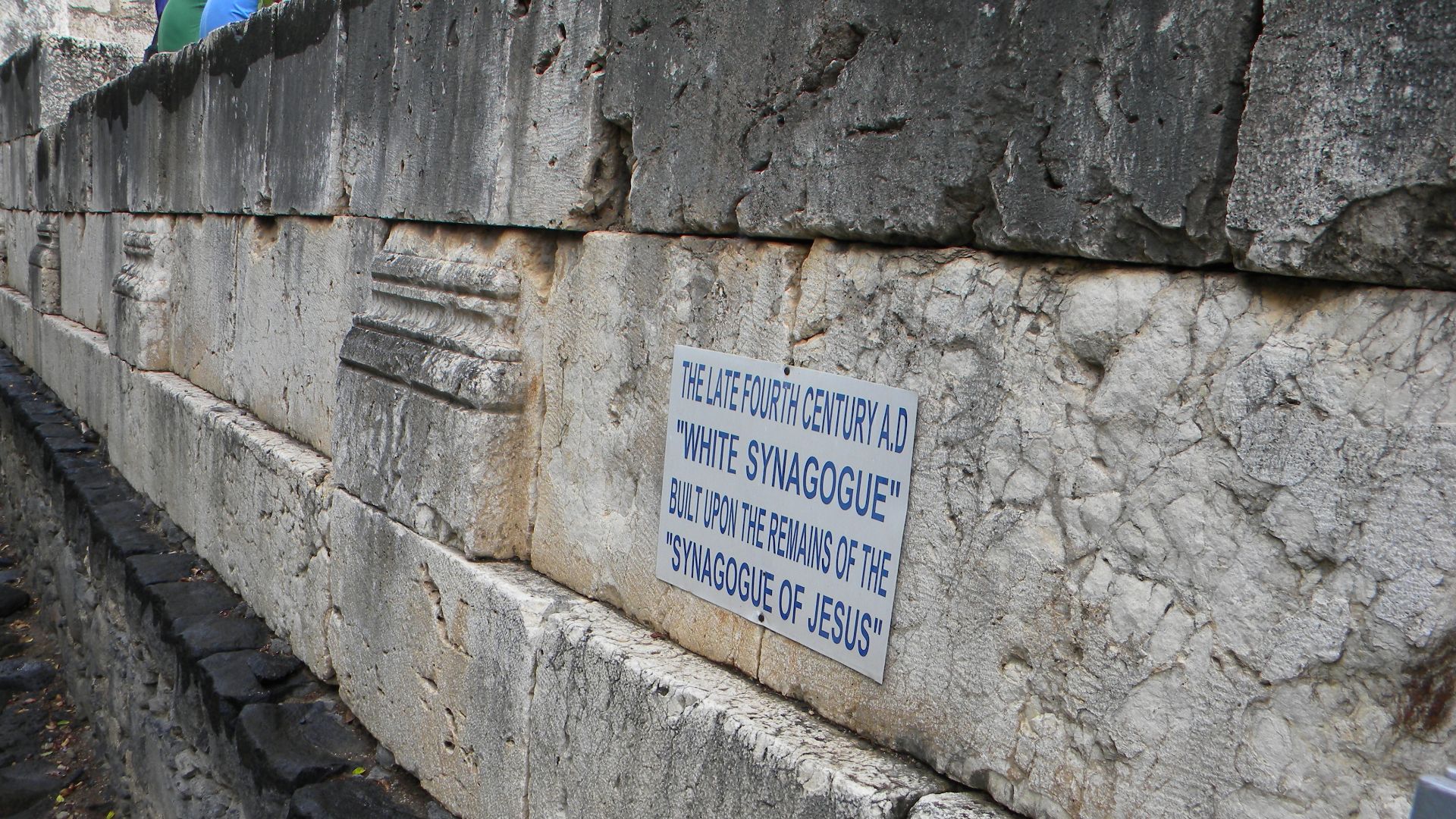
But something didn't add up. Coins and pottery fragments discovered beneath the white synagogue's floors revealed fourth and fifth-century dates, 300 years after Jesus lived. This magnificent building couldn't be the one mentioned in the Gospels. The real synagogue had to be somewhere else.
 Britchi Mirela, Wikimedia Commons
The Breakthrough Discovery (1968)
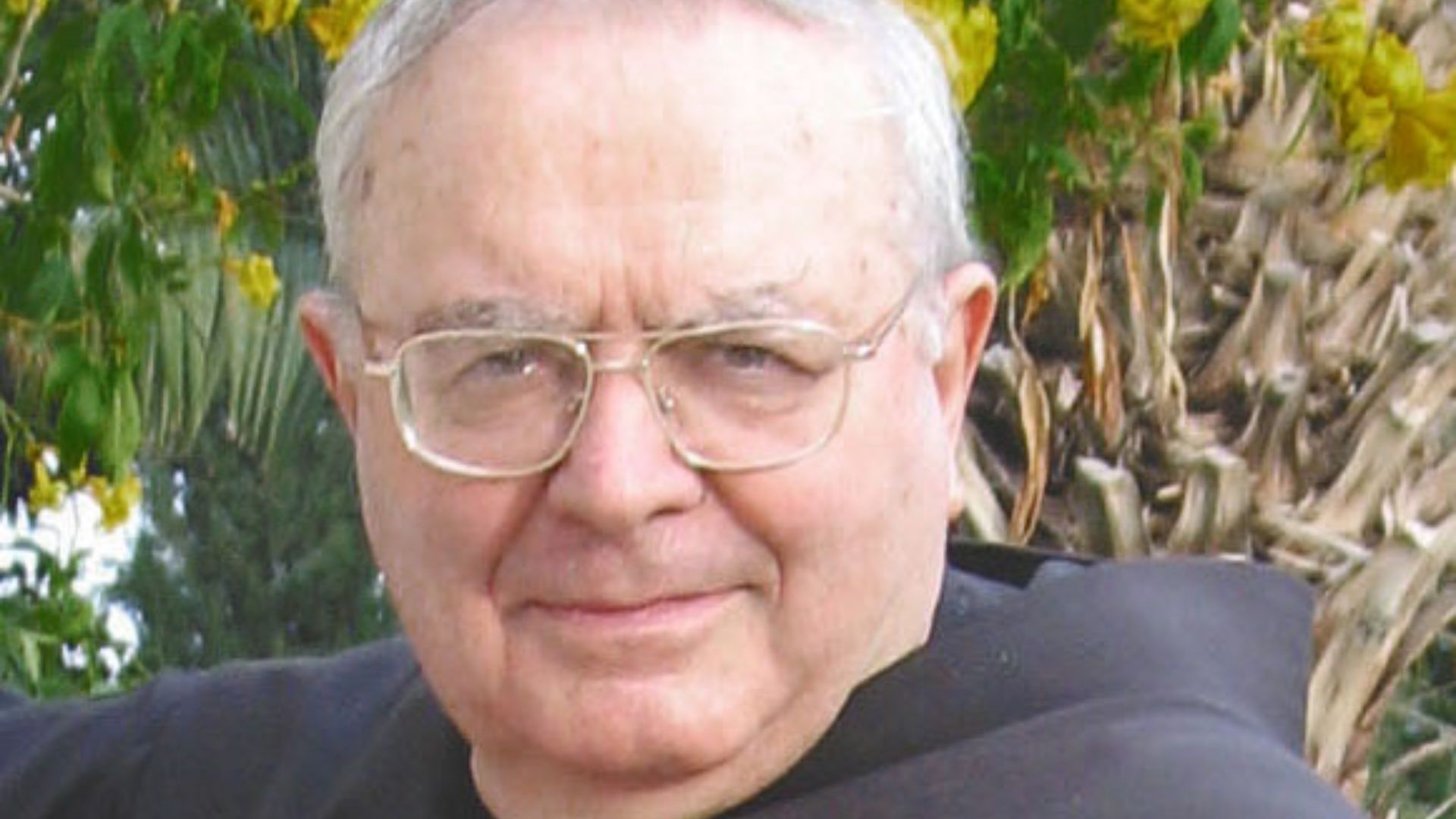
In 1968, Fathers Virgilio Corbo and Stanislao Loffreda asked a crucial question: what lies beneath this fourth-century floor? They dug deep trenches downward through the limestone foundation. While digging, they struck something unexpected. It turned out to be older walls made of a completely different material.
 Abraham & OFM, Wikimedia Commons
The Basalt Foundation Beneath
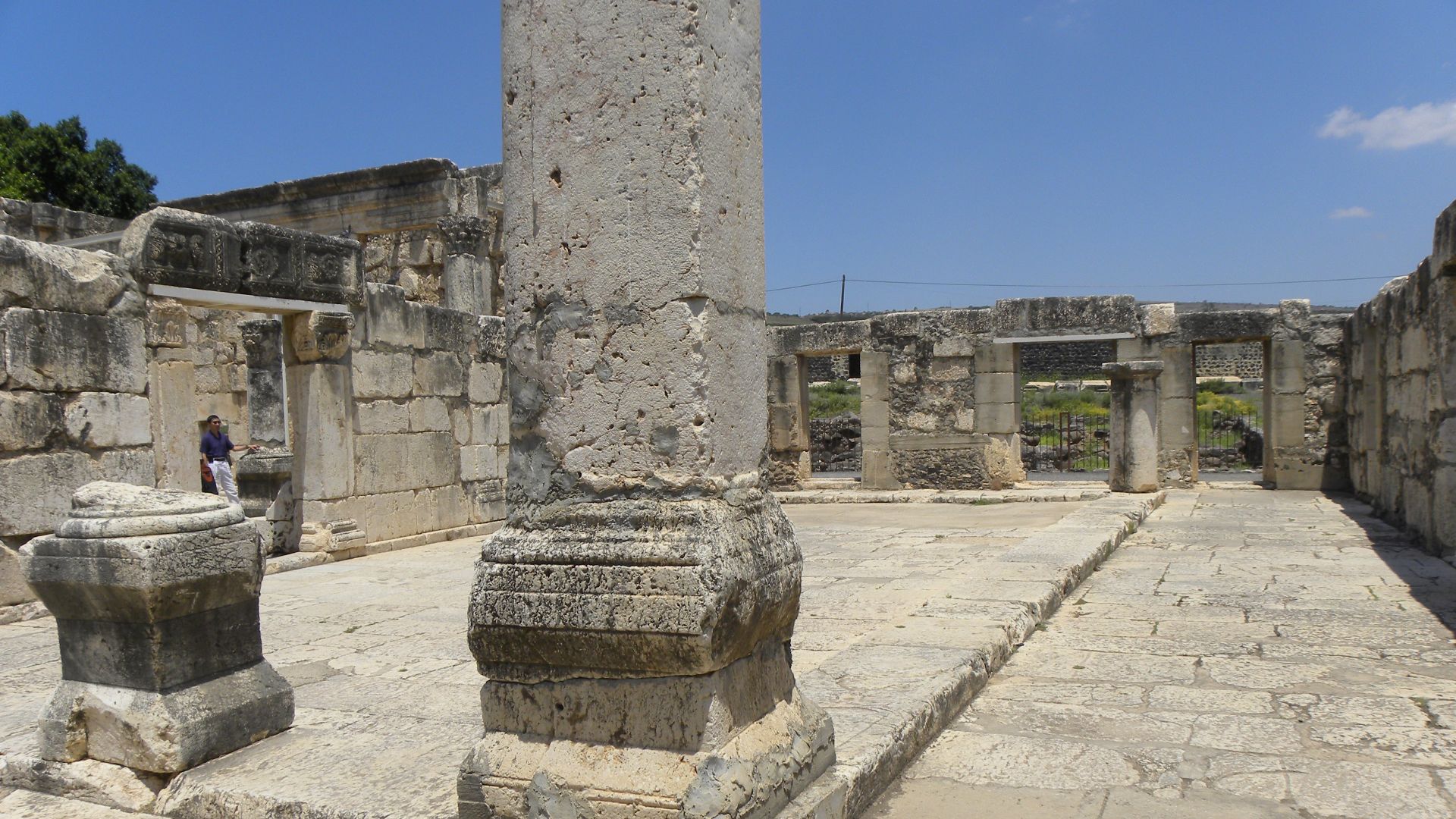
Dark basalt foundations emerged—rough black stones forming walls and cobbled pavements. They were remnants of an entirely separate, older building. The walls even pointed in a slightly different direction. It proved that this was a distinct first-century structure.
Evidence Dating The Basalt Structure
Among the basalt walls, archaeologists found pottery fragments typical of the Herodian period, from 37 BC to 70 AD. Coins minted under King Agrippa the First, who ruled between 41 and 44 AD, lay sealed beneath the pavement. This was Jesus's time.
Construction Methods And Materials
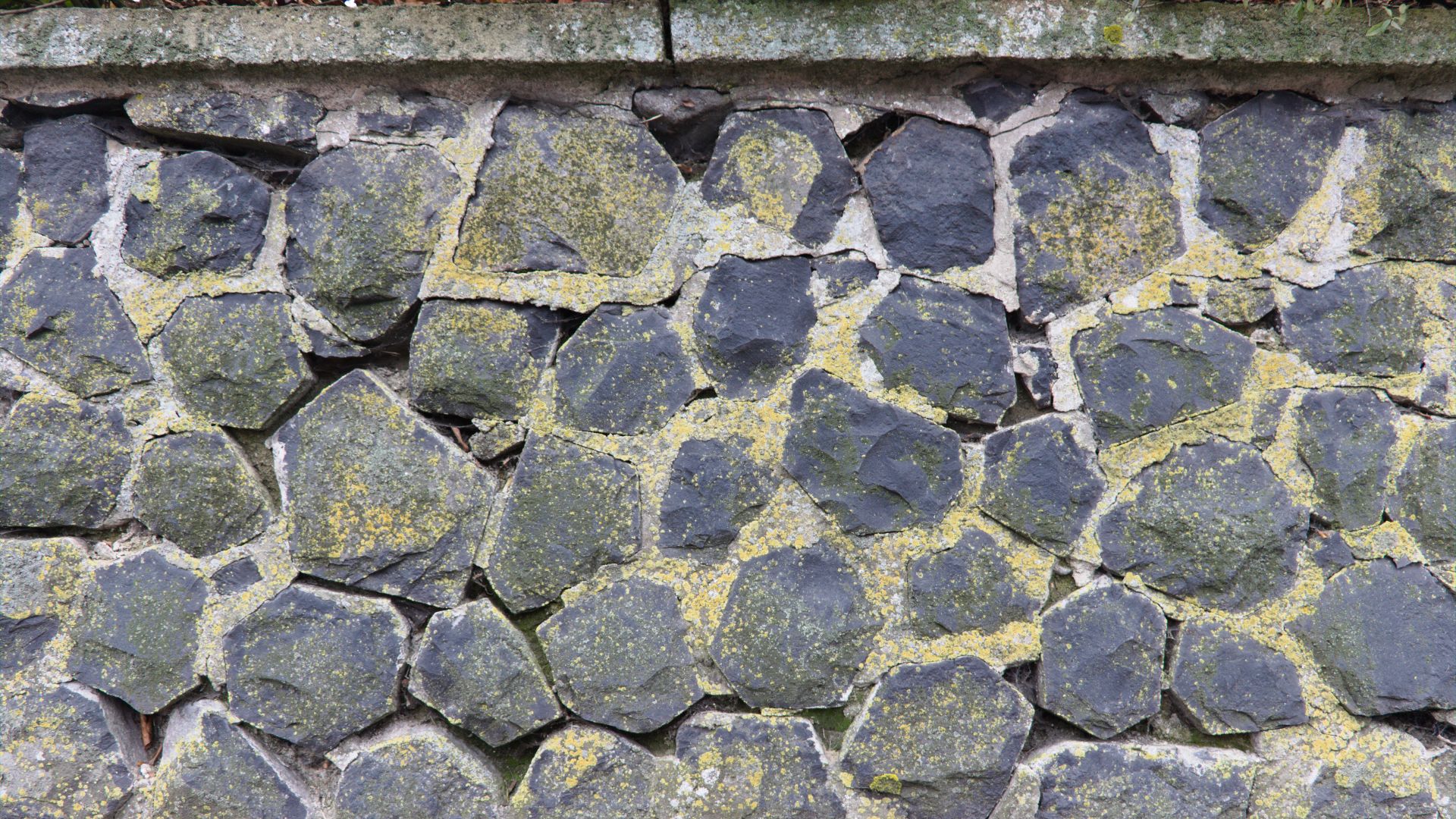
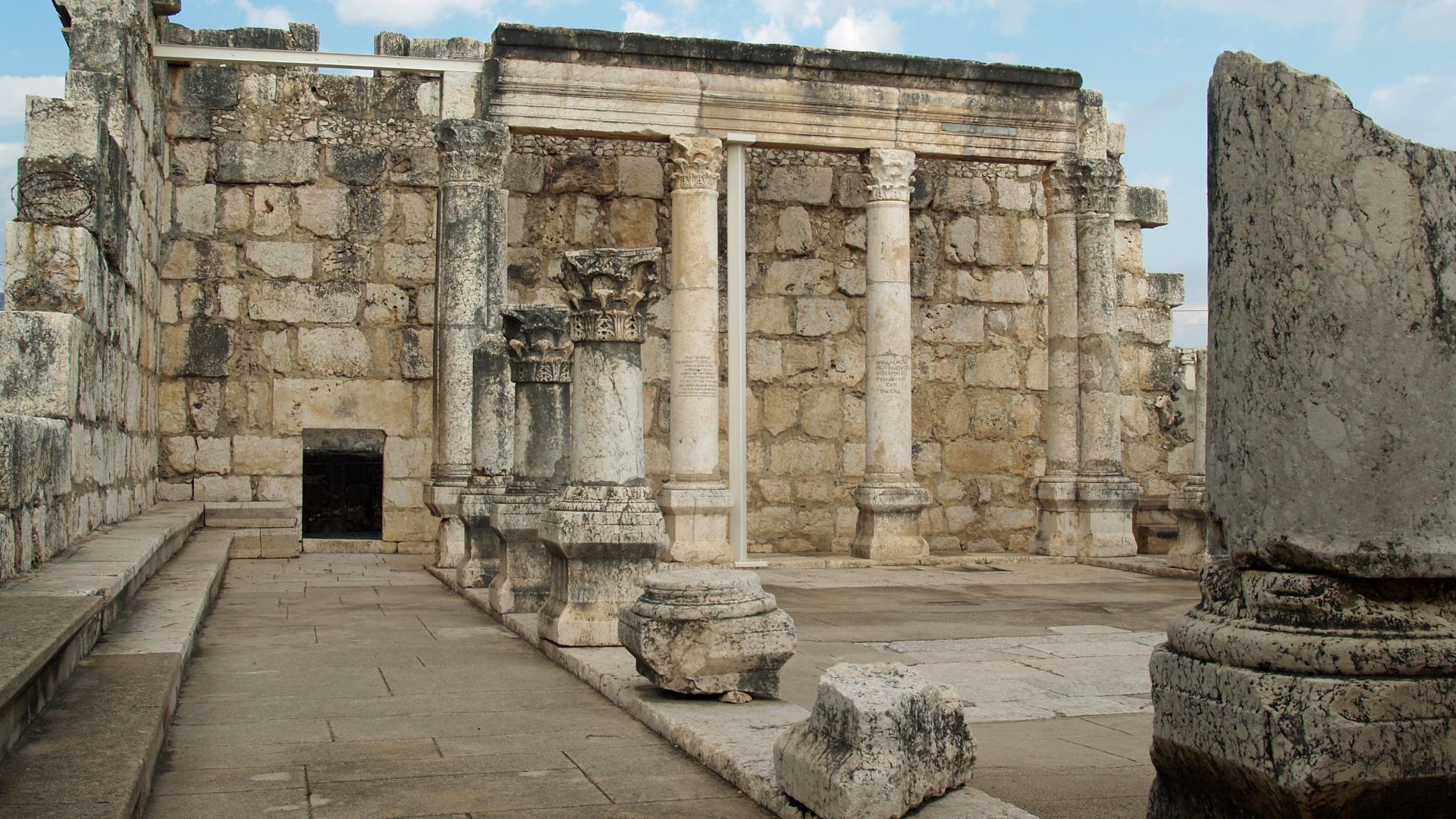
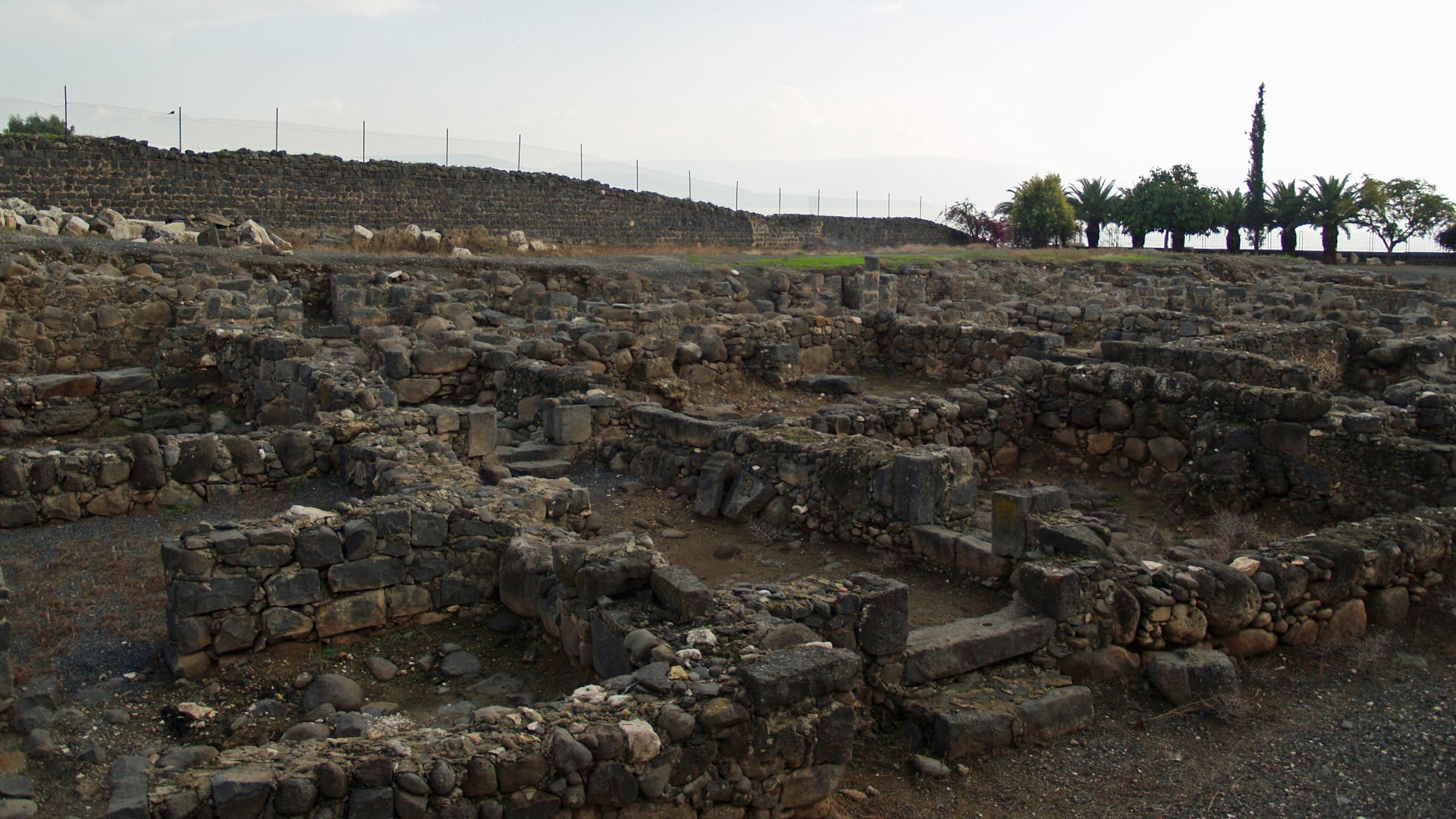
First-century Capernaum builders worked with what surrounded them: rough black basalt stones from local volcanic rock. They stacked stones without mortar, relying on weight and tight fits. Cobbled basalt pavements covered the floors. Rooms surrounded by courtyards. Simple, functional, durable—built to last generations using the earth's own bones.
 David Shankbone, Wikimedia Commons
Peter's House Discovery (1968)
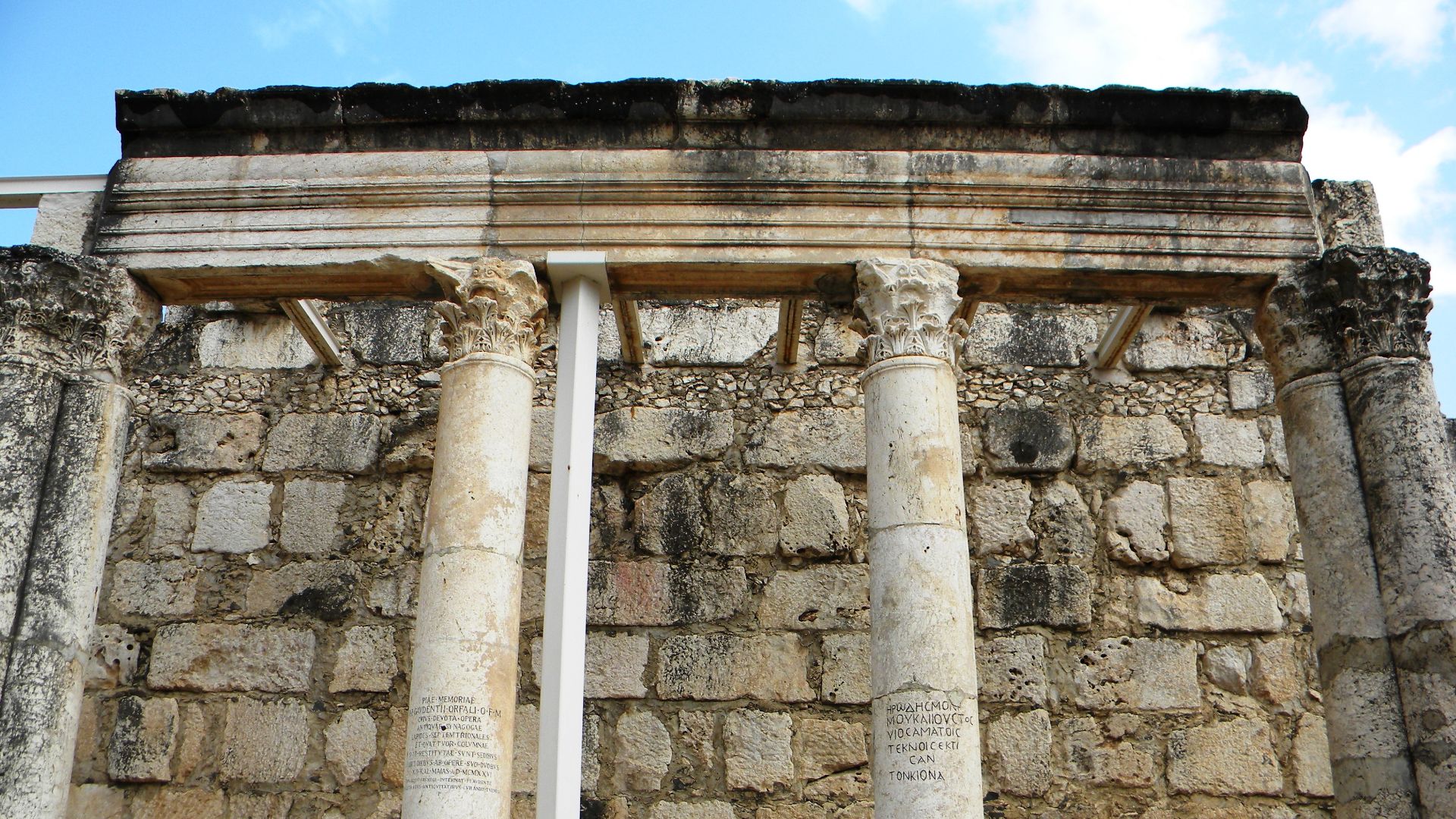
That same year, excavators turned their attention 84 feet south toward the lakeshore. Beneath the Byzantine octagonal church, they discovered a first-century house. The structure was simple: basalt walls with earthen floors and rooms surrounding two courtyards. Yet something about this house was profoundly different from all the others.
 Britchi Mirela, Wikimedia Commons
The Venerated Room
One room stood apart from the rest. Its walls and ceiling had been plastered—unique in the entire village where rough basalt was typical. The pottery changed from cooking vessels to oil lamps for worship. Someone had transformed this humble fisherman's room into something sacred within decades of Jesus's death.
The Graffiti Evidence
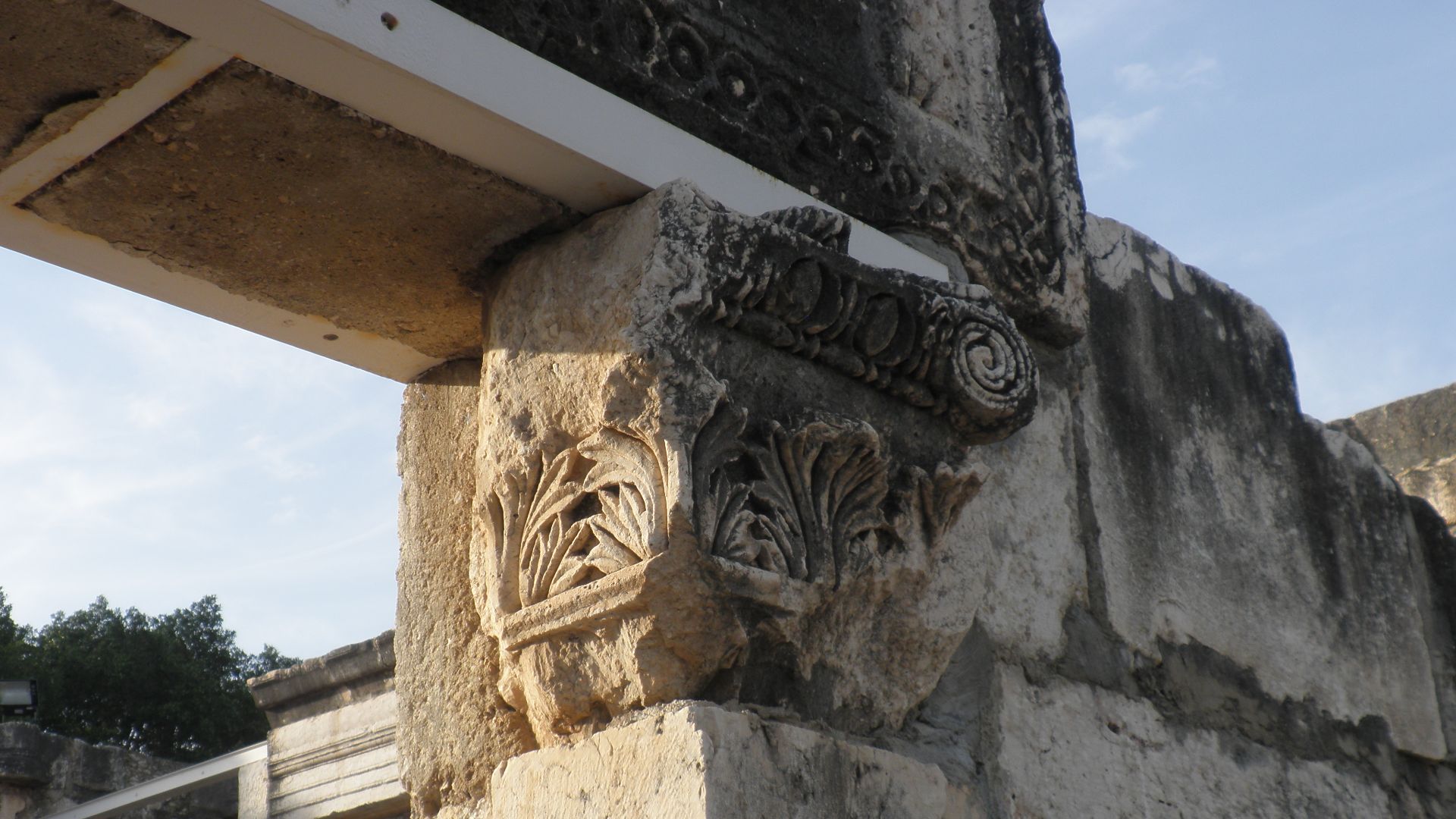
Over 175 inscriptions covered the plastered walls, scratched by pilgrims in Greek, Syriac, Aramaic, and Latin. Many were simple prayers like “Lord Jesus Christ help thy servant” and “Christ have mercy,” which reflect constant worship and visitation.
 Ivan Kramskoi, Wikimedia Commons
The Graffiti Evidence (Cont.)
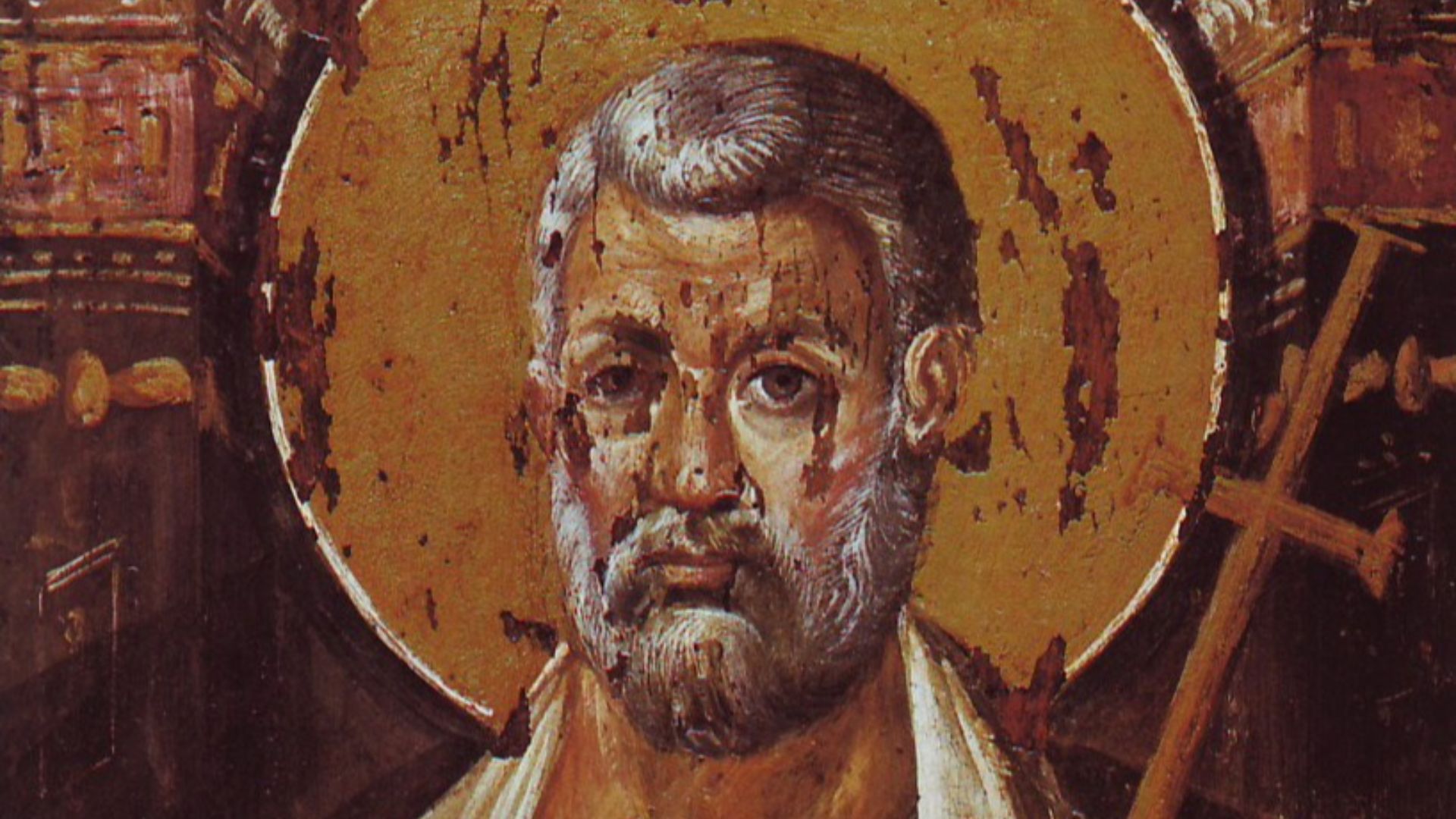
Beyond the prayers, Christian crosses with a carved boat symbol, and repeated references to Jesus appeared throughout the space. The name Peter was etched several times. It suggests apostolic connections and confirms that early believers already recognized the house as sacred.
 Unknown authorUnknown author, Wikimedia Commons
The House Church (Domus Ecclesia)
Around 50 years after Jesus's death, dramatic changes occurred. The main room was enlarged to seven by six-and-a-half meters. Walls were decorated with colorful frescoes: paradise scenes, floral crosses, pomegranates, and figs painted in varied colors. This simple fisherman's house had become Christianity's first house church.
 Jesus Christ, Wikimedia Commons
40th Century Expansion
Count Joseph of Tiberias—a friend of Emperor Constantine—initiated major construction. A massive enclosure wall that was 120 meters long surrounded the house. It created the "insula sacra," also known as the sacred compound. An eastern entrance hall and northern sacristy were added to accommodate growing crowds of pilgrims.
 Britchi Mirela, Wikimedia Commons
The Byzantine Octagonal Church (5th Century)
The house church was demolished and replaced by a magnificent octagonal martyrium. Built from white limestone with double octagonal walls, it featured peacock mosaics symbolizing resurrection, fish designs, flowers, an eastern apse, and a baptismal font. The inner octagon measured 26 feet across, built directly over Peter's venerated room.
 David Shankbone, Wikimedia Commons
Other Miracles In Capernaum
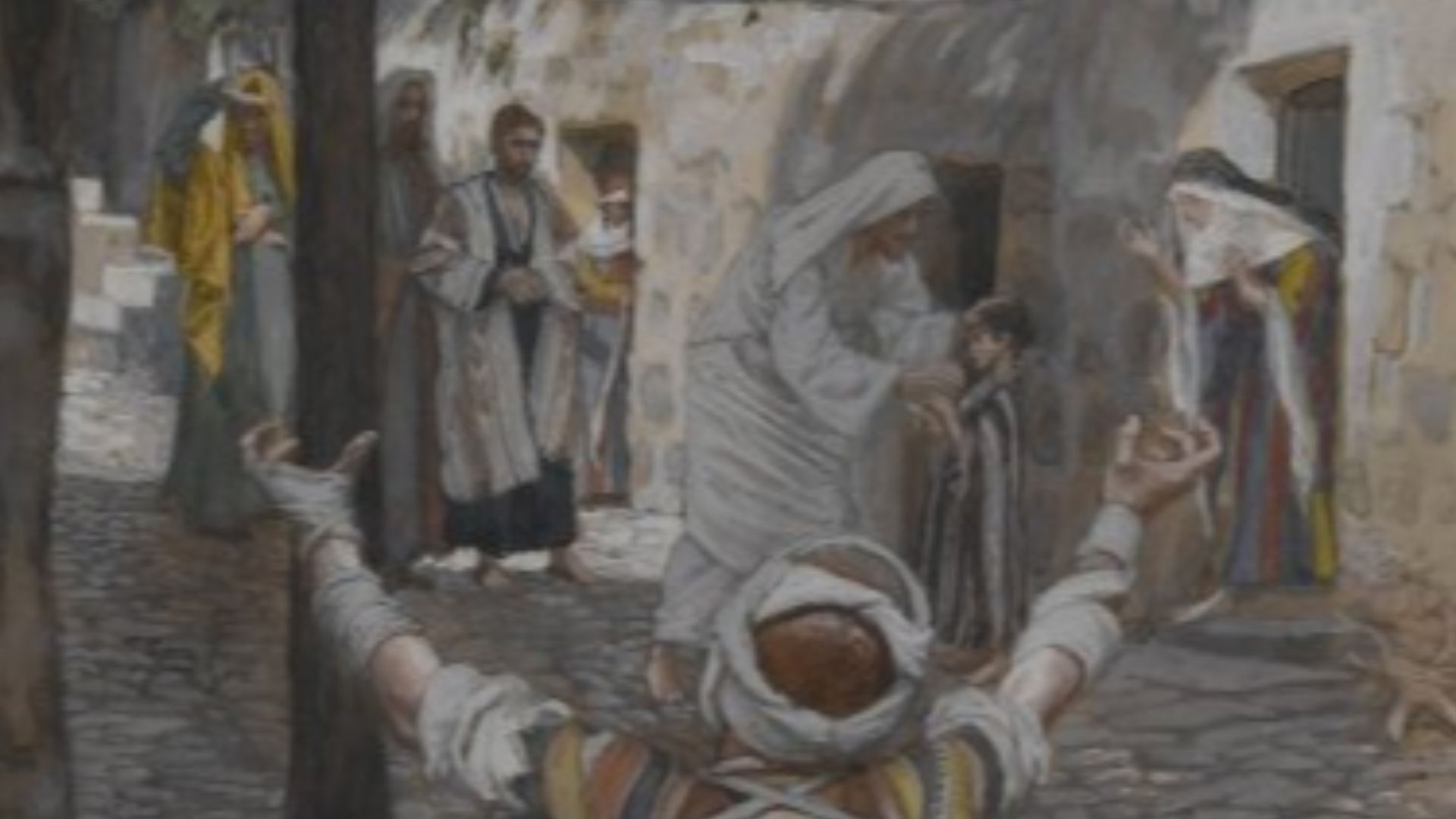
Beyond the synagogue, Jesus healed throughout this village. In Peter's house, Jesus cured his mother-in-law of a fever. A paralyzed man was lowered through a roof by friends who dug through the mud-and-straw ceiling. Jesus even healed a Roman centurion's servant from a distance.
 David Shankbone, Wikimedia Commons
The Disciples From Capernaum
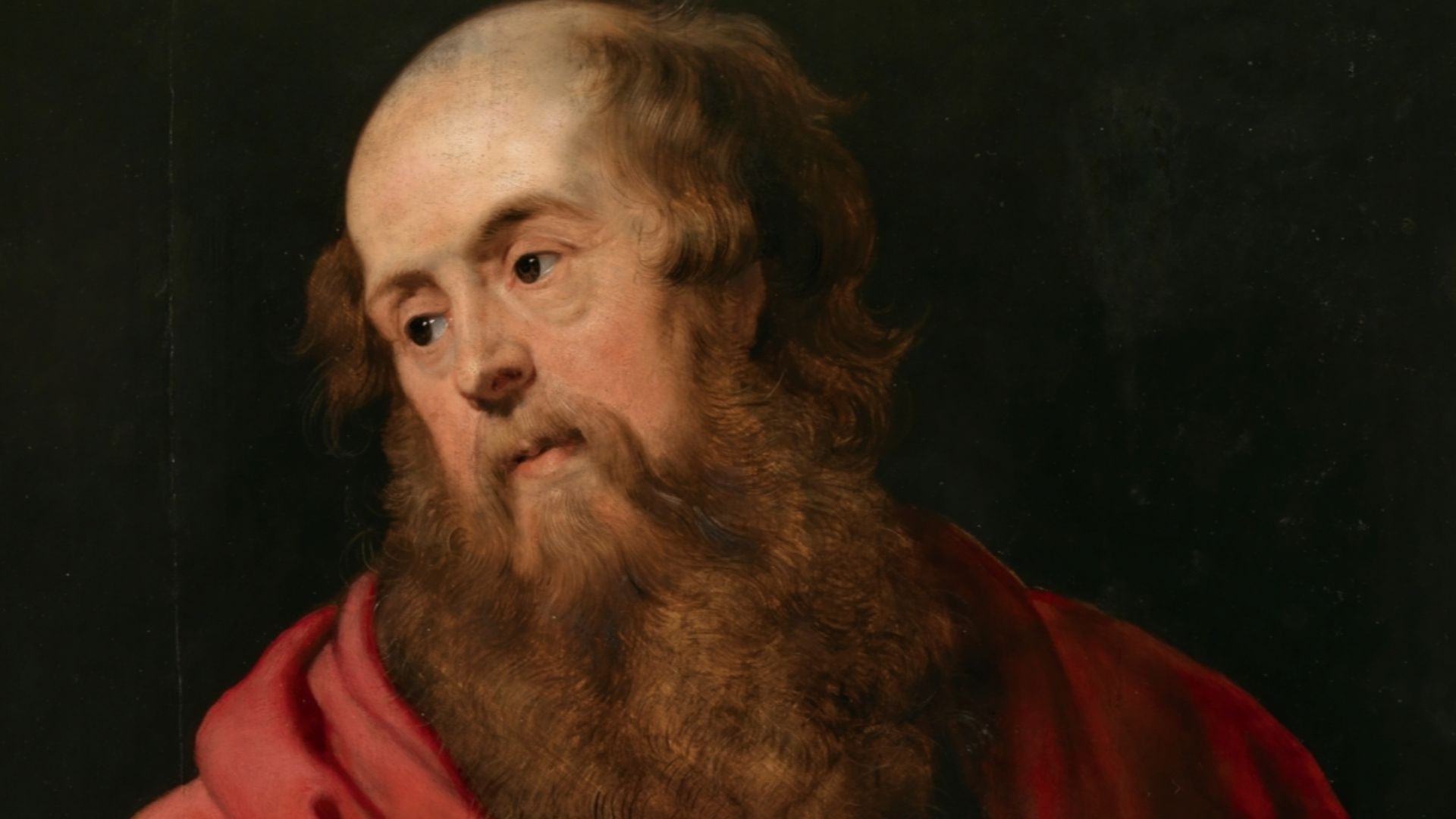
Five of Jesus's 12 disciples lived in Capernaum. Brothers Peter and Andrew fished these waters. James and John, also brothers, mended nets with their father Zebedee. Matthew sat at his tax collector's booth along the trade route, despised by his neighbors until Jesus called him. This small village shaped Christianity's leadership.
 Peter Paul Rubens, Wikimedia Commons
Preservation Choices
The Franciscans faced a dilemma: excavate everything or protect what remained. They chose preservation by covering most first-century basalt foundations with protective cement. Today, only the southeastern corner entry and a few basalt column bases remain visible. The rest lies protected beneath.
 David Shankbone, Wikimedia Commons
Capernaum's Decline and Abandonment
Capernaum survived through Byzantine times, even re-establishing itself briefly during the Early Islamic period. Then came January 18, 749 AD—a catastrophic earthquake measuring approximately 7.0 magnitude struck the Jordan Valley. Tiberias, Beit She'an, Hippos, and Capernaum suffered devastating damage. The village never fully recovered and was abandoned by the 11th century.
 David Shankbone, Wikimedia Commons
The Modern Memorial Church (1990)
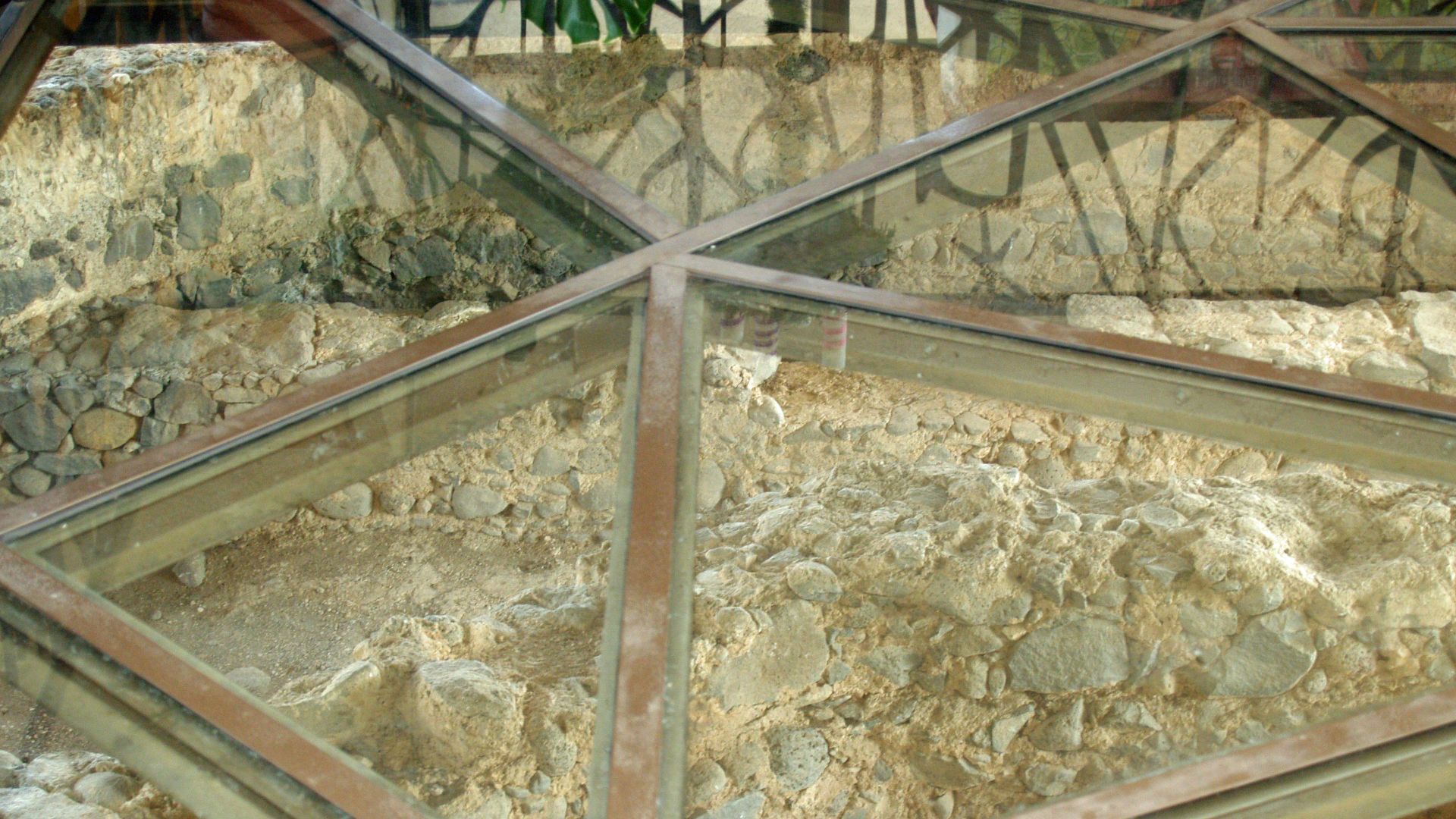
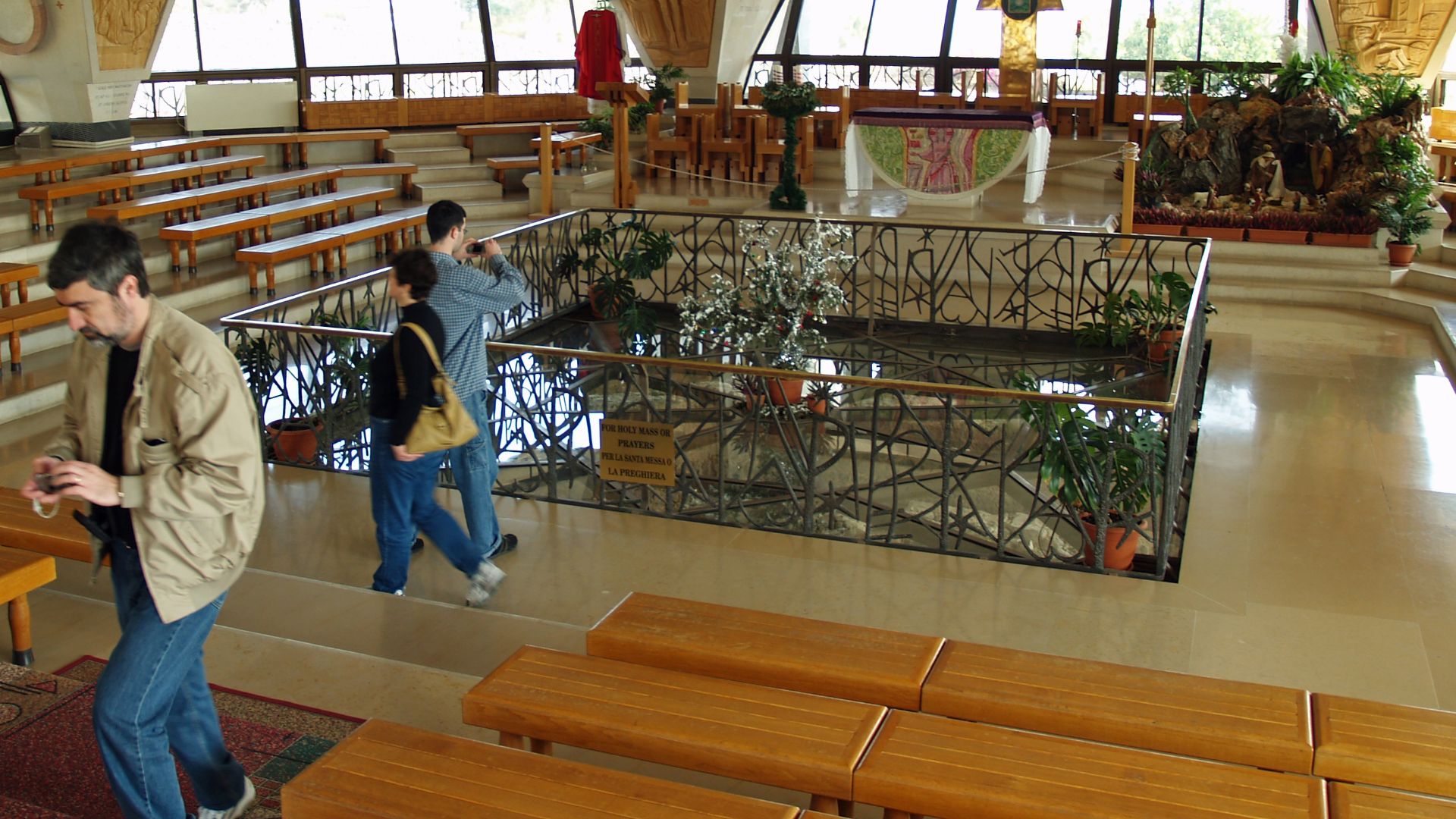
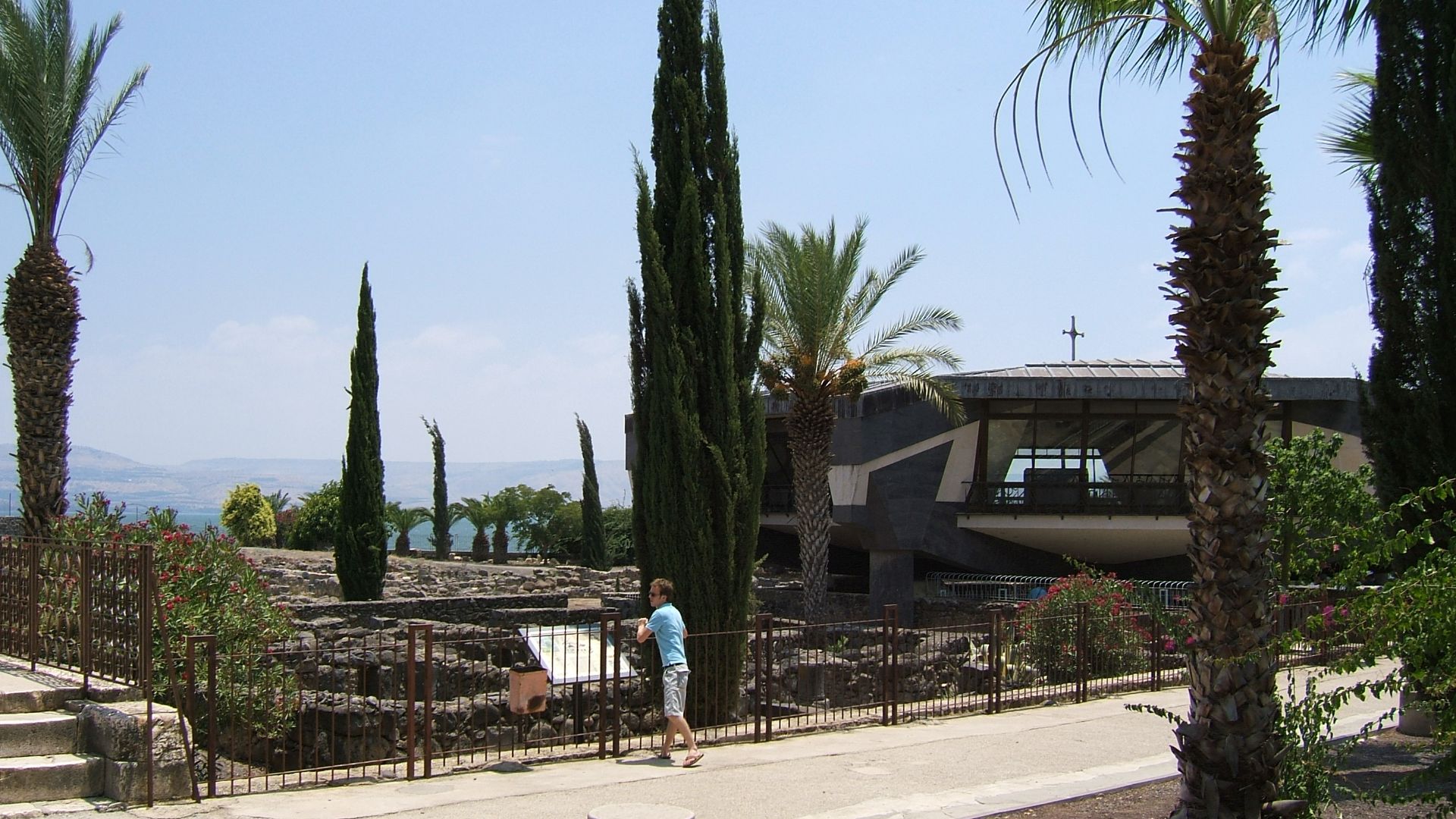
In 1990, architects created a futuristic octagonal church suspended on eight concrete pillars directly above Peter's house ruins. The design deliberately echoes the Byzantine octagonal church that once stood here. Inside, a transparent glass floor allows pilgrims to gaze down at the ancient stones below.
Scholarly Debate And Alternative Views
Not all archaeologists agree. Some scholars question whether the basalt walls were truly a first-century synagogue or simply foundation material reused centuries later. Father Corbo believed they were original; Father Loffreda suggested an intermediate stage. The debate continues, with evidence examined and re-examined, interpretations refined through ongoing research.
 James Tissot, Wikimedia Commons




_on_the_shore_of_the_Lake_of_Galilee,_Northern_Israel.jpg)