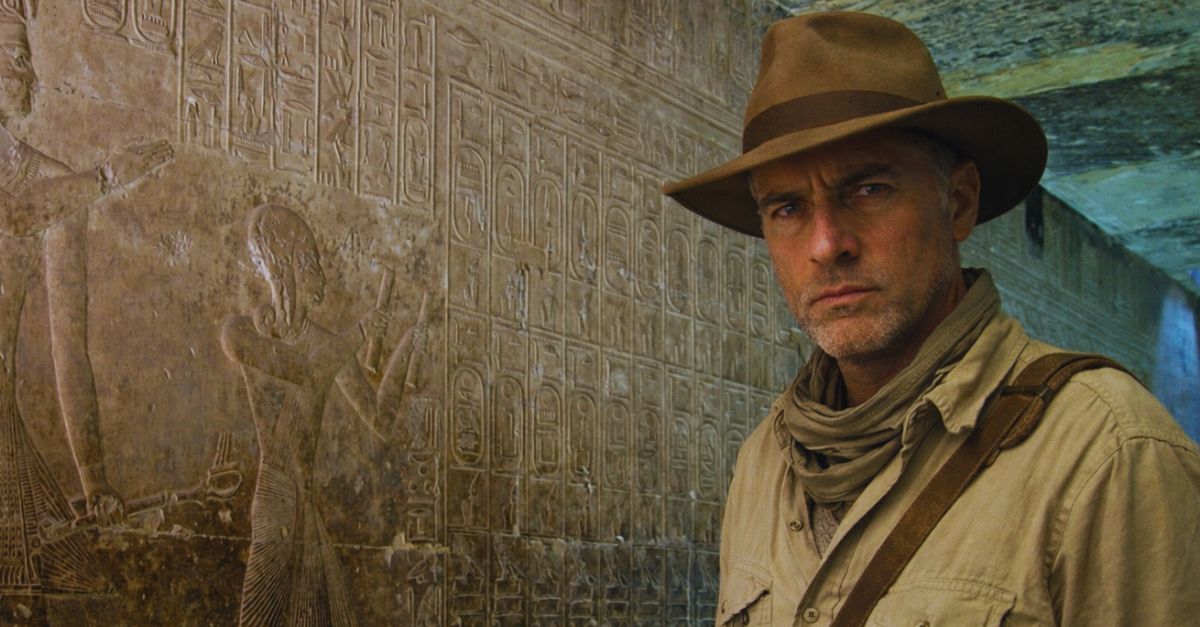
Solved By Inscribed Figurines After Decades
A royal burial chamber sat silent in Abydos for nearly 4,000 years, its occupant's name erased by time and tomb robbers. Upon discovery, the surviving cartouches on the burial chamber walls revealed the king's name, giving voice to the long-forgotten pharaoh.
 Olaf Tausch, Wikimedia Commons, Modified
Archaeologists Discovered The Tomb In 2014 At Abydos
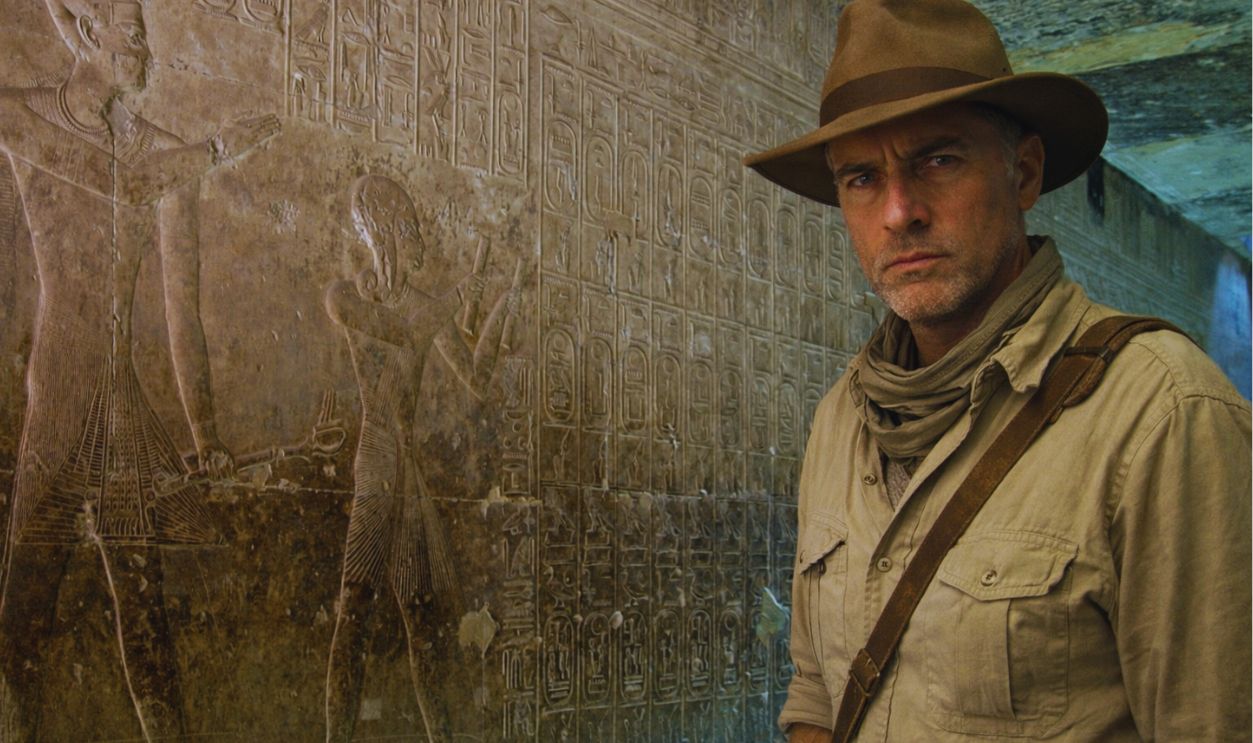
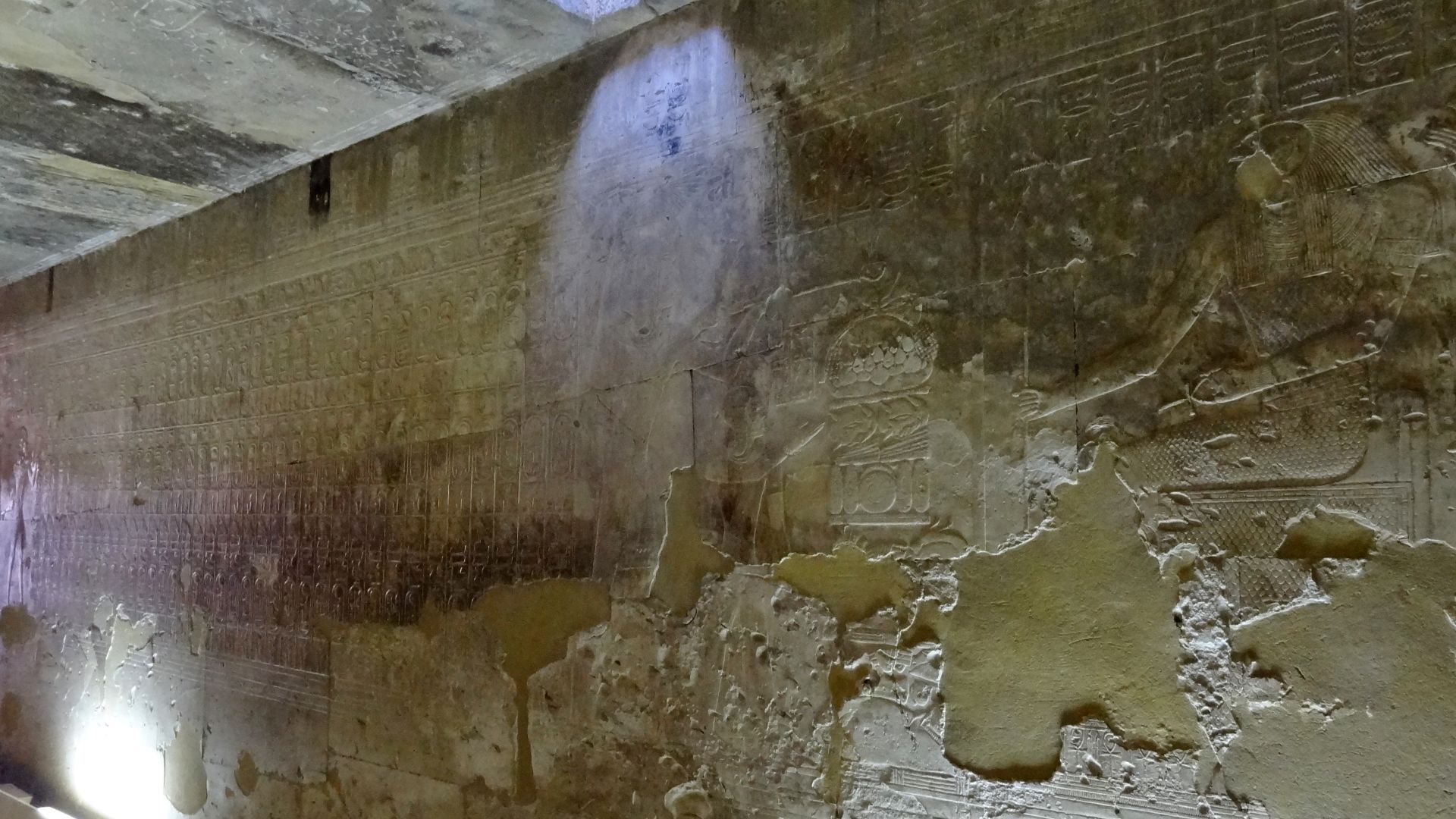
During excavations, the team uncovered a four-chamber tomb with a painted burial room that preserves key inscriptions, which had been overlooked in prior surveys due to sand accumulation. Careful clearance revealed wall scenes and texts that reshaped understanding of the site’s original function and status.
 Olaf Tausch, Wikimedia Commons
Prior Surveys Overlooked The Tomb Due To Sand Coverage
Early surveys mapped the cemetery but missed the sand-buried tomb until systematic excavation in 2014. Mineral buildup masked the doorway. Only systematic debris removal exposed the tomb's entrance, which ancient sands had concealed and which ancient builders had intentionally camouflaged to protect the figurines from tomb robbers.
 Olaf Tausch, Wikimedia Commons
American Archaeologists From The Penn Museum Led The Excavation Team
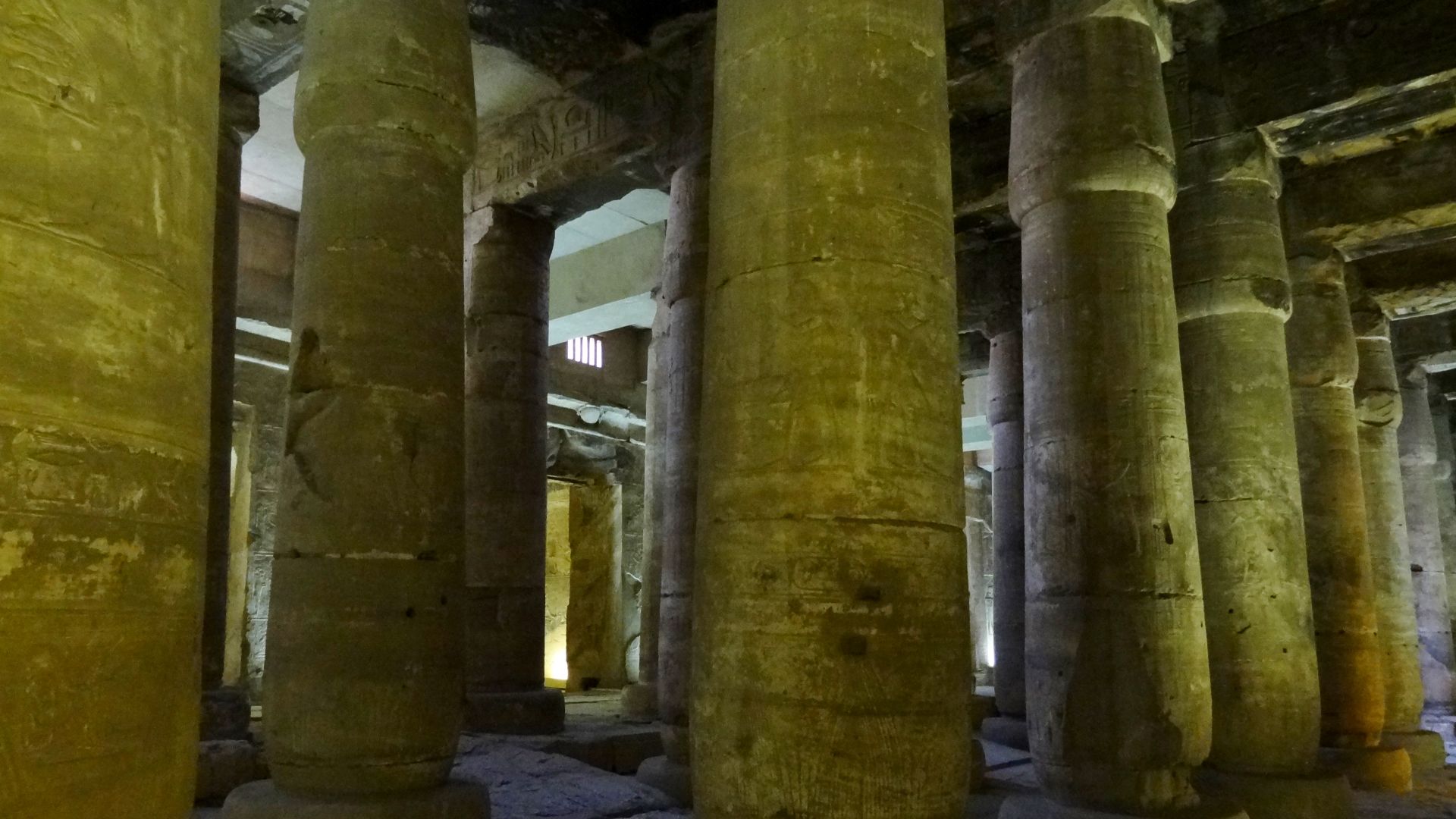
The University of Pennsylvania's Penn Museum has conducted excavations at South Abydos since the 1990s. Working in harsh desert conditions, researchers mapped the royal cemetery and documented unknown structures. Their systematic approach revealed architectural patterns that led to the burial chamber preserving Senebkay's cartouches.
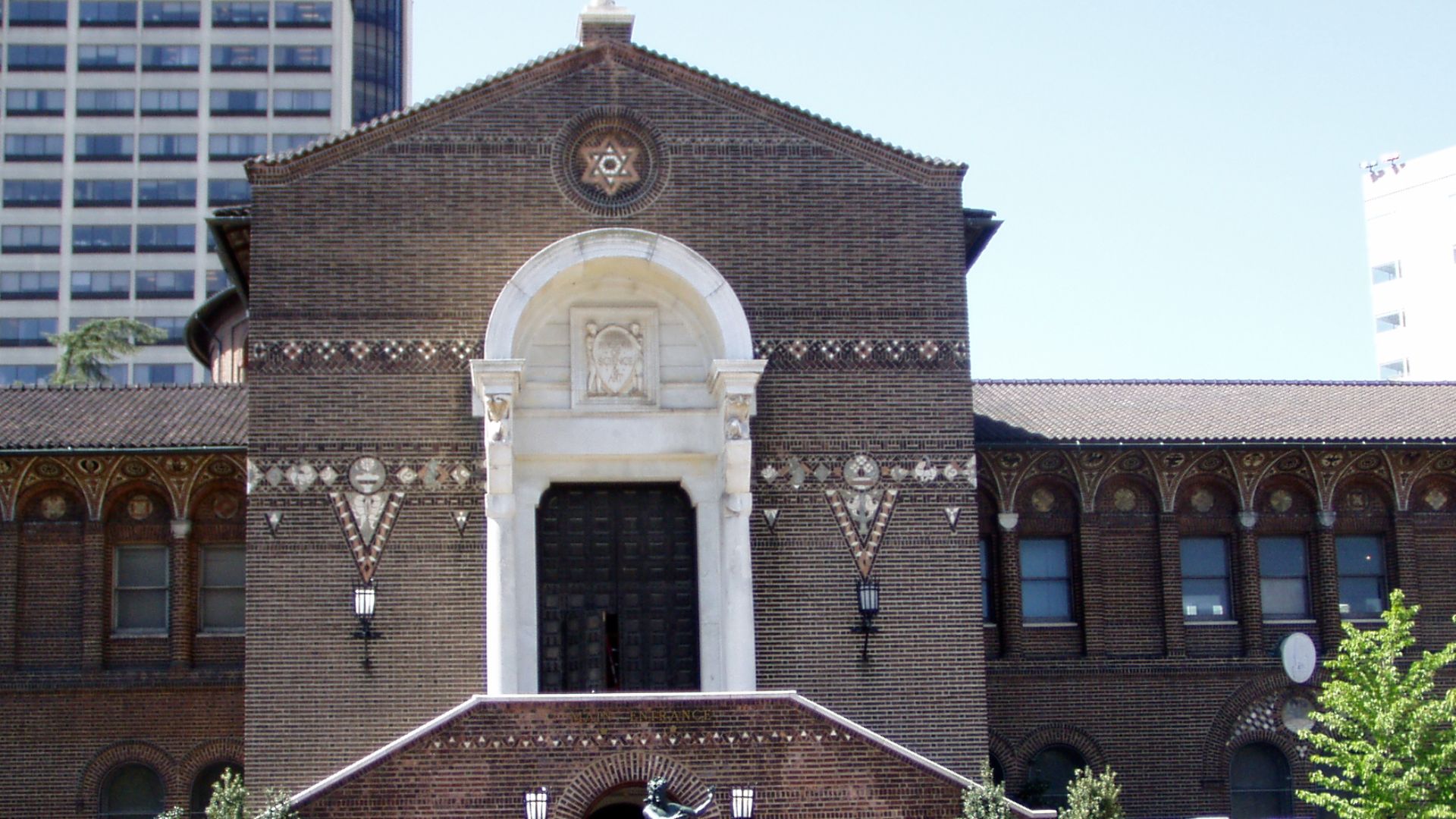 Jeffrey M. Vinocur, Wikimedia Commons
The Tomb Was Discovered In 2014 With Partial Identification
The modest four-chamber tomb was stripped nearly bare. Skeletal analysis confirmed that the remains were male and of appropriate age for pharaonic status, while the burial architecture matched royal construction standards. Though many cartouches were damaged, the surviving ones in the burial chamber preserved the king's name.
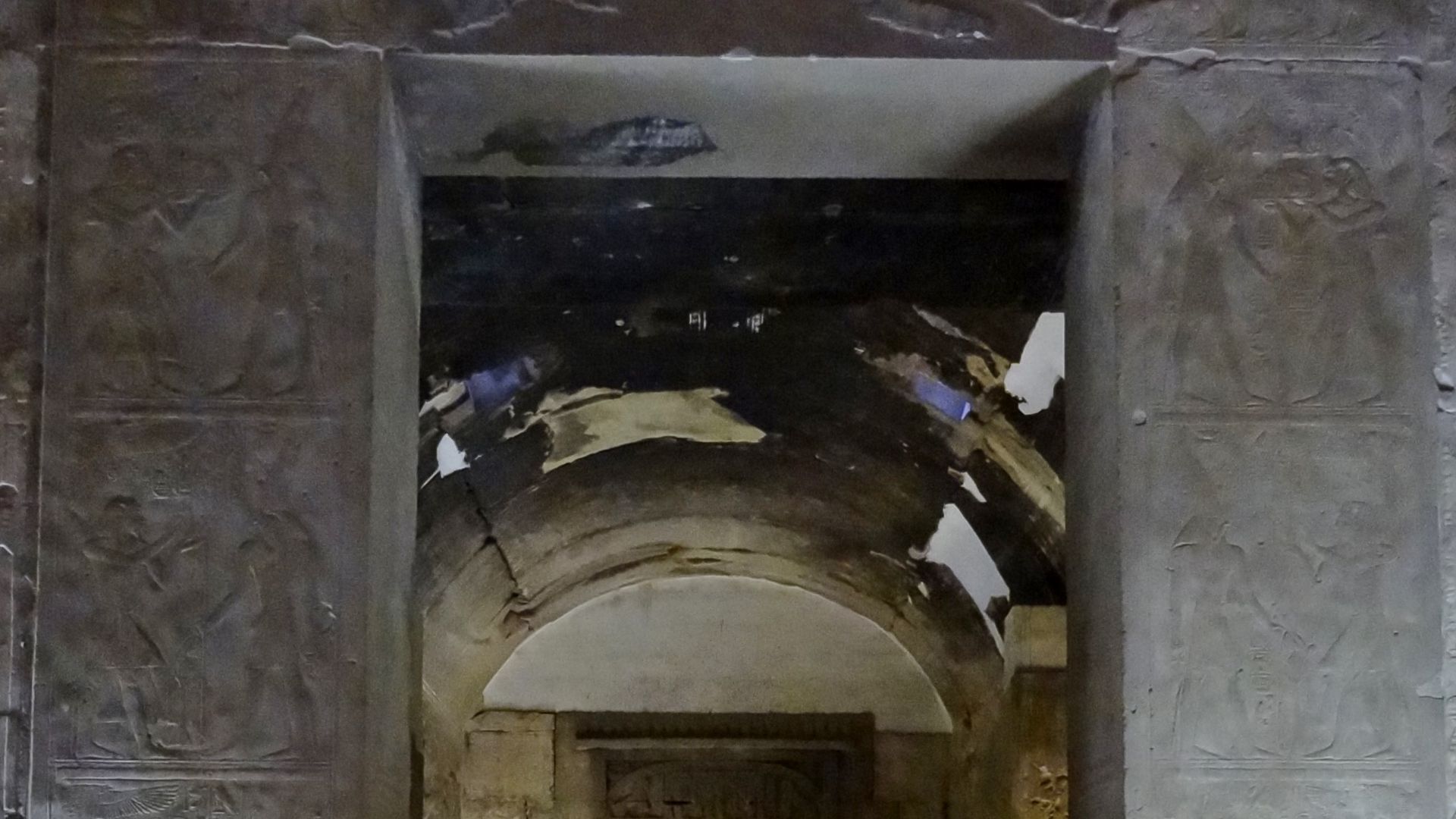 Olaf Tausch, Wikimedia Commons
The Tomb Consisted Of Four Underground Chambers
The tomb featured an entrance corridor, an antechamber, a burial hall, and two storage rooms. This layout followed Middle Kingdom royal designs instead of the later New Kingdom complexity. Its modest scale reflects Senebkay's limited resources compared to the rulers of a unified and wealthier Egypt.
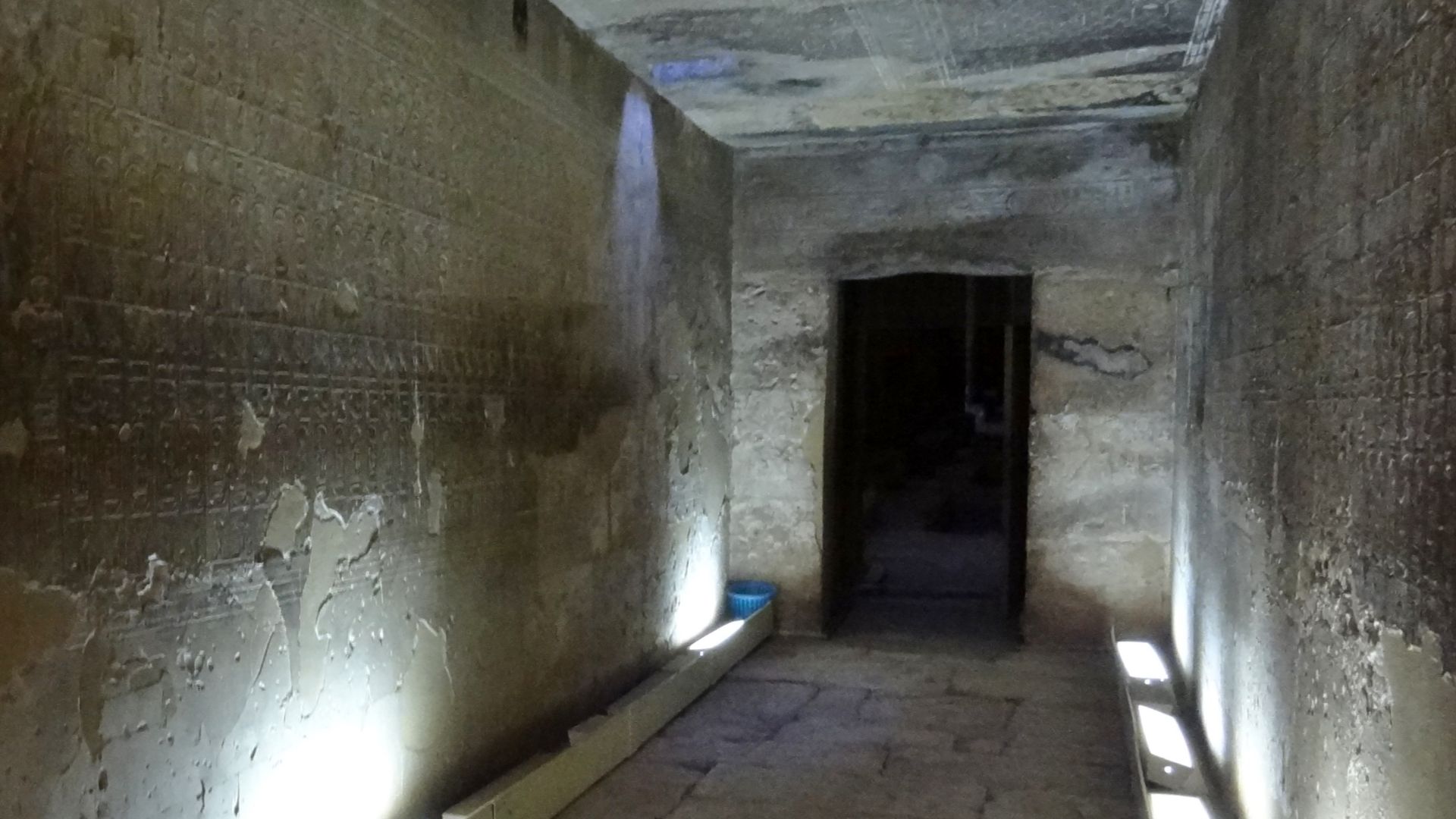 Olaf Tausch, Wikimedia Commons
The Tomb Showed Evidence Of Ancient Looting
Shattered pottery, displaced burial goods, and scattered remains revealed tomb robbery soon after Senebkay's burial. Looters forced open the sarcophagus, removed jewelry and amulets, and scattered bones while searching for valuables. The damage likely occurred within decades, before desert sands fully concealed tomb entrances and layouts.
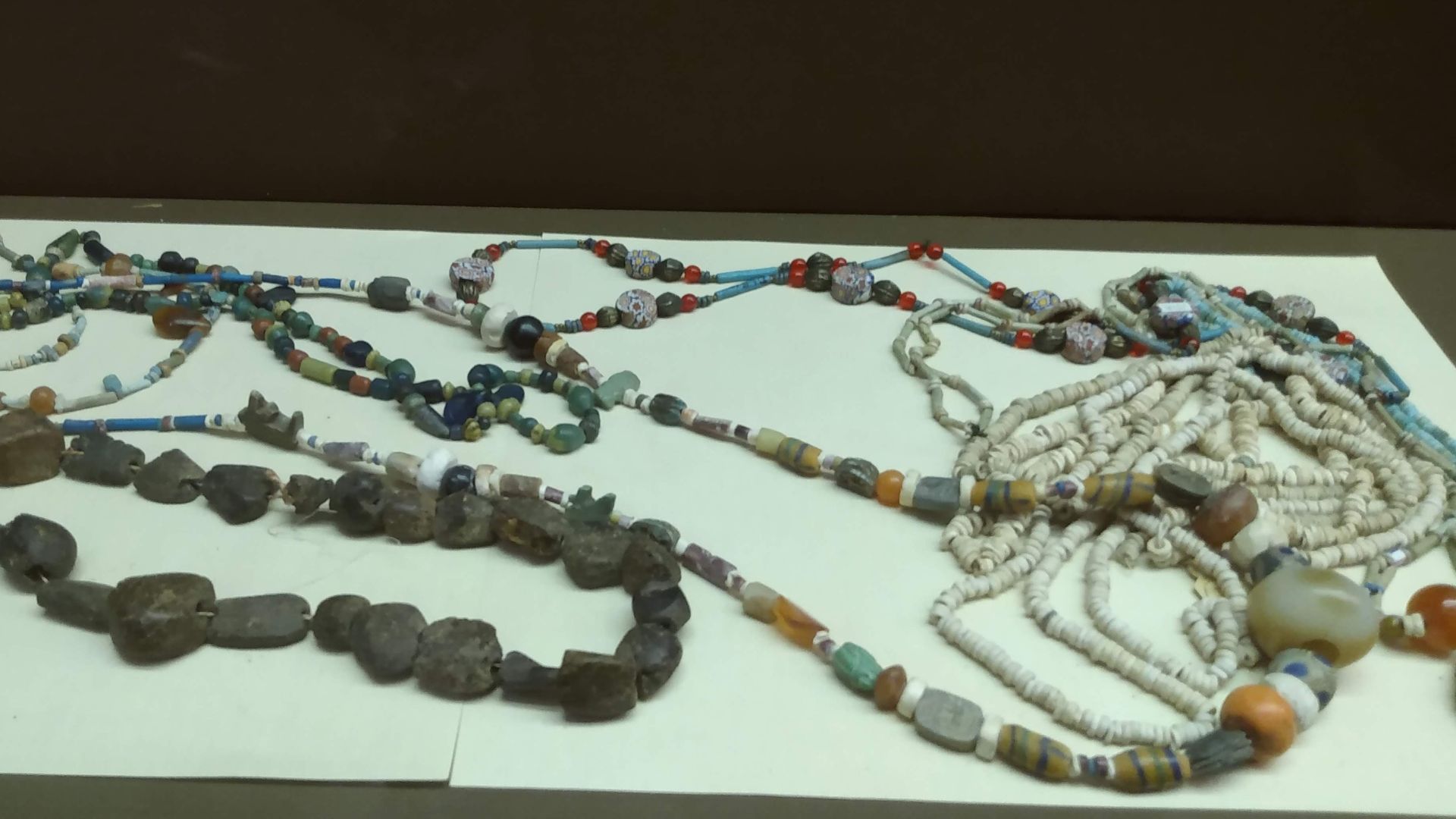 DestinationFearFan, Wikimedia Commons
Researchers Found Key Inscriptions In The Burial Chamber
The burial chamber featured painted walls with cartouches, providing space for the king's sarcophagus and essential inscriptions. Builders constructed the chamber with limestone, though looters later breached the main areas. Robbers looted the main rooms but failed to detect the concealed space holding essential afterlife items.
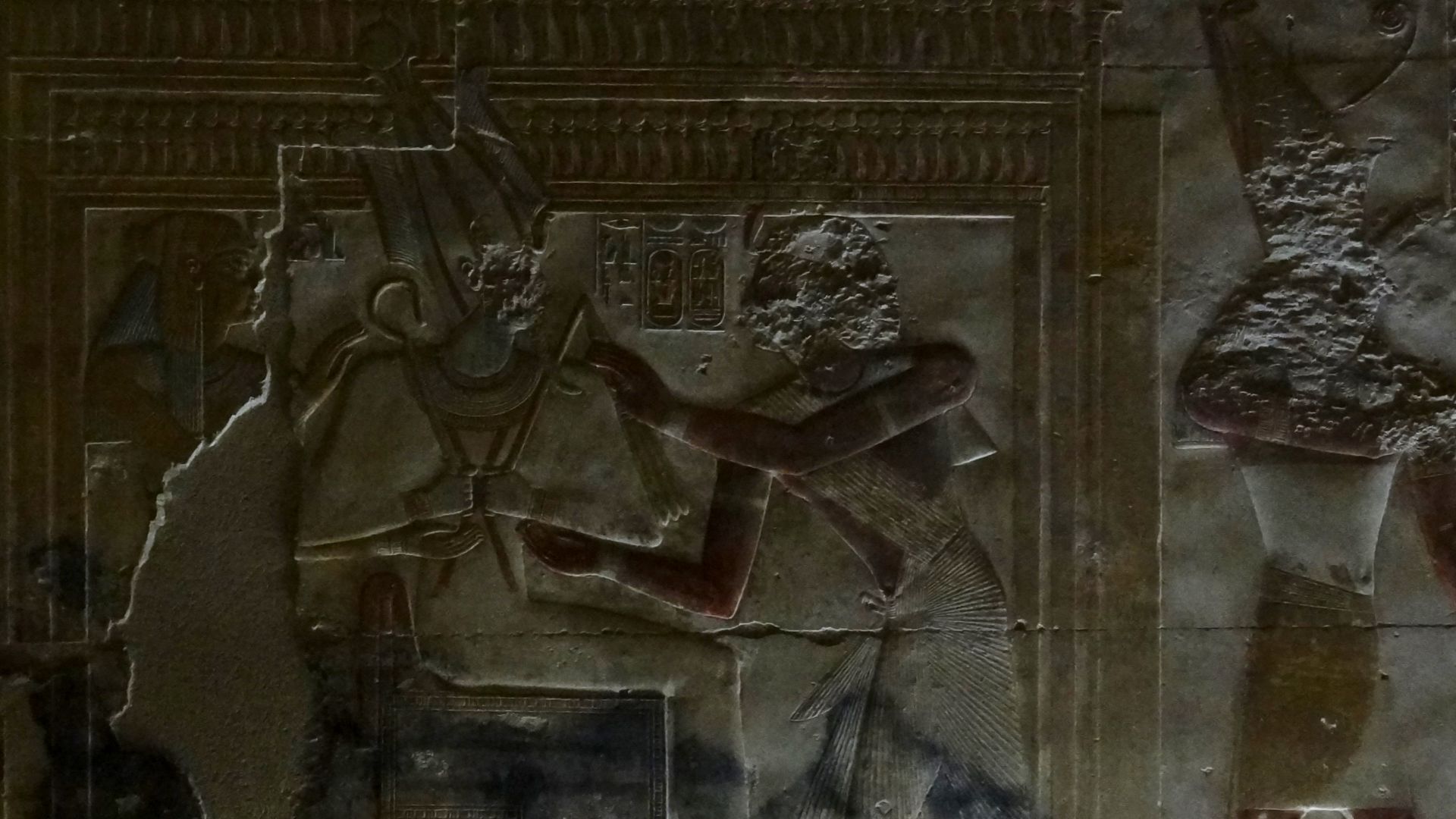 Olaf Tausch, Wikimedia Commons
Inscriptions On The Tomb Walls Bore The Pharaoh's Name
Painted hieroglyphs in the burial chamber preserved what looters had partially damaged on other surfaces. The inscriptions followed standard funerary formulas invoking gods to protect the deceased while clearly stating "Senebkay" as the beneficiary. Looters who methodically plundered the tomb apparently overlooked or failed to fully erase the painted cartouches.
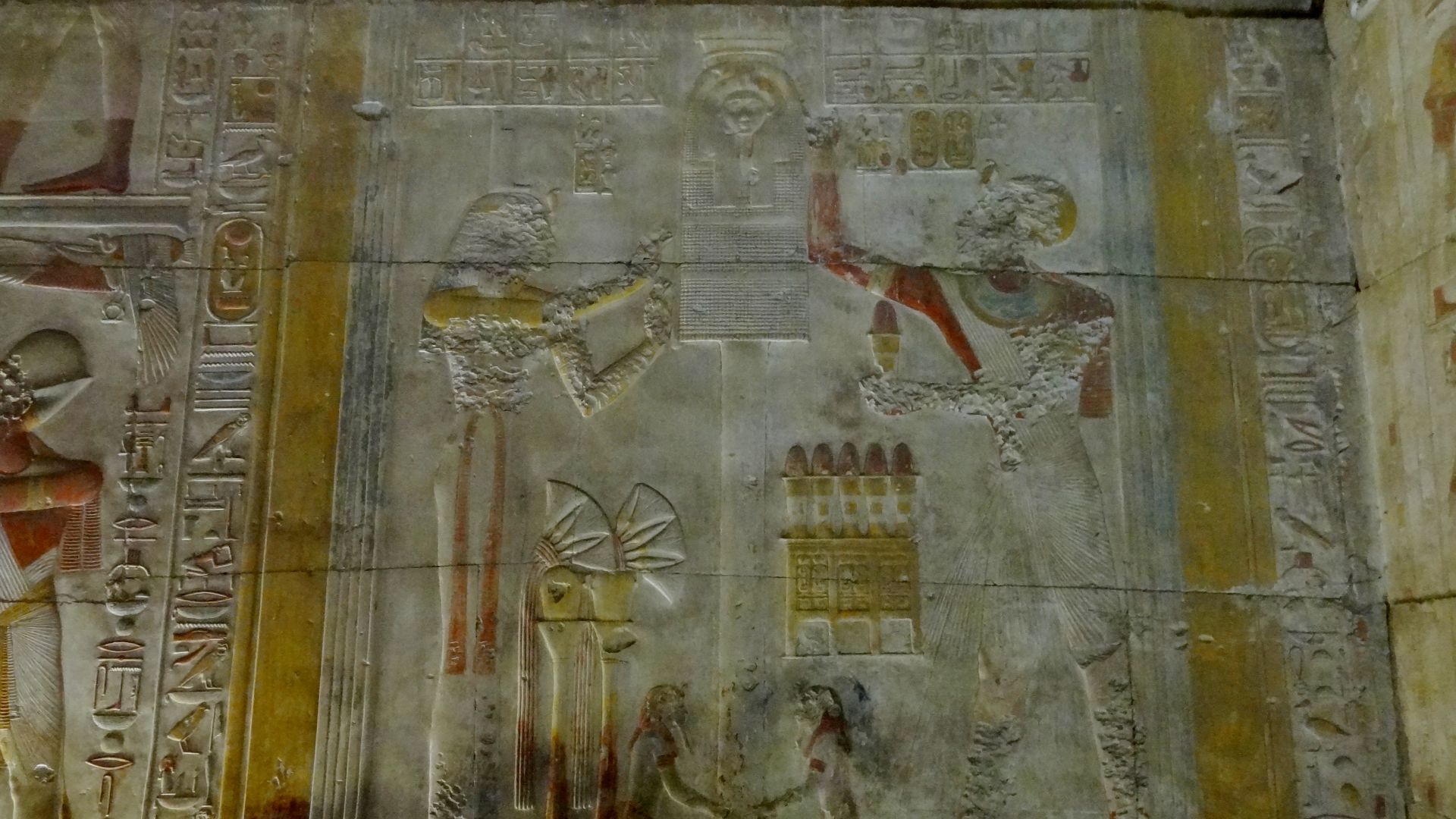 Olaf Tausch, Wikimedia Commons
Hieroglyphic Inscriptions Identified The Tomb's Owner
Middle Egyptian hieroglyphs on the tomb walls used grammar and vocabulary typical of the Second Intermediate Period. Scribes employed formal funerary language invoking Osiris and Anubis. Repeated cartouches of the name Woseribre Senebkay on the walls ruled out scribal error and confirmed the tomb belonged to its rightful occupant.
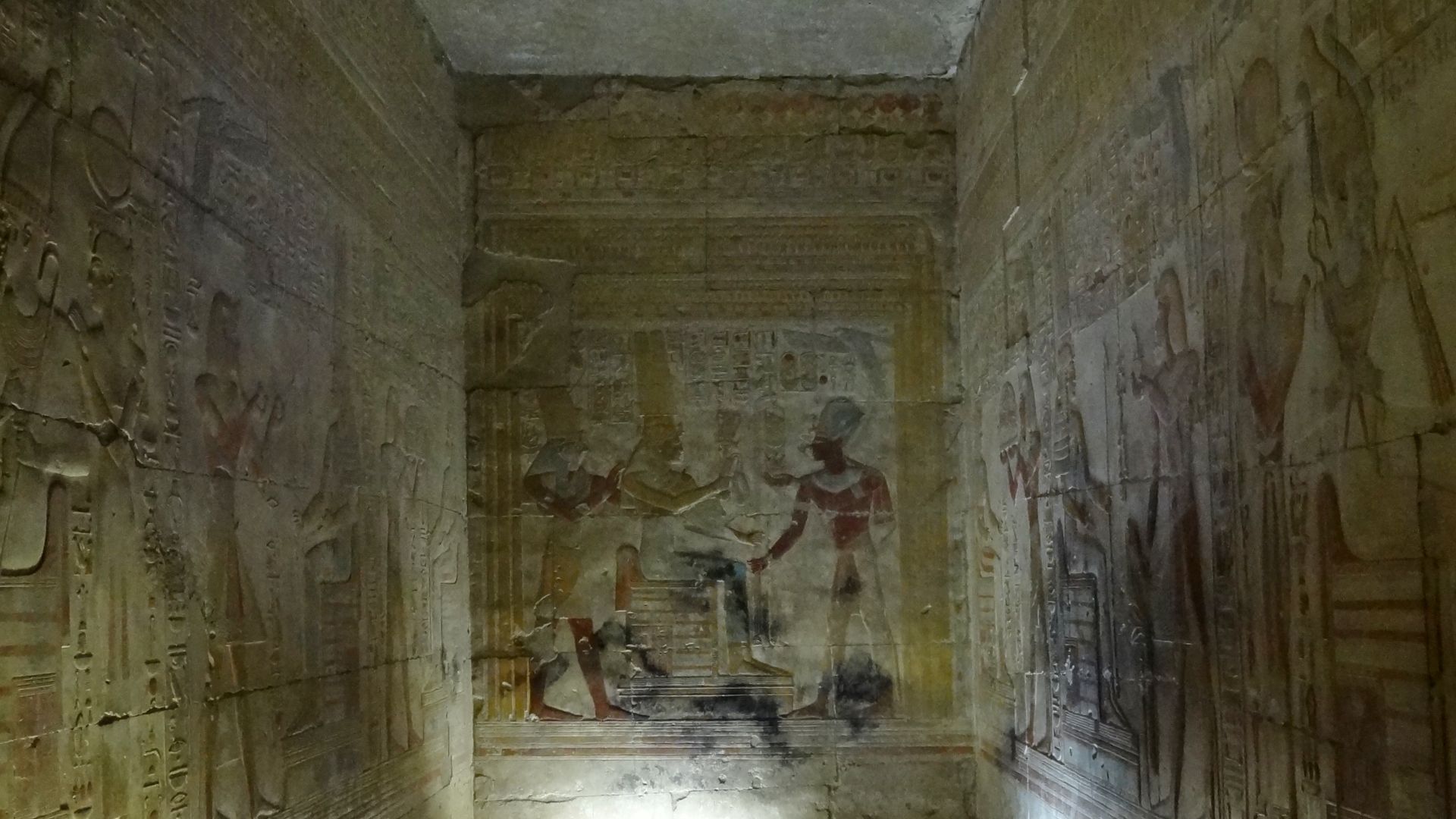 Olaf Tausch, Wikimedia Commons
Inscriptions Were Written In Middle Egyptian Hieroglyphs
Middle Egyptian served as the formal language for religious texts long after everyday speech evolved. Funerary scribes were trained in its archaic grammar and vocabulary to ensure ritual effectiveness. Senebkay's tomb inscriptions feature standardized formulas common across Egypt, with only the deceased's name changing between commissions.
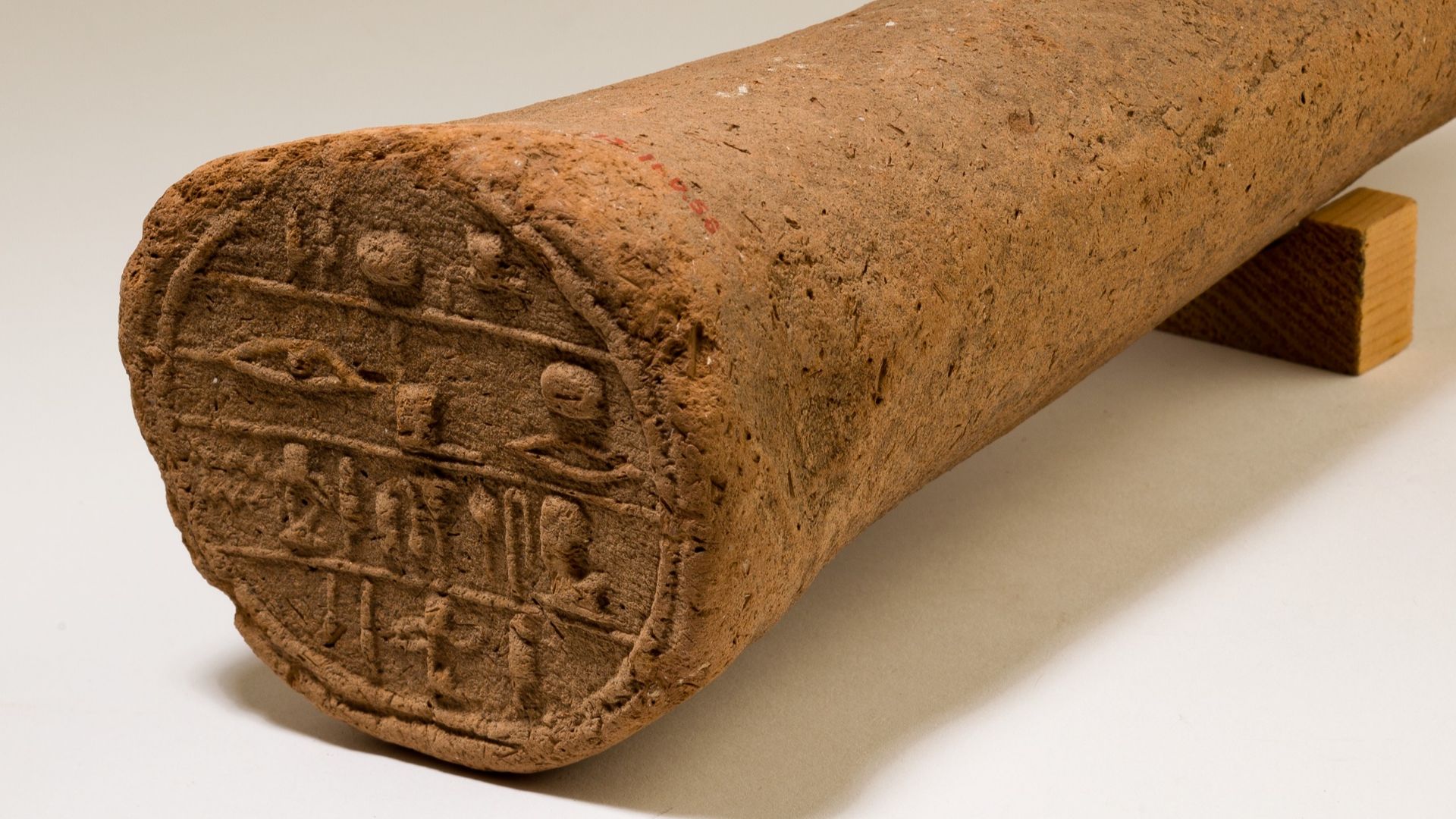
The Pharaoh's Identity Was Confirmed Upon Discovery In 2014
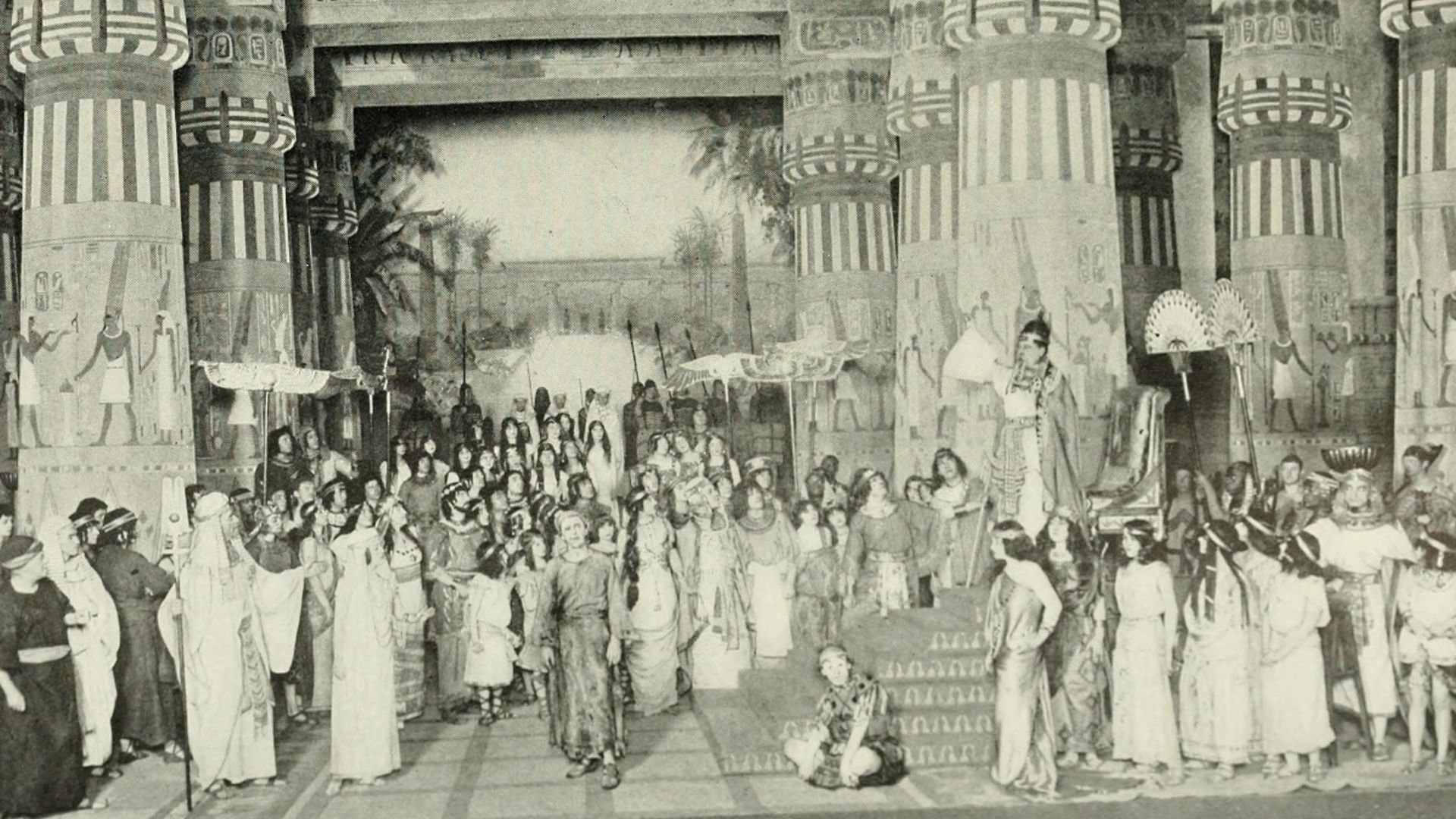
Prior to the discovery, researchers had hypothesized about regional rulers based on scattered evidence; the 2014 find resolved these by confirming the pharaoh’s identity through cartouches. Some suggested Senebkay might belong to the Theban Seventeenth Dynasty. Others placed him among obscure Hyksos rulers.
 Internet Archive Book Images, Wikimedia Commons
The Tomb Belonged To Pharaoh Senebkay From The Abydos Dynasty
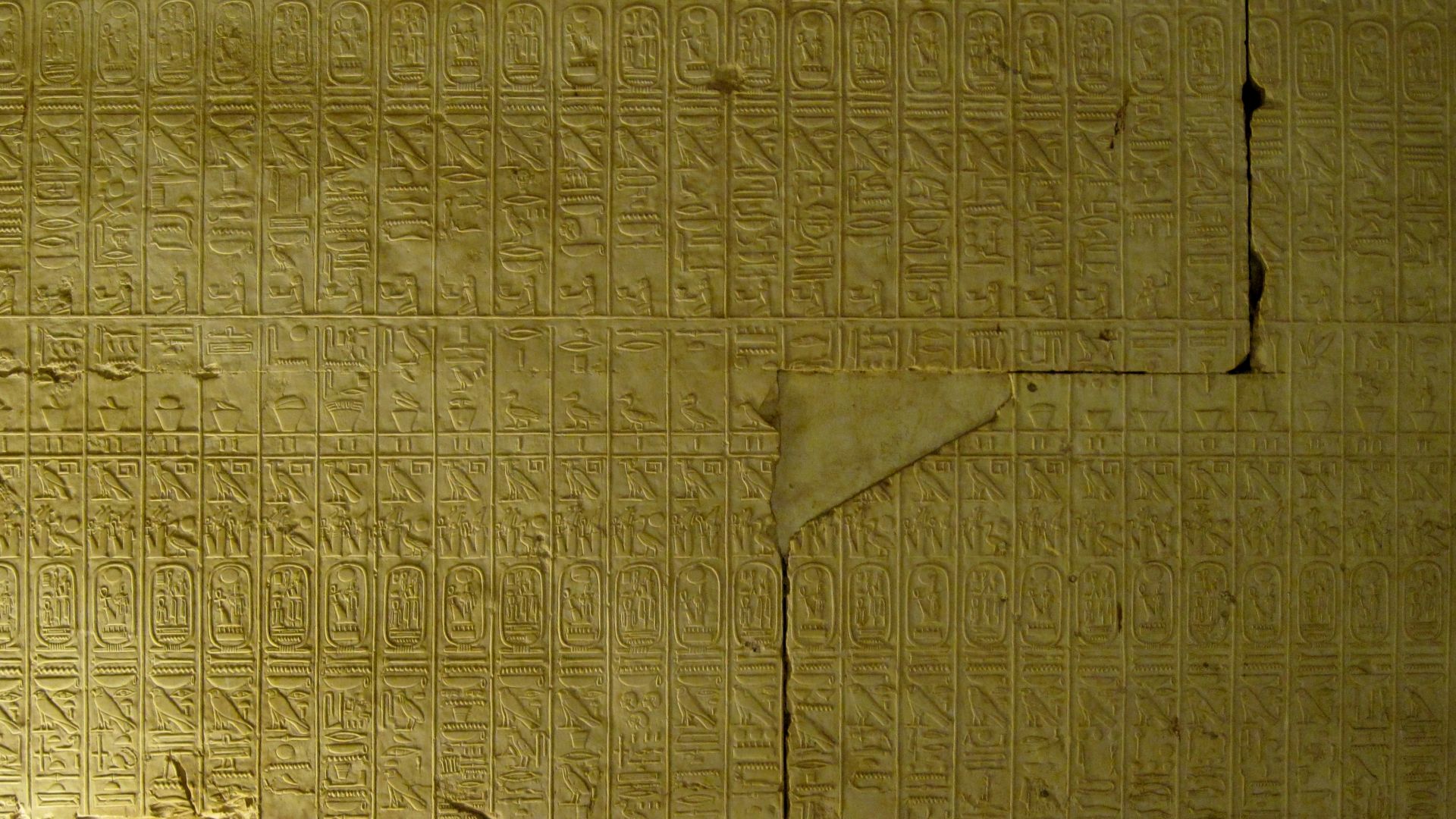
Hieroglyphic text on the burial chamber walls spelt out "Woseribre Senebkay," a name absent from king lists compiled by later Egyptian dynasties. This ruler governed during Egypt's fragmented Second Intermediate Period when competing kingdoms divided the Nile Valley.
 Olaf Tausch, Wikimedia Commons
Senebkay Ruled During Egypt's Second Intermediate Period
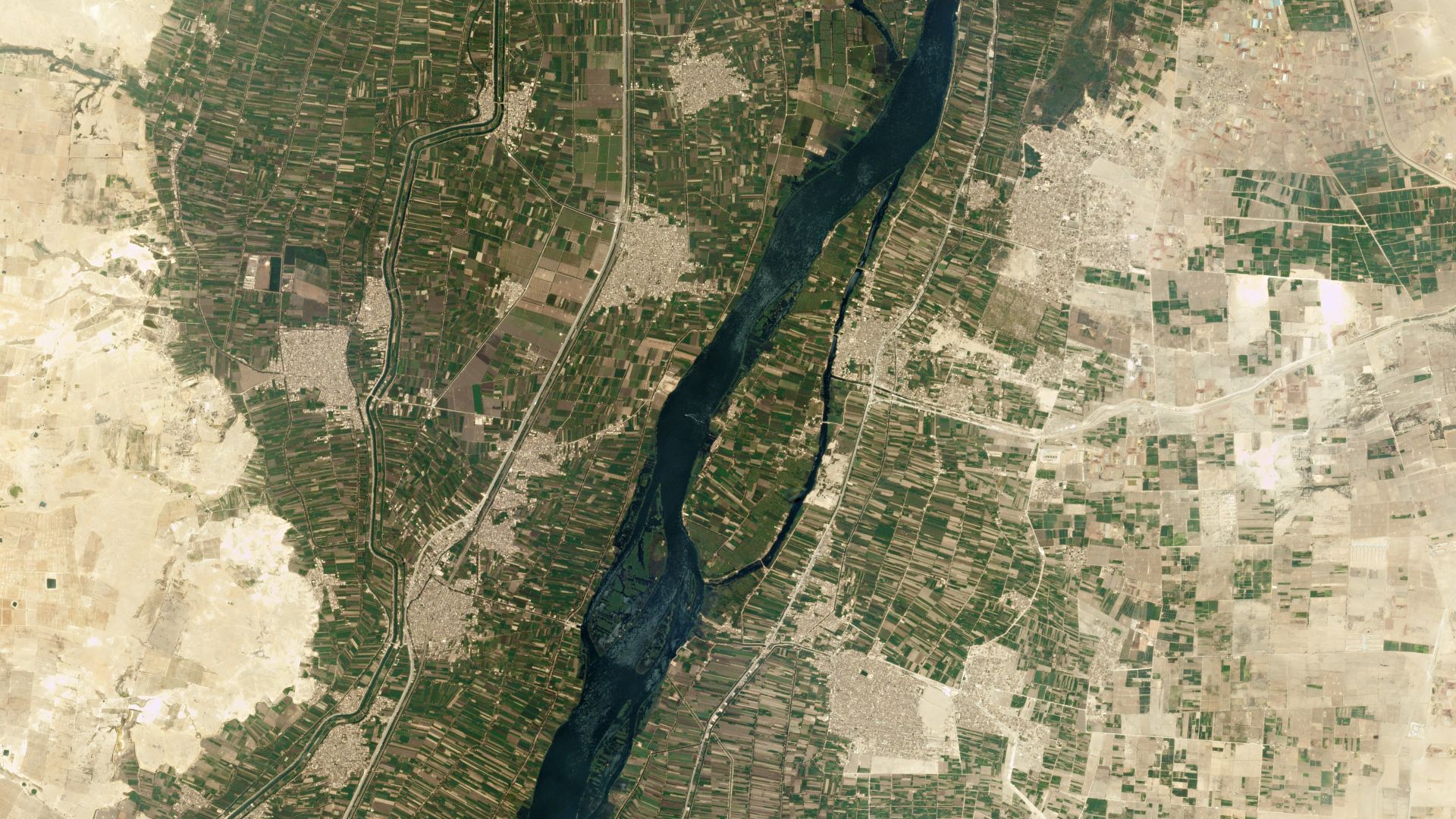
Foreign Hyksos dynasties ruled northern Egypt, while native kings governed the south from Thebes during this period of fragmentation. Senebkay emerged as a regional ruler between these power centers. His reign unfolded amid constant warfare over Nile Valley territory and vital trade routes linking Upper and Lower Egypt.
 Planet Labs, Inc., Wikimedia Commons
Senebkay Belonged To A Forgotten Dynasty
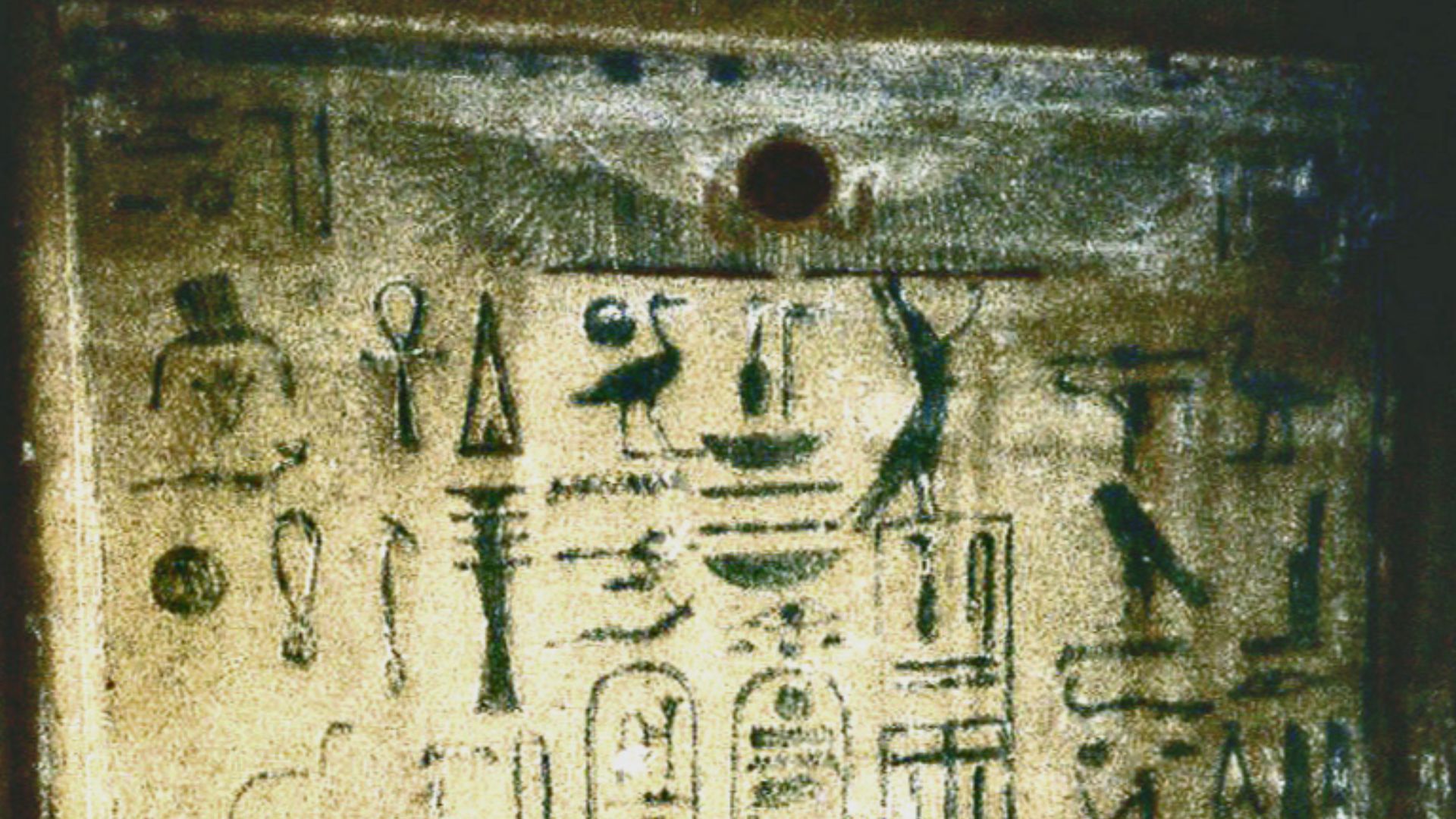
The Abydos Dynasty was identified only after archaeologists recognized several rulers governing alongside better-known kingdoms. Senebkay ruled with other regional pharaohs whose names survive on scattered monuments. Later scribes excluded them from official king lists, erasing the dynasty until modern excavations restored its place in history.
 Juan R. Lazaro, Wikimedia Commons
The Abydos Dynasty Lasted Only A Few Decades
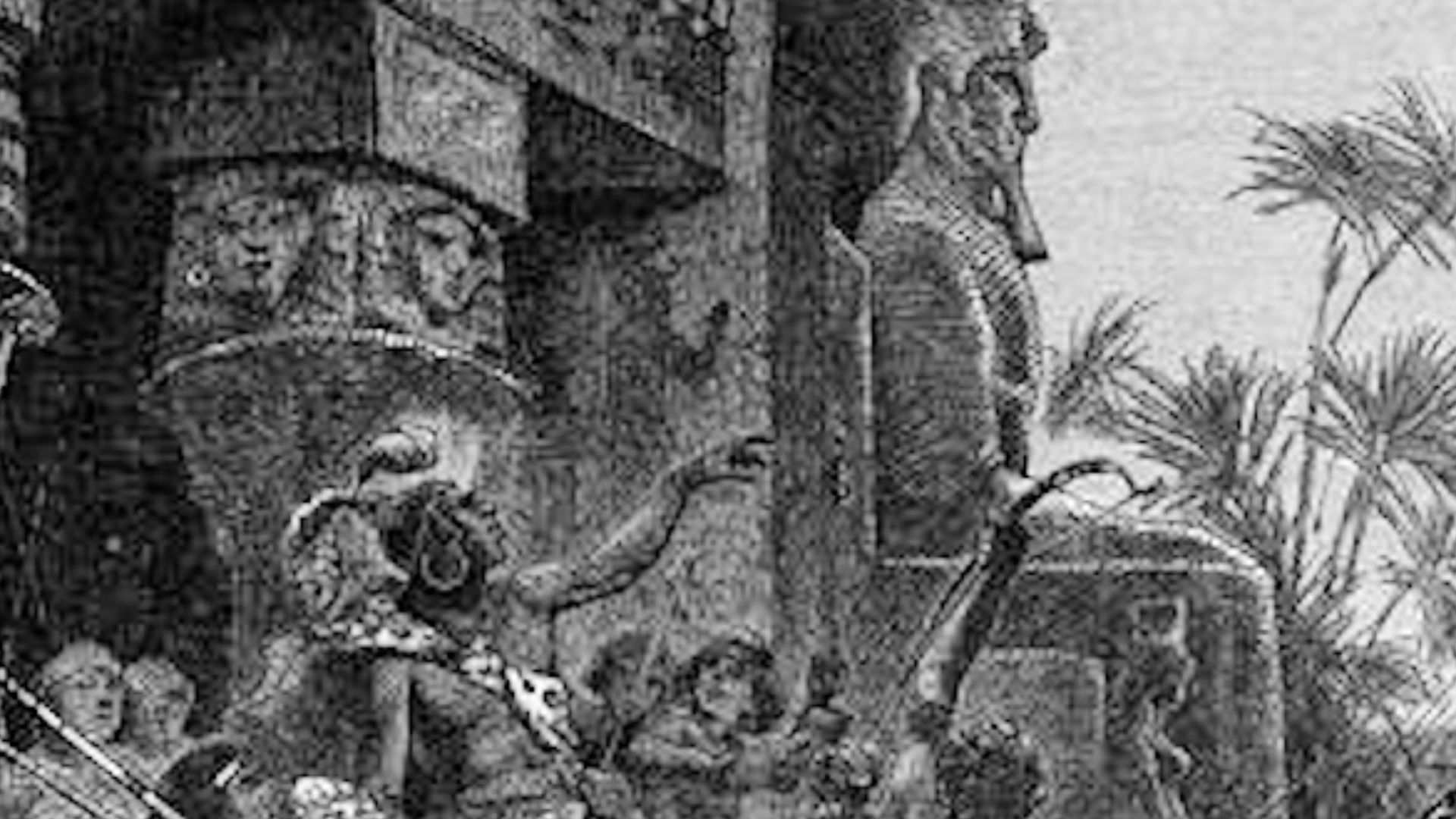
Second Intermediate Period instability prevented the establishment of a long-lasting rule. Senebkay governed briefly while the Hyksos powers in the north and the Theban forces in the south contested control. The dynasty ended when expanding Theban armies conquered Abydos, and it absorbed the territory into a growing southern kingdom.
 Hermann Vogel (1854 - 1921), Wikimedia Commons
The Pharaoh Ruled From Abydos As His Capital
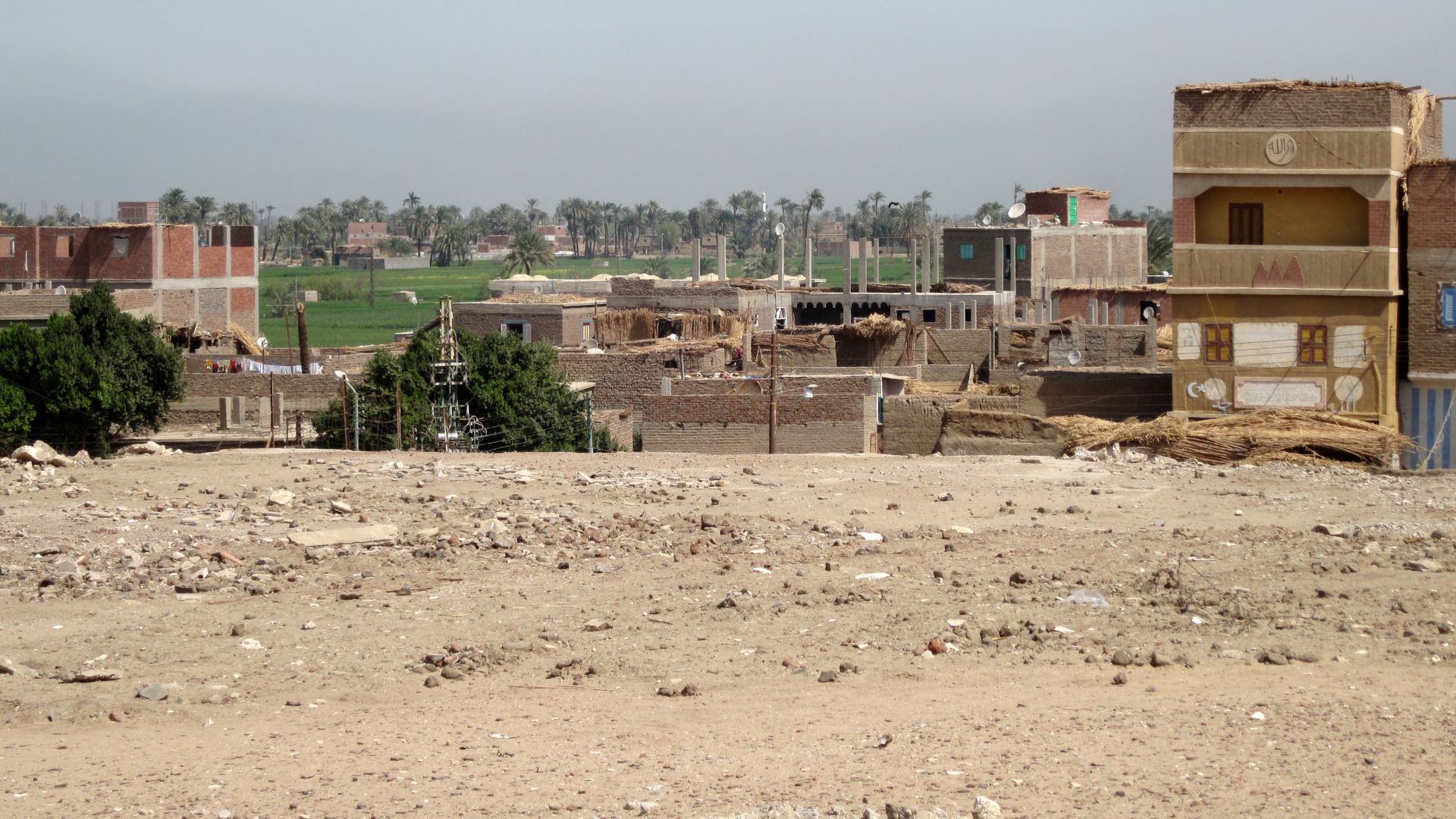
Abydos offered strategic trade access and religious legitimacy as Egypt's sacred burial center. Senebkay established his seat where early dynasties once ruled, signaling continuity with the founding pharaohs. The choice reinforced royal authority despite the kingdom's small size.
 Olaf Tausch, Wikimedia Commons
The Discovery Occurred In The Royal Necropolis At Abydos
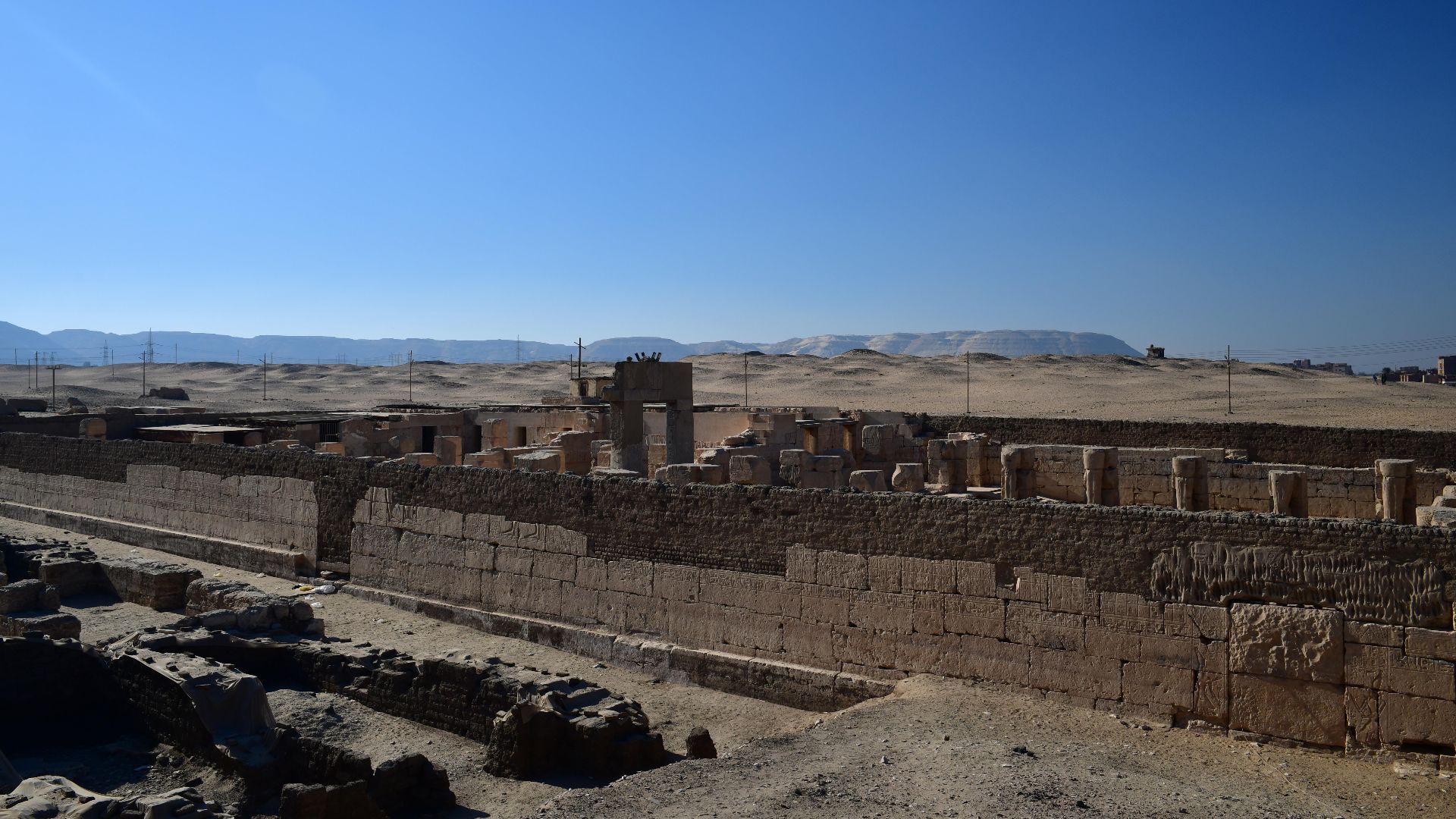
First Dynasty pharaohs built their tombs there around 3000 BCE, establishing traditions that persisted even after the capital moved north. Senebkay's burial among earlier royal monuments suggests that he sought legitimacy by associating himself with Egypt's founding dynasties during politically turbulent times.
 Panegyrics of Granovetter, Wikimedia Commons
The Tomb Dates To Approximately 1650 BCE
Radiocarbon analysis, ceramic styles, and architectural features place Senebkay's burial in the mid-seventeenth century BCE. This period aligns with conflicts between Hyksos rulers in the Delta and the Theban expansion from the south. His violent passing likely occurred during these ongoing territorial wars.
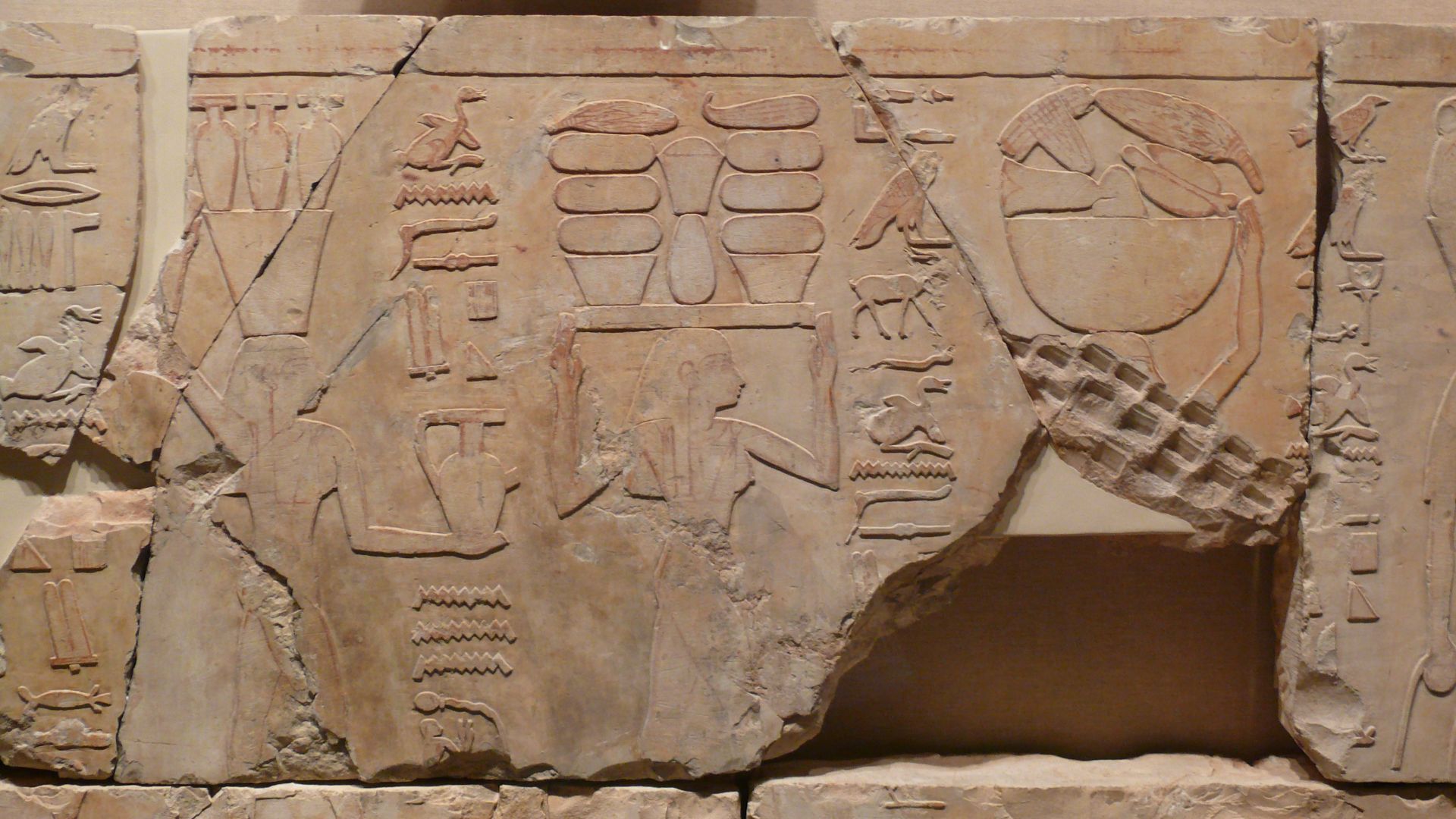 photo: Ad Meskens, artist: unknown, Wikimedia Commons
The Discovery Resolved Decades Of Scholarly Hypotheses About The Dynasty
The 2014 discovery, built on over a century of Abydos surveys, confirmed hypotheses proposed in the late 20th century. Generations of archaeologists mapped the cemetery without recognizing Senebkay's dynasty. Tomb cartouches and architectural evidence finally linked the site to specific rulers from Egypt's poorly documented intermediate period.

The Discovery Proved A Previously Unknown Dynasty Existed
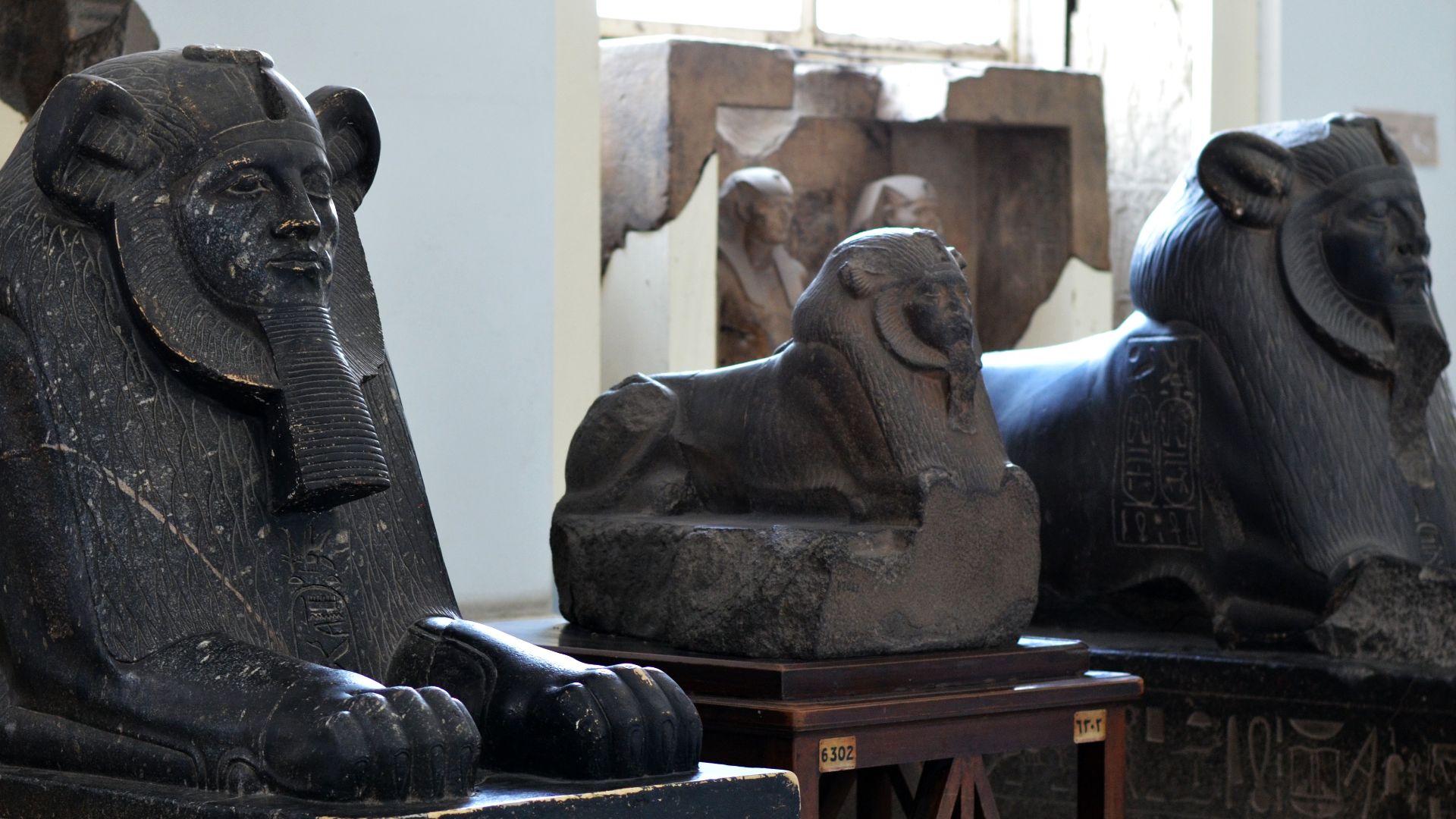
Before Senebkay's identification, the Abydos Dynasty existed only as a scholarly theory. Tomb evidence confirmed that regional pharaohs ruled Middle Egypt between the Hyksos and the Theban dominance. The finding forced historians to revise timelines that oversimplified the Second Intermediate Period.
 Heidi Kontkanen, Wikimedia Commons
The Discovery Filled Gaps In Egypt's Historical Timeline
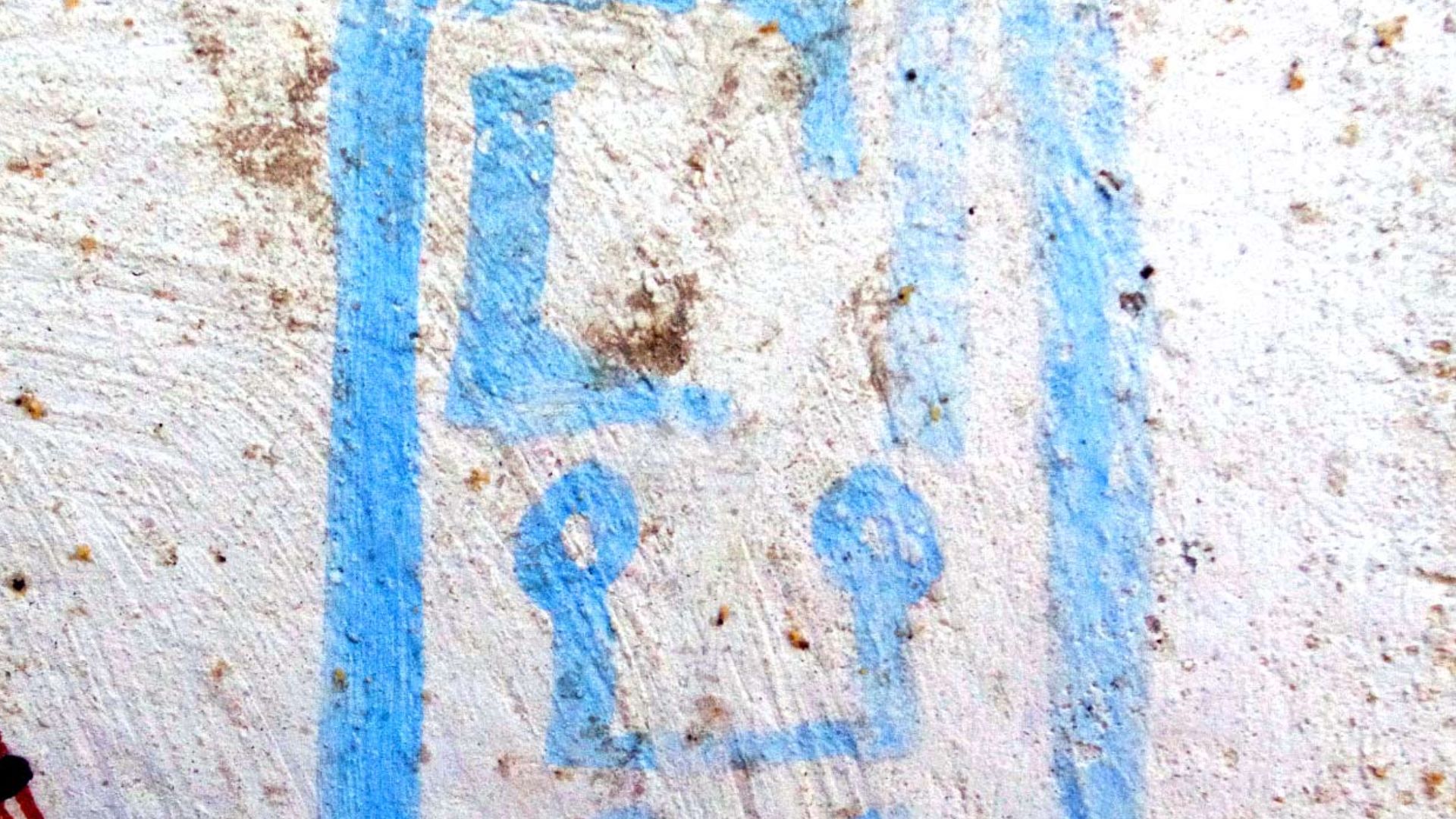
Identifying Senebkay provided firm evidence that Egypt fractured into regional kingdoms during the Second Intermediate Period. Historians long suspected minor dynasties ruled between major powers. Cartouche inscriptions and architectural finds confirmed that multiple pharaohs governed separate Nile Valley regions simultaneously during prolonged political instability.
 Jennifer Wegner, Penn Museum, Wikimedia Commons
Forensic Analysis Revealed The Pharaoh Died Violently
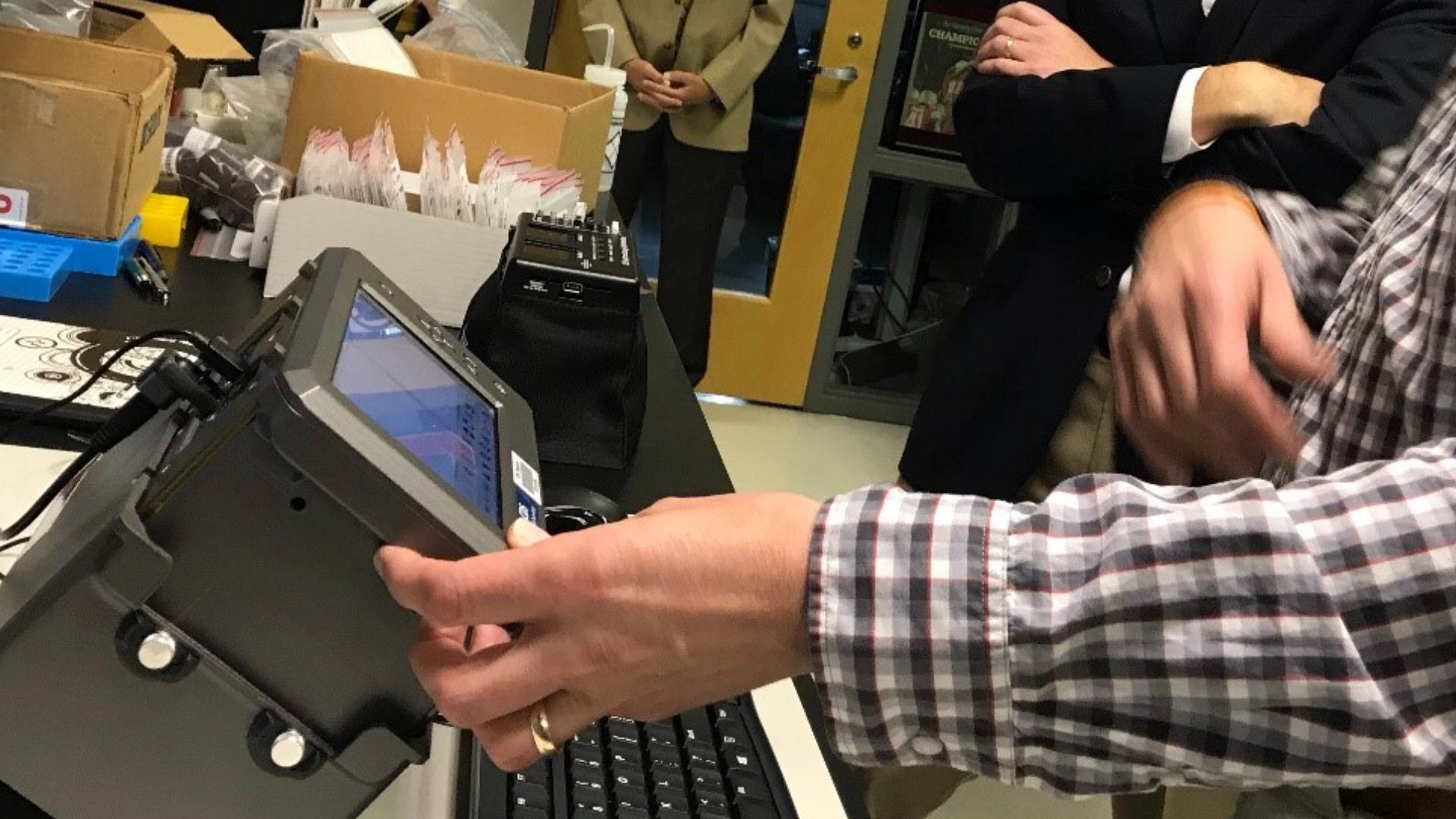
Examination of Senebkay's skeleton showed multiple traumatic injuries consistent with combat. Blade cuts to the skull, damaged vertebrae, and fractured limbs suggest he was attacked from several directions. The evidence indicates a coordinated assault that overwhelmed him on a battlefield rather than a peaceful death.
 Centers for Disease Control and Prevention, Wikimedia Commons
Senebkay's Skeleton Showed Battle Wounds
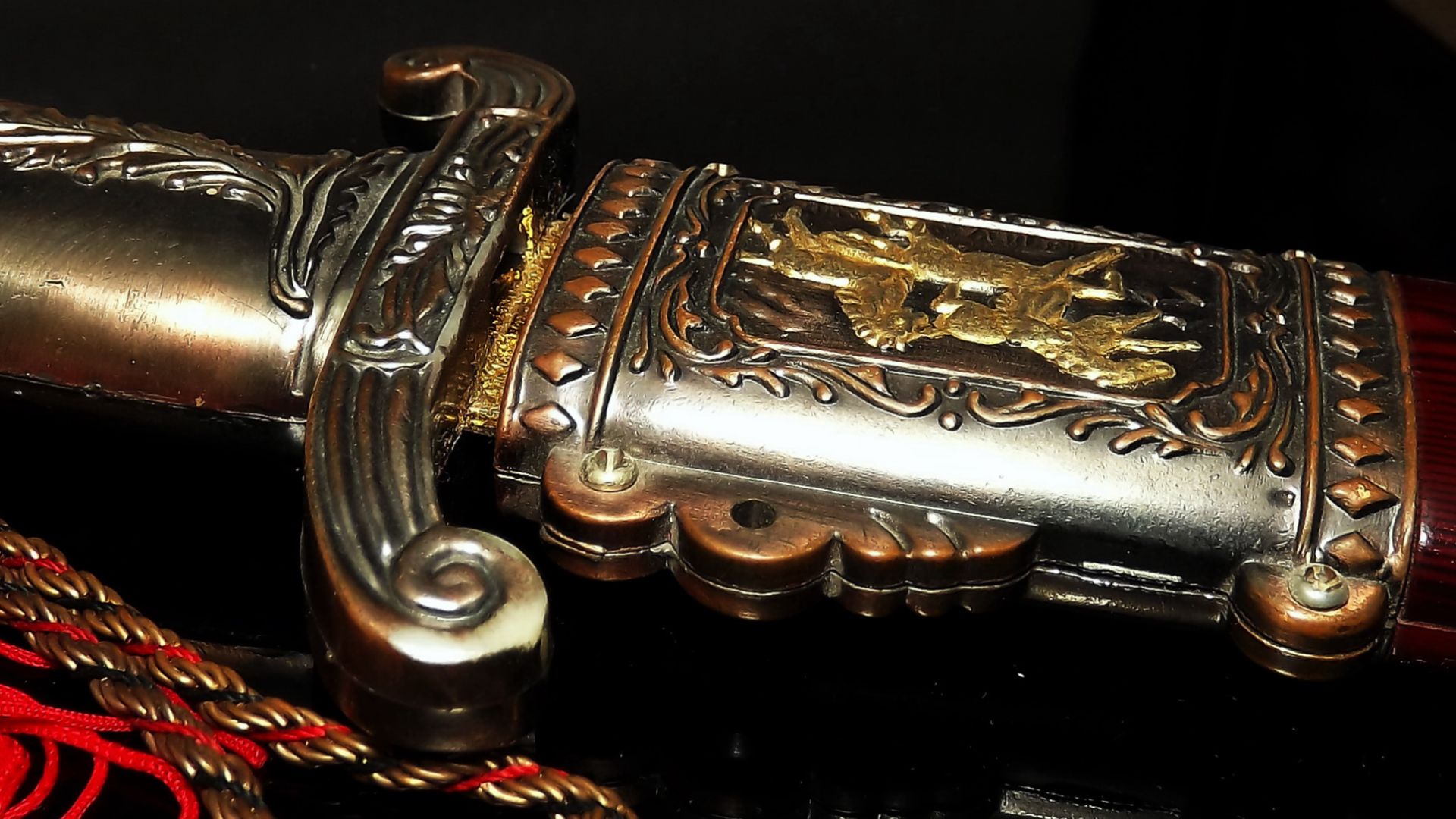
Forensic analysis identified eighteen injuries to the skull, neck, and legs, areas typically exposed during close combat. Weapon marks from axes, daggers, and spears suggest repeated strikes delivered from several directions during a chaotic battlefield encounter.
 Ahmed Helal from Ismailia, Egypt, Wikimedia Commons
Senebkay's Skeleton Showed Battle Wounds (Cont.)
Injury patterns indicate Senebkay likely fought on horseback and was overwhelmed by multiple attackers. The distribution and angles of wounds point to numerical superiority as the cause of death, rather than a controlled or ceremonial execution style killing.
 Onceinawhile, Wikimedia Commons