A Strange Pattern Carved Into A Mountain
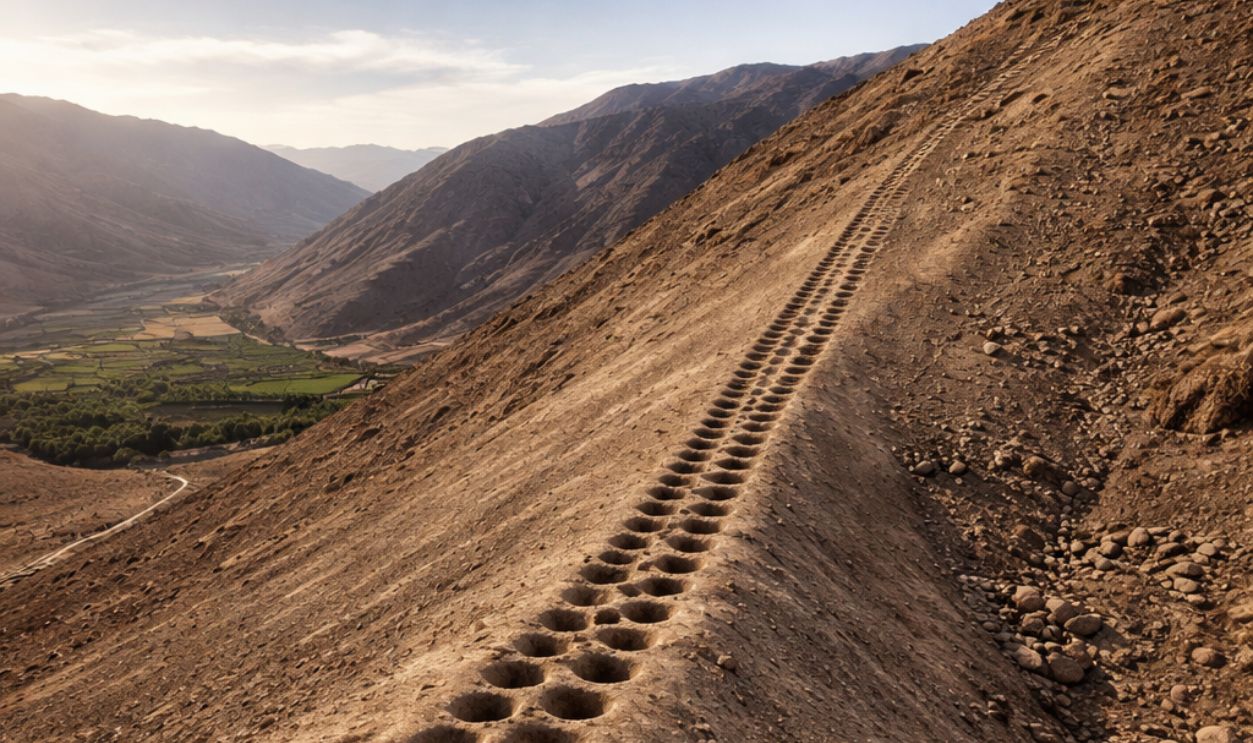
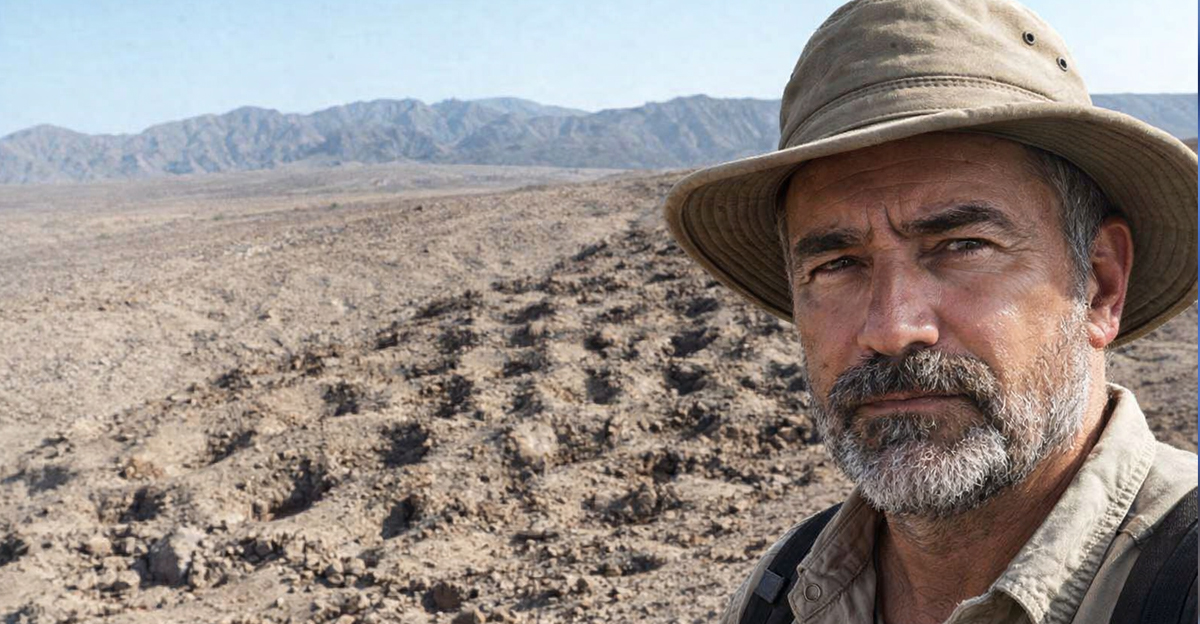
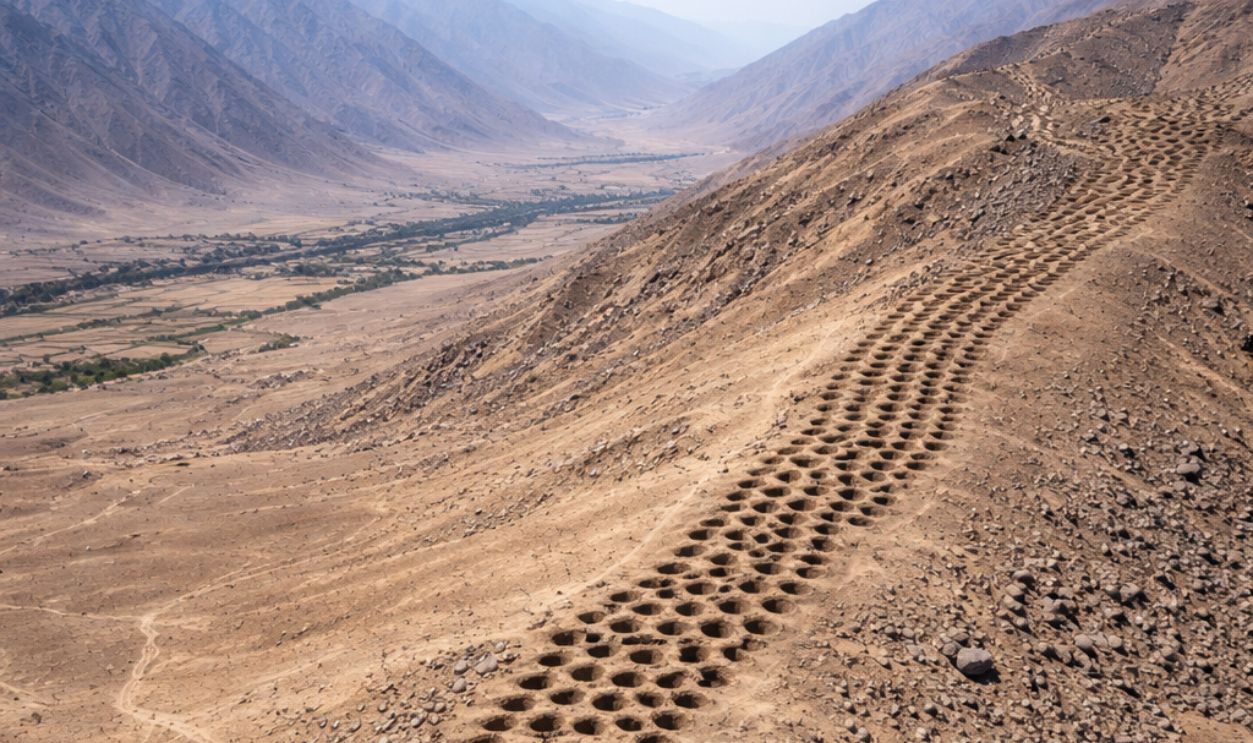
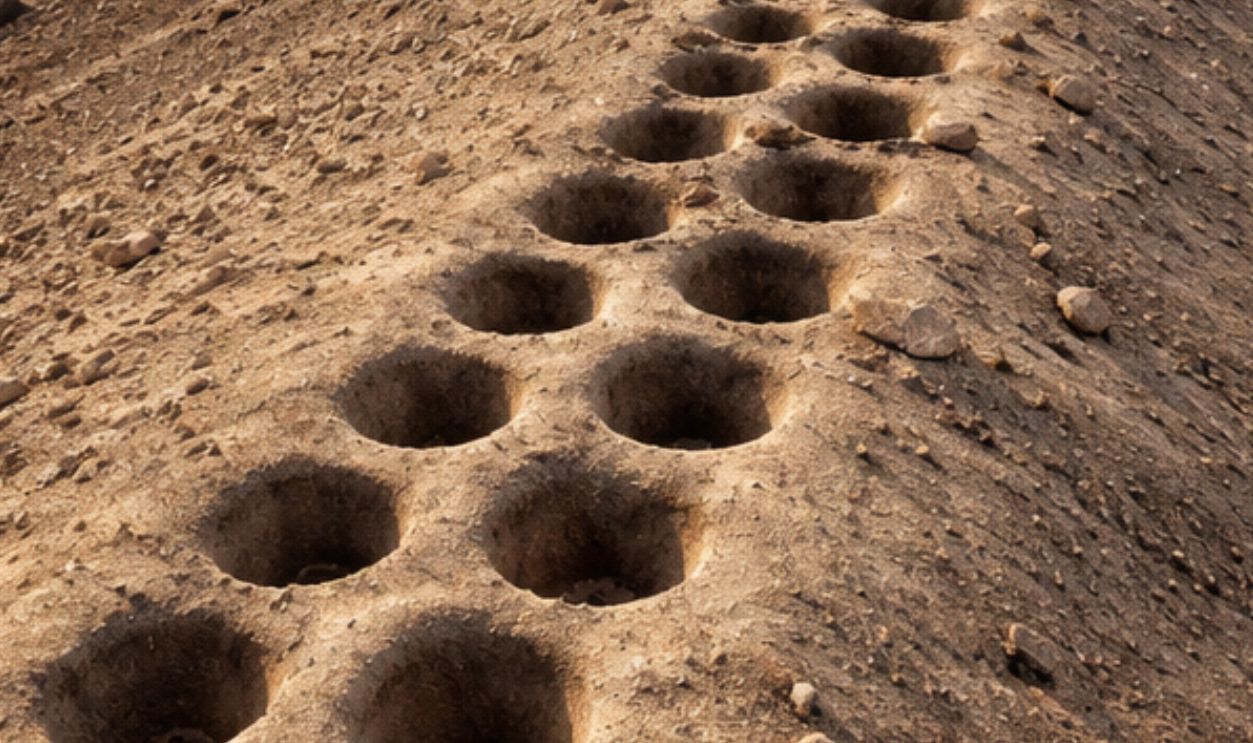
High in the Peruvian Andes, thousands of human-made holes stretch across a steep hillside. The formation stood out as one of the region’s most unusual archaeological features, but while archaeologists have documented the site for decades, its purpose remained unclear for much of that time, until now.
 Bruno7, CC BY 3.0, Wikimedia Commons, Modified
The Site Known As The Band Of Holes
Researchers commonly refer to the formation as the Band of Holes. It is located on Monte Sierpe, also called Serpent Mountain. The site overlooks the Pisco Valley in southern Peru.
More Than Five Thousand Carefully Made Pits
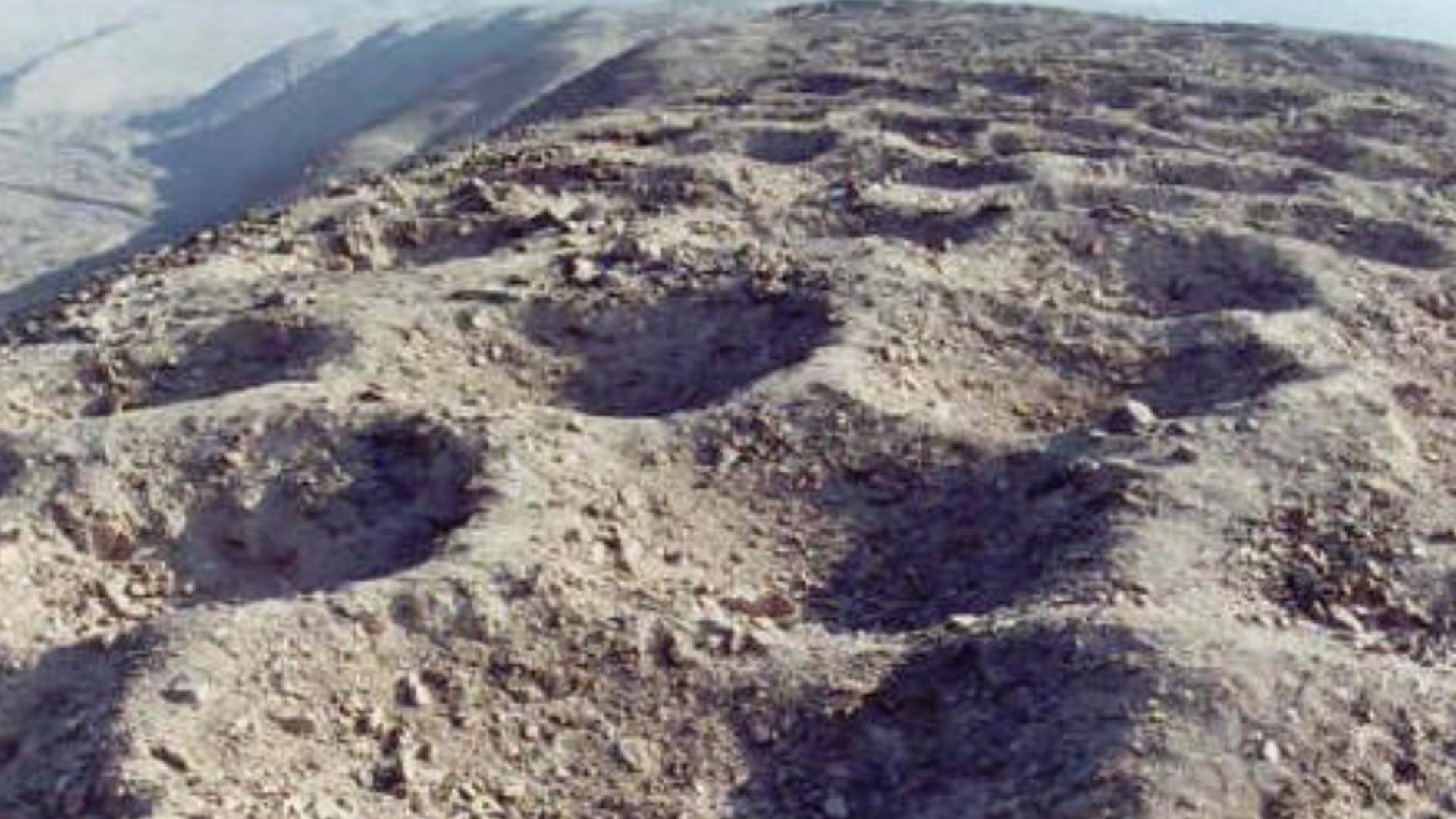
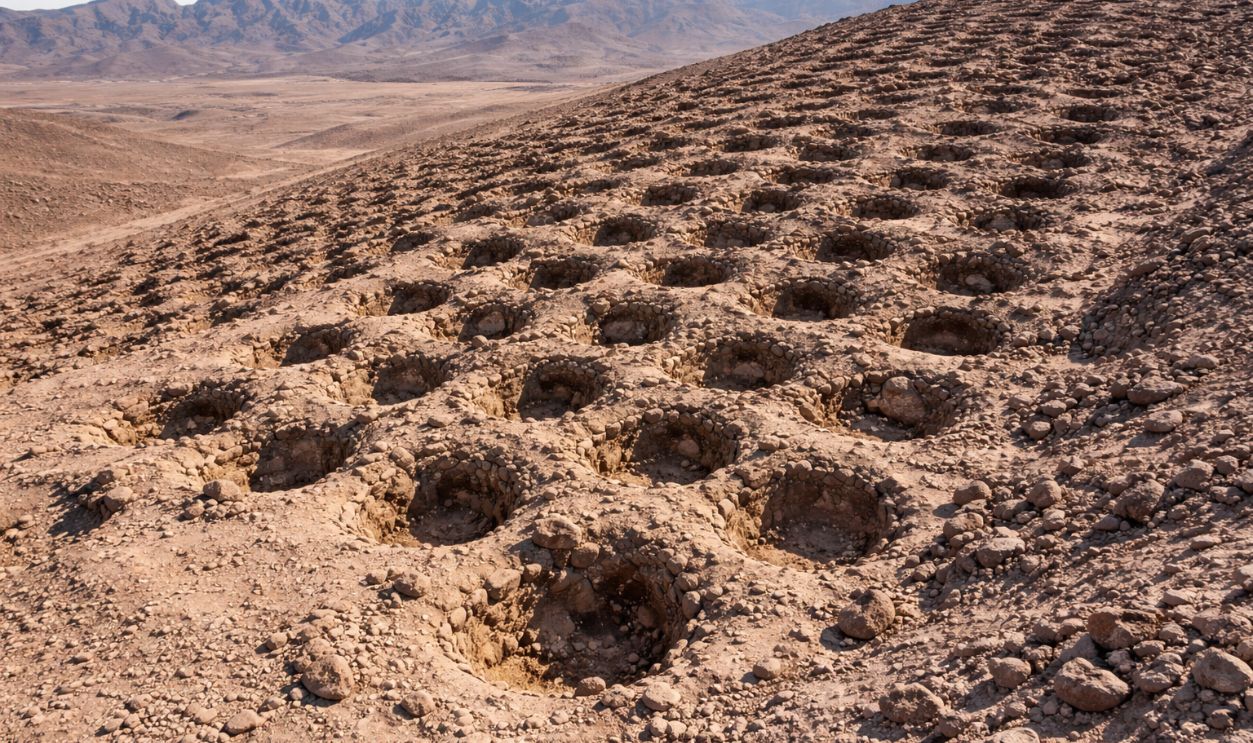
Archaeologists estimate there are about 5,200 holes carved into the hillside. Each pit is roughly circular and dug directly into soil and rock. Their consistency suggests deliberate construction.
A Pattern That Repeats Across The Slope
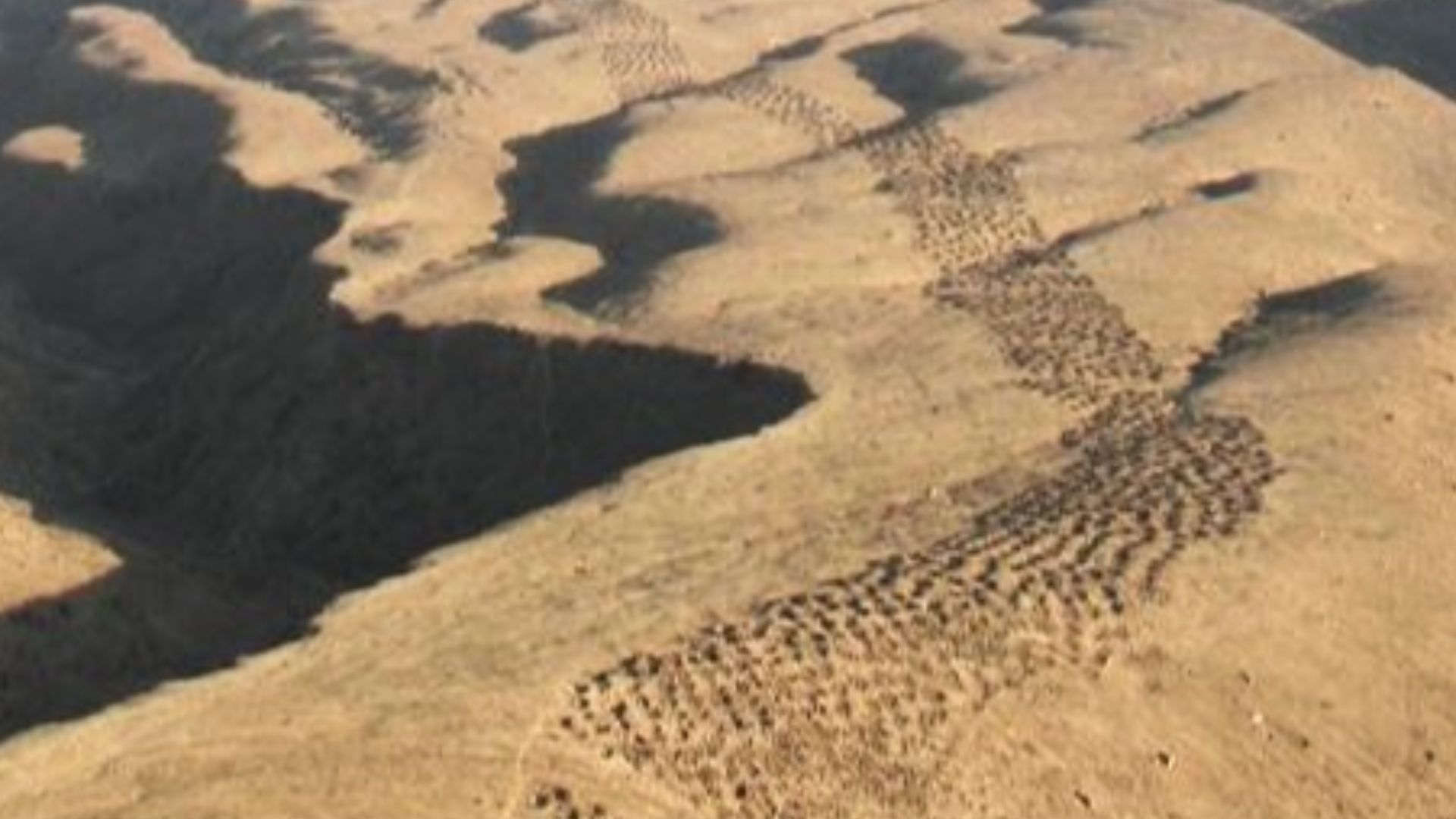
The holes are arranged in visible rows and clusters. This repeated organization appears intentional rather than accidental. Researchers note that the layout differs from natural erosion patterns.
These holes were obviously put here for a very specific reason.
First Documented In The Early Twentieth Century
The Band of Holes was first recorded by researchers in the early 1900s. Early photographs and descriptions highlighted its scale and unusual appearance. But despite this attention, its function remained debated for decades.
Decades Of Competing Explanations
Over the years, scholars proposed many ideas to explain the holes. Some suggested ritual or ceremonial uses. Others proposed agricultural or practical explanations. But without hard evidence, they were just theories.
A Location That Complicated Interpretation
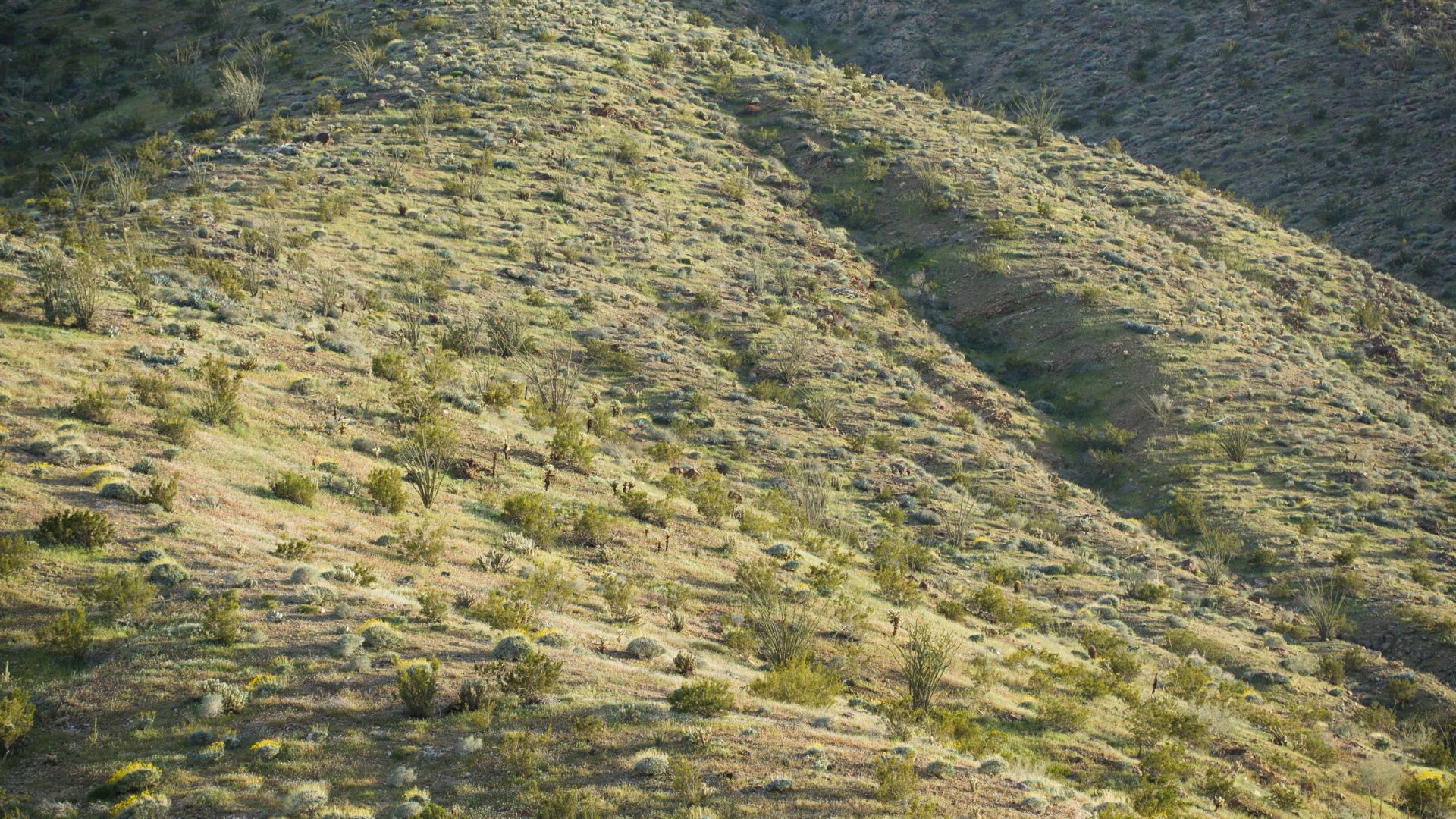
The site sits on a steep, arid hillside. It does not resemble known settlements or ceremonial centers from the region. This made earlier interpretations difficult to confirm, because there was no useful comparison to be made.
 Justin Meissen from St Paul, United States, Wikimedia Commons
Why Simple Agricultural Use Was Questioned
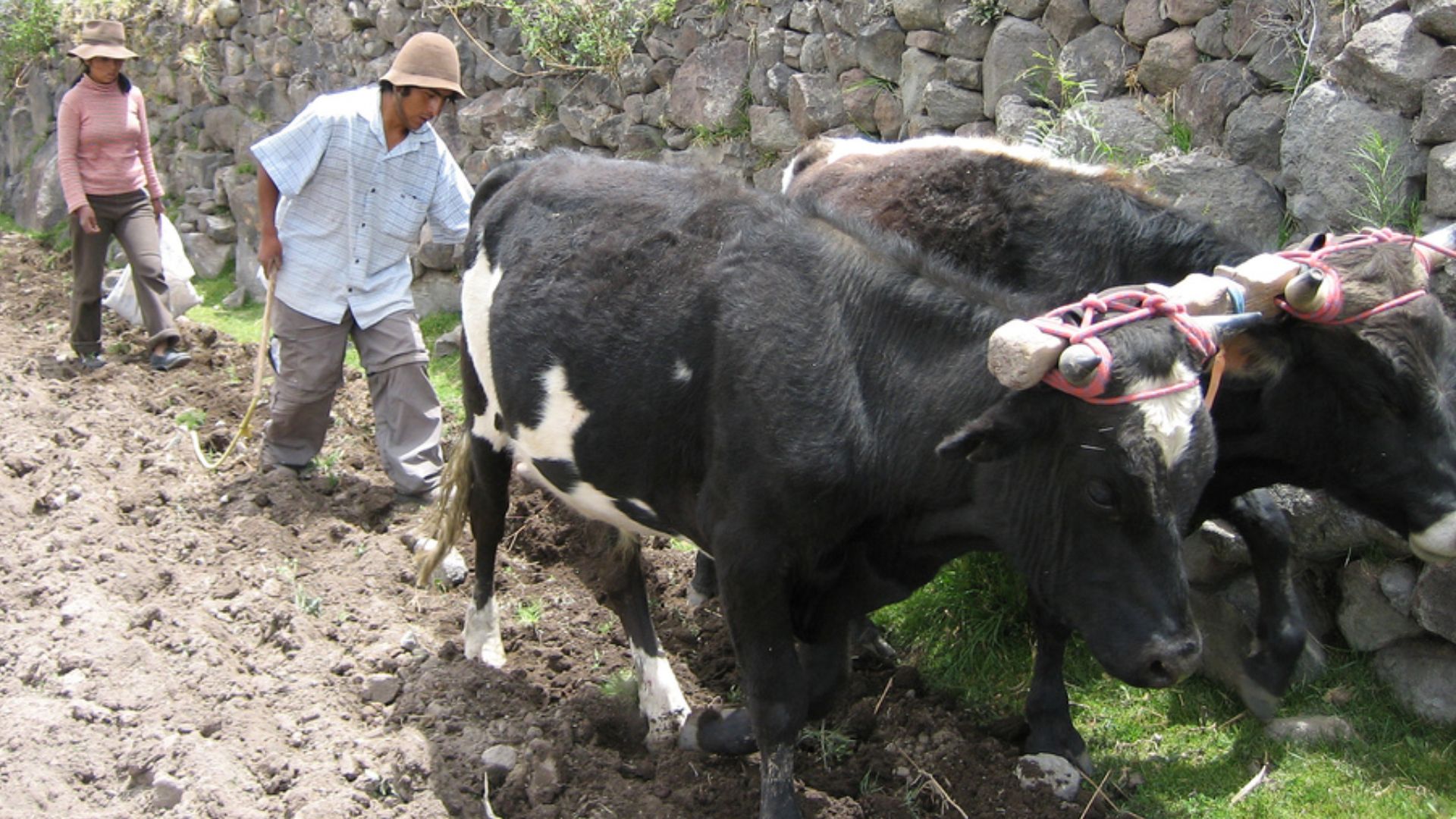
Most people quickly assume the holes must have been used for farming in some way. However, researchers noted that the holes do not resemble planting pits. Their size and spacing differ from any known agricultural features in the region. This led archaeologists to look for alternative explanations.
 Goldengreenbird at English Wikipedia, Wikimedia Commons
Renewed Research With Modern Methods
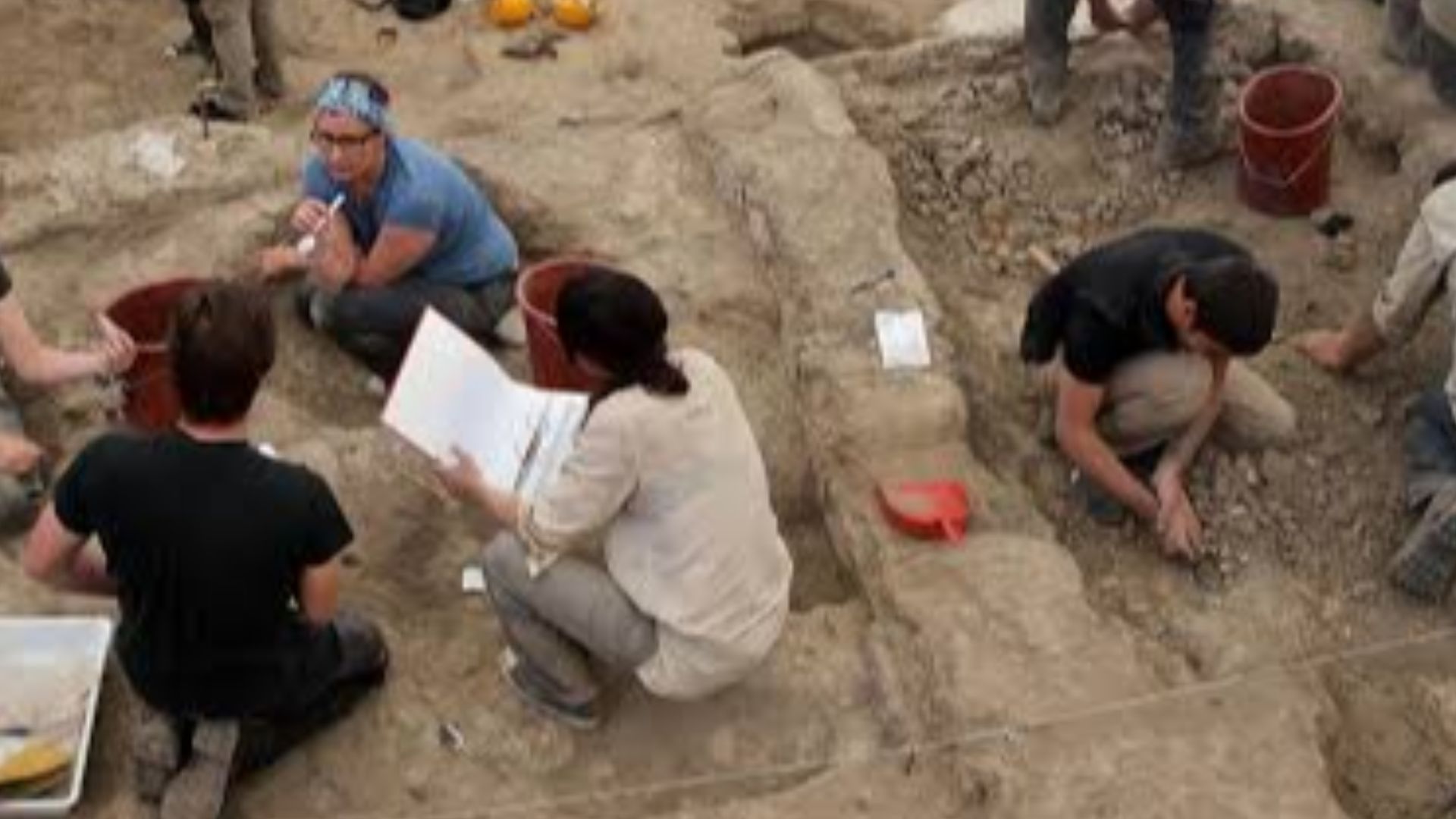
In recent years, archaeologists returned to the site with updated research techniques. These included drone-based mapping and detailed sediment analysis. The new data allowed closer examination of how the holes were used.

What Scientists Found Inside The Holes
Researchers analyzed sediment from multiple pits. They identified pollen from maize and other plants associated with human activity. The density of these plant fibers indicated that organic materials were deliberately piled inside the holes.
Evidence Of Plant Materials Used By People
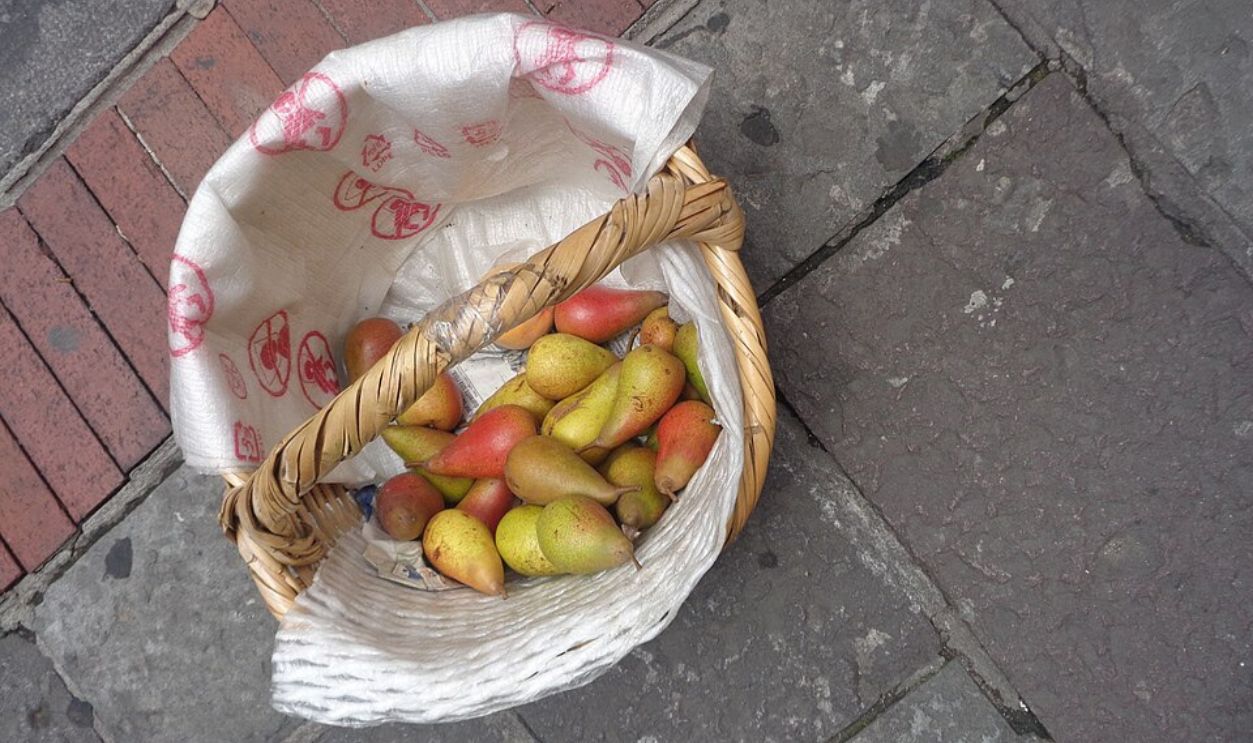
The sediment also contained traces of plants commonly used in Andean daily life. Some of these plants are associated with basket-making traditions. Researchers suggest containers made of plant fibers may have been involved.
 David Adam Kess, CC BY-SA 4.0, Wikimedia Commons
Interpreting Human Use Carefully
Scientists emphasize that natural processes alone do not easily explain the plant remains found in the pits. The evidence points toward repeated human use. However, the exact activities are still being studied.

Organized Layout Suggests A System
The holes are grouped in blocks that repeat across the hillside. Researchers describe this arrangement as structured and consistent. Such organization suggests the site served a coordinated purpose.
A Leading Interpretation Emerges
Based on the new evidence, archaeologists propose that the site functioned as part of an exchange system. The holes may have been used to hold goods temporarily. This interpretation fits the site’s layout and contents, but the evidence goes deeper.
Trade Without A Permanent Market
Researchers suggest the Band of Holes may represent a form of non-permanent marketplace. Goods could be placed and retrieved by different parties over time. This would allow exchange without a built market structure.
Barter In Ancient Andean Societies
Historical and archaeological research shows that barter played a major role in Andean economies. Goods such as crops and textiles were exchanged between regions. The Band of Holes may fit within this broader tradition.

A Site Connected To Regional Movement
Monte Sierpe sits near known ancient routes through the region. These paths linked coastal, valley, and highland communities. Researchers note that the location would have been accessible to multiple groups.
Origins Before The Inca Empire
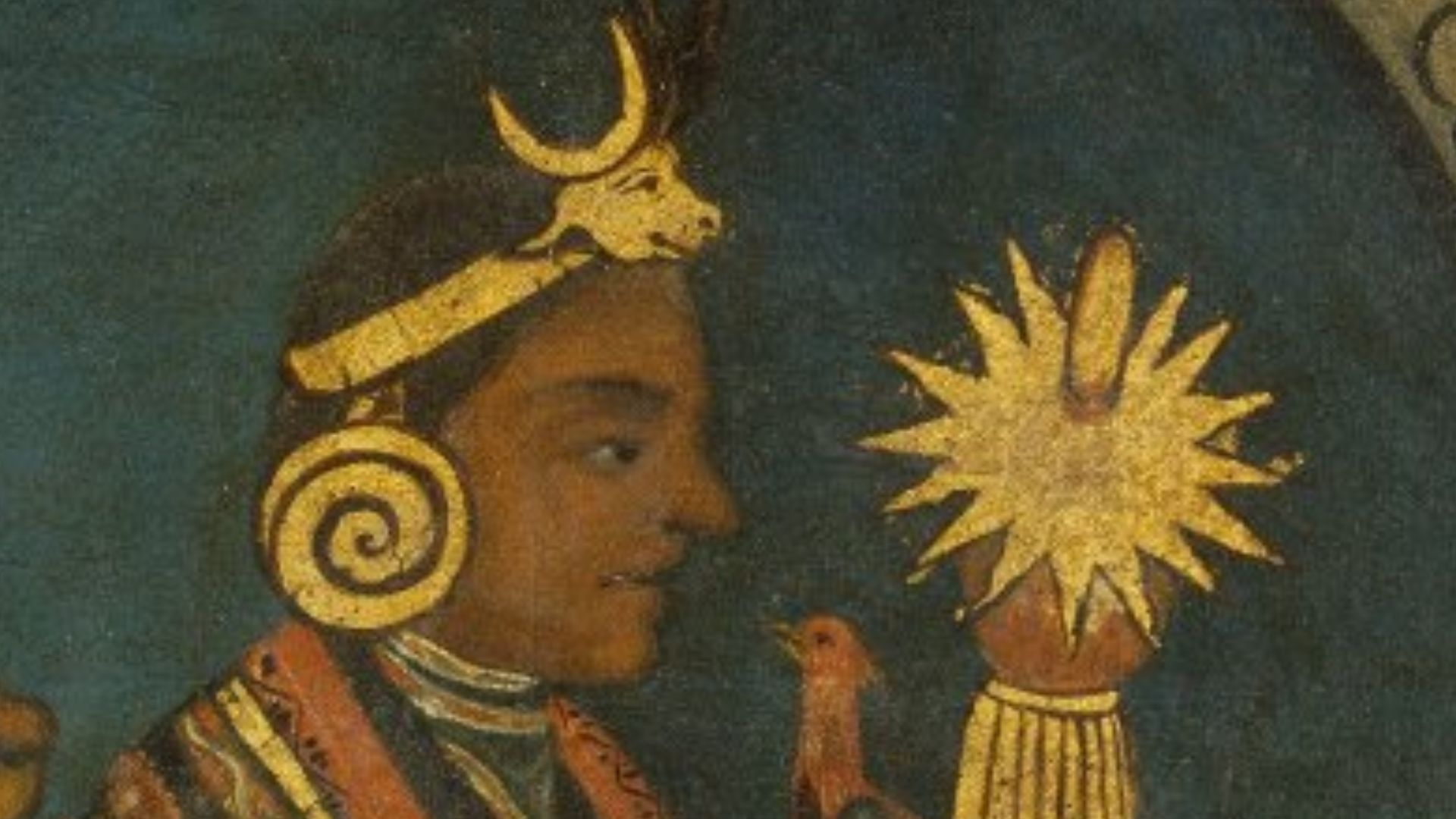
Many were quick to point to the Inca, but evidence suggests the site originated at least two centuries the rise of the Inca Empire. Archaeologists associate its earliest use with the region's Late Intermediate Period. This places its beginnings around A.D. 1000.
 BrooklynMuseumBot, Wikimedia Commons
Possible Links To The Chincha Culture
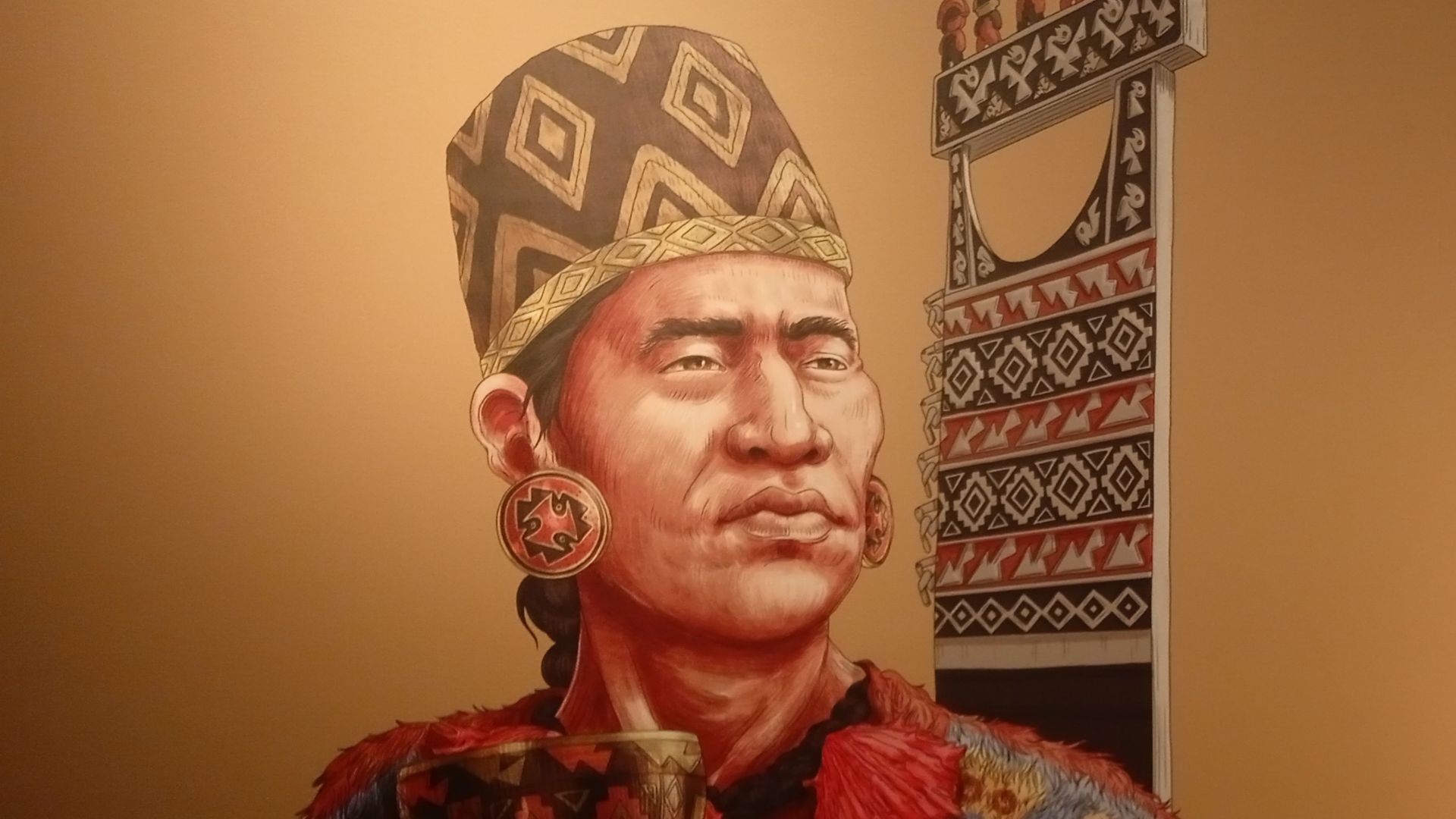
Researchers propose that the Chincha people may have created the site. The Chincha were influential in the region during this period. Their society is known from other evidence to have engaged in wide-ranging exchange.
 Alex Benites Abad, Wikimedia Commons
Continued Use Under Inca Rule
The site may have remained important after the Inca expanded into the region. Archaeologists suggest the Inca could have adapted it for administrative purposes. This may have included tracking goods or obligations.
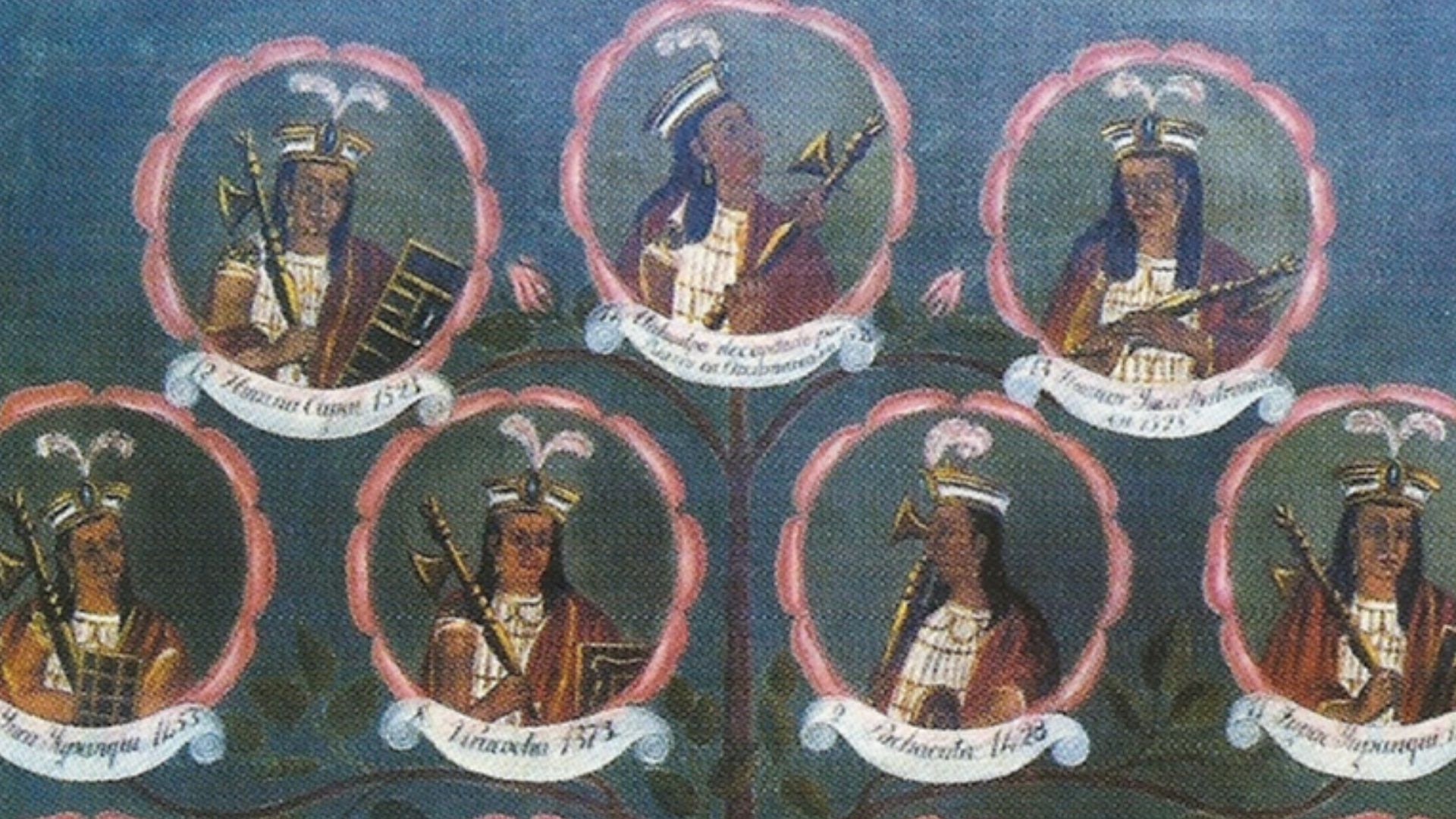 Cuzco School, Wikimedia Commons
An Unusual Form Of Accounting
Some researchers compare the hole patterns to Inca accounting systems. The Inca used khipus, knotted cords, to record information. The Band of Holes may represent a spatial version of record-keeping.
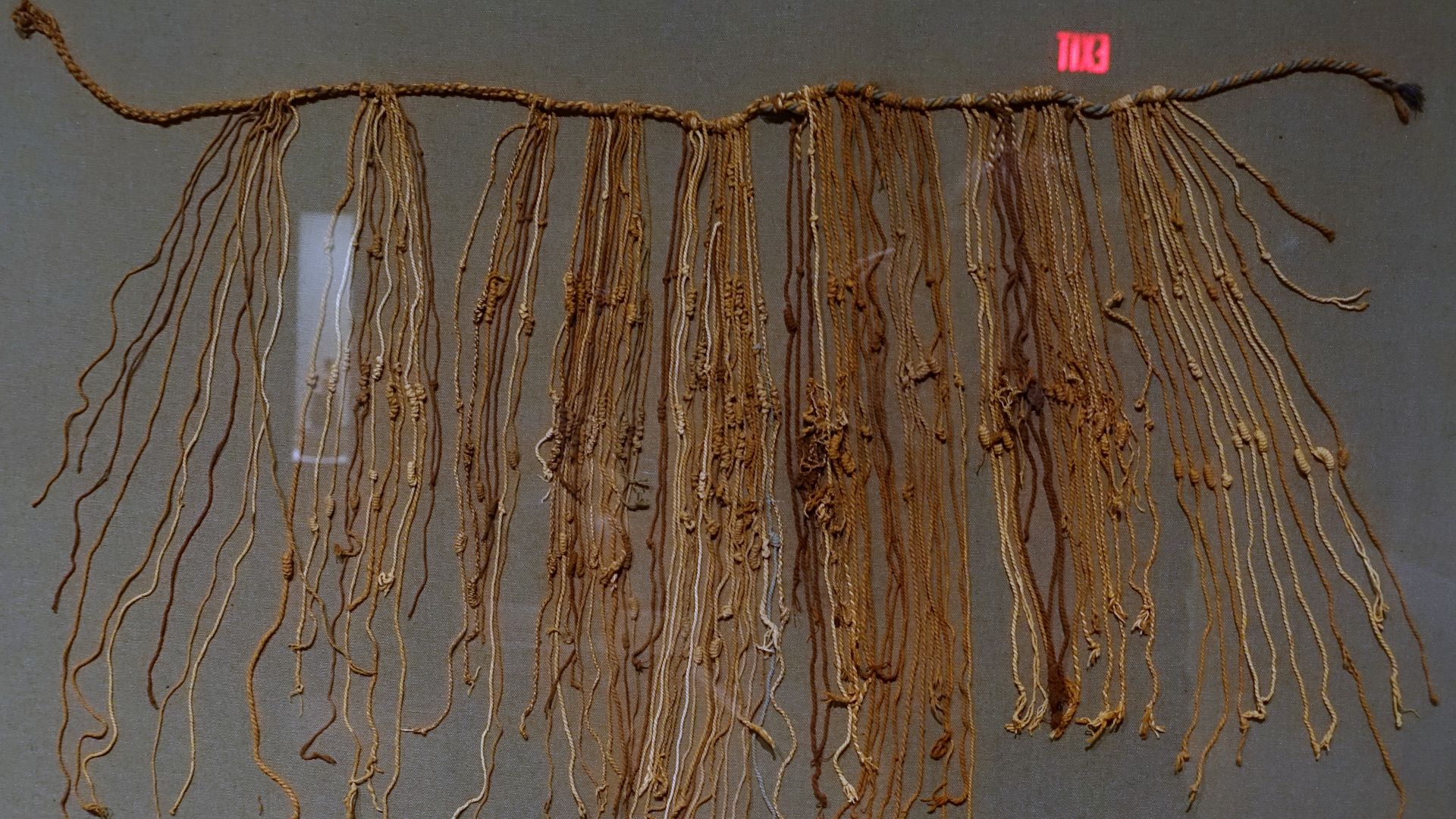
Recording Information Without Writing
Andean societies did not rely on written language. Instead, they used physical systems to store information. So what does that mean for the Band of Holes? Researchers suggest the landscape itself may have played that role here.
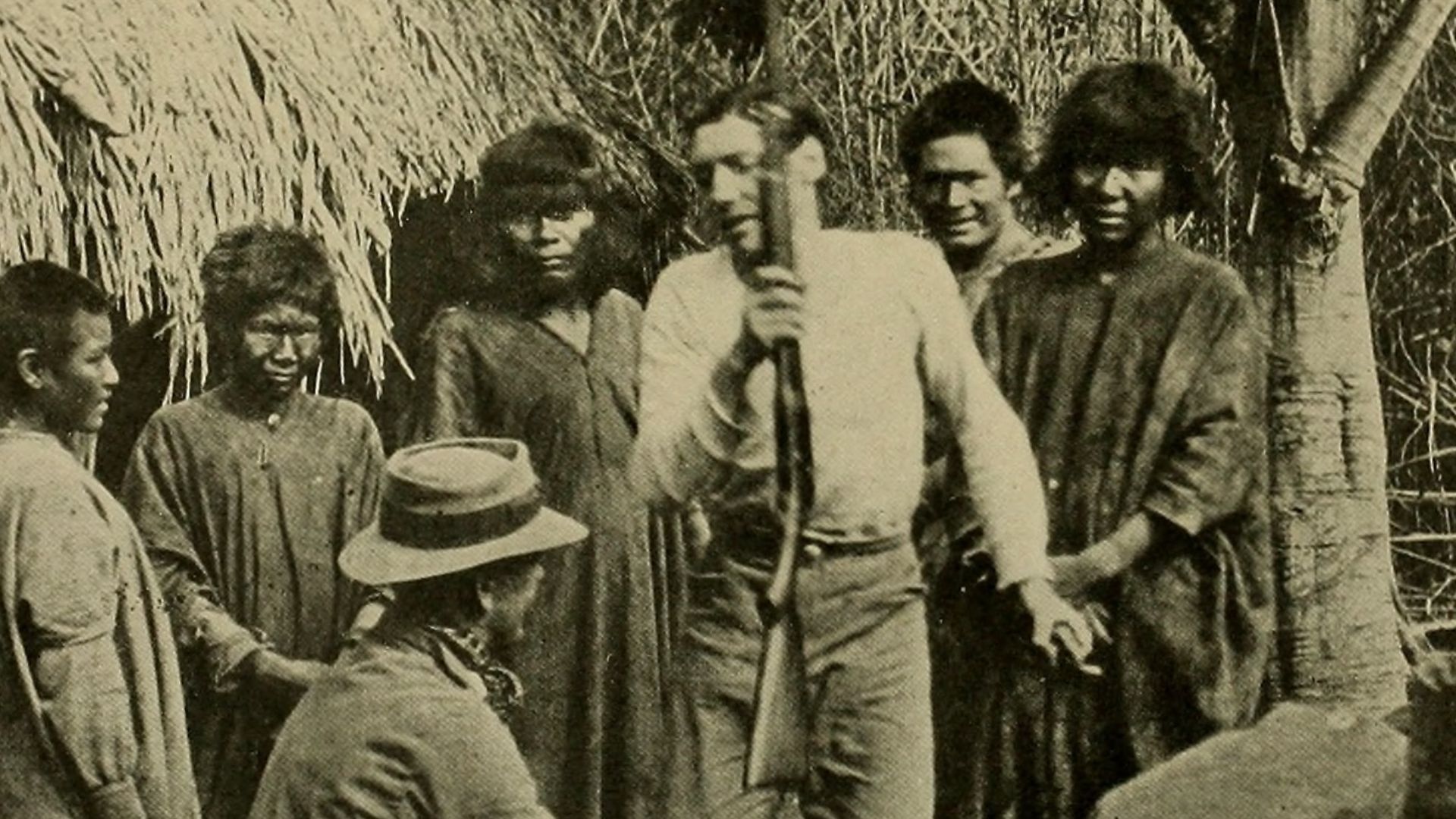 Internet Archive Book Images, Wikimedia Commons
Why This Interpretation Matters
The findings highlight the complexity of ancient Andean organization. They show that economic systems could function without money or permanent buildings. Archaeologists view this as evidence of sophisticated planning.
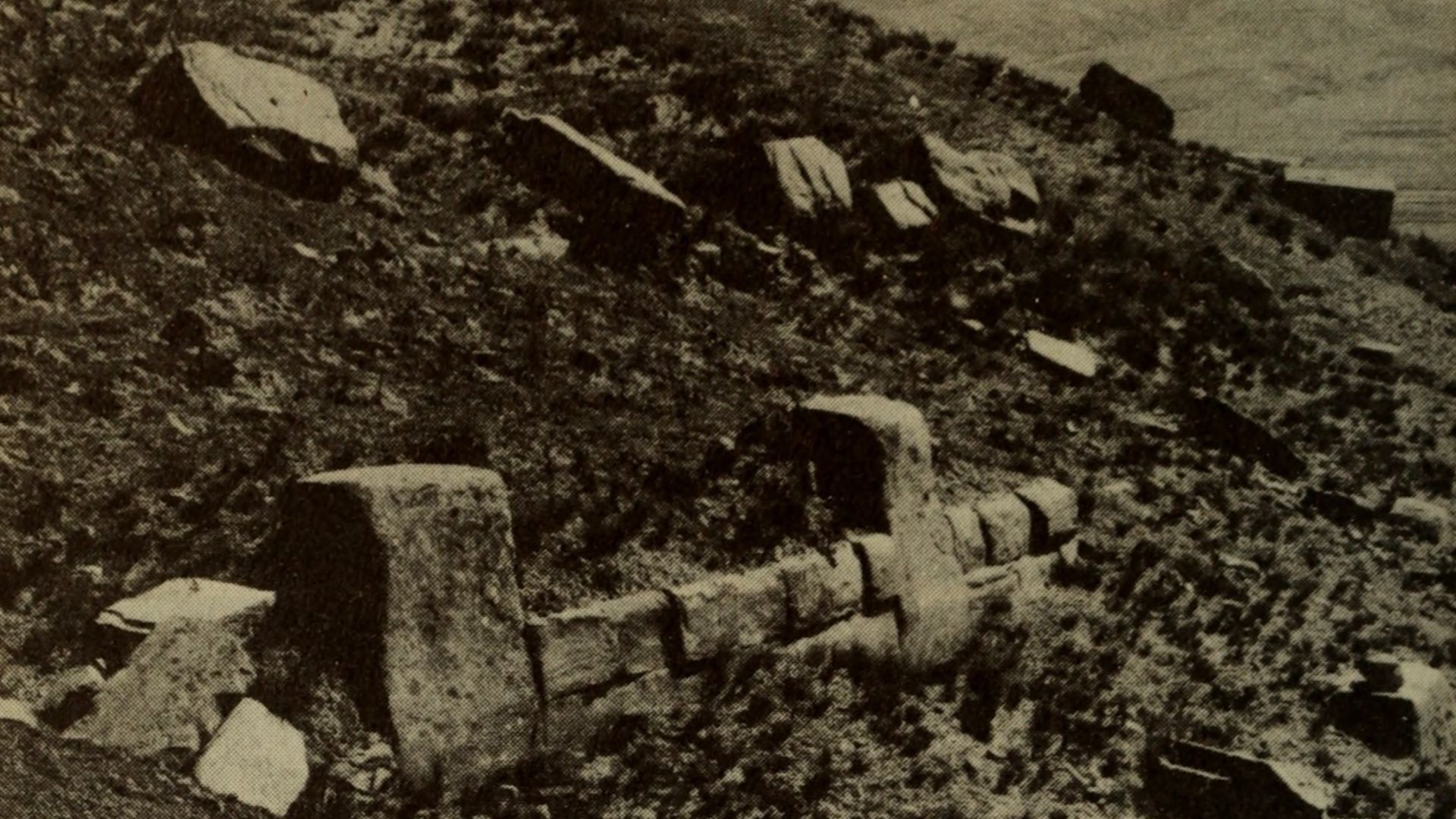 Internet Archive Book Images, Wikimedia Commons
What Remains Unknown
Researchers caution that many details are still uncertain. The exact rules governing exchange at the site are not known. Ongoing research may clarify how the system operated.
A Landscape That Still Holds Secrets
The Band of Holes remains one of Peru’s most unusual archaeological sites. Each new study adds context but also raises new questions. The hillside continues to offer insight into ancient human ingenuity.