 Dejan Marjanovic, Getty Images, Modified
At first glance, Wuwangdun seemed like another quiet rise in the land outside Huainan in China’s Anhui province. However, archaeologists had suspected for years that something monumental sat under the soil. When work finally began in earnest, those suspicions turned out to be right. Beneath layers of earth and centuries of shifting area lay one of the largest and best preserved Chu-state tombs ever found, complete with chariot pits, lacquerware, and enormous wooden structures built for someone who clearly held elite status. What researchers uncovered opened an unexpected window into a kingdom that flourished more than 2,200 years ago.
A Royal-Scale Project
Excavation began in 2020 through a long-term investigation led by the Anhui Provincial Institute of Cultural Relics and Archaeology. The Wuwangdun site sits on a broad circular mound surrounded by rammed earth foundations and related structures, indicating careful planning by ancient builders. As archaeologists opened the outer layers, they found a burial complex arranged in a highly organized layout, with multiple compartments designed to safeguard both the deceased and the objects placed with them. The scale of the mound and the precision of the construction made it clear that the project once required significant labor, resources, and ceremonial intention.
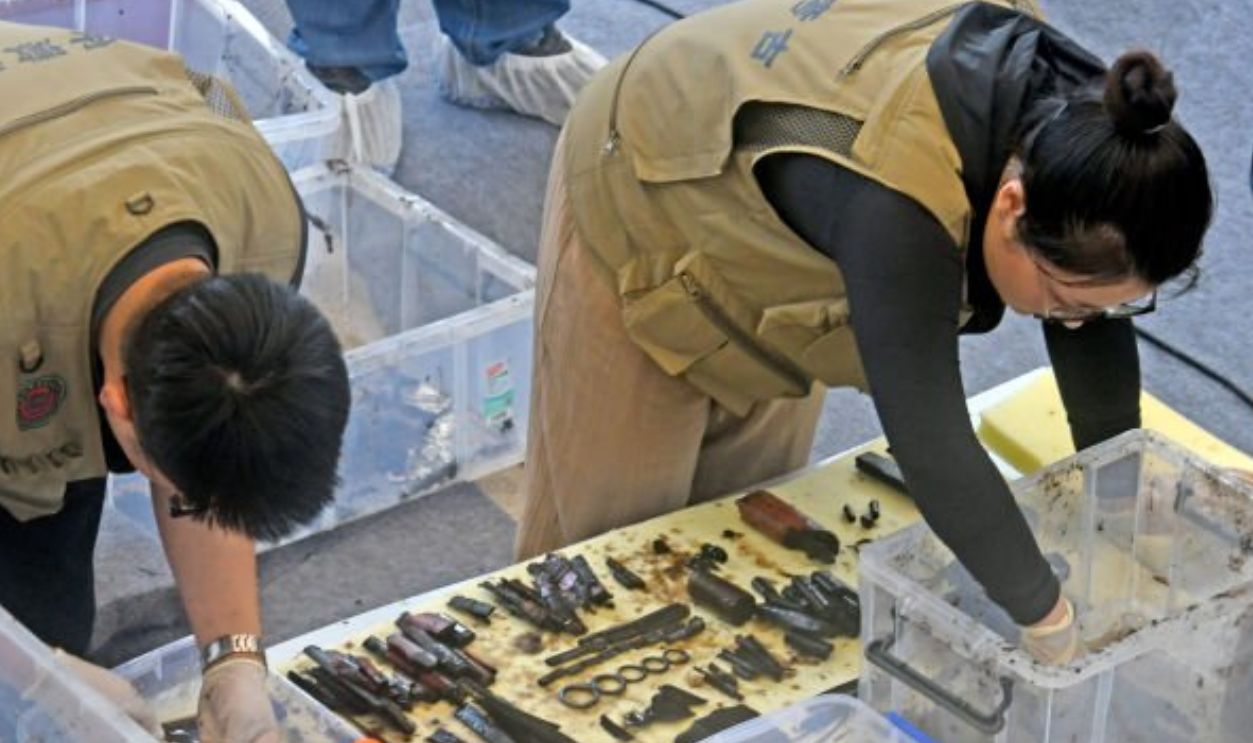
Objects also began to emerge from the chambers in remarkable condition. The most striking were lacquered wooden pieces. Chu craftsmen were famous for their lacquer artistry, and Wuwangdun’s examples show why. Many lacquered pieces retained vivid colors and intricate motifs, some depicting protective creatures or symbols of status. Bronze tools appeared alongside musical instruments and everyday objects, while bells and halberds revealed ceremonial life. These discoveries, combined with ornate fittings, give researchers a layered view of the tomb’s cultural world and the beliefs surrounding its occupant.
Chariot Pits
One of the discoveries that drew international interest was a series of chariot and horse pits along the outer area of the complex. These pits held wooden chariots that had collapsed over time but still carried their original hardware and layout. Chariot burials usually signaled high rank since only elites who held military authority or courtly importance received them. At Wuwangdun, the number and arrangement hinted at a person with significant influence. The placement also followed known Chu patterns, which favored symmetrical layouts and symbolic accompaniment for the soul’s journey.
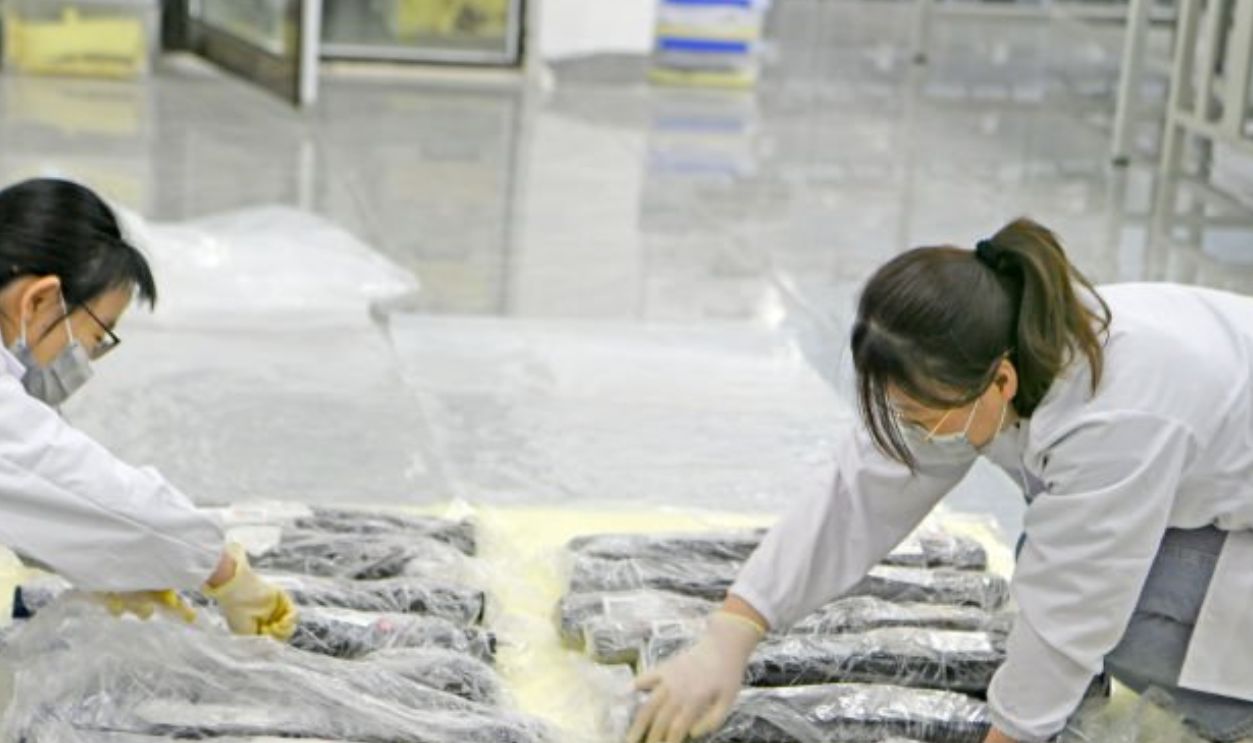
As excavation continued, archaeologists used advanced scanning techniques to map the interior layers before disturbing them. Ground-penetrating radar revealed sealed coffins and architectural compartments that had not been touched since the third century BCE. The cautious approach protected fragile materials that would have deteriorated quickly if exposed too suddenly. What made the process especially rewarding was the variety of finds. Some were preserved well enough to reveal ink traces. Each slip had to be lifted slowly and stabilized through careful conservation so that researchers could study it later in a controlled environment.
A Clearer Picture Of Chu Life And Belief
By the time the discovery reached global news outlets, it was clear that Wuwangdun was one of the most important Chu-state excavations in decades. For historians, it opened a chance to examine how Chu leaders expressed identity during an era of political competition. For archaeologists, it provided a rich sample of building practices and material culture. The tomb’s layout revealed how Chu architects created layered protection for the deceased. Thick timbers formed a shell around inner compartments, and additional soil barriers kept water from reaching fragile materials. This design echoed what had been found in earlier Chu burials, but on a much larger scale.
Lacquered pieces brought another layer of insight. Their designs showed how Chu artists mixed imagination with symbolism. Some featured bird motifs, others displayed cloud patterns linked to Chu spiritual beliefs. These patterns are linked closely with Chu cosmology, which emphasizes cycles of change and rebirth. The chariot pits strengthened the argument for royal status. Instead of simple transport vehicles, these chariots served as status markers that helped define the owner’s place in Chu society. Wuwangdun continues to be studied, and conservation teams will likely spend years stabilizing and analyzing the materials. Each phase will bring new details about a world that existed long before national borders or modern cities.