A Christmas Gift Bigger Than Santa
Most kids dream of toys or video games on Christmas morning. But 9-year-old Molly Sampson dreamed of a fossil — and on December 25, 2022, she got one far better than socks. Wading in the cold Chesapeake Bay, Molly spotted something huge in the water and didn’t realize it was ancient history in her hands… yet.
Knee-Deep in History
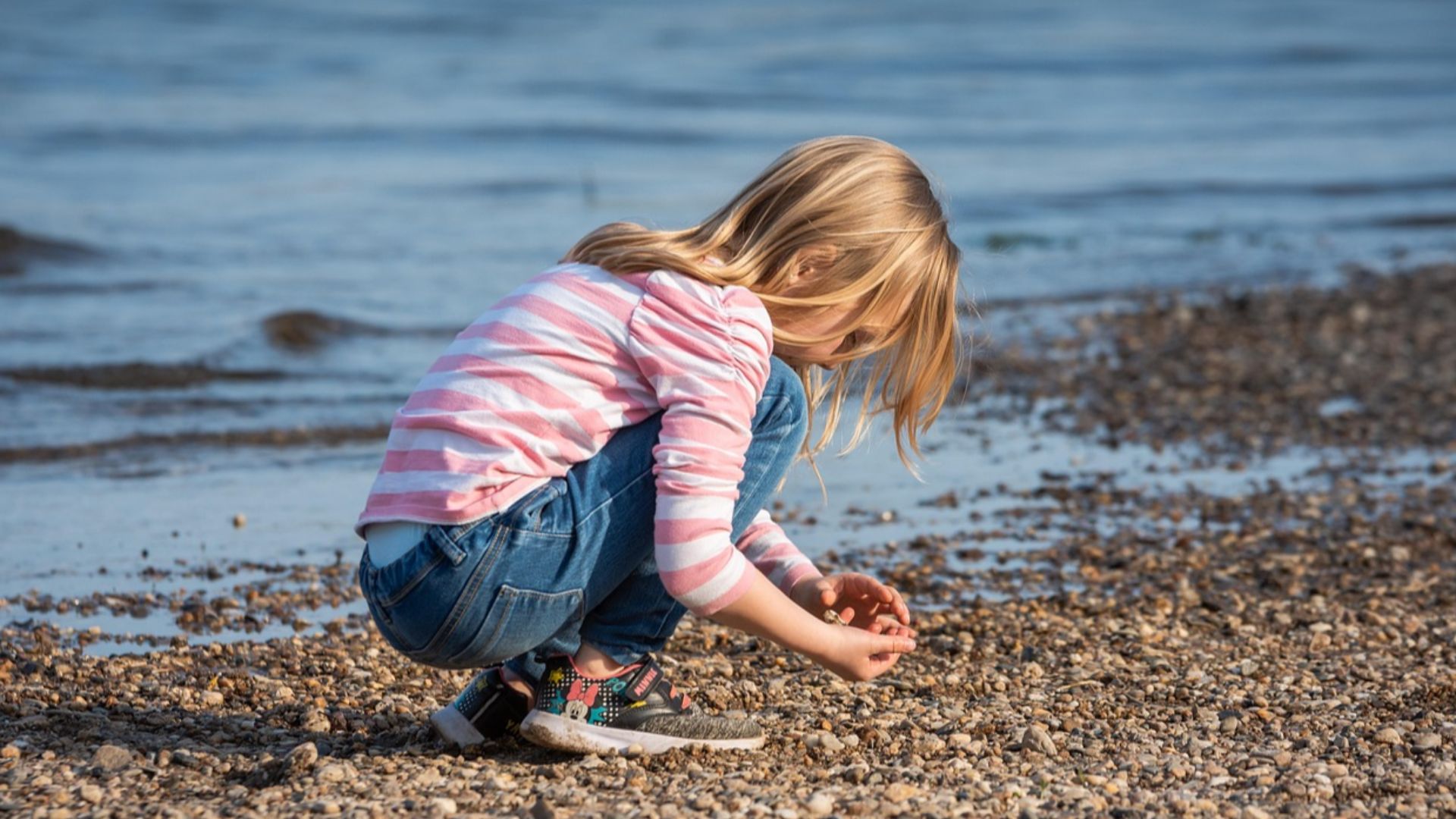
Molly lives in Prince Frederick, Maryland, near Calvert Cliffs State Park, one of the best places on Earth to find prehistoric fossils because the cliffs erode constantly, revealing ancient remains. On that chilly Christmas morning, she put on her new waders and joined her family in knee-deep water — mere minutes later, everything changed.
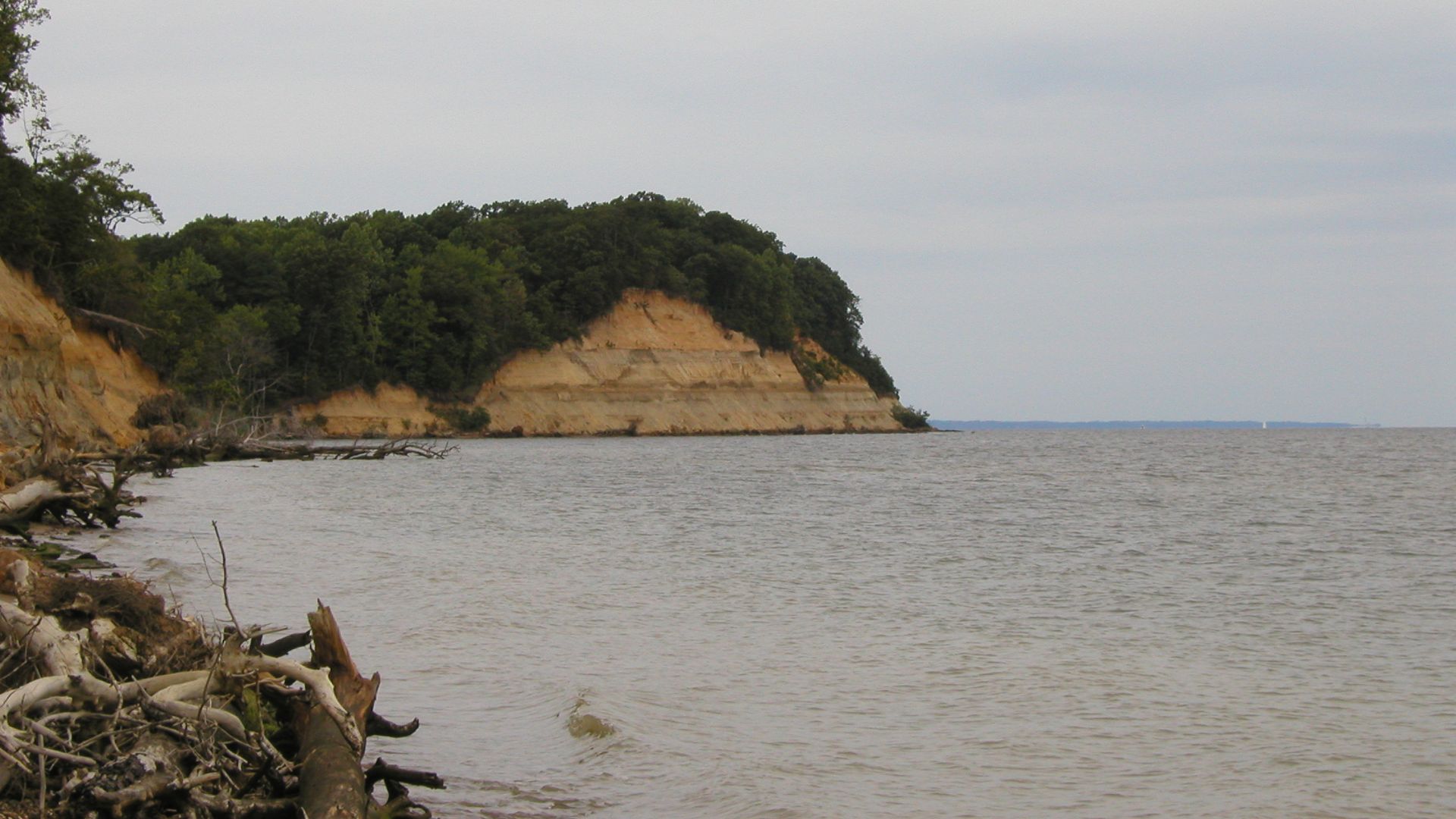 Alex Zorach, Wikimedia Commons
The Tooth That Stole Christmas
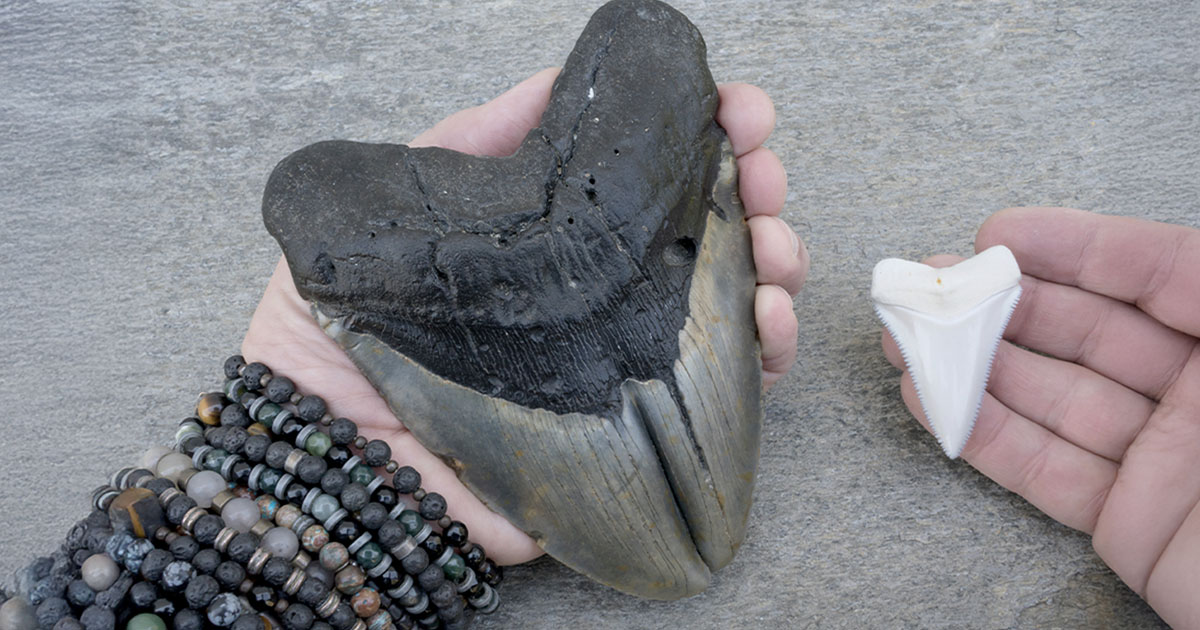
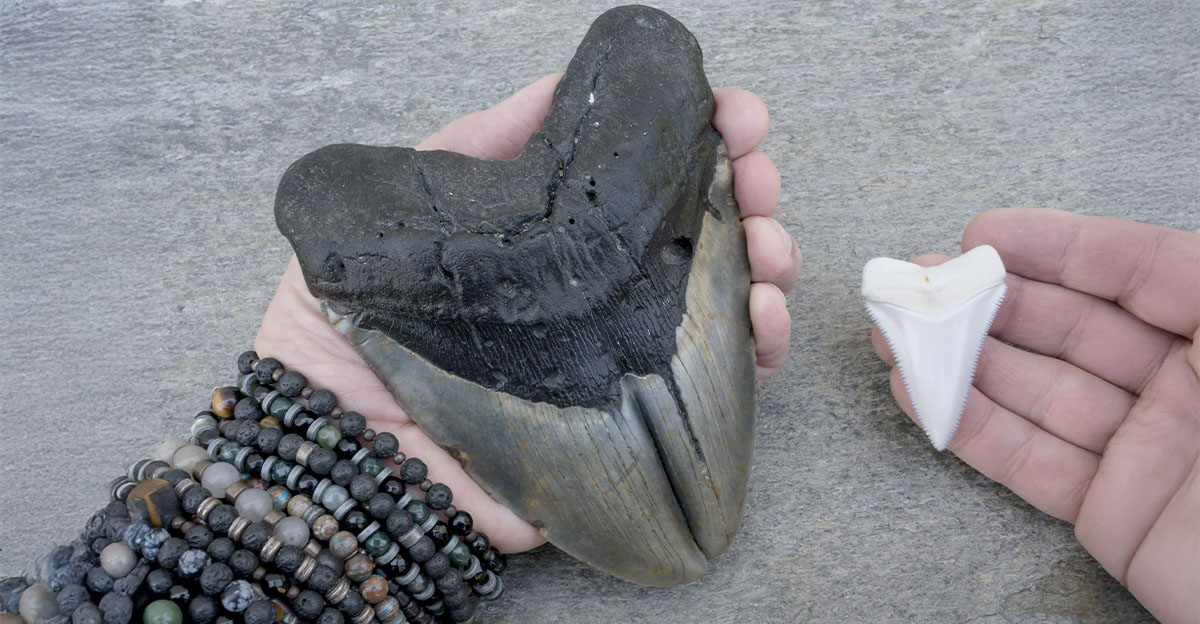
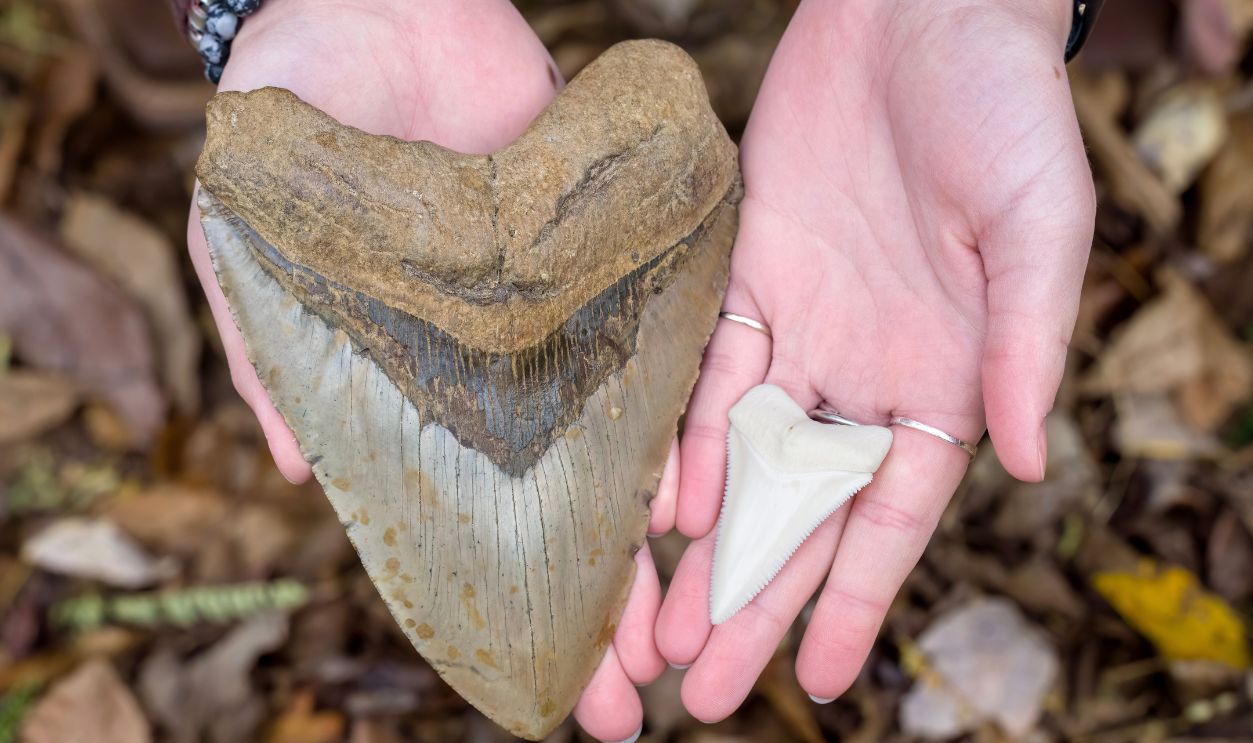
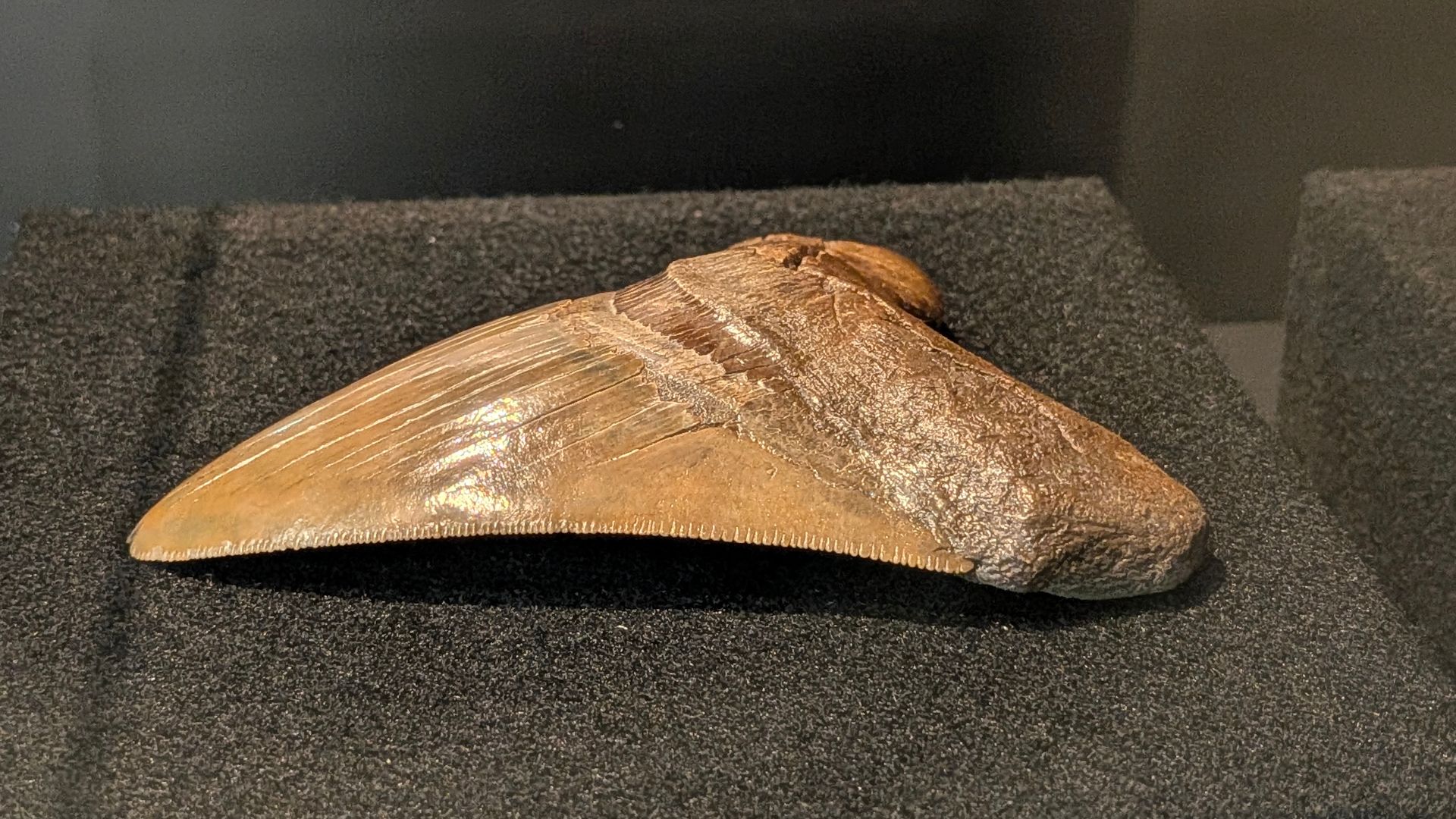
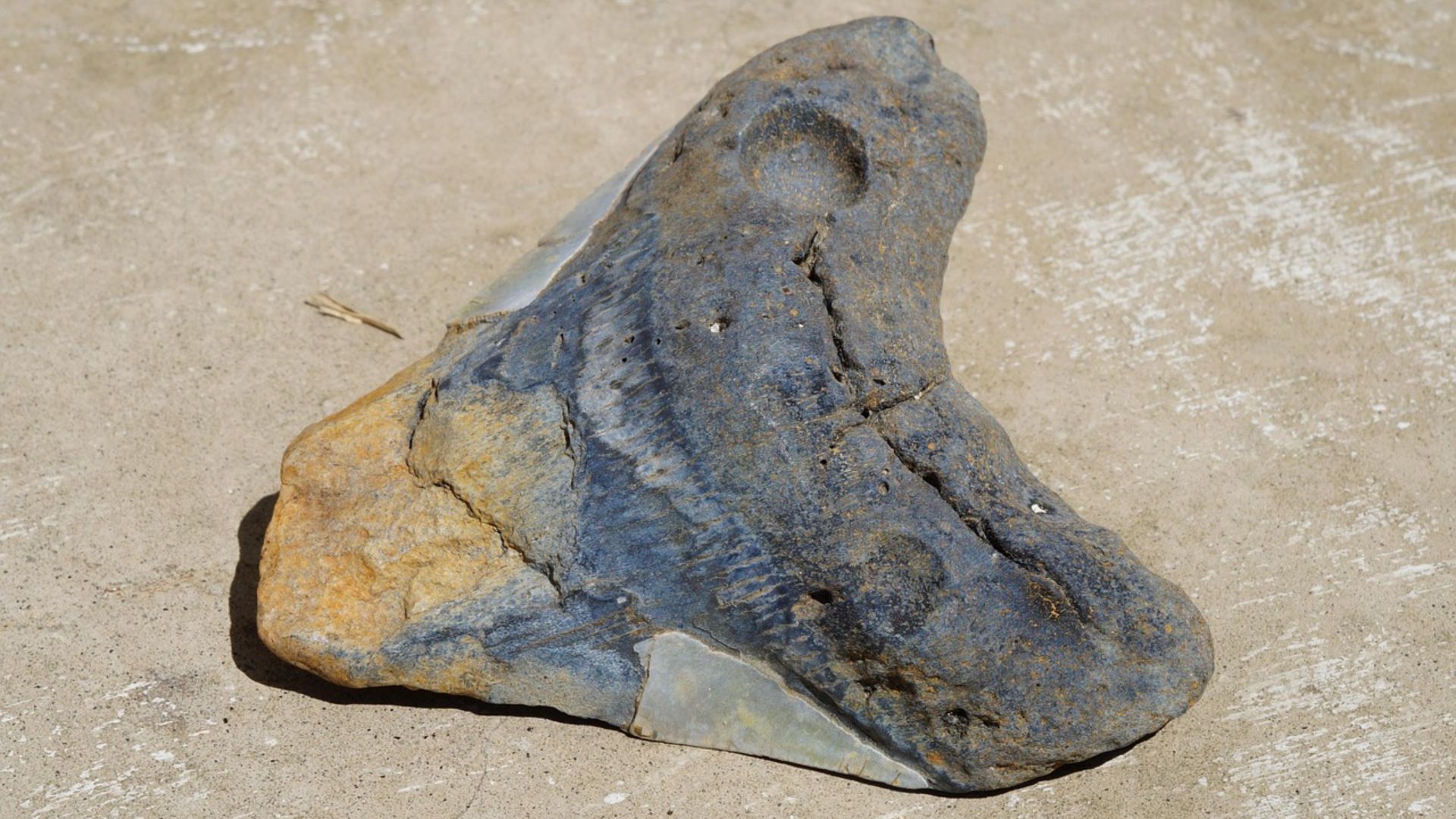
While sifting through gravel and sand, Molly saw something unmistakable and enormous. There it was — a 5-inch Megalodon tooth, bigger than her entire hand! “Oh my, that is the biggest tooth I’ve ever seen!” Molly later told NPR about her reaction.
A Teenage “Meg” on the Loose
Experts estimate the tooth is about 15 million years old and likely came from a shark between 45 and 50 feet long. That’s roughly the size of a school bus — maybe even bigger than some small dinosaurs!
The Megalodon: Shark of Legends
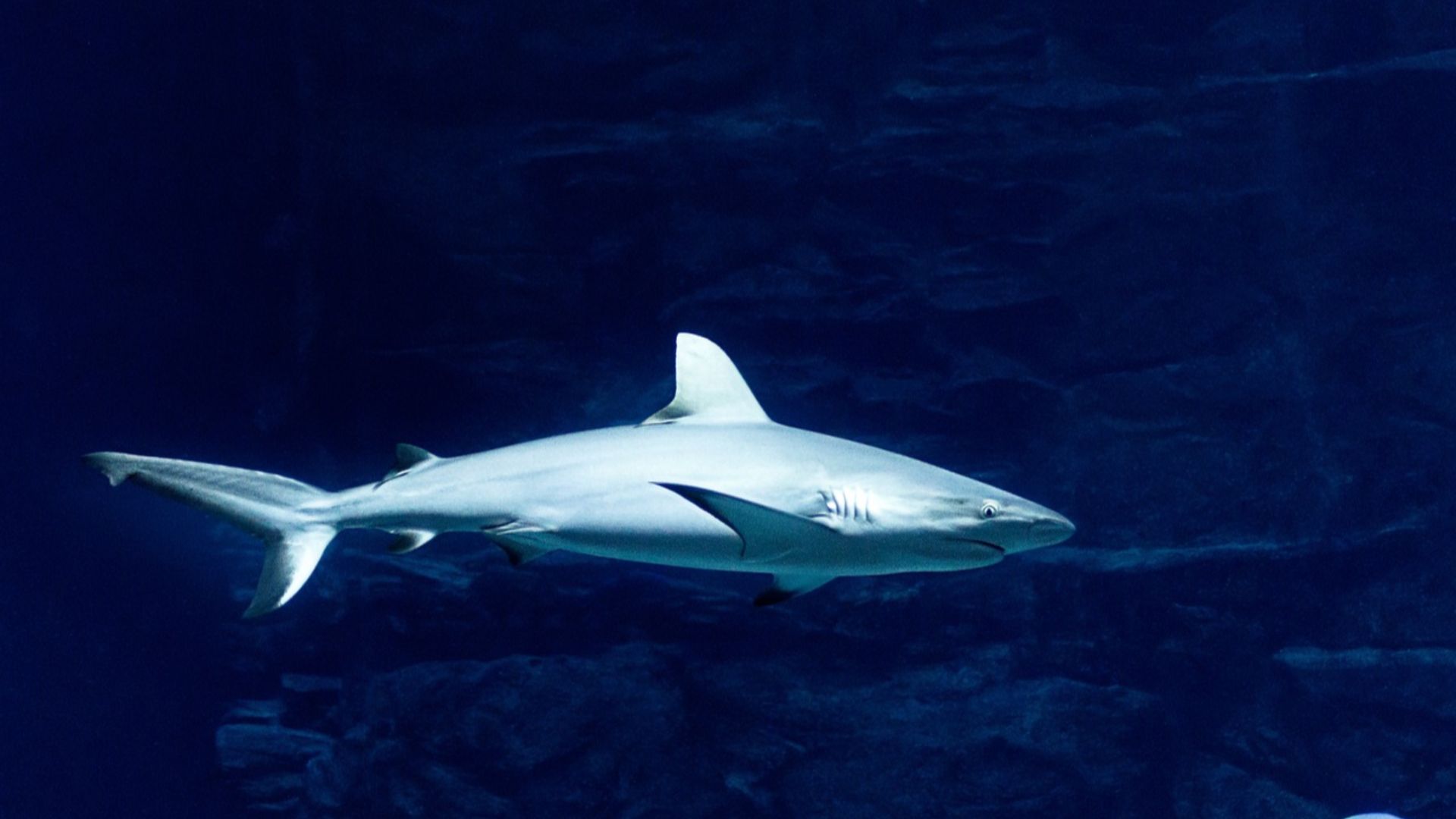
The shark that owned this tooth wasn’t your average great white. Otodus megalodon, usually called Megalodon, lived roughly 23 to 3.6 million years ago. Scientists believe it was one of the largest predatory sharks ever, cruising prehistoric seas with massive jaws lined with rows of teeth.
How Megalodon Teeth Are Found
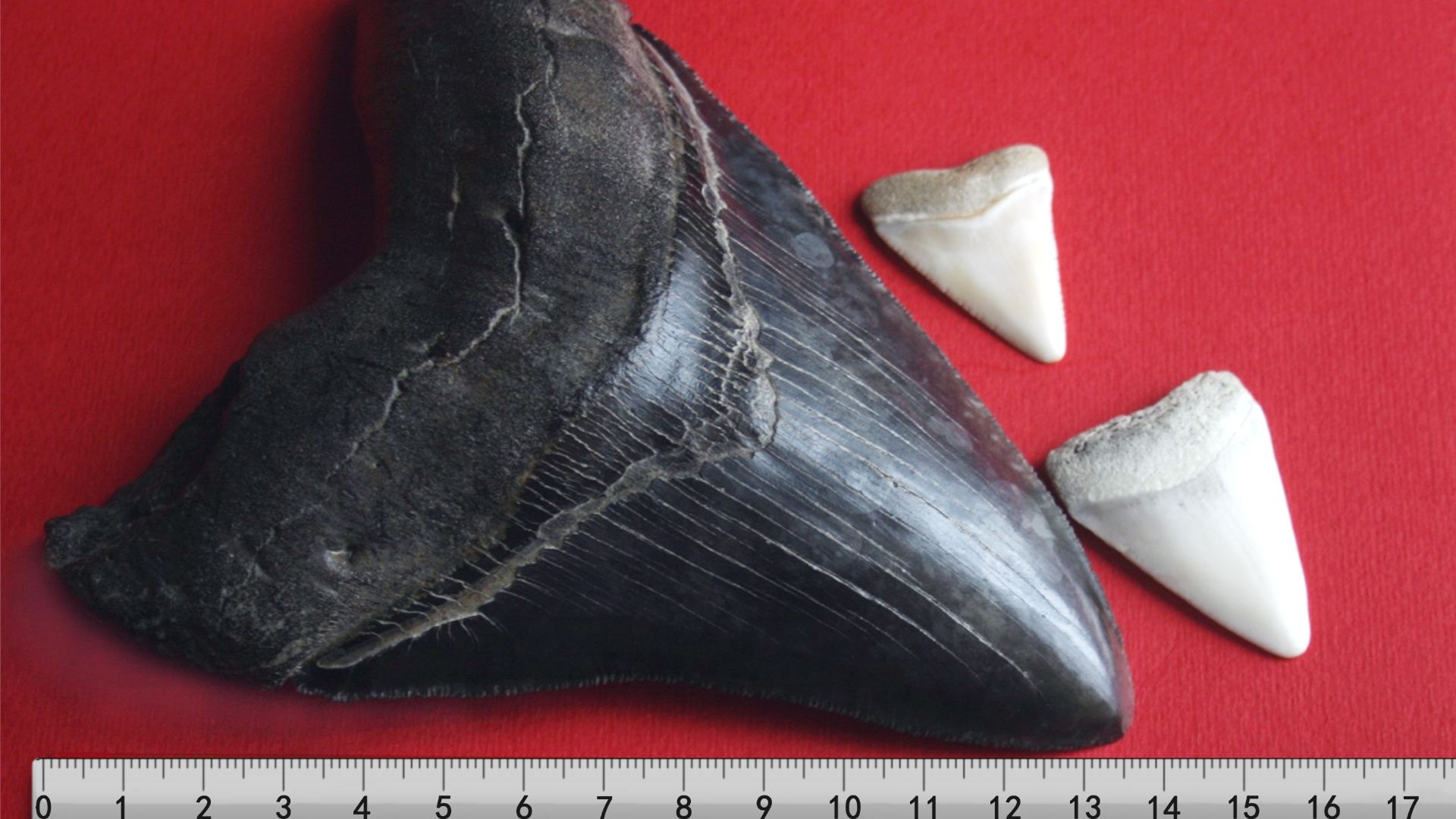
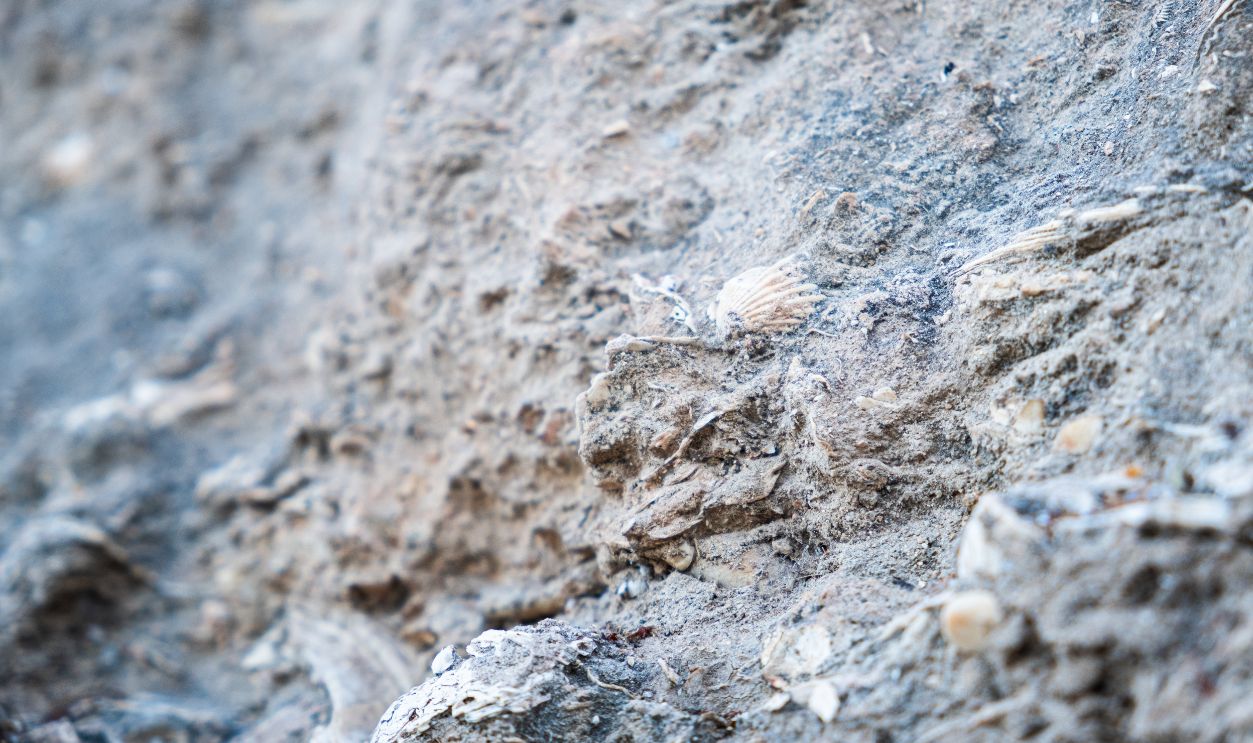
Unlike bones, shark skeletons are made of cartilage, which rarely fossilizes. Teeth, however, do. That’s why the cliffs near Chesapeake Bay are treasure troves: millions of years of sediment have buried and preserved teeth from ancient sharks, whales, turtles, and more.
 Lamorenitaestudio, Shutterstock
Molly’s Story Begins Young
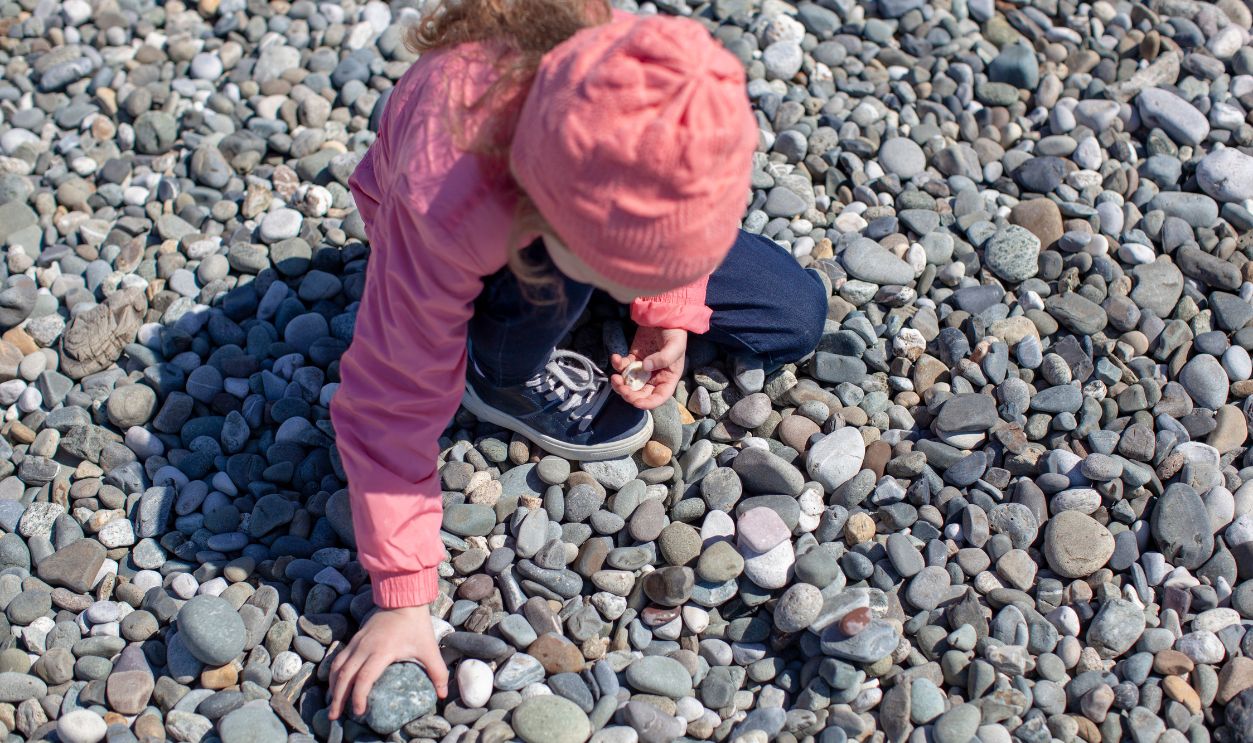
Molly didn’t just stumble on shark teeth once in a while. She’s been finding fossils since she was a toddler, long before she could read, with more than 400 teeth and fossils in her collection. Her father, Bruce, is a lifelong fossil hunter and jokes he’s never found one this big.
A Family Tradition
For Molly, fossil hunting isn’t just about the big discoveries. It’s a family activity — time spent with her dad and older sister, Natalie, exploring beaches, learning geology, and getting muddy together. “She loves treasure hunting,” her mom, Alicia Sampson, told CNN.

When the Big One Appears
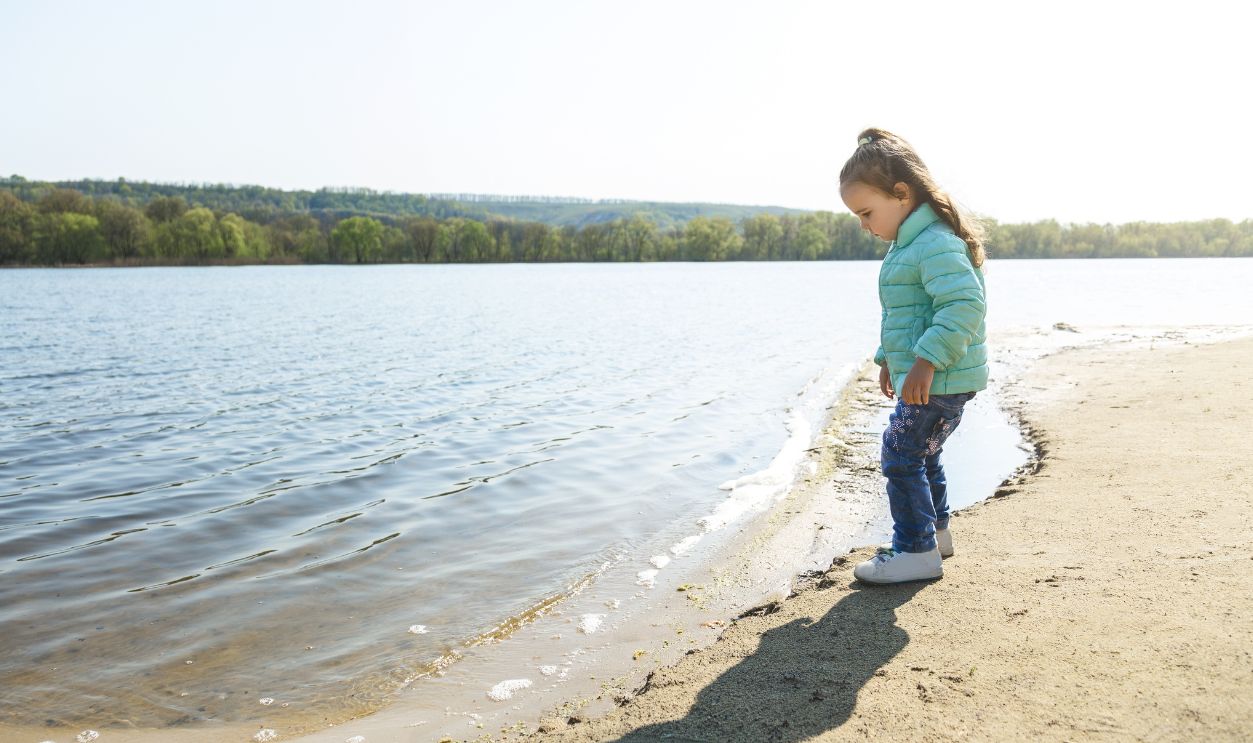
That Christmas, the water was cold, the tide was low, and conditions were perfect. Molly saw a shape that stood out from all the smaller shark teeth she’d found before. She reached down, grabbed it, and knew instantly — this was no ordinary fossil.
 MARIIA_MALYSHEVA, Shutterstock
Museum Experts Confirm the Find
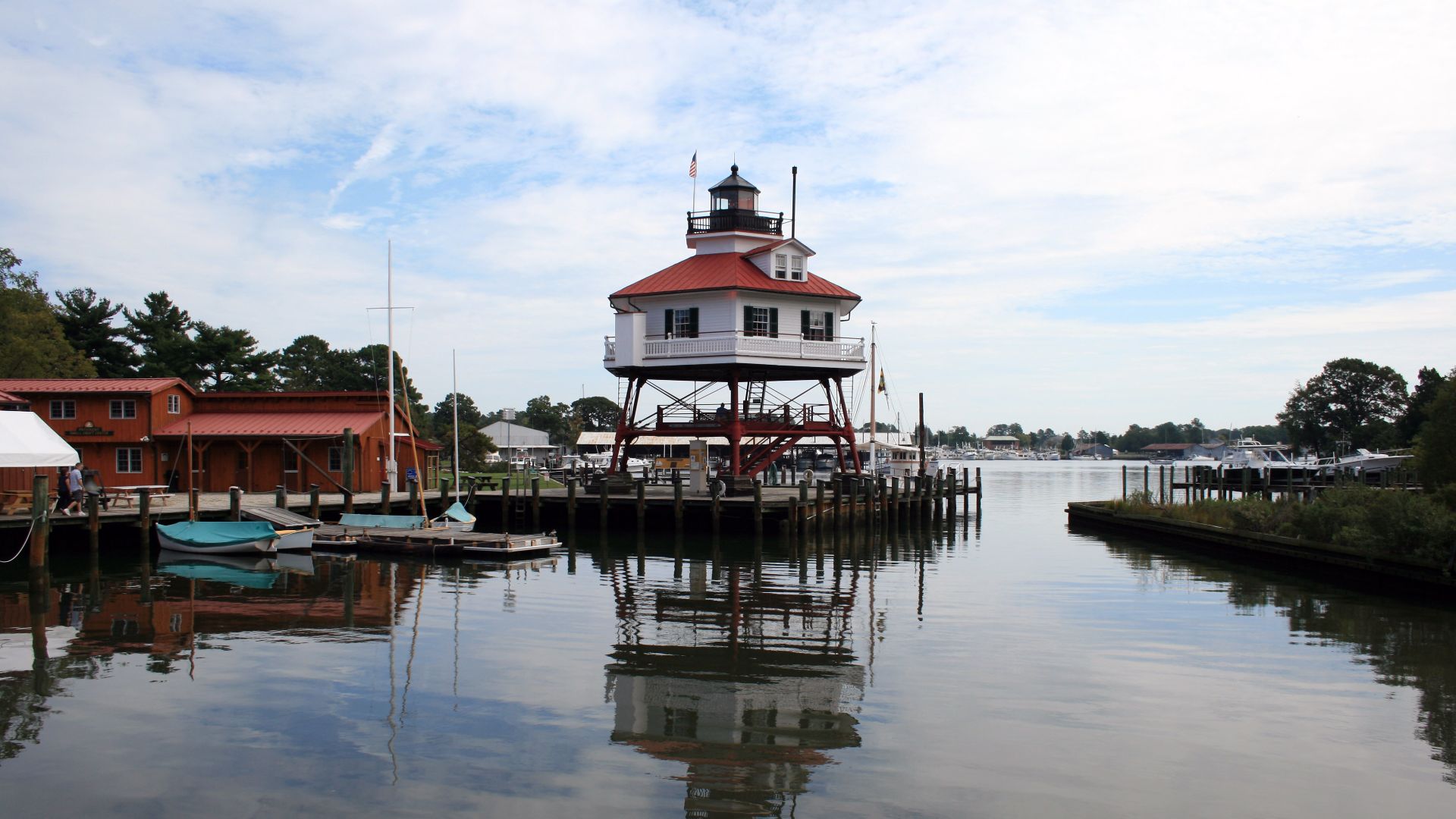
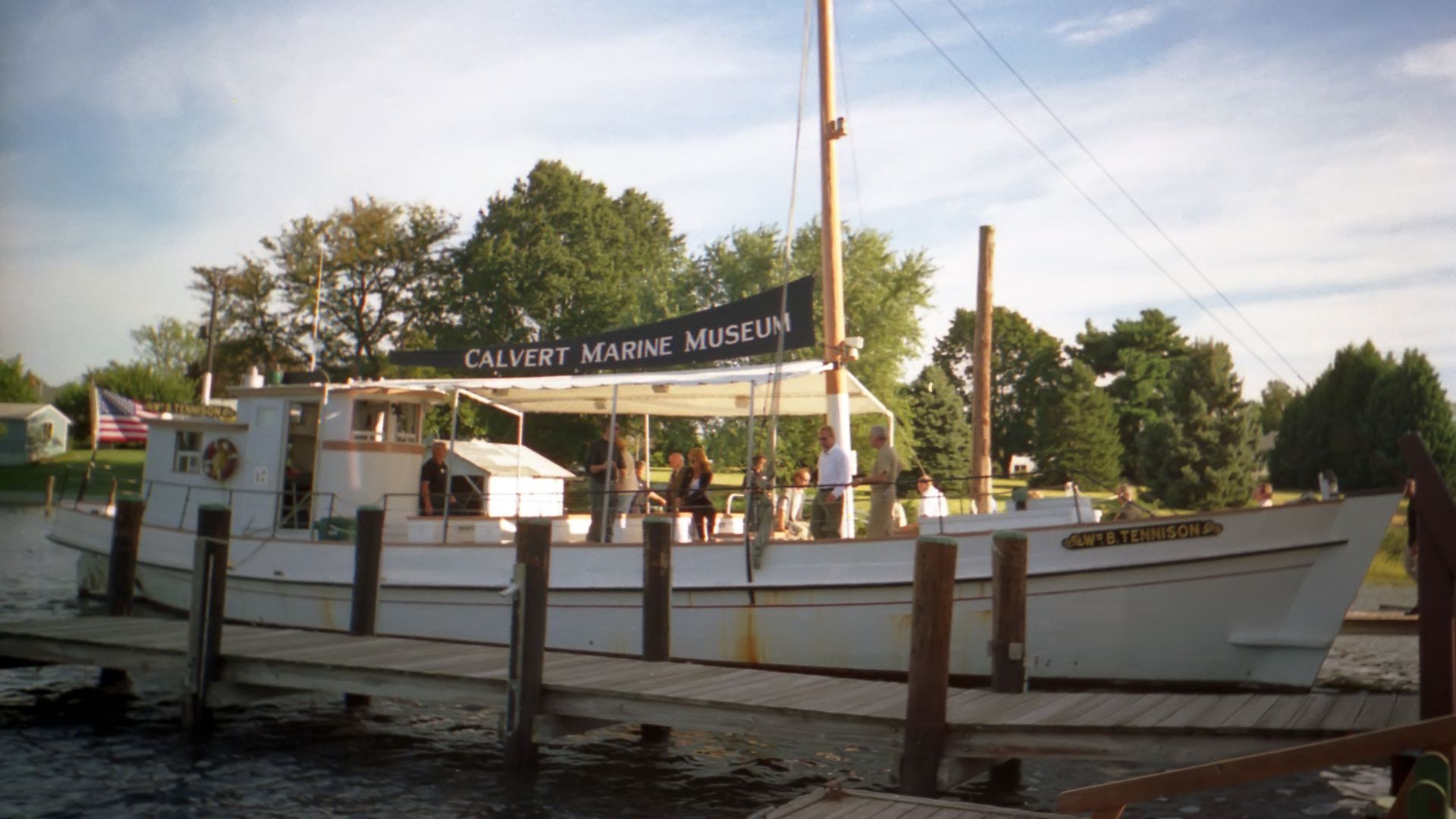
After the family brought the tooth to the Calvert Marine Museum in Solomons, Maryland, paleontology curator Dr. Stephen Godfrey confirmed it was indeed a Megalodon tooth, and a rare one at that — especially at that size.
 Sampsonsimpson20, Wikimedia Commons
Rare But Not Unique
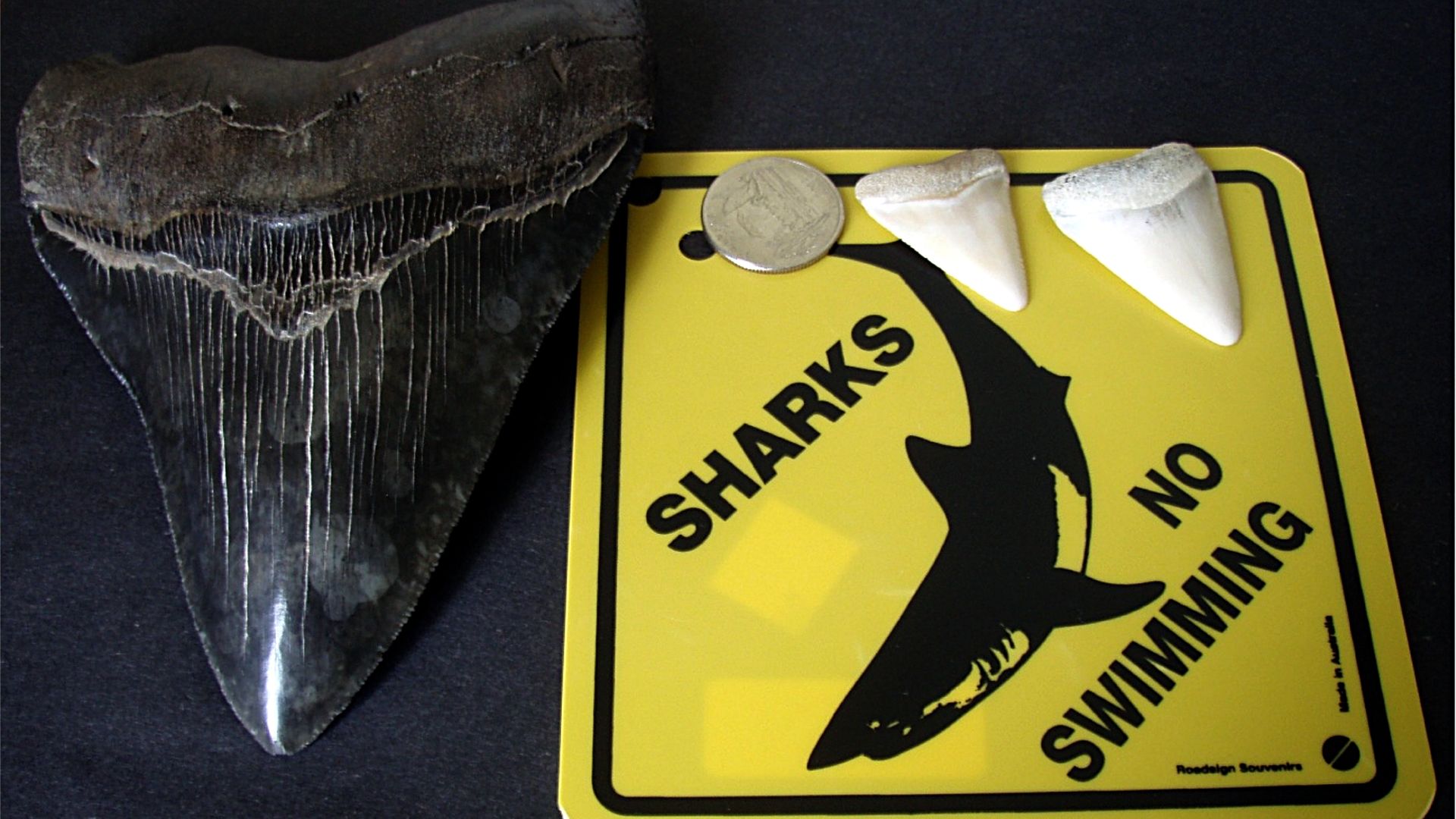
Megalodon teeth are found fairly regularly along Calvert Cliffs, but teeth as large as Molly’s are unusual. Some years only a few of that size are found. Many fossil hunters spend their entire lives without finding one that big.
Cold Water, Warm Memories
Molly’s find didn’t just make headlines — it lit up social media as the Calvert Marine Museum shared photos and videos of her discovery. The young girl’s excitement was contagious, showing how thrilling science and nature can be.
 Apetrov09703, Wikimedia Commons
Teeth Tell Stories
Megalodon teeth are more than cool souvenirs. Their size, shape, and wear patterns help scientists understand how these ancient predators lived, what they ate, and how they evolved — helping piece together a picture of a world long gone.
 Brocken Inaglory, Wikimedia Commons
How Big Was Megalodon Really?
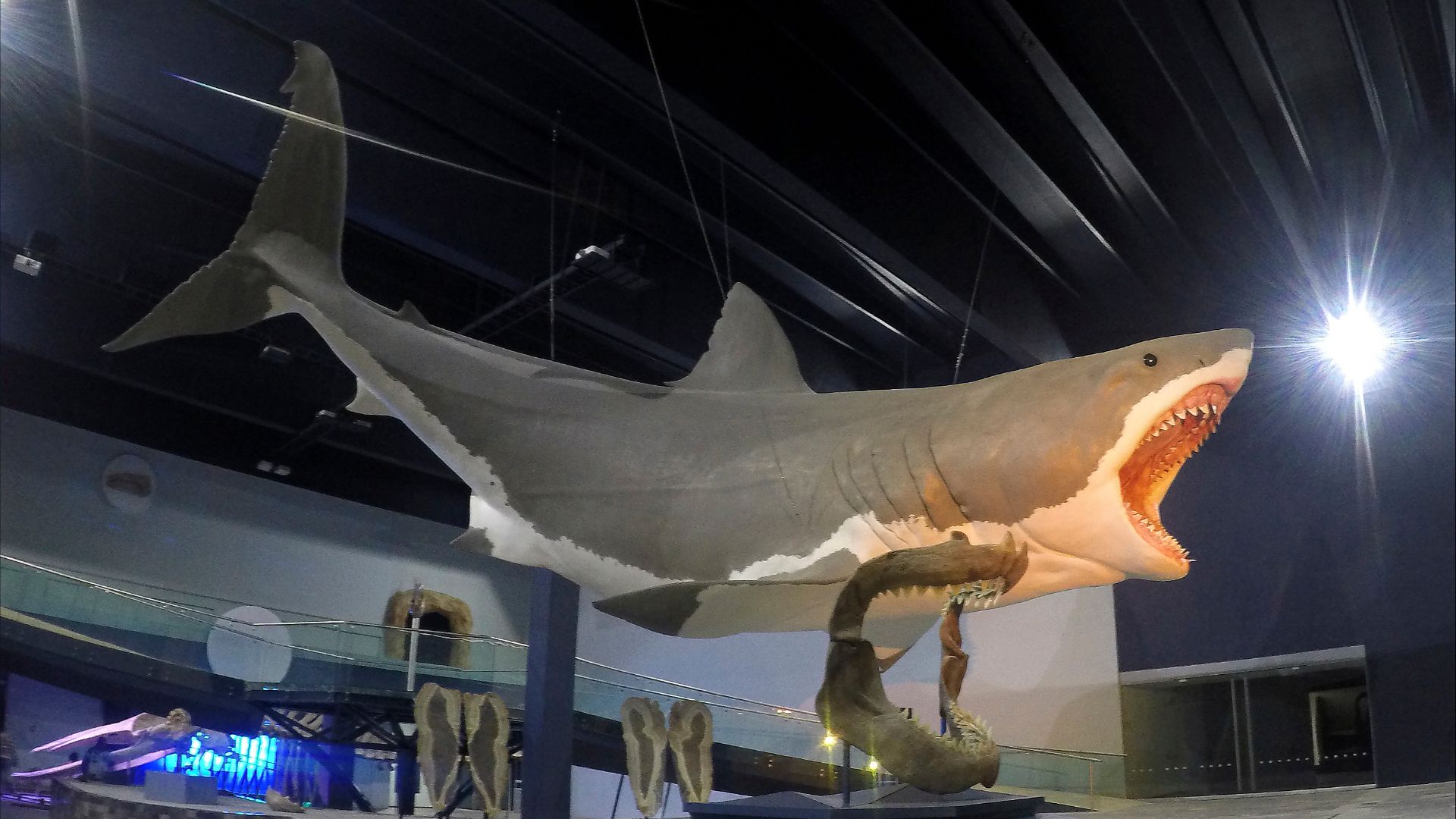
Scientists estimate Megalodon could grow up to 60 feet long — about twice the length of a killer whale and several times bigger than today’s great white sharks. That means each tooth was a tiny part of a huge life.
 Sergiodlarosa (Sergio De La Rosa), Wikimedia Commons
Why Calvert Cliffs Are a Fossil Hotspot
The region around Calvert Cliffs was once the bottom of an ancient sea. Over millions of years, layers of sediment trapped the remains of sea life — now exposed by erosion. That’s why fossil hunters from around the world flock here.
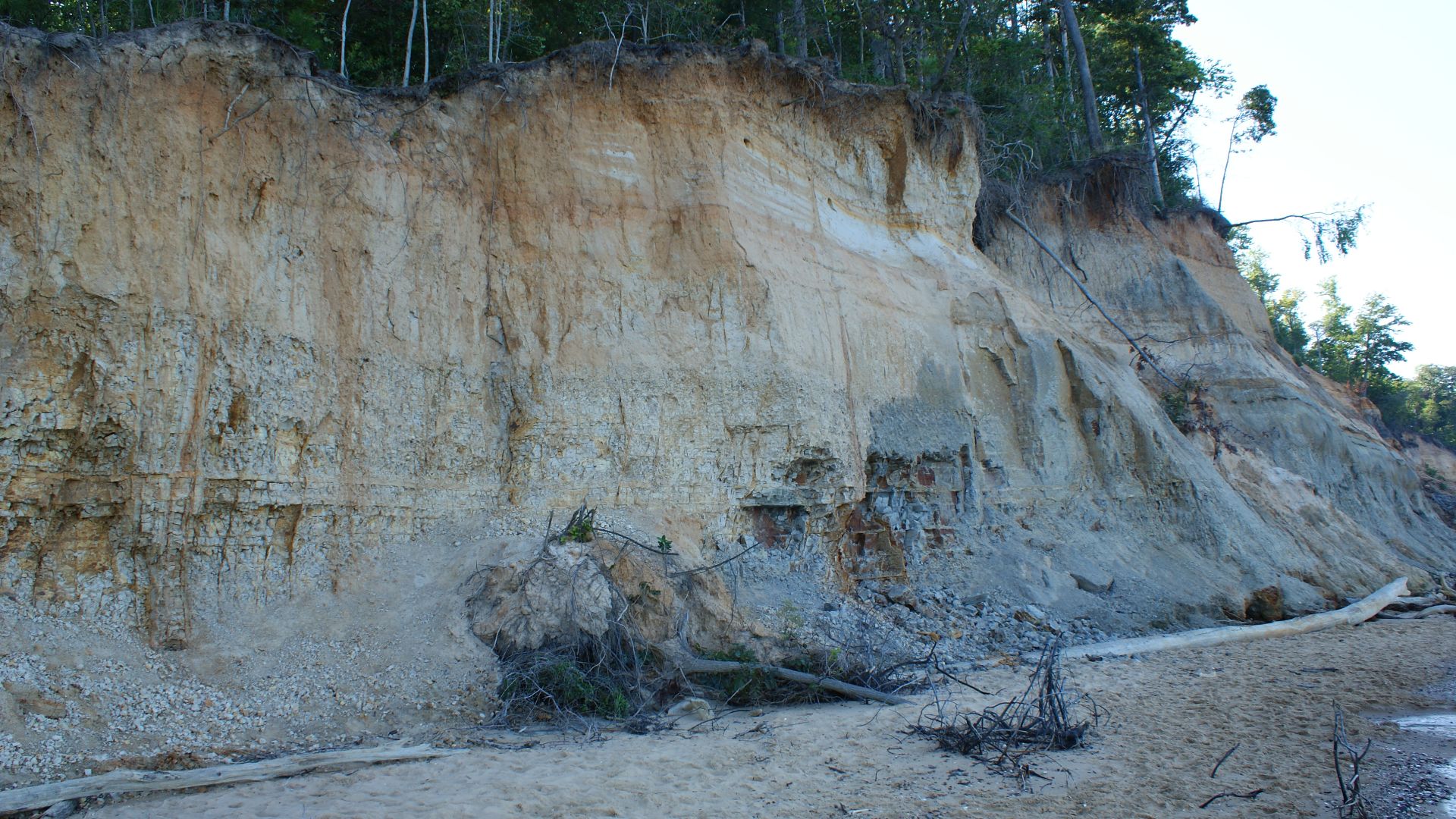 Flickr user: Kezee Takoma Park https://www.flickr.com/people/kezee/, Wikimedia Commons
A Kid Inspires a Community
Molly’s discovery has inspired others to get outside, explore, and appreciate natural history. Her Instagram page (@fossilgirls_md) has become a place where she shares fossils, tips, and the joy of exploration with other young fossil enthusiasts.
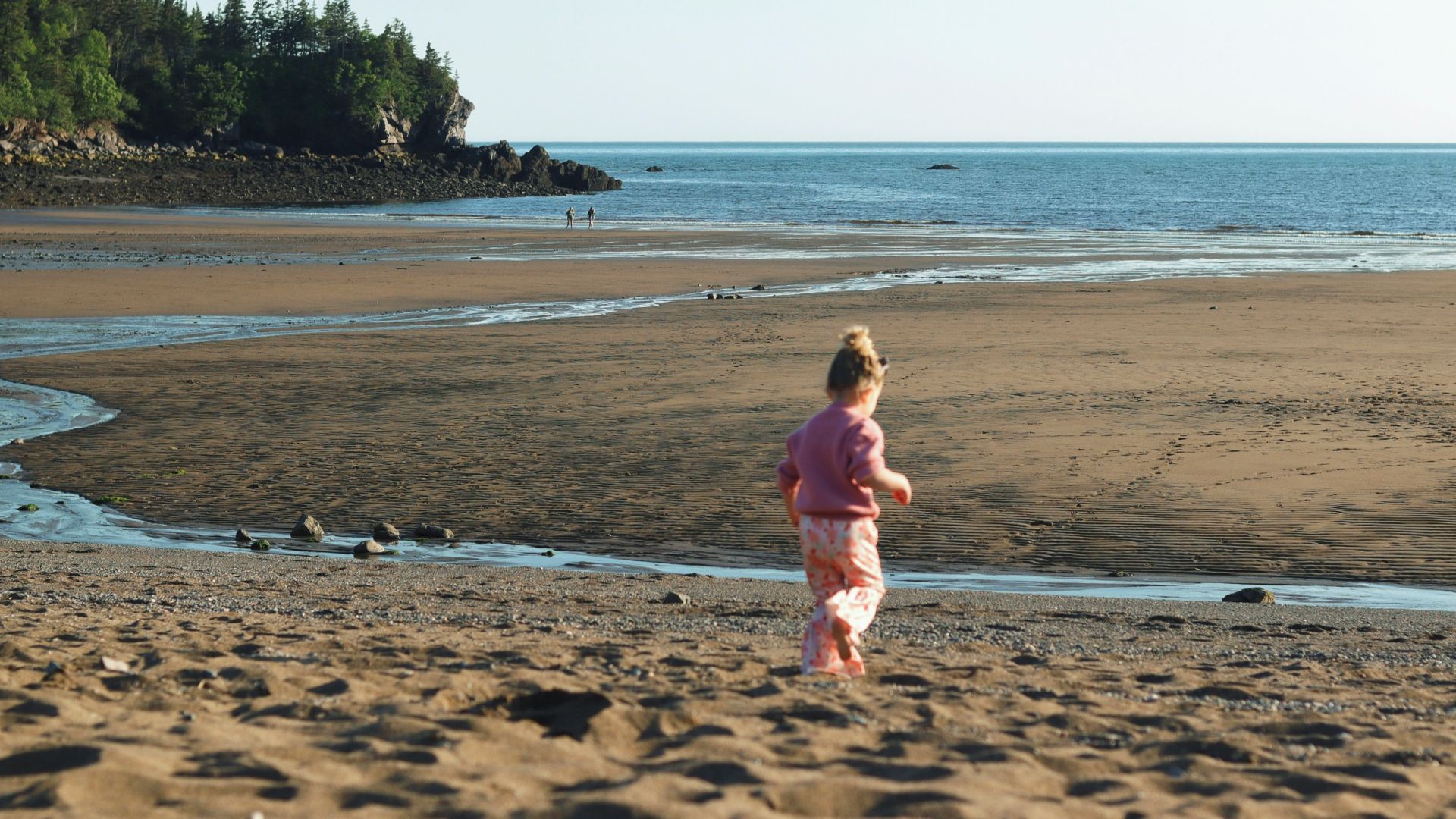
A Once-in-a-Lifetime Find
Curator Godfrey called it a “once-in-a-lifetime find,” even though many people search for years without such success. For a 9-year-old to find something of this size and age is nothing short of incredible.
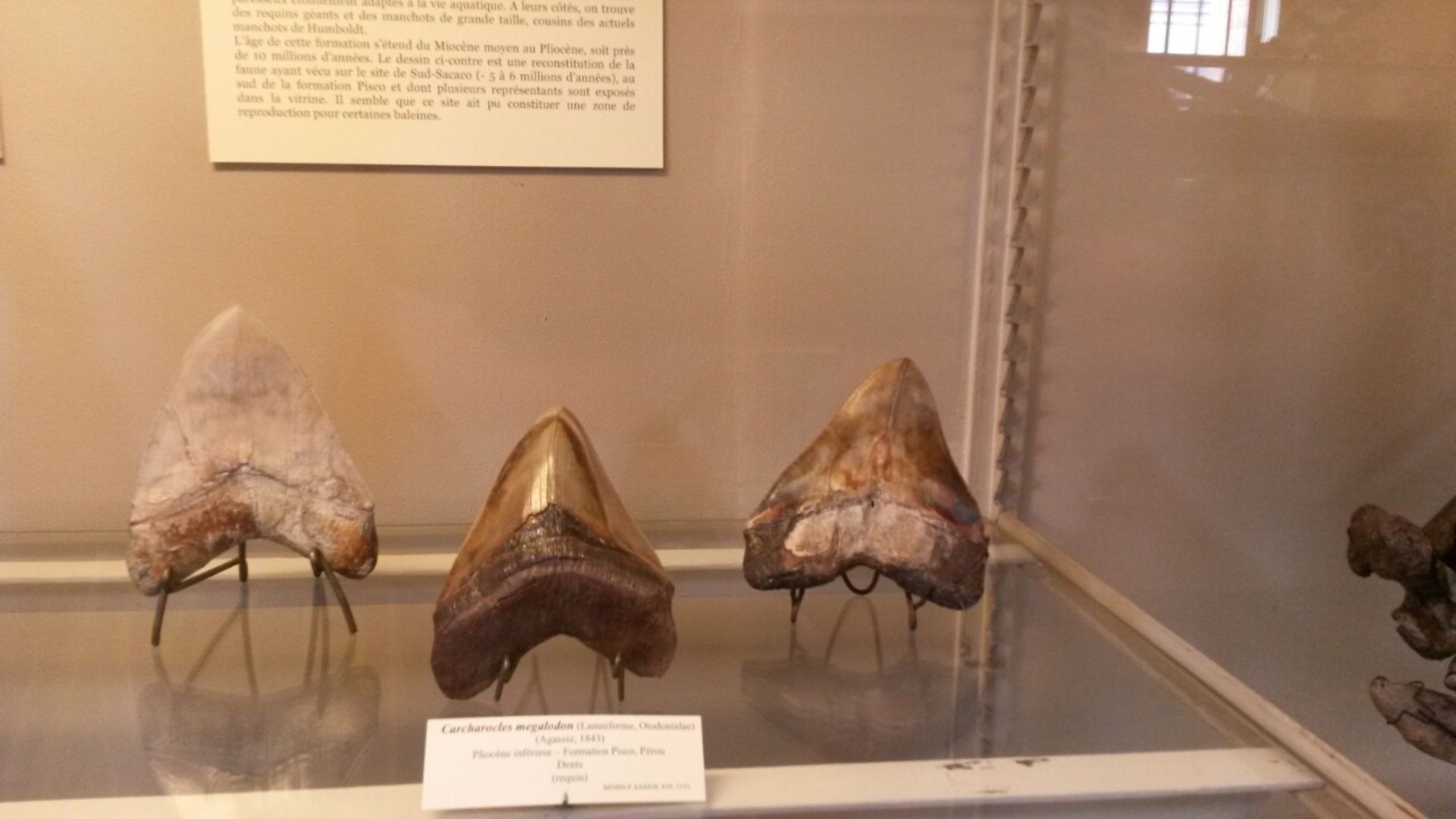
A Peek Into Ancient Seas
Megalodons dominated the oceans long before humans existed. Their fossils help scientists learn about ancient ecosystems, predator-prey relationships, and how Earth’s climate and sea levels have changed over millions of years.
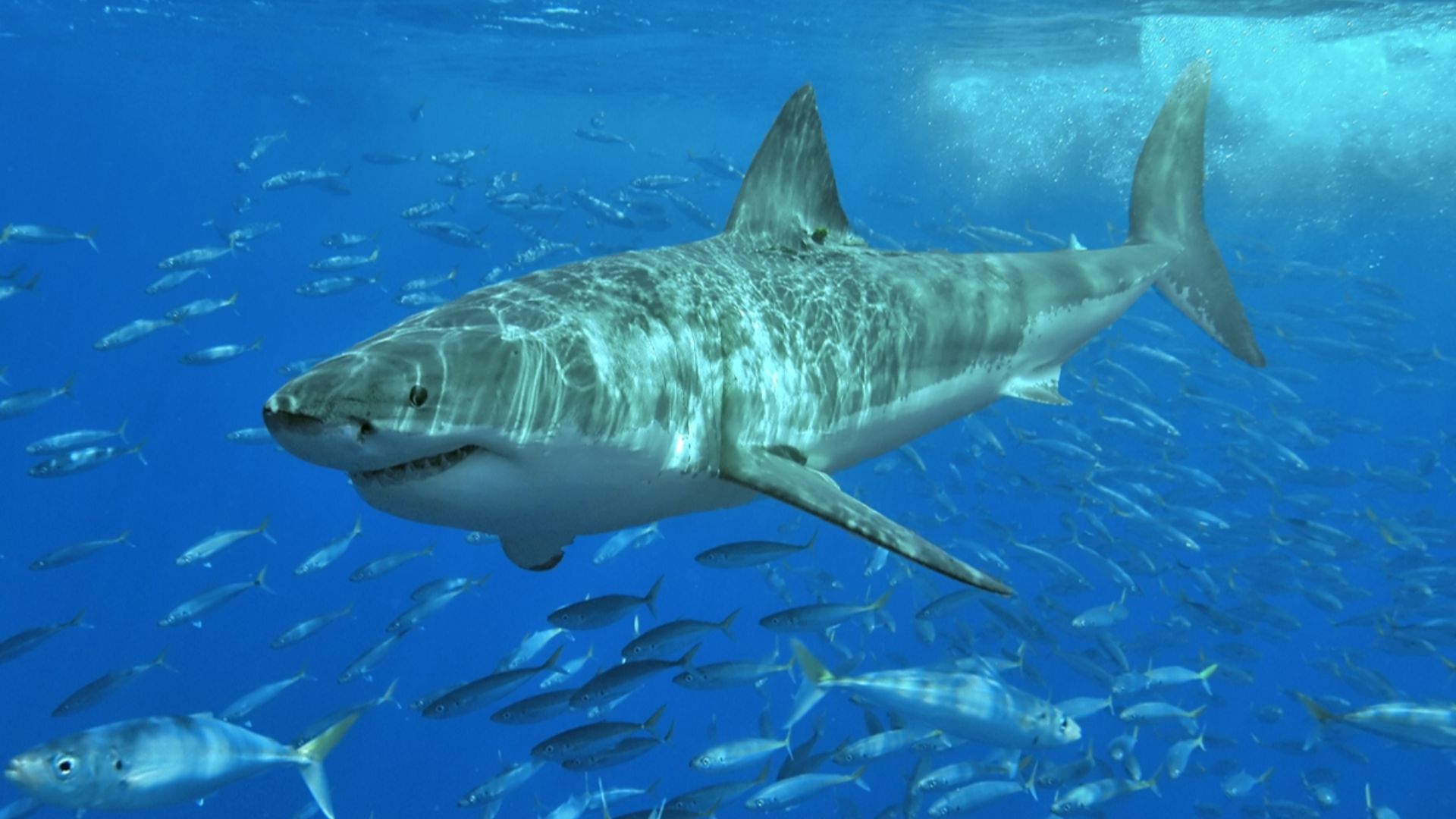 Pterantula (Terry Goss) at en.wikipedia, Wikimedia Commons
Teeth With Stories to Tell
Each fossil tooth has a story — this one spoke of courage, curiosity, and a little bit of luck. For Molly, the find wasn’t just scientific; it was personal, a Christmas gift she’ll never forget.
What’s Next for Molly?
Molly says she wants to be a paleontologist when she grows up. With a discovery like this already under her belt, that dream feels well within reach — but she’s still hunting for more fossils.
Giant Sharks and Bigger Dreams
From knee-deep water on a cold December morning to headlines around the world, Molly’s story shows that science can strike when you least expect it. And that the thrill of discovery is for everyone — no matter your age.
You May Also Like: