A Tiny Whistle With A Surprisingly Big Story
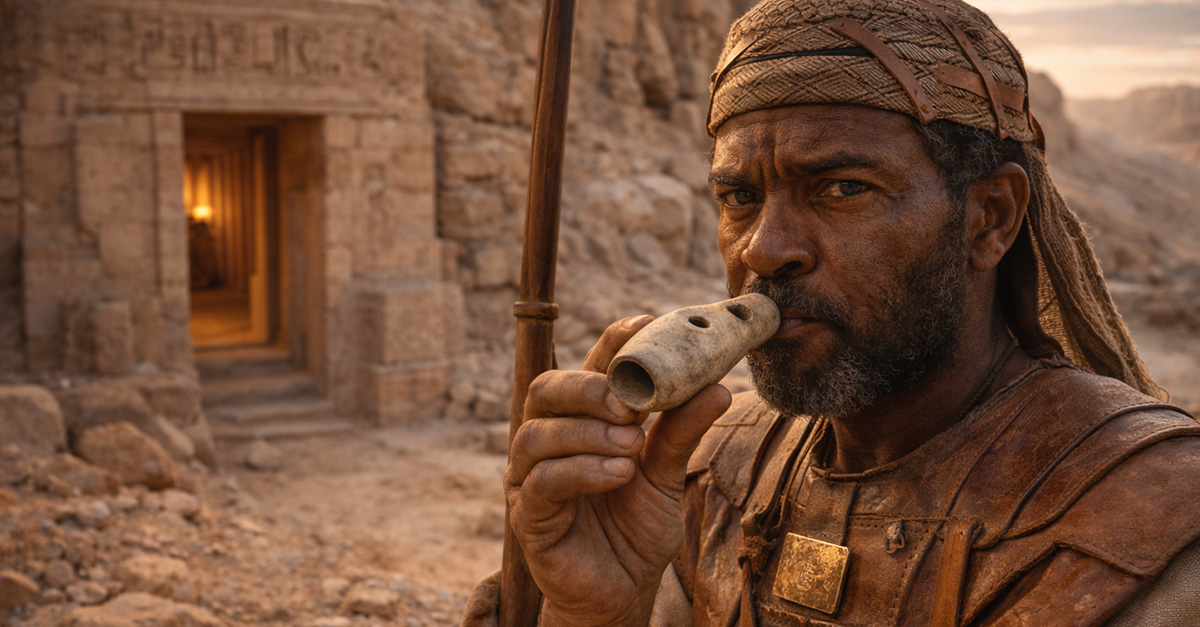
Archaeology usually dazzles us with gold masks and glittering treasures. But sometimes, the smallest finds speak the loudest. That’s exactly what happened near Thebes, where archaeologists uncovered a 3,300-year-old clay whistle. It may not look impressive at first glance, but this little instrument could once have echoed across the desert as royal tomb guards signaled danger. In doing so, it offers a vivid, human glimpse into how ancient Egypt kept its most sacred spaces safe.

Discovered Near Ancient Thebes
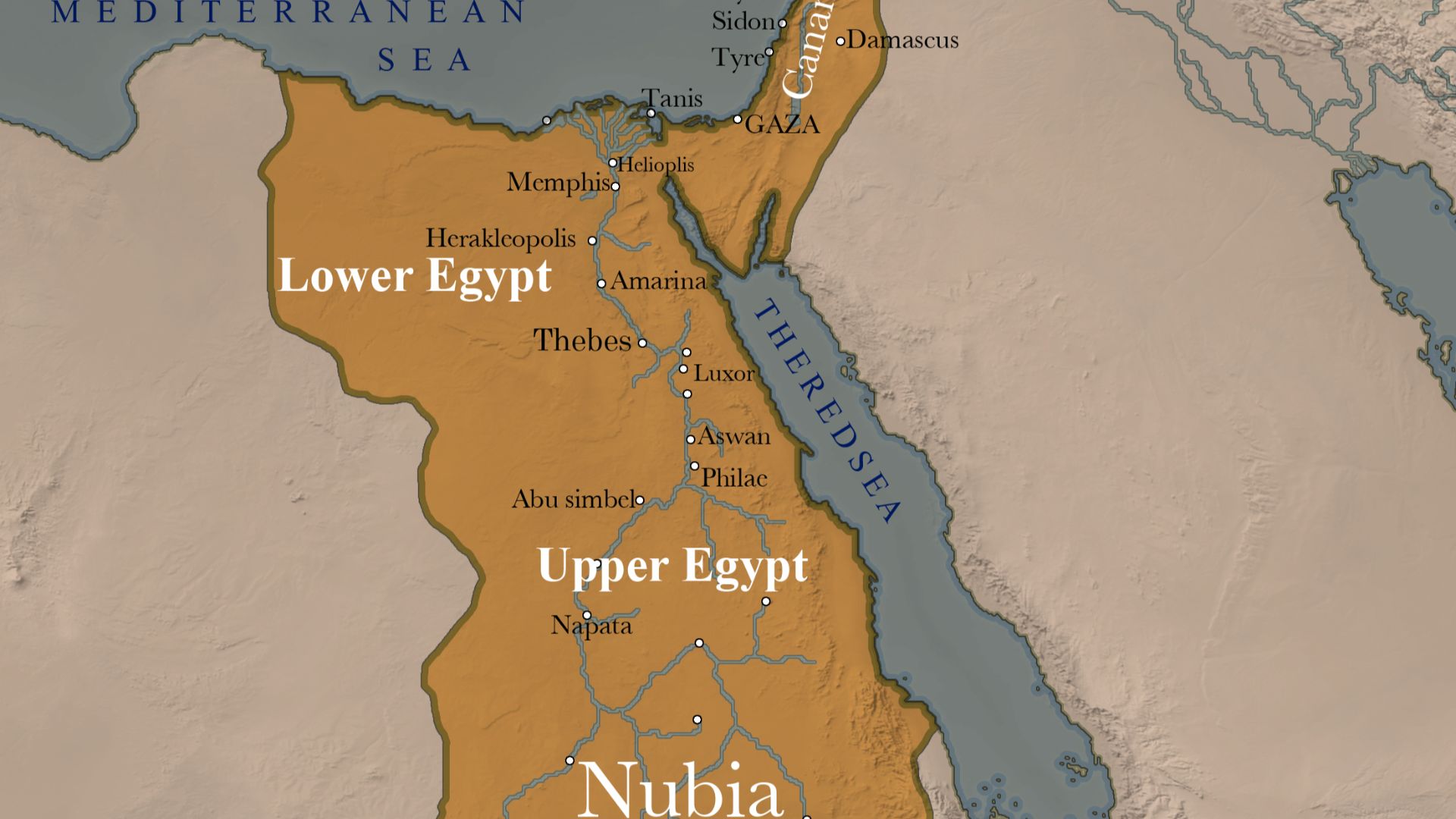
The whistle turned up during excavations near Thebes, a major political and religious center during Egypt’s New Kingdom. This was the golden age of pharaohs like Tutankhamun and Ramesses II. Rather than emerging from a royal burial, the whistle was found in an area linked to workers and guards. That context immediately made archaeologists think: this wasn’t decorative. It was practical.
Small, Simple, And Powerful
The whistle is made of fired clay, carefully shaped to create a sharp, piercing sound. It fits neatly in the palm of your hand, with a small mouthpiece leading into a hollow chamber. It’s not fancy. No gold trim. No inscriptions. But it was built to work—and sometimes that’s far more revealing than ornamentation.
 Leon petrosyan, Wikimedia Commons
Dating To Around 1300 BCE
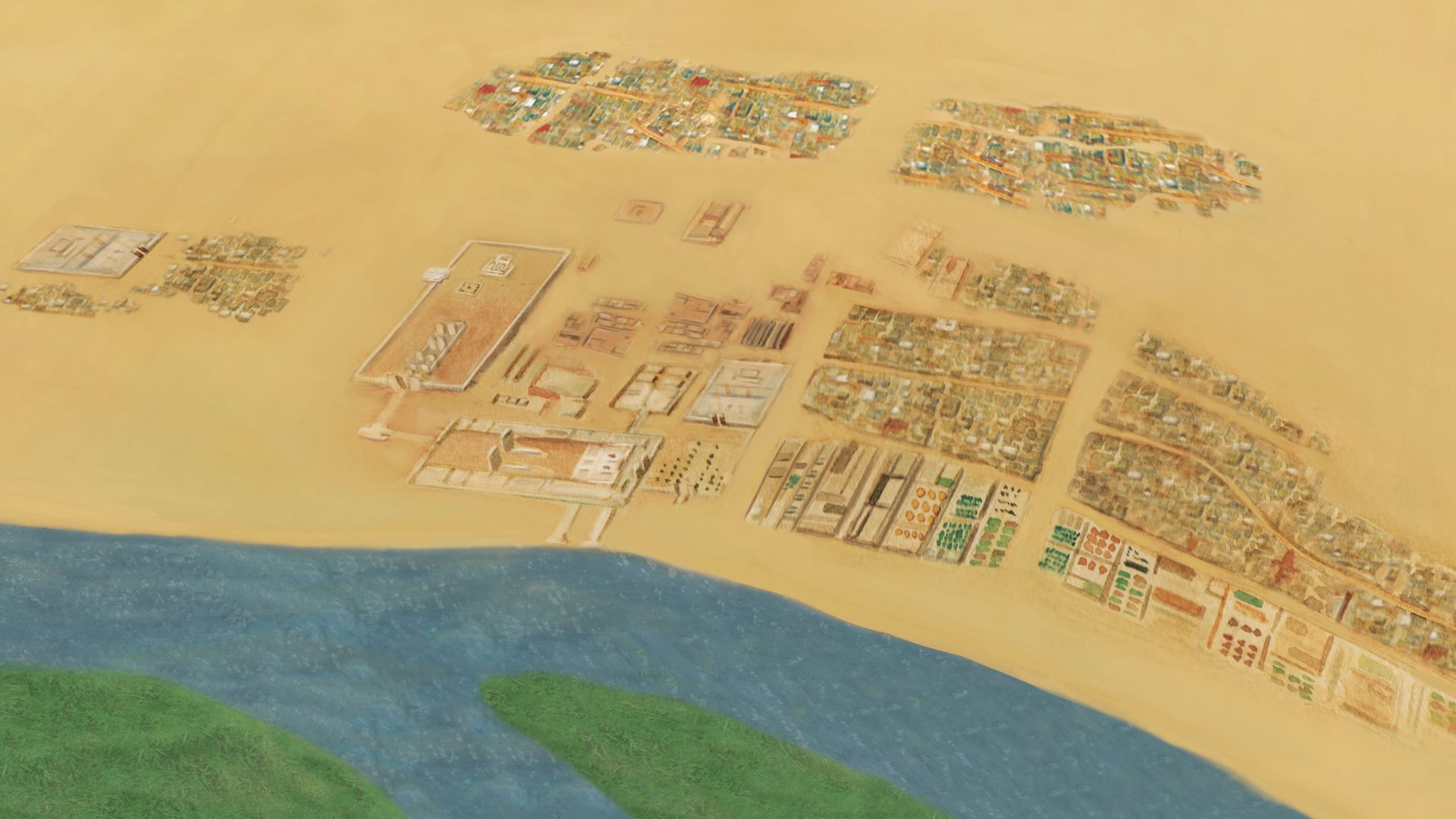
Based on surrounding artifacts and soil layers, researchers date the whistle to roughly 1300 BCE. That places it squarely in the New Kingdom period. This was a time of enormous wealth and ambitious building projects—including the elaborate royal tombs in the Valley of the Kings.
 Joan lalucat i Adria Turina, Wikimedia Commons
Protecting Royal Resting Places
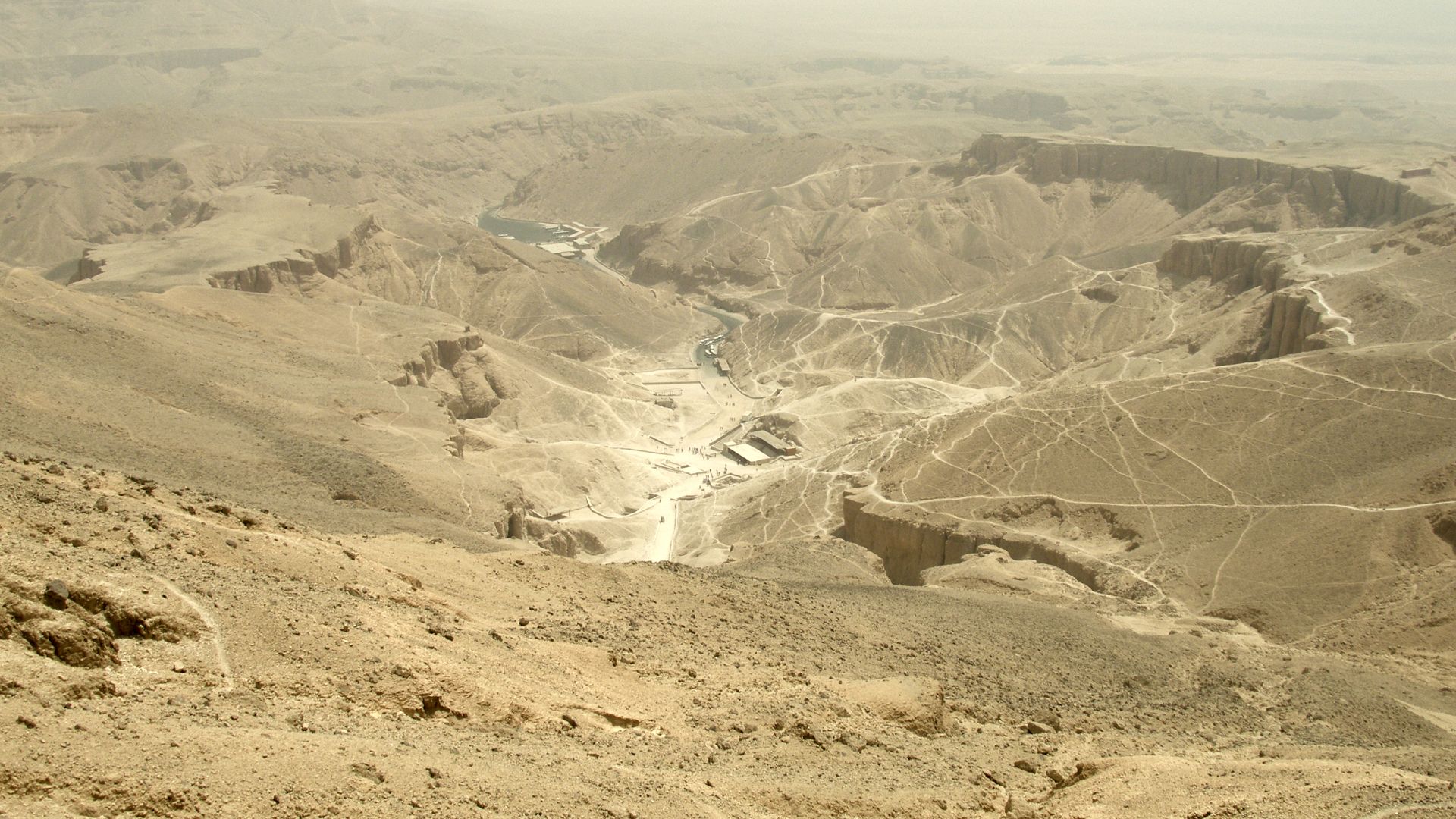
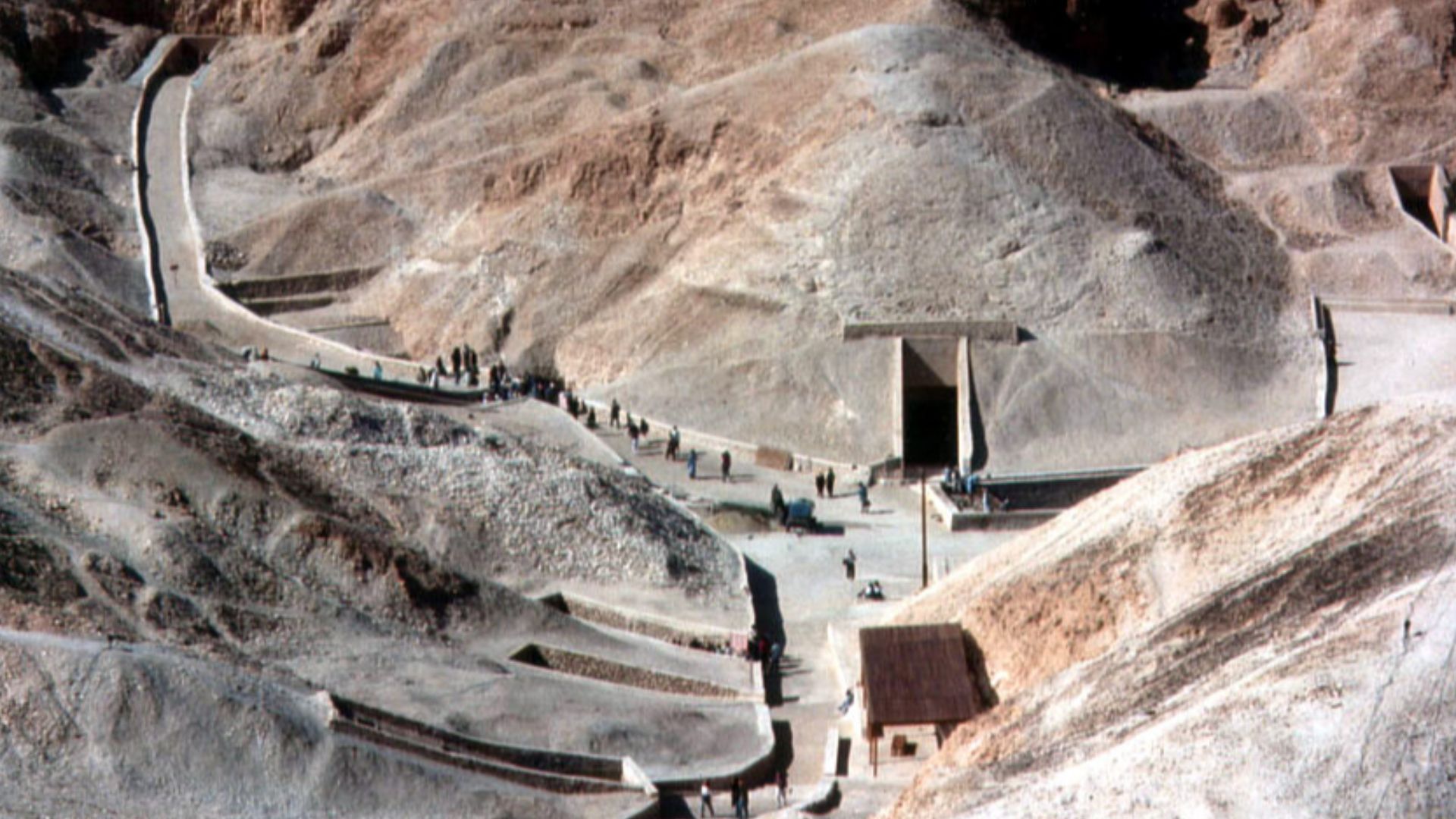
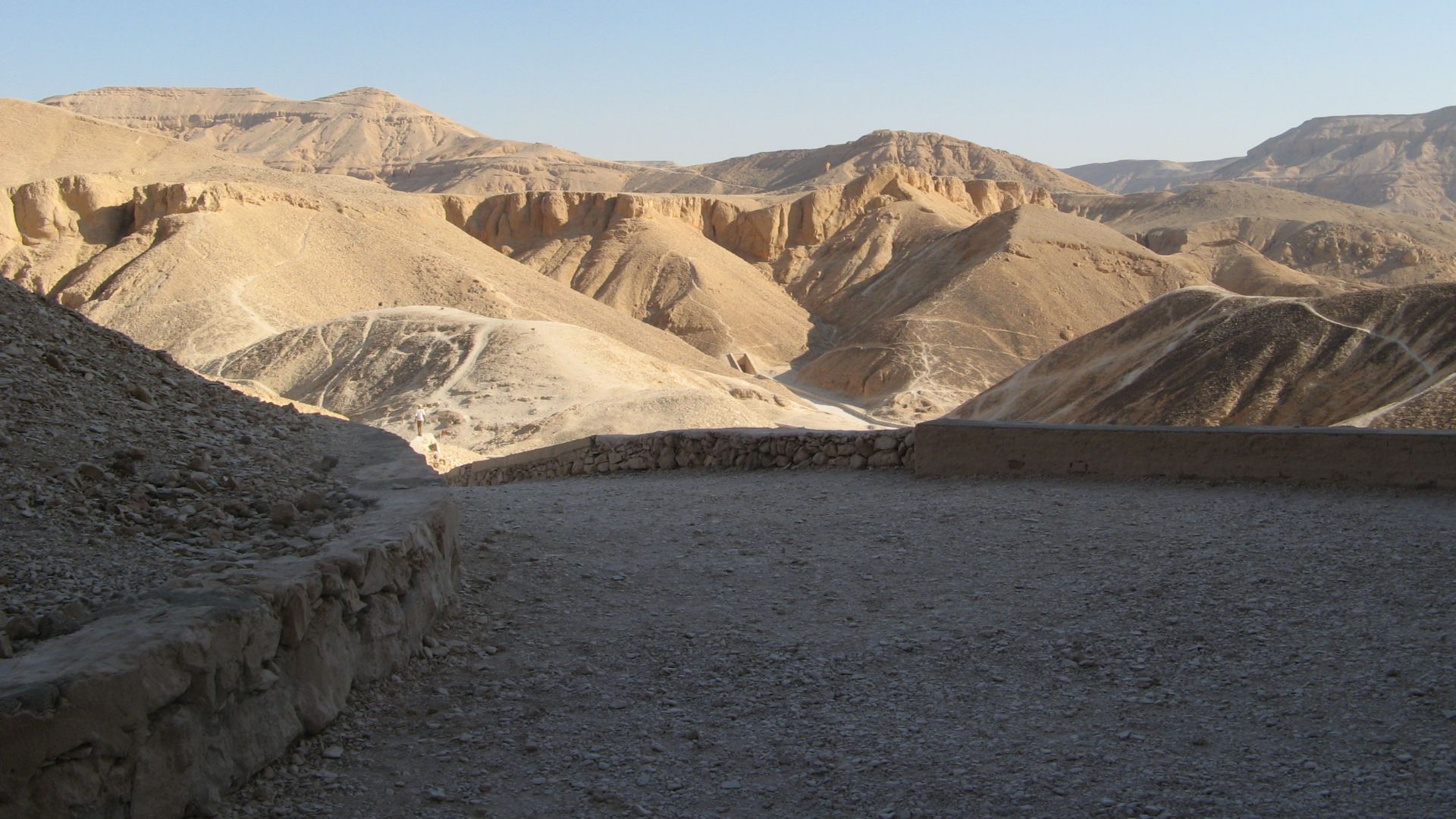
The Valley of the Kings, across the Nile from Thebes, housed the tombs of Egypt’s most powerful rulers. These underground complexes were packed with treasures meant for the afterlife. Naturally, they attracted unwanted attention. Guards were assigned to protect them day and night. A whistle would have been a quick way to raise the alarm.
 Vyacheslav Argenberg, Wikimedia Commons
Breaking The Desert Silence
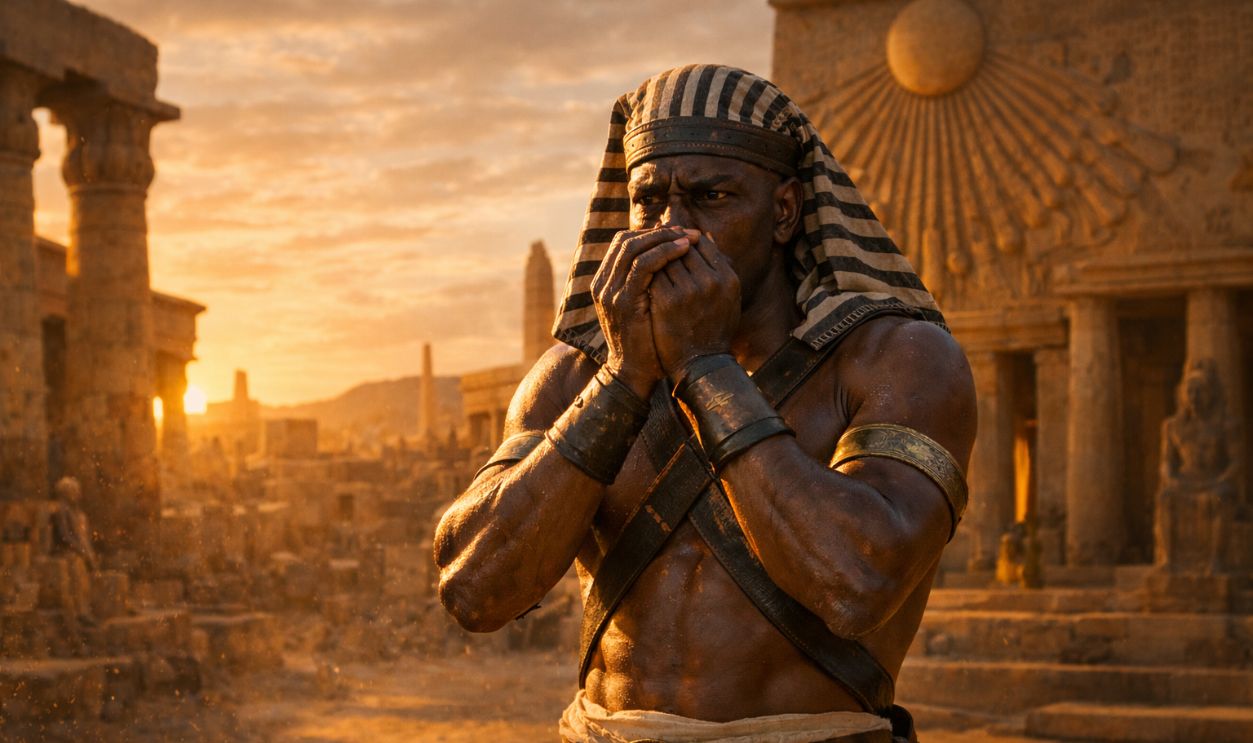
Picture a quiet desert night. A guard notices suspicious movement near a sealed tomb entrance. Instead of shouting, he raises a clay whistle and blows. The sound cuts cleanly through the still air. Other guards hear it instantly and move toward the disturbance. Fast, simple, effective.
 Fotograf/Photographer: Peter J. Bubenik (1995), Wikimedia Commons
Evidence Of Organized Policing
Ancient Egypt had structured law enforcement, especially during the New Kingdom. This wasn’t a loose system of watchmen—it was organized and state-supported. The whistle strengthens that picture. It suggests guards were equipped with communication tools, not just weapons.
Meet The Medjay
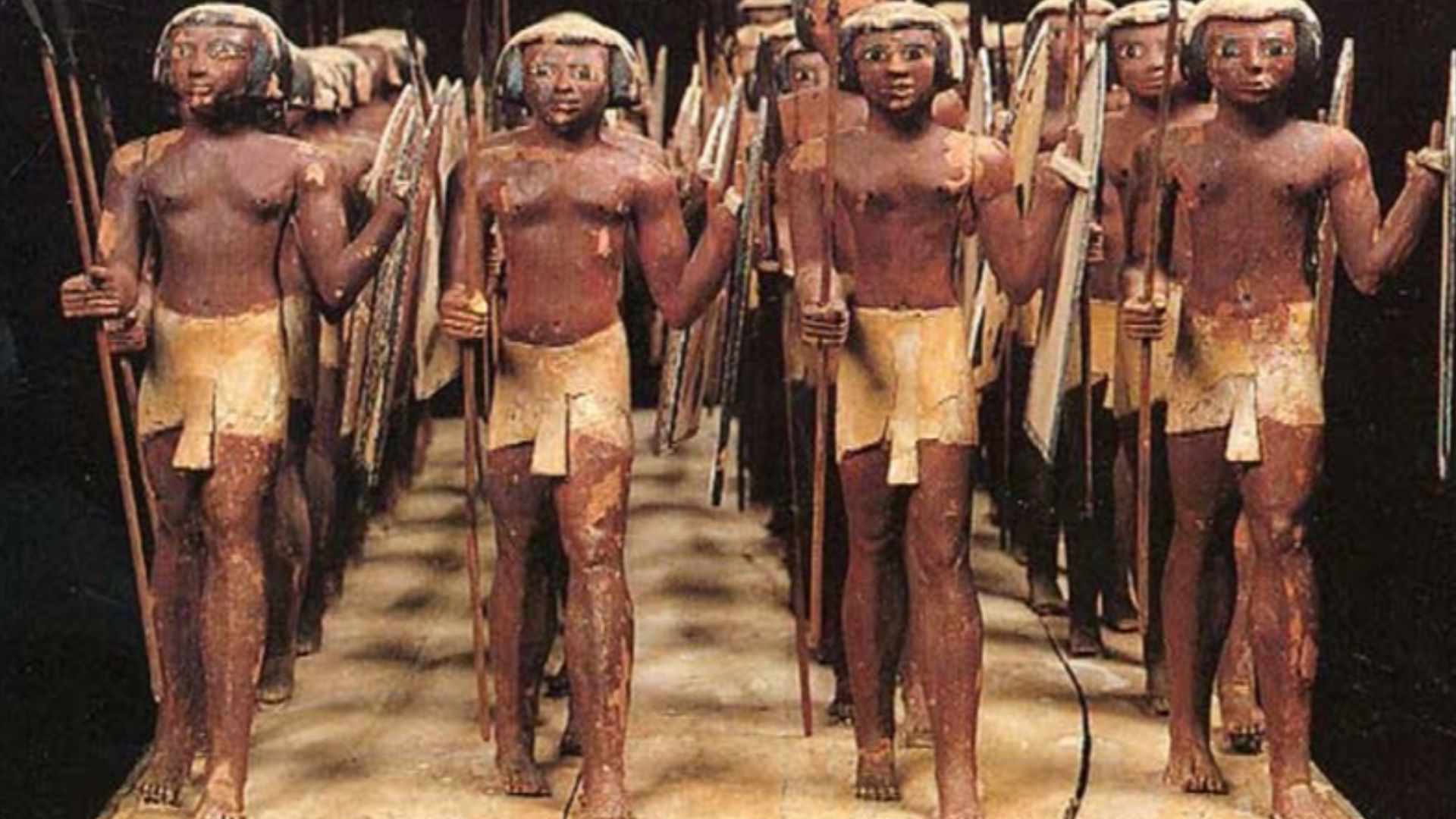
The Medjay began as Nubian desert scouts but evolved into an elite police force. They patrolled borders, protected trade routes, and guarded royal tombs. Depictions show them carrying bows and batons. Adding a whistle to that kit makes perfect sense.
Tomb Robbery Was Common
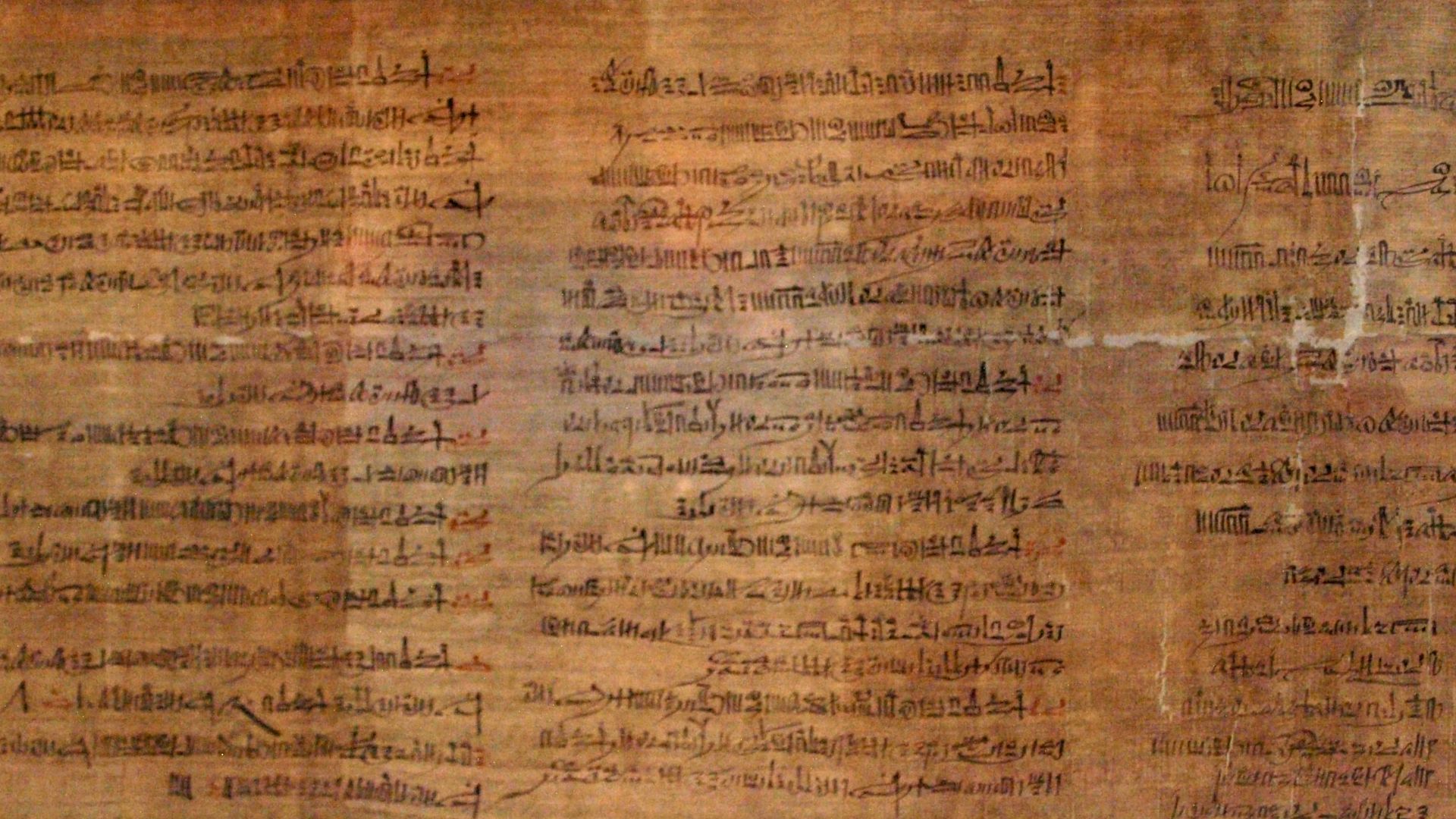
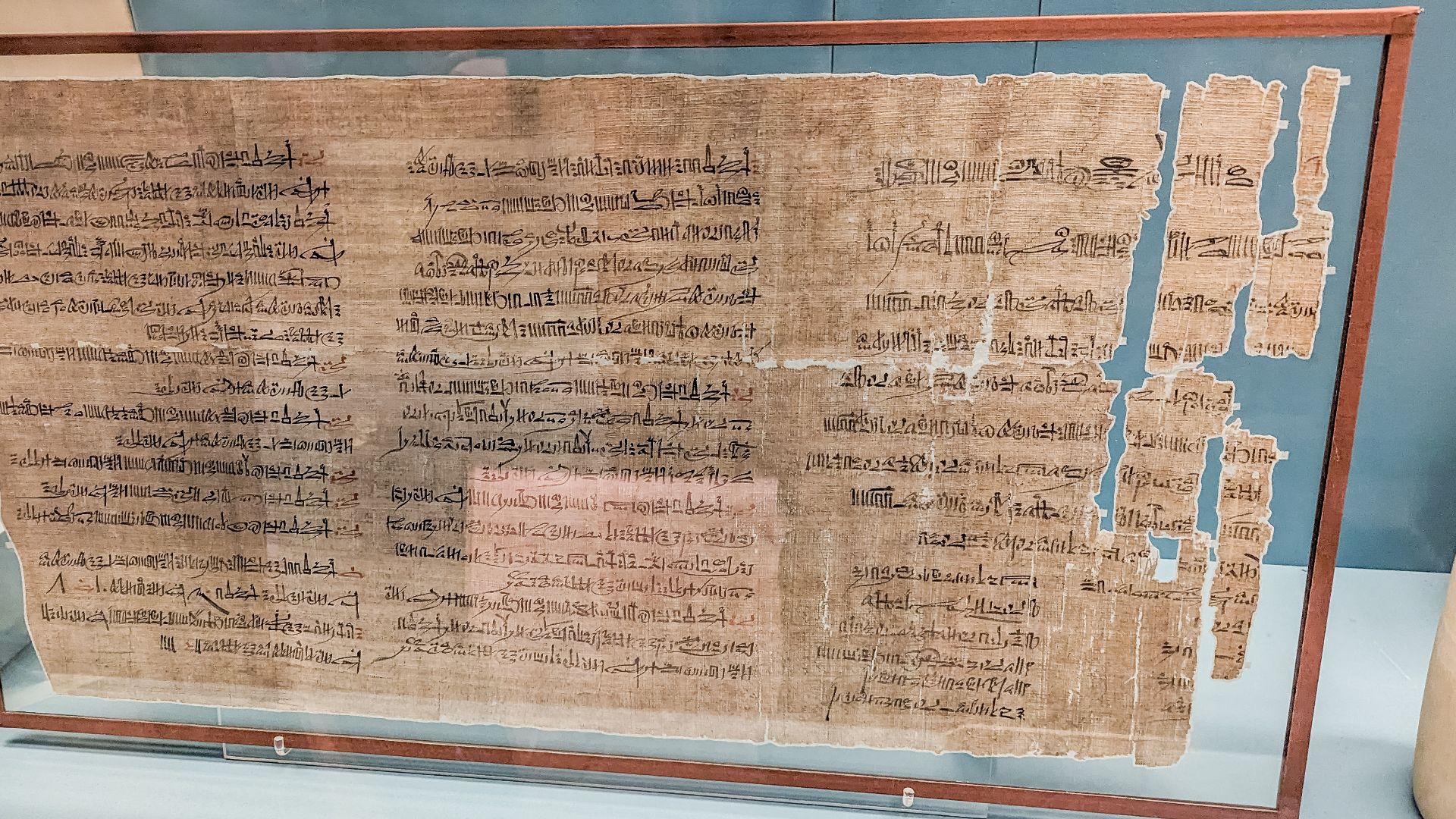
Tomb robbing wasn’t rare—it was a real problem. Ancient papyri describe investigations into stolen burial goods. The Abbott Papyrus, for example, records officials inspecting tombs and questioning suspects. Security was serious business.
An Ancient Alarm System
Today we rely on sirens and radios. In 1300 BCE, a whistle could serve the same purpose. The desert landscape would have carried its high-pitched tone over surprising distances, allowing guards to respond quickly.
 Filip Maljkovic from Pancevo, Serbia, Wikimedia Commons
Built For The Job
The whistle’s design is simple but clever. Its inner cavity is shaped to create a focused, loud tone. Fired clay was a smart material choice. It could survive harsh heat and wouldn’t decay easily.
Everyday Objects Matter
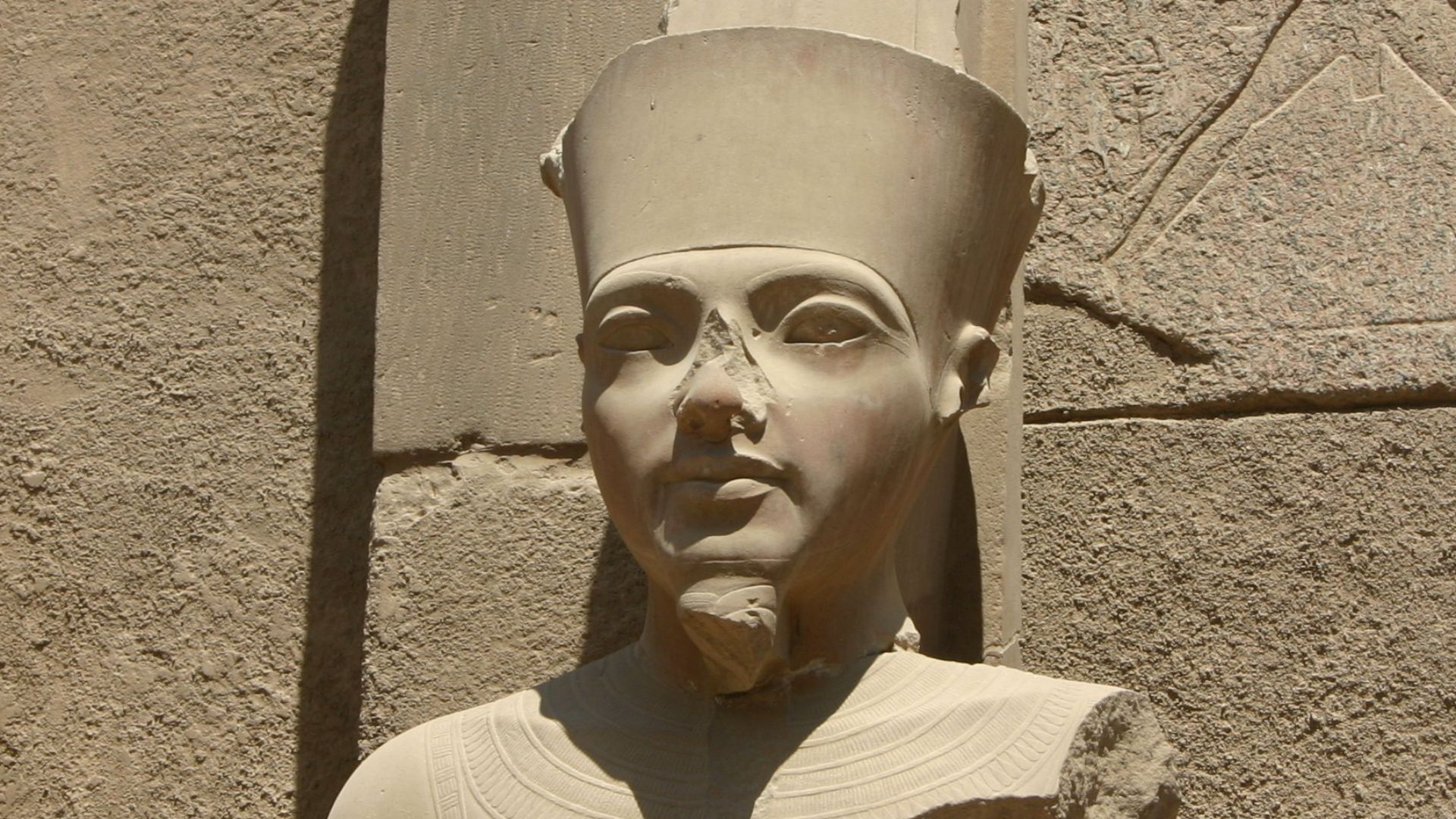
Grand statues tell us about kings. Small tools tell us about people. This whistle shines a light on the guards who stood watch—not the pharaohs they protected.
 en:User:Markh, Wikimedia Commons
Life On Guard Duty
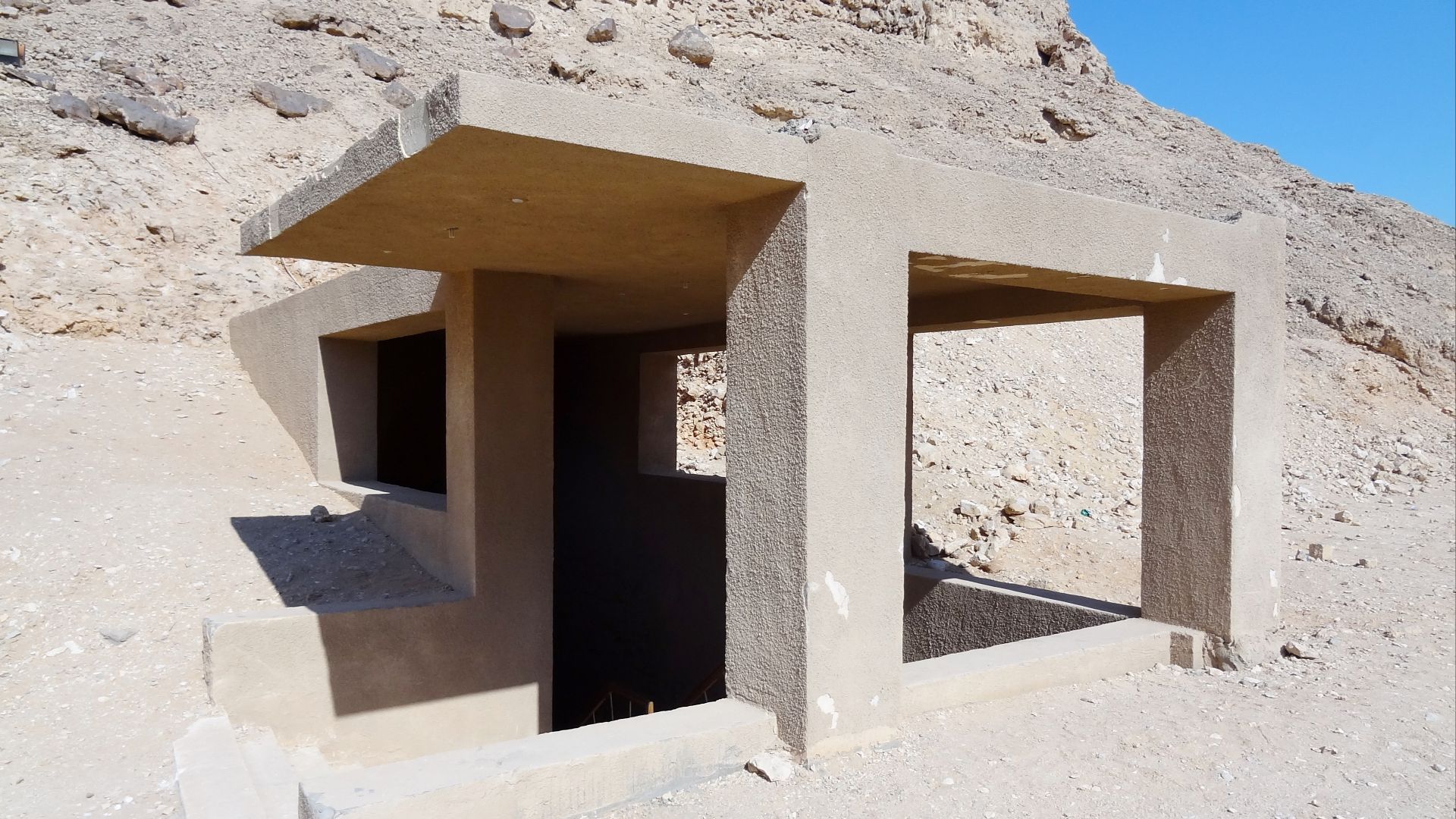
Guarding a royal tomb probably meant long shifts under intense sun. Teams likely rotated to ensure constant coverage. The whistle would have been kept close at all times, ready in an instant.
 Olaf Tausch, Wikimedia Commons
Communication Before Technology
Without modern devices, ancient societies relied on sound. Drums, horns, and whistles carried signals across distance. Each noise likely had meaning. A whistle blast may have meant danger or a call for backup.
Why Not A Horn?
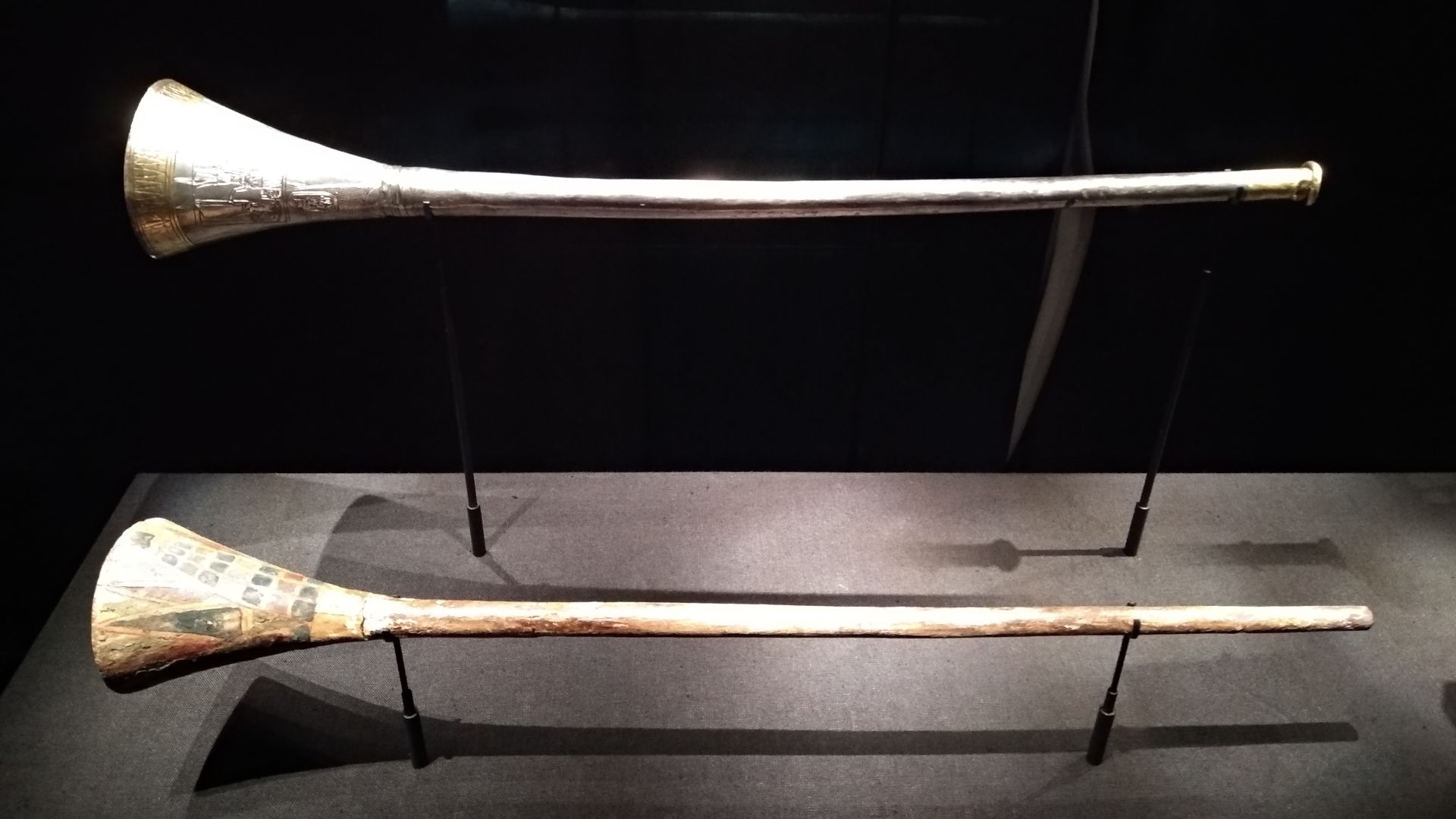
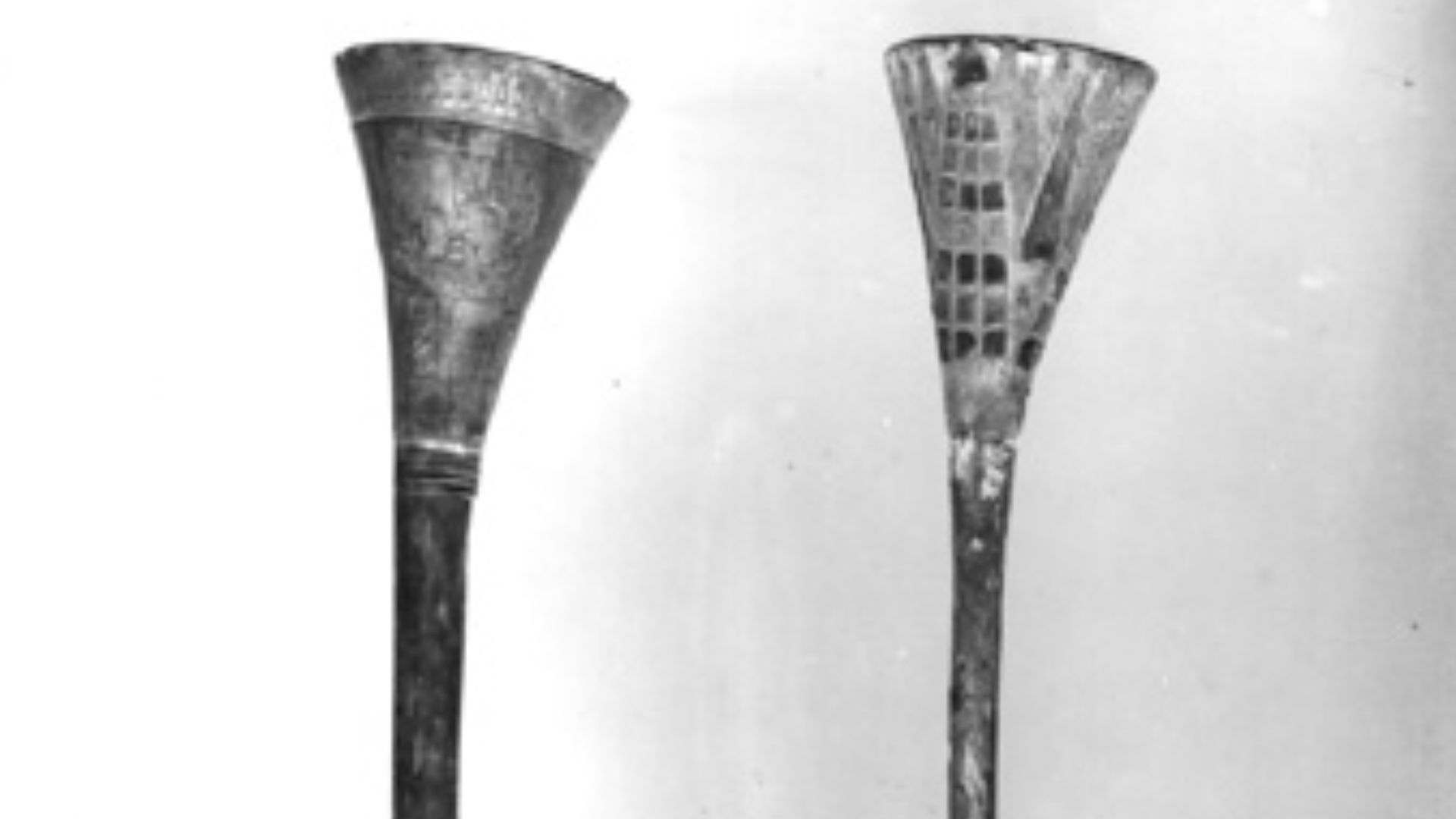
Horns were used in military settings, but they’re bulky and less convenient. A whistle is compact, lightweight, and easy to carry—ideal for patrol duty.
 Harry Burton, Wikimedia Commons
Signs Of Real Use
Close inspection shows smoothing around the mouthpiece, suggesting repeated use. This wasn’t a symbolic offering. It was handled often and likely relied upon.
A Window Into Ancient Justice
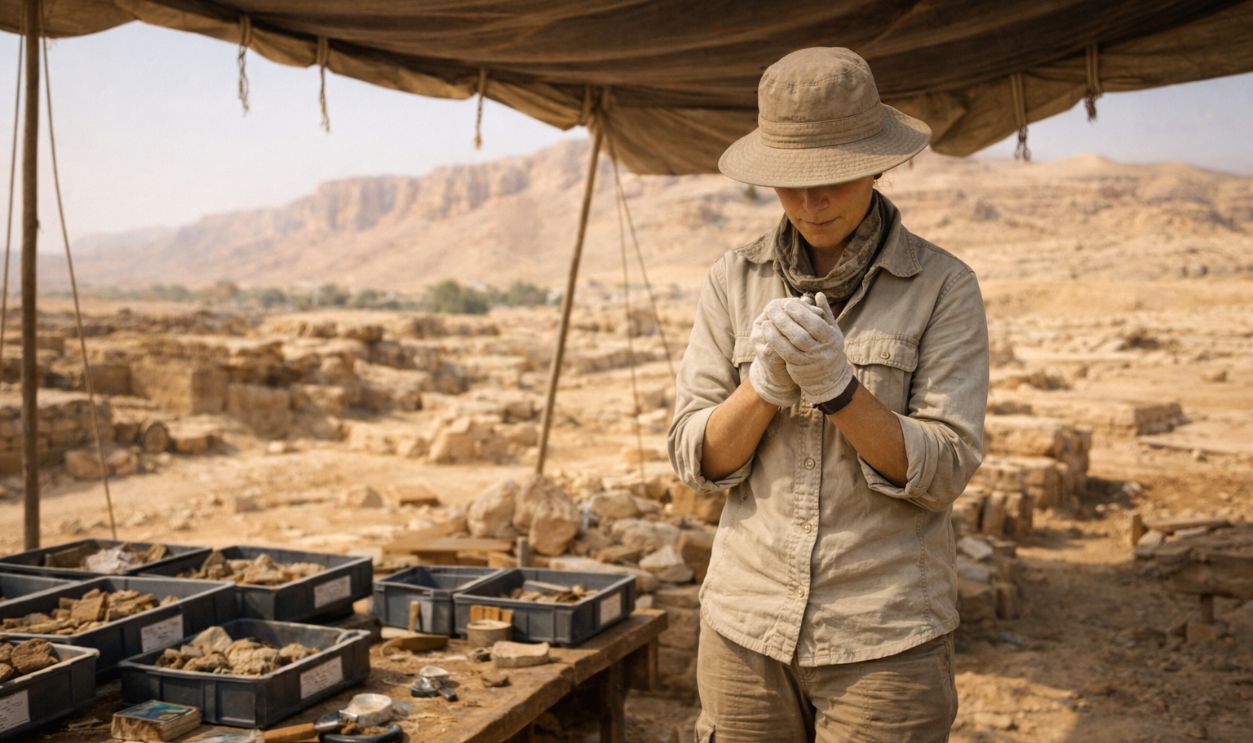
Law enforcement in ancient Egypt involved patrols, questioning suspects, and formal investigations. The whistle hints at coordinated responses—an early form of teamwork in security.
Backing Up Written Records
Administrative documents mention guards assigned to protect royal tombs. Now we have a physical object that may have been one of their everyday tools.
 Sourabh.biswas003, Wikimedia Commons
The Person Behind The Whistle
It’s easy to focus on the artifact, but someone once held it. A guard stood in the heat, watching the cliffs. The whistle gave him a way to call for help—and perhaps a sense of authority.
 Vyacheslav Argenberg, Wikimedia Commons
Why This Discovery Matters
It shifts our attention from glittering treasure to the systems that protected it. Ancient Egypt wasn’t just monumental—it was organized and practical.
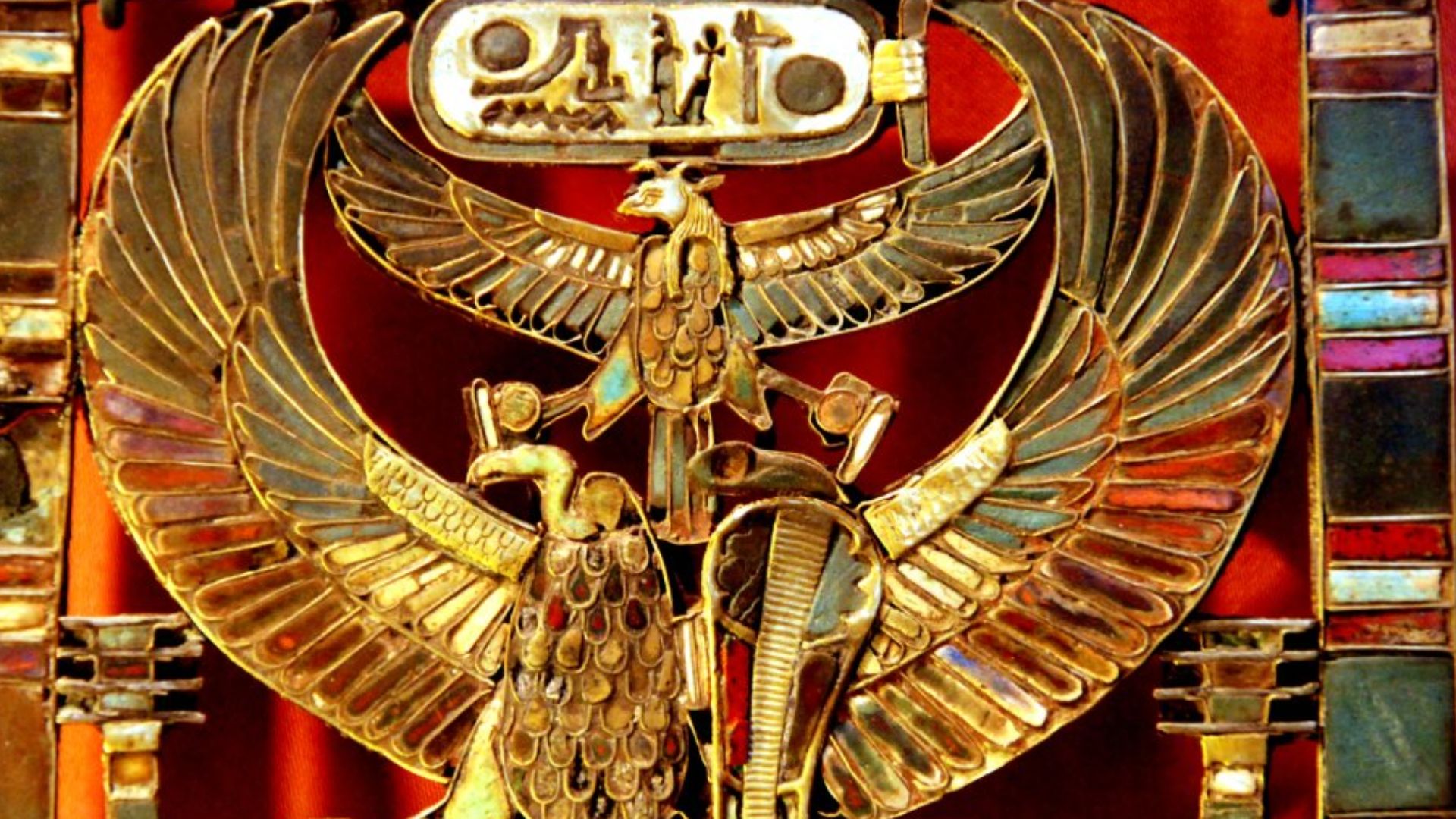 Unknown authorUnknown author, Wikimedia Commons
Changing How We Picture Egypt
Popular culture loves mystery and drama. But discoveries like this show bureaucracy and planning. There were procedures. There were patrols. There was structure.
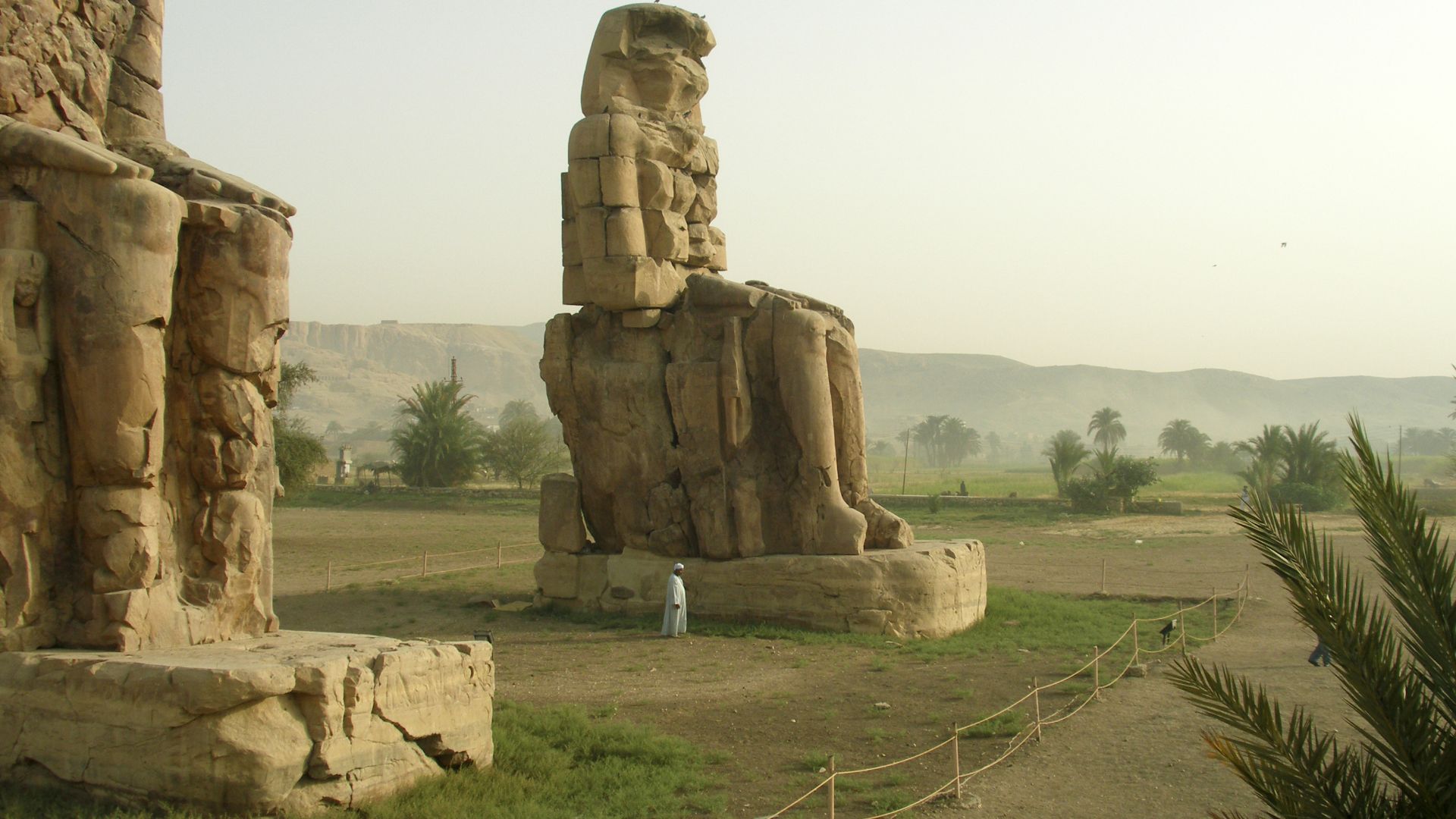 Vyacheslav Argenberg, Wikimedia Commons
Not All Treasure Shines
Archaeology isn’t only about gold. Context gives meaning to even the simplest find. This whistle tells a story far bigger than its size suggests.
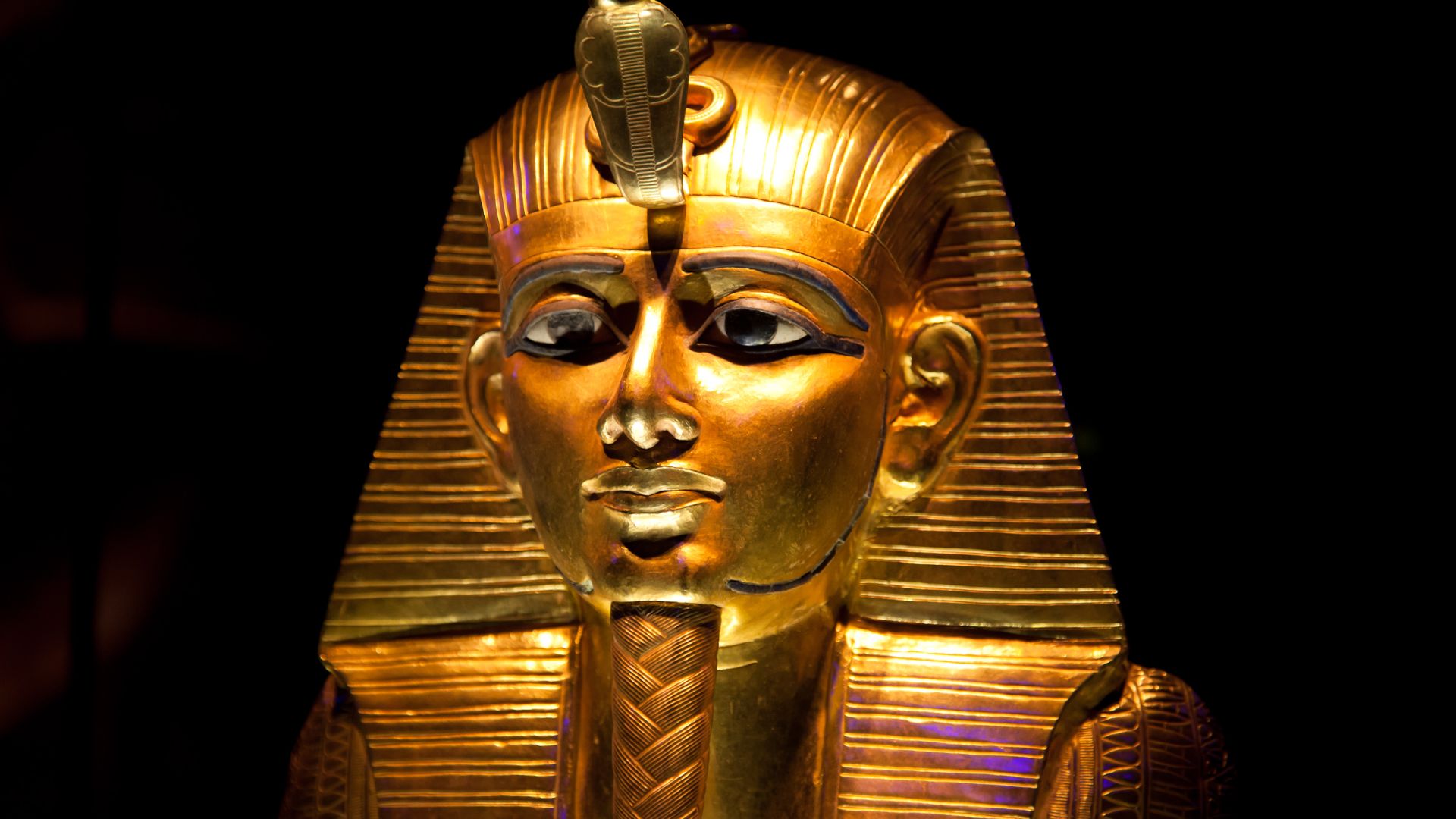 Dave Nakayama from Palo Alto, USA, Wikimedia Commons
From Desert To Display Case
Today, the whistle rests safely in controlled conditions. It no longer sounds alarms, but it still sparks curiosity.
 M J Richardson , Wikimedia Commons
Security In A Wealthy Empire
The New Kingdom was rich and powerful. With wealth came risk. Tools like this whistle hint at standardized methods of protection.
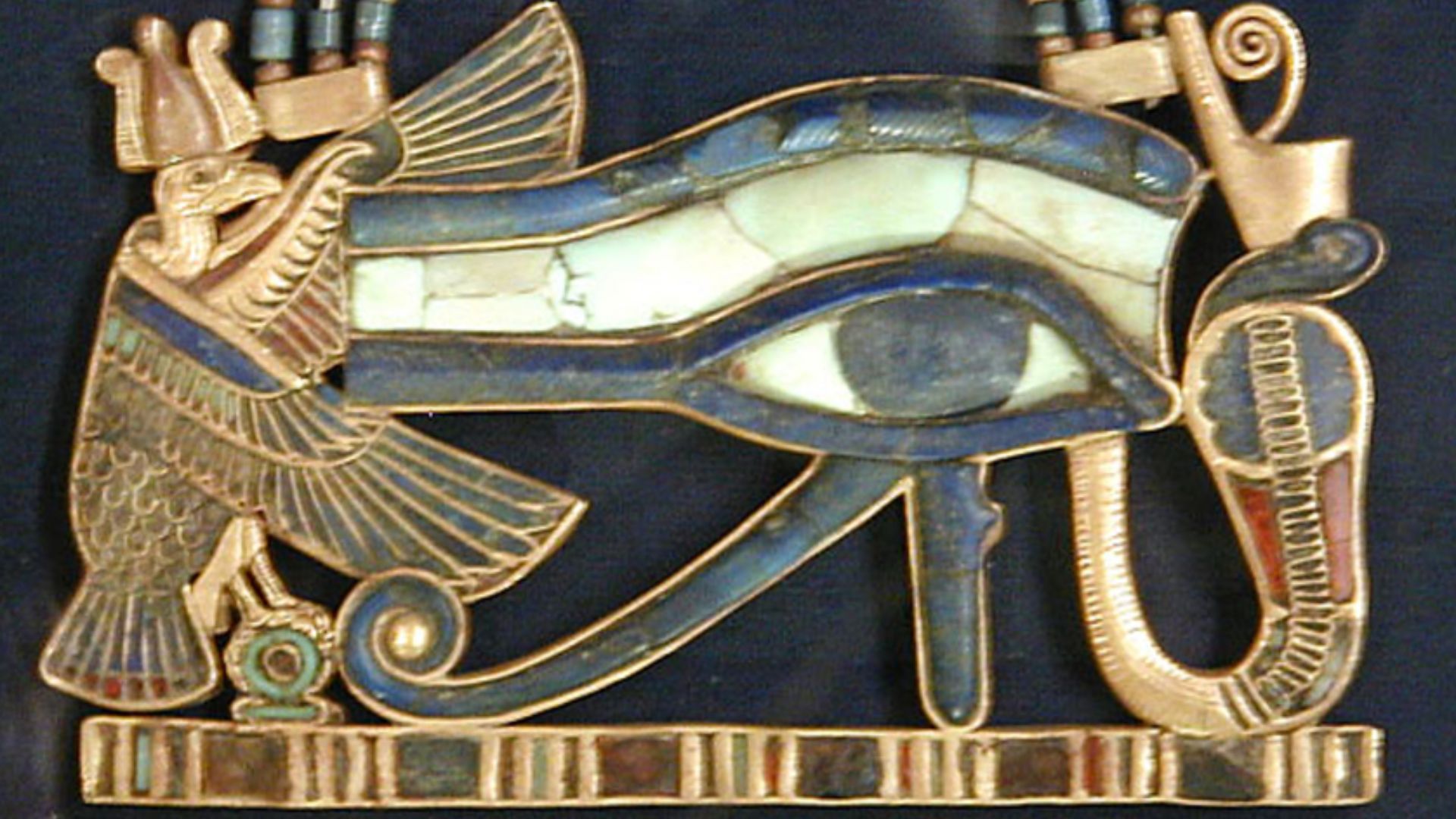 Jon Bodsworth, Wikimedia Commons
Tiny Find, Big Insight
It’s easy to overlook small artifacts during excavation. Yet this one offers a surprisingly detailed look at ancient policing.
What Else Might Be Out There?
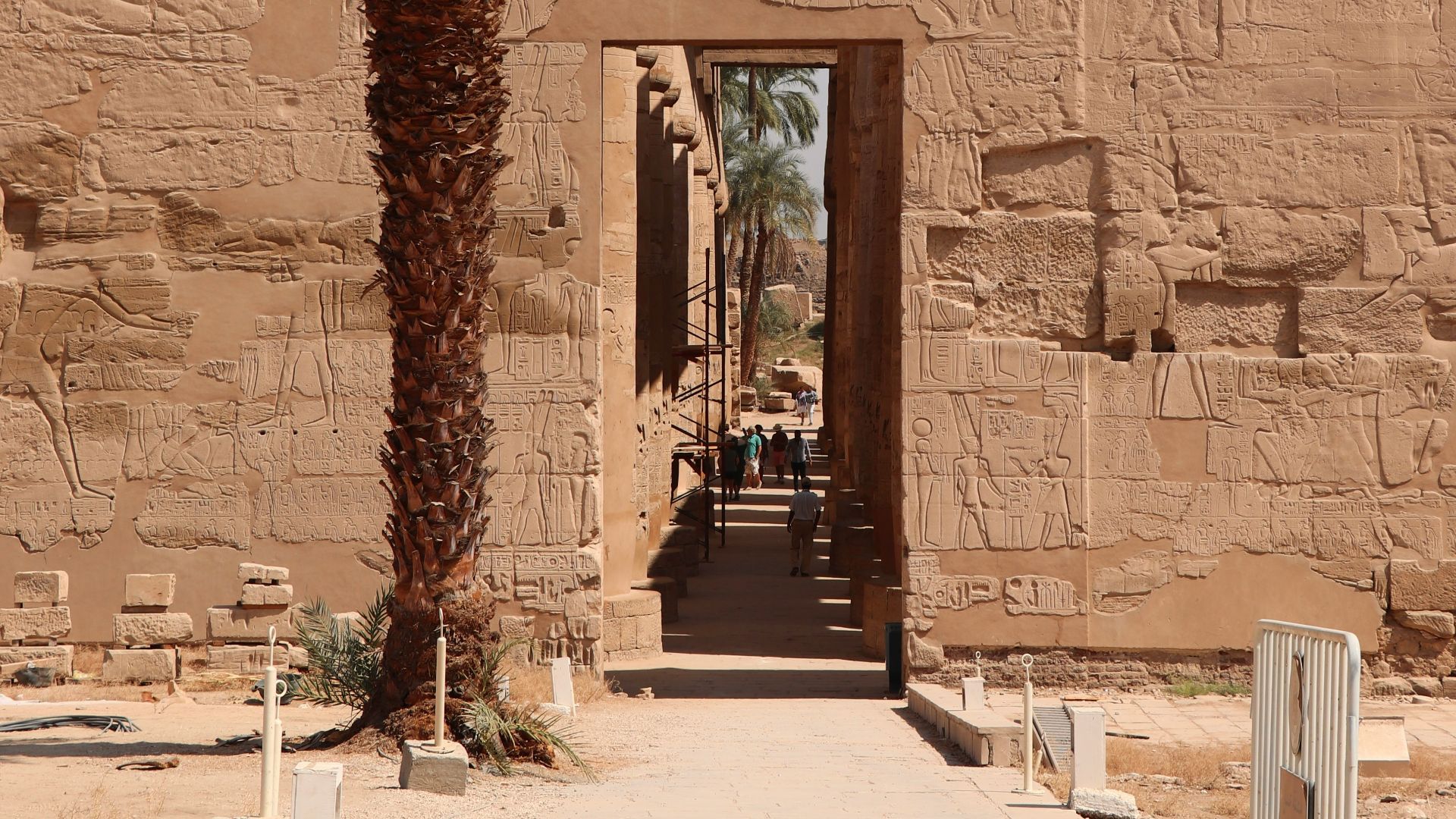
Future digs may uncover more signaling devices or related tools. Each new find could deepen our understanding of security in the ancient world.
 Einsamer Schutze, Wikimedia Commons
Listening To Ancient Egypt
We often imagine what ancient Egypt looked like. This whistle invites us to imagine what it sounded like. Wind across the cliffs, distant hammering—and a sharp note ringing out.

A Quiet Artifact With A Loud Legacy
In the end, this 3,300-year-old whistle reminds us that history isn’t only about kings and monuments. It’s about ordinary people doing important jobs. Somewhere in the Valley of the Kings, a guard once lifted this small clay tool and blew a warning into the night. Thousands of years later, we’re still listening.
You May Also Like:
A Harvard scientist claims he has found the exact location of heaven.