Stress is an unavoidable fact of life, and it both pushes us to succeed and occasionally stops us in our tracks. Here are some intriguing facts about stress.
1. Heartbreak
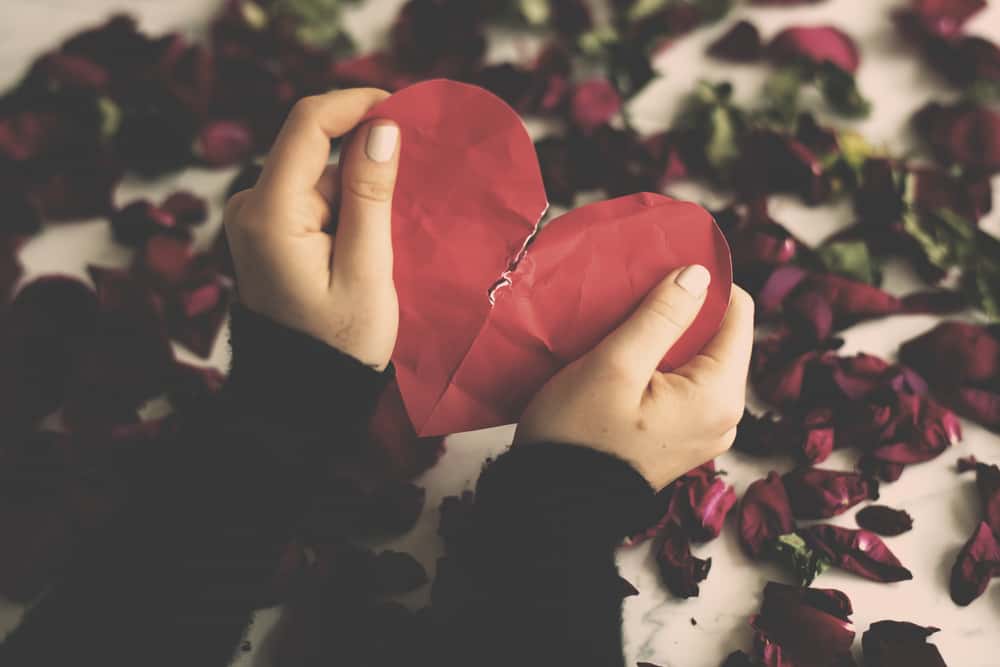
Acute stress can cause a condition known as Takotsubo cardiomyopathy or "broken heart syndrome," in which the left ventricle of the heart balloons out, causing chest pain and breathing issues. The condition is normally temporary.

2. Top 5
The top causes of stress are money, work, family responsibilities, personal health concerns, health problems affecting family member, and the economy. In fact, money is the most common stressor in countries across the world.

3. Screw This, I'm Moving to Germany
Four of the least stressful cities in the world are in Germany, while none of the top 10 are in North America. The top five in descending order are Stuttgart (Germany), Luxembourg (Luxembourg), Hannover (Germany), Bern (Switzerland), and Munich (Germany).
4. Where Not to Vacation
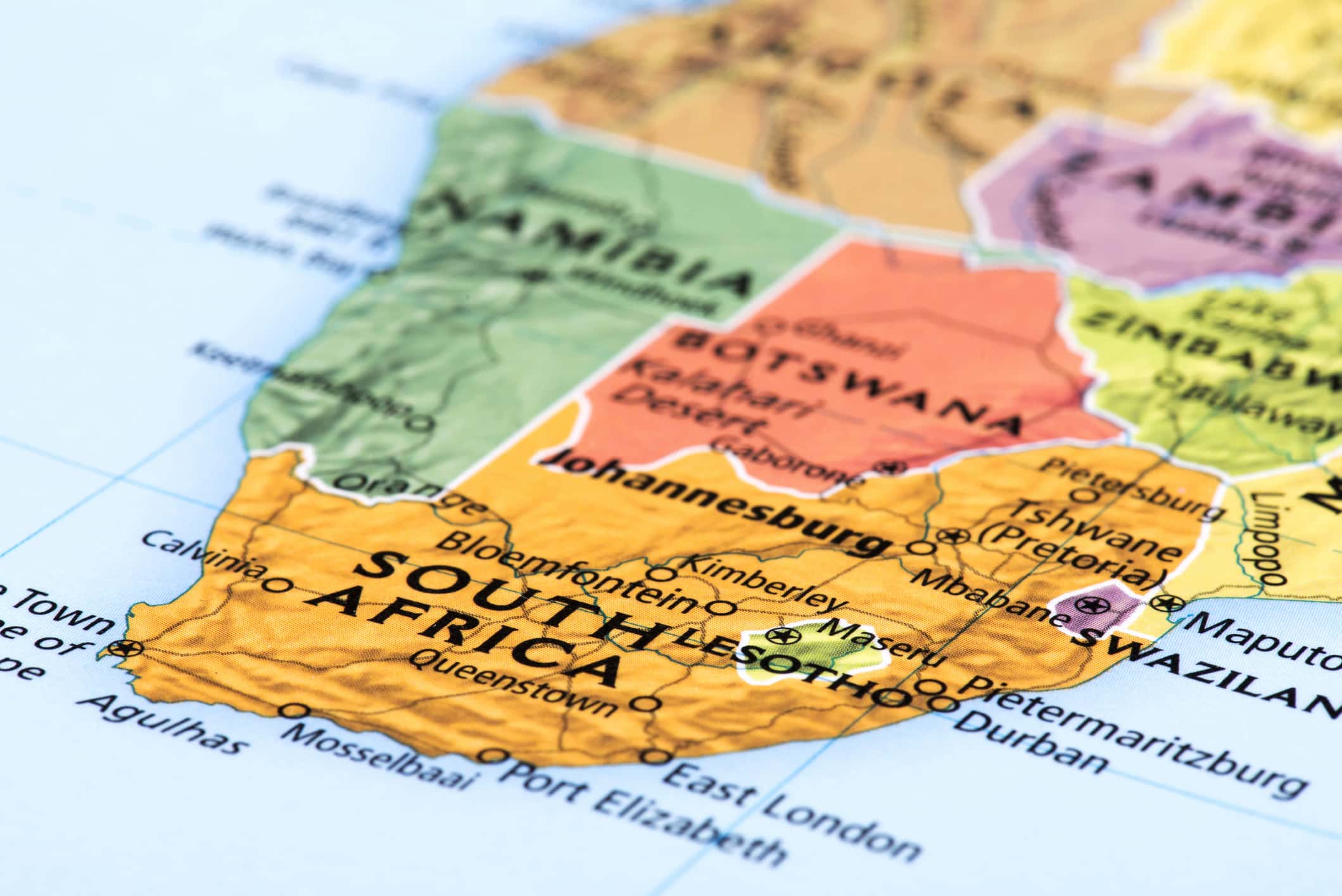
According to Bloomberg, the most stressed out countries are (in descending order): Nigeria, South Africa, El Salvador, Mongolia, and Guatemala. The stress test for the countries includes factors related to economics, employment, health, and brutality.
 Getty Images
5. Save the Whales
In the days following 9/11, non-essential boat traffic was prohibited in most of the coastal waters around North America, meaning that less noise from motors and radar pings went out into the water. As a result, researchers found a significant reduction in the stress levels of whales in the area.
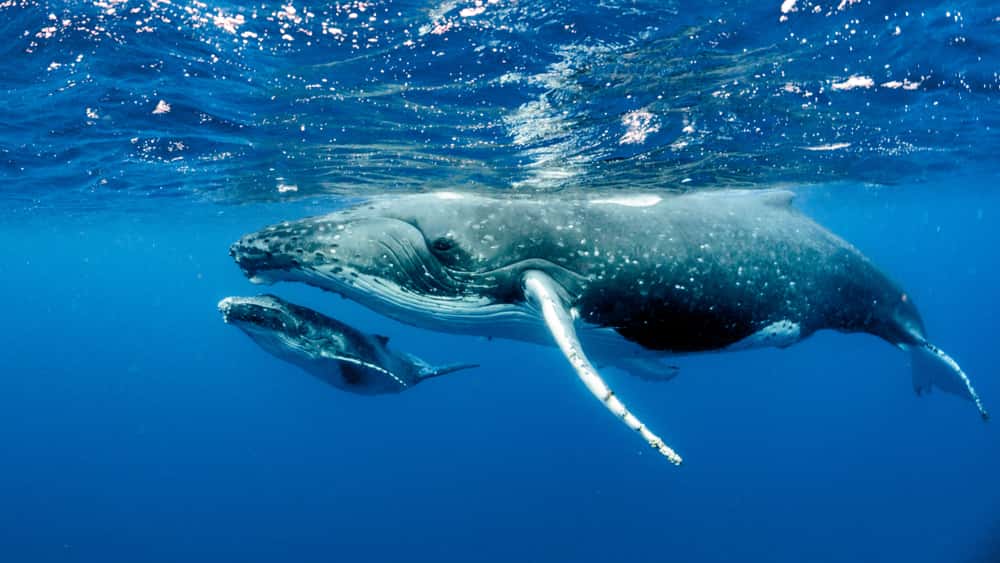 Shutterstock Pair of humpback whales
6. Inherited Stress
Babies can inherit stress from their mothers if mom experiences significant stress while pregnant or immediately after birth.

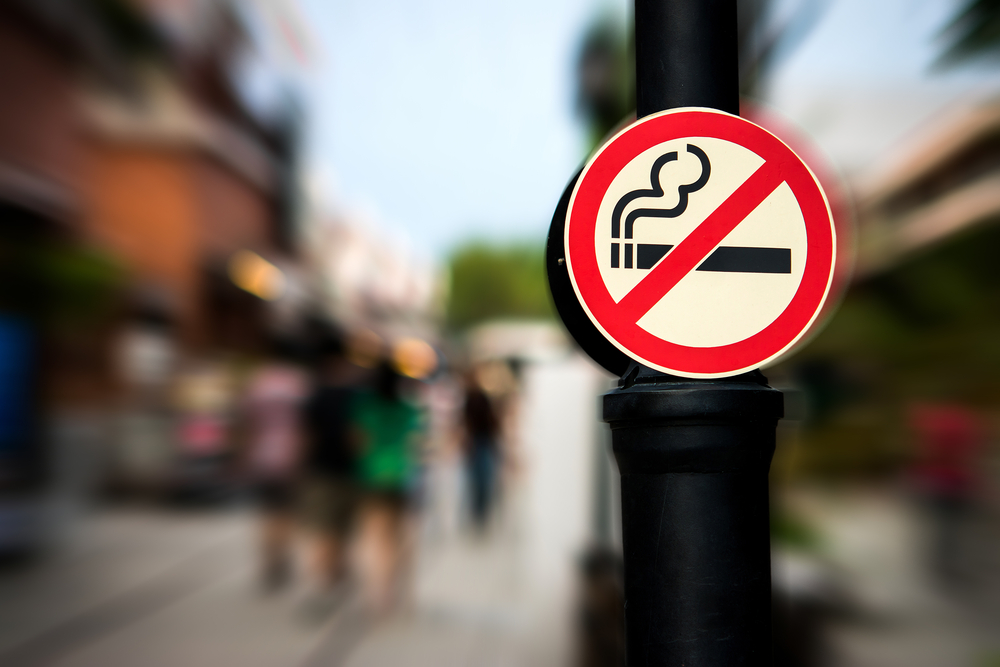
7. Picking up the Habit
After 9/11, researchers found the number of smokers had increased by 2.3% in the US, which they attribute to the stress of dealing with the tragedy. That’s over 1 million new (or renewed) smokers. The health costs related to this new group of smokers is estimated to be over $830 million.
8. Most Stressed Award
Women and younger generations experience far more negative stress than men and older people.

9. Ethnic Stressors
Hispanics are more stressed than other ethnic groups and are more likely to say that their stress has increased over time. Caucasians tend to experience the least stress overall.

10. A Chocolate a Day
Chocolate and cocoa can reduce stress levels. The polyphenols found in chocolate are responsible for the relaxation effect, but you should be eating the chocolate daily to reap the benefits. Still, it's best to reach for dark chocolate and eat it in moderation.

11. The Best Medicine
A good episode of the giggles can also reduce stress. Laughing releases neuropeptides, relaxes your muscles, and can relieve pain—all of which counter the effects of stress. Laughter also has a positive effect on health overall in the long term.

12. Father Figure
Dr. Hans Selye is considered the father of stress research. In the 1930s, he was the first to notice and record the medical effect of stress on his lab rats. Many of the rats, Selye observed, passed as a result of the shock, alarm, and subsequent exhaustion caused by stress rather than from the experiments themselves, and the same effect could be attributed to humans.

13. What Doesn’t End You
Moderate exposure to stress works like a vaccine and makes you better able to handle additional stress later in life. Researchers have found that people who have experienced some (but not too much) trauma in their life were less distressed, had less disability, fewer post-disturbing stress symptoms, and higher life satisfaction over time than those with no negative life events.

14. By Any Other Name
Shell-shock was one of the terms used to describe what is now called post-disturbing stress disorder. This disorder, first recorded with army men in WWI, causes long terms serious emotional and mental stress in individuals after they witness a disturbing event.
15. Ancient Wisdom
Ancient aboriginal communities in North America chewed tree sap, and scientists have proven that chewing gum is actually a great stress reliever. Researchers believe that working the jaw muscles while chewing gum is a form of exercise, and relieves tension and excess energy, leaving the chewer more relaxed.

16. Gray Area
It's a myth that stress will make your hair turn gray, but it could cause it to fall out. Scientists are still trying to find a possible link between stress and premature graying, but have so far been unable to find one. It's pretty much up to genetics.

17. Career Goals
The top five most stressful careers are (in descending order): enlisted army personnel, firefighter, airline pilot, law enforcement officer, and event coordinator. The study that ranked these occupations looked at everything from on the job travel to hazards to deadlines.

18. Put Your Feet up
For those who appreciate the worry-free life, these are the top four least stressful careers according to the study: medical sonographer, compliance officer, audiologist, and a university professor.

19. The Silent Killer
Stress has been called the silent killer because it has been linked to at least six causes of demise: heart disease, cancer, lung problems, accidents, liver cirrhosis, and self inflicted. Acute stress is also a leading cause of sudden demise.
20. Word Search
The word "stress" originates from the Latin word "strictus," which means tight, compressed, or drawn together. It also has roots in the Old French word "estrece," which means narrowness and tyranny ; and the Middle English word "distress," which means hardship or tyranny.

21. The Key to Survival
Scientists believe stress played a role in evolution and helped us survive as a species. Stress temporarily increases both awareness and physical performance, both of which probably proved useful when escaping predators.

22. Sticky Blood
Stress can actually make your blood turn sticky; it makes blood clot faster. This is a great thing if you are injured, as you are less likely to bleed to end, but over the long-term, it can cause blood pressure to rise.

23. Stress Balls
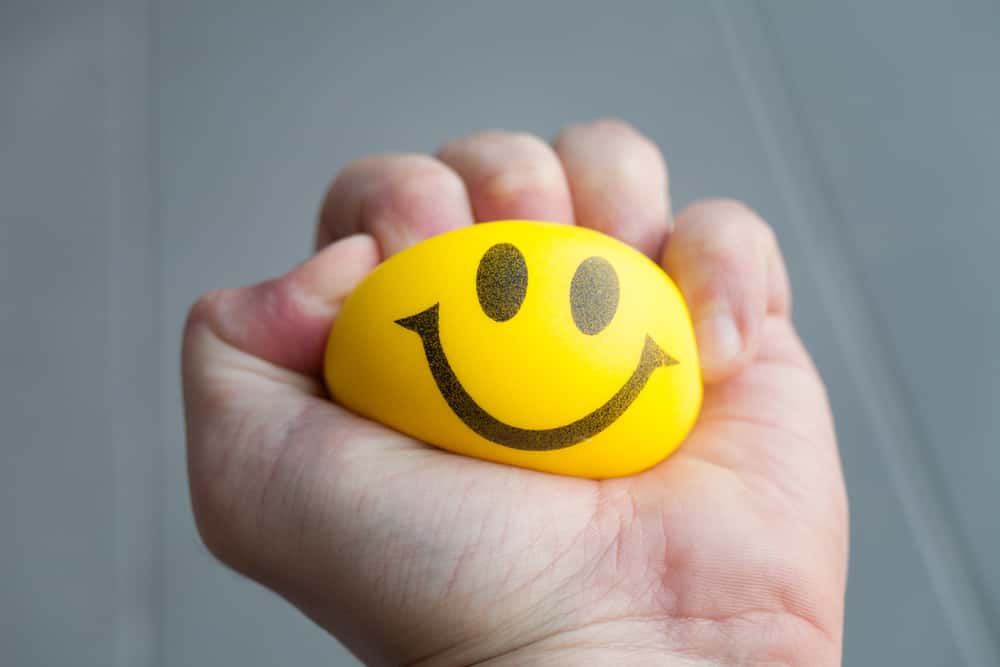
Stress balls, also known as Baoding Balls, often fit neatly into hands and are meant to be rolled around and squeezed to alleviate stress. Modern pliable stress balls had their origins in Ancient China, where nuts were often used as stress relievers.
24. It’s All in the Eyes
Pupils dilate in response to stress in the same way they do when we see someone we are sexually attracted to. Apparently, when we need to pay attention, we do.

25. A Test for Stress
A stress test doesn’t actually measure stress as we think of it. Instead, it measures the general healthiness of your heart and how it works when you are exercising. Physicians use the test to look for abnormalities, including the possibility of artery blockage.

26. Stress Acne
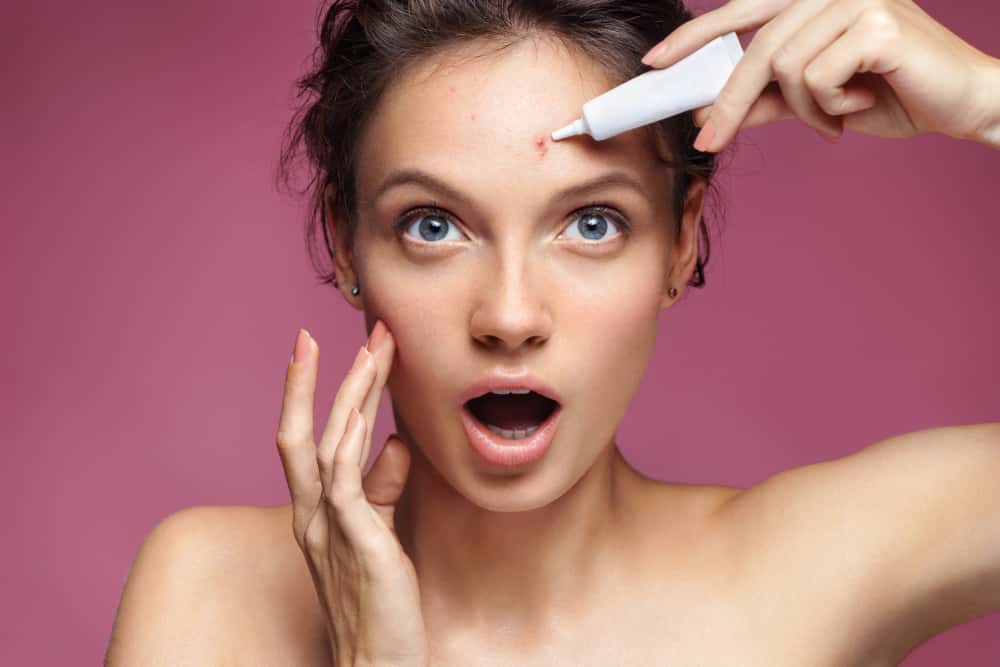
Stress acne is real. Teens who experience a significant amount of stress in their lives suffer 23% more acne than teens with more normal levels of stress.
27. I Don't Wanna Work
Workplace stress is so severe and widespread that 73% of people admit that they have actually experienced psychological symptoms on a regular basis, including depression and anxiety.

Sources: 1, 2, 3, 4, 5, 6, 7, 8, 9, 10, 11, 12, 13, 14, 15, 16, 17, 18, 19, 20, 21, 22, 23, 24, 25, 26, 27, 28, 29, 30, 31, 32, 33, 34, 35, 36, 37, 38