The Lake That Started Giving Things Back
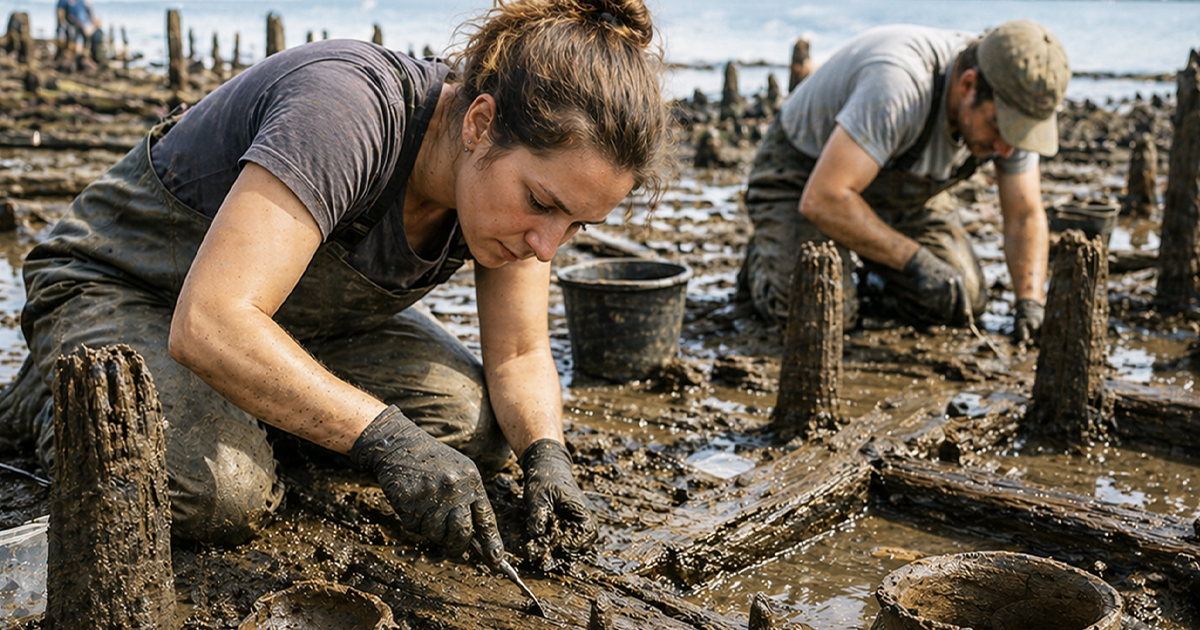
In early 2026, something a little strange started happening along the shores of Lake Biel (Bielersee) in Switzerland. The waterline had shifted again, pulling back just enough to expose patches of muddy ground that are usually hidden. At first, it didn’t seem like a big deal. But then people started noticing shapes in the mud that looked a little too organized.
When the Ground Didn’t Look Right
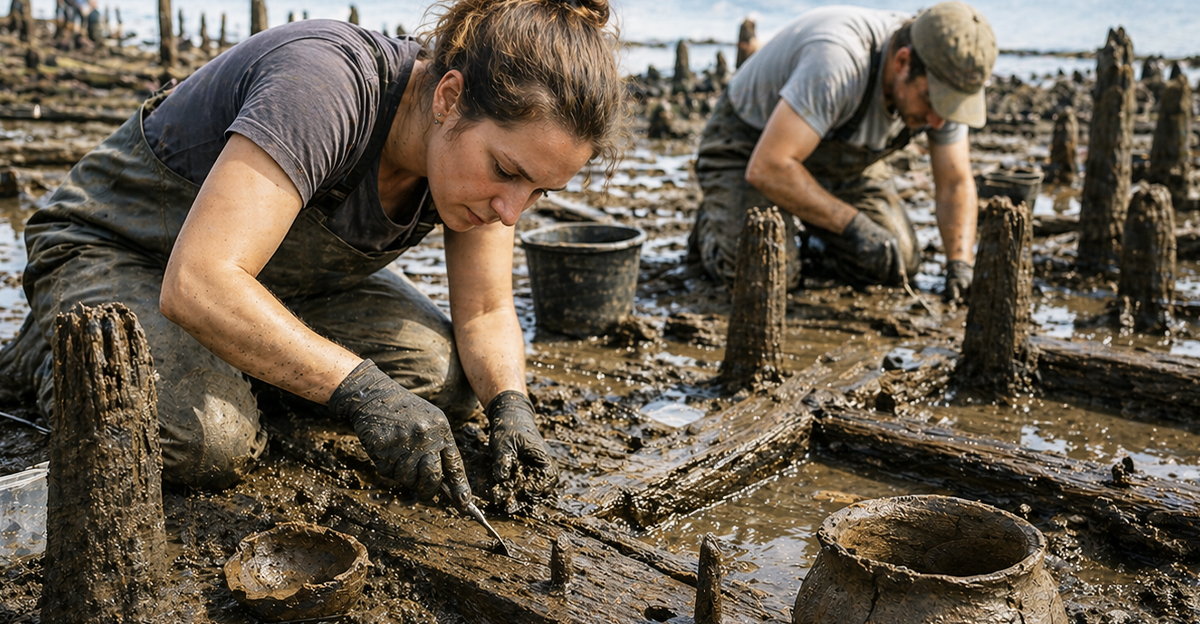
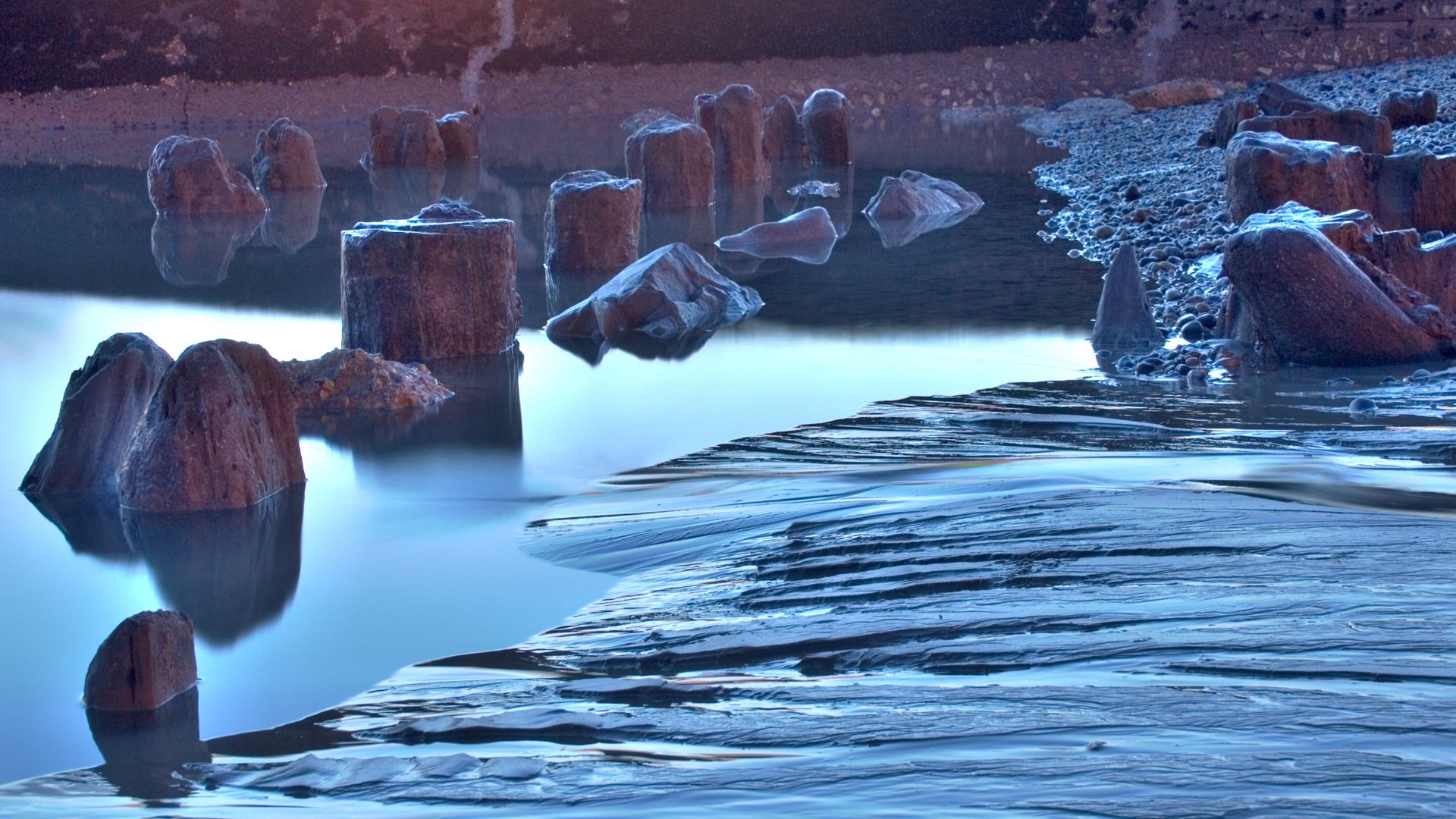
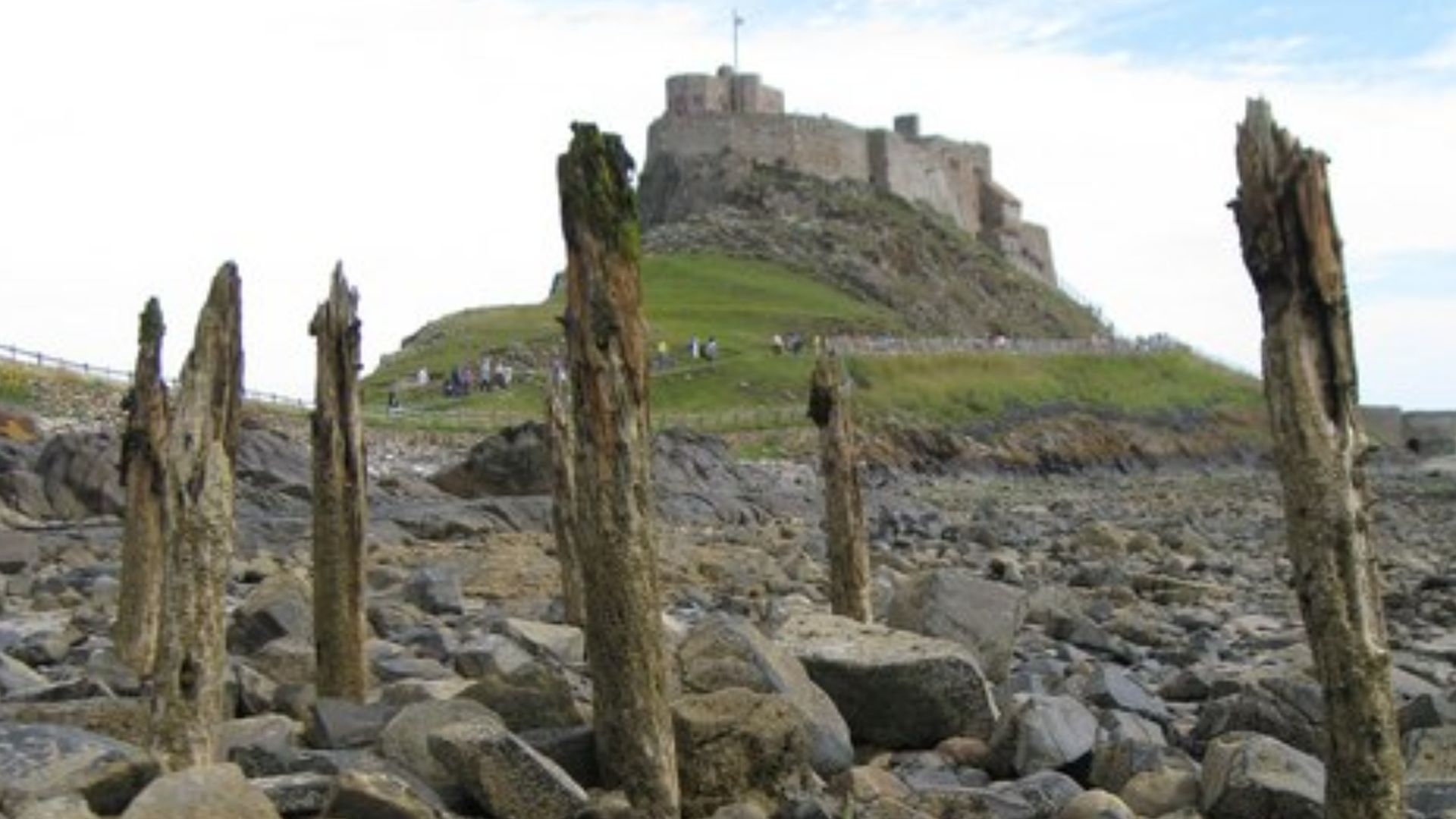
People walking along the lake started spotting wooden posts and dark lines sticking out of the ground. These weren’t random sticks or debris washed in from somewhere else. They were spaced out in patterns. The kind of patterns that make you stop and think, “Okay… that’s definitely not natural.”
 Dominic Alves, Wikimedia Commons
A Closer Look Changes Everything
That’s when the Archaeological Service of the Canton of Bern stepped in. At first, it was just another routine check. But it didn’t stay routine for long. The more they looked, the clearer it became that this wasn’t just an old structure. It was something much bigger.
Not Just Old… Seriously Old
Once they started dating the wood, things got interesting fast. The site goes all the way back to around 3842 BCE, which makes it roughly 5,900 years old. That’s not just old—that’s long before most recorded history.

A Village That Was Never Meant to Be Seen Again
What they uncovered was a Neolithic lakeside village, built thousands of years ago right along the edge of the lake. Back then, the shoreline looked completely different. Over time, the water slowly rose and covered everything, hiding it for centuries.
 Tryfon Manolis, Wikimedia Commons
Built Right on the Edge of the Water
The people who lived here built their homes using wooden posts driven into the ground, creating stable platforms near the water. It was actually a smart setup that helped keep everything steady on soft ground.
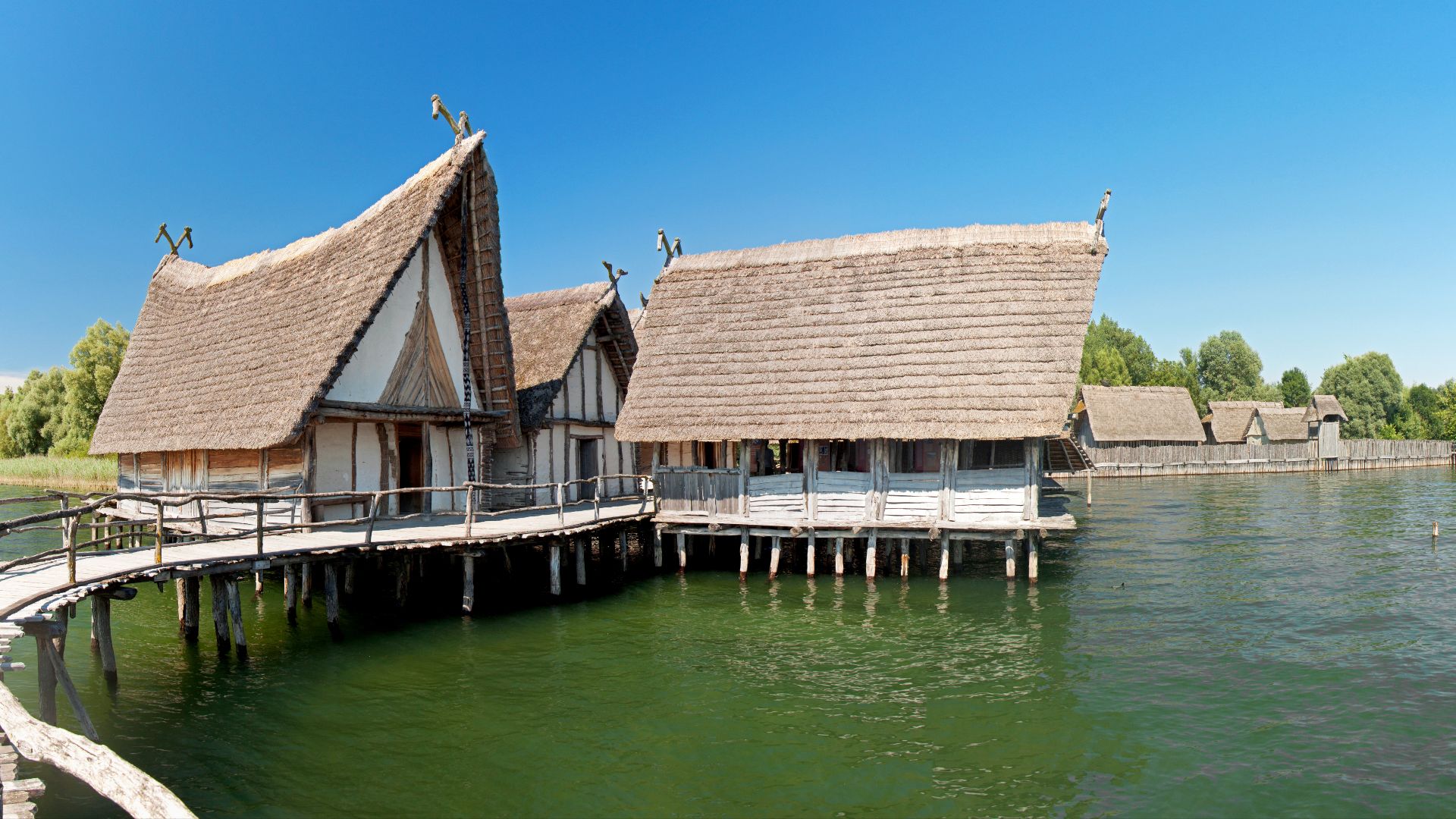
Hidden for Nearly 6,000 Years
As the lake levels rose over time, the entire village was buried under layers of sediment. And that’s where it stayed. For nearly six thousand years, no one knew it was there.

Nature Decides to Show It Off
Then came the shift in water levels. Whether it was seasonal changes or broader climate patterns, the lake dropped just enough to expose parts of the buried site. And just like that, pieces of the village started to come back into view.
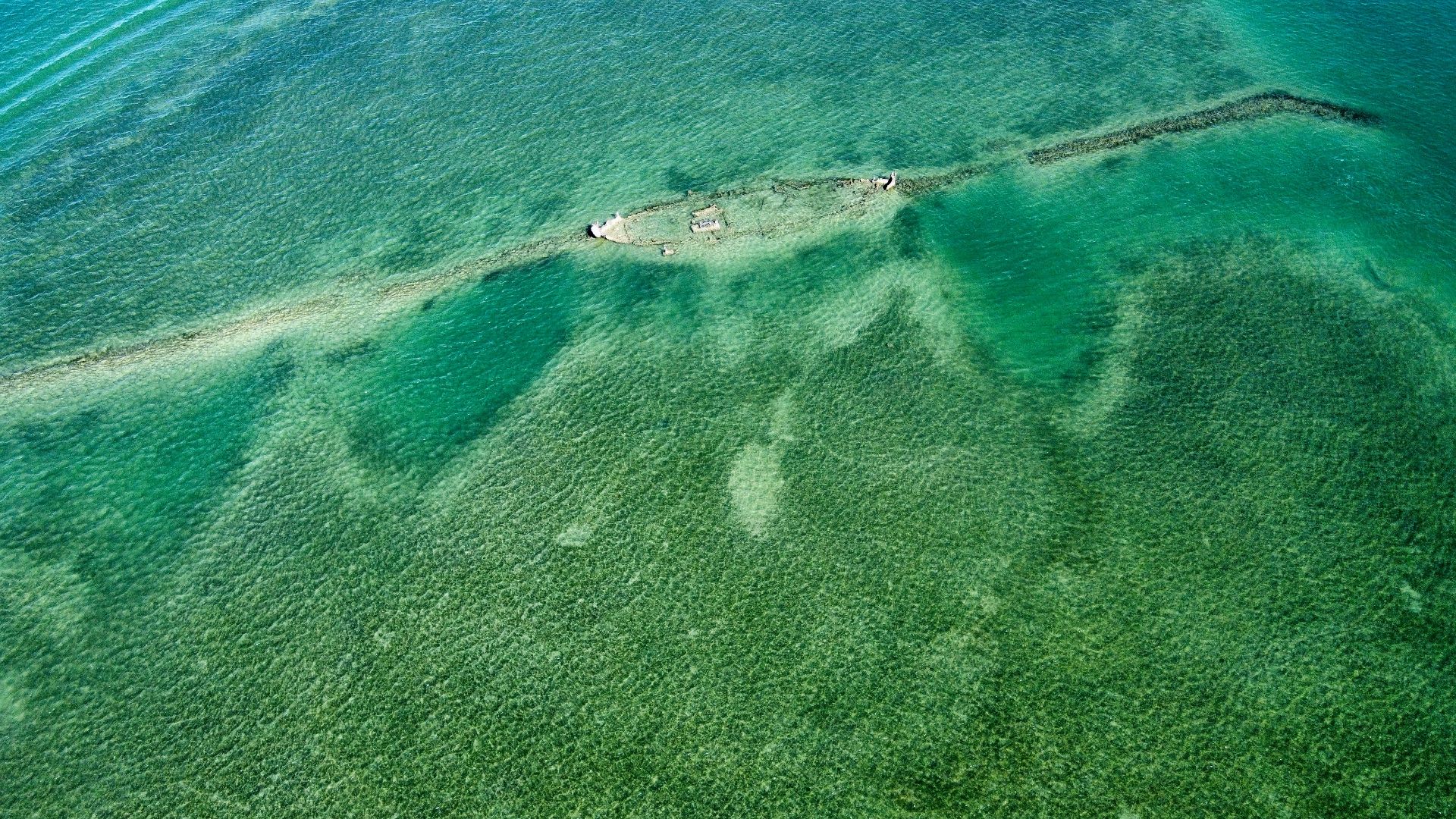
It Starts With a Few Posts
At first, it was just a handful of visible wooden posts. But as more of the lakebed was exposed, the scale of the discovery became obvious. This wasn’t just one structure. It was a full settlement.
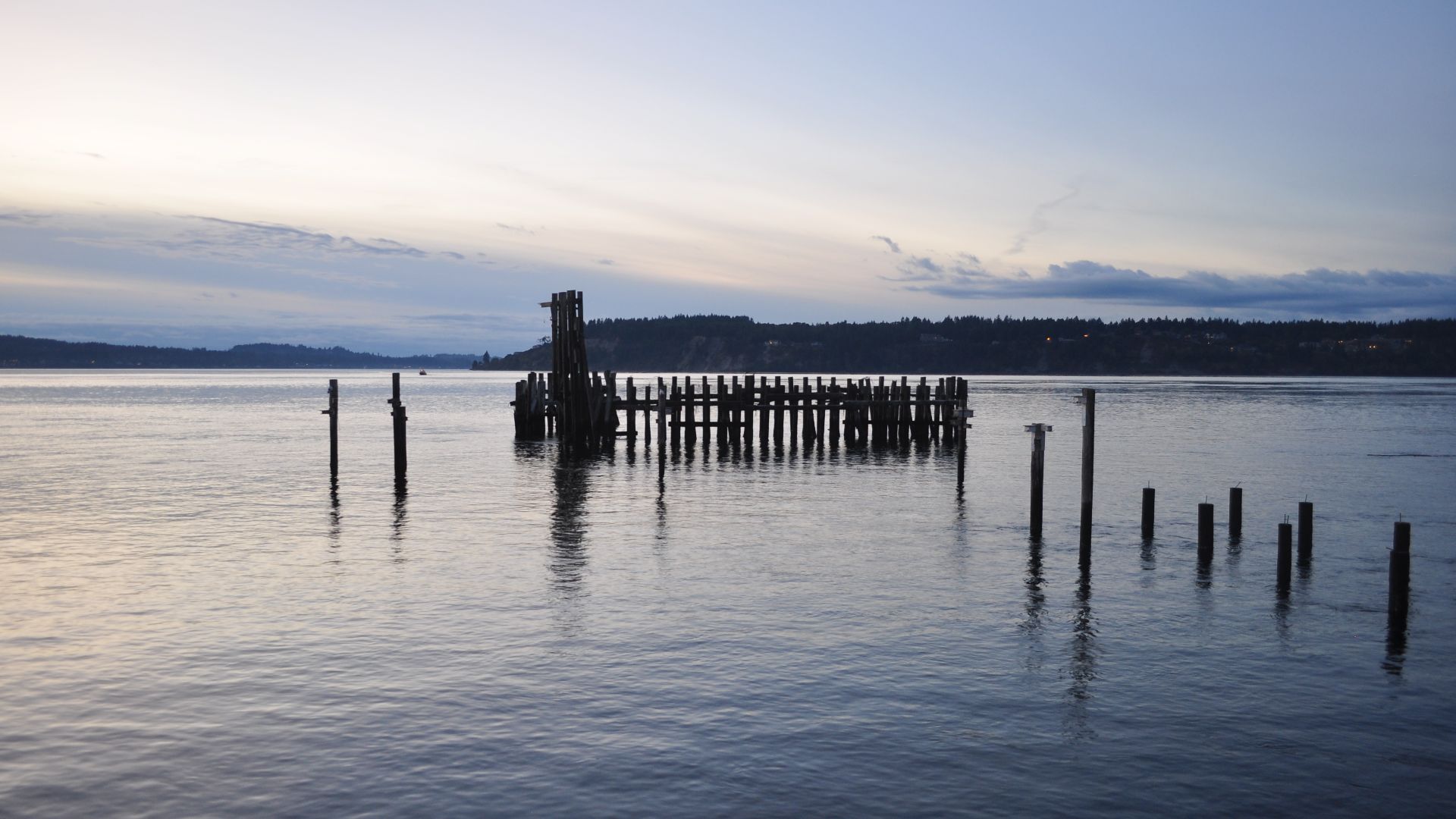
A Village Layout Begins to Take Shape
As archaeologists mapped the site, they could see how everything was laid out. The posts weren’t random. They formed clear building outlines, showing that this was a planned community.
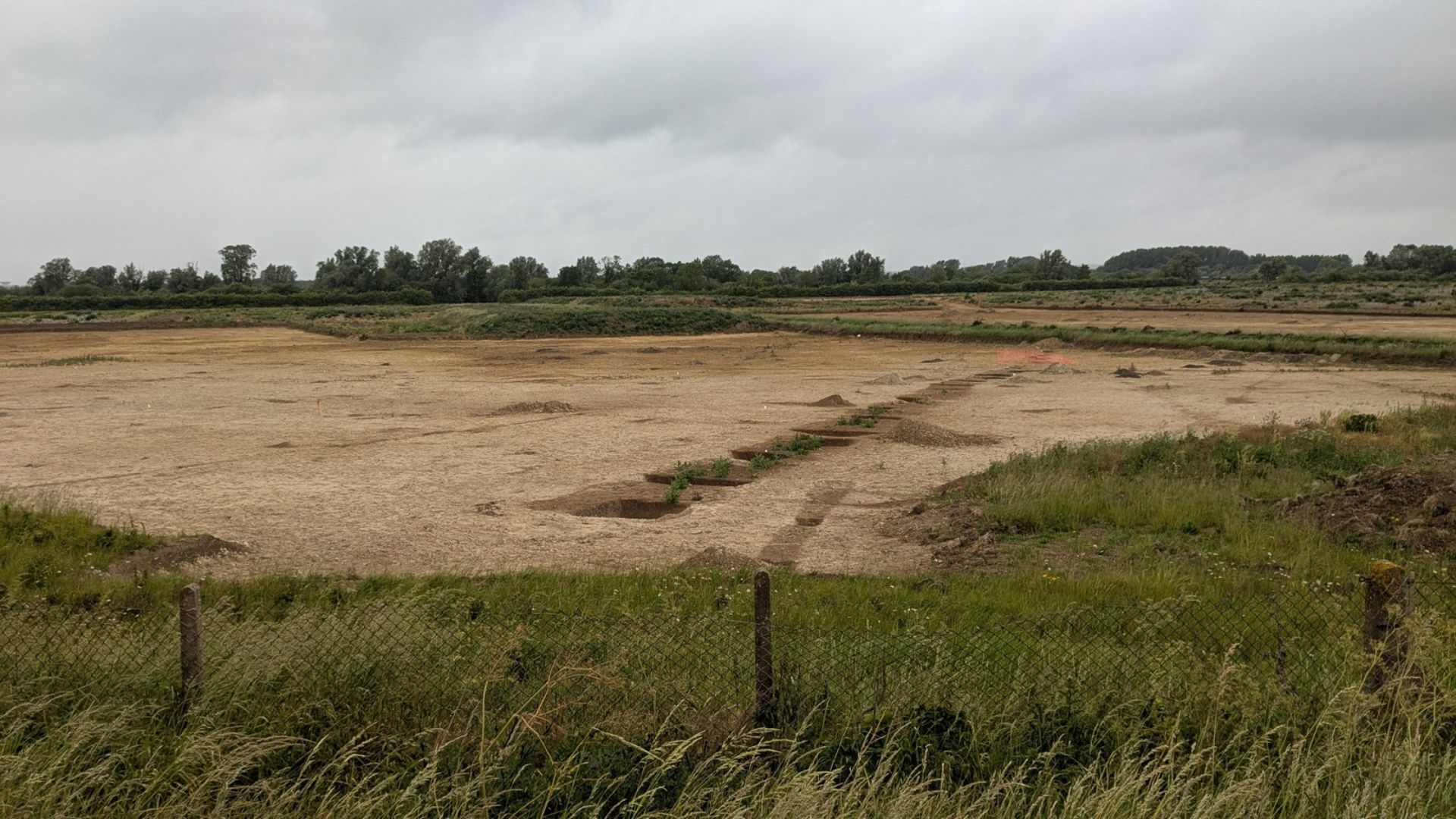 Sandy Gerrard , Wikimedia Commons
Small Finds, Big Clues
Alongside the structures, researchers began finding artifacts like tool fragments and other everyday items. These helped paint a picture of daily life in the village.
 Photo by Szilas in Josa Andras Museum, Nyiregyhaza, Wikimedia Commons
Life Before Metal Tools
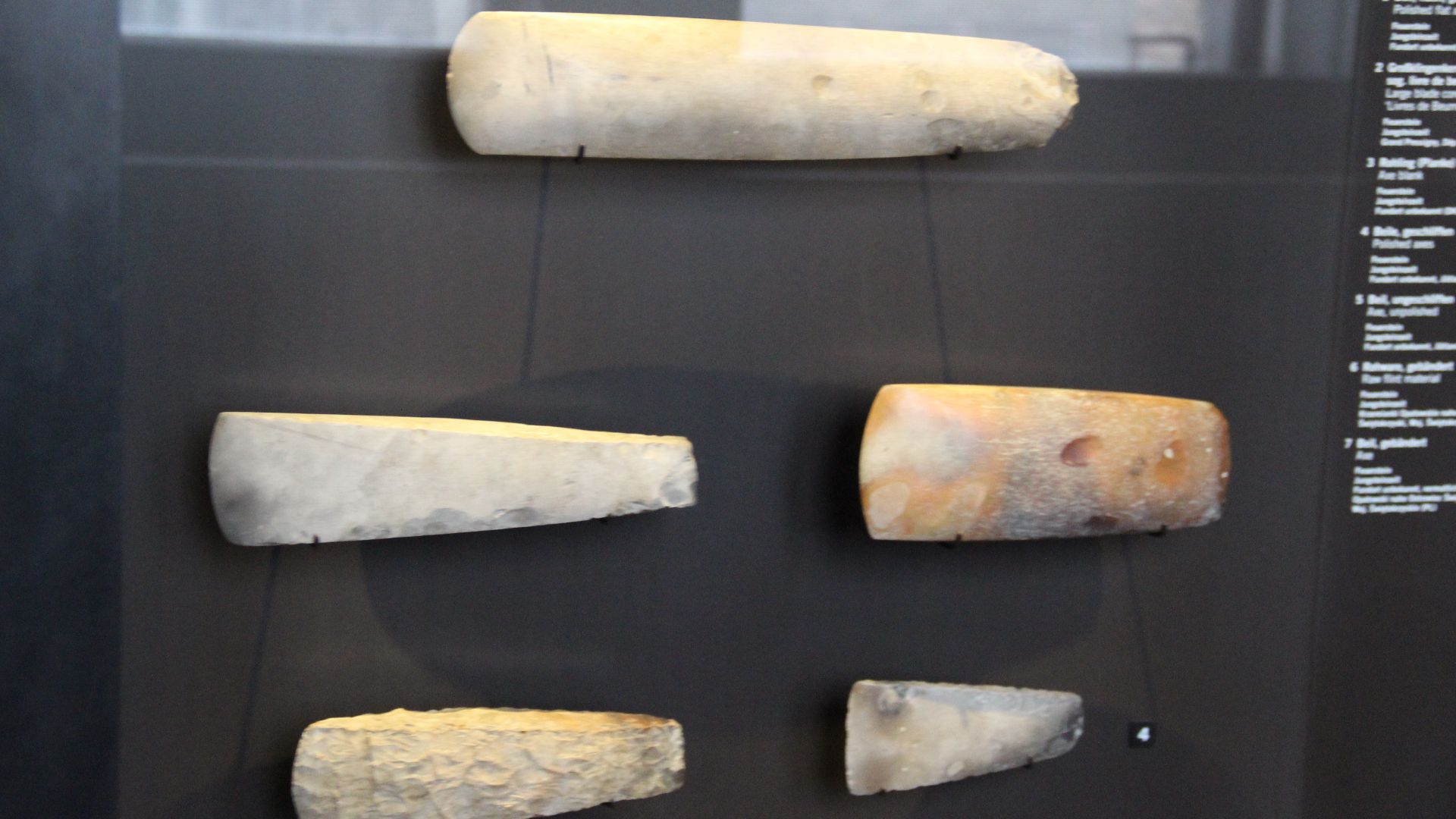
This was the Neolithic period, which means no metal tools at all. Everything was made using stone, bone, and wood. And yet, these people built structures that lasted thousands of years.
 Gary Todd from Xinzheng, China, Wikimedia Commons
Living by the Lake Had Its Perks
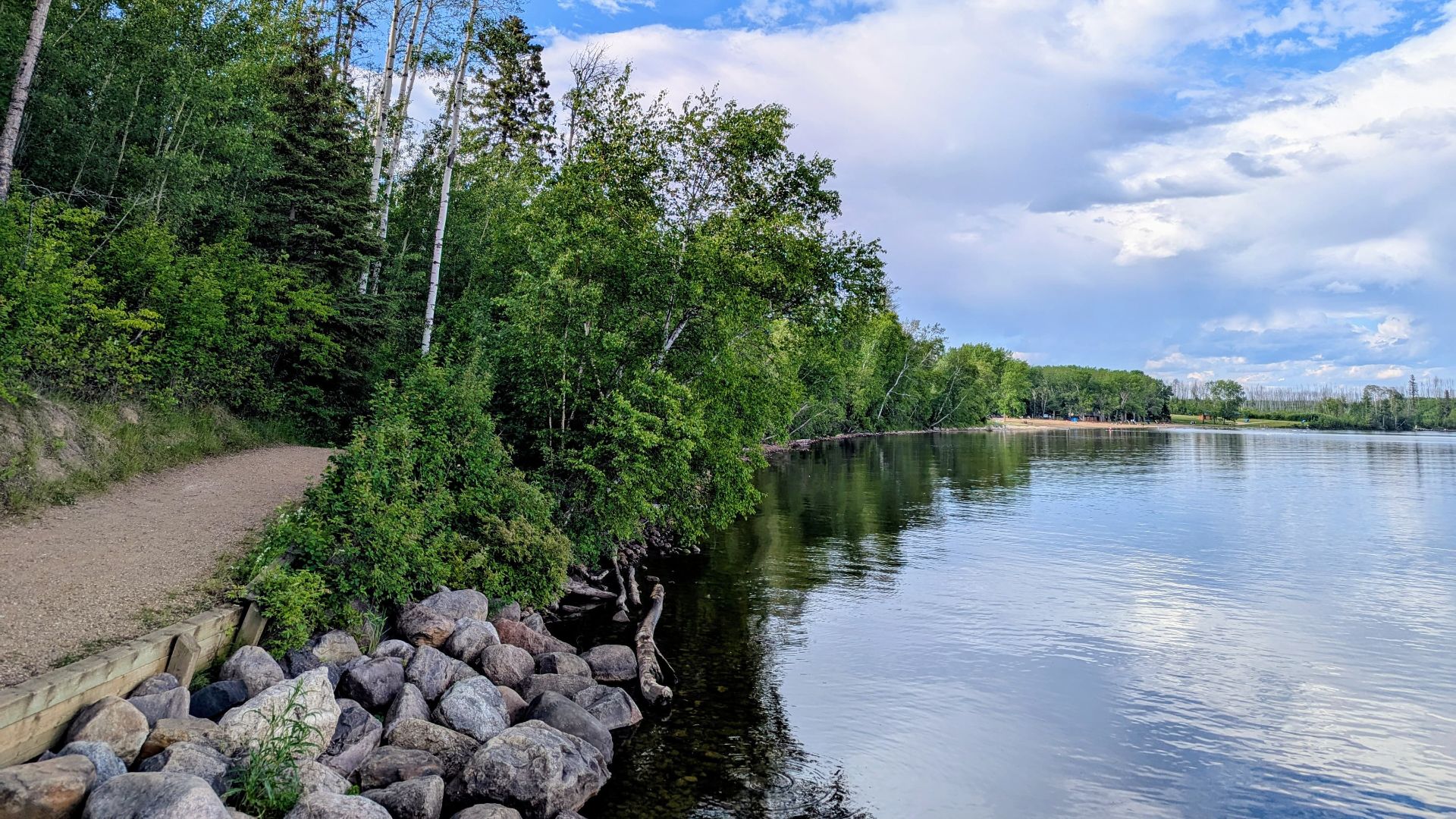
Being close to the lake gave people access to water, fish, and natural travel routes. Of course, it also came with risks like flooding, which explains why they built the way they did.
 Hamna Kaleem 001, Wikimedia Commons
Preserved Without Anyone Realizing It
The reason this site survived so well comes down to wet conditions. The lack of oxygen in the soil slowed down decay, which is why the wooden structures didn’t disappear over time.
 Alison Rawson, Wikimedia Commons
Now the Clock Is Ticking
Once these materials are exposed to air, they can start to break down quickly. Wood that’s been preserved underwater for thousands of years doesn’t always handle fresh air well.
 Anderson Mancini from Sao Paulo, Brazil, Wikimedia Commons
A Race Against Nature
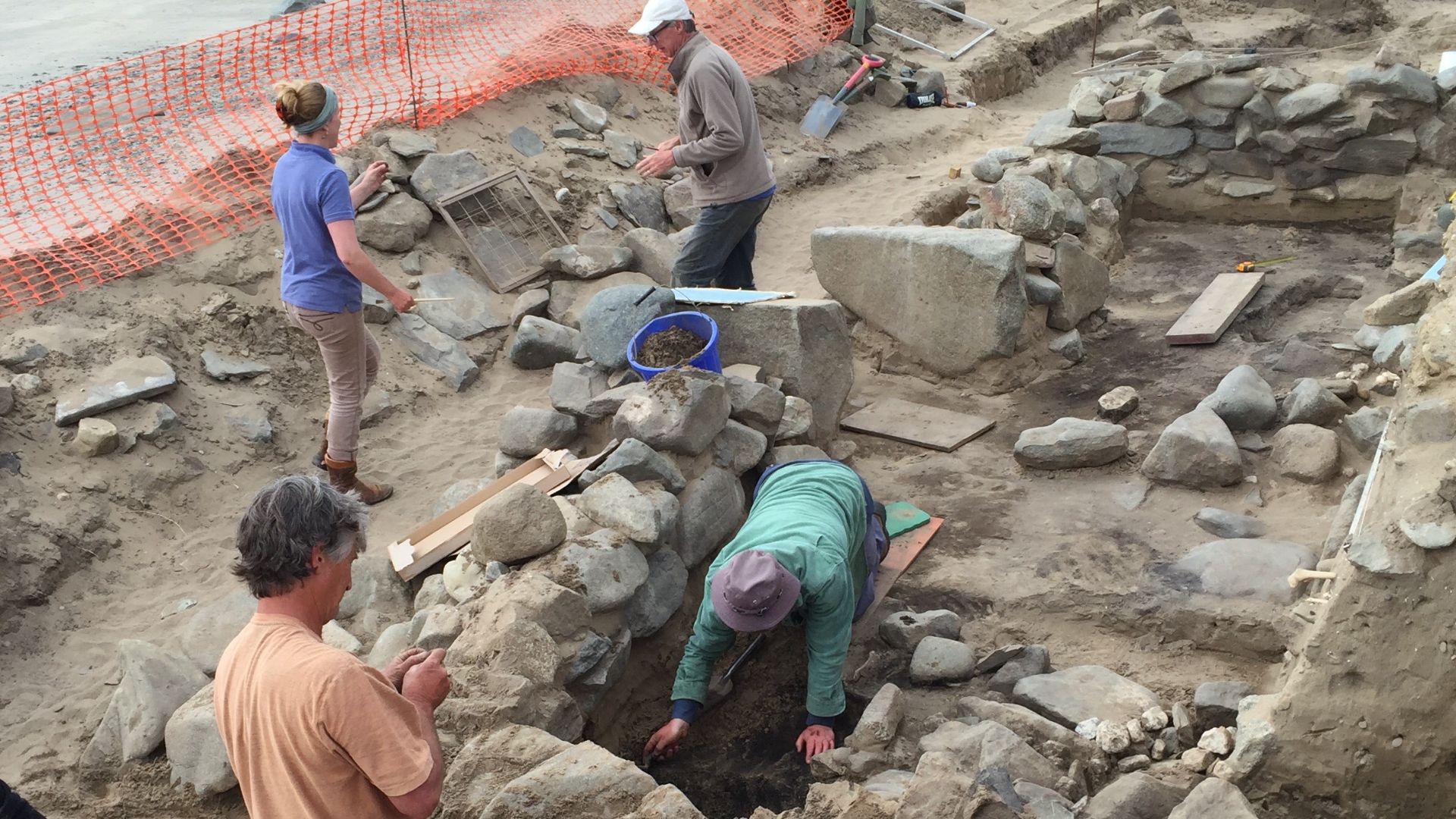
Because of that, archaeologists had to move fast. This wasn’t a slow dig. It was more like a race to document everything before it disappears again.
 Alan Hughes , Wikimedia Commons
“An Exceptional Discovery”
Officials from the Canton of Bern described the site as an “exceptional discovery,” highlighting its age and preservation.
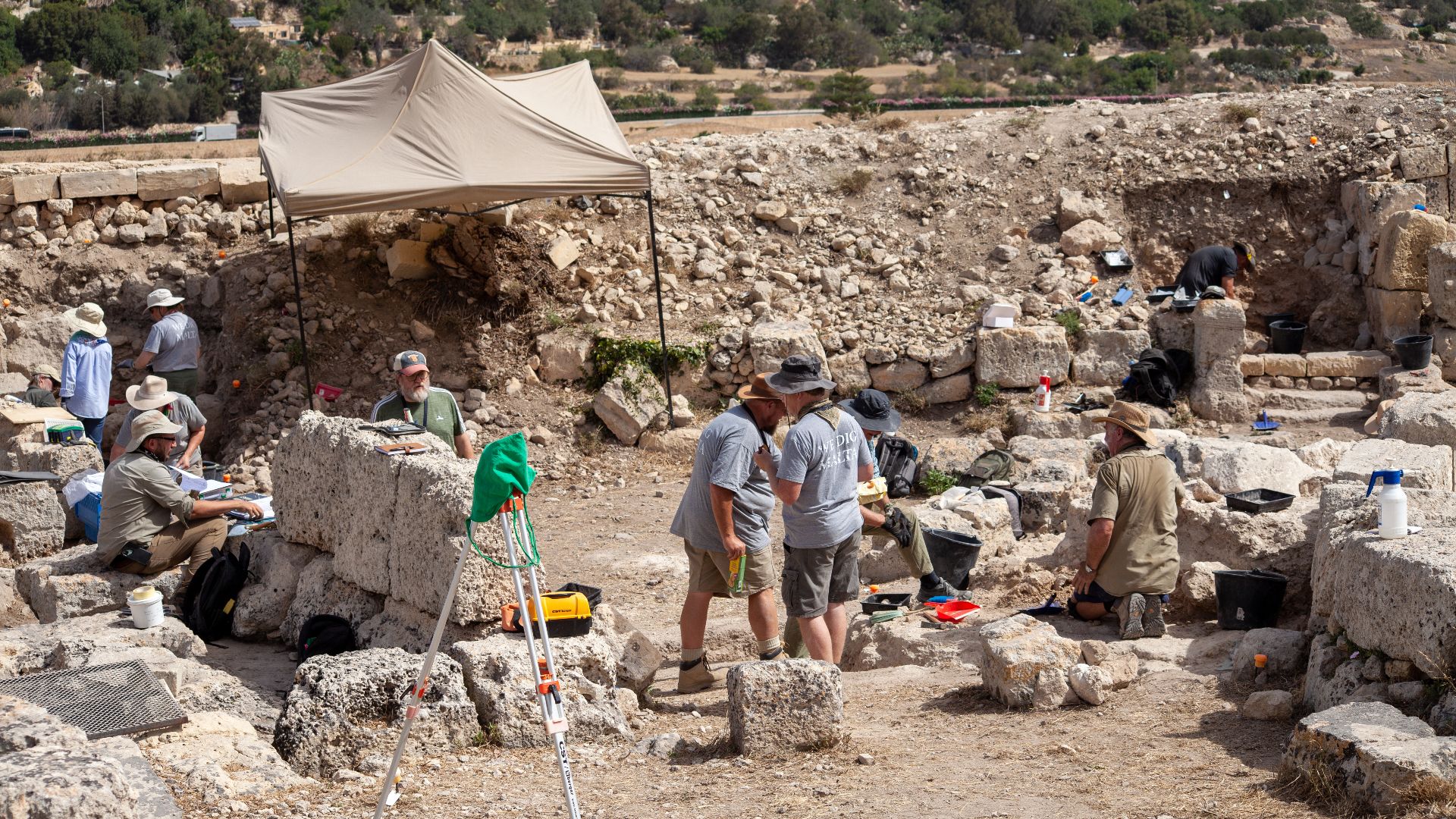 Godwin Borg, Wikimedia Commons
Older Than Most Famous Landmarks
This village existed thousands of years before the pyramids in Egypt were built, which makes it incredibly significant.
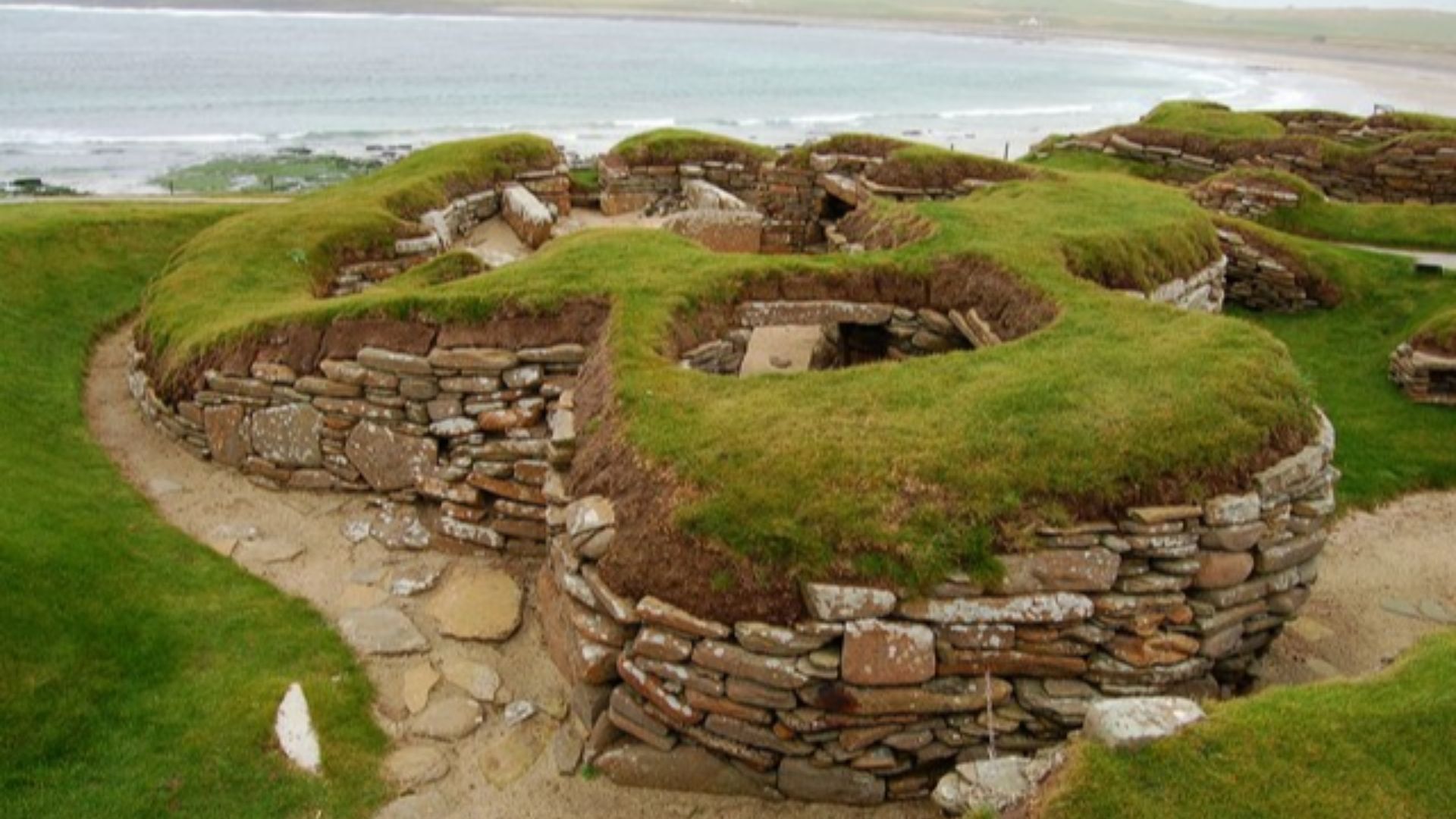
Not Just Another Find
Switzerland already has several prehistoric lake dwellings recognized by UNESCO, but this one stands out because of its age.
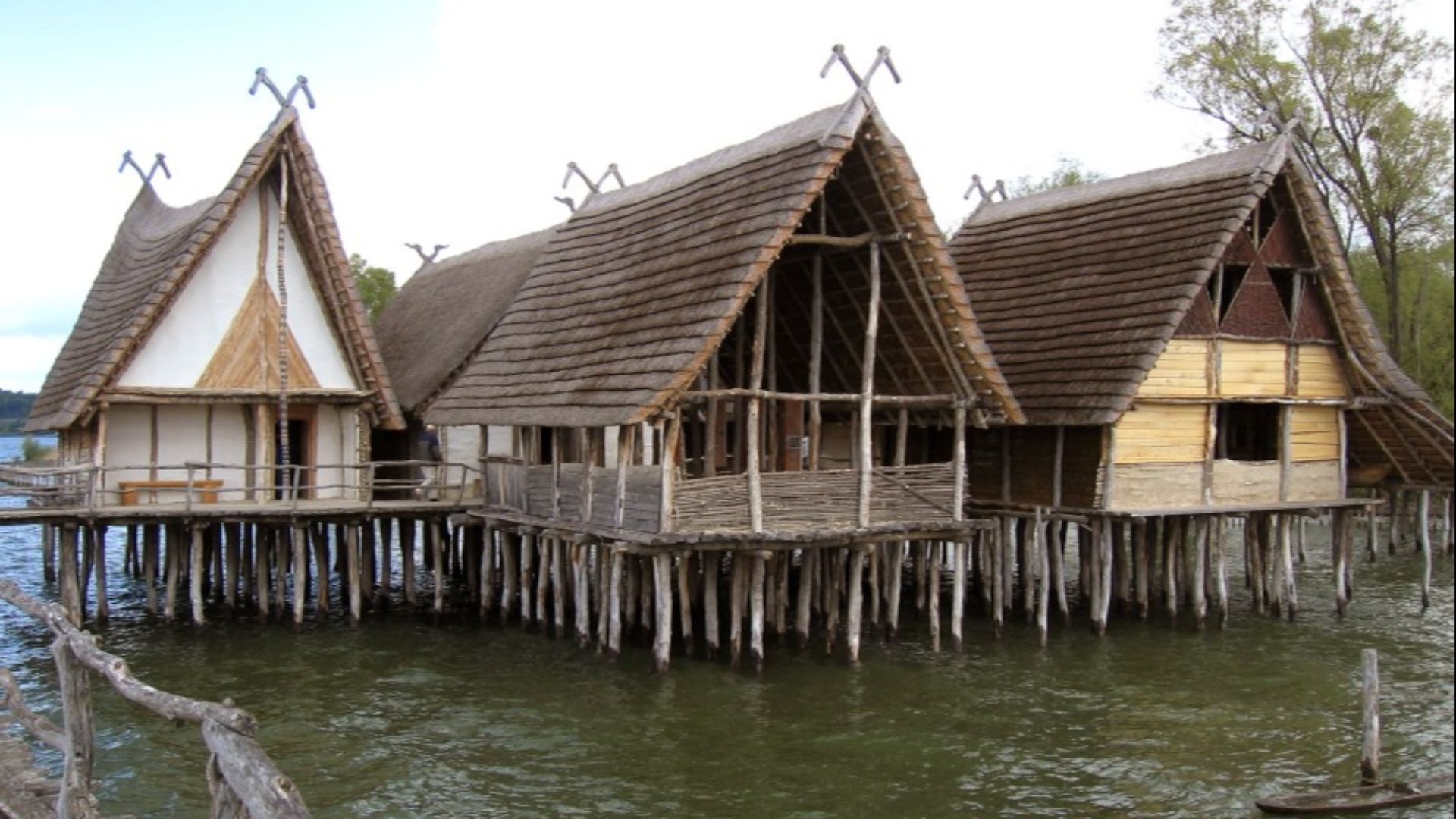 Gerhard Schauber, Wikimedia Commons
What Else Is Still Hidden?
No one went looking for this village. It appeared simply because the conditions were right. If something this large stayed hidden for nearly 6,000 years, it raises the question of how many more sites are still out there.
 Dwi sumaiyyah makmur, Wikimedia Commons
The Past, Quietly Waiting
For nearly six thousand years, this village sat hidden beneath the lake. It only took a shift in water levels to bring it back into view.
 Reginestein, Wikimedia Commons
You May Also Like: