The Day the Seafloor Started Giving Things Back
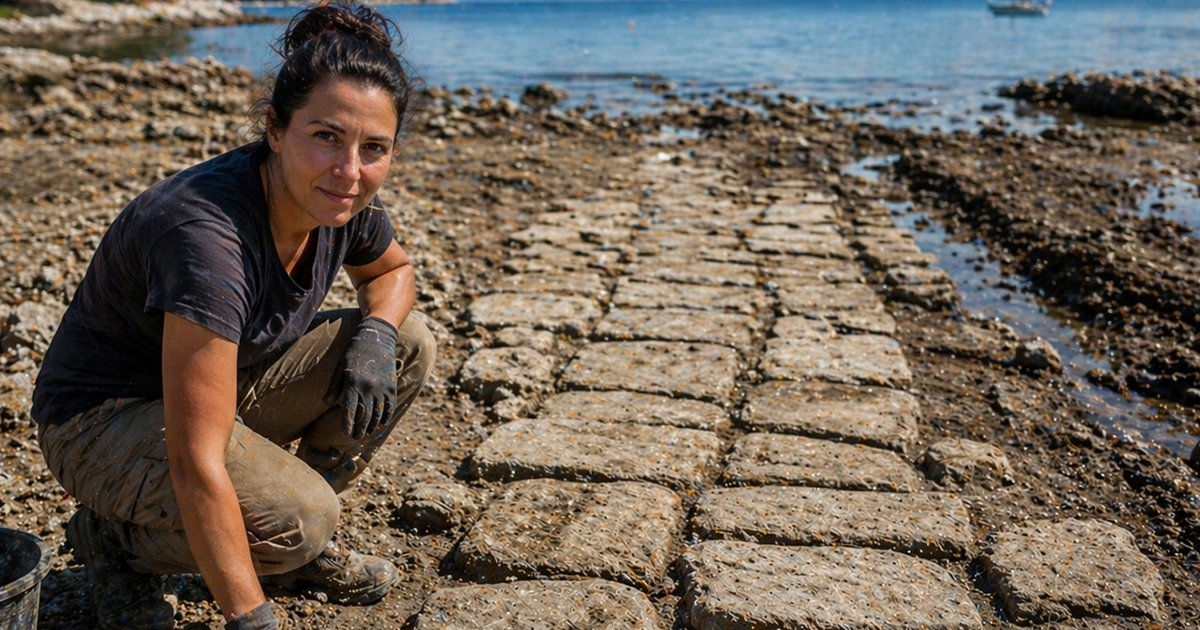
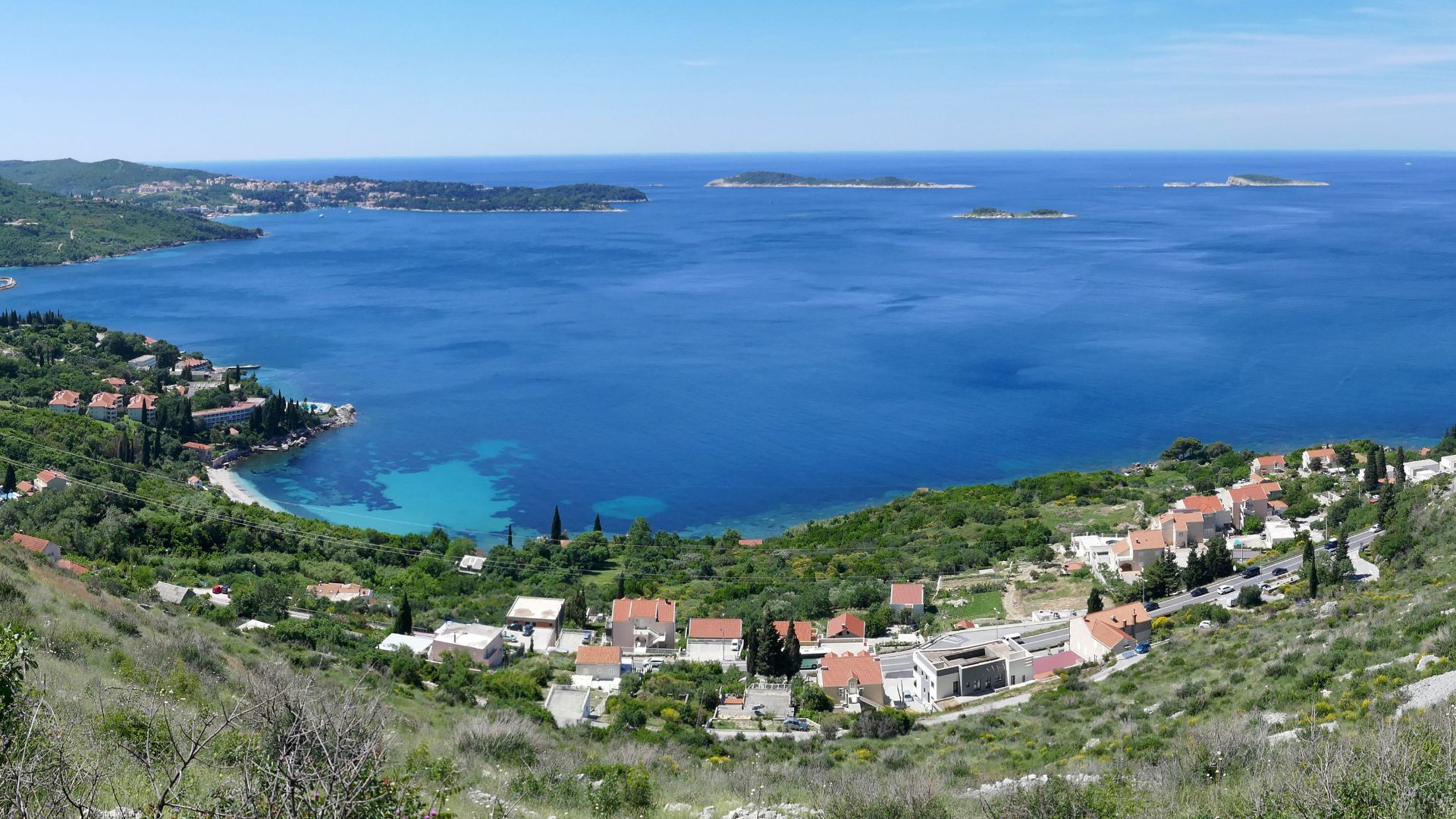
In 2023, archaeologists working along the coast of Croatia were doing what they normally do—surveying shallow waters near the island of Korčula. The goal was to monitor environmental changes and document known sites. Nothing about that day suggested they were about to stumble onto something extraordinary. But as they moved through the water, something unusual began to stand out beneath the surface.
Something Strange Beneath the Water
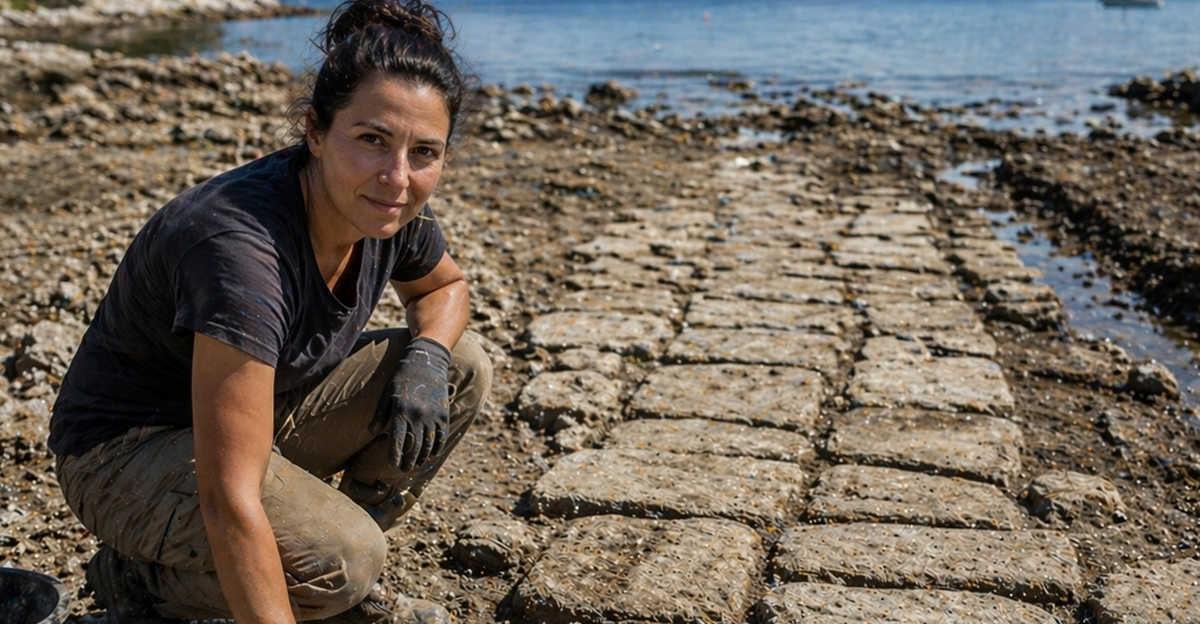
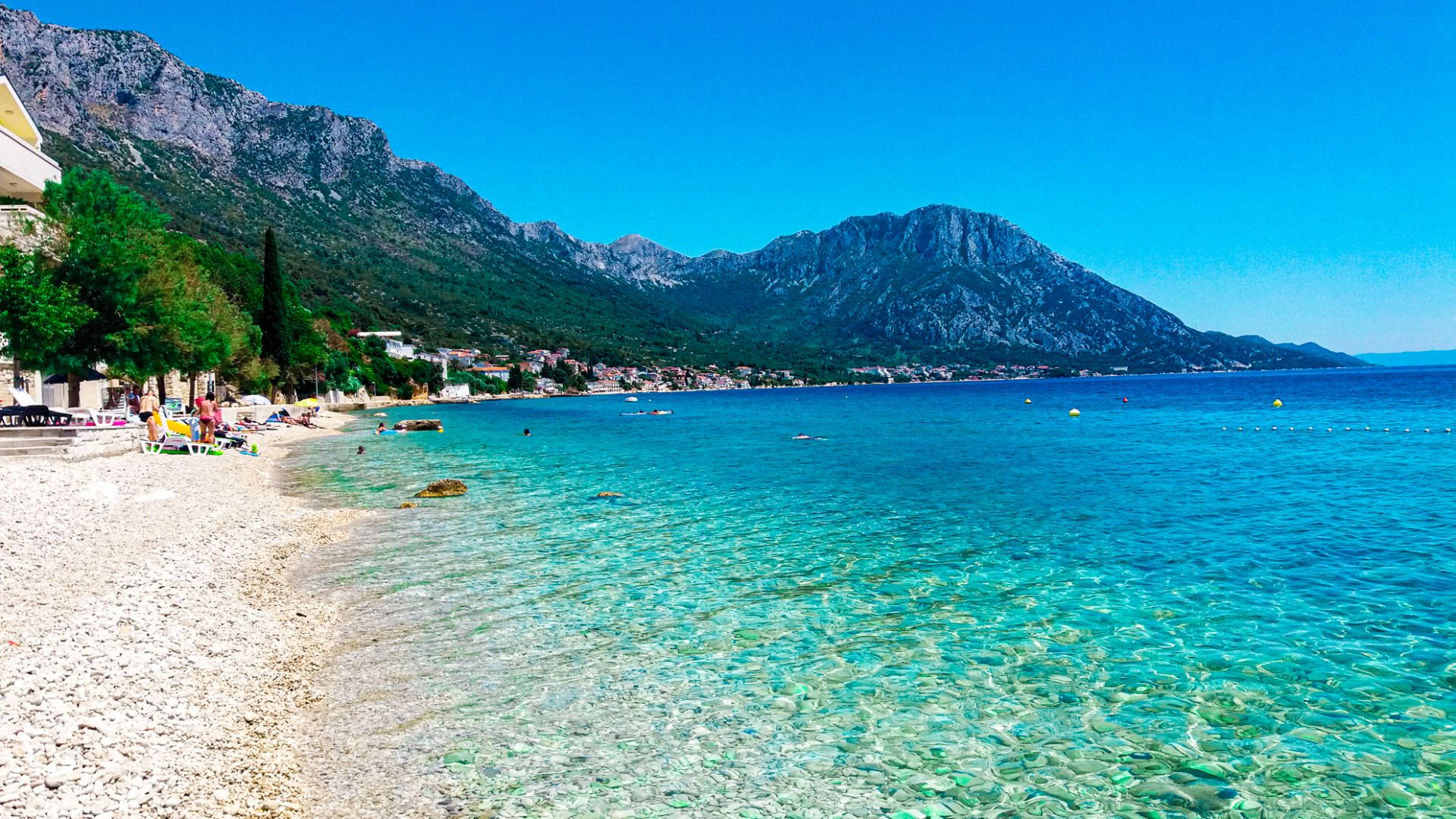
In Soline Bay, researchers noticed flat stone slabs lining the seabed. At first, they looked like ordinary rocks, the kind you would expect to find underwater. But the longer they observed them, the more obvious it became that these stones were arranged in a way that didn’t happen naturally.
Not Just Rocks—Something Built
The stones were positioned in deliberate rows, forming straight lines and consistent spacing. This wasn’t random scattering caused by waves or currents. Archaeologists quickly realized they were looking at something built by human hands, and that realization changed everything about the site.
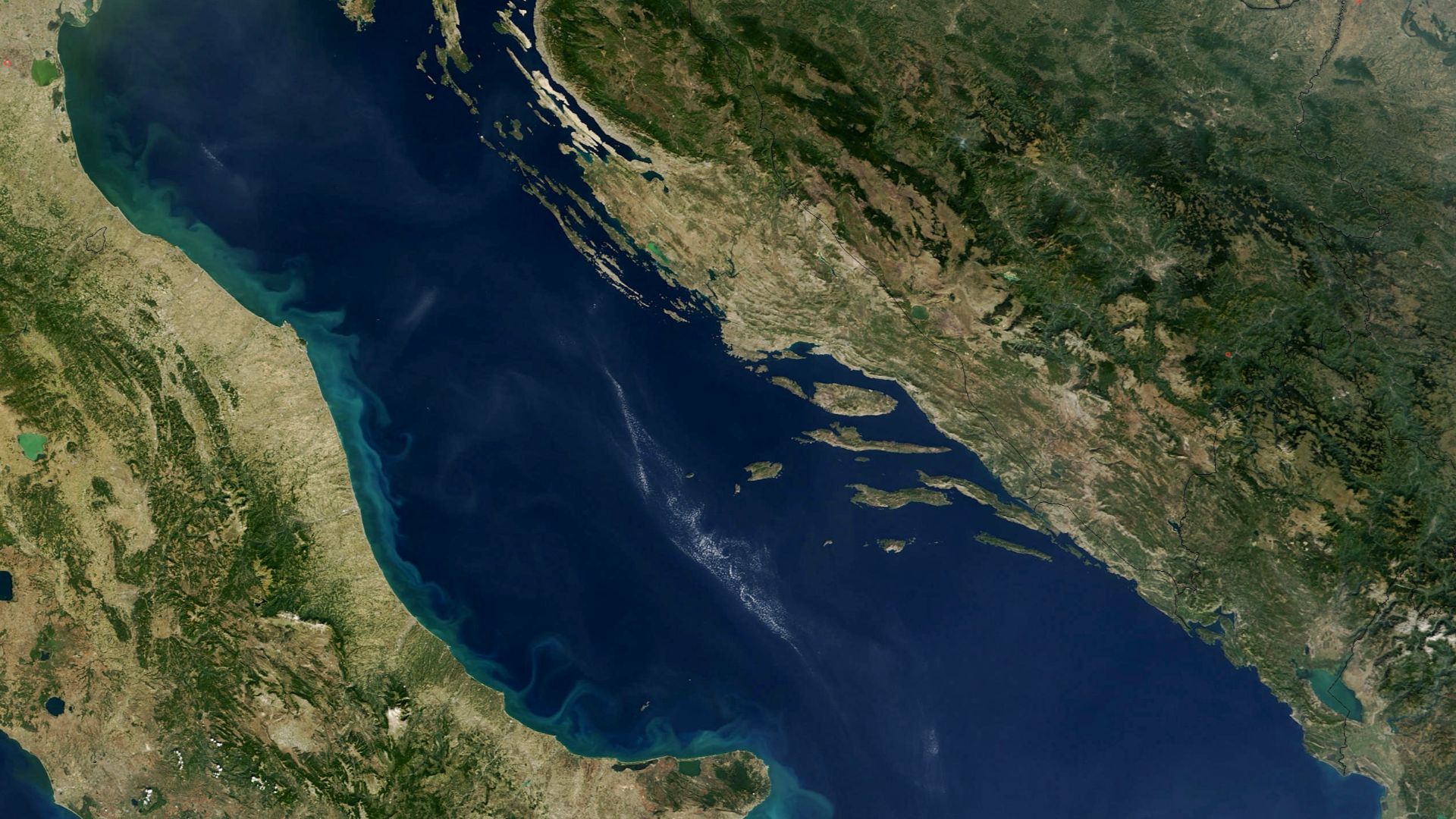 National Aeronautics and Space Administration, Wikimedia Commons
A Road… Underwater
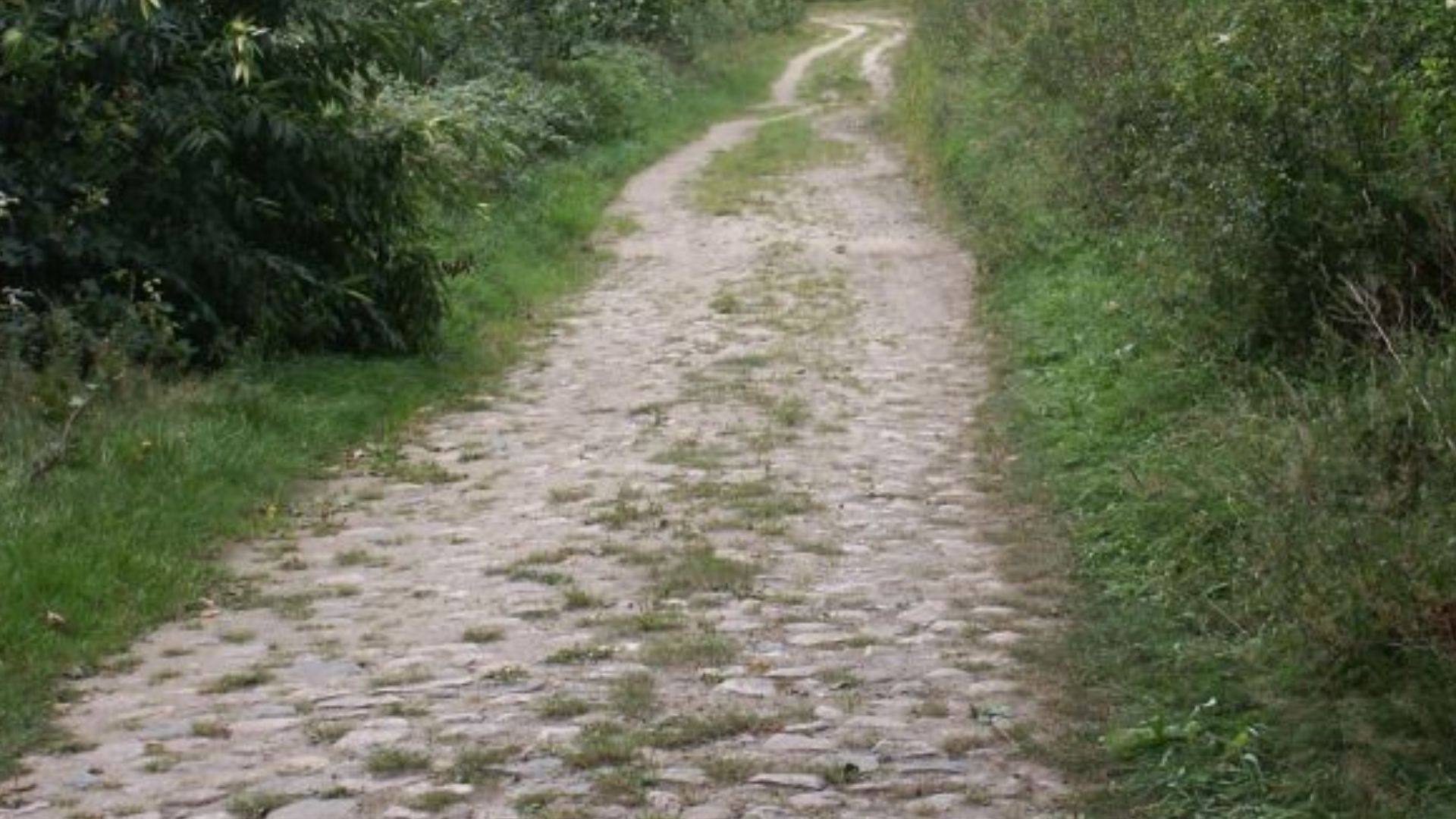
What they had uncovered was a prehistoric road, preserved beneath the Adriatic Sea. The structure stretched roughly 4 meters (13 feet) wide, made from carefully stacked stone plates. Even after thousands of years underwater, the layout was still clearly visible, which made the discovery even more impressive.
 tomkennedyastro, Wikimedia Commons
Going Back 7,000 Years
Radiocarbon dating confirmed that the road dates back to around 5,000 BCE, placing it roughly 7,000 years in the past. This means it belongs to the Neolithic period, a time when humans were just beginning to form settled communities and experiment with early construction techniques.
 Sarah Murray from Palo Alto, CA, Wikimedia Commons
Built by the Hvar Culture
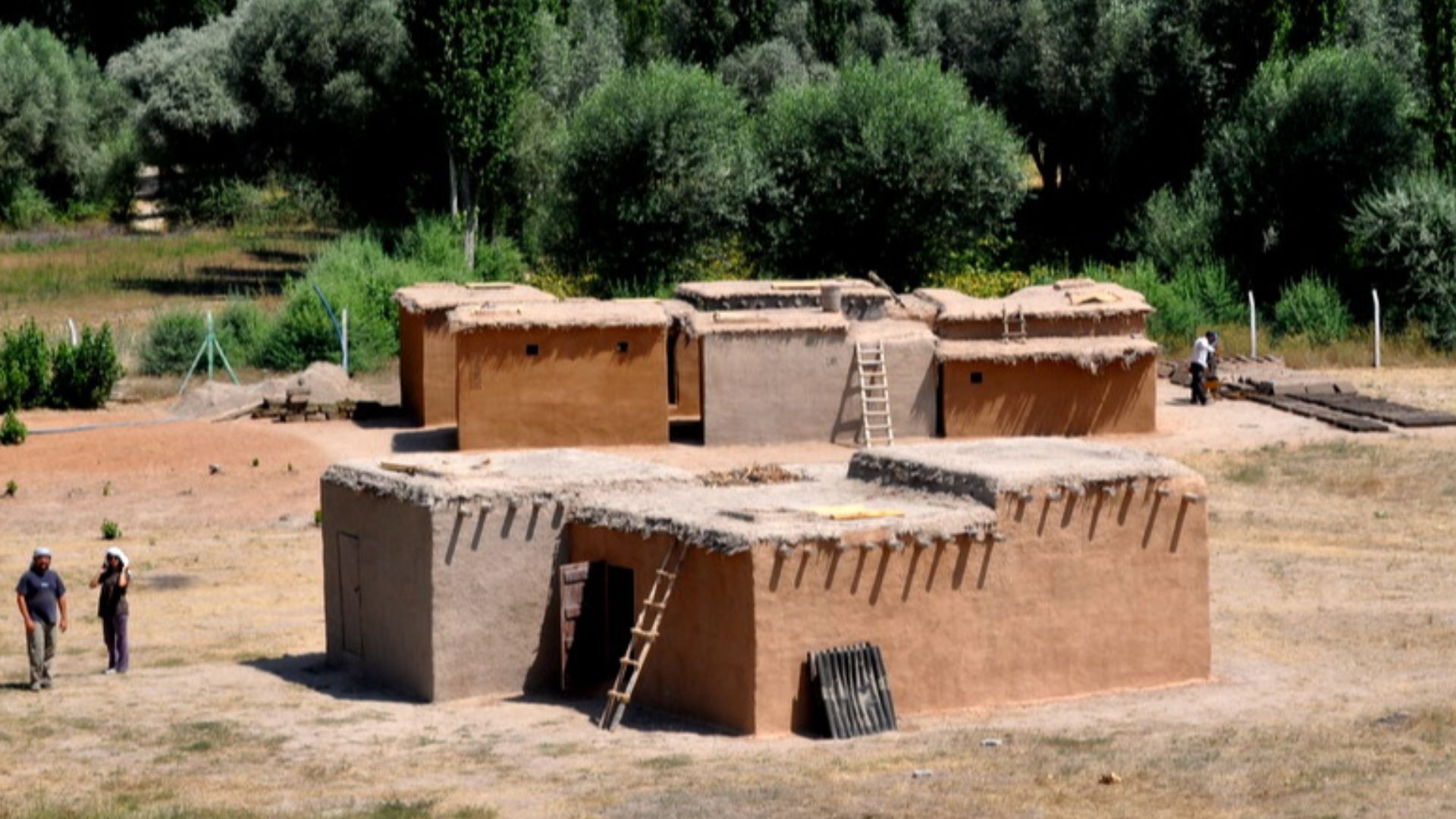
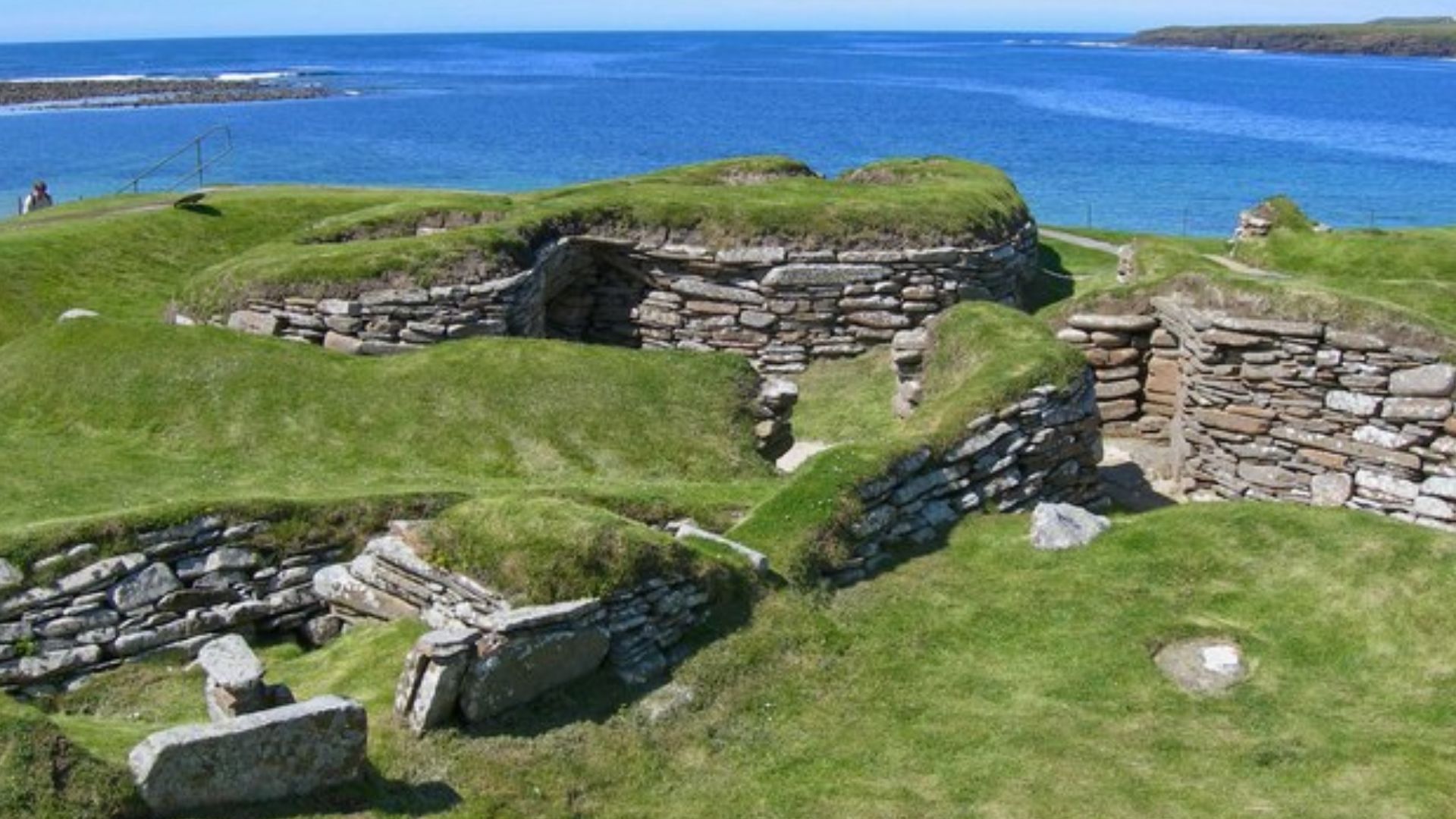
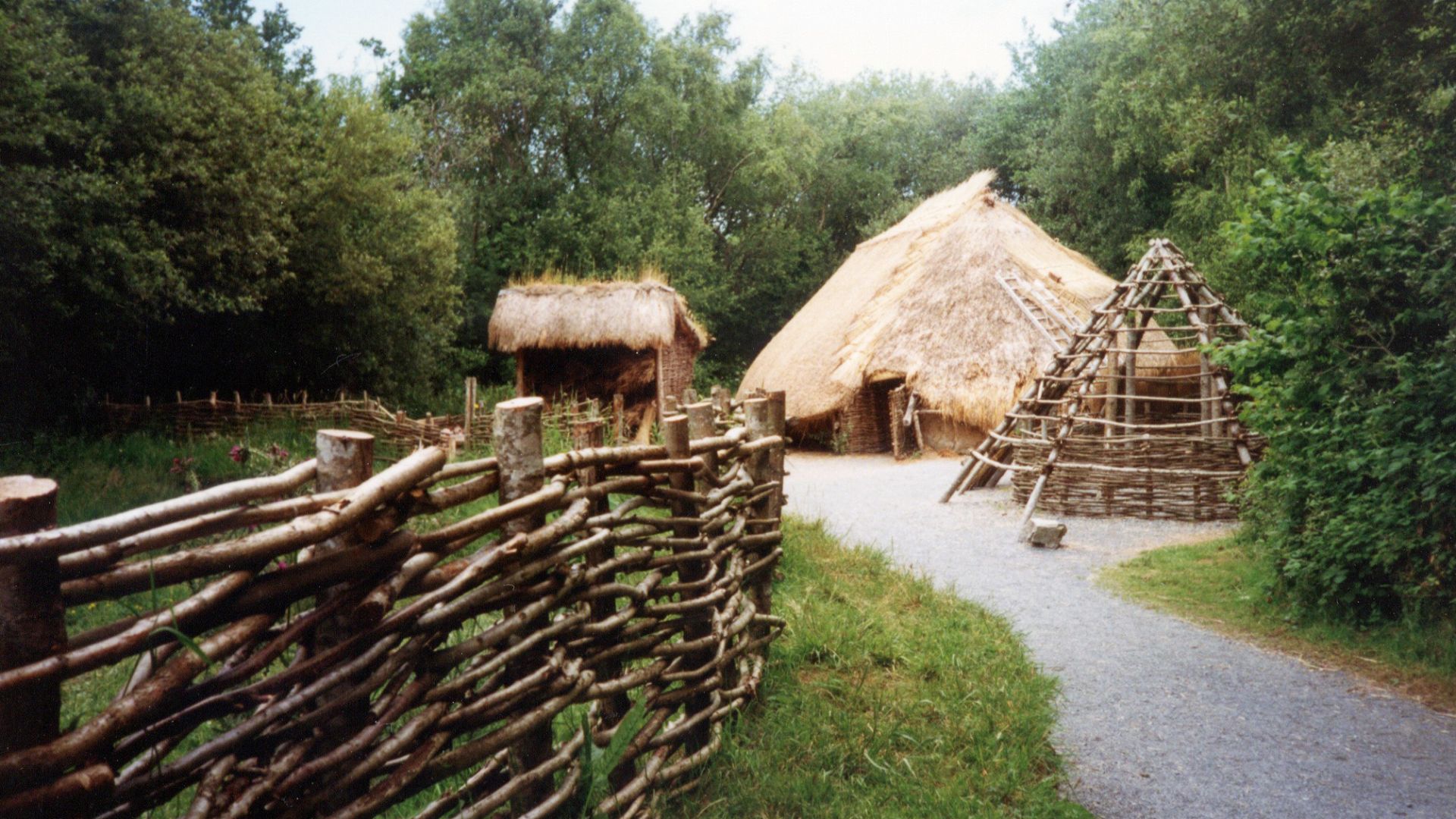
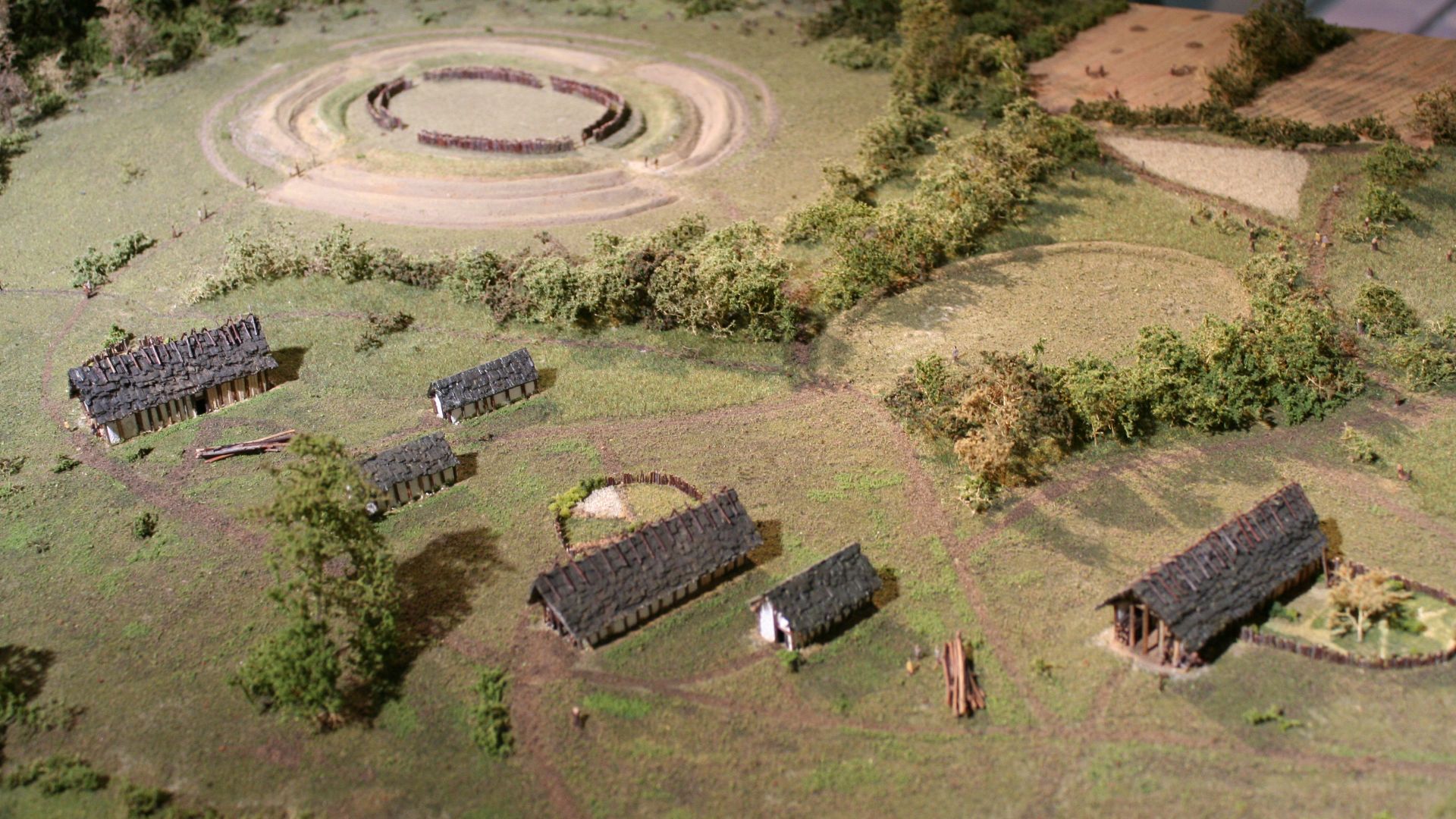
Experts believe the road was built by members of the Hvar culture, a Neolithic group known to inhabit the eastern Adriatic coast. These communities were early farmers who also relied on fishing and coastal resources. They were not just surviving—they were building structured environments.
 C Michael Hogan, Wikimedia Commons
A Connection to the Mainland
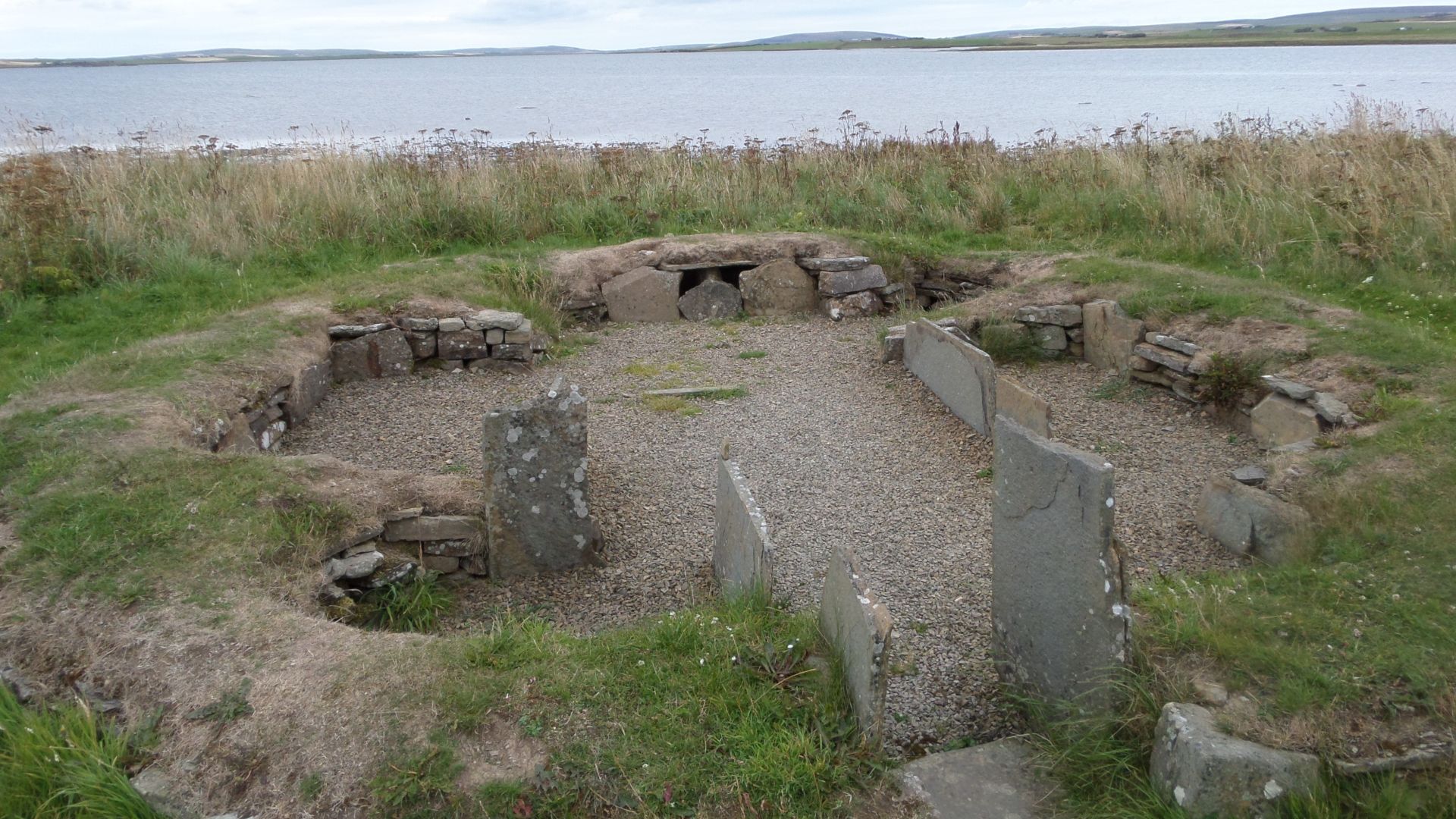
The road likely served as a connection between a prehistoric settlement on what was once a small island and the mainland. At the time, sea levels were lower, meaning this path would have been completely dry and easy to walk across.
 Gaius Cornelius, Wikimedia Commons
When the Sea Took Over
Over thousands of years, rising sea levels slowly changed the landscape. Areas that were once land became submerged, including this road. What had once been a useful connection between communities eventually disappeared beneath the water.
Hidden… But Not Gone
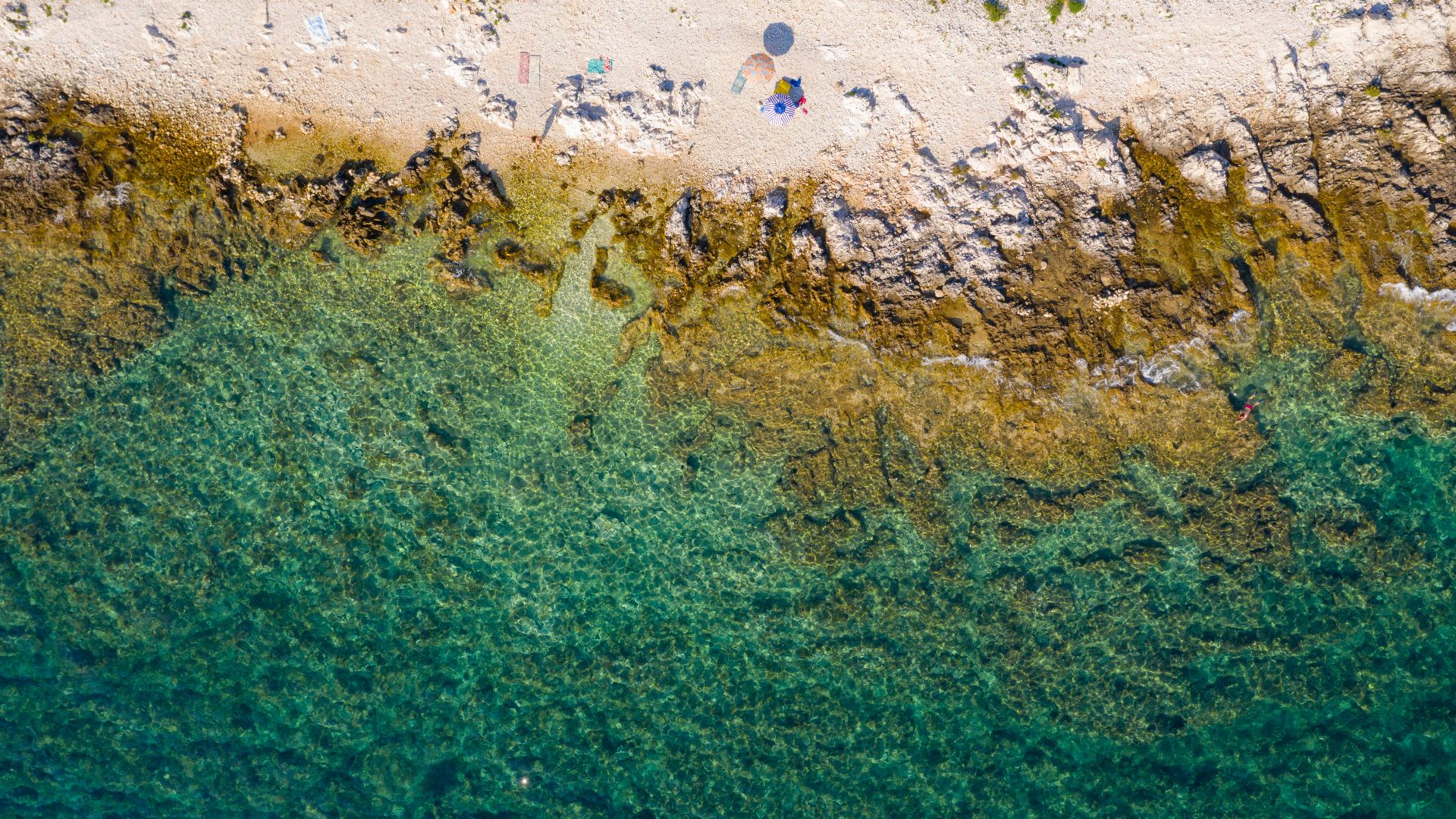
Even though it was underwater, the road did not disappear completely. Instead, it was protected by layers of sediment and the relatively calm conditions of the bay. These factors helped preserve the structure in a way that would not have been possible on land.
 Nick Savchenko from Kiev, Ukraine, Wikimedia Commons
Nature Helps Reveal the Past
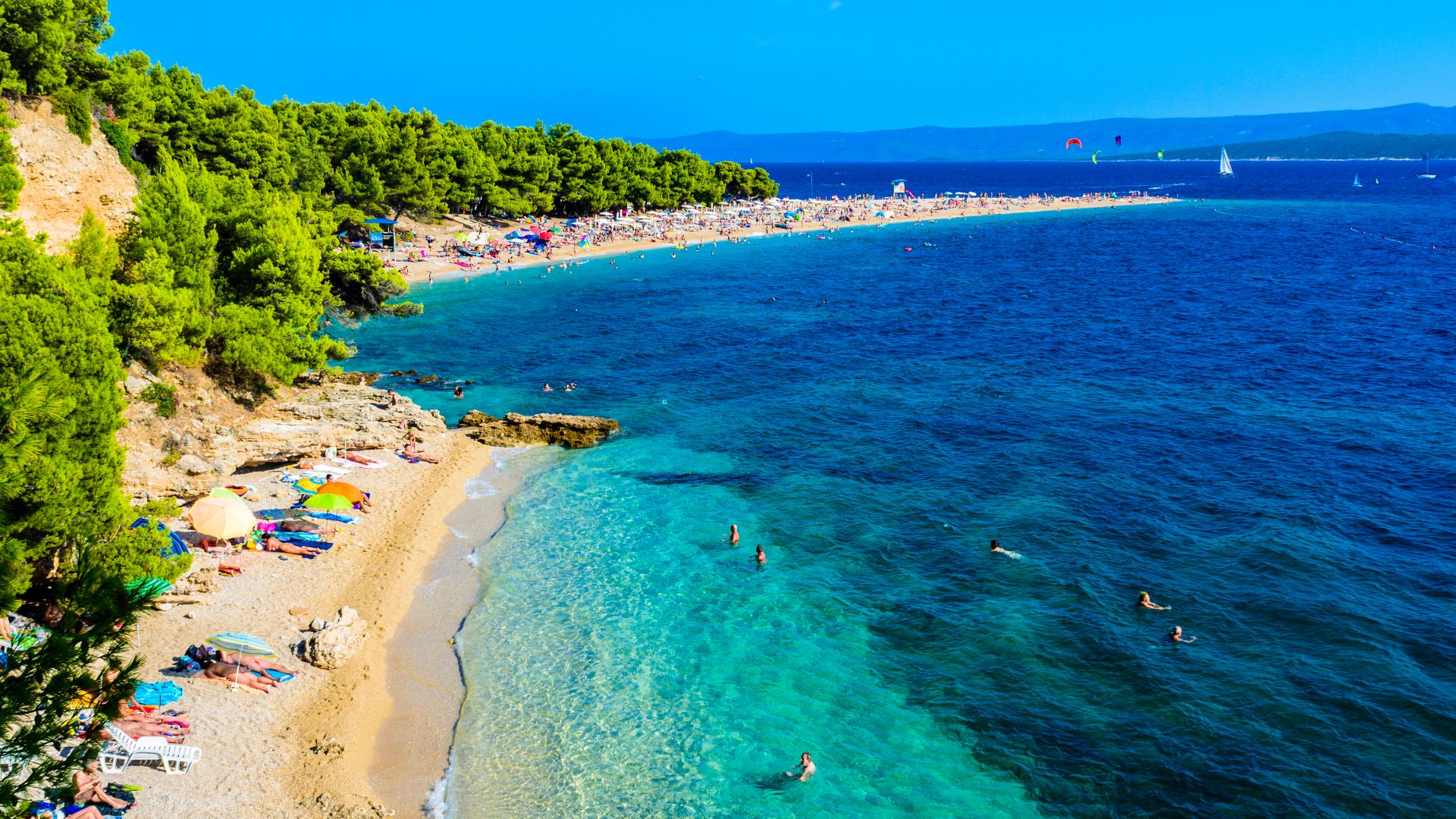
Shifting sea conditions and sediment movement eventually exposed parts of the road again. Natural processes acted almost like a slow excavation, removing layers that had hidden the structure for thousands of years.
A Clear Layout Appears
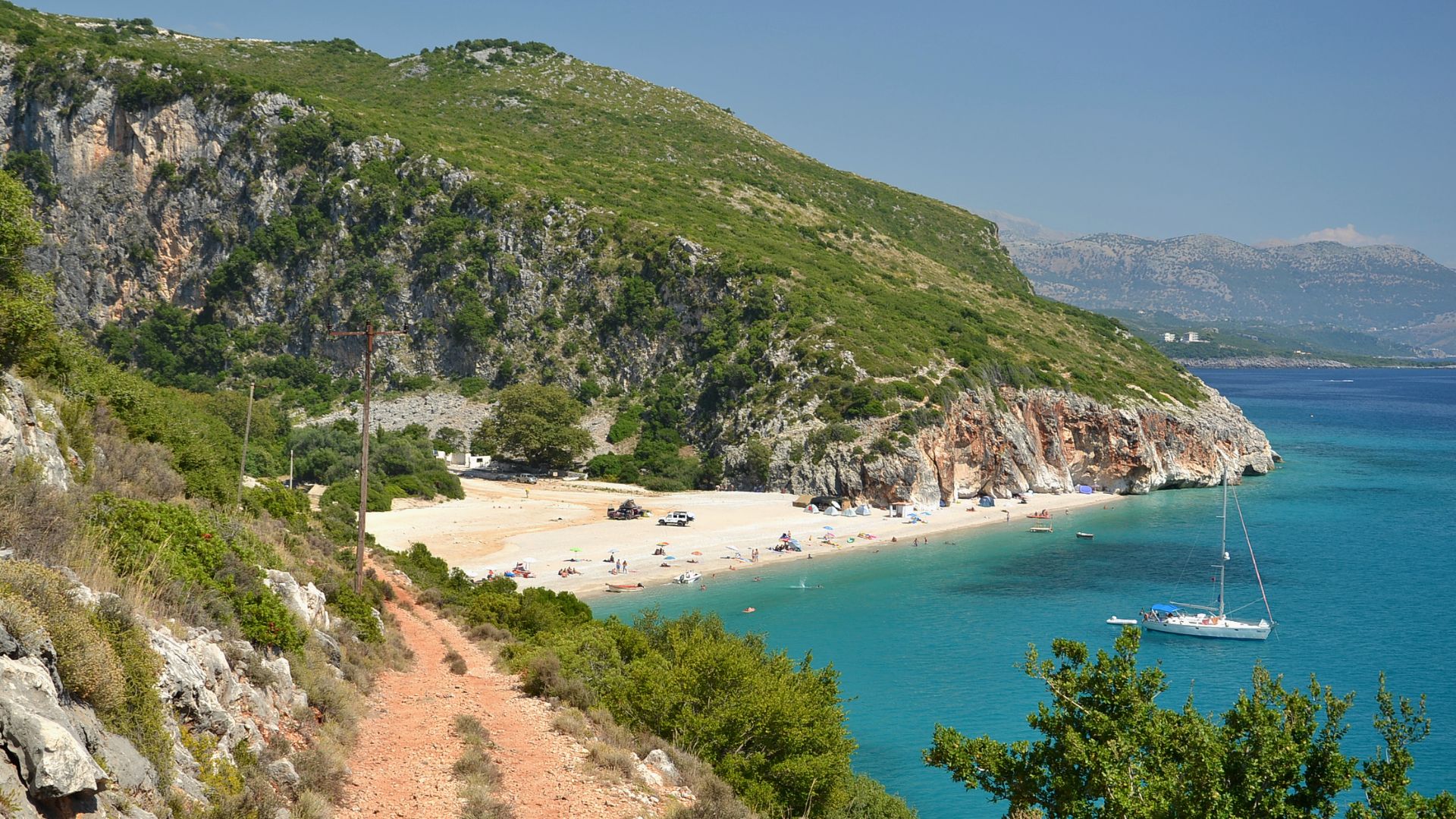
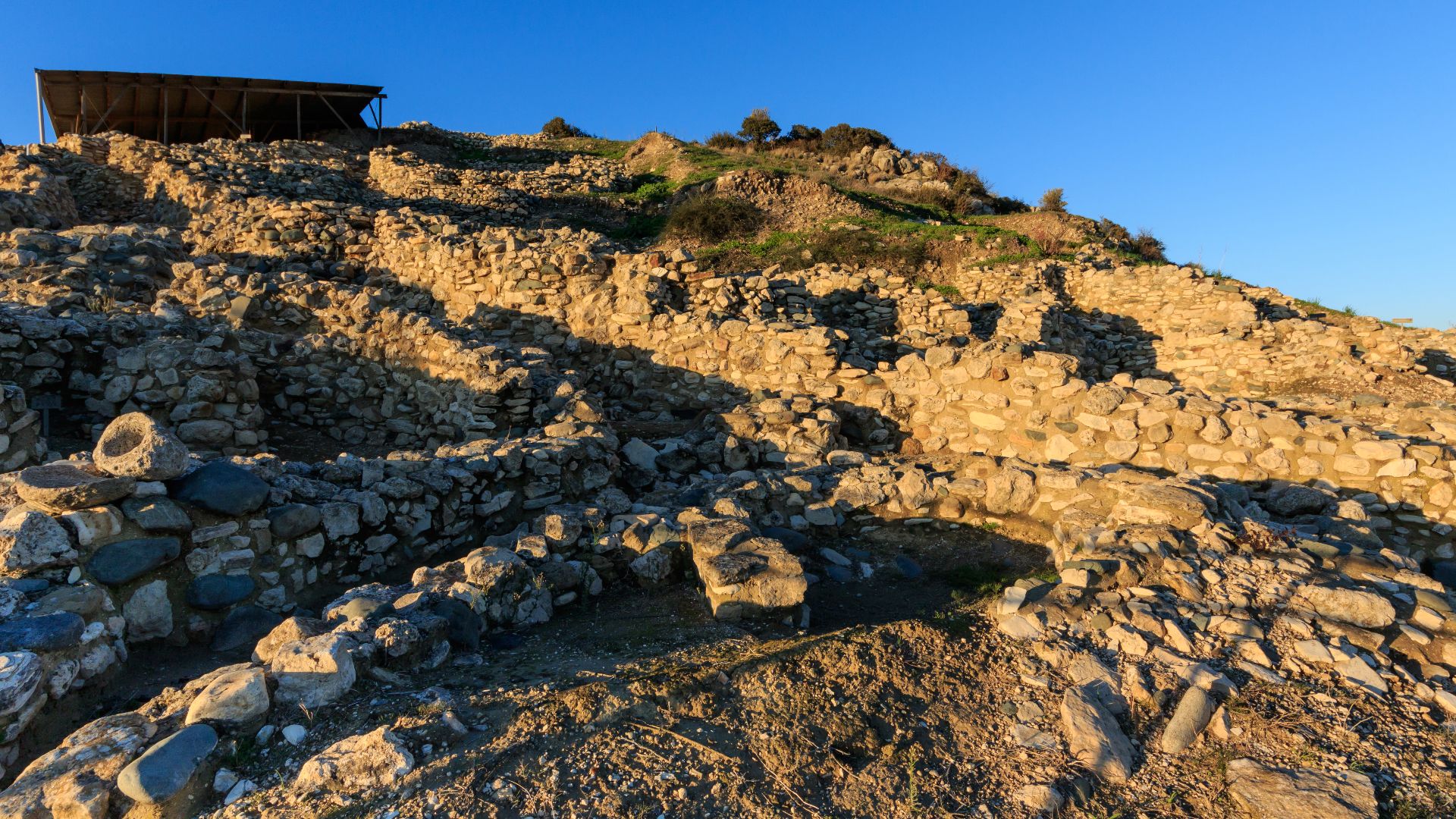
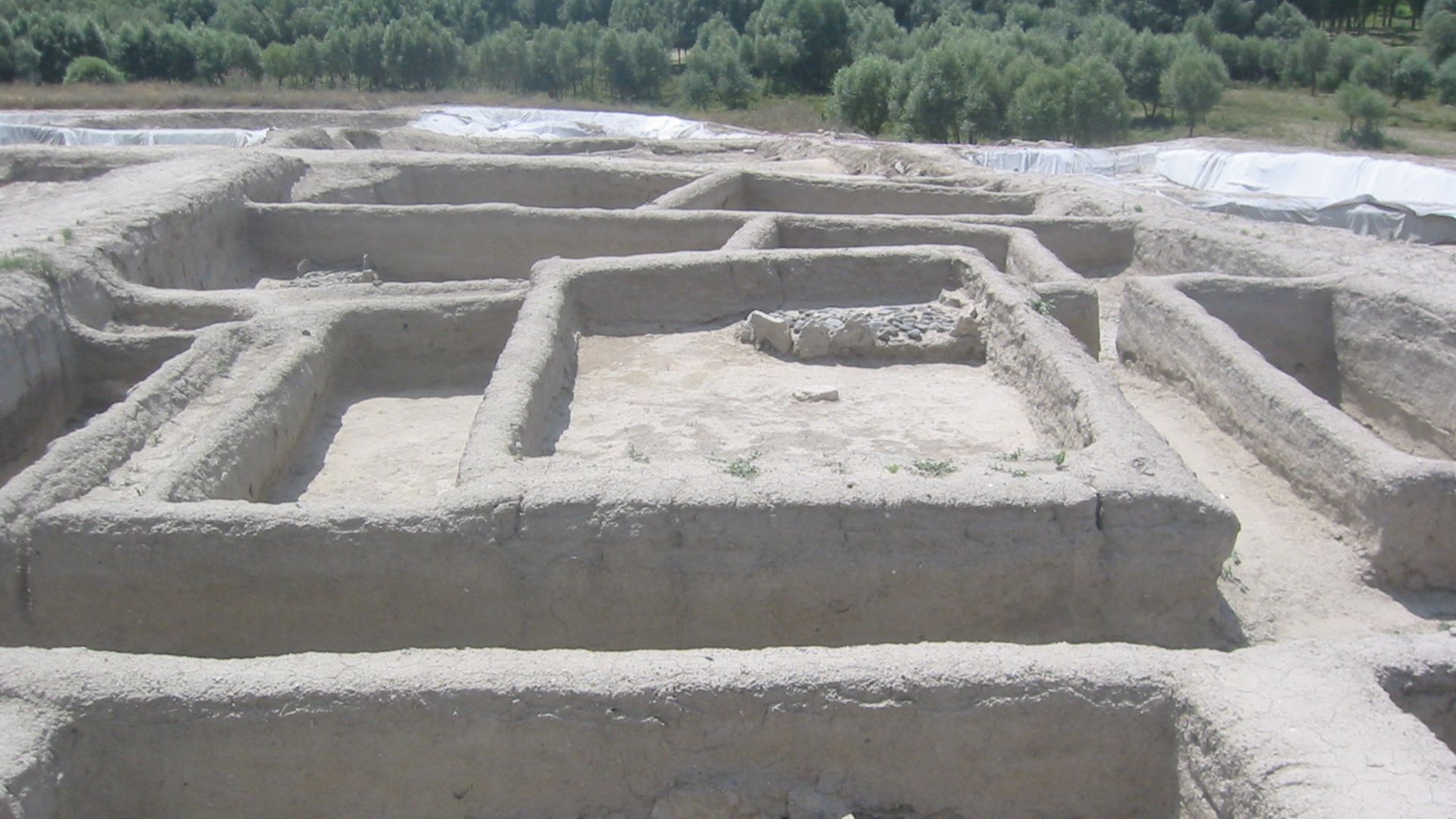
As more of the road became visible, its structure became easier to understand. The stones were tightly fitted together, forming a solid and stable surface. This was not a rough path—it was clearly designed with purpose.
Not Just a Path—A Planned Build
The construction of the road shows careful planning and effort. The builders selected and placed stones in a way that created a durable surface. This level of organization suggests a community that understood both engineering and long-term use.
Diving Into the Discovery
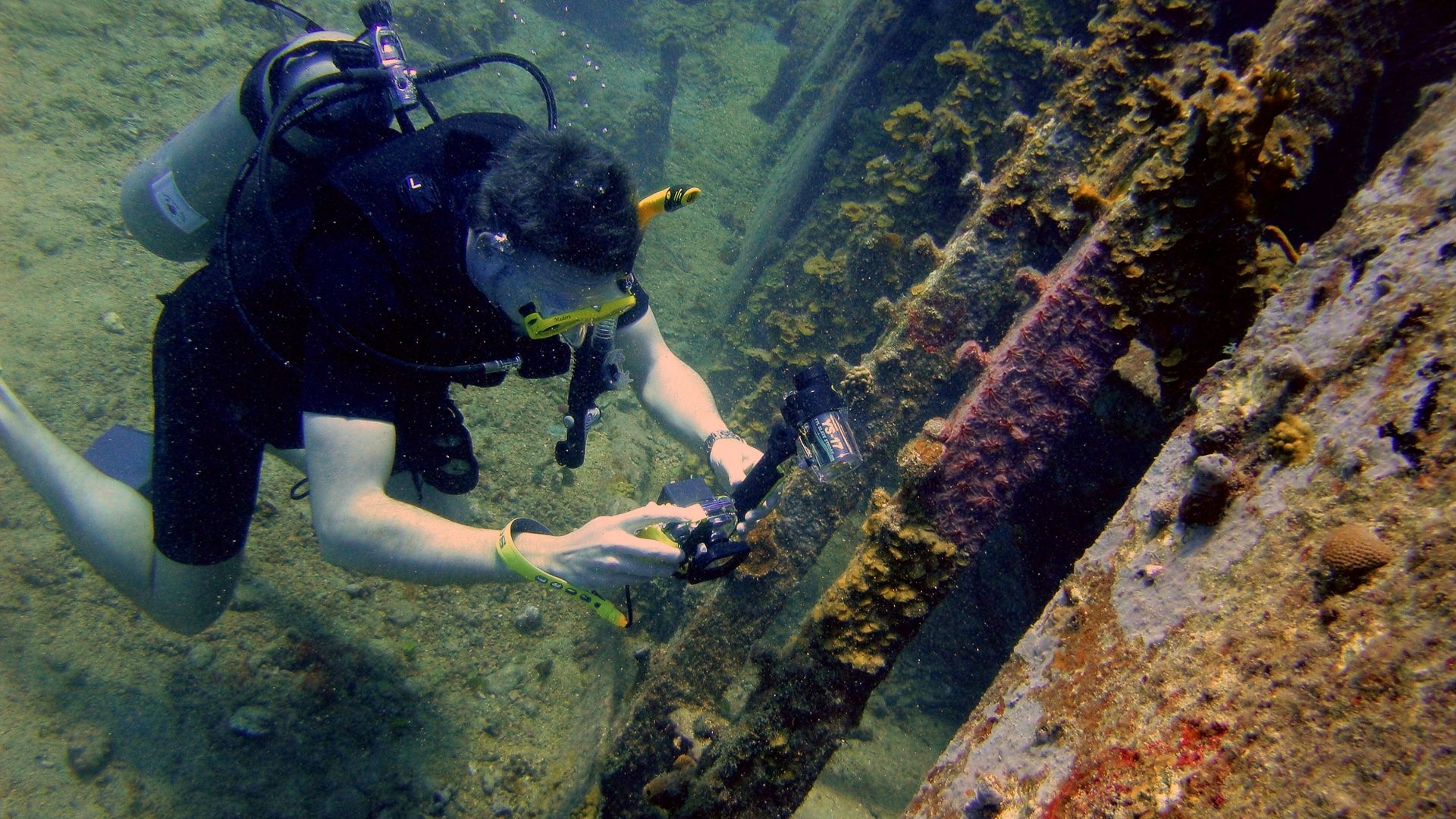
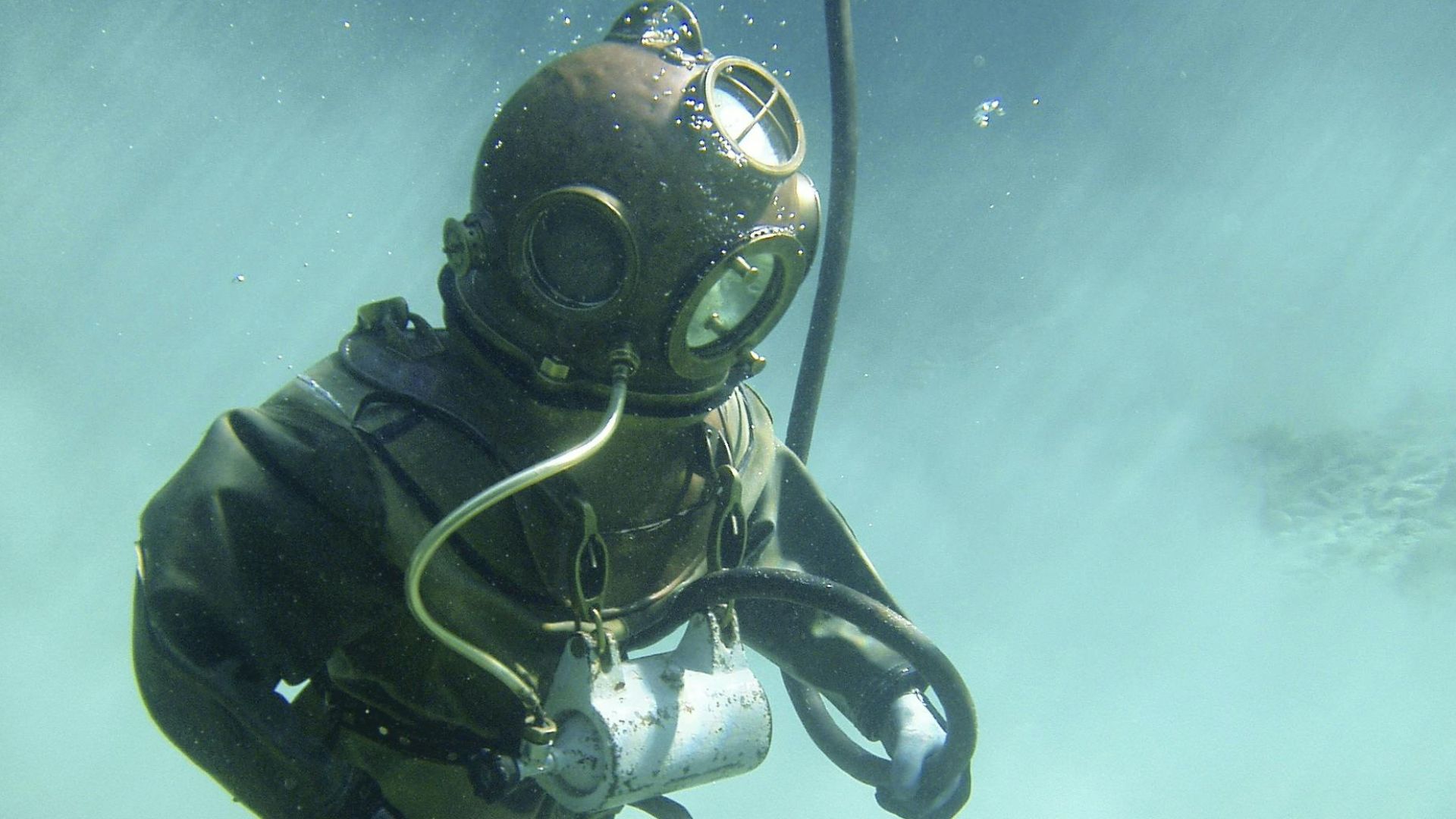
Because the road is underwater, archaeologists had to rely on divers to study it up close. These divers carefully documented the structure, taking measurements and recording details without disturbing the fragile environment.
Artifacts Nearby
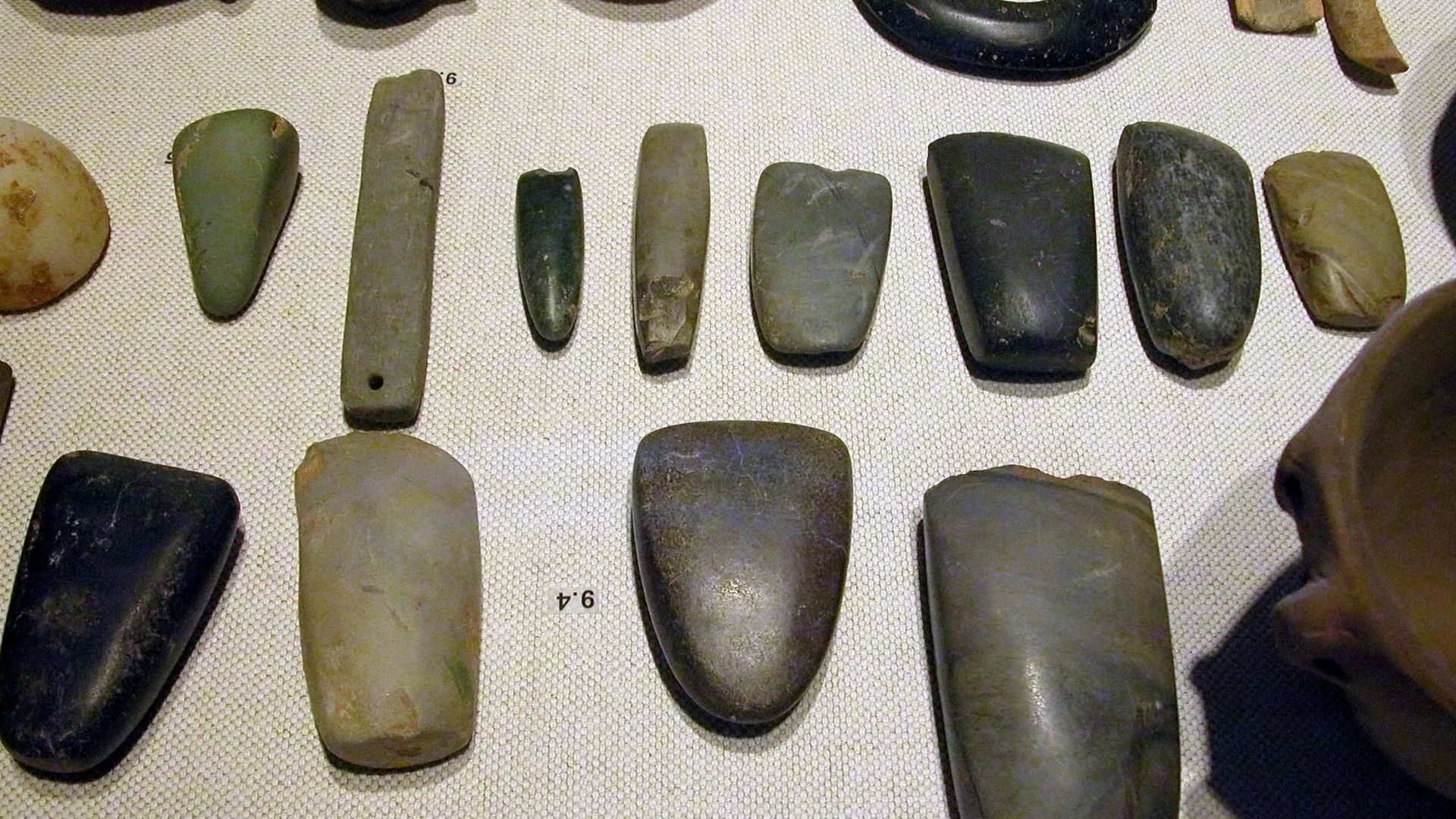
The area around the road also revealed stone tools, pottery fragments, and other artifacts. These findings helped confirm the timeline of the site and provided additional context about the people who built it.
A Rare Find
Discoveries like this are incredibly rare. Finding a road from the Neolithic period is unusual on its own, but finding one that is still intact and clearly visible is even more remarkable.
“An Exceptional Archaeological Find”
Experts described the site as an exceptional archaeological find. This wasn’t just because of its age, but also because of how well it had been preserved and how clearly its purpose could be understood.
 Wolfgang Sauber, Wikimedia Commons
What It Tells Us About Early Life
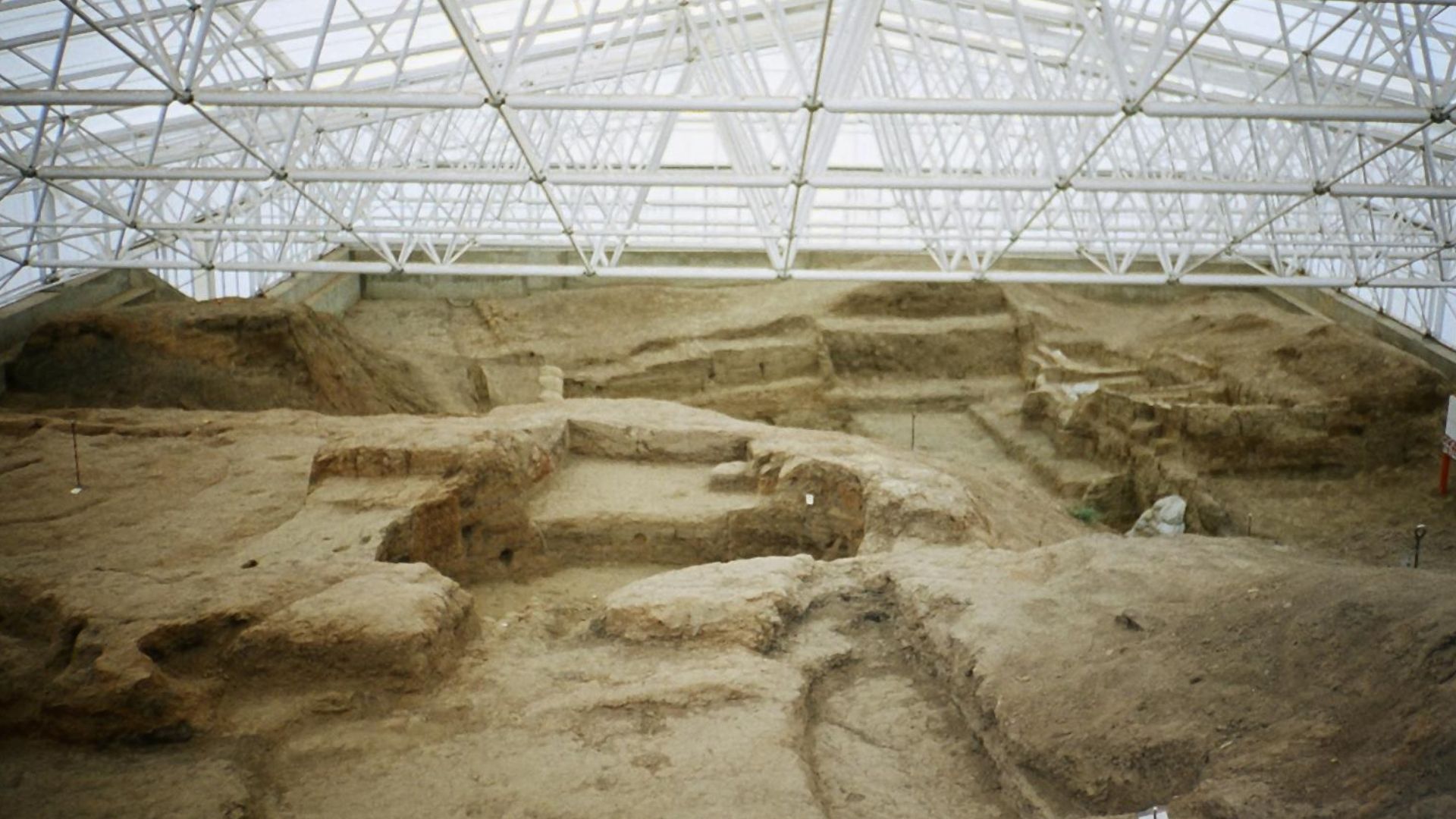
The road provides valuable insight into how people lived during the Neolithic period. It shows that communities were organized and capable of building infrastructure to support their daily lives.
Travel Was Already a Thing
Even 7,000 years ago, people needed reliable ways to move between locations. This road suggests that travel and connection were already important parts of early human society.
Stronger Than You’d Expect
The durability of the road is one of the most surprising aspects of the discovery. Despite being underwater for thousands of years, the structure has remained largely intact.
What Else Is Under the Sea?
This discovery raises an important question about what else might still be hidden beneath the ocean. If a structure like this can remain unseen for so long, there may be many more waiting to be discovered.
 Einsamer Schutze, Wikimedia Commons
Not a Planned Discovery
This was not a site archaeologists specifically set out to find. It was revealed through a combination of environmental changes and careful observation, which is often how major discoveries happen.
The Real Value of the Road
At first glance, it may look like a simple stone path. But in reality, it represents a direct link to a community that lived thousands of years ago and understood how to shape their environment.
A Path From the Past
This road was more than just a physical structure. It connected people, supported movement, and played a role in the daily life of the community that built it.
The Past, Just Beneath the Surface
For nearly 7,000 years, this road remained hidden beneath the sea. All it took was the right conditions for it to reappear, reminding us that history is often closer than we realize—just waiting to be uncovered.
 Zoran Knez & Drazen Radujkov., Wikimedia Commons
You May Also Like: